The HR consultancy market in Dubai is experiencing rapid growth as businesses in the region recognize the importance of effective human resource management. As companies strive to attract and retain top talent, the demand for HR consultancy services has never been higher. If you are looking to capitalize on this growing market and start your own HR consultancy firm in Dubai, obtaining an HR consultancy license in Dubai is essential.
Obtaining an HR consultancy license in Dubai comes with a range of benefits. Not only does it allow you to tap into the growing demand for HR services, but it also provides you with the opportunity to work with a variety of clients across different industries.
With a consultancy license, you can offer services such as recruitment, training, employee relations, and HR strategy development to help businesses thrive in the competitive market of Dubai.
But the question is – How to get an HR consultancy license in Dubai? Well, here’s how:
What is an HR Consultancy License in Dubai?
An HR consultancy license in Dubai allows you to operate a business offering services related to human resource management for other companies. This can include a wide range of activities, such as:
Designing and implementing HR policies and procedures
Recruitment and onboarding
Employee training and development
Performance management
Compensation and Benefits Administration
Organizational development
HR consultancy business in Dubai assists businesses in various HR-related tasks, allowing them to focus on core operations. The primary regulatory body for HR consultancies in Dubai is the Department of Economic Development (DED). They oversee the licensing process and ensure businesses operate within legal guidelines.
The Ministry of Human Resources and Emiratisation (MOHRE) also oversees all aspects of employment in Dubai, including recruitment and labour standards. They might require additional permits for specific activities like overseas recruitment.
Eligibility Criteria for Obtaining an HR Consultancy License
Generally, there’s no requirement for UAE nationality. Expats can obtain 100% ownership of the consultancy.
Relevant educational qualifications are usually required.
A bachelor’s degree in HR, business administration, or economics is commonly sought after.
Work experience in HR management is often mandated.
The specific number of years can vary, but 3 years of experience is a common benchmark.
Steps to Get a HR Consultancy License in Dubai, UAE
To get a HR consultancy license in the UAE, follow the step-by-step procedures:
1. Define Your Desired Business Activities
Clearly identify the specific HR services you plan to offer (e.g., recruitment, training, policy development). This helps determine the appropriate license code.
2. Choose an Appropriate Business Structure
Decide on a suitable legal structure such as a sole proprietorship, LLC (Limited Liability Company), or a branch office. Each has its own ownership and liability implications. However, LLC is the most popular choice among entrepreneurs.
Check for availability and secure a trade name that aligns with your consultancy’s brand and complies with DED (Department of Economic Development) regulations.
5. Documents required for HR Consultancy Setup in Dubai
To obtain an HR consultancy license, applicants must submit the following documents:
Application form
Passport copies and visas of shareholders/partners
Passport-size photographs
Educational certificates of license holders
Proof of experience (if applicable)
Business plan
Trade name approval certificate
Office space lease agreement
6. Submit Application
Submit the license application along with the documents to the DED or the relevant authority. The DED will review your application and documents. The review process may take several weeks. Ensure all submitted documents are complete and accurate to avoid delays.
7. HR Consultancy License Issuance
Once approved by all relevant authorities, the DED will issue your official HR consultancy license. Certain HR activities, such as overseas recruitment, might require additional approvals from MOHRE.
8. Visa Requirements
You and your employees might require work visas to operate in Dubai. Explore visa options based on your needs and DED guidelines.
Consider partnering with a business setup consultant in Dubai such as Shuraa. Our company formation experts can simplify the process, ensure compliance, and expedite license acquisition.
Cost of Obtaining HR Consultancy License in Dubai
Starting an HR consultancy in Dubai involves a license cost that generally starts from AED 12,900*. However, the final cost can vary based on the chosen location and business structure. Setting up in a free zone may have a different fee structure compared to Dubai mainland, with some free zones offering competitive packages tailored for HR consultancy licenses.
It’s important to note that these figures are estimates, and actual costs can be higher or lower depending on your specific requirements and circumstances. For a precise cost estimate and to explore the most affordable packages for acquiring an HR consultancy license, reach out to our business setup experts in Dubai today.
Benefits of Obtaining an HR Consultancy License in Dubai, UAE
There are several potential benefits to obtaining an HR consultancy license in Dubai, UAE:
High Demand: Dubai’s rapidly growing business scene creates a high demand for HR expertise. Many companies, especially SMEs (Small and Medium Enterprises), lack the resources for a dedicated HR department and outsource these functions.
Ease of Doing Business: Dubai has streamlined processes for business setup, making it relatively easy to obtain licenses and operate your consultancy.
Global Reach: Dubai’s strategic location and international connections make it a great base for reaching clients across the Middle East and beyond.
Complete Business Ownership: If you set up in Dubai, you can benefit from 100% foreign ownership of your HR consultancy business.
Tax Advantages: While corporate tax was recently introduced in the UAE, some free zones still offer competitive tax benefits, including zero personal income tax.
Shuraa – Your One-Stop Shop for HR Consultancy Licensing
Dubai’s booming business environment presents a golden opportunity for HR professionals. Obtaining an HR consultancy license in Dubai involves several key steps, from researching market demand to obtaining trade name approval, securing office space, and submitting the license application. While the process may seem daunting, entrepreneurs can navigate it successfully with the right guidance and support.
Shuraa Business Setup is here to simplify your journey. Our specialists in Dubai can assist you with every step, from selecting the most suitable business structure to obtaining your license and securing visas. We offer a comprehensive package of business setup services in Dubai.
Dubai is one of the best places in the world to start an import-export business. Thanks to its strategic location between Europe, Asia, and Africa, it serves as a global trading hub. With over $1.4 trillion in non-oil trade in 2023, Dubai continues to grow as a key player in international business.
The city boasts world-class infrastructure, including Jebel Ali Port, the busiest port in the Middle East, and premier airports that ensure rapid and efficient shipping of goods. Furthermore, Dubai’s business-friendly policies, tax advantages, and free trade agreements enable businesses to operate seamlessly and profitably.
The import-export business in Dubai is a major contributor to the economy, covering industries like electronics, automobiles, food products, textiles, and more. Whether you want to import goods into the UAE or export them to international markets, Dubai offers endless opportunities to grow your business.
What is the Import-Export Business?
An import-export business involves buying goods from one country (import) and selling them to another (export). Anyone, including foreign investors, entrepreneurs, and businesses, can set up an import-export company in Dubai. With 100% foreign ownership options, low taxes, and strong government support, starting this business is easier than in many other countries.
Key Sectors for Import-Export in Dubai
Dubai’s import-export business thrives due to its strategic location, tax-free zones, and strong global trade connections. Here are the top sectors:
Gold & Precious Metals—Dubai handles 29% of global gold trade, exporting to India, Switzerland, and China.
Electronics form a major hub in Dubai, including smartphones, laptops, and appliances, with significant imports coming from China and the USA.
Automobiles & Spare Parts—A booming sector exporting to Africa and Europe, supported by JAFZA’s 550+ automotive companies.
Food & Agro Products—The UAE imports 90% of its food, with major suppliers like India, Brazil, and the USA.
The textiles and apparel sector represents a USD 13 billion market, predominantly importing luxury fashion from China, India, and Italy.
The pharmaceuticals industry is a growing sector, importing medical supplies primarily from Europe and the USA.
Petrochemicals & Plastics—Dubai exports petroleum products to Europe, Africa, and Southeast Asia.
Benefits of Starting an Import-Export Business in Dubai
Dubai is a global business hub that offers unmatched advantages for entrepreneurs looking to start an import-export business. Here are some key benefits:
Strategic Location: Dubai’s strategic position at the intersection of Europe, Asia, and Africa positions it as a prime gateway for global commerce. This location offers businesses unparalleled access to a consumer base of over 2.5 billion people, facilitating effortless expansion and outreach.
Free Zones with 100% Foreign Ownership: Entrepreneurs can set up their business in one of Dubai’s many free zones, such as IFZA (International Free Zone Authority), JAFZA (Jebel Ali Free Zone), and DMCC (Dubai Multi Commodities Centre). These zones offer 100% foreign ownership, zero import/export duties, and full repatriation of profits.
Growing Trade Market: Dubai’s non-oil foreign trade reached over $1.4 trillion in 2023, showing steady growth. With increasing global demand for electronics, automobiles, textiles, and food products, businesses in the import-export sector have a huge opportunity to thrive.
Free Trade Agreements: The UAE has free trade agreements with numerous countries, reducing trade barriers and import duties. This makes it more affordable to import and export goods.
Easy Business Setup Process: Setting up a Dubai import-export business is straightforward, with minimal paperwork and quick approvals. Entrepreneurs can get their import and export license in Dubai in just a few days.
Favourable Tax Policies: Dubai offers 0% personal and corporate tax in free zones, making it an attractive destination for businesses. Even in the mainland, corporate tax is only applicable above a certain profit threshold, keeping the tax burden low.
Types of Import-Export Licenses in the UAE
To start a Dubai import-export business, you need the right trade license based on your business activities. The Department of Economy and Tourism (DET) in Dubai issues these licenses for mainland businesses, while free zone authorities provide licenses for companies operating in free zones. Here are the key licenses required:
General Trading License: A general trading license is the best option if you want to trade multiple products across different categories, such as electronics, textiles, food products, and automobile parts. This license allows you to import, export, distribute, and re-export goods in and outside the UAE.
Free Zone License: If you want 100% foreign ownership, tax benefits, and zero customs duty, you can apply for a Free Zone Trade License in zones like JAFZA, DMCC, or Dubai South.
E-commerce License: If you plan to import products and sell them online in the UAE or internationally, an e-commerce license is required. This license allows businesses to trade via online platforms, marketplaces, and websites.
Import/Export Code: Once you have the trade license, you’ll need to register with the UAE Federal Customs Authority or the relevant customs authority in your emirate (e.g., Dubai Customs) to obtain an Import/Export Code (also known as a Customs Code). This code is mandatory for clearing shipments through customs.
How to Start an Import-Export Business in Dubai 2026
To start an import-export business in Dubai, you’ll need to register your business, get a license, find office space, and obtain a visa. You’ll also need to navigate customs and compliance.
Step 1. Decide Your Business Activity:
The first step is to define your business scope. Choose the type of goods you want to trade—whether it’s electronics, food products, textiles, automobiles, or industrial equipment. This will help determine the right business license for you.
Step 2. Choose Your Business Structure and Location:
There are two main options for import/export businesses in Dubai:
Mainland: You can establish your business anywhere within Dubai and can trade directly with the UAE market and internationally.
Free Zone: Free zones offer specialized benefits like 100% foreign ownership and tax exemptions. However, they may have restrictions on where you can trade within the UAE.
Step 3. Choose a Trade Name:
Select a unique and compliant trade name and register it with DET or the respective free zone authority. Avoid using restricted words related to religion or government entities.
Step 4. Apply for a Trade License:
You’ll need to apply for a trade license from either the Dubai Department of Economic Development (DED) (for mainland) or the relevant free zone authority.
Step 5. Register with Dubai Customs:
Once you have your trade license, you need to register with Dubai Customs.
You’ll need to provide details about your business, including the trade license and other relevant information.
This registration grants you the Import Export Code (IEC), which is essential for clearing goods through customs.
Step 6. Open a Business Bank Account:
A corporate bank account is necessary for handling financial transactions related to your import-export business.
Step 7. Secure Office Space and Logistics:
Depending on your business structure, you’ll need to secure an office space or warehouse.
You’ll also need to arrange for logistics, including transportation and customs clearance for your goods.
Step 8. Comply with Tax and Regulatory Requirements:
Register for VAT (if annual turnover exceeds AED 375,000). The standard VAT rate in the UAE is 5% (some import-export activities may be zero-rated or exempt). Obtain any special approvals if dealing with restricted goods like pharmaceuticals or chemicals.
Step 9. Other Considerations:
Visas: You may need to apply for visas for yourself, partners, and staff, depending on your business structure and residency plans. Options include the UAE Residence Visa, Investor Visa, or Free Zone Visa.
Local Sponsor: If you are a foreign investor, you may need a local sponsor to hold a majority stake in your company, especially for mainland setups.
Special Permits: Certain products, like food, pharmaceuticals, and cosmetics, may require additional permits or certifications.
Customs Regulations: Familiarize yourself with the import-export laws and regulations of the UAE to ensure compliance.
Networking and Building Relationships: Attending trade shows, exhibitions, and leveraging online platforms can help connect with potential buyers and build industry connections.
By carefully following these steps, entrepreneurs can establish and operate a successful import-export business in Dubai, a dynamic global market offering immense potential for growth and profitability.
Required Documents for Starting an Import-Export Business in Dubai
The specific documents required to get an import-export trading license can vary depending on your jurisdiction. However, some general documents are typically required in most places:
Trade name options
Business activity
Passport copies of all the shareholders
UAE residence visa copy of the partner(s)
Copy of entry stamp or visa page if the partner is on a visit visa
The application process for the Import Export Code (IEC) may vary depending on the country.
What is the cost of an import-export license in the UAE?
The cost of starting an import-export business in Dubai starts from AED 25,500 onwards, including the general trading license fee, virtual office contract, application form, and IEC registration fee.
The total cost may vary depending on whether you choose a mainland or free zone setup, the number of visas required, and additional services like customs registration or warehouse rental. Opting for a free zone license can offer lower costs and tax benefits, while a mainland license provides more flexibility to trade across the UAE and internationally.
Below are the other Emirates cost details.
Sharjah: The cost of an import-export license in Sharjah will be around AED 23,000 onwards.
Ajman: The cost of an import-export license in Ajman will be AED 24,000 (approx.).
Ras Al Khaimah: The cost of an import-export license in Ras Al Khaimah will be AED 20,000 (approx.).
Note that these figures discussed for Dubai import-export license fees are estimated values and may vary. We highly recommend getting in touch with business setup experts at Shuraa for accurate import-export license costs in the UAE.
Why Choose Shuraa for Your Import-Export Business in UAE?
Starting an import-export business in Dubai is easier than you think. To start, you must secure the appropriate import-export trade license, register with customs, and open a bank account. At Shuraa Business Setup, we have 26 years of experience helping entrepreneurs like you set up their businesses quickly and hassle-free. From paperwork to legal compliance, we handle it all. Get in touch with us today and start your import-export journey with ease.
Book a free consultation with our experts at +971 44081900 and learn more about the import-export license cost in Dubai, UAE. You can also send a WhatsApp message at +971 50 777 5554. For email assistance, mail your query to info@shuraa.com.
Frequently Asked Questions (FAQs)
1. How to start an import-export business in Dubai?
To start an import-export business in Dubai, follow these steps:
1. Choose between a mainland or free zone business setup. 2. Apply for an import-export trade license from the DED or a Free Zone Authority. 3. Register with Dubai Customs to get an Importer Exporter Code (IEC). 4. Set up a corporate bank account and arrange logistics for smooth operations.
2. How can you obtain an import license in the UAE?
To get an import license in the UAE, you need to:
1. Apply for a general trading or commercial license from the relevant authority. 2. Obtain an Importer Code from Dubai Customs. 3. Register your business with the Dubai Chamber of Commerce. 4. Submit required documents like your business plan, passport copies, and visa.
3. How much does it cost to start an import-export business in Dubai?
The cost of an import-export business in Dubai starts from AED 25,500 onwards for the trade license. However, the overall initial investment could range from AED 50,000 to AED 100,000 or more, depending on factors like office space, warehouse requirements, customs registration, and logistics expenses.
4. Can I import and export any type of goods in Dubai?
No, some goods require special approvals. Restricted items include pharmaceuticals, chemicals, alcohol, tobacco, and electronic devices, which may require permits from authorities like Dubai Municipality, MOH, or TRA.
5. Do I need a visa to start an import-export business in Dubai?
If you plan to live and operate your business in Dubai, you will need a residency visa. When you establish a company, you can apply for an investor visa or employment visa for yourself and your employees. However, if you are setting up a business remotely, you may not need a visa.
Disclaimer: The information in this post is for general guidance only and may change due to updates in government policies or regulations.
The Emirates ID is a crucial document for residents of the United Arab Emirates. It serves as an identification card that is required for various transactions and services within the country. Whether you are a citizen, expatriate, or even a newborn baby in the UAE, having an Emirates ID is crucial for accessing government services, opening bank accounts, signing leases, and much more.
Therefore, here we will explore everything you need to know about the Emirates ID requirements, from application processes to renewal procedures.
What is an Emirates ID?
A UAE Emirates ID is a unique identification card issued by the United Arab Emirates (UAE) government to all its residents, including citizens, expatriates, and other residents. It serves as the primary form of identification for individuals living in the UAE and contains essential personal information such as name, date of birth, nationality, and a unique identification number.
Why do you need an Emirates ID?
There are several reasons why you would need an Emirates ID:
Acts as proof of identity: The Emirates ID is required for many activities such as opening a bank account, getting a mobile phone plan, or registering for government services.
Residency: For expatriates living and working in the UAE, the Emirates ID is often required as part of the residency visa process. It helps verify the individual’s legal status in the country.
Access to Services: Many services in the UAE, such as healthcare, education, utilities, and banking, require presentation of the Emirates ID for registration and access.
Security Purposes: The Emirates ID enhances security by providing a standardized means of verifying an individual’s identity, reducing the risk of fraud and identity theft.
Who Needs an Emirates ID?
In short, anyone living in the UAE, whether a citizen or resident, needs an Emirates ID. It’s essential for day-to-day life in the country.
Citizens: All UAE citizens are required to have an Emirates ID.
Expatriate Residents: Expatriates living and working in the UAE under residency visas are also required to obtain an Emirates ID.
Dependents: Dependents of residents, including spouses and children, may also be required to obtain Emirates IDs depending on their visa status.
Employees: Many employers in the UAE require their employees to have Emirates IDs as part of the documentation process for employment and residency.
Original Passport: Applicants must present their original passport for verification purposes. The passport should be valid and not expired.
Passport-Sized Photographs: Applicants typically need to submit passport-sized photographs with specific emirates ID photo requirements such as size (typically specified as 4.5 cm x 3.5 cm), white background and the applicant’s face visible.
Residence Visa: Expatriate residents need to provide a valid residence visa issued by the UAE immigration authorities. The residence visa must be valid for at least six months.
Proof of Address: Some applicants may be required to provide proof of their residential address in the UAE, such as a utility bill or a tenancy contract.
Completed Application Form: You can get the application form from an Emirates ID typing centre or download it from the Federal Authority for Identity, Citizenship, Customs and Port Security (ICP) website.
Additional Requirements for Minors: Original Birth Certificate or passport of one of the parents or Emirates ID for those under 15 years old. Original of the Agency Certificate for the person acting on behalf of the minor if the minor was not present and the application was submitted by a third party.
Biometric Data: Applicants will be required to provide biometric data, including fingerprints and a facial scan, at the Emirates ID service centre.
UAE Emirates ID Application Process
There are two main ways to apply for an Emirates ID in the UAE:
1. Online through the Federal Authority for Identity, Citizenship, Customs and Port Security (ICP) website:
This is the recommended method for ease and convenience.
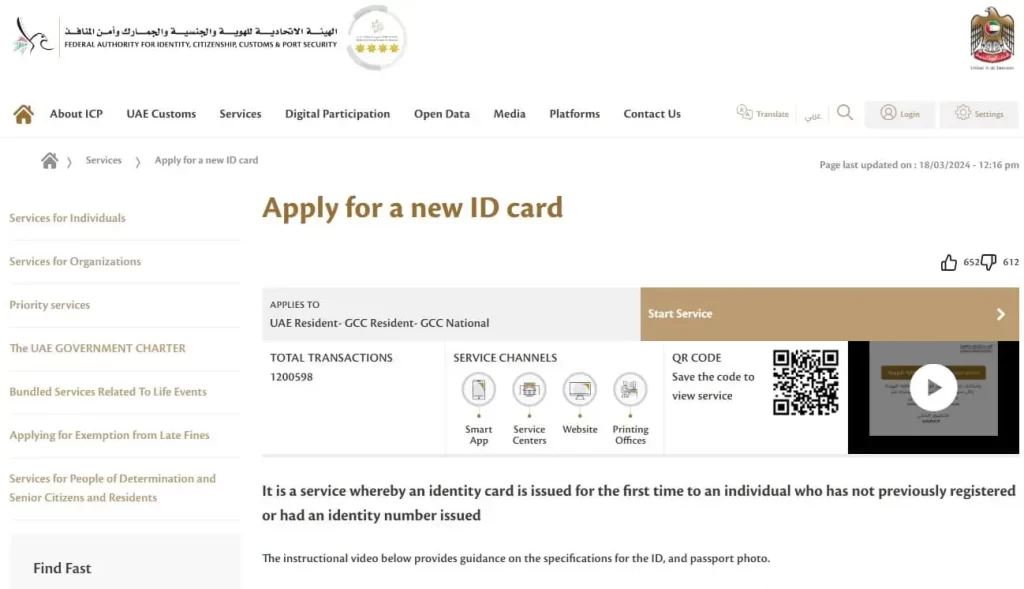
You’ll need to create an account or use your digital identity/username on the ICP website [Apply for a new ID card]. – https://icp.gov.ae/en/.
Once logged in, search for the service “Apply for a new ID card” and fill out the application with your details.
The website will guide you through the process, including uploading any necessary documents.
You’ll likely need to pay the application fees online as well.
You may still need to visit an ICP service centre to provide your biometric data (fingerprints, iris scan) depending on your situation.
2. In-person at a typing centre or Amer centre:
Typing centres and Amer centres (in Dubai) are authorized to assist with Emirates ID applications.
Visit a typing centre or Amer centre with an ICP section.
Provide them with your passport and residence permit information (if applicable).
They will guide you through the application process and may charge additional service fees.
Biometric data collection might be done at the center or you might be directed to a dedicated ICP service center for this step.
After submitting your application you’ll be notified when your application is processed, and your UAE Emirates ID is ready for collection. You may be able to track the application status online or through the typing centre.
Legal Implications of Not Having an Emirates ID
There are several legal implications associated with not having an Emirates ID in the UAE. Here are some of the potential consequences:
Illegal: It’s actually against the law for UAE citizens and residents not to have an Emirates ID.
Fines: You could face fines for not possessing an Emirates ID or not renewing it on time. The specific amount can vary.
Difficulties with daily life: An Emirates ID is essential for many daily activities in the UAE. Without it, you may encounter problems with:
Travelling within the UAE (restrictions for citizens)
Using eGates at airports
Issues with residency status: For residents, not having an Emirates ID could complicate your residency status and potentially lead to delays or difficulties when renewing your visa.
Potential for arrest: In extreme cases, authorities may detain someone who doesn’t have an Emirates ID for identification purposes.
Renewal and Replacement for Emirates ID
Your Emirates ID is valid for a certain period, typically three years for UAE citizens and residents and five years for GCC citizens. After that, you will need to renew it.
You can renew your Emirates ID if it is about to expire or has already expired (within 30 days).
Here’s a checklist of the documents you will need to renew your Emirates ID:
A recent passport-sized photograph with a white background
The expired Emirates ID card
Payment of the renewal fees (AED 300)
How to Renew Your Emirates ID?
There are three ways to renew your UAE Emirates ID:
Website: You can renew your Emirates ID online through the website of the Federal Authority for Identity, Citizenship, Customs and Port Security (ICP). This is the most convenient option, as you can do it from the comfort of your home.
ICP App: You can also renew your Emirates ID through the ICP app, which is available on Google Play, App Store and Huawei App Gallery.
Typing Center: You can visit a typing center and submit your application for renewal there.
If your Emirates ID is lost, stolen, or damaged, you will need to replace it. The process for replacing a lost or damaged Emirates ID is similar to the process for renewal, but there are a few additional requirements. This may include:
A filled-out application form for replacing a lost/damaged ID
Original passport (with a copy of the residence visa page for residents)
One recent passport-sized photograph with a white background
Payment of applicable fees
Police report (if your Emirates ID was lost or stolen)
Understanding Emirates ID requirements is essential for anyone living or working in the UAE. Having a valid Emirates ID is essential for living, working, and accessing services in the UAE.
Considering a move to Dubai for your business? The legalities surrounding business setup and employee Emirates IDs can seem complex. Shuraa Business Setup can help!
Our team of experts will ensure you meet all legal requirements for Dubai company registration, visas, licensing, and more. We handle the paperwork, documentation, and PRO services, so you can focus on running your business.
So, don’t let the complexities of setting up your business in Dubai hold you back. Get in touch today at +971 44081900 or WhatsApp at +971 507775554 or drop an email at info@shuraa.com.
Remember when Instagram was just a place to share food photos and vacation sunsets? Today, it’s a powerful platform where businesses and individuals are turning likes and followers into real revenue. Instagram’s visual focus and engaged user base have made it a prime destination for brands to connect with potential customers.
But it’s not just big companies reaping the benefits. Creatives, entrepreneurs, and everyday people are utilising their passions and talents to build audiences and secure their financial futures – all within Instagram.
Instagram continues to be a social media giant in 2025 with over 2.35 billion users worldwide. Instagram attracts users from all corners of the world which makes it a powerful tool for connecting with a diverse audience. These are the ever-evolving features and trends on Instagram in 2026:
Short-form Video/Reels: Reels, Instagram’s answer to TikTok, has taken centre stage. This short-form video format allows for creative expression, educational content, and product demonstrations.
Community Shopping: Instagram Shopping is booming. The seamless integration of product discovery within the app, along with live shopping experiences blur the lines between entertainment and commerce.
Instagram Stories: Instagram Stories remain a vibrant space for real-time engagement.
Interactive Features: Interactive features like polls, quizzes, and Q&A sessions in Stories connect with your audience. You can easily utilize these features to gather valuable user insights and boost engagement.
Live Streams: Live streams offer a real-time connection with your audience. They can be used for product launches, behind-the-scenes glimpses, or interactive discussions. The addition of features like badges allows viewers to directly support creators during live streams.
Influencer Affiliate Program: Partnering with relevant influencers can introduce your products to a targeted audience and drive sales.
AR and VR Integration: There’s a trend for more augmented reality (AR) filters and potentially even virtual reality (VR) experiences as technology advances.
Community Building: Instagram is prioritizing features that help creators build strong communities. This could include membership options, exclusive content for loyal followers, and enhanced collaboration tools.
How to Build Your Brand on Instagram?
What do you want to achieve with Instagram? Brand awareness, increased sales, website traffic, or building a community? Knowing your goals will guide your content & marketing strategy.
Content is King (and Queen):
Invest in good visuals and captivating captions that tell a story or spark conversation.
Tailor your content to resonate with your ideal followers and establish yourself as an expert in your niche.
Utilize photos, videos (including Stories and Reels) to keep your audience engaged with different content types.
Post regularly to stay top-of-mind and build anticipation. Respond to comments and messages to show you care about your audience.
Partner with influencers or other brands in your niche to reach a wider audience.
Visually Appealing and Informative Profile:
Use relevant keywords to help people find you and clearly describe your brand or niche.
Tell people what you want them to do next, whether it’s visiting your website, subscribing to a newsletter, or simply engaging with your content.
See what similar brands are doing on Instagram. Analyse what works well and identify any gaps you can fill.
Remember, building your brand on Instagram involves strategic planning and consistent effort.
How to Make Money on Instagram in 2026? Top 10 Effective Ways
To make money from Instagram, here are some of the most popular and effective ways in 2026:
1. Partner with brands for sponsored content
If you’ve built a loyal following around a particular niche, you can partner with brands that resonate with your audience. This could involve creating sponsored content like photos, videos, or stories promoting their products or services. The key here is to be authentic and transparent with your followers about these collaborations.
Building successful brand partnerships goes beyond just a large follower count. Here’s how to find brands that are a perfect fit:
Clearly define your niche and the value you offer to your audience. This will help attract brands that resonate with your content and target demographic.
Analyse your audience demographics and interests. Partner with brands your followers genuinely care about.
Research brands actively engaging in influencer marketing within your niche. Look for brands whose values and products align with yours.
Negotiating a fair compensation package is crucial for a successful brand partnership.
2. Affiliate marketing
Partner with companies you love and promote their products through affiliate links. You’ll earn a commission every time someone makes a purchase through your unique link. This is a great way to monetize your content if you don’t have your own products to sell.
Different affiliate programs offer varying commission structures, such as a percentage of each sale, a flat fee per purchase, or a commission for leads generated. Choose programs with structures that align with your content and audience engagement.
Affiliate marketing success relies on creating engaging content that showcases the product’s value. Use high-quality visuals, testimonials, or creative product demonstrations. Use affiliate link analytics to track clicks, conversions, and commission earned.
3. Sell your own products or merchandise
Instagram offers built-in Shopping features that allow you to showcase and sell products directly through the platform. This is a great option if you’re a creative entrepreneur with handmade goods, or if you have your own clothing line. You can also use Instagram to promote products you sell elsewhere, like on your own website.
Great product photos and videos are essential for driving sales on Instagram. Showcase your products from different angles and in use to give potential buyers a clear idea of what they’re getting.
Drive traffic to your Instagram shop from other platforms like your website or email marketing.
4. Offer exclusive content or services
If you have a special skill or expertise, you can use Instagram to offer premium content or services to your followers. This could be anything from educational tutorials to consultations or behind-the-scenes access. This strategy works well if you’ve established yourself as an authority in your field.
Offer different subscription levels with varying content or access exclusive to paying followers. This allows you to cater to different budgets and interests.
5. Livestreaming and badges
Instagram Live is a powerful tool for real-time interaction with your followers. Host live sessions, Q&A’s, tutorials, or behind-the-scenes glimpses to keep your audience engaged.
If you have at least 10,000 followers and a business or creator account, viewers can purchase badges during your live streams to show support. These badges translate into direct revenue for you.
Offer exclusive perks to badge holders, like extended live sessions, early access to content, or personalized shoutouts. This incentivizes viewers to purchase badges and enhances their experience.
6. Sell your photos or artwork
If you’re a photographer or artist, Instagram is a fantastic platform to display your work. Use high-quality visuals and relevant hashtags to reach potential buyers.
Sell digital copies of your photos or artwork for users to download and print themselves. This provides an affordable option for interested buyers.
7. Offer social media management services
If you’ve mastered the art of growing and engaging an audience on Instagram, you can leverage your expertise to help businesses manage their social media presence. This could involve creating content calendars, scheduling posts, responding to comments, and running targeted ad campaigns.
8. License your Instagram content
Your high-quality photos and videos might be valuable for brands or businesses beyond sponsored posts. They might be interested in licensing your content for use in their advertising campaigns, website visuals, or other marketing materials.
This can be a passive income stream if your content is visually compelling and aligns with specific brand needs.
9. Host Instagram challenges or contests
Partner with brands or other influencers to run interactive challenges or contests on Instagram. This can generate excitement, brand awareness, and user-generated content that promotes the involved parties. You can offer prizes sponsored by the brand or even a portion of the entry fees.
10. Drive traffic to your website
Instagram can be a powerful tool to channel traffic to your website. Use captivating captions and stories to pique your audience’s interest in what they’ll find on your website.
Clearly tell your followers what action you want them to take. Include website links in your bio, captions, and stories with CTAs like “Click the link in bio to learn more!” or “Swipe up to shop now!”
Shuraa Empowers Your Next Chapter as a UAE Influencer
Making money on Instagram in 2026 requires a strategic approach, consistent effort, and a keen understanding of your audience. Remember, building a successful Instagram presence takes time, dedication, and consistent effort. Experiment, analyze your results, and continuously refine your approach.
For entrepreneurs looking to establish their businesses in Dubai and the UAE, Shuraa Business Setup offers comprehensive services to streamline the process. Whether you’re a social media influencer or aspiring entrepreneur, our team can handle the complexities of UAE company registration, licensing, and tax compliance to help your brand grow and generate revenue.
Note, that the social media influencers must obtain licenses and register for taxes when their yearly taxable supply exceeds the AED 1 million threshold in the UAE. At Shuraa, we also take care of the expenses and tax implications to make it easier for you to thrive as a social media celebrity.
SIRA, which stands for Security Industry Regulatory Authority, plays a crucial role in regulating the security sector in Dubai, UAE. This authority plays a crucial role in ensuring the safety and security of residents and businesses in the city.
One of the key requirements for anyone looking to work in the security sector in Dubai is obtaining a SIRA license. This license is mandatory for security guards, consultants, and companies operating in the security industry.
Obtaining a SIRA license is important for several reasons. First and foremost, it demonstrates that individuals and companies in the security sector are qualified and meet the necessary standards set by SIRA. Additionally, having a SIRA license can enhance credibility and trust among clients and employers that eventually leads to more opportunities for business and career growth.
If you’re looking to work in a security sector in Dubai, we will help you understand all about SIRA license, how to apply for SIRA license in Dubai, associated costs, and everything essential so you can make informed decision.
What is the SIRA License in Dubai?
The SIRA (Security Industry Regulatory Agency) License in Dubai is basically a certification that ensures security personnel and firms operating in Dubai adhere to government regulations and are qualified for their duties. It’s issued by the Dubai government’s Security Industry Regulatory Agency (SIRA).
Who Needs to Obtain a SIRA License Dubai?
A SIRA License in Dubai is required for two main categories:
1. Individuals working in security professions
This applies to anyone working in security-related jobs in Dubai, such as:
Security guards
Security dog trainers
Personnel involved in safe transportation of valuables or vehicles
Security consultants
Staff working in security monitoring centers
Those installing and maintaining security and surveillance systems
2. Companies providing security services
Any business offering security services in Dubai needs a SIRA license. This includes companies that provide:
Electronic security services (CCTV, alarms, fire detection)
Security consulting
Security equipment sales and installation
Even if security services are part of a company’s core business activities (like a hotel offering security to guests), they’d still need a SIRA license.
Types of SIRA Licenses Available in Dubai, UAE
There isn’t one single SIRA license that covers everything. Instead, SIRA offers various licenses categorized based on the role or service provided within the security industry.
Here are some of the most common SIRA Licenses available in Dubai:
Security Guard Licenses: Issued to individuals working as security guards. There are different categories of security guard licenses depending on the area of expertise, such as cash escort guards or event security guards.
Security Supervisor Licenses: For those supervising security teams and security operations.
Security Systems Licenses: Required by companies or individuals installing, maintaining, or monitoring security equipment and systems.
Security Consultant Licenses: Granted to security consultants who provide security risk assessments and security solution recommendations.
Event Security Licenses: For individuals tasked with security during events or specific occasions.
Managerial Security Licenses: Issued to security managers who oversee security departments within organizations.
Companies Security Services Licenses: Permits companies to provide various security services.
Requirements for Obtaining a SIRA License Dubai
The requirements for obtaining a SIRA License in Dubai differ depending on whether you’re applying as an individual or a company. Here are some of the basic requirements:
Detailed business plan outlining security services offered
Proof of company bank account
How to Apply for SIRA License in Dubai
Obtaining a SIRA License in Dubai involves a few steps, but the specifics can differ depending on whether you’re applying as an individual or a company.
For Individuals:
Identify the Appropriate SIRA License: Research the different SIRA license categories (security guard, supervisor, etc.) and determine the one that aligns with your desired role in the security industry.
Meet the Basic Requirements: Ensure you have the necessary documents like a valid passport/Emirates ID, passport photo, residency visa (if applicable), a certificate of good conduct from your home country (attested), and a medical fitness certificate.
Training Requirements: Complete any required training programs or courses. SIRA often requires applicants to undergo training related to security procedures, first aid, fire safety, and other relevant topics. Make sure to attend accredited training centers recognized by SIRA.
Submit Your Application: Once you have all the required documents and training certificates, submit your application electronically through the SIRA eServices Portal.
Collect Your License: SIRA will review your application. Processing times can vary, so be patient. Upon approval, you’ll be notified and can collect your official SIRA License.
For Companies:
Obtain a Trade License: If you’re a security services company, ensure you have a valid trade license issued by the Department of Economic Development.
Prepare Company Documents: Gather documents like your company’s trade license, Memorandum of Association (MOA), Articles of Association (AOA), and audited financial statements.
Appoint a Security Manager: Your company needs a Security Manager with a valid SIRA Security Manager License.
Employee Licensing: Ensure all personnel providing security services possess the required SIRA licenses based on their specific roles.
Submit Your Application: Similar to individual applications, submit your company’s application electronically through the SIRA eServices Portal (https://www.sira.gov.ae/en/home.aspx). There will likely be associated service fees.
Await Approval and Collection: SIRA will review your application. After approval, you’ll be notified and can collect your official SIRA License.
Validity of SIRA License
The validity of a SIRA License in Dubai typically follows a two-year cycle, but there are renewal processes involved.
Before the expiry date, you or your company (depending on whether you hold an individual or company license) are responsible for initiating the renewal process. This typically involves submitting a renewal application, paying any associated fees, and ensuring you still meet the eligibility requirements.
In some cases, a SIRA license might require renewal sooner than a year. This could happen if there are changes to your qualifications (e.g., additional security training) or the company’s security personnel.
Failing to renew your SIRA license before its expiry can lead to penalties and potential suspension of your security operations.
What is the Cost of Obtaining SIRA License?
The SIRA License fees in Dubai doesn’t have a single fixed price. It depends on mainly two main factors: License type and Training requirements.
License Type: There are various SIRA licenses for a specific role or service within the security industry. The cost associated with each license type can differ. For instance, a Security Guard License will generally be less expensive than a Security Manager License.
Training Requirements: Some SIRA licenses necessitate attending specific training courses offered by SIRA-approved institutions. These training programs come with their own fees, which contribute to the overall cost of obtaining the license.
For instance, a Security Guard License application fee might be around AED 1,000 (approx. USD 272), while a Security Manager License could cost around AED 5,000 (approx. USD 1,361). Training course fees can also range depending on the program.
Security Guard License: AED 1,000 to AED 1,625 (Basic Training + Application Fee)
Obtaining a SIRA License in Dubai might seem like a multi-step process, but understanding the requirements, costs, and renewal procedures can make it much smoother. Remember, adhering to SIRA regulations isn’t just about obtaining a license – it’s about prioritizing safety and security within the emirate.
A SIRA license demonstrates your commitment to upholding these high standards and grants you access to a wider range of security service opportunities. If you are considering applying for a SIRA license or any other type of business license in Dubai, seeking consultation from Shuraa Business Setup is highly recommended.
Our team of experts will guide you through UAE company registration, application preparation, license acquisition, and even provide essential PRO services and visa assistance. Don’t go through the process alone. Contact Shuraa Business Setup today at +971 44081900 or WhatsApp at +971 507775554 or drop an email at info@shuraa.com.
Frequently Asked Questions (FAQs)
1. How long is a SIRA License valid for?
The SIRA License typically has a validity of two years. You will need to renew it before the expiry date to continue working in the security industry in Dubai.
2. What to expect after gaining SIRA approval?
Once your SIRA application is approved, you will receive your official license document. You can then legally work in your designated security role within Dubai. Your employer will likely handle any additional company-specific procedures.
3. How long does it take to gain SIRA approval?
Processing times can vary depending on application volume and completeness of your documents. Generally, it takes around 2-4 weeks to receive approval after submitting a complete application.
4. Do I need to undergo any training before applying for a SIRA License?
Yes, completing a SIRA-approved training course relevant to your desired security role is mandatory. Training providers are available throughout Dubai.
5. Can I apply for a SIRA license if I am not a resident of Dubai?
Yes, non-residents can also apply for a SIRA license, but they may need to meet additional requirements and provide extra documentation, such as a valid work visa or residency permit. It’s essential to check with SIRA for specific guidelines in such cases.
6. How to get SIRA certificate online?
To get your SIRA certificate online, register on the SIRA eServices Portal, complete the required training (if applicable), submit your application and supporting documents, and pay the necessary fees to receive your certificate or license. The process varies depending on whether you are an individual or a company and what type of SIRA license or certificate you need.
Disclaimer: The information in this post is for general guidance only and may change due to updates in government policies or regulations.
In 2026, it’s easy to check the status of your Emirates ID. This card is important, since you need it for things like opening a bank account or getting healthcare.
You don’t have to guess or keep calling for updates anymore. Now, you can check your Emirates ID status online for free and get real-time updates in less than a minute.
This 2026 guide shows you how to check your Emirates ID status with your passport number, PRAN (Application Number), or ID number. It also explains what the status messages mean, helps you solve common errors, and tells you how to use your digital ID while you wait for your card.
What is an Emirates ID?
The Emirates ID is required for everyone living in the UAE, whether you are a citizen or a resident. The Federal Authority for Identity, Citizenship, Customs & Port Security (ICP) issues this card, which serves as your official proof of identity and residency status.
Your Emirates ID has a smart chip that securely stores your personal details, such as your photo, fingerprints, and signature. The law requires you to carry a valid Emirates ID with you at all times.
Main Uses of the Emirates ID:
Legal Identification: This is your main ID for any government or private transaction.
Access to Services: You need it to open a bank account, sign up for a mobile phone plan, or use healthcare services.
Government Transactions: You must have it for any dealings with federal or local government offices.
Travel and Residency: It verifies your residency status and allows you to use e-gates at UAE airports.
Driving License: Your Emirates ID is connected to your driving license application and information.
The Emirates ID is important for everyday life and business in the UAE. You must keep your card valid and up to date, as this is required by law.
Why You Should Keep Track of Your Emirates ID Status
Your Emirates ID is a key part of everyday life in the UAE. If it expires or you lose it, you could run into these problems:
You might have to pay large fines if you renew it late.
You could lose access to government services.
Opening bank accounts or getting a phone plan may not be possible.
Travel can become harder, for example, you might not be able to use smart gates.
By checking your ID status often, you can avoid surprises and stay ready for anything.
How to Check Emirates ID Status in 3 Simple Steps
No matter which method you use, the main steps are the same:
Go to the official ICP website or open the UAEICP app.
Type in your PRAN, Emirates ID number, or passport number.
Submit your details to see your current application status and history.
Enter your Emirates ID number or passport details.
The system will show if your Emirates ID and visa are valid.
Note: Even though this page primarily discusses Golden Visa services, all UAE residents can use the File Validity tool.
3. Via the UAEICP Mobile App
This method is the easiest way to track your status and access your digital ID while on the go.
Download the UAEICP app from the App Store or Google Play.
Open the app and sign in to your account.
Tap on the ID Card Status service.
Enter your PRAN, Emirates ID number, or passport number.
Tap Submit to view the latest update.
4. By Phone & In-Person Assistance
These options are good if you want to speak to someone directly.
Helpline: Call 600 522222 and follow the instructions to check your status with your PRAN or Emirates ID number.
In person: Visit an ICP Customer Happiness Centre or an Amer Centre in Dubai. Bring your application receipt or your current Emirates ID to get help.
Understanding Your Emirates ID Status Message
The portal uses certain terms. Here is what they mean and what steps you should take next.
Status Message
What It Means
Your Next Step
Application Received / Under Review
Your application is submitted and is undergoing initial checks.
Wait patiently; this is a normal processing stage.
Approved / In Process
Your application has passed all checks and is moving forward.
Great news! Your card will now move to the printing stage.
Printing in Progress / Printed
Your physical Emirates ID card has been produced.
The card will soon be dispatched for delivery.
Dispatched
Your card has been handed over to Emirates Post.
Watch your phone for an SMS with the tracking number.
Ready for Collection / Delivered
Your card is at the post office or has been delivered.
Visit the designated branch with your original passport to collect it.
Rejected
Your application was denied due to an issue.
Contact ICP immediately at 600 522222 to resolve the problem.
Solving Common Emirates ID Status Problems (2026)
Problem 1: “Record Not Found” Error
This error can happen if you enter the wrong number format, like using your ID number instead of your PRAN, or if your application is still being uploaded to the system.
Check that you entered the correct number. If you just applied, wait 24 to 48 hours before checking your status again.
Problem 2: Status Shows “Expired”
This means your Emirates ID has expired.
Renew your Emirates ID soon to avoid late fees or any service problems.
Problem 3: “Application Returned”
This happens if your documents do not match or if some information is missing.
Send the correct documents and resubmit your application.
How to Make Your Emirates ID Process Easy
You can find your PRAN on your application receipt, in your ICP Smart Services account under My Applications, or in the confirmation SMS or email.
If you are waiting for your physical card, you can use the digital Emirates ID in the UAEICP or UAE Pass app as a temporary ID.
If you need to travel while your ID is being processed, make sure to carry your passport and a copy of your residency visa. The digital ID works inside the UAE, but you will need your passport for trips outside the country.
Begin the renewal process early to avoid service interruptions. Try not to wait until the last month.
Always use official ICP channels, such as the website, app, or helpline. Stay away from third-party websites that are not approved by the government.
1. How can I check my Emirates ID status with my passport number?
Go to the official ICP website, the File Validity tool, or the UAEICP mobile app. Choose the ‘passport number’ option, fill in your details, and submit to check your status.
2. How long does it take to get the Emirates ID after the status is approved?
After your status is “Approved,” it usually takes 5 to 10 working days to print and send your Emirates ID. Emirates Post delivery may take another 1 to 2 weeks.
3. What should I do if my Emirates ID status is delayed or not found?
Start by checking that your PRAN or ID number is correct. If you still have issues after 5 working days, call the ICP helpline at 600 522222 or visit a Customer Happiness Centre for help.
4. Can I use a digital Emirates ID while waiting for the physical card?
Yes, you can. After your application is approved, a digital Emirates ID will be available in the UAEICP and UAE Pass apps. You can use it for most ID needs and save it to your Apple Wallet.
5. How do I track my Emirates ID delivery via Emirates Post?
When your status changes to “Dispatched,” ICP will send an SMS to your registered mobile number. The message will have your Emirates Post tracking number and the address where you can collect your card.
6. What does ‘Emirates ID Under Process’ mean?
This means the authorities are still reviewing your application. This is normal. You do not need to do anything right now—just check again later for updates like “Approved.”
Let Shuraa handle your Emirates ID for you.
Keeping track of your Emirates ID is important for a smooth experience in the UAE. If you follow the official ICP steps in this guide, you can avoid delays and stay up to date.
The process is usually simple, but having an expert can help with the details. This is helpful if your Emirates ID is part of a bigger plan, such as starting a company, getting a trade license, handling visas, or managing PRO services. Shuraa offers full support for these tasks, including VAT registration and accounting, so your business stays compliant.
Disclaimer:The information in this post is for general guidance and was accurate at the time of writing. Government procedures and fees are subject to change. Always refer to the official ICP website for the most current information.
The United Arab Emirates (UAE) is taking a unique approach to disability inclusion. Instead of using terms that focus on limitations, they refer to people with disabilities as “People of Determination” (POD). This term reflects the UAE’s commitment to inclusivity and support for all members of society, regardless of their abilities.
The UAE has made significant strides in providing resources and opportunities for POD to ensure that they are able to fully participate in all aspects of life. The UAE government is committed to providing them with access to education, employment opportunities, and healthcare services.
At Shuraa, we celebrate the diversity and determination of all individuals in the UAE. So let us understand how the UAE is empowering People of Determination, their rights, the availability benefits & of the POD cards, and more.
Who Exactly are People of Determination in the UAE?
The term “People of Determination” in the UAE is used to refer to individuals with disabilities. This terminology is a move away from labelling people with their disability and instead focuses on their potential and achievements. POD includes a wide range of people with disabilities, including:
Physical disabilities
Sensory disabilities (visual or hearing impairments)
Intellectual disabilities
Learning disabilities
Mental health conditions
The UAE is actively working on becoming more inclusive and supportive towards People of Determination through several initiatives. Here are some examples:
1. Legislation
The UAE has passed laws that protect the rights of People of Determination. These laws also mandate accessibility standards in areas like buildings, transportation, and public services.
2. Infrastructure
The UAE is investing in infrastructure that is accessible to POD. This includes ramps, elevators with Braille buttons, and accessible restrooms in buildings.
3. Services
The UAE provides a range of services to support People of Determination. These services include education, healthcare, and employment opportunities.
4. Awareness
The UAE is raising awareness about disabilities and promoting the inclusion of People of Determination in all aspects of society.
UAE Federal Law for People of Determination
The UAE Federal Law for People of Determination, officially called Federal Law No. 29 of 2006 Concerning the Rights of People with Special Needs, works to ensure people with disabilities, referred to as “People of Determination” in the UAE, have their rights protected and are included in society. This law emphasizes providing them with equal access to services and opportunities across various aspects of life.
Key Provisions and Protections
1. Equality and Non-discrimination: People of Determination in the UAE have the same rights as others and cannot be discriminated against due to their disabilities.
Accessibility: The law mandates creating an accessible environment in public buildings, transportation, and services.
Education: People of Determination have the right to inclusive education, meaning they should be able to access education alongside their peers whenever possible.
Employment: The law prohibits discrimination in employment based on disability and encourages creating opportunities for People of Determination in the workforce.
Healthcare: People of Determination have the right to quality healthcare services that cater to their specific needs.
Social Services: The law ensures access to social services and support programs that can improve their quality of life.
Legal Assistance: The government is obligated to provide legal aid to People of Determination in cases where their freedoms are restricted.
The POD Card in the UAE
The People of Determination (POD) Card is an official identification document issued by the Ministry of Community Development (MOCD) in the UAE. It serves as proof that the cardholder is a Person of Determination and is entitled to the rights and benefits outlined in the UAE’s Federal Law No. 29 of 2006 Concerning the Rights of People with Special Needs.
Eligibility:
You must be a UAE citizen or resident.
You need a diagnosis of a disability from a recognized medical or psychological authority approved by the relevant government department.
This diagnosis should specify the type and severity of the disability, along with any assistive devices required.
Benefits of Having a POD Card
The POD Card offers various benefits to People of Determination in the UAE. Here are some key advantages:
1. Access to Services and Discounts
The POD Card grants access to a range of government services and programs specifically designed to support People of Determination. In some cases, it may also unlock discounts on fees, utilities, transportation, and even entertainment options offered by participating entities.
2. Simplified Procedures
The card can streamline procedures when applying for government services or benefits.
3. Priority Consideration
In some cases, POD Card holders may be eligible for priority consideration when using public services or applying for programs.
How To Get a POD Card in the UAE?
1. Gather documents
You’ll need a copy of your Emirates ID (both sides), a passport-sized photo, and the medical/psychological report.
2. Choose your channel
Ministry of Community Development (MOCD) website has an online application portal. If you reside in Abu Dhabi, you can apply through the TAMM app, a government services app.
Each emirate might have its own Community Development Authority that handles POD Card applications in person.
3. Submit your application
Once you’ve chosen your channel, follow the instructions to submit your application and the required documents.
4. Approval and Issuance
The authorities will review your application and medical report. If approved, you’ll receive a notification and have the option to download a digital POD Card or request a physical card for a fee.
Shuraa Welcomes All on the Path to Success
The future of inclusion for People of Determination in the UAE is bright and promising. With ongoing efforts to create a more inclusive society and provide equal opportunities for all individuals, we can look forward to a more diverse and accepting community.
At Shuraa Business Setup, we strongly support this vision of inclusion. We believe that every individual, regardless of ability, has the right to pursue their entrepreneurial dreams. That’s why we’re committed to creating an environment that welcomes and supports all.
We don’t see limitations, we see potential. We are here to empower POD and all aspiring entrepreneurs to achieve their goals. So, if you have a brilliant business idea, don’t let anything hold you back. Shuraa is here to guide you every step of the way.
Together, let’s build a more inclusive and prosperous future for all in the UAE.
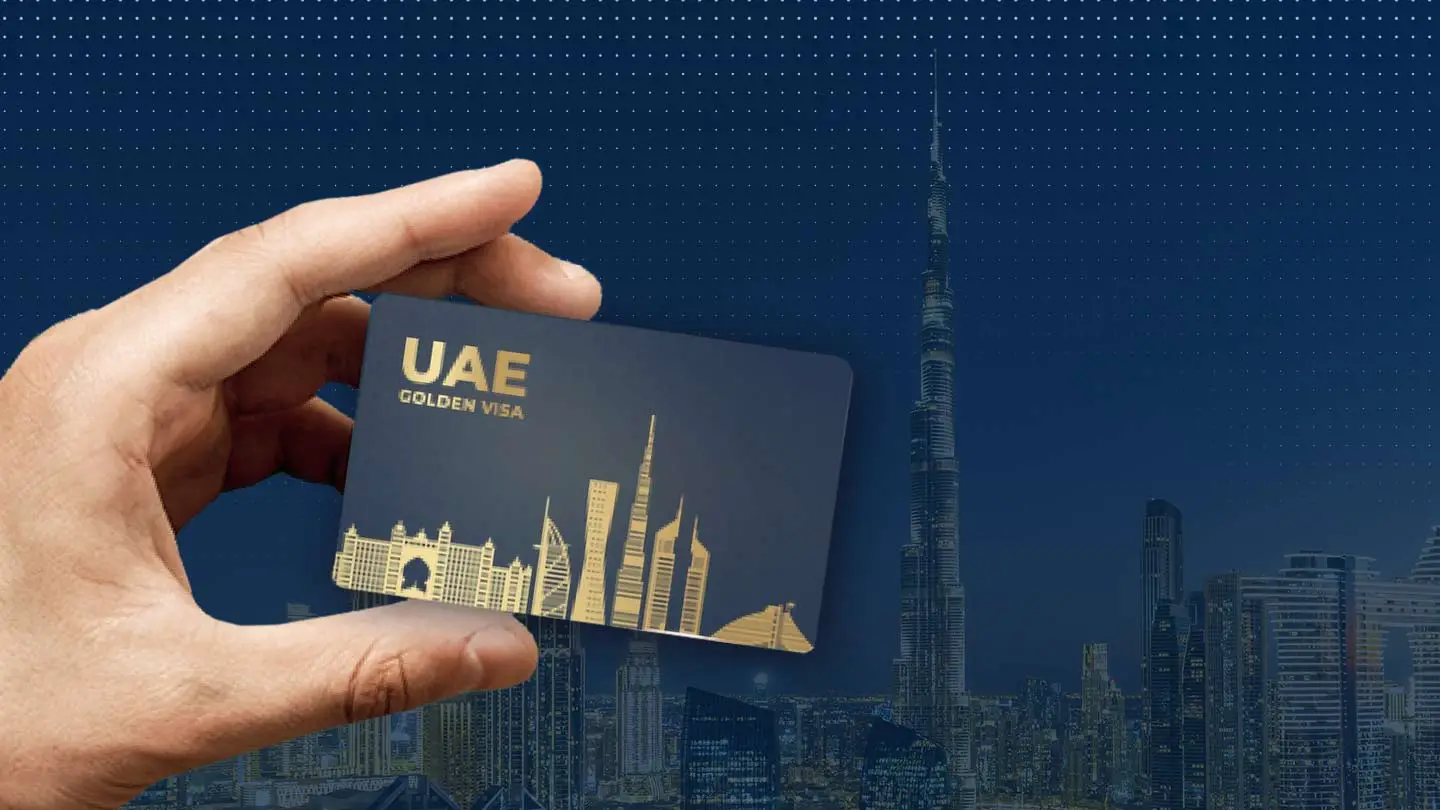
The United Arab Emirates (UAE) has emerged as a leading destination for professionals, investors, and entrepreneurs. The UAE’s Golden Visa program, introduced in 2019, provides long-term residency to foreign talent without requiring a local sponsor.
Key benefits of the UAE Golden Visa include 10-year residency, full business ownership, family sponsorship, and access to high-quality healthcare and education. The program is designed to provide security, flexibility, and long-term opportunities in a dynamic environment.
The program has experienced significant growth. In 2023, Dubai issued 158,000 Golden Visas, nearly double the 79,617 granted in 2022 and more than triple the 47,150 issued in 2021. This increase underscores the program’s appeal, including long-term residency, business ownership, and family sponsorship.
The following sections outline these advantages in detail to illustrate why the UAE Golden Visa is a compelling option.
What is the UAE Golden Visa?
The UAE Golden Visa, introduced in 2019, is a long-term residency program aimed at attracting and retaining top global talent. It allows recipients to live, work, and study in the UAE with increased stability and flexibility.
Unlike standard residency visas tied to employment or sponsorship, the Golden Visa offers greater control and independence. Eligible individuals can stay in the UAE for up to 10 years, with the option to renew their stay.
Eligibility for the UAE Golden Visa
The Golden Visa is available to:
Investors in public investments or real estate
Entrepreneurs running startups or businesses in the UAE
Skilled professionals such as doctors, engineers, scientists, and creatives
Outstanding students and graduates with excellent academic performance
Humanitarian workers and frontline heroes
The UAE Golden Visa is issued for 5 or 10 years, based on the applicant’s category and eligibility. It is automatically renewed if eligibility requirements are maintained.
16 Key Benefits of the UAE Golden Visa (2026)
The UAE Golden Visa provides numerous benefits to attract and retain talented individuals, investors, and their families. Below are the top 16 advantages:
1. Long-Term Residency (5 or 10 Years)
A key benefit of the UAE Golden Visa is long-term residency for 5 or 10 years, depending on the applicant’s category. Unlike standard visas that require renewal every 2 to 3 years, the Golden Visa offers extended validity and automatic renewal as long as eligibility is maintained.
This long-term security is ideal for those who want to build a stable life or business in the UAE, without the hassle of frequent visa renewals.
2. No Need for a Local Sponsor
Traditionally, foreigners in the UAE require a local sponsor to live and work in the country. The Golden Visa eliminates this requirement, allowing for self-sponsorship.
This benefit is particularly valuable for entrepreneurs, freelancers, and investors, as it enables independent visa management and the flexibility to change jobs or start new ventures without restrictions.
3. Family Sponsorship
Golden Visa holders may sponsor their immediate family members, including:
Spouse
Children of any age (unmarried daughters and sons up to 25 or older in some cases)
Domestic workers such as nannies, drivers, and helpers
Unlike standard visas, which often restrict children’s ages, the Golden Visa offers greater flexibility, making it easier for families to reside together in the UAE without frequent renewals or separations.
In the event of the primary visa holder’s death, family members may remain in the UAE until their permits expire.
4. Stay Outside the UAE Without a Visa Cancellation
Most UAE residency visas are cancelled if the holder remains outside the country for more than 180 days. Golden Visa holders are exempt, allowing them to travel or live abroad temporarily without risking their residency status.
5. Property Ownership Rights
Golden Visa holders may own freehold property in the UAE, enabling unrestricted investment in the local real estate market and supporting permanent residency.
6. Access to Public Services
Golden Visa holders may access public healthcare and education services in the UAE, subject to the emirate and visa category.
In some cases, visa holders also receive exclusive benefits such as:
Priority access in government services
Discounted school fees
Special offers on property and banking services
These benefits make life in the UAE more affordable and convenient, particularly for families planning long-term residence.
7. Tax Benefits
The UAE’s favourable tax environment includes no personal income tax, allowing residents to retain all earnings. The absence of capital gains and inheritance taxes further enhances its appeal as a residency destination.
8. Multiple Entry Permit for Initial Setup
Before the Golden Visa is granted, eligible applicants receive a multiple-entry permit valid for six months, allowing them to:
Enter and exit the UAE as needed
Finalise medical tests, Emirates ID, and other residency formalities
Explore business or housing opportunities
This permit serves as a useful transition tool, especially for those relocating to the UAE or establishing a business for the first time.
9. Esaad Privilege Card
Eligible Golden Visa holders receive the Esaad Privilege Card, an initiative by Dubai Police, which provides substantial discounts and benefits across several sectors, including:
Education: Up to 40% off school fees at certain schools and up to 80% at some universities, making quality education more affordable.
Healthcare: Discounts of up to 70% on healthcare services, ensuring access to medical care at reduced costs.
Hospitality and Entertainment: Significant discounts on hotels, restaurants, theme parks, and other venues, enhancing the overall lifestyle experience.
Real Estate: Exclusive discounts on selected real estate projects, facilitating property investments.
Retail and Automobile Services: Up to 70% discounts across retail and automobile services, contributing to substantial savings on everyday expenses.
The Esaad card extends benefits to first-degree relatives, including spouses, parents, and children, allowing the entire family to enjoy these privileges. The card is also recognised in 92 countries, making it valuable for international travel and expenses.
10. Strong Incentives for Professionals and Talents
The UAE Golden Visa is also tailored for highly skilled professionals, including:
Creative professionals in arts, culture, and design
Outstanding students and graduates
Researchers and academics
These professionals often receive fast-track approvals and, in some emirates such as Dubai or Abu Dhabi, are offered additional benefits such as:
Invitations to join innovation hubs and research centres
Access to networking opportunities and funding
Recognition and support from government authorities
11. Business and Investment Opportunities
Golden Visa holders may establish and operate businesses in the UAE without a local sponsor, enabling full ownership and fostering a favourable environment for business growth and innovation.
The UAE’s strategic location also provides access to markets in the Middle East, Africa, and Asia, offering significant opportunities for expansion.
12. Attractive Savings and Mortgage Rates
Financial institutions in the UAE offer Golden Visa holders attractive savings and reduced fixed mortgage rates. For example, First Abu Dhabi Bank provides exclusive fixed rates as low as 2.49% per year with fee waivers, making property investment more accessible.
13. Eligibility for Real Estate Investment Benefits
Golden Visa holders investing in real estate, particularly properties valued at AED 2 million or more, receive exclusive benefits such as:
Special property investment packages
Flexible mortgage plans from UAE banks
Access to premium property developments
These benefits encourage long-term investment in the UAE real estate market, offering strong returns and opportunities for wealth creation.
14. Encouragement for Innovation and Startups
Entrepreneurs under the Golden Visa scheme receive support for launching and scaling businesses, which may include:
Access to incubators and accelerators
Invitations to pitch to investors and VCs
Government grants or innovation awards
The UAE aims to attract global entrepreneurs, and the Golden Visa is a key step in building a startup-friendly ecosystem.
15. Driver’s License Facilitation
Golden Visa holders in Dubai may take the UAE driver’s test without additional lessons if they hold a valid license from their home country. Those with licenses from approved countries are automatically eligible for a UAE driver’s license, streamlining the process.
16. Recognition and Prestige
Receiving the UAE Golden Visa is a mark of recognition by the government, acknowledging an individual’s contributions and potential. This status can enhance professional reputation and provide access to exclusive networking opportunities within the UAE’s business and cultural communities.
The prestige of the Golden Visa can also facilitate collaborations and partnerships, reflecting the trust and endorsement of UAE authorities.
What are the requirements for the UAE Golden Visa?
Eligibility for the UAE Golden Visa falls under several categories, each with specific requirements:
1. Investors
Individuals who invest in the UAE, such as through real estate or public investments, may qualify. For example, property investments of AED 2 million or more meet the eligibility criteria.
2. Entrepreneurs
Owners of successful start-ups or those with innovative business plans that contribute to the UAE economy may be eligible.
3. Skilled Professionals
Highly skilled professionals in fields such as science, engineering, healthcare, and information technology are eligible to apply. An advanced degree, relevant experience, and a minimum monthly salary of AED 30,000 are typically required.
4. Exceptional Talents
Individuals with exceptional abilities in art, culture, sports, or digital technology may be considered. Endorsement from relevant UAE authorities is typically required.
5. Outstanding Students and Graduates
High-achieving students from UAE secondary schools, UAE universities, or leading international universities may be eligible based on academic performance.
6. Humanitarian Pioneers
Individuals recognised for significant contributions to humanitarian work, including distinguished members of international and regional organisations, may qualify.
7. Frontline Heroes
Workers who have made significant contributions during crises, such as healthcare professionals, may be eligible for consideration.
8. Scientists & Researchers
Candidates must be recommended by the Emirates Scientists Council and hold a PhD or master’s degree in key fields such as engineering, technology, life sciences, or natural sciences from top universities.
9. Teachers and Educators
Must be employed in the UAE as a teacher or educator. Recognised for excellence in the education sector, with recommendations from the UAE educational authorities. Certain priority subjects or positions may receive special consideration. Longstanding service and contributions to the UAE education system are highly valued.
The Golden Visa is available to individuals who meet one of the following criteria:
Investors: Individuals with substantial investments in the UAE.
Entrepreneurs: Owners of successful projects or startups in the UAE.
Skilled Professionals: Experts in science, engineering, healthcare, education, or information technology.
Outstanding Students and Graduates: High-achieving students from UAE secondary schools or universities, or graduates from the top 100 universities worldwide.
Humanitarian Pioneers: Individuals with significant contributions to humanitarian causes.
Frontline Heroes: Workers who have shown exceptional service during crises, such as healthcare professionals in pandemics.
2. Gather Required Documents
Required documents may vary by category, but typically include:
Passport copy
Passport-sized photograph
UAE residence visa, if applicable
Emirates ID, if applicable
Attested educational certificates
Proof of employment, salary slips, or investment documentation
Recommendation or recognition letters for professionals or creatives
Business or property ownership documents, if applying as an investor or entrepreneur
3. Submit Application
Submit your application through one of the following official portals:
ICP (Federal Authority for Identity, Citizenship, Customs & Port Security): https://icp.gov.ae
GDRFA (General Directorate of Residency and Foreigners Affairs, Dubai): https://gdrfad.gov.ae
Select your preferred emirate and submit the application online or through an accredited typing centre.
4. Obtain Entry Permit (if applying from outside the UAE)
If applying from abroad, you will receive a six-month multiple-entry permit to visit the UAE and complete the residency process.
5. Complete Medical & Emirates ID Process
Once in the UAE, you must:
Undergo a medical fitness examination
Register your biometric data
Apply for your Emirates ID
6. Golden Visa Issuance
After completing all formalities, your Golden Residency Visa, valid for 5 or 10 years, will be stamped in your passport, and you will receive your Emirates ID.
Is the UAE Golden Visa Right for You?
The UAE Golden Visa offers significant benefits, including long-term residency, the ability to live and work, family sponsorship, and the option to run your own business. It is ideal for investors, skilled professionals, students, and those seeking a secure future in the UAE.
If you are considering making the UAE your home or expanding your business here, the Golden Visa presents an excellent opportunity.
At Shuraa Business Setup, we simplify the Golden Visa process. Our team manages eligibility checks, documentation, and approvals to ensure a seamless experience for you.
Are you ready to begin your Golden Visa application?
1. What are the benefits of the Dubai Golden Visa?
The Dubai Golden Visa provides 5- or 10-year renewable residency without the need for a local sponsor. It allows foreign professionals to live, work, and study in the UAE. Key benefits include full business ownership, family sponsorship regardless of age, unlimited domestic helpers, extended stays outside the UAE, and access to the Esaad privilege card.
2. Who is eligible for a UAE Golden Visa?
Eligible applicants include scientists, athletes, investors, entrepreneurs, startup owners, and individuals recognised for exceptional contributions during crises.
3. What are the Golden Visa UAE benefits for family members?
Golden Visa holders may sponsor their spouse, children of any age, and, in some cases, domestic staff, providing added security and stability for families.
4. Are there Golden Visa travel benefits?
Yes, Golden Visa holders receive multiple-entry permits, streamlined re-entry to the UAE, and, in some cases, expedited visa processing for other countries due to their residency status.
5. Is the Golden Visa valid across all emirates or only in Dubai?
The UAE Golden Visa is valid in all seven emirates, including Abu Dhabi, Dubai, and Sharjah.
6. What’s the Minimum Salary Requirement for a UAE Golden Visa?
As of 2026, skilled professionals and executive directors must have a basic monthly salary of at least AED 30,000 to qualify for the UAE Golden Visa.
7. Can Golden Visa holders apply for UAE citizenship?
The Golden Visa provides long-term residency but does not grant a direct path to citizenship.
8. Is medical insurance required for Golden Visa holders and their families?
Yes, medical insurance is mandatory for both the visa holder and sponsored family members.
As the digital age continues to expand, so does the online job market in the UAE. With more and more people looking for ways to earn money from the comfort of their own homes, the answers for how to make money online in the UAE are becoming increasingly diverse.
From freelance writing and graphic design to virtual tutoring and e-commerce, there are countless ways for residents of the UAE to make money online.
Therefore, we are here to explore the various opportunities available for making money online in the UAE, their benefits, how to earn money online in the UAE, and more.
12 Practical Ways to Earn Extra Money Online in the UAE
In the UAE, various online opportunities exist to generate income. Freelancing, e-commerce, and content creation are popular options. You can also explore online tutoring, social media management, or becoming a virtual assistant. Additionally, selling digital products, participating in online surveys, or becoming an influencer can be lucrative.
Here’s a more detailed look at some of the options:
1. Freelancing:
Freelancing involves offering your professional skills and services to clients on a project-by-project or contract basis, rather than working as a full-time employee. It allows you to choose the type of work you take on, set your own rates, and manage your schedule independently.
Popular Freelance Services
Content Writing & Copywriting, Graphic Design, Web & App Development, Digital Marketing, Virtual Assistance and Consulting & Coaching etc.
Top Freelance Platforms
Upwork, Fiverr, Freelancer.com, Toptal, PeoplePerHour and many more.
Key Benefits of Freelancing
Flexibility – Work from anywhere, set your own hours, and choose projects that interest you.
Higher Earning Potential – Set competitive rates and take on multiple clients to maximize income.
Global Opportunities – Work with clients from different countries without geographical restrictions.
Skill Growth – Gain experience across industries and continuously upgrade your expertise.
Independence – Be your own boss and build a career tailored to your strengths.
Freelancing is a great way to turn your skills into a sustainable income while maintaining control over your professional journey. Whether you’re looking for a side hustle or a full-time career, freelancing offers endless possibilities!
2. E-commerce:
E-commerce (electronic commerce) is the buying and selling of goods or services over the internet. It allows businesses and individuals to reach customers globally without the need for a physical store. Whether you want to sell handmade products, source items from suppliers, or even run a digital storefront, e-commerce provides endless opportunities for entrepreneurs.
Popular E-Commerce Business Models
Dropshipping, Handmade & Craft Sales, Private Labeling, Wholesaling & Reselling, Print-on-Demand (POD), Digital Products etc.
Top E-Commerce Platforms
Amazon, Etsy, Noon (Middle East Focus), Shopify, eBay, Souq (Now Amazon.ae) etc.
Global Reach – Sell to customers worldwide without geographical restrictions.
Flexibility – Run your store from anywhere with an internet connection.
Scalability – Easily expand product lines or target new markets as you grow.
Automation Potential – Use tools for order processing, marketing, and inventory management to streamline operations.
Ready to start? Research your niche, choose the right platform, and launch your online store today!
3. Content Creation:
Content creation involves producing engaging material—videos, blogs, social media posts, podcasts, and more—to attract and monetize an audience. In the UAE, where digital media consumption is high, creators can leverage platforms like YouTube, Snapchat, TikTok, and LinkedIn to build a strong online presence.
Types of Content You Can Create
Video Content, Blogging & Writing, Podcasting, Social Media Content, Photography & Visual Art, E-books & Online Courses etc.
How Content Creators Make Money
Ad Revenue – Earn from ads displayed on your content (YouTube AdSense, blog display ads).
Affiliate Marketing – Promote products and earn commissions for sales (Amazon Associates, Shopify affiliates).
Sponsorships & Brand Deals – Partner with companies for paid promotions or sponsored content.
Selling Digital Products – E-books, templates, presets, or online courses (via Gumroad, Teachable).
Memberships & Subscriptions – Offer exclusive content through Patreon, Substack, or OnlyFans.
Crowdfunding & Donations – Receive support from fans via Ko-fi, Buy Me a Coffee, or PayPal.
Merchandise Sales – Sell branded products (T-shirts, mugs) through Printful or Teespring.
Legal Considerations in the UAE
✔ Media Licensing – Commercial content may require a freelance permit or media license (e.g., from Dubai Media City or twofour54 Abu Dhabi). ✔ Cultural Sensitivity – Avoid controversial topics; adhere to UAE’s content regulations. ✔ Tax Implications – VAT may apply to earnings; consult a local financial advisor.
Why Start Content Creation in the UAE?
High Internet Penetration – Over 99% of the UAE population uses social media.
Online tutoring involves teaching students virtually via video calls, pre-recorded courses, or interactive e-learning platforms. With the UAE’s strong emphasis on education and a large expat community seeking language and skill-based learning, online tutors can earn a steady income while working flexible hours.
Popular Online Tutoring Niches in the UAE
Language Tutoring – English, Arabic (Modern Standard & Emirati dialect), French, Hindi, Urdu.
STEM Subjects – Math, Physics, Chemistry (Aligned with UAE/UK/US curricula like CBSE, IGCSE, IB).
Test Preparation – IELTS, TOEFL, SAT, EmSAT (UAE’s standardized test).
Professional Skills – Coding (Python, AI), Digital Marketing, Finance (ACCA, CFA).
Tax-Free Income – No personal income tax on earnings (unless registered for corporate tax).
Global Clientele – Teach Middle Eastern, Asian, and Western students from home.
Pro Tip: Use LinkedIn and UAE Facebook groups (e.g., Dubai Tutors) to find students. Offer a free trial class to attract learners!
5. Virtual Assistant Services:
A Virtual Assistant (VA) provides professional administrative, technical, or creative support to businesses and entrepreneurs remotely. In the UAE’s fast-growing digital economy, VAs are in high demand, especially among startups, influencers, and small businesses looking for cost-effective support.
Popular Virtual Assistant Services in the UAE
Administrative Support, Social Media Management, Customer Support, Digital Marketing Assistance, Personal & Lifestyle Assistance etc.
How Virtual Assistants Make Money in the UAE
Hourly Rates (AED 50–150/hour) – Common for general admin tasks.
Project-Based Fees – One-time tasks like setting up a CRM or managing a product launch.
Niche Specialization – High-paying roles (AED 100–300/hour) for real estate, legal, or financial VAs.
Top Platforms to Find VA Jobs in the UAE
Upwork & Fiverr – Global freelancing platforms with UAE clients.
LinkedIn & Facebook Groups – Join “Dubai Virtual Assistants” or “UAE Freelancers” for local opportunities.
Bayt & Nabbesh – Middle East-focused job portals.
Direct Clients – Network with Dubai startups, influencers, and small businesses.
Why Become a Virtual Assistant in the UAE?
High Demand – UAE businesses and entrepreneurs need remote support.
Flexible Work – Choose your hours and work from home (or anywhere).
No Commute – Save time and money by working online.
Diverse Clients – Work with local startups, influencers, or international companies.
Scalable Income – Start part-time and expand into a full-time VA agency.
6. Online Surveys and Paid Research:
Earn money by sharing your opinions through online surveys, product testing, or market research studies. Companies in the UAE and globally pay for consumer feedback to improve their products/services.
Valued Opinions – Pays via vouchers (Noon, Amazon.ae).
Opinion Bureau MENA – Cash rewards for surveys.
YouGov UAE – Earn points redeemable for cash/discounts.
YSense – Offers surveys + microtasks.
Note: Earnings are part-time (AED 50–500/month). Best for supplemental income.
7. Influencer Marketing:
Influencer marketing involves collaborating with brands to promote their products or services on your social media platforms. In the UAE—a hub for luxury, fashion, and tech—businesses actively partner with influencers to reach engaged audiences. Whether you’re a nano-influencer (1K–10K followers) or a macro-influencer (100K+), you can monetize your online presence through sponsored posts, affiliate sales, and brand deals.
Why Influencer Marketing Works in the UAE
High Social Media Penetration – Over 10.5 million UAE users are active on Instagram, TikTok, and Snapchat.
Luxury & Lifestyle Focus – Brands in fashion, beauty, travel, and tech invest heavily in influencer campaigns.
Government Support – Dubai’s Creative Economy Strategy encourages digital content creators.
Diverse Audience – Reach Arabic, English, South Asian, and Western expats.
Top Niches for UAE Influencers
Luxury & Fashion, Beauty & Skincare, Travel & Hospitality, Food & Dining, Tech & Gadgets, Business & Finance etc.
How UAE Influencers Make Money
Sponsored Posts – Charge AED 500–50,000 per post (based on followers/engagement).
Affiliate Marketing – Earn commissions via Noon, Amazon.ae, or brand-specific links.
Brand Ambassadorships – Long-term deals with monthly retainers (common in fashion/beauty).
Event Appearances – Get paid to attend/product launches (Dubai Mall events, Expo City).
YouTube Ad Revenue – Monetize vlogs or haul videos (if you have 1K+ subscribers).
Best Platforms for UAE Influencers
Instagram & TikTok, Snapchat, YouTube, LinkedIn, Twitter (X) etc.
Pro Tip: Join UAE Influencer Groups on Facebook or LinkedIn to network with brands!
8. Social Media Management
Social Media Management (SMM) involves creating, scheduling, analyzing, and engaging with content on platforms like Instagram, LinkedIn, and TikTok to help businesses build their brand presence. In the UAE—where 90% of the population uses social media daily—companies urgently need experts to manage their accounts professionally.
Why SMM is Booming in the UAE?
✔ High Digital Adoption – UAE has one of the world’s highest social media penetration rates. ✔ Thriving Business Hub – Startups, influencers, and multinationals need SMM support. ✔ Government Push for Digital – Initiatives like Dubai’s Paperless Strategy increase online business demand.
Services You Can Offer
Content Creation, Community Management, Paid Ads (Meta & TikTok Ads), Influencer Collaborations, Analytics & Reporting etc.
Top Platforms for UAE Clients
Instagram & TikTok – For lifestyle, fashion, and food brands.
LinkedIn – B2B and corporate clients (Dubai’s business scene).
Snapchat – Popular among Emirati youth.
Facebook & Twitter (X) – For older demographics and customer service.
How Much Can You Earn?
Freelance SMM Managers – AED 2,000–8,000/month per client.
Agency Owners – AED 10,000–30,000+/month with multiple clients.
Upselling Add-Ons – Charge extra for ads, influencer outreach, or video editing.
Pro Tip: Specialize in high-paying niches like real estate, luxury brands, or UAE tourism to stand out!
Other Opportunities:
9. Online Photography Contests:
The UAE’s vibrant photography scene offers regular contests like the Hamdan bin Mohammed bin Rashid Al Maktoum International Photography Award (HIPA) or Xposure UAE, where winners can earn cash prizes (often AED 10,000+) and global exposure. Platforms like GuruShots or ViewBug host virtual contests—ideal for smartphone photographers. Local themes (desert landscapes, Dubai architecture, or cultural festivals) tend to perform well.
10. Stock Photos and Videos:
UAE-based creators can sell images of iconic landmarks (Burj Khalifa, Sheikh Zayed Mosque), business setups, or multicultural lifestyles on platforms like Shutterstock, Adobe Stock, or Alamy. High demand exists for Arabic-themed content (traditional attire, Ramadan, Eid) and corporate/travel visuals. Pros earn $0.25–$100 per download, with consistent uploads boosting passive income.
11. Dropservicing:
A low-cost business model where you act as a middleman—outsource services (web design, SEO, or social media management) to freelancers on Fiverr or Upwork, then resell to UAE clients at a markup. For example, offer Arabic-to-English translation services by hiring bilingual freelancers and charge clients (e.g., law firms, hotels) premium rates. Use LinkedIn or local freelancing platforms like Nabbesh to find clients.
12. Transcription Services:
With the UAE’s booming media and legal sectors, transcriptionists convert interviews, court hearings, or corporate meetings into text. Bilingual (Arabic/English) transcribers earn AED 20–50 per audio hour on platforms like Rev or TranscribeMe. Local opportunities include working with Dubai Media City production houses or law firms needing accurate documentation.
Key UAE-Specific Tips
For stock media, avoid photographing sensitive locations (military/government buildings).
Dropservicing may require a freelance permit if dealing with UAE clients regularly.
Transcriptionists should familiarize themselves with Gulf Arabic dialects for accuracy.
Why Choose the UAE to Start an Online Business?
The UAE offers a wealth of benefits for entrepreneurs looking to launch an online business. This includes:
Tax Advantages: The UAE has a tax-friendly environment for businesses. There’s typically no personal income tax, making it attractive to retain a larger share of your profits.
Government Support: The UAE government actively supports entrepreneurship and innovation. Initiatives like free zones and business incubators provide resources and guidance for startups.
Full Ownership and Repatriation: You can have complete ownership of your online business in the UAE. Additionally, there are typically no restrictions on repatriating your business profits.
Tech-Savvy Population: The UAE has a high internet and smartphone penetration rate, with a large population comfortable shopping online.
Turn Your Passion into Profit with Shuraa
UAE offers a wealth of opportunities to turn your skills and ideas into income. The key is to identify your strengths, interests, and available time to choose the path that resonates with you. For those looking to establish their online business in the UAE, seeking assistance from Shuraa Business Setup can make the process smooth and hassle-free.
We offer a comprehensive suite of services, from company registration and licensing to PRO services and legal guidance. Let us handle the administrative burdens while you focus on building your online business.
Don’t wait any longer! Contact Shuraa Business Setup today at +971 44081900 or WhatsApp at +971 507775554 or drop an email at info@shuraa.com. Together, let’s make it happen.
1. How to make some extra money online in the UAE?
UAE offers many opportunities to make money online including freelancing, virtual assistant, online selling, online tutoring, social media management, etc.
2. How to start your business in Dubai, UAE?
The UAE offers a business-friendly environment. Here’s a simplified process:
Choose your business activity
Select a legal structure. Free zones offer benefits like tax exemptions and full ownership.
Register your business online or through designated authorities in your chosen free zone.
Obtain necessary licenses
Open a corporate bank account
Consult an expert at Shuraa Business Setup for assistance throughout the process.
3. How to make money in UAE on a visit visa?
Unfortunately, earning income through online work is generally not permitted on a visit visa. Visit visas are intended for tourism or short-term visits. Working on a visit visa can lead to legal repercussions.
4. Can I freelance online in the UAE on a visit visa?
No, freelancing online in the UAE requires a valid work visa that allows freelance activities. Working on a visit visa is strictly prohibited.
5. What work-from-home jobs are available in the UAE?
Several work-from-home online jobs are available in the UAE. Consider options like virtual assistant, online tutor, content creator, social media manager, data entry specialist, or online translator.
A No Objection Certificate (NOC) is a document issued by a government or private organisation that allows someone to carry out certain activities or meet specific requirements. In the UAE, this certificate is especially important for anyone planning to start a business.
This document shows that the relevant parties do not object to the proposed activity or request, so the person may proceed.
The NOC is a key part of the UAE’s official process. It acts as a formal confirmation from the authorities that there are no objections to starting a business or carrying out certain activities.
Without this certificate, it can be difficult to get the licenses, permits, or approvals needed to operate legally in the UAE.
That’s why it’s important for entrepreneurs to understand what an NOC is and why it matters when setting up a business in the UAE.
What does NOC mean?
NOC stands for No Objection Certificate. It is a legal document that shows a company, individual, or organisation has no objections to a certain action or transaction. In the UAE, NOCs are often needed for changing jobs, starting a business, property deals, and other activities.
Kafala System
The UAE uses the Kafala system, which is a sponsorship system for expats. Usually, your employer acts as your sponsor and handles your residency visa. To do certain things in the UAE, you often need an NOC from your sponsor, such as for:
Changing jobs
Starting a business
Leaving the country
The NOC rule helps keep things clear and protects both you and your sponsor. It prevents people from building up debt or breaking visa rules, and it also ensures sponsors are not held responsible if a former employee stays in the country after their visa ends.
Benefits of Obtaining a No-Objection Certificate
Getting an NOC in the UAE offers several advantages, such as:
Smoother Transitions: An NOC shows that your current employer approves actions such as changing jobs. This helps you avoid problems and makes it easier to move to a new role.
Avoid Legal Issues: With an NOC, you show you have met your responsibilities and have no unresolved issues with your current sponsor.
Lifting Labour Bans: If you have a labour ban because of past job issues, a NOC from your previous employer can help remove the ban so you can look for new work.
Streamlined Processes: Sometimes, having an NOC can speed up visa applications or other steps that check your legal status and work history.
When is a NOC Required in the UAE?
You may need a No Objection Certificate (NOC) in the UAE for different reasons, especially if you are changing jobs, starting a business, or handling certain official matters.
Below are some common situations where you might need an NOC:
1. Employment:
This is especially important if you plan to change jobs. In most cases, you will need an NOC from your current employer before joining a new company.
2. Business Setup:
The rules depend on where you are. On the UAE mainland, you usually need an NOC from your employer if you want to start a business while still working for them.
But in many Free Zones, the rules are different. You may not need an NOC to set up a business there.
3. Business Modifications:
If you already have a business, you might still need an NOC for activities such as adding a partner, renewing your license, or expanding what your business does.
4. Official Transactions:
You may also need an NOC for other official tasks, such as:
Opening a bank account or an internet account
Obtaining a UAE driving license
Buying or selling real estate
Renewing or modifying a business license
Adding a partner to your business
5. Visa Applications:
You usually do not need an NOC to obtain your first work visa, since your employer handles it. However, if you have a UAE residency visa and want to apply for a visa to another country, you might need an NOC.
6. Lifting Labour Bans
If you have had problems with your job contract and received a labour ban, you will often need an NOC from your previous employer to remove the ban and continue working.
Who Issues NOCs in the UAE?
Who issues your NOC in the UAE depends on the type you need.
Employer NOC: This is the most common type and is given by your current employer or sponsor in the UAE. It shows they approve actions like changing jobs or starting a side business.
Government Department NOC: Some government departments also issue NOCs for certain procedures. For example, the Telecommunications and Regulatory Authority (TDRA) gives NOCs for e-commerce activities in the UAE.
Free Zone Authority NOC: Free Zones in the UAE have their own rules for NOCs. On the mainland, you might need a No Objection Certificate from your employer to start a business, but a Free Zone may not require this.
How to Get a NOC in the UAE
The steps to get a NOC in the UAE can differ based on the type you need and who issues it. Here are some general guidelines:
Step 1. Identify the type of NOC
Figure out which type of NOC you need, such as from your employer or a government department. This depends on your situation, like changing jobs or starting a business.
Step 2. Gather Required Documents
The documents you need will depend on the NOC type, but usually include:
The purpose of needing the NOC
Your passport copies
Emirates ID copy
Proof of employment (for employer-related NOCs)
Business license documents (if applicable)
Any other documents specified by the issuing entity
Step 3. Submit Your Application
If you need an Employer NOC, give your application and documents to your company’s HR department. For a Government Department NOC, follow that department’s process, whether online or in person.
Step 4. Fee Payment
You may need to pay a fee to process your NOC application.
Step 5. Approval and Collection
Processing times vary by case. After approval, you can either pick up your NOC in person or get it electronically, depending on how the issuer handles it.
Why is NOC Needed for Establishing a Business in the UAE?
If you work in the UAE and want to start a business on the mainland, you will probably need an NOC from your current employer or sponsor. This helps keep things clear and prevents any issues with your job contract.
If you are unemployed or working as a freelancer, you usually do not need an NOC from a previous employer to start your own business.
If getting an NOC is difficult, you might want to set up your business in a Free Zone. Many Free Zones have simpler processes and do not require NOCs from your employer.
Do You Need an NOC to Work in the UAE?
No, you usually don’t need an NOC just to work in the UAE. The need for an NOC mostly arises when your job situation changes or when you want to do something specific. When you start a job in the UAE, your employer, who is also your sponsor, handles the work visa process. In this case, you don’t need to provide an NOC.
But if you want to change jobs and work for a new employer, you will probably need an NOC from your current sponsor.
A Smooth Start for Your Business with Shuraa
The No Objection Certificate, or NOC, is important for starting and running a business in the UAE. It shows that everyone involved agrees with the decision and helps with official processes.
If you want to start a business in the UAE, it’s a good idea to get advice from Shuraa Business Setup. Our team can guide you through each step and make sure you have all the documents you need to run your business smoothly.
1. Can an NOC be issued for any activity in the UAE?
No, NOCs are usually given for certain reasons. The most common ones are changing jobs, starting a business, or getting approval for specific transactions.
2. How long does it take to get an NOC?
How long it takes to get an NOC depends on who is issuing it and the complexity of your request. It can take anywhere from a few days to several weeks.
3. Do I need an NOC to cancel my UAE visa?
No, you do not need an NOC to cancel your visa. But you may still need to settle any final payments or obligations with your employer before your visa can be fully cancelled.
4. Can I request an NOC for a family member in the UAE?
NOCs are usually given to people for their own activities. But if you are sponsoring a family member’s visa and your job situation changes, you might need an NOC from your employer.
5. What happens if my employer refuses to issue an NOC?
If your employer refuses to give you an NOC without a good reason, you can try to discuss it with them or file a complaint with the Ministry of Human Resources and Emiratization (MOHRE). You may also want to get legal advice in these cases.
Disclaimer: This information is for general guidance only and could change if government policies or rules are updated.