Author: Ritish Sharma

  • How to Start a Pet Grooming or Pet Care Business in Dubai 

    How to Start a Pet Grooming or Pet Care Business in Dubai 

    Dubai’s pet population has crossed the one-million mark, and pet parents here are not shy about spending on their animals. Grooming salons are booked out for weeks, mobile grooming vans are multiplying across residential communities, and “pet spa” has become a genuine growth category rather than a niche hobby. If you have been thinking about turning your love for animals into a pet grooming business in Dubai, 2026 is a good time to move – provided you get the licensing right from day one. 

    This guide walks you through every step of setting up a compliant, profitable pet grooming business in Dubai: the licenses you need, what a pet grooming license actually covers, how much it costs, and where a domestic pets grooming business differs from a full-scale salon or boarding facility. 

    Why Dubai’s Pet Grooming Market Is Worth Entering in 2026 

    A few numbers explain the opportunity. Dubai is home to well over 900,000 registered pets, and the wider UAE pet care market is on track to cross USD 2 billion in value. Expat pet owners, in particular, treat grooming as a recurring necessity rather than an occasional treat, with many salons charging AED 100 to 500 per session depending on breed and service package. 

    A few reasons this sector continues to attract new entrepreneurs: 

    • Recurring revenue: Grooming is a repeat service, not a one-time purchase.
    • Low seasonality: Unlike many retail categories, demand for pet care stays fairly stable year-round.
    • Multiple entry points: You can start small (mobile or home-based) and scale into a full salon.
    • 100% foreign ownership: UAE law permits full foreign ownership for pet care activities on the mainland, with no local sponsor required. 

    Which License Do You Actually Need? 

    This is where most first-time applicants get stuck, because “pet care” is not a single license, it is a group of separate, specific activities, each with its own approvals. Getting the activity code wrong is the single most common reason applications get delayed. 

    1. Pet Grooming License (Domestic Pets Grooming Business) 

    This is the core license for bathing, trimming, styling, nail clipping, and de-shedding services for cats, dogs, and other domestic animals. It is generally filed under a Domestic Pets Grooming Business activity, and it is what most first-time salon owners and mobile groomers apply for. This license does not cover veterinary or medical treatment, that requires a separate professional license and additional federal approval. 

    2. Pet Care/Boarding License 

    If you plan to offer boarding, daycare, pet sitting, or training alongside grooming, you will need to add this as a second licensed activity. Facilities that house animals overnight face stricter Dubai Municipality requirements around enclosure size, ventilation, and staff-to-animal ratios. 

    3. Veterinary Services Approval 

    Any medical treatment, vaccination, or clinical service requires a professional license plus approval from the Ministry of Climate Change and Environment (MOCCAE), along with a licensed, DHA-verified veterinarian on staff. Most grooming-only businesses do not need this layer, but it is worth knowing the boundary, so you don’t inadvertently offer a service outside your license scope. 

    Step-by-Step: How to Get Your Pet Grooming License in Dubai 

    Choose the right business activity. Match your services precisely to the correct DET activity code – grooming, boarding, and training are each listed separately, and you can combine more than one under a single license if you plan to offer multiple services. 

    1. Decide on mainland vs. free zone 

    For any pet grooming business that handles animals and serves walk-in or on-site clients within the UAE, a Dubai mainland license through the Department of Economy and Tourism (DET) is required. Free zone licenses do not permit client-facing, in-person animal care operations. 

    2. Reserve your trade name 

    Your business name must clearly reflect your activity, avoid offensive or religiously sensitive terms, and cannot use a personal name’s initials as an acronym. 

    3. Apply for initial approval 

    This confirms the government has no objection to you proceeding and allows you to move ahead with securing a location and finalizing paperwork. 

    4. Secure a compliant location 

    Grooming salons need designated washing stations, drying areas, proper drainage, and adequate ventilation. Mobile grooming vans need a specially fitted vehicle that meets hygiene and safety standards. 

    5. Get Dubai Municipality approval 

    This is mandatory and non-negotiable for any business that physically handles animals. Municipality inspectors check hygiene practices, drainage, space allocation, and animal welfare compliance before your license is issued. 

    6. Submit final documents and pay license fees 

    Once your tenancy contract, MoA (if applicable), and municipality NOC are in place, DET issues your trade license

    Processing typically takes two to four weeks with complete documentation, though some activities qualify for faster instant-license routes. 

    Pet Grooming Business Cost in Dubai: What to Budget 

    Costs vary significantly by business model. Here is a realistic breakdown across the most common setups: 

    Business Model Licence Route Typical Setup Cost (AED) Best For 
    Home-Based / Mobile Grooming DET mainland, Domestic Pets Grooming activity AED 20,000–45,000 Solo groomers and low-overhead startups 
    Grooming Salon (Fixed Location) DET mainland + Dubai Municipality facility approval AED 80,000–150,000 Established brands and walk-in clients 
    Mobile Grooming Van DET mainland + vehicle hygiene approval AED 100,000–180,000 Convenience-focused, appointment-based services 
    Grooming + Boarding/Daycare DET mainland, multiple activities on one licence AED 150,000+ Full-service pet care operators 

    On top of these figures, budget separately for the license fee itself (typically starting around AED 10,000–15,000), Dubai Municipality facility approval (roughly AED 5,000–10,000), and any visa costs if you plan to sponsor staff. Business setup consultants can also help you avoid paying for approvals you don’t need for your specific activity mix. 

    Domestic Pets Grooming Business: Salon vs. Mobile Model 

    Within the domestic pets grooming business category, you generally have two operating models, and the right one depends on your budget and target customer: 

    Fixed-location salon 

    A physical grooming salon gives you space to scale services, host walk-in clients, and eventually add boarding or retail. It requires a larger upfront investment and a location that passes Dubai Municipality’s facility inspection for drainage, ventilation, and hygienic grooming stations. 

    Mobile grooming service 

    A mobile grooming van brings the service to the client’s doorstep, which has become increasingly popular with busy pet owners across Dubai’s residential communities. You still need a full commercial license and municipality approval, but the vehicle itself must meet specific cleanliness, design, and safety standards rather than a retail unit. 

    Documents You’ll Need 

    Common Mistakes to Avoid 

    • Choosing a free zone license for a business that will handle animals and serve clients in person on the UAE mainland.
    • Underestimating Dubai Municipality’s facility standards and signing a lease before confirming the space can pass inspection.
    • Leaving boarding, sitting, or training off the license and offering them informally – this is a compliance risk, not a grey area.
    • Assuming grooming and veterinary services fall under the same approval; they do not. 

    Start Your Pet Grooming Business the Right Way 

    Dubai’s pet care industry rewards operators who get the paperwork right the first time. A pet grooming license involves more moving parts than most first-time founders expect – DET activity selection, Dubai Municipality facility approval, and the right legal structure all need to line up before you sign a lease or buy equipment. 

    At Shuraa Business Setup, we’ve helped entrepreneurs across the UAE through exactly this kind of multi-authority licensing process. If you’re ready to turn your pet grooming business idea into a licensed, operational venture in Dubai, our team can guide you through activity selection, documentation, and approvals from start to finish. 

    Frequently Asked Questions 

    1. Do I need a Dubai Municipality approval for a pet grooming business? 

    Yes. Any business that physically handles animals, including grooming-only operations, must pass a Dubai Municipality facility inspection covering hygiene, drainage, ventilation, and animal welfare standards before the trade license is issued. 

    2. Can a free zone company run a pet grooming salon in Dubai? 

    No. Client-facing, in-person animal care businesses must be licensed on the Dubai mainland through the Department of Economy and Tourism. Free zone companies cannot conduct this kind of on-the-ground operation within the UAE. 

    3. How much does a pet grooming license cost in Dubai? 

    License fees typically start around AED 10,000–15,000, though total setup costs, including facility approval, fit-out, and equipment range from roughly AED 20,000 for a home-based or mobile setup to AED 150,000 or more for a full salon. 

    4. Can I offer grooming and pet boarding under one license? 

    Yes. You can list grooming, boarding, sitting, or training as separate activities under a single trade license, as long as each activity is declared and approved individually. 

    5. Is professional grooming certification mandatory in Dubai? 

    It isn’t always a strict legal requirement, but recognized grooming qualifications strengthen your license application and build client trust in a market where pet owners are particular about who handles their animals

  • Equipment Rental license Dubai: Costs, Legal Requirements & Business Setup Guide UAE

    Equipment Rental license Dubai: Costs, Legal Requirements & Business Setup Guide UAE

    Dubai’s construction and infrastructure sector shows no signs of slowing down. With mega projects like Dubai Urban Tech District, multiple Expo legacy developments, and a relentless commercial real estate pipeline, the demand for construction equipment, industrial machinery, and specialist tools continues to grow year on year. 

    If you are planning to start an equipment rental business in Dubai, the timing could not be better. But before you put a single crane or compactor to work, you need to get the right licence in place. Operating without one is not just risky – it is illegal. 

    This guide covers everything you need to know about obtaining an equipment rental licence in Dubai: what it is, which activities it covers, where to set up, what it costs, and how Shuraa Business Setup can help you get there faster. 

    Equipment Rental License Dubai: A quick Rundown  

    Requirement Details 
    License Type Commercial 
    Ownership 100% Foreign Ownership 
    Setup Time 2–4 Weeks 
    Estimated Cost AED 40,000–80,000+ 
    VAT 5% 
    Corporate Tax 9% Applicable above AED 375,000 
    Office Required Yes 

    What Is an Equipment Rental License in Dubai? 

    An equipment rental licence in Dubai is a commercial trade licence that authorises a business to lease, rent, or hire out equipment to third parties. Depending on the activity category you register under, this can cover: 

    • Construction and heavy machinery (excavators, bulldozers, cranes, compactors)
    • Industrial and manufacturing equipment
    • Electrical and mechanical tools
    • Scaffolding and formwork systems
    • Generators, compressors, and lifting equipment
    • Surveying, testing, and safety equipment
    • Event and entertainment equipment 

    The licence is issued either by the Department of Economy and Tourism (DET) if you are setting up on the Dubai mainland, or by the relevant free zone authority if you choose a free zone jurisdiction. 

    Why Start an Equipment Rental Business in Dubai? 

    Dubai is one of the world’s most active construction markets. The UAE’s Vision 2031 framework, combined with ongoing residential and commercial mega-project pipelines, keeps demand for machinery rental businesses in Dubai consistently high. Here is why entrepreneurs and investors are keen to enter this sector: 

    1. Booming Construction Pipeline 

    UAE construction output is projected to grow steadily through 2030, driven by residential development, hospitality, logistics, and infrastructure expansion. Developers consistently need access to equipment without the capital burden of ownership, making rental an essential service. 

    2. 100% Foreign Ownership Now Available 

    Since the UAE’s landmark Commercial Companies Law amendment in 2021, most business activities on the Dubai mainland, including equipment rental, allow 100% foreign ownership. You no longer need a UAE national sponsor or local service agent for commercial activities. 

    3. Strategic Location and Logistics Hub 

    Dubai’s position as a global logistics hub makes it easy to import, service, and redeploy machinery across the GCC and beyond. Port Jebel Ali, one of the world’s largest ports, and Al Maktoum International Airport provide excellent freight connectivity for large equipment. 

    4. Tax-Efficient Business Environment 

    Corporate tax in the UAE is 9% on taxable income exceeding AED 375,000, which is still among the lowest globally. Free zone entities with qualifying income may benefit from 0% corporate tax under specific conditions. There is no personal income tax, and VAT is 5%. 

    5. Strong Regulatory Framework 

    Dubai has a well-established legal and regulatory environment. Contracts are enforced reliably, and dispute resolution mechanisms through DIFC Courts or Dubai Courts are efficient. This matters when you are leasing high-value equipment under commercial agreements. 

    What Activities Does an Equipment Rental License Cover? 

    The Dubai Department of Economy and Tourism (DET) Activity List uses specific activity codes to define what a business can legally do. For an industrial equipment rental business in the UAE, relevant activities typically include: 

    Activity Name Notes 
    Machinery and Equipment Rental Core rental activity – heavy machinery, tools, and equipment 
    Construction Equipment Rental Specifically for cranes, excavators, compactors, and related plant 
    Industrial Equipment Rental Manufacturing, processing, and factory machinery 
    Scaffolding Rental Erection, dismantling, and rental of scaffolding systems 
    Generator Rental Power generation equipment for events, construction, and emergencies 
    Heavy Transport Equipment Rental Trucks, trailers, and specialist haulage vehicles 
    Tools and Equipment Rental Smaller tools and site equipment for short-term use 

    You can typically register multiple related activities under a single license. Your business consultant will help you select the right combination based on your intended operations. 

    Mainland vs Free Zone: Which Is Right for Your Equipment Rental Business? 

    One of the first decisions you will make is whether to set up your equipment rental business on the Dubai mainland or in a free zone. Both have advantages – the right choice depends on your client base and operational model. 

    Dubai Mainland 

    Dubai mainland business license for equipment rental allows you to work directly with clients anywhere in the UAE without restrictions. This is important for a construction equipment rental business, since your clients will typically be contractors and developers operating across Dubai, Abu Dhabi, Sharjah, and beyond. 

    • Unrestricted access to the local UAE market
    • Can bid for government contracts and public-sector projects
    • Physical office or yard required in Dubai (suitable for storing heavy equipment)
    • Regulated by DET and subject to standard UAE Commercial Companies Law
    • 100% foreign ownership permitted for equipment rental activities 

    Dubai Free Zone 

    Dubai Free zones are a viable option if you are primarily dealing with foreign clients, operating on a specific project site within the free zone, or want a simpler, faster setup process. Popular free zones for equipment-related businesses include IFZA (International Free Zone Authority), JAFZA (Jebel Ali Free Zone Authority), Dubai South, and RAKEZ. 

    • 100% foreign ownership and full profit repatriation
    • May benefit from 0% corporate tax on qualifying income
    • Restrictions on direct trading within the UAE mainland without a distributor or agent
    • Suitable for import/export-led equipment businesses or those serving specific free zone clients 

    How to Get an Equipment Rental License in Dubai: Step-by-Step 

    Here is how the process typically works when setting up a construction equipment rental business or any equipment rental operation in Dubai: 

    Step 1: Define Your Business Activity 

    Confirm the equipment rental activities you want to operate under. The DET maintains a list of approved activities, your consultant will identify the correct activity codes and ensure there are no conflicting or overlapping registrations. 

    Step 2: Choose Your Legal Structure 

    Most equipment rental businesses in Dubai are registered as a Limited Liability Company (LLC). An LLC protects personal assets, allows multiple shareholders, and is the most flexible structure for commercial operations. Other options include a Sole Establishment (for single owner-operators) or a Branch of a Foreign Company. 

    Step 3: Register a Trade Name 

    While registering a trade name, your company must comply with UAE naming conventions. It should not reference any government bodies, contain offensive language, or conflict with an existing registered business. The DET will check availability and approve your chosen name. 

    Step 4: Submit Initial Approval Application 

    Submit your initial approval application to the DET. This includes the trade name, shareholder details, activity codes, and legal structure. At this stage, no commitment has been made, initial approval simply confirms the authority permits this type of business to proceed. 

    Step 5: Secure a Business Address 

    You will need a registered office address in Dubai. For an equipment rental business, you will likely also need a yard or warehouse to store and maintain your equipment fleet. Lease agreements must be attested through Ejari (Dubai’s tenancy registration system). 

    Step 6: Prepare and Attest Documents 

    Required documents typically include: 

    Step 7: Pay Fees and Receive the License 

    Once all documents are approved and fees are paid, the DET issues your equipment rental business license. The process typically takes between 2 and 4 weeks for a mainland setup, depending on the completeness of your documents and any additional approvals required. 

    Step 8: Open a Corporate Bank Account 

    With your trade license in hand, you can open a corporate bank account in the UAE. Banks will typically ask for your license, MoA, shareholder documents, and a business plan. Popular banks for business accounts include Emirates NBD, Mashreq, ADCB, and RAK Bank

    Equipment Rental License Dubai Cost Breakdown in 2026: What to Budget For 

    The total cost of getting an equipment rental license in Dubai varies depending on the jurisdiction, legal structure, number of activities, and visa requirements. Here is a general breakdown:

    Cost Component Estimated Range (AED) 
    DET Trade License Fee 10,000 – 15,000 
    Initial Approval Fee 200 – 500 
    Name Reservation Fee 500 – 700 
    MoA Drafting and Notarisation 1,500 – 3,000 
    Office/Yard Lease (annual) 25,000 – 100,000+ 
    Ejari Registration 200 – 500 
    Investor Visa/Employee Visa (per person) 3,500 – 6,000 
    Establishment Card 1,000 – 2,000 

    Total first-year costs typically range from AED 40,000 to AED 80,000 or more, depending on your specific setup. This does not include the cost of your equipment fleet, insurance, or staffing. For free zone setups, packages can start lower but may involve renewal fees and zone-specific charges. 

    For an accurate, tailored quote, speak to a Shuraa Business Setup consultant in Dubai who can assess your specific requirements. 

    Legal Requirements for an Equipment Rental Business in Dubai 

    Beyond the trade license itself, running an equipment rental business in the UAE comes with a set of ongoing legal and regulatory obligations: 

    Equipment Registration and Inspection 

    Heavy construction machinery, particularly cranes, lifting equipment, and excavators may require registration and periodic inspection by the relevant Dubai municipality or Roads and Transport Authority (RTA) if used on public roads. Ensure your fleet is compliant before deployment. 

    Third-Party Liability Insurance 

    UAE law requires businesses operating heavy machinery to carry adequate third-party liability insurance. This protects your business in the event of an accident, injury, or property damage caused by your rented equipment. 

    Operator Certification 

    Operators of heavy machinery in Dubai must hold relevant certifications. While this obligation may fall on the client (the lessee) in some rental agreements, your contracts should clearly define responsibility and if you supply operators with equipment, they must hold valid competency cards. 

    Labour and Visa Compliance 

    If you employ staff, all employees must hold valid UAE residency visas and work permits. You must register with the Ministry of Human Resources and Emiratisation (MOHRE), enrol in the Wages Protection System (WPS), and comply with the latest UAE Labour Law (Federal Decree-Law No. 33 of 2021 and its 2024 amendments). 

    VAT Registration 

    If your annual taxable turnover exceeds AED 375,000, VAT registration is mandatory. Equipment rental is a taxable supply subject to 5% VAT. Ensure you have the right accounting systems in place from day one. 

    Corporate Tax Compliance 

    As of June 2023, UAE corporate tax applies at 9% on taxable income above AED 375,000. Your business must register with the Federal Tax Authority (FTA), maintain proper financial records, and file annual corporate tax returns. 

    Business Opportunities in Equipment Rental in Dubai 

    The equipment rental sector in the UAE is not just about construction. Savvy operators are diversifying into adjacent verticals that offer strong margins and growing demand: 

    • Event and Exhibition Equipment: Dubai hosts hundreds of large-scale events annually – GITEX, Cityscape, ATM, and more. AV systems, staging, lighting rigs, and crowd control barriers are in constant demand.
    • Oil and Gas Equipment: The UAE’s active upstream and downstream oil sector creates significant demand for specialised industrial equipment rental in offshore and onshore environments.
    • Facility Management Equipment: Cleaning, maintenance, and facilities management companies regularly rent specialist tools and equipment rather than owning them.
    • Logistics and Warehousing: Forklifts, pallet trucks, reach trucks, and other materials handling equipment are in high demand across Dubai’s logistics hubs including Dubai Industrial City and Jebel Ali.
    • Green and Sustainable Equipment: With Dubai’s Net Zero 2050 commitments, demand for electric machinery, solar-powered generators, and environmentally compliant equipment is on the rise. 

    How Shuraa Business Setup Can Help! 

    Dubai’s construction boom, infrastructure expansion, and diverse industrial base make it one of the most commercially attractive markets in the world for equipment rental businesses. The right license, the right jurisdiction, and the right structure can set your business up for long-term success in a sector that shows no signs of slowing down. 

    Shuraa Business Setup has been helping investors, entrepreneurs, and corporations establish businesses in the UAE since 2001. Our team handles the entire process – from activity selection and name registration to license issuance, visa processing, and bank account opening. 

    Get in touch with our team today for a free consultation and a tailored cost estimate for your equipment rental license in Dubai. 

    Frequently Asked Questions 

    1. What is the cost of an equipment rental license in Dubai? 

    The cost typically ranges from AED 10,000 to AED 15,000 for the trade license itself. Total first-year costs, including office setup, visas, and professional fees, generally fall between AED 40,000 and AED 80,000. Contact Shuraa for a precise quote tailored to your requirements. 

    2. Do I need a physical office or yard for my equipment rental business? 

    For a mainland setup, a registered business address in Dubai is mandatory. Given the nature of the business, most operators also require a yard or warehouse to store and maintain their equipment fleet. Your Ejari-registered lease will be submitted as part of the license application. 

    3. How long does it take to get an equipment rental license in Dubai? 

    A mainland equipment rental license typically takes 2 to 4 weeks from initial application to issuance, assuming all documents are in order. Free zone setups can sometimes be completed in 1 to 3 weeks. 

    4. Does my equipment need to be insured? 

    Yes. UAE regulations require adequate third-party liability insurance for heavy and industrial equipment. Your rental agreements should clearly define insurance obligations, particularly when equipment is operated by the client’s personnel. 

    5. What is the difference between a mainland and free zone equipment rental license? 

    A mainland license allows you to operate freely across the UAE and serve any client. A free zone license restricts direct UAE market operations unless you use a mainland distributor or agent. For most equipment rental businesses serving the UAE construction market, a mainland license is the more practical choice. 

    6. Is VAT applicable to equipment rental in Dubai? 

    Yes. Equipment rental is a taxable supply under UAE VAT law. If your annual turnover exceeds AED 375,000, VAT registration is mandatory and you must charge 5% VAT on your rental invoices.

  • How USA Citizens Can Start a Business in Dubai in 2026 

    How USA Citizens Can Start a Business in Dubai in 2026 

    Dubai has long been one of the world’s most sought-after destinations for entrepreneurs. And in 2026, American business owners are increasingly looking east – not to Silicon Valley or New York, but to the UAE. The opportunity is real, the process is clearer than ever, and the benefits are hard to argue with. 

    If you want to start a business in Dubai from the US, you are in the right place. Here we will walk you through everything, from why Dubai makes sense for American entrepreneurs to how the setup process works, step by step, without the jargon.

    Can Americans Set Up a Company in Dubai? 

    Yes, absolutely. American citizens are fully eligible to own and operate a business in Dubai. The UAE does not restrict foreign nationals from starting companies, and US citizens enjoy the same rights as other foreign investors. You do not need a local Emirati partner in most business structures, and you can own 100% of your company in the majority of sectors. 

    This has been a major shift in recent years. Historically, foreigners on the mainland required a UAE national to hold 51% of the business. But changes to the UAE Commercial Companies Law, along with the broader push to attract global talent and capital, have made it possible for US citizens to start a business in Dubai from the US with complete ownership in most activities.

    Why Dubai? Key Reasons American Entrepreneurs Are Moving Here 

    • No Personal Income Tax: The UAE does not levy personal income tax. What you earn, you keep.
    • 9% Corporate Tax – With Exemptions: The UAE introduced a 9% corporate tax in 2023, but it only applies to businesses with annual net profits exceeding AED 375,000 (approximately USD 102,000). Small businesses and startups in many free zones still benefit from significant tax relief.
    • 100% Foreign Ownership: Most sectors on the mainland and virtually all free zone businesses allow full foreign ownership, no local sponsor required.
    • No Currency Restrictions: The UAE dirham is pegged to the US dollar, which minimises exchange rate risk and makes financial planning easier for American owners.
    • Gateway to Emerging Markets: Dubai sits at the intersection of Europe, Asia, Africa, and the Middle East. Setting up here gives US businesses access to over two billion consumers across these regions.
    • World-Class Infrastructure: From logistics and banking to digital connectivity, Dubai consistently ranks among the top global cities for business ease.
    • Residency Visas for Investors: Business owners can obtain UAE residency through their company, making it possible to live and operate in Dubai long-term. 

    Choosing the Right Business Structure 

    One of the first decisions you will make is where and how to set up. In Dubai, there are three main jurisdictions: 

    1. Mainland Company 

    A mainland company is licensed by the Dubai Department of Economy and Tourism (DET). It allows you to trade freely anywhere in the UAE and take on government contracts. Since 2021, most mainland business activities permit 100% foreign ownership. Certain strategic sectors (oil, gas, telecommunications) may still require a local partner, but these are exceptions, not the rule. 

    A mainland setup is ideal if you want to operate across the UAE, open a physical office anywhere, or work directly with government entities. 

    2. Free Zone Company 

    Dubai has over 30 free zones, each designed for specific industries. Popular ones for American entrepreneurs include IFZA (International Free Zone Authority), DMCC (Dubai Multi Commodities Centre), Dubai Internet City, and Dubai Media City. Free zones offer 100% foreign ownership, zero customs duties on imports and exports, and easy company formation, often completed within a few days. 

    The trade-off: free zone companies typically cannot trade directly with the UAE mainland market without a local distributor or by establishing a mainland branch. 

    For US entrepreneurs focused on international trading, e-commerce, consulting, tech, or media, a free zone is often the most cost-effective and fastest option. 

    3. Offshore Company 

    An offshore company in Dubai (typically set up through JAFZA or RAK ICC) does not allow physical operations within the UAE but is excellent for holding assets, managing international contracts, or tax planning. It is not suitable if you want to live and work in Dubai, but it can complement an existing US business. 

    Step-by-Step: How to Start a Business in Dubai from the US 

    Here is the step-by-step process for how US citizens can start a business in Dubai, and the good news is that most of it can be managed remotely before you even board a plane. 

    Step 1: Define Your Business Activity  

    Every business in Dubai requires a clearly defined business activity. This determines the type of licence you need – commercial, professional, industrial, or tourism. Having this nailed down before anything else saves time and avoids licence amendments later. 

    Step 2: Choose Your Jurisdiction  

    Based on your business model, decide between mainland, free zone, or offshore. If you are unsure, a business setup consultant like Shuraa can assess your needs and recommend the most suitable option. 

    Step 3: Decide Your Company Name  

    Your trade name must comply with UAE naming guidelines – no offensive terms, no references to religion or politics in names, and the name must reflect the nature of the business or be a personal name. It also cannot be identical or too similar to existing registered companies. 

    Step 4: Apply for Initial Approval  

    Submit your application to the relevant authority – DET for mainland, or the specific free zone authority. For US residents applying remotely, most authorities accept digital submissions, and some allow Power of Attorney arrangements so a local representative can handle filings on your behalf. 

    Step 5: Prepare Your Documents  

    Typical documents required include a valid US passport copy, a completed application form, a business plan (sometimes required for certain activities or free zones), and a No Objection Certificate if you already hold UAE residency from another employer. 

    Step 6: Lease Office Space or Flexi-Desk  

    Every UAE business license requires a registered business address. Free zones typically offer shared desk options (flexi-desks) that are affordable and practical for startups. Mainland companies may require a dedicated office depending on the activity. 

    Step 7: Obtain Your Trade License  

    Once approvals are in place and your office space is confirmed, your trade license is issued. This is your official authorisation to operate in Dubai. 

    Step 8: Open a Corporate Bank Account  

    This is often the step that catches US entrepreneurs off guard. UAE banks have rigorous compliance and KYC (Know Your Customer) requirements, especially for US persons due to FATCA (Foreign Account Tax Compliance Act) regulations. Shuraa’s banking assistance team helps navigate this by preparing the right documentation and recommending the right banking partners for your Business Bank Account in UAE

    Step 9: Apply for Visas  

    Once your company is registered, you can apply for an investor or partner visa (typically 2–3 years, renewable). This gives you UAE residency and allows you to sponsor family members and employees.

    Important Note for US Citizens: FATCA and Tax Obligations 

    One thing many guides skip, and it matters greatly for Americans, is FATCA compliance. US citizens are taxed on worldwide income regardless of where they live or where their business is incorporated. Opening a UAE company does not eliminate your US tax obligations. 

    You will need to report foreign bank accounts and financial assets to the IRS, file annual US tax returns, and potentially file FBAR (FinCEN 114) if your UAE bank account balance exceeds USD 10,000. Depending on your situation, the Foreign Earned Income Exclusion (FEIE) may offset some of your US tax liability if you qualify as a bona fide UAE resident. 

    This is not a reason to avoid Dubai. But it is a reason to work with a professional who understands both US and UAE tax obligations from the outset.

    How Much Does It Cost to Register a Company in Dubai from the United States? 

    Costs vary based on jurisdiction, activity, and office requirements. Here is a general overview: 

    • Free Zone Company: Packages typically start from AED 12,000–20,000 (approx. USD 3,200–5,500) per year, including license fees and a flexi-desk. This often includes one or two visa allocations as well.
    • Mainland Company: Mainland setup costs are generally higher, starting around AED 15,000–30,000 (approx. USD 4,000–8,200), plus office rent. The exact cost depends on the business activity and number of visa quotas required.
    • Offshore Company: Typically the most affordable structure, starting from around AED 8,000–12,000 (approx. USD 2,200–3,300). No UAE residency visa is included. 

    Additional costs to factor in: visa fees (AED 3,000–5,000 per visa), bank account opening fees (varies by bank), attestation of US documents, and professional fees if using a setup consultant. 

    Shuraa Business Setup offers transparent, all-inclusive packages with no hidden charges, and our team can give you a precise quote based on your specific requirements. 

    Visa Options for American Business Owners in Dubai 

    Starting a business in Dubai gives US nationals a legal pathway to UAE residency. Here are the main visa routes: 

    • Investor/Partner Visa: Issued as part of the company formation process. Valid for 2–3 years and renewable. Allows you to live, work, and open a bank account in the UAE.
    • Golden Visa (10-Year Visa): Available to investors meeting specific financial thresholds. Business owners with a company valued at AED 2 million or more, or property investors, may qualify. The Golden Visa provides long-term stability without needing an employer sponsor.
    • Freelance/Independent Professional Visa: Some free zones issue freelance permits and visas for solo professionals without the need to set up a full company. 

    For most US entrepreneurs looking to how to start a business in Dubai from the USA, the investor visa tied to their company registration is the standard and most straightforward path. 

    Best Business Sectors for American Entrepreneurs in Dubai 

    Dubai’s economy is rapidly diversifying, and the following sectors are seeing strong growth and are particularly welcoming to US expertise: 

    • Technology and SaaS: Dubai’s D33 agenda targets making the city one of the top four global economic hubs by 2033, with major investment in AI, fintech Sector, and digital infrastructure.
    • E-commerce: The UAE’s e-commerce market is booming, with strong consumer spending and an infrastructure built for logistics.
    • Consulting and Professional Services: US-trained professionals in law, finance, HR, and management consulting are in high demand.
    • Healthcare and Wellness: A growing expat population and an ageing Emirati demographic are fuelling demand for medical services, fitness, and wellness brands.
    • Real Estate and Property Management: Dubai’s property market remains one of the most active globally, with strong rental yields.
    • Tourism and Hospitality: Dubai welcomed over 17 million international visitors in 2024, and growth continues.
    • Media, Marketing, and Content: Companies in Dubai Internet City and Dubai Media City attract global brands needing creative and digital services. 

    Why Choose Shuraa Business Setup? 

    Shuraa Business Setup has been helping entrepreneurs from around the world, including thousands of US nationals, start a business in Dubai from the US for over two decades. We offer: 

    • End-to-end company formation support across mainland, free zone, and offshore
    • Expert guidance on the right jurisdiction and licence type for your specific business
    • Corporate bank account opening assistance, including support for US nationals with FATCA requirements
    • Visa and Emirates ID processing for you and your family
    • Post-setup services: accounting, VAT registration, corporate tax compliance, and PRO services
    • A dedicated relationship manager who speaks your language – literally and professionally 

    Ready to take the next step? Contact Shuraa Business Setup today for a free consultation and let us help you turn your Dubai business ambition into a registered, fully operational company. 

    Frequently Asked Questions 

    1. Do I need to be physically present in Dubai to set up a company? 

    Not necessarily. Many free zones allow remote company formation with document submissions handled digitally or via Power of Attorney. However, you will typically need to visit Dubai in person to complete visa stamping and open a bank account. 

    2. Can I manage my Dubai company while living in the US? 

    Yes, many US-based entrepreneurs register companies in Dubai for holding, trading, or digital business purposes and manage operations remotely. That said, having a local presence, even a part-time one, can accelerate business development significantly. 

    3. How long does the company registration process take? 

    Free zone company formation can be completed in as little as 3–7 business days once all documents are submitted. Mainland registration typically takes 1–3 weeks depending on the activity and approvals required. 

    4. Is Dubai a tax-free country for businesses? 

    Dubai is not entirely tax-free as of 2026. A 9% corporate tax applies to businesses with net profits above AED 375,000. There is also 5% VAT on most goods and services. However, there is no personal income tax, and many free zone businesses enjoy partial or full tax relief under the qualifying income regime. 

    5. Will starting a company in Dubai affect my US taxes? 

    Yes. US citizens must report all worldwide income to the IRS, regardless of where they live or operate. Opening a UAE company does not exempt you from US tax filing obligations. We strongly recommend consulting a US-qualified CPA or international tax advisor alongside your UAE business setup.

  • The 5 Best PRO Service Companies in Dubai for Quick Government Approvals

    The 5 Best PRO Service Companies in Dubai for Quick Government Approvals

    PRO companies in Dubai play a key role in streamlining business operations, especially in visa processing and obtaining government approvals. Top providers like Shuraa Business Setup, Riz & Mona Consultancy, and Commitbiz are known for their skill in handling complex regulations. By working with these firms, businesses can remain compliant and save time and resources as Dubai’s business landscape continues to evolve in 2026.

    Dubai’s tax-free zones and innovation hubs are drawing entrepreneurs from around the world, so choosing a trustworthy PRO services provider is important. This guide explains what PRO services include, why they matter, and shares a list of the top PRO companies in Dubai, based on client feedback, service range, and industry reputation.

    What Are PRO Services in Dubai?

    PRO stands for Public Relations Officer. These services help people and businesses deal with the UAE government departments for various needs. In Dubai, PRO companies handle tasks such as document attestation and labour card renewals, making them essential for both expatriates and companies.

    The main services offered by PRO companies are:

    • Visa and immigration support: PROs help process employment, residence, and investor visas, including the well-known Golden Visa.
    • License renewals and approvals: They help secure trade licenses, establishment cards, and Ejari tenancy contracts.
    • Document clearing: PROs handle attestation, translation, and notarization for official documents.
    • Labour and compliance: They manage work permits, employee contracts, and communication with the Ministry of Human Resources.

    Why work with a dedicated PRO company in Dubai?

    Dubai has an efficient but complex regulatory system, with more than 40 free zones and various mainland options that all require strict compliance. Trying to manage this without expert help can lead to delays and lost productivity.

    Here are some key reasons to use a PRO service company in Dubai:

    • Save time by handling processes at Amer centres or GDRFA offices remotely, which helps you avoid long waits.
    • Avoid costly non-compliance fines that can exceed AED 50,000.
    • Get help navigating Arabic-language regulations and local cultural protocols with confidence.
    • Scale your business more easily by processing visas in bulk for your team.

    Recent industry insights show that businesses with professional PRO support set up 40% faster, giving them an edge in Dubai’s market.

    Top 10 PRO Companies in Dubai for 2026

    We ranked the top PRO companies in Dubai based on client satisfaction, service delivery speed, and the range of services they offer. For 2026, we focused on firms with strong track records, verified reviews, and industry awards.

    RankCompanyKey Strengths
    1Shuraa Business SetupEnd-to-end PRO including visas, licenses, and Golden Visa; 100,000+ clients served since 2001; multilingual team of 180+.
    2Riz & Mona ConsultancyFull-spectrum services like PRO, VAT, and product registration; 1,600+ clients; founded in 2014.
    3CommitbizBudget-friendly PRO with asset management; 150+ experts; quick setups from AED 5,500.
    4Kiltons Business SetupMainland/Free Zone focus with recruitment tie-ins; ISO-certified; packages from AED 5,650.
    5AurionInternational client base (80+ countries); PRO bundled with auditing; 4,500+ incorporations.
    6Worldwide FormationsGlobal reach with IP/trademark services; 10,000+ businesses; multiple free zone awards.
    7NEX ConsultantsStartup-focused PRO and liquidation; budget solutions for entrepreneurs.
    8KWSMEVisa and trademark emphasis; 567+ clients; office rental integration.
    9Business Link UAEPRO with banking/legal support; 20,000+ entrepreneurs; expanded to MENA.
    10VirtuzoneAward-winning (DMCC 2023); virtual office/PRO combos; 60,000+ clients.

    This list highlights PRO companies in Dubai that are doing well under the 2026 regulations, such as those for digital nomad visas and AI ethics compliance.

    How to Choose the Right PRO Company in Dubai

    Finding the right professional company in Dubai takes some planning. Here are a few steps to help you choose a provider that fits your needs:

    1. Start by determining whether you need help with visas, licenses, or both. Look for companies that have experience in the areas you need most.
    2. Check if the company is accredited by the DED. Read client reviews on sites like Google Business Profile and Trustpilot, and choose companies with ratings of 4.5 stars or higher.
    3. Make sure the pricing is clear, and there are no hidden fees. Compare what each service package includes, including translation services and other extras.
    4. By 2026, look for companies that use the UAE’s blockchain-based systems for verifying documents.
    5. Set up free consultations to see how quickly the company responds. Top providers usually get back to you within 24 hours.

    Following these steps will help you find a company that handles your paperwork and supports your business for the long term.

    Further Reading

    Deepen your knowledge of Dubai’s business ecosystem with these related guides:

    Frequently Asked Questions (FAQs)

    1. What does PRO stand for in the Dubai business context?

    PRO means Public Relations Officer services. These help with government tasks, such as obtaining visas and licenses. By 2026, you will also be able to submit documents digitally using smart apps.

    2. How much do PRO services cost in Dubai?

    The yearly cost is usually between AED 5,000* and 20,000*, depending on the number of services you need. For basic visa processing, prices start at AED 3,000* for each employee.

    3. Can PRO companies handle Golden Visa applications?

    Yes, top PRO companies in Dubai, like Shuraa, can help with Golden Visa applications. You will need to show proof of your investment or talent.

    4. How long does PRO processing take in Dubai 2026?

    Thanks to digital changes, most services now take only 3 to 7 days. Before 2025, it used to take several weeks.

    5. Are PRO services mandatory for businesses in Dubai?

    You do not have to use PRO services, but they are strongly recommended to help you stay compliant. Without them, your business could face delays or fines.

    Conclusion: Work with experts for smooth PRO services in the UAE

    Getting PRO services in the UAE does not have to be complicated. As Dubai continues to grow as a global business hub in 2026, working with a trusted provider can help your business succeed without unnecessary paperwork or delays.

    Shuraa Business Setup is known as a top PRO company in Dubai. We help with company formation, visa processing, trade licenses, document attestation, taxation, and compliance. With more than 26 years of experience and a focus on our clients, Shuraa makes things easier for both startups and large companies.

    Want to get started? Reach out to Shuraa for a free consultation and see what opportunities Dubai has to offer. Visit shuraa.com or call +971 44081900 to start your journey.

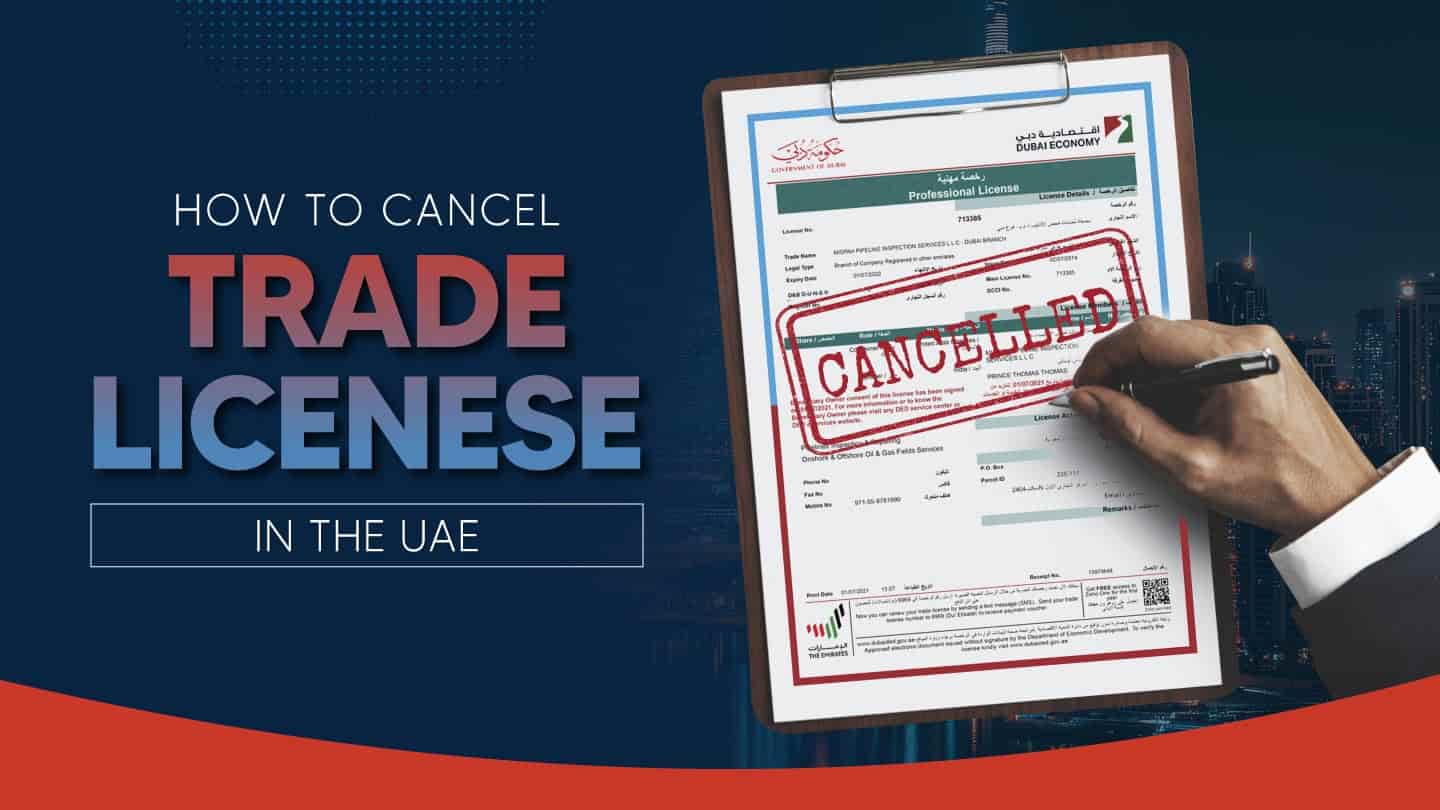
  • Trade License Cancellation in Dubai: Step-by-Step Guide

    Trade License Cancellation in Dubai: Step-by-Step Guide

    Closing a business is not always a failure; it can be a strategic decision. Whether your plans have changed, you are shifting focus, relocating, or starting a new venture, this choice is valid.

    If you are at this stage, it is important to understand how to cancel a trade license in Dubai. The process is straightforward but involves several steps, approvals, and formalities to ensure proper closure and avoid future issues.

    What Does Trade License Cancellation Mean?

    Trade license cancellation is the formal process of legally closing your business in Dubai. It involves notifying authorities that your company has ceased to exist.

    By cancelling your trade license, you remove your company from official government records:

    • Legal Dissolution: Your business name is removed from the commercial registry of the Department of Economy and Tourism (DET) or the relevant Free Zone authority.
    • Termination of Visas: All residency visas sponsored by the company (for both employees and investors) must be officially cancelled.
    • Settlement of Liabilities: You must prove that all outstanding debts, utility bills (DEWA, Etisalat/Du), and office rents have been paid in full.
    • Closing Financials: For many license types, a final Liquidation Audit Report is required to show the company’s assets have been distributed and all accounts are settled.

    Why Businesses Cancel Their Trade License

    Before diving into the how, it helps to understand the why. Businesses in Dubai cancel their trade licenses for a wide range of reasons:

    • The business is no longer profitable or viable
    • The owner is relocating to another country
    • A merger, acquisition, or business restructuring is underway
    • The company is switching from mainland to a free zone (or vice versa)
    • Retirement or a shift to a different industry
    • Regulatory changes that make the current structure impractical

    Whatever your reason, the UAE government requires a formal cancellation, you can’t simply stop operating and walk away. Inactive licenses still accumulate renewal fees, and unresolved trade licenses can affect your credit standing and future visa applications.

    Key Requirements Before Cancelling a Trade License

    Think of this as your pre-flight checklist. Rushing straight to the cancellation application without clearing these first is the single biggest mistake businesses make. Authorities will send you right back if loose ends remain.

    1. Settle All Outstanding Liabilities

    This means any unpaid government fees, utility bills, and municipality charges. The Department of Economy and Tourism (DET) or your free zone authority will verify that there are no outstanding dues against your company before proceeding.

    2. Cancel Employee Visas and Work Permits

    All visas sponsored under your trade license – employees, partners, and even your own residence visa if it’s linked to the company- must be cancelled through the General Directorate of Residency and Foreigners Affairs (GDRFA). This step often takes longer than expected, so start early.

    3. Close Your Corporate Bank Account

    Your bank will need a No Objection Certificate (NOC) or confirmation of license cancellation in most cases. However, you should inform them early and settle any outstanding loans, credit facilities, or overdrafts tied to the business account.

    4. Cancel Your Lease Agreement

    Your office or warehouse lease (Ejari registration) must be cancelled or lawfully terminated. The landlord will need to be notified formally, and you’ll need documentation of this for the cancellation application.

    5. Obtain NOCs from Relevant Authorities

    Depending on your business activity, you may need No Objection Certificates from sector-specific regulators, such as the Dubai Health Authority (DHA) for medical businesses, the Roads and Transport Authority (RTA) for transport-related activities, or the Dubai Tourism and Commerce Marketing (DTCM) for hospitality.

    Pro Tip: Keep a clear paper trail throughout this process. Every NOC, visa cancellation receipt, and bank closure confirmation will be requested at some point, usually all at once. 

    How to Cancel Trade License in Dubai? Step-by-Step Process

    Once your pre-requisites are in order, here’s how the actual cancellation plays out for a mainland Dubai business (DED/DET-licensed):

    1. Submit Your Cancellation Application

    Visit the DET’s website (dubaidet.gov.ae) or head to a DET service centre. Log in to the DET Trader portal, select “Trade License Cancellation,” fill in your details, and upload supporting documents. You can also use the Dubai Now app for parts of this process.

    2. Pay Initial Cancellation Fees

    You’ll be prompted to pay the applicable cancellation fees at this stage (covered in detail in the next section). Keep your payment receipt, as it’s a critical document for subsequent steps.

    3. Publish a Liquidation Notice

    Companies with multiple shareholders or certain legal structures (LLCs, for instance) are required to publish a liquidation notice in two UAE-approved newspapers – one Arabic and one English. This gives creditors or interested parties a window (typically 45 days) to come forward with claims.

    Note: If your company is an LLC or has multiple shareholders, appointing a licensed liquidator is mandatory.

    4. Submit Final Documents to DET

    After the newspaper notice period, compile your full document package, including all NOCs, visa cancellation proof, bank account closure letter, lease cancellation, and the newspaper publications, and submit them to DET for final review.

    5. Receive Your Cancellation Certificate

    Once DET verifies everything, they’ll issue an official Trade License Cancellation Certificate. This document is your formal proof that the business has been dissolved and is no longer legally active.

    Note: The entire process can take anywhere from 3 to 8 weeks for a straightforward mainland license, and longer if you have outstanding disputes, unpaid dues, or complex shareholding structures. Free zone cancellations have their own timelines set by each authority. 

    Documents Required for Trade License Cancellation

    When it comes to cancelling a trade license in Dubai, paperwork plays a bigger role than most people expect. Here’s what you’ll typically need:

    • Trade License copy
    • Memorandum of Association (MOA)
    • Shareholders’/Partners’ resolution for company closure
    • Passport copies of owners/partners
    • Emirates ID copies of owners/partners
    • Visa cancellation proofs (employees, partners, dependents)
    • Clearance certificates/NOCs (utilities, landlord, banks, etc.)
    • Liquidator’s report (if applicable)
    • VAT deregistration certificate (if applicable)
    • Establishment card cancellation proof

    Note: The exact documents may vary slightly depending on your business type and jurisdiction (mainland or free zone).

    Trade License Cancellation Costs in Dubai

    One of the most searched questions we hear is: “What’s the trade license cancellation cost in Dubai?” The honest answer is that it depends on several variables. The Dubai trade license cancellation fees for a typical small-to-medium business often land somewhere between AED 3,000 and AED 8,000, excluding any outstanding dues or legal disputes. If you’ve let the license lapse without renewing for a year or more, penalties can add significantly to this figure.

    Free zone cancellation costs vary by authority. DMCC, DIFC, JAFZA, IFZA, and Dubai Silicon Oasis all have their own fee schedules, expect to pay between AED 5,000 and AED 15,000 depending on the zone and your company structure.

    Here’s a practical breakdown of what to expect.

    Fee TypeApproximate Cost (AED)
    DET Application FeeAED 200 – 500
    Newspaper Publication (x2)AED 1,500 – 3,000
    PRO/Typing ServicesAED 300 – 800
    Visa Cancellation (per visa)AED 100 – 200
    Legal/Notarisation FeesAED 500 – 2,000
    Outstanding Renewal PenaltiesVariable

    Mainland vs. Free Zone — What Changes?

    The broad steps are the same: Clear liabilities, cancel visas, and submit paperwork, but there are meaningful differences between cancelling a mainland DET license and a free zone license.

    Mainland (DET) License:

    Governed by the DET, mainland cancellations require newspaper publication for most business types and go through a centralised government process. The DET Trader portal handles much of this digitally, making it more straightforward than it used to be.

    Free Zone License:

    Each free zone has its own authority and its own process. DMCC requires a Board Resolution and a specific de-registration form. DIFC operates under a separate legal framework with its own courts. JAFZA has different documentation requirements. Always check with your specific free zone authority before assuming the process mirrors the mainland.

    In both cases, though, one thing remains constant: outstanding visa cancellations are always dealt with first. Immigration will not clear a company with active sponsored visas still on record.

    Common Mistakes to Avoid

    Cancelling a trade license in Dubai is fairly structured, but small oversights can turn it into a long, frustrating process. Here are some common mistakes you’ll want to avoid: 

    • Not cancelling employee visas first: This creates a bottleneck that delays everything else.
    • Forgetting sector-specific NOCs: This is especially relevant for regulated industries like healthcare, education, and food & beverage.
    • Assuming inactivity equals cancellation: An inactive business still owes annual renewal fees until formally cancelled.
    • Leaving the Ejari unterminated: An open lease registration can stall your application.
    • Not keeping copies of all submitted documents: If something gets queried weeks later, you’ll need them.
    • Ignoring newspaper publication deadlines: Missing the publication window restarts the waiting period.

    Closing Your Business? Do It Right with Shuraa

    Closing your business isn’t the end of the road; it’s just a change in direction. Sometimes things don’t work out the way we planned, and sometimes we simply outgrow what we started. Either way, what matters is exiting the right way – clean, compliant, and stress-free.

    And honestly, you don’t have to do it all alone. With professional support, the entire process becomes much more manageable – from start to finish. Shuraa can guide you through every step, helping you avoid delays, penalties, and unnecessary hassle, so you can close this chapter properly and step into whatever comes next with clarity.

    Further Reading

    Frequently Asked Questions (FAQs)

    1. Can I cancel my trade license online?

    Yes, the DET Trader portal allows you to initiate and manage most of the cancellation process digitally. Some steps, like document submission for complex structures, may still require a physical visit.

    2. How long does the cancellation take?

    For straightforward mainland businesses, expect 4 to 8 weeks once all pre-requisites are cleared. Complicated cases, such as multi-shareholder LLCs, disputed debts, or businesses with many visa holders, can take several months.

    3. What happens if I don’t cancel and just stop operating?

    Your license renewal fees will continue to accumulate. After a certain period, the DET or the relevant authority may blacklist the business owner, which can affect future business registrations and UAE visa applications.

    4. Can I cancel a trade license with unpaid fines?

    No. All outstanding fines and fees must be settled before the cancellation can proceed. This includes municipality charges, DET penalties, and any unpaid utility bills registered to the company.

    5. Do I need a lawyer to cancel my trade license?

    Not necessarily. Many small businesses manage the process themselves or through a PRO (Public Relations Officer) service. However, if your company has shareholders, investors, or outstanding legal disputes, legal counsel is strongly advisable.

    6. Is it mandatory to appoint a liquidator?

    It depends on your business structure. Companies like LLCs typically require a liquidator, while sole establishments may not.

  • Cloud Kitchen License Cost in Dubai: Fees and Requirements Guide for 2026

    Cloud Kitchen License Cost in Dubai: Fees and Requirements Guide for 2026

    If you plan to launch a cloud kitchen in Dubai, the license cost in 2026 typically ranges from AED 16,000* to AED 25,000* for mainland setups, covering trade and food licenses. Essential requirements include business registration, food safety certifications, and location approvals from authorities such as the Department of Economy and Tourism (DET). This guide outlines the cloud kitchen license fees and steps for a smooth setup.

    What is a Cloud Kitchen?

    A cloud kitchen, also called a ghost or virtual kitchen, operates as a delivery-only food business without a dine-in area. In Dubai, these kitchens prepare meals for online orders through platforms like Talabat and Deliveroo. The model has grown rapidly with the rise of food delivery apps, offering a low-overhead entry into the UAE’s expanding F&B sector. By 2026, as population and tourism continue to grow, cloud kitchens are expected to lead the market, offering scalability without the high costs of traditional dining spaces.

    Why Start a Cloud Kitchen in Dubai in 2026?

    Dubai’s strategic location, diverse expatriate community, and supportive business environment make it an attractive destination for food entrepreneurs. Key reasons to consider a cloud kitchen license in Dubai include:

    • Low Overhead Costs: No need for expensive dining spaces; focus on efficient kitchens.
    • High Demand: The UAE food delivery market is expected to exceed AED 20 billion by 2026, driven by urban lifestyles.
    • Flexible Operations: Operate multiple brands from one kitchen, adapting to trends like healthy eating or vegan options.
    • Government Support: Initiatives like Dubai’s Smart City push encourage tech-integrated businesses, with streamlined licensing for food tech.
    • Profit Potential: Average profit margins can reach 20-30% after initial setup, per industry insights.

    Key Requirements for a Cloud Kitchen License in Dubai

    To secure a cloud kitchen license in Dubai, you must comply with UAE food safety and business regulations. These ensure hygiene, legal operation, and consumer protection. Below are the essential requirements:

    • Business Structure: Choose between mainland (via DET) or free zone (e.g. IFZA) for 100% foreign ownership.
    • Trade Name Registration: Reserve a unique name that reflects your activity, avoiding offensive terms.
    • Food Safety Certifications: Obtain HACCP (Hazard Analysis Critical Control Point) certification and ensure staff complete food hygiene training from Dubai Municipality.
    • Kitchen Layout Approval: Submit plans showing compliance with ventilation, waste management, and fire safety standards.
    • Ejari Tenancy Contract: Proof of leased commercial kitchen space, registered with RERA.
    • Additional Permits: Food establishment license from Dubai Municipality, plus health cards for employees.
    • Visa and Labour Requirements: Sponsor visas for staff, as needed, in accordance with UAE labour laws.

    Failure to meet these requirements may delay approvals. It is advisable to consult experts early in the process.

    Step-by-Step Guide to Obtaining a Cloud Kitchen License in Dubai

    Careful planning is key to a successful cloud kitchen launch. Please follow these steps to ensure an efficient process:

    1. Decide on Jurisdiction: Opt for the mainland for broader UAE access or a free zone for cost savings and faster setup.
    2. Register Trade Name: Apply via DET portal or free zone authority; approval takes 1-3 days.
    3. Submit Initial Application: Provide passport copies, business plan, and activity details (e.g., food preparation and delivery).
    4. Get DET Approval: Pay fees and receive an initial trade license.
    5. Secure Food License: Apply to Dubai Municipality with kitchen plans; inspections follow.
    6. Obtain HACCP and Training: Certify your operations and train staff.
    7. Finalise Setup: Get Ejari, install equipment, and pass final inspections.
    8. Launch Operations: Register with delivery platforms and start trading.

    The entire process is expected to take 2 to 4 weeks in 2026 due to the implementation of digital portals.

    Also Read: How to Start a Cloud Kitchen in Dubai: The Ultimate Guide

    Cloud Kitchen License Cost in Dubai for 2026: Detailed Breakdown

    Cloud kitchen license costs in Dubai vary by jurisdiction and business scale. The following table provides 2026 estimates, including license, approval, and initial setup fees:

    Cost ComponentEstimated Range (AED)*Details
    Trade License (Mainland)10,000 – 15,000Issued by DET; includes name reservation and initial approval.
    Trade License (Free Zone)12,500 – 30,000Issued by the respective free zone authority. The total cost is basically the bundle package you opt for.
    Food Establishment License5,000 – 8,000From Dubai Municipality; covers inspections and HACCP.
    HACCP Certification3,000 – 5,000Mandatory for food safety compliance.
    Staff Visas and Health Cards3,000 – 5,000 per personRequired for employees handling food.
    Kitchen Layout Approval2,000 – 4,000Plan submission and municipality review.
    Total License Cost16,000 – 25,000 (Mainland)
    12,500 – 30,000 (Free Zone)
    Excludes setup like rent or equipment.
    Overall Startup Cost30,000 – 150,000Includes licenses, rent, and basic equipment.

    Note: Costs may change due to inflation or policy updates. Allow an additional 5-10% for consultancy fees.

    Additional Costs Beyond the Cloud Kitchen License in Dubai

    In addition to the license, plan for ongoing operational expenses:

    • Kitchen Rent: AED 5,000+ monthly for shared spaces; up to AED 20,000 for dedicated ones.
    • Equipment and Fit-Out: AED 50,000 – 100,000 for ovens, refrigeration, and ventilation.
    • Insurance: AED 2,000 – 5,000 annually for liability and employee coverage.
    • Marketing and Platforms: AED 5,000 initial for app integrations and branding.
    • Utilities and Maintenance: AED 3,000 – 6,000 monthly.
    • VAT Registration: Mandatory if turnover exceeds AED 375,000.

    These ongoing investments support long-term sustainability in Dubai’s competitive market.

    Tips for Success with Your Cloud Kitchen in Dubai in 2026

    • Leverage Technology: Integrate AI for order management and inventory to reduce waste.
    • Focus on Niche Markets: Cater to trends like sustainable or halal-certified meals.
    • Compliance Updates: Stay informed about 2026 regulations, including enhanced sustainability requirements.
    • Partnerships: Collaborate with aggregators for visibility.
    • Scalability: Start small and expand brands within the same license.

    Further Reading

    For more insights into Dubai’s business landscape, check these related posts:

    Frequently Asked Questions (FAQs)

    1. What is the cost of a cloud kitchen license in Dubai?

    The cloud kitchen license cost in Dubai ranges from AED 16,000* to AED 40,000* for mainland locations, or AED 12,500* to AED 30,000* in free zones, and includes trade and food permits.

    2. What licenses are required for a cloud kitchen in Dubai?

    You need a trade license from DET or a free zone, plus a food establishment license and HACCP certification from Dubai Municipality.

    3. How long does it take to get a cloud kitchen license in Dubai?

    The process typically takes 2-4 weeks, depending on approvals and the completeness of documentation.

    4. Can foreigners start a cloud kitchen in Dubai?

    Yes, with 100% ownership in free zones or in mainland. However, for some activities, you may require a local sponsorship in the mainland. Get clarity from Shuraa business setup experts today.

    5. What is the total setup cost for a cloud kitchen in Dubai in 2026?

    Expect AED 30,000* to AED 150,000*, including licenses, rent, and equipment.

    6. Are there any updates to cloud kitchen regulations in Dubai for 2026?

    In 2026, emphasis is on digital compliance and sustainability, with potential incentives for eco-friendly operations.

    Conclusion: Partner with Shuraa for Your Cloud Kitchen Success

    Navigating the cloud kitchen licensing process in Dubai is straightforward with expert guidance. Shuraa Business Setup, a leading UAE company formation specialist since 2001, offers comprehensive services, including license acquisition, visa processing, and PRO support, to ensure compliance and efficiency.

    Our services include business registration, legal consultations, and tailored solutions for F&B entrepreneurs. Shuraa also assists with opening corporate accounts at major UAE banks, including Emirates NBD and Mashreq, to facilitate smooth financial operations.

    To begin your cloud kitchen journey, contact Shuraa at +971 44081900 or visit blog.shuraa.com/ for a free consultation.

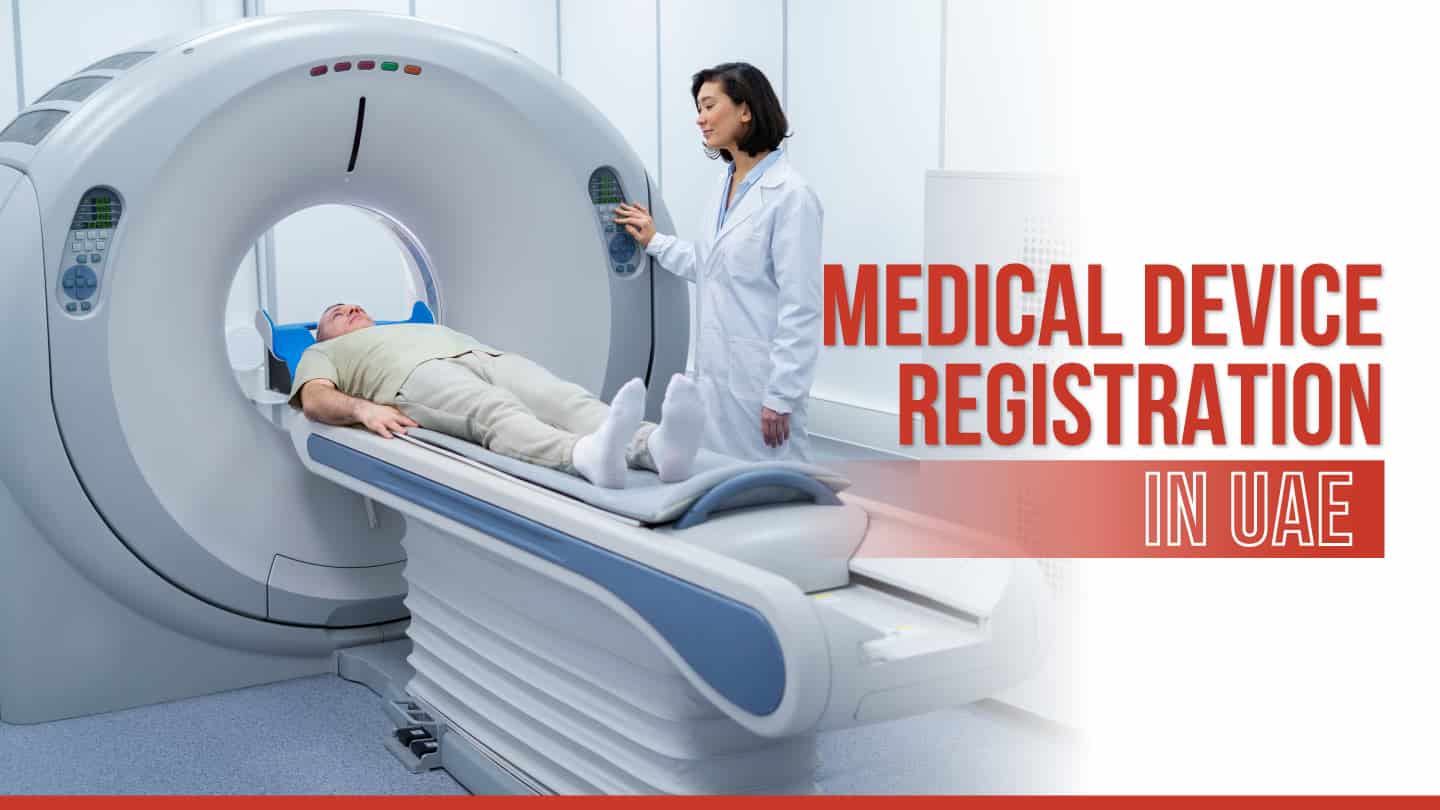
  • Medical Device Registration in the UAE

    Medical Device Registration in the UAE

    The UAE is among the most preferred destinations for medical device companies looking to grow in the Middle East. And due to a growing population and a huge focus on medical tourism, the country is investing billions into modernising its hospitals and clinics. For medical device manufacturers, this means a massive opportunity. Whether you produce high-tech diagnostic tools or everyday hospital supplies, the UAE is a hungry market looking for the best technology the world has to offer.

    However, before any medical device can be sold or distributed in the UAE, it must go through an official registration process approved by the Ministry of Health and Prevention (MOHAP). Medical device registration in the UAE helps make sure that all medical devices used in the country are safe, reliable, and meet quality standards.

    If the thought of regulatory paperwork feels overwhelming, don’t worry. Here’s the simplified process to give you a clear roadmap to success.

    Medical Device Regulations in the UAE

    Medical devices in the UAE are regulated at the federal level by the Ministry of Health and Prevention (MOHAP). MOHAP is the only authority authorised to approve, register, and monitor medical devices in the country.

    However, in recent years, many of MoHAP’s regulatory tasks have transitioned to the newly established Emirates Drug Establishment (EDE). The EDE is now becoming the central hub for the registration and supervision of all medical products, including pharmaceuticals and medical devices.

    MOHAP is responsible for:

    • Approving medical devices before they are imported or sold in the UAE.
    • Ensuring devices meet international safety and quality standards.
    • Regulating manufacturers, distributors, and local authorised representatives.
    • Monitoring compliance throughout the product’s lifecycle.

    The Registration and Drug Control Department (DCD):

    Within the federal framework, the Registration and Drug Control Department (DCD) is the specific office that rolls up its sleeves and does the technical work. Their role includes:

    • Product Evaluation: Reviewing your technical files, clinical data, and safety certificates.
    • Classification: Formally confirming whether your device is Class I, II, III, or IV.
    • Site Inspections: Ensuring the manufacturing facility meets international Quality Management Systems (like ISO 13485).
    • Issuing Medical Device Licensing: Providing the final registration certificate that allows your product to enter the market.

    Role of Local Health Authorities (DHA & Department of Health – Abu Dhabi):

    A common point of confusion for newcomers is the role of local authorities like the Dubai Health Authority (DHA) or the Department of Health – Abu Dhabi (DoH). While MoHAP (and now the EDE) governs the product registration for the whole country, local authorities manage the healthcare providers and facilities within their specific cities.

    AuthorityScopePrimary Responsibility
    MoHAP / EDEFederal (All UAE)Registering the device itself and the manufacturer.
    DoH (Abu Dhabi)Local (Abu Dhabi)Licensing hospitals and doctors in Abu Dhabi.
    DHA (Dubai)Local (Dubai)Licensing clinics and medical staff in Dubai.

    What Is Considered a Medical Device in the UAE?

    In the UAE, a product is classified as a medical device based on what it is intended to be used for, rather than how it looks or how complex it is. If a product is meant to support medical care or health-related decisions, it is likely to fall under the medical device category and must be registered with MOHAP.

    How Is a Medical Device Defined?

    A medical device generally includes any instrument, equipment, software, implant, or material that is intended for use in humans for purposes such as:

    • Diagnosis of diseases or medical conditions.
    • Prevention of illness or injury.
    • Monitoring of health conditions or vital functions.
    • Treatment or management of diseases or injuries.
    • Support or replacement of body functions.

    Unlike medicines, medical devices typically do not achieve their main purpose through chemical action inside the body.

    Common Examples of Medical Devices:

    Medical devices cover a wide range of products, from simple tools to advanced equipment, including:

    • Low-risk items such as bandages, gloves, thermometers, and syringes.
    • Medium-risk devices like infusion pumps, blood pressure monitors, and diagnostic equipment.
    • High-risk devices such as surgical instruments, implants, pacemakers, and life-support systems.

    What About In Vitro Diagnostic (IVD) Devices?

    In Vitro Diagnostic (IVD) devices are products used to examine samples such as blood, urine, or tissue taken from the human body. These devices help diagnose or monitor medical conditions, but are not used directly on the body.

    Examples include:

    • Blood glucose testing kits.
    • COVID-19 or infectious disease test kits.
    • Laboratory reagents and analysers.

    While the registration process for IVDs is very similar to regular medical devices, they have their own specific classification system (Class A to D) based on how much risk an incorrect test result would pose to a patient or the public.

    Medical Device Classification in the UAE

    Medical devices are classified using a risk-based system. This means the level of regulatory control depends on how much risk a device may pose to patients and users. The higher the risk, the more detailed the review and documentation required by MOHAP.

    The Ministry of Health and Prevention (MoHAP) and the Emirates Drug Establishment (EDE) categorise medical devices into four main classes:

    Class I (Low Risk):

    • These are non-invasive devices that have very little contact with the body. Because they are low-risk, they often follow a simplified listing route rather than a full registration.
    • Examples: Stethoscopes, manual wheelchairs, surgical bandages, and tongue depressors.

    Class II (Moderate Risk):

    • This category is often split into IIa (low-to-moderate) and IIb (moderate-to-high). These devices might be invasive for a short time or involve more complex technology.
    • Examples: Ultrasonic diagnostic equipment (IIa), infusion pumps (IIb), and surgical gloves.

    Class III (High Risk):

    • These devices are typically invasive or used for long-term treatment. They require deep technical review.
    • Examples: Orthopaedic implants and hemodialysis machines.

    Class IV (Highest Risk/Critical):

    • These are life-sustaining or life-supporting devices. They undergo the most intensive evaluation process.
    • Examples: Pacemakers, heart valves, and neurological catheters.

    Classification for IVDs (Classes A–D)

    If you are registering In Vitro Diagnostic (IVD) devices, the system is similar but uses letters instead of numbers. The logic remains the same:

    • Class A: Low individual and public health risk (e.g., laboratory reagents).
    • Class B: Moderate individual risk or low public health risk (e.g., pregnancy self-tests).
    • Class C: High individual risk or moderate public health risk (e.g., blood glucose tests).
    • Class D: High individual and public health risk (e.g., HIV or Hepatitis screening tests).

    Correct classification is a critical step in the UAE medical device registration because it determines the type and depth of technical documentation required, the level of regulatory evaluation by MOHAP, and approval timelines and processing complexity.

    Who Should Register Medical Devices in Dubai?

    Medical device registration in Dubai and across the UAE is mandatory for any business involved in bringing medical devices to the market. This applies not only to manufacturers, but also to companies handling import, distribution, and trading activities.

    This requirement applies to:

    1. Medical device manufacturers: Local and international manufacturers planning to sell or supply their medical devices in the UAE healthcare market.
    2. Foreign companies without a UAE presence: Overseas manufacturers must appoint a local authorised representative in the UAE to manage registration, communication with MOHAP, and post-market compliance.
    3. Distributors and importers: Businesses responsible for importing and distributing medical devices within Dubai and other emirates must ensure the products are properly registered.
    4. Healthcare suppliers and traders: Companies involved in supplying devices to hospitals, clinics, pharmacies, or laboratories, including those setting up a medical equipment trading business in Dubai, are required to comply with MOHAP registration rules.
    5. IVD manufacturers and suppliers: Businesses dealing in diagnostic kits, reagents, and laboratory testing devices must also follow the medical device or IVD registration process.

    How to Register a Medical Device in the UAE

    The medical device registration process in the UAE is increasingly moving through the Emirates Drug Establishment (EDE) portal, which has taken over many of the duties previously handled by MoHAP to make approvals faster and more efficient.

    To register a medical device in the UAE, follow these steps:

    If your manufacturing facility is outside the UAE, you must appoint a local partner. This partner must be a UAE-based company with a valid Medical Store License or Scientific Office License from the health authorities. They act as your legal liaison with the government, handle the submission, and are responsible for the device’s safety once it’s on the market.

    Before you can register a specific product, the government needs to approve the place where it is made. You’ll need to submit a Site Master File, a valid ISO 13485 certificate, and a Legalised Manufacturing License from your home country. The process typically takes 14 to 28 working days.

    If you aren’t 100% sure if your product is a Class II or Class III device, you can apply for an Official Classification. The EDE/MoHAP will review your product’s intended use and ingredients and give you a formal letter. This saves you from paying the wrong fees or submitting the wrong documents later. 

    The next step is to compile a complete registration file. Here are the general UAE medical device registration requirements: 

    • Medical device application form
    • Technical documentation and product specifications
    • Quality management certificates (e.g., ISO 13485)
    • Certificate of Free Sale (attested)
    • Product labelling, instructions for use, and packaging details
    • Agency agreement with the local authorised representative 

    Your local representative will log into the EDE/MoHAP e-portal using a UAE PASS to submit the full technical dossier. For higher-risk devices, this includes clinical data, safety reports, and Free Sale Certificates (proof that you are already selling the device in other major markets like the US or EU). You’ll pay an initial application fee (approx. 100 AED) and a registration fee (often around 5,000 AED per device).

    The application is sent to a technical committee of experts. They will: 

    • Check if all documents are complete.
    • Review the safety and efficacy of the device.

    It is very common for the committee to ask for “clarifications.” You usually have 30 days to respond to these queries. 

    Once the committee is satisfied, the Ministerial Committee gives the final sign-off. You will receive a Medical Device Registration Certificate, which is usually valid for 5 years.

    Even with a registration certificate, you need an Import Permit for every shipment that enters the country. Your local representative handles this through the same online portal, and it is usually approved within a few days.

    Cost of Medical Device Registration in the UAE 

    The Emirates Drug Establishment (EDE), which has now taken over these services from MoHAP, has a standardised fee structure. Note that fees are usually paid per product or per family of products.

    Service TypeEstimated Fee (AED)Notes
    Product Classification500 AEDRecommended if you are unsure of your device class.
    Application Fee100 AEDPaid at the time of initial submission.
    Device Registration5,000 AEDThe main fee for a 5-year registration certificate.
    Import PermitFree / VariableUsually, a small fee or free depending on the quantity/type.

    Keep in mind, the cost of medical device registration in the UAE can vary depending on several factors, such as the device’s risk classification, the type of product, and whether professional support is involved. While MOHAP fees are fixed, additional costs may apply throughout the registration lifecycle.

    Why is Medical Device Registration Important?

    Medical device registration is a key requirement for entering and operating in the UAE healthcare market. It helps protect patients, supports healthcare providers, and ensures businesses operate legally and smoothly.

    1. Protects Patient Safety

    Registration ensures that only medical devices meeting MOHAP’s safety and performance standards are allowed in the UAE. This reduces the risk of faulty or unsafe products reaching patients and healthcare professionals.

    2. Maintains Quality and Compliance

    Through the registration process, MOHAP reviews technical documents, quality certifications, and manufacturing practices. This helps maintain consistent quality standards across all medical devices sold in the country.

    3. Allows Legal Import and Sale

    Without MOHAP approval, medical devices cannot be imported, sold, or distributed in the UAE. Registration is mandatory for customs clearance and for supplying devices to hospitals, clinics, and pharmacies.

    4. Builds Trust with Healthcare Providers

    Hospitals, clinics, and laboratories prefer working with registered suppliers. Having a registered medical device increases credibility and makes it easier to establish long-term business relationships.

    5. Prevents Penalties and Business Disruptions

    Non-compliance can lead to fines, shipment rejections, product bans, or recalls. Proper registration helps businesses avoid these risks and operate without interruptions.

    6. Supports Long-Term Market Presence

    Registration is not just for market entry, it supports ongoing operations through renewals, updates, and post-market compliance, helping businesses grow sustainably in the UAE.

    Validity, Renewal, and Amendments

    Once you’ve successfully registered your medical device, your work doesn’t end there. To keep your product on the market, you must stay on top of its expiration date and notify the authorities of any significant changes. These processes are primarily managed through the Emirates Drug Establishment (EDE) portal.

    Registration Validity Period:

    A standard UAE Medical Device Registration Certificate is valid for five years from the date of approval.

    Important Note: For certain high-risk devices (Class III and IV), you are required to submit Post-Market Surveillance (PMS) reports every two years to prove the device remains safe for public use. Failure to submit these reports can result in the suspension of your license before the five-year mark.

    When and How to Renew:

    You should start the renewal process at least 3 to 6 months before your certificate expires. If your registration lapses, you may have to stop importing the product until the renewal is granted.

    Your Local Authorised Representative (AR) will submit a renewal application through the EDE portal. You will need to provide:

    • The original registration certificate.
    • Updated ISO 13485 and Free Sale Certificates (legalised).
    • A summary of any safety incidents or recalls from the past five years.

    Making Changes (Amendments):

    The UAE government needs to know if the profile of your device changes. These are called Variations, and they fall into two categories:

    A. Minor Variations (Notification)

    Some changes are small enough that you only need to notify the EDE. These usually don’t stop your sales.

    Examples: Minor label layout changes (that don’t change the meaning), changing the local distributor’s address, or minor software “bug fixes” that don’t change the device’s function.

    B. Major Variations (Re-approval Required)

    Significant changes require a formal review and a new approval. You cannot ship the new version of the product until this is approved.

    • Manufacturer Changes: If you move your manufacturing to a new factory or add a new production line.
    • Labelling/Intended Use: If you want to claim the device treats a new condition or if you make major changes to the safety warnings.
    • Design/Material Changes: If you change a critical component or the material of an implant (e.g., switching from titanium to a new polymer).
    • Company Ownership: If the brand owner or the manufacturing company is sold or changes its legal name.

    Renewal and Variation Costs:

    Registration isn’t a one-time event. You’ll need to account for maintaining your license: 

    • Renewal Fees: Every 5 years, you must renew your registration. The government fee is typically 2,500 AED (roughly 50% of the initial cost), plus any service fees from your local representative.
    • Variation Fees: If you change your manufacturing site, change the product name, or make minor technical updates, you must file a Variation. These fees typically range from 2,000 to 5,000 AED, depending on whether the change is considered minor or major.

    Post-Market Obligations

    Manufacturers and their local authorised representatives must actively monitor the performance of their medical devices after approval. Any adverse events, malfunctions, or safety incidents that could affect patient or user safety must be reported to MOHAP within the specified timelines. This includes:

    • Serious Incidents (Death or Serious Injury): These must be reported within 10 days (or as little as 48 hours if there is a major public health risk).
    • Other Malfunctions: General technical issues that could have led to an injury must be reported within 30 days.
    • Periodic Safety Reports: For high-risk devices (Class III and IV), you are often required to submit a Periodic Safety Update Report (PSUR) every two years. This is a summary of all global feedback and safety data for your device.

    Ready to Register Your Medical Device in the UAE?

    Medical device registration in the UAE can look confusing at first, but once the steps are clear, it’s actually very doable. Things like device classification, documentation, approvals, and ongoing compliance all need attention, but starting early makes a big difference. Having the right support also takes a lot of pressure off.

    Shuraa simplifies medical device registration in the UAE with a practical, straightforward approach. With over 26 years of expertise in UAE business setup and compliance, and having helped form over 100,000 companies, our specialists provide complete regulatory guidance tailored to the healthcare sector.

    Our team manages the entire process for you—from securing MOHAP/EDE approvals and acting as your Local Authorised Representative to handling renewals, amendments, and post-market compliance. This lets you focus on your product and business growth, while we ensure everything stays fully compliant and on track in the UAE market.

    Also Read: How to Start a Medical Equipment Trading Company in Dubai: 2026 Guide

    Frequently Asked Questions (FAQs)

    1. How long does the medical device registration process take?

    Typically, the process takes between 2 to 6 months. This includes the time for manufacturing site approval and the technical review of the device itself.

    2. Can foreign manufacturers register medical devices in the UAE?

    Yes, but foreign manufacturers must appoint a local authorised representative based in the UAE to handle the registration and regulatory communication.

    3. Is it mandatory to have Arabic on the product labels?

    For devices intended for home or retail use (over-the-counter), bilingual labelling in both Arabic and English is mandatory. For devices used strictly by healthcare professionals in hospitals, English-only labelling is generally accepted.

    4. Do I need to register my manufacturing site separately?

    Yes. Site registration is a prerequisite. You must first register the manufacturing facility (which takes about 30 days) before you can submit applications for the individual medical devices produced at that site.

    5. What are the main government fees for registration?

    As of 2026, the standard fee for registering a medical device is 5,000 AED, plus a small initial application fee of 100 AED. If you require an official classification letter first, that service costs 500 AED.

    6. What is the validity of a registration certificate?

    A medical device registration certificate is valid for 5 years. You should ideally begin the renewal process 6 months before the expiry date to ensure there is no interruption in your ability to import or sell the product.

    Disclaimer: This guide provides general information on UAE medical device registration. Regulations and processes are subject to change by the authorities (MOHAP/EDE). It is not legal advice. For definitive guidance and to ensure compliance, always consult directly with the relevant regulatory bodies or a professional regulatory consultant.

  • Dubai Free Zone Visa Benefits for Employees

    Dubai Free Zone Visa Benefits for Employees

    Dubai attracts professionals from all over the world, thanks in large part to its free zones. These special business areas, such as IFZA, Dubai Media City, and DMCC, are designed to make working and doing business easier. Whether you work in technology, media, shipping, or finance, these zones bring together companies and employees from many countries, creating a global workplace.

    A major benefit for professionals in these zones is the Dubai Free Zone visa. This visa allows you to live and work legally in the UAE and offers perks such as tax-free income, flexible living options, and the ability to sponsor your family. For many, this visa makes working in Dubai both possible and rewarding.

    What Is a Dubai Free Zone Visa?

    A Dubai Free Zone visa lets employees of companies in Dubai’s free zones live and work legally in the UAE. With this visa, your employer in the free zone acts as your sponsor.

    How It Differs from a Mainland Visa:

    Both visas let you live in Dubai, but there are some important differences to keep in mind:

    • Sponsor: With a Free Zone visa, the Free Zone Authority is your official sponsor, even if you work for a private company. For a Mainland visa, your sponsor is the company itself, which must be licensed by the Dubai Department of Economy and Tourism.
    • Work Boundaries: A Free Zone visa is mainly for people working inside that specific free zone or abroad. A Mainland visa lets you work anywhere in the UAE mainland without needing extra permits.
    • Labour Laws: If you work in a free zone, you follow the rules set by that Free Zone Authority. If you have a Mainland visa, you are covered by the UAE Federal Labour Law (MoHRE).

    Benefits of the Dubai Free Zone Visa for Employees

    In 2026, a Dubai free zone employment visa still brings major financial and lifestyle perks. Employees do not pay personal income tax and can get long-term residency more easily. Here are some of the main benefits.

    1. Tax-Free Income

    A major reason people choose to work in Dubai is the zero personal income tax. Employees get their full salary with no deductions, so they can save more, invest, or support their families. Over time, this adds up compared to countries with high taxes.

    2. Simplified Visa & Residency Process

    Free Zone authorities like IFZA, DMCC, or Dubai Silicon Oasis make things simple by handling paperwork, medical tests, and Emirates ID processing for you. Since these zones want to attract international talent, the process is usually faster and more organised than other options, sometimes taking only a few days.

    3. Long-Term Residency & Stability

    Free zone visas usually last 2 or 3 years, providing employees with stability and peace of mind. If your job contract stays valid, renewing your visa is simple. This makes it easier to plan for things like moving your family, finding schools, or renting a home in the UAE.

    4. Freedom to Live Anywhere in the UAE

    Your office may be in a certain Free Zone, but you are free to live anywhere you like. You can pick any neighbourhood in Dubai or even live in another Emirate, such as Abu Dhabi or Sharjah, and commute to work.

    5. Family Sponsorship

    If you have a Free Zone visa, you can easily sponsor your immediate family, including your spouse, children, and parents.

    • To do this, you usually need to earn at least AED 4,000 per month, or AED 3,000 if your company provides housing.
    • Recently, the rules have become even more family-friendly. However, you need a registered tenancy contract (Ejari) to demonstrate that you have enough space for your dependents.

    6. Access to Healthcare & Education

    Your visa includes an Emirates ID, which you will need for daily life in the UAE.

    • Healthcare: By law, your employer must give you health insurance. This means you can use Dubai’s excellent medical facilities.
    • Education: With your residency, your children can attend many international schools in Dubai, offering curricula such as IB, British, American, and Indian.

    7. Diverse, Multinational Work Environment

    Dubai’s Free Zones bring together people from all over the world. You will probably work with colleagues from more than 200 nationalities. This diversity is great for your social life and helps you grow professionally and learn about other cultures.

    8. Career & Entrepreneurship Opportunities

    Working in a free zone lets you experience Dubai’s fast-growing business scene up close. Many people use this chance to move into leadership roles or start their own businesses. Free zones also encourage new ideas, making them great for entrepreneurs.

    9. Legal Protection & Labour Rights

    Despite some myths, Free Zone employees have strong legal protections. Each Free Zone has its own rules to make sure workers are treated fairly, have clear contracts, and can resolve disputes. In 2026, new UAE labour laws will give even more protection for working hours, leave, and end-of-service pay.

    All these benefits make Dubai’s free zones a great choice for professionals in many fields. They offer strong financial advantages and a safe place to work.

    Important Limitations

    • Work Scope: A free zone visa allows you to work only for your sponsoring company within that free zone. If you want to work outside the free zone, you need extra permissions or a dual license from your employer.
    • Cancellation: If you leave your job, your employer must officially cancel your visa. You cannot transfer it directly to a new company in another free zone; you usually need to apply again.

    Who Can Benefit Most from the Dubai Free Zone Visa?

    A Dubai free zone visa is not limited to one profession. It is a good option for anyone looking for career growth, financial advantages, or a better quality of life.

    • If you want to work in a global setting, Dubai free zones are a strong choice. These areas are home to international companies and regional headquarters, so you can work on global projects, join diverse teams, and learn international work standards. This experience can help your career grow in the long run.
    • If you have in-demand skills like IT, engineering, finance, marketing, logistics, or media, you can benefit from Dubai’s tax-free income. You keep your full salary without paying income tax, which means you can save more and build a stronger financial future.
    • Dubai is a safe place with modern infrastructure, good healthcare, and excellent schools. If you want to move with your family, you can sponsor your dependents and enjoy a comfortable lifestyle. This makes free zone visas a good choice for settling down in the long term.
    • If you want to start your own business, working in a free zone can teach you a lot about how to set up a company in the UAE. Many people use this time to learn about the market, make connections, and later transition from employee to entrepreneur.

    Build Your Career in Dubai with a Free Zone Visa

    A Dubai free zone visa provides employees with financial security, a comfortable lifestyle, and the opportunity to grow their careers. You get tax-free income, flexible living choices across the UAE, family sponsorship, and the chance for long-term residency. Add in a safe environment, strong worker protections, and access to good healthcare and education, and it’s clear that a Dubai free zone visa offers more than just a work permit—it’s a long-term benefit.

    If you want to advance your career, save money, and enjoy a balanced life in Dubai, a free zone visa is a great choice. If you need help with setting up a company or getting an employee visa, expert guidance can make all the difference. With 26 years of experience and over 100,000 businesses formed in the UAE, Shuraa Business Setup truly understands the free zone process.

    We process your employment visa quickly and under the best jurisdiction, so you get long-term benefits right from the start. You can focus on your career while we handle the details with our proven experience.

    Want to get the most out of a Dubai free zone visa for your career? Visit Shuraa Business Setup today for a free consultation.

    For further Reading

    Frequently Asked Questions

    1. How to apply for a Dubai free zone visa for an employee?

    To obtain a Dubai Free Zone employee visa, your company must first be registered and licensed in a free zone. After that, you apply for an Entry Permit, complete your Medical Test and Emirates ID, and then get your Residence Visa stamped in your passport. Most steps are done online through the free zone authority (such as IFZA or DMCC) or with help from a business setup consultant. You’ll need documents like passport copies, your company license, and photos.

    2. Can I work anywhere in the UAE with a Free Zone visa?

    Your visa allows you to work for a company based in a specific Free Zone. You can attend meetings or work remotely from other places, but your official employer must be the Free Zone company. Starting in 2026, some Free Zone companies will find it easier to get permits to work on the mainland.

    3. How long does it take to get the visa?

    The process is quick. After your company submits the application, you usually get your residency permit in 2 to 3 weeks, as long as you finish your medical test and biometrics on time.

    4. Can I live in a different part of Dubai than where I work?

    Yes, you are free to live anywhere in the UAE. For example, you can work in a Free Zone in Jebel Ali and live in Dubai Marina or even in another Emirate like Sharjah.

    5. What is the minimum salary to sponsor my family?

    From 2026, you usually need to earn at least AED 4,000 per month to sponsor your spouse and children, or AED 3,000 if your company provides housing. You’ll also need a registered tenancy contract (Ejari) to show you have a home for your family.

    6. Is health insurance mandatory for free zone employees?

    Yes, health insurance is required in Dubai. Most employers include it in their employment package.

    7. Can free zone visa holders travel freely in and out of the UAE?

    Yes, you can travel in and out of the UAE, but you should not stay outside the country for more than six months in a row, or your visa could become invalid.

    8. Do free zone employees really get tax-free salaries?

    Yes, if you work in a Dubai free zone, you do not pay personal income tax. You get your full salary, with no deductions.

    9. Can I open a bank account with a free zone visa?

    Yes, after you get your Emirates ID, you can open a personal bank account in the UAE.

    Disclaimer: This information is for general guidance and is subject to regulations as of 2026. UAE authorities or individual Free Zones may change visa policies, salary requirements, and procedures at any time. For the most current and personalised advice, contact the official Free Zone Authority or a licensed business setup consultant, like Shuraa, before you apply.

  • Guide to Establishing an AI Company in Dubai

    Guide to Establishing an AI Company in Dubai

    For visionary entrepreneurs, Dubai isn’t just another market—it’s a launchpad purpose-built for the future of AI. The emirate has strategically positioned itself as a global nucleus for artificial intelligence, offering a combination of proactive government strategy, unmatched infrastructure, and access to high-growth sectors that is unparalleled in the region.

    This guide will walk you through why and how to establish your AI company in Dubai. Here, you’ll find more than just a business-friendly environment; you’ll discover a thriving ecosystem actively incentivizing AI innovation in fintech, healthcare, smart cities, and logistics. From streamlined licensing to connecting with global talent and capital, Dubai provides the foundational pillars to transform your AI solution from concept to scalable, international success.

    What is an AI Business in Dubai?

    An AI business in Dubai is a company that uses artificial intelligence technology to provide creative goods, services, or solutions that solve complicated issues, improve processes, and unlock new values. At its core, it’s a company that transforms data into intelligent action—automating tasks, generating insights, and enhancing decision-making in ways that were previously impossible.

    In Dubai’s forward-looking ecosystem, these businesses are not just tech providers; they are strategic partners in the city’s vision for a smarter economy, government, and society.

    What Does an AI Business in Dubai Actually Do?

    An AI business typically focuses on developing, applying, or integrating intelligent systems to perform tasks that require human-like cognition. In Dubai’s key sectors, this translates to:

    • Enhancing Customer Experience: Using intelligent chatbots and virtual assistants to provide 24-hour customer care, assistance, and tailored interaction.
    • Powering Data-Driven Decisions: Analysing enormous statistics from markets, logistics, and IoT devices to provide valuable insights to businesses and government agencies.
    • Driving Automation: Streamlining back-office operations, financial reporting, supply chain logistics, and administrative workflows with robotic process automation (RPA).
    • Enabling Smart Recognition: Computer vision is used for security, facial recognition access, medical picture analysis, and quality control in manufacturing.
    • Delivering Predictive Intelligence: Building models to forecast market trends, predict maintenance needs for infrastructure, anticipate consumer behaviour, and manage financial risk.

    Ultimately, an AI business in Dubai turns the city’s ambition for an AI-powered future into tangible, scalable reality.

    Why is Dubai the Ideal Launchpad for AI Businesses?

    Dubai has strategically positioned itself not just as a tech hub, but as a living laboratory for AI innovation. The government doesn’t merely support technology—it actively co-creates the future through landmark initiatives like the UAE Artificial Intelligence Strategy 2031 and Dubai’s own AI Roadmap. This commitment translates into a powerful, multi-layered advantage for AI entrepreneurs.

    Here are the core pillars that make Dubai a unique ecosystem for AI success:

    1. Unmatched Government Partnership: Beyond policies, you find active collaboration. The government acts as a first client and testing ground through programs like the Dubai Applied AI Solutions Hub, providing real-world deployment opportunities you won’t find elsewhere.
    2. A Friction-Free Business Engine: Dubai’s renowned ease of setup, 100% foreign ownership in free zones, and transparent regulatory sandboxes allow you to launch and pivot with agility, focusing on innovation rather than bureaucracy.
    3. A Ready-Made Market Hungry for Solutions: From transforming logistics at Jebel Ali Port to pioneering smart healthcare and autonomous transportation, Dubai’s key sectors are actively seeking AI-driven efficiency, creating immediate, high-value demand for your products.
    4. A Global Gateway with Strategic Reach: Located at the crossroads of East and West, Dubai offers unparalleled access to the high-growth markets of the Middle East, Africa, South Asia, and beyond, all from a single, stable, and connected headquarters.

    In essence, Dubai offers more than a supportive environment—it provides the active infrastructure, market pull, and strategic position to scale an AI venture from prototype to global impact.

    Who Can Build a Successful AI Business in Dubai?

    Dubai’s AI ecosystem is designed for a diverse range of visionaries, not just for tech purists. The city welcomes anyone who can identify a problem and leverage intelligent technology to solve it. Whether you’re creating groundbreaking AI models or expertly applying existing ones, your venture has a place here.

    You are an ideal candidate to start an AI business in Dubai if you are a:

    • Visionary Entrepreneur or Startup: You have a disruptive idea and seek the perfect launchpad to build, test, and scale your AI-driven product with access to funding and mentorship.
    • Technical Founder, Developer, or Data Scientist: You possess the core technical skills to develop proprietary algorithms, machine learning models, or AI-powered software solutions.
    • Industry Expert or Consultant: You have deep knowledge in sectors like finance, healthcare, or logistics and can build a consultancy that implements AI solutions to transform businesses in your field.
    • Service Provider or Agency: You plan to integrate cutting-edge AI tools (for analytics, content generation, automation) into your service offerings, delivering unprecedented value and efficiency to your clients.

    A Key Advantage: You don’t need to engineer AI from the ground up. The global marketplace of APIs, platforms, and no-code AI tools allows savvy business minds to build powerful service-based companies by applying, integrating, and customizing existing intelligence.

    In Dubai, the question isn’t “Am I technical enough?” but rather, “Do I have the vision to apply intelligence to a real-world opportunity?”

    What Types of AI Businesses Are Thriving in Dubai?

    Dubai’s proactive push into the future has created fertile ground for AI ventures across the spectrum—from deep-tech R&D to intelligent service delivery. The city’s specific economic ambitions make certain types of AI businesses particularly prevalent and promising.

    Here are some of the most common and impactful AI business models flourishing in Dubai’s ecosystem:

    1. Enterprise AI Solutions & Software Providers
      Develop core AI platforms and SaaS tools for process automation, advanced data analytics, and intelligent decision-support systems, serving industries from logistics to retail.
    2. Customer Experience & Engagement AI
      Build and deploy intelligent chatbots, virtual assistants, and sentiment analysis tools that revolutionize 24/7 customer service, support, and personalized communication for Dubai’s vast hospitality, tourism, and commerce sectors.
    3. AI-Powered Marketing & Creative Agencies
      Leverage AI for hyper-personalized advertising, dynamic content creation, predictive customer journey mapping, and ROI optimization, helping brands stand out in Dubai’s competitive digital marketplace.
    4. HealthTech and Diagnostic AI
      Create solutions for medical imaging analysis, predictive diagnostics, personalized treatment plans, and hospital management automation, directly supporting Dubai’s vision to become a leading hub for smart healthcare.
    5. FinTech and Regulatory Technology (RegTech)
      Develop systems for real-time fraud detection, algorithmic risk assessment, automated wealth management (robo-advisors), and smart compliance—key services in Dubai’s ambition to be a global financial center.
    6. Smart City & GovTech Solutions
      This is a flagship domain. Businesses work on AI for traffic management, energy optimization, predictive infrastructure maintenance, and public service automation, partnering directly with Dubai’s government to build the city of the future.

    Choosing the Right Jurisdiction for Your AI Company in the UAE

    Your choice of jurisdiction is one of the most critical strategic decisions when establishing your AI company in the UAE. It defines your market access, operational flexibility, and growth trajectory. The UAE offers three distinct pathways: Mainland, Free Zones, and Offshore. Understanding their core purposes is key to aligning your business model with the right legal and commercial framework.

    1. Mainland (Onshore) Company

    A Mainland license allows you to operate without restriction across the entire UAE market, making it the choice for businesses deeply integrated into the local economy.

    • Core Advantage: Unrestricted access to do business directly with the UAE government, other Mainland companies, and consumers nationwide.
    • Ideal For: AI businesses providing on-the-ground, B2G (Business-to-Government), or B2B solutions such as:
      • Smart City Infrastructure & IoT
      • AI-Driven Logistics & Supply Chain
      • Physical Security & Surveillance Systems
      • Healthcare Implementation & Medical Devices
      • Direct Government Contracting

    2. Free Zone Company

    Free Zones are purpose-built ecosystems offering fast setup, 100% foreign ownership, and full profit repatriation. They are the premier choice for globally-focused tech startups and service providers.

    • Core Advantage: A streamlined, tax-efficient platform for innovation and international trade with world-class infrastructure and networking.
    • Top Free Zones for AI:
      • Dubai Internet City: The established heart for IT, software, and digital services.
      • DIFC Innovation Hub: The global nexus for FinTech, RegTech, and InsurTech.
      • Dubai Silicon Oasis: A focused ecosystem for R&D, prototyping, and hardware-integrated AI.
      • Sharjah Research, Technology & Innovation Park (SRTIP): A strong hub for applied research and academic collaboration.
      • Abu Dhabi Global Market (ADGM): A robust financial center for AI in finance, law, and data.

    3. Offshore Company

    An Offshore entity is a legal tool for asset holding and international structuring, not for conducting active business within the UAE. It operates outside the local tax and legal framework.

    • Core Advantage: A cost-effective vehicle for holding intellectual property, managing international assets, and optimizing corporate structure.
    • Strategic Uses for an AI Business:
      • Holding patents, algorithms, and software IP.
      • Acting as a parent holding company for global operations.

    Core License Categories for AI Companies

    1. Professional License (for Service-Based AI)

    This license is for firms that sell expertise, advisory services, or custom project work. It does not cover the commercial trading of goods.

    • Typical Activities Under This License:
      • AI Strategy Consulting & Implementation
      • Data Analytics, Mining, and Science Services
      • Custom Machine Learning Model Development
      • AI-powered Business Intelligence & Forecasting
      • AI Training & Workforce Development Programs
    • Why It’s a Top Choice: It’s widely available, supports 100% foreign ownership for these activities, and is the standard for consultancies, freelancers, and bespoke solution providers.

    2. Technology/IT Services License (for Product & Development Focus)

    This is the essential license for companies that build, sell, or license proprietary AI technology and software.

    • Typical Activities Under This License:
      • AI Software & SaaS Platform Development
      • Machine Learning & Automation Tool Creation
      • Robotics Software & Intelligent Systems Programming
      • Algorithm Design & AI Model Training Services
    • Commonly Offered In: Tech-centric free zones like Dubai Internet City (DIC), Dubai Silicon Oasis (DSO), and Sharjah Research, Technology and Innovation Park (SRTIP).
    • Best For: AI product startups, SaaS companies, and firms whose core asset is their proprietary technology.

    3. E-Commerce License (for Digital & Online AI Products)

    Mandatory if your primary sales channel is online and you are delivering a digital product or service.

    • Applies To Businesses That Sell:
      • Subscription-based AI SaaS Platforms
      • Online AI Tools (e.g., content generators, design assistants)
      • API Access to AI Models
      • Downloadable AI Software
    • Available In: Many free zones, including DIFC Innovation Hub, RAKEZ, and Meydan Free Zone. This license is often combined with a Technology license.

    4. Innovation/Specialized AI License (for R&D and Advanced Tech)

    Select hubs offer premium, future-focused licenses designed for high-impact R&D and experimental technologies.

    • Key Features & Benefits:
      • Covers advanced R&D in fields like computer vision, NLP, and robotics.
      • Often includes access to regulatory sandboxes for live testing.
      • Provides networking with government entities, accelerators, and venture capital.
    • Leading Providers:
      • DIFC Innovation Hub (FinTech/RegTech focus)
      • Dubai Future Foundation (via AREA 2071) (Cross-sector future tech)
      • Abu Dhabi’s Hub71 (Deep-tech ecosystem)

    Step-by-Step Guide to Establishing Your AI Company in Dubai

    Launching your AI venture in Dubai is a streamlined process, but success lies in meticulous preparation and understanding each phase. This step-by-step guide walks you through from concept to operational launch.

    Step 1: Define Your AI Business Activity with Precision

    The cornerstone of your setup is a clearly defined business activity. UAE authorities require specificity beyond “artificial intelligence.”

    • Action: Select the exact activity that matches your core revenue model. Common classifications include:
      • Artificial Intelligence Software Development
      • Machine Learning Model Training & Services
      • Data Analytics and Predictive Modelling Solutions
      • Natural Language Processing & Chatbot Systems
      • AI Consultancy and Strategic Advisory
    • Why It Matters: This determines your license type and ensures legal compliance from day one.

    Step 2: Choose Your Jurisdiction: Mainland vs. Free Zone

    This critical choice dictates your market access, ownership rules, and tax structure.

    • Choose MAINLAND if your primary clients are within the UAE, especially government entities or local corporations.
    • Choose a FREE ZONE if you are a globally-focused startup or service provider prioritizing 100% foreign ownership, tax benefits, and a fast setup.

    Tip: Revisit the previous section, “Choosing the Right Jurisdiction for Your AI Company in the UAE” for a detailed comparison.

    Step 3: Select the Appropriate Legal Structure

    Your legal entity affects liability, expansion potential, and visa eligibility.

    Step 4: Reserve Your Company Trade Name

    Your proposed name must be unique and adhere to UAE naming conventions.

    • Rules: It should reflect your AI business, be culturally appropriate, and not infringe on existing trademarks.
    • Process: Submit 1-3 options to the relevant authority (DET or Free Zone) for approval and reservation.

    Step 5: Apply for Your AI-Specific Trade License

    This is the official permit to operate. The issuing authority depends on your jurisdiction.

    • Mainland License: Issued by the Dubai Department of Economy and Tourism (DET).
    • Free Zone License: Issued by your chosen free zone authority (e.g., DIC, DSO, DIFC).
    • License Type: Ensure it corresponds to your activity from Step 1 (e.g., Technology LicenseProfessional License).

    Step 6: Secure a Registered Office Address

    A physical legal address is mandatory. Your choice impacts cost and visa quotas.

    • Options: Range from flexible hot-desks or virtual offices (in some free zones) to private offices or lab spaces.
    • Visa Link: The square footage of your leased office typically determines your initial visa allowance.

    Step 7: Obtain Special Approvals (If Required)

    For AI businesses in regulated sectors, additional no-objection certificates (NOCs) are crucial.

    Step 8: Submit Final Documents and Receive Registration

    Compile and submit the required documentation package for final approval.

    • Typical Documents: Passport copies of shareholders/directors, approved trade name certificate, lease agreement, and a detailed business plan (often required for tech companies).
    • Outcome: Upon approval, you will receive your official trade license and commercial registration certificate.

    Step 9: Open Your Corporate Bank Account

    This is often the most time-consuming step post-licensing. Preparation is key.

    • Requirements: Present your full company kit, shareholder CVs, a clear business plan, and projected financials.
    • Pro Tip: Engage a business setup consultant who can recommend banks familiar with the AI/tech sector and prepare you for the interview.

    Step 10: Apply for UAE Residence Visas

    The final step is sponsoring visas for yourself, your partners, and your employees.

    • Process: Includes medical testing, biometrics, and visa stamping. The number of visas available is tied to your office space and license type.
    • Benefit: UAE residency visas offer long-term stability and access to a global lifestyle for you and your team.

    Documents Required to Establish Your AI Company in Dubai

    Preparing the correct documentation is a critical step in forming your AI company. While the core list is consistent, specific requirements can vary based on your chosen jurisdiction (Mainland vs. Free Zone) and business activity. Having these documents organized from the outset will significantly expedite the process.

    Below is a comprehensive checklist, categorized for clarity.

    A. Core Personal Documents (For All Shareholders & Managers)

    These establish the identity and legal status of the company’s owners.

    • Passport Copies: Clear, color copies of the information page for all shareholders and the appointed manager. Must be valid for at least 6 months.
    • Passport-Sized Photographs: Recent photos with a white background (as per UAE visa specifications).
    • Proof of Entry/Residency: A copy of the UAE entry stamp page in your passport. If you are already a resident, provide a copy of your UAE residence visa and Emirates ID.
    • Proof of Address: A recent utility bill or bank statement from your home country (translated into English or Arabic if necessary).

    B. Company Formation Documents

    These define your business’s legal identity and structure.

    • Trade Name Reservation Certificate: Proof of your approved company name from the Department of Economy and Tourism (DET) or your chosen Free Zone authority.
    • Business Activity Approval: The official description of your AI services (e.g., “Artificial Intelligence Software Development”) as approved by the authorities.
    • Initial Approval Certificate: Issued after preliminary checks, allowing you to proceed with leasing an office and drafting the MOA.
    • Memorandum of Association (MOA) / Local Services Agreement (LSA):
      • For Mainland LLCs: The MOA is a mandatory legal document outlining shareholding, management, and company bylaws. It must be notarized.
      • For Free Zone Companies: An LSA with the free zone authority often replaces the MOA.
    • Shareholder Details: A comprehensive profile for corporate shareholders, including certificate of incorporation and board resolution authorizing the UAE investment.

    C. Location & Operational Documents

    These verify your company’s physical presence and operational plans.

    • Lease Agreement & Ejari (for Mainland): A tenancy contract for your office space, registered via the Ejari system. Free Zones typically provide a lease confirmation letter.
    • Business Plan (Often Required for Tech/AI Companies): A detailed plan explaining your AI product/service, market analysis, revenue model, and team expertise. This is increasingly requested by authorities and is essential for opening a corporate bank account.
    • No Objection Certificate (NOC): If an applicant is sponsored by a current UAE employer or spouse, an NOC from the sponsor is required to start a new business.

    Cost of Setting Up an AI Company in Dubai & UAE

    The total investment for establishing an AI company in Dubai typically ranges from AED 15,000 to AED 60,000+. This is not a fixed price but a variable project cost, shaped by your specific business model and choices during setup.

    The final amount depends on several decisive factors:

    Primary Cost Drivers:

    1. Jurisdiction and License Type:
      • Free Zone Setup: Often has a more predictable, all-inclusive package cost (e.g., for a basic tech license with a flexi-desk). Prices vary between zones (e.g., Dubai Internet City vs. SHAMS).
      • Mainland Setup: Involves separate fees for DET licensing, local sponsor (if applicable), and Chamber of Commerce registration, which can increase the baseline.
    2. Business Activity & Legal Structure:
      • Standard “AI Consultancy” licenses generally cost less than specialized “AI Software Development” or “FinTech” licenses, which may carry premium fees.
      • The chosen legal structure (LLC, FZCO, Sole Establishment) also affects government fees.
    3. Office Space Requirements: This is one of the most significant variables. Costs scale from an affordable flexi-desk or virtual office package to a private office or laboratory space, which commands a substantial annual rent.
    4. Visa Allocations: Government fees are incurred per residence visa application (for investors, partners, and employees). The total cost increases directly with the size of your team.
    5. Additional Approvals & Compliance: If your AI business operates in a regulated field (e.g., healthcare, finance, data services), obtaining necessary No-Objection Certificates (NOCs) or special approvals from sector-specific authorities (like DHA or the Central Bank) will add to the cost.

    Understanding the Quote:

    A transparent cost estimate should itemize:

    • Government Fees (License, Registration, Visa Processing)
    • Authority/Free Zone Service Fees
    • Office Rental/Workspace Package (First Year)
    • Professional Service Fees (if using a consultant)
    • Estimated costs for mandatory requirements (e.g., UAE health insurance per visa).

    Note: This setup cost is separate from ongoing operational expenses such as license renewal, office rent renewals, and employee visa renewals.

    Ready to Get a Precise Quote?

    The figures above are for informational purposes and illustrate common cost drivers. To receive a transparent, fixed-price quote tailored to your specific AI business model, jurisdiction, and team size, contact Shuraa’s business setup experts today.

    Launch Your AI Venture in Dubai with Confidence

    Establishing your AI company in Dubai is more than a strategic business decision—it’s an entry into one of the world’s most dynamic and future-ready ecosystems. With its unwavering government support, cutting-edge infrastructure, and access to thriving sectors like FinTech, Smart Cities, and Healthcare, Dubai provides the perfect launchpad to transform your innovative ideas into scalable, global solutions.

    The journey from concept to operational success involves navigating key decisions on jurisdiction, licensing, and compliance. While the process is structured, having an expert guide ensures you avoid pitfalls, save valuable time, and secure the most advantageous setup for your specific goals.

    Why Choose Shuraa Business Setup as Your Partner?

    With over 26 years of dedicated experience and a legacy of successfully forming more than 100,000 businesses in the UAE, Shuraa is more than a service provider—we are your strategic foundation in the region. Our deep expertise in the technology and AI sector means we understand your unique needs.

    We offer comprehensive, end-to-end guidance, meticulously handling:

    • Strategic Planning: Identifying the optimal jurisdiction and license for your AI model.
    • Seamless Registration: Managing all documentation, approvals, and government liaisons.
    • Operational Launch: Assisting with corporate banking, office setup, and visa processing.
    • Ongoing Support: Ensuring your business remains compliant and poised for growth.

    Take the First Step Today.

    Stop navigating the complexities alone. Partner with the region’s most trusted business setup expert and turn your vision into a licensed, operational AI company in Dubai.

    Get in touch with our experts for a free, personalized consultation:

    Your future in AI starts here.

    Frequently Asked Questions (FAQs)

    1. Do I need to be a tech expert or programmer to start an AI company in Dubai?

    Not at all. Dubai’s ecosystem welcomes both technical founders (who build AI models) and non-technical entrepreneurs (who apply existing AI tools). Many successful AI businesses are launched by experts in marketing, finance, or consulting who leverage AI to deliver smarter services. The key is your business idea and understanding of the market problem.

    2. What is the single biggest difference between a Mainland and a Free Zone license for an AI business?

    Market Access. A Mainland license allows you to do business directly and without restriction with the local UAE market and government. A Free Zone license is primarily for international trade and limits direct business within the local UAE market (though you can still serve local clients through a local distributor). Your choice fundamentally depends on who your primary customer is.

    3. How long does it typically take to get an AI company fully set up, licensed, and ready to operate?

    With proper preparation and expert guidance, the core company formation and licensing can be completed in 7 to 15 working days in a Free Zone. A Mainland setup may take slightly longer, approximately 2 to 4 weeks, due to additional steps like securing a physical office lease (Ejari). The most variable step is opening a corporate bank account, which can take an additional 2-6 weeks.

    4. Is there a specific “AI License” in Dubai, or do I choose a standard category?

    There is no single “AI License.” You will select a licensed activity that precisely matches your service, such as “Artificial Intelligence Software Development,” “Data Analytics Services,” or “AI Consultancy.” Some advanced hubs like the DIFC Innovation Hub or AREA 2071 offer specialized “Innovation Licenses” with added benefits for R&D-focused AI companies.

    5. What are the ongoing costs after the initial setup?

    The main recurring costs are:

    • Annual License Renewal Fee
    • Office Space/Renewal Fee (for your registered address)
    • Employee Visa Renewal & Health Insurance Costs
    • Free Zone Annual Service Fees (if applicable)
      Budgeting for these from the start is crucial for smooth operations.

    6. Can I get a UAE residency visa for myself and my family through my AI company?

    Yes, absolutely. Once your company is licensed, you, as the investor/owner, are eligible for a UAE residency visa (typically valid for 2-3 years, renewable). You can also sponsor visas for your family members (spouse and children) and your employees, subject to meeting certain office space and salary requirements.

    7. I’m developing proprietary AI software. How is intellectual property (IP) protected in Dubai?

    The UAE has robust IP protection laws aligned with international treaties. You can register your software, algorithms, and brand through the UAE Ministry of Economy. A common and recommended strategy is to hold your core IP in a separate offshore company, which then licenses it to your Dubai operating company, adding an extra layer of protection and tax efficiency.

    8. Are there grants, funding, or sandbox programs available for AI startups in Dubai?

    Yes. Dubai actively supports AI innovation through programs like:

    • Regulatory Sandboxes: Offered in hubs like DIFC and ADGM, allowing you to test AI products in finance and other regulated sectors with temporary exemptions.
    • Incubators & Accelerators: Many free zones (e.g., in5, DIFC FinTech Hive) offer programs with potential funding opportunities, mentorship, and office space.
    • Government Challenges: Entities like the Dubai Future Foundation often pose challenges where innovative AI solutions can win contracts and grants.

    9. What is the most common mistake to avoid when setting up an AI company in Dubai?

    The most common mistake is choosing the wrong licensed activity or jurisdiction based on assumptions rather than a strategic plan. For example, choosing a Free Zone to save on costs when your target client is the UAE government will block your ability to work with them directly. Professional consultation before applying is key to avoiding this costly error.

    10. Why should I use Shuraa instead of setting up the company myself?

    A: While it’s possible to navigate the process alone, Shuraa’s 26 years of experience and track record of forming over 100,000 businesses ensures:

    • Accuracy & Speed: We prevent application rejections and delays.
    • Strategic Advice: We help you select the optimal setup for long-term growth, not just the cheapest option.
    • Hassle-Free Experience: We handle all government liaison, documentation, and compliance, allowing you to focus entirely on developing your AI business.
    • Post-Setup Support: We provide continued support for banking, visas, and renewals, acting as your long-term partner in the UAE.

    Have a more specific question? Contact Shuraa’s AI business setup specialists for a free, personalized consultation.

    Disclaimer: The information provided in this guide is for general informational purposes only and does not constitute legal, financial, or professional advice. Business setup regulations in the UAE are subject to change. We strongly recommend consulting with official authorities or professional business setup advisors, like Shuraa, to obtain accurate, up-to-date guidance tailored to your specific circumstances before making any decisions.

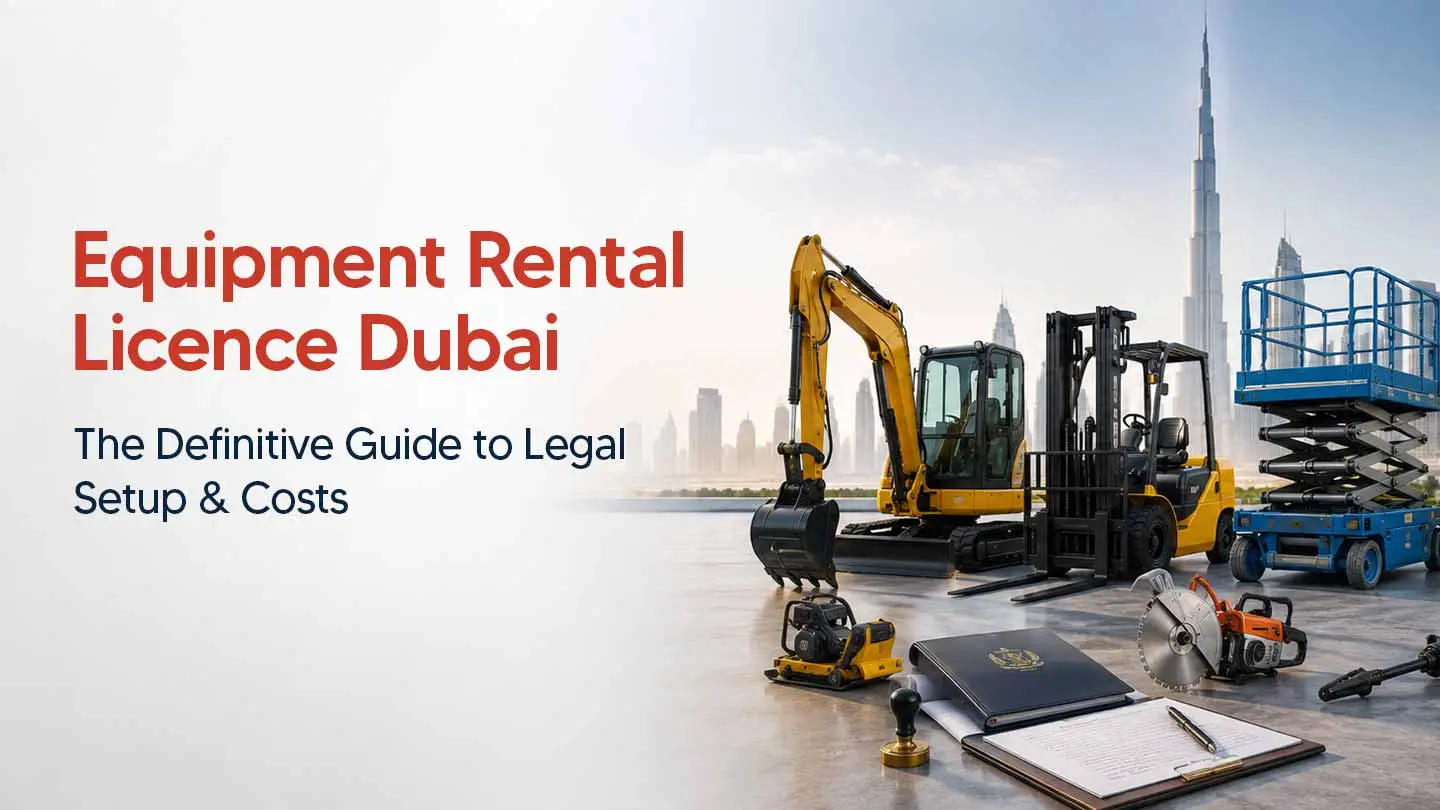
  • Ajman Mainland License Cost: Complete 2026 Breakdown

    Ajman Mainland License Cost: Complete 2026 Breakdown

    Business setup in the UAE is always an exciting achievement, but the first question every entrepreneur asks is: “How much will it actually cost?” While Dubai often grabs the headlines, savvy business owners are increasingly looking at Ajman Mainland as the smartest place to launch.

    Ajman offers the perfect middle ground. You get all the perks of a Mainland license – meaning you can trade anywhere in the UAE and take on government contracts, but at a price point that is much friendlier to your bank account It has become a go-to spot for startups and SMEs because it combines a strategic location with some of the lowest administrative fees in the country.

    That said, the cost of an Ajman mainland license is not just one fixed number. It includes different parts like government fees, approvals, office space, and visas. If you don’t understand these costs properly, your budget can easily go off track. That’s why knowing the full Ajman mainland license cost breakdown before you start is so important.

    What Is an Ajman Mainland License?

    An Ajman Mainland License is a business license that allows you to operate legally within Ajman and anywhere across the UAE. Unlike free zone companies, mainland businesses can work directly with local customers, government bodies, and other UAE-based companies without restrictions.

    Who Issues the License?

    All mainland licenses in the emirate are governed and issued by the Ajman Department of Economic Development (Ajman DED). They are the primary regulatory body responsible for approving trade names, checking business activities, and ensuring every company follows the local laws.

    Who Should Choose Ajman Mainland?

    While Ajman Mainland is a great all-rounder for many entrepreneurs, it is the top choice for specific types of businesses:

    • Retail & Restaurants: Any business that needs a physical storefront to serve walk-in customers (like a café in the city centre or a clothing boutique).
    • Service-Based Professionals: Consultants, IT specialists, and accountants who want to work with clients across the entire UAE.
    • Construction & Contracting: Companies that need to move equipment and labour across different sites in the country.
    • Industrial & Manufacturing: Since Ajman offers very affordable industrial land and warehouse rates, many manufacturing firms choose a mainland setup here.
    • General Trading: Businesses that want to import goods and sell them directly to local shops or distributors without needing a middleman.

    Average Ajman Mainland License Cost

    The typical cost of an Ajman Mainland license ranges from AED 12,000 to AED 32,000 or more for the basic setup. Although this is considerably more affordable than in neighbouring Dubai, the final price is greatly influenced by your specific business activity. This price range typically covers the following license types:

    • Professional/Service License: Starts around AED 12,000 – AED 14,000. This is for consultants, freelancers, or beauty salons.
    • Commercial/Trading License: Starts around AED 15,000 – AED 18,000. This is for retail shops or import/export businesses.
    • General Trading License: Often starts at AED 25,000+ because it allows you to trade a much wider variety of goods.

    What This Base Cost Usually Includes:

    The base cost typically covers the core items you need to get your business registered and legally operational:

    • Trade license fee (the main government charge for your business activity)
    • Trade name reservation and initial approvals
    • Government service charges
    • Basic registration and documentation fees

    Ajman Mainland License Cost Breakdown

    To help you plan your business setup budget clearly, here’s a detailed breakdown of all the key costs involved in getting an Ajman mainland license. Each cost item depends on your business type and requirements, so consider this a practical guide to estimate your overall investment.

    A. Government & Department of Economic Development (DED) Fees

    These are the fixed fees you pay to the Ajman DED to register your company and get your license issued.

    Fee ComponentEstimated Cost (AED)Description
    Trade Name ReservationAED 500 – 1,000Fee for reserving your company name (higher if the name is non-Arabic).
    Initial ApprovalAED 200The cost for the DED to approve your business activity.
    License IssuanceAED 600The base fee for the actual trade license certificate.
    Commercial RegisterAED 200Fee for listing your business in the government registry.
    CSR Fund ContributionAED 1,500A mandatory community contribution for all businesses.
    Ministry of Economy FeeAED 3,000Required for Limited Liability Companies (LLC) for publication of legal documents.
    Administrative ServicesAED 50 – 100General service and innovation fees.

    B. Mandatory Memberships & Approvals

    Once the DED gives the green light, you have a few other mandatory registrations to complete.

    • Ajman Chamber of Commerce: Registration is mandatory for all businesses. Fees vary by business category (1 to 5), typically ranging from AED 500 to AED 2,500.
    • Municipality Fees: You must pay a fee to have your lease contract (Ejari) authenticated. This is often calculated as 5% of your annual rent.
    • External Approvals: Some businesses (like clinics, transport, or heavy industry) need permission from specific ministries. These can add anywhere from AED 1,000 to AED 5,000, depending on the complexity.

    C. Operational & Visa Costs

    A license alone doesn’t let you live or work in the UAE. You need to account for these essential add-ons:

    Office Rent:

    Ajman is famous for its affordable workspace.

    • Shared Desk/Flexi-Desk: Starting at AED 5,000 – 6,000 per year (often used by professional services).
    • Small Private Office: Starting at AED 15,000 – 25,000 per year in areas like Ajman Industrial or Al Jurf.

    Visa Expenses:

    If you or your employees need residency, budget for the following per person:

    • Establishment Card: Approx. AED 2,000 (This allows the company to sponsor visas).
    • Entry Permit & Visa Status Change: AED 1,500 – 2,500.
    • Medical & Emirates ID: Approx. AED 1,100.
    • Health Insurance: Ranges from AED 600 (basic) to AED 5,000+ (comprehensive).

    Important Note: These are estimates. The final price can fluctuate based on business activity, type of license, number of visas, office size, and additional approvals.

    Ajman Mainland License Cost with Visas (Estimated Packages)

    When planning your business setup in Ajman mainland, it’s helpful to look at package-style estimates that include both the license and visa costs. Visas are a significant part of your overall budget, each visa adds government fees, medical checks, Emirates ID charges, and insurance.

    • License Only: AED 12,000 – 16,000: It is best for those who already have a residency visa (e.g., Golden Visa or Spouse Visa).
    • License + 1 Visa: AED 18,000 – 22,000: Best for solo entrepreneurs or owners who need a residency visa to live in the UAE.
    • License + 2-3 Visas: AED 25,000 – 35,000: Best for small startups with a partner or a couple of core employees.

    Is an Ajman Mainland License Worth the Cost?

    If you’re wondering whether the investment in an Ajman mainland license is worth it, here’s a simple breakdown to help you decide.

    1. Unrestricted UAE Market Access

    The biggest reason to choose the Mainland over a Free Zone is the freedom to trade. With an Ajman Mainland license, you can sell your products or services directly to local customers in any emirate – Dubai, Abu Dhabi, Sharjah, etc., without needing a distributor or a middleman.

    2. Eligibility for Government Contracts

    Ajman Mainland companies are eligible to bid for government tenders and contracts. These are often high-value, long-term projects that are strictly unavailable to Free Zone companies.

    3. Scalability with Visas

    Unlike Free Zones, which usually cap you at 3 to 6 visas per license, Ajman Mainland offers unlimited visa quotas. Your quota is simply tied to the size of your office space (usually 1 visa per 80-100 sq. ft.).

    4. A Strong Option for Remote & Service-Based Businesses

    For consultants, freelancers, tech services, and other professionals who don’t need a large office or heavy infrastructure, Ajman can be especially cost-effective.

    You get:

    • A legal business license
    • The ability to work with clients across the UAE
    • Lower office costs (like flexi-desks or shared space)

    Ajman Mainland remains highly worth it for any business that needs a real-world presence in the UAE. You get the prestige and operational freedom of a UAE Mainland company, but you save roughly 30% to 40% on license fees and rent compared to Dubai.

    How an Expert Business Setup Consultant Can Help

    An Ajman mainland license is a smart choice if you want to start a business in the UAE without spending too much upfront. Ajman offers plenty of business opportunities, especially for startups, service providers, traders, and small teams that want the freedom to work across the UAE.

    That said, understanding the true Ajman mainland license cost and choosing the right setup approach makes all the difference. A trusted business setup consultant with proven expertise makes the whole process easier and stress-free. With over 26 years of experience and having successfully helped form 100,000+ businesses across the UAE, Shuraa Business Setup possesses the deep regulatory knowledge and practical insight to navigate the Ajman DED process efficiently.

    Our team helps you understand the exact costs from the start, plan your budget properly, and choose customised packages that suit your business needs. From handling approvals and paperwork to taking care of licenses and visas, Shuraa offers end-to-end support, so you can focus on building your business while the experts handle the setup.

    Frequently Asked Questions (FAQs)

    Find quick answers to the most frequent queries about Ajman Mainland licensing below.

    1. What is the minimum cost of an Ajman mainland license?

    The minimum cost of an Ajman mainland license usually starts from around AED 10,000 to AED 12,000, depending on the business activity and basic requirements.

    2. Can I get an Ajman mainland license without office space?

    Not completely. Ajman mainland companies must have an office address, but you can choose a flexi-desk or shared office, which keeps costs low compared to renting a full office.

    3. How much does Ajman mainland license renewal cost annually?

    Annual renewal costs are usually similar to the initial license fee, starting from around AED 10,000 onwards, excluding visas, office rent, or additional approvals.

    4. Is Ajman cheaper than Dubai for mainland business setup?

    Yes. On average, setting up in Ajman is 25% to 40% more affordable than in Dubai. This is due to lower government administrative fees, cheaper office rentals, and more competitive service charges for mandatory memberships like the Chamber of Commerce.

    5. How long does it take to get a trade license in Ajman?

    If your documents are ready, the initial process is very fast. You can often get your Initial Approval in 24 to 48 hours, and the final license is typically issued within 5 to 7 working days once the lease agreement is verified.

    6. How do I get a trade license for Ajman Mainland?

    To get an Ajman Mainland trade license, you’ll follow steps like choosing your business activity and legal structure, reserving a trade name with Ajman DED, securing initial approval, drafting an Memorandum of Association (MOA) (if needed), getting an office lease, obtaining any specific external approvals, submitting documents, paying fees, and finally receiving your license, often using the Ajman DED eservices portal.

    Read more: How to Get a Trade License in Ajman in 2026