
Author: Ritish Sharma

  • UAE Partner Visa Benefits: A Complete Guide

    UAE Partner Visa Benefits: A Complete Guide

    The UAE Partner Visa, also known as an investor visa, is a type of residence visa given to individuals who invest in or become a legal partner in a UAE-based company. Unlike an employment visa, which ties you to one employer, the partner visa allows you to sponsor yourself and manage your business freely. It usually comes with a validity of 2–3 years (depending on the jurisdiction) and can be renewed, giving you a stable way to live and work in the UAE.

    For entrepreneurs and investors, the UAE Partner Visa benefits are more than just residency – it’s a gateway to long-term opportunities in one of the fastest-growing economies in the world. With a UAE Partner Visa, you can open bank accounts, apply for business facilities, rent office space, and sponsor your spouse, children, or even domestic staff. In short, it not only supports your business growth but also helps you build a secure life for your family in the UAE.

    So, here are all the great things about the UAE Partner Visa, from the legal and financial perks to how it can benefit you and your family.

    What is a UAE Partner Visa?

    A UAE Partner Visa is a residence visa issued to individuals who own shares in a UAE-registered company or become an official business partner. In simple terms, if you invest in a company or start your own, this visa allows you to legally live in the UAE and enjoy all the benefits that come with residency. It’s one of the most popular options for entrepreneurs who want both business ownership and long-term residency.

    Partner Visa vs Investor Visa vs Employment Visa

    CriteriaPartner VisaInvestor VisaEmployment Visa
    DefinitionIssued to individuals who own shares in an LLC or are official partners in a business registered in the UAE mainland or free zone.Granted to those who set up their own company as the sole owner, typically with 100% ownership. Often used interchangeably with Partner Visa.Issued by an employer to an employee working in their company, tied to the job.
    Ownership RequirementPartial ownership or partnership in a business (LLC or free zone company).100% ownership of a business, though terms may overlap with Partner Visa.No ownership required; employee of a company.
    DependencyTied to the business partnership or shareholding.Tied to the ownership of the company.Tied to the employment contract with the company.
    Visa CancellationNot explicitly tied to employment; depends on maintaining partnership/ownership.Not explicitly tied to employment; depends on maintaining business ownership.Cancelled if the employee leaves the company.
    Business InvolvementRequires active partnership or shareholding in a business.Requires owning a business, typically as the sole owner.No business ownership required; employee status.

    Notes:

    • The terms “Partner Visa” and “Investor Visa” are often used interchangeably in the UAE, as both relate to business ownership, with slight differences in ownership structure.
    • All visas are subject to UAE immigration laws and specific requirements, which may vary by emirate or free zone.

    Who Can Apply for the UAE Partner Visa?

    To be eligible for a UAE Partner Visa, you must meet certain criteria related to your business and investment. 

    • Anyone who invests in a company registered in the UAE.
    • Individuals holding shares in an LLC or free zone company.
    • Sole proprietors or business owners setting up their own company.
    • Business partners who are officially listed in the trade license or Memorandum of Association (MOA).

    What are the Benefits of a UAE Partner Visa?

    Choosing a UAE Partner Visa comes with several advantages that make it one of the most attractive options for entrepreneurs, investors, and business owners. Here are the key UAE partner visa benefits:

    • Long-Term Legal Residency: The partner visa allows you to legally live in the UAE, usually for 2–3 years depending on the jurisdiction. It can be renewed, which makes it a secure and long-term residency option for business owners.
    • Full Business Ownership & Rights: With a partner visa, you’re recognised as an official shareholder or business owner in the UAE. This means you can actively manage your company, share profits, and make business decisions freely without restrictions.
    • Family Sponsorship: One of the biggest benefits is the ability to bring your family with you. As a partner visa holder, you can sponsor your spouse, children, and even domestic staff, making it easier to settle down and create a stable family life in the UAE.
    • Banking & Financial Benefits: Having a partner visa makes it much easier to open both business and personal bank accounts in the UAE. It also gives you access to financial services such as applying for loans, leasing property, or obtaining credit cards.
    • Freedom to Travel: The partner visa comes with multiple-entry rights, meaning you can travel in and out of the UAE without worrying about frequent re-entries or short-term visa restrictions.
    • Access to Healthcare & Education: Visa holders are eligible to apply for medical insurance and can access world-class healthcare facilities in the UAE. You can also enrol your children in private or public schools and universities.
    • Driving License & Other Government Services: Residency through a partner visa makes it easier to apply for a UAE driving license and other essential permits. It also gives you access to various government services that are only available to residents.
    • Pathway to Stability & Growth: Unlike temporary visas, the partner visa supports your long-term plans in the UAE. If you’re looking to grow your business, expand investments, or settle down with your family, it provides the foundation for both professional and personal stability.
    • Flexibility Across Emirates: The partner visa is recognised across the UAE, so you can live in one emirate and run your business in another, giving you full flexibility in choosing where to work and reside.
    • Tax Advantages: With the UAE’s business-friendly policies, partner visa holders can enjoy zero personal income tax and access to corporate tax benefits, making it an attractive option for entrepreneurs looking to maximise profits.

    What are the Documents Required for a UAE Partner Visa?

    To apply for a UAE Partner Visa, you’ll need to provide a set of documents that prove your identity, investment, and partnership in the company. Here are the commonly required documents:

    • Valid passport copy
    • Passport-sized photographs
    • Previous visa copy / Entry stamp (If you’re already in the UAE)
    • Emirates ID (if applicable)
    • Trade license copy
    • Memorandum of Association (MOA)
    • Partner list from licensing authority
    • Bank statements (if required)
    • Visa application documents (Such as entry permit, medical fitness certificate, and Emirates ID application form)

    How to Apply for a UAE Partner Visa?

    Applying for a UAE Partner Visa involves several stages, from verifying your business ownership to getting your residency stamped on your passport. Here’s a detailed breakdown of the process:

    Step 1. Company Formation or Shareholding Verification

    If you are setting up a new company, you must first complete the business registration and licensing process. If you’re joining an existing company, your name must be added to the trade license and Memorandum of Association (MOA) as an official shareholder/partner.

    Note: At Shuraa Business Setup, we assist entrepreneurs with business setup in the UAE, from obtaining licenses, approvals, to visas and PRO services, we cover everything.

    Step 2. Apply for the Entry Permit

    Once your company setup is complete, the next step is applying for an entry permit (valid for 60 days). This can be done online through immigration services or via a PRO (Public Relations Officer) or business setup consultant such as Shuraa.

    The entry permit acts as your temporary visa while you complete the residency process.

    Step 3. Medical Fitness Test

    Upon arriving in the UAE with your entry permit (or if you’re already in the country), you must complete a medical fitness test to confirm your eligibility to reside in the UAE. This test typically involves a blood test and a chest X-ray to screen for any health conditions.

    Once you successfully pass the medical fitness test, you will be issued a medical fitness certificate, which is required for the next steps of the residency process.

    Step 4. Emirates ID Application

    Apply for your Emirates ID, which is a mandatory identification card for all UAE residents. Biometric data (fingerprints and photo) will be collected at an authorised Federal Authority for Identity and Citizenship (ICP) centre.

    The Emirates ID will later serve as your official identification for banking, healthcare, government services, and more.

    Step 5. Health Insurance (if required)

    In some emirates like Dubai and Abu Dhabi, having valid health insurance is mandatory before the visa is stamped. You must purchase an approved health insurance policy and attach it to your visa application.

    Step 6. Visa Stamping on Passport

    Once your medical fitness certificate, Emirates ID application, and insurance (if applicable) are completed, your passport is submitted for visa stamping. Immigration authorities will place the residence visa sticker on your passport, officially granting you residency under the Partner Visa category.

    What is the Cost of a UAE Partner Visa?

    The cost of getting a UAE Partner Visa depends on where you apply (mainland or free zone) and the services you choose. On average, it can range anywhere between AED 4,000 to AED 10,000.

    Here’s the breakdown of the costs involved:

    • Government Fees: You’ll need to cover the official visa charges, which include the visa application, entry permit, and visa stamping. These usually cost around AED 3,000 – AED 5,000 in total.
    • Medical Test & Emirates ID: A medical fitness test is mandatory, and it costs around AED 250 – AED 500. For your Emirates ID, fees depend on the duration. For a 2- or 3-year visa, it’s about AED 100 – AED 300, while a 5-year ID can cost up to AED 1,000 – AED 1,200.
    • Health Insurance: Health insurance is required in Dubai and Abu Dhabi. Basic plans start from AED 700 and can go up to AED 1,500 per year, depending on the coverage you choose.
    • Establishment Card: If you are applying for a mainland company, you will also need an Immigration Establishment Card. This costs around AED 650 – AED 1,500

    Note: Free zones often provide bundled packages that include the visa, which can help you save money. Mainland visas, on the other hand, can be a bit more expensive but give you greater flexibility to do business anywhere in the UAE.

    For more accurate cost breakdown and requirements, get a free consultation from experts at Shuraa Business Setup.

    UAE Partner Visa Made Simple with Shuraa

    Getting a UAE Partner Visa is one of the smartest ways to build a strong base for your business and life in the UAE. The UAE Partner Visa Benefits go beyond just legal residency, they give you ownership rights, financial stability, and the chance to bring your family to live with you, all while enjoying the endless opportunities the UAE has to offer.

    Still, the process can feel a bit tricky with all the paperwork and approvals. That’s where Shuraa Business Setup can help. We handle everything for you – documents, approvals, and even business setup, so you can focus on growing your business. Connect with Shuraa today.

    Frequently Asked Questions (FAQs)

    1. What are the top UAE Partner Visa Benefits?

    The biggest benefits include 100% business ownership, long-term residency, family sponsorship, the ability to work and live in the UAE, and access to world-class infrastructure and opportunities.

    2. Can I work in the UAE on a partner visa?

    Yes. A partner visa allows you to legally work in the UAE as an owner of your business or in partnership with others.

    3. Is a partner visa valid across all emirates?

    Yes, once approved, your partner visa is valid across all emirates in the UAE, giving you full flexibility.

    4. Can I sponsor my family with a partner visa?

    Yes, one of the key benefits is that you can sponsor your spouse, children, and even parents, provided you meet the income and housing requirements.

    5. What is the difference between a partner visa and an investor visa?

    A partner visa is for people who own or share ownership in a company in the UAE, while an investor visa is typically for individuals investing in larger projects or property. However, both are often used interchangeably and fall under the same category.

    Disclaimer: The information in this post is for general guidance only and may change due to updates in government policies or regulations.


  • Step-by-Step Guide to Starting a Cargo Business in Dubai

    Step-by-Step Guide to Starting a Cargo Business in Dubai

    Dubai’s strategic location between Europe, Asia, and Africa positions it as a key global logistics hub. Its ports, airports, and business zones handle millions of tons of cargo annually, supporting international trade. The city’s ongoing investment in connectivity has created an ideal environment for businesses engaged in global shipping.

    The cargo and shipping sector is a significant contributor to the UAE’s economy, generating substantial revenue and employment. Jebel Ali Port ranks among the world’s busiest container ports, while Dubai Airport manages large volumes of cargo daily. This industry has enabled the UAE to diversify its economy beyond oil, emphasising advanced business solutions and logistics.

    The UAE’s logistics market was valued at USD 54.5 billion in 2024 and is projected to approach USD 95 billion by 2033. As a result, an increasing number of business owners are considering Dubai as an ideal location to establish cargo companies.

    This article outlines the process of starting a cargo business in Dubai, highlighting the city’s strategic location, world-class infrastructure, including Jebel Ali Port and Dubai Airport, and business-friendly policies, including 100% foreign ownership.

    Why Start Your Cargo Business in Dubai?

    Key reasons to start a cargo business in Dubai include:

    • Strategic Geographic Hub: Dubai’s location between East and West enables efficient access to markets in Asia, Europe, and Africa.
    • World-Class Infrastructure: Dubai hosts major logistics assets, including Jebel Ali Port and Dubai Airport, and is supported by advanced road networks.
    • Massive Market Access: Dubai is within easy reach of regions with billions of consumers, including India, China, Europe, and Africa.
    • Established Trade Networks: Dubai offers access to a well-established community of traders and manufacturers, facilitating partnership opportunities.
    • Logistics-Specific Free Zones: Free zones such as JAFZA and Dubai South provide warehouses, full foreign ownership, and customs support.
    • Lower Operational Costs: Political stability and strong security often result in lower shipping insurance premiums.

    Types of Cargo Business Models You Can Start

    Below are key cargo business models you can start in Dubai:

    • Freight Forwarding: Manages international shipping by air, sea, or land, including transport and documentation.
    • Courier & Express Delivery: Handles small parcels and urgent shipments, often supporting e-commerce.
    • Warehousing & Storage: Provides secure storage, inventory management, and distribution.
    • Customs Clearance: Handles documentation and approvals for imports and exports; Dubai Customs registration is required.
    • Specialised Cargo: Serves niche markets such as perishables, pharmaceuticals, and heavy machinery, and requires specific licenses.
    • Integrated Logistics (3PL/4PL): Delivers comprehensive supply chain management by combining multiple services for clients.

    Legal Requirements to Start a Cargo Business in Dubai

    Dubai offers a business-friendly environment but maintains strict compliance standards. To operate legally, you must meet specific requirements.

    • Select the location where registration is to be done: Mainland or Free Zone.
    • Apply for the appropriate cargo and logistics license in Dubai.
    • Obtain the necessary extra approvals, e.g., the Dubai Civil Aviation Authority (air cargo) or Dubai Customs.
    • Observe the UAE’s transport and safety regulations.
    • Register with Dubai Customs for imports/exports.

    Following these guidelines helps you avoid penalties and establish trust with your clients.

    Required Documents for Cargo Business in Dubai

    To establish a cargo company, you must provide the following documents to the licensing authority:

    • Copies of the owners’ and partners’ passports.
    • Original UAE residence visa and Emirates ID, if available.
    • Passport-size photographs of business owners and partners.
    • Trade name reservation certificate, issued after registering your chosen business name.
    • A No Objection Certificate (NOC) is required if you are already sponsored by a UAE entity.
    • Lease agreement or tenancy contract (Ejari for Mainland, rental agreement for Free Zone).
    • Memorandum of Association (MoA) and Articles of Association (if applicable)
    • Customs registration documents are required if your business will handle import, export, or customs clearance.

    Ensuring all required documents are available will streamline the licensing process.

    How to Start a Cargo Business in Dubai

    Starting a cargo company in Dubai requires several structured steps. Below is an overview of the process:

    Step 1. Decide Your Business Activity

    Select the cargo services you will offer, such as freight forwarding, warehousing, courier, or customs clearance. This choice determines the required license and approvals.

    Step 2. Choose Your Jurisdiction (Mainland vs. Free Zone)

    Your choice of location affects ownership structure and market access.

    • Mainland: Mainland companies are registered with the Dubai Department of Economic and Tourism (DET) and are suitable for businesses targeting the local Dubai and UAE markets
    • Free Zone: Free zones such as Jebel Ali Free Zone (JAFZA), Dubai South, IFZA, and Dubai Airport Free Zone (DAFZA) are ideal for businesses focused on international trade, re-export, and foreign clients. These zones offer 100% foreign ownership, full repatriation of profits, and exemptions from customs duties and taxes.

    Step 3. Register Your Trade Name

    Choose and reserve a unique business name that complies with UAE naming conventions. The name must not be offensive, contain religious references, or duplicate existing names.

    Step 4. Secure a Physical Office or Warehouse Space

    A physical office or warehouse lease is required to obtain your license.

    • Mainland: Requires registered office space with a signed Ejari or tenancy contract.
    • Free Zone: Many free zones offer flexible, cost-effective solutions such as “flexi-desks” or shared office spaces for initial setup. If your business activity requires it, you will also need to lease a dedicated warehouse or storage facility.

    Step 5. Apply for Your Cargo Business License

    After obtaining all necessary approvals, you will receive your trade license, which authorises you to operate your cargo business in Dubai. The license will specify your approved activities, such as freight forwarding, warehousing, or customs brokerage.

    Step 6. Secure Necessary Approvals

    Depending on your business model, additional approvals may be required:

    • Dubai Customs (for import/export clearance).
    • Dubai Civil Aviation Authority (for air cargo).
    • Port & Free Zone Authorities (for shipping and sea freight).

    Step 7. Register with Dubai Customs

    To handle imports and exports, your company must register with Dubai Customs and obtain a customs client code. This step enables you to process shipments through the UAE borders efficiently.

    Step 8. Open a Corporate Bank Account

    Opening a UAE business bank account is essential for managing payments, receiving international transfers, and establishing credibility with clients.

    Step 9. Process Visas and Permits

    If you or your employees require residence visas, you may begin the application process. The number of visas available depends on your company’s license.

    Note: VAT registration becomes mandatory once your annual revenue reaches AED 375,000, but you can register voluntarily even if you’re below this threshold.

    What is the Cost of Starting a Cargo Business in Dubai?

    The cost of starting a cargo business in Dubai depends largely on the location. The primary expense is the trade license, which ranges from AED 15,000* to AED 30,000* for a mainland company. Free zone licenses, such as those in JAFZA, typically cost between AED 12,000* and AED 25,000*.

    Additional expenses include security deposits for office leases, vehicle registration and fleet permits, comprehensive insurance, and staff visa fees of AED 3,000* to 5,000* per employee.

    While setup costs are high, Dubai’s advanced logistics infrastructure and global connectivity offer strong potential returns for entrepreneurs in the cargo sector.

    These costs are for reference only. For an exact estimate, please use our cost calculator.

    Let Shuraa Help You Take Off

    Dubai is a leading global cargo and logistics hub, offering excellent connectivity, modern ports, and airports that support international trade. It is an ideal location for entrepreneurs seeking to enter the fast-growing cargo industry.

    Establishing a cargo company involves managing licenses, approvals, customs, and securing suitable office or warehouse space. Shuraa Business Setup simplifies this process by handling licensing, approvals, visa arrangements, PRO services, and compliance support.

    If you are ready to launch your cargo business in Dubai, Shuraa will guide you through every step.

    Frequently Asked Questions (FAQs)

    1. Is a cargo business profitable in Dubai?

    Yes, the cargo and logistics sector is highly profitable in Dubai. The city’s strategic location, advanced infrastructure, and role as a major trade hub drive strong demand for logistics services.

    2. How can I start a cargo business in Dubai?

    To start a cargo business in Dubai, choose a mainland or free zone setup, register your business name, obtain the required logistics or cargo license, and secure office and warehouse space. Register with Dubai Customs if you handle import or export, and obtain approvals from the Dubai Civil Aviation Authority if needed. Open a business bank account and apply for employee visas.

    3. How to start a freight forwarding business in Dubai?

    To start a freight forwarding business in Dubai, follow a structured process: select a mainland or free zone setup, obtain the necessary licenses, secure office and warehouse space, and establish operational systems in compliance with local regulations.

    4. Can foreigners own a cargo business in Dubai?

    Yes, foreigners can own a cargo business in Dubai with 100% ownership in free zones and certain mainland activities. Dubai’s business-friendly environment, streamlined processes, and tax benefits make it attractive for foreign investors in logistics.

    5. Which free zone is best for a cargo business?

    The best free zone depends on your business focus. Jebel Ali Free Zone (JAFZA) is ideal for sea freight because of its proximity to the port. Dubai South and Dubai Airport Free Zone (DAFZA) are well-suited for air cargo operations due to their proximity to international airports.

    Disclaimer: The information in this post is for general guidance only and may change due to updates in government policies or regulations.
  • How to Start a Vacation Home Rental Business in Dubai 2026

    Dubai’s vacation home rental market remains strong in 2026, driven by record tourism and high demand for personalised accommodations. In 2025, the city welcomed 19.59 million international overnight visitors, a 5% increase from 2024 and the third consecutive year of record arrivals, according to the Dubai Department of Economy and Tourism (DET). With over 23,000 licensed holiday homes and average short-term rental occupancy rates near 70%, there are substantial opportunities for property owners and entrepreneurs.

    Launching a vacation home rental business in Dubai can yield higher returns than traditional long-term leasing, often 8-12% or more in prime locations. However, success depends on regulatory compliance, careful property selection, and professional management. Operating without the required licenses can result in fines up to AED 50,000, platform removal, or business closure.

    This guide provides step-by-step instructions to help you launch and grow a profitable vacation home rental business in Dubai, from legal setup to optimisation strategies.

    Overview of the Vacation Home Rental Business in Dubai

    To start a vacation home rental business in Dubai, you must obtain a license from the Department of Economy and Tourism (DET) and register each property with the Department of Tourism and Commerce Marketing (DTCM). Legal compliance also requires meeting DTCM standards, paying tourism dirhams, and maintaining appropriate insurance.

    Why Start a Vacation Home Rental Business in Dubai in 2026?

    Dubai’s tourism ecosystem supports short-term rentals year-round:

    • Dubai welcomed a record 19.59 million visitors in 2025, with significant contributions from Western Europe (21%), GCC/MENA (26%), and emerging markets.
    • There is strong demand for alternatives to hotels, as tourists, business travellers, and families often prefer fully furnished homes that offer kitchens, privacy, and attractive views.
    • Short-term rentals in tourist hotspots often generate 30-50% higher returns than long-term leases, with average daily rates near $165 (AED ~600) and annual revenue potential exceeding $40,000 per unit in leading markets.
    • Government initiatives, including Dubai’s Vision, aim to sustain tourism growth through major events, infrastructure development, and large-scale projects that continue to drive demand.

    However, the Department of Economy and Tourism (DET), formerly DTCM, enforces strict regulations to maintain quality, safety, and effective guest data tracking.

    Licensing Requirements for Vacation Rentals in Dubai

    All short-term vacation and holiday home rentals in Dubai are regulated by the Dubai Department of Economy and Tourism (DET), previously the Department of Tourism and Commerce Marketing (DTCM). The DET is responsible for the following:

    • Issuing Holiday Home Licenses to property owners and operators
    • Setting and enforcing standards for safety, quality, and cleanliness
    • Monitoring all short-term rental listings and operations within the emirate
    • Safeguarding guest rights and ensuring a seamless visitor experience

    A Holiday Home License from the DET is required to legally rent out a property on a short-term basis in Dubai. Operating without this license is illegal and may result in significant fines. This requirement applies to all listings on platforms such as Airbnb, Booking.com, and Agoda.

    There are two main pathways for obtaining a license, depending on the scale of your operation:

    1. Individual License

    This option is for private property owners who wish to rent out one or more properties they personally own. It is the most straightforward route for individuals seeking to generate income from secondary residences or investment properties.

    2. Professional or Commercial License

    This license is required for businesses or property management companies operating multiple holiday homes. If you plan to manage more than one unit or manage properties for other owners, you must establish a legal entity and obtain a commercial license. The licensed activity is typically classified as “Vacation Homes Rental” or similar.

    In summary, the process is as follows:

    • Property owners renting their own apartment or villa must apply as Individuals through the DET’s official Holiday Homes portal.
    • Operators managing properties for others or handling a portfolio of units must first set up a company and then apply for a professional or commercial license.

    Required Documents for a Holiday Home License

    Submitting the correct documents is essential to obtain your Holiday Home License from the Dubai Department of Economy and Tourism (DET). Requirements vary based on whether you apply as an individual owner or a professional company.

    All documents must be valid and submitted in English or Arabic. DET may request additional documents during the application process or after a property inspection.

    For Individual Applicants

    This category is for private property owners renting out their own property.

    • Valid Identification:
      • Emirates ID (for UAE residents).
      • Valid Passport Copy (for non-residents).
    • Proof of Property Ownership or Tenancy:
      • Title Deed (Tabu): If you own the property.
      • Tenancy Contract (Ejari): Required if you rent the property and intend to sub-let it as a holiday home.
    • No Objection Certificate (NOC): A formal letter from the landlord granting permission to operate the property as a short-term rental. Required for tenants.
    • Property Documentation:
      • High-resolution photos of the property, showing all rooms and amenities.
      • A floor plan or layout of the unit.
    • Utility Confirmation: A copy of the current Dubai Electricity and Water Authority (DEWA) bill.
    • Declaration Form: Signed undertaking confirming your commitment to comply with all DET regulations.

    For Professional Companies

    This category is for businesses managing multiple units or properties on behalf of owners.

    • Company Establishment Documents:
      • Valid Trade License with “Vacation Homes Rental” or equivalent activity.
      • Memorandum of Association (MOA) and other relevant incorporation documents.
      • Copies of Emirates IDs or passports for shareholders and managers.
    • Property-Specific Documents (for each unit under management):
    • Property Documentation:
      • High-resolution photos of the property, showing all rooms and amenities.
      • A floor plan or layout of the unit.

    Steps to Start a Vacation Home Rental Business in Dubai

    To launch a vacation rental business in Dubai, you must comply with Dubai Department of Economy and Tourism (DET) regulations. This step-by-step guide outlines how to legally and effectively establish your short-term rental.

    Step 1. Choose Your Business Model

    Your initial decision shapes the setup process. Choose between two main options based on ownership and scale:

    • Individual Owner: For those renting out property that they personally own. This model involves a simpler registration process directly with the DET.
    • Professional Operator: For businesses managing multiple units or third-party properties. This model requires forming a legal company and obtaining a commercial license.

    Step 2. Secure Your Trade License (For Professional Operators)

    If you plan to manage vacation rentals as a business, first obtain a trade license from the Dubai Department of Economic and Tourism (DET) or the relevant Free Zone Authority. Specify the activity as “Vacation Homes Rental” or “Leasing of Holiday Homes.”

    You may establish your company in one of the following:

    • Mainland: Allows you to operate anywhere in Dubai and deal directly with property owners.
    • Free Zone: Offers benefits such as 100% ownership but may limit operations to the free zone or require a local distributor for mainland activities. Choose the option that aligns with your long-term business strategy.

    Step 3. Apply for the Mandatory Holiday Home License

    All operators, including Individual Owners and Professional Operators, must register with the Dubai Department of Economy and Tourism (DET) and obtain a Holiday Home License. This is a mandatory legal requirement. Registration and property management are completed through the official DET Holiday Homes portal.

    Step 4. Prepare the Property to DET Standards

    Your property must meet DET quality, safety, and operational standards before approval. Key requirements include:

    • Furnishings: The property must be fully furnished with essential appliances and amenities for short-term guests.
    • Safety Equipment: Install fire extinguishers, smoke detectors, and safety alarms as required.
    • Condition: The property must be clean, well-maintained, and ready for guests.
    • Operational Clarity: Establish clear check-in and check-out procedures.

    The DET may inspect the property before licensing or during operation to ensure ongoing compliance.

    Step 5. List Your Property on Authorised Platforms

    After receiving your Holiday Home License, you may legally list your property on booking platforms. Listing without a valid license is prohibited. Popular platforms include:

    • Airbnb
    • Booking.com
    • Vrbo
    • Dubizzle (for local listings)

    To maximise bookings, use high-quality photographs, a clear property description, transparent pricing, and clearly stated house rules in your listing.

    Step 6. Manage Ongoing Compliance and Fees

    Once your license is secured and your property is listed, you must meet ongoing operational and financial obligations:

    • Guest Registration: Participate in the DET’s electronic guest registration program. Submit all guest data to the DET as required.
    • Tourism Dirham Fee: Collect and remit a nightly fee based on the property’s classification. The standard rate is AED 10 per night for “Standard” properties and AED 15 per night for “Deluxe” properties.
    • Municipality Fee: Remit a 10% tax on the total booking value for all reservations to the relevant authorities.
    • Property Maintenance: Maintain the property to ensure it remains comfortable, clean, and safe for all guests.
    • Display the Permit: The official DET-issued Holiday Home registration certificate must be visibly displayed within the property at all times.

    How Much Does It Cost to Start a Vacation Home Rental Business in Dubai?

    It is important to understand all costs before starting your vacation rental. Expenses include initial setup fees, ongoing operational costs, and one-time investments such as furnishing. The breakdown below will help you budget effectively.

    1. Licensing and Regulatory Fees (Mandatory)

    These mandatory government fees are required for legal operation.

    For Individual Owners (Renting Your Own Property):

    • Holiday Home License & Permit: The main costs are an operator registration fee (approx. AED 1,500) and an annual permit fee per bedroom. Total annual fees per property usually range from AED 370 to over AED 1,200, depending on unit size.
      • Breakdown: This typically includes a per-bedroom fee (approx. AED 300), a classification certificate fee (AED 50), and minor knowledge or innovation fees.
    • Ejari Registration: Tenants who sublet their residence must register the tenancy contract, which costs approximately AED 195.

    For Professional Operators (Setting Up a Business):

    • Trade License: To manage multiple properties or units for other owners, you must establish a company and obtain a trade license (e.g., for “Vacation Homes Rental”). Annual costs typically range from AED 12,000 to AED 18,000, depending on jurisdiction and activities.
    • Office Space: A physical office or flexi-desk is often required for company setup, which can add a high cost (upwards of AED 20,000).

    2. Property Setup and Furnishing (One-Time Investment)

    Your property must be fully furnished and guest-ready to meet DET standards and attract bookings. This is usually the largest initial expense.

    • Furniture, Fixtures, and Equipment (FF&E): Costs vary significantly based on property size and quality.
      • Studio: AED 15,000 – AED 22,000
      • 1-Bedroom: AED 25,000 – AED 35,000
      • 2-Bedroom: AED 45,000 – AED 65,000
    • Safety Equipment: Required items include fire extinguishers, smoke detectors, fire blankets, and a first aid kit. These costs are typically included in the furnishing budget.
    • Smart Lock Installation: For secure, keyless check-ins, budget AED 1,500-3,000 for a SIRA-approved system.
    • Professional Photography: High-quality photos are essential for marketing. Budget AED 500 to AED 1,500 for a professional shoot.

    3. Utility and Service Deposits

    These are generally refundable deposits required to activate utilities and services.

    • DEWA Deposit: A security deposit for electricity and water is required, typically AED 2,000 for apartments and AED 4,000 for villas.
    • Internet/TV: Installation fees are usually nominal (approx. AED 200), with monthly packages costing AED 400 to AED 600.
    • Building NOC Fee: Some buildings charge a fee to issue a No Objection Certificate for holiday home operations. This fee can range from AED 0 to AED 1,500.

    4. Ongoing Operational Costs

    These are the regular expenses you will incur while operating the business.

    • Tourism Dirham Fee: This nightly fee is collected from guests and remitted to the DET. The rate is AED 10 per room per night for “Standard” properties and AED 15 for “Deluxe” properties.
    • Municipality Fee: A 10% tax on the total booking value applies to all reservations and must be remitted to the relevant authorities.
    • Value Added Tax (VAT): A 5% VAT applies to commissions paid to booking platforms (such as Airbnb) and to services purchased, such as cleaning.
    • Cleaning & Maintenance: Professional cleaning after each guest stay is essential and typically costs AED 150-250 per turnover. Set aside a budget for general maintenance and minor repairs.
    • Property Management (Optional): If you hire a company to manage operations, they typically charge 15 to 20% of your rental revenue.
    • Insurance: Comprehensive short-term rental insurance for liability and property damage is highly recommended and costs around AED 1,000 to AED 2,000 per year.

    Also Read: How to start an Airbnb business in Dubai

    Frequently Asked Questions (FAQs)

    1. Do I need a DED license to start a holiday home business in Dubai?

    To operate a holiday home business in Dubai, you must obtain a license from the Department of Economy and Tourism (DET) as well as a DTCM license. The DET license is a general business license required for all commercial activities in Dubai and ensures compliance with local economic regulations and standards.

    2. Is it legal to rent out my property on Airbnb in Dubai?

    Yes, but only after obtaining a Holiday Home License from the Dubai Department of Economy and Tourism (DET). Operating without this license is illegal and can result in fines of up to AED 50,000 and removal from booking platforms.

    3. What is the difference between an Individual License and a Professional License?

    An Individual License is for owners renting out their own property. A Professional License is for companies or entrepreneurs managing multiple properties for others and requires a formal trade license.

    4. What are the main documents required to apply for a Holiday Home License?

    Required documents include a valid Emirates ID or passport, proof of ownership (Title Deed) or tenancy contract (Ejari), a No Objection Certificate (NOC) from the landlord if you are a tenant, property photos, a floor plan, and a DEWA bill.

    5. How much does it cost to get a Holiday Home License?

    For individual owners, the annual cost ranges from AED 370 to over AED 1,200 per property, depending on the number of bedrooms. Professional operators also require a trade license, which costs between AED 12,000 and AED 18,000 annually.

    6. What are the ongoing fees I need to pay as a holiday home operator?

    You must collect and remit a Tourism Dirham Fee (AED 10-15 per room per night) and a 10% Municipality Fee on all bookings. A 5% VAT also applies to platform commissions and services such as cleaning.

    7. Do I need to register my guests with the government?

    Yes. All operators must use the DET’s electronic guest registration system and submit guest data as required by regulations.

    8. Can I rent out an apartment that I am currently living in?

    Yes, if you are the property owner or have your landlord’s explicit permission. Tenants must provide a No Objection Certificate (NOC) from the landlord and a registered Ejari contract.

    9. What happens if I operate a vacation rental without a license?

    Operating without a license is illegal and may result in fines up to AED 50,000, business suspension, removal from booking platforms, and possible legal action.

    10. How much can I expect to earn from a vacation rental compared to long-term leasing?

    Short-term rentals in prime Dubai locations can generate 30-50% higher returns than long-term leases, with average annual yields often reaching 8-12% or more.

    11. What steps are required to list your property as a vacation rental in Dubai?

    To list your property as a vacation rental in Dubai, register with the Department of Economy and Tourism (DET) through their official portal. You will need to obtain a Holiday Home License, pay the required fees (approximately AED 1,520 per unit), complete compliance checks, and submit documents such as the title deed and Emirates ID.

    12. Does my property need to meet specific safety standards?

    Yes. The DET mandates that all holiday homes be equipped with essential safety equipment, including fire extinguishers, smoke detectors, and safety alarms. The property may be inspected to ensure compliance.

    13. Can a free zone company operate a vacation home rental business?

    Yes, you can set up in a free zone if your licensed activity includes “Vacation Homes Rental.” Operating in mainland Dubai may require additional arrangements or a local distributor, depending on your free zone’s jurisdiction.

    14. How can Shuraa Business Setup help me start my vacation rental business?

    With 26 years of local expertise, Shuraa can manage your entire setup process, from obtaining trade and holiday home licenses to ensuring DET compliance and passing property inspections. We have helped form over 100,000 companies in the UAE and can guide you through every step.

    Conclusion: The Easiest Way to Start a Vacation Rental in Dubai

    Dubai’s vacation rental market is growing rapidly, creating strong opportunities for property owners and investors. With record tourist arrivals and rising demand for personalised accommodation, now is an ideal time to enter the short-term rental sector. Whether you have one property or plan to build a portfolio, the potential for success is clear.

    However, navigating regulations, from obtaining the correct license to meeting DET standards, can be complex. The right partner can simplify this process.

    Partner with a Top-Rated Business Setup Firm in the UAE

    With 26 years of experience and over 100,000 companies formed, Shuraa Business Setup is a leading consultant in Dubai and the UAE. Our local expertise and thorough understanding of UAE compliance allow us to manage the entire process for you.

    We handle everything from obtaining your vacation rental license and registering with the DET to ensuring your property meets all requirements and passes inspections. This allows you to focus on welcoming guests and maximising your returns.

    Contact Shuraa today for a free consultation to get started with your vacation rental business.

    Disclaimer: The information in this guide is for general information only and is based on data available as of 2026. The costs, fees, and rules mentioned are examples and may change if government authorities, like the Dubai Department of Economy and Tourism (DET) and the Department of Tourism and Commerce Marketing (DTCM), decide to update them. We suggest checking with professional business setup advisors or asking the relevant authorities directly before making any financial or business decisions.

  • Start a Financial Consulting Company in Dubai

    Start a Financial Consulting Company in Dubai

    Dubai is now one of the top financial hubs in the world. According to the Global Financial Centres Index (2025), it’s now the only city in the Middle East, Africa, and South Asia ranked as a global leader in finance. It’s especially strong in areas like fintech, investment management, professional services, and business infrastructure. With over 6,900 financial and advisory companies already operating in Dubai’s DIFC (Dubai International Financial Centre) and a growing number of global hedge funds and asset managers joining in, the city is buzzing with financial activity.

    There’s also a rising demand for financial consulting and advisory services in Dubai. More individuals, investors, and businesses are looking for expert help to manage their money, grow their investments, and plan. In fact, assets under management in DIFC jumped from around $444 billion to over $700 billion in just a year.

    So, if you’ve been thinking about starting your own financial consulting company in Dubai, now is the perfect time.

    What is a Financial Consulting Company?

    A financial consulting company helps individuals, businesses, and organizations make smart and informed financial decisions. These companies provide expert advice and customized solutions to improve financial health, reduce risks, manage wealth, and plan for the future.

    Types of Services Offered

    Some of the most common services provided by financial consulting companies include:

    • Financial Planning: Helping clients set financial goals and create a roadmap to achieve them.
    • Investment Advisory: Recommending smart investment strategies for individuals or companies.
    • Risk Management: Identifying potential financial risks and advising on how to minimize them
    • Budgeting and Forecasting: Creating practical budgets and financial forecasts.
    • Corporate Finance Advisory: Supporting businesses with mergers, acquisitions, fundraising, and restructuring.
    • Wealth Management: Tailored strategies to grow and protect wealth.
    • Tax Planning: Structuring finances to be tax-efficient while staying compliant.
    • Retirement and Estate Planning: Planning for long-term financial security.

    What are the Legal Structure Options for Financial Advisor Company in Dubai?

    Before starting your financial consulting company in Dubai, one of the most important decisions you’ll make is choosing the right legal structure and location for your business. 

    1. Mainland (DED)

    A mainland company is licensed by the Department of Economic Development (DED) in Dubai. It allows you to conduct business across the entire UAE, including with government entities, and gives you the freedom to set up offices anywhere on the mainland. For professional services like financial consulting, recent changes in UAE law allow for 100% foreign ownership.

    2. Free Zone

    Free zones are specialized economic areas that offer their own licenses and regulations. They provide significant benefits, such as 100% foreign ownership, full profit repatriation, and exemptions from corporate and personal income taxes. To conduct business on the mainland, they typically need to partner with a local distributor or agent. 

    Some of the most popular free zones include: 

    What License is Required for Financial Consulting Company in Dubai?

    For a financial consulting firm in Dubai, you’ll need a Professional License. This license allows you to offer specialized services based on your skills and expertise. It also gives you 100% ownership in many jurisdictions, especially in free zones.

    The license is issued by different authorities depending on where you set up your company:

    • Mainland (DED): For a mainland company, the license is issued by the Dubai Department of Economic Development (DED). This license allows you to operate throughout the UAE.
    • Free Zones (DIFC, IFZA, DMCC, etc.): In free zones, the license is issued by the respective free zone authority. For example, the Dubai International Financial Centre (DIFC) is a highly regulated financial free zone. The ultimate authority for financial services is the Dubai Financial Services Authority (DFSA). The DFSA grants licenses and supervises all financial activities within the DIFC.

    Depending on the nature of your financial consulting services and your chosen jurisdiction, you may need additional approvals. For instance, if your services cross into areas like brokerage, lending, or insurance advisory, you may require approval from the Central Bank of the UAE or other relevant financial authorities. 

    What Documents are Required to Start a Financial Consulting Company in Dubai?

    Starting a financial advisory company in Dubai involves a bit of paperwork, but don’t worry, the process is quite straightforward if you have the right documents ready. Here’s what you typically need:

    • Passport copies of all shareholders and managers
    • Visa or entry stamp copy (for foreign shareholders currently in the UAE)
    • Passport-size photographs
    • Emirates ID copy (if applicable)
    • NOC (No Objection Certificate), if applicable
    • Initial approval certificate (applied for during the setup process)
    • Trade name reservation certificate
    • Office lease agreement or Ejari (required especially for mainland setups)
    • Third-party approvals (e.g., DFSA for regulated financial services in DIFC)

    If you’re unsure which documents apply to your business, a consultant like Shuraa Business Setup can help streamline the process.

    How to Start a Financial Consulting Company in Dubai?

    Starting a financial consulting company in Dubai is easier than you might think, just follow these simple steps:

    Step 1. Decide Your Business Activity and Services

    Clearly define the scope of your financial consulting services, whether it’s budgeting, investment advice, risk management, or corporate finance advisory. This will determine the exact business activity to be listed on your license.

    Step 2. Choose Your Jurisdiction (Mainland or Free Zone)

    This is a critical decision that will impact your business operations and market access.

    • Mainland: Choose mainland if you want to operate across the entire UAE and engage with government entities. This is a good choice for firms with a broad client base.
    • Free Zone: Choose a free zone like the Dubai International Financial Centre (DIFC) for a more specialized, highly regulated environment with benefits like 100% foreign ownership and tax exemptions. The Dubai Multi Commodities Centre (DMCC) is another popular option for non-regulated consulting.

    Step 3. Reserve a Trade Name

    Choose a unique and memorable name for your company that adheres to UAE naming conventions. Submit your chosen name to the relevant authority (DED for mainland, or the free zone authority) for approval and reservation.

    Step 4. Prepare the Required Documents

    Gather and submit all necessary documents (passport copies, business plan, visa copies, NOC, etc.). Some jurisdictions may request a detailed business plan, especially for financial services.

    Note: If you’re setting up in DIFC and offering regulated services, you must also apply for DFSA approval at this stage.

    Step 5. Lease Office Space (If required)

    Secure a physical office space or a flexi-desk, depending on the requirements of your chosen jurisdiction. Mainland companies typically require an Ejari (tenancy contract).

    Step 6. Apply for the Business License

    Submit the complete application package to the relevant authority. Pay the required license and registration fees. After payment, your professional license will be issued.

    Step 7. Apply for Visas and Establishment Card

    Once the business license is issued, apply for an Establishment Card (or an equivalent in a free zone). This is required to process employee visas.

    Apply for your own residence visa and for any employees you plan to hire. This process involves a medical fitness test and biometric scans.

    Step 8. Open a Corporate Bank Account

    Select a bank in Dubai that aligns with your business needs. To open a corporate bank account, you will need to provide your new trade license and company documents. This is a crucial final step to start your business operations

    Tip: Partnering with a business setup expert like Shuraa can help you fast-track this process, ensure compliance with local regulations, and avoid costly delays.

    What is the Cost of Starting a Financial Consulting Company in Dubai?

    If you set up in the Dubai Mainland, the cost of a financial advisor license in UAE generally ranges from AED 12,000 to AED 25,000. You’ll also need to rent office space, which can cost anywhere from AED 10,000 to AED 35,000+ per year depending on size and location. Add visa costs (around AED 3,000–5,000 per visa) and other fees like government approvals, notary, and PRO services.

    Free zones offer affordable packages, starting as low as AED 12,900 (e.g., IFZA). These packages often include your license and office desk. For more premium zones like DMCC or DIFC, the cost may go up to AED 28,000 or more, especially if you include multiple visas.

    In addition to initial setup costs, you should also budget for ongoing fees such as license renewals, visa renewals, and potential corporate tax (currently 9%) on profits above AED 375,000.

    Why Start a Financial Consulting Business in Dubai?

    Here’s why starting a financial consulting company in Dubai is a smart choice:

    1. Tax-Free Personal Income

    One of the biggest draws? No personal income tax. This means more take-home earnings for you and potentially lower costs for your clients. For a consultant, that’s a huge edge in maximizing profitability.

    2. Growing Demand for Financial Expertise

    With more entrepreneurs, startups, family businesses, and high-net-worth individuals moving to Dubai, the need for reliable financial guidance is higher than ever.

    3. Easy Global Expansion

    Once your company is established in Dubai, you can easily expand to other GCC countries or international markets. UAE’s global trade agreements and business-friendly policies help you grow without borders.

    4. Surge in M&A Activity and Corporate Finance

    The UAE is seeing a notable rise in mergers and acquisitions (M&A) as both local and international companies look to consolidate and grow. This trend creates a high demand for corporate finance advisory services, including due diligence, valuation, and capital restructuring.

    5. Regulated Yet Flexible

    Financial free zones like DIFC offer a well-regulated environment with international standards, especially for firms offering investment or wealth management services. Meanwhile, general financial advisory firms can operate in other zones with less complexity and more flexibility.

    Your Next Step Begins Here

    Dubai’s location, tax advantages, strong financial infrastructure, and growing demand for expert advisory services make it an ideal place to start financial consulting company. However, the local rules and laws, may seem a bit overwhelming. But you don’t have to worry, Shuraa Business Setup is here to help.

    From choosing the right setup and getting your license, to handling approvals, visas, office space, and paperwork, we take care of it all. We can also support you with accounting, tax advice, and staying compliant with local laws. Reach out to our team today!

    Frequently Asked Questions (FAQs)

    1. How to start a financial consulting company in Dubai?

    To start a financial consulting company in Dubai, you’ll need to obtain a consultancy license, choose between mainland or free zone setup, register your company name, secure initial approvals, submit required documents, and potentially lease office space. You may also need to apply for residency visas and open a corporate bank account.

    2. Do I need a license to offer financial consulting services in Dubai?

    Yes, you’ll need a Professional License issued by the Department of Economic Development (DED) or a relevant free zone authority. If you’re offering regulated financial services, approval from authorities like DFSA (in DIFC) may also be required.

    3. Can I own 100% of my financial consulting company in Dubai?

    Yes, in most free zones and under the latest mainland regulations, foreign investors can own 100% of their company without needing a local sponsor.

    4. Can I provide services to UAE clients from a free zone company?

    Yes, but only indirectly. Free zone companies can serve UAE clients through a local agent or distributor. To directly serve UAE-based clients, a mainland license is recommended.

    5. How can Shuraa help me set up my financial consulting company?

    Shuraa handles everything from business setup, licensing, and approvals to visa support, PRO services, office solutions, compliance, and tax advisory, making the entire process easy and stress-free.

    Disclaimer: The information in this post is for general guidance only and may change due to updates in government policies or regulations.
  • How to Apply for a Tourist Visa Extension in Dubai, UAE

    How to Apply for a Tourist Visa Extension in Dubai, UAE

    There’s something about Dubai that makes you want to extend your trip, maybe it’s the mix of sunny beaches, endless shopping, or just how much there is to see and do. What was supposed to be a quick holiday can easily turn into “just a few more days, please!”

    If you’re in Dubai on a 30-day or 60-day tourist visa and thinking of staying longer, the good news is: you can easily apply for a tourist visa extension in UAE. If your plans changed last-minute or you’re simply not ready to say goodbye yet, extending your stay is totally doable, as long as you follow the rules.

    If you stay after your visa expires without getting an extension, you’ll face fines starting from AED 50 per day, and there’s no grace period anymore. Overstaying can also lead to bigger problems like re-entry bans, deportation, or having issues when applying for visas in the future.

    What are the Types of Tourist Visas in Dubai, UAE?

    Dubai offers different types of tourist visas based on the visitor’s nationality, travel plans, and how long they wish to stay. Here are the most common ones:

    1. Short-Term Tourist Visas

    • 30-Day Single Entry Tourist Visa: This is a common option allowing a single entry and a stay of up to 30 days from the date of entry. It is generally not extendable.
    • 30-Day Multiple Entry Tourist Visa: This allows multiple entries within a 30-day period from the date of the first entry. It’s generally not extendable.
    • 60-Day Single Entry Tourist Visa: This allows a single entry and a stay of up to 60 days from the date of arrival. It may be extendable.
    • 60-Day Multiple Entry Tourist Visa: This allows multiple entries within a 60-day period from the date of the first entry. It may be extendable.

    2. Long-Term Tourist Visas

    • 90-Day Single Entry Tourist Visa: This allows a single entry and a stay of up to 90 days from the date of entry. It’s generally not extendable.
    • 90-Day Multiple Entry Tourist Visa: This allows multiple entries within a 90-day period from the date of the first entry. It’s generally not extendable.
    • 5-Year Multiple Entry Tourist Visa: This is a relatively new option that enables tourists of all nationalities to enter the UAE multiple times on self-sponsorship. You can remain in the country for 90 days on each visit, and it can be extended for another 90 days. To be eligible, you typically need a bank balance of $4,000 USD (or equivalent) for the last six months, a valid health insurance policy, and a ticket to and from the UAE.

    3. Visa on Arrival

    Many nationalities are eligible for a visa on arrival, which allows them to enter the UAE without prior visa arrangements. The duration of stay for a visa on arrival can vary (e.g., 30 days or 90 days) depending on the passport holder’s country.

    Some nationalities, including Indian citizens with a valid US visa or green card, or a UK/EU residence permit, may be eligible for a 14-day single-entry visa on arrival, which can sometimes be extended for an additional 14 days.

    4. Transit Visas

    • 48-Hour Transit Visa: For travellers transiting through the UAE with a layover between 8 and 48 hours. It’s a single-entry visa and not extendable.
    • 96-Hour Transit Visa: For travellers transiting through the UAE for a period between 8 and 96 hours. It’s a single-entry visa and not extendable.

    Transit visas are typically issued by airlines, and you need a confirmed onward ticket to a third destination.

    Can You Extend Your Tourist Visa in Dubai?

    Yes, most tourists can extend their visa without leaving the UAE, but there are important conditions and limits to keep in mind.

    What are the Extension Eligibility?

    If you hold a 30-day or 60-day tourist (visit) visa, you’re generally eligible for two 30-day extensions. That means up to 60 extra days inside the country.

    Certain categories can’t extend inside the UAE, including:

    • GCC residents
    • Visitors with special entry permits
    • Holders of 96-hour mission visas
    • Visitors accompanied by GCC nationals

    How Many Times Can You Extend?

    You can apply for a 30-day extension up to two times, giving you a total authorised stay of up to 120 days in a calendar year. On a 5-year multiple-entry visa, each entry allows up to 90 days, with one 90-day extension per visit. Your total stay still cannot exceed 180 days per year.

    Are there Any Conditions or Restrictions?

    Your passport must be valid for at least 6 months from the visa extension date. Some visa-on-arrival holders can get an extension, but rules vary by nationality and bilateral agreements. Check based on your passport.

    How to Extend Your Tourist Visa?

    Extensions can be done online via the official portals, GDRFA for Dubai or ICP for the wider UAE, or through authorised travel agents or typing centres.

    Why It’s Important to Stay Legal?

    The 10-day grace period after expiry has been removed. Starting from the day your visa expires, a fine of AED 50 per day kicks in. There’s no buffer period.

    Tourist Visa Extension Options in UAE

    The UAE has made it significantly easier to extend tourist visas without needing to leave the country.

    1. Extending from Inside UAE (In-country Extension)

    This is the most convenient and common method now, allowing you to prolong your stay without physically exiting the UAE.

    Eligibility and Duration:

    • Most Tourist Visas: Generally, 30-day and 60-day single or multiple-entry tourist visas are extendable.
    • Two Extensions: You can typically extend your tourist visa twice, each time for an additional 30 days. This means an initial 30-day visa could become 90 days (30 + 30 + 30).
    • Maximum Stay: The total duration of your stay on a visit visa (initial + extensions) usually cannot exceed 180 days within a calendar year.
    • 5-Year Multiple Entry Tourist Visa: This specific visa allows 90 days per visit, extendable for another 90 days, for a total of 180 days per visit.

    2. Visa Run (Exit and Re-entry)

    A “visa run” involves physically leaving the UAE and re-entering to obtain a new visa. While in-country extensions are now widely available, visa runs are still an option for some, particularly if they are not eligible for an in-country extension or if they wish to “reset” their stay period or visa type.

    How to Extend Tourist Visa in the UAE?

    To extend your tourist visa in Dubai, follow these simple steps:

    Step 1. Check Eligibility

    Ensure your current tourist visa type is extendable. Most 30-day and 60-day single or multiple-entry visas are. You can typically extend twice, each time for an additional 30 days.

    Step 2. Apply Before Your Visa Expires

    Apply for the extension before your current visa expires. There is no longer a grace period in the UAE, and overstaying incurs daily fines (approx. AED 50 per day). Aim to apply at least 3-5 days before expiry.

    Step 3. Apply Online via GDRFA Dubai or ICP Smart Services

    The specific portal you use depends on where your initial visa was issued or if you prefer a unified federal system:

    • For Dubai-issued Visas: Use the GDRFA Dubai (General Directorate of Residency and Foreigners Affairs) website or mobile app.
    • For Visas issued in other Emirates (Abu Dhabi, Sharjah, Ajman, RAK, UAQ, Fujairah) or for a unified federal system: Use the ICP Smart Services (Federal Authority for Identity, Citizenship, Customs & Port Security) website or mobile app.

    Step 4. Access the Online Portal or Mobile App

    • GDRFA Dubai: Go to the official GDRFA Dubai website (gdrfad.gov.ae) or download their smart application.
    • ICP Smart Services: Go to the official ICP website (icp.gov.ae) or download the “UAEICP” mobile app.

    Step 5. Create an Account or Log In

    If you don’t have an account, you’ll need to register. This typically involves providing your email, phone number, and creating a password. Many services now integrate with UAE Pass.

    Step 6. Navigate to the Visa Extension Service

    Once logged in, look for a section related to “Services,” “Entry Permits,” or “Visas.” Search for a service like “Extend entry permit,” “Extend a tourist visa,” or “Extend visit visa.”

    Step 7. Fill Out the Application Form

    The system will ask you to enter your Unified ID (UID) Number or your passport details and current visa information. The UID is a unique number assigned to your visa file; you can usually find it on your existing visa copy.

    Step 8. Review and Pay Fees

    Review all the information you’ve entered and the uploaded documents to ensure everything is correct. The system will display the total extension fee, which is around AED 600 for 30 days, for base extension fees.

    Step 9. Submit the Application

    After successful payment, submit your application. You will receive a confirmation message or email with an application reference number.

    Step 10. Track Your Application Status

    You can usually track the status of your application online using the reference number provided.

    Step 11. Receive Approval and New Visa

    Once approved, you will receive a notification (usually via email or SMS) with your new extended visa (entry permit) in PDF format. Download and save this document.

    Alternatively: Applying Through a Travel Agent or Amer Centre

    If you prefer not to apply online yourself, you can:

    1. Contact a Travel Agency:

    Many licensed travel agencies in Dubai offer visa extension services. They will handle the entire process for a service fee. This can be a good option if you find the online process confusing or want professional assistance.

    2. Visit an Amer Center:

    Amer Centers are government-authorised service centres that facilitate various immigration services.

    1. Visit your nearest Amer Centre.
    1. Take all your required documents (passport, current visa, photo).
    1. An Amer representative will assist you in filling out the application and submitting it.
    1. You will pay the fees at the centre.

    What are the Required Documents?

    You’ll need a few basic documents to apply for a tourist visa extension in UAE:

    • Applicant’s passport copy
    • Applicant’s current UAE visa copy
    • Passport-sized photograph
    • Confirmed onward or return flight ticket (optional)
    • Proof of hotel booking or accommodation details (optional)
    • Valid travel insurance (in some cases)

    Can You Extend a Visa on Arrival in UAE?

    Dubai offers visa-on-arrival facilities to nationals of many countries. Whether or not this type of visa can be extended depends on your passport and the visa duration granted at entry.

    1. For Nationalities Eligible for 30-day or 90-day Visa on Arrival (Most Common)

    Many countries’ citizens are granted a free 30-day or 90-day multiple-entry visa on arrival. These visas are generally extendable from within the UAE.

    You can typically extend these visas twice, each time for an additional 30 days. This means a 30-day visa could potentially be extended to a total of 90 days, and a 90-day visa could be extended to 150 days (though the total stay on a tourist visa usually cannot exceed 180 days within a calendar year).

    2. For Indian Citizens with Specific Visas (e.g., US Visa/Green Card, UK/EU Residence)

    Indian nationals holding a normal passport with a valid US visa or green card, or a UK or EU residence permit, can often obtain a 14-day visa on arrival. This 14-day visa on arrival can typically be extended once for an additional 14 days for a fee (around AED 250, though this can vary).

    What are Tourist Visa Extension Fees in Dubai?

    Most tourist visas (30-day and 60-day single/multiple entry) are generally extendable for 30 days at a time. The tourist extension fees can vary slightly depending on whether you apply directly through government portals (GDRFA/ICP) or through a travel agent/Amer centre (which includes their service charges).

    Here are the estimated fees for a 30-day in-country extension:

    • Base Extension Fee: Around AED 600
    • In-Country Change Fee (if applying from within UAE): Around AED 500
    • Knowledge Dirham: AED 10
    • Innovation Dirham: AED 10
    • VAT (5%): Applied to the total

    The UAE has very strict rules regarding overstaying your visa, and fines are immediately applicable if you exceed your authorised stay.

    UAE Tourist Visa New Rules in 2026

    Here’s a quick look at the latest tourist visa rules you should know before you pack your bags:

    • No Grace Period: The 10-day grace period for overstaying has been removed. Fines and penalties now begin immediately after your visa expires.
    • In‑Country Extensions Made Easier: Most tourist visas, including 30, 60, and even certain 90-day types can now be extended twice by 30-day increments from within the UAE.
    • Updates for Indian Nationals: Eligible Indian citizens with valid visas from the US, UK, EU, or other specified countries can get a 14-day visa on arrival, which is extendable once for an additional 14 days.
    • Introduction of a 5-Year Multi-Entry Tourist Visa: This new long-term visa lets visitors enter and exit the UAE multiple times over five years. Each trip allows a 90-day stay, which can be extended once, up to a total of 180 days per year.

    Ready to Stay Longer or Settle in Dubai?

    Extending your tourist visa in Dubai might seem like a small task, but it’s an important one. Taking action before your visa expires not only helps you avoid unnecessary fines but also ensures a stress-free stay in the UAE. Doesn’t matter if you’re visiting for leisure or thinking about turning your short trip into a longer adventure, or even planning to relocate or start a business, it’s best to get expert guidance.

    And that’s what we exactly do at Shuraa Business Setup, we make the process smooth for you. We can guide you through every step, from tourist visa extensions to business setup in Dubai. If you’re planning to move or grow your business here, we’ll handle all the legal work, so you don’t have to worry at all. Just reach out to us today.

    Frequently Asked Questions (FAQs)

    1. Is there a tourist visa extension in the UAE?

    Yes, the UAE allows tourists to extend their visas without exiting the country. This can be done twice, each time for an additional 30 days.

    2. Can I extend my visa online?

    Yes, you can apply for a visa extension online through the official government portals: GDRFA Dubai (for Dubai-issued visas) or ICP Smart Services (for other Emirates).

    3. What is the maximum stay in the UAE on a tourist visa?

    The total stay on a tourist or visit visa, including extensions, generally cannot exceed 180 days within one calendar year.

    4. What is the penalty for overstaying my tourist visa?

    The penalty for overstaying a tourist visa is typically a fine of AED 50 per day, starting from the day after your visa expires.

    5. Do children’s visas also need to be extended?

    Yes, the visa extension process applies to all family members, including children. Everyone’s visa must be extended separately, and the same fees and procedures apply.

    6. What is the tourist visa extension fee in Dubai?

    The total estimated fee for a 30-day in-country visa extension in Dubai is approximately AED 1,120 to AED 1,200, which includes the base fee, “in-country” fee, and other charges.

    Disclaimer: The information provided in this post is for general guidance only and is subject to change based on updates to UAE government policies or regulations. Visa rules, fees, and procedures may vary depending on individual circumstances, nationality, or visa type. For the most accurate and up-to-date information, always refer to official government portals (GDRFA Dubai or ICP) or consult with a licensed visa service provider like Shuraa Business Setup before proceeding with your application.

  • Everything You Need to Know About the Emirates ID

    Everything You Need to Know About the Emirates ID

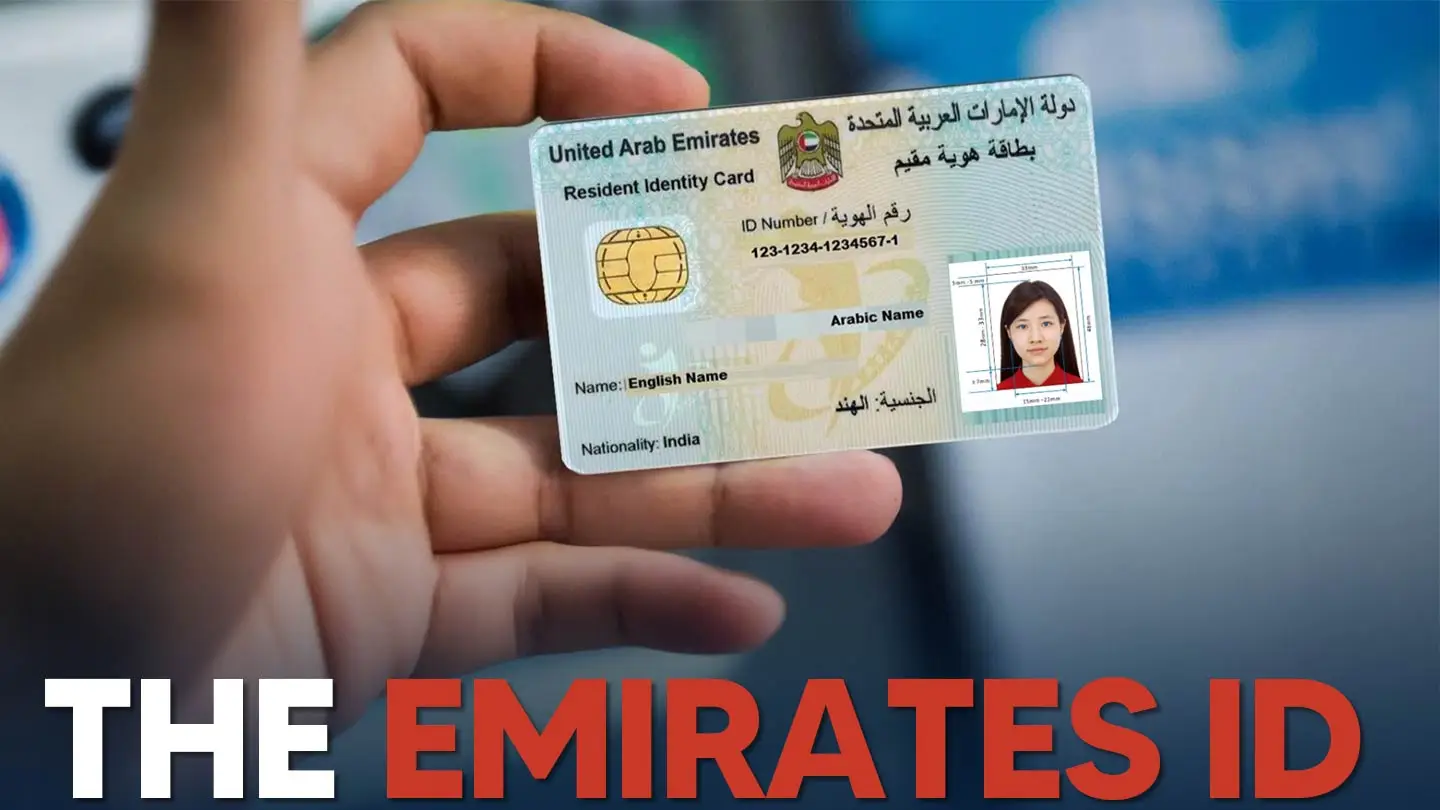
    If you live in the UAE or plan to move here, you will need an Emirates ID. Issued by the Federal Authority for Identity, Citizenship, Customs & Port Security (ICP), this government identity card contains your personal details, photo, fingerprints, and a unique 15-digit number, all securely stored on a chip.

    But it’s not just an ID. The Emirates ID is your key to daily life in the UAE. From opening a bank account and getting a phone connection to signing rental agreements or using e-gates at airports, your Emirates ID is required almost everywhere. It also helps you access government services and healthcare, and even log in to apps like UAE Pass for online services.

    Everyone residing in the UAE must have an Emirates ID, including citizens, GCC nationals, expatriates with residence visas, and even children and newborns. For citizens, it is also used for voting and travel within the GCC. For expatriates, it confirms legal residency and employment status.

    What is the Emirates ID?

    The Emirates ID is an official identity card issued by the Federal Authority for Identity, Citizenship, Customs & Port Security (ICP) in the UAE. It comes with a unique 15-digit number and stores important personal details, such as your name, nationality, photo, and biometric data, including fingerprints. It is a legal requirement for all citizens and residents of the UAE to obtain and carry this card.

    Why is the Emirates ID Important in the UAE?

    The Emirates ID is a mandatory document that plays a central role in daily life in the UAE.

    1. Proof of Identity

    The Emirates ID serves as your official proof of identity in the UAE. It verifies your personal information, nationality, and legal residency or citizenship status, and is required for most official or legal transactions.

    2. Access to Government Services

    The Emirates ID is required for residence visa renewals, vehicle registration, health cards, and accessing services through government portals and applications such as UAE Pass.

    3. Travel and Immigration

    • E-Gates and Smart Gates: Emirates ID enables expedited immigration clearance at UAE airports, enabling quick entry and exit.
    • GCC Travel (for UAE Citizens): UAE citizens may use their Emirates ID as a travel document within the Gulf Cooperation Council countries.

    4. Enhanced Security and Data Management

    • Biometric Data: The embedded microchip stores encrypted personal and biometric data, such as fingerprints, making the card highly resistant to counterfeiting.
    • Unified Database: The Emirates ID is part of a centralised national identity system that streamlines data management and verification for government and private entities.
    • Digital Services: The Emirates ID is integrated with smart services and e-government platforms, enabling secure online transactions and reducing paperwork. It can also be used with UAE Pass for secure digital logins.

    5. Rental and Utility Contracts

    To rent property in the UAE, you must present your Emirates ID. It is also required to activate utilities such as DEWA, internet, and gas services.

    6. Banking and Financial Use

    The Emirates ID is required to open bank accounts, apply for credit cards or loans, and conduct certain banking transactions. It enables banks to verify your identity and maintain security.

    Who Needs an Emirates ID?

    The Emirates ID is mandatory for nearly all UAE residents, including:

    • UAE Citizens: All Emirati nationals must apply for and carry an Emirates ID, which serves as their official identification for voting and accessing government services.
    • GCC Nationals Living in the UAE: GCC nationals residing in the UAE for work, business, or family purposes must also obtain an Emirates ID.
    • Expatriate Residents (Foreigners with Residency Visas): Foreigners with a valid UAE residence visa are legally required to obtain an Emirates ID. The card now contains residency details, replacing the physical visa sticker in passports. The application is typically completed during the residence visa process.
    • Children and Newborns: Newborns and children of UAE residents or citizens must also have an Emirates ID. Parents apply on their behalf during the residency visa process.

    Emirates ID UAE – Key Features

    The Emirates ID uses smart technology to ensure security, convenience, and easy access to services across the UAE. Key features include:

    1. Unique Identification Number

    Each Emirates ID card has a unique, permanent 15-digit identification number that remains with the holder for life, regardless of card renewal or replacement. This number is used for all official interactions.

    2. Biometric Data

    The card stores fingerprints and facial data collected during the application process, providing an additional layer of security and accurate identity verification.

    3. Smart Card Technology

    • Embedded Microchip: The card contains an electronic microchip that stores encrypted personal data, with a capacity of up to 32,000 characters.
    • Public Key Infrastructure (PKI): This includes digital signatures and authentication certificates, which are crucial for secure online transactions and verifying the authenticity of digital interactions.
    • Non-Touch Data Reading (Newer cards): Some newer Emirates ID cards include Wi-Fi-enabled chips for contactless data reading.

    4. Advanced Security Features

    The Emirates ID includes advanced security features to prevent counterfeiting and tampering, such as:

    • Accurate Letters/Micro-text: Extremely precise printing that is difficult to replicate.
    • Ultraviolet (UV) Ink: Visible only under UV light, adding a hidden layer of security.
    • Line Drawings/Holograms: Complex graphical elements that are hard to forge.
    • Secure Laminate: A protective layer designed to prevent alteration of the card’s surface.

    The ICP also states that the Emirates ID has nine security features that exceed the standards used in many other cards, including banking credit cards.

    5. Personal and Professional Data Storage

    The chip on the Emirates ID stores a significant amount of personal and, for residents, professional data. While some information is visible on the card, much of it is encrypted and accessible only to authorised authorities. Data stored can include:

    • Identity number (15-digit)
    • Full name (Arabic and English)
    • Personal photo
    • Date of issue and expiry
    • Passport information (number, type, country, issue/expiry dates)
    • Occupation
    • Sex
    • Nationality
    • Date of birth
    • Mother’s first name
    • Sponsor name, number, and type (for residents)
    • Marital status
    • Family number (for UAE nationals)
    • Town number (for UAE nationals)
    • Type of residence and residence number (for residents)
    • Two fingerprints
    • Signature image
    • Qualification data
    • Occupation type, company name

    6. Digital Version (UAE Pass Integration)

    A digital version of the Emirates ID can be stored on a smartphone via the UAE Pass application, providing secure access to online government and private-sector services without a physical card.

    7. Durability and Longevity

    The cards are made of durable materials, such as polycarbonate, which extends their service life to over 10 years and makes them resistant to daily wear and environmental conditions.

    How to Apply for an Emirates ID?

    Obtaining your Emirates ID is an important step after receiving UAE residency. The process is straightforward if you are prepared.

    Step 1. Ensure You Have a Valid UAE Residency Visa

    Your Emirates ID application must be linked to an active residency visa, regardless of your nationality.

    Step 2. Choose Your Application Method

    You can apply online or in person, depending on your preference:

    A. Online through ICP Website/App:

    The Federal Authority for Identity, Citizenship, Customs & Port Security (ICP) has an official website (icp.gov.ae) and mobile app (available on Google Play and App Stores) where you can apply for a new ID, renew, or replace a lost/damaged one. You’ll need to create an account, fill out the application form with accurate details, and upload the required documents.

    B. Accredited Typing Centres / Amer Centres (in Dubai):

    You may also visit an authorised typing centre or Amer centre, where staff will assist with the application form and submit your documents electronically to the ICP. This often coincides with your residence visa application.

    Step 3. Pay the Fees

    Fees vary depending on the card’s validity period, application type (new, renewal, or replacement), and the application channel (online or typing centre).

    General Fees (approximate, subject to change):

    • AED 100 per year of validity (e.g., AED 200 for a 2-year visa, AED 500 for a 5-year ID for citizens/GCC nationals).
    • Application fees: Around AED 30 (online) or AED 70 (typing centre).
    • Urgent service (“Fawri”) fee: An additional AED 150 for expedited processing (typically 24 hours).

    Step 4. Biometrics Appointment (if applicable)

    Most first-time applicants and some renewing or updating data applicants will receive an SMS notification with biometrics appointment details.

    You must visit a designated ICP Customer Happiness Centre to provide fingerprints and have your photograph taken. This step is essential for secure identity verification. Children under 15 are usually exempt from biometrics.

    Step 5. Wait for Processing

    Standard processing takes 7 to 10 business days after your visa is stamped and, if required, biometrics are completed. You will receive SMS updates and can track your application online using the application number (PRAN or transaction number) on the ICP website.

    Step 6. Collect Your Emirates ID

    You will receive an SMS when your card is ready. Collect it from the designated Emirates Post office or ICP centre, and bring your passport and application receipt.

    Cards must be collected within 90 days, or they will be returned to the system.

    Note: For expatriate residents, you generally need to have a valid residence visa (or at least your entry permit for the visa process) before you can apply for your Emirates ID. The ID application is often part of the complete visa processing.

    What is Emirates ID Fees in the UAE (As of 2026)?

    The cost of obtaining or renewing an Emirates ID depends on your residency status and the validity period of your visa. Below is an overview of current fees.

    1. Card Issuance Fee (Main Fee)

    This is the main fee for the ID card, determined by its validity period.

    For Expatriate Residents:

    AED 100 per year of validity of your residence visa.

    • Example: For a 2-year visa, the Emirate ID card issuance fee would be AED 200.
    • Example: For a 3-year visa, the Emirate ID card issuance fee would be AED 300.

    For UAE Citizens and GCC Nationals:

    • AED 100 for a 5-year validity.
    • AED 200 for a 10-year validity

    2. Application/Service Fees

    These are administrative fees for processing the application.

    • Online Application (through ICP website/app): Approximately AED 40
    • Typing Centre / Amer Centre Application: Approximately AED 70 (this typically includes AED 30 for the typing centre and AED 40 for the service fee)

    3. Urgent Service Fee (“Fawri Service”)

    An additional AED 150 is charged for expedited processing (typically within 24 hours). This service is usually available for new applications, renewals, and replacements at specific ICP Customer Happiness Centres.

    Emirates ID Validity and Renewal

    The Emirates ID is a critical document in the UAE. Maintaining its validity and renewing it on time is essential to avoid legal issues and ensure continued access to services.

    Emirates ID Validity:

    Emirates ID validity depends on your visa type and nationality.

    1. UAE Nationals

    For citizens, the Emirates ID is valid for 5 or 10 years, depending on the selected option during application.

    2. GCC Nationals Residing in the UAE

    For GCC nationals, the Emirates ID is usually valid for 5 years.

    3. Expat Residents

    For expatriates, Emirates ID validity is linked to the residency visa, typically for 1, 2, or 3 years, depending on work, sponsorship, or investment type.

    When and How to Renew your UAE Emirates ID?

    1. You may begin the renewal process six months before your Emirates ID expires.
    2. Timely renewal is important to avoid late penalties of AED 20 per day, up to AED 1,000.
    3. The renewal process is similar to applying for a new card:
    • Submit the renewal application via the ICP website, mobile app, or a typing centre.
    • Pay the applicable fees.
    • Book a biometric appointment (only if required).
    • Track your application and collect your new card once it’s ready.

    Grace Period: There is a 30-day grace period from the expiry date to renew your Emirates ID without incurring late fines.

    Late Renewal Fines: Failure to renew within the 30-day grace period results in a fine of AED 20 per day.

    Read More: How to Renew an Emirates ID in the UAE

    Lost, Stolen, or Damaged Emirates ID – What to Do?

    If your Emirates ID is lost, stolen, or damaged, you can request a replacement by following these steps:

    1. Report the Incident Immediately

    Visit the nearest ICP Customer Happiness Centre or log in to the ICP Smart Services portal to report your lost or damaged card. If stolen, filing a police report is recommended for added security.

    For a damaged ID: You do not need to report it as lost or stolen. Retain the damaged card, as it must be submitted when applying for a replacement.

    2. Apply for a Replacement

    After reporting, apply for a replacement Emirates ID online, via the ICP app, or at any typing centre. Submit your passport, a recent photo, and a copy of your lost or damaged ID if available.

    3. Pay the Replacement Fees

    The standard replacement fee is AED 300, plus AED 40 for service charges and AED 30–50 for typing or postal services. The urgent (Fawri) service incurs an additional AED 150–200.

    4. Collect Your New Emirates ID

    Once your replacement is ready, you will receive an SMS notification. Collect the new card from the designated Emirates Post office or ICP centre, as selected during your application.

    Important Considerations:

    • Temporary ID: While waiting for your new Emirates ID, you may use a printout of your application form with your ID number and your passport for identification. The UAE Pass app also provides a digital Emirates ID, valid for many digital services.
    • Old Card Found (if lost): If you find your old card after reporting it lost and applying for a replacement, it’s best to surrender it to the ICP, as it will have been deactivated. Your new card will have the same ID number as the old one.

    Need Help? Shuraa is Here for You

    The Emirates ID is more than just an identification card; it’s an essential part of life in the UAE. From accessing everyday services to verifying your legal residency, it plays a vital role for both citizens and expats.

    Key recommendations:

    • Always carry your Emirates ID.
    • Update your details if your phone number or address changes.
    • Renew your Emirates ID on time to avoid late fees.
    • If you lose or damage your Emirat

    If you are planning to move to the UAE or start a business, Shuraa can assist you. We support clients with Emirates ID applications, residency, visas, and business setup.

    If you have questions or need assistance, we are here to support you at every step.

    Commonly Asked Questions (FAQs)

    1. How can I obtain an Emirates ID in the UAE?

    Here’s a quick step-by-step process to get your Emirates ID:

    1. Apply online via the ICP website or visit a typing centre
    2. Submit your documents and pay the fees
    3. Book and attend your biometric appointment
    4. Wait for processing and collect your card from Emirates Post

    2. How long does it take to receive the Emirates ID?

    It usually takes 5 to 10 working days after completing the biometric process. If you choose the urgent (Fawri) service, you may get it within 24 hours.

    3. Can I travel without my Emirates ID?

    For international travel, a passport and a valid visa are required. UAE citizens may travel to GCC countries using only their Emirates ID, while expatriates cannot.

    4. Do children need an Emirates ID?

    Yes, all newborns and children living in the UAE require an Emirates ID. Parents typically apply during the child’s residency visa process.

    5. Can I update my details on the Emirates ID?

    Yes. You can update your phone number, address, or other personal information through the ICP website, app, or at a service centre.

    6. Is it mandatory to carry the Emirates ID at all times?

    Yes, it is legally required to carry your Emirates ID. It may be needed for identification, accessing services, or during inspections.

  • How to Transfer Ownership of Property in Dubai

    How to Transfer Ownership of Property in Dubai

    Dubai’s real estate market is one of the fastest growing and most exciting in the world. In fact, property prices have gone up by as much as 147% over the last five years, and the number of homes being bought and sold is hitting record highs. A big reason behind this growth is Dubai’s investor-friendly environment, strong rules to protect buyers and sellers, and programs like the Golden Visa. With more than 300,000 new homes expected to be built by 2028, owning property in Dubai continues to be a smart investment.

    But if you’re planning to buy, sell, gift, or inherit a property here, it’s important to know how to transfer ownership of property in Dubai. To transfer property ownership in Dubai, both the buyer and seller (or their legal representatives) must visit the Dubai Land Department (DLD) or a DLD-approved trustee office to complete the transfer. You’ll need to get a No Objection Certificate (NOC) from the developer, submit essential documents like the title deed and sale agreement, pay the necessary transfer fees, and finally, receive a new title deed under the new owner’s name.

    This process involves more than just paperwork, it helps ensure your transaction is smooth, legal, and fully protected.

    Legal Framework for Property Ownership in Dubai

    Dubai has a well-defined legal system for property ownership, overseen by the Dubai Land Department (DLD). The DLD plays a central role in regulating and documenting all real estate transactions in the emirate, ensuring transparency, legal compliance, and protection for both buyers and sellers.

    Role of the Dubai Land Department (DLD)

    The DLD is the government body responsible for:

    • Registering property transactions and issuing title deeds
    • Approving ownership transfers, mortgages, and leases
    • Regulating real estate agents and developers
    • Ensuring legal clarity and security in all property dealings

    All property ownership transfers, whether between individuals, companies, or through inheritance- must be registered with the DLD to be legally valid. 

    Freehold vs. Leasehold Property Zones

    Dubai offers two main types of property ownership: 

    • Freehold Ownership: Allows foreign nationals to buy, sell, lease, and inherit property with full ownership rights. Freehold properties are available in designated areas such as Downtown Dubai, Dubai Marina, Palm Jumeirah, and Jumeirah Village Circle.
    • Leasehold Ownership: Grants the right to use the property for a long-term lease, typically up to 99 years, but the land remains under the ownership of the freeholder (often the government or local developer). Leasehold properties are more common in non-designated zones.

    What is a Property Transfer Contract?

    A Property Transfer Contract is a legal agreement between two parties, typically a buyer and a seller, that outlines the terms and conditions for transferring the ownership of a property from one person or entity to another.

    What Does a Property Transfer Contract Include?

    A typical Property Transfer Contract in Dubai includes:

    • Details of the property (location, size, title deed number, etc.)
    • Names and identification of both parties (buyer and seller or transferee and transferor)
    • Agreed sale price or value of the property
    • Payment terms and timelines
    • Responsibilities of each party (e.g., who will pay the DLD fees, service charges, etc.)
    • Confirmation of legal ownership and consent to transfer
    • Signatures of both parties and witnesses

    Read Also: A Guide for the Legal Procedures to Buy Property in Dubai

    Common Scenarios of Property Ownership Transfer

    There are several situations where property ownership in Dubai can change hands. Here are the most common types of property ownership transfers:

    1. Sale and Purchase

    This is the most common scenario where a property owner sells the property to a buyer. The transfer happens after a formal agreement is signed, payment is made, and the ownership is updated at the Dubai Land Department (DLD).

    2. Gifting Between Family Members

    Property owners in Dubai can gift their property to first-degree relatives, such as parents, children, or spouses. While this is not a sale, it still requires a formal process through the DLD and involves reduced fees compared to standard sales.

    3. Inheritance Transfer

    When a property owner passes away, the property is transferred to their legal heirs. This is done based on a Sharia-compliant succession certificate or a court ruling, depending on the nationality and religion of the deceased.

    4. Corporate Transfer

    Property owned by a company can be transferred to another company or within the same group (e.g., during mergers, acquisitions, or restructuring). This usually involves corporate approvals, board resolutions, and clearance from relevant authorities.

    5. Divorce Settlements

    In cases of divorce, jointly owned property or property under dispute may be transferred from one spouse to another as part of a legal settlement. This must be supported by a valid court judgment or settlement agreement.

    Documents Required to Transfer Property Ownership in Dubai

    Having all the right paperwork in place ensures a smooth and hassle-free process. Here’s a list of the key documents typically required:

    A. For Individuals (Buyer and Seller or Transferring Parties):

    • Original Title Deed of the property
    • Valid Emirates ID (for UAE residents)
    • Passport copies (for non-residents or foreign investors)
    • Visa copy (if applicable)
    • No Objection Certificate (NOC) from the developer
    • Signed Sale and Purchase Agreement (SPA) or Gift/Transfer Agreement
    • Bank clearance or mortgage release letter (if there is an existing loan)
    • Power of Attorney (if someone is signing on behalf of the buyer or seller)

    B. For Companies (If Buyer or Seller is a Company):

    • Valid Trade License
    • Board Resolution approving the transfer
    • Memorandum of Association (MOA)
    • Passport and Emirates ID copies of the authorised signatory
    • Power of Attorney (if applicable)

    How to Transfer Ownership of Property in Dubai

    Transferring property ownership in Dubai involves a few important legal steps that ensure the transaction is safe, transparent, and officially recognised by the Dubai Land Department (DLD).

    Here’s a simple breakdown of the entire process:

    Step 1. Agree on Terms (MOU / Sale & Purchase Agreement)

    First, buyer and seller agree on the sale price, deposit (often 10%), payment plan, and other conditions. This is formalised in a Memorandum of Understanding (MOU) or Sale & Purchase Agreement (SPA), depending on whether the property is off‑plan or secondary market.

    Step 2. Obtain a No Objection Certificate (NOC)

    The developer must issue an NOC, confirming no dues on the property and consent to transfer. Process can take 3–7 working days, with fees ranging from AED 500–5,000.

    Step 3. Get Property Valuation (If required)

    A valuation by a DLD‑approved valuer may be needed, especially if the property is mortgaged or commercial. This helps verify market value and calculate transfer fees.

    Step 4. Visit a DLD-Approved Trustee Office

    Submit all documents at a Dubai Land Department‑approved trustee office or Customer Happiness Centre. Both parties or their authorised representatives (via Power of Attorney) attend to sign and finalise documents.

    Step 5. Submit Documents

    At the trustee office, buyer and seller (or their Power of Attorney) submit originals: Title Deed (or Oqood for off‑plan), Emirates IDs, passports, NOC, SPA/MoU, closing payment proofs and mortgage documents.

    Step 6. Pay Fees and Charges

    Buyers typically pay:

    • 4% DLD transfer fee based on the sale price
    • Title deed issuance/admin fee (AED 580 or as specified)
    • Property map fees (e.g. AED 250–325 depending on type)
    • Trustee office service fee (approx. AED 2,000–4,000, depending on office)
    • Mortgage registration fee, if applicable (e.g. 0.25%)

    Step 7. Final Verification & Approval

    DLD staff verify all documents, signatures, and fee payments. Once everything is approved, ownership is legally transferred and recorded.

    Step 8. Issuance of the New Title Deed

    A new title deed is issued on the spot in the buyer’s name, either digitally or in paper form, and the transaction is completed.

    Step 9. Post-Transfer Steps

    After transfer:

    • Transfer utility accounts (electricity, water, gas) to the new owner
    • If applicable, obtain a move-in permit from the developer
    • Update the property management or homeowners association about the change in ownership

    What is Dubai Property Transfer Fees?

    Transferring property ownership in Dubai involves several key fees. Some are mandatory, while others depend on your situation, like having a mortgage or hiring a lawyer. Here’s a breakdown of the main costs you should be aware of:

    1. DLD Transfer Fee:

    The Dubai Land Department (DLD) charges 4% of the property’s sale price as a transfer fee. This is usually paid by the buyer unless agreed otherwise. An additional admin fee of AED 580 also applies. For title deed registration, you may also pay AED 2,000 if the property value is under AED 500,000, or AED 4,000 if it’s higher.

    2. Trustee Office Fee:

    A DLD-approved real estate trustee office handles the final transaction. Their service fee generally ranges between AED 2,000 to AED 4,000, plus VAT. This fee covers document verification and title deed issuance.

    3. Mortgage-Related Fees (If Applicable):

    If the property is under mortgage, you may need to pay a mortgage registration fee (0.25% of the loan amount + AED 290 admin fee). The seller may also need to pay mortgage release fees, usually around 1% of the outstanding amount (capped at AED 10,000), along with a release letter fee of around AED 1,000–1,500. Additionally, banks often charge a valuation fee between AED 2,500–3,500 and a processing fee of 0.5–1% of the loan.

    Note: Price may vary. Always double-check fees with our local experts at Shuraa or your real estate agent.

    Read Also: How to Become a Real Estate Agent in Dubai

    Transfer of Property with an Existing Mortgage in Dubai

    When a property in Dubai has an existing mortgage, the process involves a few additional steps to ensure all loans are settled and ownership is transferred legally.

    1. Apply for a Liability Letter

    The seller requests a liability letter from their bank, stating the remaining mortgage balance and any early settlement fees. This document is typically valid for 15–30 days and is essential to plan the transfer.

    2. Property Blocking at Trustee Office

    To protect the buyer, the property is “blocked” in their name at a DLD trustee office using the MOU (Form F), liability letter, and cheques. This ensures no other transfer can occur until the mortgage is cleared.

    3. Mortgage Settlement

    Depending on the payment plan:

    • Cash Buyer: The buyer pays the outstanding mortgage directly to the bank via manager’s cheque.
    • Mortgage Buyer: The buyer’s bank coordinates with the seller’s bank to settle the loan.

    Once payment is made, the seller’s bank issues a mortgage release letter and returns the original title deed.

    4. Developer NOC

    After the mortgage is cleared, the seller must obtain a No Objection Certificate (NOC) from the developer, certifying there are no outstanding dues. This usually takes 3–7 working days.

    5. Final Transfer at DLD Trustee Office

    With the liability letter, NOC, released title deed, MOU, and transfer fee (4%), both parties, along with the buyer’s bank if needed, attend the trustee office. The seller’s mortgage is officially released, and a new title deed is issued to the buyer.

    Read Also: How to Start a Real Estate Business in Dubai

    Transfer Ownership the Right Way

    Transferring property ownership in Dubai doesn’t have to be complicated, especially when you know the steps. From signing a sale agreement, getting the NOC from the developer, submitting your documents at the trustee’s office, to paying the required fees, each part plays an important role in completing the process smoothly. If there’s a mortgage involved or if it’s a gift or inheritance, there are just a few extra things to keep in mind.

    While it’s possible to do it on your own, working with experts can save you a lot of time, effort, and confusion. Real estate rules can be tricky, and one small mistake can cause delays.

    At Shuraa Business Setup, we assist you with legal paperwork, DLD approvals, or handling corporate transfers. Our experienced team is here to make the process easy and stress-free for you.

    Commonly Asked Questions

    1. How to transfer ownership of property in Dubai?

    You can transfer property ownership by signing a sale agreement, obtaining a No Objection Certificate (NOC) from the developer, submitting all required documents at a DLD trustee office, paying the transfer fees, and getting the new title deed issued in the new owner’s name.

    2. Can I transfer property in Dubai to a family member?

    Yes, property can be gifted to first-degree relatives like parents, children, or a spouse. This still requires DLD approval and paperwork, but the transfer fees are reduced compared to a standard sale.

    3. How long does the property transfer process take in Dubai?

    If all documents are in order, the final transfer at the trustee’s office usually takes 30 to 60 minutes. However, getting the NOC, liability letters, or mortgage clearances may take a few days to a few weeks.

    4. Can foreigners transfer property in Dubai?

    Yes, foreigners can buy, sell, and transfer property in designated freehold areas like Dubai Marina, Downtown, and Palm Jumeirah. The process is open to both UAE residents and non-residents.

    5. Is it possible to gift property in Dubai without paying transfer fees?

    You cannot completely avoid fees, but gifting property to immediate family members comes with reduced DLD charges, usually around 0.125% instead of the standard 4%.

    Disclaimer: The information in this post is for general guidance only and may change due to updates in government policies or regulations.

  • How to Be the One Percent

    How to Be the One Percent

    You’ve seen the headlines: 

    “The richest 1% own nearly half the world’s wealth.” 

    “Why only a few people get most of the rewards.” 

    These statements often show the 1% as distant, privileged, and out of reach. But here’s the thing – what if being part of the 1% isn’t about privilege, but about action? What if it’s not about luck or birthright, but bold decisions, calculated risks, and a refusal to settle for the ordinary? 

    At Shuraa, we believe the 1% isn’t a closed club. It’s a mindset. It’s a choice. It’s about starting when most people stall. It’s about building when others are waiting. It’s about dreaming, but more importantly, doing. 

    If you’re someone with a dream, to build a business, start something of your own, or invest in the future, this right here might be your first step to understanding what separates the 1% from the rest… and how Dubai is the best place to start. 

    Who are the Top 1% and How Did They Get There? 

    To be in the top 1% globally, estimates suggest you need a net worth of around $1 million or more. But don’t let the number distract you from what really matters – how they got there. 

    The overwhelming majority of today’s self-made millionaires didn’t inherit their success. They built it. And when you study their journey, a few things stand out: 

    They started businesses. 

    Entrepreneurship is one of the most consistent paths to long-term wealth and independence. 

    They invested wisely. 

    From real estate to technology and startups, the 1% understand the power of compound growth. 

    They took risks when others played it safe. 

    Most people wait for permission. The 1% create their own path. 

    They failed, learned, and kept going. 

    Setbacks are part of the process, not signs to quit. 

    More than anything, the 1% are just the ordinary people who chose to begin. That’s the only real difference.

    Read Also: How to Earn Money Online in UAE in 2026

    99% vs 1%: A Different Way of Thinking 

    Here’s a simple breakdown of how the 1% think and act differently: 

    The 99%The 1%
    Wait for the “right” time Start with what they have 
    Fear failure See failure as feedback 
    Work for someone else’s dream Build their own dream 
    Spend time consuming Spend time creating 
    Save what’s left after spending Invest first, spend later 
    Follow trends Set trends 
    Avoid discomfort Embrace growth through discomfort

    The difference isn’t in ability. It’s in attitude. And it all starts with one decision. 

    Why Choose to Be the 1% in Dubai? 

    There’s a reason why Dubai is home to so many of the world’s top entrepreneurs, investors, and dreamers. 

    Here’s why thousands of entrepreneurs choose Dubai to become the 1%: 

    1. The City Itself Was Built by Visionaries 

    Dubai is living proof that daring ideas can become reality. In just a few decades, it transformed from a desert trading hub into a world-class economic powerhouse. 

    2. Dubai Respects Action-Takers 

    In many parts of the world, red tape and bureaucracy slow down even the most motivated entrepreneurs. Dubai does the opposite; it simplifies the path for action-takers. With business-friendly laws, fast company registration, visa options for founders and investors, and access to world-class infrastructure, the government actively supports those who dare to begin. 

    3. Wealth Creation Is Welcomed, Not Punished 

    Unlike many countries that heavily tax wealth, income, or capital gains, Dubai empowers people to grow and keep more of what they earn. With 0% personal income tax and corporate tax exemptions below a certain threshold, Dubai is not just tax-friendly, it’s wealth-friendly. 

    4.  A Growing Culture of Entrepreneurship 

    Dubai is no longer just a place for established business owners; it’s now a magnet for first-time founders, side-hustlers, creatives, and remote entrepreneurs. 

    5. Residency and Long-Term Security for Entrepreneurs 

    From the Golden Visa to Green Visas and partner visas, Dubai offers flexible, long-term residency options for those looking to build a life here, not just a company. 

    6. You Don’t Need to Be a Billionaire to Begin 

    Becoming part of the 1% isn’t about flashy exits or unicorn valuations. It starts with a clear idea, a good plan, and the right support. Dubai welcomes small business owners, freelancers, solo founders, and young entrepreneurs. 

    If you’ve ever dreamed of building a business or launching something of your own, there has never been a better time, or place, than right now, in Dubai.

    Read Also: 14 Profitable Business Ideas in Dubai with Low Investment

    How to Think (and Act) Like the 1% 

    Becoming part of the 1% doesn’t start with a bank balance. It starts with a shift in mindset: 

    Start small, but start smart. 

    You don’t need millions to begin, you need momentum. 

    Prioritize ownership. 

    Owning your time, your work, and your future matters more than any salary. 

    Make decisions most avoid. 

    Where others delay, you decide. 

    Build things that matter. 

    Solve problems. Offer value. Focus on impact, not just income. 

    Use setbacks as training. 

    The 1% aren’t immune to failure. They just use it better than most. 

    How Shuraa Helps You Become the 1% 

    With over 26 years of experience, Shuraa Business Setup has helped more than 100,000+ entrepreneurs, startups, and investors set up their businesses in Dubai and across the UAE. 

    We don’t just help you launch. We walk with you every step of the way. 

    Our Core Services Include: 

    • Company Formation (Mainland, Free Zone, Offshore) 
    • Golden Visa Application Assistance 
    • Corporate PRO Services 
    • Office Space & Business Centres 
    • Bank Account Opening, Tax, VAT & Compliance 
    • Licensing and Government Liaison  

    We understand that starting a business can feel overwhelming. But with Shuraa, it doesn’t have to be. Our team simplifies the process, manages the paperwork, and ensures you stay focused on your dreams. The same dream that’ll make you among the one percent. 

    So, Be the ONE PERCENT 

    The 1% don’t have all the answers, they just make one decision most people don’t: They start

    This is your moment to step out of the routine, to stop scrolling, to stop dreaming about a better life, and to actually build one. 

    And Dubai? It’s where the bold belong. 

    Start your business today with Shuraa. 

    Be the One Percent. 

    Remember, you’re just one decision away!

  • The Cheapest Trade Licenses in UAE for 2026: A Startup’s Guide

    The Cheapest Trade Licenses in UAE for 2026: A Startup’s Guide

    Launching your business in the UAE doesn’t require a massive budget. For freelancers, solo entrepreneurs, and savvy startups, the UAE offers surprisingly affordable trade licenses that provide a legal and powerful launchpad. In 2026, you can secure your cheapest trade license in the UAE for as low as AED 5,500, allowing you to channel your capital into growth instead of high setup costs.

    This guide cuts through the complexity to show you the lowest-cost trade license in the UAE options, from free zones to specific license types, helping you make a smart, compliant, and budget-friendly start.

    Understanding Your Affordable License Options

    Your business model dictates the most cost-effective license. Here are the primary options for entrepreneurs seeking the cheapest business license in Dubai and the wider UAE.

    1. Freelancer Permit

    Ideal for solo professionals like designers, developers, writers, and marketing consultants.

    • Typical Cost: AED 6,000 – AED 17,000 (with visa).
    • Why it’s cheap: No physical office is required, and setup is streamlined. The lowest-cost options are typically “zero visa” packages.

    2. E-Commerce License

    Perfect for online sellers using Amazon, social media, or their own websites.

    • Typical Cost: AED 7,500 – AED 12,000.
    • Why it’s cheap: Designed for digital business, it often comes with a virtual office address, eliminating the cost of physical space.

    3. Professional/Service License

    The go-to option for consultancies, agencies, and any business providing services.

    • Typical Cost: AED 6,000 – AED 9,000 for a basic license.
    • Why it’s cheap: Covers a wide range of service-based activities without the higher fees associated with general trading.

    4. The Dubai E-Trader License (A Special Case)

    A unique and ultra-affordable option for UAE and GCC nationals and residents.

    • Typical Cost: AED 1,070 per year.
    • Important Note: This license does not include visa sponsorship and is intended for small, home-based online businesses. Availability for new applicants should be confirmed with the DED.

    Top 5 Affordable Free Zones for Your Trade License in 2026

    Free zones are your best bet for a low-cost trade license in the UAE. They offer 100% foreign ownership, tax exemptions, and fast setup. Here are the top budget-friendly choices, plus two premium options for those considering a broader range:

    Free ZoneStarting Cost (AED)Ideal ForKey Benefit
    Jebel Ali Free Zone (JAFZA)5,500 (basic license fee)*Import/Export, Logistics, ManufacturingWorld-class reputation and direct access to Jebel Ali Port.
    Sharjah Media City (SHAMS)5,750 (no visa)Freelancers, Media, E-commerceThe lowest entry cost, with a fast, online setup process.
    Ajman Free Zone (AFZ)6,000 (no visa)SMEs, Trading, Online BusinessA simple and cost-effective choice for small businesses.
    Ras Al Khaimah Economic Zone (RAKEZ)6,500 (no visa)Trading, Services, E-commerceExtreme flexibility with highly competitive package deals.
    Dubai South Free Zone10,000Logistics, E-commerce, AviationStrategic location near Al Maktoum Airport, ideal for future growth.
    Meydan Free Zone – Dubai12,500Consultants, Tech StartupsA prime Dubai location with a fully digital setup process.
    International Free Zone (IFZA) – Dubai12,900 (license only)Startups needing a Dubai addressDubai brand value with multiple activities under one license.
    Dubai Multi Commodities Centre (DMCC)35,000+ (with visa/desk)Commodity Trade, Global BusinessesA prestigious business address with unmatched networking.

    Important Note on JAFZA: While the basic license fee for JAFZA is very low, the total setup cost is typically higher due to mandatory office space and other associated fees. It offers excellent value but often resides in a higher operational cost bracket than the Northern Emirates zones.

    What Truly Affects the Cost of Your License?

    Knowing what drives the price helps you find the cheapest trade license in Dubai that fits your needs.

    1. Visa Requirements: This is the biggest cost factor. A license with no visas is the cheapest. A package with one visa can increase the cost by AED 5,000 or more.
    2. Office Space: Opting for a virtual office or flexi-desk instead of a private office drastically reduces your annual expense.
    3. Business Activity: A specialized service license is cheaper than the cheapest general trading license in the UAE, which has a broader scope.
    4. Jurisdiction: Free zones are generally more affordable for startups than mainland licenses, which require a local service agent.

    How to Choose Your Perfect Low-Cost License

    Follow this simple guide to match your business with the right license:

    • You are a solo freelancer or consultant: → Start with a Freelancer Permit from SHAMS or RAKEZ.
    • You run an online store or do dropshipping: → An E-Commerce License from AFZ or IFZA is your best fit.
    • You need a Dubai-based company for your service business:  → A professional license from IFZA or Meydan offers great value.
    • You are a UAE resident selling on social media: → Check eligibility for the Dubai E-Trader License.

    Also read: How to Get a Trade License in Dubai

    Frequently Asked Questions (FAQs)

    1. Which is the cheapest free trade zone in the UAE?

    The cheapest free trade zone in the UAE is Jebel Ali Free Zone (JAFZA), offering a basic license starting from AED 5,500*. For a low-cost, all-inclusive package, Sharjah Media City (SHAMS) is a leading choice at AED 5,750*. Other highly affordable options include Ajman Free Zone (AFZ) from AED 6,000* and Ras Al Khaimah Economic Zone (RAKEZ) from AED 6,500*. It’s important to note that while JAFZA’s license fee is the lowest, the total setup cost is typically higher due to mandatory office space, whereas the Northern Emirates zones often provide more complete starter packages.

    2. How can I get the cheapest trade license in the UAE with a visa?

    The most affordable way to obtain a trade license with an investor visa is through free zones like SHAMS, RAKEZ, or Ajman Free Zone (AFZ). These zones offer complete packages that typically start from approximately AED 11,000* to AED 13,000*, which includes both the trade license and one visa. For the most accurate and current pricing, it’s recommended to request a detailed quotation directly from the free zone or an authorized business setup consultant.

    3. What is the cheapest general trading license in the UAE?

    For the cheapest general trading license in the UAE, RAKEZ and Ajman Free Zone (AFZ) are highly competitive. They offer cost-effective general trading licenses that allow you to import, export, and trade multiple product categories, with setup costs starting from approximately AED 11,900*.

    4. Is a free zone or mainland license cheaper in Dubai?

    For most startups and small businesses, a free zone license is cheaper. It eliminates the need for a local sponsor and often has lower office space requirements. Mainland setups involve additional costs like a tenancy contract (Ejari) and local agent fees.

    5. Can I upgrade my cheap license later if my business grows?

    Yes, absolutely. All major free zones are designed for scalability. You can easily upgrade your package to add more visas, include a physical office, or expand your business activities as your company grows, making a low-cost starter license a smart and flexible choice.

    Conclusion: Secure Your Affordable UAE Business License in 2026

    Starting your business in the UAE is a strategic move that can be both compliant and cost-effective. As this guide has shown, from the Northern Emirates to Dubai itself, there is a low-cost trade license in the UAE to match almost any startup budget.

    The most competitive options for 2026 provide a clear pathway:

    • For the absolute lowest costJebel Ali Free Zone (JAFZA) and Sharjah Media City (SHAMS) lead the market, with licenses starting from AED 5,500 to AED 5,750.
    • For exceptional value and flexibilityAjman Free Zone (AFZ) and Ras Al Khaimah Economic Zone (RAKEZ) are standout choices, with packages beginning as low as AED 6,000 to AED 6,500.
    • If a Dubai-based license is important for your brand, Dubai SouthMeydan Free Zone, and IFZA offer the most cost-effective entry points, with packages starting from AED 10,000 to AED 12,900.

    By choosing the right license type from this budget-conscious list, you can secure your foothold in the UAE and channel your capital into what truly matters—growing your business. Start smart in 2026 by building on a foundation that is both affordable and fully compliant.

    Disclaimer: Before deciding, always contact the free zone directly or a reputable, authorized business setup consultant. Request a detailed, itemized quotation that includes all government fees and a clear breakdown of visa costs to understand the true total investment required.

  • Dubai Golden Visa for Gamers: How to Apply, Eligibility Criteria; All You Need to Know

    Dubai Golden Visa for Gamers: How to Apply, Eligibility Criteria; All You Need to Know

    Dubai is fast becoming a global hotspot for digital innovation and creativity. Over the past few years, the city has invested heavily in its tech and media sectors, building places like Dubai Internet City and Dubai Media City, offering ultra-fast 5G internet, and creating a supportive space for content creators, designers, and developers. Today, it’s not just known for tourism and business, but also for being one of the most exciting places in the world for digital creators and gamers.

    To support this growing community, Dubai has launched a new initiative, the Dubai Gaming Visa. This special visa is designed for gamers, streamers, game developers, and other digital creators. It’s part of Dubai’s big plan to become a global gaming hub by 2033. The visa gives talented individuals a chance to live and work in Dubai long-term, while being part of a thriving and creative ecosystem.

    If you’re a digital creator looking to take your work to the next level, this visa could open up exciting opportunities for you in one of the world’s most future-ready cities.

    What Is the Dubai Gaming Visa?

    The Dubai Gaming Visa is a special 10-year residency permit created for gaming professionals and digital creators. It is part of Dubai’s effort to acknowledge and support gaming and esports as creative industries, not just hobbies. Successful applicants also receive a Creative and Talented Accreditation Certificate, which officially recognizes their role as professionals in the gaming space.

    Part of the Dubai Program for Gaming 2033

    The visa is a core element of the Dubai Program for Gaming 2033 (DPG 2033), a decade-long initiative overseen by the Dubai Future Foundation. The initiative’s main goals include:

    • Positioning Dubai among the top 10 global gaming hubs,
    • Creating 30,000 new jobs and growing the gaming sector’s contribution to GDP by $1 billion by 2033

    DPG 2033 focuses on three pillars – talent, content, and technology. The Gaming Visa plays a key role in attracting international gaming talent to strengthen this ecosystem.

    Who Can Apply for a Dubai Gaming Visa?

    You’re a strong fit if you’re any of the following:

    • A pro gamer or esports competitor
    • A streamer or digital content creator with measurable reach
    • A game developer, designer, or creative technologist
    • A coach, analyst, or other professional serving the gaming ecosystem

    Eligibility Criteria

    To qualify, applicants generally must:

    • Minimum Age 25 and Above: Dubai expects applicants to be at least 25 years old.
    • Proof of Experience & Income: Submit a portfolio or CV showcasing your gaming or content creation work (tournament wins, content reach, game releases, etc.).
    • Health Insurance & Legal Compliance: Have valid health insurance for your stay in Dubai. Must pass standard UAE visa checks.
    • Accreditation by Dubai Culture & Arts Authority: Your profile is reviewed by Dubai Culture, which issues a Creative & Talented Accreditation Certificate if you qualify.

    Dubai Gaming Visa Document Requirements

    To apply for the Dubai Gaming Visa, applicants must submit certain documents. Below are the key requirements you’ll need to prepare:

    • Valid passport (minimum 6 months validity)
    • Passport-sized photograph (white background)
    • Professional resume or portfolio (showcasing gaming/creative work)
    • Proof of income or financial stability (bank statements, earnings reports, etc.)
    • Creative & Talented Accreditation Certificate (issued by Dubai Culture)
    • Health insurance policy (valid in the UAE)
    • Recommendation letter(s) (optional but beneficial)
    • Medical fitness test results (post-approval stage)

    How to Apply for the Dubai Gaming Visa?

    Applying for the Dubai Gaming Visa is a straightforward process, but it involves a few important steps, from getting accredited to securing your residency.

    Step 1: Registration & Talent Accreditation

    Begin by creating an account on the Dubai Culture site or the official Dubai Gaming Residency portal: (https://dubaigaming.gov.ae/gaming-residency/)

    • Fill in your basic information: name, date of birth, residence, and passport details
    • Upload required documents (passport copy, CV, portfolio, photos, proof of income, etc.).

    Dubai Culture reviews your submission. If approved, you’ll receive a Creative & Talented Accreditation Certificate typically within a few days.

    Step 2: Residency Visa Application

    After receiving accreditation, you can apply for the 10-year residency visa (Golden Visa) through the General Directorate of Residency and Foreigners Affairs (GDRFA).

    Standard steps include a medical fitness test, biometric scan, Emirates ID processing, and fee payment.

    At this point, the government will do the final verification and issue your Dubai gaming visa, and you can officially move to Dubai.

    Step 3: Wait for Approval

    Processing typically takes a few weeks. Once approved, you’ll receive confirmation via email or through the portal.

    Quick Checklist

    1. Confirm you’re ≥ 25 years old
    2. Prepare CV, portfolio, certificates, cover letter
    3. Register at the Dubai gaming residency portal
    4. Apply for accreditation certificate via Dubai Culture
    5. Submit application with all documents
    6. Wait for 2–7 months for accreditation
    7. Upon approval, apply for the 10‑year Golden Visa

    You might also like: How to Apply a Dubai Golden Visa?

    What are the Benefits of the Gaming Visa in Dubai

    Here are some key reasons why the Dubai Gaming Visa is a valuable opportunity for digital creators, not just on paper, but in real life:

    • Long-Term Residency (Up to 10 Years): Enjoy the security of living and working in Dubai with a renewable long-term visa, giving you stability to focus on your career or business in gaming.
    • Recognition as a Professional Creator: Receive a Creative & Talented Accreditation Certificate from Dubai Culture, officially recognising you as a skilled digital creator or gaming professional.
    • Zero Personal Income Tax: In many countries, creators pay a chunk of their income in taxes. In Dubai, there’s no personal income tax, so you get to keep more of your earnings.
    • Access to an Emerging Global Gaming Hub: Dubai is investing heavily in gaming, aiming to create 30,000 jobs and contribute $1 billion to GDP by 2033. If you join now, you’re getting in early while the scene is still growing, which means more chances to stand out and shape the ecosystem.
    • Freedom to Freelance or Start Your Own Studio: Unlike many visas tied to a single employer, this visa gives you the freedom to work independently, collaborate with multiple partners, or launch your own creative business, with full legal backing.

    Read also: Top 16 Golden Visa Benefits in the UAE

    What is Dubai Gaming Visa Cost?

    The cost of the Dubai Gaming Visa in 2026 can vary depending on how you apply. For most applicants, the basic process, which includes the visa fee, medical test, and Emirates ID, costs between AED 2,400 to AED 4,000* (around USD 650 to 1,100).

    If you choose the freelance route, which includes a freelance permit, the total cost can go up to AED 10,500 to AED 19,000 (about USD 2,800 to 5,200) per year. Additional fees may apply for document processing, translations, or using service providers.

    Here are the estimated costs for obtaining the Dubai Gaming Visa in 2026:

    Fee TypeApprox. Cost (AED)Approx. Cost (USD)
    Visa Issuance (10-Year)1,100300
    Medical Examination300–50080–135
    Emirates ID & Biometrics(Typically bundled with visa process)
    Application & Processing1,000–2,500270–680
    Freelance Permit (if applicable)7,500–15,0002,040–4,080
    Misc. Costs (typing center, document attestation, translation)VariesVaries
    *Cost can vary

    Dubai as a Gaming and Digital Creator Hub

    Dubai hosts many exciting gaming tournaments, esports events, and pop-culture expos like Comic Con and Gamer’s Hub Expo. These events are great for meeting other creators, connecting with big brands, and showing off your skills.

    As part of the Dubai Program for Gaming 2033, the city plans to create 30,000+ jobs in the gaming sector and contribute over $1 billion to the GDP. It’s a great time to get involved as the industry is still growing fast. Special business areas like Dubai Media City and Dubai Internet City make it easy to start a gaming or content business. You can get help with licenses, office space, and even own 100% of your company.

    Read also: UAE Digital Nomad Visa

    How Shuraa Can Help

    Dubai is full of exciting opportunities for gamers, content creators, and developers, and the Dubai Gaming Visa is your chance to be a part of it. If you’re ready to grow your career or start something new, this is the perfect time to take the next step.

    At Shuraa, we make the process simple. We’ll help you check if you qualify, guide you through the Gaming Visa application, and even assist with freelance permits or business setup if needed. Reach out to us today and let’s start your creator journey in Dubai, together.

    Frequently Asked Questions (FAQs)

    1. Is there a Golden Visa for gaming in Dubai?

    Yes. The Dubai Gaming Visa is a type of long-term (up to 10 years) Golden Visa aimed at gamers, digital creators, developers, and esports professionals.

    2. Who are Dubai Gaming Visa eligibility?

    Anyone with proven talent or work in gaming or digital content—such as streamers, pro gamers, developers, animators, or content creators can apply. You must also be accredited by Dubai Culture.

    3. Can I sponsor my parents if I have a Dubai Gaming Golden Visa?

    Yes, Golden Visa holders in Dubai may be able to sponsor family members, including parents, subject to meeting income and housing requirements.

    4. Can freelancers apply for the Dubai Gaming Visa?

    Yes. Freelancers, including full-time content creators and self-employed game developers, can apply as long as they meet the eligibility criteria and get accredited.

    5. Is a job offer required to apply for the Gaming Visa?

    No. You don’t need a job offer. The visa is based on your creative or gaming achievements, not employment status.

    *Disclaimer: The information in this post is for general guidance only and may change due to updates in government policies or regulations.