Author: Ritish Sharma

  • How to Write a Good CV in the UAE

    How to Write a Good CV in the UAE

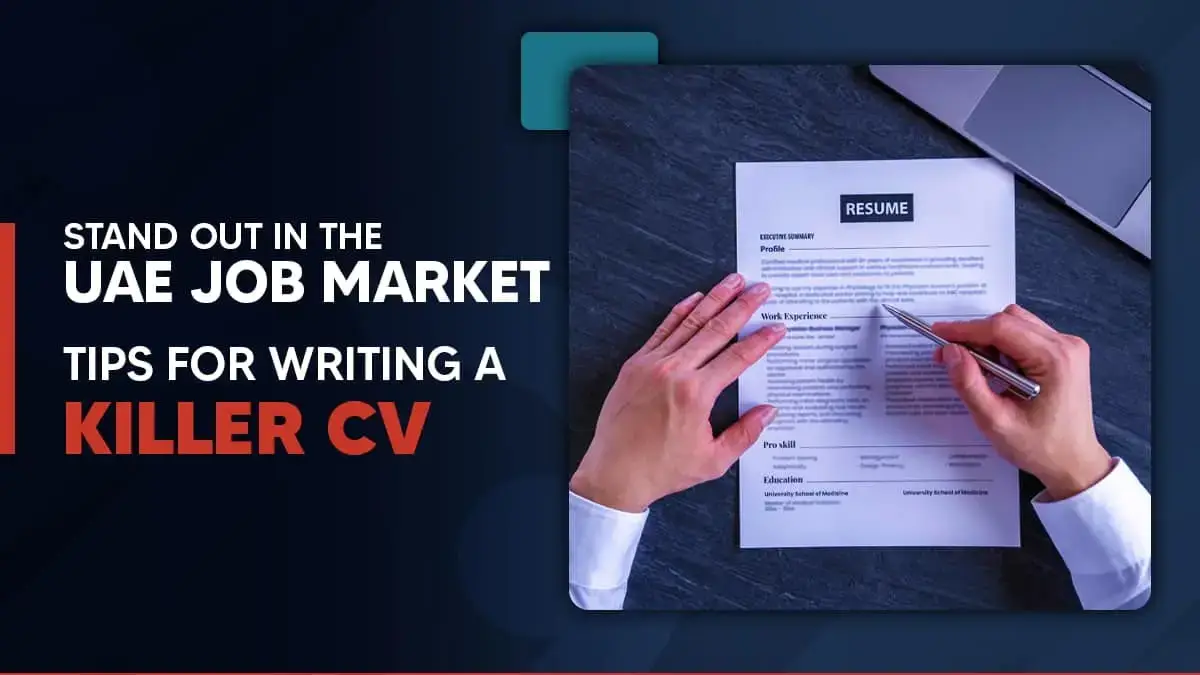
    Why Does Your Dubai CV Format Matter? In today’s competitive UAE job market, your CV is your first opportunity to make an impression. Whether you’re applying for a role in Dubai or anywhere else in the UAE, your CV format can set you apart from the competition. With the right structure, you can highlight your skills, experiences, and qualifications, making it easier for employers to see your value.

    Dubai CV format has some unique features that set them apart from those in Western countries. For example, employers here often prefer a straightforward format that highlights your relevant experience and skills. You might also need to include details like your visa status and a professional photo, which aren’t always common in Western CVs.

    Dubai CV Template: Key Features

    The Dubai CV format has unique elements compared to Western CVs. Employers in the UAE often prefer straightforward formats that focus on relevant experience and skills. Essential details like visa status and a professional photo are also key in Dubai CV templates, making them different from CVs used in other parts of the world.

    So let us help you learn how to write an effective CV for the UAE job market. We’ll cover the important sections including tips for making your CV stand out, CV template for Dubai, and common mistakes to avoid.

    Important Dubai CV Format Guidelines

    When crafting your UAE CV format, it’s important to understand the layout expectations for the local job market. Whether you’re following a Dubai CV template, or a UAE resume format, here’s what you need to know.

    Differences Between a CV and a Resume

    While the terms “CV” and “resume” are often used interchangeably, they serve different purposes. A CV (Curriculum Vitae) provides a comprehensive overview of your academic background, work experience, skills, and achievements. It’s typically longer and more detailed, making it suitable for positions in academia, research, or roles that require extensive qualifications.

    On the other hand, a resume is a shorter document that summarizes your skills and experience, usually tailored to a specific job. In the UAE, employers generally expect a CV, as it gives a fuller picture of your qualifications.

    Ideal Length for a CV in the UAE

    According to the UAE CV format, a CV of 1-2 pages is generally sufficient. While you can add more details, if necessary, it’s essential to keep it concise and focus on the most relevant information.

    Personal Information Section

    The personal information section of a UAE CV typically includes the following:

    • Full Name: Your complete name.
    • Photo: A professional-looking headshot.
    • Nationality: Your country of citizenship.
    • Contact Details: Your phone number, email address, and LinkedIn profile (if applicable).
    • Visa Status: If you’re currently residing in the UAE, specify your visa type and expiration date. This information helps employers understand your eligibility to work in the UAE and whether you need sponsorship.

    Essential Sections for a UAE CV

    Here are the essential sections you should include in your UAE CV:

    1. Personal Information

    • Full Name
    • Contact Information (phone, email, LinkedIn)
    • Nationality
    • Visa Status (if applicable)
    • Photo (optional but often preferred)

    2. Professional Summary

    A brief overview of your skills, experience, and career goals. This section should be concise, typically 3-4 lines, and tailored to the specific job you are applying for. Highlight what makes you a strong candidate and what you hope to achieve in your next role. 

    3. Work Experience

    • Format: List your work experience in reverse chronological order, starting with your most recent position.
    • Details to Include: For each job, mention your job title, the company name, location, and employment dates.
    • Achievements and Responsibilities: Use bullet points to highlight key responsibilities and accomplishments. Focus on results and contributions that demonstrate your value.

    4. Education

    • List your degrees, certifications, and relevant training. Include the name of the institution, location, and graduation dates.
    • If you have obtained any qualifications that are specific to the UAE or are widely recognized in the region, be sure to mention them.

    5. Skills

    • Highlight both technical and soft skills that are relevant to the job you are applying for.
    • Examples include computer skills, language proficiency, communication skills, teamwork, problem-solving, and leadership.

    6. Certifications and Training

    Highlight any professional certifications or training relevant to your field. This can include online courses, workshops, or industry-recognized credentials.

    7. Projects

    If applicable, list any relevant projects you have worked on, including your role, contributions, and outcomes. 

    8. Languages

    List any languages you speak, indicating your level of proficiency (e.g., fluent, conversational). In a multicultural environment like the UAE, multilingual candidates are often highly valued.

    9. References

    A separate references section is often included, but you can also provide references upon request.

    Sample Dubai CV Template

    Here’s a sample Dubai CV template tailored for the UAE job market. You can customize it according to your personal details and experiences.

    YOUR FULL NAME

    [Your Job Title / Profession]

    Phone: [Your Phone Number] | Email: [Your Email Address] | LinkedIn: [LinkedIn Profile URL] | Nationality: [Your Nationality] | Visa Status: [Your Visa Status]


    Left ColumnRight Column
    PROFESSIONAL SUMMARY

    Dynamic and results-driven professional with [X years] of experience in [Your Industry/Field]. Proven track record in [Key Skills or Achievements]. Seeking to leverage expertise in [Specific Skills/Area] to contribute to [Company Name or Position You’re Applying For].
    CONTACT

    Address:
    [Your Address]
    [City, UAE]

    Nationality:
    [Your Nationality]

    Visa Status:
    [Your Visa Status]
    WORK EXPERIENCE

    Your Job Title
    [Company Name], [City, UAE]
    [Month, Year] – Present
    – Key responsibility or achievement #1.
    – Key responsibility or achievement #2.
    – Key responsibility or achievement #3.

    Your Job Title
    [Company Name], [City, Country]
    [Month, Year] – [Month, Year]
    – Key responsibility or achievement #1.
    – Key responsibility or achievement #2.
    – Key responsibility or achievement #3.
    SKILLS

    Technical Skills
    – [Skill #1]
    – [Skill #2]

    Professional Skills
    – [Skill #3]
    – [Skill #4]

    LANGUAGES

    – [Language #1] (Native/Fluent/Proficient)
    – [Language #2] (Intermediate/Basic)
    EDUCATION

    [Degree Title]
    [University/Institution Name]
    [City, Country]
    [Year]

    [Degree Title]
    [University/Institution Name]
    [City, Country]
    [Year]
    CERTIFICATIONS

    – [Certification Name], [Institution], [Year]
    – [Training Course], [Institution], [Year]


    REFERENCES

    Available upon request.

    Tips for Optimizing Your UAE CV

    The UAE CV format sample shows that Dubai’s job market is competitive, and your CV must be tailored to stand out. Follow these tips for improving your Dubai CV format and showcasing your qualifications effectively.

    • Format and Layout: Adhere to the standard CV format commonly used in the UAE. This often includes sections for personal details, summary, experience, education, skills, and references. Use a clean and professional layout with easy-to-read fonts and ample spacing.
    • Tailor Your CV to Each Job Application: Customize your CV for each role by highlighting the skills and experiences that align with the specific job description. Use keywords from the job listing to increase your chances of passing through Applicant Tracking Systems (ATS).
    • Keep it Concise: Aim for a CV length of 1 to 2 pages. Be concise while providing enough detail to convey your qualifications. Avoid unnecessary jargon and focus on clarity.
    • Cultural Nuances: Avoid excessive self-promotion or boastful language. Focus on your achievements and qualifications without sounding arrogant. Be mindful of religious customs and avoid including anything that might be offensive.
    • Proofread Carefully: Spelling and grammatical errors can create a negative impression. Proofread your CV multiple times and consider asking a friend or colleague to review it for clarity and mistakes.
    • Quantify Achievements: Whenever possible, quantify your achievements with specific metrics or data. For example, instead of saying “managed a team,” say “managed a team of 10, increasing productivity by 20% over six months.” This makes your accomplishments more tangible.
    • Use Action Verbs: Start each bullet point in your work experience section with strong action verbs like “developed,” “implemented,” “achieved,” or “led.” This creates a more dynamic and impactful description of your roles.
    • Research Companies and Customize Accordingly: Research the companies you’re applying to and tailor your CV to reflect their values, mission, and culture. Show how your background aligns with their needs and objectives.
    • Be Honest and Authentic: Always provide truthful information about your experience and skills. Misleading information can harm your reputation and future job prospects.
    • Utilize Online Platforms: Consider creating a profile on platforms like LinkedIn. Many employers search for candidates online, and a strong LinkedIn profile can complement your CV and provide additional visibility.

    Avoid These Mistakes in Your Dubai CV Template

    To succeed in Dubai’s competitive job market, avoid these common errors that can undermine your Dubai CV format. Make sure your Dubai CV sample is polished and tailored for each role.

    • Using an Unprofessional Email Address: Avoid using casual or inappropriate email addresses (e.g., partygirl123@email.com). Instead, create a professional email that includes your name (e.g., firstname.lastname@email.com).
    • Lack of Quantifiable Achievements: Whenever possible, quantify your accomplishments using numbers, percentages, or dollar amounts. This demonstrates your impact.
    • Writing a Generic CV: Sending out the same CV for every application can be detrimental. Always tailor your CV to match the specific requirements and language of the job description.
    • Using an Inappropriate Photo: If you include a photo, ensure its professional (headshot), well-lit, and appropriate for a business context. Avoid using casual or social media photos.
    • Failing to Proofread: Spelling and grammatical errors can leave a negative impression. Always proofread your CV multiple times and consider having someone else review it for errors or clarity.
    • Including Salary Expectations: Avoid mentioning salary expectations in your CV unless explicitly requested in the job posting. This can be discussed later during the interview process.
    • Listing Responsibilities Instead of Skills: Instead of merely stating your job responsibilities, focus on the skills you developed and how they relate to the job you’re applying for.
    • Not Including Visa Status: Clearly state your visa status to avoid confusion. This is particularly important in the UAE job market, where work visas and sponsorship can be significant factors.

    Perfect Your CV with Shuraa’s Expert Support

    Creating a powerful Dubai CV format tailored to the UAE job market will help you stand out from the crowd and increase your chances of landing your dream job. If you need personalized support with your job search or company staffing needs, Shuraa Recruitment Services can help. Our expert team specializes in finding the best talent for Dubai’s competitive market. Get a free consultation today to take the next step in your career or business.

    If you need further assistance with your job search or company staffing needs, Shuraa Recruitment Services is here to help. Our talent acquisition team specializes in finding the right talent for businesses in Dubai, ensuring you have the perfect employees to fit your business needs.

    Additionally, if you’re looking to start or expand your business in Dubai, Shuraa Business Setup is a leading business setup consultant with extensive experience in assisting businesses with all types of company formation requirements. From licensing and visa assistance to office space and PRO services, we offer comprehensive support to help you succeed in Dubai’s competitive market. Get a Free consultation today.


  • How to Get DIFC License

    How to Get DIFC License

    The Dubai International Financial Centre (DIFC) is one of the top financial hubs in the world, offering a perfect place for businesses in finance, legal services, and tech innovation. Located right in the center of Dubai, the DIFC operates as a special free zone with its own legal system based on common law and offers attractive tax benefits. It’s home to many global banks, investment firms, and professional service companies that use the DIFC as a gateway to markets across the Middle East, Africa, and South Asia.

    Obtaining a DIFC license comes with some great perks. You’ll benefit from 100% foreign ownership, no corporate tax, and easy access to a top-tier business environment. Plus, DIFC’s geographical location and cutting-edge infrastructure make it an ideal place to grow your business in Dubai.

    If you’re looking to establish your presence in this prestigious free zone, we’ll walk you through the key requirements and steps for getting a DIFC license. From picking the right business activity to finding office space in the free zone, we’ll cover everything you need to know to make the process smooth and simple.

    What is a DIFC License?

    A DIFC License is a regulatory permit issued by the Dubai International Financial Centre (DIFC) Authority, granting businesses the right to operate within the DIFC. The DIFC is a globally recognized financial hub in Dubai that provides a supportive environment for businesses in the finance, legal, and professional service sectors.

    A DIFC license allows companies to conduct a wide range of financial and professional services in a specialized economic zone, including:

    • Financial Services: Banks, insurance companies, investment firms, asset managers, fintech startups, and other financial institutions.
    • Professional Services: Law firms, accounting firms, consultancy firms, and other specialized service providers.
    • Retail: Shops, restaurants, and other retail businesses operating within the DIFC district.
    • Tech and Innovation: Startups and companies in fintech, blockchain, and other technology-driven sectors through the Innovation License.

    Benefits of Obtaining DIFC License

    Here are the key advantages of obtaining DIFC License for your business in Dubai: 

    • 100% Foreign Ownership: Unlike some jurisdictions, businesses in the DIFC can be fully owned by foreign nationals or entities.
    • Tax Benefits: Businesses operating under a DIFC license enjoy a favorable tax regime, including a 0% corporate tax rate.
    • International Recognition: The DIFC’s regulatory framework is recognized globally which enhances the credibility and reputation of businesses operating within it.
    • Access to Global Markets: DIFC licenses provide businesses with access to global markets and opportunities.
    • World-Class Infrastructure: The DIFC offers state-of-the-art infrastructure, including modern office spaces, advanced technology, and excellent connectivity.
    • Regulatory Support: The Dubai Financial Services Authority (DFSA) regulates financial firms in the DIFC which ensures compliance with global standards.

    Types of Licenses Offered by DIFC

    The Dubai International Financial Centre (DIFC) offers several types of licenses, each designed to cater to specific business activities within its free zone. Depending on the nature of the business, companies can choose from the following license types:

    1. Financial Services License: This financial service license is for banks, insurance companies, investment firms, asset managers, fintech companies, and other financial institutions. Companies operating under this license are regulated by the Dubai Financial Services Authority (DFSA), ensuring they meet international financial and regulatory standards.
    2. Non-Financial Services License: This license is for businesses offering professional services, such as law firms, accounting firms, consultants, and other professional service providers. Companies are not required to be regulated by DFSA if they don’t engage in financial services. Business activities generally include legal services, management consultancy, accounting, auditing, and advisory services.
    3. Retail Business License: This license is for retail businesses that wish to operate within DIFC’s designated retail spaces, such as shops, cafes, restaurants, and other outlets. Activities include sale of goods, food and beverage services, beauty services, and other retail activities.
    4. Innovation License: DIFC innovation license is a commercial license specifically designed for tech startups, particularly those focused on fintech, blockchain, artificial intelligence, and other innovative technologies. Startups may be eligible for reduced license fees and flexible office options under the DIFC’s Innovation Hub initiative.

    Required Documents for a DIFC License Application

    The specific documents required for a DIFC license application may vary depending on the type of license you are seeking and the nature of your business. However, here are some common documents that are generally required:

    • Completed and signed DIFC business application forms
    • Passport copies of all shareholders & directors
    • Business plan
    • Lease agreement or proof of office space within the DIFC
    • Corporate documents (for Branch or Subsidiary)
    • No Objection Certificates (NOCs), if applicable
    • Bank references

    How to Obtain a DIFC License?

    Getting a Dubai International Financial Centre (DIFC) license involves several stages, from submitting the initial application to receiving regulatory approvals. Here’s a step-by-step process:

    1. Choose Your Business Activity and License Type: Identify the type of business activity you want to undertake in the DIFC, such as financial services, professional services, retail, or innovation. Select the appropriate license type based on your business activity (e.g., financial services license, non-financial services license, retail license, or innovation license).
    2. Prepare and Submit Required Documents: Submit your application through the DIFC’s online portal. You’ll need to provide key details about your business and upload all the required documents through the DIFC portal.
    3. Select and Secure Office Space: All companies operating in the DIFC must have an office or physical presence within the district. You can choose from options like a dedicated office, flexi-desk, or co-working space based on your business needs and budget. Finalize the lease agreement for your office space and submit it as part of the licensing process.
    4. Obtain DFSA Approval (for Financial Firms): If your business falls under-regulated financial services, you’ll need to complete the regulatory approval process with the DFSA. This involves providing compliance policies, financial documentation, and details of your company’s risk management strategy.
    5. Pay License and Registration Fees: After obtaining in-principal approval and securing your office space, pay the necessary fees to the DIFC.
    6. Get Your DIFC License: Once all documents are approved, office space is secured, and fees are paid, the DIFC will issue your business license. This license allows you to officially operate your business within the DIFC.
    7. Open a Bank Account: With your DIFC license in hand, you can open a corporate bank account in Dubai to manage your business’s finances. DIFC companies enjoy easy access to several local and international banks operating within the centre.

    The entire process typically takes between 4 to 6 weeks, depending on the complexity of the business, regulatory requirements, and how quickly the required documents are submitted. Therefore, we highly recommend getting assistance from Shuraa Business Setup for a smooth process. 

    What is the DIFC License Cost?

    The DIFC license cost can range from approximately AED 10,000 to AED 50,000 or more, depending on the specifics of your business, the type of office space chosen, type of trade license, and the number of employees requiring visas.

    Here are the typical costs associated with obtaining a DIFC license:

    • Application and license fees
    • Office space costs
    • Regulatory fees
    • Visa and employment costs

    To help streamline the process and manage costs, reputed business setup consultants like Shuraa offer different budgeted packages tailored to your business needs.

    Why Choose Shuraa for DIFC License Assistance?

    Getting a DIFC license is a great opportunity to set up your business in one of the world’s top financial centres. If you’re thinking about starting your application, now is the right time to take that exciting step forward.

    Choosing Shuraa to help you with your DIFC license makes the process much easier. We have extensive experience with Dubai mainland and free zone licensing and know all the rules you need to follow. Our team will support you every step of the way, from preparing your documents to submitting your application and getting the approvals you need.

    We’re proud to offer affordable and timely services that are tailored to fit your business needs. When you work with Shuraa, you can focus on your business while we handle the details of getting your DIFC license.

    So, don’t wait! Contact us today at +971 4 4081900, WhatsApp at +971 50 7775554, or info@shuraa.com.

    Frequently Asked Questions (FAQs)

    1. What is a Category 3C license?

    DIFC Category 3C license is a type of financial services license issued by the DFSA. It allows businesses to engage in a wide range of financial activities, including investment management, fund administration, and securities brokerage.

    2. What is a DIFC fintech license?

    A DIFC Fintech License is specifically designed for businesses operating in the financial technology sector. It provides a framework for fintech companies to innovate and offer new financial products and services within the DIFC.

    3. What is a DIFC AI & Web 3.0 License?

    A DIFC AI & Web 3.0 License is a specialized license for businesses involved in artificial intelligence and Web 3.0 technologies. It allows companies to develop and deploy AI-powered solutions and explore opportunities within the emerging Web 3.0 ecosystem, especially in the MEASA region.

    4. What is a Category 4 license in DIFC?

    A Category 4 license in DIFC is issued by the Dubai Financial Services Authority (DFSA) for firms that engage in advisory and arranging activities but do not hold or manage client money or assets.

    5. What types of businesses can apply for a DIFC license?

    DIFC licenses are available for a wide range of businesses, including financial institutions (banks, investment firms), professional service providers (legal, accounting, consultancy), fintech startups, and retailers.

    Disclaimer: The information in this post is for general guidance only and may change due to updates in government policies or regulations.

  • How to Become a Real Estate Agent in Abu Dhabi

    How to Become a Real Estate Agent in Abu Dhabi

    Abu Dhabi is one of the fastest-growing cities in the Middle East, and its real estate market is booming. From stunning residential communities to impressive commercial developments, the demand for property in the city continues to rise. Abu Dhabi Real Estate Centre (ADREC) has recently announced a record-breaking AED 87.1 billion in real estate transactions for 2023. ADREC is a part of the Department of Municipalities and Transport (DMT). This shows just how much interest there is in buying and renting property here.

    With this growing market comes a higher demand for real estate professionals who can help people buy, sell, and rent properties. If you’re interested in starting a career in this field, becoming a licensed real estate agent in Abu Dhabi is the first and most important step.

    Here we’ll guide you on how to become a real estate agent in Abu Dhabi, including the qualifications you need, documents requirements, and the associated cost.

    Role of Real Estate Agent in Abu Dhabi

    A real estate agent in Abu Dhabi serves as a trusted intermediary between buyers, sellers, and landlords. Their responsibilities include a wide range of tasks, including:

    • Property Transactions: Assisting clients in buying or selling homes, commercial spaces, or rental properties. Conducting property viewings, negotiations, and drafting contracts for sale or lease.
    • Market Knowledge: Agents must deeply understand the Abu Dhabi real estate market, including property types, neighbourhoods, trends, and recent transactions.
    • Legal Guidance: Real estate agent ensures that all property transactions comply with Abu Dhabi’s real estate laws and regulations. They also help clients understand the legal aspects of property transactions, such as paperwork and approvals.
    • Client Representation: Agents represent buyers in their search for suitable properties, negotiating prices, and handling the paperwork. They represent sellers in marketing their properties, negotiating offers, and ensuring a smooth transaction.
    • After-Sale Services: Agents may provide post-sale support, such as assisting with property management or referring clients to other professionals, like mortgage brokers or home inspectors.

    Eligibility to Become a Real Estate Agent in Abu Dhabi

    To become a real estate agent in Abu Dhabi, you must meet eligibility requirements, complete a training program, pass a certification exam, and obtain a license.

    Eligibility requirements

    • Be at least 21 years old
    • Proficiency in Arabic and English
    • Have a valid UAE residency visa and Emirates ID (Only UAE nationals and residents)

    Training program

    • Enroll in a real estate training course approved by the Abu Dhabi Department of Municipalities and Transport (DMT)
    • The course will cover topics like real estate laws, regulations, property valuation, and marketing

    Certification exam

    • Pass the DMT-administered exam to demonstrate your knowledge of Abu Dhabi’s real estate market and legal framework
    • After completing the training, you must pass a real estate certification exam administered by the DMT.
    • To legally practice as a real estate agent in Abu Dhabi, you must obtain a license from the Real Estate Regulatory Authority (RERA).

    Documents Required to Obtain Real Estate License in Abu Dhabi 

    To obtain a real estate agent license in Abu Dhabi, you will need to submit the following documents to the Real Estate Regulatory Authority (RERA): 

    • Valid passport or Emirates ID
    • Residence visa (if applicable)
    • Recent passport-sized photographs
    • Certificate of completion from a RERA-approved training program
    • Real estate certification exam result
    • Completed RERA license application form
    • Medical certificate confirming good health
    • No Objection Certificate (NOC), if required

    How to Become a Real Estate Agent in Abu Dhabi

    To become a real estate agent in Abu Dhabi, follow these steps:

    • Research the Market: Understand the local laws and regulations governing Abu Dhabi’s real estate market. Explore property trends, rental yields, and the target audience to identify potential opportunities.
    • Complete a Real Estate Training Course: Enroll in a real estate training course approved by the Abu Dhabi Department of Economic Development (DED). The course covers property law, valuation, marketing, and sales to prepare you for the industry.
    • Pass the Real Estate Certification Exam: After completing the course, pass the certification exam conducted by the DMT. This exam tests your knowledge of laws, valuation techniques, and real estate practices.
    • Apply for a Real Estate Agent License: Submit your application to the DED with required documents like your passport, visa, training certificate, and exam results. Double-check all requirements on the official website.
    • Register with the Department of Municipalities and Transport (DMT): Register with the DMT to access property listings and ensure compliance with Abu Dhabi’s regulations. This step is mandatory for operating as a licensed agent.
    • 6. Work with a Real Estate Brokerage or Independently: Decide whether to join an established brokerage or operate independently. Brokerages provide training and client access, while independence offers greater flexibility.

    How to Start a Real Estate Business in Abu Dhabi

    If you want to open your own real estate business in Abu Dhabi, the process involves additional steps, such as:

    1. Business License: You’ll need to apply for a business license through the DMT and the Department of Economic Development (DED) in Abu Dhabi.
    2. Office Space: To operate as a real estate company, you must have physical office space, which is a legal requirement.
    3. Real Estate Trade License: Your business must obtain a real estate trade license, which allows you to carry out activities like property sales, rentals, and management.
    4. Employee Visas: If you plan to hire agents or administrative staff, you’ll need to secure employment visas for your team. 

    The specific requirements and procedures may vary, so it’s advisable to consult with our business setup experts in Abu Dhabi for assistance throughout the process. 

    How to Renew Your Real Estate Broker License in Abu Dhabi? 

    To renew your real estate broker license in Abu Dhabi, you’ll typically need to follow these steps:

    • Check Your License Expiry Date: Your real estate broker license in Abu Dhabi is typically valid for one year. It’s essential to keep track of the expiration date to avoid penalties or disruptions to your work. It’s recommended to start the renewal process at least 30 days before the expiry date.
    • Complete Mandatory Continuing Education: Ensure you’ve completed the required number of continuing education hours as specified by the Abu Dhabi Department of Economic Development (DED). These courses may cover updates in real estate laws, regulations, and industry trends.
    • Submit Your Renewal Application: You can submit your license renewal application online via the DMT’s official website or through an authorized TAMM service centre.
    • Pay the Renewal Fees: There is a fee for renewing your real estate broker license in Abu Dhabi. The renewal cost typically ranges from AED 5,000 to AED 10,000, depending on your specific situation and type of license.

    Read Also: How to Buy Property in Dubai

    What is the Real Estate Agent License Cost in Abu Dhabi?

    The initial cost to become a licensed Real Estate Broker in Abu Dhabi involves an application fee and a mandatory training course, with the total initial licensing cost for a company being around AED 10,500* to AED 16,000* or more, depending on the specific fees for training and exams, which vary based on the broker’s qualifications and the type of license sought.

    Key components influencing the cost include:

    • Real estate training course fee
    • Certification exam fee
    • Real estate license application fee
    • Registration fee with DMT
    • Office setup costs (if applicable)

    For accurate and updated information, consult our experts at Shuraa Business Setup to guide you through the process.

    If you’re planning to become real estate agent in Dubai, make sure to check out this helpful guide: How to Become a Real Estate Agent in Dubai

    How Shuraa Can Help!

    Thinking about becoming a real estate agent in Abu Dhabi? It’s a smart move! This career path not only offers good income opportunities but also allows you to assist people in finding their dream homes in a vibrant and growing market.

    Becoming a real estate agent in Abu Dhabi, especially in 2025, not only offers great earning potential but also allows you to help people find their perfect homes in a vibrant market. As you start your journey to becoming a licensed real estate agent, it’s essential to know that the licensing process can be tricky. That’s where Shuraa Business Setup can really help! Our friendly team is here to guide you every step of the way, from understanding what you need to do to assisting you with your application and paperwork.

    With Shuraa’s support, you can make the process much easier and focus more on launching your real estate career. So, don’t hesitate—reach out to Shuraa at +971 4 4081900, WhatsApp at +971 50 7775554, or info@shuraa.com.

    Frequently Asked Questions (FAQs)

    1. What are the basic requirements to become a real estate agent in Abu Dhabi?

    • A valid UAE residency visa.
    • Completion of a DED-approved real estate training course.
    • Passing the real estate agent exam.
    • Obtaining a real estate agent license from the DED.

    2. Is there a minimum age requirement to become a real estate agent in Abu Dhabi?

    Yes, there is a minimum age requirement of 21 years old to become a real estate agent in Abu Dhabi.

    3. Do I need to be a resident of Abu Dhabi to obtain a real estate agent license?

    Yes, you typically need to have a valid UAE residency visa or work permit in Abu Dhabi to obtain a real estate agent license.

    4. Is there a continuing education requirement for real estate agents in Abu Dhabi?

    Yes, real estate agents in Abu Dhabi are typically required to complete a certain number of continuing education hours to maintain their licenses.

    Disclaimer: The information in this post is for general guidance only and may change due to updates in government policies or regulations.

  • Minimum Wage in UAE? What You Need to Know

    Minimum Wage in UAE? What You Need to Know

    Dubai and the United Arab Emirates are implementing a significant new minimum wage policy specifically for Emirati nationals in the private sector, marking a key step in the Emiratisation strategy. While the UAE has never had a universal minimum wage for all workers, this 2026 regulation establishes a formal wage floor for its citizens. Employers, economists, and expatriate workers are closely monitoring these changes for their broader impact on the labour market.

    Effective January 1, 2026, the Ministry of Human Resources and Emiratisation (MoHRE) requires private-sector employers to pay Emirati employees a minimum monthly salary of AED 6,000, an increase from AED 5,000. This wage floor applies to all new, renewed, and amended work permits for Emirati nationals. Companies must adjust the salaries of current Emirati employees to meet this requirement by June 30, 2026. Non-compliant firms may face penalties from July 1, 2026, including exclusion from Emiratisation quotas and suspension of new work permits.

    What is the Minimum Wage in UAE in 2026?

    The UAE recently implemented a mandatory minimum wage of AED 6,000 per month for Emirati citizens in the private sector, effective January 1, 2026, with a deadline of June 30, 2026, for existing contracts, part of the Emiratisation drive; while no single general minimum wage exists for expatriates, previous salary guidelines for specific qualifications (e.g., university graduates AED 12,000, technicians AED 7,000) served as benchmarks, though the new rule focuses on national employees. 

    For Emirati Nationals (Effective Jan 1, 2026)

    • New Minimum Wage: AED 6,000 per month.
    • Applies To: All new, renewed, and amended work permits.
    • Deadline for Existing Contracts: Employers must adjust salaries by June 30, 2026.
    • Penalties for Non-Compliance: Exclusion from Emiratisation quotas and potential suspension of work permits from July 1, 2026. 

    For Expatriate Workers

    • No Single Minimum Wage: The UAE Labour Law does not set a universal minimum wage for all expatriates.
    • Salary Benchmarks: Previously, guidelines existed for certain qualification levels, such as:
      • University Graduates: AED 12,000/month.
      • Skilled Technicians: AED 7,000/month.
      • Skilled Labourers (Secondary Education): AED 5,000/month.
    • Payment System: The Wage Protection System (WPS) ensures timely and full salary payments through banks, monitored by the Ministry of Human Resources and Emiratisation (MoHRE).

    Key Takeaway: The new AED 6,000 minimum wage represents a major policy change designed to make private-sector roles more appealing to Emirati citizens and increase national workforce participation.

    What is the Average Wage in the UAE in 2026?

    Average salaries in the UAE vary widely depending on industry, experience, education, and location. Although there is no official national minimum wage, the typical monthly salary ranges from AED 12,000 to AED 30,000.

    In 2013, MoHRE introduced salary guidelines that established tiers for various worker categories. These guidelines offer non-binding recommendations to help employers provide fair compensation.

    • University Graduates: Entry-level university graduates typically earn around AED 12,000 per month. Those in finance, engineering, and IT may start at higher salaries, with opportunities for rapid advancement as they gain experience.
    • Skilled Technicians: Electricians, plumbers, and mechanics generally earn about AED 7,000 per month, with salaries influenced by experience, certifications, and sector. Technicians in specialized fields such as aviation or oil and gas often earn higher wages.
    • Skilled Laborers: Construction supervisors, heavy machinery operators, and carpenters typically earn AED 5,000 per month. Salaries vary based on experience and sector.

    Average Wage by Other Categories:

    • Skilled Professionals (e.g., doctors, engineers, IT specialists): AED 20,000 to AED 45,000 per month.
    • Mid-level Professionals (e.g., accountants, marketing managers): AED 10,000 to AED 25,000 per month.
    • Unskilled and Semi-skilled Workers (e.g., construction workers, cleaners, drivers): AED 1,500 to AED 5,000 per month.

    These figures are averages, and actual wages can differ significantly by industry, location, and employer. For instance, salaries vary significantly by region, with major commercial hubs like Dubai and Abu Dhabi typically offering higher compensation packages.

    Salaries in the UAE vary significantly by location, with major commercial hubs like Dubai and Abu Dhabi typically offering higher compensation packages to attract talent. The figures below represent estimated average total monthly compensation (salary + allowances) for mid-level professionals in various emirates and should not be confused with legal minimum wage requirements:

    • Dubai: AED 20,000 to AED 35,000
    • Abu Dhabi: AED 18,000 to AED 32,000
    • Sharjah: AED 15,000 to AED 25,000
    • Ajman: AED 15,000 to AED 20,000
    • Ras Al Khaimah: AED 12,000 to AED 18,000

    These ranges are influenced by the concentration of multinational corporations, free zones, and industry sectors in each emirate.

    Factors Affecting Wage Levels in the UAE

    Several key factors influence wage levels in the UAE:

    • High-Demand Industries: Sectors such as technology, finance, and healthcare typically offer higher salaries due to strong demand for skilled professionals.
    • Skill Level and Education: Higher education and specialized skills generally result in higher wages. Professionals such as doctors, engineers, and IT specialists earn more than unskilled or semi-skilled workers. Advanced degrees and certifications can further increase earning potential.
    • Geographic Location: Salaries vary by region, with major cities such as Dubai and Abu Dhabi offering higher pay than smaller emirates.
    • Company Size and Type: Larger multinational companies usually provide more competitive salaries and benefits than smaller local firms. Wage structures also differ between the private sector, the public sector, and the free zone companies.
    • Economic Conditions: Factors such as GDP growth, inflation, and business confidence impact wage levels across the UAE.
    • Experience: Greater work experience typically leads to higher salaries.

    Wage Protection Laws and Systems in the UAE

    1. Wage Protection System (WPS)

    The Wage Protection System (WPS) is a government initiative in the UAE that ensures timely and transparent salary payments. Its purpose is to protect employee rights and prevent wage disputes.

    Employers must register their companies and employees with the WPS and submit salary details and payment schedules to MOHRE. The system monitors payments and notifies authorities of any discrepancies or delays.

    Key Features of the WPS:

    • The WPS requires all employers to transfer salaries electronically to employees’ bank accounts, ensuring transparency and timely payments.
    • The WPS enforces compliance with UAE Labour Law regulations that strictly limit permissible salary deductions, protecting workers from unlawful or excessive charges.
    • The WPS offers a fair and efficient process for resolving wage disputes between employers and employees.
    • The WPS collects and analyzes wage payment data, enabling authorities to monitor compliance and identify issues.

    As of 2026, the WPS covers additional categories of workers, including those in non-traditional roles. Non-compliant employers face increased penalties, including fines and possible legal action.

    2. Role of the Ministry of Human Resources and Emiratisation (MOHRE)

    The Ministry of Human Resources and Emiratisation (MOHRE) plays a crucial role in regulating wage protection in the UAE. It is responsible for:

    • Implementing and enforcing wage protection laws and regulations.
    • Overseeing the WPS and ensuring its proper functioning.
    • Investigating and resolving wage disputes between employers and employees.
    • Providing guidance and support to both employers and employees on wage-related matters.

    The MOHRE has been actively working to improve the efficiency and transparency of the WPS and has likely introduced new measures to enhance its effectiveness.

    How to Pay Wages to Your Employees in the UAE

    Paying wages in the UAE requires compliance with legal standards and the selection of appropriate payment methods. The following guide outlines key steps.

    1. Comply with the Wage Protection System (WPS): All employers must pay employee salaries through WPS-authorized banks or financial institutions. The system ensures transparency and timely payment as mandated by UAE law.
    2. Choose a Payment Method: Use WPS-approved banks for direct salary deposits. Cheque payments remain an option, though they are less common.
    3. Set Up a Payroll System: Implement payroll software to manage calculations and generate payslips. Maintain accurate records of salaries and deductions.
    4. Pay on Time: Establish a consistent payment schedule and ensure compliance with WPS requirements.
    5. Provide Payslips: Issue payslips that detail salary breakdowns and deductions to promote transparency.

    Related Post: Payroll Process in the UAE for Businesses

    Ensure Compliance with Shuraa

    Understanding wage regulations is essential for both employers and employees in the UAE. Awareness of minimum wage rules promotes fairness, legal compliance, and a more motivated workforce.

    If you are new to doing business in Dubai or considering starting a business, navigating these regulations can be challenging. Shuraa’s expert team is available to assist with company registration, legal requirements, and understanding local laws. Contact us to support your business success in this dynamic market.

    Frequently Asked Questions (FAQs)

    1. Is There a National Minimum Wage in the UAE?

    The UAE does not have a universal national minimum wage for all workers. However, starting January 2026, Emirati nationals in the private sector will have a mandatory minimum wage of AED 6,000 per month, enforced through the Wage Protection System (WPS) to ensure timely payment. Expatriate wages are set by contract, which must meet basic needs, and salary guidelines exist for different qualification levels.

    2. What is a Good Starting Salary in the UAE?

    The average starting salary in the UAE can vary significantly depending on factors such as industry, experience, education, and location. Generally, a good starting salary for a skilled professional in a major city like Dubai or Abu Dhabi can range from AED 10,000 to AED 15,000 per month.

    3. What is the Basic Salary in Dubai?

    In Dubai, “basic salary” refers to the fixed monthly pay before deductions or allowances. Professionals typically earn AED 8,000 to AED 15,000 per month, while skilled technicians and labourers earn AED 4,000 to AED 8,000 per month.

    4. Are There Overtime Payments in the UAE?

    Yes, employees in the UAE are entitled to overtime pay, usually at 1.25 or 1.5 times the basic hourly rate. Overtime regulations may vary by industry and company policy.

    5. What Are the Common Deductions from Salaries in the UAE?

    Common salary deductions in the UAE include:

    • Income tax (if applicable)
    • Social security contributions
    • Pension fund contributions
    • Health insurance premiums
    • Housing allowances (if provided by the employer)

    6. How Can I Report a Wage Dispute in the UAE?

    If you have a wage dispute, report it to the Ministry of Human Resources and Emiratisation (MOHRE). They offer procedures for handling wage complaints and can help resolve disputes between employers and employees.

    Disclaimer: This information is for general guidance and may change with updates to government policies or regulations.

  • Restaurant License in Dubai: Costs, Requirements

    Restaurant License in Dubai: Costs, Requirements

    Dubai is home to a buzzing restaurant scene, thanks to its diverse population and ever-growing tourism industry. From high-end dining spots to casual cafes, there’s always a demand for new and exciting food experiences. This makes Dubai a fantastic place to start your own restaurant and tap into a global audience.

    One crucial aspect of running a restaurant in Dubai is registering your business with the Department of Economic Development (DED) and obtaining the necessary licenses and permits to operate legally. A restaurant license in Dubai is required to ensure that establishments comply with health and safety regulations and adhere to local business laws.

    Without a proper license, restaurants risk facing fines, closure, or even legal action. Restaurant license cost in Dubai is also quite cheaper than other emirates in the UAE. However, you must ensure you meet the essential requirements set by concerned authorities.

    Therefore, we’ll walk you through the process of getting a restaurant license in Dubai, so you can start building your dream business in one of the world’s most exciting cities.

    Types of Restaurant License in Dubai

    When opening a restaurant in Dubai, you’ll need to obtain specific licenses and permits. Here are the main types:

    Primary License:

    • Trade License: This is the fundamental license required for any business in Dubai. It’s issued by the Department of Economic Development (DED) or a free zone authority.
    • Food Establishment License: Issued by the Dubai Municipality’s Food Safety Department, this license ensures your restaurant complies with health and safety regulations.

    Additional License Requirements:

    • Alcohol License (if applicable): If you plan to serve alcohol, you’ll need a separate alcohol license. The requirements for this license vary depending on the type of alcohol you’ll be serving and the location of your restaurant.
    • Food Truck License: If you plan to operate a food truck in Dubai, you’ll need to obtain a specific food truck license. This license typically requires you to meet certain requirements, such as having a mobile kitchen that meets hygiene and safety standards.
    • Takeaway License: A takeaway license is required if your restaurant primarily focuses on providing food for takeout or delivery. This license ensures that your restaurant meets the necessary health and safety standards for food preparation and packaging. You may also need to comply with regulations related to food delivery services.
    • Sit-Down Restaurant License: A sit-down restaurant license is necessary if your restaurant offers dine-in services. This license permits you to operate a restaurant with tables and chairs where customers can eat on the premises.

    It’s essential to consult with the Dubai Municipality or business setup experts like Shuraa for the most accurate and up-to-date information on specific license requirements.

    Essential Documents and Requirements to Start a Restaurant in Dubai

    To successfully establish a restaurant in Dubai, you’ll need to gather a comprehensive set of documents and fulfil certain requirements. This generally includes:

    • Trade name registration certificate
    • Passport copies of the business owners and managers
    • Visas copies
    • No Objection Certificate (NOC), if required
    • Trade license application form
    • Food safety and hygiene documents
    • Health certificates
    • Bank statements
    • Tenancy contract
    • Food Establishment license application form (Dubai Municipality)

    The specific requirements and procedures may vary based on your business activity, so it’s advisable to consult with our local business setup advisor for accurate and up-to-date information.

    How to Obtain a Restaurant License in Dubai

    Once you’ve gathered the necessary documents and fulfilled the requirements, you can proceed with the application process for your restaurant license in Dubai. Here’s a step-by-step guide:

    • Step 1. Choose a Business Location: Your business location—mainland or free zone—determines your licensing authority and operational scope. To trade freely across Dubai and the UAE, register with the mainland’s Department of Economic Development (DED). For a specific zone with benefits like full foreign ownership, apply through the respective Free Zone Authority, which limits your mainland market access.
    • Step 2. Select a legal structure: Decide whether your restaurant will be a sole proprietorship, limited liability company (LLC), or other suitable option. Mainland LLC is the most popular option.
    • Step 3. Register Restaurant Name: Choose a unique and memorable name for your restaurant. Ensure the trade name complies with Dubai’s naming guidelines (e.g., no religious or political references).
    • Step 4. Secure a Commercial Space: Choose a physical location for your restaurant and ensure it meets Dubai Municipality’s health and safety regulations. Sign a lease agreement for the restaurant space and have the tenancy contract (Ejari) registered.
    • Step 5. Submit the Restaurant License Application: Complete the required application forms and attach all supporting documents. Submit your application to the Department of Economic Development (DED) or the Free zone authority.
    • Step 6. Pay the License Fees: After submitting your documents, you’ll need to pay the required fees for the restaurant license. Fees vary depending on the type of license (Mainland or Free Zone) and the scope of your business.
    • Step 7. Obtain Food Safety and Health Approvals from Dubai Municipality: Submit your restaurant’s layout plans to Dubai Municipality for approval. These plans must include details about the kitchen, storage areas, and seating arrangements. You’ll need to follow food safety guidelines, which include proper hygiene, ventilation, and waste management systems.
    • Step 8. Obtain Additional Permits (If needed): Dubai Municipality will issue a food safety permit after conducting inspections to ensure your restaurant complies with health and safety standards. If your restaurant plans to serve alcohol, you’ll need a separate liquor license from the Dubai Police. Depending on your business activity, you may need to obtain additional permits like outdoor seating permits, environmental clearance, etc.
    • Step 9. Hire Employees: You’ll need to apply for work permits and residence visas for your employees through the Ministry of Human Resources and Emiratisation (MOHRE) and the General Directorate of Residency and Foreigners Affairs (GDRFA).
    • Step 10. Receive the Final Restaurant License: Once all documents are approved, and fees are paid, you’ll receive your restaurant license. You can now legally operate your restaurant in Dubai.

    What is the Cost of Restaurant License in Dubai?

    The restaurant license cost in Dubai is typically around AED 10,000 to AED 25,000 (varies based on the size and location of the restaurant). Addition costs should also be taken into consideration such as:

    • Food Safety Approval from Dubai Municipality
    • Trade Name Registration fees
    • Tenancy Contract (Ejari)
    • Initial Approval Fees
    • Office or Facility Rent

    The cost of a restaurant license can vary depending on several factors, including:

    • Type of license: Food truck, takeaway, sit-down restaurant, or alcohol license.
    • Size of the restaurant: The larger the restaurant, the higher the fees.
    • Location: Fees may differ based on the location of your restaurant within Dubai.
    • Additional permits: Costs for permits such as alcohol licenses or music licenses will add to the overall expense.

    Dubai generally offers relatively affordable restaurant license costs compared to other major cities worldwide.

    The government has implemented various initiatives to attract businesses and encourage entrepreneurship, including incentives for the food and beverage industry. These initiatives often involve reduced fees or streamlined processes for obtaining licenses, making it more cost-effective to start a restaurant in Dubai.

    Food Code for Restaurant Setup in Dubai

    The Dubai Municipality has specific food codes that restaurants must adhere to. These codes cover various aspects of food safety, hygiene, and quality. Here are some key food code requirements for restaurants in Dubai:

    Hygiene and Sanitation

    • Maintain a clean and sanitary environment in the kitchen, dining areas, and restrooms.
    • Practice proper food handling techniques to prevent contamination.
    • Regularly clean and disinfect equipment, utensils, and surfaces.
    • Store food at appropriate temperatures to prevent spoilage.

    Food Safety

    • Use fresh and high-quality ingredients.
    • Cook food to the correct internal temperatures to kill harmful bacteria.
    • The store cooked food properly to prevent cross-contamination.
    • Label food items with clear expiration dates.

    Personnel Hygiene

    • Require staff to maintain good personal hygiene, including washing their hands frequently and wearing clean uniforms.
    • Provide training to staff on food safety practices.

    Pest Control

    • Implement effective pest control measures to prevent infestations.
    • Regularly inspect the premises for signs of pests.

    Waste Management

    • Dispose of food waste and other waste properly.
    • Ensure proper sanitation of garbage containers.

    Specific requirements may vary depending on the type of restaurant and the nature of its operations.

    Dubai Municipality conducts regular inspections of restaurants to verify compliance with food safety regulations. Non-compliance can result in fines, penalties, or even closure of the establishment.

    Architectural Requirements for Opening a New Restaurant

    Dubai’s architectural standards are high, and this extends to commercial establishments such as restaurants. Below are the key architectural requirements you need to follow:

    • Ensure that the restaurant design and construction comply with all relevant building codes and regulations set by Dubai Municipality.
    • The kitchen area should be at least 300 to 380 square feet depending on the size and type of restaurant.
    • All kitchen walls, floors, and surfaces should be made from non-porous materials like stainless steel, tiles, or epoxy-coated materials to ensure easy cleaning and prevent bacterial growth.
    • Kitchens must be equipped with proper exhaust fans and hoods to remove smoke, heat, and odors.
    • A separate, well-ventilated area should be provided for storing dry goods. Shelves must be at least 15 cm off the ground to prevent contamination.
    • Adequate refrigeration space is required to store perishable goods. Refrigerators and freezers should maintain the correct temperatures (5°C or below for refrigerators and -18°C or below for freezers).
    • The restaurant must be equipped with fire extinguishers, especially in the kitchen area, where the risk of fire is higher.
    • You must apply for a signboard permit to display your restaurant’s signage. The sign should be visible and comply with Dubai Municipality’s signage regulations.

    Please note, the requirements may vary, it’s advisable to thoroughly understand the architectural requirements outlined by the Dubai Municipality.

    How Shuraa Can Help

    With Dubai’s growing appetite for diverse cuisines and its dynamic market, now is a great time to start your restaurant business. To make this exciting venture easier, let Shuraa Business Setup guide you through the process. We’re here to help with everything from company registration and understanding local regulations to getting your restaurant license and setting up your space.

    Our experts will also assist you with securing the right location, handling visas, and all other essential tasks. With our support, you can focus on your passion for food while we take care of the details.

    Reach out to Shuraa Business Setup today at +971 4 4081900, WhatsApp at +971 50 7775554, or info@shuraa.com.

    Frequently Asked Questions (FAQs)

    1. What is the difference between cafeteria license and restaurant license in Dubai?

    A cafeteria License is typically used for smaller, self-service food establishments where customers choose their food and pay at a counter. Restaurant License is required for larger, full-service restaurants with table service and a more extensive menu.

    2. What is the food code in Dubai?

    The Dubai Municipality’s Food Safety Department (FSD) enforces strict food safety regulations. These regulations, often referred to as the “food code,” cover various aspects of food production, handling, storage, and service.

    3. What are the requirements of opening a restaurant in Dubai?

    To obtain a restaurant license, you’ll need to submit various documents, including:

    • Company registration documents
    • Business plan
    • Financial statements
    • Lease agreement
    • Building approval
    • Fire safety certificate
    • Health and safety certificate
    • Food safety plan

    4. Can I transfer a restaurant license to a new location?

    Yes, you can transfer a restaurant license to a new location, but you’ll need to obtain approval from the Dubai Municipality. There may be additional requirements or fees involved in the transfer process.

    5. What is the cost of a restaurant license in Dubai?

    The restaurant license cost in Dubai ranges between AED 10,000 to AED 25,000 but can vary depending on factors like the size of your restaurant, its location, and the type of cuisine you’ll be serving. While the exact fees can change over time, Dubai generally offers relatively affordable licensing costs compared to other major cities worldwide.

    Disclaimer: The information in this post is for general guidance only and may change due to updates in government policies or regulations.

  • Visa-on-Arrival Countries for UAE Residents

    Visa-on-Arrival Countries for UAE Residents

    Travelling is a passion for many UAE residents and citizens, but sometimes the hassle of obtaining a visa can put a damper on spontaneous travel plans. That’s why visa-on-arrival destinations are a game-changer for those looking to explore the world without the stress of pre-planning.

    This comprehensive guide covers all visa-on-arrival countries for UAE residents, including specific information for Indian and Pakistani passport holders.

    What is Visa on Arrival?

    A Visa on Arrival (VoA) is a type of visa that travelers can obtain at their destination’s entry point – such as an airport, seaport, or land border – instead of applying for one in advance through an embassy or consulate. This system eliminates the need for lengthy pre-travel paperwork and embassy visits, making travel more accessible and spontaneous.

    Visa-Free vs. Visa on Arrival: Key Differences

    FeatureVisa-FreeVisa on Arrival
    ProcessEnter directly with your passport.Stop at a special counter to apply, pay, and receive the visa.
    FeesNone.Usually a fee is required (cash/card).
    DocumentsPrimarily your passport.Passport, additional documents, and proof of funds.
    ExperienceSeamless and instant.Involves queuing and processing time.

    Note: Always confirm your destination’s specific entry rules.

    Essential Documents for Visa on Arrival

    To ensure a smooth process, always carry the following:

    • Valid Passport: Minimum 6 months validity from entry date.
    • UAE Residence Visa: UAE Residence Visa: Valid for at least 6 months (recommended).
    • Emirates ID: Physical card is mandatory as proof of residency.
    • Return Flight Ticket: Proof of onward travel.
    • Proof of Accommodation: Hotel bookings or invitation letter.
    • Visa Fee: Cash in local currency or USD/EUR.
    • Proof of Sufficient Funds: Bank statements or a credit card.

    Pro Tip: Carry both physical and digital copies of all documents.

    Complete List of Visa-on-Arrival Countries for UAE Residents (Updated 2026)

    Note: Eligibility can depend on your passport nationality. The lists below are general; always verify based on your specific passport.

    ASIA

    CountryTypeDurationKey Highlights
    MaldivesVoA30 DaysLuxury resorts, diving, pristine beaches
    ThailandVoA30 DaysVibrant cities, temples, delicious cuisine
    Indonesia (Bali)VoA30 DaysVolcanic mountains, rice terraces, culture
    SingaporeVoA90 DaysModern city-state, shopping, Gardens by the Bay
    PhilippinesVoA30 DaysBeautiful beaches, islands, diving, snorkeling
    VietnamVoA15 DaysStunning landscapes, historical sites, cities
    CambodiaVoA30 DaysAngkor Wat, ancient temples, beautiful beaches
    NepalVoA90 DaysHimalayas, trekking, Mount Everest, Kathmandu
    GeorgiaVisa-Free90 DaysCaucasus Mountains, Black Sea coast, Tbilisi
    ArmeniaVisa-Free180 DaysMount Ararat, ancient monasteries, wine regions
    MalaysiaVisa-FreeVariesKuala Lumpur, rainforests, diverse cuisine
    Sri LankaVoA/Visa-Free*30 DaysBeautiful beaches, ancient ruins, diverse culture

    MIDDLE EAST

    CountryTypeDurationKey Highlights
    OmanVoA30 DaysMuscat, Wahiba Sands, mountains, wadis, forts
    JordanVoA30 DaysPetra, Wadi Rum, Dead Sea, ancient ruins
    LebanonVoA45 DaysBeirut, ancient ruins, beaches, nightlife
    BahrainVoA/Visa-Free*30 Days*Formula 1, shopping, nightlife
    QatarVoA/Visa-Free*30 Days*Doha, museums, shopping, sports events
    Saudi ArabiaE-Visa/VoA*VariesGCC resident-friendly e-visa or VoA options

    Note: GCC countries often have simplified processes for UAE residents.

    AFRICA

    CountryTypeDurationKey Highlights
    MauritiusVoA90 DaysPristine beaches, luxury resorts, colonial architecture
    SeychellesVisa-Free90 DaysPristine beaches, granite rocks, marine life
    KenyaVoA30 DaysSafari, wildlife, Maasai Mara, Mount Kilimanjaro
    TanzaniaE-VisaVariesSerengeti, Zanzibar, Mount Kilimanjaro
    MadagascarE-VisaVariesUnique wildlife, rainforests, beaches

    EUROPE

    CountryTypeDurationKey Highlights
    AzerbaijanVoA/E-Visa90 DaysCaspian Sea, Baku, ancient monasteries
    Bosnia & HerzegovinaVoA30 DaysSarajevo, Mostar, natural beauty
    SerbiaVisa-Free90 DaysBelgrade, nightlife, historic fortresses
    AlbaniaVisa-Free*SeasonalBeaches, Albanian Alps; *special rules for 10-year UAE visa holders*

    AMERICAS & CARIBBEAN

    CountryTypeDurationKey Highlights
    MexicoVoA180 DaysAncient ruins, beaches, colonial cities
    DominicaVoA21 DaysPristine beaches, lush rainforests, waterfalls
    BarbadosVoA180 DaysBeaches, colonial architecture, water sports
    GuyanaVoA90 DaysRainforests, waterfalls, wildlife
    SurinameVoA90 DaysRainforests, waterfalls, colonial architecture
    EcuadorVisa-Free90 DaysGalapagos Islands, Amazon rainforest
    BahamasVoA90 DaysPristine beaches, turquoise waters, diving
    BrazilVoA90 DaysAmazon rainforest, beaches, Carnival
    Dominican RepublicVisa-Free90 DaysBeaches, resorts, colonial zone
    Saint Kitts & NevisVisa-Free90 DaysLush landscapes, beaches, historic sites

    OCEANIA

    CountryTypeDurationKey Highlights
    FijiVoA120 DaysPristine beaches, islands, Fijian culture
    TongaVoA30 DaysPristine beaches, islands, whale watching
    Cook IslandsVisa-Free31 DaysLagoon, coral reefs, Polynesian culture

    Visa on Arrival for UAE Residents with Indian Passport

    UAE residents holding an Indian passport can access several destinations offering visa-on-arrival or e-visa facilities. Here’s a comprehensive list:

    CountryDurationKey Highlights
    Maldives30 DaysNatural beaches, luxury resorts, diving
    Indonesia (Bali)30 DaysStunning landscapes, cultural heritage, surfing
    Thailand30 DaysVibrant cities, ancient temples, beaches, cuisine
    Singapore30 DaysModern city-state, shopping, dining, Gardens by the Bay
    Philippines30 DaysBeautiful beaches, islands, diving, snorkeling
    Vietnam15 DaysStunning landscapes, historical sites, cuisine
    Cambodia30 DaysAngkor Wat, ancient temples, beaches
    Georgia90 DaysCaucasus Mountains, Black Sea coast, ancient monasteries
    Armenia180 DaysMount Ararat, ancient monasteries, wine regions
    Azerbaijan90 DaysCaucasus Mountains, Caspian Sea, Baku
    Mauritius90 DaysPristine beaches, luxury resorts, colonial architecture
    Seychelles90 DaysPristine beaches, granite rocks, marine life
    Kenya90 DaysSafari, wildlife, Maasai Mara, Mount Kilimanjaro
    Jordan30 DaysPetra, Wadi Rum, Dead Sea, ancient ruins
    Lebanon45 DaysBeirut, ancient ruins, beaches, mountains
    Oman30 DaysMuscat, Wahiba Sands, mountains, wadis
    Fiji120 DaysPristine beaches, islands, diving, snorkeling
    BhutanVariesHimalayan landscapes, monasteries, trekking
    JamaicaVariesBeaches, reggae culture, Blue Mountains
    El SalvadorVariesSurfing, volcanoes, Mayan ruins

    Visa on Arrival for UAE Residents with Pakistani Passport

    CountryDurationKey Highlights
    Azerbaijan30 DaysCaspian Sea coastline, ancient architecture, Baku
    Georgia90 DaysMountain landscapes, Black Sea coast, Tbilisi
    Maldives30 DaysIdyllic beaches, crystal-clear waters, luxury resorts
    Nepal90 DaysMount Everest, Himalayas, rich cultural heritage
    Oman30 DaysDesert landscapes, ancient forts, Muscat
    Qatar30 DaysModern architecture, world-class museums, shopping
    Sri Lanka30 DaysBeautiful beaches, ancient ruins, diverse culture
    Turkey30 DaysRich history, diverse landscapes, Istanbul
    Kenya90 DaysSafari, wildlife, Maasai Mara
    Mauritius90 DaysBeaches, luxury resorts, water sports
    Seychelles90 DaysPristine beaches, marine life, diving

    How to Obtain UAE Resident Status

    A UAE residence visa is your key to these travel benefits. Common options include:

    • Employment Visa: Sponsored by your UAE employer.
    • Family Sponsorship: Sponsored by a resident family member.
    • Investor Visa: For those investing in UAE real estate or businesses.
    • Golden Visa: Long-term residency for investors, entrepreneurs, and talented individuals.

    For a smooth process, consider consulting with business setup experts.

    Frequently Asked Questions (FAQs)

    1. Which countries give visa on arrival for UAE residents?

    UAE residents can get a visa on arrival in many popular destinations, including the Maldives, Thailand, Indonesia, Kenya, Mauritius, and Seychelles. The full list is available above, categorized by region and passport type.

    2. What is the difference between visa-free and visa on arrival for UAE residents?

    Visa-free means you can enter with just your passport, no application or fee is needed (e.g., Georgia, Armenia). Visa on arrival means you get the visa at the airport, which may involve a fee and paperwork (e.g., Thailand, Maldives).

    3. Do I need my Emirates ID for visa on arrival?

    Yes, absolutely. Your Emirates ID is the primary proof of your UAE residency status. You must carry the physical card with you when traveling. It is also mandatory for your return to the UAE.

    4. Is the visa-on-arrival list the same for all UAE residents?

    No. The final decision often rests on your passport nationality. A UAE resident with an Indian passport may have a different list of eligible countries compared to a resident with a Pakistani or British passport. Always check the requirements based on your specific passport.

    5. How long should my UAE residence visa be valid for travel?

    Most countries require your UAE residence visa to be valid for at least 3 to 6 months from your date of entry. Always check the specific requirement of your destination country.

    6. Which countries give visa on arrival for UAE residents with Indian passport?

    Popular visa-on-arrival destinations for UAE residents holding Indian passports include Thailand, Maldives, Indonesia, Cambodia, Jordan, Kenya, Mauritius, and Seychelles. Refer to the dedicated section above for the complete list.

    7. Which countries give visa on arrival for UAE residents with Pakistani passport?

    UAE residents with Pakistani passports can get a visa on arrival in several countries, including Cambodia, Maldives, Nepal, and Seychelles. Other popular options include Azerbaijan, Georgia, Jordan, and Thailand, which also offer visa-on-arrival policies for UAE residents. Remember to check the specific requirements and validity periods for each country before your trip.

    Get Your UAE Residency Visa Today!

    Visa-on-arrival access makes the world more convenient for UAE residents. From the beaches of the Maldives to the safaris of Kenya, unforgettable experiences are just a short flight away.

    If you’re looking to obtain or renew your UAE residencyShuraa Business Setup is here to help. We simplify the process, handling everything from licensing to paperwork.

    Get in touch today at +971 4 4081900, WhatsApp at +971 50 7775554, or info@shuraa.com.

    Disclaimer:This information is for general guidance and may change. Always verify current visa requirements from official government websites or your embassy before traveling.

  • Professional License Activities in Dubai, UAE

    Professional License Activities in Dubai, UAE

    Professional license activities in Dubai, UAE are becoming increasingly popular, and for good reasons. More and more professionals are realizing the importance of getting licensed to operate in this thriving city. But what’s behind this trend? The city’s favorable location, state-of-the-art infrastructure, and business-friendly policies make it a popular choice for entrepreneurs from around the world.

    However, to operate a business legally in Dubai, professionals are required to obtain a professional license. A professional license is issued by the Department of Economic Development (DED) that permits an individual or entity to practice a specific profession or engage in certain business activities. The license allows certain tax benefits and full ownership of your business.

    So, let’s explore various activities included in the professional license Dubai activities list.

    What is a Professional License in Dubai?

    A professional license in Dubai is a government-issued authorization that allows an individual or entity to practice a specific profession or engage in a particular type of business activity. It serves as a certification of competence to ensure that the licensee meets the required standards and qualifications to operate within their chosen field.

    Permitted Professional License Activities in Dubai

    A professional license in Dubai allows individuals or businesses to operate in various specialized fields. Below is a detailed list of activities permitted under a DED professional license:

    • Business Consulting: Involves strategic planning, market research, financial analysis, and operational management to help businesses improve efficiency and achieve goals.
    • Management Consulting: Focuses on organizational development, change management, human resources consulting, and providing solutions for better management practices.
    • IT Consulting: Encompasses software development, systems integration, and cybersecurity services to improve a business’s technology infrastructure.
    • Legal Consulting: Offers legal advice, contract drafting, and dispute resolution services for companies and individuals.
    • Financial Consulting: Provides investment advice, financial planning, and risk management to help businesses and individuals manage their finances.
    • Graphic Design: Specializes in logo design, branding, and visual communication to create impactful business identities.
    • Web Design and Development: Includes website creation, e-commerce solutions, and online marketing services to establish and enhance online presence.
    • Interior Design: Covers residential and commercial interior design services, creating appealing and functional spaces.
    • Architectural Design: Involves building design, planning, and project management to deliver architectural solutions.
    • Fashion Design: Offers clothing, accessories, and textile design services, creating unique and fashionable items.
    • Accounting and Auditing: Includes financial reporting, tax compliance, and internal auditing to ensure financial accuracy and legal compliance.
    • Legal Services: Provides legal representation, litigation support, and legal research for both individuals and businesses.
    • Medical Services: Encompasses medical practice, healthcare consulting, and medical research to support patient care and healthcare advancements.
    • Educational Services: Involves teaching, tutoring, and educational consulting to support learning and development.
    • Engineering Services: Includes civil, mechanical, electrical, and chemical engineering to design, build, and innovate.
    • Beauty and Wellness Services: Covers services in salons, spas, and wellness centers to promote health and well-being.
    • Translation and Interpretation Services: Provides language translation and interpretation to facilitate communication across languages.
    • Public Relations and Marketing: Involves public relations campaigns, marketing strategies, and brand management to enhance brand image.
    • Event Planning and Management: Covers event organization, coordination, and execution for various types of events.
    • Technical Writing and Editing: Involves creating technical documentation, content development, and editing to communicate technical information clearly.

    Please note: This list is not exhaustive, and requirements may vary depending on the professional activity. Consult business setup experts like Shuraa to determine the specific license requirements for your business.

    Benefits of Holding a Professional License in Dubai

    Obtaining a professional license in Dubai offers several significant advantages for individuals and businesses:

    • 100% Foreign Ownership: Foreign investors can enjoy 100% ownership of their businesses in Dubai. This empowers them to have complete control over their operations and decision-making.
    • Tax Exemption: Certain professional license activities in Dubai may be eligible for corporate tax exemptions or reduced rates. This can significantly lower the overall tax burden for businesses.
    • Profit Remittance: Licensed businesses can freely repatriate their profits to their home countries without any restrictions. This provides flexibility and security for foreign investors.
    • Special Economic Zones: Dubai offers various free zones with attractive incentives for businesses. These zones provide a conducive environment for professional activities, including tax exemptions, customs benefits, and streamlined procedures.
    • Access to a Broader Market: Holding a professional license enables you to provide services across Dubai and other emirates, expanding your client base.
    • Enhanced Professional Reputation: A professional license boosts your credibility with clients, partners, and investors, enhancing your reputation in the marketplace.
    • Ease of Opening Corporate Bank Accounts: A professional license makes it easier to open corporate bank accounts in Dubai, which is crucial for managing finances effectively.

    How to Get a Professional License in Dubai?

    Obtaining a professional license in Dubai involves several steps. Here’s a step-by-step guide:

    1. Identify Your Professional Activity
    2. Verify Licensing Requirements
    3. Select a Business Name
    4. Gather Required Documents
    5. Apply for a Professional License
    6. Pay the License Fees
    7. Professional License Issuance
    8. Renew the License Annually

    Costs Involved in Obtaining a Professional License in Dubai

    Professional license fees range between AED 15,000 to AED 30,000, these fees are charged by the government for processing your license application. However, the cost can vary depending on several factors, including the type of license, the chosen location (mainland, free zone, or offshore), and business activity.

    Consider consulting with our company formation experts in Dubai to get a comprehensive breakdown of costs and obtain personalized advice. They can assist you with the licensing process efficiently and minimize unnecessary expenses.

    Get Your Professional License Now!

    Getting a professional license in Dubai is a great way to start your business in a city that’s full of opportunities. However, understanding the steps and legal requirements for getting a professional license can be challenging. You need to carefully choose your business activity, prepare the right documents, and follow the application process to ensure everything goes smoothly.

    No matter what kind of business activity you’re looking to start, it’s important to consult with our business setup experts at Shuraa Business Setup. We can help you understand all the requirements and legal details involved. Our team will support you every step of the way, from the initial company formation process to the post-business setup phase.

    Get in touch today at +971 4 4081900, WhatsApp at +971 50 7775554, or info@shuraa.com.

    Disclaimer: The information in this post is for general guidance only and may change due to updates in government policies or regulations.

  • UAE Golden Visa Salary Requirement for 2026: Your Complete Guide

    UAE Golden Visa Salary Requirement for 2026: Your Complete Guide

    The UAE’s Golden Visa has changed the landscape of long-term residency, attracting top talent, investors, and entrepreneurs from around the world. With new rules coming in 2026, many people are asking: What is the actual salary requirement, and who can qualify?

    If you are using outdated information or confusing total compensation with basic salary, your application might be in trouble. This guide provides clear, practical details on the UAE Golden Visa salary requirements for 2026. We explain the AED 30,000 minimum, the required documents, and other options for investors and exceptional talent.

    This guide is based on the latest official guidelines and is your first important step to securing a 10-year future in the UAE.

    What You Need to Know About the Golden Visa

    The UAE Golden Visa lets you live in the country for 10 years, providing long-term stability. The government created this program to attract people who can help grow the UAE’s knowledge-based economy.

    Here are some of the main benefits:

    • 10-Year Residency: You can live, work, and study in the UAE without needing a national sponsor.
    • Unlimited Family Sponsorship: You can sponsor your spouse, children of any age, and domestic helpers.
    • Unlimited Stay Outside the UAE: Your visa stays valid even if you are outside the UAE for more than six months.
    • Full Business Ownership: You can set up and fully own your company on the mainland.

    Read Also: Top 16 Amazing UAE Golden Visa Benefits

    The #1 Question: What is the Golden Visa Salary Requirement in 2026?

    This update is especially important for salaried professionals. The rules are now stricter and focus mainly on your guaranteed income.

    To qualify for a Golden Visa, your basic salary must be at least AED 30,000 per month.

    Here’s what this means for you:

    • Only your basic salary counts. Allowances for housing, transport, and other benefits are not included. Your employment contract must show a basic salary of AED 30,000 or more.
    • You need to provide bank statements from the past 6 months showing regular salary deposits of at least AED 30,000 per month.
    • Your job must be classified as Level 1 or 2 under the Ministry of Human Resources and Emiratisation (MoHRE) scheme. This usually includes managers, doctors, engineers, scientists, CEOs, and other senior specialists.

    Who is Eligible? A Breakdown of All Golden Visa Categories

    The salary rule is important for employees, but it is not the only way to qualify. The UAE offers several eligibility options.

    1. For Salaried Professionals

    This group is mainly impacted by the AED 30,000 basic salary requirement.

    Key Requirements:

    • Minimum Basic Salary: AED 30,000 per month.
    • Valid Employment Contract: In a specialised field (e.g., tech, engineering, medicine, education).
    • Education: A bachelor’s degree or equivalent (attested).
    • MoHRE Classification: Job in Occupational Level 1 or 2.

    2. For Investors

    If you have a high net worth, you do not need to meet the salary requirement.

    Key Requirements:

    • Real Estate Investment: A minimum investment of AED 2 million in property.
    • Public Investment: You can invest at least AED 2 million in a UAE-based company or deposit the same amount with a local bank. Public investors also need to show a letter from the Federal Tax Authority (FTA) confirming they have paid at least AED 250,000 in taxes each year.

    3. For Entrepreneurs

    This option is designed for founders of innovative businesses.

    Key Requirements:

    • Registered SME: Your company must be registered in the UAE as a small or medium enterprise.
    • Minimum Project Value: The business must have a value of at least AED 500,000.
    • Approval Letter: An approval or letter of support from an official business incubator in the UAE.

    4. For Exceptional Talents

    This category is open to top professionals in their field, regardless of salary or investment.

    Key Requirements:

    Recommendation Letter: A recommendation from a relevant UAE government entity (e.g., Ministry of Culture, Sports Council, etc.).

    Proven Excellence: Exceptional abilities in science, art, culture, sports, or other vital fields.

    How to Apply for a Golden Visa: A Simple 5-Step Guide

    1. Step 1: Check your eligibility. Find out which category you belong to and collect the basic documents you need. Working with an expert consultant like Shuraa can help you avoid mistakes and save time.
    2. Step 2: Collect all the required documents. Make sure you have everything on the list below.
    3. Step 3: Submit your application online through the ICP or GDRFA portals or visit an approved typing centre to apply.
    4. Step 4: Go to your appointment to give your fingerprints and complete a medical fitness test.
    5. Step 5: Once your application is approved, your Golden Visa will be stamped in your passport.

    Also Read: How to Get a Dubai Golden Visa

    Checklist of Required Documents

    • A passport that is valid for at least 6 months
    • Passport photo with a white background
    • Valid UAE residence visa if you are applying from inside the country
    • Bank statements from the last six months if you are a salaried professional
    • An employment contract that shows your basic salary
    • Educational certificates that have been attested
    • Certificate from your medical fitness test

    Frequently Asked Questions

    1. How much salary is required for a Golden Visa in the UAE?

    If you are a salaried professional, you need to earn at least AED 30,000 per month as your basic salary, not counting any allowances. This rule will apply strictly in 2026.

    2. Can I get a Golden Visa with a salary less than AED 30,000?

    The salary requirement only applies to the “Skilled Professional” category. You can still qualify in other ways, such as investing AED 2 million in real estate, demonstrating exceptional talent, or being a successful entrepreneur. In these cases, the salary rule does not apply.

    3. What are the disadvantages of the UAE Golden Visa?

    The main things to consider are the costs, such as application fees, medical tests, and possible agent fees, as well as the strict eligibility rules. The Golden Visa does not lead to citizenship. It is usually valid for 10 years, and you will need to renew it after that.

    4. What happens after 10 years of a Golden Visa in Dubai?

    You can renew the Golden Visa. If you still meet the eligibility requirements when it is time to renew, you can apply to extend your residency for another 10 years.

    5. Can I stay outside the UAE for more than 6 months with a Golden Visa?

    Yes, you can. This is one of the main benefits. Unlike regular residency visas, the Golden Visa will not be cancelled if you stay outside the UAE for a long time. This gives you much more flexibility.

    6. How hard is it to get a Dubai Golden Visa?

    How hard it is to get a Golden Visa depends on your situation. If you are a professional earning more than AED 30,000 per month and have the right qualifications, the process is usually simple. For others, you may need to make a large investment or show exceptional talent. Getting good advice can help you through the process.


    Secure Your Future in the UAE with Shuraa

    The UAE Golden Visa offers a great opportunity, but applying for it requires careful attention and current knowledge. For example, the 2026 salary rule change shows why it helps to have a partner who keeps up with the latest regulations.

    Shuraa Business Setup is a trusted expert in Golden Visa services. We do more than handle paperwork. We offer advice to make sure your application is strong, complete, and has the best chance of success.

    Are you ready to get started?
    Contact Shuraa today at +971 4 4081900, WhatsApp us at +971 50 7775554, or email info@shuraa.com.

    Let us help you make your dream of living in the UAE for the next 10 years a reality.

    Disclaimer: The information in this article was accurate and up-to-date at the time of publication, in line with announced UAE government guidelines. However, visa policies are subject to change, and individual applications are assessed on a case-by-case basis by the relevant authorities. Therefore, this content is intended solely as general information and does not constitute legal or professional advice.

  • Formation of Sole Proprietorship in Abu Dhabi

    Formation of Sole Proprietorship in Abu Dhabi

    Starting a business can be an exciting and rewarding venture, especially when you have the freedom to be your own boss. One common way to start a business is by establishing a sole proprietorship in Abu Dhabi. In simple terms, a sole proprietorship is a business owned and operated by one individual. This type of business structure is popular among small business owners due to its simplicity and ease of setup.

    Sole proprietorships in Abu Dhabi are a common choice for entrepreneurs looking to enter the business world. One key advantage is that the owner has full ownership of the business and is entitled to all profits generated. This can be especially appealing for individuals looking to start a business on a budget.

    If you’re considering starting a sole proprietorship in Abu Dhabi, it’s essential to understand the process and requirements involved. From registering your business name to obtaining the necessary licenses and permits, there are specific steps you’ll need to take to get your business up and running.

    Sole Proprietorship Structure

    A sole proprietorship is the simplest form of business ownership where one individual owns and operates the entire business. This structure is characterized by its straightforward setup and management.

    Key characteristics of a sole proprietorship:

    • One person owns and controls the business.
    • The owner is personally responsible for all business debts and obligations.
    • Relatively easy and inexpensive to establish compared to other business structures.
    • Business profits and losses are reported on the owner’s personal income tax return.

    While setting up a sole proprietorship might seem straightforward, it’s essential to understand the legal and tax implications. Adhering to Abu Dhabi’s business regulations and obtaining necessary licenses is crucial.

    Why Choose Sole Proprietorship in Abu Dhabi

    Choosing a sole proprietorship in Abu Dhabi offers several compelling advantages, especially for small business owners and entrepreneurs:

    1. Complete Ownership and Control: As the sole owner, you have full decision-making authority over your business operations.
    2. Access to Free Zones: Sole proprietors can establish their businesses in Abu Dhabi’s free zones, enjoying benefits like 100% foreign ownership and tax exemptions.
    3. Flexibility: You have the freedom to operate your business as you see fit, without the need to consult with partners or shareholders.
    4. Low Startup Costs: Generally, the initial investment required to start a sole proprietorship in Abu Dhabi is lower than other business models.
    5. Local Market Opportunities: Abu Dhabi’s diverse and rapidly growing economy presents golden opportunities for sole proprietors to cater to local demand across various sectors.
    6. High Standard of Living: The emirate’s high quality of life attracts skilled professionals and consumers which creates a favorable business environment.

    Documents Required for Starting a Sole Proprietorship in Abu Dhabi

    The specific documents required to start a sole proprietorship in Abu Dhabi might vary slightly depending on the nature of your business. However, the following are generally essential:

    • Passport copy of the owner
    • UAE residence visa copy (If you are a resident)
    • No Objection Certificate (NOC), if you’re currently sponsored by another company
    • Proof of education, professional qualification, or experience
    • Selected business activity
    • Proposed trade name
    • Bank reference letter
    • Office lease agreement (if need physical space)
    • Additional approvals

    Steps for Sole Proprietorship Company Formation in Abu Dhabi

    Starting a sole proprietorship in Abu Dhabi is a streamlined process that allows entrepreneurs to quickly establish their business. Here’s a step-by-step process:

    1. Choose Your Business Activity: Determine the specific activities your business will engage in. This will influence the type of license you need.
    2. Select a Trade Name: Choose a unique trade name for your business. It should not be similar to any existing business name.
    3. Obtain Initial Approval: Submit an application to the Abu Dhabi Department of Economic Development (ADDED) for initial approval. This involves providing basic business information.
    4. Secure Office Space: Find a suitable office location in Abu Dhabi. Once you’ve chosen a location, obtain a tenancy contract (Ejari) from your landlord.
    5. Obtain Business License: Upon approval of your submitted documents, the DED will issue a business license—such as a Commercial, Professional, Industrial, or Tourism license, depending on your specific activities—that authorizes your company to operate in Abu Dhabi.
    6. Open a Business Bank Account: Once your trade license is issued, you can open a corporate bank account in any of the leading banks in Abu Dhabi.
    7. Obtain Necessary Permits and Approvals: Depending on your business activity, you might require additional permits or approvals from other government departments. Obtaining the correct license is crucial for legal operation and avoiding penalties. Therefore, we highly recommend getting consultation from business setup experts at Shuraa.

    You might also be interested in: A Guide to Sole Proprietorship in Dubai

    How Much Does It Cost to Start a Sole Proprietorship in Abu Dhabi?

    While it’s difficult to provide an exact figure without knowing the specifics of your business, you can expect to spend anywhere from AED 15,000 to AED 30,000 or more to set up a sole proprietorship in Abu Dhabi.

    Generally, the core costs involved in setting up a sole proprietorship include:

    • License fees
    • Office setup costs
    • Visa costs
    • Bank account opening fees

    It’s essential to get accurate and up-to-date information from the Department of Economic Development (DED) or a business setup consultant like Shuraa. We can provide you with a detailed cost breakdown based on your specific business requirements.

    Start Your Proprietorship Company with Shuraa!

    Starting a sole proprietorship in Abu Dhabi is a great way to tap into the city’s booming economy.  A sole proprietorship offers you full control and flexibility which makes it an excellent choice if you’re looking to start small and build your way up.

    But getting everything in place can be tricky if you’re not familiar with the local requirements. That’s where we come in. At Shuraa Business Setup, we’re here to make the process easy for you. From company registration and getting the right licenses to finding office space, handling visas, and ensuring you’re set up for taxes, we’ve got you covered. We’ll be with you every step of the way to make sure everything goes smoothly.

    Don’t let the paperwork or procedures slow you down. Contact Shuraa Business Setup today for a free consultation. Give us a call at +971 4 4081900, WhatsApp at +971 50 7775554, or send us an email to info@shuraa.com.

    Frequently Asked Questions (FAQs)

    1. Can a foreigner start a sole proprietorship in Abu Dhabi?

    Yes, foreigners can start a sole proprietorship in Abu Dhabi. Get in touch with Shuraa today.

    2. Can sole proprietorship be started in free zones of Abu Dhabi?

    Yes, sole proprietorships can be established in free zones in Abu Dhabi. However, the specific rules and regulations might vary between different free zones.

    3. What are the liability implications of a sole proprietorship?

    Sole proprietors have unlimited liability, meaning their personal assets can be at risk to cover business debts.

    4. How long does it take to set up a sole proprietorship in Abu Dhabi?

    The process usually takes around 2-4 weeks, but it can vary depending on the efficiency of document submission and government approvals.

    5. Is there a minimum capital requirement for sole proprietorship in Abu Dhabi?

    There is no specific minimum capital requirement for setting up a sole proprietorship in Abu Dhabi.

  • What are PRO Services in Dubai

    What are PRO Services in Dubai

    Starting and running a business in Dubai can be challenging, especially if you are unfamiliar with local regulations. PRO (Public Relations Officer) services help businesses handle important government tasks, such as visa processing, license renewals, and document clearance.

    A PRO is a professional who manages government paperwork and procedures. In Dubai, businesses of all sizes need PRO services, from small startups to large international companies. That’s why it’s important for entrepreneurs to understand what PRO services offer.

    At Shuraa, we provide PRO services in addition to business setup support. Whether you are starting a new company, handling employee visas, or renewing trade licenses, we can help. Let’s look at what PRO means in the UAE, why these services matter, and how they help businesses get started and stay running smoothly in Dubai.

    What Are PRO Services?

    PRO stands for Public Relations Officer. This professional helps individuals and businesses manage government paperwork and procedures. In the UAE, PRO services are important because they help people navigate the country’s complex bureaucracy.

    A PRO acts as a link between you and government departments. They know the local laws, regulations, and procedures well, which makes them very helpful for businesses in Dubai.

    For example, a PRO can help a foreign company get the licenses and permits it needs to do business in Dubai, such as trade, industrial, or professional licenses. They handle the paperwork, attend government meetings, and ensure the company complies with all legal requirements.

    Main Roles and Responsibilities of a PRO in Dubai

    A PRO in Dubai helps keep business operations running smoothly. Their main responsibilities include:

    • Visa Processing: Managing visa applications, renewals, and cancellations for employees and their families.
    • Company Setup and Licensing: Helping with business setup, getting the required licenses, and making sure the company stays legally compliant.
    • Labour Card and Employment Visa Processing: Overseeing recruitment, getting labour cards, and handling employment visas.
    • Document Attestation and Legalisation: Making sure documents are officially recognised for use both inside and outside the UAE.
    • Government Liaison: Communicating with government offices to obtain permits, approvals, and clearances for the company.
    • Administrative Tasks: Taking care of paperwork, correspondence, and other tasks related to dealing with the government.

    What Are PRO Services?

    In Dubai, PRO services cover a range of important administrative and legal tasks that help businesses run smoothly. Here is a list of what these services usually include:

    1. Company Setup and Management

    • Business setup and licensing
    • License renewals
    • Amendments to company structure
    • Trade name registration
    • Office space lease agreements
    • DED/Free zone registrations
    • Initial approvals and NOCs

    2. Visa and Permit Services

    • Employment visas
    • Visit visas
    • Residence visas
    • Visa cancellations
    • Visa amendments
    • Labor card processing and renewals
    • Medical fitness tests
    • Emirates ID processing

    3. Document Attestation and Legalization

    • Document attestation for personal and commercial documents
    • Legalization of documents for use abroad
    • Apostille services
    • Translation services

    4. Government Liaison

    • Government correspondence and follow-ups
    • Obtaining NOCs and approvals
    • Dealing with government departments (DED, MOE, MOHRE, etc.)
    • Tax registration and compliance
    • Municipality-related services

    5. Other Administrative Services

    • Tenancy contract registration
    • DEWA, Etisalat, Du connections
    • Ejari registration
    • PRO courier services
    • Bank account opening assistance
    • Office equipment and furniture procurement

    At Shuraa, PRO services can be customised to fit your business needs. Outsourcing these tasks lets your company focus on what it does best and stay compliant with local rules,

    Who Needs PRO Services in Dubai?

    Anyone running a business or living in Dubai can benefit from PRO services.

    • Startups often find the business setup process, getting licenses, and handling employee visas challenging.
    • Established companies also benefit from PRO services, which help with visa management, document attestation, and dealing with government offices.
    • Free zone companies get certain advantages, but they still need PRO services for visa processing, managing labour cards, and other paperwork.
    • Expatriates living and working in Dubai need help with visa processing, residence permits, and other personal documents.
    • Investors in Dubai properties or businesses often need help with legal and administrative steps.
    • Visitors staying longer or coming for business can use PRO services for visa arrangements and other formalities.

    Benefits of PRO Services in Dubai

    Working with a PRO in Dubai brings many benefits for individuals and businesses alike:

    • Efficient Processing: PROs handle time-consuming tasks such as visa applications, document clearance, and government approvals. This lets businesses focus on what they do best.
    • Avoid Penalties: If you don’t follow government rules, you could face heavy fines. PROs help you stay compliant and avoid these penalties.
    • Resource Optimisation: Hiring a PRO usually costs less than keeping a full in-house team for these tasks.
    • Specialised Knowledge: PROs know the local administrative processes well, so they get tasks done right the first time.
    • Centralised Handling: PROs manage all government-related work, giving you a single point of contact for various administrative needs.
    • Focus on Business Growth: With PRO services, businesses can feel confident that their paperwork is handled by professionals, letting them focus on growing their business.

    Choose Shuraa for PRO services in Dubai

    PRO services are important for businesses in Dubai. They handle paperwork and government requirements, so you can focus on growing your company. Handling these tasks alone can be stressful and time-consuming. A reliable PRO helps you avoid problems and ensures you follow all the rules.

    Shuraa Business Setup is ready to support you. We offer PRO services tailored to your business needs. With over 26 years of experience, we have helped more than 100,000 entrepreneurs succeed in Dubai. Our services include company registration, licensing, visa assistance, and office space to help you set up and grow your business.

    By choosing Shuraa, you get a team that supports you at every stage. To learn more about our Dubai PRO services, call us at +971 4 4081900, message us on WhatsApp at +971 50 7775554, or email info@shuraa.com.