Author: Ritish Sharma

  • How to Start a Business in Dubai Without Money

    How to Start a Business in Dubai Without Money

    Dubai is known for its fast-growing economy, luxury, and business opportunities which makes it a favourite place for entrepreneurs. But many people think you need a lot of money to start a business here. The truth is that’s not always the case. Dubai offers plenty of ways for you to start a business without a huge investment.

    Starting a business in Dubai can be affordable if you know where to look and how to use the resources available. It’s all about being creative, planning carefully, and making the most of low-cost options like free zones, government programs, right business setup consultancy, and partnerships. You don’t need a large budget to get your business off the ground in this exciting city.

    So, let’s explore how to start a business in Dubai without money or little money. We’ll explore ways to keep costs down, from choosing the right business idea and model to finding free resources and support.

    17 Ways to Start a Business in UAE Without Money

    Businesses you can start in Dubai without money include freelancing, tutoring, Affiliate Marketing, consulting, digital marketing, e-commerce, and content creation. In Dubai, these opportunities require little to no initial investment, but it is still advisable to formally register your business for legal protection and greater opportunities.

    Here are some ideas that you can explore if you want to start a business in Dubai with little or no money:

    1. Consulting Business

    If you possess expertise in areas like business, finance, marketing, or technology, you can offer consulting services to both businesses and individuals. Consulting is a low-investment endeavor, primarily requiring your time and specialized knowledge. Dubai, being a hub for international business, has a high demand for professional advice, making it an ideal location for offering such services.

    2. Freelancing Business

    Dubai has a growing demand for freelancers in various fields, including writing, graphic design, web development, and video editing. By joining platforms like Upwork, Freelancer, or Fiverr, you can start offering your skills and build a client base with very little investment.

    3. Digital Marketing Services

    As businesses in Dubai continue to embrace online platforms, the demand for digital marketing services is skyrocketing. If you have skills in SEO, social media marketing, content creation, or online advertising, this can be a great way to start a business with low investment. You can work remotely or from a shared office space, and your clients could range from small local businesses to large corporations seeking to enhance their online presence. Platforms like LinkedIn, social media, and specialized marketplaces make it easy to get started with a low-cost initial setup.

    4. Teaching and Tutoring

    If you have expertise in a particular field like language, mathematics, or technology, you can start an online or in-person tutoring business in Dubai. The city’s international population means there is consistent demand for education in various subjects. Whether it’s helping students improve their English skills or teaching coding, tutoring requires minimal investment, mainly for setting up a platform to advertise your services.

    5. E-commerce Business

    Setting up an online store is an affordable and effective way to start a business. Platforms like Shopify, Etsy, and eBay allow you to sell products without needing a physical store. You can start small, selling products that you source locally or through suppliers, and gradually scale up. 

    6. Dropshipping Business

    With the rise of e-commerce, dropshipping has become a popular business model with minimal financial risk. In dropshipping, you sell products online without holding any inventory. When a customer places an order, the product is shipped directly from the supplier to the customer. This model requires only minimal investment to get started, and with the right marketing strategy, you can create a profitable online business in Dubai.

    7. Content Creation

    If you’re passionate about a particular topic, you can start a blog, YouTube channel, or podcast. While it may take time to build an audience, content creation can eventually generate income through ad revenue, sponsored content, or affiliate marketing. Plus, the startup costs are often minimal, focusing mostly on equipment and platform fees. 

    8. Cleaning Services

    Cleaning services are always in demand, whether it’s for homes, offices, or commercial spaces. You can start small with just a few cleaning supplies and a team of reliable workers. Many people in Dubai prefer hiring professional cleaners for their homes and businesses, making this a profitable and low-cost business idea

    9. Event Planning Business

    Dubai is known for its grand events, conferences, exhibitions, and parties. If you have a flair for organization, event planning could be a lucrative business idea with minimal overheads. You’ll need good networking skills, creativity, and the ability to manage logistics, but you won’t require significant upfront capital. A solid marketing plan, attention to detail, and reliable vendors can help you succeed in this competitive industry.

    10. Personalized Gift Services

    With Dubai being a multi-cultural society, people often look for personalized gifts for special occasions. Whether it’s customized gift baskets, personalized jewellery, or hand-crafted items, you can create a niche business that requires minimal investment and relies on your creativity and marketing skills. 

    11. Affiliate Marketing

    Affiliate marketing involves promoting products or services from other companies through online platforms or social media channels. You earn a commission for each sale or lead you generate. This business model requires no inventory or initial investment—just a solid online presence and effective marketing strategies.

    12. Graphic Design

    If you have a creative side and know how to design logos, branding materials, or websites, graphic design is a great business to start with minimal investment. Many small businesses in Dubai need professional graphic design services, and you can work from home or in a shared office space. 

    13. Photography & Videography

    If you have a passion for photography or videography, you can start a business offering services for events, real estate, or businesses looking to improve their marketing materials. With the right camera equipment and a strong portfolio, you can easily attract clients in Dubai’s fast-paced market.

    14. Translation Services

    If you’re fluent in multiple languages, you can offer translation services for documents, websites, or live events. Given Dubai’s status as a multicultural hub, there is a strong demand for these services, making it a lucrative opportunity for language experts.

    15. Property Management Services

    Property management services involve assisting property owners with tasks such as finding tenants, managing rentals, and overseeing maintenance. With Dubai’s thriving real estate market, this is a highly profitable opportunity that requires minimal upfront investment.

    16. Virtual Assistant

    Many entrepreneurs and small businesses in Dubai need help with administrative tasks but may not want to hire full-time employees. As a virtual assistant, you can offer services such as scheduling, email management, customer service, or bookkeeping from the comfort of your home. The low barrier to entry and minimal setup costs make this a great option for those looking to start a business with little investment.

    17. Import/Export (Trade)

    Dubai’s strategic location as a trading hub between Europe, Asia, and Africa presents a unique opportunity for entrepreneurs to get into the import/export business with minimal investment. If you can identify high-demand products or commodities, you can start a business that connects buyers and sellers in international markets. The Dubai government’s initiatives to simplify trade regulations make this a more accessible and cost-effective business model.

    Resources to Start Your Business with Little Money

    • Free Zones: Dubai has several free zones that offer incentives such as 100% foreign ownership, tax exemptions, and minimal paperwork. Popular free ones for small businesses include Dubai Silicon Oasis, Dubai Internet City, and Dubai Media City, which focus on tech and media businesses.
    • Government Programs: The Dubai government offers various support programs aimed at helping entrepreneurs start businesses with minimal investment. Look into initiatives such as Dubai SME, which provides funding, mentorship, and networking opportunities for small businesses.
    • Business Incubators and Accelerators: Dubai has a thriving startup ecosystem, with several incubators and accelerators that provide entrepreneurs with the resources, mentorship, and sometimes even funding. Consider applying to programs such as in5, Dubai Startup Hub, or Techstars Dubai to help bring your business idea to life.
    • Partnerships: If you don’t have enough capital to start your business, consider partnering with someone who has the resources you need. Strategic partnerships can help you pool your resources, skills, and networks to reduce initial investment costs. Many Dubai-based businesses start through joint ventures or partnerships, especially in industries like technology, hospitality, and consultancy.

    Dubai Free Zones for Low-Cost Startups

    Dubai has over 40 free zones, each designed to attract businesses by offering unique benefits and incentives. Free zones are particularly popular for startups and small businesses because they provide:

    • 100% business ownership.
    • Tax Benefits such as 0% corporate and personal income tax, along with customs duty exemptions.
    • Streamlined registration processes and dedicated support for startups.
    • Sector-specific specific industries, such as technology (Dubai Internet City), trade (IFZA), or media (Dubai Media City).

    Several free zones have introduced reduced licensing and registration fees to make business setups accessible for startups. Examples include:

    • Freelancer Permits: For individuals offering professional services, permits in free zones like TECOM or Fujairah Creative City start at very low rates.
    • Instalment Payment Plans: Some free zones allow businesses to pay their license fees in instalments, reducing the financial burden for new entrepreneurs.

    How to Start a Business in Dubai with Little Money?

    Starting a business in Dubai with little money is possible if you approach the process strategically and make use of cost-effective resources. Here’s a step-by-step process to help you get started:

    1. Choose Your Business Idea

    Identify a business idea that requires minimal upfront investment. Focus on services or skills you can offer without large infrastructure or inventory costs, such as freelancing, consulting, or e-commerce.

    2. Choose the Right Business Model

    Select a business model that aligns with your budget:

    • Service-Based Businesses: Require minimal setup costs and often only need your skills and a laptop.
    • Online Businesses: Such as dropshipping or content creation, can be started with low overhead.
    • Freelance Permits: Available in several Dubai free zones for individuals offering professional services.

    3. Select a Cost-Effective Location

    Dubai offers various business setup options tailored to different budgets:

    • Free Zones: Many free zones have startup-friendly packages with reduced fees. Some even offer virtual office setups to eliminate rental costs.
    • DED Instant License: The Dubai Department of Economic Development (DED) provides an Instant License option, allowing you to start a business without a physical office for the first year.

    4. Register Your Business

    Submit your application to the relevant free zone authority or DED. Obtain the necessary trade license, which could be a professional, commercial, or e-commerce license. Explore instalment plans or startup discounts offered by free zones to reduce upfront costs.

    5. Utilize Free and Affordable Resources

    Cut down on expenses by using resources designed to support entrepreneurs. Many free zones and private providers offer affordable co-working spaces with meeting rooms and office facilities.

    6. Start Small and Scale Gradually

    Focus on offering your core product or service to build a loyal customer base. Reinvest profits to expand your business over time.

    Funding Options with No Initial Capital

    Starting a business in Dubai with no upfront capital is possible by leveraging various funding opportunities. Here are some of the best options:

    1. Crowdfunding Platforms in Dubai

    Recently, the UAE Cabinet has approved crowdfunding activity for both the public and private sectors. Crowdfunding lets you raise small contributions from many people. It’s a low-risk option to start your venture.

    2. Business Loans and Grants

    Some banks offer loans with deferred payments, allowing you to pay after starting operations. Programs like the Mohammed Bin Rashid Fund and Dubai SME initiatives provide financial assistance and interest-free loans for startups.

    3. Startup Competitions

    Participate in government-backed competitions like the Dubai Smartpreneur Competition or private-sector challenges to win cash prizes and mentorship. These competitions provide both funding and visibility for your business.

    Affordable Business Setup Solutions with Shuraa

    Starting a business in Dubai without a lot of money might feel challenging, but it’s definitely possible with the right strategies. From choosing low-cost business ideas to taking advantage of free zones and government support, there are plenty of ways to get started. The key is to stay persistent and make the most of the resources around you. With creativity and smart planning, you can turn your business idea into reality.

    At Shuraa Business Setup, we’re here to help you every step of the way. Whether you’re setting up in the mainland or free zones, we know how to make the process smooth and affordable. Our experts will guide you through using the available resources and government programs to avoid financial hurdles.

    Don’t let money stop you from expanding your business to Dubai. Reach out to Shuraa today at +971 4 4081900, WhatsApp at +971 50 7775554, or info@shuraa.com, and let’s make your dream business a reality.

    Read Also: Top Business Ideas in Dubai

    Frequently Asked Questions (FAQs)

    1. How much does it cost to start a business in Dubai?

    The cost of starting a business in Dubai depends on factors like the type of business, location (mainland or free zone), and license requirements. On average, starting a small business can cost between AED 10,000 and AED 20,000, but there are low-cost options like freelancer permits or startup-friendly packages in free zones that can reduce this significantly.

    2. Can I really start a business in Dubai without money?

    While starting a business in Dubai without money is challenging, you can focus on low-investment ideas like freelancing, consulting, or online businesses. Leveraging government support, affordable licensing options, and free zones offering special packages can help you minimize costs.

    3. What are the best business ideas for Dubai with low investment?

    Some low-investment business ideas for Dubai include:

    1. Digital Marketing Agency
    2. E-commerce Store
    3. Freelance Consultant
    4. Online Tutoring
    5. Social Media Influencer
    6. App Development
    7. Content Creation

    4. How can I find funding for my business in Dubai without capital?

    You can explore funding options like crowdfunding platforms, government grants (e.g., Dubai SME initiatives), and startup competitions. Networking with angel investors or venture capitalists is another effective way to secure funding for your business.

    5. Do I need a visa to start a business in Dubai?

    Yes, a visa is required to live and operate a business in Dubai. Freelancers and small business owners can apply for a freelance visa or investor visa, which are often bundled with free zone packages to keep costs low.

    *Note: The information in this post is for general guidance only and may change due to updates in government policies or regulations.

  • How to Set up a Business in Dubai World Trade Centre (DWTC)

    How to Set up a Business in Dubai World Trade Centre (DWTC)

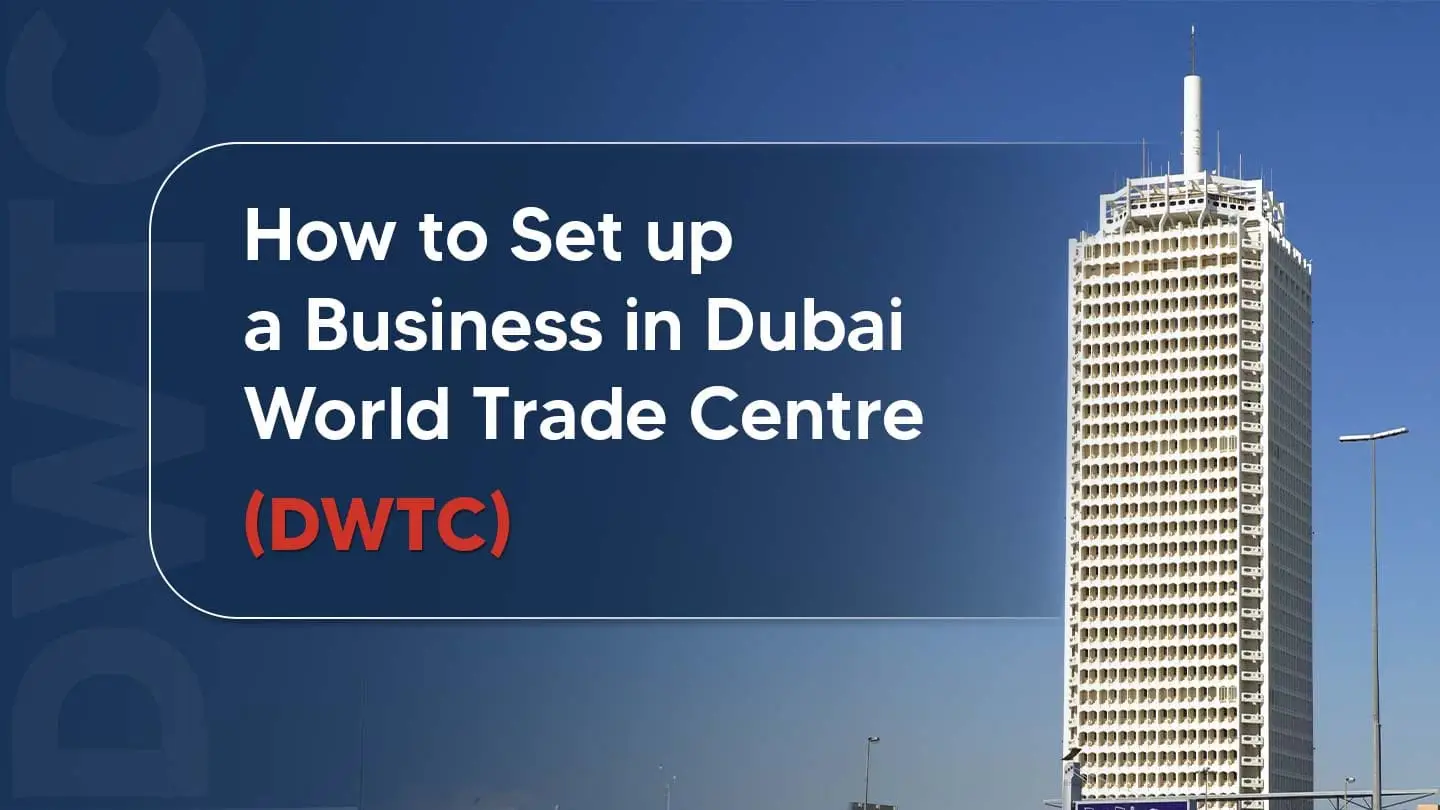
    The Dubai World Trade Centre (DWTC) is one of the most well-known business hubs in the UAE and a top choice for companies looking to expand in the Middle East. Located in the heart of Dubai, DWTC isn’t just a place—it’s a thriving ecosystem for businesses of all sizes. Did you know that DWTC has hosted over 2.47 million visitors in 2023 for global events and exhibitions? This makes it a fantastic location for networking and building international connections.

    DWTC company formation comes with many perks. Imagine having your office in a globally recognized area, surrounded by some of the world’s leading companies and innovative startups. With benefits like 100% foreign ownership, zero corporate tax, and easy access to world-class facilities, DWTC is perfect for entrepreneurs who want to grow their business in a vibrant and competitive environment. 

    Thanks to its location, DWTC offers unmatched connectivity—it’s close to major airports, ports, and key areas of Dubai. If you’re in tech, trading, events, or freelancing, DWTC makes it easy to establish and grow your presence. 

    Why Choose Dubai World Trade Centre for Business Setup?

    Here’s why DWTC company formation is a top choice for entrepreneurs and investors: 

    1. Prime Location

    DWTC is located at the heart of Dubai which offers easy access to major airports, seaports, and highways. Its prime position connects your business to global markets, making it ideal for companies involved in trading, logistics, and international business operations. 

    2. Business-Friendly Policies

    DWTC Free Zone provides a range of benefits, including 100% foreign ownership, zero corporate and personal taxes, and full repatriation of profits and capital. These policies make DWTC a financially attractive option for businesses. 

    3. Vibrant Business Ecosystem

    DWTC hosts over 500 global events annually, attracting millions of visitors from around the world. By setting up in this free zone, you gain access to a dynamic environment where you can network with industry leaders, potential clients, and partners. 

    4. Flexible Licensing Options

    DWTC offers a variety of licenses to cater to different business activities, including trading, professional services, and freelancing. This flexibility allows businesses of all sizes and industries to grow. 

    5. Prestigious Address

    Having your business address in DWTC enhances your company’s credibility and brand image. It signals professionalism and reliability, especially when dealing with international clients or partners. 

    6. Simplified Company Formation

    The process of DWTC company formation is straightforward and hassle-free, with minimal paperwork and quick approvals. This means you can get your business up and running in no time. 

    Types of Licenses Available in DWTC Freezone

    Dubai World Trade Centre (DWTC) Free Zone offers a variety of licenses to cater to diverse business needs. Here are the primary types of licenses available:    

    1. Commercial License

    This is the most common type of license, allowing businesses to engage in trading activities within the free zone. Activities can include importing, exporting, trading, warehousing, and distribution. 

    2. Professional License

    This license is suitable for service-based businesses, such as consultants, engineers, accountants, lawyers, and IT professionals. It allows you to provide professional services within the free zone and outside the UAE, subject to local regulations 

    3. Event Management License

    A professional license for companies specializing in organizing events and exhibitions. It supports businesses focused on managing large-scale events, from conferences to trade shows. 

    4. General Trading License

    A general trading license enables businesses to trade a wide range of products, making it suitable for those dealing with various commodities and goods. 

    5. Dual Licensing Option

    A unique option enabling businesses to operate both in the free zone and across the UAE mainland. It provides greater operational flexibility for companies looking to serve both local and international markets. 

    List of Business Activities Permitted in DWTC

    Dubai World Trade Centre (DWTC) Free Zone offers a wide range of business activities. Here are some of the most common ones: 

    A. Trading Activities:

    • Import and export
    • Wholesale and retail trade
    • E-commerce
    • Warehousing and logistics
    • Distribution

    B. Professional Services:

    • Consultancy services (management, IT, finance, legal, etc.)
    • Engineering services
    • Architectural services
    • Accounting and auditing
    • Marketing and advertising

    C. Other Activities:

    • Event management
    • IT and software development
    • Real estate brokerage
    • Education and training
    • Health and beauty services

    It’s essential to note that the specific activities allowed can vary based on the type of license you choose. For example, a commercial license allows for general trading, while a professional license is suitable for service-based businesses. 

    DWTC Company Formation Structures

    The primary legal structures for DWTC business setup are: 

    1. Free Zone Establishment (FZE)

    A Free Zone Establishment (FZE) is a legal entity formed by a single shareholder, either an individual or a corporate entity. This structure allows the owner full control and 100% ownership of the business. 

    Key Features: 

    • Suitable for small or niche businesses.
    • Allows easy management due to single ownership.

    2. Free Zone Company (FZC)

    A Free Zone Company (FZC) is a business entity formed with two or more shareholders. These shareholders can be individuals, companies, or a mix of both. This structure is ideal for partnerships or collaborative business ventures. 

    Key Features: 

    • Facilitates diverse ownership structures.
    • More resources and expertise pooled together.

    3. Branch of a Foreign Company

    A branch of a foreign company is not a separate legal entity but an extension of its parent company. It operates under the same name and engages in similar activities, leveraging the parent company’s reputation and infrastructure. 

    Key Features: 

    • No requirement for additional share capital.
    • Allows global businesses to establish a presence in Dubai while maintaining alignment with their headquarters.

    4. Branch of a UAE Company

    Similar to a branch of a foreign company, this structure is an extension of an existing UAE-based company. 

    Key Features: 

    • Simplifies operations while maintaining brand identity.
    • No additional legal entity creation is required.

    5. Sole Proprietorship

    A sole proprietorship is a business owned and managed by a single individual, operating under their name or a trade name. 

    Key Features: 

    • Easy to set up and manage.
    • Limited liability is tied directly to the individual owner. 

    6. Dual Licensing

    Dual licensing allows businesses established in the DWTC Free Zone to operate both within the free zone and the UAE mainland. 

    Key Features: 

    • Flexibility to serve mainland clients while retaining free zone privileges.
    • A cost-effective way to access a wider market. 

    DWTC Company Formation Process

    DWTC Company formation is a streamlined process with easy steps. Here’s a general overview of the steps involved: 

    1. Choose a Business Activity

    Identify the primary activity your business will undertake. Ensure it aligns with the permitted activities in DWTC. 

    2. Choose Your Business Structure

    Select the legal structure for your business. Decide between Free Zone Establishment (FZE), Free Zone Company (FZC), Branch of a Foreign Company, Branch of a UAE Company, or Sole Proprietorship. 

    3. Prepare Required Documents

    Once you’ve decided on the business activity and structure, gather the necessary documents for your application. The required documents generally include: 

    • Passport copies
    • Proof of address (for individuals)
    • Business plan (especially for large-scale or unique activities)
    • Shareholder resolution (if applicable)
    • No-objection certificate (if expanding a branch or adding new activities)

    4. Choose a Business Name

    Selecting an appropriate and unique business name is essential. The name must align with DWTC’s naming conventions and should not conflict with any existing businesses in the Free Zone.

    5. Sign the Lease Agreement

    DWTC Free Zone requires businesses to have office space. Depending on your needs (e.g., office, desk space, or virtual office), you can choose from various types of office arrangements

    6. Finalize Business License Application

    After securing office space, you can apply for the final business license. This involves completing the application form, submitting any additional documents, and paying the licensing fee. Your chosen license will be issued once all requirements are met.

    7. Open a Corporate Bank Account

    Once your business license is issued, the next step is to open a corporate bank account. Submit the required documents, including your trade license and visa copies.

    8. Apply for Visas and Permits

    Depending on the nature of your business, you may need to apply for residence visas for yourself, your employees, and any other individuals associated with your business. The DWTC Free Zone offers assistance with visa applications, including investor, employee, and dependent visas.

    Important: Seek advice from experts like Shuraa Business Setup to guide you through the process smoothly and save time.

    Cost of Setting Up a Business in DWTC

    The business license fee is the primary cost for operating within the DWTC Free Zone. DWTC license cost generally ranges from AED 12,000 to AED 30,000. This fee depends on the type of business license you require (commercial, professional, industrial, or service). The fee also varies depending on your business activity, legal structure (FZE, FZC, branch), and the number of visas required. The fee typically includes a standard business license and its associated activities. 

    By working with an expert like Shuraa Business Setup, you can streamline the setup process and ensure you’re making the most of your investment in the DWTC Free Zone. 

    How Shuraa Business Setup Can Assist

    DWTC Company formation offers amazing benefits for businesses looking to grow in one of the world’s most exciting markets. With its prime location, top-notch infrastructure, and access to international markets, DWTC is the perfect place for businesses to thrive. 

    DWTC company setup is straightforward, but there’s a lot to consider – from registering your company to handling licenses, office space, and visas. That’s where Shuraa Business Setup can help. With over 26 years of experience, we specialize in making the business setup process in both Dubai Mainland and Free Zones easy and stress-free.

    We offer a full range of services, including help with documentation, licensing, PRO services, office space, visas, and more. We also assist with banking, compliance, and tax matters to make sure your business is fully ready to operate.

    Ready to take the next step? Contact us today to get started at +971 4 4081900, WhatsApp at +971 50 7775554, or info@shuraa.com.

  • How to Start an Advertising Agency in Dubai: Licenses, Costs, and Easy Setup Guide for 2026

    How to Start an Advertising Agency in Dubai: Licenses, Costs, and Easy Setup Guide for 2026

    Dubai’s advertising sector is evolving quickly, presenting strong opportunities for entrepreneurs to establish agencies in a competitive market. With the industry expected to surpass $1.1 billion and continue growing, now is an ideal time to obtain your advertising agency license and position your business for success.

    Understanding Dubai’s 2026 Advertising Ecosystem

    Dubai’s advertising market supports both traditional and digital agencies. With over 99% internet penetration and a diverse population of more than 3.5 million, agencies can create campaigns that reach a wide range of audiences using advanced digital platforms.

    Dubai’s business-friendly environment, including 0% corporate tax (outside new thresholds) and no personal income tax, supports agency growth and profitability. The SME ecosystem, representing over 90% of businesses, offers a consistent client base for branding and marketing services.

    License Types: Choosing Your Path to Market Access

    Mainland Advertising License

    A mainland license permits unrestricted operations across Dubai and the UAE. It is suitable for agencies serving local clients, bidding for government contracts, or establishing multiple locations. Key advantages include:

    • Unrestricted market access across all seven emirates
    • Ability to conduct business with both government and private sector clients
    • Option to open multiple branches throughout the UAE
    • No limitations on the number of client contracts or project types

    Free Zone Advertising License

    Free zones provide specialised environments for agencies focused on digital services, international clients, or niche markets. They offer 100% foreign ownership with no local sponsor required. Key free zones for advertising agencies include:

    Choose between the mainland and free zone based on your target clients, ownership goals, and expansion plans. The mainland is best for agencies seeking full UAE access, while free zones suit digital-focused agencies with international clients.

    Advertising Agency Licensing Process Steps for 2026

    1. Jurisdiction Selection and Strategic Planning

    Start by determining whether a mainland or free zone setup aligns with your business objectives. Consider client locations, team visa needs, and long-term growth plans. This decision shapes all subsequent steps in setting up your agency.

    2. Trade Name Reservation and Approval

    Choose a unique name that reflects your agency’s brand and complies with UAE naming rules. Avoid offensive terms, religious references, or implied government links. Submit your chosen name to the DET (for mainland) or the relevant free zone authority.

    3. Initial Approvals and Documentation

    Obtain initial approval from the relevant authority (the DET for the mainland, the free zone authority otherwise). This confirms your business activity is permitted and allows you to proceed with office space and other requirements. Prepare the following documents:

    • Passport copies of all shareholders and managers
    • Proposed business plan outlining services
    • Proof of address for all partners
    • Professional credentials (especially important for specialised advertising services)

    4. Office Space Acquisition and Ejari Registration

    Obtain office space that meets your jurisdiction’s requirements. For mainland setups, register your tenancy contract through the Ejari system. Free zones offer flexible options, including shared offices, coworking spaces, and private offices, to suit your agency’s needs.

    5. License Application and Specialised Approvals

    Submit your complete application package to the relevant authority. Depending on your specific advertising services, you may require additional approvals from:

    • National Media Council (NMC): For content creation, media planning, and broadcasting-related advertising services
    • Dubai Municipality: For agencies offering outdoor advertising, billboards, or public space activations
    • Roads and Transport Authority (RTA): For advertisements on public transportation, taxis, or roadside displays
    • Telecommunications and Digital Government Regulatory Authority (TDRA): For digital advertising and online campaign regulations

    6. Final Payment and License Collection

    After approval, pay the required fees and collect your official advertising agency license. Display this document prominently in your office as proof of authorisation.

    7. Post-Licensing Requirements

    Once you receive your license, complete these essential steps:

    Documents Required for Your Advertising Agency License in Dubai

    To obtain your advertising agency license, you must submit a complete set of documents. Requirements may differ based on your choice of Mainland or Free Zone setup and whether you apply as an individual or a company. The following is a standard checklist:

    Document TypeDescription & NotesTypically Required For
    Application FormsCompleted and signed official forms from the DET (Mainland) or the specific Free Zone Authority.All Applicants
    Passport CopiesClear, colored copies of the passports for all shareholders and managers. Must be valid for at least 6 months.All Applicants
    Passport-Sized PhotographsRecent photographs with a white background for all shareholders and managers.All Applicants
    Visa CopiesCopy of UAE entry visa or residence visa (if already residing in the UAE). If applying from abroad, this will be processed after initial approval.All Applicants (if applicable)
    Initial Approval CertificateThe official document granted after your initial application and trade name reservation are accepted.All Applicants
    Trade Name Reservation CertificateProof that your chosen company name has been approved and reserved.All Applicants
    No-Objection Certificate (NOC)Required if a shareholder is sponsored by an employer or spouse in the UAE.Some Individuals
    Tenancy Contract (Ejari)A legally attested lease agreement for your physical office space. For Mainland, it must be registered via the Ejari system.All Applicants
    Memorandum of Association (MOA) / Local Service Agent (LSA) AgreementFor Mainland: MOA outlines company structure. An LSA agreement is needed if a local partner is involved.
    For Free Zone: Usually not required, as the authority acts as the registrar.
    Mainland Companies
    Business PlanA detailed plan outlining your agency’s services, target market, and financial projections. Often required for Free Zone applications and bank account opening.Often Required
    Educational/Professional CertificatesCopies of degrees or professional credentials, especially relevant for specialized advertising services.Recommended

    Important Note: This checklist is general. Please confirm the specific requirements with your licensing authority (DET or Free Zone) or business setup consultant, as regulations may change.

    Pro Tip: Before submission, ensure all documents are clear, valid, and, if required, translated into Arabic by a certified translator and notarised. Having a consultant, such as Shuraa Business Setup, review your documents can help prevent delays due to incomplete or incorrect paperwork.

    2026 Advertising Agency License Cost Breakdown

    The cost of an advertising agency license in Dubai varies by jurisdiction, office location, and services offered. Below is a breakdown of expected expenses:

    Cost ComponentMainland (Approx. AED)Free Zone (Approx. AED)Notes
    Trade Name Registration500 – 1,000500 – 1,500Varies by name complexity
    Initial Approval Fees1,000 – 2,0001,000 – 3,000Depends on authority
    License Issuance10,000 – 15,0007,500 – 20,000Free zone costs vary by location
    Office Space (Annual)30,000 – 100,000+15,000 – 75,000Size and location dependent
    Ejari Registration215Usually includedMandatory for mainland
    Additional Approvals2,000 – 10,0001,000 – 5,000NMC, RTA, etc. as needed
    Investor Visa4,000 – 6,0003,000 – 5,000Includes medical, Emirates ID
    PRO Services3,000 – 8,0002,000 – 6,000Optional but recommended
    Total Estimated Cost50,715 – 142,215+30,000 – 115,500+Excluding office deposits

    You can reduce advertising agency license costs in the UAE by using the following strategies:

    • Selecting cost-effective free zones like IFZA for startups
    • Utilising flexi-desk or shared office solutions initially
    • Bundling services through experienced setup consultants
    • Phasing additional service approvals as your agency grows

    Note: The costs provided are for reference only. For exact pricing, please use our cost calculator.

    Specialised Considerations for 2026 Operations

    Digital Advertising Compliance

    As regulations for digital spaces increase, ensure your agency complies with:

    • Data protection regulations governing client information and campaign analytics
    • Digital advertising standards for social media, influencers, and online content
    • E-commerce advertising guidelines for product promotions and online sales funnels

    Cultural Sensitivities and Localisation

    To succeed in Dubai’s multicultural market, ensure your campaigns include:

    • Understanding of religious observances and cultural events when planning campaign calendars
    • Multilingual capabilities to reach diverse audience segments effectively
    • Awareness of content restrictions regarding imagery, messaging, and endorsements

    Emerging Technology Integration

    Strengthen your agency’s competitive position by incorporating:

    • AI-driven campaign optimisation tools and analytics platforms
    • Immersive advertising formats, including AR/VR experiences
    • Programmatic advertising capabilities for automated media buying

    Navigating Common Setup Challenges

    Physical Office Requirements

    A physical office is still required for advertising agency licensing in Dubai, though flexible solutions are available:

    • Mainland businesses can utilise business centres with registered addresses
    • Free zones offer cost-effective “flexi-desk” arrangements with meeting room access
    • Some jurisdictions permit home offices for specific license types (verify current regulations)

    Freelance Alternatives

    Solo practitioners can obtain freelance permits in free zones such as Dubai Media City and Dubai Design District. These permits allow you to offer advertising services legally without forming a full company, though they limit employee hiring and some client engagements.

    Ongoing Compliance

    Maintaining your license requires:

    • Annual renewal with updated documentation
    • Timely renewal of employee visas and related documents
    • Adherence to changing advertising regulations and content guidelines
    • Proper financial record-keeping for potential audits

    Start Your Agency with Top-Rated Business Setup Firm in the UAE

    While you can manage the licensing process independently, partnering with a consultancy like Shuraa Business Setup, with over 26 years of local expertise and a proven track record of having successfully formed over 100,000 businesses in the UAE, offers significant advantages.

    Our deep knowledge ensures a seamless, error-free setup from navigating approvals to securing your ideal office space.

    • Navigating complex approval processes across multiple government departments
    • Avoiding costly mistakes in documentation or procedural missteps
    • Securing optimal office spaces within approved budgetary parameters
    • Expediting visa processing for you and your team
    • Providing ongoing compliance support as regulations evolve

    Their expertise is especially helpful when securing specialised approvals from entities such as the National Media Council or RTA, which have specific requirements for advertising businesses.

    Your Next Steps Toward Agency Ownership

    Dubai’s advertising market offers strong opportunities for agencies that combine creativity with strategic market insight. The licensing process is detailed but follows a clear path that many entrepreneurs navigate successfully each year successfully.

    When preparing to start an advertising agency in Dubai, develop a comprehensive business plan that addresses:

    • Your specific service offerings and competitive differentiation
    • Target client segments and acquisition strategies
    • Financial projections accounting for all licensing and operational costs
    • Team structure and talent acquisition plans
    • Compliance frameworks for your specific advertising activities

    With careful planning and execution, your agency can become part of Dubai’s creative ecosystem, helping brands connect with audiences in a leading global market.

    If you are ready to launch your advertising agency, Shuraa Business Setup can help streamline the licensing process. Contact them at +971 4 4081900, WhatsApp +971 50 7775554, or info@shuraa.com to get started.

  • How to Get a Crypto License in IFZA

    How to Get a Crypto License in IFZA

    The crypto industry is booming in Dubai, with more and more businesses entering the market and looking to capitalize on the opportunities presented by digital currencies. If you’re looking to start a crypto business, obtaining a crypto license in IFZA makes Dubai one of the best places to do it.

    Among the various business-friendly zones in Dubai, IFZA (International Free Zone Authority) is a top choice for crypto companies. It offers affordable business setup options, 100% ownership for foreign investors, and access to world-class facilities. On top of that, IFZA makes the licensing process simple and ensures businesses can operate securely and legally.

    Getting an IFZA crypto license is a must if you want to run your business within the law and gain the trust of clients and partners. It shows you’re committed to following regulations and opens the door to amazing opportunities in Dubai’s fast-growing crypto market.

    What is a Crypto License in IFZA Freezone?

    The International Free Zone Authority (IFZA) is one of the most sought-after business hubs in Dubai, known for its cost-effective setup solutions, excellent infrastructure, and easy access to global markets. Over the years, IFZA has gained popularity among entrepreneurs and investors for its flexibility, business-friendly regulations, and tailored services, making it a top choice for startups and established companies alike.

    An IFZA crypto license is a specialized business license that allows companies to operate within the cryptocurrency and blockchain sectors. This license is designed for businesses engaging in digital currency-related activities while ensuring they comply with UAE laws and regulations.

    What Can You Do with a Crypto License in IFZA?

    The crypto license permits businesses to engage in activities such as:

    • Offering blockchain-based solutions and services.
    • Crypto asset management and trading (non-financial).
    • Development of cryptocurrency platforms and applications.
    • Blockchain consultancy and advisory services.

    However, the license doesn’t cover activities like issuing cryptocurrency or providing financial services related to digital currencies, as these are regulated by the Virtual Asset Regulatory Authority (VARA).

    Eligibility Criteria for an IFZA Crypto License

    To obtain a crypto license in IFZA, both individuals and companies must meet specific eligibility criteria:

    1. You must establish a legal entity in IFZA, such as a Limited Liability Company (LLC) or a Limited Partnership.
    1. Shareholders and directors must provide valid identification, such as a passport, and comply with any residency requirements (if applicable).
    1. Individuals or key team members must demonstrate a solid understanding of cryptocurrency, blockchain technology, or related fields.
    1. Businesses must adhere to UAE’s AML laws and implement measures to prevent illicit financial activities.
    1. Companies must establish robust KYC processes to verify the identity of their clients and ensure transparency.

    Documents Required to Obtain a Crypto License in IFZA

    To obtain a crypto license in IFZA, you’ll need to provide a comprehensive set of documents. Here’s the general required documentation: 

    A. For Individuals:

    • Passport copy 
    • Passport-sized photos 
    • UAE visa or entry permit (if applicable)
    • Proof of address 

    B. For Companies:

    • Certificate of Incorporation 
    • Memorandum and Articles of Association 
    • Shareholder details (passport copies, proof of address) 
    • Detailed business plan 
    • Financial projections 
    • AML/CTF policies and procedures 
    • IT security policies and procedures 
    • Proof of office space in IFZA 

    The specific documentation requirements may vary depending on the nature of your crypto-related activities and the regulatory updates. 

    How to Obtain a Crypto License in IFZA? 8 Easy Steps

    Getting an IFZA crypto license is a straightforward process when you understand the steps involved. Here’s a breakdown of the process to help you get started: 

    Step 1: Choose Your Business Activity and Structure

    Determine the crypto-related activities you want to conduct, such as blockchain consultancy, platform development, or asset management (non-financial). Decide the type of business structure, such as a Free Zone Establishment (FZE) or Free Zone Company (FZC).

    Step 2: Prepare the Required Documents

    Gather all necessary documents, including passport copies, proof of address, a business plan, and compliance policies like AML and KYC procedures. If you are an existing entity setting up a branch, prepare your company registration documents.

    Step 3: Submit Your Application to IFZA

    Fill out the application form specifying your business activity and attach the required documents. Pay the initial application and license fees to proceed with the registration process.

    Step 4: Review and Approval by Authorities

    IFZA will review your application and ensure your business complies with the UAE’s crypto and blockchain regulations. You may be required to provide additional details or documents during this phase.

    Step 5: Obtain Initial Approval

    Once your application is approved, you will receive an initial approval letter. This letter confirms that your business is eligible to proceed with the setup.

    Step 6: Finalize Business Setup in IFZA

    Select and secure a suitable office space or virtual desk within IFZA (if required for your license type). Complete the company registration process, including obtaining your trade name and incorporation certificate.

    Step 7: Receive Your IFZA Crypto License

    Upon successful registration, IFZA will issue your crypto license. This license allows you to legally operate your crypto-related business within the free zone.

    Step 8: Open a Corporate Bank Account

    Open a business bank account in Dubai to manage your financial transactions. Many banks may request your crypto license and other compliance documents during this process.

    Partnering with an expert business consultant like Shuraa Business Setup can make the process even smoother and faster.

    How Much Does the IFZA Crypto License Cost?

    The IFZA crypto license cost typically starts at AED 12,500 to AED 20,000, depending on the business activities included. If your business engages in activities like issuing virtual assets, operating crypto exchanges, or providing custodial services, you’ll require additional approval from VARA. This not only adds to the overall cost but also lengthens the application process due to stringent regulatory checks.

    Consulting with a business setup expert at Shuraa ensures accurate cost estimation and a hassle-free application process, particularly if your activities require VARA approval.

    Cryptocurrency Regulation in Dubai IFZA

    Cryptocurrency businesses operating in Dubai, including those within the IFZA Freezone, must adhere to a well-defined regulatory framework:

    1. VARA is the primary regulatory authority overseeing virtual asset activities in Dubai. It establishes the regulatory framework, issues licenses, and monitors compliance.
    1. While IFZA itself doesn’t have specific crypto regulations, it adheres to the broader UAE regulatory framework, including VARA’s guidelines.
    1. Crypto businesses operating in IFZA must comply with stringent Anti-Money Laundering (AML) and Counter-Terrorism Financing (CTF) regulations.
    1. For activities involving payments or remittances using cryptocurrency, the Central Bank of UAE (CBUAE) regulations might apply.
    1. Dubai aligns its cryptocurrency regulations with international standards, such as the Financial Action Task Force (FATF) guidelines.

    Why Choose Shuraa for Your Crypto License in IFZA Freezone?

    Dubai’s booming crypto industry is full of exciting opportunities for businesses ready to grow and innovate. IFZA Freezone is a perfect place to start, offering a supportive and business-friendly environment for cryptocurrency ventures.

    Obtaining a crypto license in IFZA is straightforward with the right guidance. With clear steps and professional support, your dream of establishing a crypto business in Dubai can quickly become a reality.

    At Shuraa Business Setup, we simplify the process for you. As an authorized partner of IFZA, we bring unmatched expertise in company formation and licensing. From preparing and submitting your documents to ensuring compliance with all regulatory requirements, our end-to-end support guarantees a seamless journey.

    Choose Shuraa for personalized consultancy and effortless licensing in IFZA Freezone. Get in touch with us today at +971 4 4081900, WhatsApp at +971 50 7775554, or info@shuraa.com.

    Frequently Asked Questions

    1. Is cryptocurrency activity legal in Dubai IFZA?

    Yes, cryptocurrency activity is legal in Dubai IFZA. In fact, Dubai has emerged as a crypto-friendly jurisdiction, and IFZA is one of the key free zones that supports crypto businesses. However, it’s crucial to obtain a crypto license from the Dubai Virtual Asset Regulatory Authority (VARA) to operate legally. 

    2. Are there taxes on cryptocurrency in Dubai IFZA?

    No, there are no direct taxes on cryptocurrency in Dubai IFZA. However, it’s essential to consult with a tax advisor to understand the specific tax implications, as tax laws can change. 

    3. What is the validity period of a crypto license in the IFZA Free Zone?

    The validity period of a crypto license in IFZA is typically one year. After that, you’ll need to renew the license to continue operating. 

    4. What are the benefits of a Crypto License in IFZA Freezone?

    Here are some of the key benefits of obtaining IFZA crypto license: 

    • 100% foreign ownership of your business. 
    • No personal or corporate income taxes. 
    • Access to a growing market for blockchain and cryptocurrency ventures. 
    • Cost-effective setup with flexible office options. 
    • Simplified licensing processes with minimal paperwork. 
    • Supportive regulatory environment encouraging innovation. 

    5. Do I need approval from VARA to operate with a crypto license in IFZA?

    Not all activities require approval from VARA. If your business involves trading, exchanging, or issuing cryptocurrencies, you may need VARA’s approval.

  • How to Import Food Products into the UAE: A Comprehensive Guide

    How to Import Food Products into the UAE: A Comprehensive Guide

    The UAE is one of the fastest-growing markets for food imports because of its diverse population and thriving economy. With over 80% of its food supply coming from imports, the country relies heavily on food products from around the world to meet the needs of both locals and expatriates. From fresh fruits and vegetables to packaged goods and specialty items, the UAE is a major player in the global food trade industry.

    What makes the UAE such an attractive market for food imports? Its geographical location, excellent infrastructure, and growing demand for international food products make it a hotspot for food businesses. The country’s expat community, which makes up around 88% of the population, creates a demand for a variety of global cuisines, making it a lucrative opportunity for importers.

    However, importing food into the UAE isn’t as simple as just shipping in products. So, how to import food products to UAE successfully? While the market is full of opportunities, it’s essential to understand that the UAE has strict regulations in place to ensure food safety and quality. Following these guidelines is essential to avoid delays, fines, or even having your products rejected.

    Here we will guide you through the steps you need to follow and the important regulations you must know to successfully import food products into the UAE.

    UAE Food Import Market

    Food consumption trends in the UAE are largely influenced by its multicultural society, with a significant portion of its population being expatriates. There is a rising demand for fresh produce, organic foods, and healthier options as consumers become more health conscious. Packaged and processed foods are also popular, driven by busy lifestyles and convenience.

    According to recent reports, the UAE’s food market is expected to grow at a compound annual growth rate (CAGR) of 4.5% between 2021 and 2026, reflecting the increasing demand for both local and international food products.

    Key Sectors that Depend on Food Imports

    Several key sectors in the UAE rely on food imports to sustain operations:

    1. Hospitality Industry: The UAE is home to world-class hotels and restaurants that offer a variety of international cuisines, heavily dependent on imported ingredients.
    2. Retail Sector: Supermarkets and hypermarkets such as Carrefour and Lulu stock shelves with imported products from around the globe to meet consumer demands.
    3. Food Service Providers: Catering companies and food delivery services, which have grown rapidly in recent years, also rely on a consistent supply of imported food items.

    Commonly Imported Food Products in the UAE

    The UAE imports a wide range of food products, including:

    • Grains: Wheat, rice, and barley are among the most commonly imported staples.
    • Dairy Products: Milk, cheese, yogurt, and other dairy products are in high demand, especially from countries like the USA, Australia, and Europe.
    • Fresh Produce: Fruits and vegetables from countries such as India, Egypt, and China.
    • Packaged and Processed Foods: Ready-to-eat meals, snacks, and beverages are increasingly popular due to busy urban lifestyles.
    • Meat and Seafood: Halal-certified meat from countries like Brazil and Australia, as well as seafood from nearby and distant suppliers.

    Key Regulations and Authorities Governing Food Imports in the UAE

    Importing food products into the UAE requires adherence to a comprehensive regulatory framework. Several key authorities oversee and enforce these regulations:

    • Federal Law No. 10 of 2015 on Food Safety: This law establishes the foundation for food safety in the UAE, outlining the responsibilities of food businesses and the standards for food handling, processing, and distribution. It aims to protect public health by ensuring that all food products meet strict safety criteria.
    • Ministry of Climate Change and Environment (MOCCAE): MOCCAE is responsible for developing and implementing policies related to food safety and security. It oversees the import and export of food products, ensuring compliance with national standards and international agreements.
    • Emirates Authority for Standardization and Metrology (ESMA): ESMA sets the standards for food products in the UAE, including labelling requirements, packaging, and quality specifications. Importers must ensure that their products conform to ESMA’s standards to gain market access.
    • Dubai Municipality: For imports into Dubai, the Dubai Municipality’s Food Safety Department plays a crucial role. It manages the registration and inspection of imported food products through the Food Import and Re-export System (FIRS), ensuring that all food items meet local safety and quality standards.
    • Gulf Cooperation Council (GCC) Food Safety Laws: As a member of the GCC, the UAE adheres to regional food safety regulations and standards. These laws facilitate trade among member states and ensure a unified approach to food safety across the region.

    How to Import Food Products into the UAE

    Importing food products into the UAE requires careful planning and adherence to strict regulations. Here’s a step-by-step process:

    1. Register Your Business and Obtain Licenses

    The first step to importing food products into the UAE is to set up a legally registered business. Here’s what you need to do:

    • Decide whether you want to operate as a mainland company or set up in a free zone. A mainland company allows you to trade within the UAE market, while a free zone company offers benefits like 100% foreign ownership but requires working with a local distributor for UAE sales.
    • You’ll need to apply for a General Trading License or Food Trading License, depending on the scope of your activities. This license allows you to import, store, and distribute food products.
    • Ensure your business is registered with the relevant local authorities, such as the Department of Economic Development (DED) and the local Chamber of Commerce.

    Before you can start importing, you must register with the Ministry of Climate Change and Environment (MOCCAE) or relevant authorities such as the Dubai Municipality’s Food Safety Department.

    2. Product Registration

    Before importing, register your food products with the appropriate UAE authorities, such as the Dubai Municipality’s Food Safety Department or the Abu Dhabi Agriculture and Food Safety Authority (ADAFSA). This ensures your products meet local standards and regulations.

    3. Compliance with Labeling and Packaging Requirements

    Ensure that all food products have labels in both Arabic and English, detailing ingredients, nutritional information, country of origin, expiration dates, and any allergen warnings. Compliance with the Gulf Cooperation Council (GCC) Standardization Organization’s guidelines is essential.

    4. Obtain Necessary Certifications

    Secure health certificates from the country of origin, confirming that the products are safe for consumption. For meat and poultry products, obtain Halal certification from an Islamic organization recognized by UAE authorities.

    5. Prepare Import Documentation

    Essential Documents Include:

    • Commercial Invoice
    • Packing List
    • Bill of Lading or Airway Bill (a legal document issued by the carrier to the shipper, acknowledging receipt of the goods for shipment)
    • Certificate of Origin
    • Health and Halal Certificates
    • Import Permit

    6. Submit Import Declaration

    Submit an import declaration through the UAE’s online customs portal, providing all necessary documentation and details about the shipment. Pay any applicable customs duties and taxes during this process.

    7. Inspection and Clearance

    Upon arrival, the shipment will undergo inspection by UAE food safety authorities to verify compliance with local standards. Ensure that the products are stored and transported under appropriate conditions to pass the inspection.

    8. Distribution and Sale

    Once cleared, the food products can be distributed to retailers, wholesalers, or directly to consumers within the UAE market. Maintain records of all transactions and ensure ongoing compliance with UAE food safety regulations.

    Detention of Imported Food Consignment

    The detention of an imported food consignment in the UAE occurs when food products do not meet the required safety, quality, or regulatory standards. The authorities may detain the consignment to further inspect or assess the products before they are allowed to enter the market. 

    Imported food consignments can be detained for several reasons, including but not limited to: 

    1. Missing or incorrect labels (e.g., no Arabic labels, incomplete expiry dates).
    2. Lack of required certifications (e.g., Halal, health certificates).
    3. Incomplete or incorrect documents like invoices or certificates.
    4. Signs of spoilage, contamination, or substandard quality.
    5. Food exposed to unsuitable conditions (e.g., wrong temperature).

    Detention Process

    1. Inspection and Testing: Authorities inspect the consignment for compliance with health and safety standards.
    2. Notification: Importers are informed of the detention and given a chance to correct the issues.
    3. Correction or Re-export: Importers can correct labeling or provide missing documents, or the consignment may be sent back to the country of origin.
    4. Destruction: Unsafe goods may be destroyed if they cannot be rectified.

    HACCP Regulations

    The Hazard Analysis and Critical Control Point (HACCP) system is a food safety management system adopted by the UAE for food imports. It focuses on: 

    • Recognizing potential hazards that could affect food safety, from raw materials to finished products.
    • Monitoring specific points in the food production and supply chain where risks must be controlled to ensure safety.
    • Implementing measures to prevent hazards from occurring at each stage of food handling.

    HACCP certification is required for certain food businesses and products, particularly those involved in meat and poultry, seafood, fish processing, dairy & processed foods, and food processing & manufacturing. 

    Partnering with Shuraa Business Setup

    Importing food products into the UAE involves several important steps, from registering your business and getting the right licenses to following food safety rules and passing inspections. With the growing demand for organic, sustainable, and healthy food options in the UAE, the food import market offers great opportunities.

    But it’s crucial to follow the UAE’s regulations to make sure your food products are accepted. Not meeting these standards can lead to delays, extra costs, or even having your goods held up. 

    Partnering with a business setup consultant in the UAE can make the whole process much easier. At Shuraa Business Setup, we can help with everything from company registration and licensing to handling customs and ensuring your products meet the local requirements.

    By working with us, you can avoid the hassle, stay compliant with local laws, and focus on growing your food import business in the UAE. Let us make your import process simple and smooth. Get a free consultation today at +971 4 4081900, WhatsApp at +971 50 7775554, or info@shuraa.com.

    *Please note that the information provided in this blog is for general informational purposes only and may be subject to changes due to updates in government policies and regulations.

  • How to Get a Nutritionist License in Dubai

    How to Get a Nutritionist License in Dubai

    With Dubai’s growing focus on health and wellness, the need for qualified nutritionists is higher than ever. People are becoming more health-conscious, seeking expert advice on diets, fitness, and overall well-being. In fact, the UAE wellness market is expected to grow by 10% over the next few years, making it a great time to pursue a career as a nutritionist.

    However, if you want to work as a nutritionist in Dubai, you need to get licensed. Having a nutritionist license in Dubai is not just a legal requirement—it also helps build trust with clients and opens up opportunities in hospitals, clinics, gyms, and wellness centers.

    Therefore, we’ll walk you through everything you need to know about how to become a nutritionist in Dubai. From the license and the eligibility requirements to the step-by-step process and the key documents you’ll need, we’ve got you covered.

    Role of Nutritionist in Dubai

    Licensed nutritionists in Dubai have a range of responsibilities that revolve around improving clients’ health through personalized dietary plans and nutritional advice. Some of the key responsibilities include: 

    • A key role is to teach clients about balanced diets, proper nutrition, and lifestyle choices that support long-term health.
    • Nutritionists analyze their clients’ health conditions, dietary habits, and goals to develop personalized nutrition plans.
    • They design meal plans that address specific health concerns, such as weight management, food intolerances, or chronic illnesses like diabetes or heart disease.
    • They often work closely with doctors, fitness trainers, and wellness coaches to provide holistic care for clients.

    Eligibility Criteria for Becoming a Nutritionist in Dubai

    To become a certified nutritionist in Dubai, you must meet the following eligibility criteria: 

    1. Educational Qualifications: You must hold a bachelor’s degree from an accredited institution in Nutrition, Dietetics, or a related health science field. The program should include concentrations in dietetics and nutrition, human nutrition, nutrition education, or public health nutrition.
    2. Professional Experience: A minimum of two years of work experience as a nutritionist is typically required. This experience should be documented through official letters of experience, signed and stamped by authorized representatives of your previous employers.
    3. Professional License: You must hold a valid license or registration to practice as a nutritionist, issued by the relevant authority in the country where you were recently employed.
    4. Language Proficiency: You must be proficient in English, both written and spoken, to communicate effectively with patients and healthcare professionals.
    5. Licensing Examination: You must pass the DHA licensing examination to verify your competency in the field. Registration for the exam is done online through the DHA portal.
    6. Police Clearance: A police clearance certificate from the country where you last practised or trained may be requested to ensure a clean legal record.

    Nutritionist Licensing Authorities in Dubai

    The Dubai Health Authority (DHA) is the primary regulatory body responsible for licensing healthcare professionals, including nutritionists, in Dubai. It sets the standards and guidelines for practice, ensuring that licensed professionals meet the necessary educational, ethical, and professional requirements.

    The DHA regulates the practice of nutritionists by:

    • Setting qualification standards, ensuring that only individuals with the appropriate degrees and experience can apply.
    • Conducting Primary Source Verification (PSV) to validate applicants’ academic and professional credentials.
    • Administering a licensing exam for nutritionists to assess their knowledge and skills.
    • Issuing and renewing licenses to qualified nutritionists.
    • Monitoring compliance with DHA’s regulations to ensure high standards of care and safety in the nutrition field.

    While DHA is responsible for licensing in Dubai, the Ministry of Health and Prevention (MOHAP) oversees healthcare professionals who wish to practice in other emirates like Sharjah, Ajman, and Fujairah. Nutritionists planning to work outside of Dubai would need to follow the MOHAP licensing procedure.

    MOHAP plays a similar role to DHA in regulating the healthcare sector, including verifying qualifications, conducting exams, and issuing licenses. However, the licensing requirements might vary slightly between the two authorities. For those who want to practice in Abu Dhabi, the Health Authority of Abu Dhabi (HAAD) is the key licensing body.

    Documents Required for Nutritionist License Application

    To apply for a nutritionist license in Dubai, you’ll typically need the following documents: 

    • Photographs: Recent passport-sized photographs.
    • Passport Copy: A valid passport copy.
    • Educational Certificates: Attested copies of your academic qualifications.
    • Valid professional license
    • A valid DHA exam clearance certificate
    • Proof of English proficiency
    • Professional experience letters

    Ensure all documents are accurate, up-to-date, and meet DHA’s specific requirements to facilitate a smooth application process.

    How to Become a Nutritionist in Dubai?

    Follow this step-by-step guide to become a nutritionist in Dubai:

    1. Verify Eligibility

    Ensure you hold a bachelor’s degree in nutrition, Dietetics, or a related field from an accredited institution. Accumulate at least two years of relevant work experience as a nutritionist.

    2. Decide Where You Want to Practice: Mainland or Freezone

    • Mainland: If you wish to practice across Dubai and the UAE, you will need to apply for a license through the Dubai Health Authority (DHA).
    • Freezone: If you plan to set up your practice in a free zone like Dubai Healthcare City (DHCC), you will follow the free zone’s regulatory process. Free zones allow 100% foreign ownership but limit services to within the free zone or internationally unless additional permissions are obtained.

    3. Create a DHA Sheryan Account (For Mainland)

    Register on the Dubai Health Authority (DHA) Sheryan portal (https://services.dha.gov.ae/). This online portal is used to manage healthcare professional licensing applications.

    4. Complete the Self-Assessment

    Use the Self-Assessment Tool on the DHA Sheryan portal to check your eligibility. For free zone setups, like in DHCC, check their specific eligibility criteria on their website or consult business setup experts at Shuraa Business Setup.

    5. DHA Exam

    If required by the DHA, you may need to sit for a licensing exam to assess your knowledge and skills. Prepare for the exam by studying relevant materials and practicing with past exam papers. For a Freezone License (e.g., DHCC), you may need to undergo a similar assessment based on the free zone’s requirements.

    6. Secure Office Space

    You must have a physical office to legally operate in the mainland. You can rent office space that suits your needs, whether it’s a small consultation room or a larger clinic and obtain the necessary tenancy agreement.

    7. Nutritionist License Issuance

    Upon successful completion of the application process and any required exams, the DHA will issue your nutritionist license. This license will allow you to practice as a nutritionist in Dubai.

    Once you have your nutritionist license, you’ll need a corporate bank account to manage your business transactions. This is mandatory for operating legally in Dubai.

    With a DHA nutritionist license, you can practice anywhere in Dubai and across the UAE. With a free zone license, you are limited to offering your services within the free zone or internationally unless you acquire additional permits to serve the mainland market.

    Cost of Obtaining a DHA Nutritionist License

    The total cost of obtaining a DHA nutritionist license typically starts from AED 10,000. However, the cost of obtaining a DHA nutritionist license can vary depending on several factors, including:

    • License application fee
    • Examination fee (AED 280 to AED 500)
    • License activation fee
    • Medical fitness test (AED 300 to AED 500)
    • Office space
    • Corporate bank account setup

    It’s essential to note that these are estimated costs, and the actual cost may vary. It’s always best to check with the DHA directly or consult with a business setup consultant like Shuraa for the most accurate and up-to-date information.

    How Shuraa Can Assist to Get Your Nutritionist License in Dubai!

    Getting your nutritionist license in Dubai is an exciting opportunity to build a successful career in a city that is growing fast in health and wellness. With more people in Dubai becoming health-conscious, the demand for skilled nutritionists is high, making it a great time to get started.

    At Shuraa Business Setup, we are here to help you with every part of the licensing process. From choosing the right place to set up your business, to handling paperwork, office space, visas, and everything else, our team is ready to guide you. We make sure your license application goes smoothly so you can focus on helping your clients live healthier lives.

    Start your career in Dubai with ease and confidence. Contact us today at +971 4 4081900, WhatsApp at +971 50 7775554, or info@shuraa.com to learn how we can assist you in becoming a licensed nutritionist in one of the world’s most dynamic cities.

    Frequently Asked Questions (FAQs)

    1. How to Obtain a Nutritionist License?

    To get a nutritionist license in Dubai, you need to apply to the Dubai Health Authority (DHA) and meet specific requirements, including educational qualifications, professional experience, and potentially passing an exam. You’ll also need to submit required documents and may need to undergo Primary Source Verification (PSV) and potentially a computer-based testing (CBT) assessment.

    2. How can I become a registered dietitian in Dubai?

    To become a registered dietitian in Dubai, you need to obtain a nutritionist license from the Dubai Health Authority (DHA). The process involves meeting the eligibility requirements, including having a relevant educational qualification, professional experience, and passing the DHA licensing exam (if applicable).

    3. What qualifications are required to become a nutritionist in Dubai?

    To become a licensed nutritionist in Dubai, you must have:

    1. A bachelor’s degree in nutrition, Dietetics, or a related health sciences discipline, with a strong academic record.
    2. At least two years of professional experience in a clinical environment.

    Additionally, having a good command of English and passing the Dubai Health Authority (DHA) licensing exam will help you advance in this career.

    4. Can Indian dietitians work in Dubai?

    Yes, Indian dietitians can work in Dubai if they meet the specific eligibility criteria set by the Dubai Health Authority (DHA). This typically involves having a relevant degree, clinical experience, and clearing the DHA licensing exam.

    5. Where can I set up my nutritionist business in Dubai?

    You can set up your nutritionist business in various locations in Dubai, including:

    • Mainland Dubai: This option allows you to operate anywhere in Dubai.
    • Free Zones: There are several free zones in Dubai, such as Dubai Healthcare City (DHCC), which is ideal for healthcare professionals.

    6. What are the specific requirements for a nutritionist license in Dubai?

    The specific requirements may vary, but generally, you’ll need:

    • A recognized degree in nutrition or dietetics.
    • Relevant clinical experience.
    • Proficiency in English.
    • A valid health certificate.
    • A police clearance certificate.
    • Successful completion of the DHA licensing exam.

    7. Can I offer online nutrition services in Dubai?

    Yes, you can offer online nutrition services in Dubai, provided you obtain the necessary nutritionist license from the Dubai Health Authority (DHA) or another relevant authority. With the rise of telemedicine and online consultations, many nutritionists and dietitians now offer virtual consultations.

  • What Is the Minimum Investment to Start a Business in Dubai

    What Is the Minimum Investment to Start a Business in Dubai

    Dubai is one of the top places in the world for starting a business, attracting entrepreneurs globally. If you’re thinking about starting your own business here, one of the first questions you’ll likely have is: What is the minimum investment to start a business in Dubai?’

    Understanding the minimum investment in Dubai is essential for budget planning and avoiding surprise costs. The amount you’ll need depends on factors like the type of business, setup location (Mainland, Free Zone, or Offshore), office space requirements, and visas for yourself and employees.

    But don’t worry – we’ll break down the key factors that affect minimum investment to start business in Dubai, so you can have a clear idea based on your budget and goals.

    Minimum Investment to Start a Business in Dubai

    The minimum investment to start a business in Dubai typically ranges from AED 50,000 to AED 300,000 or more depending on the type of business and the location you choose. This investment covers essential costs like business licensing, office space, and government fees. 

    The DED typically requires AED 300,000 in capital for most businesses, though some sectors have lower entry requirements, making them suitable for small investments. 

    Dubai’s Free Zones provide a more affordable, simplified approach to business setup. You can establish a business with a minimum investment as low as AED 10,000, a popular option for startups seeking to minimize costs.

    Factors Affecting the Minimum Investment

    Several factors influence the minimum investment to start a business in Dubai:

    1. Type of Business Activity

    Industry choice, like trading, consultancy, or manufacturing, can impact costs. Some activities may need more capital or special permits.

    2. Business Location (Mainland vs. Free Zone)

    Mainland setups often require higher investments due to office space and local sponsorship fees. In contrast, Free Zones offer more cost-effective options for those who don’t need a large office or local market presence. 

    3. Office Space Requirements

    Choosing between physical, shared, or virtual office spaces affects costs. Free Zones offer flexible office packages that are often more budget-friendly.

    4. Visa and Residency Costs

    The number of investor and employee visas needed will add to the total minimum investment in Dubai. Mainland setups might have higher visa costs than Free Zone setups.

    5. Government Fees and Documentation

    Government fees for business licensing and permits vary based on jurisdiction and business activity.

    Minimum Investment for a Mainland Business Setup in Dubai

    Setting up a mainland business in Dubai offers the flexibility to operate across the UAE market. This setup is ideal for businesses aiming to trade directly within the UAE. The minimum investment to start a business in Dubai mainland ranges from AED 50,000 to AED 300,000 or more, depending on your industry.

    Business Setup Process in Dubai Mainland

    Here’s a step-by-step process for setting up a business in Dubai mainland:

    1. Determine Business Activity: Identify the nature of your business to ascertain the appropriate license type.
    1. Select Legal Structure: Choose a legal form, such as a Limited Liability Company (LLC) or Sole Establishment, based on your business needs.
    1. Register Trade Name: Reserve a unique trade name through the Department of Economic Development (DED).
    1. Obtain Initial Approval: Secure preliminary approval from the DED to proceed with the setup.
    1. Draft Memorandum of Association (MOA): Prepare the MOA outlining the company’s structure and operations.
    1. Secure Office Space: Lease physical office space, as it’s mandatory for mainland companies.
    1. Final License Issuance: Submit all documents to the DED and pay the necessary fees to obtain the trade license.

    Cost Breakdown for Mainland Business Setup

    1. Trade License: The cost of acquiring a business license will depend on the business activity and jurisdiction. A standard business license in Dubai Mainland usually starts from AED 18,500.
    1. Office Space Rental: Annual rents can vary widely depending on location and size, starting from AED 15,000 for a small office.
    1. Registration and Documentation: Other costs include registration with the DED, notarization of documents, and attestation fees, which can total between AED 5,000 to AED 10,000 depending on the specifics of your business structure.
    1. Employee Visas and Insurance: Visa costs for employees and shareholders are an additional investment. Each visa could cost around AED 3,000 to AED 5,000, and mandatory health insurance also needs to be considered.

    The minimum investment to start a business in Dubai for foreigners varies significantly based on the industry and the scale of the operation. For instance, consultancy and professional services businesses generally have lower overheads, with minimum investments ranging from AED 30,000 to AED 50,000, while establishing a retail shop or trading company can be more expensive due to the need for commercial space and inventory.

    Minimum Investment for a Free Zone Business Setup in Dubai

    Dubai’s free zones provide an excellent opportunity for entrepreneurs who want a cost-effective and flexible way to start their business. One of the biggest advantages of setting up a business in a free zone is the relatively low cost of entry.

    The application fees begin at around AED 5,000. The minimum investment for a free zone setup can be as low as AED 10,000, and it can go up to AED 50,000 or more based on your office needs, the number of visas required, and the type of trade license.

    Free zone companies benefit from 0% corporate and personal income tax for a specified period (usually renewable) and 0% import and export duties within the free zone.

    Cost Breakdown and Minimum Investment for Free Zone Setup

    The cost to set up a business in a Dubai free zone varies depending on factors like the location, type of license, and the business package chosen. However, the overall costs for free zone business setups are generally lower than mainland businesses.

    1. License Fees: The cost of obtaining a business license in a free zone can range from AED 10,000 to AED 30,000. The exact fee depends on the business activity and the specific free zone.
    1. Office Space: While free zones offer flexible office solutions, the costs vary. Flexi-desks (shared office spaces) start at around AED 10,000 annually, while private offices can range from AED 15,000 to AED 50,000 or more.
    1. Registration Fees: Depending on the free zone, registration fees typically range from AED 5,000 to AED 15,000.
    1. Visa Costs: Each visa in a free zone cost approximately AED 3,000 to AED 5,000, including processing fees. Free zones often offer packages that include a set number of visas.
    1. Additional Costs: Businesses should also account for other expenses such as document attestation, health insurance, and legal translation, which can add AED 3,000 to AED 5,000 to the total setup cost.

    Many Free zones in Dubai such as IFZA, DMCC, and DIFC offer various startup packages designed to cater to entrepreneurs, small businesses, and freelancers. These packages provide cost-effective options, particularly for businesses looking to minimize initial investments.

    Minimum Investment for an Offshore Business Setup in Dubai

    Establishing an offshore company in Dubai offers a cost-effective and flexible solution for international business operations such as trading and holding assets like real estate or intellectual property. The minimum investment required to set up an offshore company in Dubai typically starts at around AED 12,500 and can vary based on specific requirements and additional services needed.

    It’s also essential to note that offshore companies in Dubai are not permitted to conduct business within the UAE

    How to Choose the Right Setup Based on Your Budget

    Choosing the right business setup in Dubai requires careful consideration of your investment capacity and business goals.

    1. Assess Your Investment Capacity

    Before diving into the various business setup options, take a moment to evaluate your financial resources. Consider how much capital you can allocate to starting your business, factoring in initial setup costs, operational expenses, and unforeseen costs.

    2. Understand the Types of Business Setups

    • If you are willing to invest between AED 50,000 to AED 300,000 or more, a mainland business setup might be suitable for you.
    • For those with a lower budget, free zones offer a more cost-effective solution, starting with investments as low as AED 10,000. This option is ideal for startups and small businesses that focus on international trade or services.
    • If your goal is asset protection or international trading, an offshore setup can be initiated with a minimum investment of around AED 12,500.

    3. Match Your Business Type to Your Setup

    Consider the nature of your business and its operational needs when choosing a setup. For example:

    • A mainland setup is ideal if you plan to engage directly with customers in Dubai.
    • A free zone setup may be more advantageous, offering benefits like tax exemptions and flexibility in operations.

    4. Analyze the Potential for Return on Investment (ROI)

    Before making a final decision, consider the potential ROI of your chosen business setup. Assess how quickly you expect to break even and start generating profit.

    5. Consult a Business Setup Expert

    Understanding the business setup process in Dubai can be complex due to regulatory requirements and the variety of options available. Consulting with business setup experts like Shuraa can provide valuable insights and guidance tailored to your specific needs. A professional can help assess your financial situation and guide you towards budget-friendly business setup in Dubai.

    How Shuraa Can Help Reduce the Cost of Starting a Business in Dubai?

    The minimum investment to start a business in Dubai doesn’t have to be overwhelming or excessively costly. With Shuraa’s help, you can access a wide range of services that make the setup process easier and more affordable. Our packages are tailored to fit different budgets, so you get the right support without any hidden fees or surprises.

    From registering your company and getting the necessary licenses to finding flexible office spaces and handling visa applications, our team is here to guide you at every step. We also share useful tips on how to save money, helping you use your resources wisely to build a strong business.

    If you’re ready to start your business and make your dreams come true, contact our business setup expert today at +971 4 4081900, WhatsApp at +971 50 7775554, or info@shuraa.com for a personalized consultation. Together, we can create a plan for your business success and get you off to a great start.

  • How to Move to Dubai – Relocating Checklist to UAE

    How to Move to Dubai – Relocating Checklist to UAE

    Dubai is becoming one of the top choices for people around the world who want to live, work, or start a business in a dynamic, fast-growing city. Known for its stunning skyline, safe environment, and tax-free income, Dubai offers a lifestyle that attracts professionals, entrepreneurs, and investors alike. In fact, recent reports show that Dubai’s expat population makes up nearly 85% of the total residents, with more people moving here every year due to its attractive opportunities. 

    For entrepreneurs and investors, Dubai is a business-friendly hub with easy company setup processes, no personal income tax, and access to global markets. 

    If you’re considering making the move to Dubai, it’s important to be prepared and organized. Therefore, we will guide you through everything you need to know about how to move to Dubai, from visa options and finding a place to live to sorting out your finances and settling into your new life. 

    How to Move to Dubai? Residency Visa Options

    When planning to move to Dubai, one of the most important steps is securing the right UAE residency visa. The UAE offers various visa options depending on your purpose for relocating, whether it’s for work, investment, freelancing, or bringing your family. Here are the most common ones: 

    1. Employment Visa

    The employment visa is the most common option for individuals moving to Dubai for work. It is typically sponsored by the employer. 

    Eligibility:  

    To be eligible, you must have a confirmed job offer from a Dubai-based company. The employer will sponsor your visa and handle most of the application process. 

    Application Process: 

    1. The employer applies for a work permit on your behalf. 
    1. After approval, you’ll enter Dubai on an entry permit (valid for 60 days). 
    1. You must undergo a medical test and apply for an Emirates ID. 
    1. Once these steps are completed, the residency visa will be stamped in your passport. 

    2. Investor Visa

    The investor visa, also known as the Dubai investor visa or partner visa, is ideal for individuals looking to invest in or start a business in Dubai. 

    Eligibility:  

    You must either invest in an existing business or set up your own company in the UAE. Free zones also offer attractive packages for business owners to get residency visas. 

    Application Process: 

    1. Register your company or make an investment in a business. 
    1. Apply for the investor visa through the relevant free zone or Department of Economic Development (DED) if it’s a mainland company. 
    1. Similar to the employment visa, you’ll need a medical test and Emirates ID. 
    1. Once approved, the visa will be stamped in your passport. 

    3. Freelancer Visa

    The freelancer visa is designed for independent professionals in sectors such as media, technology, and education. It allows you to work as a self-employed individual in Dubai. 

    Eligibility: 

    You must apply for a freelance permit, which is available in various free zones (e.g., IFZA, RAKEZ, JAFZA, Dubai Media City, or Dubai Internet City). 

    Application Process: 

    1. Apply for a freelance permit through the chosen free zone. 
    1. After approval, apply for a residency visa under the freelance category. 
    1. Undergo the medical test and apply for an Emirates ID
    1. After completing the formalities, the visa will be issued. 

    4. Family Sponsorship Visa

    If you have a valid residency visa in Dubai, you can sponsor your spouse, children, and even parents to move to Dubai. 

    Eligibility: 

    As a sponsor, you must meet the minimum salary requirements: 

    • AED 4,000 per month or AED 3,000 + accommodation to sponsor your family. 
    • Higher income requirements may apply for sponsoring parents. 

    Application Process:

    1. Obtain your residency visa. 
    1. Submit the required documents, including proof of relationship, salary certificate, tenancy contract, and more.
    1. Family members must undergo a medical test and apply for Emirates IDs. 
    1. Once all steps are complete, their residency visas will be granted. 

    5. Golden Visa

    The UAE Golden Visa offers long-term residency (typically up to 10 years) for investors, entrepreneurs, specialized talents, and exceptional students. 

    Eligibility: 

    • Investors: Must invest AED 2 million in Real Estate. 
    • Entrepreneurs: Must own a business with an annual revenue of at least AED 1 million. 
    • Specialized Talents: Individuals in fields like science, technology, healthcare, or arts, and top-performing students. 

    Application Process: 

    1. Submit your application through the UAE’s official Golden Visa platform or relevant free zones. 
    1. Provide proof of your investment, business ownership, or specialized talent. 
    1. Complete a medical test and apply for an Emirates ID. 
    1. Upon approval, you’ll receive a renewable 10-year visa. 

    It is recommended to consult with our immigration experts at Shuraa who specialize in UAE visa matters for accurate and up-to-date information. They can assist with the application process, provide guidance on eligibility requirements, and address any questions or concerns. 

    Pre-Move Planning Checklist for Dubai

    Moving to Dubai requires careful planning to ensure a smooth transition. Here’s a checklist of the key steps you should take before making the move: 

    1. Valid Passport

    Make sure your passport is valid for at least six months from your intended date of entry into Dubai. This is a standard requirement for visa processing. If your passport is close to expiration, renew it before starting your visa application to avoid delays. 

    2. Visa Application

    Determine the visa that best suits your needs—employment visa, investor visa, freelancer visa, or family sponsorship visa. 

    Visa processing times can vary, so begin the process well in advance to avoid last-minute stress. This includes gathering all the necessary documents, such as passport copies, photos, and medical certificates. 

    3. Employment Contracts (if applicable)

    If you’re moving to Dubai for work, thoroughly review your employment contract. Pay close attention to the salary package, benefits, working hours, and probation period. Dubai employers often provide benefits like accommodation, transportation allowances, annual airfare, and health insurance. Ensure these are clearly stated in the contract. 

    4. Business Setup Preparation (for Entrepreneurs and Investors)

    • Business License and Structure: If you’re moving to Dubai as an entrepreneur or investor, research the type of business license you need and whether you’ll set up in the mainland or a free zone. Each comes with its own advantages. 
    • Open a Business Bank Account: It’s important to have a local bank account for managing business transactions. Many banks offer accounts tailored for business owners and investors. 
    • Investment Documents: Gather all necessary documentation related to your investment or company setup, such as business plans, financial statements, and proof of capital. 
    • Legal Assistance: Consider hiring a business consultant or legal experts like Shuraa to help navigate Dubai’s business regulations and ensure you’re fully compliant. 

    5. Health Insurance

    Health insurance is mandatory in Dubai. Your employer may provide coverage, but if not, you’ll need to purchase a policy that meets UAE regulations. Make sure the insurance policy covers both medical emergencies and routine healthcare, and check which hospitals and clinics are included in the network. 

    How to Arrange Accommodation in Dubai?

    Securing the right accommodation is an essential part of moving to Dubai. Here’s what you need to know: 

    1. Options for Renting vs. Buying Property in Dubai

    Renting: 

    Renting is the most common option for expats. It offers flexibility and allows you to explore different areas before committing to a long-term property. Renting has certain pros, such as, lower upfront costs, flexibility, and the ability to change residences if your needs change. 

    Buying: 

    If you’re planning to stay in Dubai long-term or are interested in property investment, buying could be a better option. Dubai offers freehold properties in certain areas, where expats can own property. Buying offers ownership security, and the potential for property value appreciation. 

    2. Popular Areas for Expats

    Dubai offers a diverse range of neighborhoods, each with its own unique charm and amenities. Some popular areas for expats include: 

    1. Dubai Marina: Known for its modern skyscrapers, waterfront promenade, and vibrant nightlife. 
    1. Downtown Dubai: Home to the iconic Burj Khalifa, Dubai Mall, and a bustling business district. 
    1. Jumeirah: A prestigious residential area with beautiful beaches, luxury villas, and a relaxed atmosphere. 
    1. Palm Jumeirah: An artificial island shaped like a palm tree, offering upscale living and stunning views. 
    1. Business Bay: A commercial district with a mix of residential and commercial properties, ideal for working professionals. 

    A licensed real estate agent can guide you through the process and show you properties that match your preferences. Be sure to use a certified agent. 

    3. Necessary Documents for Renting Property

    To rent a property in Dubai, you’ll need to provide the following documents: 

    • A valid passport is required for identification. 
    • UAE residency visa 
    • Emirates ID 
    • Salary Certificate or Bank Statement 
    • Security Deposit (usually 5% of the annual rent) 

    For business owners, Shuraa provides suitable office space options that can be tailored to your business needs, ensuring a smooth setup process in Dubai’s thriving market. 

    Cost of Living in Dubai & Financial Consideration

    Now, you must be wondering how much it costs to move to Dubai. Well, Dubai’s cost of living can vary significantly depending on your lifestyle choices and the area you choose to live in. Here are some key expenses: 

    1. Housing Costs

    Rental prices differ by location. In prime areas like Downtown Dubai, expect to pay AED 70,000 to 100,000 for a one-bedroom apartment annually. More affordable neighbourhoods like Jumeirah Village Circle have lower rents. 

    2. Utilities

    Monthly utility bills can range from AED 500 to AED 1,000. Internet and mobile services typically cost around AED 300 to AED 500. 

    3. Groceries

    A monthly grocery bill for a couple is around AED 1,500 to AED 2,500, depending on your shopping habits. 

    4. Lifestyle Expenses

    Dining out at mid-range restaurants may cost around AED 100 per person. School fees for international schools can range from AED 30,000 to AED 100,000 per year. 

    Transferring Money Internationally

    Most international banks allow transfers to Dubai, but they can come with high fees and may take several days. Services like Western Union, Wise, and PayPal are popular options for fast and relatively low-cost transfers. These platforms often offer competitive exchange rates and lower fees. 

    Al Ansari Exchange and UAE Exchange offer remittance services with competitive rates and fees for sending money internationally or receiving money in Dubai. 

    Transportation and Driving in Dubai

    Dubai offers a well-developed public transportation system, making it easy to get around without owning a car. The Dubai Metro is a highly efficient and modern rail system that connects major areas of the city. Dubai’s bus network provides extensive coverage, reaching various neighbourhoods and attractions. 

    Taxis are also readily available throughout the city and are a convenient option for short distances or late-night travel. For those who prefer to have their own transportation, car rental services are widely available. International driving licenses are often accepted, but it’s advisable to check specific requirements. 

    If you hold an international driving license, you can convert it to a UAE license. Here’s how: 

    1. Gather Required Documents: Include your original driving license, passport, residency visa, and passport-sized photos. 
    1. Visit the RTA: Go to a Road and Transport Authority (RTA) center. 
    1. Submit Application: Fill out the application form and pay the fees. 
    1. Eye Test: You may need to undergo a vision test. 
    1. Receive License: Once approved, you’ll receive your UAE driving license. 

    Final Checklist for Relocating to Dubai, UAE

    Here’s your final checklist to keep everything organized: 

    1. Obtain the appropriate visa (employment, investor, tourist, etc.). 
    1. Research and apply for the necessary business licenses. Choose the right type of license (mainland, free zone, or offshore) based on your business needs. 
    1. Ensure your passport has sufficient validity. 
    1. Obtain a work permit from your employer (if applicable). 
    1. Apply for your Emirates ID once you arrive in Dubai. 
    1. Explore different neighborhoods and options for renting or buying property. Sign a rental contract outlining all agreed-upon terms. 
    1. Choose a suitable health insurance plan. 
    1. Undergo a medical examination to obtain a residency visa. 
    1. Learn about Dubai’s culture, customs, and etiquette. Consider learning some Arabic phrases to enhance communication. 
    1. Pack only the essentials and consider leaving some items to purchase in Dubai. 
    1. Set up a bank account in Dubai and ensure you have the required documents (passport, visa, Emirates ID). 
    1. Consider obtaining a Nol card for easy access to Dubai’s public transport system. 
    1. Keep a list of important contacts, including local emergency services and your country’s embassy. 

    Start Your Exciting New Chapter in Dubai with Shuraa

    Dubai has so much to offer which makes it a great place to call home. The city truly has something for everyone, whether you’re an entrepreneur or looking for a fresh start. As you get ready for your move, remember that planning is essential for a smooth transition. From getting the right visa to finding a place to live and learning about local customs, each step is important to help you settle in easily.

    The good news is you don’t have to do it all by yourself! With Shuraa by your side, you have a trusted partner to help you through the process. We’re a leading business setup consultancy in the UAE, and we specialize in helping individuals and businesses relocate to Dubai. Our team can take care of everything, from visa and residency support to finding the perfect office space. 

    By letting us handle the details, you can focus on what matters most exploring all the amazing things Dubai has to offer and enjoying your new life. 

    Contact us today at +971 4 4081900, WhatsApp at +971 50 7775554, or info@shuraa.com and let us welcome you to the world of Dubai. 

    Frequently Asked Questions

    1. How do I move to Dubai?

    To move to Dubai, you’ll need to follow a few steps: 

    1. Determine which visa suits your situation (employment, investor, freelancer, etc.). 
    1. Gather necessary documents like your passport, visa application, and any relevant certificates. 
    1. Arrange for accommodation and shipping your belongings. 
    1. Familiarize yourself with UAE customs and regulations. 

    2. How much does it cost to move to Dubai?

    The cost of moving to Dubai can vary widely based on several factors, including: 

    • Visa Fees 
    • Shipping Costs 
    • Accommodation 
    • Other Expenses (health insurance, utilities, and daily living) 

    3. Do I need a local driving license in Dubai?

    If you plan to drive in Dubai, you will need to obtain a UAE driving license. If you have a valid international driving license, you can convert it to a UAE license. 

    4. Is it easy to find a job in Dubai?

    Finding a job in Dubai can be competitive but manageable, especially in industries like finance, technology, healthcare, and hospitality. Having a solid CV and covering letter tailored to the Dubai job market is also essential. Plus, Shuraa’s recruitment services can help you land the perfect job by connecting you with top employers in the region. 

    5. How much money do I need to move to Dubai?

    The amount of money needed to move to Dubai depends on your lifestyle and plans. As a rough estimate: 

    • You should budget for visa fees, accommodation deposits (typically one month’s rent), and shipping costs. 
    • A monthly budget of AED 5,000 to AED 10,000 is recommended to cover rent, groceries, transportation, and other expenses. 
    • It’s wise to have additional savings for unexpected costs. 

    6. What Documents Do I Need to Move to Dubai?

    The specific documents required may vary depending on your visa type and circumstances, but generally include: 

    • Valid passport 
    • Visa application forms 
    • Proof of employment or financial stability 
    • Medical certificates 
    • Passport-size photographs 
  • Visa Renewal Dubai: Step-By-Step Guide (2026)

    Visa Renewal Dubai: Step-By-Step Guide (2026)

    Keeping your UAE residence visa valid is important for living safely in Dubai. If you are an expat, entrepreneur, or business owner, renewing your visa on time helps you keep your legal status and avoid fines or other penalties.

    With new regulations, renewing your UAE visa in 2026 is now easier and more digital. This guide gives you simple, step-by-step instructions for the process. You will find the documents you need, how long it takes, and the official costs, so you can easily renew your visa and follow Dubai’s rules.

    What is a UAE Residence Visa? Here’s What You Need to Know

    A UAE Residence Visa is official permission that allows you to live, work, and settle in the Emirates for an extended period. Unlike a tourist or visit visa, it makes you a resident and gives you access to key services and greater security.

    Main Features:

    • Sponsorship System: You cannot apply for a residence visa on your own. Instead, you need a sponsor, usually an approved person or organisation, such as:
      • Your employer (for employment visas).
      • A family member (like a spouse or parent who is a resident).
      • A UAE-based company you own or invest in.
      • An educational institution (for student visas).
    • Typical Validity: Most residence visas are valid for 1, 2, or 3 years and are tied to your sponsor’s contract or license. The UAE also offers longer visas, such as the 5- or 10-year Golden Visa, for investors, business owners, skilled professionals, and top students.
    • Main Benefits: With a valid residence visa, you can open a bank account, get a driver’s license, rent a home, enrol your children in school, and use the national healthcare system. You can also travel in and out of the UAE as often as needed.

    In summary, your residence visa is essential for living legally and comfortably in the UAE. Make sure to renew it on time to avoid fines and keep your daily life on track.

    Types of Visas in Dubai and Their Renewal Processes

    The type of visa you need in Dubai depends on why you are living there. Understanding the differences and how to renew each one helps you follow the rules. Here is a simple list of the most common visas.

    1. Employment Visa

    This visa is for people who work for a company in the UAE. Your employer acts as your sponsor and usually handles the application and renewal process.

    Renewal Process & Requirements:

    • You must have a valid, ongoing employment contract.
    • Key Documents: Your passport, Emirates ID, a recent photo, the new work contract, and proof of health insurance.
    • You must take a new medical test each time you renew.
    • Your employer must also make sure the company’s trade license and business papers are up to date.

    2. Investor/Partner Visa

    This visa is for business owners, entrepreneurs, or anyone who owns shares in a UAE company. The business is the sponsor for this visa.

    Renewal Process & Requirements:

    • You must provide proof of continued ownership or partnership in the sponsoring business.
    • Key Documents: Your passport, Emirates ID, a recent photo, proof that you own part of the business or are a partner, and the company’s trade license.
    • You need to take a medical test and have health insurance.
    • Extra government fees may apply, depending on whether you choose a 2- or 3-year visa.

    3. Family Visa

    Qualified residents can bring close family members, such as a spouse, children, and, in some cases, parents, to live with them in Dubai.

    Renewal Process & Requirements:

    • The person sponsoring their family must have a valid residency visa and earn at least the minimum required salary.
    • Key Documents: Passports and Emirates IDs for all family members, a registered rental contract (Ejari), recent photos, and the sponsor’s work or business papers.
    • Family members over 18 must take a medical test, and everyone must have health insurance.
    • Family visas are generally renewed every 2-3 years.

    4. Student Visa

    This visa is for students enrolled at approved schools or universities in Dubai. The school or university typically sponsors the visa.

    Renewal Process & Requirements:

    • You must show official proof that you are still enrolled and doing well in your studies.
    • Key Documents: Your passport, Emirates ID, a recent photo, and an official letter from your school or university saying you are still enrolled.
    • You often need to take a medical test and have health insurance.
    • Renewal is usually done annually, aligned with the academic calendar.

    5. Tourist/Visit Visa

    This visa is for short stays, either for tourism or visiting family and friends. Tourist visas are usually arranged by airlines or hotels, while visit visas are arranged by a UAE resident.

    Renewal/Extension Process:

    • UAE immigration authorities can usually extend a regular tourist visa once for 30 days. They can extend a visit visa twice, allowing a total stay of up to 90 days.
    • Key Documents: Your passport, a copy of your current visa, and you may need to show that you have enough money.
    • You must pay a fee each time you extend your visa.
    • Important: No medical examination is required for extending tourist or visit visas.

    Documents Required for Visa Renewal in Dubai

    When renewing your visa in Dubai, you must submit certain documents. Everyone needs to provide the basic paperwork, but you may also need additional documents depending on your visa type.

    Getting all your documents together is the key first step to making your 2026 renewal process smooth.

    A. Universal Document Checklist

    No matter your visa type, you will need these main documents to renew it:

    • Valid Passport: Your passport should not expire for at least 6 more months.
    • Current Emirates ID: The physical card must be presented.
    • Copy of Old or Expiring Residency Visa: The page in your passport that shows your current visa.
    • Medical Fitness Certificate: A health report from an approved clinic (required for most people 18 and older).
    • Valid UAE Health Insurance: Proof that you have health insurance that meets Dubai’s rules.
    • Recent Passport-Size Photos: White background, as required in the UAE.

    B. Additional Documents by Visa Category

    In addition to the main checklist, prepare these extra documents based on your reason for living in Dubai:

    For Employment Visa Renewal:

    • A valid, updated work contract from your employer.

    For Investor/Partner Visa Renewal:

    • Proof that you still own or are a partner in the business.
    • A current trade license for the company sponsoring you.
    • Updated proof of your investment in the business.

    For Family Visa Renewal:

    • A copy of your sponsor’s valid residency visa and passport.
    • Certified marriage certificate (for your spouse) or birth certificates (for your children).
    • Valid proof of your address, such as a tenancy contract.

    For Student Visa Renewal:

    • An official letter from your school showing you are still enrolled and in good standing.

    Preparing these documents in advance will help your application go faster and prevent delays with the authorities in 2026.

    How to Renew a Visa in Dubai, UAE (2026)

    Renewing your UAE visa can be simple if you follow the right steps. This guide will help you through each stage so you can renew your visa smoothly in 2026.

    Step 1: Check Your Visa Expiry Date

    Before you begin, find out when your current visa expires. To avoid issues or extra fees, it’s best to start your renewal at least 30 days before it ends.

    Step 2: Gather All Required Documents

    Collect all the documents needed for your visa type. Make sure your passport, Emirates ID, and other documents are up to date and ready to submit. Use our document checklist if you need help.

    Step 3: Undergo the Medical Examination

    Schedule and complete your medical checkup at a government-approved health centre. You need this medical certificate for most residence visa renewals.

    Step 4: Apply for Renewal

    You can submit your renewal application using one of these official options:

    • Online: Use the General Directorate of Residency and Foreigners Affairs (GDRFA) website/app or the Federal Authority for Identity and Citizenship (ICA) portal.
    • In-Person: Visit an authorised typing centre or your local GDRFA service centre with all your documents.

    Step 5: Pay the Visa Renewal Fees

    Pay the government fees based on your visa type and the length of your stay. You can pay online or at the typing centre.

    Step 6: Submit Your Application

    • Online: Upload clear scans of all required documents when prompted.
    • In-Person: Hand your complete set of documents to the staff at the typing centre or GDRFA counter.

    Step 7: Receive and Save Your Confirmation

    After you submit your application, you’ll get a confirmation receipt or SMS. Keep it safe, as it contains your tracking number.

    Step 8: Track Your Application Status

    Use your reference number to check your application status on the GDRFA or ICA websites.

    Step 9: Collect Your New Visa and Emirates ID

    Once approved:

    • You’ll receive your new e-Visa by email or SMS.
    • You’ll get a message with instructions on where to pick up your new Emirates ID, either from a post office or an approved centre.

    By following these steps, you can easily and confidently renew your visa in 2026.

    How much does it cost to renew a Dubai visa in 2026?

    Understanding the costs is key when planning your visa renewal. In 2026, most people can expect to pay between AED 1,000 and AED 5,000, depending on their visa type and personal situation.

    Below is a simple breakdown of the usual fees:

    • Government Visa Renewal Fee: This is the main fee charged by immigration. It typically ranges from AED 1,000 to AED 3,000, depending on your visa type (work, family, or investor) and how long you plan to stay.
    • Emirates ID Renewal Fee: You must also renew your national ID card, which usually costs between AED 300 and AED 500.
    • Medical Fitness Test: This required test is conducted at an approved health centre and usually costs between AED 250 and AED 1,000, depending on the location and any additional checks required.
    • Typing Centre Service Fee: If you get help with your application at an approved typing centre, you will usually pay a service fee of AED 100 to AED 300.
    • Late Renewal Fines (if applicable): To avoid extra charges, renew your visa before your grace period ends. If you are late, the fine is AED 125 on the first day and AED 25 for each day thereafter.

    Please remember that these amounts are standard estimates. Your actual cost may change based on your situation or any updates to official fees. It’s a good idea to check the latest fees on the official GDRFA or ICA websites before you start your renewal.

    What to Do if Your UAE Visa Renewal Is Rejected?

    It can be stressful if your visa renewal is rejected, but taking things one step at a time can help. Start by reading the official notice from immigration, as it will explain the reason for the rejection.

    Common reasons for rejection include:

    • Incomplete or incorrect documentation.
    • Issues with the medical fitness report.
    • Not having enough money, such as not earning the minimum salary needed to sponsor your family.
    • Failure to meet specific eligibility criteria for your visa category.

    Once you understand the reason, you have two primary paths forward:

    1. Reapply for Renewal: If the issue can be fixed, like missing paperwork or a failed medical test, you can submit a new application. Be sure your new application is complete, accurate, and addresses the reason for the earlier rejection.
    2. File an Appeal: If you believe your visa was rejected by mistake or due to a misunderstanding, you can ask the immigration office (GDRFA or ICA) to review your case. Usually, you need to do this within a specific time frame.

    Note: If your situation is complicated or you are not sure what to do next, it’s a good idea to get help from a professional. An immigration consultant or legal advisor can explain the process, guide you through an appeal, and help you improve your application. We have experience handling these kinds of cases.

    Common Issues & How to Avoid Delays

    Delays can still happen, even if you follow the process. Knowing the usual problems can help you steer clear of them.

    • Incomplete or incorrect documents are the main reason applications get rejected. Double-check the latest official checklist for your visa type before you submit anything.
    • Medical test delays can slow things down. Schedule your test early and address any health issues in advance so you do not get a result that requires extra checks.
    • For family sponsorships, make sure you meet the minimum salary requirement and that your bank statements are clear and easy to read.
    • Your visa and Emirates ID are linked. Remember to renew your ID when you renew your visa, or the process will halt.
    • If you apply at the last minute, there is no time to fix mistakes. Begin your application at least 30 days before your current visa expires.

    Tips for a Smooth Visa Renewal Process

    You can make your visa renewal much easier by preparing in advance and using the right resources.

    1. Start early. Begin your renewal at least one month before your visa expires. This gives you extra time in case of unexpected delays.
    2. Use official digital channels. The GDRFA or ICA apps and websites have the correct forms, provide live updates, and usually speed up the process.
    3. Double-check everything. Go over every form and document to ensure all details are correct. Even a small spelling mistake can cause problems.
    4. Keep digital copies. Scan all the documents you need and have them ready to upload online.
    5. Consult experts for complex cases. If your situation is unusual, such as changing sponsors or dealing with a past rejection, it’s best to get help from a licensed immigration consultant.

    Fast-Track Your 2026 UAE Visa Renewal with Shuraa

    Renewing your visa on time helps you keep your legal residency, avoid fines, and enjoy life in Dubai without issues. With immigration rules changing quickly and moving online, it’s important to stay updated and follow the latest requirements.

    These changes and steps can be confusing. The easiest way to renew your visa without mistakes is to get help from experienced experts.

    UAE’s Most Trusted Business Setup Company

    Shuraa Business Setup has over 26 years of experience with UAE laws and has helped set up more than 100,000 businesses. Our team handles all your immigration needs, from preparing documents to keeping up with the latest rules, so you can relax.

    Let us make your visa renewal easier and faster. You can focus on your life and work in the UAE while we handle the rest.

    Contact Shuraa today to get started:

    Frequently Asked Questions

    1. How long does it take to renew a Dubai visa?

    The time it takes depends on your visa type and whether your application is complete. Most renewals are processed within 1 to 10 working days. Working with a company like Shuraa Business Setup can help speed up the process and make it easier.

    2. What documents are needed to renew my Dubai visa?

    The main documents you need are:

    • A completed visa application form.
    • A valid passport (minimum 6 months validity).
    • Recent passport-sized photographs.
    • A valid medical fitness certificate.
    • A copy of your current residence visa.
    • Depending on your visa type, you may also need documents such as a work contract, a business license, or approved family papers.

    3. How do I cancel a Dubai residence visa?

    To cancel your visa, follow these steps:

    • Submit a formal cancellation request through your sponsor (employer) or directly to the General Directorate of Residency and Foreigners Affairs (GDRFA).
    • Provide your passport, Emirates ID, and any other requested documents.
    • Settle any outstanding government fees.
    • Once your cancellation is approved, you will get an official confirmation. You will need this for any future visa applications.

    4. Can I renew my visa after it has expired?

    Yes, you can renew your visa even after it expires. However, you will need to pay a fine for each day you stay in the country past the expiry date, including after the grace period. Start your renewal as soon as possible to avoid higher fines.

    5. Is a medical test required for visa renewal?

    Yes, for most residence visa renewals, such as work or family visas, you need to take a medical test at an approved centre. The results are valid for a limited time and must be included with your application.

    6. Can I change my visa type during renewal?

    Yes, you can request to change your visa type during renewal, such as moving from a work visa to a family visa. You will need to submit a new application and provide all the necessary documents for the new visa.

    7. Can I travel outside the UAE while my visa renewal is in process?

    It is best not to travel while your renewal is being processed. If you leave the country, your application could be cancelled, and you might need to return on a new visit visa, which can complicate things. Wait until your new visa is stamped or you receive your official e-Visa.

    8. What is the grace period after my visa expires?

    For most residence visas, you have 30 days from the date your visa expires or is cancelled. If you have a Golden Visa or another long-term visa, you may be eligible for up to 6 months. Once this period ends, you will need to pay fines.

    9. What happens if my medical test result is “unfit”?

    You will be given treatment options and will be able to retake the test. If your illness is treatable, such as tuberculosis, you can get treatment and then try again. Only certain serious diseases may lead to your visa being rejected, and you might have to leave the country.

    10. Can I renew my visa if I have changed jobs?

    You cannot renew your old work visa directly. Your previous employer must first cancel your old visa. After that, your new employer will start a new visa application for you, which is a separate but similar process.

    11. How can I check my visa renewal status online?

    You can check your status at any time using your application number or passport details. Visit the official website of the General Directorate of Residency and Foreigners Affairs (GDRFA) for Dubai, or the Federal Authority for Identity, Citizenship, Customs & Port Security (ICA) for federal services.

    12. Do I need to submit my original passport for the entire renewal period?

    No, you usually keep your passport. You only need to provide the original briefly at the end for visa stamping, if required. Most of the process is online, and you often just need to send clear scanned copies.

    Disclaimer: This information is for general guidance only. Government policies and procedures may change. For the most current and relevant advice, consult official GDRFA/ICA channels or a licensed immigration consultant.

  • Family Visa UAE: Rules, Application Process & 2026 Costs

    Family Visa UAE: Rules, Application Process & 2026 Costs

    For many expatriates in the UAE, bringing family members to join them is a top priority. One of the main benefits of living and working in the UAE is the option to sponsor relatives through a family visa.

    The UAE Family Visa allows residents to sponsor their spouse, children, and parents, helping families remain together while taking advantage of opportunities in the UAE. Recent updates to the family visa rules include changes to salary requirements and the sponsorship process. Understanding these new regulations is essential for a smooth application experience.

    This guide outlines key information about UAE family visas, including eligibility, application procedures, costs, and what to expect during the process.

    Who Can Sponsor a Family Visa in the UAE

    UAE residents with a valid residency visa may sponsor family members if they meet specific eligibility criteria. Common sponsor categories include:

    • Employees: Those with an employment visa may sponsor their spouse and unmarried children. Minimum salary requirements vary by emirate and job role.
    • Business Owners: Business visa holders may sponsor immediate family members and dependent parents. Salary or business turnover requirements are typically higher than for employees.
    • Investors: Investor visa holders may sponsor immediate family members. Minimum investment amounts vary by investor visa type.

    Minimum Salary Requirements for Sponsors

    1. Employees: To sponsor a spouse or children, a salaried employee must earn at least AED 4,000 per month, or AED 3,000 if accommodation is provided.
    2. Business Owners/Investors: To sponsor family members, business owners or investors must provide a valid business license and show a stable income that meets the UAE’s minimum requirements.
    3. Special Professions: Professionals such as doctors, engineers, and teachers may have more flexible criteria, but must still meet the minimum salary set by authorities.

    Note: Salary requirements may change with updates to UAE laws or individual circumstances. Please consult the latest regulations for the most up-to-date information.

    Types of Family Members That Can Be Sponsored in the UAE

    Individuals are generally eligible to sponsor the following family members:

    • Spouse: The sponsor’s legally married partner.
    • Unmarried Children: The sponsor’s unmarried children under 18, or those who are financially dependent.
    • Dependent Parents: Sponsors may be eligible to sponsor dependent parents, particularly if they are elderly or require care.

    Requirements for Obtaining a Family Visa in the UAE

    To sponsor family members in the UAE, you must submit specific documents with your application. The common requirements are listed below.

    1. Sponsor’s Documents:

    • Valid residence visa
    • Passport
    • Employment visa (if applicable)
    • Salary certificate or bank statements
    • Accommodation proof

    2. Family Member’s Documents:

    • Passport
    • Birth certificate
    • Marriage certificate (if applicable)
    • Educational certificates (if applicable)
    • Medical fitness certificate

    3. Medical Fitness Tests:

    All family members applying for a UAE visa must undergo a medical fitness test, including a physical examination and screening for certain diseases. Required tests may vary based on age and health.

    4. Additional Requirements for Specific Cases:

    • Sponsoring Parents: Sponsors must earn at least AED 20,000 and provide medical insurance for both parents. Proof of sole responsibility for their care may also be required.
    • Sponsoring Older Children: Sons over 18 may be sponsored only if they are students, with proof of enrollment in an accredited institution. Sponsorship is available until age 21, after which a separate visa is required.
    • Sponsoring Stepchildren: Sponsors must provide legal documents, such as custody papers, and obtain a No Objection Certificate (NOC) from the biological parent. An additional deposit may be required.

    How to Apply for a UAE Family Visa

    The family visa application process in the UAE may vary slightly depending on your circumstances and the emirate. The general steps are outlined below:

    1. Gather Required Documents

    Collect documents including your marriage certificate (for spouse), birth certificates (for children), salary certificate, tenancy contract, passport copies, and Emirates ID. Ensure all documents are attested as required.

    2. Apply for the Entry Permit

    Visit an authorised typing centre or apply online through the General Directorate of Residency and Foreigners Affairs (GDRFA) or the Federal Authority for Identity, Citizenship, Customs, and Ports Security (ICP) platform. Submit the entry permit application for your family members. Once approved, they may enter the UAE.

    3. Complete the Medical Fitness Test

    After arrival, your family members must complete a medical fitness test at an authorised health centre. The test screens for infectious diseases such as HIV and tuberculosis. A clear medical report is required to continue the visa process.

    4. Apply for an Emirates ID

    Apply for your family member’s Emirates ID at a typing centre or through the ICA/Emirates ID website.

    5. Apply for the Residence Visa

    Submit the residence visa application online or at an authorised typing centre. Attach all required documents, including the medical fitness report and Emirates ID application receipt.

    6. Visa Stamping

    After the residence visa is approved, visit the GDRFA office in Dubai or the relevant immigration office in other emirates to have the visa stamped on your family member’s passport. Alternatively, use an approved service centre for visa stamping.

    7. Collect the Emirates ID

    After the residence visa is stamped, you will be notified when the Emirates ID is ready for collection. It is usually available at a designated Emirates ID centre or delivered by courier.

    Validity and Renewal of Family Visa in the UAE

    The validity of a UAE family visa depends on the sponsor’s visa type. Family visas are usually issued for one, two, or three years, matching the sponsor’s residency visa. Duration may also vary based on the sponsor’s job, salary, and the issuing emirate.

    Renewal of UAE Family Visa:

    To renew a family visa, the sponsor must apply to the General Directorate of Residency and Foreigners Affairs (GDRFA) in the relevant emirate. The renewal process typically includes:

    1. Providing updated documents, including passports, residency visas, and proof of employment or income.
    2. Paying the necessary renewal fees.
    3. Submit the application online or in person to the GDRFA.
    4. In some cases, family members may need to undergo medical tests again.

    If the family visa is not renewed before expiration, a daily overstay fine applies, starting at AED 25 and increasing over time. In severe cases, failure to renew may result in visa cancellation, rendering the dependent illegal to remain in the UAE.

    Also Read: The Ultimate Guide to Family Visa Renewal Charges in Dubai

    How Much Does a Family Visa Cost in the UAE?

    A UAE family visa typically costs between AED 3,500 and AED 5,500, including entry permits, medical tests, Emirates ID, and visa stamping. Fees may be higher for 2- or 3-year visas. Below are the standard charges:

    • Initial Entry Permit Costs: Between AED 500 and AED 1,150.
    • Medical Fitness Test Fees: AED 250-500, depending on the emirate and processing time.
    • Emirates ID Fees:
      • 1-year ID: Around AED 170.
      • 2-year ID: Around AED 270.
      • 3-year ID: Around AED 390.
    • Residence Visa Fees:
      • 1-year visa: Approximately AED 2,000 to AED 3,000.
      • 2-year visa: Approximately AED 3,000 to AED 5,000.
      • 3-year visa: Approximately AED 4,000 to AED 6,000.
    • Health insurance, required in some emirates, starts at approximately AED 700 per person per year for basic coverage. Renewal fees are usually similar to initial costs.

    For the most up-to-date information on family visa costs, please contact the immigration experts at Shuraa. They offer guidance tailored to your needs and any recent regulatory changes.

    Recent Updates or Changes in Family Visa Rules in 2026

    In 2026, the UAE implemented several updates to its family visa regulations. Key changes include:

    1. The minimum salary to sponsor family members is now AED 4,000 per month, or AED 3,000 per month if accommodation is provided by the sponsor.
    2. Golden Visa holders may now sponsor immediate family members for 5- or 10-year long-term visas.
    3. Sponsors may now sponsor male children up to age 25, increased from the previous limit of 18. Unmarried daughters may remain under parental sponsorship without age restriction.
    4. The minimum salary required to sponsor parents has been reduced to AED 20,000 per month.
    5. Health insurance is now mandatory for dependents in certain emirates.
    6. The UAE has enhanced its e-services, providing a more streamlined and user-friendly online platform for family visa applications and renewals.

    Shuraa Makes It Easy to Welcome Your Family to the UAE

    Bringing your family to the UAE helps foster a supportive environment. Recent updates to family visa rules make it easier for residents and business owners to sponsor loved ones.

    Sponsoring your family strengthens your support system and allows you to experience the UAE’s vibrant community. Understanding the visa process ensures a smoother transition.

    If you are considering bringing your family to the UAE or need assistance with business setup in Dubai, Shuraa Business Setup can help. Our team will guide you through each step of the visa application process to ensure all requirements are met.

    Take this opportunity to reunite your family and enjoy life in the UAE. Contact us today at +971 4 4081900, WhatsApp +971 50 7775554, or info@shuraa.com.

    Frequently Asked Questions (FAQs)

    1. What happens if my salary is lower than the requirement for sponsoring my family?

    If your salary is below the minimum requirement, you may still sponsor your family by providing additional proof of financial stability, such as bank statements, property ownership, or investments.

    2. When and how can a family visa be cancelled?

    A family visa may be cancelled at any time if the sponsor requests it or if the family member no longer meets visa requirements, such as a change in residency status. To cancel, submit an application to the relevant immigration authority and pay any required fees.

    3. What is the cost of a 2-year family visa with or without insurance?

    A 2-year family visa typically costs between AED 5,000 and AED 10,000. Mandatory health insurance may add AED 1,500 to AED 3,000 per family member.

    4. Is it possible for a woman to sponsor her family members for a UAE family visa?

    Yes, a woman may sponsor her family for a UAE family visa if she meets the eligibility criteria, including a valid residence visa and sufficient income or financial resources.

    5. How long does the family visa application process take?

    The family visa application process usually takes 2 to 4 weeks, though processing times may vary by emirate and the completeness of the application.

    6. Can a Dubai freelancer sponsor a family in the UAE?

    Yes, a Dubai freelancer may sponsor a family in the UAE if they meet the minimum income and other eligibility requirements.

    Disclaimer: This information is for general guidance only and may change with updates to government policies or regulations.