
Author: Ritish Sharma

  • How to Start a Forex Trading Company in Dubai, UAE

    How to Start a Forex Trading Company in Dubai, UAE

    The foreign exchange market, or forex, is the largest and most liquid financial market in the world. With trillions of dollars being traded daily, it offers endless opportunities for investors to profit from fluctuations in currency prices.

    You can enjoy daily earnings and plan accordingly for future investments. A profitable venture in Dubai is to form a forex trading company, thanks to the enormous business sector and adequate support from the UAE’s government. However, many entrepreneurs wonder: Is forex trading legal in Dubai?

    Yes, forex trading is legal in the UAE. The majority of the UAE’s population comprises expats which explains the need to send money back home. Therefore, forex providers are mushrooming in the country.

    In fact, Dubai has become a hub for forex trading companies due to its strategic location, business-friendly environment, and advanced infrastructure. The city’s position as a global financial center makes it an attractive location for companies looking to establish a presence in the Middle East and beyond.

    In the following article, you will learn how to start a forex company and how the business is it is regulated. It is also important to note that any entity dealing in forex must have a legal license to do so.

    You can establish your dream company in the DIFC (Dubai International Financial Centre) which is a free zone and has independent jurisdiction beneficial for investors. Moreover, you can also choose the mainland region to form your forex trading company in the UAE. It has diverse opportunities and gives good returns on your investments.

    Type of License to Start a Forex Trading Business

    The type of license you need to start a forex trading business in Dubai depends on your business model.

    1. DMCC License (Category 3): Ideal if your company will trade forex with its own capital. This is a professional license and doesn’t allow handling client funds. It’s a simpler and less expensive option compared to a DIFC license.
    2. DIFC License (Category 3A): This caters to companies offering forex brokerage services, meaning they manage client funds. This Category 3A license, called the Brokerage License, allows companies to trade not just forex, but also commodities and derivatives. The DFSA (Dubai Financial Services Authority) issues this license and requires stricter regulations and a higher cost compared to the DMCC license.

    How to Start Forex Trading in UAE

    To start a forex trading company in Dubai and obtain a forex trading license, follow these key steps:

    Step 1. Market Research

    The first step that many traders overlook is in-depth market analysis. You should know about the pros, cons, risks, etc., associated with the venture to make an educated decision. Today’s digital age has made it easier than ever to find relevant content and everything’s just one click away.

    If you approach the right forex broker, you’ll get this information compiled from them to ensure that you understand all the aspects of forex trading. Therefore, you can collaborate with the business setup consultants at Shuraa Business Setup.

    Step 2. Know Your Needs

    You should have a clear understanding of what you want to achieve via forex trading and what’s the estimated timeframe to accomplish the same. Novice traders should never indulge in hefty trading practices that involve a lot of capital.

    On the other hand, seasoned traders should look for the best broker who offers a reliable forex trading platform and introduces you to the new policy changes as well. Always consider your needs before applying for a forex trading license in Dubai. 

    Step 3. Choose your Business Location

    The UAE offers various free zones and mainland options. Each has its own advantages and requirements. Popular choices include Dubai Multi Commodities Centre (DMCC) and Dubai International Financial Centre (DIFC).

    Step 4. Register your Forex Trading Company

    Register your company with the relevant authorities based on your chosen location. This typically involves obtaining a trade license and opening a corporate bank account. You might need a local sponsor depending on the chosen location.

    Step 5. Choose a Broker

    Never choose a broker that doesn’t have a legal affiliation with a government agency. The UAE’s government takes strict actions against fraudulent brokers, but you must analyse the forex trading broker.

    Select a forex broker that is licensed and regulated by a reputable authority in the UAE, like the Securities and Commodities Authority (SCA). Furthermore, check whether the broker is a market maker or uses the ECN (electronic communication network). Next, inquire about the leverage and margin policies maintained by the concerned brokerage agency.

    You should also ask for a demo account to understand the trading platform offered by the broker. Once you’re satisfied with all these constraints, you can finalize the broker for your forex trading company.

    Step 6. Apply for the Forex Trading License

    You need to approach the DFSA (Dubai Financial Service Authority) to obtain the forex license for your forex trading company. It has an independent legal framework and duly monitors the trading of commodities, international equities, exchange, etc. in the country.

    Moreover, DFSA also runs a company fit test to check the credibility of brokerage firms and issues the license only when it finds you capable enough to run a forex trading company. 

    Step 7. Start Trading with Your Forex Account

    Get started with your live-funded account to begin forex trading. Devise an educated trading plan and stick to it during your trading tenure. Always remember that there’s no substitute for hard work.

    Therefore, leave no stone unturned before investing your money and when you do that, you’ll gain decent profits right from the start. Be it high-capitalization stocks or cryptocurrencies – you can trade in your favourite stream with the forex trading license.

    How to Move to Dubai as A Forex Trader

    To move to Dubai as a forex trader, follow these essential steps:

    1. Check Visa Requirements:

    • Residence Visa: To live and work in Dubai, you’ll need a valid UAE residence visa. You can obtain this through various channels such as employment, business ownership, or an investor visa. If you intend to invest significantly in property or other assets, explore the Golden Visa program, which offers long-term residency benefits.
    • Forex Trader Specific Visa: If you’re self-employed or plan to start a trading business, you might qualify for an Investor Visa or a visa related to working within the Dubai International Financial Centre (DIFC).

    2. Open a Trading Account with a Licensed Broker:

    • Ensure that you select a DFSA (Dubai Financial Services Authority) regulated broker. This ensures you’re compliant with local laws and regulations governing forex trading in Dubai.

    3. Set Up Your Finances:

    • Open a local bank account to manage transactions, including deposits and withdrawals for trading. Dubai offers sophisticated banking services tailored to international traders.

    4. Secure Accommodation:

    • Dubai has a wide range of housing options, including apartments, villas, and shared accommodations. Choose a location close to the financial districts like DIFC, Dubai Marina, or Business Bay to make commuting easier.

    5. Understand the Legal and Tax System:

    • Dubai is a tax-friendly city with no personal income tax, which makes it an attractive place for forex traders. However, stay informed on any changes to laws affecting foreign investments and financial regulations.

    6. Adapt to Local Culture:

    • While Dubai is cosmopolitan, respecting local customs and practices is vital. Familiarizing yourself with local traditions and adhering to business etiquette can help you build strong professional relationships.

    7. Networking with Other Traders:

    • Dubai is home to a large community of international traders and financial professionals. Attend trading seminars, join forex communities, and network to stay ahead of market trends.

    8. Prepare for the Costs of Living:

    • Dubai’s cost of living can be high, particularly in terms of rent, utilities, and lifestyle. Plan your budget accordingly, as some areas may be expensive, especially close to business districts.

    Additional Considerations:

    • Trading Tools & Platforms: Ensure that you have access to the necessary trading platforms and tools compatible with the brokers in Dubai.
    • Financial Markets Knowledge: Dubai is known for its dynamic financial markets, so it’s important to stay up to date with trends, economic reports, and regulatory changes that may impact forex trading.

    By following these steps, forex traders can successfully relocate to Dubai and establish themselves in one of the world’s leading financial hubs.

    Benefits of Forex Trading in Dubai

    Just like the other business sectors, forex trading is also a profitable venture in Dubai. Numerous forex trading companies have made a name for their brands in the marketplace. The following Advantages ensure that your venture is hassle-free and a profitable one:

    1. Flexible Business

    One major benefit of forex trading is that you can do it anytime, anywhere without a lot of effort. All you need is an electronic device like a computer or a mobile phone with good internet connectivity. You can trade in foreign exchange with these minimum requirements.

    Furthermore, irrespective of the market conditions, you can trade in foreign exchange. Even in a recession or bearish period, an investor can trade and make profits out of it. With high liquidity and low transaction costs, the risk involved in forex trading is manageable.

    2. Business in a Strong Economy and Tax Benefits

    Dubai’s economy is evolving at a rapid pace, and this attracts people from around the world. The UAE also provides tax benefits to its investors. Therefore, by establishing a forex company in Dubai, you can save your money, thanks to the zero (almost) per cent tax policy. It empowers you to earn extra revenue and the same can be used for other business growth activities.

    3. Secured and Regulated

    The UAE has a well-established regulatory framework for financial activities, including forex trading. Foreign exchange trading in Dubai is regulated by the Dubai Financial Services Authority (DFSA). DFSA issues the forex license to the investors and keeps a check on all the activities in the market.

    Moreover, the DFSA ensures that trading, exchange, and other financial activities are being undertaken as per the legal framework. It also regulates banks and other financial bodies. The governing body empowers the investors to trade in foreign exchange.

    4. Easy Business Setup

    It’s very easy to set up a forex trading business in Dubai. Generally, people are sceptical of investing in the exchange market, but the foreign exchange has always maintained a good reputation. That’s why starting a forex company in Dubai is beneficial and investors continue to explore the sector with diligent interest. Furthermore, there are several business benefits provided by the government to encourage investors.

    What is Forex Trading License Cost in Dubai

    The cost of a forex trading license in Dubai is typically AED 32,000*. However, the overall expense can vary depending on several factors. These include the number of visas required for your business, the location (whether you choose to set up in the Mainland or a Freezone), office rental fees, bank account opening charges, and any additional approvals that may be necessary.

    Each of these elements can affect the total cost, so it’s essential to plan accordingly based on your business needs and regulatory requirements in Dubai.

    Additionally, if you’re establishing your forex trading business in the DMCC (Dubai Multi Commodities Centre), you must have a share capital of AED 50,000 ($13,625). This amount needs to be deposited in a bank, and you’ll need to provide a bank letter as proof. Essential documents for the process include a passport copy, visa copy, and trade name document.

    Shuraa – Your Business Companion

    You don’t have to worry about obtaining the forex trading license in Dubai when you collaborate with Shuraa Business Setup. Instead of wondering if forex trading is legal in Dubai, get cracking with a free consultation with us.

    We have helped 100,000+ companies establish in the UAE’s marketplace, and we’ll happily assist you in launching your forex trading business. Our legal advisors provide insightful information to the clients and help them with all the processes related to paperwork, documentation, rental space, and more.

    So, are you ready for business set up in Dubai with Shuraa?  To know more about forex trading companies in Dubai, connect with us by calling at +97144081900 or send a WhatsApp message on +971 50 777 5554. For email assistance, you can write to us at info@shuraa.com.

    Frequently Asked Questions (FAQs)

    1. What is forex trading?

    Forex trading involves buying and selling currencies to profit from fluctuations in their exchange rates. It’s the world’s largest financial market, with trillions of dollars traded daily. Currencies are traded in pairs, and traders speculate on whether the value of one currency will rise, or fall compared to the other.

    Yes, forex trading is legal in Dubai and the UAE, but it is a strictly regulated activity. Individuals and businesses must obtain the appropriate licenses from the relevant regulatory bodies, such as the Dubai Financial Services Authority (DFSA) for operations in the Dubai International Financial Centre (DIFC), to conduct forex trading legally.

    3. How do I get a forex trading license in Dubai?

    The process of obtaining a forex trading license in Dubai involves several steps:

    • Decide whether you’ll trade with your own funds (DMCC license) or manage client funds (DIFC license).
    • Choose the appropriate authority (DMCC or DIFC) based on your business model.
    • Gather necessary documents like business plans, financial statements, and KYC documentation.
    • Submit your application and pay the license fee to the chosen authority.

    4. How to open forex trading account in Dubai?

    To open a forex trading account in Dubai, first choose a forex broker regulated by a UAE authority like the Securities and Commodities Authority (SCA) or DFSA. Then, visit the broker’s website to register and complete their verification process by submitting your identity and address documents. Finally, deposit funds into your newly opened account to begin live trading.

    5. Do I need to be a resident of Dubai to start a forex trading company?

    No, residency isn’t mandatory. However, depending on your business setup and visa requirements, you might need sponsor visas for employees.

    6. Do I need a special visa to move to Dubai as a forex trader?

    There isn’t a specific visa for forex traders. However, you might need an investor visa, employment visa, or freelance visa depending on your situation. Establishing a forex trading company in Dubai can simplify the visa application process.

    7. What qualifications or experience do I need to start a forex trading company?

    While specific qualifications may not be mandatory, experience and knowledge of the forex market are crucial. A strong understanding of finance, risk management, and relevant regulations is essential.

    8. What time forex market open in UAE?

    The forex market operates 24 hours a day, five days a week, enabling trading across global time zones. In UAE time (Gulf Standard Time), the forex market begins at 12:00 AM on Monday and remains open continuously until 1:00 AM on Saturday. The market is divided into four major trading sessions: Sydney, Tokyo, London, and New York. This overlapping schedule provides traders in the UAE with ample opportunities to participate during peak trading hours, ensuring liquidity and potential profitability.

    Understanding the market hours in UAE time allows traders to strategically plan their trades and maximize their success.

    9. Why do forex traders move to Dubai?

    Forex traders move to Dubai for its zero tax on capital gains, world-class financial infrastructure, and supportive business environment. Dubai offers regulatory advantages, strategic location, and a high quality of life, making it a preferred hub for successful Forex trading professionals.

    Disclaimer: The information in this post is for general guidance only and may change due to updates in government policies or regulations.
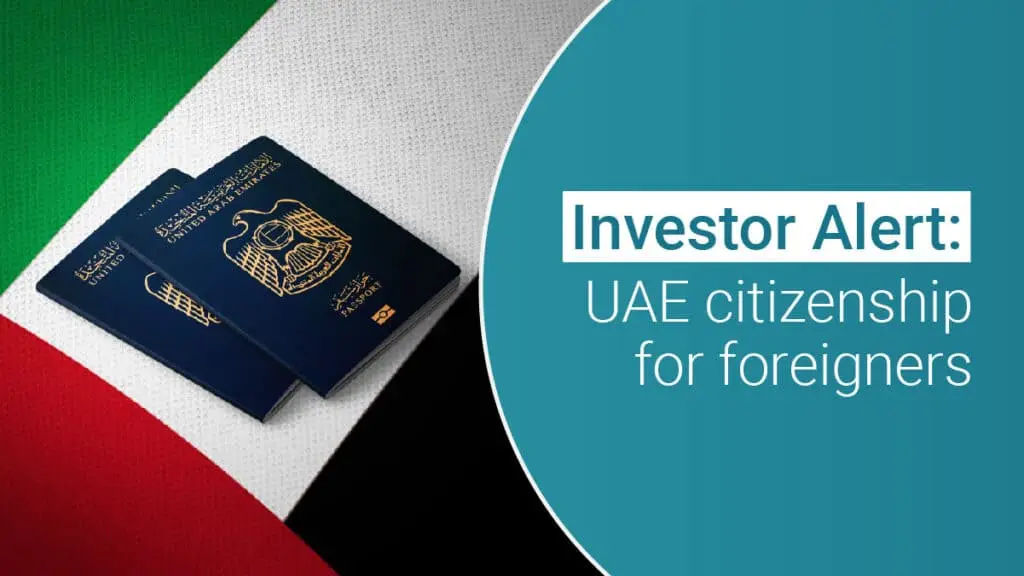

  • Citizenship by investment in United Arab Emirates

    Citizenship by investment in United Arab Emirates

    The government is now ready to grant the UAE citizenship for foreigners. According to the recent roll out of amendments to the citizenship law, this game-changing move will benefit the entire business community. This will market the country into a hotspot for regional and international investments. Moreover, this also spells that an investor can now maintain dual citizenship.

    The Emirates has long been a land of opportunities for expats. Whether it is professionals or talented in other vital sectors such as healthcare, education, and technology, the country’s historic move is also a way of thanking such contributors.

    We adopted law amendments that allow granting the UAE citizenship to investors, specialized talents & professionals including scientists, doctors, engineers, artists, authors and their families. The new directives aim to attract talents that contribute to our development journey.

    — HH Sheikh Mohammed (@HHShkMohd) January 30, 2021


    The following blog will explore in detail the nitty-gritty of UAE citizenship for entrepreneurs:

    Residency versus citizenship

    Some of the other governmental initiatives such as the UAE Golden Visa and Residence by Investment (RBI) have been popular among business investors as a means of prolonging their stay in the country. However, neither of the two guarantee you the UAE citizenship benefits.

    Below are some of the key advantages which are exclusive to those who have been naturalized:

    1. Buy freehold property: While an expat resident can lease properties for a period of 99-years, citizens can buy freehold properties. In both cases, the property is handed down on a hereditary basis. However, as a citizen, you can have complete ownership of the property as well as the land it exists on. Meanwhile, leasehold properties have to be renewed. Therefore, this will give a major boost to the country’s real estate sector.
    2. Establish commercial entities: Citizens of the UAE are free to tap into various types of business ventures without having to worry much about the complex bureaucratic procedures which have been set forth for foreigners.
    3. Lifestyle: One of the main reasons for migration across the world is the desire to lead a better quality of life. Though the UAE is a young nation, formed about 50 years ago, its excellent infrastructure, facilities that aid a convenient living, global connectivity, and a rich international ambience created by its expat population is highly lucrative. Furthermore, travel bugs would love to note that a UAE passport permits citizens to travel to 133 countries without a visa.
    4. Benign taxation: One of the main reasons why the Western expats want to settle in the UAE, is the absence of tax. Moreover, the UAE offers endless summers and exotic beaches for those seeking to escape their chilly homeland.

    Who is eligible to seek naturalisation?

    While clarity regarding the application process for UAE citizenship is awaited, two of the following terms have to be met:

    • Investors need to own property in the UAE
    • The candidates will be selected by the courts of the Rulers and the Crown Prince of Dubai, the Executive Council, and the Cabinet based on the federal entities’ nominations.

    How will the law amendment affect entrepreneurs / investors?

    Several UAE-based businessowners shared with popular national dailies that the move is like a “breath of fresh air”, not only for the business community, but also, the country’s overall economy.

    Some of the positive outcomes of providing UAE citizenship to expats would include:

    • Influx of Foreign Direct Investment (FDI) across several sectors in the country
    • Market stability
    • Boost confidence of foreign entrepreneurs, and at the same time, secure their loyalty

    Now is the right time for investors to set up a business in the UAE

    Planning to move beyond just Residency by Investment (RBI)? Experienced company formation specialists at Shuraa Business Setup can help you with begin a seamless entrepreneurial journey. UAE citizenship for foreigners will not only allow you to maintain dual citizenship, but also ensure sustained residency for you and your family in Dubai.

    Contact Shuraa by calling at +971 44081900 or sending a WhatsApp message to +971 507775554. You may also drop an email to info@shuraa.com  

  • How to Set Up an IT Company in Dubai?

    How to Set Up an IT Company in Dubai?

    Dubai has quickly grown into one of the world’s leading tech and startup hubs. In recent years, the city has attracted billions in tech investments and continues to rank among the top choices for digital entrepreneurs. In fact, the UAE’s digital economy is expected to reach over AED 140 billion by 2031, showing just how fast this sector is growing.

    With its strong digital infrastructure, world-class connectivity, and business-friendly environment, it’s no surprise that more people are searching for how to start an IT company in Dubai.

    What makes Dubai so ideal for IT businesses? For starters, zones like IFZA, Dubai Internet City and Dubai Silicon Oasis offer 100% foreign ownership, zero corporate tax (within a threshold), and full profit repatriation. These zones are home to tech giants like Google, Microsoft, Oracle, and thousands of startups, creating an environment where innovation thrives.

    The government is also heavily invested in the future of tech. Initiatives like Smart Dubai aim to turn the city into one of the smartest in the world, using AI and digital services to improve daily life for residents and businesses. With goals set for 2030 and beyond, Dubai is clearly betting big on technology.

    So, if you’re planning for IT company setup in Dubai, there’s never been a better time or place.

    Why Dubai is Ideal for IT Businesses in 2026?

    If you’re thinking about launching a tech business, Dubai is one of the best places in the world to do it. Here’s why:

    • Tax Advantages: Dubai offers 0% personal and corporate tax in most zones (with some exceptions under the new corporate tax law if income crosses AED 375,000). Plus, there are no restrictions on repatriating profits, making it easier for entrepreneurs to grow their business and keep their earnings.
    • No Overregulation in the IT Sector: Unlike some global hubs, Dubai doesn’t drown IT businesses in red tape. For most tech activities, you don’t need external approvals (e.g., no DTCM or health authority clearance like tourism or clinics would require). This lets you launch and adapt faster, which is crucial in IT.
    • Easy Fundraising & Access to VCs: Dubai is now home to over 100+ active VC firms and angel networks, including BECO Capital, Shorooq Partners, and Crescent Enterprises Ventures. IT startups with strong models are getting funding faster than ever before, especially those in cloud, fintech, cybersecurity, and SaaS.
    • Tech-Friendly Free Zones: Dubai’s tech-focused Free Zones like DIC, DSO, and DMCC are designed for IT businesses, offering 100% foreign ownership, zero customs duties, simplified visa processing, and immediate access to a collaborative tech community.
    • Easy Setup & Licensing: With the right guidance, setting up an IT company in Dubai can be done in just a few days. The process is straightforward, and there are tailored packages for tech startups.
    • Global Connectivity: Being based in Dubai gives you direct access to the regional headquarters of Google, Oracle, Microsoft, SAP, Cisco, and others. Events like GITEX Global, STEP Conference, and AI Everything happen right here. These are prime grounds to form partnerships, pitch, and gain clients from day one.

    Key Insights About the UAE IT Sector Market in 2026

    The IT industry in the UAE is booming in 2026, and it’s only getting stronger. Here are some important highlights that show just how fast things are moving:

    • The UAE’s overall tech (ICT) market is worth USD 52.2 billion in 2025 and is expected to grow to USD 85.2 billion by 2030.
    • Revenue from IT services alone is about USD 3.7 billion in 2025 and is expected to reach USD 4.81 billion by 2030.
    • IT outsourcing, where companies hire others to handle tech support, software, etc., is also growing fast, hitting USD 1.5 billion in 2025.
    • The cloud market in the UAE is huge, it’s worth around USD 12.84 billion in 2025, and is set to jump to USD 45.4 billion by 2030.
    • Under the UAE AI Strategy 2031, the country is building one of the world’s largest AI data centres in Abu Dhabi.
    • Dubai and Abu Dhabi are becoming “smart cities” with tech like 5G, IoT, and edge computing being used in everything from transport to energy.
    • Big tech companies like Amazon (AWS), Microsoft, Oracle, and Huawei are investing heavily (over USD 10 billion) in local cloud and data centres. That means faster and safer digital services for businesses.

    What Kind of IT Services Can You Offer in Dubai?

    Dubai offers a wide range of approved IT and tech-related business activities that you can include under your company license. Here are some of the most popular and in-demand options:

    • Software Development: Build and sell desktop software, SaaS products, or customised enterprise solutions.
    • Web & Mobile App Development: Design, develop, and maintain websites or mobile applications for clients or your own startup.
    • IT Consultancy Services: Advise businesses on IT strategy, digital transformation, systems integration, or cloud migration.
    • Cybersecurity Services: Offer network security, data protection, penetration testing, or managed security solutions.
    • Artificial Intelligence (AI) Solutions: Develop or implement AI-powered tools, including chatbots, machine learning models, and automation software.
    • Blockchain Development: Create blockchain apps, smart contracts, or Web3 platforms—especially relevant in Free Zones like DMCC or DSO.
    • Cloud Services & Hosting: Provide cloud infrastructure, storage, server hosting, or managed cloud support for businesses.
    • IT Infrastructure & Networking: Set up IT systems, hardware installation, network cabling, and system maintenance for organisations.
    • Digital & Technology Training: Run certified courses or workshops in areas like coding, cybersecurity, AI, or digital marketing.
    • E-commerce Tech Solutions: Develop and manage e-commerce platforms, plugins, payment gateway integration, and backend support.

    How to Choose the Right Jurisdiction for Your IT Business in the UAE?

    Before launching your IT company in Dubai, selecting the appropriate jurisdiction is a critical first step, as it directly impacts ownership, operational freedom, tax obligations, and your potential client base. Your primary options are Mainland, Free Zone, and Offshore setups, each designed for different business objectives.

    A. Mainland

    • A Mainland company, licensed by the Department of Economic Development (DED), offers the freedom to operate directly across the entire UAE market and internationally. This jurisdiction is essential if your goal is to secure contracts with government entities or large UAE-based corporations.
    • Key features include the ability to trade freely within the local market, but it requires leasing a physical office and securing DED approval. Profits exceeding AED 375,000 are subject to a 9% corporate tax.
    • This structure is ideal for IT consultancies pursuing government projects, large-scale software providers, and companies planning to hire a significant local workforce.

    B. Free Zone

    • A Free Zone provides a specialized ecosystem with benefits like 100% foreign ownership, no local sponsor, and a streamlined setup process with flexible office solutions, from shared desks to dedicated offices.
    • While offering significant tax benefits, including 0% corporate tax within specific limits, its primary trade-off is the inability to directly conduct business with the UAE mainland without engaging a local distributor or establishing a mainland branch.
    • This makes Free Zones like Dubai Internet City (DIC), Dubai Silicon Oasis (DSO), and DMCC Tech Hub perfect for export-focused tech firms, startups, and businesses that prioritize ownership and tax advantages while primarily serving international or free zone clients.

    Also Read: Free Zone vs. Mainland: Detailed Explanation

    C. Offshore

    • An Offshore company is designed for international business activities and is not permitted to trade within the UAE. Established in jurisdictions like JAFZA Offshore or RAK ICC, it is used for holding assets, protecting intellectual property, billing international clients, or managing global teams remotely.
    • While it allows for a corporate bank account in the UAE, it requires no physical office and offers no employee visa eligibility.
    • This option is best suited for IT businesses that need a holding entity for intellectual property or a corporate vehicle for international transactions without a physical operational presence in the UAE.

    Process to Register an IT Company in Dubai

    Setting up an IT business in Dubai involves a few key legal and administrative steps. Here’s a step-by-step guide to help you get started:

    • Step 1: Define Your Business Activity & Structure: Choose your main IT services (e.g., software development, cybersecurity, consultancy) and decide on the legal structure – LLC, sole establishment, branch office, or free-zone entity.
    • Step 2: Choose the Ideal Jurisdiction: Select whether to register in the Mainland, a Free Zone, or Offshore based on your business purpose – local clients, global clients, or IP-holding, respectively.
    • Step 3: Reserve Company Name & Trademark: Apply for a trade name that complies with UAE naming rules (unique, business-related, no offensive words) within your chosen jurisdiction.
    • Step 4: Get Initial Approvals: Submit your business activity, trade name, passport copies, and optionally a business plan to obtain initial no-objection approval from the DED (Mainland) or Free Zone authority.
    • Step 5: Secure Office Space: The office space requirement differs significantly: a Mainland company must rent and register a physical office with an Ejari contract, whereas a Free Zone business can opt for flexible solutions—from shared desks to dedicated offices—based on its team size and visa needs.
    • Step 6: Get External Approvals (if required): Some specific IT activities may need approvals from regulatory bodies such as the TRA (Telecommunications and Digital Government Regulatory Authority) for certain tech operations.
    • Step 7: Obtain Your Trade License: After document review and payment, collect your official IT company license: DED trade license for Mainland or relevant license (e.g., Service License) from Free Zone authorities.
    • Step 8: Open a Corporate Bank Account: With your license and company documents in hand, open a business bank account in the UAE with banks like Emirates NBD, Mashreq, HSBC, or Citibank.
    • Step 9: Apply for Visas & Health Cards: Sponsor residence visas for investors, employees, and dependents, based on your office space and jurisdiction limits. Mainland companies can sponsor more visas.

    By following these steps and seeking expert guidance, you can successfully register your IT company in Dubai and begin your business operations.

    What Documents are Required to Start an IT Company in Dubai?

    To start your IT company in Dubai, you’ll need to submit a few essential documents. Here’s a quick list to help you prepare:

    • Passport copies of all shareholders/partners
    • UAE visa or entry stamp page
    • Passport-sized photographs (white background)
    • Proposed company name(s)
    • Description of IT business activities
    • No Objection Certificate (if on an existing UAE visa)
    • Office address or tenancy contract (Ejari for Mainland / flexi-desk for Free Zone)
    • Memorandum of Association (for Mainland setup)
    • Completed application forms from the licensing authority

    What is the Cost of Starting an IT Company in Dubai?

    Starting an IT business in Dubai can cost anywhere from AED 12,000 to AED 60,000 or more, depending on the business location (Mainland, Free Zone, or Offshore), the size of your team, and the type of office you choose.

    Setting up your IT company in a Free Zone is one of the most cost-effective options. The total setup cost typically ranges between AED 12,000 to AED 30,000. Free Zones like IFZA, Meydan, SPC, and DTEC offer some of the most affordable options for IT startups, especially for small teams or solo founders.

    Mainland IT company setup generally costs more, but gives you full access to the UAE market. The initial setup cost can start around AED 25,000 and go up to AED 60,000 or more, depending on office rent, number of visas, and additional legal steps.

    Common Challenges and How to Overcome Them

    Setting up an IT company in Dubai can come with challenges. Here are the most common ones and how to address them:

    Choosing the Right Jurisdiction:

    • Issue: Deciding between Mainland, Free Zone, or Offshore can be confusing due to differing benefits and limitations.
    • Solution: Assess your target market. Choose Mainland for local UAE clients, Free Zone for tax benefits and global operations, or Offshore for remote businesses. Consult experts like Shuraa for tailored advice.

    High Office Rental Costs:

    • Issue: Mainland setups require physical offices, which can cost AED 50,000+ annually in prime areas.
    • Solution: Opt for Free Zones with flexi-desk options (starting at AED 2,000/year) or shared spaces in DTEC or IFZA to minimize costs.

    Regulatory Compliance:

    • Issue: Navigating UAE’s licensing, visa, or tax rules (e.g., 9% corporate tax for profits over AED 375,000) can be complex.
    • Solution: Work with a business setup consultant like Shuraa to ensure compliance and timely renewals. Stay updated on UAE’s corporate tax laws via the Federal Tax Authority. Consult experts like Shuraa Tax for tailored advice.

    Finding Local Talent:

    • Issue: Hiring skilled IT professionals in a competitive market can be tough for startups.
    • Solution: Use platforms like Bayt, LinkedIn, or Dubai-based job fairs to recruit from the UAE’s diverse talent pool. Offer competitive packages to attract top talent.

    Accessing UAE Mainland Clients from a Free Zone

    • Issue: Free Zone companies cannot directly serve Mainland clients without a distributor or branch.
    • Solution: Set up a Mainland branch or partner with a local distributor. Alternatively, focus on international or online clients to leverage Free Zone benefits.

    Case Studies: How AWS Is Powering IT Success in Dubai

    When it comes to big names in tech choosing Dubai, Amazon Web Services (AWS) stands out as a great example. Not only did AWS launch a local region in the UAE, but it’s also helping Dubai-based companies scale faster, cut costs, and operate smarter.

    Let’s take Sharaf Retail, a major retail group in Dubai. They partnered with AWS and a local cloud expert, Zero&One, to move their entire IT infrastructure to the cloud. What’s impressive is that the migration took just five months, something that could take years for large companies.

    Key results:

    • 65% reduction in infrastructure costs
    • 50% lower IT staff expenses
    • 75% faster store launches (cutting down from 30 days to just a few)
    • Improved data security, backups, and UAE-compliant cloud hosting

    In 2022, AWS launched its own cloud region in the UAE, which includes three availability zones. This is more than just a tech upgrade; it’s a game changer for IT startups and digital businesses in Dubai. Here’s what it means:

    • $5 billion investment committed through 2036
    • AED 41 billion expected to be added to the UAE’s GDP
    • 6,000+ full-time jobs supported annually in tech, data centres, construction, and telecom
    • Faster and more secure cloud services, with local data compliance

    If you’re thinking about starting an IT company in Dubai, the AWS success story shows just how ready the city is for tech growth.

    Tips for Success in Dubai’s IT Market

    1. Leverage Free Zone Benefits: Choose a free zone like DIC or DSO for networking with tech giants and startups.
    2. Attend Tech Events: Participate in GITEX Global, STEP Conference, or AI Everything to connect with clients and investors.
    3. Focus on High-Demand Sectors: Prioritise AI, cybersecurity, cloud services, or blockchain for faster growth.
    4. Hire Local Talent: Tap into the UAE’s diverse, skilled workforce through platforms like Bayt or LinkedIn.
    5. Stay Compliant: Ensure timely license renewals and compliance with the UAE’s corporate tax laws.

    How Shuraa Can Help You Set Up Your IT Company!

    IT company in Dubai is a smart choice. The city is full of opportunities, support for tech businesses, and a fast-growing digital economy. The industry has picked up pace in recent years and is now about to reach its prime. All you need to do now is make another great choice for a convenient business setup in the UAE.

    At Shuraa Business Setup, we can guide you through everything – choosing the right Free Zone or Mainland option, handling your license, setting up your company, getting visas, and taking care of all the paperwork.

    Book a free consultation today and let Shuraa make your IT business in the UAE simple and stress-free.

    Frequently Asked Questions (FAQs)

    1. How Can I start an IT company in Dubai?

    To start an IT company in Dubai, you must first choose between a mainland or free zone jurisdiction, select your business activities and a legal structure, then reserve a trade name and apply for initial approval. After gathering the necessary documents, you’ll secure an office space, obtain the final business license, and open a corporate bank account. Finally, you can apply for visas, register for VAT, and officially launch your company.

    2. Can I fully own my IT company in Dubai as a foreigner?

    Yes, you can own 100% of your business in both Free Zones and most Mainland setups (no local sponsor needed for most IT activities).

    3. Which are the best Free Zones for IT companies in Dubai?

    The best free zones in Dubai for IT companies are Dubai Internet City (DIC), ideal for digital services and software development, Dubai Silicon Oasis (DSO), which specializes in deep tech and R&D, and the Dubai Multi Commodities Centre (DMCC), which offers a broader range of activities including fintech and crypto. Other excellent options include the cost-effective RAKEZ (Ras Al Khaimah Economic Zone) and the established Jebel Ali Free Zone (JAFZA).

     4. Can I provide services to UAE clients with a Free Zone license?

    Not directly. You’ll need a mainland branch or local distributor to serve UAE Mainland clients legally. Free Zone licenses are ideal for international or online services.

    5. Can freelancers or solo founders open an IT company in Dubai?

    Yes! Many Free Zones offer solo founder licenses with 100% ownership and a flexi-desk workspace.

    6. What are the best banks for IT businesses in Dubai?

    Emirates NBD, Mashreq, HSBC, and Citibank offer business-friendly accounts with online banking and multi-currency options.

    7. Is a physical office mandatory?

    Mainland setups require a leased office. Free zones offer flexi-desk options, while offshore setups don’t need a physical office.

    8. What are the visa limits for IT companies?

    Free zone visa quotas depend on office size (e.g., 1–3 for flexi-desk). Mainland companies can sponsor more visas based on office space.

    9. How long does it take to set up an IT company in Dubai?

    Setting up an IT company in Dubai can take as little as 7-10 working days for a Free Zone company and potentially up to 3-5 weeks for a Mainland company.

    Disclaimer: The information in this post is for general guidance only and may change due to updates in government policies or regulations.

  • How to Open a Travel Agency in Dubai, UAE

    How to Open a Travel Agency in Dubai, UAE

    As one of the most popular tourist destinations in the world, Dubai offers a thriving travel industry with endless opportunities for entrepreneurs. With its stunning architecture, luxurious resorts, and vibrant culture, Dubai attracts millions of visitors each year. If you’re thinking about starting a business, why not open a travel agency in Dubai or the UAE? This way, you can help people discover all the incredible sights and experiences this city has to offer.

    Since the tourist number is on the course to hit the government’s Tourism Vision 2020 target of 20 million visitors to Dubai alone, it’s an ideal time for you to set up a travel agency business in the UAE.

    Official statistics also predict tourism will be worth AED 116bn by 2027 – that’s 5.4% of UAE GDP – directly or indirectly supporting over 750,000 jobs. 

    Therefore, we are here to guide you through the essential steps on how to open a travel agency in Dubai. We will also share the valuable insights and benefits of this vibrant city has to offer to each business.

    Benefits of Starting a Travel Agency in Dubai

    Starting a travel agency company in Dubai, UAE can be a highly rewarding venture with several significant benefits.

    Here are some of the key benefits:

    • Growing tourism industry: Dubai is a world-renowned tourist destination, attracting millions of visitors annually. Its iconic landmarks, luxurious resorts, and vibrant cultural scene make it a prime location for travelers. The tourism industry is also expected to continue to grow in the coming years, creating opportunities for travel agencies.
    • Tax-friendly environment: The UAE, including Dubai, has a reputation for being one of the most business-friendly and tax-efficient jurisdictions globally.
    • Free zones: Dubai has several free zones, which offer special benefits to businesses. These benefits include lower taxes, easier visa requirements, and 100% foreign ownership.
    • Strategic Location: Dubai’s geographic location bridges Europe, Asia, and Africa, making it a convenient stopover for travelers going to or coming from these regions. And hence, this strategic location can give your travel agency a competitive edge in connecting travelers to various destinations worldwide.
    • Abundant resources: Dubai has a well-developed infrastructure and a wide range of resources that can be used by travel agencies. These resources include hotels, transportation, and tour operators.
    • Well-connected: Dubai is well-connected to the rest of the world, with direct flights to over 200 destinations. This makes it easy for travel agencies to book flights and other travel arrangements for their clients.

    How to Open a Travel Agency in Dubai, UAE?

    Starting a travel agency in Dubai, UAE involves several steps and requires compliance with local regulations. However, for many entrepreneurs the process can be overwhelming.

    Here’s a step-by-step process to guide you through the establishment of your travel agency in Dubai:

    1. Establish your travel business activity

    Firstly, you need to decide exactly what sort of business activity you want to conduct; will you specialise as a travel agency business, an inbound tour operator or an outbound operator? There are plenty of activities to choose from across all the different markets you could carry out.

    2. Choose a company name

    Before deciding with any name, you should get familiar with the rules; words such as ‘global’, ‘international’ are acceptable but can sustain extra fees, and several restrictions would apply.

    Offensive words are judiciously forbidden, like God’s name, either in English or Arabic.

    3. Apply for a business license

    In Dubai, trade or business licenses (commercial, professional, industrial) are issued by the Department of Economic Development (DED). However, if you’re planning to establish a business in the Dubai free zone, you’ll need to obtain a license from that relevant authority only.

    In many cases, you may also require approval from other concerned authorities such as the Department of Tourism and Commerce Marketing (DTCM) or Civil Aviation Authority.

    5. Set up employee visas

    Be sure to apply within 30 days of an employee’s entry into the country, and soon you would receive a tourist visa.

    Simply register on the Ministry of Interior’s e-channels portal for a staff entry permit. Once issued, employees can perform an ‘in-country status change’ to activate that entry permit, a difficult step in getting a full employment visa.

    You’ll need your trade license, passport copies, and establishment card – a service that files your company with the General Directorate of Residency and Foreigners Affairs (GDRFA). Remember, it’s also your responsibility to obtain ‘OK to Board’ approval prior to inbound travel for employees from the South Asian subcontinent.

    6. Open a corporate bank account

    Finally, you need a corporate bank account for all final transactions. No bank will recognise your business without a trade license but select your bank wisely; a poor choice may become a bad decision for your travel agency business.

    Please note that the sector is tightly synchronised, so if you’re confused about how to open a travel agency in Dubai whilst complying with the rules, advice from Shuraa Business Setup specialists can save you from high-budget extravagant headaches of tourism business in Dubai, down the line.

    Requirements for Travel Agency License in Dubai

    The requirements for opening a travel agency in Dubai vary depending on the type of license you need. Generally, following are the common requirements for opening a travel agency in Dubai:

    • Business License
    • Passport
    • Passport size photograph
    • Approval from the Department of Tourism and Commerce Marketing (DTCM) (If applicable)
    • Office space
    • Any other documents from external authorities, if required

    Travel Agency License Cost in Dubai

    The cost of starting a travel agency in Dubai can start from AED 20,000*. However, this is just a rough estimate, and the actual cost may vary depending on factors including the type of travel agency license in Dubai, size of the agency, the location of the office, and the types of services offered.

    Therefore, if you are considering starting a travel agency in Dubai, it is important to do your research and make sure that you are prepared for the challenges and expenses involved.

    Why it pays to use a company formation expert

    Company formation specialists can save you time by making sure you have all the right paperwork. Some banks may require business plans and reference letters from business partners.

    However, most will ask for your trade license, a board of directors’ resolution and a copy of the company’s memorandum and articles of association.

    Also Read:

    Smooth processes for travel agency business save time and money.

    Six important steps can set you on course to establishing a successful travel agency business. However, they require substantial paperwork and plenty of hidden traps.  

    Can you afford to get it wrong? Setting up your own business has never been easier. SHURAA BUSINESS SETUP takes care of it all so you can focus on what matters – building your business.

    For more information about company formation in the UAE mainland or free zones, please call us at +97144081900 or WhatsApp at +971507775554. You can also drop an email on info@shuraa.com.

    Disclaimer: The information in this post is for general guidance only and may change due to updates in government policies or regulations.

  • How to Get a Trade License in Abu Dhabi

    How to Get a Trade License in Abu Dhabi

    Obtaining a trade license is a crucial step for anyone looking to start a business in Abu Dhabi. A trade license is a legal document that allows individuals or companies to conduct business activities within a specific jurisdiction. Having a trade license in Abu Dhabi is not only a legal requirement but also essential for establishing credibility and trust with customers and partners.

    Abu Dhabi has been an ideal destination for business owners as well as aspiring entrepreneurs from across the world. Thanks to the affordable cost of getting a trade license in Abu Dhabi.

    Setting up a business in Abu Dhabi is a wise option for companies as it is one of the most affordable Emirates for commercial activities. The trade licenses in the Abu Dhabi Mainland are regulated by the Abu Dhabi Department of Economic Development (ADDED) with a validity of one year.

    In this article, we will explore in detail the types of business licenses in Abu Dhabi, the documents required, and the approximate prices as well as the process involved in company registration in Abu Dhabi.

    Types of Trade Licenses in Abu Dhabi

    Abu Dhabi offers various business licenses to businesses based on their nature and activities. Here are the main types of trade licenses available:

    1. Commercial License

    This is the most common type of license, and it is required for businesses that are involved in trading activities, such as the buying, selling, and distribution of goods. This includes businesses that import and export goods and those that sell them retail or wholesale.

    2. Industrial License

    This license is required for businesses that are involved in manufacturing activities. This includes businesses that produce goods from raw materials and businesses that assemble goods from pre-made components.

    3. Professional License

    This license is required for businesses that provide professional services, such as consulting, accounting, legal services, and healthcare.

    4. Tourism License

    This license is required for businesses involved in the tourism industry, such as hotels, travel agencies, and restaurants.

    The type of license that you need will depend on the nature of your business. The Department of Economic Development (DED) is responsible for issuing all trade licenses in Abu Dhabi. Additionally, businesses may need to obtain special permits or approvals from other relevant authorities depending on their specific activities.

    We recommend consulting with business setup experts at Shuraa to determine which license and approvals you need for your business setup in Abu Dhabi.

    The E-commerce License (Tajer Abu Dhabi)

    Tajer Abu Dhabi, also known as the Abu Dhabi Trader License, is a special type of trade license issued by the Abu Dhabi Department of Economic Development (ADDED) specifically designed for e-commerce businesses.

    • Unlike the general trade licenses, Tajer Abu Dhabi addresses businesses that operate online to allow them to conduct business through websites and social media platforms.
    • A major benefit of this license is that you don’t need to have a physical store or office space to obtain it. This makes it attractive for startups, small businesses, and freelancers who operate virtually.
    • While Tajer Abu Dhabi allows for e-commerce activities, it’s not for all business types. There are business activities listed eligible for this license.
    • Initially restricted to UAE nationals for specific activities, the program has broadened. Now, GCC nationals and UAE residents can apply under various legal structures.

    Documents Required to Get a Trade License in Abu Dhabi

    The exact documents required to get a trade license in Abu Dhabi can vary depending on your specific business setup, but here’s a general list of common requirements:

    • Certificate of trade name
    • Copies of passports and visas (for all shareholders)
    • Memorandum of Association (MOA) (Only applicable if you have a local sponsor)
    • Copy of your UAE residency permit
    • Bank letter
    • Tenancy contract
    • Ejari attestation
    • Additional documents (depending on your situation)
    document required for trade license

    How to Get a Trade License in Abu Dhabi?

    Obtaining a trade license in Abu Dhabi involves several steps, including:

    1. Choose Your Business Activity and Legal Structure

    Identify the specific activities your business will undertake. There are various categories with numerous sub-activities.

    Decide on your business structure, such as a sole proprietorship, limited liability company (LLC), or a branch of a foreign company. Each has its own requirements and implications.

    2. Reserve a Trade Name

    Pick a unique and appropriate trade name for your business that complies with DED guidelines. You can submit a reservation application online or through DED service centers.

    3. Secure a Physical Office Space (Unless Applying for a Tajer License)

    For most licenses, you’ll need to acquire physical office space in Abu Dhabi. Secure a tenancy contract and be prepared to present it during the application process. (Not required for Tajer Abu Dhabi e-commerce license).

    4. Apply for the Trade License

    Submit your completed application form, along with the required documents and fees, to the Abu Dhabi DED. Depending on your business activity, you might need to obtain specific permits, certifications, or approvals from other government entities.

    5. Secure Business Location

    Lease a commercial space suitable for your business operations. Obtain the tenancy contract and have it attested by the relevant authorities.

    6. Final Trade License Issuance

    After fulfilling all the requirements and approvals, the DED will issue your official trade license, allowing you to operate your business legally in Abu Dhabi.

    Consider consulting with business setup specialists in Abu Dhabi at Shuraa Business Setup for guidance throughout the process.

    Instant Trade License in Abu Dhabi

    • Any interested parties, including residents and visitors and avail instant trade license facility in Abu Dhabi
    • The small business license in Abu Dhabi allows a combination of trading as well as professional and service-oriented business activities
    • More than 2,500 activities qualify for instant trade license in Abu Dhabi without having an office space for the first year of business
    • The license comes with a default visa quota for up to three employees
    • You do not need to obtain an NOC from current visa sponsor to apply for instant business license
    • You can get the instant license in Abu Dhabi in just one working day

    Why Get Abu Dhabi Business License?

    There are several compelling reasons to acquire a trade license in Abu Dhabi if you’re planning to operate a business there.

    • Legality and Recognition: A trade license acts as a legal permit, authorizing you to conduct business activities within Abu Dhabi. It signifies your compliance with local regulations and establishes your business as legitimate.
    • Business Setup and Operations: The trade license in Abu Dhabi serves as a foundational permit to allow you to establish your business presence and conduct commercial activities within the emirate.
    • Access to Market Opportunities: With a license, you gain access to Abu Dhabi’s thriving market and its potential customer base. This opens doors to conducting business and generating revenue.
    • Investor Confidence: For businesses aiming to attract investors, possessing a trade license demonstrates seriousness and adherence to regulations. This can be a crucial factor in securing investment opportunities.
    • Banking and Financial Services: Securing a trade license can simplify opening business bank accounts and accessing financial services necessary for operating your business.

    What is the Cost of Obtaining Abu Dhabi Trade License?

    The Abu Dhabi Trade License cost generally ranges from AED 10,000 to AED 30,000. However, you should know that the overall cost of obtaining a trade license isn’t fixed and can vary depending on several factors:

    • Type of License: There are different licenses for various business activities (commercial, industrial, professional, etc.), and each might have its own fee structure.
    • Legal Structure: The legal structure you choose for your business (sole proprietorship, LLC, etc.) can influence license fees.
    • Business Activity: The specific activities your business engages in may affect the applicable fees.
    • Location: The location of your business (specific areas within Abu Dhabi) might have slight variations in fees.
    • Tenancy Cost (except for Instant License): For most licenses, you’ll need physical office space and a tenancy contract. The cost will vary depending on location and office size.  This can be a significant cost factor, but the instant license eliminates this upfront requirement.

    Shuraa professionals can guide you through the process, estimate costs based on your requirements, and potentially help optimize your application for cost-effectiveness.

    How to Add Activity in Trade License Abu Dhabi

    Adding activities to your existing trade license in Abu Dhabi involves a few steps. Here’s a breakdown of the process:

    1. Gather Required Documents

    • Application form for amending a trade license
    • Copy of your current trade license and registration certificate
    • Completed business license amendment application
    • No Objection Certificate (NOC) from relevant government entities if your new activities require them (e.g., Department of Health for medical services).
    • Proof of your company’s good standing (financial statements etc., may vary).

    2. Initial Approval

    Submit your application and required documents to the Department of Economic Development (DED) or the relevant authority that issued your original license. Await DED’s initial review and approval to proceed with adding the activities.

    3. Secure Approvals from Other Entities (if applicable)

    Depending on the new activities you wish to add, you might need specific permits or approvals from other government departments. DED will guide you in this aspect.

    4. Pay Applicable Fees

    Once approved, settle any fees associated with amending your trade license.

    5. Collect Your Updated Trade License

    Upon successful completion of the process and payment of dues, you’ll receive your updated trade license reflecting the newly approved activities.

    Simplify Your Abu Dhabi Company Formation with Shuraa

    Getting a trade license in Abu Dhabi is a key step if you want to start a business here. It makes your business legal and gives you access to many benefits, like signing contracts and growing in a strong economy. The process can seem complicated with all the steps and documents needed, but it’s worth it for the success and growth of your business.

    To make it easier, consider getting help from Shuraa Business Setup. Our experts can guide you through the entire process, from registering your company and getting the trade license to handling paperwork, visa help, office space, and more.

    To speak to our corporate legal advisors for free, contact us today at +971 44081900 WhatsApp us at +971 507775554 or drop an email at info@shuraa.com.

    Frequently Asked Questions (FAQs)

    1. What is Abu Dhabi Business License?

    An Abu Dhabi business (economic) license is essential for legally operating any commercial activity in the emirate’s mainland. It is obtained digitally via the TAMM platform using UAE Pass.

    Options include the simplified Abu Dhabi Trader Licence (formerly Tajer Abu Dhabi), ideal for startups, home-based businesses, and e-commerce with no physical office required initially (often for the first 3 years) and over 1,200 activities available—primarily for UAE nationals, GCC citizens, and residents (expats with residency visas).

    Non-resident foreigners can opt for the Virtual Licence to set up remotely with 100% ownership in select sectors. Licensing and registration are regulated by the Abu Dhabi Department of Economic Development (ADDED) and its arm, the Abu Dhabi Registration and Licensing Authority (ADRA), for a fully streamlined, digital process.

    2. Do I need a physical office to get a trade license in Abu Dhabi?

    Not necessarily. The instant trade license option allows you to obtain a license initially without physical space. However, a regular trade license typically requires proof of a commercial office lease agreement.

    3. What are the steps to renew a trade license in Abu Dhabi?

    You need to review your tenancy contract, attain approvals from various administrative authorities, and file your renewal application. Once you’re done with these steps, simply pay the Abu Dhabi trade license renewal fee from the payment voucher.

    4. How can I get a trade license in Abu Dhabi?

    You can follow the below-mentioned process to obtain an Abu Dhabi business license:

    • Choose the license type
    • Enlist the business activities
    • Pick a legal structure
    • Register a trading name for your venture
    • Submit your application for initial approval by the DED
    • Find a local sponsor
    • Sign a Memorandum of Association (MOA)
    • Find a location to incorporate your business and secure a tenancy contract
    • Obtain Trade License

    5. How long does it take to get a trade license in Abu Dhabi?

    The processing time can vary depending on the complexity of your application.  A regular license can take 4-6 weeks, while the instant license can be issued on the same day if submitted during working hours.

    6. What happens if I don’t renew my trade license?

    Operating a business with an expired trade license is illegal and can result in fines and penalties. It’s crucial to renew your license before its expiry date to maintain legal compliance.

    Disclaimer: The information in this post is for general guidance only and may change due to updates in government policies or regulations.

  • How to Set up a Clinic in Dubai with DHA Approval

    How to Set up a Clinic in Dubai with DHA Approval

    Healthcare is a booming industry and will continue to grow exponentially, given the massive surge in population and lavish lifestyle. Dubai provides the best infrastructure and ample opportunities for medical practitioners who aspire to work in a growing medical ecosystem. In this article, we will be exploring how to set up a clinic in Dubai.

    The UAE has dedicated an entire zone for premier medical facilities – DHCC (Dubai Healthcare City). It is an ideal location to start a healthcare business in Dubai as you get to learn from and work with the world’s best medical practitioners. Therefore, when it comes to the healthcare sector and its workers, the UAE has rolled out well-defined laws to facilitate investors in setting up their healthcare business without any trouble.

    The cost-effective healthcare model and supportive jurisdiction in the emirate of Dubai helps you set up a medical clinic in Dubai. However, you need to obtain necessary approvals from Dubai Health Authority (DHA) and the Department of Economic Development (DED). Therefore, you can hire a corporate service provider in Dubai to help acquire the DHA and DED permits for your specialty clinic in Dubai.

    Required Documents to set up a medical clinic in Dubai

    • A valid medical certification from international agencies or the DHA. In case you do not have a medical degree and certification, appoint a medical director for your business.
    • Passport copies of all participating members, including business partners, local sponsor (also known as UAE national / Emirati partner / local agent), and the medical director
    • Tourist visa / entry stamp page of all the participating members. Conversely, you can submit the residence visa page along with a copy of Emirates ID
    • MoA signed by all the expat partners and the local sponsor.
    • Trade name along with the nature of your business activity. For instance, you can establish your private clinic in the fields of urology, dentistry, cosmology, and gynecology.
    • A professional license issued by DED.
    • Approval of all licenses obtained from DHA. These licenses differ for resident doctors, student interns, trainees, specialists, and general practitioners.

    Guide to setting up a clinic in the UAE

    Only the best get an opportunity to work in Dubai’s robust healthcare industry. As per the laws set by the UAE government, a single medical specialist can cater to one medical activity only. If the same professional wants to take care of multiple medical activities, he/she should have the appropriate certification and relevant working experience in both the medical fields. Similarly, it also needs to be approved by DHA. In case DHA rejects such an application, separate specialist doctors must take care of the medical requirements.

    How to Open a Clinic in Dubai, UAE

    1. Trade name reservation

    Decide a trade name for your medical venture. Ensure that you abide by the naming rules and regulations specified by the UAE government. Once you finalise the name, file an online application with the DED to reserve your trade name and wait for its approval.

    2. Initial approval

    Submit all the documents mentioned above to obtain DED’s initial approval. Apart from the documents, a detailed business layout also needs to be forwarded to the Dubai Municipality for approval of the proposed specialty clinic.

    3. DHA approval

    Once you receive an approval from DED, you need to obtain DHA’s consent for your clinic. Thus, you need to apply for a license to the DHA with a feasibility report for your clinic / business plan.

    Read more: How to get a DHA license in Dubai?

    4. Document submission

    Provide all the necessary documents to the concerned authorities to register your specialty clinic. Make sure to double-check details to avoid procedural delays.

    5. Final DED approval

    For this you need to submit several documents, including the NOC, your building contract, the list of medical directors and healthcare professionals, and a copy of the initial approval document from DED. You will also need to pay a registration fee for the DED to issue your trade license when all approvals come through.

    6. DHA medical license application

    To obtain your clinical license from the DHA, you need to create a user ID on the DHA portal. Upload details of all medical consultants, other professionals working in your business, affection plan, lease agreement, etc. Once all documents are duly verified, you’ll receive the permit to establish your specialty clinic in Dubai.

    Approximately, the entire process takes around 25-40 days.

    Minimum capital requirement

    The limited liability companies (LLC) in DHCC free zone are required to have AED 50,000 as the minimum capital requirement for commercial medical settings. Also, the requirement elevates to 300,000 for clinical settings. However, there aren’t any minimum capital requirements for establishing a branch.

    Setting up a medical clinic in DHCC free zone has multiple advantages. You can enjoy tax benefits as you will be exempted from corporate tax, customs duty, etc. You will have access to world-class medical infrastructure at affordable operational costs. Moreover, you get a 100% business acquisition.

    Start your private clinic with Shuraa

    You need to prepare and furnish several documents to the governmental agencies for starting a medical clinic in the UAE. So, connect with Shuraa Business Setup, and we’ll simplify the process for you. Apart from documentation assistance, we also help businesses find the right location to establish their business.

    Call +971 44081900 to speak with our experienced consultants. You can also send a WhatsApp message on +971 50 777 5554. For email assistance, write to us at info@shuraa.com.

  • How to Start a Cloud Kitchen in Dubai: The Ultimate Guide

    How to Start a Cloud Kitchen in Dubai: The Ultimate Guide

    Dubai’s food industry is rapidly moving toward online delivery, led by the cloud kitchen model. Cloud kitchens operate exclusively for delivery, with no dine-in area, resulting in lower costs and reduced risk compared to traditional restaurants. This model enables chefs to focus on food quality, using platforms such as Deliveroo, Talabat, and Careem.

    Businesses across the UAE, from startups to established brands, are adopting this model to access the expanding delivery market. To begin, it is important to understand cloud kitchen licensing and associated costs. This guide outlines the licensing process and practical steps for opening a successful cloud kitchen in Dubai and the UAE.

    KEY TAKEAWAYS

    • Low-Cost, High-Profit Model: Cloud kitchens lower expenses by eliminating the need for prime locations, dining areas, and large front-of-house staff, offering a more capital-efficient alternative to traditional restaurants.
    • Leveraging Dubai’s Delivery Growth: This model meets the needs of Dubai’s digitally native consumers who use platforms like Talabat and Deliveroo, offering immediate access to a broad market.
    • Licensing is Essential: Securing the necessary Dubai cloud kitchen licenses, including Trade, Food, and Civil Defence approvals, is the first step to ensure legal and compliant operations.
    • Manageable Startup Costs: Initial investment usually ranges from AED 75,000 to AED 175,000 or more, depending on kitchen size, location, and equipment.
    • Designed for Rapid Growth: A single licensed kitchen can support multiple virtual brands, allowing flexible expansion, low-risk menu testing, and scalable market reach.

    In summary, a cloud kitchen in Dubai is a streamlined, scalable food business built for the delivery era. It offers lower financial risk, straightforward regulatory processes, and direct access to a growing digital marketplace.

    What is a Cloud Kitchen? The Future of Food Delivery Explained

    A cloud kitchen, also called a ghost, dark, or virtual kitchen, is a professional food production facility dedicated solely to delivery and takeaway, without a dine-in area.

    Cloud kitchens focus on preparing restaurant-quality meals for delivery, with orders placed, paid for, and managed through digital platforms.

    Core Characteristics of a Cloud Kitchen in Dubai:

    • Delivery-Only Model: No storefront, dining area, or waitstaff. The focus is on efficient food production for delivery.
    • Location Flexibility: These kitchens are usually in lower-rent industrial or commercial areas, as street visibility is unnecessary. They prioritise proximity to high-demand residential and business districts for faster delivery.
    • Powered by Technology: Operations use integrated systems, such as online ordering, kitchen displays, and delivery management dashboards, to ensure a seamless order flow from app to the doorstep.
    • Multi-Brand Potential: A single licensed cloud kitchen can operate multiple virtual restaurant brands from a single facility, enabling entrepreneurs to test different cuisines and menus without the cost of multiple locations.

    Cloud Kitchen vs. Traditional Restaurant: A Direct Comparison

    Primary FocusFood production for delivery/takeawayDine-in experience & food service
    Location CostLower (industrial/commercial areas)High (prime retail/high-street)
    Customer InteractionDigital-only (via apps/platforms)Physical & digital
    OverheadSignificantly lower (no front-of-house)High (rent, decor, hosting staff)
    ScalabilityHigh (easy to replicate or add brands)Lower (requires new full premises)
    Key InvestmentKitchen equipment, packaging, tech stackAmbiance, seating, full-service staff

    The Dubai Example: Kitopi

    Kitopi, a Dubai-based global leader, demonstrates the success of this model in the region. It operates smart kitchens and partners with local and international brands to manage over 100 virtual restaurant brands from centralised facilities. This underscores the scalability and efficiency of the cloud kitchen model in the UAE.

    In summary, a cloud kitchen is the operational core of modern food delivery. By removing traditional restaurant costs, it focuses on producing high-quality food for delivery and reaching consumers online. For entrepreneurs, it provides a direct and efficient way to build a food brand in the digital age.

    Advantages of Starting a Cloud Kitchen in Dubai

    The cloud kitchen model is a strategic choice in Dubai, attracting tech-savvy customers and allowing businesses to respond quickly to market changes. It offers advantages that traditional restaurants cannot provide.

    1. Significant Cost Savings & Lower Financial Risk

    By eliminating the need for costly locations, décor, and a large staff, cloud kitchens significantly reduce expenses. Investment can be directed toward ingredients, equipment, and branding. Lower startup and operational costs minimise financial risk and enhance profit potential.

    2. Rapid & Scalable Expansion

    Expand rapidly without the need for dining areas. Test new concepts or operate multiple online brands from a single kitchen. Enter new markets affordably and scale operations across the UAE with ease.

    3. Access to a Vast, Digital-First Audience

    Partner with platforms such as Talabat, Deliveroo, or Careem to access Dubai’s active online food market. Expand your reach citywide through targeted advertising and promotions.

    4. Streamlined, Focused Operations

    Prioritise food quality, packaging, and prompt delivery. Without the demands of dine-in service, kitchens can operate more efficiently while maintaining high standards. Technology systems efficiently manage orders and customer inquiries.

    5. Data-Driven Decision Making for Maximum ROI

    Leverage data to drive improvements. Monitor peak hours, best-selling items, customer locations, and spending patterns. Adjust menus, pricing, promotions, and inventory to optimise performance in a competitive market.

    6. Flexibility and Brand Agility

    Experiment with new cuisines, limited-time offerings, or speciality diets with minimal risk. Respond quickly to customer feedback. A cloud kitchen license provides flexible operating hours to meet demand and optimise resources.

    Legal and Licensing Requirements for a Cloud Kitchen in Dubai

    Securing the required approvals is crucial for legally operating a cloud kitchen in Dubai. The process is straightforward but demands attention to detail. The main licenses and permits include:

    RequirementIssuing AuthorityKey Purpose & Notes
    1. Trade LicenseDET (Mainland) or Free Zone AuthorityLegal permission to operate. Activity must be “Restaurant/Food Service.”
    2. Food LicenseDubai Municipality, Food Safety DepartmentMandatory permit to handle, prepare, and sell food.
    3. Food Safety CertificationDubai MunicipalityProof of compliance with HACCP & other safety standards. Staff training is required.
    4. Kitchen Tenancy Contract (Ejari)Dubai RESTLegal proof of a commercial kitchen space meeting all municipality health & safety codes.
    5. Company FormationDET or Free ZoneChoosing legal structure (e.g., LLC) and registering your trade name.
    6. Civil Defense ApprovalDubai Civil DefenseFire, safety, and ventilation system clearance for the premises.

    Step-by-Step Process to Start a Cloud Kitchen in Dubai

    Launching a cloud kitchen in Dubai requires business expertise and regulatory compliance. Use this step-by-step guide to establish a successful delivery-only restaurant.

    Step 1: Develop Your Business Concept & Strategy

    • Define Your Niche: Conduct market research to identify gaps. Focus on underserved cuisines or dietary trends, and ensure your menu is distinctive and optimised for delivery.
    • Analyse Competitors: Review top cloud kitchens and restaurants on delivery platforms. Assess their pricing, packaging, and customer reviews to identify opportunities for differentiation.
    • Create a Business Plan: Outline your menu, target audience, pricing, marketing strategy, and financial projections. A detailed plan is essential for securing funding and guiding your launch.

    Step 2: Select & Approve Your Trade Name

    • Follow DET Naming Conventions: Select a unique, culturally appropriate name that avoids offensive language or religious references.
    • Check Availability: Submit your chosen name to DET or the relevant Free Zone authority for approval. Prepare alternatives in case your first choice is unavailable.

    Step 3: Choose Your Legal Business Structure

    • Mainland (DET): Ideal for targeting the entire UAE market directly. Common structures include LLC or Sole Proprietorship.
    • Free Zone: Offers 100% foreign ownership and tax benefits. Perfect for a central kitchen supplying other entities.
    • Professional License: Suitable for individual chefs or small-scale operations.
    • Recommendation: Consult a business setup expert to determine the most suitable structure for your needs.

    Step 4: Secure Your Official Licenses & Approvals

    • Initial Approval: Secure approval from DET or the Free Zone authority before signing a lease or registering your business.
    • Trade License: Obtain a trade license with your business activity listed as “Restaurant/Food Service.”
    • Dubai Municipality Approvals: Obtain a Food License (required for handling and selling food), Food Safety Certificate (HACCP compliance and trained staff), Tenancy Contract (Ejari) for a registered commercial kitchen that meets health codes, and Civil Defence Approval for fire safety.

    Step 5: Secure the Right Kitchen Location

    • Prioritise Delivery Zones: Select industrial or commercial areas such as Al Quoz or Ras Al Khor that are central to your target residential and business districts.
    • Infrastructure is Key: Ensure the location offers reliable utilities, proper waste disposal, convenient loading access, and compliance with all health code requirements.

    Step 6: Equip Your Kitchen and Integrate Technology

    • Procure Commercial-Grade Equipment: Invest in durable cooking, refrigeration, and packaging equipment for high-volume operations.
    • Implement Tech Stack: Set up a Kitchen Display System (KDS), a POS integrated with delivery platforms, and delivery management software.

    Step 7: Partner with Delivery Platforms and Market Your Brand

    • Onboard with Aggregators: Register your business on platforms such as Talabat, Deliveroo, Careem, and Noon Food.
    • Develop a Direct Channel: Create a website with online ordering and consider WhatsApp or Instagram to reduce commission fees.
    • Launch Marketing: Run pre-launch campaigns, collaborate with influencers, and offer promotions to attract customers.

    Step 8: Establish Your Business Operations

    • Open a Corporate Bank Account: Keep business finances separate.
    • Secure Business Insurance: Obtain property, public liability, and workmen’s compensation coverage.
    • Hire and Train Your Team: Recruit skilled staff and ensure they are certified in Dubai food safety standards.

    Step 9: Execute a Soft Launch

    • Test kitchen capacity, delivery logistics, and packaging by offering a limited menu or invite-only orders.
    • Collect feedback and resolve any operational issues.

    Step 10: Officially Launch, Monitor & Scale

    • Go Live: Activate all marketing channels and confirm your listings are active.
    • Analyse Data Consistently: Track best-selling items, peak times, and customer feedback. Implement improvements weekly.
    • Plan for Scale: Once profitable, consider launching additional virtual brands or expanding to new locations.

    By following these steps, you will establish a compliant and efficient cloud kitchen in Dubai, positioned for sustainable growth in the competitive food delivery market.

    Documents Required to Start a Cloud Kitchen in Dubai

    Key Documentation Checklist:

    • Passport copies for all shareholders and partners.
    • Valid UAE residency visa or entry stamp for each shareholder.
    • Emirates ID for resident partners.
    • Trade name approval, with three proposed names reserved through the Dubai Economic Department (DED).
    • Comprehensive business plan outlining the food concept and operational strategy.
    • Legally registered lease agreement (Ejari) for the commercial kitchen space.
    • Detailed kitchen layout plan approved by the Food Safety Department of Dubai Municipality.

    Essential Licenses & Approvals:

    • Trade License Issued by the DED or relevant Free Zone authority.
    • Food license issued by the Dubai Municipality to operate as a food establishment.
    • Food safety certificate demonstrating staff completion of required hygiene and safety training.
    • Civil Defence approval for fire safety and equipment, particularly for heavy cooking machinery.

    Optional Documents:

    • No Objection Certificate (NOC), if required for specific locations or structures.
    • Manager’s passport and visa, if a separate manager is appointed.

    The process includes selecting a business structure (LLC or Free Zone), choosing a suitable location, securing a trade license, and obtaining food department clearance.

    Also Read: Cloud Kitchen License Cost in Dubai: Fees and Requirements Guide for 2026

    Avoiding Common Pitfalls & How to Overcome Them

    Mistake 1: Underestimating Licensing & Compliance

    • Pitfall: Risk of fines, closure, or removal from delivery platforms if compliance is not maintained.
    • Solution: Prioritise licensing by engaging a qualified setup expert and obtaining all necessary approvals (Dubai Municipality, Civil Defence) before launch.

    Mistake 2: Poor Location & Logistics Planning

    • Pitfall: Selecting inexpensive or remote locations can result in delayed deliveries and cold food.
    • Solution: Choose locations close to your target customers. Use delivery app data to identify sites within 10 to 15 minutes of high-demand areas such as Marina or Downtown.

    Mistake 3: Neglecting the “Delivery Experience”

    • Pitfall: Poor packaging can cause food to arrive soggy or spilt, resulting in negative reviews.
    • Solution: Invest in durable, menu-appropriate packaging and conduct test deliveries to ensure food quality is maintained.

    Mistake 4: Trying to Do Everything In-House

    • Pitfall: Managing delivery, marketing, and operations internally can strain resources and reduce efficiency.
    • Solution: Utilise delivery platforms, agencies, and cloud kitchen specialists so your team can focus on food quality.

    Mistake 5: Launching with an Overly Complex Menu

    • Pitfall: An overly complex menu can lead to increased waste, inconsistent quality, and slower preparation times.
    • Solution: Begin with 8 to 12 profitable, delivery-optimised dishes. Focus on consistency before expanding the menu based on customer feedback.

    Tips for Successfully Launching Your Cloud Kitchen in Dubai

    Tip 1: Master the Data from Day One

    Monitor top and low-performing menu items, peak order periods, and customer feedback. Use this data to adjust your menu, optimise staffing, and address reviews professionally.

    Tip 2: Build a Brand, Not Just a Kitchen Listing

    Invest in professional visuals and a compelling brand narrative. Reach your delivery area with targeted social media advertising and local influencer partnerships to differentiate your brand.

    Tip 3: Optimise for Platform Algorithms

    Use high-quality images, clear menu descriptions, and targeted promotions. Maintain ratings above 4.0 by ensuring consistent quality and dependable packaging to improve platform visibility.

    Tip 4: Plan for Scalability from the Start

    Standardise recipes and document standard operating procedures. Structure your kitchen layout to allow for the seamless addition of a second virtual brand, increasing revenue with minimal additional cost.

    Tip 5: Foster a Culture of Quality & Agility

    Empower your chef, remain agile by promptly replacing underperforming dishes, and prioritise customer retention. Retaining existing customers is significantly more cost-effective than acquiring new ones.

    Final Launch Checklist

    Before launch, ensure your kitchen can handle peak order volumes, that packaging maintains food freshness for at least 30 minutes, and that your team is prepared to handle refunds or remakes efficiently.

    Frequently Asked Questions (FAQs)

    1. What exactly is a cloud kitchen?

    A cloud kitchen, also known as a ghost or dark kitchen, is a commercial facility dedicated to delivery and takeaway orders. It does not offer dine-in services, which reduces overhead and allows a focus on preparing food for online platforms such as Talabat and Deliveroo.

    2. How much does it cost to start a cloud kitchen in Dubai?

    Startup costs typically range from AED 75,000* to AED 150,000* or more. This covers licensing, kitchen rent and fit-out, equipment, initial inventory, technology, and pre-launch marketing. Final costs depend on kitchen size, location, and equipment quality.

    3. What is the cost of a cloud kitchen license in Dubai?

    Government and licensing fees usually range from AED 15,000 to AED 25,000. This includes the DET trade license, Dubai Municipality food license, safety certifications, Civil Defense approval, and other required registrations. Exact costs depend on your business structure and kitchen capacity.

    Read More: Cloud Kitchen License Cost in Dubai: Fees and Requirements Guide for 2026

    4. How do I get a cloud kitchen license in Dubai?

    The process includes: 1) Choosing a legal structure and trade name, 2) Securing initial DET approval, 3) Leasing a commercial kitchen and registering the tenancy (Ejari), 4) Obtaining Dubai Municipality food license and safety certificates, and 5) Securing Civil Defense clearance. Working with a business setup consultant like Shuraa can help ensure compliance and efficiency.

    5. Can I run a cloud kitchen from my home in Dubai?

    No, this is not permitted. Dubai regulations require all food businesses, including cloud kitchens, to operate from licensed commercial properties that meet health, safety, zoning, and Civil Defense standards. Operating from a residential property is illegal and may result in significant fines and closure. You must secure a commercial tenancy contract (Ejari) for an approved space.

    6. Where is the best location for a cloud kitchen in Dubai?

    Ideal locations are industrial or commercial areas with convenient access to major residential and business districts. Popular zones include Al Quoz, Ras Al Khor, and Dubai Investment Park. Focus on centrality within your target delivery zones rather than street visibility.

    7. How long does it take to set up a cloud kitchen in Dubai?

    With all documents in order, licensing and setup usually take 4 to 8 weeks. This includes company registration, securing premises, inspections, and final approvals. Kitchen preparation and fit-out may require additional time.

    8. Can I operate multiple food brands from one cloud kitchen?

    Yes, this is a major strategic advantage. A single licensed cloud kitchen can house and operate multiple virtual restaurant brands. This allows you to test different cuisines and menus, target various customer segments, and maximize the use of your kitchen space and staff.

    9. Do I need to partner with food delivery apps?

    Yes, partnering with major food delivery aggregators such asTalabat, Deliveroo, and Careem is essential for customer reach. These platforms serve as primary sales channels. You may also develop direct ordering through your website or social media to reduce commission fees.

    10. Why should I use a business setup consultant like Shuraa for my cloud kitchen?

    A specialised consultant offers local expertise, ensures compliance with UAE regulations, saves time, and helps prevent costly errors. With over 26 years of experience and more than 100,000 businesses formed, Shuraa provides dedicated support throughout the process, giving you peace of mind and a strong foundation for success.

    Conclusion: Partner with Experts to Launch with Confidence

    The cloud kitchen model presents a significant opportunity in Dubai’s expanding food delivery market. However, navigating UAE regulations, city approvals, and business planning can be complex. Success relies not only on your food, but also on establishing your business correctly.

    Deep local expertise is essential for overcoming these challenges.

    Why Partner with Shuraa Business Setup?

    With over 26 years of experience in the UAE and more than 100,000 businesses launched, Shuraa serves as your dedicated launch partner. Our team offers extensive, practical knowledge of evolving UAE regulations, particularly within the food and beverage sector.

    By choosing Shuraa for your cloud kitchen, you benefit from:

    • End-to-End Cloud Kitchen Setup Expertise: From initial concept validation to securing your final Civil Defense certificate, our team has a proven track record of establishing successful, compliant cloud kitchens across the UAE.
    • Smart Location Guidance: Our local expertise helps you select the optimal kitchen location, balancing cost, delivery reach, and city approvals to maximize customer access and operational efficiency.
    • Dedicated Consultant Support: A personal business setup expert will guide you through each stage, clarify complex regulations, and ensure a smooth, efficient application process.
    • Guaranteed Legal Compliance: Our thorough understanding of Dubai Municipality, DET, and Free Zone requirements ensures your business is established on a solid legal foundation, minimizing the risk of delays or penalties.

    Avoid navigating these complexities alone. Rely on Shuraa’s proven expertise to turn your cloud kitchen vision into a compliant, operational, and profitable business.

    Contact Shuraa Business Setup Today for a Free Consultation:

    Launch with confidence. Your cloud kitchen success story begins here.

    Disclaimer: This guide provides general information and does not constitute professional advice. Regulations, licensing procedures, and costs for cloud kitchens in Dubai may change at any time. Please consult qualified experts, such as Shuraa Business Setup, and confirm current requirements with the DET and Dubai Municipality before making business decisions. We do not accept liability for actions taken based on this content.

  • Commercial License Vs Trade License

    Commercial License Vs Trade License

    The UAE is the land where business ideas prosper, and startups make a name for themselves. New-age investors, budding entrepreneurs, and established business owners – all find a home for their business in the Emirates. However, you need to have a legal license to start your business in the UAE, be it a free trade zone or the mainland. It also allocates your company under the legal governance of the Commercial Companies Act of the UAE.

    The commercial trade license and the professional business license are issued by the Department of Economic Development (DED). The UAE government aims to develop the country as a premier business hub, so you’ll get adequate legal support from them. Therefore, this blog differentiates the two legal licenses for you to know the type of license you need to secure for your business.

    What is a commercial trade license?

    If you aim to sell tangible products, you need to acquire a commercial trade license in Dubai. The scope of activity can be anything from general trading, selling commodities, electronic trading, real estate, etc.

    The foreign trader can have the legal ownership of 49% of total shares under a business trade license. The proprietorship of the remaining 51% goes to a local service agent or a UAE national. The shareholders have limited debts and liabilities as they partner with a UAE national to form a Limited Liability Company (LLC).

    Benefits of acquiring a commercial license

    • Enjoy tax exemptions and free repatriation of capital gains (applicable in certain free trade zones)
    • Renewal of trade license without any audit
    • Legal permission to carry out ten different business activities (including the primary activity) under the same license
    • Reliable engagement with DED
    • Opportunity to engage in various international trading activities

    How to get a commercial license?

    The mainland companies need to apply for a trade license with the DED. For an establishment under any of the free zones, the respective Free Zone Authorities handle business licensing.

    To apply for a commercial license in Dubai, select your business category from the list provided by DED or Free Zone Authority. Legalise the business structure, which includes the list of shareholders and the jurisdiction under which you want to run your business.

    Finalize a trading name for your venture adhering to the government guidelines. Wait for the initial approval from the concerned authority.

    If all submitted documents are correct, you can get your business trade license within three days in Dubai. If there’s an issue with the documentation, the process might extend to a few weeks. To secure the license in one go, hire a legal advisor in Dubai.

    Read more: How to get a commercial license in Dubai?

    Documents required to get a commercial license

    • Application form
    • Copies of passport of each shareholder associated legally with your business
    • Detailed description of your business plan and activity
    • Reference certificate of financial statement (minimum 2 years)
    • NOC (No Objection Certificate) from the sponsor
    • Letter of intent
    • Notarized copy of Registry Identification Form
    • Latest photograph (passport-size) of either the business director or the manager
    • Details of shared capital

    What is a professional business license?

    To launch a professional business in Dubai (service-based business), you need to acquire a professional business license. It includes various consultancy services, software ventures, accounting services, medical representatives, beauty salons, etc.

    This legal license encompasses any exchange or a transaction that involves a service based on a specific skill set or experience. The expat will enjoy 100 percent of license ownership and would be considered the sole establishment.

    Benefits of acquiring a professional license

    • 100% foreign ownership
    • Business is authorized to apply UAE visa for employees, obtaining labor quotas, translation services, and more
    • Best for professionals, SMEs, and MNCs as it assists them in opening corporate bank account
    • No additional taxes (income or corporate) on your profits
    • Smooth and secure business functioning under the governance of the DED
    • Renewal of the license is easy and done at nominal costs

    How to get a professional license?

    To apply for a professional license in the UAE, present a detailed description of the operations performed in your company.

    You need a Wakeel e Khidmat (a local service agent/citizen) who will help you acquire the license without having any legal liability in your business. Get the initial acceptance from the DED after applying for the professional License.

    You must also reserve a name for the company (pay a charge for the same) and then send all required documentation to the DED for clearance.

    Business setup consultants in Dubai help you secure the license by taking care of all the paperwork and concerning documentation.

    Read more: How to get a professional license in Dubai?

    Documents required to get a professional license

    • Application form to obtain the professional license
    • Copies of passports (owner and all other partners)
    • Copy of the Naturalization Book of Local Partners (Jinsiya)
    • No Objection Certificate from international partners’ sponsors if the expatriate is already on a work visa. If the shareholder is on a visit visa, the UID number of the shareholder is requested
    • Primary approval by the competent authority, depending on the form of business operation to be conducted
    • Ejari registration, rental contract, and name registration certificate

    Shuraa – Your Business Companion in Dubai

    Securing a legal license in Dubai is simpler than ever when you consult with Shuraa Business Setup. Our team of seasoned professionals has prolific domain experience and provides you round-the-clock service.

    Shuraa has already helped 100,000+ companies establish in the Dubai marketplace. So, are you ready to transform your business vision into reality? Connect with Shuraa, and we’ll do it together.

    To book a free consultation, call on +971 44081900. You can also send a WhatsApp message on +971 50 777 5554. To connect over email, send us your query at info@shuraa.com.

  • Top 13 Areas for New Businesses in Dubai

    Top 13 Areas for New Businesses in Dubai

    Dubai is the economic hotspot of the Middle East given its strategic geographical location. Majority of the businessowners across the world who want to tap into the international market consider company formation in Dubai. This is also because the government has contributed to creating a highly supportive environment for new businesses in Dubai.

    However, since the city will spoil you for choices, how should an entrepreneur choose the perfect area for setting up a business in Dubai? The answer to this will be based on the business activities you want to conduct. Depending on the type of products and services you want to offer, you can find the most suitable area for company registration in Dubai.

    There are two broad classifications of areas for starting new business in Dubai – mainland and free zones – under which there are varying jurisdictions supporting various activities.

    Here is a list of business centers in Dubai, categorized by mainland and free zone locations.

    Business Locations in the Mainland:

    Mainland companies in Dubai are free to carry out their business across the UAE. However, the maximum cap on foreign shareholder equity is 49%. This means that you require a local sponsor to partner with. Listed below are some of the most suitable areas for company registration in Dubai:

    1. Sheikh Zayed Road – Decked with high-rises on both sides, the road cuts through the centre of the city. This incorporates some of the most iconic buildings such as the Dubai World Trade Centre and Emirates Towers.
    2. Business Bay – This is the hub of high-end corporate offices of international companies. Centrally located, the area provides a good connectivity with the rest of the city. It is well suited for companies in the hospitality industry.
    3. Deira – One of the oldest areas in Dubai, Deira included the city’s gold souk. It primarily houses a major portion of the city’s labour force and small to medium-sized enterprises.
    4. Al Qusais – The area is mainly known for affordable apartments in its spacious neighbourhoods. It also comprises an industrial zone. The area is close to the airport as well as Sharjah, thus making it good for logistics business.
    5. Bur Dubai – This historical area is located next to Dubai Creek, attracting tourists. It is popular for shops specialising in textile and computer accessories.
    6. Al Quoz – This huge area is a major spot for manufacturing companies and warehouses with low rentals. This also serves as a connector between Sheikh Zayed Road and Al Khail Road.

    Business Locations in the Free Zone:

    The free zones have varying jurisdictions, and thus, their own benefits and limitations as well. These free zones are also favourable for certain kinds of business activities. Find out below:

    1. Jebel Ali Free Zone (JAFZA) – Located in the far west the city, it is one of the largest free zone’s in the world. It is ideal for manufacturing and trading.
    2. Dubai Airport Free Zone (DAFZA) – Situated in the periphery of the Dubai International Airport, this free zone is well suited for sectors such as telecommunications, IT, aerospace and aviation, logistics, electronics and luxury goods.
    3. Dubai Media City (DMC) – The are is host to companies, such as news agencies, advertising and broadcasting, in the media industry.
    4. Dubai Silicon Oasis (DSO) – Suitable for technology-related firms, this area is located near the airport as well.
    5. Dubai Healthcare City (DHC) – This area is the hub of clinics, hospitals and medical centres. Ideal for companies in the healthcare sector, it hosts several professional medical workers from across the globe.
    6. Dubai International Financial Centre (DIFC) – The area attracts local as well as foreign financial institutions as it follows the international legal framework. This provides the companies ease of operations and transactions.
    7. Dubai Multi Commodities Centre (DMCC) – This is one of the fastest growing free zones for trading international commodities. It houses companies which deal across a range of goods from gold, diamonds and other precious metals to foodstuff, beverages and industrial material.

    Deciding which area and what jurisdiction is best suited for your company can be a tedious and time-consuming task. However, Shuraa, pioneer business setup consultants in Dubai, can help you. So, for the best business setup services in Dubai contact Shuraa Business Setup.

    Call +971 44081900 or WhatsApp +971 50 777 5554 or drop an email to info@shuraa.com

  • How to Start an E-commerce Business in Dubai

    How to Start an E-commerce Business in Dubai

    Dubai has rapidly transformed itself into a global hub for business and innovation, and the eCommerce business in Dubai is no exception. With the rise of online shopping and digital transactions, the e-commerce landscape in Dubai has been growing rapidly. In fact, the UAE e-commerce market is expected to reach $17 billion by 2025.

    Starting an eCommerce business in Dubai comes with plenty of benefits. From the ease of doing business in a tax-free environment to the strategic location that provides access to markets in the Middle East and beyond. Additionally, the city’s reputation for luxury and innovation creates a unique market for eCommerce businesses to thrive.

    If you’re one of those entrepreneurs considering starting an E-commerce business in Dubai, you’ve come to the right place. Here we will explain everything on how to start an eCommerce business in Dubai, UAE. We will also help you understand costs, licensing, benefits, legal considerations and much more.

    Why Start an E-commerce Business in Dubai?

    Starting an e-commerce business in Dubai offers numerous benefits and opportunities, such as:

    • Booming E-commerce Market: Dubai boasts a large and growing online consumer base which makes it an ideal market for e-commerce businesses.
    • Business-Friendly Environment: The UAE government has implemented policies to support e-commerce, including streamlined regulations and infrastructure development.
    • Custom Duties: Depending on the free zone, you might enjoy exemptions from import/export duties, reducing operational costs.
    • Zero Income Tax: Dubai offers a tax-free corporate and personal income environment which allows businesses to retain more profits.
    • Tech-Savvy Population: A large segment of the population is digitally inclined and comfortable with online transactions.
    • World-Class Infrastructure: Advanced logistics, telecommunications, and payment systems support efficient e-commerce operations.

    How to Start an E-commerce Business in Dubai, UAE

    Starting an e-commerce business in Dubai can be an exciting venture. Here’s a step-by-step guide to help you get started:

    1. Conduct Thorough Market Research and Business Planning

    Before anything else, a solid foundation is key. This begins with identifying your target market and a specific niche within Dubai’s diverse and competitive e-commerce landscape. Conduct in-depth research to understand local consumer behaviour, preferences, and spending habits.

    A well-structured business plan that outlines your value proposition, marketing strategy, and financial projections will be your roadmap to success and may be required for licensing and banking purposes.

    2. Choose Your Business Location: Mainland vs. Free Zone

    One of your first critical decisions is selecting the right legal territory for your business. A mainland company, licensed by the Department of Economic Development (DED), offers the advantage of being able to operate freely within the entire UAE market and internationally, providing greater flexibility in business activities.

    For many e-commerce startups, however, a free zone company is the preferred choice. It offers significant benefits, including 100% foreign ownership, a tax-friendly environment with customs exemptions, and typically lower, more straightforward setup costs. Your choice will ultimately depend on your specific business model, target market, and long-term goals.

    3. Selecting Your Business Structure

    Once you’ve chosen a location, the next step is to decide on your business’s legal framework, such as an LLC or a Free Zone Establishment. This decision is vital as it impacts liability, ownership rules, and tax implications. It’s important to select a structure that aligns with your operational needs and future growth plans, ensuring it provides the right balance of protection and flexibility for your e-commerce venture.

    4. Registering Your Business Name

    Your business name is your brand’s identity, and in the UAE, it must comply with specific naming conventions. You will need to choose a unique and appropriate name and submit it for approval to the relevant authority—either the DED for a mainland company or the specific free zone authority where you are establishing your business. This step officially secures your trading name.

    5. Securing Your Business License and Registration

    The core of the setup process is applying for your e-commerce trade license. This involves submitting your application and the necessary documents, such as passport copies and a completed application form, to your chosen licensing authority. You must also ensure you obtain any additional permits required for your specific products or services, guaranteeing full regulatory compliance from the start.

    6. Finalizing a Lease Agreement

    Even for a digital storefront, a physical address is a mandatory requirement for company registration in Dubai. This can be a flexible desk in a free zone or a formal office or warehouse space. You will need to secure this location and obtain a tenancy contract (known as an Ejari for mainland companies), which formalizes your business address.

    7. Opening a Corporate Bank Account

    To manage your business finances professionally, you will need to open a corporate bank account with a UAE-based bank. This process requires providing the necessary documentation, including your trade license and shareholders’ passport copies. A corporate account is essential for processing customer payments, paying suppliers, and managing your company’s finances effectively.

    8. Building Your Online Store

    With the legal framework in place, you can focus on creating your digital presence. Choose an e-commerce platform like Shopify, Magento, or WooCommerce that aligns with your technical skills and budget. Design a user-friendly and visually appealing online store, and from the outset, optimize it for search engines (SEO) to improve your visibility and attract organic traffic.

    9. Organizing Logistics and Fulfillment

    A seamless customer experience relies on efficient logistics. You need to decide how you will manage inventory, process orders, and handle shipping. You can choose to manage fulfillment in-house or partner with a third-party logistics provider in the UAE who can store your products and manage packing and delivery, ensuring timely and reliable service to your customers.

    10. Setting Up Payments and Financial Management

    Integrate secure and trusted payment gateways into your online store to accept a wide range of payment methods, from major credit cards to digital wallets. In parallel, implement a robust financial management system, potentially using accounting software, to streamline your operations, track performance, and ensure you are prepared for VAT registration if your annual turnover exceeds the mandatory threshold.

    11. Ensuring Ongoing Legal Compliance

    Finally, operating your business requires ongoing adherence to Dubai’s e-commerce regulations and consumer protection laws. This includes complying with data privacy rules and, if applicable, registering for VAT with the Federal Tax Authority. Staying compliant is key to building a reputable and sustainable business.

    Feeling overwhelmed by the steps to launch? Our dedicated specialists at Shuraa Business Setup are here to guide you through every requirement, ensuring a seamless and compliant company formation. Book a free consultation with our experts to create your personalized setup plan.

    Requirements for Getting an E-commerce License in Dubai

    The specific requirements for obtaining an e-commerce license in Dubai can vary depending on the type of license (mainland or free zone) and the nature of your business. However, here are few of the requirements:

    • Passport copies of shareholders and managers
    • Business plan outline
    • Trade name reservation
    • Visa and office space
    • Local Sponsor (if required)
    • E-trader License (most affordable option for small-scale e-commerce businesses)

    How Much Does It Cost in Dubai to Start an E-Commerce Business?

    There are different types of e-commerce licenses available in Dubai, each with its cost structure and associated costs

    • E-trader License: This is the most affordable option, starting from AED 1,070. It’s suitable for small-scale e-commerce businesses with limited activities.
    • Mainland Company License: Costs can range from AED 12,000 to AED 30,000 or more, depending on the business activities and location.
    • Free Zone Company License: Typically starts from AED 5,750 but can vary depending on the free zone and the specific license package.

    The cost of an e-commerce license in Dubai can vary significantly depending on several factors:

    • Business Structure: Choosing between a mainland or free zone company will impact the overall cost.
    • Business Activities: The specific products or services you offer can influence the license requirements and fees.
    • Additional Fees: There might be additional fees for visa processing, office space, and other services.
    • Business Size: Larger businesses may require additional licenses or permits, increasing costs.
    • Location: Setting up in a prime location can lead to higher office rental costs.

    To get an accurate estimate for your specific e-commerce business, it’s recommended to consult with our business setup consultant in Dubai. They can provide tailored advice based on your business requirements and help you choose the most cost-effective option.

    Get Expert Advice at Every Step

    Starting an e-commerce business in Dubai is a great opportunity for entrepreneurs worldwide. The city’s diverse and wealthy population, along with its focus on technology, makes it an ideal spot for e-commerce success. Setting up an e-commerce business in Dubai can seem complicated, but it doesn’t have to be. That’s where Shuraa Business Setup can help. We offer a range of services to make the process easier for you, including UAE company registration, licensing, documentation, PRO services, visa assistance, office space, and more.

    When you partner with Shuraa Business Setup, you can focus on building your business while we handle the paperwork and regulations. Let us help you turn your e-commerce dream into reality in one of the world’s most exciting business hubs.

    Ready to start your e-commerce journey in Dubai? Contact Shuraa Business Setup today at +971 44081900 or send a WhatsApp message at +971 50 777 5554 or mail your query to info@shuraa.com.

    Frequently Asked Questions (FAQs)

    1. Can an e-commerce business in the UAE be run fully remotely?

    Yes, it’s possible to run an e-commerce business in the UAE fully remotely. Many free zone setups allow for remote management. However, regular visits might be required for certain legal and operational matters.

    2. Can a business set up multiple stores online in the UAE using one trade license?

    Yes, a single trade license can typically support multiple online stores under the same brand or umbrella. However, specific conditions might apply depending on the license type and free zone regulations.

    3. Can I set up an e-commerce company in a free zone that sells its products in the UAE mainland?

    Generally, no. Free zone companies are primarily restricted to operating within the free zone and engaging in export activities. Selling directly to consumers in the UAE mainland requires a mainland license. However, there might be exceptions or workarounds, so it’s crucial to consult with our business setup advisor.

    4. Do companies need a physical office to run an e-commerce business in the UAE?

    It depends. While some free zone setups allow for virtual offices, mainland companies usually require physical office space. The specific requirement depends on the chosen business structure and license type.

    5. What are the essential permits and licenses required for an e-commerce business in Dubai?

    The specific permits and licenses required depend on the business activities and chosen business structure. Generally, an e-commerce license, trade name registration, and potentially import/export licenses are essential. Consulting with a business setup advisor will provide accurate guidance.

    Disclaimer: The information in this post is for general guidance only and may change due to updates in government policies or regulations.