Author: Ritish Sharma

  • How to Get a Training Institute License in Dubai?

    How to Get a Training Institute License in Dubai?

    Wondering how to get a training institute license in Dubai? Interested in setting up a training institute in UAE? There are some important steps you will have to follow. These steps are different from other types of company formation in Dubai and across UAE.

    To start an educational firm, training institute or school, you will have to obtain a license for a Training Institute. You can establish a training institute in Dubai mainland or in one of the several free zones in Dubai. Before comprehending how to a get training institute license in Dubai, it is essential to know the requirements.

    The steps of setting up an educational training license in Dubai Mainland –

    Step – 1 Initial Phase of Department of Economic Development (DED)

    1. Get initial approval
    2. Trade name reservation

    Step – 2 Initial Phase of Knowledge and Human Development Authority (KHDA)

    1. Application form
    2. Registration plan
    3. Course list
    4. Shareholders list (all + manager)-passport copies & notarized signature
    5. Nominate manager, should be qualified & possess attested certificates
    6. Business plan will be forwarded to strategy department of KHDA for review.
    7. KHDA will either permit or reject the application.
    8. For obtaining permit fee is AED 30,000, will be charged and NOC will be issued by KHDA.

    Step – 3 Second Phase of DED

    1. Apply for the Professional License
    2. Submit the documentation and paperwork from the Initial Phase.

    Step – 4 Second Phase of KHDA

    1. Submit copy of professional license
    2. Copy of tenancy contract
    3. Civil defence certificate

    Requirements of obtaining educational training license in Dubai Mainland

    To establish an educational sector in Dubai Mainland you need to get approvals from the Department of Economic Development (DED).

    What is the role of DED?

    The Department of Economic Development (DED) is the licensing body for Dubai mainland. Every commercial entity must be licensed by the DED and it is the same for educational sectors in Dubai. DED provides the initial approval, trade name reservation and the ultimately the professional license in Dubai.

    Primarily, the DED will reserve the trade name for training or educational institutes in Dubai. The DED will provide the initial approval for the establishment. DED will also demand approvals depending on the nature of the institute. After fulfilling all the requirements the DED issues the educational training license in Dubai Mainland.

    To open an educational training facility, an institute or a school you will have to obtain a training permit or approval from the Knowledge and Human Development Authority (KHDA).

    What is KHDA?

    The Knowledge and Human Development Authority (KHDA) is a governmental authority authorised to supervise private education sectors in Dubai. KHDA works towards the procedural outlook of the educational institutes and ensures educational excellence.

    KHDA supervises and provides approvals to training institutes, early child education centres, schools, higher education providers, colleges and training facilities. The goal of KHDA is to safeguard the continual development of the education sector in Dubai and to expand the value and products of education on all fronts.

    Similarities of obtaining educational training license in Dubai mainland and freezones

    The process of obtaining an training institute license in freezones is different from Dubai mainland. Furthermore, the process of getting an educational training license from freezone to freezone also differs. Nevertheless, be it freezone or mainland, the KHDA approvals are similar for both the commercial entities and play a crucial role. After receiving the pre-approval from freezone authority or mainland, sanctions from the KHDA is a must.

    These involve –

    • The business plan and layout for the facility must be submitted to KHDA for initial approval.
    • The educational course materials that will be applicable on the training institute will also need to be submitted for approval.
    • The supporting documents for the facility’s teacher and instructor also will need to be submitted.
    • Once the approval is issued by KHDA, the license shall then be issued by the respective supervising authority freezone or Dubai mainland.

    What are the benefits of setting up an educational institute in Dubai?

    1. One of the attractive features getting an educational institute license is that you get 100% Foreign Ownership. This means you get solely can own and operate the educational training institute, without the need to deal with an additional shareholder.
    2. You have the freedom of choosing an ideal space for the institute anywhere in mainland or freezone, while setting up an educational institute in Dubai.
    3. Another beneficial area is the existence of foreign educational institutes in the region. This allows you to collaborate and affiliate with other international curriculum and educational brands.
    4. Commercial training institutes are also tax free and have no direct taxation applied such as corporate taxation in UAE.
    5. If you decide to get a professional license in Dubai mainland rather than a freezone, you will have no restrictions and can access a wide range of market. You can also contract with large companies, education institutes, government agencies apart from your end target audience.

    Cost Breakdown for Setting Up a Training Institute in Dubai

    The costs can be categorized into one-time setup fees and recurring annual fees. Below is a structured table summarizing all the charges.

    Summary of Costs

    CategoryDescriptionTypical Cost (AED)Frequency
    Minimum Initial InvestmentGov’t fees, approvals, and first-year sponsor/license costs.~AED 26,805One Time
    Recurring Annual CostsSponsor, license, KHDA, and market fees.~AED 54,600 + Rent & Market FeesEvery Year

    Detailed Cost: A. Initial Government & Setup Fees (One-Time)

    Fee DescriptionType of FeeAmount (AED)
    Initial ApprovalGovernment Fees235
    Trade Name ApprovalGovernment Fees735
    Typing of MOA/LSA*Typing Centre500
    Notarization of MOA/LSA*Government Fees875
    Foreign Trade Name SurchargeGovernment Fees2,000
    Labour Card FeesGovernment Fees2,700
    Telephone & P.O. Box RegistrationGovernment Fees560
    Company Rubber StampService Fee100
    Subtotal (One-Time Fees)~7,705

    Setting up a training institute in Dubai can be complex at times, and there are many factors to take into consideration. Seeking professional advice or speaking to an expert its always advisable. Book free consultation with our company formation consultants in Dubai today!

  • How to Open a Grocery Store in Dubai, UAE

    How to Open a Grocery Store in Dubai, UAE

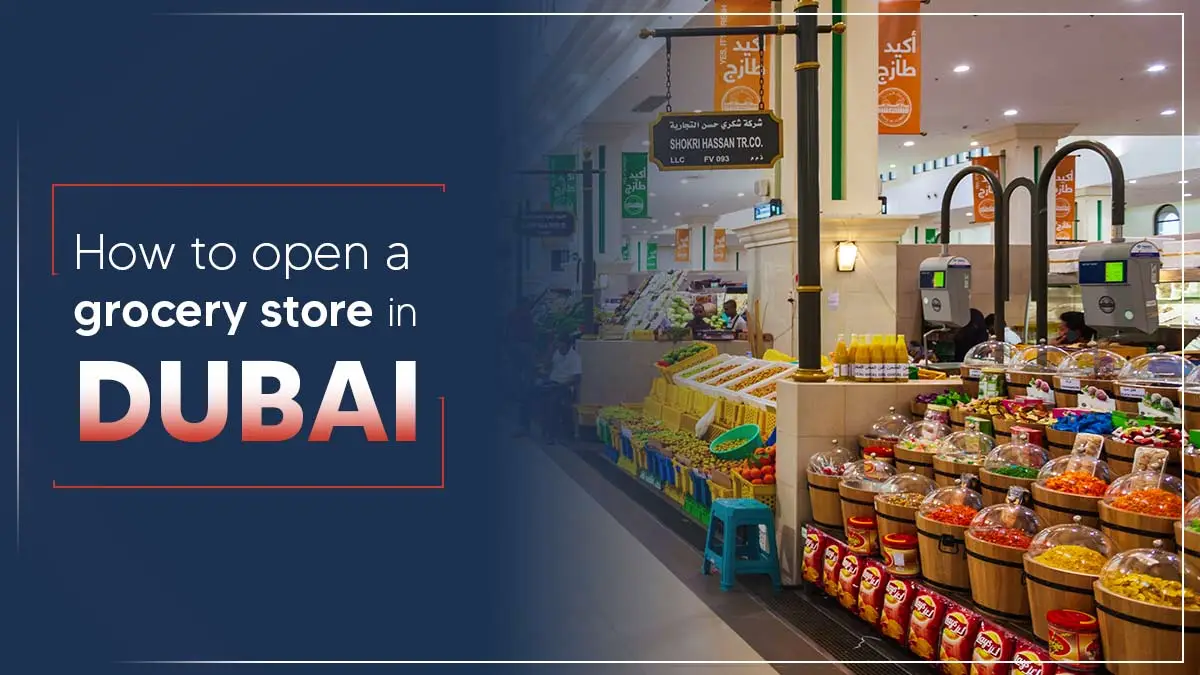
    Opening a grocery store in Dubai offers several opportunities and multiple trading avenues. These little stores sell a range of general food products and small items can be found all over Dubai and the UAE. The lucrative UAE market and large foreign investments have always made business setup in Dubai appealing and profitable. This in turn attracts small entrepreneurs to open a grocery store in Dubai.

    However, every business setup is different and must follow different sets of procedures. The Dubai Government has laid out an easy process for individuals wanting to start a grocery store in Dubai.

    Nevertheless, as a foreign entity entering the international market, opening a grocery store business in the UAE can require guidance and assistance. Therefore, you should get in touch with the business experts at Shuraa and we’ll help you obtain the grocery store license in Dubai.

    Here are some factors that need to be taken into consideration when starting a grocery store business in Dubai.

    Benefits of Opening a Grocery Store in Dubai

    Dubai’s booming economy and diverse population make it a very attractive location to open a grocery store. Here are some of the key benefits:

    • High Demand: Dubai’s population is constantly growing, and a large portion of it consists of expatriates from all over the world. This creates a high demand for a wide variety of groceries.
    • Ease of Business Setup: The government of Dubai has made it relatively easy to set up a business, with streamlined procedures and free zones offering additional incentives.
    • Lucrative Market: The grocery sector in Dubai is a multi-billion-dollar industry and is projected for further growth. This translates to potentially high profits for business owners.
    • Free Zone Opportunities: Setting up your grocery store in a Free Zone can offer additional benefits like 100% foreign ownership, simplified regulations, and exemptions on import and export duties.
    • Events and Expo Opportunities: Dubai frequently hosts major international events and expos. This presents a chance to showcase your grocery store’s offerings to a wider audience.
    • E-commerce Integration: Dubai has a thriving e-commerce sector. Integrating online grocery delivery or pickup options into your business can expand your reach and cater to the growing tech-savvy population.

    How To Start a Grocery Store in Dubai?

    To Open a grocery business in Dubai, involve several steps:

    Step 1: Do Business Planning & Company Structure

    Before you start a grocery store in Dubai, you need to decide your initial investments, reserve funds, business location, company structure, the type of license for your business, and study market trends.

    Furthermore, you also need to consider the cost of a grocery license in Dubai alongside other approvals that you might need to run a full-fledged grocery store in the UAE.

    Step 2: Choose Your Business Activity

    Decide what kind of grocery store you want to open. Will it be a neighbourhood convenience store, a speciality store with organic or imported goods, or a discount grocer? With over 2,000 options, the specific activities listed will depend on the type of license you choose.

    Be careful though, because operating outside those limits can lead to serious trouble with Dubai’s authorities.

    Step 3: Gather Required Documents

    Documentation is a mandatory requirement. The passport and visa of the owner(s) must be submitted along with the trade license application. It is followed by the tenancy contract, Ejari, approvals from the Municipality, trademark registration from the Ministry of Economy, and other submissions as required.

    It’s imperative to have all these documents handy to ensure hassle-free procurement of a grocery store license in Dubai.

    Step 4: Get Initial Approval From DED

    To start a grocery in Dubai, the documentation must be submitted as per the guidelines laid out by the Dubai government and the Department of Economic Development (DED) in Dubai. After all the documents are thoroughly vetted, the initial approval is granted by the DED.

    Getting initial approval means that the UAE government has allowed your business to be established in the UAE. If you do not receive this approval, you cannot go ahead with the next steps in the application process.

    Step 5: Select A Trading Name

    The trade name must be approved by the DED. It is extremely important that the trade name be the same on the license and on the signboard of the grocery store. The trade name, which is also called the commercial name, must be in accordance with the DED’s guidelines.

    Ensure that you don’t include any derogatory terms or controversial words in your official name as this can land you in legal trouble. Moreover, refrain from using any reference to gods and use a person’s full name if you wish to keep it as your professional business name.

    Step 6: Find a Suitable Location for Your Store

    If you have already submitted the tenancy contract and finalised the location before the initial approval, you may skip this stage. However, if the location of the store is not confirmed or could possibly change, then prior approval must be taken from the DED.

    Once you have the location finalised for your grocery store, draft the tenancy contract and get the Ejari.

    Step 7: Apply Your Business License

    Every business activity is grouped under a certain license type in Dubai. There are four categories of licenses: commercial license, professional license, tourism license, and industrial license. To get your grocery license in Dubai for your grocery business, a commercial license is a must.

    Under a grocery license, only things listed as grocery items can be sold. It does not allow the sale of any products related to medical, herbal, pharmaceutical, or even cosmetics. Don’t forget to pay the grocery license fee in Dubai within the specified time to ensure that the issued license is always valid.

    Step 8: Open a Corporate Bank Account

    Before you may begin sending and receiving money in the United Arab Emirates, you must have a corporate bank account. This will be necessary for managing your business finances.

    Step 9: Apply for Visa

    Visa processing takes place simultaneously along with getting a trade license. At this stage, you will get your investor visa and may also apply for subsequent family and employee visas under the company.

    Cost of Starting a Grocery Store in Dubai

    The cost of starting a grocery store in Dubai starts from AED 12,000 and can go up to AED 50,000. This range includes initial setup costs and varies based on several factors such as location, size, and the types of products you plan to sell.

    Here’s a breakdown of the main factors affecting the total cost:

    • Government and municipal fees
    • Business structure
    • Office rent (Prime locations will naturally cost more)
    • Staffing
    • Visa fees
    • Inventory
    • Utilities (Electricity, water, and waste disposal fees)
    • Equipment (Refrigerators, shelving, cash registers, shopping carts, etc.)
    • Technology (Point-of-sale systems and inventory management software)
    • Marketing and advertising

    Starting a grocery store in Dubai involves various factors that can influence the total cost, making it difficult to provide an exact figure. For a precise estimate tailored to your specific requirements, consider reaching out to Shuraa business setup consultants in Dubai. They can offer a customized quote based on your business needs.

    Factors to Consider Before Starting a Grocery Store Business in Dubai

    • Any amendment or changes in the license needs approval from the authorities involved, the municipality, and the DED.
    • Any advertisements, promotions, banner ads, and wall stickers posted by the grocery store must have pre-approval from the DED.
    • Products with fake trademarks are prohibited by law. Hence, ensure not to sell such products.
    • To open a grocery store in Dubai, you will need a VAT registration number and need to file tax returns as is mandated by the UAE government. Also, all sales must have a proper invoicing system. You don’t need to worry about the cost of a grocery license in Dubai, as you don’t need to pay any corporate taxes or customs duties. Moreover, the VAT rate is also 5%, which ranks among the lowest in the world.

    Your decision to acquire a grocery store license in Dubai is the right one because of the booming economy, and lucrative business opportunities in this sector. Moreover, you also get appropriate support from the UAE’s government as they continue to introduce new reforms aimed at improving the existing business infrastructure and working environment for expats and locals.

    To know more about how to open a grocery store in Dubai in the quickest and most affordable way, contact Shuraa Business Setup. Our expert business setup consultants will help you through the entire process. Get in touch with us today at +971 44081900 or WhatsApp at +971 507775554 or drop an email at info@shuraa.com.

    If you are looking to start your grocery shop or baqala in Abu Dhabi, you can read this post: How do I open a baqala in Abu Dhabi?

    Frequently Asked Questions (FAQs)

    1. Is grocery business profitable in Dubai?

    Grocery stores are community anchors. Stocked with convenience products such as food and drinks, small household necessities and more, a grocery store in Dubai is potentially very profitable.

    2. How much does it cost to open a grocery in Dubai?

    The cost of starting a grocery store in Dubai starts at AED 12,000 to AED 50,000 for the initial setup. The price varies depending on several factors, including rental, license, government and municipal fees, and other expenses.

    3. How Can I open a grocery store in Dubai?

    To start a grocery business in Dubai, involve several steps:

    • Business Planning & Company Structure
    • Choose Your Business Activity
    • Gather Required Documents
    • Get Initial Approval from DED
    • Trade Name Reservation
    • Choose Your Business Location
    • Obtain Your Business License
    • Open a Corporate Bank Account
    • Visa Processing

    Disclaimer: The information in this post is for general guidance only and may change due to updates in government policies or regulations.

  • How to Get a Media License in Dubai, UAE

    How to Get a Media License in Dubai, UAE

    Dubai has become a major hotspot for media and business, drawing in creative minds and professionals from all over the globe. However, to run a media business legally in Dubai, you need to get a media license. A media license in Dubai, UAE, not only ensures you follow UAE laws but also opens doors to benefits like full foreign ownership, tax perks, and easy visa processes.

    The UAE’s media sector has witnessed significant growth in recent years. In the first half of 2024, the UAE Media Council saw a surge in licensing, issuing 230 permits for social media advertising and granting a total of 670 media licenses for broadcasting, publishing, and print media. In December 2024, Dubai reinforced its commitment to the media industry by enacting Law No. (29) of 2024, which expanded the powers and responsibilities of the Dubai Media Council.

    If you too want to obtain a media license, we’ll walk you through important steps to obtain a media license in Dubai, documentation, license costs, and requirements.

    What is a Media License in Dubai, UAE?

    A media license in Dubai is an official permit that allows individuals and businesses to engage in media-related activities within the UAE. Whether you’re planning to launch a digital marketing agency, advertising firm, film production company, publishing house, or social media influencing business, obtaining a media license is mandatory.

    Activities Allowed Under Dubai Media License

    A media license in UAE covers a wide range of activities, including:

    • Advertising & PR: Digital/traditional ads, PR, branding.
    • Publishing: Print/digital news, books, blogs.
    • Broadcasting & Production: TV/radio, film, podcasts.
    • Digital Media: Social media, influencing, web dev.
    • Entertainment: Music, animation, gaming.

    Key Authorities Regulating Media Businesses in Dubai

    Media businesses in Dubai are regulated by various government bodies and Free Zone authorities to ensure compliance with UAE laws. Some of the key regulators include:

    • National Media Council (NMC): The National Media Council (NMC) in Dubai regulates and approves media content, ensuring it aligns with UAE laws and cultural values. They also issue license, press credentials and oversees publishing, broadcasting, and social media activities.
    • Department of Economic Development (DED): DED issues media licenses for businesses operating in Dubai Mainland. The authority regulates media agencies, advertising firms, and PR consultancies operating outside Free Zones.
    • Tecom Group: It oversees Free Zones like Dubai Media City, Dubai Production City, and Dubai Studio City. They also support media startups and international media companies in setting up their businesses in Dubai.

    Types of Media Licenses in Dubai

    The appropriate license is determined by your business activity, such as advertising, publishing, broadcasting, or digital media. The main types available in Dubai are:

    1. Advertising & Marketing License

    This license is designed for businesses operating in the spheres of advertising, branding, and marketing. It covers a range of activities, including digital and traditional advertising, public relations (PR), corporate communications, market research, and media buying services. The primary authorities for issuance are Dubai Media City (DMC), the Department of Economy and Tourism (DET), and various other Free Zones.

    2. Publishing & Printing License

    This license caters to enterprises engaged in publishing and printing. It authorizes the publication of newspapers, magazines, and books in both print and digital formats, the operation of news agencies, press release distribution, and related printing services. Issuing authorities include the Department of Economic Development (DED), the National Media Council (NMC), and relevant Free Zones.

    3. Broadcasting & Production License

    Businesses involved in television and radio broadcasting or film production require this license. It encompasses operating TV and radio channels, film and video production companies, and post-production and editing services. This license is typically issued by Dubai Studio City, Dubai Media City, and the National Media Council.

    4. Digital & Social Media License

    Tailored for the modern digital landscape, this license is for businesses focused on online content and social media. It covers social media marketing, content creation, influencer marketing, digital consultancy, and website development. You can obtain it from authorities such as Dubai Internet City, Dubai Media City, or the DED for mainland businesses.

    5. Events Management License

    This license is essential for companies that plan and manage events. It covers organizing conferences, exhibitions, and corporate events, providing media coverage and live broadcasting for events, as well as handling sponsorship and promotion. Issuing authorities include Dubai Media City, the DED, and various Free Zones.

    6. Music & Entertainment License

    Aimed at the entertainment industry, this license is for activities such as music production and distribution, talent management, artist booking, and the development of animation, multimedia, and gaming content. It is issued by the DED, Dubai Studio City, and Dubai Media City.

    Note: If you plan to operate across multiple media fields, combining different licenses may be required.

    Documents Required for Media License Application

    The required documents may vary depending on the type of media activity and jurisdiction (Mainland or Free Zone), but the general requirements include:

    • Copy of passport and visa
    • Trade name reservation certificate
    • Business activity approval from the relevant authority
    • Office lease agreement (if applicable)
    • No Objection Certificate (NOC) from sponsor (if required)
    • Business plan (for certain activities)

    Some activities, like news agencies or social media influencing, may require additional permits from the NMC.

    How to Get Media License in Dubai

    Here is a step-by-step process to acquiring a media license in Dubai:

    1. Determine Your Business Activity: As a first step in the application process, you must decide on the specific media activity you wish to pursue. Please select from among the following areas: advertising and marketing, publishing and printing, broadcasting (TV/radio), film production, digital and social media services, and photography and videography.
    2. Choose a Business Jurisdiction: As a next step, you must select your preferred business jurisdiction. You will need to choose between establishing your company on the Dubai Mainland, which is regulated by the Department of Economic Development (DED), or within a Dubai Free Zone such as the International Free Zone Authority (IFZA), Dubai Media City (DMC), Dubai Studio City (DSC), or Dubai Production City (DPC).
    3. Select a Business Structure: The next step requires you to select an appropriate business structure that aligns with your operational needs. Your primary options include a Sole Establishment, a Limited Liability Company (LLC), or a Free Zone Company (FZC).
    4. Reserve a Trade Name: Register a unique trade name for your company through the DED for Mainland or through the respective Free Zone authority. Ensure that the name complies with UAE naming regulations.
    5. Apply for Initial Approval: Submit the license application along with your passport copies, visa copies, and Emirates ID (if applicable). Free Zone applicants must get approval from the respective Free Zone authority. Mainland businesses need approval from the National Media Council (NMC) for content-related activities.
    6. Secure an Office Space: You must rent or lease an office space depending on the jurisdiction. Dubai Mainland requires a physical office or shared workspace. Dubai Free Zones offer flexi-desk, shared, or private office options.
    7. Obtain the Media License: Once your application is reviewed and approved, you will receive the media license from DED (for Mainland) or the respective Free Zone Authority.
    8. Apply for Visas & Additional Approvals: Apply for a residence visa (if required) for yourself and employees. Get additional permits from the National Media Council (NMC) or Telecommunications and Digital Government Regulatory Authority (TDRA) (for online and broadcasting businesses).

    What is the Cost of Media License in Dubai?

    The cost of obtaining a media license in UAE depends on the jurisdiction you choose whether it’s Dubai Mainland or a Free Zone. A media license in Dubai Mainland, issued by the DED and regulated by the National Media Council (NMC), typically costs between AED 15,000 to AED 25,000, depending on the type of media activities and additional approvals required. For freelancers, some Free Zones offer a freelance media permit starting from AED 7,500 to AED 10,000.

    If you require a flexi-desk and visa eligibility, the cost ranges between AED 15,000 to AED 20,000, while a dedicated office setup with multiple visa quotas can cost AED 25,000 or more.

    What are the Benefits of Obtaining Media License in Dubai?

    A media license Dubai provides opportunities for growth, innovation, and global reach. Here are the key benefits:

    • 100% Foreign Ownership: You can enjoy 100% ownership without needing a local sponsor. This allows international entrepreneurs and investors to operate independently.
    • No Corporate or Personal Income Tax: Dubai offers a 0% corporate (upto annual turnover of AED 375,000) and personal income tax environment, making it highly profitable for businesses. This enables companies to maximize their earnings and reinvest in business growth.
    • Quick and Easy Business Setup: Dubai media license registration process is fast and straightforward, with approvals typically granted within a few days. With Shuraa Business Setup, you can streamline the process and get your license hassle-free.
    • Residency Visa for Business Owners & Employees: Business owners, employees, and their families can apply for UAE residence visas, allowing them to live and work in Dubai. Free Zone companies are also eligible for investor and employee visas.
    • Home to Leading Global & Regional Media Companies: Dubai is home to top media corporations like CNN, BBC, MBC, and global advertising agencies. Being in this media ecosystem allows collaborations, networking, and access to high-profile clients.
    • Media-Friendly Policies & Protection of Intellectual Property (IP): Dubai has strong Intellectual Property Rights (IPR) laws, ensuring protection of creative content such as films, advertisements, and digital media. The UAE government also regulates cybersecurity and digital media laws.

    Media License Renewal in Dubai

    Media license renewal in Dubai is essential to ensure your business remains legally operational. The renewal process is straightforward and must be completed annually before the license expires. Failure to renew on time may result in penalties or business suspension. The cost of renewing a media license varies based on the jurisdiction and license type but typically range from AED 8,000 to AED 25,000.

    To renew your media license, you need to submit the renewal application, trade license copy, tenancy contract (Ejari for Mainland), passport copies of shareholders, and payment receipt for renewal fees.

    Get your Media License with Shuraa

    Dubai’s media industry is booming, offering endless opportunities for businesses in advertising, publishing, broadcasting, and digital media. Therefore, now is the perfect time to establish your presence in this thriving market.

    To get started, choosing the right media license in Dubai is crucial. Whether you opt for a Free Zone or Mainland, having the correct setup will determine your business’s ownership and operational flexibility. To ensure a smooth application process, it’s essential to have all necessary documents ready, including business plans, shareholder details, and office lease agreements, while also complying with regulatory authorities like the National Media Council (NMC).

    The process may seem complex, but with the right guidance, it becomes much easier. Shuraa Business Setup simplifies the entire journey by helping with license selection, approvals, business registration, visa processing, office space, and PRO services.

    Frequently Asked Questions (FAQs)

    1. What is a National Media Council license in the UAE?

    The National Media Council license is required for businesses involved in publishing, broadcasting, and media activities in the UAE. It ensures compliance with UAE media laws.

    2. How can I get a media license in Dubai, UAE?

    To get a media license, choose a jurisdiction (Mainland or Free Zone), submit the required documents, pay the fees, and get approval from the relevant authority like Dubai Media City or DED.

    3. Can freelancers apply for a media license in Dubai?

    Yes, freelancers can apply for a freelance media license in Free Zones like IFZA, Dubai Media City, and Fujairah Creative City to legally operate as independent media professionals.

    4. What types of activities are covered under a media license?

    A media license covers various activities such as advertising, publishing, broadcasting, film production, content creation, PR, and digital marketing.

    5. How long does it take to get a media license in Dubai?

    A media license Dubai can be issued within 7 to 15 days, provided all documents are in order and approvals are granted without delays.

    Disclaimer: The information in this post is for general guidance only and may change due to updates in government policies or regulations.

  • How to Register a Company in Dubai South Free Zone

    How to Register a Company in Dubai South Free Zone

    Company registration at Dubai South Free zone is currently the top preferred destination among the businessmen in the UAE. In recent times, free zone company registration in Dubai South has gained an immense demand.

    The Dubai South Free zone is an integrated city with eight districts. Those are – Al Maktoum International Airport, Residential District and Commercial District. Along with the Exhibition District, Logistics District, Humanitarian District, Aviation District and Golf District. The Dubai South Free zone is constructed on a master plan that emphasises on the happiness index and a ‘purpose-built-city’. Registering a company in Dubai South could lead to several perks considering the wellbeing of commercial activities.

    These are not the only features that has increased the demand in company registration at Dubai South Free zone.

    Why free zone company registration in Dubai South is in demand:

    Year 2022

    Dubai South Free zone has become a key landmark for business enterprises. The region has scheduled ambitious project and events in the year 2020. Dubai South will be hosting global level exhibitions. Commercial support for such events can be catered by businesses in Dubai South Free zone itself. To take advantage of these opportunities, entrepreneurs have started to register in Dubai South free zone.

    Positioning

    One of the benefit of Dubai South free zone is that it enables you to position your company tactically. Dubai South Free zone is near the Al Maktoum International Airport which the world’s largest airport. The area links the Jebel Ali port through the logistics corridor. The Dubai government has planned major commercial projects in the location. This is to allow prospective collaborations and visibility for the businesses in the region.

    Flexible Work Setting

    Registering a company in Dubai South Free zone became opportune! The free zone offers business centres with varying sizes and flexible structures to fit every budget. Dubai company registration costs can be high. understanding the struggle of SME’s, the Dubai South Free zone has encouraged innovative work settings. The free zone initiates ways to accommodate a large scale of SME’s through path breaking projects in support of entrepreneurs willing to establish SME’s.

    Lesser Restrictions

    UAE free zone company formation does have a set of rules and limitations that entities need to abide in terms of nationality or business type. However, Dubai South free zone offers fewer limitations. Be it with regards to the nationality of the business owner, ownership terms of the company, visa sponsorship or sponsorship requirements. In comparison with other free zone companies in UAE, the Dubai South Free zone economic platform supports every conceivable business and has lesser restriction.

    Need more information on free zone company registration in Dubai South? or do you want to register free zone company anywhere else in the UAE? Contact Shuraa Business Setup.

    Shuraa Business Setup is a well-known business setup company offering comprehensive business setup solutions. To get a free consultation on business call us on +97144081900, Whats App +971507775554 or email info@shuraa.com.

    You may also book a free consultation online by clicking here Book free appointment.

  • Business License in Dubai, UAE – A Complete Guide

    Business License in Dubai, UAE – A Complete Guide

    Business licenses in Dubai is compulsory requirement for every type of company formation. Setting up a new business in Dubai can be an exciting prospect and several variables need to be considered. However, the most important of all is business licensing in Dubai.

    This article will provide you a complete guide on the various types, structures and procedures involved in Dubai business licensing.

    Why do you need a business license in Dubai?

    A Dubai based business license validates your company as a legal entity certified to do business. Not just this, the business license also identifies you and your business enterprise. It takes accountability of your commercial proceedings as well as protects the public health and safety.  On the other hand, it also allows to the governmental entities to regulate and survey the commercial proceeding in the city.

    Watch the video for further details

    Who provides business licenses in Dubai?

    The Department of Economic Development (DED) is a government body entrusted to license companies or individuals who desire to carry out businesses in Dubai. The Department of Economic Development provides business licenses in Dubai. Dubai DED is the entity that does not only provide business licenses, but also regulates the procedures related to business licensing.

    A DED licensed business is generally known as a “local company”. You must note that only mainland companies are registered and licensed by the Department of Economic Development, unlike free zone companies – those are licensed by private authorities.

    What are the types of business licenses in Dubai?

    There are mainly four types of business licenses in Dubai as well as around the UAE.

    1. Commercial license for general trading businesses
    2. Professional license for service-related businesses
    3. Industrial license for manufacturing goods
    4. Tourism license for travel and tours industry

    Business licensing is the most initial stage of starting a UAE business, but you also need to know that there are different agencies and jurisdiction that manage the system of business licensing. Watch the video to understand it in detail.

    Which is the best type of business license in Dubai?

    All the business licenses in Dubai are industry specific. While some licenses would be apt for some businesses, other may not be compatible for the related business activities.

    This means that you can apply for a business license depending on the industry, business activity, the structure of the company, etc. However, the suitability of the license is different for each business. Also, the region you decide to set up the business in Dubai also plays an important role to determine the best business license for you. The right way would be to consultant a company formation expert. An expert can analyse and advice as per your commercial needs and future scopes of the company. Click here to consult a company formation expert for FREE Contact us.

    How to Get a Business License in Dubai?

    So, if you have learnt it all about the various business licensing options available, then you would be surely wondering how to get a business license in Dubai? What documents are required to license your business? Or are there any major conditions for getting a Dubai business license?

    Various jurisdictions and business activities have its own licensing requirements. However, if you opt for a mainland license in Dubai then below are the most probable requirements:

    • One of the business partners needs to be present during the process for applying a business license in Dubai.
    • Passport copies of all the business partners as well as mangers depending that are required as per the business activity.
    • A NOC from the sponsor of the company for expat investors or foreign partners.
    • Copies of the residency visa for all the business partners.
    • You need to ascertain your business activity and legal structure for the company along with the reservation for the trade name.
    • Also, an initial approval from the DED and external approvals as required needs to be submitted with the application.
    • The tenancy contract for the office space and the Ejari also is a requirement to get the business license in Dubai.

    All these documents are submitted by a PRO to the Department of Economic Development (DED). And after the fees is paid the license is issued.

    Cost of Business License in Dubai, UAE

    The cost of a business license in Dubai typically ranges between AED 7,000* and AED 30,000*, depending on the location and type of business setup:

    • UAE Mainland: AED 12,000* to AED 30,000*
    • UAE Freezone: AED 7,000* to AED 20,000*

    The exact cost can vary based on factors such as business activities, location, and government fees.

    How to Renew your Business License in Dubai?

    Business license in Dubai needs to be renewed on an annual basis. Companies and commercial entities need to go through the process of documentation for renewal of the business license. Also, the business license must be renewed before the due date as a penalty is charged on late renewals. Getting a business license renewed can be made easier with the help of a business setup service providers in the UAE.

    Speak to Shuraa Business Setup

    Shuraa Business Setup is the only destination to get all the business licensing services under one roof! At Shuraa, our business setup consultants help you choose the right license for your business. We also make you understand the various process of getting a business license.

    Shuraa Business Setup also communicates with the Department of Economic Development (DED) for all your licensing processes and ensure you get every approval that is required for the business. We do not only help you get the business license but also renew it annually so that can save yourself from delays and penalties.

    Would you like to know more on business licensing in Dubai or anywhere across the UAE? Need to know the difference between licenses for mainland as well as free zone regions? or may you need to estimate the cost of business trade license in Dubai?

    Book your FREE consultation with our Shuraa’s Business Setup consultants today!

    Call us on +97144081900 / WhatsApp +971507775554. You can also email us at info@shuraa.com or simply log on to blog.shuraa.com/

  • Professional License in Dubai: Your Complete 2026 Guide

    Professional License in Dubai: Your Complete 2026 Guide

    Dubai’s business licensing is complex, and the wrong choice can cost you time, money, and limit your growth from day one. For entrepreneurs and professionals offering specialised services, securing the correct professional license in Dubai is the critical first step to a compliant and successful venture.

    This guide simplifies the process, offering a clear, step-by-step roadmap to obtaining your license, understanding costs, and use the benefit of 100% foreign ownership—backed by 26 years of expertise from Shuraa, a leader in forming over 100,000 companies in the UAE.

    What is a DET Professional License in Dubai?

    A DET professional license in Dubai (formerly DED) is a mandatory permit for individuals and companies providing professional, service-based, or artisanal activities. It is issued by the Department of Economy and Tourism (DET) in Dubai. This license is distinct from commercial or industrial licenses and is specifically designed for experts—such as consultants, engineers, doctors, or artists—who offer services based on their specialised knowledge, qualifications, and skills.

    The best part? You get 100% foreign ownership. Unlike previous mandates, UAE law now allows full foreign ownership for most mainland activities, including professional services. However, for certain professional license categories, appointing a Local Service Agent (LSA)—who has no ownership stake but assists with government procedures—may still be required. This means you keep complete control and profit from your business.

    Who Needs a Professional License? Key Activities List

    Your business activity determines your license type. A professional trade license in Dubai covers a wide spectrum of services. Common activities requiring this license include:

    • Management & Business Consultancies
    • Information Technology & Web Design Services
    • Architectural & Engineering Consultancies
    • Healthcare & Medical Services (Clinics, Therapists)
    • Legal & Accounting Advisory Firms
    • Marketing & Advertising Agencies
    • Educational Training & Tutoring Services
    • Creative Arts, Publishing & Media
    • Beauty Salons & Personal Care Services
    • Technical Maintenance & Carpentry Services

    This list is not exhaustive. The official professional license activities in Dubai list is extensive, and selecting the precise activity code is crucial. Consulting with experts like Shuraa ensures accurate classification, preventing future compliance issues.

    Required Documents for a Dubai Professional License

    Having your documents prepared correctly from the start is crucial to avoid delays. The exact checklist can vary slightly based on your activity and legal structure, but the core requirements are as follows:

    For All Applicants:

    • Passport Copies: Clear copies of passports for all shareholders/partners and the proposed manager.
    • Visa Copies: If residing in the UAE, copies of valid residence visas.
    • Passport-Sized Photographs: Recent photographs with a white background.
    • Educational & Professional Certificates: Attested copies of degrees, diplomas, or professional qualifications relevant to the licensed activity. This is a key requirement for a professional license.
    • Approved Trade Name Certificate: Issued by the DET after name reservation.
    • Tenancy Contract & Ejari Registration: Proof of your physical office address registered via the Ejari system.
    • No Objection Certificate (NOC): Required if a shareholder or manager is sponsored by another entity in the UAE (e.g., a current employer).
    • Initial Approval Document: Issued by the DET after the initial application review.

    Additional Documents Based on Business Structure:

    • For a Sole Establishment:
    • Local Service Agent (LSA) Agreement: A notarized contract with a UAE national or a local company acting as your agent (where required). This agent has no ownership or profit-sharing rights.
    • For a Civil Company/Professional Partnership:
      • Memorandum of Association (MoA): A legally drafted agreement outlining the partnership terms, profit-sharing, and roles of each professional partner.
      • Partners’ CVs & Experience Certificates: Demonstrating collective professional expertise.

    Important Note: For specific activities (e.g., healthcare, legal, engineering), you will need additional External Approvals from the relevant government authority (like DHA, DIFC Courts, etc.) before the final license submission. These entities may have their own document requirements.

    Our Recommendation: Document attestation and specific formatting requirements can be intricate. With Shuraa, our experts provide you with a personalized document checklist and manage the entire attestation and submission process, ensuring your application is complete and compliant.

    How to Get Your Professional License in Dubai: Step-by-Step Process

    Follow 8 main steps to obtain a professional license. Following these steps in order will ensure a smooth application:

    1. Define Your Activity & Legal Structure: Precisely determine your professional service (e.g., Management Consulting, IT Services) and choose your legal form. For mainland professional licenses, common structures include Sole Establishment (for an individual) or a Civil Company/Professional Company (for a partnership of professionals).
    2. Reserve Your Trade Name: Choose and register a unique business name with the Department of Economy and Tourism (DET) that complies with UAE naming conventions. Name reservation is mandatory before proceeding.
    3. Obtain Initial Approval: Submit your initial application to the DET. This step secures preliminary governmental approval for your business activity, location, and proposed partners/shareholders.
    4. Secure Legal Address & Ejari: Obtain a physical office space or an approved flexi-desk. You must register your tenancy contract via the Ejari system, which is a mandatory requirement for mainland licensing.
    5. Prepare Required Documents: Gather all necessary paperwork. This typically includes:
      • Passport & visa copies of shareholders/partners.
      • Attested educational degrees and professional certificates.
      • Completed application forms.
      • A detailed business plan.
      • Local Service Agent (LSA) Agreement (if required for your activity) or a Memorandum of Association (MoA) for a company structure.
      • No Objection Certificate (NOC) from any current sponsor (if applicable).
    6. Acquire External Approvals (If Applicable): Depending on your professional activity, you may need additional clearance from specialized government authorities (e.g., Dubai Health Authority for medical services, Dubai Legal Affairs Department for legal consultancies).
    7. Final Submission & Payment: Submit the complete dossier along with all approvals to the DET. Pay all associated government fees, including the license fee, knowledge fees, and innovation fees.
    8. Receive Your License: Upon final review and approval, the DET will issue your professional license. The license is valid for one year and must be renewed annually.

    Pro-Tip: Steps 3, 6, and 7 involve detailed regulatory navigation. This is where Shuraa’s 26 years of expertise becomes invaluable, as we manage the entire process end-to-end, preventing costly delays and ensuring full compliance from day one.

    Cost of a Professional License in UAE

    The cost of obtaining a professional license in Dubai ranges from AED 15,000* to AED 30,000*, This estimate often includes:

    • DET License Fee
    • Trade Name Reservation
    • Local Service Agent Fee (if required)
    • Ejari Registration
    • Government Charges & Knowledge Fees

    The cost is not fixed. It varies based on the activity, office location, and specific government fees. For a precise, transparent quote tailored to your business, speak with a Shuraa consultant.

    Why Partner with Shuraa for Your License?

    With over 26 years of market leadership and a portfolio of 100,000+ successfully formed companies, Shuraa Business Setup provides more than just paperwork processing. We offer strategic partnership. Our experts navigate the updated regulatory landscape—including the DED to DET rebranding, 100% ownership rules, and Local Service Agent requirements—with precision. We act as your trusted LSA, safeguarding your ownership while handling all government liaison, ensuring a faster, more cost-effective setup so you can focus on your core business.

    Frequently Asked Questions (FAQs)

    To help you navigate the process with clarity, we’ve answered the most common questions below.

    1. How to get a professional license in Dubai?

    To get a professional license in Dubai, you’ll apply through the Department of Economy and Tourism (DET) or a free zone, following steps like defining your activity (consultancy, legal, IT), choosing a structure (sole proprietorship, civil company), reserving a trade name, getting initial approval, securing an office (Ejari), submitting documents (passport, attested qualifications), getting industry-specific approvals, and paying fees to receive your license, a process often taking 1-2 weeks.

    2. What is the difference between commercial and professional license in Dubai?

    commercial license is for trading goods (import/export, retail), while a professional license is for providing specialized services based on skills, qualifications, or artistry. The ownership structure and permitted activities differ fundamentally.

    3. What are the requirements for a professional license?

    Key requirements include: a qualified professional partner/shareholder (with relevant degrees/experience), a DET-approved trade name, a registered local office address (Ejari), and relevant educational/professional certificates. Specific activities may require additional government approvals.

    4. Are a professional license and a trade license the same?

    “Trade license” is an umbrella term for all business licenses in Dubai (commercial, industrial, professional). A professional trade license is a specific type of trade license for service activities. It’s critical to specify “professional license” when setting up a service-based business.

    5. Can I operate on the mainland with a Free Zone professional license?

    Traditionally, no. However, under new regulations, Free Zone companies can apply for a DET permit to undertake specific mainland projects or establish a mainland branch. Some free zones also offer a Dual License option for greater market flexibility. Our experts can guide you on the optimal structure.

    Ready to launch your professional venture in Dubai with confidence? Benefit from Shuraa’s unparalleled 26-year expertise. Book your free consultation today to secure your license accurately and efficiently.

    Contact Shuraa Business Setup: Call: +971 44081900 | WhatsApp: +971 507775554 | Email: info@shuraa.com

    Disclaimer: This guide is for informational purposes. Regulations and fees are subject to change. Always consult with official authorities or professional business setup consultants like Shuraa for the latest, tailored advice.

  • Free Zone vs. Mainland: Detailed Explanation

    Free Zone vs. Mainland: Detailed Explanation

    Dubai is one of the most popular places in the world to start a business. Entrepreneurs from all over choose Dubai because of its great location, business-friendly rules, modern infrastructure, and tax benefits. If you’re planning to start a business in Dubai, one of the first things you’ll need to decide is whether to open your company in the Mainland or in a Free Zone.

    And this isn’t just a paperwork thing. The difference between mainland and freezone in Dubai affects everything from how much control you have over your company, to where you can do business, and how much it’ll cost to run. Pick the right one, and you’re set up for growth. Pick the wrong one, and you might hit a few walls.

    In the UAE, businesses can be established in either a mainland or a free zone. Mainland companies operate under the regulation of the Department of Economic Development (DED) and can conduct business throughout the UAE and internationally. Free zones are designated areas with their own independent regulatory bodies, offering benefits like 100% foreign ownership and tax exemptions, but often with restrictions on operating within the mainland.

    Not sure which one suits your business? Don’t worry, we’ll break it down in a simple, clear way so you can make the best choice for your goals.

    What is a Mainland Company in Dubai?

    A Mainland company in Dubai refers to a business that is registered and licensed by the Department of Economic Development (DED). This type of company is allowed to operate anywhere in the UAE, including on the mainland, in Free Zones, and even internationally, without restrictions.

    Mainland businesses have the freedom to trade directly with the local market and take on government projects. This makes it an ideal choice for those who want full access to all business opportunities across the UAE.

    Today, even 100% foreign ownership is allowed for most business activities under Mainland licenses (subject to the activity and DED approval), making it even more attractive to international investors.

    Key Features of a Mainland Company:

    • Can do business across the UAE and globally
    • Licensed by the Department of Economic Development (DED)
    • Eligible for unlimited visa quotas (based on office size)
    • Can bid for UAE government projects and contracts
    • Full foreign ownership is allowed for most activities
    • Physical office space is mandatory
    • Subject to UAE corporate tax laws and compliance requirements

    What is a Free Zone Company in Dubai?

    A Free Zone company in Dubai is a business entity registered under one of the many Free Zone Authorities (FZAs) in the UAE. These zones are special economic areas designed to attract foreign investment by offering 100% foreign ownership, tax benefits, and simplified company setup processes.

    Free Zone companies are primarily set up to conduct business within the Free Zone itself or internationally. If they wish to operate in the UAE mainland (outside the zone), they must work through a local distributor or service agent. This makes Free Zones a popular choice for companies focused on import/export, e-commerce, consulting, media, and tech services.

    There are over 40 Free Zones in the UAE, with some of the most well-known being:

    Key Features of a Free Zone Company:

    • 100% foreign ownership, no local partner required
    • No customs duties on imports and re-exports within the zone
    • Fast and cost-effective company setup
    • Office space is optional in some zones (e.g., flexi-desks, virtual offices)
    • Limited to doing business inside the Free Zone or internationally
    • Must use a UAE distributor to trade in the mainland
    • Access to world-class infrastructure and sector-specific zones
    • Tax exemptions (e.g., import/export duties, corporate tax for qualifying zones)

    What are the Key Differences Between Mainland and Free Zone in UAE?

    Choosing between a Mainland and Free Zone company is a major step in setting up your business in Dubai. Here’s a side-by-side comparison to help you understand the difference between mainland and freezone companies and decide which one suits your goals best:

    AspectMainland CompanyFree Zone Company
    Governing AuthorityLicensed and regulated by the Department of Economic Development (DED) of the respective emirate.Regulated by the Free Zone Authority (FZA) specific to that zone (e.g., DMCC, IFZA, JAFZA).
    Business ScopeCan do business anywhere in the UAE, including directly with the local market and government.Can do business within the Free Zone and internationally. Needs a UAE agent or distributor for mainland operations.
    Ownership100% foreign ownership allowed for most business activities (as per latest UAE reforms).100% foreign ownership always permitted—one of the key benefits of Free Zones.
    Office Space RequirementMust lease a physical office space in the UAE; office size can affect visa quota.Office space is often flexible, with options like flexi-desk, virtual office, or shared workspaces.
    Visa EligibilityNo cap on visas; depends on office size and nature of the business.Limited number of visas depending on the package or facility leased in the Free Zone.
    Setup CostGenerally higher, due to DED licensing fees, office rent, and broader compliance.Usually more affordable, especially with packages offering shared spaces and bundled services.
    Company Setup TimeCan take 7–14 business days depending on approvals and documentation.Usually faster, setup can be completed in 2–7 days in some Free Zones.
    Access to Local MarketDirect access to UAE market and can deal with clients across the country.No direct access to local UAE market unless working with a licensed distributor or agent.
    Corporate TaxSubject to 9% UAE Corporate Tax (if revenue exceeds the threshold).May qualify for 0% tax under Free Zone tax benefits if they meet specific criteria (Qualifying Free Zone Person).
    Customs DutyCustoms duties apply when importing goods into UAE mainland.Customs-exempt for trading within the Free Zone or for re-exporting.
    Audit RequirementAnnual financial audit is mandatory for many license types.Varies by Free Zone, some require audits, others don’t.
    Regulatory ComplianceRequires DED approvals, renewals, and compliance with UAE labour laws.Easier compliance due to streamlined processes within Free Zones.
    Bank Account OpeningEasier to open a corporate bank account due to higher credibility in local trade.Some banks may be more cautious; approval may take longer in certain zones.
    Range of ActivitiesWide range of activities including retail, manufacturing, construction, consultancy, and more.Limited to activities approved by the specific Free Zone. Often focused on trade, services, tech, or media.
    Government ContractsEligible to apply for government and semi-government tenders.Not eligible to apply for tenders directly.
    Reputation and CredibilityOften seen as more established and flexible for local partnerships.May be seen as niche or limited for certain business activities.
    Expansion OptionsEasy to expand across UAE with branches, offices, and partnerships.Expansion into mainland requires additional licensing or restructuring.

    Note: To know more about the difference between mainland and freezone, talk to our business setup experts at Shuraa.

    Cost Comparison: Free Zone vs. Mainland

    Cost is a key factor when choosing between a Free Zone and a Mainland business setup in Dubai. Free Zone setups are generally more affordable, especially for startups and small businesses. Many Free Zones offer bundled packages that include license fees, visa quotas, and even shared office space. These packages can start from as low as AED 6,000. Visa costs usually range between AED 3,000 and AED 6,000, but are limited by the size of your office or package.

    Mainland setups involve higher upfront and ongoing costs. Business licenses typically range from AED 12,000 to AED 15,000+, and having a physical office is mandatory. Visa costs are similar to Free Zones but come with the advantage of unlimited visa eligibility (based on office size). Additional costs may include approvals, audit fees, and renewals.

    Pros and Cons of Setting Up in the Mainland

    Mainland company formation is ideal for businesses targeting the UAE market directly. However, here’s what you need to consider before setting up.

    Pros:

    • Full access to the UAE market: Mainland companies can trade anywhere in the UAE without restrictions, including working directly with customers, suppliers, or partners across all Emirates.
    • Eligible for government projects: Only Mainland companies can bid for and execute UAE government and semi-government contracts.
    • Unlimited visa quota: Unlike Free Zones, which cap visas based on office space or packages, Mainland businesses can apply for as many visas as needed, depending on the size of their physical office.
    • Wide variety of business activities: Mainland licenses cover a broad range of activities, including trading, real estate, manufacturing, logistics, restaurants, and more.
    • Scalability and branch expansion: Mainland companies can easily open branches across the UAE without being restricted by zone boundaries.

    Cons:

    • Higher setup and operational costs: Mainland licenses and office spaces typically come at a premium compared to Free Zone packages. Expect additional fees for registration, approvals, and compliance.
    • Mandatory office requirement: You must lease a physical office in Dubai or another emirate, even if your operations are small or remote.
    • More complex regulatory process: Setting up and renewing a Mainland license may involve more paperwork, inspections, and approvals, depending on your business activity.
    • Annual audit requirements: Many Mainland companies must submit audited financial reports every year, which adds to the cost and administrative burden.

    Pros and Cons of Setting Up in a Free Zone

    Free Zones are perfect for startups and international businesses looking for cost-effective setup and full foreign ownership. But like any setup, they come with a few limitations.

    Pros:

    • 100% foreign ownership guaranteed: You have full control of your business without needing a local sponsor, regardless of your activity or nationality.
    • Affordable setup with flexible packages: Many Free Zones offer startup-friendly packages that include the trade license, shared office space, and visa quota at a low fixed price.
    • Faster and easier company formation: Free Zones have streamlined processes, often allowing you to register a business within a few days with minimal paperwork.
    • Attractive tax benefits: Qualifying Free Zone companies can enjoy 0% corporate tax, no import/export duties within the zone, and 100% repatriation of capital and profits.
    • Optional office space: Many Free Zones allow virtual offices or flexi-desk options, helping reduce rental costs if you don’t need a full-time physical space.

    Cons:

    • No direct access to UAE mainland market: You cannot directly sell or provide services to clients in the mainland unless you appoint a licensed local distributor or service agent.
    • Visa limitations: The number of employee visas you can apply for is often limited by the office space or the package you select.
    • Restricted business activities: Each Free Zone focuses on specific sectors (e.g., tech, media, logistics), so your business activity must match the zone’s allowed categories.
    • Cannot work with the UAE government: Free Zone companies are not eligible to apply for public sector or government tenders unless they open a mainland branch.

    How Shuraa Can Help You Decide

    Both Mainland and Free Zone setups are great options for starting a business in Dubai. Free Zones are ideal if you want full ownership, lower setup costs, and plan to deal with international clients. Mainland companies are better if you want to do business across the UAE, work with local clients, or grow a large team. The right choice really depends on what your business needs.

    At Shuraa Business Setup, we’ve been helping entrepreneurs for over 26 years and know both Mainland and Free Zone setups inside out. Our team will listen to your goals and suggest the best option for your business, plus handle all the paperwork and approvals for you.

    Need help deciding? Just get in touch with us, and we’ll guide you every step of the way to set up your business smoothly and confidently in Dubai.

    Frequently Asked Questions (FAQs)

    1. What is the difference between Free Zone and Mainland companies in Dubai?

    Free Zone companies are limited to operating within their zone or internationally, while Mainland companies can trade across the UAE without restrictions. The Mainland also allows access to government contracts and a wider range of activities.

    2. What is the process of business setup in the Dubai Mainland?

    To set up business in Dubai mainland, follow these steps:

    • Choose your business activity
    • Reserve a trade name through DED 
    • Get initial approval from DED 
    • Lease a physical office space 
    • Submit required documents (passport copy, application form, tenancy contract, etc.) 
    • Pay fees and receive your mainland license

    3. How to set up a business in a Dubai Free Zone?

    To establish a business in Dubai Free Zone, follow these steps:

    • Select a Free Zone that suits your business activity
    • Choose the type of license (commercial, professional, industrial, etc.)
    • Submit application and documents (passport copy, business plan, etc.)
    • Choose workspace (flexi-desk, shared office, or full office)
    • Pay fees and receive your Free Zone license

    4. Can a Free Zone company do business in the UAE mainland?

    Not directly. Free Zone companies must appoint a local distributor or agent to sell products or services in the mainland.

    5. Can I get UAE residence visas with both options?

    Yes. Both Mainland and Free Zone companies allow you to apply for investor and employee visas. However, visa limits in Free Zones depend on office size or package.

    6. Which is cheaper to set up – Mainland or Free Zone? 

    Free Zone setups are generally more cost-effective, with flexible packages and lower startup costs. Mainland setups may be more expensive due to office requirements and broader licensing.

    7. How can I decide which setup is right for my business?

    It depends on your goals, budget, and target market. You can speak to experts at Shuraa Business Setup for free guidance tailored to your business activity.

    Disclaimer: The information in this post is for general guidance only and may change due to updates in government policies or regulations.
  • Can a Free Zone Company Do Business in the Mainland?

    Can a Free Zone Company Do Business in the Mainland?

    Dubai has always been a popular place to start a business, with two main areas to choose from. Free Zones and the Mainland. The UAE’s free zones offer numerous benefits, including 100% foreign ownership, tax exemptions, and streamlined business setup processes.

    However, one common question among entrepreneurs is: Can a free zone company do business in mainland UAE?

    The answer is yes, but with certain conditions and requirements. In 2025, Dubai introduced a new rule that allows Free Zone companies to operate in the mainland more easily. This means businesses can now reach more customers, grow faster, and save costs, all while following clear legal steps.

    Let’s explore how this works, what the recent legal changes in Dubai mean, and how a free zone business can expand to the mainland.

    Understanding Free Zone vs. Mainland in the UAE

    To understand why this new change matters, let’s first look at how Free Zone and Mainland businesses in Dubai work differently.

    Free Zone: Companies are set up to operate within a specific economic zone such as International Freezone Authority (IFZA), Ajman Free Zone, Dubai Multi Commodities Centre (DMCC), and Dubai World Trade Centre (DWTC). They benefit from full foreign ownership, tax exemptions, and customs privileges but are restricted from directly doing business in the mainland.

    Mainland: Companies can operate anywhere in the UAE, including doing business directly with government entities and mainland-based customers. These entities are licensed by the Department of Economic Development (DED) or the equivalent authority in each emirate.

    Can a Freezone Company Do Business in the Mainland?

    Generally, a free zone company in the UAE cannot conduct business directly in the mainland unless it obtains a specific mainland license.

    However, in March 2025, Crown Prince Sheikh Hamdan bin Mohammed bin Rashid Al Maktoum, Chairman of Dubai’s Executive Council, issued Executive Council Resolution No. 11 of 2025. This important resolution allows companies licensed in Dubai’s Free Zones to legally operate on the mainland, so long as they obtain the right licenses or permits from the Dubai Department of Economic Development (DED).

    This means companies set up in over 40 Free Zones across Dubai can sell their products and services directly in the mainland. This also means they no longer need third-party distributors or local service agents to reach customers in the mainland.

    Under the new rules, Free Zone companies (excluding those licensed in the DIFC) can apply for:

    • A branch license in Dubai’s mainland.
    • A mainland branch license, while keeping their headquarters in the Free Zone.
    • A temporary activity permit to carry out specific operations onshore.

    This policy also supports a broader economic goal known as Dubai’s Economic Agenda D33. The D33 plan aims to double the size of Dubai’s economy by 2033 and ensure the emirate ranks among the world’s top three economic cities. By allowing mainland access for Free Zone businesses, Resolution 11 strengthens the city’s integrated and growth-focused business ecosystem.

    It is important to note a key exception: the resolution does not apply to financial institutions licensed under the Dubai International Financial Centre (DIFC), which operates under its own distinct legal framework.

    How Can a Free Zone Company Trade in the Mainland?

    Under the new 2025 resolution, Free Zone companies in Dubai can now legally operate in the mainland, but it must be done through the right channels. Here’s how:

    1. Establish a Mainland Branch License

    Free Zone companies can set up a branch office in Dubai Mainland. This branch is not a separate legal entity, it operates under the parent Free Zone company’s name and license.

    Key Points:

    • The branch must obtain a Mainland trade license from DED.
    • The parent company remains legally responsible for the branch’s activities.
    • This option allows companies to carry out their full range of business activities in the mainland (depending on the approved license).
    • Physical office space in the mainland may be required, depending on the activity.

     2.  Apply for a Special Activity Permit

    For companies not ready to set up a full branch, DED also offers a special activity permit, allowing Free Zone businesses to conduct limited or temporary operations in the mainland.

    Ideal for:

    • Short-term projects or contracts.
    • Providing services to mainland clients.
    • Testing the mainland market before full expansion.

    Conditions may include: 

    • Clear description of the activity to be performed.
    • Duration of the work or service.
    • Approval from both DED and the Free Zone authority. 

    Keep in mind, whether you choose a branch license or a special permit, the license/permit is valid for one year. It must be renewed annually to remain valid. Companies must also comply with all local regulations, including maintaining proper accounting records and fulfilling tax obligations.

    Which Industries Set to Gain Most?

    The new policy is a game-changer for several industries, especially those that previously faced roadblocks reaching customers or clients in the mainland. Here are some sectors likely to benefit the most:

    • E-Commerce & Online Retail: Free Zone businesses can now deliver products directly to customers in the mainland, without needing third-party agents.
    • IT & Tech Companies: Software firms, app developers, and IT service providers can offer solutions directly to mainland-based businesses.
    • Consulting & Professional Services: Marketing firms, HR consultancies, design studios, and management advisors can serve a wider market without opening a separate mainland company.
    • Trading & Import-Export Businesses: Companies involved in trading, logistics, or distribution can now operate more freely and cut down on intermediaries.
    • Health, Wellness & Education: Specialised training centres, wellness brands, and health tech startups from Free Zones can now legally serve the growing demand in the mainland.

    What are the Operational & Compliance Requirements?

    Free Zone companies expanding into the mainland must follow some important rules to stay compliant:

    1. Separate Financial Records

    Businesses must maintain separate books of accounts for their Free Zone operations and their Mainland activities. This ensures transparency and helps authorities clearly assess tax, audit, and regulatory compliance for each area.

    2. Follow All Federal & Local Laws

    Mainland operations must fully comply with all UAE federal laws and local Dubai regulations, including:

    • Anti-Money Laundering (AML) policies.
    • Corporate governance standards.
    • Consumer protection and VAT laws, where applicable.

    This means businesses need to ensure proper record-keeping, transparent reporting, and internal controls in place, just like any other onshore company.

    3. DIFC Companies are Exempt

    Companies licensed in the Dubai International Financial Centre (DIFC) are not part of this new resolution, as DIFC operates under its own independent legal framework and financial regulations. So, DIFC-licensed firms will continue under their existing rules for now.

    Ready to Expand into the Mainland? Here’s Your Next Step

    The new resolution is a big step forward for businesses in Dubai. Free Zone companies can now easily offer their products and services in the mainland without needing a local agent or distributor. It’s a great chance to grow, reach more customers, and take your business to the next level.

    If you’re not sure how to begin, Shuraa Business Setup is here to make things easy. We’ll help you apply for the right license or permit, handle the paperwork, and make sure you follow all the rules. With over 26 years of experience, we’ve helped thousands of businesses grow, and we can help you too. Reach out to us today!

    You Might Also Like:

  • How to Start a Foodstuff Trading Business in Dubai

    How to Start a Foodstuff Trading Business in Dubai

    The food industry in Dubai is thriving, with a wide range of restaurants, cafes, and markets offering cuisine from all over the world. One key aspect of Dubai’s food industry is foodstuff trading, which plays a crucial role in ensuring that residents and tourists have access to high-quality products.

    Foodstuff trading is a vital part of Dubai’s economy, as the city relies heavily on imported goods to meet the demands of its diverse population. This creates a wealth of opportunities for entrepreneurs looking to start their own foodstuff trading business in Dubai.

    Starting a foodstuff trading business in Dubai comes with multiple benefits. Additionally, Dubai’s tax-free environment and business-friendly policies make it an attractive destination for foreign investors looking to establish a presence in the food industry. So, let’s understand the steps involved, the cost of Foodstuff Trading license in Dubai, as well as the necessary licenses and permits.

    What is the Foodstuff Trading Business?

    Foodstuff trading involves the buying and selling of food products, including ingredients, processed goods, and beverages. It encompasses activities such as sourcing, importing, exporting, storing, and distributing food items.

    Types of Foodstuffs That Can Be Traded

    Foodstuff trading can involve a wide variety of products, categorized into:

    Perishable Goods: These are products with a limited shelf life, requiring special handling and storage conditions. Examples include:

    • Fresh fruits and vegetables
    • Meat and poultry
    • Dairy products
    • Seafood

    Non-Perishable Goods: These products have a longer shelf life and can be stored for extended periods without significant deterioration. Examples include:

    • Grains and cereals
    • Spices and herbs
    • Canned goods
    • Dry fruits and nuts
    • Processed foods

    Dubai’s diverse population and cosmopolitan lifestyle have created a strong demand for a wide range of food products. There is a growing demand for healthy and organic food products, driven by health-conscious consumers. The convenience and accessibility of online food ordering and delivery services have also significantly impacted the food industry in Dubai.

    Food Safety Standards and Certifications

    Dubai has strict food safety regulations to ensure the quality and safety of food products. Compliance with these regulations is essential for foodstuff traders operating in the emirate. Some of the key food safety standards and certifications include:

    • Emirates Authority for Standardization and Metrology (ESMA): ESMA sets and enforces food safety standards in Dubai.
    • HACCP (Hazard Analysis Critical Control Point): This is a food safety management system that helps identify and control potential hazards in food production.
    • ISO 22000: This is an international standard for food safety management systems.
    • Halal certification: For food products targeting Muslim consumers, Halal certification is often required, ensuring that the products comply with Islamic dietary laws.

    Foodstuff Trading License in Dubai

    To operate a foodstuff trading business in Dubai, you will need to obtain the necessary licenses and permits from the Department of Economic Development (DED) and relevant authorities. The specific requirements may vary depending on the nature of your business and the types of food products you will be trading. However, a commercial license is generally required for any commercial activity in Dubai. It can be obtained from the Department of Economic Development (DED).

    If your business involves importing or exporting food products, you will need an import/export license from Dubai Customs.

    Documents Required to Open a Foodstuff Business in Dubai

    When starting a foodstuff trading business in Dubai, you will need to submit the following documents to the relevant authorities.

    Steps to Start a Foodstuff Trading Business in Dubai

    Here are the steps to obtain a foodstuff trading license in Dubai, UAE:

    1. Conduct Thorough Market Research

    Understand current trends, consumer preferences, and competition. Determine which specific food products or cuisines you want to focus on. Familiarize yourself with the rules and procedures for importing and exporting food items in Dubai.

    2. Choose the Right Business Structure for your Business

    Decide whether to set up your business on the mainland or in a Free Zone. Each has its benefits:

    • Mainland allows trading within Dubai and the UAE, full business ownership for most activities, but may have higher setup costs.
    • Free Zone offers 100% ownership, tax benefits, and simplified import/export procedures but restricts trading within the UAE without a local distributor.

    Consider factors like ownership, cost, location, and scope of business while choosing the structure.

    3. Finalize a Trading Name for your Foodstuff Company

    In the UAE, all legal entities must have an authorized trading name for their businesses. As a result, the same standard applies to food trade companies. In addition, you must make a list of three to four names that you want to use as your legal name and submit it to the appropriate authorities.

    Once you’ve filed your request, the department will review it and approve all the eligible trading names. Hence, you have the freedom to select the one that best expresses your fundamental values and philosophy. However, when shortlisting names for your organization, remember to adhere to all naming convention regulations.

    4. Obtain the Foodstuff Trading License

    Apply for a commercial license through the DED. This license allows you to trade in various food products in the UAE. If you plan to import or export food products, obtain an import/export license from Dubai Customs.

    Here is some common foodstuff trading activities covered under this license:

    • Fresh fruits and vegetables
    • Dairy products
    • Meat and poultry
    • Seafood
    • Grains and cereals
    • Bakery items
    • Confectionery
    • Canned goods
    • Beverages (including soft drinks, juices, and alcoholic beverages, subject to specific regulations)
    • Spices and seasonings
    • Organic food products
    • Food supplements
    • Preserve food
    • Frozen food

    Other Related Activities:

    • Import and export of food products
    • Storage and distribution of food items
    • Wholesale and retail trade of food products
    • Trading of food ingredients and additives
    • Food processing and packaging
    • Trading of food equipment and supplies

    Depending on your specific business activities, you may need additional permits, such as health permits, fire safety permits, or environmental permits.

    5. Register with the Dubai Municipality

    Register your business with the Food Control Department of Dubai Municipality to comply with food safety regulations. This step is crucial for obtaining the necessary permits for trading food products. Ensure that your business meets all food safety and hygiene standards, including proper storage facilities and transportation methods to prevent contamination.

    6. Secure a Physical Location and Warehousing

    Depending on the business structure, you may need to have physical office space. Ensure it meets all regulatory requirements. Secure a warehouse that complies with Dubai Municipality’s guidelines for food storage, such as

    • Containers that are free of contamination and composed of high-quality materials
    • Proper food composition partitioning
    • Temperature, humidity, and other factors are monitored 24 hours a day, seven days a week to keep food fresh
    • Ventilation
    • Sanitation of the warehouse regularly to keep it germ-free

    7. Open a Corporate Bank Account

    Choose a bank in Dubai that offers services tailored to foodstuff trading businesses. Provide all necessary documentation, including the trade license, shareholder information, and a company business plan.

    8. Source and Establish Relationships with Suppliers

    Find reliable suppliers both locally and internationally. Negotiate favourable terms, including pricing, quality, and delivery schedules. Establish strong relationships with your suppliers to ensure a consistent supply of products.

    Foodstuff Trading License Cost in Dubai

    Obtaining a foodstuff trading license in Dubai generally requires an investment of AED 15,000 to AED 30,000. This includes administrative approvals, the foodstuff trading license cost in Dubai, external certificates, and more. The overall cost varies depending on your location, warehouse size, number of visa permits, and other factors.

    Remember that the foodstuff trading license cost in Dubai can vary between the mainland and the free zone. If you wish to trade with ease in Dubai and the rest of the UAE, you should apply for a mainland foodstuff trading license. Otherwise, you can establish your food business in any of the free zones. Autonomous governing bodies oversee them. As a result, business laws in free zones are more liberal.

    Role of Dubai Municipality in Foodstuff Trading Business in Dubai

    Dubai Municipality (DM) is the government agency whose Food Safety Department is responsible for inspections and regulation of best practices for foodstuff trading in Dubai. Therefore, every company trading foodstuff in Dubai must register with the Dubai Municipality.

    Their responsibilities include:

    • The Municipality issues food establishment licenses, health permits, and other necessary permits for foodstuff trading businesses.
    • Enforcing food safety regulations to ensure the quality and safety of food products in the market.
    • They conduct regular inspections of food facilities and act against businesses that violate food safety standards.
    • Promoting food safety awareness programs and campaigns.
    • Resolving food safety complaints.
    • Supporting local food producers.

    If your business will be engaging in the import of foodstuff, you must conform to the following requirements by the Dubai Municipality Food Control department:

    • Register your company in the DM Food Import and Re-export System (FIRS) – This is to be able to apply for food import requests and to be able to follow up on the status of your import, from inspection to release
    • Acquire food label approval for all items that you will be importing – This is to confirm that your food labeling follows government standards to avoid rejection of the consignment
    • Register all food items in the DM Food Import and Re-export System (FIRS) before importing them
    • Obtain a FIT analysis result from the Dubai Central Food Laboratory – This is advisable for the food items you will be importing to specify whether the item is fit for human consumption

    Role of Dubai Customs

    Dubai Customs plays a pivotal role in the foodstuff trading business in Dubai. As the regulatory body for imports and exports, it ensures that all food products entering or leaving the emirate comply with relevant laws, regulations, and quality standards.

    If you plan to import or export food products, obtain an import/export code from Dubai Customs. This code is necessary for clearing goods through customs and conducting international trade.

    Dubai Customs also conducts inspections and verifications of food products to ensure that they meet the required quality standards and comply with import/export regulations.

    Get Your Foodstuff Trading License Now!

    Starting a foodstuff trading business in Dubai is a great opportunity for entrepreneurs and investors. With Dubai’s growing market and its position as a global trade hub, there’s a lot of potential for success in this field. However, setting up a business involves many steps, including getting the right licenses, understanding local regulations, and ensuring you meet all food safety standards.

    That’s where Shuraa Business Setup can help. We offer a wide range of services to make the process easier for you, including help with foodstuff trading licenses, finding the right office space, visa assistance, PRO services, and more. Our team of experts will guide you through every step to ensure your business starts off on the right foot. Get in touch with Shuraa Business Setup today to get all the support you need to start your foodstuff trading business in Dubai!

    Contact us at +971 4 4081900, WhatsApp at +971 50 7775554, or send us an email to info@shuraa.com.

  • Is Dubai a good place to start a business

    Is Dubai a good place to start a business

    Business Setup in Dubai or anywhere in the world can be an exciting endeavor. Entrepreneurs have a wide array of places to choose from, but there are also few things to consider while starting a business activity.

    So, what makes Dubai the best place to start a business?

    1. The Judicial System

    The Dubai Government along with the Department of Economic Development (DED) offers a business-friendly environment for commercial establishments. Their objective is to create a sustainable economic system that has led to a huge market for foreign investments. The government creates business opportunities in Dubai through pro-business policies as well as pro-investments.

    2. Stable Economy & Continual Growth

    The Dubai economic system which is stable and ever-growing offers exceptional business opportunities in Dubai. From multinationals companies to Dubai SMEs, the city has the most dynamic economic structures in the world. Moreover, it is secured with stability and constant growth that motivates entrepreneurs from around the globe to start a business in Dubai.

    The UAE commercial law and the legalities may sound intense for a foreign investor. However, there are several ways to keep complete control over your business! The legal bodies in Dubai attract foreign investors and provide them with incentives. They also ascertain that starting a business in Dubai is hassle-free through online options. With a PRO expert, you can also ensure minimal paperwork and fast-tracked proceedings.

    4. Diverse Human Resource & Manpower

    Dubai also attracts a variety of human resource and manpower from around the world. Professional various countries come to Dubai to secure jobs that offer them earn tax-free salaries & better standard of living. Hence, starting a business in Dubai will also provide you a capable & diverse human resource.

    5. Monetary Support & Affordable Business Setup

    The government and judicial bodies offer welfare programs & supportive monetary schemes to businessmen in Dubai. There are several inducements for Dubai startups and various affordable business setup options.

    6. Open Trade Hub

    Starting a business in Dubai provides an open trade hub that allows investors to collaborate with various countries. The open trade hub also helps businessmen establish steady trade relations & offer additional perks.

    7. Regional Liberty

    Before you start a business in Dubai you must understand the regional benefits of your business. Businesses in Dubai are divided regionally in terms of Dubai mainland business, Dubai free zone business and companies in Dubai offshore. These jurisdictions permit businesses the area of operation as per their business activity. The jurisdictional division offers liberties and authorization to these businessmen wanting to setup a business in Dubai.

    8. Infrastructural Benefits

    Dubai is known for its infrastructural advancements across the world. Businessmen willing to start a business in Dubai can make use of city’s infrastructure in terms of the fastest and busiest roadways, seaways and airways in the world. Dubai is also known for its massive advancement in terms of state-of-the-art infrastructure, skyrise offices and progressive real estates.

    9. Strategic Location

    Starting a company in Dubai offers your business a strategic location. The Dubai is located in the heart of the Middle East and is also a cross-road to countries such as Europe, Africa and Asia. This provides businesses easy trading modules and easy expansion to other countries as well.

    10. Stable Political System

    Dubai has the most stable political system in the world. This harmonies atmosphere enables and encourages businessmen to invest in Dubai.

    11. No Red-Tape or Radical Bureaucracy

    Dubai takes proactive measures to eradicate red-tape and bureaucracy. This intensifies the ease of doing business in Dubai, which further makes this place an attractive destination for investment.

    To know more about Dubai and what makes it the best place to start a business in the world call SHURAA BUSINESS SETUP. Shuraa Business Setup is a leading business setup service provider in the UAE offering everything you need to start a business in Dubai or anywhere across the UAE. Send us a quick inquiry, book yourself a free business setup consultation or call us today!