
Blog

  • Proprietary Crypto Trading License in the UAE

    Proprietary Crypto Trading License in the UAE

    Dubai has firmly established itself as a global hub for digital finance, creating a magnet for businesses in the virtual assets space. For traders and investment firms looking to use their own capital to profit from cryptocurrency markets, obtaining a proprietary crypto trading license in the UAE is the key to operating in a secure and well-regulated environment.

    This guide breaks down everything you need to know about proprietary trading, the licensing process, and why Dubai is the ideal base for your virtual asset trading business.

    What is Proprietary Trading Company?

    A proprietary trading company is a licensed entity that conducts cryptocurrency trading using its own capital, not client money. It operates independently, relying solely on internal funds to execute trades, without handling external investments or offering third-party financial services.

    In simple terms, proprietary (or “prop”) trading is when a firm trades financial instruments, like stocks, forex, or cryptocurrencies, using its own capital instead of clients’ money. The goal is to generate direct profit for the company from market movements.

    Key Characteristics:

    • Uses Own Funds: The firm is trading for its own account.
    • Licensing is Mandatory: To operate legally in the UAE, a specific license is required.
    • Not a Service Provider: Prop firms do not manage client investments or act as brokers. 

    Example: A DMCC-licensed company with a proprietary trading license can trade Bitcoin and Ethereum on its own behalf, keeping all profits (and losses). 

    Proprietary Crypto Trading License Explained

    A proprietary crypto trading license is a specialized authorization that allows a company to trade virtual assets (crypto commodities) using its own funds. This license is perfect for investors who want to engage in the crypto market with full legal backing without the complexities of handling client assets.

    Holding this license from a reputable jurisdiction like the DMCC provides immediate credibility and access to Dubai’s thriving digital asset ecosystem.

    Where to Get Your License in the UAE?

    Several leading free zones in Dubai offer this specialized license: 

    JurisdictionKey Features
    DMCCThe most popular choice. Offers a “Proprietary Trading in Crypto-Commodities” license. Does not allow client services like brokerage.
    RAK DAOA newer free zone dedicated to digital assets. Often cited as a streamlined option for prop trading setups.
    DWTC Free ZoneProvides crypto licenses under Dubai’s VARA framework, suitable for various virtual asset activities.
    DAFZAIt also offers licenses for proprietary trading in crypto commodities.

    Key Regulatory Bodies / Legal Considerations

    Handling crypto and proprietary trading in the UAE isn’t just about picking the right free zone, it’s also about understanding the regulatory landscape that governs digital assets. Here’s a breakdown of the key authorities you should be aware of: 

    • VARA (Virtual Assets Regulatory Authority): The main regulator for virtual assets in Dubai, especially across free zones. If you’re setting up a proprietary trading or crypto-commodities business, you often need a No Objection Certificate (NOC) from VARA to operate legally.
    • SCA (Securities & Commodities Authority): Governs broader regulated activities, particularly those involving exchanges, custody, funds, or third-party assets. Certain crypto activities may fall under their jurisdiction depending on the business model.
    • Free Zone Authorities: Zones like DMCC, RAK DAO, and DWTC have their own licensing bodies. While they provide the license to operate within the zone, your crypto activities are still subject to oversight by regulators like VARA or SCA.
    • FSRA (Financial Services Regulatory Authority): Oversees digital assets in ADGM, including exchanges and trading venues.
    • DFSA (Dubai Financial Services Authority): Supervises tokenized asset activities within the DIFC, ensuring compliance with financial regulations.

    Also Read: A Complete Guide to Cryptocurrency Regulations in the UAE

    How to Set Up Your Proprietary Trading Firm in Dubai?

    Setting up your firm involves a clear, multi-step process:

    1. Choose Your Jurisdiction: Select the free zone (e.g., DMCC, RAK DAO) that best aligns with your business needs.
    2. Company Formation: Reserve your trade name and submit the incorporation application with the necessary documents.
    3. Prepare a Solid Business Plan: Detail your trading strategies, risk management, technology infrastructure, and compliance procedures.
    4. Obtain Regulatory Approvals: Apply for the commercial license from your chosen free zone and secure the mandatory NOC from VARA.
    5. Establish Compliance Frameworks: Implement robust Anti-Money Laundering (AML) and cybersecurity policies. Appoint a compliance officer.
    6. Fulfill Capital & Banking Needs: Meet the minimum capital requirements and open a corporate bank account.
    7. Set Up Trading Infrastructure: Procure trading platforms, market data feeds, and establish relationships with exchanges and custodians.

    Also Read: How to Get a Crypto License in Dubai

    Why You Should Set Up a Proprietary Trading Company in the UAE

    If you’re serious about trading with your own funds, be it crypto, stocks, or forex, setting up a proprietary trading company in the UAE isn’t just smart, it’s a game-changer. Here’s why:

    • Make Your Trading Official: By setting up a licensed company, your trading becomes fully compliant with legal requirements. No grey areas, no risks, just a clean, recognised setup to operate confidently.
    • Get a UAE Bank Account: A registered company opens doors to corporate banking, making it easier to manage funds, pay trading fees, and handle international transfers.
    • Secure UAE Residency: Company ownership allows you to apply for UAE residency visas, so you can live, work, and trade in one of the world’s most vibrant financial hubs.
    • Pay Less Tax, Keep More Profit: The UAE’s favorable tax system means more of your earnings stay in your pocket, letting you focus on growing your trading business.
    • Total Control Over Your Capital: You’re trading your own money, making your own calls, and keeping all the profits, no third parties, no complications.
    • Trade Crypto Legally: Free zones like DMCC and RAK DAO allow you to run crypto trading activities within a fully regulated framework, giving peace of mind in a rapidly evolving market.

    Key Requirements for Obtaining a Proprietary Crypto License in the UAE

    Setting up a proprietary crypto trading or investment company in the UAE involves meeting specific criteria depending on the jurisdiction. Here’s what you need to know before applying:

    1. Share Capital:

    • RAK DAO: No minimum share capital requirement, making it a cost-effective option for startups and solo traders.
    • DMCC: A minimum paid-up capital of AED 50,000 is required. The amount can vary based on the business model and the number of shareholders.

    2. Office Space:

    • Both RAK DAO and DMCC enable entrepreneurs to begin with a flexi-desk or shared office, eliminating the need for a complete physical office space. This flexibility supports remote and digital-first businesses.

    3. Documentation:

    Applicants are required to submit the following:

    KYC (Know Your Customer) forms to comply with anti-money laundering (AML) and due diligence requirements

    How to Trade Cryptocurrencies in the UAE with Your Own Funds

    The UAE offers a supportive environment for proprietary crypto trading, allowing individuals to trade using their own capital without managing client funds.

    Here are the main ways to trade legally in the UAE:

    1. Centralized Exchanges (CEXs): Trade safely on platforms like Binance, Bybit, OKX, Kraken, or Coinbase, all offering liquidity, advanced tools, and strong security.
    2. Over the Counter (OTC) Platforms: Use Binance OTC, FalconX, or Copper for large-volume transactions with privacy and minimal slippage.
    3. Algorithmic or High-Frequency Trading: Automate trades using bots or custom algorithms for faster, data-driven execution.
    4. Decentralized Exchanges (DEXs): Platforms like Uniswap, Curve, and dYdX let you trade peer-to-peer directly from your wallet.

    Always ensure your trading activities follow the UAE’s crypto compliance and licensing regulations.

    Understanding the Costs

    Setup costs vary based on the jurisdiction and package. All-inclusive company setup packages for a proprietary trading LLC often start from AED 29,999* for the first year. This typically covers:

    • License and registration fees
    • Dedicated business consultant
    • Flexi-desk office space
    • Visa costs for the owner/partner
    • Immigration and documentation support

    Calculate your UAE Business Setup Costs

    Start Your Proprietary Trading Journey with Shuraa

    Navigating the licensing and setup process for a proprietary crypto trading license in the UAE can be complex. This is where expert guidance makes all the difference.

    Shuraa Business Setup provides comprehensive, end-to-end support to establish your proprietary trading firm seamlessly. From selecting the right jurisdiction and handling license applications to ensuring full compliance with VARA and free zone regulations, we manage the entire process for you.

    Ready to trade with confidence?
    Contact Shuraa today to launch your proprietary trading business in Dubai.

    Frequently Asked Questions (FAQs)

    1. What is a proprietary crypto trading license?

    A proprietary crypto trading license allows a company to trade cryptocurrencies using its own capital legally in the UAE. It is designed for businesses that wish to engage in cryptocurrency trading without managing client funds. Essentially, it’s a formal approval to run crypto trading operations under UAE regulations.

    2. Is proprietary crypto trading legal in the UAE?

    Yes. Proprietary crypto trading is legal in the UAE, provided you operate under the proper regulatory framework. Companies often register in free zones like DMCC or RAK and obtain licenses from authorities such as VARA (Virtual Assets Regulatory Authority) or SCA (Securities & Commodities Authority) depending on the activity. Compliance ensures your trading is fully above board.

    3. What’s the difference between crypto prop trading and asset management licenses?

     The key difference lies in whose money you handle:

    • Proprietary trading license: You trade only your company’s funds. No client money or third-party investments are involved.
    • Crypto asset management license: You manage client funds or investments, providing services like portfolio management, trading on behalf of investors, or running crypto funds. This comes with stricter compliance and reporting requirements.

    Disclaimer: The information in this post is for general guidance only and may change due to updates in government policies or regulations.
  • How to Start a Business in Dubai Free Zone: 2026 Guide

    How to Start a Business in Dubai Free Zone: 2026 Guide

    Dubai remains a top global business destination in 2026, with its free zones driving economic growth through incentives like 100% foreign ownership and streamlined processes.

    As of January 2026, there are more than 1.4 million active companies operating in the United Arab Emirates (UAE), 46+ free zones, up from previous years, fueled by policies like the new Free Zone Mainland Operating Permit under Dubai Executive Council Decision No. 11 of 2026.

    This allows eligible free zone firms to expand onshore without a local sponsor, boosting integration with local markets. Whether you’re a startup founder or an established investor, this guide—based on official UAE sources and recent regulatory updates—provides a clear, step-by-step path to launch your venture. I’ll draw from my experience advising over 100,000 international clients on UAE setups since 2021, ensuring practical, up-to-date insights.

    What is a Free Zone Company?

    Free zones are designated economic areas in the UAE offering tailored incentives to attract foreign investment. They function as onshore entities, enabling legal operations within Dubai under zone-specific rules, distinct from offshore companies used mainly for international holding or asset protection.

    In 2026, free zones host diverse sectors, from tech to logistics, with recent expansions like Sharjah’s COMTECH for communications tech. Key perks include exemptions from import/export duties and, for qualifying firms, 0% corporate tax on eligible income. A major update: Free zone companies can now establish mainland branches via the Department of Economy and Tourism (DET), retaining full ownership without local partners—a shift from prior restrictions.

    Popular specialized zones include:

    Even specialized zones often allow flexible add-on activities, supporting hybrid models.

    Why Choose Dubai Free Zones in 2026?

    Free zones align with Dubai’s D33 agenda to double its economy by 2033, emphasising innovation and FDI. Here’s why they’re ideal for entrepreneurs:

    • 100% Foreign Ownership: Full control without local sponsors, now extendable to mainland branches.
    • Profit Repatriation: 100% of profits and capital are transferable abroad, with no withholding taxes.
    • Tax Advantages: 0% corporate tax on qualifying income (e.g., exports, zone-to-zone trade) if you meet substance requirements like local staffing and assets; 9% on non-qualifying income (e.g., mainland sales exceeding 5% of revenue). Exemptions last up to 50 years in zones like Dubai Silicon Oasis.
    • Duty-Free Trade: No customs on imports/exports within zones, ideal for trading firms.
    • Strategic Location: Proximity to Dubai International Airport, Jebel Ali Port, and highways for seamless global connectivity.
    • Visa and Talent Access: Multi-year visas (up to 10 years for investors) and family sponsorships; diverse expat talent pool.
    • Fast Setup: 3-10 days for most registrations, with digital portals.
    • Sector Flexibility: From AI in Expo City to fintech in DIFC, with 2025 expansions into green energy and health tech.

    Compared to mainland setups, free zones offer lower bureaucracy but limit direct local trading unless using the new permit.

    Types of Free Zone Licenses in Dubai

    Licenses match your activities; dual options are common for versatility. Main categories in 2026:

    1. Commercial License: For trading, import/export, and distribution (e.g., general trading in IFZA). The license covers wholesale and retail activities, with a starting price of AED 12,500*.
    2. Professional License: For services like consulting, IT, or freelancing (e.g., in Dubai Knowledge Park). Credentials are required; this license is perfect for firms that prioritise expertise.
    3. Industrial License: For manufacturing/assembly (e.g., in JAFZA). This license encompasses warehouse operations and requires regulatory approvals to ensure safety.
    4. E-Commerce License: For online sales and digital platforms (e.g., in Dubai CommerCity). The license facilitates dropshipping, which is experiencing significant growth due to the 2025 digital trade incentives.

    Choose based on your core activities—consult zone lists for approvals.

    Step-by-Step Guide: How to Set Up a Business in Dubai’s Free Zone

    In my client’s work, the process is efficient but requires precision. Expect 3-10 working days; costs AED 10,000*-50,000*. Here’s the 2026 roadmap:

    Step 1: Select the Right Free Zone

    Align with your sector, budget, and needs (e.g., visas, facilities). Factors:

    • Consider costs and visa options, such as IFZA, which offers low-cost solutions for up to 6 visas.
    • Location (e.g., Meydan: near downtown).
    • Activities allowed.

    Top 2026 picks: IFZA for affordability, DMCC for commodities. Use online tools for comparisons.

    Step 2: Define Business Activity and License

    Review zone-approved lists (e.g., via the DET portal). Specify core/auxiliary activities to avoid delays. Opt for dual licenses if blending trade/services.

    Step 3: Choose Legal Structure

    • Free Zone Establishment (FZE): Single shareholder; min. capital AED 1,000 in some zones like DAFZA.
    • Free Zone Company (FZC/FZCO): 2+ shareholders (up to 5); flexible governance.
    • Branch: For expansions; no new capital needed.

    Step 4: Register Trade Name

    Use zone portals to verify availability. The rules state that the trade name must reflect the business activities, cannot include offensive terms, and must end with either FZE or FZCO. Approval in 1-2 days.

    Step 5: Secure Initial Approval

    Submit to zone authority: Application form, passports, business plan, NOC (if visa-sponsored). The process will go digital in 2026 to expedite the process.

    Step 6: Lease Office Space

    This step is essential for obtaining visas and establishing credibility. Options:

    • Flexi-desk: AED 5,000*-15,000*/year (solo starters).
    • Private office/warehouse: AED 20,000+.

    This has an impact on the visa quota, which is set at one visa per 9 sq. m.

    Step 7: Submit Documents and Fees

    Final package: MOA/AOA, resolutions, photos, leases, approvals. Pay license/registration fees.

    Step 8: Obtain License

    The license is issued post-review and is valid for one year, with an annual renewal required. The license is now operational and can be used for hiring, contracting, and banking purposes.

    Step 9: Apply for Visas

    For owners/employees/dependents: Entry permit, medical test, Emirates ID, and stamping. There are quotas per office, with options to extend for 5-10 years starting in 2026. Process: 5-7 days.

    Step 10: Open a Corporate Bank Account

    Submit license, passports, lease, and plan. Banks like Emirates NBD approve in 1-2 weeks; regional ones are faster for startups.

    For mainland expansion, apply for the new permit via the Invest in Dubai platform.

    Documents Required

    Core list (varies by zone):

    • Passport copies (shareholders/directors).
    • Visa/Emirates ID copies.
    • Passport photos.
    • Application form.
    • Business plan.
    • Trade name certificate.
    • NOC from sponsor.
    • Bank reference.

    Prepare attested copies; consultants handle notarization.

    Cost Breakdown for 2026

    Costs vary by zone/activity; basic setup is AED 10,000-20,000. In most cases, there is no minimum capital required, but it is necessary to demonstrate substance for tax benefits.

    ComponentEstimated Cost (AED)*Notes
    License Fee12,500-25,000Per activity; e.g., IFZA zero-visa: 12,500.
    Registration5,000-10,000One-time.
    Office Lease5,000-50,000/yearFlexi vs. full.
    Visas (per person)3,000-5,000Includes medical/ID.
    Bank Setup1,000-2,000Account opening.
    Total (Basic)10,000-30,000Excl. PRO fees (5,000+).

    Cheaper in Ajman/RAKEZ (from AED 5,500*). Annual renewal: 80% of setup.

    The listed cost is an estimate. For an exact quote, please use our cost calculator.

    Best Practices for Success

    • Align the Match Zone with your goals: For technology, use DIC; for budget considerations, refer to IFZA.
    • Tax Compliance: Track qualifying vs. non-qualifying income; register with FTA even for 0% rate.
    • Budget Holistically: Factor in 6-12 months’ operations; use SBR if revenue is less than AED 3M.
    • Leverage Networks: Join zone events; build expat ties.
    • Scale Smart: Begin with flexible options, upgrade as needed for growth, and utilise digital tools to ensure compliance.
    • Digital Presence: Optimise for UAE SEO; comply with the 2026 ad transparency rules (clear pricing).

    Why Choose Shuraa Business Setup?

    With 26 years of expertise and over 100,000 clients served worldwide, Shuraa Business Setup stands out as the UAE’s highest-rated consultancy for free zone formations, earning top marks on Google and Trustpilot for seamless, transparent service. Here’s why entrepreneurs trust us to navigate Dubai’s dynamic landscape:

    • Proven Track Record: We’ve facilitated setups for 100,000+ companies across zones like IFZA, DMCC, and JAFZA, including visa processing, banking, and compliance—delivering results in as little as 3 days.
    • End-to-End Expertise: From initial approvals and custom licensing to Golden Visas, PRO services, and auditing, our multilingual team (180+ professionals across 17+ nationalities) handles everything, ensuring 100% compliance and cost savings up to 20% on packages.
    • Client-Centric Support: Dedicated advisors provide personalised guidance, with clients raving about “smooth protocols” for accounts, visas, and setups—calling them “hassle-free” and “like family.”
    • Affordable and Scalable Solutions: Tailored for startups and enterprises, we specialise in budget-friendly zones while offering fast-track options via our regulatory networks—no hidden fees, just reliable results.
    • Global Accessibility: 20+ languages spoken, with free consultations and responsiveness, making us ideal for international investors eyeing Dubai’s 4-5% GDP growth in 2025.

    Are you prepared to embark on this journey? Contact Shuraa at +971 44081900, WhatsApp +971 507775554, or email info@shuraa.com for a no-obligation quote. Let’s build your Dubai success story together.

    Conclusion

    Launching a business in a Dubai free zone in 2026 positions you at the epicentre of global innovation and trade, leveraging the UAE’s robust incentives like 100% ownership, tax efficiencies, and seamless connectivity to emerging markets.

    With over 46 specialised zones hosting more than 150,000 enterprises, the ecosystem is more integrated than ever—thanks to updates like the Free Zone Mainland Operating Permit, which enable onshore expansion without sponsors.

    This guide equips you with actionable steps, from zone selection to licensing and compliance, ensuring a swift 3-10 day setup. Remember, success hinges on aligning your venture with Dubai’s D33 vision for economic diversification in tech, green energy, and e-commerce. As regulations evolve, stay proactive with annual renewals and FTA filings to sustain your tax perks.

    If you’re ready to transform your idea into a thriving UAE operation, partnering with a trusted consultant can eliminate hurdles and accelerate growth. Dubai isn’t just a destination—it’s a launchpad for exponential success.

     Frequently Asked Questions (FAQs)

    1. How much does it cost to open a company in Dubai’s free zone?

    AED 10,000-50,000 initially, based on zone, license, and visas. Basic packages start at AED 12,500*.

    2. How long does it take?

    The processing time is 3 to 10 working days, but it will be faster with digital submissions starting in 2026.

    3. How to open a corporate account?

    Post-license: Submit docs to banks like Mashreq; 1-2 weeks approval.

    4. Are free zone companies tax-exempt?

    Qualifying income is tax-exempt at 0% if the company complies with regulations, such as having no more than 5% of revenue from mainland sources; otherwise, a 9% tax applies. Register annually with FTA.

    5. What is a Dubai Unified License?

    The Dubai Unified License facilitates multi-zone operations and government dealings, making it crucial for 2026 expansions.

    Disclaimer:This guide reflects 2026 regulations as of January 01; consult the authorities for customised advice. Policies evolve—verify via u.ae or DET.

  • How to Renew an Emirates ID in UAE?

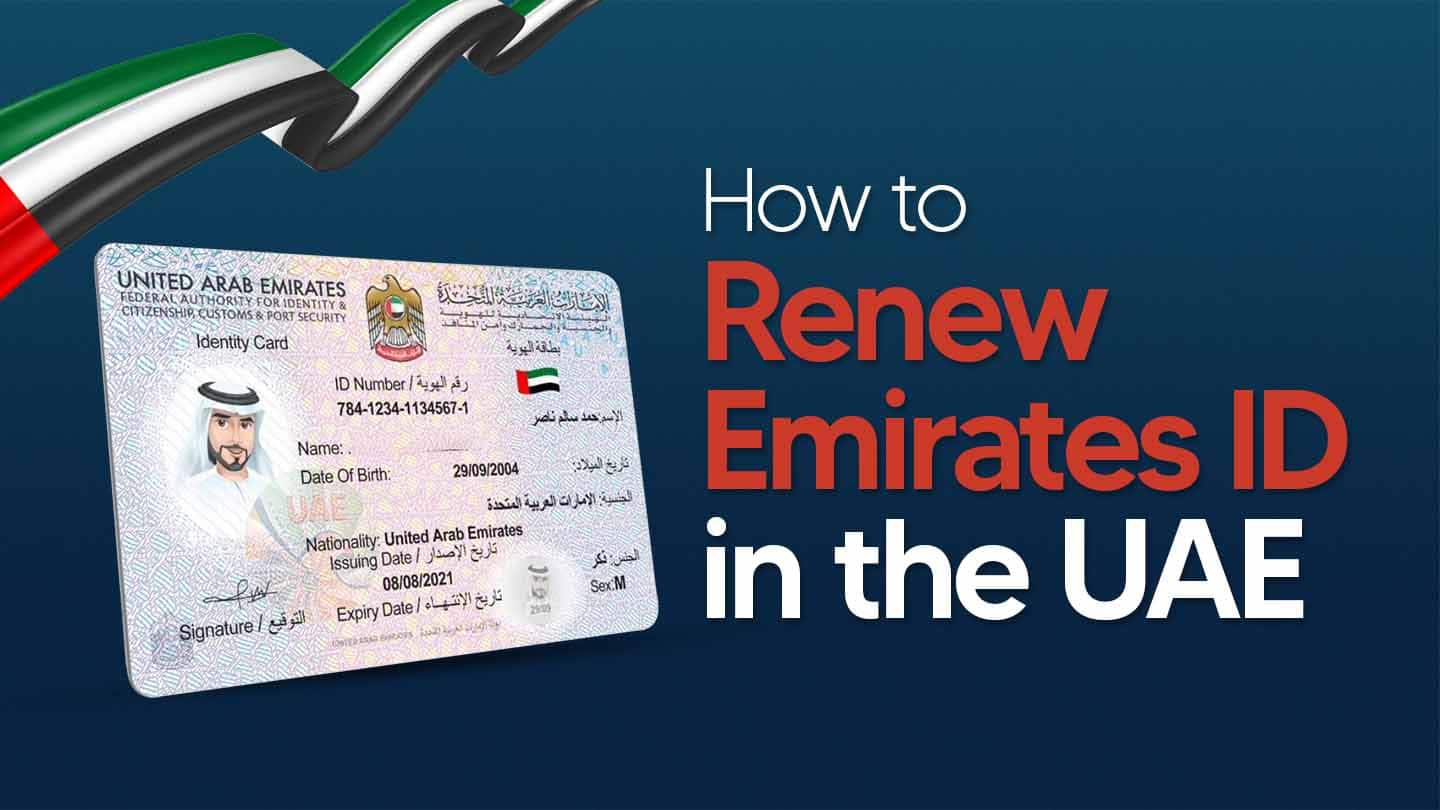
    How to Renew an Emirates ID in UAE?

    Your Emirates ID is your key to life in the UAE and renewing it before it expires is a legal necessity. This comprehensive guide will walk you through the entire Emirates ID renewal process in the UAE, including online steps, required documents, associated fees, and how to check your application status.

    Key Takeaways

    • How to Renew: Primarily online via the ICP website or app.
    • Cost: Starts at AED 100 for 1-year validity.
    • Processing Time: Typically, 5-10 working days.
    • Best Practice: Start the renewal process at least 30 days before expiry to avoid fines (AED 20/day).
    • Need Help? Shuraa provides hassle-free Emirates ID renewal in Dubai and across the UAE.

    How to Renew Your Emirates ID: A Step-by-Step Guide

    Renewing your Emirates ID is a straightforward process. Here are the two main ways:

    Option 1: Renew Emirates ID Online (Recommended)

    You can renew your ID from the comfort of your home through the official Federal Authority for Identity, Citizenship, Customs and Port Security (ICP) channels.

    1. Visit the ICP Portal: Go to the official ICP website or use the ICP UAE smart app.
    2. Log In: Use your UAE Pass or your ICP account credentials.
    3. Find the Service: Navigate to “Services” > “Emirates ID Services” > “Renew Emirates ID”.
    4. Apply & Pay: Fill in the application form, upload the required documents (see below), and pay the Emirates ID renewal fees online.
    5. Track Application: You will receive an application number to track the status.
    6. Receive Your ID: Once ready, your new Emirates ID will be delivered to your registered address via Emirates Post, or you can collect it from a designated post office.

    Option 2: Renew Through an Accredited Typing Center

    Visit any government-authorized typing center with your original documents. They will handle the application process for a small service fee.

    Documents Required for Emirates ID Renewal

    The paperwork for Emirates ID Renewal in Dubai differs for UAE citizens, GCC nationals, and expatriates. Here’s a quick breakdown:

    Applicant TypeRequired Documents
    Expatriates– Original Passport
    – Valid Residency Visa
    – Old Emirates ID
    – Passport-sized Photograph (white background)
    UAE Citizens– Original Passport
    – Family Book
    GCC Nationals– Original Passport
    – Valid GCC National ID
    – Proof of UAE Residency

    New to the process? Learn more about How to get an Emirates ID in the UAE.

    Emirates ID Renewal Fees and Processing Time 2026

    Renewal Fees:

    The cost depends on the validity period of your ID.

    Validity PeriodFee (AED)
    1 Year100
    2 Years200
    3 Years300

    Note: There may be additional service charges if applied through a typing center or for delivery.

    Processing Time:

    The standard Emirates ID renewal processing time is between 5 to 10 working days from the date of application approval and biometric submission (if required).

    Is a Medical Test Required for Emirates ID Renewal?

    For expatriates, the Emirates ID renewal is directly linked to your residency visa renewal. A medical fitness test is a mandatory part of the residency renewal process for most adult expats. You must complete and pass this test before your Emirates ID application can be finalized.

    • Who needs it? All expatriates renewing their residency, with enhanced testing for those in specific sectors (e.g., domestic workers, food handlers, salon staff).
    • Who doesn’t? UAE citizens and GCC nationals are not required to take a medical test for ID renewal.

    How to Renew Emirates ID from Outside the UAE

    If your Emirates ID expires while you are abroad, you can still initiate the renewal process online via the ICP portal, provided your residency visa is still valid. You will need your passport and visa details. However, if biometrics are required, you must be physically present in the UAE to complete the process. It is highly recommended to renew your ID before traveling to avoid complications.

    How to Check Your Emirates ID Renewal Status

    1. Go to the ICP Website or open the ICP app.
    2. Navigate to “Check Application Status”.
    3. Enter your Application Number (PRAN) or Emirates ID Number.
    4. Click “Search” to see your current status (e.g., Under Review, Printed, Shipped).

    For a detailed guide, see our post on how to check your UAE Emirates ID status.

    Common Mistakes to Avoid During Renewal

    Don’t let simple errors delay your Emirates ID renewal. Here are the most common pitfalls and how to avoid them:

    Timing & Deadline Mistakes

    • Waiting until expiry: Starting late triggers AED 20/day fines (up to AED 1,000) and risks service disruptions.
    • Ignoring application status: Not tracking your renewal can cause you to miss issues or collection deadlines.
    • How to avoid: Set a reminder 45 days before expiry and check status regularly via ICP portal.

    Documentation Errors

    • Incomplete documents: Missing or expired documents lead to immediate rejection and delays.
    • Outdated personal information: Not updating passport changes or other details causes data mismatches.
    • Incorrect photo specifications: Using casual photos or wrong sizes gets applications rejected.
    • How to avoid: Use our documents checklist above and verify all details before submitting.

    Required Procedures

    • Skipping the medical test: Expatriates renewing residency cannot complete the process without this.
    • Delaying collection: Not picking up your new ID creates service gaps affecting banking and government access.
    • How to avoid: Complete medical tests early and collect your new ID promptly when notified via SMS.

    Smart Renewal Tip: Starting the process 45 days before expiry gives you ample time to fix any issues that might arise.

    Why Choose Shuraa for Your Emirates ID Renewal?

    Let our experts manage your Emirates ID renewal in Dubai and across the UAE, ensuring a smooth and efficient process.

    • Zero Errors: Our experts verify all documents to prevent rejections.
    • Time-Saving: We handle the entire process on your behalf.
    • Expert Guidance: Get clear answers and support for complex situations.

    Contact Shuraa today for a hassle-free Emirates ID renewal in Dubai and across the UAE!

    Frequently Asked Questions (FAQs)

    1. What is Emirates ID?

    The Emirates ID is a mandatory smart ID card for all UAE citizens and residents, issued by the Federal Authority for Identity, Citizenship, Customs & Port Security (ICP). It serves as your official identity proof and acts as your unified residency document, replacing the need for a physical visa sticker in your passport. The card contains your personal information and biometric data, providing access to government services, healthcare, banking, and other essential functions in the UAE.

    2. Who needs to renew their Emirates ID?

    All UAE residents, including expats, citizens, and GCC nationals, must renew their Emirates ID before it expires. Renewal is mandatory even if your visa is still valid.

    3. What happens if I don’t renew my Emirates ID on time?

    Failing to renew your Emirates ID on time results in daily fines of AED 20, accumulating up to AED 1,000. You may also encounter difficulties accessing government services, banking, and renewing your visa.

    4. When should I start the renewal process?

    It’s recommended to start renewing your Emirates ID 30 days before the expiry date. Renewing late can result in fines of AED 20 per day, up to a maximum of AED 1,000.

    5. What documents are required for renewing an Emirates ID?

    The documents differ slightly based on your status:

    • Expats: Original passport, valid residency visa, old Emirates ID, personal photo (4.5 x 3.5 cm), and sometimes a medical test report.
    • UAE Citizens & GCC Nationals: Original Emirates ID, valid passport or national ID, and a passport-sized photo.

    6. Do I need to undergo a medical test to renew my Emirates ID?

    Only expatriates renewing their residency visa may be required to undergo a medical fitness test, depending on their age and visa type. UAE citizens typically do not need a medical test.

    7. How can I renew my Emirates ID in the UAE?

    You can renew your Emirates ID through:

    • ICP Website or App: Fill in your details online, pay the fee, and schedule biometrics if required.
    • Authorised Typing Centres: Submit documents in person and pay the fee.

    For hassle-free assistance, Shuraa handles the entire process for residents and businesses in Dubai.

    8. How much does it cost to renew an Emirates ID?

    The cost depends on the validity period:

    • AED 100 for a 1-year renewal
    • AED 200 for 2-year renewal
    • AED 300 for 3-year renewal

    Additional fines may apply if the renewal is delayed.

    9. How long does it take to receive a renewed Emirates ID?

    Typically, it takes 5-10 working days for the card to be processed and delivered after a successful application and biometrics (if required).

    10. Can I check the status of my Emirates ID renewal?

    Yes. You can track your application on the ICP website or mobile app using your Emirates ID number, passport number, or application reference number.

    Disclaimer: The information in this post is for general guidance only and may change due to updates in government policies or regulations.
  • Register Your Tenancy Contract with Ejari in Dubai

    Register Your Tenancy Contract with Ejari in Dubai

    Finding a new home in Dubai is exciting, but there’s one important step that every tenant and landlord must take – registering the tenancy contract with Ejari. The word Ejari means “my rent” in Arabic, and it’s the official system set up by the Dubai Land Department (DLD) through RERA. Its main purpose is to make the rental market fair, transparent, and legally protected for both landlords and tenants.

    If you’re renting or leasing out a property in Dubai, registering with Ejari isn’t just a formality, it’s the law. Without an Ejari certificate, you won’t be able to set up DEWA utilities, renew your visa, or have your contract recognised in case of a rental dispute. In short, Ejari is what makes your tenancy official and secure.

    So, what exactly Ejari is all about, who needs it, how to register for a lease in Dubai, and why it’s such an essential step in your rental journey in Dubai, here we’ll explain everything.

    What Is Ejari?

    Ejari (Arabic for “My Rent”) is the mandatory online system for registering all rental and lease contracts in Dubai. Managed by the Dubai Land Department (DLD) and the Real Estate Regulatory Agency (RERA), it ensures that private rental agreements are legally binding and recorded in an approved government format.

    Ejari was introduced under Law No. 26 of 2007 and later strengthened by Law No. 33 of 2008. These laws made it compulsory for landlords and tenants to register their tenancy contracts.

    Key Purposes & Benefits

    • Legal Protection: Only Ejari-registered contracts are protected by regulatory authorities and can be used at the Rental Dispute Center in the event of rental disputes.
    • Utility Activation: A valid Ejari certificate is required to set up water, electricity, internet, and TV services through DEWA.
    • Residency & Visas: Registration is required for processing or renewing residency visas and for sponsoring family members.
    • Market Transparency: It creates a standardized record of rental prices, helping to prevent unauthorized rent hikes and fraud.

    Note: Not registering your tenancy contract with Ejari can lead to serious issues. For example, you won’t be able to set up or transfer DEWA utilities, you may face visa renewal problems, and in case of a dispute, your tenancy contract will not be recognized in court.

    Recent Update: Co-living & Roommates:

    A recent update (August 2025) has made Ejari even stricter – tenants must now declare details of any co-living arrangements or roommates when registering their contract. This ensures that all occupants of a property are officially recorded in the system.

    Who Can Register for Ejari in Dubai?

    By law, the landlord is responsible for registering the tenancy contract with Ejari, as set out by RERA. However, in practice, this task is often passed on to others. Many landlords ask their real estate agents, property managers, or even the tenant to handle the process on their behalf.

    So, who can actually register an Ejari contract?

    • The Landlord: The property owner can register the contract themselves, particularly if they self-manage their property. They must be registered in the Ejari system to do so.
    • The Tenant: It’s very common for the tenant to handle the registration and pay the associated fees, as they need the Ejari certificate for services like connecting to DEWA (Dubai Electricity and Water Authority) or for their visa application.
    • An Authorised Representative: This can be a real estate agent, a property management company, or a person with a valid Power of Attorney (PoA) from either the landlord or the tenant.

    For landlords who prefer to self-manage, they need to create and activate their own profile in the Ejari system. Once set up, they can directly manage registrations, renewals, and cancellations of tenancy contracts.

    Is Ejari Registration Mandatory for Businesses in Dubai?

    Yes, Ejari registration is mandatory for businesses that lease office or commercial spaces in Dubai. Just like residential tenants, businesses must register their tenancy contracts with the Ejari system to make the lease legally recognised.

    Why it’s important for businesses:

    • Trade License and Renewal: The Department of Economy and Tourism (DET) and other licensing authorities often require a valid Ejari certificate as proof of a business’s physical address to issue or renew its trade license.
    • Legal Recognition: Ejari registration makes the commercial lease official under Dubai law, protecting both the landlord and the business tenant.
    • Government and Utility Services: You need a valid Ejari certificate to open DEWA utility accounts, register trade licenses, or apply for certain government approvals.
    • Visa and Labour Procedures: Ejari is often required for sponsoring employees’ visas or renewing residency permits (such as the Property Investor Visa) for business owners and staff.
    • Dispute Resolution: In case of lease disagreements, an Ejari-registered contract gives your business legal standing at the Rental Disputes Centre.

    Documents Required to Register a Tenancy Contract with Ejari

    Before you head to a typing centre or try to register online, make sure you have the required paperwork ready. Missing even one document can delay your Ejari registration. Here’s a checklist of what you’ll typically need:

    For Residential Properties:

    • Original signed tenancy contract (the unified rental contract)
    • Tenant’s documents: Emirates ID, passport copy, and valid residence visa (if applicable)
    • Landlord’s documents: Emirates ID or passport copy
    • Title deed or ownership certificate of the property
    • DEWA premise number or a recent DEWA bill
    • Security deposit receipt (if provided)
    • Power of Attorney (POA), only if someone is registering on behalf of the landlord or tenant

    For Commercial Properties:

    • All of the above, plus:
    • Trade license copy of the company renting the property
    • Any additional approvals (if required by free zone or special authorities)

    Note: Always carry both originals and clear copies of documents when registering in person. For online registration, make sure scans are clear and readable, as blurry uploads are one of the most common reasons for rejection.

    How to Register Your Tenancy Contract with Ejari in Dubai 2026

    There are two main ways to register your tenancy contract with Ejari in Dubai – online through official platforms or offline at approved typing centres/trustee offices. Here’s how each works:

    A. Online Registration (via Dubai REST App/DLD Website):

    This is the fastest and most convenient option.

    1. Download the Dubai REST app from Google App Store or Apple App Store or visit the Dubai Land Department (DLD) website.
    2. Log in using your UAE Pass or create an account.
    3. Select “Register Ejari Contract” from the services menu.
    4. Fill in property and contract details (rental amount, duration, start date, etc.).
    5. Upload all required documents (tenancy contract, IDs, title deed, etc.).
    6. Submit your application for review.
    7. The landlord (or their authorized account) will need to approve the request.
    8. Pay the Ejari registration fees online.
    9. Once approved, you’ll receive your Ejari certificate digitally.

    B. Offline Registration (Typing Centres/Trustee Offices):

    This is the traditional method and is useful if you prefer in-person help.

    1. Visit any authorised Ejari typing centre or Real Estate Services Trustee office.
    2. Bring all required original documents and copies.
    3. Staff will enter your contract details into the Ejari system.
    4. Pay the registration fees at the counter.
    5. Once processed, you’ll receive a printed Ejari certificate or a reference to download it online.

    What are the Ejari Registration Fees in Dubai?

    Registering your tenancy contract with Ejari comes with a small fee, and the cost can vary slightly depending on whether you do it online or in person.

    Online Registration (via Dubai REST App/DLD Website):

    • Registration Fee: AED 100
    • Knowledge Fee: AED 10
    • Innovation Fee: AED 10 

    Total Online Cost: AED 120-155 approx.

    Offline (Typing Centres / Trustee Offices): Around AED 120–150, plus possible service charges by the centre. Some cases may go up to AED 219, depending on location and added admin fees.

    Please Note: Ejari registration fees are subject to change, and it’s advisable to check with the relevant authorities or consult our experts at Shuraa for the most up-to-date fee information.

    Ejari Renewal & Cancellation

    Renewal:

    Ejari contracts are usually valid for the same duration as your tenancy contract, typically one year. When your lease is renewed, your Ejari registration must also be renewed to stay valid. The renewal process is similar to the original registration: you’ll need the updated tenancy contract and the required documents, and you can do it online via Dubai REST/DLD website or offline at a typing centre.

    Cancellation:

    If you move out before your tenancy contract ends, the Ejari contract must be formally cancelled. This ensures that the property can be registered to new tenants without issues.

    How to cancel? The easiest way is for the landlord to cancel it online through the Dubai REST app. You can also visit an Ejari trustee centre to submit the cancellation request in person. Both landlords and tenants can request cancellation, but it is usually initiated by the landlord or property manager.

    Important Things to Do After Ejari Registration in UAE

    Once your tenancy contract is registered with Ejari, there are several important steps and benefits to be aware of:

    1. Activate Utilities (DEWA)

    Your Ejari registration is linked to DEWA electricity and water services. Once the registration is complete, you can easily set up or transfer your utilities without delays.

    2. Use for Visa and Official Processes

    An Ejari certificate is often required for residency visa applications, renewals, obtaining property investor visa, and other government-related procedures. It serves as proof of your legal tenancy.

    3. Keep Digital and Physical Copies

    Always save both digital and printed copies of your Ejari certificate. You may need them for rent disputes, visa processes, or when dealing with government or utility authorities.

    4. Updating Ejari for Changes

    If there are changes to your tenancy, such as a rent increase, contract extension, or adding co-tenants, make sure these updates are reflected in Ejari. This keeps your registration current and legally valid.

    5. Legal Protection

    With Ejari, your tenancy contract becomes a legally recognised document, giving you the right to approach the Rental Disputes Centre (RDC) in case of disagreements with the landlord.

    Keep Your Tenancy Safe with Ejari

    Registering your tenancy contract with Ejari is an important step for anyone renting or leasing in Dubai. It makes your lease official, protects your rights, and is needed for things like setting up utilities, renewing visas, or solving rental disputes.

    Make sure to follow the steps carefully and keep both digital and printed copies of your Ejari certificate. Updating it whenever there are changes in your lease is also important to avoid any problems.

    If the process feels confusing or you want to save time, you can reach out to professionals or real estate experts. At Shuraa, we help both individuals and businesses in Dubai, not just with Ejari registration, but also with finding office spacebuying property in Dubai, and handling all the paperwork smoothly.

    Explore More Real Estate Guides in Dubai

    Understanding Ejari is just one part of navigating Dubai’s dynamic property market. If you found this guide helpful, you might also be interested in learning about:

    FAQs: Ejari Registration

    1. How to register Ejari in Dubai?

    To register your tenancy contract with Ejari in Dubai, you can use the Dubai REST app, the Dubai Land Department (DLD) website, or an authorized Real Estate Services Trustee Centre. The online process via the Dubai REST app involves downloading the app, selecting the RERA service, filling out the application, uploading required documents, and then having the landlord approve the registration before you pay the fee.

    2. What are the benefits of registering with Ejari?

    The primary benefits are legal protection and convenience. Ejari makes your contract legally valid, which is essential for setting up DEWA, renewing your visa, and resolving any disputes officially. It also prevents fraud by creating a secure, official record of the agreed rent and terms, protecting both tenants and landlords and ensuring a transparent rental process.

    3. How much does it cost to register Ejari in Dubai?

    The cost to register an Ejari contract in Dubai is approximately AED 120 to AED 150, including VAT, when done through a trustee center, or AED 120, excluding VAT, for online registration via the Dubai REST app. The fee includes the government registration, knowledge, and innovation fees, with additional service partner fees applicable for trustee center registrations.

    4. How long does it take to get an Ejari certificate online?

    Ejari Online registrations are usually instant or take a few hours once approved. Offline registrations may take a few hours to 1 working day depending on the centre.

    5. What happens if you don’t register in Ejari?

    Failure to register your tenancy contract in the Ejari system results in a lack of legal recognition, making it impossible to activate DEWA utilities, process visa applications, or resolve disputes legally. Non-registration may also result in penalties.

    6. Who is responsible for registering Ejari?

    By law, the landlord is responsible. In practice, it can be handled by the tenant, property manager, or real estate agent on behalf of the landlord.

    7. Is Ejari registration mandatory?

    Yes, Ejari registration is required by law for both residential and commercial leases. Without it, you cannot activate utilities, renew visas, or legally enforce your tenancy agreement.

    8. Can a tenant register Ejari themselves?

    Yes, tenants can register Ejari if they have the required documents and authorization from the landlord. Many tenants do this online for convenience.

    9. Is Emirates ID required for Ejari?

    Yes, an Emirates ID is required for Ejari registration, DEWA connection, and other processes related to renting a property. If you are new to Dubai, you can consider renting a property on a short-term basis, such as an Airbnb or hotel apartment, until you receive your residency visa and Emirates ID.

    Disclaimer: The information in this post is for general guidance only and may change due to updates in government policies or regulations.

  • How to Start a Transport Business in Dubai, UAE

    How to Start a Transport Business in Dubai, UAE

    Dubai’s rise as a global logistics powerhouse is genuinely remarkable, transforming from a leading trade hub into a vital nerve centre of the supply chain. Over recent years, the UAE has undertaken massive land expansions and enhanced connectivity through sea and air, establishing Dubai as the emirate’s premier commercial nexus. This growth has fueled a thriving transport industry, making it an ideal time to explore opportunities in the transport business in Dubai.

    Studies from the UAE’s Ministry of Economy highlight how e-commerce is driving the nation’s leadership in logistics, while active government support for e-commerce hubs is boosting the significance of integrated transportation. Today, every transport company in the UAE must comply with regulations set by the RTA and the National Transport Authority.

    In this article, we will explain how to start a transport business in Dubai, the opportunities available, different types of services like cargo and freight, passenger transport, and vehicle rental, the regulations you need to follow, and the approvals and licenses you need to obtain. 

    Understanding Transport Business in UAE

    The transport business in the UAE, particularly Dubai, is a growing sector supported by the UAE’s status as a global trade hub. This vibrant activity is underpinned by the government’s strategic initiatives, such as developing e-commerce hubs and enforcing streamlined regulations through the Roads and Transport Authority (RTA) and the National Transport Authority, which have created a structured and efficient transport ecosystem. The numbers confirm this strength: the UAE logistics market, valued at around USD 21.63 billion in 2025, is projected to grow at a strong CAGR of 6.9% between 2025 and 2030.

    Specifically, the freight forwarding sector alone is expected to reach USD 35.08 billion by 2032, expanding at a CAGR of 7.2%. This remarkable growth underscores the significant opportunities for entrepreneurs, who can specialize in various services like cargo and freight trucking, specialized equipment transport, passenger services (taxis, buses), water transport, and luxury car rentals. With favourable market conditions, government support, and a world-class logistics infrastructure, launching a transport business in Dubai now offers both promising returns and long-term growth potential.

    Why choose Dubai to Starting a Transportation Business?

    Starting a transportation business in Dubai offers several advantages due to the city’s prime location, advanced infrastructure, and business-friendly policies. Some key benefits include:

    • Tax Benefits: Dubai provides attractive tax incentives for businesses, including zero personal income tax, limited corporate tax in most free zones, and exemptions on import/export duties. This significantly reduces operating costs and increases profitability for transportation businesses.
    • Prime Location for Trade and Logistics: Dubai is positioned between Asia, Europe, and Africa, making it a global hub for trade and logistics. A transport business in UAE can efficiently serve local, regional, and international markets.
    • Advanced Infrastructure: The city boasts modern highways, ports, and airports, which streamline operations for businesses in the transportation sector. Efficient infrastructure reduces delivery times and operational costs.
    • High Demand for Transport Services: With booming trade, tourism, and e-commerce, there’s a consistent demand for freight, cargo, and passenger transport services. This ensures a growing market for your business.
    • Business-Friendly Policies: Dubai offers free zones and mainland company setups with flexible regulations, making it easier to start a transport business in the UAE. Many free zones provide 100% ownership, tax exemptions, and simplified licensing procedures.
    • Access to Technology and Innovation: The UAE promotes digital transformation in logistics and transportation, allowing businesses to integrate smart tracking, fleet management systems, and automated solutions for enhanced efficiency.
    • Networking and Growth Opportunities: Dubai hosts international trade shows, logistics conferences, and business forums, providing opportunities to expand your transportation business in Dubai and collaborate with global partners.
    • Potential for Diversification: A transportation business can expand into specialised areas, such as refrigerated goods, hazardous materials, luxury transport, or courier services, thereby increasing revenue streams. 

    Starting a transport business in Dubai not only leverages the city’s global connectivity but also offers long-term growth potential in one of the world’s most dynamic economic hubs.

    Transport Business in Dubai: Special Regulations

    The National Transport Authority issues the transport company license. It is also known as an operation card. When it comes to transporting goods, all goods must have a transport and storage contract along with insurance for both. Drivers must add specific categories to their driving licenses.

    The Road and Transport Authorities (RTA) require an NOC for the issuance & renewal of transport company licenses in Dubai. According to the RTA records, there are approximately 12,000 transport and car rental companies registered in Dubai, with over 255,000 vehicles registered for transport and rental purposes.

    How to Start a Transport Business in Dubai

    Dubai’s prime location and strong infrastructure make it a prime destination for entrepreneurs seeking to launch a transportation business in the UAE. Whether you want to move goods or passengers, a transportation business in Dubai can be highly profitable. Here’s a complete roadmap for establishing your venture.

    Step 1: Conduct Market Research and Develop a Business Plan

    Before diving into operations, you need clarity on your business direction:

    • Choose Your Type of Transport Business: Determine whether you want to offer passenger transport, goods delivery, logistics solutions, or specialized transport services. Each segment has different licensing and operational requirements.
    • Market analysis: Study competitors, demand trends, and pricing structures to understand where you can stand out.
    • Create a Comprehensive Business plan: Outline your business objectives, services, target market, and marketing strategies. This plan will serve as a roadmap and is often required when applying for licenses.

    Step 2: Choosing the Right Jurisdiction for Your Transport Business

    When you start a transport business, one of the first and most important decisions is choosing the right jurisdiction for your company. Dubai offers three main options: Mainland, Free Zone, and Offshore.

    • Mainland: Ideal for businesses seeking to operate throughout Dubai or across the UAE without restrictions. Mainland companies can work with government contracts and serve a broader client base.
    • Free Zone: Ideal for those who plan to focus on logistics within a specific free zone area or international markets. Free zones offer 100% foreign ownership, tax exemptions, and simplified setup, but usually limit operations outside the zone unless you work with a local distributor.
    • Offshore: Offshore company formation is primarily used for holding assets or facilitating international trade, rather than operating an on-ground transport service. Offshore entities cannot lease office space or get visas for drivers.

    Step 3: Decide on Your Business Entity Type

    Choose the legal structure that best fits your needs:

    Step 4: Register Your Company

    Next, set the legal foundation for your business:

    • Choose a company name: Pick a unique, professional name that aligns with Dubai’s naming regulations, avoiding religious or offensive terms.
    • Preliminary activity approval: Obtain approval for your proposed transport activities before proceeding with formal registration.
    • Obtain a trade license: Register your business with the Dubai Department of Economy and Tourism (DET) formally DED if you are based in the mainland, or with the relevant free zone authority. Your commercial license is a prerequisite for obtaining a transport license in Dubai.

    Step 5: Apply for a Transport License

    A transport license in Dubai is mandatory to operate legally:

    • Submit RTA application: After securing your trade license, apply to the Roads and Transport Authority (RTA) for a commercial transport license.
    • Additional approvals: Depending on the type of transport services, you may need approvals from the Dubai Municipality or other authorities.
    • Fleet registration: All vehicles must be registered in your company’s name, accompanied by the proper RTA documentation.

    Step 6: Set Up Operational Infrastructure

    Once licensing is complete, prepare your business for daily operations:

    • Office and warehouse space: Lease physical office space and warehouses for fleet storage, maintenance, and administrative work.
    • Corporate bank account: Open a corporate account to manage revenue, payroll, and other business transactions.
    • Hire staff: Recruit trained drivers with valid UAE licenses, along with administrative and logistics personnel.
    • Insurance coverage: Ensure comprehensive insurance for your vehicles, cargo, and passenger operations.

    Step 7: Implement Technology and Operational Systems

    Modern Dubai transport business demands efficiency and safety:

    • Fleet management systems: Track your vehicles, optimise routes, and monitor driver behaviour using GPS and management software.
    • Customer service systems: Use booking platforms, apps, and CRM tools to enhance client engagement and satisfaction.
    • Compliance management: Keep up to date with RTA regulations, labour laws, and safety standards to avoid penalties.

    Step 8: Market and Grow Your Transport Business

    Long-term success depends on reputation and scale:

    • Brand visibility: Utilise digital marketing, strategic partnerships, and targeted local advertising to reach your clients effectively.
    • Expand services: Gradually diversify into specialised transport services like refrigerated goods, inter-emirate logistics, or VIP passenger services.
    • Focus on customer relationships: Build trust through reliability, timely deliveries, and professional service.

    Step 9: How Shuraa Business Setup Can Help

    Handling Dubai’s regulatory landscape can be complex. Shuraa Business Setup offers end-to-end support for aspiring entrepreneurs:

    • Assistance with choosing the proper business structure—mainland or free zone.
    • Guidance on trade license applications and transport license.
    • Help with leasing office and warehouse spaces, corporate bank accounts, and hiring staff.
    • Expert advice on compliance, insurance, and operational setup to ensure a smooth launch.

    Ready to launch your transport business in the UAE? Let Shuraa handle the complexities. Book a free consultation today to secure your license and start growing your company.

    Documents Required to Start a Transport Business in Dubai

    To ensure a smooth and compliant setup process for your transport company, you will need to prepare the following essential documents. These are required by various government authorities, including the Dubai Department of Economy and Tourism (DET) and the Roads and Transport Authority (RTA).

    The documents can be categorized as follows:

    1. Core Company Formation Documents

    These are the foundational documents required to legally register your business entity.

    • Trade Name Reservation Certificate: Proof that your chosen company name has been approved and reserved.
    • Initial Approval Certificate: A preliminary approval from the DET or relevant free zone authority permitting you to proceed with the licensing process.
    • Memorandum of Association (MOA): A legal document signed by the business partners outlining the company’s structure, capital, and partner shares (for certain legal structures).
    • Commercial License: The primary business license issued by the DET or free zone, allowing you to conduct commercial activities.

    2. Specialized Transport Licenses and Permits

    These are specific to the transportation industry and are critical for your operations.

    • RTA Transport License (Operation Card): The key permit issued by the Roads and Transport Authority (RTA) that authorizes you to operate transport vehicles commercially.
    • Vehicle Registration and Permits: Official registration cards and permits for every vehicle in your fleet, which must be registered under the company’s name.
    • Comprehensive Insurance Coverage: Valid insurance policies for all vehicles, cargo, and third-party liability as mandated by law.

    3. Personal Identification Documents for Owners/Partners

    Required for all shareholders and partners involved in the business.

    • Valid Passport Copies: For all shareholders and partners.
    • Passport-Sized Photographs: Recent photographs with a white background.
    • UAE Residency Visa: If the applicant is already a resident in the UAE.
    • Emirates ID: Copy of the Emirates ID (application receipt may suffice initially if the card is being processed).

    4. Operational and Facility Documents

    These documents prove you have the necessary infrastructure to run the business.

    • Proof of Business Address: A tenancy contract or title deed for your office and warehouse space, as having a physical address is mandatory.
    • Valid UAE Driving Licenses for Drivers: Copies of driving licenses for all employed drivers, ensuring they have the correct vehicle category endorsements.
    • Business Plan: A detailed plan outlining your business model, market analysis, financial projections, and operational strategy (may be required for bank account opening or specific licenses).

    Avoid delays and rejections. Let our experts at Shuraa ensure your documentation is perfect for your transport activity. Get a free document review now.

    Transport Company License in Dubai: Registration

    To start a transportation business in Dubai, documents must be submitted in accordance with the Commercial Law. The UAE offers three significant types of transportation services, each with several associated activities. The transportation services are:

    1. Freight companies
    2. Courier companies
    3. Transport and goods storage companies

    Activities under a transport license in Dubai:

    • Cargo transport (heavy trucks)
    • Cargo transport (light trucks)
    • Refrigerated transport
    • Car/bus/motorcycle/bicycle rentals (separate activities)
    • Passenger transport (taxi services/tour buses)
    • Vehicle towing or vehicle transport
    • Petroleum transport
    • Water transport
    • Heavy machinery rental & transport
    • Special rental vehicles (trucks or related transport)
    • Specialist transportation services (gas tanks/money/valuables)
    • Vehicle fleet management
    • Luxury vehicles

    Cost of Starting a Transport Business in Dubai, UAE

    The cost of starting a transport business in Dubai typically ranges between AED 18,000* and AED 50,000*. The exact figure depends on several factors, including the type of services, office setup, fleet size, and licensing requirements. Specifically, the transport company license cost in Dubai and the transport license cost in Dubai are key components that can influence your overall investment.

    Need a Clear, Customised Estimate for Your Setup? Our Experts Provide Precise Pricing and End-to-End Guidance. Get Your Free Quote.

    Start your Transport Business in Dubai with Shuraa!

    Since the transport industry is a massive contributor to the Dubai economy, the increase in demand for sea-air combination for freight movement, ease of logistics and trade facilitation, integrating technology, establishing an efficient logistics infrastructure, as well as the availability of qualified resources ensure that the UAE retains its position as the region’s top supply chain provider and distribution gateway for the GCC.

    This is the ideal landscape for a new transport venture, and navigating its setup requires expert guidance. This is where Shuraa Business Setup excels. Leveraging over 26 years of experience in the UAE market, we provide unparalleled company formation services to entrepreneurs ready to capitalize on Dubai’s booming logistics sector. We manage every aspect of the process to ensure your transportation business is established efficiently and correctly.

    Take the first step towards launching your enterprise. Schedule a complimentary consultation with our corporate experts today.

    Contact Us:

    Frequently Asked Questions (FAQs)

    1. Is a transportation business profitable in Dubai?

    Yes, a transportation business can be profitable in Dubai due to the city’s booming economy, strategic global hub status, expanding tourism, and increasing e-commerce, which creates high demand for various transportation services. Dubai’s business-friendly environment, strong infrastructure, and supportive government policies further contribute to the sector’s lucrativeness, though success requires careful planning and adherence to regulations.

    2. How much does it cost to start a transport company in Dubai?

    Starting a transport company in Dubai can cost AED 18,000* to AED 50,000* for a small to mid-sized operation, but this varies significantly based on the type of transport, number of vehicles, and whether it’s a mainland or free zone company.

    3. How to open a transportation company in UAE?

    To start a transport company in the UAE, you must choose a business structure and jurisdiction (mainland or free zone), reserve a trade name, obtain an initial activity approval from a relevant authority like the Dubai Department of Economic Development (DED), and then apply for the necessary commercial and transport licenses from the DED/free zone and the Roads and Transport Authority (RTA). Key steps include securing a physical office or warehouse, registering vehicles, obtaining insurance, ensuring driver licenses are valid, and opening a corporate bank account.

    4. What licenses are needed to start a transportation business?

    To start a transportation business in Dubai, you need a Commercial License from the Department of Economy and Tourism (DET) and a specialized transport company license or operation card from the Roads and Transport Authority (RTA). The RTA license, often called an operation card, is mandatory and specific to your business’s type of vehicles and services.

    5. How do I write a business plan for a transportation company?

    Outline your business model, target market, fleet requirements, operations plan, financial projections, and marketing strategy.

    6. What is the minimum vehicles requirement for a transport business in Dubai?

    The minimum requirement depends on the license type; typically, at least one commercial vehicle is required.

    7. How long does it take to get a transport license in Dubai?

    Getting a transport license in Dubai can vary from a few days to several weeks or even months, depending on the type of license, whether you’re applying for a business or individual license, the complexity of your application, and how quickly you complete the required steps. For instance, a logistics company license might be issued within days, while a broader transport business license can take 2-8 weeks on average.

    8. Does a transportation company in Dubai need RTA approval?

    Yes, RTA approval is mandatory for operating legally in Dubai.

    Disclaimer: The information in this post is for general guidance only and may change due to updates in government policies or regulations.

  • Real Estate Broker License in Abu Dhabi: Step-by-Step Guide for 2026

    Real Estate Broker License in Abu Dhabi: Step-by-Step Guide for 2026

    Abu Dhabi’s real estate sector is booming, driven by rapid urban development, a strong economy, and a steady flow of foreign investment. From luxury residential projects to commercial spaces, the demand for property transactions is at an all-time high. For professionals and businesses seeking to operate in this growing market, obtaining a real estate broker license in Abu Dhabi is not only beneficial.

    A broker license ensures that you are recognised by the Department of Municipalities and Transport (DMT). It enables you to carry out real estate transactions in compliance with Abu Dhabi’s regulations. Whether you are an individual agent or a brokerage firm, this license builds trust with clients and opens doors to bigger opportunities.

    The good news? You don’t have to handle this process alone. Shuraa Business Setup helps entrepreneurs, agents, and companies streamline the entire business setup journey. From applying for the license to renewing it when the time comes, ensuring you stay compliant and focus on growing your business.

    What is a Real Estate Broker License in Abu Dhabi?

    A real estate broker license in Abu Dhabi is an official permit issued by the Department of Municipalities and Transport (DMT) that allows individuals and companies to conduct real estate brokerage activities in the emirate legally.

    With this license, you are permitted to:

    • Listing and market properties for sale or rent
    • Negotiate and manage property transactions on behalf of clients
    • Participate in official DMT-approved transactions via the DARI system

    This ensures professionalism, transparency, and legal compliance in Abu Dhabi’s property market.

    Who Needs the License?

    • Individual Brokers: Professionals who wish to work independently as agents, connecting buyers, sellers, landlords, and tenants.
    • Brokerage Firms: Companies or agencies that employ multiple brokers and manage property transactions on a larger scale.

    Note: From September 2024, every broker and agency in Abu Dhabi must also obtain a Broker License Number (BLN) through the DARI platform. This number must appear on all advertisements and contracts.

    Abu Dhabi Real Estate Broker License Requirements

    To qualify, you must meet the following DMT criteria:

    RequirementDetails
    AgeMust be at least 21 years old
    EducationMinimum high school diploma (or equivalent)
    Good Conduct CertificatePolice clearance confirming no criminal record
    Approved TrainingCompletion of a DMT-recognised broker training course (e.g. through ThinkProp) and passing the final exam
    ResidencyValid UAE residency visa and Emirates ID
    Experience (if applicable)Prior real estate or sales experience may be required in some cases

    Procedure to Obtain a Real Estate Broker License in Abu Dhabi

    To obtain a real estate broker license in Abu Dhabi, you must meet specific eligibility criteria, complete a training program, and submit an application through the TAMM portal or the DARI website.

    Steps to Obtain a Real Estate Broker License:

    Step 1: Meet the basic eligibility requirements

    Before you apply, make sure you fulfil the following criteria:

    • Minimum Age: 21 years old
    • Education: High school diploma (or higher)
    • Legal Status: Must have a valid Emirates ID and residence visa (if you’re an expat)
    • Good Conduct: Must not have any criminal record related to fraud or dishonesty

    Step 2: Register for the Real Estate Brokerage Course 

    • Enroll in a Real Estate Brokerage Course approved by the Department of Municipalities and Transport (DMT) in Abu Dhabi.
    • This training covers topics including real estate laws and regulations, Brokerage ethics and professional standards and marketing and sales techniques.

    Step 3: Pass the Brokerage Exam

    • After completing the training, you must pass the Real Estate Brokerage Exam conducted by DMT.
    • The exam assesses your knowledge of Real estate transactions, Abu Dhabi property laws and Market practices and ethics.

    Note: Prepare well – you must score the minimum passing mark set by DMT to qualify for the license.

    Step 4: Apply for the Real Estate Broker License

    Once you pass the exam:

    • Submit your license application to the DMT via their online portal.

    Required documents usually include: 

    • Emirates ID & passport copy
    • Visa copy (for expats)
    • Educational certificate
    • Certificate of course completion
    • Proof of passing the exam
    • Good conduct certificate (police clearance)

    Step 5: Pay the Applicable Fees

    • Pay the license issuance fees as specified by DMT.
    • Fees may vary depending on whether you are an individual broker or setting up a brokerage company.

    Step 6: Receive Your Real Estate Broker License

    • Once your application is approved and fees are paid, you’ll receive your official Real Estate Broker License.
    • This enables you to conduct real estate transactions in Abu Dhabi in a legally compliant manner.

    Step 7: Maintain & Renew Your License

    • The license must be renewed annually (or as per DMT guidelines).

    Stay compliant with regulations and attend any mandatory refresher courses or updates if required.

    Real Estate Brokerage License Abu Dhabi Cost

    Suppose you are planning to start a real estate brokerage business in the UAE capital. In that case, it’s essential to understand the cost of the real estate brokerage license in Abu Dhabi before beginning the process. The total expense depends on several components, including training and exams, registration, and office setup.

    Key Cost Components

    When applying for a real estate brokerage license, here are the main fees you should budget for:

    • Government Application Fees: This covers the cost of your license application with the Department of Municipalities and Transport (DMT).
    • Training or Exam Costs: You may need to complete an approved real estate training course and pass a certification exam.
    • Registration Charges: This includes getting listed in the official broker registry.
    • Office Setup Costs (if applicable): If you plan to set up a physical office, you must also factor in rent, Ejari registration, and fit-out expenses.

    Typical Cost Range

    The cost of obtaining a real estate agent license in Abu Dhabi ranges from AED 10,500* to AED 16,000* or more, depending on:

    • Real estate training course fee
    • Certification exam fee
    • Real estate license application fee
    • Registration fee with DMT
    • Office setup costs (if required)

    Get an Exact Quote with Shuraa

    The cost of a real estate broker license in Abu Dhabi varies by setup. Shuraa Business Setup can provide a clear cost breakdown, manage your documents, and ensure compliance with DMT requirements—saving you time and effort.

    Common Mistakes That Cause Delays

    • Submitting incomplete documents (e.g. missing Good Conduct Certificate)
    • Expired Emirates ID or visa
    • Not updating training certification records
    • Advertising without a valid BLN (leads to penalties)

    Renewal of Real Estate Broker License in Abu Dhabi

    Renewing your real estate broker license in Abu Dhabi is a crucial step to ensure you remain legally authorised to conduct brokerage activities under the Department of Municipalities and Transport (DMT).

    Renewal Timelines

    A real estate broker license in Abu Dhabi is typically valid for one year and must be renewed annually before the expiry date. It’s recommended to start the renewal process at least 30 days before expiry to avoid interruptions in business operations.

    Documents Required for Renewal

    To successfully renew your license, you will generally need to submit the following:

    • Valid Emirates ID and UAE Residency Visa (for individual brokers)
    • Existing trade license (for companies)
    • Copy of the current broker license
    • Good conduct certificate (if required by DMT)
    • Proof of completion of any mandatory training or continuing education
    • Payment of applicable renewal fees

    Penalties for Late Renewal

    Failing to renew your license on time can result in:

    • Fines or penalties as per DMT regulations
    • Suspension of brokerage activities until renewal is complete
    • Risk of license cancellation if left unrenewed for an extended period

    Note: Partnering with experts like Shuraa Business Setup can help you track renewal dates, prepare necessary documentation, and submit on time—saving you from unnecessary penalties.

    Benefits of Having a Broker License

    Obtaining a broker license isn’t just about fulfilling a legal requirement – it comes with a host of advantages that can set you apart in the competitive real estate market. Here are some key benefits:

    1. Legal Protection

    A broker license allows you to operate within the framework of the law, protecting you from penalties or legal complications that come with unlicensed transactions. It ensures that your business activities are recognised and regulated by the authorities, giving you peace of mind.

    2. Client Trust & Credibility

    Licensed brokers automatically enjoy greater trust from clients. The license serves as proof that you have met the required standards and are qualified to handle property transactions, which can help you attract more clients and close deals faster.

    3. Access to Official Property Transactions

    With a valid broker license, you gain access to official real estate listings and property databases. This allows you to participate in government-approved transactions, ensuring transparency and smoother deal closures.

    4. Growth Opportunities

    Having a broker license opens doors to larger projects, partnerships, and higher-value deals. It positions you as a professional player in the market, paving the way for business expansion and long-term growth.

    How Shuraa Business Setup Can Help?

    Getting a broker license can feel overwhelming, but Shuraa Business Setup makes the process simple and stress-free.

    • End-to-End Documentation Support: From preparing your paperwork to submitting it to the proper authorities, Shuraa handles it all.
    • Government Liaison: Their experts coordinate with the Department of Municipalities and Transport (DMT) on your behalf, saving you time and effort.
    • Cost Estimation & Fee Transparency: Obtain a clear breakdown of the real estate brokerage licensing fees in Abu Dhabi, allowing you to plan your budget with confidence.
    • Renewal Reminders & Compliance: Shuraa ensures you never miss deadlines by managing renewals and keeping your license up to date and compliant.

    With Shuraa by your side, you can focus on growing your real estate business while they take care of the formalities.

    Get Your Abu Dhabi Real Estate Broker License with Shuraa Today!

    Obtaining a real estate broker license in Abu Dhabi is essential for anyone looking to establish a credible and successful brokerage business in the capital. Meeting the Abu Dhabi real estate broker license requirements ensures legal compliance, builds client trust, and opens doors to official property transactions.

    While understanding the cost of a real estate brokerage license in Abu Dhabi is essential for planning, having the proper license is an investment in long-term growth and professional credibility.

    Contact Shuraa Business Setup today to get your broker license and start operating legally in Abu Dhabi’s booming real estate market! Contact us at +971 4 408 1900, send a WhatsApp to +971 50 777 5554, or email us at info@shuraa.com for fast and professional assistance.

    Frequently Asked Questions (FAQs)

    1. How much do real estate agents make in Abu Dhabi?

    Real estate agent earnings in Abu Dhabi vary greatly, with some agents earning AED 100,000 to AED 150,000 annually and top performers exceeding AED 500,000, driven by commissions and factors like experience and specialization. While base salaries can be low (around AED 3,500-AED 5,000 per month), commissions are the main income source, with potential for high earnings, particularly in the luxury or commercial property markets.

    2. Which course is best for a Real Estate Broker?

    For a real estate broker in Abu Dhabi, you should enroll in a DMT-approved Real Estate Broker Licensing Course, such as those offered by ThinkProp or rmct.ae. These programs are specifically designed to provide the necessary skills, local market knowledge, and compliance training, including understanding Abu Dhabi’s legal framework and RERA guidelines, to obtain your broker’s license.

    3. How to become a realtor in Abu Dhabi?

    Meet the eligibility criteria: To become a real estate agent in Abu Dhabi, you must be at least 21 years old and hold a high school diploma or equivalent certificate. You also need to pass a real estate agent exam and obtain a license from the Abu Dhabi Department of Economic Development (DED).

    Read more: How to Become a Real Estate Agent in Abu Dhabi

    4. How to renew a broker license in Abu Dhabi?

    To renew a real estate broker license in Abu Dhabi, log in to the TAMM portal or DARI platform using your UAE Pass, select the license renewal service for either a company or individual, submit the application with required documents, pay the fee (AED 9,000 for companies), and then download your renewed license. For individual brokers, renewal requires submitting a Good Conduct Certificate, training completion certificate, and other experience-related documents.

    5. How much is a broker license in Abu Dhabi?

    The fee for a real estate broker company license in Abu Dhabi ranges from AED 10,500 to AED 16,000, payable through the TAMM or DARI portals. You will also need to complete a certified training course, which costs between AED 5,000 and AED 7,000, and pass a certification exam costing AED 1,000 to AED 2,000 to get licensed.

    6. How to Verify a Licensed Broker in Abu Dhabi?

    You can confirm whether a broker or agency is licensed by:

    • Visiting the DARI portal → Licensed Professionals Directory
    • Searching using BLN, broker name, or company name
    • Checking their validity status and expiry date

    This protects buyers, sellers, and tenants from dealing with unlicensed agents.

    *Disclaimer: The information in this post is for general guidance only and may change due to updates in government policies or regulations.

  • The Ultimate Guide to Family Visa Renewal Charges in Dubai

    The Ultimate Guide to Family Visa Renewal Charges in Dubai

    As an expat in Dubai, a family visa is the key that lets you bring your loved ones, like your spouse, children, and sometimes even your parents, to live with you. This visa is super important because it gives them legal residency, meaning they can live here, get jobs (with the right permits), go to the doctor, and attend school. But, just like any other ID, this visa doesn’t last forever. You have to renew it to make sure your family can stay in Dubai legally.

    Renewing your family’s visa on time is a big deal. If you don’t, you could face huge fines for overstaying and other legal problems. Keeping the visa valid is essential for your family’s safety and gives you all the peace of mind to enjoy your life in Dubai.

    Of course, renewal isn’t free – there are family visa renewal charges in Dubai that every sponsor needs to be aware of. These costs can vary depending on a few things, such as whether the dependent needs a medical test, Emirates ID renewal, or typing and service centre fees. Therefore, here we’ll break down all the charges clearly, so you’ll know exactly what to expect.

    Family Visa Renewal in Dubai

    A family visa in Dubai is a residence permit that allows UAE residents to sponsor their close family members, such as their spouse, children, or parents, so they can legally live in the country. It helps families stay together and ensures dependents have access to education, healthcare, and other services.

    Family visas in Dubai are typically issued for 1, 2, or 3 years, depending on the sponsor’s visa type, profession, and other conditions. Once this period ends, the visa must be renewed to avoid overstay fines or legal issues.

    Who Needs to Renew a Family Visa?

    Every dependent under a family visa needs renewal once the visa’s validity period ends. This usually applies to:

    • Spouse (husband or wife)
    • Children (with certain age restrictions, usually up to 18 years, or 21 if studying)
    • Parents (with additional income and housing requirements for sponsors)
    • Other dependents, if approved under special conditions

    The renewal process is overseen by:

    • GDRFA (General Directorate of Residency and Foreigners Affairs – Dubai): The main authority for residency and visa services.
    • Amer Centres: Authorised service centres across Dubai where you can submit applications, pay fees, and complete most of the renewal steps without visiting GDRFA directly.

    What are Family Visa Renewal Charges in Dubai?

    The total cost of renewing a family visa isn’t a single fee. It’s a combination of different government fees, service charges, and other mandatory expenses. Here is a breakdown of the typical costs you can expect per person:

    Visa renewal application fee:

    This is the government fee for extending your family member’s residence visa. It usually falls between AED 470 to AED 600 for a two-year renewal.

    Medical Test Fee:

    This is a mandatory and separate fee for all dependents aged 18 and over. The cost for a standard medical fitness test (which includes blood tests and a chest x-ray) can range from AED 300 to AED 700. There are also faster, VIP options available at a higher cost.

    Emirates ID Renewal Fee:

    Every resident in the UAE must have an Emirates ID. The renewal fee is a separate charge and depends on the validity period of the ID, which is typically tied to the visa’s duration. For a 2-year visa, the fee is around AED 390.

    Typing or Amer centre service fee:

    Since all applications go through Amer centres or authorised typing offices, you’ll need to pay a service fee of around AED 50 to AED 150.

    Health insurance:

    If your dependent’s visa requires insurance (which is often the case), you’ll need to renew or purchase a plan. Basic policies usually start at around AED 700 per year, but can go well above AED 1,500 depending on age and coverage.

    When you add these up, the total family visa renewal charges in Dubai usually come to around AED 1,500 to AED 2,500 per person, if no insurance is needed. If insurance is required, it could go up to AED 4,000 or even AED 5,000, depending on the plan and other factors.

    There’s also a small difference between renewing visas while your family is inside Dubai versus if they are outside the UAE. Most people renew visas while their dependents are already in the country, and the charges are as listed above. But if your dependent is outside the UAE and needs a new entry permit or re-entry process, there will be some extra fees on top of the normal renewal costs.

    Please note: Visa regulations and fees in Dubai can change. For the most accurate and current information, it is highly recommended to check with an official Amer Center, GDRFA website, or just get in touch with one of our top experts at Shuraa Business Setup.

    Read Also: Family Visa UAE: Rules, Application Process & 2026 Costs

    What are the Documents Required for Family Visa Renewal?

    When it’s time to renew a family visa in Dubai, having the right documents ready will save you a lot of hassle. Here’s what you’ll usually need:

    • Valid passport copies of both the sponsor and the dependent(s).
    • UAE residence visa copy of the sponsor.
    • Recent passport-size photos of the dependent(s), meeting UAE photo standards.
    • Emirates ID copies of both sponsor and dependents (if already issued).
    • Emirates ID application/renewal form (can be processed through Amer or typing centres).
    • Medical fitness test results (for dependents 18 years and above).
    • Health insurance policy for the dependent (if required).
    • Tenancy contract (Ejari) or proof of housing in the UAE.
    • Salary certificate or labour contract of the sponsor, showing eligibility to support dependents.
    • Relationship proof (like attested birth certificate for children, marriage certificate for spouse, etc.). 

    How to Renew Your Family Visa in Dubai?

    While you can do some steps online through the GDRFA website or app, most people find it easiest to work with an Amer Center, which streamlines the entire process. Here’s the overview of the process:

    1. Book and complete the medical fitness test

    Dependents above 18 years must undergo a medical test at an approved health centre. Results are usually available within 24–48 hours (faster if you choose urgent service).

    2. Renew or update health insurance

    A valid health insurance policy is required for most family visas. Make sure the insurance matches the new visa validity period.

    3. Apply for Emirates ID renewal

    Submit the Emirates ID renewal application (can be done at Amer centres or typing offices). Biometric updates may be required if fingerprints or details have changed.

    4. Submit the family visa renewal application

    Go to an Amer Center or apply online through the GDRFA system. Provide all required documents, including passports, photos, Emirates ID copies, medical results, and housing proof.

    5. Pay the renewal fees

    Pay the visa renewal fee, typing charges, and any other applicable costs. Fees vary depending on validity, medical tests, and insurance.

    6. Get the approval and visa stamped

    Once approved, the renewed residence visa will be stamped in the dependent’s passport (digital visas are also becoming common). You’ll receive confirmation that your family member’s residency has been successfully extended.

    Renew Your Family Visa Without the Stress

    Renewing a family visa in Dubai may sound complicated at first, but if you prepare your documents and start the process on time, it’s actually very straightforward. The key is not to wait until the last moment, so you can avoid unnecessary stress or fines and keep your family’s residency secure.

    If you’d like someone to handle everything for you, Shuraa is here to help. We take care of all the steps – from booking medical tests and renewing Emirates IDs to submitting applications and getting approvals. You’ll always know the costs upfront, and we’ll make sure the whole process is done quickly and without hassle.

    Get in touch with Shuraa today and let us make your family visa renewal simple, clear, and stress-free.

    Commonly Asked Questions

    1. What are the family visa renewal charges in Dubai?

    The yearly cost usually starts from around AED 1,500 to AED 2,500 per person without insurance, and can go up to AED 4,000–5,000 if health insurance is included. The final amount depends on factors like medical tests, Emirates ID renewal, and insurance.

    2. What happens if I don’t renew the family visa on time?

    If you miss the renewal deadline, overstay fines will apply, and it may also affect your family’s legal residency status in Dubai.

    3. How long does it take to renew a family visa?

    On average, it takes 3 to 5 working days, but it can be quicker if all documents are complete and medical results are ready.

    4. Do all dependents need a medical test?

    Only dependents aged 18 and above must undergo a medical fitness test as part of the renewal process.

    5. Can I renew a family visa online in Dubai?

    Yes. Renewals can be done through the GDRFA website/app or with the help of authorised Amer centres. 

    *Disclaimer: The information in this post is for general guidance only and may change due to updates in government policies or regulations.
  • UAE Golden Visa Expansion 2026: 5 New Categories to Attract Global Talent

    UAE Golden Visa Expansion 2026: 5 New Categories to Attract Global Talent

    The UAE has just made one of its biggest Golden Visa announcements yet. In 2026, the country added five brand-new professional categories to its long-term residency program. This move gives more talented people from around the world the chance to call the UAE their home.

    The Golden Visa has always been popular among investors, entrepreneurs, scientists, and skilled workers, but now the doors are open for even more professionals, from nurses and teachers to digital creators and gamers.

    Let’s break down what the UAE Golden Visa expansion is, what new categories have been added, who can apply, and why it’s such an exciting update.

    Why Did the UAE Expand the Golden Visa?

    This UAE Golden Visa expansion reflects the country’s broader Vision 2030 goals: economic diversification and attracting long-term global talent beyond traditional sectors like finance and technology. By opening doors to creative professionals, educators, gamers, healthcare workers, and luxury lifestyle contributors, the UAE is positioning itself as a forward-thinking, inclusive destination for both work and life.

    The 5 New Golden Visa Categories in the UAE

    Here are the five categories that are now officially part of the Golden Visa program:

    1. Nurses with Long-Term Service

    Nurses who have worked in the UAE for 15 years or more are now eligible for a 10-year Golden Visa. This is a big recognition of the healthcare workers who played such a vital role, especially during the pandemic.

    The visa also allows them to sponsor their families, making it easier to build a secure life in the UAE.

    2. Teachers and Academic Professionals

    The UAE is putting a strong focus on education. Teachers, principals, and university staff from private schools and institutions in Dubai and Ras Al Khaimah can now apply for the Golden Visa.

    This ensures that some of the best educators in the world can stay longer and contribute to the country’s future generations.

    3. Digital Content Creators and Media Professionals

    The UAE has recognised the massive influence of digital media and social platforms. Influencers, YouTubers, filmmakers, podcasters, and social media entrepreneurs can now apply for the Golden Visa under the Creative Residency Track.

    The process is managed by Creators HQ, which was introduced at the “1 Billion Followers Summit” in Dubai. Applicants must show consistent work in digital content creation, a large following, or contribution to the media sector.

    4. E-Sports and Gaming Professionals

    Gaming is one of the fastest-growing industries worldwide, and the UAE is taking bold steps to be part of it. Professional gamers, e-sports coaches, developers, and other experts aged 25 years and above can now apply for the Golden Visa.

    • Applicants must be accredited by Dubai Culture or Abu Dhabi’s Department of Culture and Tourism (DCT).
    • The program falls under DPG33, an initiative to boost the digital economy.
    • With the global gaming market expected to cross $1.8 billion, this visa opens doors for hosting tournaments, building gaming startups, and attracting global talent.
    • It makes the UAE one of the few countries worldwide to officially recognise gaming as a professional career.

    5. Luxury Yacht Owners and Maritime Executives

    Under the Golden Quay initiative, yacht owners (with yachts over 40 meters) and professionals in the maritime industry—like brokers, builders, and insurers—are also eligible for the UAE Golden Visa.

    This supports the UAE’s growing luxury lifestyle industry and positions the country as a global hub for high-end maritime activities.

    What are the Benefits of the UAE Golden Visa?

    No matter which category you qualify under, all Golden Visa holders enjoy a wide range of advantages that go far beyond just living in the UAE. Here are the key benefits explained in detail:

    1. 10-Year Renewable Residency

    The Golden Visa is valid for 10 years and can be renewed, giving you long-term security in the UAE. Unlike standard visas (which are usually 2–3 years), you don’t have to worry about frequent renewals or sponsorship issues.

    2. Self-Sponsorship

    You don’t need a UAE employer or local sponsor to live in the country. This gives you complete independence to choose where to work, switch jobs, or even start your own business without restrictions.

    3. Family Sponsorship

    Golden Visa holders can sponsor their spouse, children (of any age), and even domestic staff. This makes it easier to bring your entire family under one secure residency plan. Children can stay in the UAE until they finish their studies or start their careers, which is a big plus for parents.

    4. Freedom to Live, Work, or Study Anywhere in the UAE

    You are not tied to a particular emirate or employer. Whether you want to live in Dubai, Abu Dhabi, Sharjah, or any other emirate, the choice is yours. You can also study at UAE’s top universities or set up a company in the mainland or free zones.

    5. Multiple Entry Visa During Application

    While your Golden Visa application is being processed, you will usually be given a 6-month multiple-entry visa so you can enter and exit the UAE freely until your residency is finalized.

    6. Property Ownership Rights

    Golden Visa holders can buy property in designated areas across the UAE, even in places that are usually restricted to foreign buyers. This makes it a great option for those looking to invest in real estate.

    7. Access to Exclusive Government Benefits

    In some emirates, Golden Visa holders are eligible for special healthcare packages, discounted school fees, and exclusive offers on business services. For example, Dubai and Abu Dhabi have rolled out additional perks for Golden Visa residents.

    8. Business and Career Opportunities

    With long-term residency, you can confidently set up your own company, invest in projects, or take on leadership roles in UAE firms without worrying about visa restrictions. Employers also prefer hiring Golden Visa holders since it gives both sides more stability.

    Read more: Top 16 Golden Visa Benefits in the UAE

    How to Apply for the New Categories

    Applying for the Golden Visa under the new 2026 categories is a structured process. While the exact requirements differ depending on your profession, the overall steps look like this:

    1. Check Your Eligibility

    The first step is to confirm that you meet the criteria for your category:

    • Nurses: At least 15 years of continuous service in the UAE (especially in Dubai Health or recognised healthcare facilities).
    • Teachers/Academics: Must be working in Dubai or Ras Al Khaimah, with endorsements from KHDA or RAK DOK.
    • Digital Content Creators: Need proof of consistent work (followers, reach, or creative projects) and recognition from Creators HQ.
    • E-sports/Gaming Professionals: Must be 25+ years old with accreditation from Dubai Culture or Abu Dhabi DCT.
    • Luxury Yacht Owners/Executives: Proof of yacht ownership (40m+), or professional role in maritime services.

    2. Secure Approvals or Recommendations

    Some categories require you to get a recommendation letter or official approval from a relevant authority:

    • KHDA (Knowledge and Human Development Authority) for teachers in Dubai.
    • RAK DOK (Department of Knowledge) for educators in Ras Al Khaimah.
    • Dubai Culture / Abu Dhabi DCT for gaming professionals.
    • Creators HQ for content creators and media professionals.

    3. Prepare and Submit Your Documents

    Golden Visa applications require a strong set of documents, including:

    • Passport copy (with at least 6 months’ validity)
    • Current UAE residency visa and Emirates ID (if already living in the UAE)
    • Proof of profession or service (employment letters, service records, contracts)
    • Academic certificates or licenses (for teachers and healthcare workers)
    • Portfolio, channel statistics, or media reach (for content creators)
    • Yacht ownership documents or professional licenses (for maritime professionals)

    4. Apply Through Official Channels

    Once your documents are ready, you can submit your application:

    • ICP (Federal Authority for Identity, Citizenship, Customs & Port Security), for applications across the UAE.
    • GDRFA (General Directorate of Residency and Foreigners Affairs), for Dubai-specific applications.
    • Applications are usually done online, and in many cases, you’ll be issued a 6-month multiple-entry visa while your Golden Visa is being processed.

    5. Pay the Required Fees

    The fees for Golden Visa applications vary depending on the category and emirate but generally range between AED 2,800 to AED 4,000. This may include application charges, medical tests, and Emirates ID issuance.

    6. Wait for Approval and Collect Your Visa

    Once approved, you will receive your Golden Visa electronically. You’ll also be issued a new Emirates ID showing your 10-year residency status.

    Note: Be cautious of anyone claiming to provide “fast-track” or “lifetime Golden Visas” for a fixed fee. The UAE government has confirmed that all applications must go through official authorities only.

    Simplify Your Golden Visa Process with Shuraa

    The UAE Golden Visa has always been a symbol of opportunity, and with these five new categories, it’s now more inclusive than ever. Whether you’re a dedicated nurse, a passionate teacher, a digital creator, a gamer, or a luxury yacht owner, the UAE is inviting you to be part of its future.

    At Shuraa Business Setup, we’re here to help you understand the requirements, prepare your application, and even explore business opportunities alongside your Golden Visa journey.

    If you think you qualify, now is the perfect time to apply and start building your future in the UAE.

  • Understanding the UAE Visa File Number System in 2026

    Understanding the UAE Visa File Number System in 2026

    If you’re living, working, or even visiting the UAE, you’ll come across something called the Visa File Number, also known as the Unique Visa Serial Number. This is a special code made up of numbers (and sometimes letters) that is given to every visa issued in the UAE.

    It ensures that each visa application is accurately associated with the correct records, helping to avoid miscommunication and streamline the whole immigration process.

    You’ll need it for almost every step in your visa journey, whether it’s checking the status of your application, renewing your visa, or cancelling it if you’re moving on. Government platforms like the ICP Smart Services or GDRFA portals use this number to pull up your details quickly, making the whole process smoother and hassle-free.

    So, let us explain everything you need to know about the UAE visa file number.

    What Is a UAE Visa Number?

    The UAE Visa File Number is also commonly called the Unique Visa Serial Number or Residence Number. It acts as the primary identifier for your visa and is the key to managing your immigration status in the UAE. You can find this number printed on your visa stamp or sticker in your passport. It’s also often listed on your Emirates ID card once you receive it.

    For example, a number might look like 201/2025/1234567, where 201 represents Dubai, 2025 is the year, and the rest is the unique visa number. The first digit can also indicate the type of visa, such as an employment visa or a family visa.

    Relationship with the UID (Unified Number):

    The UAE Visa Number is often confused with the UID (Unified Number), but they are different. The key distinction is that the UID is a permanent, personal identification number, while the Visa File Number is specific to a particular visa.

    • UID (Unified Number): This is a unique, one-time number assigned to every person who enters the UAE, whether as a visitor or a resident. It’s a lifetime ID that stays the same even if you get new visas, change jobs, or switch your visa status.
    • Visa File Number: This number is tied to your specific visa and will change every time you get a new one (e.g., when you renew your residency). Its purpose is to manage and track the details of that particular visa, such as its type, validity, and status.

    Structure & Format of the Visa File Number

    The UAE Visa File Number usually follows a standard format that looks something like this:

    XXX/YYYY/ZZZZZZZ

    Here’s what each part means:

    XXX (Emirate Code)—This shows the Emirate where your visa was issued.

    101 = Abu Dhabi
    201 = Dubai
    301 = Sharjah
    401 = Ajman
    501 = Umm Al Quwain
    601 = Ras Al Khaimah
    701 = Fujairah

    YYYY (Year of Issue) – The year when your visa was issued.

    ZZZZZZZ (Unique Serial Number)—A specific number that makes your visa unique from everyone else’s.

    UAE Visa Number Example: 201/2025/2876546—Issued in Dubai (201). In the year 2025. With the unique serial number 2876546. This format makes it easy to identify when and where a visa was issued, while also keeping every visa record completely unique.

    Where to Find the UAE Visa File Number?

    You can easily find your UAE Visa File Number in a few different places, depending on whether you have a visa stamp, an e-visa, or you’re checking online:

    • On Your Visa Page in the Passport: If you have a physical visa sticker or stamp on your passport, the Visa File Number is printed on it. It’s usually placed above or near the UID (Unified Number).
    • On the E-Visa Document: For people who receive an electronic visa, the Visa File Number will be clearly mentioned in the PDF/e-visa copy you received by email.
    • Through Government Portals: ICP Smart Services (Federal Authority for Identity & Citizenship) and GDRFA (General Directorate of Residency and Foreigners Affairs—Dubai)
    • Mobile Apps: Apps like the ICA UAE app or the GDRFA Dubai app also show your visa file number when you check your visa details.
    • Visa Sponsor or Typing Centre: If you can’t find it yourself, your employer, sponsor, or the typing centre that processed your visa can provide you with the number.

    Why is the Visa File Number Important in the UAE?

    The Visa File Number isn’t just a random code; it plays a key role in many immigration and residency processes in the UAE. Here’s why it matters:

    • Checking Visa Status: You need this number to track your visa application or check whether your visa is active, expired, or under process.
    • Visa Renewals & Extensions: When it’s time to renew or extend your visa, authorities will ask for the Visa File Number to quickly pull up your records.
    • Visa Cancellation: If you leave the UAE or switch jobs, the number is required to cancel your current visa before applying for a new one.
    • Official Reference for Services: It’s often needed when dealing with government authorities, medical tests for residency, Emirates ID processing, or even at typing centres.
    • Avoiding Confusion: Since the number is unique to your visa, it helps avoid mix-ups with others who may have similar names or personal details.
    • Security & Record Keeping: The UAE immigration system uses it to keep everything organised, making the process faster and more secure for both residents and visitors.

    Common Mistakes & How to Avoid

    While dealing with UAE visa numbers, many people get confused. Here are some common mistakes to avoid, along with quick tips:

    1. Confusing the UID with the Visa File Number

    • Mistake: Many think the UID (Unified Number) and the Visa File Number are the same.
    • Tip: Remember, the UID stays the same for life, while the visa file number changes with every new visa.

    2. Using an Expired or Old Visa Number

    • Mistake: Trying to renew, cancel, or check status using an old visa number.
    • Tip: Always use the number from your latest visa page or e-visa copy.

    3. Not Keeping a Copy of the Visa Page

    • Mistake: Misplacing the visa details and struggling to retrieve the number later.
    • Tip: Save a screenshot, photo, or PDF copy of your visa so you always have the number handy.

    4. Entering Wrong Digits Online

    • Mistake: Even a single wrong digit when entering the number in portals (ICP or GDRFA) can show “no records found.”
    • Tip: Double-check the format: XXX/YYYY/ZZZZZZZ.

    5. Not Knowing Where to Retrieve It

    • Mistake: Thinking the only way to find the number is on the passport sticker.
    • Tip: You can also retrieve it through ICP/GDRFA portals, mobile apps, or by asking your sponsor/typing centre.

    Keep Your Visa Journey Hassle-Free

    The UAE Visa Number may look like just another code, but it’s actually your key to a hassle-free experience in the country. That’s why it’s important to always keep your Visa File Number safe, accessible, and verified only through trusted government platforms like GDRFA, ICA, or ICP.

    And if you’re planning to move to Dubai or considering business expansion in the UAE, it’s always a smart move to have experts by your side. At Shuraa Business Setup, we help you handle all the complex paperwork, visa processes, and business setup requirements, so you don’t have to stress about anything. Reach out today!

    Frequently Asked Questions (FAQs)

    1. What is the visa number in the UAE?

    The visa number (often called the Visa File Number) is a unique code given to every visa issued in the UAE. It helps authorities identify and manage your visa.

    2. Where is the visa number on a UAE visa?

    You can find the visa number on the visa page in your passport (sticker/stamp) or in the PDF copy of your e-visa. It’s usually written near or above the UID number.

    3. Is the visa file number the same as the UID number?

    No. The UID (Unified Number) is permanent and linked to your Emirates ID, while the Visa File Number changes with each new visa you receive.

    4. Can I check my UAE visa file number online?

    Yes. You can find it through official portals like ICP Smart Services or GDRFA Dubai by entering your passport and personal details.

    5. Do I need the visa file number for renewals?

    Yes. The number is required for renewing, extending, or cancelling your visa in the UAE.

    6. What if I lose my visa file number?

    You can recover it online through ICP or GDRFA portals, or ask your sponsor, employer, or the typing centre that processed your visa.

    *Disclaimer: The information in this post is for general guidance only and may change due to updates in government policies or regulations.
  • Understanding Special Purpose Vehicles (SPVs) in Dubai

    Understanding Special Purpose Vehicles (SPVs) in Dubai

    A Special Purpose Vehicle (SPV) in Dubai is a simple, yet powerful business structure designed to hold assets, manage investments, or limit financial risk. Known for its quick setup, low costs, and clear regulations, SPV Dubai is widely used by entrepreneurs, investors, and family businesses to protect valuable assets and organise business activities more efficiently. With Dubai’s supportive legal framework and global market access, SPVs have become an attractive option for anyone seeking a flexible and secure way to structure their operations.

    As Dubai continues to grow into an international financial hub, SPVs are being increasingly used for purposes such as real estate ownership, wealth planning, and corporate restructuring. They allow businesses to separate specific projects or assets from their primary operations, ensuring better risk management and easier compliance. By offering privacy, simplified reporting requirements, and strong investor protection, SPV Dubai provides a modern solution for both local and global businesses looking to optimise their corporate structure.

    What is an SPV in Dubai?

    An SPV (Special Purpose Vehicle) in Dubai is a distinct legal entity, also known as a Prescribed Company in the Dubai International Financial Centre (DIFC), used by companies to legally isolate financial and other risks from the parent company by ring-fencing specific assets or liabilities. These passive holding companies facilitate transactions like asset securitization, fundraising, and the management of intellectual property by separating these assets from the main business, often operating under the international laws of the DIFC or the Abu Dhabi Global Market (ADGM).

    By establishing an SPV in Dubai, businesses gain access to 100% foreign ownership, flexible corporate governance, minimal reporting requirements, and exemption from most local taxes. This makes SPV Dubai an attractive option for both regional and international investors seeking a secure, transparent, and globally recognised jurisdiction to manage their investments or special projects. 

    Why Set Up an SPV in Dubai?

    An SPV Dubai is a strategic corporate vehicle that provides businesses, investors, and individuals with a secure and efficient way to structure their assets, investments, and liabilities. It is widely used in both domestic and international transactions because of its flexibility and compliance with UAE laws. Below are the key uses explained in detail:

    1. Asset Protection:

    An SPV Dubai can own shares in companies, real estate, or intellectual property rights. This allows businesses and individuals to safeguard valuable assets by separating them from operational risks and liabilities of the parent company.

    2. Risk Management:

    By creating an independent legal entity, SPV Dubai ensures that any financial risk or liability remains confined within the SPV, protecting the parent company and other subsidiaries from exposure.

    3. Investment Structuring:

    SPVs are often used in private equity, venture capital, and joint venture arrangements. They enable investors to clearly structure capital contributions, define profit-sharing ratios, and efficiently manage exit strategies.

    4. Financing:

    Companies use SPVs to issue debt instruments, raise project financing, or attract investment from multiple parties while maintaining transparency in ownership and cash flow.

    5. Estate & Succession Planning

    High-net-worth families use SPVs to hold and smoothly transfer wealth to future generations.

    6. Tax Efficiency:

    SPVs in Dubai’s free zones typically benefit from 0% corporate and personal income tax, with no restrictions on capital repatriation.

    7. Real Estate Structuring

    Property investors often utilise SPV Dubai structures to hold real estate assets, benefiting from ease of transfer, reduced transaction costs, and clear ownership documentation.

    8. Facilitating Mergers and Acquisitions (M&A)

    SPVs are often formed to acquire companies or assets in a controlled manner, thereby limiting exposure to unforeseen liabilities that may arise during mergers or acquisitions.

    Where to Establish a Dubai SPV? (Key Jurisdictions)

    When setting up an SPV in Dubai, selecting the proper jurisdiction is more than just a formality; it directly impacts cost efficiency, credibility, and long-term flexibility. Different UAE jurisdictions are designed to meet varying business goals, ownership structures, and asset management strategies.

    Below are the leading jurisdictions for SPV Dubai and what makes each of them uniquely advantageous:

    1. Abu Dhabi Global Market (ADGM)

    ADGM has become a prime destination for SPVs due to its speed of incorporation, 100% foreign ownership, and zero minimum capital requirement. The absence of mandatory office space makes it highly attractive for startups, investment funds, and holding companies that need a globally recognised platform without heavy overhead costs.

    Read more: SPV Company Setup in ADGM

    2. Dubai International Financial Centre (DIFC)

    The DIFC is known for its regulatory framework, which is rooted in English common law. Businesses setting up an SPV in the DIFC benefit from an internationally trusted environment, with the DIFC Courts offering efficient resolution of civil and commercial disputes. This jurisdiction is ideal for enterprises and investors who value legal certainty, transparency, and international reach.

    3. RAK International Corporate Centre (RAK ICC)

    For companies seeking a streamlined, low-cost offshore SPV setup, RAK ICC is an excellent choice. It’s particularly suitable for asset protection and cross-border investment holding, especially when no physical presence in the UAE is required.

    Each jurisdiction offers unique advantages customised to different strategies. Before finalising your SPV Dubai, assess your compliance requirements, operational needs, and long-term objectives to ensure the jurisdiction aligns perfectly with your business vision.

    Common Uses of a Dubai SPV

    • Real Estate Holding: Owning a specific property or portfolio.
    • Holding Company: Owning shares in other subsidiary companies.
    • Intellectual Property (IP) Holding: Isolating and managing valuable IP assets.
    • Project Finance: Managing large infrastructure or development projects.
    • Joint Ventures: Creating a separate entity for a partnership between two or more companies.

    Documents Required to Register an SPV in Dubai

    To establish an SPV in the UAE, you’ll need the following documents:

    How to Set Up an SPV in Dubai?

    Setting up a Special Purpose Vehicle (SPV) in the UAE involves a structured procedure to ensure compliance with regulatory requirements. By working with Shuraa Business Setup, you benefit from expert guidance, faster processing, and end-to-end support. Below are the detailed steps:

    Step 1: Initial Consultation with Shuraa Business Setup

    • Discuss your business objectives, ownership structure, and intended purpose of the SPV.
    • Shuraa’s consultants help you determine the most suitable UAE jurisdiction, either the Abu Dhabi Global Market (ADGM) or the Dubai International Financial Centre (DIFC), based on your specific needs.
    • They explain the cost, timelines, and required documentation upfront to ensure clarity.

    Step 2: Define the SPV’s Purpose and Structure

    • Decide what the SPV will hold, e.g., investments, intellectual property, real estate, or risk isolation for projects.
    • Select shareholders and directors (corporate or individual).
    • Establish the shareholding structure and draft the initial corporate plan.

    Step 3: Documentation Preparation

    Shuraa assists you in preparing all necessary documents, such as:

    • Passport copies of shareholders and directors
    • Emirates ID (if applicable)
    • Proof of residential address (utility bill or tenancy contract)
    • Memorandum and Articles of Association (MOA) tailored to the SPV’s purpose
    • Board resolution approving SPV formation
    • Ultimate Beneficial Owner (UBO) declaration
    • No Objection Certificate (NOC), if required

    Step 4: Name Reservation and Application Filing

    • Shuraa applies for approval of your chosen SPV name with the selected jurisdiction (ADGM/DIFC).
    • They submit the complete application form, ensuring all legal requirements are met.
    • Any queries from authorities are handled directly by Shuraa to avoid delays.

    Step 5: Regulatory Review and Approval

    • The relevant financial free zone authority reviews your application and documents.
    • Shuraa communicates with regulators on your behalf and provides any necessary clarifications.
    • Once approved, you receive an Incorporation Certificate or License confirming your SPV registration.

    Step 6: Post-Incorporation Support

    • Shuraa helps you open a corporate bank account for your SPV.
    • They provide ongoing compliance services, including annual filings, renewals, and UBO reporting.
    • If needed, Shuraa can also assist with structuring agreements, legal documentation, and corporate governance for your SPV.

    Professional Tip: Given the regulatory specifics, it is highly advisable to work with a local business setup consultant like Shuraa Business Setup who can guide you to the optimal jurisdiction and handle the entire incorporation process efficiently.

    Why Choose Shuraa Business Setup?

    • End-to-end assistance, from planning to licensing to compliance.
    • Fast approvals due to their experience with ADGM and DIFC authorities.
    • Customised advice to align the SPV with your business or investment goals.
    • Transparent pricing with no hidden costs.

    Build Your SPV with Shuraa Business Setup

    An SPV in Dubai is more than just a legal entity, it’s a prime tool to safeguard assets, structure investments, and optimise business operations in one of the world’s leading financial hubs. Whether you’re an entrepreneur, investor, or family office, establishing an SPV provides unmatched flexibility, transparency, and protection while ensuring compliance with UAE regulations.

    By choosing the proper jurisdiction and working with experienced consultants like Shuraa Business Setup, you can enjoy fast incorporation, customised guidance, and end-to-end support for all your corporate structuring needs. Contact us at +971 4 408 1900, send a WhatsApp to +971 50 777 5554, or email us at info@shuraa.com for fast and professional assistance.

    Frequently Asked Questions (FAQs)

    1. What is a SPV in the UAE?

    An SPV in the UAE is a legal entity created for a specific, limited purpose, such as holding assets or managing specific projects, and is often used to isolate financial risk. SPVs are typically established within Dubai’s financial free zones, like DIFC, DMCC and RAK ICC to take advantage of their specific legal and financial frameworks, such as simpler setups, lower costs, and tax advantages.

    2. What is a DIFC Prescribed Company?

    A DIFC Prescribed Company is a cost-efficient vehicle established within the Dubai International Financial Centre (DIFC) to hold assets, manage investments, or structure financial transactions under DIFC’s common law framework.

    3. Why choose a DIFC Prescribed Company for a Dubai SPV? 

    It offers access to an internationally recognised legal system, flexible ownership structures, and straightforward compliance requirements at lower costs than a complete DIFC entity.

    4. What is an ADGM Prescribed Company?

    An ADGM Prescribed Company is a simplified corporate structure under Abu Dhabi Global Market regulations designed for holding and investment purposes with light-touch reporting obligations.

    5. What makes ADGM attractive for SPVs?

    ADGM offers a strong English-law framework, expedited incorporation, and the capability to structure cross-border investments efficiently.

    6. What is a RAK ICC Prescribed Company?

    A RAK International Corporate Centre (ICC) Prescribed Company is a holding company platform offering cost-effective solutions for asset protection and international structuring.

    7. Why use RAK ICC for an SPV? 

    It is known for low setup costs, privacy of ownership, and simple ongoing compliance.

    8. What are the key considerations for setting up a DIFC SPV?

    1. Alignment with DIFC’s common-law legal system.
    2. Higher international recognition but slightly higher cost than other jurisdictions.
    3. Ideal for sophisticated transactions involving global investors.

    9. What are the key considerations for setting up an ADGM SPV?

    1. Fast registration and approval timelines.
    2. Substantial legal certainty under English common law.
    3. Access to Abu Dhabi’s growing financial ecosystem.

    10. What are the key considerations for setting up a RAK ICC SPV?

    1. Very low operational and maintenance costs.
    2. Flexible ownership structures with minimal reporting.
    3. Best suited for private wealth holding or simple corporate structuring.

    11. What is the primary benefit of using an SPV?

    An SPV isolates financial and legal risk, allowing businesses or individuals to ring-fence specific assets, projects, or investments.

    12. Can an SPV engage in multiple business activities? 

    Generally, SPVs are set up for a single, defined purpose to ensure clarity and risk separation. Some jurisdictions may permit multiple related activities if they are clearly stated in the incorporation documents. 

    13. Are there tax advantages to setting up an SPV in Dubai?

    Yes. Dubai offers a favourable tax environment, including a 0% corporate tax rate in certain free zones, subject to meeting specific qualifying criteria.

    14. What are the regulatory requirements for maintaining an SPV in Dubai?

    Typical obligations include filing annual returns, maintaining accurate shareholder and director records, and meeting any substance requirements depending on the jurisdiction.

    15. Can an SPV be used for international investments?

    Absolutely. Dubai SPVs is commonly used for cross-border shareholding, real estate investments, and global asset protection.

    16. What is the best option for a Dubai SPV?

    The ideal jurisdiction, DIFC, ADGM, or RAK ICC, depends on your objectives:

    1. DIFC for international recognition and complex deals.
    2. ADGM for quick setup with substantial legal certainty.
    3. RAK ICC for cost-effective holding and asset protection.

    Disclaimer: The information provided here is for general guidance only and does not constitute legal or financial advice. You should consult with a qualified professional for advice tailored to your specific situation and needs.