Blog

  • How to Start a Healthcare Business in Dubai 2026

    How to Start a Healthcare Business in Dubai 2026

    Dubai has rapidly evolved into a global hub for advanced medical care, technology, and healthcare innovation, making it a prime location for entrepreneurs and investors looking to launch healthcare businesses there. With a growing population, increased demand for specialised medical services, and supportive government regulations, establishing a healthcare business presents vast opportunities across clinics, hospitals, pharmacies, telemedicine, and wellness centres.

    The healthcare business process in Dubai requires understanding licensing requirements, obtaining approvals from authorities such as the Dubai Health Authority (DHA), and complying with strict quality standards. With proper planning and strategic execution, Dubai offers a thriving environment for building a successful and impactful healthcare venture.

    Is Starting a Healthcare Business in Dubai Still Profitable?

    Yes — and the numbers prove it:

    • Private healthcare revenue grew 12 % YoY in 2024 (DHA Annual Report 2024)
    • Home healthcare segment expected to double by 2030 (Knight Frank MENA Healthcare Report 2025)
    • Medical tourism arrivals reached 670,000+ in 2024, +19 % YoY (Dubai Tourism & DHCA data)

    Why Dubai Remains the Top Choice in 2026

    Here’s why investing in the healthcare sector is a smart move.

    1. Rapidly Growing Population & Expat Community

    Dubai’s expanding population and large expatriate community are creating a continuously rising demand for medical and wellness services. This makes it an ideal time to start a healthcare business in Dubai, with opportunities across hospitals, clinics, pharmacies, wellness centres, and telemedicine services.

    2. Government Support & Investment in Healthcare Infrastructure

    The UAE government strongly supports healthcare development, offering investor-friendly policies, advanced medical zones, and free zones dedicated to healthcare. These advantages simplify the setup of healthcare businesses in Dubai and encourage innovation and growth.

    3. High Demand for Quality Medical Services

    Patients from around the world visit Dubai for advanced treatments, medical tourism, and specialised care. Establishing a healthcare business enables investors to cater to both local and international patients seeking top-notch facilities.

    4. Strategic Global Location

    Dubai’s geographic position connects Asia, Europe, and Africa, making it a hub for medical tourism. This enables healthcare providers to access diverse patient populations and to collaborate globally.

    5. Advanced Technology & Innovation Ecosystem

    Digital health, AI-driven healthcare, and innovative medical solutions are rapidly developing in the UAE. Investors who start a healthcare business can leverage advanced technology and supportive regulatory frameworks.

    8 Types of Healthcare Businesses That Are Working Right Now (2025–2026 Real Examples)

    Dubai’s healthcare sector is rapidly expanding, offering diverse opportunities for investors, medical professionals, and entrepreneurs. With advanced infrastructure, an increasing population, and government focus on medical innovation, various types of healthcare businesses can thrive in Dubai. Here are the major categories:

    1. Private Hospitals & Speciality Medical Clinics

    Private clinics and hospitals are among the most in-demand healthcare businesses in Dubai. Entrepreneurs can establish multi-speciality hospitals, specialised clinics (dental, dermatology, orthopaedic, fertility, physiotherapy), or general family healthcare centres.

    DHA or MOHAP regulates these facilities, and they must meet quality and safety standards. The demand for premium private healthcare services continues to grow due to medical tourism and the expat population.

    2. Day Surgery & Ambulatory Care Centres

    Ambulatory centres provide outpatient medical services such as diagnostics, minor surgeries, urgent care, and rehabilitation without the need for overnight hospitalisation.

    They offer a cost-effective alternative to full-scale hospitals and are ideal for specialities like day surgery, oncology treatment, dialysis, and radiology services.

    3. Medical Research & Publishing Companies

    Medical publishing companies produce and distribute healthcare journals, research papers, educational medical books, pharmaceutical guides, and digital content.

    This sector supports healthcare professionals, students, and universities by providing verified, up-to-date knowledge. With Dubai emerging as a global hub for research and innovation, medical publishing has strong growth potential.

    4. Medical Universities & Healthcare Education Institutions

    Educational institutions in the medical field offer undergraduate and postgraduate programs in medicine, nursing, pharmacy, dentistry, radiology, physiotherapy, and more.

    Investors can collaborate with international universities to establish accredited medical schools, training centres, and research institutes, supporting Dubai’s goal of becoming a leading regional academic hub.

    5. Healthcare Skill Development & Professional Training centres

    These include specialised healthcare training academies that provide certifications, workshops, and skill-based programs for medical professionals, such as nurses, pharmacists, clinicians, ambulance staff, and technicians.

    Courses include CPR, first aid, infection control, medical coding, and clinical skill development. DHA, or KHDA, must license training centres.

    6. Healthcare Investment & Management Firms

    These firms manage investments and funding for hospitals, clinics, pharma companies, labs, and medical startups. They evaluate healthcare assets, raise capital, support mergers, and develop financial strategies.

    With rising healthcare demand and government support for private sector growth, healthcare investment companies are becoming a significant business category.

    7. Charitable and non-profit healthcare organisations

    Non-profit healthcare organisations focus on community health awareness, charity medical programs, health camps, patient support services, and disease prevention initiatives.

    They often collaborate with hospitals, government authorities, and global NGOs. These entities play a vital role in public health improvement and social care.

    8. Healthcare Strategy & Consultancy Firms

    Healthcare consultancy firms assist investors and healthcare operators with licensing, feasibility studies, market research, regulatory compliance, facility planning, branding, and operational management.

    They guide businesses through the DHA, DHCC, and MOHAP approval processes, ensuring a smooth setup and sustainable operations.

    Healthcare Business Setup in Dubai Healthcare City Free Zone

    Dubai Healthcare City (DHCC) stands as one of the most prominent and specialised destinations for healthcare business setups in Dubai, offering a top-tier ecosystem designed specifically for medical excellence and innovation. If you want to start a healthcare business in Dubai within a fully equipped medical hub, DHCC provides an ideal environment, with exceptional infrastructure, regulatory support, and global healthcare connectivity.

    DHCC is home to a growing community of medical professionals and leading institutions, including modern hospitals, specialised treatment centres, wellness hubs, research labs, and educational facilities. It attracts thousands of experts and patients from around the world. Additionally, it’s one of the best healthcare businesses in Dubai for entrepreneurs, investors, and established medical brands.

    Key Advantages of Setting Up in DHCC

    Businesses operating within this free zone enjoy a wide range of benefits, including:

    • 100% foreign ownership and full repatriation of capital and profits
    • Limited corporate and no personal tax
    • Access to premium healthcare infrastructure and advanced technology
    • A strong network of medical experts and global healthcare brands
    • Streamlined licensing under the Dubai Healthcare City Authority (DHCA)

    Entrepreneurs have flexible options for company formation, such as a Free Zone Limited Liability Company, a Free Zone Establishment, or a branch of an existing UAE or international entity.

    Healthcare activities are allowed in DHCC.

    DHCC supports a vast selection of medical and wellness activities, including:

    • Hospitals and speciality clinics
    • Medical universities and training institutions
    • Pharmacies and medical retail services
    • Diagnostic and laboratory facilities
    • Wellness and rehabilitation centres.
    • Medical equipment and device suppliers
    • Research institutes and consulting companies

    How to Start a Healthcare Business in Dubai?

    To successfully start a healthcare business in Dubai, it is essential to follow a structured process that ensures compliance with legal, licensing, and operational requirements.

    Step 1: Define the Healthcare Business Activity

    The first step to starting a healthcare business is to decide on the type of service or facility you want to establish. The healthcare sector offers multiple business activities, including clinics, hospitals, diagnostic labs, pharmacies, telemedicine services, wellness centres, rehabilitation centres, medical equipment supplies, healthcare consultants, and medical training institutes.

    Defining your activity ensures you choose the appropriate jurisdiction and obtain the required approvals later.

    Step 2: Select the Business Jurisdiction

    Healthcare companies in Dubai can be established in the following locations:

    • Mainland jurisdiction allows healthcare companies to operate anywhere in the UAE.
    • Free zones: best for global operations, tax benefits, and 100% ownership

    Popular free zones include Dubai Healthcare City (DHCC), Dubai Science Park, and Dubai Multi Commodities Centre (DMCC). Choose the jurisdiction based on your business model, client base, and licensing requirements.

    Step 3: Choose a Business Structure

    Select a legal structure that fits your healthcare business model. Common structures include:

    The legal form will determine ownership, liability, and document requirements for your healthcare business setup in Dubai.

    Step 4: Register a Trade Name

    Register a unique trade name with the Department of Economy and Tourism (DET) for the mainland or the respective free zone authority. Ensure the name follows UAE naming rules and reflects your healthcare activity.

    Step 5: Apply for Initial Approval

    Submit the required documents to the authority for initial approval, which verifies your eligibility.

    Documents may include:

    • Passport copies of shareholders and the manager
    • Visa and Emirates ID (if applicable)
    • Business plan
    • Proposed activities list

    Step 6: Obtain Approvals from Dubai Health Authority (DHA)/DHCC

    Depending on the jurisdiction, healthcare facilities must secure approvals from the following authorities:

    • Dubai Health Authority (DHA): for all healthcare-related activities in the Dubai Mainland
    • Dubai Healthcare City Authority (DHCCA): for the DHCC free zone

    DHA/DHCC will review facility layout, professional qualifications, equipment standards, and service scope to ensure compliance with UAE healthcare regulations.

    Step 7: Locate and Approve a Business Location

    You must secure a physical facility for most healthcare businesses. Submit the layout to DHA or DHCC for review and approval. Inspection teams will verify safety, sanitation, accessibility, and technical requirements based on your business type.

    Step 8: Apply for Professional Licensing

    Doctors, nurses, technicians, pharmacists, and healthcare specialists must obtain individual licenses through:

    • DHA (Dubai Health Regulation Department)
    • MOHAP (Ministry of Health & Prevention)

    This ensures all medical professionals meet UAE qualification standards.

    Step 9: Final Legal Documentation & License Issuance

    Once approvals are granted, submit final documentation to DET or the relevant free zone authority for license issuance. After payment of the fees, the business license will be issued.

    Step 10: Set up a corporate bank account.

    Open a UAE corporate bank account for financial operations. Banks may request incorporation of documents, a company profile, and proof of address.

    Step 11: Recruit Staff & Purchase Medical Equipment

    Hire certified healthcare professionals and support staff. Procure approved medical equipment and, if necessary, register suppliers.

    Step 12: Launch Operations & Marketing

    Develop marketing strategies, partnerships, insurance tie-ups, and digital campaigns to attract patients and increase visibility once your healthcare business has received full licensing and approval.

    Documents Required to Start a Healthcare Business in Dubai

    You need to start a healthcare business in Dubai, which could include a clinic, diagnostic centre, wellness facility, or small hospital. You must obtain approvals from the Dubai Health Authority (DHA) or the Dubai Healthcare City Authority (DHCA), along with licensing from the Dubai Economic Department (DED) or the relevant free zone. Below is a quick list of key documents and approvals needed.

    • Passport copies & visa / Emirates ID of owners & partners
    • Trade name reservation certificate
    • Initial approval from DED or free-zone authority
    • Memorandum of Association (MOA)
    • Lease agreement / Ejari for premises
    • Floor plan/facility layout approved by Dubai Municipality
    • Engineering and fit-out approvals (MEP, fire & safety)
    • DHA / DHCA facility license application
    • A list of medical services & business plan
    • Equipment list (if radiology/diagnostics)
    • Medical qualification & experience certificates
    • A good standing certificate for each practitioner.
    • Appointment letter of the Medical Director
    • Professional license registration

    Cost of Opening a Healthcare Business in Dubai

    Calculating the cost of doing business in Dubai healthcare is an essential first step for entrepreneurs, investors, and medical experts planning to start a healthcare business. The total investment varies by medical facility type, whether it’s a clinic, diagnostic centre, rehabilitation unit, or speciality care service.

    Generally, the cost of a healthcare business in Dubai can range from AED 13,500* to AED 50,000* for licensing and registration alone. It can increase depending on space requirements, equipment, and approvals from authorities such as the Dubai Health Authority (DHA).

    Breakdown of Typical Setup Fees

    Here are the core administrative expenses involved in the initial phase of healthcare business setup:

    • Initial Approval: Approx. AED 235*
    • Trade Name Reservation: Approx. AED 735*
    • Memorandum of Association (MoA) Drafting & Notarisation: Approx. AED 800*

    These charges represent the mandatory legal and procedural steps required to register and launch a healthcare business officially. Additional expenses may include location rental, interior fit-out aligned with DHA standards, medical equipment, insurance, and staffing.

    For an accurate estimate customised to your business model, medical speciality, and chosen jurisdiction, you can consult Shuraa Business Setup, which can guide you through cost planning, approvals, and end-to-end healthcare business setup in Dubai.

    Mainland vs DHCC vs Other Free Zones – 2026 Comparison Table

    FactorMainlandDubai Healthcare City (DHCC)Other Free Zones
    100 % foreign ownershipYesYesYes
    Serve local marketYes (anywhere UAE)Limited (mostly DHCC area)Limited
    DHA vs DHCA regulationDHADHCA (slightly faster)DHA
    Average setup time10–14 weeks8–10 weeks10–12 weeks
    Tax0 % (until further notice)0 %0 %

    Further Reading & Essential Guides

    Frequently Asked Questions (FAQs)

    1. Which healthcare business is most profitable in Dubai?

    Dubai’s healthcare industry offers several high-return opportunities. Some of the most profitable businesses include speciality medical clinics, diagnostic and laboratory centres, pharmacies, telehealth platforms, dental and cosmetic clinics, wellness and physiotherapy centres, and home healthcare services. The most profitable choice depends on market demand and your expertise.

    2. Can I launch a healthcare business online in Dubai?

    Yes, you can start a healthcare business online, such as telemedicine services, digital consultation platforms, medical appointment-booking apps, or online wellness coaching. To do this, you must:

    • Select your business activity
    • Get a trade license through DED or a free zone
    • Obtain mandatory approvals from DHA
    • Ensure data protection compliance for patient information
    • Build your digital platform or application

    3. What types of healthcare businesses are allowed in Dubai?

    Dubai permits a wide range of healthcare activities, such as:

    • Hospitals and specialised clinics.
    • Dental, dermatology, and cosmetic centres
    • Diagnostic labs & radiology units
    • Pharmacies & medical equipment supply
    • Rehabilitation & physiotherapy centres
    • Home nursing & elderly care services.
    • Telehealth / online medical consultation services
    • Health training institutes
    • Healthcare management and consulting firms 

    4. Which authority oversees healthcare operations in Dubai?

    The healthcare sector in Dubai is mainly regulated by the Dubai Health Authority (DHA). The Dubai Healthcare City Authority (DHCA) regulates businesses operating in the Dubai Healthcare City Free Zone. Licensing on the mainland also involves the Department of Economic Development (DED).

    5. What is the process of getting a DHA medical license in Dubai?

    To secure a DHA license, you must:

    • Apply through the DHA Sheryan portal
    • Complete document verification (including PSV and Good Standing Certificate)
    • Pass the DHA exam (if required)
    • Submit the final application for approval
    • Once approved, DHA issues your professional or facility license.

    6. Which license is required to establish a healthcare business in Dubai?

    To open any healthcare facility, you need a professional or commercial trade license from DED or a relevant free zone authority. Additionally, DHA or DHCA approval is mandatory depending on your business location and activity. Without healthcare regulatory licensing, operations cannot begin.

    Ready to Launch Your Healthcare Business in Dubai?

    We help doctors, investors, and international groups set up clinics, hospitals, and digital health companies every month. If you want a free 2026 feasibility check or a custom cost quotation, reach out:

    Call: +971 4 408 1900 | WhatsApp: +971 50 777 5554 | Email: info@shuraa.com

    Shuraa Business Setup – 26 years | 100,000+ companies formed | 150+ healthcare licenses delivered.

    Disclaimer: This content is for informational purposes only and does not constitute legal, financial, or professional advice. Regulations and costs are subject to change. We strongly recommend consulting with official authorities like the DHA and professional business setup advisors before making any decisions.

  • What is the Visa Quota in Dubai: Complete 2026 Guide

    What is the Visa Quota in Dubai: Complete 2026 Guide

    If you’re considering starting a business in Dubai or already running one, knowing about visa quotas in the UAE is important. It plays a big role in how many people you can hire, how your office is set up, and how smoothly your business can grow. Many business owners only hear about visa quotas when they suddenly need to hire more staff, and by then, it can feel confusing.

    Could you please clarify what a visa quota in Dubai entails? In simple terms, it’s the maximum number of residence or work visas your company is allowed to issue under its trade license. This number depends on things like your business activity, office size, and whether your company is in the mainland or a free zone.

    Therefore, we’re here to explain everything in an easy-to-understand way: what a visa quota means, why it matters, how to obtain a visa quota in Dubai, how many visas you can obtain, and what to do if you need more.

    What is Visa Quota in Dubai?

    Dubai’s visa quota system determines how many employee visas a company can get, primarily linked to its office size (typically 1 visa per 9 sq. meters) for physical offices, with flexi-desks offering fewer (1-3 visas), and variations by Free Zone or Mainland, often starting with 3-6 visas for new setups, requiring MOHRE approval and occasionally an inspection. Quotas can be increased with more space or special approval, involving fees.

    Why Does the UAE Have Visa Quota Rules?

    The UAE government enforces visa quotas for three primary strategic reasons:

    • Labour Market Control: To prevent companies from issuing mass visas that don’t match their actual business scale (preventing “visa trading”).
    • Operational Reality: To ensure every employee has adequate physical workspace. In 2026, this will be strictly enforced, with a standard requirement of approximately 9 square meters of office space per employee.
    • Compliance & Diversity: Quotas act as a checkpoint. Authorities can freeze your quota to force compliance with new regulations, such as Emiratisation targets (for companies with 50+ skilled workers) or workforce nationality diversity rules.

    Who Manages the Visa Quota in the UAE?

    Who controls your visa quota depends on your business location:

    • Mainland companies fall under the Ministry of Human Resources & Emiratisation (MOHRE) and the General Directorate of Residency and Foreigners Affairs (GDRFA).
    • For Free Zone Companies, your quota is determined directly by your specific Free Zone Authority (e.g., IFZA, DMCC, JAFZA, DAFZA).

    Factors That Determine Your Visa Quota in the UAE

    Your visa quota in Dubai isn’t fixed; it’s decided based on several important factors. Let’s break them down in a simple way:

    1. Office Space Size

    One of the major factors is how big your office is. In most cases, authorities allocate visas based on the size of your workspace. As a general rule, you may be allowed one visa for every 80–100 sq. ft. (around 9 sqm) of office space. Therefore, the bigger your office, the higher your visa quota can be.

    Example: A 50 sq. m office typically grants you roughly 5–6 visas.

    If you are a startup using a “Flexi-Desk” (a shared workspace often included in cheaper license packages), your quota is usually capped strictly at 2 to 3 visas maximum, regardless of your revenue. To gain more, you must upgrade to a physical office.

    2. Type of Business License & Activity

    Your business activity also plays a big role. For example, a consultancy firm, a trading company, and a manufacturing unit may all have different visa limits even with the same office size. Some activities naturally require more staff, so they may receive a higher quota.

    3. Emiratisation (Tawteen)

    Companies with 50+ skilled employees’ risk having their visa quota frozen if they fail to meet the 2% annual Emiratisation target. You literally cannot hire new expats until you hire the required number of UAE Nationals.

    4. Workforce Diversity

    For Mainland companies, MOHRE monitors the “Demographic Diversity” of your workforce. If you hire too many employees from a single nationality, you may face difficulties expanding your quota or pay significantly higher visa fees (moving from Category 1 to Category 2 or 3).

    5. The number of Existing Employees

    If your company already has active employees under its visa quota, this directly affects how many new visas you can apply for. For example, if your total allowed quota is 10 and you already have 8 employees sponsored, you can only apply for 2 more visas unless your quota is increased.

    6. Company Legal Structure

    Your company’s legal structure (such as Sole Establishment, LLC, Branch Office, or Partnership) can also impact your visa quota. Some structures naturally allow more flexibility in staffing compared to others, depending on approval authorities and business scale.

    Visa Quotas in Free Zones vs Mainland — What’s the Difference?

    Your visa quota in Dubai is greatly affected by where your company is registered – in a Free Zone or on the Mainland. While both allow you to sponsor employees, the rules, limits, and flexibility are quite different. Let’s break it down in an easy way.

    A) Visa Quota in Free Zones:

    In free zones, your visa quota is handled directly by the free zone authority where your business is registered (e.g., IFZA, DMCC, JAFZA, DAFZA). Here, the number of visas you receive is mostly tied to your office package and workspace type.

    • Flexi-desks or shared offices usually offer 1–3 visas only.
    • Serviced or private offices allow more visas.
    • Warehouses and industrial units receive higher visa quotas.
    • Each free zone has its own rules, so quotas vary from zone to zone.

    Startups and small teams benefit greatly from free zones, but failure to upgrade your office space may limit your growth.

    B) Visa Quota in Mainland:

    MOHRE and GDRFA manage visa quotas for mainland companies. Here, the quota is mainly based on your office size and business activity.

    • Generally, you may obtain 1 visa per 80–100 sq. ft. (around 9 sqm).
    • Larger offices mean higher visa quotas.
    • More flexibility to apply for additional visas as your company grows.
    • Suitable for businesses planning larger teams and long-term expansion.

    Mainland setups usually offer more freedom to scale your workforce, especially for retail, trading, and service-based businesses.

    Key Differences:

    FeatureMainland CompanyFree Zone Company
    Primary RegulatorMinistry of Human Resources (MOHRE)Free Zone Authority (e.g., DMCC, IFZA, JAFZA)
    Quota BasisOffice Size (~9 sq. m/person) + ComplianceLicense Package + Office Size
    Flexi-Desk LimitN/A (Physical office usually required)Strictly capped (usually 2–3 visas)
    Diversity RulesYes (Strictly monitored)No (Generally not applicable)
    EmiratizationMandatory for 50+ skilled staffExempt (mostly)

    How Do You Calculate & Estimate Your Visa Quota in Dubai?

    Before you sign a lease or pay for a license package, you should run your own numbers. While the final decision lies with the authorities, you can estimate your eligible quota with high accuracy using these steps:

    1. Review Your Office Type or Package

    Your office setup directly controls your starting visa quota, especially in free zones.

    • Flexi-desk or shared offices: Usually allow 1–3 visas only. These options are particularly beneficial for solopreneurs or startups.
    • Serviced offices: Offer better flexibility and more visas.
    • Private offices: Higher visa quota based on actual space.
    • Warehouses/industrial units: Allow the highest visa limits due to large space and operational needs.

    If your hiring needs grow, upgrading your office is often the fastest and most practical way to increase your visa quota.

    2. Measure Your Office Size (Especially for Mainland Companies)

    This formula is the baseline calculation used by both Mainland authorities (MOHRE) and most Free Zones with physical offices.

    The Formula: Total Office Size (in Sq. Meters) ÷ 9 = Maximum Visa Count

    The Calculation:

    Determine your office size on your Ejari or lease contract.

    Example: You rent a standard 500 sq. ft office (approx. 46 sq. metres).

    Math: 46 ÷ 9 = 5.11.

    Result: Your likely quota is 5 visas.

    3. Check Your Existing & Active Visas

    Next, review the number of visas that are currently being used by your company:

    • Active employee visas
    • Investor or partner visas (if counted under company quota)

    For example: If your total quota is 10 visas and you already have 7 active visas, you can only apply for 3 more unless you apply for a quota increase. Many businesses forget this step and face delays when they apply for visas without checking the remaining balance.

    4. Plan for Growth Before You Actually Hire

    Always think slightly ahead when estimating your visa quota. If:

    • You plan to expand in the next 6–12 months.
    • You expect to hire a team quickly
    • You’re moving from a solo setup to a full operation.

    Then it’s wise to:

    • Choose a slightly bigger office
    • Select a free zone package with a higher visa allowance.
    • Keep your trade license, lease, and company documents fully valid and updated.

    Need help estimating yours? Contact Shuraa for a free audit.

    How to Obtain a Visa Quota in Dubai?

    Getting a visa quota in Dubai is not complicated, but it does require the right setup and documents. Here’s how the process generally works:

    Step 1: Get Your Trade License Issued

    The first and most important step is to register your company and obtain your trade license. Doesn’t matter if you choose a mainland or a free zone setup; your visa quota process only starts after your license is active. Without a valid license, you cannot apply for visas.

    Step 2: Finalise Your Office Space

    Your office space is one of the primary factors in deciding your visa quota. You’ll need to choose:

    • Flexi desk/shared office (limited visas)
    • Serviced office
    • Private office
    • Warehouse/industrial unit (for trading/manufacturing)

    For mainland companies, your office must also be registered with a valid Ejari. Authorities use your office size and type to calculate how many visas your company can obtain.

    Step 3: Receive Your Establishment & Immigration Cards

    Once your license and office are ready, you need to apply for:

    These allow your company to officially sponsor employees and apply for residence and work visas.

    Step 4: A Visa Quota Is Issued Based on Your Setup

    After your documents are approved:

    • Your initial visa quota is allocated automatically based on your office size, location, and business activity.
    • For free zone companies, this is usually part of your license package.
    • For mainland companies, it’s issued after your labour file is approved.

    Step 5: Start Applying for Employee Visas

    Once your quota is active, you can begin applying for work permits and residence visas. Each approved visa will use one slot from your available quota. You simply continue applying until your quota is fully used.

    What Happens When You Hit Your Visa Quota?

    Hitting your visa quota can feel stressful, especially when your business is growing and you urgently need to hire more staff. But the beneficial news is, reaching your quota doesn’t mean your business comes to a stop. You still have a few practical options to move forward.

    1. You Can’t Apply for New Visas Immediately

    Once your visa quota is fully used, you won’t be able to apply for new employee visas under your current setup. Any new visa application will either be:

    • Put on hold
    • Or rejected until your quota is increased

    2. You May Need to Upgrade Your Office Space

    One of the most common solutions to increase your visa quota is upgrading your office space.

    • Moving from a flexi-desk to a private office
    • Shifting to a larger office
    • Upgrading to a warehouse or industrial unit (for trading/manufacturing)

    Once you update your lease or Ejari, you can then apply for a higher visa quota based on the new space.

    3. You Can Apply for a Visa Quota Increase

    You can apply for a quota increase with the relevant authority after upgrading your office or if your business genuinely requires more staff.

    This usually requires updated documents such as:

    4. Temporary Work Permits Are an Option

    If you need staff for short-term projects, temporary or mission work permits may be available in some cases. These are useful for:

    • Project-based work
    • Short-term contracts
    • Technical or seasonal roles

    This helps you continue work without waiting for a full quota expansion.

    5. Consider using an Employer of Record (EOR) or an Outsourcing Model

    Another smart option is using an Employer of Record (EOR) or outsourcing model. Here:

    • The employee is legally sponsored by a third party.
    • You manage their daily work.
    • Your company’s visa quota remains untouched

    This is a popular solution for fast-growing startups that need quick hiring without changing office space immediately.

    6. Why You Should Never Exceed Your Quota Illegally

    Some businesses try to bypass the rules by hiring people on:

    • Visit visas
    • Cancelled visas
    • Or under another company’s sponsorship

    This is illegal and can lead to:

    • Heavy fines
    • Blacklisting
    • Visa bans
    • Business license suspension

    Ready to Grow Your Team in Dubai? Here’s What to Do Next.

    Before you start hiring in Dubai or plan to grow your team, it’s really important to check your visa quota first. Knowing your visa limits helps you avoid delays, extra costs, and last-minute surprises.

    That’s where Shuraa makes everything simple for you. We handle everything from setting up your company and choosing the right office to securing your visa quota, processing employee visas, and increasing your quota as your business grows.

    On top of this, Shuraa Recruitment Services connects the right talent with the right opportunities. Doesn’t matter if you’re an employer looking to hire skilled professionals or a job seeker searching for the right role in Dubai, our recruitment team helps both sides locate the perfect match quickly and smoothly.

    With the right guidance and proper planning, managing your visa quota in Dubai doesn’t have to be complicated. And with Shuraa by your side, you can focus on growing your business with confidence.

    FAQs – Dubai Visa Quota

    1. How many visas can I obtain on a flexi desk in Dubai?

    In most cases, a flexi desk allows 1-3 visas only. The exact number depends on the free zone authority and your license package.

    2. Do Green Visa or Golden Visa holders count towards my company visa quota?

    No, Golden Visa and Green Visa holders usually do not use your company’s visa quota, as they sponsor themselves. However, this can vary slightly, so it’s always beneficial to double-check with the authority.

    3. What is the visa quota for small businesses in Dubai?

    There is no fixed number for small businesses. It depends on your office size, business activity, and whether your company is in the mainland or a free zone. Small businesses usually start with 2 to 6 visas.

    4. Can I increase my visa quota later?

    Yes, you can apply for a visa quota increase by upgrading your office space and submitting updated documents to the relevant authority.

    5. Is the visa quota different for mainland and free zone companies?

    Yes. Free zone quotas are based on office packages and authority rules, while mainland quotas are mainly based on office size and MOHRE/GDRFA regulations.

    6. Does my investor or partner visa count in the quota?

    In many cases, investor or partner visas do count towards the company’s total visa quota, especially in free zones.

    Cited Sources:
    https://www.mohre.gov.ae/en/services/work-permit-quotas-for-establishments-2022
    https://www.gdrfad.gov.ae/en/work-visa-quotas

    Disclaimer: The information provided in this article is for general guidance and informational purposes only and is accurate as of January 2026. Visa quota rules, office space requirements, and related regulations in the UAE are subject to change by relevant authorities (MOHRE, GDRFA, and Free Zone authorities). Shuraa strongly recommends verifying the latest requirements with the concerned government department or consulting a licensed business setup professional before making any decisions. Shuraa accepts no liability for actions taken based solely on the content of this article.

  • What is UAE PASS and Why All Residents and Business Owners Should Use It

    What is UAE PASS and Why All Residents and Business Owners Should Use It

    The UAE is rapidly becoming a fully digital nation. Services that once required long queues and paperwork can now be completed online in just a few clicks. From visa applications and utility bills to banking and business approvals, everything is moving toward a smarter, faster, and paperless way of working.

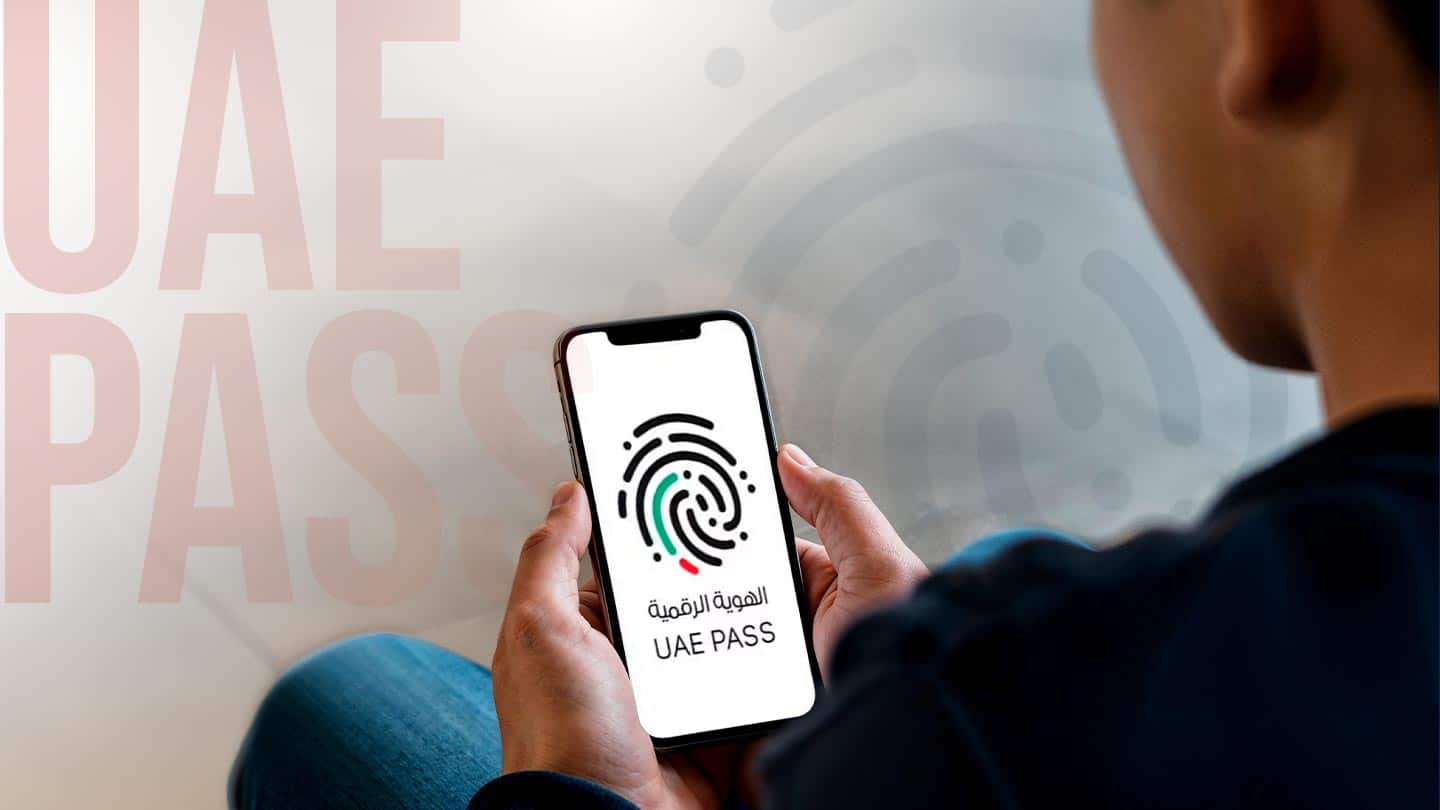
    At the heart of this transformation is UAE PASS. In simple terms, it is your official digital identity for the UAE. It allows you to log in securely to government and private sector platforms, sign documents digitally, and access critical services without ever visiting an office in person.

    For residents and business owners, UAE PASS has quickly become essential. Whether you are checking your visa status, opening a bank account, filing taxes, or managing company documents, it makes everything quicker and more seamless. So, let’s explore exactly what UAE PASS is, how it works, and why it is key to a simpler life in the UAE.

    What is UAE PASS?

    UAE PASS is the UAE’s secure national digital identity and signature solution. It electronically verifies your identity, enabling access to hundreds of online services and allowing you to sign legally binding documents without visiting a service centre or presenting a physical ID card.

    It was launched as a joint initiative by three government authorities to ensure nationwide integration:

    • TDRA (Telecommunications and Digital Government Regulatory Authority)
    • Abu Dhabi Digital Authority
    • Dubai Digital Authority (Smart Dubai)

    The government introduced UAE PASS to solve three core challenges:

    • Eliminate Paperwork: UAE PASS supports the national Paperless Strategy by enabling digital signing and document exchange.
    • Simplify Access: It eliminates the need to manage multiple usernames and passwords across government and private portals.
    • Enhance Security: UAE PASS reduces the risk of identity fraud by using advanced biometric authentication, such as Face ID or fingerprint, instead of passwords.

    Single Secure Login:

    UAE PASS serves as a Single Sign-On (SSO) solution. Once set up on your phone, it allows seamless access to:

    • Federal Government Services (e.g., ICA, Ministry of Interior)
    • Local Government Services (e.g., Dubai Police, DEWA, various municipality portals)
    • Private Sector Services (e.g., major banks for account opening, telecom providers like Etisalat and Du)

    Who Can Use UAE PASS?

    UAE PASS is available to anyone living, working, or conducting business in the UAE. A valid Emirates ID is required for registration.

    • UAE Citizens: Emirati nationals use UAE PASS as their primary digital key to access government platforms, sign legal documents, and complete transactions without visiting service centres.
    • UAE Residents: Any resident with a valid Emirates ID can register. UAE PASS streamlines access to visa applications, healthcare, utility bills, telecom services, and more from a single, secure platform.
    • Business Owners and Entrepreneurs: UAE PASS supports business licensing, visa processing, government approvals, digital contract signing, and official document filing. It accelerates processes and reduces paperwork.
    • Freelancers and Working Professionals: Freelancers, employees, and consultants use UAE PASS for visa renewals, professional licensing, secure banking verification, and safe access to client or employer portals.

    Note: Students and job seekers, included under the “Residents” category, use UAE PASS to verify their identity for educational portals, internship applications, and official job platforms.

    Key Features of UAE PASS

    UAE PASS streamlines service interactions by making them faster, more secure, and fully digital. The following key features highlight its value:

    1. Single Digital Login: Use a single secure credential to access hundreds of federal, local, and private service portals, eliminating the need for multiple usernames and passwords.
    2. Official Digital Identity: A recognised digital ID that verifies your identity online, reducing the need for physical documents for most services.
    3. Legally-Binding Digital Signature: Sign contracts and official documents online with a signature that has the same legal validity as a handwritten one, without the need for printing or scanning.
    4. Biometric & Facial Verification: Advanced biometric authentication, such as Face ID, ensures only you can access your account and enhances protection against identity theft.
    5. End-to-End Paperless Transactions: Complete all processes, from application and approval to document submission, digitally to save time and resources.
    6. Mobile-First Convenience: Manage services via the UAE PASS mobile app, providing access to essential services anytime.
    7. UAE Government-Grade Security: Data is protected by strong, government-backed encryption and multi-layer authentication protocols.
    8. Seamless Platform Integration: UAE PASS integrates with major services, including immigration (ICA), utility providers (DEWA, ADDC), healthcare platforms, banks, and business portals.

    Benefits of UAE PASS for Residents

    UAE PASS streamlines daily life in the UAE by providing fast, fully digital access to services. Residents can manage most tasks from their phone, eliminating queues and repetitive paperwork. Key benefits include:

    1. Unified Access to Government Services: Use a single account to log in to hundreds of federal and local portals, including visas, Emirates ID, healthcare (DHA/HAAD), and utilities (DEWA/ADDC).
    2. Eliminate In-Person Visits: Complete tasks such as document submission and application tracking entirely from your mobile device.
    3. One-Click Secure Login: Access services instantly with a single secure credential, supported by biometric authentication.
    4. Biometric Security: Safeguard your identity with government-level security, including Face ID, fingerprint, or PIN, to prevent unauthorised access.
    5. Sign Documents Legally: Sign official documents with a legally binding digital signature, eliminating the need for printing, scanning, or couriers.
    6. 24/7 Access from Anywhere: Manage services at your convenience, whether at home, work, or while travelling.

    Benefits of UAE PASS for Business Owners

    UAE PASS streamlines operations, government interactions, and documentation for business owners in the UAE. It enables you to manage your business more efficiently and with reduced paperwork.

    1. Streamlined Access to Business Portals: Access licensing portals (DED, free zones), immigration (ICA), tax authority (FTA), and other essential platforms with a single login.
    2. Execute Documents Digitally: Sign MOAs, client contracts, government approvals, and other legal documents online using a legally binding signature, significantly accelerating processing times.
    3. Accelerated Government Approvals: Expedite license renewals, visa applications, and permit amendments through seamless digital verification.
    4. Secure Tax and Financial Compliance: Access the FTA portal for VAT, corporate tax, and return filings securely, ensuring your financial data is protected.
    5. Significant Time and Cost Savings: Lower administrative overhead by reducing paperwork, courier expenses, and time spent on physical submissions.
    6. Remote Management and 24/7 Access: Oversee and approve essential business tasks from anywhere, maintaining full control without a physical presence.

    Government Services You Can Access Using UAE PASS

    UAE PASS offers secure, one-click access to a wide range of government and semi-government services across the UAE. The main service categories are listed below.

    Visa & Immigration Services

    Emirates ID & ICA Services

    • ID application and renewal
    • Personal information updates
    • Residency stamping and approvals

    Driving & Transport Services

    • RTA / Dubai Police driving services
    • Vehicle registration and renewal
    • Driver’s license issuance and renewal

    Utility & Housing Services

    • DEWA, ADDC, and SEWA accounts
    • Ejari (tenancy contract) registration
    • Utility bill payments and management

    Healthcare & Insurance Services

    • Health card issuance (DHA/HAAD)
    • Medical insurance portal access
    • Government clinic and hospital appointments

    Police & Legal Services

    Business & Licensing Services

    Taxation Services

    • VAT registration and filing
    • Corporate tax registration
    • Federal Tax Authority (FTA) portal access

    Banking & Financial Services

    • Digital KYC and bank account opening
    • Secure a loan application and approval
    • Financial document verification

    Education & Employment Services

    • University and student portal access
    • Ministry of Human Resources & Emiratisation (MOHRE) services
    • Official job platform verification

    UAE PASS brings these services together under a single, secure digital identity.

    How to Register for UAE PASS (Step-by-Step Process)

    Registering for UAE PASS is a straightforward digital process. You will need the following:

    • Your physical Emirates ID
    • A smartphone
    • An active UAE mobile number linked to your Emirates ID

    Step 1: Download the UAE PASS App

    Download the official “UAE PASS” app from the Apple App Store or Google Play Store. Install and open the app.

    Step 2: Begin Registration & Verify Contact Details

    Tap “Create Account” or “Register.” Enter your UAE mobile number and email address, then verify each using the One-Time Passwords (OTPs) sent to you.

    Step 3: Scan Your Emirates ID

    The app will prompt you to scan your Emirates ID using one of the following methods:

    • Use your phone’s camera to scan both sides of the card.
    • If supported, tap your Emirates ID on the back of your phone.

    This process automatically retrieves your official details from government records.

    Step 4: Complete Biometric Face Verification

    For security, complete a live facial scan by following the on-screen instructions. This step matches your face to the photo on your Emirates ID.

    Step 5: Set Your Secure PIN

    Create a confidential 4- or 6-digit PIN. You will use this PIN and your biometrics to confirm your identity for logins and digital signatures. Do not share your PIN.

    Step 6: Registration Complete

    Your UAE PASS digital identity has been created and is now active. You will typically be logged in automatically to the app.

    Step 7: Start Using UAE PASS

    You are now ready to use UAE PASS. When accessing a government or private service website or app, select “Login with UAE PASS.” Approve the request on your phone using your PIN or biometrics for secure access.

    Is UAE PASS Secure?

    Yes, UAE PASS is highly secure. As the UAE’s official government-backed digital identity, it is developed and maintained by federal authorities (TDRA, Abu Dhabi Digital Authority, Smart Dubai) to meet the highest national standards for cybersecurity and data protection.

    Key security features include:

    • Official Government Standard: UAE PASS is built and operated in compliance with strict UAE cybersecurity regulations and data protection laws, ensuring institutional-level security.
    • Biometric-First Authentication: Access is controlled using unique biological traits such as facial recognition or fingerprint, making unauthorised use of your identity highly unlikely.
    • End-to-End Encryption: Personal data and transaction details are encrypted in transit and at rest, preventing interception or unauthorised access.
    • Tamper-Proof Digital Signatures: Documents signed with UAE PASS are legally binding, cryptographically sealed, and provide a verifiable audit trail to prevent forgery or alteration.n.
    • Defence-in-Depth Security Model: The system uses multiple independent security layers, including PIN, one-time passwords (OTP), and mandatory biometric verification, so breaching one does not compromise your account.

    UAE PASS is designed to be more secure than traditional physical IDs and paperwork, significantly reducing the risk of identity theft and fraud.

    Is UAE PASS Mandatory?

    UAE PASS is not mandatory for all services, but it is now the main or sole access method for many key government and business platforms. The UAE’s digital strategy is moving toward making it the standard for official transactions.

    Where It Is Effectively Mandatory

    UAE PASS is now required to access an increasing number of essential services, including the following key portals:

    • Federal immigration and visa services (ICA)
    • The Federal Tax Authority (FTA) for VAT and Corporate Tax
    • Many business licensing and free zone platforms
    • An increasing number of banking and legal service portals

    Where It Is Optional (But Highly Recommended)

    Some older platforms may still allow alternative login methods, such as a traditional username and password. However, UAE PASS is strongly recommended because it is:

    • Faster (one-click login)
    • More Secure (biometric verification)
    • More Convenient (no need to re-upload your documents repeatedly)

    Practical Necessity by User

    • For residents, UAE PASS is becoming essential for daily access to services such as visas, healthcare, utilities, and transportation.
    • For business owners and entrepreneurs, UAE PASS is already indispensable. Managing core functions such as tax compliance, licensing, and government approvals without it is increasingly impractical.

    How Shuraa Can Help with UAE PASS & Business Services

    UAE PASS offers a digital gateway, but navigating government systems requires expertise. Shuraa Business Setup guides you in using UAE PASS and related platforms for an efficient business experience.

    End-to-End Business Setup

    Whether you are setting up a mainland, free zone, or offshore company, we manage the full registration process. We help you choose the right license and obtain all necessary approvals, using UAE PASS-enabled portals to expedite your setup.

    Streamlined Visa & Government Processing

    Our PRO team simplifies immigration formalities and saves you time by handling:

    • Investor, partner, and employee visa processing
    • Emirates ID applications and renewals
    • Medical tests and labour approvals

    We handle all portal submissions and use UAE PASS for digital verification, reducing the need for in-person visits.

    Corporate Documentation & Compliance

    We draft your Memorandum of Association (MOA), manage renewals and amendments, and ensure your corporate documents are accurate. Where possible, we enable digital signing through UAE PASS, making the process swift and secure.

    Your Focus, Our Expertise

    We handle all systems, procedures, and follow-ups for you. This allows you to focus on growing your business while we ensure that every official process is completed accurately and on time, using tools like UAE PASS to improve efficiency.

    Let Shuraa make your digital business journey easier.

    Also Read

    Frequently Asked Questions (FAQs)

    1. What is UAE PASS?

    UAE PASS is the UAE’s official digital identity and signature solution. It enables citizens and residents to securely access government and private services, verify their identities, and sign legal documents online through a single app.

    2. How do I register for UAE PASS?

    Register digitally through the UAE PASS app using your Emirates ID, smartphone, and registered UAE mobile number. Download the app, scan your Emirates ID, complete facial verification, and set a secure PIN.

    3. Is UAE PASS free to use?

    Yes. UAE PASS is free to download, register, and use for all services.

    4. Do I need a UAE PASS to start a business in the UAE?

    While not legally required in all cases, UAE PASS is essential for accessing key portals such as the Federal Tax Authority (FTA) and many licensing systems. It streamlines business setup and compliance.

    5. Can I use UAE PASS outside the UAE?

    Yes. After activation, you can access services worldwide with an internet connection. However, initial registration must be completed within the UAE.

    6. Is UAE PASS safe for business and financial use?

    Yes. UAE PASS meets the highest government security standards, using biometric verification, end-to-end encryption, and tamper-proof digital signatures to ensure secure transactions.

    7. What should I do if my mobile number changes?

    You can update your number directly within the UAE PASS app by verifying your identity. If you encounter issues, you can visit a certified UAE PASS Kiosk or a government customer happiness centre for assistance.

    8. What if I forget my UAE PASS PIN?

    Reset your PIN in the UAE PASS app by verifying your identity with your biometric data, such as a facial scan or fingerprint.

    Disclaimer: This guide is for informational purposes only. Procedures and requirements for UAE PASS are subject to change by official authorities. For the most up-to-date information and official support, please refer to the UAE PASS website or contact the relevant government departments directly.

  • What to Do After Setting Up Your Company in Dubai: Your 10-Step Post-Registration Checklist

    What to Do After Setting Up Your Company in Dubai: Your 10-Step Post-Registration Checklist

    Congratulations on registering your company in Dubai. The next phase is to make your legal entity operational, compliant, and scalable. Many entrepreneurs assume the process ends with obtaining a trade license, but this can lead to delays, fines, or operational challenges.

    This guide serves as your strategic blueprint. Drawing on over 26 years of experience, we have created a 10-step checklist to help you establish a fully operational business in the UAE.

    1. Open a Corporate Bank Account

    A corporate bank account is essential for your business. UAE banks have detailed requirements, and the process can be rigorous.

    Expert Insight: Evaluate banks carefully. Consider transaction fees, online banking features, international transfer options, and minimum balance requirements, which typically range from AED 5,000 to AED 500,000 or more.

    The Process Involves:

    • Submit your trade license and company constitution.
    • Providing shareholder passport copies and visa pages.
    • Showing proof of company address (Ejari) and personal address.
    • A detailed meeting to explain your business model and expected cash flow.

    2. Secure UAE Residency Visas

    Operating your business from abroad is not feasible. Securing residency visas for yourself, your family, and future employees is essential. The process involves several stages:

    1. Apply for an Establishment Card: This allows your company to sponsor visas.
    2. Entry Permit Application: Grants permission to enter the UAE for visa processing.
    3. Medical Test & Biometrics: A mandatory health screening for residency.
    4. Emirates ID Issuance: Your official identity card for all government transactions.
    5. Visa Stamping: The final step, placing the residency visa in your passport.

    Pro Tip: Your company’s visa quota depends on your office size. Plan your workspace based on your hiring requirements.

    3. Register for the Wage Protection System (WPS)

    The UAE’s Wage Protection System (WPS) is a mandatory compliance requirement. This electronic system ensures employees receive accurate and timely payments.

    Why It’s Critical: Failure to register or comply can result in fines ranging from AED 5,000 to AED 50,000, a frozen labour file, and restrictions on applying for new visas.

    Your Payroll Setup Must Include:

    • WPS registration with MOHRE and your bank.
    • A structured payroll system for salaries, overtime, and bonuses.
    • Accurate monthly WPS file submissions.
    • Management of end-of-service benefits (gratuity).

    4. Establish Your Accounting & Bookkeeping Foundation

    UAE law requires the maintenance of financial records for at least 5 years. Strong accounting practices support both compliance and business profitability.

    Essential Accounting Tasks:

    • Daily bookkeeping and invoice management.
    • Monthly financial reports and cash flow statements.
    • Preparing for annual audits and corporate tax.
    • Managing accounts receivable and payable.

    5. Complete Your VAT Registration

    VAT registration is mandatory if your taxable supplies exceed AED 375,000 annually, or AED 187,500 for voluntary registration.

    The Strategic Advantage: Only VAT-registered businesses can reclaim input tax. Without registration, these costs become expenses, reducing competitiveness. The Federal Tax Authority (FTA) imposes significant penalties for non-compliance.

    6. Ensure Ongoing Regulatory Compliance

    Compliance requirements in the UAE change frequently. Missing annual renewals can result in license suspension.

    Key Compliance Pillars:

    • Annual License Renewal: Renew your trade license and any permits before expiration.
    • Ultimate Beneficial Owner (UBO) Reporting: Disclose who ultimately owns and controls the company.
    • Economic Substance Regulations (ESR): If you’re in relevant activities, you must report your economic substance in the UAE.
    • Corporate Tax: Register, calculate, and file your corporate tax returns as required.

    7. Secure Your Physical Office Space

    Your license type determines your office requirements. Choosing the appropriate space enhances credibility and meets visa quotas.

    Options to Consider:

    • Flexi-desks for cost-effective starts.
    • Shared offices for networking.
    • Dedicated offices or warehouses for operational needs.

    8. Protect Your Brand with Trademark Registration

    Your brand is a key asset. Registering a trademark in the UAE protects your name, logo, and tagline from infringement, helping to avoid legal disputes and brand dilution.

    9. Build a Compliant HR Framework

    Your employees are a valuable asset. Establishing a strong HR foundation from the outset fosters a positive culture and reduces risk.

    Core HR Functions:

    • Drafting UAE-compliant employment contracts.
    • Creating clear HR policies and employee handbooks.
    • Managing onboarding, performance reviews, and exit formalities.

    10. Leverage Strategic Outsourcing

    In the early stages, hiring full-time PRO, HR, and accounting staff can be expensive. Outsourcing offers expert support as needed, enabling you to focus on core business activities while maintaining compliance.

    Beyond the Checklist: Building a Resilient Business in the UAE

    Market leaders consider factors beyond the initial checklist. Here are two advanced considerations often overlooked:

    • Business Continuity Planning (BCP): A BCP outlines how your business will operate during disruptions. Documenting this early demonstrates mature leadership.
    • Founder Well-being: Building a business can be stressful. Recognise the mental demands, set boundaries, build a support network, and prioritise your health. A founder’s well-being is essential for long-term success.

    Conclusion: Your Partner for Long-Term Success in the UAE

    Navigating the post-registration landscape requires more than a checklist. It demands local expertise, attention to detail, and a partner who understands the evolving regulatory environment.

    This guide has outlined the necessary steps. Let an expert support you throughout the process. Shuraa Business Setup, with over 26 years of experience, offers long-term partnership and guidance on banking, visas, compliance, tax management, and strategic planning.

    We manage the complexities so you can focus on building your business.

    Ready to operationalise your Dubai company with confidence? Contact Shuraa for expert assistance.

    Call: +971 4 408 1900 | WhatsApp: +971 50 777 5554 | Email: info@shuraa.com

    Frequently Asked Questions (FAQs)

    1. What is the first thing I should do after getting my Dubai trade license?

    The first step is to open a corporate bank account. This account is essential for all financial operations, including receiving payments and processing salaries.

    2. How long does it take to get a visa after the company is set up?

    The process, from the issuance of the Establishment Card to visa stamping, typically takes 2 to 4 weeks if all documents are accurate and complete.

    3. Is VAT registration mandatory for all new companies in the UAE?

    No, VAT registration is mandatory only if your annual taxable supplies and imports exceed AED 375,000. Voluntary registration is available if you exceed AED 187,500 and may help you reclaim input tax.

    4. What happens if I don’t register with the Wage Protection System (WPS)?

    Non-compliance with WPS results in severe penalties, including fines up to AED 50,000, suspension of your company’s ability to apply for new visas, and a freeze on your MOHRE labour file.

    5. Why do I need a physical office if I have a virtual license?

    While some free zone licenses offer flexibility, mainland companies usually require a physical office and determine the number of visas your company can sponsor. It also enhances credibility with clients and partners.

    Disclaimer: This guide is for informational purposes only and does not constitute professional advice. UAE regulations are changing, so consult our experts for guidance specific to your company.

  • How to Start a Flower Shop in Dubai – 2026 Guide

    How to Start a Flower Shop in Dubai – 2026 Guide

    In a city that celebrates life’s every moment, from grand weddings to intimate anniversaries, the demand for fresh, beautiful flowers is constant. Coupled with Dubai’s world-class logistics and a population that shops online for convenience, starting a flower business in Dubai presents a blooming opportunity.

    Whether you dream of a charming physical flower shop in a bustling neighborhood or a dynamic online flower business in Dubai reaching customers across the Emirates, the market is ripe for growth.

    This guide will show you how to turn your passion into a profitable venture, covering everything from obtaining your floral business license to building your brand.

    Why a Flower Business in Dubai is a Blooming Opportunity

    Dubai isn’t just a city of skyscrapers; it’s a city of celebrations, connections, and impeccable taste. This creates a uniquely fertile ground for a flower business. Here’s why your venture is poised for success:

    • A Culture of Celebration and Gifting: From lavish weddings and corporate events to birthdays, anniversaries, and just-because moments, gifting is embedded in the social and commercial fabric of the UAE. Flowers are always in demand.
    • Powerful E-Commerce Adoption: With over 90% internet penetration, Dubai residents expect and trust online shopping. An online flower business taps directly into this habit, offering convenience that aligns with the modern lifestyle.
    • Unbeatable Logistics via the Dubai Flower Centre: This isn’t just another free zone; it’s a global floral superhub. It guarantees you access to the freshest, most diverse flowers from around the world with ultra-efficient cold-chain logistics, ensuring your product quality is second to none.
    • A Supportive, Tax-Free Business Environment: Enjoy 100% foreign ownership in free zones and zero personal income tax. This means more of your profit is reinvested into growing your brand, not paid out in taxes.
    • High Perceived Value: Flowers are a premium product in Dubai, allowing for healthy profit margins, especially for creative arrangements and luxury offerings.

    In short, you have the perfect storm of demand, infrastructure, and business-friendly policies. This makes obtaining your floral business license one of the smartest first steps you can take.

    How Much Does It Cost to Open a Flower Shop?

    The total investment to start a flower business in Dubai can vary, but a realistic range is between AED 12,000* and AED 40,000*. The final cost depends on your business model (online-only vs. physical store) and scale.

    Cost ComponentOnline-Only Shop (Estimated*)Hybrid Model (Online + Small Kiosk*)
    Trade LicenseAED 5,000 – AED 15,000AED 7,000 – AED 20,000
    E-Commerce Platform & WebsiteAED 3,000 – AED 10,000AED 3,000 – AED 10,000
    Initial Inventory & SuppliesAED 2,000 – AED 5,000AED 5,000 – AED 10,000
    Logistics & Delivery SetupAED 1,000 – AED 3,000AED 2,000 – AED 5,000
    Marketing & BrandingAED 1,000 – AED 5,000AED 2,000 – AED 8,000
    Total Estimated Cost~AED 12,000 – AED 28,000~AED 19,000 – AED 53,000

    Note: These are estimated figures. For a precise quote tailored to your plan, contact our experts today.

    Your 8-Step Blueprint to Launching Your Dubai Flower Shop

    Step 1: Craft Your Business Plan & Define Your Niche

    Before any paperwork, answer these questions: Will you focus on luxury weddings? Subscription services? Everyday bouquets? Your plan will guide all subsequent steps.

    Step 2: Choose and Reserve Your Business Name

    Select a unique name that complies with the DED’s naming regulations by avoiding offensive, religious, or government-related terms. Once approved, the name can be formally reserved to secure your brand identity.

    Step 3: Select Your Business Jurisdiction: Mainland vs. Free Zone

    Your choice between a Mainland and Free Zone license is crucial, as it determines your ownership, operational scope, and office requirements.

    For an Online-First Business (Free Zone):

    • Ownership: 100% foreign ownership.
    • Operational Scope: Can trade internationally and within the Free Zone.
    • Physical Office: Flexible, virtual office options available.
    • Best For: E-commerce and online flower delivery services.

    For a Physical Shop & Local Trade (Mainland):

    • Ownership: 100% ownership in some of the business activities.
    • Operational Scope: Freedom to trade anywhere in the UAE and internationally.
    • Physical Office: Requires a physical retail space or shop.
    • Best For: Stores targeting walk-in customers, hotels, and local event suppliers.

    Recommendation: For an online flower business, a Free Zone like Dubai CommerCity or the Dubai Flower Centre is highly recommended.

    Step 4: Apply for Your Flower Shop License

    This is the key legal document. The process involves submitting your application and documents (passport copies, NOC if required) to the DED (Mainland) or your chosen Free Zone Authority.

    Step 5: Source Your Flowers and Supplies

    • Dubai Flower Centre: As a trader, you can source directly from international suppliers here.
    • Local Wholesale Markets: Like the Deira Spice Souk area.
    • International Suppliers: Building relationships with farms in Kenya, Netherlands, etc., often facilitated through the DFC.
    • Supplies: Don’t forget vases, wrapping paper, ribbons, and cards.

    Step 6: Build Your E-Commerce Website

    Your digital storefront. Emphasize:

    • Platform: Shopify is highly recommended for beginners.
    • Visuals: High-quality, professional photography is non-negotiable.
    • UX: Easy navigation, secure payment gateways, and a seamless checkout process.
    • Features: Delivery date/time selection, add-on gifts (chocolates, teddy bears).

    Step 7: Set Up Your Delivery & Logistics

    Partner with reliable courier services or build an in-house team. Stress the importance of speed and care for delicate floral products.

    Step 8: Lay the Foundation for Your Marketing Launch

    A strong initial marketing plan is essential to attract your first customers.

    • Instagram & Pinterest: Visual platforms perfect for flowers.
    • Google My Business: Essential even for online businesses for local SEO.
    • SEO: Optimizing your website for terms like “flower delivery Dubai”.
    • Partnerships: With wedding planners, event managers, and corporate offices.

    Crucial Legal and Operational Considerations for Your Flower Shop

    Beyond the initial setup, running a successful flower business involves adhering to ongoing regulations and making smart operational choices.

    • Understanding Import Regulations & Phytosanitary Certificates: If you’re sourcing directly from international farms (via the Dubai Flower Centre), you must comply with the UAE’s strict agricultural import laws. This requires phytosanitary certificates from the country of origin to ensure your flowers are pest-free. Your business setup consultant or a clearing agent can help navigate this.
    • Cold Chain Management is Non-Negotiable: Flowers are perishable. From the moment they arrive at the DFC to the time they are delivered to the customer, maintaining a consistent cold chain is critical. Invest in professional refrigeration for storage and climate-controlled vehicles for delivery to ensure freshness and longevity.
    • Payment Gateway Compliance: For your e-commerce site, you’ll need a payment gateway that is licensed to operate in the UAE (e.g., Telr, Network International). Ensure your website has an SSL certificate and is compliant with the UAE’s data protection laws to build customer trust.
    • Cultural Sensitivity in Marketing: Understand the local culture. For instance, white flowers are often associated with mourning in some communities, while red roses are universally popular for romance. Tailoring your collections and marketing messages to the diverse population is key to broad appeal.

    Finding Your Niche: How to Stand Out in Dubai’s Flower Market

    Dubai’s market is lucrative but competitive. To succeed, you can’t just be “another flower shop.” Define your Unique Value Proposition (UVP) from day one.

    • The Luxury Artisan: Focus on rare, exotic flowers and high-end, artistic arrangements for luxury hotels and VIP clients.
    • The Subscription Specialist: Offer weekly or monthly flower subscriptions for homes and offices, ensuring recurring revenue.
    • The Event & Wedding Specialist: Build a portfolio focused solely on large-scale events, requiring strong ties with wedding planners.
    • The Eco-Conscious Florist: Differentiate by sourcing sustainable, locally-grown (where possible) flowers, using biodegradable packaging, and promoting an eco-friendly brand story.
    • The Convenience King: Dominate the “last-minute gift” space with a super-fast, reliable delivery promise within 90 minutes across key Dubai areas.

    Driving Sales: Marketing Your Dubai Flower Business

    Go beyond the basics with these actionable tactics:

    • Content is King: Start a blog on your website with posts like “Best Flowers for Ramadan,” “Office Plants to Boost Productivity,” or “The Meaning Behind Rose Colors.” This builds SEO authority and positions you as an expert.
    • Master Local SEO: Ensure your website is optimized for key phrases like “flower delivery Dubai,” “same day flowers Dubai,” and “wedding florist Dubai.” Your Google My Business profile is critical for local visibility.
    • Leverage Visual Platforms: Use Instagram Reels and Stories to show time-lapses of bouquet creation, behind-the-scenes in your cool room, and happy customer unboxings. Pinterest is ideal for inspiring seasonal collections.
    • Strategic Partnerships: Don’t just find partners; create mutual value. Offer a commission to event planners for referred business. Create co-branded collections with local chocolatiers or perfume shops.
    • Retention Marketing: Implement an email/SMS marketing strategy for abandoned carts, post-purchase follow-ups, and exclusive offers for returning customers. A loyalty program can significantly increase customer lifetime value.

    Conclusion: Let Shuraa Help Your Business Bloom

    Starting a flower business is an exciting venture. While the process is straightforward, having an expert guide can save you time, avoid costly errors, and get you to market faster.

    Shuraa Business Setup simplifies every step—from choosing the right flower shop license to helping you launch your online flower store. We make your dream to start a flower business in Dubai a reality with transparency and efficiency.

    Ready to begin? Get in touch with us today for a free consultation!

    Frequently Asked Questions (FAQ)

    1. What is a floral business license, and why do I need it?

    floral business license or flower shop license is a trade license issued by the DED or a Free Zone Authority that legally permits you to sell flowers, bouquets, and floral arrangements within the UAE. Operating without one can lead to significant fines.

    2. How can I start a flower business in Dubai?

    To start a flower business in Dubai, follow these key steps: 1) Define your niche and business plan, 2) Choose a business name and jurisdiction (Mainland/Free Zone), 3) Apply for your trade license, 4) Source your flowers and supplies, and 5) Build your e-commerce website and delivery system. Working with a business setup consultant can streamline this entire process.

    3. How much does it cost to open a flower shop in Dubai?

    The cost to open a flower shop in Dubai can start from AED 12,000* for a basic online setup and can go up to AED 40,000+ for a model with a physical storefront. Key costs include the license, website development, and initial inventory.

    4. Can a foreigner start a flower business in Dubai?

    Absolutely. Yes, by setting up your company in one of Dubai’s many Free Zones, you can enjoy 100% foreign ownership of your flower business in Dubai.

    5. Is the flower business profitable in Dubai?

    Yes, the flower business in Dubai has strong profit potential due to high demand from a culture of gifting and events, a premium market allowing for healthy margins, and a tax-free environment with world-class logistics like the Dubai Flower Centre.

    6. Do I need a physical shop to start a flower business?

    No, you do not need a physical shop. You can start an online flower business from home or a warehouse, significantly reducing your startup and operational costs. A Free Zone license is ideal for this model.

    7. How long does it take to get a flower shop license in Dubai?

    The entire process, from name reservation to license issuance, typically takes 2 to 4 weeks, depending on the jurisdiction and completeness of your documents.

    8. What is the validity of a flower shop license in Dubai?

    A trade license for a flower business is typically valid for one year and must be renewed annually.

    9. What is the best location to start a flower shop in Dubai?

    For an online flower business, a Free Zone like Dubai CommerCity or the Dubai Flower Centre is ideal. For a physical store, high-footfall areas like Jumeirah, Marina, or near hospitals and hotels are profitable.

    Disclaimer: The information in this post is for general guidance only and may change due to updates in government policies or regulations.

  • Your Guide to Writing an Effective Business Plan for Your Project

    Your Guide to Writing an Effective Business Plan for Your Project

    Starting a business in the UAE is exciting as there’s so much opportunity here, whether you’re planning to set up on the mainland, in a free zone, or even offshore. But before you jump into the process, there’s one thing you really shouldn’t skip – a good business plan. It’s your roadmap that helps you stay clear about your goals, make smart decisions, and attract investors or partners along the way.

    This guide is designed to make the whole process easy for you. We’re going to show you exactly how to build an effective business plan step-by-step, what key information to include, and give you smart tips specific to operating in the UAE.

    What is a Business Plan? Your Blueprint for UAE Success

    A business plan is more than just a document; it’s your strategic business establishment plan for launching and growing a successful venture in the UAE. Whether you’re targeting Dubai’s dynamic market or another emirate, a well-structured business plan format is your roadmap to securing licenses, funding, and long-term profitability.

    Why You Need a Business Plan for Your UAE Project

    Before you start your business journey in the UAE, it’s important to know why a solid business plan matters. Here’s how it can make all the difference:

    • Gives you direction: A business plan acts as your roadmap to help you stay focused on your goals and track your progress.
    • Helps with licensing: In the UAE, many authorities may ask for a business plan when applying for trade licenses or permits.
    • Builds investor confidence: It shows potential investors or partners that you’ve done your research and have a solid plan to make the business work.
    • Clarifies your finances: It helps you plan your startup costs, forecast revenue, and manage cash flow – key to avoiding financial surprises.
    • Improves decision-making: With a clear plan, you can make smarter choices about location, marketing, pricing, and operations.
    • Supports bank account opening: UAE banks often require a business plan to understand your company’s nature and expected financial activities.
    • Prepares you for growth: A well-written plan makes it easier to scale your business, attract funding, and adapt to market changes.

    UAE Business Plan Format: A Step-by-Step Structure

    Most authorities and investors in the region expect a clear, concise document that reflects both global business standards and UAE-specific requirements. Here’s a typical UAE business plan format you can follow:

    • Cover Page: Business name, logo, and contact details.
    • Table of Contents: Easy navigation for readers or reviewers.
    • Executive Summary: Snapshot of your business idea, goals, and key highlights.
    • Business Description & Vision: Nature of business, mission, vision, and ownership details.
    • Market Analysis: Overview of the UAE market, customer demographics, and industry trends.
    • Competitor Analysis: Evaluation of key competitors and your market positioning.
    • Marketing & Sales Strategy: Marketing channels, pricing model, and sales approach.
    • Operational Plan: Business location (mainland/free zone), staffing, and workflow.
    • Financial Projections: Cost breakdown, revenue forecasts, and funding requirements.
    • Risk Assessment & Contingency Plan: Anticipated challenges and mitigation strategies.
    • Appendices: Supporting documents such as charts, permits, product visuals, or CVs of founders.

    Key Components of an Effective UAE Business Plan

    Each part plays an important role in helping you define your idea, plan your strategy, and present your business confidently to investors or authorities.

    1. The Executive Summary: Your Business’s First Impression

    • What it is: The most important section! It’s a concise, high-impact overview of your entire plan, written to be read first but crafted last.
    • Why it matters: It’s the first thing investors and licensing authorities will read and sometimes, the only part they’ll fully go through.
    • What to include: Your business concept, the problem you’re solving, your target audience, what makes you different, a short financial overview, and funding requirements (if any).

    Tip: Write this section last, even though it appears first; it’s much easier once the rest of your plan is ready.

    2. Business Description & Vision: Defining Your Core

    • What it covers: Explain what your business does, what products or services you’ll offer, and how you plan to operate.
    • Mission & Vision: Describe your long-term goals and the values that guide your business decisions.
    • Structure & Team: Share your company structure, key team members, and their roles.

    Important For UAE Businesses: Mention your business jurisdiction (Mainland, Free Zone, or Offshore), your chosen license type, and any required local partners or sponsors.

    Example: A tech startup in Dubai Internet City may highlight its vision to become a regional leader in AI-driven logistics, leveraging the UAE’s Smart City initiatives.

    3. Market Analysis: Understanding the UAE Landscape

    Purpose: To understand your target market and identify where your business fits in.

    What to include:

    • Your target audience – who they are, where they’re located, and what they need.
    • Market trends – especially within the UAE’s fast-growing sectors.
    • Gaps or opportunities – how your business fills an unmet demand.

    Example: If you’re starting a fitness app, you might reference the UAE’s growing health-conscious population and government wellness campaigns.

    Tip: Use local UAE data and insights, each emirate and free zone has its own market strengths and opportunities.

    4. Competitor & Industry Analysis: Finding Your Edge

    Why it’s important: Knowing your competition helps you position your brand smartly.

    Include details such as:

    • Direct and indirect competitors in the UAE market.
    • Their pricing, marketing, and customer approach.
    • Your competitive advantage – what makes your offering stand out (price, quality, service, or innovation).

    Insight: As highlighted by the UAE’s Ministry of Economy, competitor analysis is a vital step in shaping a strong, realistic business plan.

    Example: If opening a cloud kitchen in Abu Dhabi, analyze delivery-only competitors on platforms like Talabat and Zomato, and highlight your unique cuisine or faster delivery times.

    5. Marketing & Sales Strategy: Reaching Your Customers

    • Marketing plan: Outline how you’ll reach your customers through digital marketing, social media, influencer collaborations, events, or partnerships.
    • Sales strategy: Define how you’ll sell your product or service – B2B, B2C, or direct sales, along with your pricing and promotional tactics.
    • Branding and localisation: Make sure your branding aligns with UAE culture and regulations. For example, bilingual packaging or Arabic-language content when required.

    Timeline: Add your marketing milestones, from pre-launch teasers to full-scale campaigns.

    6. Operational Plan: Your Day-to-Day Blueprint

    Purpose: This section explains how your business will function day-to-day.

    What to include:

    • Day-to-day Operations: Specify your facility needs (office/warehouse), location (Mainland or Free Zone), required equipment, and your supplier management strategy.
    • Staffing and Roles: Detail your hiring strategy and management structure. Crucially, outline compliance with UAE labour regulations, your process for visa sponsorship, and if Emiratisation applies to your sector and size. 
    • Technology Systems: List the key software, equipment, processes, and quality control measures you’ll use.

    Implementation Timeline: A realistic schedule covering pre-launch setup, launch day, and initial growth phase.

    Example: If you’re opening a restaurant, include supplier agreements, kitchen setup, staff training, and HACCP food safety compliance.

    7. Financial Projections: Proving Your Viability

    Purpose: To show that your business is financially viable and sustainable.

    What to Include:

    • Startup costs: Trade license fees, rent, marketing, HR, and setup expenses.
    • Sales forecast: Estimate your revenue for the first 1-3 years.
    • Cash flow and break-even analysis: How much you’ll earn vs. spend and when you’ll start making profit.
    • Funding needs: If you’re looking for investment, specify how much you need and how you’ll use it.
    • Scenario planning: Include best, realistic, and worst-case financial outcomes – this shows you’re prepared for all situations.

    Example: A Free Zone consultancy might estimate AED 150,000 in initial costs and plan to break even in year 2 through recurring client contracts.

    8. Risk Assessment: Planning for the Unexpected

    Purpose: To show you’ve thought ahead and can handle challenges effectively.

    What to Include:

    • Key risks such as market changes, supply issues, or regulatory updates.
    • Risk mitigation plans – for example, backup suppliers or flexible marketing strategies.
    • Alternative revenue ideas or ways to adapt during slow periods.

    Why it matters: Investors and authorities appreciate entrepreneurs who plan not just for success, but also for uncertainty.

    9. Conclusion & Next Steps: From Plan to Action

    Purpose: To summarise your plan and end on a confident note.

    What to Include:

    • Summary of Strength: Briefly reiterate your unique selling points and why your team and plan will succeed in the competitive UAE environment.
    • Immediate Next Steps: List the actionable items required immediately: securing the license, final company registration, and the first steps of executing the plan.
    • A Friendly Reminder: Revisit and update your plan regularly as your business grows.

    Quick Overview: Business Plan Structure at a Glance

    A business plan becomes much easier to write when you break it into sections. Here’s a quick overview:

    SectionWhat It IncludesKey Tip for UAE Context
    1. Executive SummaryA short overview of your business idea, goals, target market, and what makes you unique.Write it last as it’s easier once the rest of the plan is ready.
    2. Business Description & VisionDetails about what your business does, your mission, vision, products/services, and team.Clearly state your jurisdiction (Mainland, Free Zone, or Offshore) and license type.
    3. Market AnalysisResearch on your target customers, UAE market trends, and demand gaps.Use UAE-specific data and emirate-level insights for better accuracy.
    4. Competitor & Industry AnalysisOverview of your direct and indirect competitors, their strengths, and your competitive edge.Highlight what makes you different – service, price, quality, or innovation.
    Highlight what makes you different – service, price, or innovation. 
    5. Marketing & Sales StrategyYour marketing plan, sales channels, pricing, promotions, and launch timeline.Adapt your marketing to UAE culture, language, and regulations.
    6. Operational PlanDetails on location, staffing, suppliers, logistics, and daily operations.Align operations with UAE labour laws, visa requirements, and business regulations.
    7. Financial ProjectionsStartup costs, sales forecasts, cash flow, funding needs, and break-even analysis.Include realistic figures accounting for UAE-specific costs and market conditions.
    8. Risk AssessmentPossible risks like competition or market changes and how you’ll manage them.Always include contingency plans specific to the UAE business environment.
    9. Conclusion & Next StepsA short recap of your strengths and future goals, plus immediate action points.Review and update your business plan regularly as market conditions evolve.

    Common Mistakes to Avoid in Your UAE Business Plan

    This section establishes authority and helps users avoid common pitfalls when creating a business plan for Dubai or other UAE markets.

    • Mistake 1: Over-Optimistic Financials. Using unrealistic, non-research-backed numbers for the UAE market.
    • Mistake 2: Ignoring Local Culture. Failing to adapt marketing and operations to UAE customs, language, and regulations.
    • Mistake 3: Vague Competitor Analysis. Simply stating you have “no competition” is a major red flag for investors.
    • Mistake 4: Underestimating Setup Costs. Forgetting hidden costs like knowledge fees, translation services, or visa medicals.

    UAE Business Plan Template & Example Snippet

    Here’s a practical example to guide your business plan format development:

    Executive Summary for a Dubai E-Commerce Store

    • Business Concept: “Desert Blooms” is an online store delivering curated, sustainable gift boxes across the UAE.
    • Target Market: Residents and tourists seeking premium, locally-sourced gifts.
    • Unique Value Proposition: Hyper-local sourcing, next-day delivery in Dubai, and carbon-neutral packaging.
    • Financial Snapshot: Projecting AED 500,000 in revenue in Year 1, reaching break-even by Month 10.
    • Funding Required: Seeking AED 200,000 for initial inventory and marketing.

    UAE-Specific Considerations for Your Business Plan

    Before launching your business in the UAE, it’s important to understand the local setup options, legal requirements, and business culture. Here’s a quick breakdown:

    • License Types: Choose between Mainland, Free Zone, or Offshore licenses; each has different ownership rights, location benefits, and operational flexibility. Your business plan should reflect which setup suits your goals.
    • Local Sponsorship (Mainland): While 100% foreign ownership is now common for many Limited Liability Companies (LLCs), some strategic sectors or certain legal structures still require a Local Service Agent (LSA) or partner. If an LSA is needed, your business plan must include a budget for the LSA fee/annual retainer and detail the LSA agreement.
    • Cultural & Regulatory Aspects: Consider local holidays, Arabic documentation requirements, and UAE labour laws when planning operations, recruitment, and timelines.
    • Market Entry Tips: Build connections by networking in major hubs like Dubai and Abu Dhabi, attending trade expos & events (e.g., GITEX, Arabian Travel Market, Big 5), and leveraging government SME support programmes.
    • Expert Guidance: Consult with professionals like Shuraa Business Setup to ensure your business plan aligns with UAE regulations, structure requirements, and market dynamics.

    How to Use Your Business Plan to Engage Stakeholders

    A good business plan helps you connect with everyone involved in your project. From investors to government authorities and your own team, it acts as a communication tool that keeps everyone on the same page.

    • For investors and banks: A well-structured plan helps you pitch your business idea confidently. It shows your goals, revenue potential, and how you plan to achieve them, which makes it easier to secure funding or partnerships.
    • For government and licensing authorities: In the UAE, entities like the DED or free zone authorities often ask for a business plan during license or approval applications. It reflects your intent, compliance, and readiness to operate.
    • For your internal team: Your plan gives direction and helps your team understand the company’s mission, vision, and short- and long-term goals.
    • Example: When onboarding your first Emirati or expat team members, your business plan acts as a roadmap, helping them see where the business is headed and how they fit into the bigger picture.

    How Shuraa Can Help You Craft a Winning Business Plan

    A good business plan in the UAE is your guide to building something real and lasting. It keeps you on track, helps you make smart choices, and shows investors or partners that you’re serious about what you’re doing.

    Start simple. Take it one step at a time – write a section today, refine it tomorrow. Before you know it, you’ll have a plan that clearly shows where you’re heading. You’ve totally got this.

    And if you’d like a little help along the way, Shuraa Business Setup is here for you. We help entrepreneurs with everything from writing and refining business plans to getting trade licenses, choosing between mainland and free zone setups, and making sure your plan fits UAE rules and costs.

    Need a business plan template or some expert advice to get started? Reach out to us and let’s turn your idea into a successful business in the UAE.

    Frequently Asked Questions (FAQs)

    1. Do I need a business plan to start a business in the UAE?

    Yes. While not every setup requires a lengthy plan, most licensing authorities, free zones, and banks in the UAE ask for at least a basic business plan to understand your goals and financials. It’s also essential if you’re seeking investors or partners.

    2. What is the best business plan format for a Dubai Free Zone?

    The best format follows the standard structure but emphasizes the specific advantages of your chosen free zone. It should clearly outline how your business will operate within and benefit from the free zone’s ecosystem and regulations.

    3. Can I get funding without a business plan in the UAE?

    It’s unlikely. Banks and investors in the UAE usually require a business plan to evaluate your project’s feasibility, profitability, and long-term potential. A clear, well-structured plan increases your chances of getting approved for funding.

    4. How long should my business plan be?

    It depends on your business. For most startups or SMEs in the UAE, a 10–15-page business plan is enough. Keep it clear, focused, and backed by facts, as quality matters more than length.

    5. What makes a good business plan for the UAE market?

    A strong UAE business plan includes local insights, like market trends, licensing requirements, cost structure, and competition in your chosen jurisdiction (mainland, free zone, or offshore). It should also reflect cultural and legal awareness.

    6. Can someone help me write my business plan for the UAE?

    At Shuraa, we specialize in developing tailored business plans that are strategically aligned with UAE regulations, specific licensing requirements, and the critical expectations of investors to secure your venture’s success.

  • How to Cancel a Partner Visa in Dubai: A Step-by-Step Guide

    How to Cancel a Partner Visa in Dubai: A Step-by-Step Guide

    Life in Dubai is dynamic, and sometimes plans change. Whether you’re closing a business, ending a partnership, or relocating, knowing how to properly cancel your partner visa is crucial to avoid future legal or immigration complications.

    This comprehensive guide walks you through the entire partner visa cancellation process in Dubai, ensuring you stay compliant with UAE regulations.

    What is a Partner Visa in Dubai?

    First, let’s clarify terms. A Partner Visa (often interchangeable with Investor Visa) is a type of residency permit granted to individuals who own a stake in a UAE-based company, typically on the mainland or in a free zone. It allows them to live in the UAE and run their business.

    Important Note: This is different from a spouse or family visa. This guide specifically addresses cancelling a residency visa linked to business ownership.

    Why You Might Need to Cancel Your Partner Visa

    People choose to cancel their partner visa for several reasons:

    • Dissolving a business partnership
    • Closing or selling the company
    • Leaving the UAE permanently
    • Switching to a different type of residency visa (e.g., an employment visa)
    • The company’s trade license has been cancelled

    How to Cancel a Partner Visa in Dubai

    The partner visa cancellation process in Dubai is managed by the General Directorate of Residency and Foreigners Affairs (GDRFA). Here’s how to do it:

    Step 1: Secure a No Objection Certificate (NOC)

    The first and most critical step is obtaining a signed and stamped NOC from your business partners or the company itself. This document is your official proof that there is no objection to cancelling your visa.

    Step 2: Clear All Financial and Legal Dues

    Before initiating cancellation, settle all outstanding obligations:

    • Pay off any personal loans or credit card debts.
    • Settle all traffic fines.
    • Clear any utility bills (e.g., DEWA, Etisalat/du).
    • Ensure there are no pending court cases or travel bans against you.

    Step 3: Cancel Your Health Insurance

    Contact your insurance provider to cancel the health insurance policy linked to your visa. You will need proof of cancellation for the next steps.

    Step 4: Initiate Official Cancellation with GDRFA

    This is the core of the process. You or your PRO can submit the cancellation application at the General Directorate of Residency and Foreigners Affairs (GDRFA). This can often be done online via the GDRFA website or app, or in person at a typing center or Amer center.

    Step 5: Submit Required Documents & Pay Fees

    You will need to provide the following for the partner visa cancellation in Dubai:

    • Original passport and copy
    • Original Emirates ID
    • Copy of the current residency visa
    • No Objection Certificate (NOC) from the company
    • Company’s valid trade license copy
    • Completed visa cancellation application form

    You will then pay the partner visa cancellation fee in Dubai, which is typically around AED 100 – 200.

    Step 6: Receive Official Cancellation Confirmation

    Once processed, the GDRFA will issue an official confirmation stamp in your passport or provide an electronic notification. This is your proof that the visa has been successfully cancelled.

    Step 7: Surrender Your Emirates ID

    After visa cancellation, you must surrender your Emirates ID to the Federal Authority for Identity, Citizenship, Customs & Port Security (ICP). This formally deactivates it in the system.

    What is the Grace Period After Visa Cancellation?

    Once your partner visa is cancelled, you are typically granted a grace period of 30 days to either:

    1. Legally leave the UAE.
    2. Change your status and apply for a new residency visa.

    Overstaying this grace period will result in daily fines, so it’s essential to plan your next steps accordingly.

    Partner Visa Cancellation vs. Employment Visa Cancellation

    Many people transitioning from employment to business ownership (or vice-versa) are unfamiliar with the differences in the cancellation process. This clear comparison helps them understand what to expect.

    Partner Visa vs. Employment Visa Cancellation: Key Differences

    While the overarching authority for both processes is the GDRFA, the source of sponsorship leads to key differences. Understanding these can set the right expectations.

    AspectPartner Visa CancellationEmployment Visa Cancellation
    SponsorThe company you own a stake in.Your employer.
    Who Provides the NOC?Your business partner(s) or the company itself.Your employer’s HR or PRO department.
    Key DependencyThe company’s valid Trade License.Your employment contract and Ministry of Human Resources & Emiratisation (MOHRE) contract.
    Primary Reason for CancellationDissolving partnership, closing company, or selling shares.Resignation, termination, or end of contract.
    InvolvementYou are often actively involved in managing the process as a part-owner.The process is typically managed entirely by your employer’s PRO.
    Liability CheckFocuses on both personal dues and company liabilities with the DED.Focuses primarily on personal dues (fines, loans) and employment obligations.

    Key Takeaway: The main difference lies in control and liability. With a partner visa, you are the sponsor and the sponsored, meaning you drive the process and are responsible for company-level clearances. With an employment visa, your employer drives the process.

    What To Do After Your Visa is Cancelled: Your Next Steps

    Once your visa is cancelled, you have a 30-day grace period to finalize your status. Your next steps depend on whether you are leaving the UAE or switching visas.

    Option A: Leaving the UAE Permanently

    Use your grace period to efficiently wrap up your affairs:

    • Close Financial Accounts: Visit your bank to close accounts and settle any outstanding debts or loans.
    • Settle Final Bills: Pay and close your DEWA (utilities) and Etisalat/du (phone/internet) accounts. Your visa cancellation paper may be required.
    • Cancel Subscriptions & Services: Terminate car insurance, RTA parking, gym memberships, and other recurring payments.
    • End Your Tenancy: Provide official notice to your landlord, settle payments, and obtain a clearance certificate.
    • Arrange Shipping: Contact movers to ship your personal belongings overseas.

    Option B: Switching to a New Visa

    The key rule is: Avoid a “status gap.” You must not overstay your grace period.

    • Ideal Scenario: Start New Visa First: Begin your new employment, investor, or freelance visa application before cancelling your old one for a seamless transition.
    • If You Didn’t Start Early: Act Within Your Grace Period: If your new visa isn’t ready before cancellation, you must secure your legal status within the 30-day grace period to avoid fines. You have two main options:
      • Exit & Re-enter: Perform a “visa run” by flying to a nearby country and returning on a new entry permit or tourist visa.
      • Change Status In-Country: For some visa types, you can change your status without leaving the UAE. Consult your new sponsor or a PRO service to confirm the best pathway for your situation.

    If you’re considering another business venture, our guide on applying for a new Partner Visa can help you understand the requirements.”

    Common Challenges & How to Solve Them

    Sometimes, the path to cancelling your partner visa isn’t smooth. Here are the most common hurdles and straightforward solutions to overcome them.

    An Uncooperative Business Partner

    • The Problem: Your partner refuses to sign the No Objection Certificate (NOC), blocking the entire process.
    • The Solution: Don’t panic. This requires legal action. You can file a case with the Dubai Courts to get a ruling that replaces the missing NOC.

    Outstanding Company Debts

    • The Problem: The company has unpaid rent, loans, or DED fines, causing an automatic block on your visa cancellation.
    • The Solution: Clear all company liabilities first. Check the DED portal for a clean “No Liability” certificate before you apply.

    Overstay Fines Piling Up

    • The Problem: Delays in the process mean your visa expires, and you start accruing daily overstay fines.
    • The Solution: Start the process early! If fines do accumulate, focus on completing the cancellation immediately to stop the charges. All fines must be paid to proceed.

    A Surprise Travel Ban

    • The Problem: An unknown police case or travel ban (e.g., from a bank) halts your cancellation when you least expect it.
    • The Solution: Be proactive. You can run a formal status check with Dubai Police (often a service we provide for clients) before you start. If a ban exists, you must resolve the underlying case legally to have it lifted.

    Documents Required for Partner Visa Cancellation in Dubai

    Having your documents ready speeds up the process. You will generally need:

    • Passport (original and copy)
    • Emirates ID (original and copy)
    • Current Partner Visa Copy
    • No Objection Certificate (NOC) from the company
    • Company Trade License Copy
    • Visa Cancellation Application Form
    • Proof of cleared dues (if requested)

    Why Choose Shuraa for Your Partner Visa Cancellation?

    Navigating government procedures can be complex. A single error can lead to delays, fines, or legal issues. Shuraa Business Setup simplifies the partner visa cancellation process in Dubai.

    Our expert PRO team will:

    • Guide you through the entire process from start to finish.
    • Review and prepare all required documents accurately.
    • Liaise with GDRFA & ICP on your behalf, saving you time and hassle.
    • Ensure 100% compliance with UAE immigration laws.
    • Advise you on your next steps regarding the grace period and new visa applications.

    Don’t leave your immigration status to chance. Let the experts handle it.

    Explore More Visa Guides:

    Partner Visa Cancellation: FAQs

    1. What is the partner visa cancellation fee in Dubai?

    The official government fee is generally between AED 100 and AED 200. However, if you use a PRO service, there will be additional service charges.

    2. Can I cancel my partner visa online?

    To cancel a partner visa in Dubai online, you can use the GDRFA-Dubai application or follow specific steps through authorized channels.

    Steps to Cancel Your Partner Visa Online:

    • Download the GDRFA-Dubai Application: Access the app from the Apple Store or Play Store and register a new user account if you don’t have one.
    • Select the Required Service: Choose the visa cancellation service from the app’s menu.
    • Prepare Required Documents: Gather necessary documents, including your original passport, Emirates ID, and any relevant cancellation letters from your company or partner. If applicable, ensure you have a clearance certificate from your sponsor.
    • Submit Your Request: Attach the required documents and submit your cancellation request through the app.
    • Pay the Fees: Pay any applicable fees for the visa cancellation process. The fee details can usually be found within the app or on the GDRFA website.
    • Receive Confirmation: After processing, you will receive a confirmation of your visa cancellation via email or through the app.

    3. How long does the entire cancellation process take?

    If all documents are in order, the process can be completed within 2 to 5 working days.

    4. What happens if I don’t cancel my partner visa and leave the UAE?

    This is highly inadvisable. You will accumulate overstay fines, and you may face an entry ban in the future, preventing you from returning to the UAE.

    5. Can I cancel my partner visa if my company’s trade license is already cancelled?

    Yes, but the process may involve additional steps and documentation from the Department of Economic Development (DED) to prove the company has no liabilities.

    Please note: The information provided here is for general guidance and may not reflect the latest UAE regulations. For definitive, current procedures and to ensure full compliance, we strongly advise verifying details with official GDRFA channels or consulting with our experts at Shuraa Business Setup.

  • How to Resolve a Rental Dispute in Dubai: A Step-by-Step Guide

    How to Resolve a Rental Dispute in Dubai: A Step-by-Step Guide

    Dubai’s real estate scene is booming, and with so many people renting homes and offices, it’s no surprise that rental disputes happen quite often. From disagreements over rent hikes to issues with maintenance or security deposits, these situations can quickly become stressful for both tenants and landlords.

    The key is to resolve disputes as quickly as possible. Dragging things out can lead to unnecessary costs, legal headaches, and a lot of stress. Knowing the right steps to take, the rules in place, and the resources available can make the whole process much smoother and help everyone get back to normal faster.

    What are the Most Common Rental Disputes in Dubai?

    Rental disputes in Dubai can take many forms, often arising from misunderstandings or disagreements between tenants and landlords. Here are some of the most frequent issues:

    1. Rent Increases

    Imagine receiving a renewal contract with a sudden 20% rent hike—is this even legal? This is one of the most common issues tenants face. Conflicts usually arise when landlords raise rent unexpectedly or beyond the legally allowed limits. Tenants may feel the hike is unfair, especially if the property hasn’t undergone upgrades. On the other hand, landlords may justify increases based on market trends. Knowing the Dubai Rent Law is the first step to challenging an unfair increase.

    2. Security Deposit Deductions

    That large security deposit you paid can become a major point of contention at the end of your lease. Tenants often worry about unfair deductions for damages they didn’t cause, while landlords need to cover the cost of legitimate repairs or unpaid bills. The root of the problem is often a lack of a proper move-in/move-out inspection report. Keeping records, photos, and receipts is your best defense.

    3. Maintenance and Repairs

    A leaking AC or a broken appliance can quickly lead to frustration. While landlords are responsible for major repairs like plumbing, electrical, or structural issues, tenants are typically expected to handle minor fixes such as replacing light bulbs or minor leak patching. Confusion over who is responsible for what can lead to delays and arguments, so clear communication in the lease agreement is essential.

    4. Unclear Lease Agreement Terms

    Did you skim through your contract before signing? You’re not alone. Lease contracts can sometimes contain clauses that are unclear or open to interpretation. Conflicts may arise regarding renewal terms, subleasing permissions, pet policies, or hidden fees. Both tenants and landlords should carefully read and clarify every term before signing to avoid future disputes.

    5. Eviction Notices

    Few things are more stressful than an unexpected eviction notice. Landlords may issue notices for unpaid rent or contract violations, while tenants may feel the eviction is unfair or illegal. Understanding the legal notice period and the valid grounds for eviction under Dubai law is critical for both parties to manage the situation correctly.

    What are the Rental Laws & Rights in Dubai?

    Understanding these common issues is the first step but resolving them effectively requires a solid grasp of your legal rights. The Dubai Tenancy Law (Law No. 26 of 2007) governs the relationship between landlords and tenants in the emirate, providing clear rules on rent increases, eviction procedures, maintenance obligations, and other tenancy-related matters. This law ensures that both parties are protected and sets the framework for resolving conflicts fairly.

    1. Dubai Tenancy Law & Ejari

    Dubai has a structured legal framework to regulate tenancy relationships. The Dubai Tenancy Law governs all rental agreements. Crucially, all tenancy contracts must be registered with Ejari, the official system that ensures contracts are legally recognized. An unregistered lease has limited legal enforceability, making it your first and most important step.

    2. Rent Increase Regulations

    Landlords can increase rent only once every 12 months upon renewal, and the hike must comply with the RERA Rental Index set by the government. This index caps increases based on how much your current rent deviates from the average market rent. Increases beyond the allowed limits are unlawful.

    3. Security Deposits Rules

    Security deposits are typically equivalent to one month’s rent for residential properties. At the end of the lease, landlords must return the deposit in full after deducting only legitimate charges for damages beyond normal wear and tear or unpaid utility bills. Proper documentation is key to a fair return.

    4. Tenant Rights and Responsibilities

    Tenants have the right to a safe and habitable property, timely major maintenance, and protection from unlawful eviction. They are also obligated to pay rent on time, take care of the property, and follow the terms outlined in the tenancy contract.

    5. Landlord Rights and Responsibilities

    Landlords have the right to receive rent as agreed, inspect their property with proper notice (usually 24 hours), and expect the tenant to comply with the contract. They are legally responsible for ensuring the property meets health and safety standards and for carrying out necessary structural and major repairs.

    6. Eviction and Termination Rules

    Evictions must follow strict legal procedures, including proper notice periods (usually 12 months via notarized notice for certain reasons) and valid grounds, such as non-payment of rent or the landlord wishing to sell or occupy the property. Tenants have the right to dispute unfair evictions through the official channels.

    For expert guidance in Dubai’s property rentals and real estate market, connect with Shuraa Realty.

    How to Resolve a Rental Dispute in Dubai? Step-by-Step Process

    Now that you know your rights, let’s walk through the exact steps you need to take if a dispute arises. Resolving a rental dispute in Dubai may seem daunting, but following this clear guide can make the process much smoother.

    1. Attempt an Amicable Resolution

    The first and best step is always to try resolving the issue directly with the other party. Open, respectful communication can prevent disputes from escalating. Discuss the problem clearly, share your concerns, and try to reach a mutual agreement. Document all conversations, whether via email, chat, or written letters, as proof if the dispute escalates later.

    2. Review the Tenancy Agreement

    Carefully go through your Ejari-registered tenancy contract to understand your rights and obligations. Check clauses related to rent increases, maintenance responsibilities, eviction, and deposit returns. Knowing what’s legally agreed upon can help clarify misunderstandings and strengthen your position.

    3. Seek Mediation through RERA

    If direct communication doesn’t work, your first official step is to involve the Real Estate Regulatory Agency (RERA). RERA offers official mediation services to help landlords and tenants reach a fair resolution without going to court. You will need to submit forms and provide supporting documents for their review.

    4. File a Case with the Rental Dispute Settlement Centre (RDSC)

    When mediation fails, you can escalate the issue by filing a formal case with the Rental Dispute Settlement Centre (RDSC) under the Dubai Land Department. This is the specialized court for rental issues. You must submit all required documents, including your tenancy contract, payment receipts, and any written communications.

    5. Attend RDSC Mediation Sessions

    Once your case is filed, the RDSC will typically schedule a mediation session. Both parties present their sides, and an expert mediator helps reach a fair solution. This stage is often quicker, less stressful, and less expensive than a full court proceeding.

    6. Legal Proceedings (if Necessary)

    If mediation at the RDSC fails, the case will proceed to a formal hearing before a judge. Both parties present their evidence and arguments, and the judge delivers a legally binding verdict. Appeals are possible within a set timeframe if either party disagrees with the decision.

    7. Follow Up on the Resolution

    After a decision is reached, whether through mediation or a court judgment, ensure the agreed actions are implemented. This may include returning security deposits, paying rent adjustments, or addressing maintenance issues. Keep a copy of the settlement agreement or court order to avoid future issues.

    What Documents Are Needed for Rental Dispute Resolution?

    Having the right documents ready is crucial. They are your evidence. Here’s a checklist:

    • Tenancy Contract: The signed lease agreement outlining the terms of the tenancy.
    • Ejari Registration Certificate: Proof that the tenancy is officially registered with the Dubai Land Department.
    • Proof of Payments: Rent receipts, security deposit records, and any other payments related to the property.
    • Written Communications: Emails, messages, or letters exchanged with the landlord or tenant regarding the dispute.
    • Maintenance of Records or Evidence: Photographs, invoices, or reports related to repairs, damages, or property conditions.
    • Notice Letters: Any formal notices issued for rent increases, eviction, or lease termination.

    How Can You Avoid Future Rental Disputes?

    Preventing rental disputes is always better than resolving them. Here are some practical tips:

    • Always Register with Ejari: It provides legal proof of the agreement and protects both parties under Dubai law.
    • Keep Impeccable Records: Maintain receipts for all payments and document all communication.
    • Clarify Maintenance Responsibilities in the Contract: Avoid vague language. Define who handles what.
    • Get Everything in Writing: Any agreement, especially on rent changes, must be documented.
    • Conduct Joint Inspections: Document the property’s condition with photos/videos at move-in and move-out. Both parties should sign the report.
    • Maintain Open Communication: Address small issues before they become big problems.

    Need help with property leasing or management in UAE? Shuraa Realty has you covered.

    Frequently Asked Questions (FAQs)

    1. What is the maximum rent increase allowed in Dubai?

    Landlords in Dubai can only increase rent in line with the RERA Rental Index. The percentage depends on how much your current rent compares to the average market rent for similar properties. Increases are only permitted once every 12 months upon renewal. Any increase beyond the cap set by the Index is considered unlawful.

    2. How long does it take to resolve a rental dispute at the RDSC?

    The timeline can vary, but the RDSC is designed for efficiency. If resolved in the initial mediation stage, it can take a few weeks. If the case proceeds to a court hearing, it may take several months. Having all your documents prepared can significantly speed up the process.

    3. Can my landlord evict me without a valid reason?

    No. Under Dubai Law, a landlord can only evict a tenant for specific reasons, such as non-payment of rent, a serious violation of the tenancy contract, or if the landlord wishes to sell the property or move in themselves (or for a first-degree relative). In most cases for personal use, a 12-month notice period via notarized legal notice is required.

    4. What can I do if my landlord refuses to return my security deposit?

    First, communicate in writing, reminding them of their obligation. If that fails, you can file a case with the Rental Dispute Settlement Centre (RDSC). To strengthen your case, provide evidence like the move-in/move-out inspection reports, photos of the property’s condition, and receipts proving you’ve paid all utility bills.

    5. Is the Ejari registration mandatory for resolving a dispute?

    Yes. An Ejari-registered tenancy contract is the primary document for any legal proceeding related to a rental dispute in Dubai. An unregistered contract has limited legal standing and can make it very difficult to file a case with RERA or the RDSC.

    6. What are the valid reasons for a landlord to deduct from my security deposit?

    A landlord can legally deduct amounts for:

    • Unpaid rent or utility bills.
    • Repairing damage beyond normal “wear and tear.”
    • Costs for a deep cleaning if the property was returned in an excessively dirty condition.
      They must provide invoices or proof for these deductions.

    What You Should Remember About Rental Disputes

    Most rental disputes in Dubai can be resolved amicably if handled correctly through the proper channels. Understanding the rights and responsibilities of both tenants and landlords is essential to avoid conflicts and ensure fair outcomes.

    While many disputes can be settled through communication or RERA mediation, seeking professional or legal guidance can be valuable in more complex cases. Staying organised, documenting everything, and following the correct procedures can save you time, money, and stress.

    For anyone living or doing business in Dubai, having the right support and guidance is always helpful. Shuraa provides expert advisory services for business setup, documentation, and legal compliance in the UAE, ensuring that your ventures run smoothly from start to finish.

    Disclaimer: The information in this post is for general guidance only and may change due to updates in government policies or regulations.

  • Get UAE Residency through Company Formation

    Get UAE Residency through Company Formation

    If you’ve ever dreamed of living in a country that blends luxury, safety, and limitless opportunities, the UAE might just be the perfect place for you. Getting UAE residency through company formation is one of the most popular and straightforward routes for entrepreneurs and professionals alike. It’s not just about owning a business; it’s about building a life in one of the fastest-growing economies in the world.

    This complete guide outlines how to obtain a UAE residency visa through company formation, covering eligibility, benefits, the step-by-step application process, and document requirements. It also explores alternative residency options to help you make a fully informed decision.

    With residency through company formation, you can enjoy long-term stability, access to global markets, and the chance to sponsor your family members. Plus, with the UAE’s business-friendly policies, zero personal tax, and elite lifestyle, it’s easy to see why so many people are choosing this path. Whether you’re planning to start your own business or expand your existing one, this route offers both freedom and opportunity. Ultimately, this allows you to truly make the UAE your home while pursuing your professional goals.

    What is UAE Residency Through Company Formation?

    UAE residency through company formation is one of the most accessible and rewarding ways for entrepreneurs, investors, and professionals to make the UAE their second home. Instead of relying on employment or real estate investments, this pathway allows individuals to build their future by establishing a business in the UAE, which in turn secures long-term residency for themselves and their families.

    Essentially, residency through the company formation program allows expats to start a company in the UAE and obtain a residency visa linked to their business. It’s a practical choice for those who want both business growth and personal stability in one of the world’s fastest-growing economies. Unlike the UAE Golden Visa, which is designed for exceptional talents or large-scale investors, this route focuses on empowering business owners and innovators who want to contribute to the region’s growing economy.

    Benefits of UAE Residency Through Company Formation

    Obtaining a UAE residency through company formation isn’t just about doing business; it’s about unlocking a lifestyle filled with opportunities, stability, and growth.

    Whether you’re an entrepreneur, investor, or freelancer, this pathway offers a seamless way to establish your presence in one of the world’s most thriving economies. Here are some of the key benefits:

    • Retain Full Control and Profits: The UAE allows 100% foreign ownership of businesses in most free zones and even in specific mainland sectors. This gives investors complete control over their operations and profits, making residency in the UAE a truly empowering choice.
    • Maximize Your Earnings in a Tax-Friendly Hub: The UAE offers a tax-friendly environment with 0% personal income tax and competitive corporate tax rates. For entrepreneurs looking to maximise profits while enjoying residency benefits, setting up a company here is both practical and rewarding.
    • Residency for Family Members: One of the most human advantages of this route is that it extends to your loved ones. With a residency visa obtained via company formation, you can easily sponsor your spouse, children, and even domestic staff. It ensures your family enjoys the same sense of security and belonging.
    • Access to Global Markets: The UAE is strategically positioned between Asia, Europe, and Africa, serving as a global business hub. With a UAE residency visa, you can travel easily, expand internationally, and access a vast network of international partners.
    • A Streamlined and Efficient Setup Process: The UAE’s government has streamlined its business setup process to make it fast, transparent, and efficient. From digital applications to quick licensing, the process of obtaining residency in the UAE is designed to save time and effort for investors.
    • Stable and Secure Environment: Living and working in the UAE means enjoying one of the safest and most politically stable countries in the world. The nation’s strong infrastructure, healthcare, and education systems make it an ideal place for both personal and professional growth.
    • Long-Term Residency Opportunities: Through continuous business operations, you can renew your visa indefinitely. Moreover, successful investors may even qualify for long-term or Golden Visas, making UAE residency a gateway to lasting stability.
    • Enhanced Credibility and Networking: Having a UAE-registered company automatically boosts your brand’s reputation. It opens doors to collaborations, partnerships, and opportunities within a growing business ecosystem where innovation and entrepreneurship are highly valued.

    In essence, this residency status offers much more than just legal status; it’s a step towards financial independence, family security, and global recognition. It’s where your business dreams and lifestyle aspirations can grow together.

    Eligibility for UAE Residency Through Company Formation

    To qualify for UAE residency through business setup, individuals must meet certain conditions depending on their role, investment type, and company structure.

    • Business Owners and Investors: Anyone who establishes a company, whether on the mainland or in a free zone, is eligible for residency. The business can be commercial, professional, or industrial in nature, as long as it holds a valid trade license and operates legally.
    • Shareholders and Partners: If you are a shareholder or partner in a UAE-registered company, you are also eligible to apply for a residence visa. The number of visas available to shareholders often depends on factors like company size, office space, and business activity.
    • Company Employees: Employees working under a UAE-registered company are eligible for sponsorship for a residence visa, provided they have a valid employment contract and meet the minimum salary or designation requirements set by the UAE authorities.
    • Freelancers and Sole Proprietors: The UAE allows freelancers and solo entrepreneurs to obtain their residency by registering under a free zone or mainland license. This gives independent professionals the same benefits as larger business owners, including the right to live and work in the UAE.
    • Family Members of Business Owners: A significant advantage of residency in the UAE is that it extends to dependents. Business owners can sponsor their spouse, children, and even domestic staff once their visa is approved, making relocation smooth and family oriented.

    Requirements for UAE Residency Through Company Formation

    Once eligibility is confirmed, certain documents and conditions must be fulfilled to process the residency visa successfully.

    • Valid Trade License: Your company must have a valid and active trade license issued by the relevant mainland or free zone authority.
    • Establishment Card: An Establishment Card (or company immigration card) is mandatory for visa applications. It allows your business to sponsor employees and dependents legally.
    • Proof of Business Ownership or Partnership: You’ll need to provide official documentation showing your ownership, shareholding, or partnership in the company.
    • Office Space or Lease Agreement: Depending on your business activity and jurisdiction, you may be required to submit a tenancy contract or a Flexi-desk lease agreement as proof of your business location.
    • Medical Fitness and Emirates ID: All applicants must undergo a medical fitness test and apply for an Emirates ID card as part of the visa process.
    • Clean Criminal Record and Valid Health Insurance: Applicants must present a clear criminal record and hold valid health insurance coverage, as per UAE regulations.
    • Minimum Investment or Capital: While there is no universal minimum investment amount, some free zones or mainland authorities may have specific capital requirements based on business activity and category.

    In essence, UAE residency is open to anyone looking to start or expand their business in a stable, tax-friendly, and globally connected environment. With proper guidance and documentation, you can seamlessly establish your business and secure long-term residency for yourself and your family in the UAE.

    How to Apply for UAE Residency Through Company Formation?

    If you’re looking to make the UAE your new home while building your business, residency through company formation is one of the most seamless and rewarding routes.

    This process not only lets you establish your own company but also provides you and your family with long-term residency in the UAE. Here’s a step-by-step guide to help you understand how it works.

    Step 1: Choose Your Business Structure and Jurisdiction

    The first step in obtaining UAE residency is deciding where and how you want to set up your business.

    You can choose between the mainland, free zone, or offshore setup, each offering unique benefits depending on your business goals. For example, a mainland company allows you to trade directly within the UAE, while free zones provide 100% ownership and tax benefits.

    At this stage, consulting experts like Shuraa Business Setup can help you choose the best structure and location that aligns with your vision and budget.

    Step 2: Register Your Company and Obtain a Trade License

    Once you’ve decided on your business structure, the next step is to register your company with the authorities concerned and obtain a trade license. This license officially allows you to conduct business in the UAE. The process involves submitting your business name, activity details, passport copies, and other required documents.

    With Shuraa Business Setup’s end-to-end support, this step becomes much easier as they handle the entire documentation and registration process on your behalf.

    Step 3: Get Name Approval

    A company’s name reflects its identity. Submit your proposed name for approval with either the Free Zone Authority or the Department of Economic Development (DED), depending on your chosen jurisdiction. Once approved, you’re officially on your way to establishing your business presence.

    Step 4: Apply for Your Establishment Card

    After obtaining your trade license, you need to apply for an Establishment Card (also known as a company card). The immigration department issues this card, linking your company with the Ministry of Interior, which then allows you to apply for residence visas under your company name. 

    Step 5: Secure a Physical Office or Flexi Desk

    Depending on your business setup, you’ll need a physical office or a flexi desk provided by Free Zone authorities. This ensures your company complies with UAE regulations and provides a credible business address.

    Step 6: Secure Your Entry Permit to the UAE

    Next, you’ll need to apply for an entry permit, which allows you to enter the UAE legally to complete the residency process. This permit is typically valid for 60 days and can be converted into a residency visa after you complete the remaining formalities within the country.

    Step 7: Complete Medical Tests and Emirates ID Registration

    Once you’re in the UAE, you must undergo a mandatory medical fitness test and apply for your Emirates ID. The Emirates ID serves as your official identification within the UAE, allowing you to access various services such as banking, healthcare, and housing.

    Step 8: Open a UAE Bank Account

    A corporate bank account is essential for managing finances and conducting business transactions. Banks in the UAE typically require your trade license, company documents, and other supporting identification for account setup.

    Step 9: The Final Step: Get Your Residency Visa Stamped

    The final step is getting your UAE residency visa stamped in your passport. This visa is usually valid for two to three years, depending on your business setup. Once approved, you officially become a UAE resident and can sponsor your family members, dependents, and even domestic staff under your company.

    Simplify the Process with Shuraa Business Setup!

    While these steps may seem tricky, partnering with Shuraa Business Setup makes the journey smoother. From choosing the right business activity to securing approvals and completing visa formalities, their expertise ensures that you can focus on growing your business while they handle the complex paperwork.

    Need a broader overview? Learn more about the general process of How to Get a UAE Residence Visa.

    Document Required for UAE Residency Through Company Formation

    Obtaining UAE residency through company formation involves two main steps: setting up your company and applying for your residence visa. Each step requires specific documents:

    Documents for Company Formation:

    • Passport copies
    • Business plan
    • Initial approval certificate
    • Office lease agreement
    • Passport-sized photos
    • Trade license application
    • Memorandum & Articles of Association (MOA & AOA)
    • Establishment card 

    Documents for UAE Residency Permit:

    This streamlined checklist helps you prepare all essentials in advance, making the process smoother and faster.

    Also Read: How to Get Permanent Residency in UAE

    Alternative Residency Options in the UAE

    While forming a company is a powerful path to residency, it’s not the only one. The UAE provides a spectrum of visas tailored to diverse lifestyles and goals. Discover which of these prestigious pathways align with your ambitions.

    1. The Long-Term Investor: 10-Year Golden Visa

    The UAE Golden Visa is designed for high achievers and substantial investors; this visa offers a decade of stability and is the UAE’s most prestigious residency permit.

    • Who it’s for: Investors, entrepreneurs, scientists, exceptional talents, and outstanding students.
    • Key Benefits:
      • Live, work, and study in the UAE for up to 10 years.
      • Sponsor your family members.
      • 100% foreign ownership of mainland companies.
    • Pathway: Property investment from AED 2 million or other qualifying investments and achievements.

    2. The Property Investor: 3-Year Renewable Visa

    If you’re looking to plant roots through real estate, the Property Investor Visa offers a direct link between your investment and your residency status.

    • Who it’s for: Individuals who purchase property in Dubai.
    • Key Benefits:
      • A renewable 3-year residency visa.
      • Eligibility for any age, with individual or joint purchases.
    • Pathway: Purchase a completed residential property valued at a minimum of AED 1 million.

    3. The Independent Professional: 5-Year Green Visa

    Break free from sponsorship requirements. The Green Visa offers five years of self-sponsored residency for skilled professionals and freelancers.

    • Who it’s for: Skilled employees, freelancers, and investors.
    • Key Benefits:
      • 5-year validity without the need for an employer sponsor.
      • Greater flexibility and career autonomy.
    • Pathway: For employees, a minimum salary of AED 15,000. For freelancers, an annual income proof of AED 360,000.

    4. The Global Nomad: Remote Work Visa

    Live in the Dubai lifestyle while working for a company or running your own business from anywhere else in the world.

    • Who it’s for: Remote employees and entrepreneurs with clients outside the UAE.
    • Key Benefits:
      • Legally reside in Dubai for one year (renewable).
      • Sponsor your family.
      • Access to all of Dubai’s world-class services.
    • Pathway: Proof of employment or business ownership with a minimum monthly income of USD 5,000.

    5. The Retiree: 5-Year Retirement Visa

    With the UAE Retirement Visa, you can securely enjoy your golden years in the sun, safety, and luxury of the Emirates.

    • Who it’s for: Retirees aged 55 and above.
    • Key Benefits:
      • A renewable 5-year visa.
      • Experience a high-quality, secure retirement.
    • Pathway: Meet one of three criteria: monthly income of AED 20,000, savings of AED 1 million, or property investment of AED 2 million.

    6. The Traditional Route: Employment Visa

    The classic pathway for those with a job offer from a UAE-based company.

    The Employment Visa is the classic pathway for those with a job offer from a UAE-based company.

    • Who it’s for: Individuals employed by a UAE entity.
    • Key Benefits: Your employer handles the entire sponsorship and visa process.
    • Pathway: A valid employment contract from a licensed UAE company.

    Unsure which path is right for you? The experts at Shuraa can assess your profile and guide you to the perfect residency solution. Contact us for a free consultation.

    Want to explore all options? Read our full guide on the Types of Residency Visas in the UAE

    Make UAE Your Home Through Company Formation with Shuraa!

    Securing UAE residency through company formation is more than just a legal process; it’s an opportunity to build a life in a country known for its safety, luxury, and unmatched business potential. By establishing your business in the UAE, you not only gain long-term residency for yourself but can also sponsor your family, access global markets, and enjoy a tax-friendly environment that empowers your professional and personal growth.

    With residency through company formation, you’re choosing stability, credibility, and a platform to expand your business while embracing a vibrant, cosmopolitan lifestyle. With expert guidance from Shuraa Business Setup, the entire journey, from choosing the proper business structure to finalising your residency visa, becomes smooth, efficient, and stress-free.

    Start your UAE journey today. Contact us at +971 4 408 1900, send a WhatsApp to +971 50 777 5554, or email us at info@shuraa.com for fast and professional assistance. Let Shuraa Business Setup help you turn your business dreams into a permanent home in the UAE.

    Frequently Asked Questions

    1. How long does it take to get residency after company formation?

    The entire process, from company registration to receiving your residency visa stamp, typically takes between 2 to 4 weeks. This can vary depending on the emirate, free zone, and the completeness of your application. With expert assistance, the process can be streamlined for the fastest possible timeline.

    2. What is the minimum investment required for residency through company formation?

    There is no universal minimum investment set by the UAE government. However, the specific free zone or mainland authority where you establish your business may have minimum share capital requirements based on your chosen business activity. It’s best to consult with a business setup expert to understand the requirements for your specific case.

    3. Can I sponsor my parents or extended family?

    The standard residency visa obtained through company formation allows you to sponsor your spouse and unmarried children under 18. Sponsoring parents is more complex and typically requires meeting specific conditions, such as proving a minimum monthly salary and providing suitable accommodation. It is often assessed on a case-by-case basis.

    4. Do I need to be physically present in the UAE to apply?

    No, you do not need to be in the UAE to start the company formation process. The initial steps can be handled remotely. However, you will need to enter the UAE on an entry permit to complete the final stages, such as the medical test, biometrics for the Emirates ID, and visa stamping.

    5. How long is the residency visa valid, and can it be renewed?

    The initial residency visa is typically valid for 2 or 3 years, depending on your company’s license and jurisdiction. It is fully renewable as long as your company remains active and in good standing with the authorities. Continuous renewal offers a path to long-term stability.

    6. Is there a minimum salary or income requirement for this visa?

    For business owners and investors obtaining their own residency through their company, there is no minimum salary requirement. The visa is tied to your business ownership, not a personal salary. However, if you are sponsoring family members, some emirates may have minimum income requirements to prove you can support your dependents.

    7. Can I work for another company in the UAE on this visa?

    No, the residency visa obtained through your own company formation is specifically for you to manage and operate your own business. If you wish to take up employment with another company, you will need to obtain a new visa under your employer’s sponsorship.

    8. What is the difference between this and the UAE Golden Visa?

    The key difference is the focus. Residency through company formation is for active business owners and entrepreneurs who are running a day-to-day operation. The Golden Visa is a long-term (5-10 year) residency aimed at investors, highly skilled professionals, scientists, and exceptional students, often requiring a significant one-time investment or meeting specific talent criteria.

    Disclaimer: The information in this post is for general guidance only and may change due to updates in government policies or regulations.

  • Memorandum of Association (MoA) in UAE: A Complete Guide to Drafting, Key Clauses, and Format

    Memorandum of Association (MoA) in UAE: A Complete Guide to Drafting, Key Clauses, and Format

    Starting a business in the UAE? One of the first documents you’ll come across is the Memorandum of Association (MoA). This legal document is the foundation of your company – it defines who owns the business, what kind of activities it will carry out, how profits are shared, and how the company will be managed. In short, the MoA outlines the structure, purpose, and ownership details of your company right from day one.

    In the UAE, the MoA is a legal requirement for every company formation, whether you’re setting up in the mainland or a free zone. Without a valid and notarized MoA, your business cannot obtain a trade license, open a corporate bank account, or even begin operations. Each MoA must be drafted carefully according to the UAE Commercial Companies Law and approved by the relevant authority, such as the Department of Economic Development (DED) for mainland businesses or the respective Free Zone Authority.

    So, here’s everything you need to know about the Memorandum of Association in the UAE, its format, key clauses, and step-by-step guide to drafting it the right way.

    Overview of Memorandum of Association (MoA) in the UAE

    A Memorandum of Association (MoA) is a legal document that forms the backbone of any company in the UAE. It officially defines the company’s structure, objectives, shareholding pattern, and the scope of its activities. Simply put, the MoA tells the authorities (and everyone else) what the company is allowed to do, who owns it, and how it will operate.

    Without a MoA, your business cannot be officially registered, obtain a trade license, or begin operations. It’s a mandatory requirement for both mainland and free zone businesses in the UAE.

    Role of the MoA in Defining a Company’s Structure

    The MoA clearly specifies:

    • The company’s objectives and permitted activities
    • The amount of share capital and how it’s distributed among shareholders
    • The liability of each shareholder
    • The company’s registered address and duration

    Importance of Memorandum of Association (MoA) in the UAE for Businesses

    The MoA is one of the most important documents for any company in the UAE. It gives your business legal recognition and defines how it will operate within the country’s commercial laws.

    • Legal Requirement for Company Formation: Every business in the UAE must have a valid and notarized MoA to be registered with the concerned authority such as DED or the relevant Free Zone Authority. Without a MoA, you cannot get a trade license, register with government departments, or open a corporate bank account.
    • Defines Ownership and Shareholding Structure: The MoA clearly lays out who owns the company and how the shares are distributed among partners. This helps avoid future disputes and ensures that all shareholders are aware of their rights, responsibilities, and profit-sharing ratios from the very beginning.
    • Outlines the Scope of Business Activities: Businesses in the UAE can only engage in the activities listed in its MoA and trade license. This means your MoA directly determines what your business can legally do. If you want to add new activities in the future, you’ll need to amend your MoA accordingly.
    • Protects the Rights of Shareholders: Since the MoA acts as a binding contract between shareholders and the company, it protects the interests of all parties. It specifies the extent of liability each shareholder holds, ensuring that no one is held responsible beyond their agreed investment.
    • Supports Transparency and Compliance: A well-drafted MoA ensures that your business operates transparently and in full compliance with UAE Commercial Companies Law. It prevents unauthorized business activities and helps maintain trust between the company, authorities, and investors.
    • Required for Future Business Transactions: Your MoA is often needed for official processes such as opening bank accounts, signing contracts, applying for visas, or raising capital. Having a clear and legally valid MoA simplifies these procedures and saves you from potential delays.

    Format of Memorandum of Association in UAE

    The format of a Memorandum of Association (MoA) in the UAE follows a standard template approved by the Department of Economic Development (DED) for mainland companies or by the respective Free Zone Authority for free zone businesses. While the basic structure remains similar, the wording and format may vary slightly depending on the company type and jurisdiction.

    The MoA must be drafted in Arabic or bilingual format (Arabic and English) and notarized by a UAE public notary or the relevant authority before it becomes legally valid.

    Key Elements Included in the MoA Document

    A Memorandum of Association in the UAE generally includes the following sections:

    • Company Name and Legal Type: Specifies the official name of the business and its legal form, such as a Limited Liability Company (LLC), Civil Company, or Sole Establishment.
    • Business Objectives: Lists all the activities the company intends to carry out. These must match the business activities approved by the DED or Free Zone Authority.
    • Registered Office Address: Mentions the company’s official registered address, which must be located within the UAE jurisdiction where it is licensed.
    • Share Capital and Ownership Structure: Defines the total amount of share capital, how it is divided, and the percentage owned by each shareholder.
    • Details of Shareholders and Their Contributions: Includes the names, nationalities, and personal details of each shareholder, along with their respective capital contributions (in cash or kind).
    • Profit and Loss Distribution: Specifies how profits and losses will be shared among the shareholders. Typically, this follows the same ratio as the shareholding, unless otherwise agreed upon.
    • Management Structure: Outlines how the company will be managed, including the appointment of managers, their powers, decision-making authority, and responsibilities.
    • Duration of the Company: Mentions whether the company is established for a fixed term or operates indefinitely, depending on the shareholders’ agreement.

    Key Clauses in the Memorandum of Association in the UAE

    The Memorandum of Association (MoA) is made up of several important clauses that define the rights, powers, and responsibilities of shareholders as well as the scope of the company’s activities.

    Below are the main clauses typically included in a MoA:

    ClausePurpose / Details
    Name ClauseSpecifies the official company name approved by the licensing authority. Must comply with UAE naming rules.
    Objective ClauseDefines the main business activities the company is allowed to perform. Expansion or new activities require MoA amendment.
    Liability ClauseOutlines the extent of liability of each shareholder. In most cases, liability is limited to their capital contribution.
    Capital ClauseMentions total share capital, division of shares, ownership percentage, and payment method (cash or assets).
    Subscription ClauseLists shareholders’ names, nationalities, and capital contributions, confirming their agreement to subscribe to their shares.
    Profit & Loss Distribution ClauseSpecifies how profits and losses will be shared among shareholders, usually according to shareholding percentages.
    Management ClauseDetails how the company will be managed, including appointment of managers/directors, their powers, and responsibilities.
    Amendment ClauseExplains how changes to the MoA (shareholding, capital, activities) can be made, requiring shareholder approval and notarization.

    How to Draft a Memorandum of Association (MoA) in the UAE

    Drafting a Memorandum of Association (MoA) is a crucial step in establishing a company in the UAE. Here’s a step-by-step guide:

    • Step 1. Choose Your Company Structure: Decide on the type of company you wish to establish, such as a Limited Liability Company (LLC), Sole Establishment, or Free Zone Entity. The structure will influence the content and format of your MoA.
    • Step 2. Define Company Name and Activities: Select a unique company name following UAE naming guidelines. Clearly list all business activities the company will engage in, as the MoA restricts operations to these approved activities.
    • Step 3. Determine Shareholders and Capital Contribution: List all shareholders along with their nationalities and capital contributions. Define the ownership percentage and share value for each partner. This ensures clarity and prevents future disputes.
    • Step 4. Draft Key Clauses: The MoA’s core clauses define the company’s structure: the Name and Objective establish its identity and purpose; Capital and Subscription detail its ownership; Liability protects shareholders; and Profit & LossManagement, and Amendment clauses govern operations, control, and future changes.
    • Step 5. Government Approvals: After notarization, submit the MoA along with other incorporation documents to the relevant authority such as the DED of the respective emirates (e.g., Dubai Economy for Dubai, DED Abu Dhabi for Abu Dhabi) or the respective free zone authority. Authorities review the MoA for compliance with capital requirements, ownership limits, and any sector-specific regulations.
    • Step 6. Notarize and Submit: Once drafted, the MoA must be notarized by a UAE public notary or submitted to the relevant authority (DED for mainland, Free Zone Authority for free zones). After approval, it becomes a legal foundation for your company.
    • Step 7. Seek Professional Assistance: Working with a business setup expert like Shuraa Business Setup can simplify the process, ensure accuracy, and save time. Experts can help draft a compliant MoA, notarize it, and even advise on future amendments.

    Cost of Registering Your Company and Getting MoA

    The cost of registering your company and getting the MoA approved depends on the type of business and jurisdiction.

    For mainland companies, the trade license and MoA registration usually start from AED 2,000 (around USD 545). If you include other necessary documents like the trade name, Articles of Association (AoA), and license fees, the total cost can range between AED 22,000 and AED 24,000 (approximately USD 5,990 – 6,535).

    For free zone companies, registration fees generally start from AED 15,000 (about USD 4,085) depending on the free zone and business activities.

    MoA Requirements for Mainland vs Free Zone Companies in UAE

    The Memorandum of Association (MoA) requirements vary depending on whether you are setting up a mainland or a free zone company in the UAE. 

    • Approval Authorities: For mainland companies, the MoA must be approved and notarized by the Department of Economic Development (DED) of the respective emirate (e.g., Dubai Economy for Dubai, DED Abu Dhabi for Abu Dhabi). In contrast, free zone companies submit the MoA to the respective free zone authority, which reviews it according to its own rules and templates.
    • Customisation Flexibility: Free zones generally offer more flexibility in drafting the MoA. You can often customize clauses like management structure, profit distribution, or shareholder roles, whereas mainland MoAs must strictly comply with the UAE Commercial Companies Law.
    • Free Zones with Unique MoA Templates: To streamline company setup, several UAE free zones provide their own standardized Memorandum of Association (MoA) templates. Prominent examples include IFZA (International Free Zone Authority), DMCC (Dubai Multi Commodities Centre), and RAKEZ (Ras Al Khaimah Economic Zone). Using these pre-approved templates significantly simplifies the incorporation process for investors by ensuring compliance with the specific zone’s regulations.

    Memorandum of Association (MoA) Vs Articles of Association (AoA) in the UAE

    While both documents are essential for company formation, they serve different purposes: 

    AspectMemorandum of Association (MoA)Articles of Association (AoA)
    PurposeDefines the company’s external framework and scope of activitiesGoverns the company’s internal operations and management
    FocusName, objectives, capital, shareholders, and liabilityRoles of directors, meetings, voting rights, and internal decision-making
    Legal RoleActs as the company’s charter for registrationActs as a rulebook for day-to-day functioning
    MandatoryMandatory for company registration and licensing in the UAE.Generally required in the UAE to outline internal management, though some company types may adopt a standard model if one isn’t drafted.

    Why Seek Professional Assistance for MoA Drafting?

    The Memorandum of Association (MoA) is the foundation of any business in the UAE. It shows who owns the company, what the business does, and how it will be managed. A well-prepared MoA is essential for getting your business legally registered and running smoothly.

    Just make sure your MoA is accurate, legally valid, and follows UAE rules. This will help avoid problems later and keep your business on the right track.

    At Shuraa Business Setup, we help businesses draft, notarize, and amend their MoA, making company formation in the UAE hassle-free. Get in touch with our team to ensure your MoA sets a strong foundation for your business success.

    Frequently Asked Questions (FAQs)

    1. Is a Memorandum of Association required for all types of businesses in the UAE?

    Yes, most companies – including LLCs, partnerships, and free zone entities, require a MoA. Some sole proprietorships may not need a full MoA, depending on the emirate and business activity.

    2. Does a sole proprietorship need a MoA in the UAE?

    Generally, sole proprietorships don’t require a full MoA because the business is owned and managed by a single person. However, certain activities or jurisdictions may still require basic incorporation documents.

    3. Where can I get a MoA in Dubai?

    MoAs can be drafted and notarized by licensed business setup consultants, law firms, or directly through the Department of Economic Development (DED) for mainland companies. Free zone companies follow their respective authority’s process. 

    4. Can I amend my MoA after the company is registered?

    Yes. Any changes in ownership, capital, business activities, or management require an amendment to the MoA, which must be approved and notarized by the relevant authority.

    5. What is the difference between a MoA and Articles of Association (AoA)?

    The MoA defines the company’s external structure, objectives, and shareholder ownership, while the AoA governs internal management, roles of directors, and decision-making processes.

    6. How long does it take to get a MoA approved in the UAE?

    Approval time varies by jurisdiction. For mainland companies, it can take a few days to a couple of weeks after notarization. Free zone authorities often have faster turnaround times, especially if using their standard templates.

    Disclaimer: The information in this post is for general guidance only and may change due to updates in government policies or regulations.