Blog

  • Everything You Need to Know About the Emirates ID

    Everything You Need to Know About the Emirates ID

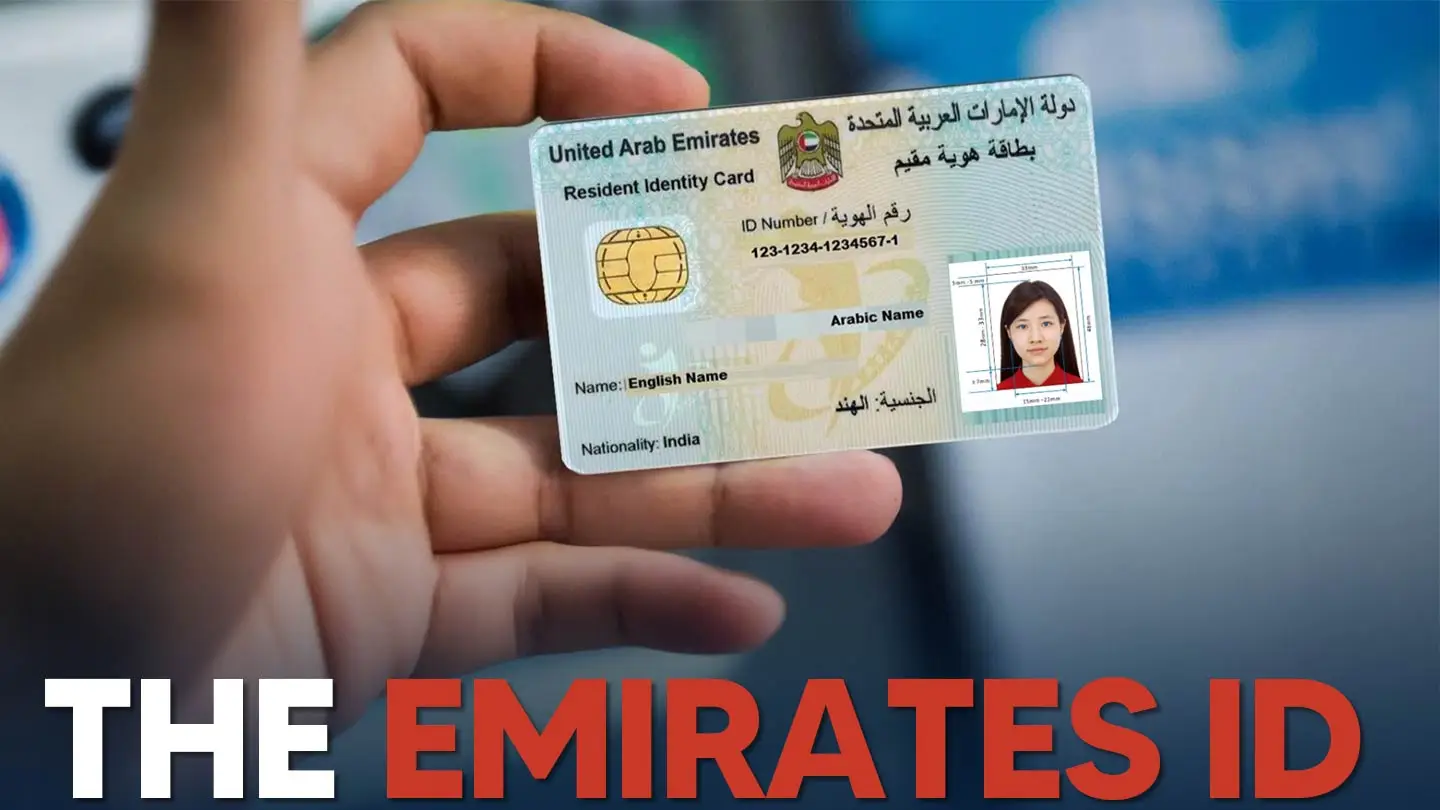
    If you live in the UAE or plan to move here, you will need an Emirates ID. Issued by the Federal Authority for Identity, Citizenship, Customs & Port Security (ICP), this government identity card contains your personal details, photo, fingerprints, and a unique 15-digit number, all securely stored on a chip.

    But it’s not just an ID. The Emirates ID is your key to daily life in the UAE. From opening a bank account and getting a phone connection to signing rental agreements or using e-gates at airports, your Emirates ID is required almost everywhere. It also helps you access government services and healthcare, and even log in to apps like UAE Pass for online services.

    Everyone residing in the UAE must have an Emirates ID, including citizens, GCC nationals, expatriates with residence visas, and even children and newborns. For citizens, it is also used for voting and travel within the GCC. For expatriates, it confirms legal residency and employment status.

    What is the Emirates ID?

    The Emirates ID is an official identity card issued by the Federal Authority for Identity, Citizenship, Customs & Port Security (ICP) in the UAE. It comes with a unique 15-digit number and stores important personal details, such as your name, nationality, photo, and biometric data, including fingerprints. It is a legal requirement for all citizens and residents of the UAE to obtain and carry this card.

    Why is the Emirates ID Important in the UAE?

    The Emirates ID is a mandatory document that plays a central role in daily life in the UAE.

    1. Proof of Identity

    The Emirates ID serves as your official proof of identity in the UAE. It verifies your personal information, nationality, and legal residency or citizenship status, and is required for most official or legal transactions.

    2. Access to Government Services

    The Emirates ID is required for residence visa renewals, vehicle registration, health cards, and accessing services through government portals and applications such as UAE Pass.

    3. Travel and Immigration

    • E-Gates and Smart Gates: Emirates ID enables expedited immigration clearance at UAE airports, enabling quick entry and exit.
    • GCC Travel (for UAE Citizens): UAE citizens may use their Emirates ID as a travel document within the Gulf Cooperation Council countries.

    4. Enhanced Security and Data Management

    • Biometric Data: The embedded microchip stores encrypted personal and biometric data, such as fingerprints, making the card highly resistant to counterfeiting.
    • Unified Database: The Emirates ID is part of a centralised national identity system that streamlines data management and verification for government and private entities.
    • Digital Services: The Emirates ID is integrated with smart services and e-government platforms, enabling secure online transactions and reducing paperwork. It can also be used with UAE Pass for secure digital logins.

    5. Rental and Utility Contracts

    To rent property in the UAE, you must present your Emirates ID. It is also required to activate utilities such as DEWA, internet, and gas services.

    6. Banking and Financial Use

    The Emirates ID is required to open bank accounts, apply for credit cards or loans, and conduct certain banking transactions. It enables banks to verify your identity and maintain security.

    Who Needs an Emirates ID?

    The Emirates ID is mandatory for nearly all UAE residents, including:

    • UAE Citizens: All Emirati nationals must apply for and carry an Emirates ID, which serves as their official identification for voting and accessing government services.
    • GCC Nationals Living in the UAE: GCC nationals residing in the UAE for work, business, or family purposes must also obtain an Emirates ID.
    • Expatriate Residents (Foreigners with Residency Visas): Foreigners with a valid UAE residence visa are legally required to obtain an Emirates ID. The card now contains residency details, replacing the physical visa sticker in passports. The application is typically completed during the residence visa process.
    • Children and Newborns: Newborns and children of UAE residents or citizens must also have an Emirates ID. Parents apply on their behalf during the residency visa process.

    Emirates ID UAE – Key Features

    The Emirates ID uses smart technology to ensure security, convenience, and easy access to services across the UAE. Key features include:

    1. Unique Identification Number

    Each Emirates ID card has a unique, permanent 15-digit identification number that remains with the holder for life, regardless of card renewal or replacement. This number is used for all official interactions.

    2. Biometric Data

    The card stores fingerprints and facial data collected during the application process, providing an additional layer of security and accurate identity verification.

    3. Smart Card Technology

    • Embedded Microchip: The card contains an electronic microchip that stores encrypted personal data, with a capacity of up to 32,000 characters.
    • Public Key Infrastructure (PKI): This includes digital signatures and authentication certificates, which are crucial for secure online transactions and verifying the authenticity of digital interactions.
    • Non-Touch Data Reading (Newer cards): Some newer Emirates ID cards include Wi-Fi-enabled chips for contactless data reading.

    4. Advanced Security Features

    The Emirates ID includes advanced security features to prevent counterfeiting and tampering, such as:

    • Accurate Letters/Micro-text: Extremely precise printing that is difficult to replicate.
    • Ultraviolet (UV) Ink: Visible only under UV light, adding a hidden layer of security.
    • Line Drawings/Holograms: Complex graphical elements that are hard to forge.
    • Secure Laminate: A protective layer designed to prevent alteration of the card’s surface.

    The ICP also states that the Emirates ID has nine security features that exceed the standards used in many other cards, including banking credit cards.

    5. Personal and Professional Data Storage

    The chip on the Emirates ID stores a significant amount of personal and, for residents, professional data. While some information is visible on the card, much of it is encrypted and accessible only to authorised authorities. Data stored can include:

    • Identity number (15-digit)
    • Full name (Arabic and English)
    • Personal photo
    • Date of issue and expiry
    • Passport information (number, type, country, issue/expiry dates)
    • Occupation
    • Sex
    • Nationality
    • Date of birth
    • Mother’s first name
    • Sponsor name, number, and type (for residents)
    • Marital status
    • Family number (for UAE nationals)
    • Town number (for UAE nationals)
    • Type of residence and residence number (for residents)
    • Two fingerprints
    • Signature image
    • Qualification data
    • Occupation type, company name

    6. Digital Version (UAE Pass Integration)

    A digital version of the Emirates ID can be stored on a smartphone via the UAE Pass application, providing secure access to online government and private-sector services without a physical card.

    7. Durability and Longevity

    The cards are made of durable materials, such as polycarbonate, which extends their service life to over 10 years and makes them resistant to daily wear and environmental conditions.

    How to Apply for an Emirates ID?

    Obtaining your Emirates ID is an important step after receiving UAE residency. The process is straightforward if you are prepared.

    Step 1. Ensure You Have a Valid UAE Residency Visa

    Your Emirates ID application must be linked to an active residency visa, regardless of your nationality.

    Step 2. Choose Your Application Method

    You can apply online or in person, depending on your preference:

    A. Online through ICP Website/App:

    The Federal Authority for Identity, Citizenship, Customs & Port Security (ICP) has an official website (icp.gov.ae) and mobile app (available on Google Play and App Stores) where you can apply for a new ID, renew, or replace a lost/damaged one. You’ll need to create an account, fill out the application form with accurate details, and upload the required documents.

    B. Accredited Typing Centres / Amer Centres (in Dubai):

    You may also visit an authorised typing centre or Amer centre, where staff will assist with the application form and submit your documents electronically to the ICP. This often coincides with your residence visa application.

    Step 3. Pay the Fees

    Fees vary depending on the card’s validity period, application type (new, renewal, or replacement), and the application channel (online or typing centre).

    General Fees (approximate, subject to change):

    • AED 100 per year of validity (e.g., AED 200 for a 2-year visa, AED 500 for a 5-year ID for citizens/GCC nationals).
    • Application fees: Around AED 30 (online) or AED 70 (typing centre).
    • Urgent service (“Fawri”) fee: An additional AED 150 for expedited processing (typically 24 hours).

    Step 4. Biometrics Appointment (if applicable)

    Most first-time applicants and some renewing or updating data applicants will receive an SMS notification with biometrics appointment details.

    You must visit a designated ICP Customer Happiness Centre to provide fingerprints and have your photograph taken. This step is essential for secure identity verification. Children under 15 are usually exempt from biometrics.

    Step 5. Wait for Processing

    Standard processing takes 7 to 10 business days after your visa is stamped and, if required, biometrics are completed. You will receive SMS updates and can track your application online using the application number (PRAN or transaction number) on the ICP website.

    Step 6. Collect Your Emirates ID

    You will receive an SMS when your card is ready. Collect it from the designated Emirates Post office or ICP centre, and bring your passport and application receipt.

    Cards must be collected within 90 days, or they will be returned to the system.

    Note: For expatriate residents, you generally need to have a valid residence visa (or at least your entry permit for the visa process) before you can apply for your Emirates ID. The ID application is often part of the complete visa processing.

    What is Emirates ID Fees in the UAE (As of 2026)?

    The cost of obtaining or renewing an Emirates ID depends on your residency status and the validity period of your visa. Below is an overview of current fees.

    1. Card Issuance Fee (Main Fee)

    This is the main fee for the ID card, determined by its validity period.

    For Expatriate Residents:

    AED 100 per year of validity of your residence visa.

    • Example: For a 2-year visa, the Emirate ID card issuance fee would be AED 200.
    • Example: For a 3-year visa, the Emirate ID card issuance fee would be AED 300.

    For UAE Citizens and GCC Nationals:

    • AED 100 for a 5-year validity.
    • AED 200 for a 10-year validity

    2. Application/Service Fees

    These are administrative fees for processing the application.

    • Online Application (through ICP website/app): Approximately AED 40
    • Typing Centre / Amer Centre Application: Approximately AED 70 (this typically includes AED 30 for the typing centre and AED 40 for the service fee)

    3. Urgent Service Fee (“Fawri Service”)

    An additional AED 150 is charged for expedited processing (typically within 24 hours). This service is usually available for new applications, renewals, and replacements at specific ICP Customer Happiness Centres.

    Emirates ID Validity and Renewal

    The Emirates ID is a critical document in the UAE. Maintaining its validity and renewing it on time is essential to avoid legal issues and ensure continued access to services.

    Emirates ID Validity:

    Emirates ID validity depends on your visa type and nationality.

    1. UAE Nationals

    For citizens, the Emirates ID is valid for 5 or 10 years, depending on the selected option during application.

    2. GCC Nationals Residing in the UAE

    For GCC nationals, the Emirates ID is usually valid for 5 years.

    3. Expat Residents

    For expatriates, Emirates ID validity is linked to the residency visa, typically for 1, 2, or 3 years, depending on work, sponsorship, or investment type.

    When and How to Renew your UAE Emirates ID?

    1. You may begin the renewal process six months before your Emirates ID expires.
    2. Timely renewal is important to avoid late penalties of AED 20 per day, up to AED 1,000.
    3. The renewal process is similar to applying for a new card:
    • Submit the renewal application via the ICP website, mobile app, or a typing centre.
    • Pay the applicable fees.
    • Book a biometric appointment (only if required).
    • Track your application and collect your new card once it’s ready.

    Grace Period: There is a 30-day grace period from the expiry date to renew your Emirates ID without incurring late fines.

    Late Renewal Fines: Failure to renew within the 30-day grace period results in a fine of AED 20 per day.

    Read More: How to Renew an Emirates ID in the UAE

    Lost, Stolen, or Damaged Emirates ID – What to Do?

    If your Emirates ID is lost, stolen, or damaged, you can request a replacement by following these steps:

    1. Report the Incident Immediately

    Visit the nearest ICP Customer Happiness Centre or log in to the ICP Smart Services portal to report your lost or damaged card. If stolen, filing a police report is recommended for added security.

    For a damaged ID: You do not need to report it as lost or stolen. Retain the damaged card, as it must be submitted when applying for a replacement.

    2. Apply for a Replacement

    After reporting, apply for a replacement Emirates ID online, via the ICP app, or at any typing centre. Submit your passport, a recent photo, and a copy of your lost or damaged ID if available.

    3. Pay the Replacement Fees

    The standard replacement fee is AED 300, plus AED 40 for service charges and AED 30–50 for typing or postal services. The urgent (Fawri) service incurs an additional AED 150–200.

    4. Collect Your New Emirates ID

    Once your replacement is ready, you will receive an SMS notification. Collect the new card from the designated Emirates Post office or ICP centre, as selected during your application.

    Important Considerations:

    • Temporary ID: While waiting for your new Emirates ID, you may use a printout of your application form with your ID number and your passport for identification. The UAE Pass app also provides a digital Emirates ID, valid for many digital services.
    • Old Card Found (if lost): If you find your old card after reporting it lost and applying for a replacement, it’s best to surrender it to the ICP, as it will have been deactivated. Your new card will have the same ID number as the old one.

    Need Help? Shuraa is Here for You

    The Emirates ID is more than just an identification card; it’s an essential part of life in the UAE. From accessing everyday services to verifying your legal residency, it plays a vital role for both citizens and expats.

    Key recommendations:

    • Always carry your Emirates ID.
    • Update your details if your phone number or address changes.
    • Renew your Emirates ID on time to avoid late fees.
    • If you lose or damage your Emirat

    If you are planning to move to the UAE or start a business, Shuraa can assist you. We support clients with Emirates ID applications, residency, visas, and business setup.

    If you have questions or need assistance, we are here to support you at every step.

    Commonly Asked Questions (FAQs)

    1. How can I obtain an Emirates ID in the UAE?

    Here’s a quick step-by-step process to get your Emirates ID:

    1. Apply online via the ICP website or visit a typing centre
    2. Submit your documents and pay the fees
    3. Book and attend your biometric appointment
    4. Wait for processing and collect your card from Emirates Post

    2. How long does it take to receive the Emirates ID?

    It usually takes 5 to 10 working days after completing the biometric process. If you choose the urgent (Fawri) service, you may get it within 24 hours.

    3. Can I travel without my Emirates ID?

    For international travel, a passport and a valid visa are required. UAE citizens may travel to GCC countries using only their Emirates ID, while expatriates cannot.

    4. Do children need an Emirates ID?

    Yes, all newborns and children living in the UAE require an Emirates ID. Parents typically apply during the child’s residency visa process.

    5. Can I update my details on the Emirates ID?

    Yes. You can update your phone number, address, or other personal information through the ICP website, app, or at a service centre.

    6. Is it mandatory to carry the Emirates ID at all times?

    Yes, it is legally required to carry your Emirates ID. It may be needed for identification, accessing services, or during inspections.

  • How to Transfer Ownership of Property in Dubai

    How to Transfer Ownership of Property in Dubai

    Dubai’s real estate market is one of the fastest growing and most exciting in the world. In fact, property prices have gone up by as much as 147% over the last five years, and the number of homes being bought and sold is hitting record highs. A big reason behind this growth is Dubai’s investor-friendly environment, strong rules to protect buyers and sellers, and programs like the Golden Visa. With more than 300,000 new homes expected to be built by 2028, owning property in Dubai continues to be a smart investment.

    But if you’re planning to buy, sell, gift, or inherit a property here, it’s important to know how to transfer ownership of property in Dubai. To transfer property ownership in Dubai, both the buyer and seller (or their legal representatives) must visit the Dubai Land Department (DLD) or a DLD-approved trustee office to complete the transfer. You’ll need to get a No Objection Certificate (NOC) from the developer, submit essential documents like the title deed and sale agreement, pay the necessary transfer fees, and finally, receive a new title deed under the new owner’s name.

    This process involves more than just paperwork, it helps ensure your transaction is smooth, legal, and fully protected.

    Legal Framework for Property Ownership in Dubai

    Dubai has a well-defined legal system for property ownership, overseen by the Dubai Land Department (DLD). The DLD plays a central role in regulating and documenting all real estate transactions in the emirate, ensuring transparency, legal compliance, and protection for both buyers and sellers.

    Role of the Dubai Land Department (DLD)

    The DLD is the government body responsible for:

    • Registering property transactions and issuing title deeds
    • Approving ownership transfers, mortgages, and leases
    • Regulating real estate agents and developers
    • Ensuring legal clarity and security in all property dealings

    All property ownership transfers, whether between individuals, companies, or through inheritance- must be registered with the DLD to be legally valid. 

    Freehold vs. Leasehold Property Zones

    Dubai offers two main types of property ownership: 

    • Freehold Ownership: Allows foreign nationals to buy, sell, lease, and inherit property with full ownership rights. Freehold properties are available in designated areas such as Downtown Dubai, Dubai Marina, Palm Jumeirah, and Jumeirah Village Circle.
    • Leasehold Ownership: Grants the right to use the property for a long-term lease, typically up to 99 years, but the land remains under the ownership of the freeholder (often the government or local developer). Leasehold properties are more common in non-designated zones.

    What is a Property Transfer Contract?

    A Property Transfer Contract is a legal agreement between two parties, typically a buyer and a seller, that outlines the terms and conditions for transferring the ownership of a property from one person or entity to another.

    What Does a Property Transfer Contract Include?

    A typical Property Transfer Contract in Dubai includes:

    • Details of the property (location, size, title deed number, etc.)
    • Names and identification of both parties (buyer and seller or transferee and transferor)
    • Agreed sale price or value of the property
    • Payment terms and timelines
    • Responsibilities of each party (e.g., who will pay the DLD fees, service charges, etc.)
    • Confirmation of legal ownership and consent to transfer
    • Signatures of both parties and witnesses

    Read Also: A Guide for the Legal Procedures to Buy Property in Dubai

    Common Scenarios of Property Ownership Transfer

    There are several situations where property ownership in Dubai can change hands. Here are the most common types of property ownership transfers:

    1. Sale and Purchase

    This is the most common scenario where a property owner sells the property to a buyer. The transfer happens after a formal agreement is signed, payment is made, and the ownership is updated at the Dubai Land Department (DLD).

    2. Gifting Between Family Members

    Property owners in Dubai can gift their property to first-degree relatives, such as parents, children, or spouses. While this is not a sale, it still requires a formal process through the DLD and involves reduced fees compared to standard sales.

    3. Inheritance Transfer

    When a property owner passes away, the property is transferred to their legal heirs. This is done based on a Sharia-compliant succession certificate or a court ruling, depending on the nationality and religion of the deceased.

    4. Corporate Transfer

    Property owned by a company can be transferred to another company or within the same group (e.g., during mergers, acquisitions, or restructuring). This usually involves corporate approvals, board resolutions, and clearance from relevant authorities.

    5. Divorce Settlements

    In cases of divorce, jointly owned property or property under dispute may be transferred from one spouse to another as part of a legal settlement. This must be supported by a valid court judgment or settlement agreement.

    Documents Required to Transfer Property Ownership in Dubai

    Having all the right paperwork in place ensures a smooth and hassle-free process. Here’s a list of the key documents typically required:

    A. For Individuals (Buyer and Seller or Transferring Parties):

    • Original Title Deed of the property
    • Valid Emirates ID (for UAE residents)
    • Passport copies (for non-residents or foreign investors)
    • Visa copy (if applicable)
    • No Objection Certificate (NOC) from the developer
    • Signed Sale and Purchase Agreement (SPA) or Gift/Transfer Agreement
    • Bank clearance or mortgage release letter (if there is an existing loan)
    • Power of Attorney (if someone is signing on behalf of the buyer or seller)

    B. For Companies (If Buyer or Seller is a Company):

    • Valid Trade License
    • Board Resolution approving the transfer
    • Memorandum of Association (MOA)
    • Passport and Emirates ID copies of the authorised signatory
    • Power of Attorney (if applicable)

    How to Transfer Ownership of Property in Dubai

    Transferring property ownership in Dubai involves a few important legal steps that ensure the transaction is safe, transparent, and officially recognised by the Dubai Land Department (DLD).

    Here’s a simple breakdown of the entire process:

    Step 1. Agree on Terms (MOU / Sale & Purchase Agreement)

    First, buyer and seller agree on the sale price, deposit (often 10%), payment plan, and other conditions. This is formalised in a Memorandum of Understanding (MOU) or Sale & Purchase Agreement (SPA), depending on whether the property is off‑plan or secondary market.

    Step 2. Obtain a No Objection Certificate (NOC)

    The developer must issue an NOC, confirming no dues on the property and consent to transfer. Process can take 3–7 working days, with fees ranging from AED 500–5,000.

    Step 3. Get Property Valuation (If required)

    A valuation by a DLD‑approved valuer may be needed, especially if the property is mortgaged or commercial. This helps verify market value and calculate transfer fees.

    Step 4. Visit a DLD-Approved Trustee Office

    Submit all documents at a Dubai Land Department‑approved trustee office or Customer Happiness Centre. Both parties or their authorised representatives (via Power of Attorney) attend to sign and finalise documents.

    Step 5. Submit Documents

    At the trustee office, buyer and seller (or their Power of Attorney) submit originals: Title Deed (or Oqood for off‑plan), Emirates IDs, passports, NOC, SPA/MoU, closing payment proofs and mortgage documents.

    Step 6. Pay Fees and Charges

    Buyers typically pay:

    • 4% DLD transfer fee based on the sale price
    • Title deed issuance/admin fee (AED 580 or as specified)
    • Property map fees (e.g. AED 250–325 depending on type)
    • Trustee office service fee (approx. AED 2,000–4,000, depending on office)
    • Mortgage registration fee, if applicable (e.g. 0.25%)

    Step 7. Final Verification & Approval

    DLD staff verify all documents, signatures, and fee payments. Once everything is approved, ownership is legally transferred and recorded.

    Step 8. Issuance of the New Title Deed

    A new title deed is issued on the spot in the buyer’s name, either digitally or in paper form, and the transaction is completed.

    Step 9. Post-Transfer Steps

    After transfer:

    • Transfer utility accounts (electricity, water, gas) to the new owner
    • If applicable, obtain a move-in permit from the developer
    • Update the property management or homeowners association about the change in ownership

    What is Dubai Property Transfer Fees?

    Transferring property ownership in Dubai involves several key fees. Some are mandatory, while others depend on your situation, like having a mortgage or hiring a lawyer. Here’s a breakdown of the main costs you should be aware of:

    1. DLD Transfer Fee:

    The Dubai Land Department (DLD) charges 4% of the property’s sale price as a transfer fee. This is usually paid by the buyer unless agreed otherwise. An additional admin fee of AED 580 also applies. For title deed registration, you may also pay AED 2,000 if the property value is under AED 500,000, or AED 4,000 if it’s higher.

    2. Trustee Office Fee:

    A DLD-approved real estate trustee office handles the final transaction. Their service fee generally ranges between AED 2,000 to AED 4,000, plus VAT. This fee covers document verification and title deed issuance.

    3. Mortgage-Related Fees (If Applicable):

    If the property is under mortgage, you may need to pay a mortgage registration fee (0.25% of the loan amount + AED 290 admin fee). The seller may also need to pay mortgage release fees, usually around 1% of the outstanding amount (capped at AED 10,000), along with a release letter fee of around AED 1,000–1,500. Additionally, banks often charge a valuation fee between AED 2,500–3,500 and a processing fee of 0.5–1% of the loan.

    Note: Price may vary. Always double-check fees with our local experts at Shuraa or your real estate agent.

    Read Also: How to Become a Real Estate Agent in Dubai

    Transfer of Property with an Existing Mortgage in Dubai

    When a property in Dubai has an existing mortgage, the process involves a few additional steps to ensure all loans are settled and ownership is transferred legally.

    1. Apply for a Liability Letter

    The seller requests a liability letter from their bank, stating the remaining mortgage balance and any early settlement fees. This document is typically valid for 15–30 days and is essential to plan the transfer.

    2. Property Blocking at Trustee Office

    To protect the buyer, the property is “blocked” in their name at a DLD trustee office using the MOU (Form F), liability letter, and cheques. This ensures no other transfer can occur until the mortgage is cleared.

    3. Mortgage Settlement

    Depending on the payment plan:

    • Cash Buyer: The buyer pays the outstanding mortgage directly to the bank via manager’s cheque.
    • Mortgage Buyer: The buyer’s bank coordinates with the seller’s bank to settle the loan.

    Once payment is made, the seller’s bank issues a mortgage release letter and returns the original title deed.

    4. Developer NOC

    After the mortgage is cleared, the seller must obtain a No Objection Certificate (NOC) from the developer, certifying there are no outstanding dues. This usually takes 3–7 working days.

    5. Final Transfer at DLD Trustee Office

    With the liability letter, NOC, released title deed, MOU, and transfer fee (4%), both parties, along with the buyer’s bank if needed, attend the trustee office. The seller’s mortgage is officially released, and a new title deed is issued to the buyer.

    Read Also: How to Start a Real Estate Business in Dubai

    Transfer Ownership the Right Way

    Transferring property ownership in Dubai doesn’t have to be complicated, especially when you know the steps. From signing a sale agreement, getting the NOC from the developer, submitting your documents at the trustee’s office, to paying the required fees, each part plays an important role in completing the process smoothly. If there’s a mortgage involved or if it’s a gift or inheritance, there are just a few extra things to keep in mind.

    While it’s possible to do it on your own, working with experts can save you a lot of time, effort, and confusion. Real estate rules can be tricky, and one small mistake can cause delays.

    At Shuraa Business Setup, we assist you with legal paperwork, DLD approvals, or handling corporate transfers. Our experienced team is here to make the process easy and stress-free for you.

    Commonly Asked Questions

    1. How to transfer ownership of property in Dubai?

    You can transfer property ownership by signing a sale agreement, obtaining a No Objection Certificate (NOC) from the developer, submitting all required documents at a DLD trustee office, paying the transfer fees, and getting the new title deed issued in the new owner’s name.

    2. Can I transfer property in Dubai to a family member?

    Yes, property can be gifted to first-degree relatives like parents, children, or a spouse. This still requires DLD approval and paperwork, but the transfer fees are reduced compared to a standard sale.

    3. How long does the property transfer process take in Dubai?

    If all documents are in order, the final transfer at the trustee’s office usually takes 30 to 60 minutes. However, getting the NOC, liability letters, or mortgage clearances may take a few days to a few weeks.

    4. Can foreigners transfer property in Dubai?

    Yes, foreigners can buy, sell, and transfer property in designated freehold areas like Dubai Marina, Downtown, and Palm Jumeirah. The process is open to both UAE residents and non-residents.

    5. Is it possible to gift property in Dubai without paying transfer fees?

    You cannot completely avoid fees, but gifting property to immediate family members comes with reduced DLD charges, usually around 0.125% instead of the standard 4%.

    Disclaimer: The information in this post is for general guidance only and may change due to updates in government policies or regulations.

  • How to Be the One Percent

    How to Be the One Percent

    You’ve seen the headlines: 

    “The richest 1% own nearly half the world’s wealth.” 

    “Why only a few people get most of the rewards.” 

    These statements often show the 1% as distant, privileged, and out of reach. But here’s the thing – what if being part of the 1% isn’t about privilege, but about action? What if it’s not about luck or birthright, but bold decisions, calculated risks, and a refusal to settle for the ordinary? 

    At Shuraa, we believe the 1% isn’t a closed club. It’s a mindset. It’s a choice. It’s about starting when most people stall. It’s about building when others are waiting. It’s about dreaming, but more importantly, doing. 

    If you’re someone with a dream, to build a business, start something of your own, or invest in the future, this right here might be your first step to understanding what separates the 1% from the rest… and how Dubai is the best place to start. 

    Who are the Top 1% and How Did They Get There? 

    To be in the top 1% globally, estimates suggest you need a net worth of around $1 million or more. But don’t let the number distract you from what really matters – how they got there. 

    The overwhelming majority of today’s self-made millionaires didn’t inherit their success. They built it. And when you study their journey, a few things stand out: 

    They started businesses. 

    Entrepreneurship is one of the most consistent paths to long-term wealth and independence. 

    They invested wisely. 

    From real estate to technology and startups, the 1% understand the power of compound growth. 

    They took risks when others played it safe. 

    Most people wait for permission. The 1% create their own path. 

    They failed, learned, and kept going. 

    Setbacks are part of the process, not signs to quit. 

    More than anything, the 1% are just the ordinary people who chose to begin. That’s the only real difference.

    Read Also: How to Earn Money Online in UAE in 2026

    99% vs 1%: A Different Way of Thinking 

    Here’s a simple breakdown of how the 1% think and act differently: 

    The 99%The 1%
    Wait for the “right” time Start with what they have 
    Fear failure See failure as feedback 
    Work for someone else’s dream Build their own dream 
    Spend time consuming Spend time creating 
    Save what’s left after spending Invest first, spend later 
    Follow trends Set trends 
    Avoid discomfort Embrace growth through discomfort

    The difference isn’t in ability. It’s in attitude. And it all starts with one decision. 

    Why Choose to Be the 1% in Dubai? 

    There’s a reason why Dubai is home to so many of the world’s top entrepreneurs, investors, and dreamers. 

    Here’s why thousands of entrepreneurs choose Dubai to become the 1%: 

    1. The City Itself Was Built by Visionaries 

    Dubai is living proof that daring ideas can become reality. In just a few decades, it transformed from a desert trading hub into a world-class economic powerhouse. 

    2. Dubai Respects Action-Takers 

    In many parts of the world, red tape and bureaucracy slow down even the most motivated entrepreneurs. Dubai does the opposite; it simplifies the path for action-takers. With business-friendly laws, fast company registration, visa options for founders and investors, and access to world-class infrastructure, the government actively supports those who dare to begin. 

    3. Wealth Creation Is Welcomed, Not Punished 

    Unlike many countries that heavily tax wealth, income, or capital gains, Dubai empowers people to grow and keep more of what they earn. With 0% personal income tax and corporate tax exemptions below a certain threshold, Dubai is not just tax-friendly, it’s wealth-friendly. 

    4.  A Growing Culture of Entrepreneurship 

    Dubai is no longer just a place for established business owners; it’s now a magnet for first-time founders, side-hustlers, creatives, and remote entrepreneurs. 

    5. Residency and Long-Term Security for Entrepreneurs 

    From the Golden Visa to Green Visas and partner visas, Dubai offers flexible, long-term residency options for those looking to build a life here, not just a company. 

    6. You Don’t Need to Be a Billionaire to Begin 

    Becoming part of the 1% isn’t about flashy exits or unicorn valuations. It starts with a clear idea, a good plan, and the right support. Dubai welcomes small business owners, freelancers, solo founders, and young entrepreneurs. 

    If you’ve ever dreamed of building a business or launching something of your own, there has never been a better time, or place, than right now, in Dubai.

    Read Also: 14 Profitable Business Ideas in Dubai with Low Investment

    How to Think (and Act) Like the 1% 

    Becoming part of the 1% doesn’t start with a bank balance. It starts with a shift in mindset: 

    Start small, but start smart. 

    You don’t need millions to begin, you need momentum. 

    Prioritize ownership. 

    Owning your time, your work, and your future matters more than any salary. 

    Make decisions most avoid. 

    Where others delay, you decide. 

    Build things that matter. 

    Solve problems. Offer value. Focus on impact, not just income. 

    Use setbacks as training. 

    The 1% aren’t immune to failure. They just use it better than most. 

    How Shuraa Helps You Become the 1% 

    With over 26 years of experience, Shuraa Business Setup has helped more than 100,000+ entrepreneurs, startups, and investors set up their businesses in Dubai and across the UAE. 

    We don’t just help you launch. We walk with you every step of the way. 

    Our Core Services Include: 

    • Company Formation (Mainland, Free Zone, Offshore) 
    • Golden Visa Application Assistance 
    • Corporate PRO Services 
    • Office Space & Business Centres 
    • Bank Account Opening, Tax, VAT & Compliance 
    • Licensing and Government Liaison  

    We understand that starting a business can feel overwhelming. But with Shuraa, it doesn’t have to be. Our team simplifies the process, manages the paperwork, and ensures you stay focused on your dreams. The same dream that’ll make you among the one percent. 

    So, Be the ONE PERCENT 

    The 1% don’t have all the answers, they just make one decision most people don’t: They start

    This is your moment to step out of the routine, to stop scrolling, to stop dreaming about a better life, and to actually build one. 

    And Dubai? It’s where the bold belong. 

    Start your business today with Shuraa. 

    Be the One Percent. 

    Remember, you’re just one decision away!

  • How to Start a Matcha Business in Dubai, UAE

    How to Start a Matcha Business in Dubai, UAE

    Thinking of turning your love for matcha into a profitable venture? If you’re wondering how to start a matcha business, you’re getting into a booming global trend. From tasty lattes and smoothies to desserts and wellness products, matcha has carved a strong niche in the health-conscious and lifestyle-focused consumer market. Its antioxidant-rich profile and cultural appeal make it a high-potential product for both online and retail ventures.

    Whether you’re passionate about launching your product line, opening a cosy matcha café, or starting a speciality e-commerce brand, this is the perfect time to explore how to start a matcha business. The opportunities are especially promising in rapidly growing markets, such as the UAE. Are you interested in starting a matcha business in Dubai? With the city’s passion for premium beverages, health trends, and café culture, Dubai provides an ideal environment for new entrepreneurs to establish a strong, scalable brand. This guide will walk you through the essential steps, from sourcing and branding to licensing and location.

    What Is Matcha?

    Matcha is a finely ground powder made from specially grown and processed green tea leaves. Originating in Japan, matcha is known for its green colour, distinct earthy flavour, and numerous health benefits. Unlike traditional green tea, where the leaves are steeped and discarded, matcha is consumed entirely, making it a more potent source of nutrients and antioxidants.

    The tea plants used to make matcha are shade-grown for approximately three to four weeks before harvest, which increases chlorophyll levels and enhances the production of amino acids, such as L-theanine. After harvesting, the leaves are steamed, dried, and stone-grounded into fine powder.

    Matcha is traditionally used in Japanese tea ceremonies but has also gained global popularity in lattes, smoothies, desserts, and skincare products due to its health-boosting properties and rich, umami flavour.

    Is it Profitable to Start a Macha Business in the UAE?

    Yes, starting a matcha business in the UAE can be profitable if done strategically. Here’s why:

    • Rising Health Consciousness: Consumers in the UAE, particularly in cities such as Dubai and Abu Dhabi, are becoming increasingly health conscious. Matcha is marketed as a superfood rich in antioxidants, boosting metabolism, and enhancing focus, making it very appealing.
    • Premium Market Willing to Pay: The UAE has a strong premium market segment that’s willing to pay more for organic, imported, and artisanal products, exactly where matcha fits in.
    • Growing Café Culture: Dubai and Abu Dhabi have thriving café scenes where aesthetic, niche beverages like matcha lattes, matcha smoothies, and matcha-based desserts are in demand.
    • Untapped Niche: While coffee is oversaturated, matcha is still relatively new in the region. That means lower competition and more room to stand out with a strong brand and experience-driven business.

    Challenges to Be Aware Of

    • High Setup Costs: Especially if you’re opening a physical café. Licenses, rent, and staff costs can be steep.
    • Education Required: Many consumers still need to be educated about what matcha is and why it’s worth the price.
    • Sourcing & Quality Control: Matcha quality varies drastically. Sourcing premium-grade matcha from Japan or Korea adds import costs.

    Smart Matcha Business Models in the UAE

    • Matcha Café: Boutique, Instagrammable café offering matcha drinks, desserts, and healthy snacks.
    • E-commerce Matcha Store: Selling ceremonial or culinary grade matcha online to individuals and businesses.
    • Wholesale Distribution: Supplying matcha powder to cafes, restaurants, and hotels.
    • Private Labelling: Rebranding imported matcha under your label for local or export markets. 

    If you target the right audience (health-focused expats, Gen Z, and upper-middle-class Emiratis), offer premium-quality products, and build a strong brand, a matcha business in the UAE can be highly profitable.

    How to Start a Matcha Business in Dubai

    Looking to get into Dubai’s growing wellness and speciality beverage market? Matcha, a finely ground green tea powder packed with antioxidants, has taken the health world by storm. From matcha lattes to desserts, skincare, and supplements, the demand is rising steadily across the UAE.

    If you’re wondering how to start a matcha business, Dubai offers a supportive ecosystem with high consumer interest, excellent logistics, and global reach. Here’s a detailed breakdown of the steps to start a matcha business in Dubai:

    Step 1: Conduct Market Research

    Before starting a matcha business, thoroughly research the market. Understand the types of matcha products that are trending, whether it’s ceremonial grade, culinary grade, or ready-to-drink formats.

    • Identify your niche: Will you sell matcha as a drink, powder, food ingredient, skincare product, or all of the above?
    • Know your audience: target gym-goers, yoga enthusiasts, café lovers, and individuals seeking organic alternatives.
    • Competitor analysis: Research existing matcha brands in Dubai, like Matcha Union, Matcha Tokyo, or local cafes that offer matcha drinks. Study their pricing, packaging, branding, and customer engagement.

    Step 2: Choose the Right Business Model

    Decide how you want to operate:

    • Matcha Café or Kiosk: Set up a physical store in malls or busy neighbourhoods.
    • Online Store: Sell matcha powder, kits, or blends via an eCommerce platform.
    • Wholesale or B2B: Supply matcha in bulk to cafés, spas, fitness centres, or restaurants.
    • Private Label: Source matcha and sell it under your brand with unique packaging.
    • Hybrid Model: Combine offline and online channels for maximum reach.

    Choosing the right model early helps you structure your operations and budget efficiently.

    Step 3: Select Your Business Location

    Dubai offers various options based on your budget and target audience:

    • Mainland: Ideal for opening a retail matcha shop or café that caters to walk-in customers.
    • Free Zones: Great for eCommerce-focused businesses or those planning to export.

    Popular zones include:

    Choosing the correct zone affects your ownership rights, visa eligibility, and market access. Mainland companies can trade anywhere in the UAE, while free zone businesses need a distributor to sell on the mainland.

    Step 4: Decide on the Legal Structure

    Understanding your legal structure is key when learning how to start a matcha business in Dubai:

    Consult with a Shuraa business setup advisor to choose the best option for your business goals.

    Step 5: Register Your Business & Choose a Name

    • Choose a unique, relevant trade name (avoid words like “Emirates,” “Dubai,” or offensive/controversial terms).
    • Apply for name and initial approval from the Department of Economic Development (DED) or your chosen free zone authority.
    • Prepare the required documents, including passport copies, visa copy, Emirates ID (if available), and business plan.

    Step 6: Apply for a Trade License

    To legally operate your matcha business in the UAE, you’ll need the proper trade license:

    • Commercial License: For retail, import/export, and online trading
    • Food & Beverage License: For cafés and physical outlets serving matcha-based drinks and food
    • Health & Beauty Product License: If you’re selling matcha-based skincare or wellness products

    Depending on your activity, approvals from Dubai Municipality, Dubai Health Authority (DHA), or the Food Safety Department may be required.

    Step 7: Source and Import Quality Matcha

    Matcha sourcing is one of the most critical aspects of your business. Dubai customers expect high-quality, authentic matcha, preferably:

    • Organic and ceremonial grade for consumption
    • Japanese-sourced matcha from regions like Uji or Nishio (high credibility)
    • Properly certified (FDA, JAS, HACCP, ISO, etc.)

    You must comply with UAE import regulations and obtain product registration through Dubai Municipality’s Montaji system, particularly for food or cosmetics.

    Step 8: Build Your Brand and Infrastructure

    • Branding: Create a brand that reflects wellness, sustainability, and quality.
    • Packaging: Ensure it’s eco-friendly, labelled in Arabic and English, and meets UAE standards.
    • Website & Payment Gateway: For online sales, set up an eCommerce platform with secure payment options (Tap, Telr, Stripe, etc.)
    • Delivery & Logistics: Partner with local couriers (Fetchr, Aramex, Shipa) or offer same-day delivery in Dubai.

    Step 9: Market Your Matcha Business

    To grow your customer base, you need a strong digital and offline presence:

    • Social Media: Use Instagram Reels, TikTok trends, and influencer marketing to showcase your products.
    • Content Marketing: Write SEO-optimised blogs (e.g., health benefits of matcha) to attract organic traffic.
    • Collaborations: Partner with yoga studios, gyms, spas, and wellness cafes for brand exposure.
    • Sampling & Pop-Ups: Host pop-up events in malls, gyms, or lifestyle events to generate buzz.

    Step 10: Stay Compliant and Renew Licenses

    • Renew your trade license annually
    • Renew visas, leases, and health permits as applicable
    • Keep records of imports and sales for VAT filing (if revenue exceeds AED 375,000/year)

    If you’re serious about building a wellness-focused brand, now is a great time to start a matcha business in Dubai. From premium retail to D2C brands, matcha offers multiple scalable business opportunities. Whether you’re opening a café or launching an online store, Dubai’s strategic location, affluent population, and interest in healthy lifestyles make it the perfect launchpad.

    Launch Your Matcha Business with Shuraa Business Setup!

    Documents Required to Start a Matcha Business in Dubai, UAE

    To start a matcha business in Dubai, UAE, you need to gather and submit a series of documents to legally register your business and operate in compliance with UAE regulations. Below is a detailed list of the essential documents required, whether you are opening a retail outlet, online store, or café:

    Read also: How to Open a Cafeteria in Dubai

    Get Ready to Brew Your Matcha Dream with Shuraa!

    Now that you know how to start a matcha business, it’s clear that this green gold isn’t just a trend—it’s a lifestyle shift, especially in vibrant, health-conscious markets like Dubai. From setting up the right legal structure and sourcing premium matcha to choosing a solid business model and building a bold, wellness-driven brand, every step counts toward long-term success.

    The UAE, particularly Dubai, offers an ideal launchpad with its love for premium beverages, high-income consumers, and booming café culture. Whether you want to open a boutique matcha café, sell online, or distribute to other businesses, the opportunities are as rich as a ceremonial-grade matcha shot.

    If you’re serious about your entrepreneurial journey and need expert guidance, Shuraa Business Setup can help you navigate every step from licensing and documentation to trade name approvals and local compliance. Don’t just dream about starting a matcha business—make it happen.

    Contact us at +971 4 408 1900 or send a WhatsApp message to +971 50 777 5554. Alternatively, reach out via email at info@shuraa.com for prompt assistance.

    This is your moment to ride the green wave. Start a matcha business in Dubai today, and build a brand that blends health, culture, and profit into every cup.

    Disclaimer: The information in this post is for general guidance only and may change due to updates in government policies or regulations.

  • The Cheapest Trade Licenses in UAE for 2026: A Startup’s Guide

    The Cheapest Trade Licenses in UAE for 2026: A Startup’s Guide

    Launching your business in the UAE doesn’t require a massive budget. For freelancers, solo entrepreneurs, and savvy startups, the UAE offers surprisingly affordable trade licenses that provide a legal and powerful launchpad. In 2026, you can secure your cheapest trade license in the UAE for as low as AED 5,500, allowing you to channel your capital into growth instead of high setup costs.

    This guide cuts through the complexity to show you the lowest-cost trade license in the UAE options, from free zones to specific license types, helping you make a smart, compliant, and budget-friendly start.

    Understanding Your Affordable License Options

    Your business model dictates the most cost-effective license. Here are the primary options for entrepreneurs seeking the cheapest business license in Dubai and the wider UAE.

    1. Freelancer Permit

    Ideal for solo professionals like designers, developers, writers, and marketing consultants.

    • Typical Cost: AED 6,000 – AED 17,000 (with visa).
    • Why it’s cheap: No physical office is required, and setup is streamlined. The lowest-cost options are typically “zero visa” packages.

    2. E-Commerce License

    Perfect for online sellers using Amazon, social media, or their own websites.

    • Typical Cost: AED 7,500 – AED 12,000.
    • Why it’s cheap: Designed for digital business, it often comes with a virtual office address, eliminating the cost of physical space.

    3. Professional/Service License

    The go-to option for consultancies, agencies, and any business providing services.

    • Typical Cost: AED 6,000 – AED 9,000 for a basic license.
    • Why it’s cheap: Covers a wide range of service-based activities without the higher fees associated with general trading.

    4. The Dubai E-Trader License (A Special Case)

    A unique and ultra-affordable option for UAE and GCC nationals and residents.

    • Typical Cost: AED 1,070 per year.
    • Important Note: This license does not include visa sponsorship and is intended for small, home-based online businesses. Availability for new applicants should be confirmed with the DED.

    Top 5 Affordable Free Zones for Your Trade License in 2026

    Free zones are your best bet for a low-cost trade license in the UAE. They offer 100% foreign ownership, tax exemptions, and fast setup. Here are the top budget-friendly choices, plus two premium options for those considering a broader range:

    Free ZoneStarting Cost (AED)Ideal ForKey Benefit
    Jebel Ali Free Zone (JAFZA)5,500 (basic license fee)*Import/Export, Logistics, ManufacturingWorld-class reputation and direct access to Jebel Ali Port.
    Sharjah Media City (SHAMS)5,750 (no visa)Freelancers, Media, E-commerceThe lowest entry cost, with a fast, online setup process.
    Ajman Free Zone (AFZ)6,000 (no visa)SMEs, Trading, Online BusinessA simple and cost-effective choice for small businesses.
    Ras Al Khaimah Economic Zone (RAKEZ)6,500 (no visa)Trading, Services, E-commerceExtreme flexibility with highly competitive package deals.
    Dubai South Free Zone10,000Logistics, E-commerce, AviationStrategic location near Al Maktoum Airport, ideal for future growth.
    Meydan Free Zone – Dubai12,500Consultants, Tech StartupsA prime Dubai location with a fully digital setup process.
    International Free Zone (IFZA) – Dubai12,900 (license only)Startups needing a Dubai addressDubai brand value with multiple activities under one license.
    Dubai Multi Commodities Centre (DMCC)35,000+ (with visa/desk)Commodity Trade, Global BusinessesA prestigious business address with unmatched networking.

    Important Note on JAFZA: While the basic license fee for JAFZA is very low, the total setup cost is typically higher due to mandatory office space and other associated fees. It offers excellent value but often resides in a higher operational cost bracket than the Northern Emirates zones.

    What Truly Affects the Cost of Your License?

    Knowing what drives the price helps you find the cheapest trade license in Dubai that fits your needs.

    1. Visa Requirements: This is the biggest cost factor. A license with no visas is the cheapest. A package with one visa can increase the cost by AED 5,000 or more.
    2. Office Space: Opting for a virtual office or flexi-desk instead of a private office drastically reduces your annual expense.
    3. Business Activity: A specialized service license is cheaper than the cheapest general trading license in the UAE, which has a broader scope.
    4. Jurisdiction: Free zones are generally more affordable for startups than mainland licenses, which require a local service agent.

    How to Choose Your Perfect Low-Cost License

    Follow this simple guide to match your business with the right license:

    • You are a solo freelancer or consultant: → Start with a Freelancer Permit from SHAMS or RAKEZ.
    • You run an online store or do dropshipping: → An E-Commerce License from AFZ or IFZA is your best fit.
    • You need a Dubai-based company for your service business:  → A professional license from IFZA or Meydan offers great value.
    • You are a UAE resident selling on social media: → Check eligibility for the Dubai E-Trader License.

    Also read: How to Get a Trade License in Dubai

    Frequently Asked Questions (FAQs)

    1. Which is the cheapest free trade zone in the UAE?

    The cheapest free trade zone in the UAE is Jebel Ali Free Zone (JAFZA), offering a basic license starting from AED 5,500*. For a low-cost, all-inclusive package, Sharjah Media City (SHAMS) is a leading choice at AED 5,750*. Other highly affordable options include Ajman Free Zone (AFZ) from AED 6,000* and Ras Al Khaimah Economic Zone (RAKEZ) from AED 6,500*. It’s important to note that while JAFZA’s license fee is the lowest, the total setup cost is typically higher due to mandatory office space, whereas the Northern Emirates zones often provide more complete starter packages.

    2. How can I get the cheapest trade license in the UAE with a visa?

    The most affordable way to obtain a trade license with an investor visa is through free zones like SHAMS, RAKEZ, or Ajman Free Zone (AFZ). These zones offer complete packages that typically start from approximately AED 11,000* to AED 13,000*, which includes both the trade license and one visa. For the most accurate and current pricing, it’s recommended to request a detailed quotation directly from the free zone or an authorized business setup consultant.

    3. What is the cheapest general trading license in the UAE?

    For the cheapest general trading license in the UAE, RAKEZ and Ajman Free Zone (AFZ) are highly competitive. They offer cost-effective general trading licenses that allow you to import, export, and trade multiple product categories, with setup costs starting from approximately AED 11,900*.

    4. Is a free zone or mainland license cheaper in Dubai?

    For most startups and small businesses, a free zone license is cheaper. It eliminates the need for a local sponsor and often has lower office space requirements. Mainland setups involve additional costs like a tenancy contract (Ejari) and local agent fees.

    5. Can I upgrade my cheap license later if my business grows?

    Yes, absolutely. All major free zones are designed for scalability. You can easily upgrade your package to add more visas, include a physical office, or expand your business activities as your company grows, making a low-cost starter license a smart and flexible choice.

    Conclusion: Secure Your Affordable UAE Business License in 2026

    Starting your business in the UAE is a strategic move that can be both compliant and cost-effective. As this guide has shown, from the Northern Emirates to Dubai itself, there is a low-cost trade license in the UAE to match almost any startup budget.

    The most competitive options for 2026 provide a clear pathway:

    • For the absolute lowest costJebel Ali Free Zone (JAFZA) and Sharjah Media City (SHAMS) lead the market, with licenses starting from AED 5,500 to AED 5,750.
    • For exceptional value and flexibilityAjman Free Zone (AFZ) and Ras Al Khaimah Economic Zone (RAKEZ) are standout choices, with packages beginning as low as AED 6,000 to AED 6,500.
    • If a Dubai-based license is important for your brand, Dubai SouthMeydan Free Zone, and IFZA offer the most cost-effective entry points, with packages starting from AED 10,000 to AED 12,900.

    By choosing the right license type from this budget-conscious list, you can secure your foothold in the UAE and channel your capital into what truly matters—growing your business. Start smart in 2026 by building on a foundation that is both affordable and fully compliant.

    Disclaimer: Before deciding, always contact the free zone directly or a reputable, authorized business setup consultant. Request a detailed, itemized quotation that includes all government fees and a clear breakdown of visa costs to understand the true total investment required.

  • How to Register for Corporate Tax in UAE

    How to Register for Corporate Tax in UAE

    Navigating corporate tax registration in the UAE is a crucial step for businesses to stay compliant with the country’s evolving financial regulations. With the introduction of the federal tax regime by the UAE Ministry of Finance, all taxable entities — including mainland companies, free zone businesses, and foreign entities operating in the UAE — must now complete their tax registration process through the Federal Tax Authority (FTA) portal.

    Whether you’re a startup or an established enterprise, understanding the eligibility criteria, required documents, deadlines, and step-by-step process is essential to avoid penalties and ensure smooth operations. In this blog, we’ll guide you through the entire registration procedure, highlight crucial updates, and provide helpful tips to make your corporate tax journey seamless and compliant.

    What is VAT and Corporate Tax in the UAE?

    In the UAE, VAT (Value Added Tax) is an indirect tax levied on the consumption of goods and services, currently set at 5%. It is collected at each stage of the supply chain and ultimately borne by the end consumer. Businesses with taxable supplies exceeding the threshold are required to register VAT and submit returns periodically.

    Corporate Tax, on the other hand, is a direct tax imposed on the net profits of businesses. The tax regime in the UAE was introduced to align with global standards and promote transparency and accountability. Businesses with annual profits exceeding AED 375,000 are required to register for tax.

    The corporate tax registration UAE process involves obtaining a Tax Registration Number (TRN) from the Federal Tax Authority (FTA). Timely UAE tax registration ensures compliance and avoids penalties. If you’re operating in the UAE and meet the profit threshold, initiating your corporate tax registration is crucial for lawful business operations.

    Understanding the Registration Requirements

    To comply with UAE tax regulations, businesses must first determine if they meet the eligibility criteria for corporate tax registration. The primary requirement is that taxable profits must exceed AED 375,000 annually. Both mainland and free zone entities are required to assess their tax obligations, though certain free zones may qualify for exemptions under specific conditions.

    For corporate tax registration UAE, businesses must prepare the following:

    • Valid trade license
    • Emirates ID and passport copies of business owners/shareholders
    • Financial statements or estimated profits
    • Details of the business activities
    • Contact and bank information

    The corporate tax registration process is conducted through the EmaraTax portal, which is managed by the Federal Tax Authority (FTA). Once registered, companies receive a Tax Registration Number (TRN) and are required to comply with regular tax filing and payment schedules.

    Tax registration in the UAE is not just a legal necessity, but also a step toward maintaining transparency and ensuring smooth business operations in the country.

    Who Needs to Register for Corporate Tax in the UAE?

    Understanding who is required to undergo corporate tax registration is essential for compliance with the new federal tax laws. Below is a detailed breakdown:

    1. Businesses Required to Register

    The following entities are required to complete tax registration:

    • Mainland companies operating in any sector
    • Free Zone companies, including those eligible for 0% tax but still required to register
    • Branches of foreign companies operating in the UAE
    • Partnerships and joint ventures (unless treated as transparent for tax purposes)
    • Freelancers and self-employed individuals earning above AED 375,000 annually
    • Startups and SMEs once they cross the AED 375,000 profit threshold
    • Non-resident businesses with a permanent establishment (PE) or income sourced from the UAE 

    All of these businesses must complete their corporate tax registration in UAE with the Federal Tax Authority (FTA), even if they qualify for exemptions or reliefs.

    Start Your UAE Business Today – Get Expert Guidance!

    2. Businesses Exempt from Registration

    Some entities are exempt from corporate tax registration in the UAE , but may still be required to notify the FTA:

    • Government entities and government-controlled entities
    • Extractive businesses (involved in oil, gas, and natural resource extraction)
    • Non-extractive natural resource businesses
    • Qualifying public benefit entities, charities, and NGOs (subject to approval)
    • Investment funds meeting regulatory conditions
    • Pension and social security funds

    However, certain exempt entities may still need to file a tax exemption notification.

    3. Tax Residency Criteria

    To determine whether you need Dubai tax registration or tax registration in Dubai, you must check if your business qualifies as a tax resident in the UAE. The criteria include:

    • A legal entity incorporated in the UAE, including Free Zone and mainland companies
    • Foreign entities with a permanent establishment or significant economic presence in the UAE
    • Individuals conducting business activities in the UAE under a commercial license
    • Residency is not solely tied to physical presence but is based on economic and legal activities.

    Understanding your residency status is crucial before proceeding with corporate tax registration in UAE or deciding to register for VAT in Dubai.

    How to Register for Corporate Tax in the UAE

    Corporate tax registration is now a legal requirement for businesses operating in the UAE. Introduced to promote transparency and align with global taxation standards, the UAE tax applies to companies with taxable income over AED 375,000. Below are the detailed steps for the registration process in the UAE.

    Step 1: Create an EmaraTax Account on FTA Portal

    To begin your corporate tax registration UAE, you must first create an account on the Federal Tax Authority (FTA) portal through EmaraTax.

    • Visit eservices.tax.gov.ae
    • Click on “Sign Up”
    • Provide the necessary details, including:
    • Business email
    • Password
    • Mobile number for OTP verification

    This account will be used for both tax registration and VAT registration in Dubai.

    Step 2: Log in and Choose Corporate Tax Registration

    After account creation:

    • Log in to your EmaraTax account
    • Go to the “Dashboard”
    • Under the “Taxable Person”, click on “Corporate Tax”
    • Select “Register” to begin the application for how to register for corporate tax in UAE

    Step 3: Provide Business Information

    You’ll need to submit detailed information about your business entity. Ensure all documents and data are up to date and correct.

    Key details include:

    • Trade License copy
    • Legal Entity Type (e.g., LLC, branch, sole establishment)
    • Establishment Date
    • Business Activity
    • Authorised Signatory Details
    • UAE Residency or Non-Residency Status
    • Financial Year and Accounting Period
    • Turnover details 

    This step is crucial in determining whether you fall under the UAE corporate tax registration bracket or are exempt from it.

    Step 4: Upload Required Documents

    To complete corporate tax registration UAE, upload supporting documents:

    • Valid Trade License
    • Emirates ID and Passport of Owner/Partners
    • Memorandum of Association (MOA)
    • Financial Statements (if available)
    • Lease Agreement or Tenancy Contract
    • VAT Registration Certificate (if already registered)

    Tip: If you also need to register for VAT in Dubai, this can be done under the VAT section of your EmaraTax account.

    Step 5: Review and Submit the Application

    After completing all required fields:

    • Review the application for any errors or missing details
    • Click “Submit”

    You will receive a Tax Registration Number (TRN) for corporate tax upon successful registration, which will be shown in your EmaraTax dashboard. 

    Step 6: Receive Confirmation from FTA

    The FTA will review your application. If everything is in order, you’ll get a confirmation email with your Corporate Tax Registration Certificate.

    Keep this certificate safe—it’s necessary for future tax registration, Dubai filings and audits.

    Important Notes

    • Deadline: Businesses must register before their allocated deadline to avoid penalties. FTA assigns these based on license issuance dates.
    • Free Zone Companies: Even if they qualify for 0% tax as Qualifying Free Zone Persons, they must still complete tax registration.
    • Foreign Companies: Non-resident businesses earning income sourced in the UAE may also be required to register.

    Understanding how to register for corporate tax in UAE is essential for compliance and to avoid fines. Whether you’re a mainland company, a free zone entity, or a foreign branch, timely tax registration ensures smooth operations under the new tax regime. If you’re unsure, consulting with tax experts or business setup advisors in Dubai can simplify the process.

    For businesses already registered under VAT, updating your details through EmaraTax can help manage both VAT and corporate tax filings in one place.

    Get Your Free Accounting or Tax Consultation

    Documents Required for Registering for Corporate Tax in UAE

    Here’s a list of documents required for registering for Corporate Tax in the UAE, whether you’re registering through the EmaraTax portal or via an authorised tax agent:

    1. Trade License / Business License
    2. Emirates ID
    3. Passport Copy
    4. Memorandum of Association (MOA) / Articles of Association (AOA)
    5. Contact Details
    6. Company’s Contact Details
    7. Bank Account Details
    8. Financial Statements
    9. Business Activity Information
    10. VAT Certificate (if already registered for VAT)
    11. Tenancy Contract or Ejari Certificate (for address verification)

    Corporate Tax Rules for Foreign-Owned Businesses in the UAE

    Foreign-owned businesses operating regularly in the UAE fall under the scope of the UAE Corporate Tax (CT) regime. If a foreign individual or company is engaged in continuous business activities in the UAE, they are considered a “Resident Person” for tax purposes.

    Applicable Tax Rates

    • 9% Corporate Tax applies to taxable income above AED 375,000 (approx. USD 102,110).
    • 0% Tax Rate applies to Qualifying Free Zone Persons on income up to AED 375,000.

    OECD BEPS & Multinational Compliance

    Foreign multinationals that meet the criteria under the OECD’s Base Erosion and Profit Shifting (BEPS) framework must adhere to a minimum 15% effective tax rate. This ensures fair contribution and limits aggressive tax planning strategies.

    Stay Compliant

    To avoid legal issues and fines, foreign businesses must stay updated with UAE tax regulations and ensure timely corporate tax registration and filings.

    Seamless Corporate Tax Registration with Shuraa

    Understanding how to register for corporate tax in UAE is critical for businesses to remain legally compliant and financially transparent under the newly introduced UAE federal tax laws. Whether you are a mainland company, a free zone entity, a foreign branch, or a self-employed professional crossing the AED 375,000 threshold, timely and accurate tax registration UAE is essential. The process—right from determining eligibility to submitting required documents on the EmaraTax portal—demands clarity, precision, and awareness of compliance deadlines.

    Moreover, with additional requirements such as VAT registration in Dubai, understanding one’s tax residency status, and meeting OECD obligations (for foreign-owned entities), businesses often find themselves navigating a complex regulatory framework.

    That’s where Shuraa Tax and Shuraa Business Setup step in. Our experts guide you through every step of tax registration, from document preparation to final submission. Whether you’re wondering how I register my business for tax, how to handle Dubai tax registration, or need support to register for VAT in Dubai, our team ensures you’re fully compliant without hassle.

    With customised solutions for startups, SMEs, and multinational companies alike, Shuraa ensures your tax obligations are managed professionally and on time, so you can focus on growing your business.

    Need help with corporate tax registration?

    Call: +971 44081900
    WhatsApp: +971 508912062
    Email: info@shuraatax.com 

    Or 

    Need help to start a new business in the UAE? Contact us at +97144081900 or send a WhatsApp message to +971507775554. Alternatively, you can reach out to us via email at info@shuraa.com for prompt assistance.

    Frequently Asked Questions (FAQs)

    1. What is EmaraTax in the UAE?

    EmaraTax is the UAE’s digital tax platform managed by the Federal Tax Authority (FTA). It allows businesses and individuals to register for taxes, file returns, make payments, request refunds, and manage their tax profiles online securely and efficiently.

    2. How to pay tax in EmaraTax?

    To pay tax in EmaraTax, log in to your EmaraTax account, go to the “My Payments” section, review any outstanding liabilities, and choose a payment method, such as e-Dirham, credit/debit card, or bank transfer. Follow the prompts to complete the payment securely.

    3. How Do I Register for Corporate Tax in the UAE?

    To register for tax in the UAE, visit the EmaraTax portal, log in or create an account, and fill out the Corporate Tax registration form. Submit the required documents, including the trade license, Emirates ID/passport copy of the authorised signatory, and other relevant business information.

    4. What is the corporate tax registration fee in Dubai?

    Currently, there is no government fee for registering for corporate tax in Dubai or anywhere else in the UAE. Registration via the EmaraTax portal is free of charge.

    5. How can I pay my taxes online in the UAE?

    You can pay taxes online in the UAE through the EmaraTax portal. Log in, check your outstanding tax dues, and use available payment options like e-Dirham, debit/credit card, or bank transfer. Always ensure your payment is confirmed with a reference number or receipt.

    6. Who all needs to register for corporate tax in the UAE?

    The following must register for corporate tax in the UAE:

    1. UAE mainland companies
    2. Free zone companies (including qualifying and non-qualifying entities)
    3. Foreign businesses operating in the UAE regularly
    4. Individuals earning business income exceeding AED 1 million
    5. Non-residents with a Permanent Establishment or nexus in the UAE

    7. How do you calculate corporate tax?

    Corporate tax is calculated at 9% on taxable income exceeding AED 375,000. For example:
    If a business earns AED 500,000:
    First AED 375,000 is tax-free
    Remaining AED 125,000 × 9% = AED 11,250 payable in tax

    8. What is the Deadline for Corporate Tax Registration in the UAE?

    The deadline depends on the month the business license is issued. The Federal Tax Authority has released a schedule starting from January 2024. Entities must register within the deadline assigned to their license month or face penalties.

    9. Are Small Businesses in the UAE Required to Register for Corporate Tax?

    Yes, small businesses must register if their annual revenue exceeds AED 1 million. However, a Small Business Relief scheme is available, allowing eligible entities (with revenue under AED 3 million) to apply for tax exemptions.

    10. What are the Penalties for Late Corporate Tax Registration in the UAE?

    A late registration penalty of AED 10,000 is imposed if a business fails to register for corporate tax within the specified timeframe provided by the Federal Tax Authority (FTA).

    11. What Income is Subject to Corporate Tax in the UAE?

    Corporate tax applies to:

    • Net profits from business activities
    • Income from mainland and free zone operations (if not qualifying for free zone exemptions)
    • Income from UAE-sourced and foreign-sourced income (if applicable under residence status)

    12. How Long Does It Take to Register for Corporate Tax in the UAE?

    Once the application is submitted on EmaraTax with complete and correct information, the FTA typically processes corporate tax registration within 20 business days.

    Disclaimer: The information in this post is for general guidance only and may change due to updates in government policies or regulations.

  • What is the Cost of Living in Dubai 2026?

    What is the Cost of Living in Dubai 2026?

    Dubai, recognized for its skyscrapers, luxury, and tax-free income, remains a global destination for expatriates, professionals, and entrepreneurs. What are the real costs of living in this city in 2026?

    As Dubai attracts more residents, the cost of living changes, creating new factors for prospective movers to consider. Housing, healthcare, education, and groceries all influence your financial planning in the emirate.

    This guide examines the cost of living in Dubai in 2026, compares it to other major cities, and offers a detailed expense breakdown. It also includes budgeting tips, salary information, and planning advice for a comfortable life in Dubai.

    Dubai’s Rising Living Costs in 2026

    In 2026, average monthly living costs in Dubai range from AED 4,000 to AED 12,000 for individuals and AED 8,000 to over AED 20,000 for families. These costs vary based on lifestyle, location, and family size.

    A growing population, robust economic activity, and Dubai’s status as a global hub have led to higher living costs. The main contributing factors are:

    • Increased rental demand due to an influx of professionals and families.
    • Higher costs for imported goods resulting from global supply chain changes and inflation.
    • Rising fuel and utility prices are in line with global energy market trends.
    • Post-pandemic economic recovery, with stabilization leading to price adjustments across sectors.

    For expatriates, this means careful financial planning. The table below highlights the notable increase in core expense categories since 2024:

    Expense Category2024 (AED/month)2026 (AED/month)% Increase
    Rent (1 BHK Apartment)5,0006,50030%
    Utilities (DEWA, etc.)60080033%
    Groceries2,0002,50025%
    Transportation8001,00025%
    Education (Intl. School)3,5004,50029%

    Everyday Expenses in Dubai: A Category-Wise Overview (2026)

    Here’s a detailed breakdown of the essential costs you can expect while living in Dubai in 2026. From housing to leisure, each category plays a crucial role in shaping your monthly budget.

    1. Housing & Rentals

    Housing is typically the largest monthly expense. Prices vary dramatically based on location, property type, and amenities.

    Area1 BHK Rent (Monthly)2 BHK Rent (Monthly)
    Dubai MarinaAED 7,000AED 10,500
    Downtown DubaiAED 8,500AED 12,000
    Jumeirah VillageAED 6,000AED 9,000
    DeiraAED 5,000AED 7,500

    2. Utilities and Household Bills

    This includes essential services for your home.

    Utility TypeMonthly Cost (AED)
    DEWA (Electricity & Water)600–900
    Air Conditioning (Chiller)300–500
    Internet + TV Bundle300–450
    Mobile Plans (Postpaid)150–250

    3. Food & Grocery Costs

    Costs can vary depending on whether you cook at home or dine out frequently.

    ItemAverage Cost (AED)
    Monthly Groceries (1 person)2,500
    Meal at an Inexpensive Restaurant40
    Meal for Two at a Mid-Range Restaurant250
    Regular Coffee (Café)18

    4. Transportation Costs

    Your choice between public and private transport significantly impacts your budget.

    Transport TypeMonthly Cost (AED)
    Metro + Bus (NOL Card)300
    Taxi Fare (10 km)30–40
    Car Lease (Mid-size)2,000–2,500
    Petrol (per litre)3.20

    5. Education Costs

    International schools dominate the education landscape for expatriate families.

    Education LevelAnnual Fees (AED*)
    Nursery/Preschool20,000–35,000
    Primary School25,000–45,000
    Secondary School40,000–70,000
    IB/ Top International Curriculum60,000–100,000

    6. Healthcare & Insurance

    Dubai mandates health insurance for all residents.

    Healthcare ServiceCost (AED*)
    Basic Insurance Plan1,500–2,000 / year
    Premium Plan5,000–10,000 / year
    GP Consultation150–400 / visit
    Specialist Appointment400–800 / visit

    7. Domestic Help & Cleaning Services

    A common feature in many households.

    Service TypeMonthly Cost (AED)
    Full-time Live-in Maid2,000–3,000
    Part-time Cleaning (4x/month)400–600

    Data sourced from Gulf News, Numbeo, and local market surveys.

    How Dubai Compares to Other Global Cities

    To contextualize Dubai’s affordability, let’s compare average monthly costs with other leading international hubs.

    CityAvg. Monthly Cost for 1 Person*Rent for 1BHK (Central Area)*
    Dubai AED 9,000AED 6,500
    New YorkAED 13,500AED 9,500
    LondonAED 12,000AED 8,200
    SingaporeAED 11,500AED 7,800
    Hong KongAED 14,000AED 10,000

    *Includes rent, groceries, transport, and utilities.

    Key Insights:

    • Overall Affordability: Dubai’s average monthly cost is 25–35% lower than cities like New York or Hong Kong, offering a high standard of living at a relatively lower expense.
    • Rental Advantage: Rent for a central one-bedroom apartment is significantly more affordable, providing substantial savings.
    • Cost-to-Lifestyle Ratio: The combination of tax-free income, world-class infrastructure, and luxury amenities gives residents in Dubai greater purchasing power and value for money compared to many other top-tier cities.

    Why Dubai Stands Out: Dubai offers a unique balance of cosmopolitan luxury, global connectivity, and strategic affordability, making it ideal for entrepreneurs, digital nomads, and professionals seeking exposure without the extreme costs of other hubs.

    Cost of Living in Other Top UAE Cities (2026)

    While Dubai is the most popular destination, neighboring emirates offer compelling, more affordable alternatives for residents and commuters.

    CityAvg. Rent (1 BHK)Avg. Monthly Expenses (1 Person)Key Lifestyle Note
    DubaiAED 6,500AED 9,000Global hub with highest cost & most vibrant lifestyle.
    Abu DhabiAED 5,500AED 8,000Capital city; 15-20% cheaper than Dubai; more tranquil, family-friendly.
    SharjahAED 3,500AED 6,50040-50% lower rent; popular for Dubai commuters; conservative & family-oriented.
    AjmanAED 3,000AED 6,000Most affordable emirate (50-60% lower rent); relaxed pace, ideal for tight budgets.

    What’s the Minimum Salary Required to Live in Dubai in 2026?

    Your required salary depends entirely on your desired lifestyle and family size.

    • Single Person (Modest Lifestyle): AED 9,000 – 12,000/month
    • Couple (Comfortable): AED 14,000 – 18,000/month
    • Family of Four (Comfortable): AED 20,000 – 25,000+/month

    Salary Ranges by Experience Level (2026)

    Experience LevelAvg Monthly Salary (AED)
    Entry-Level (0–2 yrs)6,000–9,000
    Mid-Level (3–7 yrs)10,000–15,000
    Senior-Level (8+ yrs)18,000–30,000+

    Key Factors Influencing Your Cost of Living in Dubai

    Your personal budget in Dubai can fluctuate significantly based on these key factors:

    1. Location of Residence: Prime areas (Downtown, Marina) command premium rents, while suburban communities (Al Qusais, Discovery Gardens) offer more affordability.
    2. Lifestyle Preferences: High-end dining, luxury shopping, and exclusive leisure activities will escalate costs compared to a modest, budget-conscious lifestyle.
    3. Choice of Schools: International school fees are a major expense for families. Curriculum choice and school ranking cause fees to vary widely.
    4. Family Size: More dependents mean higher costs for housing, groceries, education, and healthcare.
    5. Healthcare Needs: The cost depends on your insurance coverage level and personal medical requirements.
    6. Commuting Choices: Living close to your workplace can reduce transport costs, while cheaper rent in remote areas may increase commuting time and expense.
    7. Frequency of Dining Out & Travel: Dubai’s vibrant social and travel scene can quickly become a significant part of your monthly outgoings if not budgeted for.

    By carefully evaluating these factors, you can create a realistic and sustainable financial plan for your life in Dubai.

    Moving to Dubai? Explore:

    Plan Your Dubai Life Smartly with Shuraa!

    Dubai offers an unmatched lifestyle, but with rising costs in 2026, strategic financial planning is more essential than ever. Evaluate your income, understand key expenses, and choose neighbourhoods and services that align with your financial goals.

    Need expert guidance? Whether you’re planning a business setup or a family move to the UAE, our specialists are here to help.

    FAQs: Cost of Living in Dubai 2026

    1. What is the average income in Dubai in 2026?

    The average monthly salary is estimated to be between AED 12,000 and AED 15,000.

    2. Can I live in Dubai for AED 5,000 per month?

    It is very challenging. This would require shared accommodation, minimal dining out, and strict budgeting on transportation and leisure.

    3. How much does healthcare cost in Dubai?

    Basic mandatory health insurance starts from AED 1,500 per year. A visit to a General Practitioner typically costs between AED 150 and AED 400.

    4. Is Dubai tax-free for employees?

    Yes, there is no personal income tax on salaries in Dubai.

    5. How much does a family of four need monthly?

    A comfortable lifestyle for a family of four typically requires a monthly budget of AED 20,000 to AED 25,000.

    6. Are groceries expensive in Dubai?

    While imported specialty items can be costly, local produce and essentials are reasonably priced. Smart shopping at local markets can reduce costs.

    7. What about internet and mobile charges?

    A good home internet plan (250 Mbps) costs AED 300-450/month. A comprehensive mobile postpaid plan ranges from AED 150-250/month.

    8. Is education affordable in Dubai?

    “Affordable” is relative. While public schools are generally for Emiratis, private school fees range widely from AED 20,000 to over AED 100,000 annually.

    9. What are the most in-demand jobs in Dubai in 2026?

    Professionals in Technology, Healthcare, Renewable Energy, Finance, and Digital Marketing continue to be in high demand.

    10. What are your top budgeting tips for Dubai?

    • Consider shared or suburban housing.
    • Use public transportation (NOL card).
    • Cook at home regularly.
    • Compare school fees and consider mid-tier options.
    • Take advantage of free community and beach events for entertainment.

    Disclaimer: The information provided in this blog is for general guidance purposes only. Costs, salaries, and regulations are subject to change based on market conditions and government policy updates. It is recommended to conduct your own research or consult with a professional for the latest information.

  • Dubai Golden Visa for Gamers: How to Apply, Eligibility Criteria; All You Need to Know

    Dubai Golden Visa for Gamers: How to Apply, Eligibility Criteria; All You Need to Know

    Dubai is fast becoming a global hotspot for digital innovation and creativity. Over the past few years, the city has invested heavily in its tech and media sectors, building places like Dubai Internet City and Dubai Media City, offering ultra-fast 5G internet, and creating a supportive space for content creators, designers, and developers. Today, it’s not just known for tourism and business, but also for being one of the most exciting places in the world for digital creators and gamers.

    To support this growing community, Dubai has launched a new initiative, the Dubai Gaming Visa. This special visa is designed for gamers, streamers, game developers, and other digital creators. It’s part of Dubai’s big plan to become a global gaming hub by 2033. The visa gives talented individuals a chance to live and work in Dubai long-term, while being part of a thriving and creative ecosystem.

    If you’re a digital creator looking to take your work to the next level, this visa could open up exciting opportunities for you in one of the world’s most future-ready cities.

    What Is the Dubai Gaming Visa?

    The Dubai Gaming Visa is a special 10-year residency permit created for gaming professionals and digital creators. It is part of Dubai’s effort to acknowledge and support gaming and esports as creative industries, not just hobbies. Successful applicants also receive a Creative and Talented Accreditation Certificate, which officially recognizes their role as professionals in the gaming space.

    Part of the Dubai Program for Gaming 2033

    The visa is a core element of the Dubai Program for Gaming 2033 (DPG 2033), a decade-long initiative overseen by the Dubai Future Foundation. The initiative’s main goals include:

    • Positioning Dubai among the top 10 global gaming hubs,
    • Creating 30,000 new jobs and growing the gaming sector’s contribution to GDP by $1 billion by 2033

    DPG 2033 focuses on three pillars – talent, content, and technology. The Gaming Visa plays a key role in attracting international gaming talent to strengthen this ecosystem.

    Who Can Apply for a Dubai Gaming Visa?

    You’re a strong fit if you’re any of the following:

    • A pro gamer or esports competitor
    • A streamer or digital content creator with measurable reach
    • A game developer, designer, or creative technologist
    • A coach, analyst, or other professional serving the gaming ecosystem

    Eligibility Criteria

    To qualify, applicants generally must:

    • Minimum Age 25 and Above: Dubai expects applicants to be at least 25 years old.
    • Proof of Experience & Income: Submit a portfolio or CV showcasing your gaming or content creation work (tournament wins, content reach, game releases, etc.).
    • Health Insurance & Legal Compliance: Have valid health insurance for your stay in Dubai. Must pass standard UAE visa checks.
    • Accreditation by Dubai Culture & Arts Authority: Your profile is reviewed by Dubai Culture, which issues a Creative & Talented Accreditation Certificate if you qualify.

    Dubai Gaming Visa Document Requirements

    To apply for the Dubai Gaming Visa, applicants must submit certain documents. Below are the key requirements you’ll need to prepare:

    • Valid passport (minimum 6 months validity)
    • Passport-sized photograph (white background)
    • Professional resume or portfolio (showcasing gaming/creative work)
    • Proof of income or financial stability (bank statements, earnings reports, etc.)
    • Creative & Talented Accreditation Certificate (issued by Dubai Culture)
    • Health insurance policy (valid in the UAE)
    • Recommendation letter(s) (optional but beneficial)
    • Medical fitness test results (post-approval stage)

    How to Apply for the Dubai Gaming Visa?

    Applying for the Dubai Gaming Visa is a straightforward process, but it involves a few important steps, from getting accredited to securing your residency.

    Step 1: Registration & Talent Accreditation

    Begin by creating an account on the Dubai Culture site or the official Dubai Gaming Residency portal: (https://dubaigaming.gov.ae/gaming-residency/)

    • Fill in your basic information: name, date of birth, residence, and passport details
    • Upload required documents (passport copy, CV, portfolio, photos, proof of income, etc.).

    Dubai Culture reviews your submission. If approved, you’ll receive a Creative & Talented Accreditation Certificate typically within a few days.

    Step 2: Residency Visa Application

    After receiving accreditation, you can apply for the 10-year residency visa (Golden Visa) through the General Directorate of Residency and Foreigners Affairs (GDRFA).

    Standard steps include a medical fitness test, biometric scan, Emirates ID processing, and fee payment.

    At this point, the government will do the final verification and issue your Dubai gaming visa, and you can officially move to Dubai.

    Step 3: Wait for Approval

    Processing typically takes a few weeks. Once approved, you’ll receive confirmation via email or through the portal.

    Quick Checklist

    1. Confirm you’re ≥ 25 years old
    2. Prepare CV, portfolio, certificates, cover letter
    3. Register at the Dubai gaming residency portal
    4. Apply for accreditation certificate via Dubai Culture
    5. Submit application with all documents
    6. Wait for 2–7 months for accreditation
    7. Upon approval, apply for the 10‑year Golden Visa

    You might also like: How to Apply a Dubai Golden Visa?

    What are the Benefits of the Gaming Visa in Dubai

    Here are some key reasons why the Dubai Gaming Visa is a valuable opportunity for digital creators, not just on paper, but in real life:

    • Long-Term Residency (Up to 10 Years): Enjoy the security of living and working in Dubai with a renewable long-term visa, giving you stability to focus on your career or business in gaming.
    • Recognition as a Professional Creator: Receive a Creative & Talented Accreditation Certificate from Dubai Culture, officially recognising you as a skilled digital creator or gaming professional.
    • Zero Personal Income Tax: In many countries, creators pay a chunk of their income in taxes. In Dubai, there’s no personal income tax, so you get to keep more of your earnings.
    • Access to an Emerging Global Gaming Hub: Dubai is investing heavily in gaming, aiming to create 30,000 jobs and contribute $1 billion to GDP by 2033. If you join now, you’re getting in early while the scene is still growing, which means more chances to stand out and shape the ecosystem.
    • Freedom to Freelance or Start Your Own Studio: Unlike many visas tied to a single employer, this visa gives you the freedom to work independently, collaborate with multiple partners, or launch your own creative business, with full legal backing.

    Read also: Top 16 Golden Visa Benefits in the UAE

    What is Dubai Gaming Visa Cost?

    The cost of the Dubai Gaming Visa in 2026 can vary depending on how you apply. For most applicants, the basic process, which includes the visa fee, medical test, and Emirates ID, costs between AED 2,400 to AED 4,000* (around USD 650 to 1,100).

    If you choose the freelance route, which includes a freelance permit, the total cost can go up to AED 10,500 to AED 19,000 (about USD 2,800 to 5,200) per year. Additional fees may apply for document processing, translations, or using service providers.

    Here are the estimated costs for obtaining the Dubai Gaming Visa in 2026:

    Fee TypeApprox. Cost (AED)Approx. Cost (USD)
    Visa Issuance (10-Year)1,100300
    Medical Examination300–50080–135
    Emirates ID & Biometrics(Typically bundled with visa process)
    Application & Processing1,000–2,500270–680
    Freelance Permit (if applicable)7,500–15,0002,040–4,080
    Misc. Costs (typing center, document attestation, translation)VariesVaries
    *Cost can vary

    Dubai as a Gaming and Digital Creator Hub

    Dubai hosts many exciting gaming tournaments, esports events, and pop-culture expos like Comic Con and Gamer’s Hub Expo. These events are great for meeting other creators, connecting with big brands, and showing off your skills.

    As part of the Dubai Program for Gaming 2033, the city plans to create 30,000+ jobs in the gaming sector and contribute over $1 billion to the GDP. It’s a great time to get involved as the industry is still growing fast. Special business areas like Dubai Media City and Dubai Internet City make it easy to start a gaming or content business. You can get help with licenses, office space, and even own 100% of your company.

    Read also: UAE Digital Nomad Visa

    How Shuraa Can Help

    Dubai is full of exciting opportunities for gamers, content creators, and developers, and the Dubai Gaming Visa is your chance to be a part of it. If you’re ready to grow your career or start something new, this is the perfect time to take the next step.

    At Shuraa, we make the process simple. We’ll help you check if you qualify, guide you through the Gaming Visa application, and even assist with freelance permits or business setup if needed. Reach out to us today and let’s start your creator journey in Dubai, together.

    Frequently Asked Questions (FAQs)

    1. Is there a Golden Visa for gaming in Dubai?

    Yes. The Dubai Gaming Visa is a type of long-term (up to 10 years) Golden Visa aimed at gamers, digital creators, developers, and esports professionals.

    2. Who are Dubai Gaming Visa eligibility?

    Anyone with proven talent or work in gaming or digital content—such as streamers, pro gamers, developers, animators, or content creators can apply. You must also be accredited by Dubai Culture.

    3. Can I sponsor my parents if I have a Dubai Gaming Golden Visa?

    Yes, Golden Visa holders in Dubai may be able to sponsor family members, including parents, subject to meeting income and housing requirements.

    4. Can freelancers apply for the Dubai Gaming Visa?

    Yes. Freelancers, including full-time content creators and self-employed game developers, can apply as long as they meet the eligibility criteria and get accredited.

    5. Is a job offer required to apply for the Gaming Visa?

    No. You don’t need a job offer. The visa is based on your creative or gaming achievements, not employment status.

    *Disclaimer: The information in this post is for general guidance only and may change due to updates in government policies or regulations.

  • How to Buy a Property in Dubai

    How to Buy a Property in Dubai

    Dubai, the gleaming jewel of the UAE, has become a hotspot for real estate investment, thanks to its tax-free status, growing infrastructure, safety, and high rental yields. Whether you’re looking to own a luxurious villa in Palm Jumeirah or investing in a high-rise apartment in Downtown Dubai, the city offers a wide range of property options for both residents and foreign investors.

    However, before acting, it’s essential to understand the legal, financial, and procedural aspects involved. In this guide, we walk you through how to buy property in Dubai step-by-step and explain how Shuraa Realty can help make the process seamless and stress-free.

    Is it Profitable to Buy Property in the UAE?

    Yes, it is profitable to buy property in the UAE, especially in cities like Dubai and Abu Dhabi, where rental yields, investor-friendly policies, and economic growth continue to attract global buyers. Here’s a breakdown of the recent stats and forecasts for 2026 and beyond: 

    Market Performance (Up to 2026)

    1. Dubai

    • Property prices increased by ~60% from 2022 to early 2025. Source: reuters.com
    • Total real estate transactions in 2024 reached AED 761 billion, with over 14,000+ deals in January 2025 alone (worth AED 44 billion).
    • The luxury market experienced a 20% increase in value in 2024. Source: medium.com
    • Rental yields are currently 6–7%, among the highest globally. Source: Indiatimes.com

    2. Abu Dhabi

    • Residential prices rose by ~10% YoY in 2024. Source: globalpropertyguide.com
    • Rental yields range from 6% to 8%, particularly in areas such as Yas Island and Al Reem Island.
    • Steady growth with fewer fluctuations compared to Dubai.

    Trends & 2025 Outlook

    • Off-plan properties continue to dominate, making up ~53% of all transactions in early 2025.
    • High rental yields in key neighbourhoods ensure ongoing cash flow for investors.
    • Strong population growth (+3–5% annually) and a tourism boom are pushing demand for both residential and vacation properties.
    • Golden Visa policies and 100% foreign ownership in freehold areas continue to fuel interest.

    Risks to Consider in 2025–2026

    • Fitch Ratings forecasts a potential 15% price correction in Dubai by late 2025 due to an increase in housing supply (with over 76,000 new units expected in 2025).
    • Short-term flipping could become risky in overbuilt mid-market areas.
    • Interest rates and global inflation may affect financing and purchasing power.

    Is it Still Profitable?

    Yes, especially for long-term investors focused on:

    2025–2026 Projection Snapshot

    CityExpected GrowthRental YieldsRisk Factor
    Dubai5–10% (moderate)6–7%Oversupply
    Abu Dhabi3–5% (stable)6–8%Rising rates
    Sharjah & Northern Emirates5–8% (emerging)5–7%Infrastructure

    In conclusion, purchasing property in the UAE remains a profitable investment, particularly if you focus on prime locations, long-term value, and rental yield returns. With thoughtful planning and the right partner, you can capitalise on one of the most dynamic real estate markets in the world.

    Read also: How to Start a Real Estate Business in Dubai

    Why Invest in Dubai Property?

    Before we jump into how to buy property in Dubai, let’s understand why it’s such an attractive option for investors around the world:

    1. Tax-Free Income

    Dubai is famous for being tax friendly. There’s no capital gains tax on the profit you earn from selling your property, and no annual property tax. This means more of your money stays in your pocket.

    2. High ROI (Return on Investment)

    Dubai offers some of the highest rental yields globally, particularly in popular areas such as Dubai Marina or JVC. Investors can earn returns of 7% to 9% annually, making it ideal for both long-term and short-term rentals.

    3. Stable Economy

    Backed by a strong, diversified economy (not solely dependent on oil) and supported by political stability, Dubai continues to attract significant foreign investment, ensuring long-term growth in property values.

    4. World-Class Lifestyle

    When you buy property in Dubai, you’re investing in more than just real estate. You get access to luxurious living, modern infrastructure, world-class amenities, low crime rates, and a vibrant, multicultural community.

    5. 100% Foreign Ownership

    Thanks to the introduction of freehold property zones, foreigners can own property outright in many prime locations—no local sponsor or partner needed.

    In short, investing in Dubai property means strong returns, zero tax burden, full ownership rights, and a premium lifestyle—a powerful combination for any investor.

    How to Buy Property in Dubai

    If you’re wondering how to purchase property in Dubai, this guide outlines the essential steps to make your investment journey smooth and profitable.

    Step 1: Determine Your Budget

    The first step is assessing your financial capacity. Beyond the property price, consider the additional costs associated with it. These include property registration fees (4% of the purchase price), brokerage fees (typically around 2%), mortgage arrangement fees if applicable, and ongoing maintenance charges. Being financially prepared ensures that you stay within budget and avoid unexpected expenses.

    Step 2: Choose the Right Location

    Dubai offers a range of investment-friendly neighbourhoods, each catering to different buyer goals. For luxury living, Downtown Dubai—with its iconic Burj Khalifa—is a top pick. Dubai Marina is ideal for those seeking waterfront views and vibrant nightlife.

    Business Bay attracts business professionals and short-term rental investors. For affordable options with a good return on investment (ROI), Jumeirah Village Circle (JVC) is a solid choice. If ultra-luxury beachfront living is your dream, Palm Jumeirah delivers premium villas and apartments.

    Step 3: Select the Property Type

    When determining how to purchase property in Dubai, one crucial decision is choosing between off-plan and ready-made properties. Off-plan properties are under construction, usually more affordable, and come with flexible payment plans.

    On the other hand, ready properties are move-in ready and can begin generating rental income immediately. Your investment goals and timeline will help decide which is right for you.

    Step 4: Work with a Trusted Real Estate Partner

    Dubai’s real estate market can be complex, especially for first-time investors. That’s where Shuraa Realty steps in. With a deep understanding of the market, Shuraa offers:

    • Curated property listings based on your needs and budget
    • Legal support and assistance with documentation
    • Help secure mortgage loans via partner banks
    • Guided property tours and virtual walkthroughs
    • Strong negotiation skills backed by market insights

    With years of experience and a client-first approach, Shuraa Realty ensures that buying property in Dubai is a well-informed and seamless process.

    Step 5: Make an Offer and Sign the Agreement

    Once you’ve found your ideal property, your agent will help you make a formal offer. After negotiations, both parties sign a Memorandum of Understanding (MoU), and you’ll be required to pay a 10% security deposit. This step formalises your intent and secures the property.

    Step 6: Secure Financing (If required)

    If you’re not purchasing the property in cash, you’ll need to secure a mortgage from a local bank. This involves obtaining pre-approval, meeting eligibility criteria such as income verification and a satisfactory credit score and paying approximately 1% of the loan amount as mortgage processing fees. Shuraa Realty can connect you with trusted banking partners to make the financing process hassle-free.

    Step 7: Transfer Ownership

    The final step in purchasing property in Dubai is the transfer of ownership. You’ll visit the Dubai Land Department (DLD) to finalise the transaction, pay transfer fees, and receive your new title deed. And with that, you’re officially a property owner in one of the world’s most dynamic cities!

    For professional guidance and a seamless property buying experience, contact Shuraa Realty at +971 4 408 1900 or send a WhatsApp message to +971 507 775554. You can also email info@shuraa.com or info@shuraarealty.com for prompt assistance.

    Documents Required to Buy Property in Dubai

    Here’s a comprehensive list of documents required to buy property in Dubai — whether you’re a resident or a foreign investor:

    • Passport Copy
    • Emirates ID (For UAE Residents)
    • Visa Page Copy (If applicable)
    • Proof of Address
    • No Objection Certificate (NOC)
    • Memorandum of Understanding (MoU)
    • Title Deed (From Seller for Secondary Property)
    • Initial Deposit Receipt
    • Mortgage Pre-Approval Letter (If applicable)
    • Power of Attorney (If represented by someone else)

    Read also: Buy Dubai Property by Investor Visa

    What Foreign Buyers Need to Know Before Buying Property in Dubai

    If you’re a foreign investor eyeing Dubai’s real estate market, here’s the good news: you can legally own property in the city, thanks to Dubai’s progressive property laws.

    Foreign nationals, including non-residents and expatriates, are allowed to buy property in designated freehold zones. The government approves these areas and gives buyers complete ownership rights, including the ability to sell, lease, or pass the property on as inheritance.

    You can also opt for long-term leaseholds or usufruct agreements (similar to lifetime rights to use the property) for up to 99 years, providing flexibility customised to your investment goals.

    This policy is supported by Dubai Regulation No. 3 of 2006, which outlines the conditions under which non-UAE nationals can own real estate. The complete list of freehold zones is detailed in the regulation (pages 129–132, if you’re the by-the-book type).

    The Dubai Land Department (DLD) handles all title deed registrations, ensuring secure and transparent transactions. And here’s a surprising bonus: there’s no age restriction on property ownership, meaning you can invest at any stage of life, whether you’re 18 or 80.

    Dubai’s open-door property policies are just one reason why it remains a global hotspot for real estate investors.

    Tips for Property Buyers

    • Understand Freehold vs. Leasehold Areas
    • Get Pre-Approval for a Mortgage (if needed)
    • Check for Hidden Costs
    • Inspect Ready Properties Carefully
    • Verify Title Deeds and Ownership
    • Consider the Rental Yield (If Investing)
    • Engage a Trusted Real Estate Consultant
    • Understand the Resale and Rental Market
    • Be Aware of Developer Delays (for Off-Plan)
    • Always Check the Developer’s Reputation (Especially for Off-Plan Properties)
    • Review Payment Schedules and Service Charges
    • Work Only with RERA-Certified Real Estate Agents
    • Avoid Rushing into Decisions—Do Your Due Diligence

    Let Shuraa Realty Make It Easy for You

    Buying property in Dubai is a rewarding investment—but only when done right. Whether you’re a first-time buyer or an international investor, Shuraa Realty provides all the support you need, from property selection to final paperwork.

    Get a Free Consultation Today!
    Phone: +97144081900
    WhatsApp: +971507775554
    Email: info@shuraa.com / info@shuraarealty.com

    Let’s turn your dream of owning property in Dubai into reality.

    Frequently Asked Questions (FAQs)

    1. How Simple Is the Process of Buying an Apartment in the UAE?

    Buying an apartment in the UAE is relatively straightforward, especially compared to many other global cities. The government has streamlined the real estate transaction process, and numerous licensed real estate agencies are available to assist buyers. Once you have chosen a property and agreed on a price, the paperwork and approvals typically proceed swiftly. With proper legal guidance and financing in place (if needed), it’s possible to complete the purchase within a few weeks.

    2. Can Expats and Foreign Investors Purchase Property in Dubai?

    Yes, foreign nationals are allowed to buy property in Dubai. The emirate has designated “freehold” areas where expats can buy, sell, and lease properties without restrictions. This has made Dubai one of the most attractive property markets for global investors. Whether you’re looking for a residence, a holiday home, or a rental investment, the opportunities are open to all nationalities.

    3. What Are the Legal Rules Around Buying Real Estate in Dubai?

    Property ownership in Dubai is regulated by Law No. 7 of 2006 concerning real estate registration in the Emirate of Dubai. According to this law, UAE and GCC citizens can buy property anywhere in Dubai, while foreign nationals can own property in approved freehold zones. All property transactions must be registered with the Dubai Land Department (DLD), ensuring legal protection for both buyers and sellers.

    4. What’s the Key Difference Between Freehold and Leasehold Properties in Dubai?

    Freehold means you own the property and the land it stands on indefinitely. Foreign buyers can buy freehold properties in specific areas like Downtown Dubai, Dubai Marina, and Palm Jumeirah.

    Leasehold gives you the right to occupy or lease the property for a set term—typically up to 99 years—but you don’t own the land. Ownership reverts to the landowner at the end of the lease term.

    5. How Long Does It Usually Take to Complete a Property Purchase in Dubai?

    On average, the entire process—from selecting a property to receiving the title deed—can take 2 to 6 weeks. The timeline depends on whether the property is off-plan or ready-to-move, whether you’re paying in cash or through a mortgage, and how quickly documentation and payments are processed. Dubai’s digital systems and real estate infrastructure help ensure smooth and efficient transactions.

    6. Do You Need to Be a UAE Resident to Buy Property in Dubai?

    No, you don’t need to be a UAE resident to invest in Dubai property. Foreigners can buy freehold property even if they are not living in the UAE. However, owning property in certain cases (like ready properties above AED 750,000) can make you eligible to apply for a UAE residency visa, making Dubai even more attractive for long-term investors.

    Disclaimer: The information in this post is for general guidance only and may change due to updates in government policies or regulations.

  • Rising FDI in UAE: Which Sectors Are Attracting the Most Capital

    Rising FDI in UAE: Which Sectors Are Attracting the Most Capital

    Dubai, 09 March 2025 – In a landmark achievement, Dubai has secured the top global position for Greenfield Foreign Direct Investment (FDI) projects for the fourth consecutive year, as per fDi Markets data from the Financial Times Ltd. This surge in UAE foreign investment reflects the city’s growing global appeal across diverse economic sectors and highlights Dubai’s strategic focus under the Dubai Economic Agenda D33.

    In 2024, Dubai attracted a record AED 52.3 billion ($14.24 billion) in FDI capital — a 33.2% rise from the AED 39.26 billion ($10.69 billion) recorded in 2023. This marks the highest annual FDI inflow ever for the emirate, affirming Dubai’s growing stature as a magnet for international investors.

    Sectors Fueling Dubai’s FDI Surge

    According to the Dubai FDI Monitor, sectors such as hotels and tourism, real estate, software and IT services, financial services, and building materials were the top attractors of capital. These five sectors alone accounted for 53% of the total FDI inflows.

    On the project front, the leading sectors were business services (19.2%), food and beverages (16.5%), software and IT (14.3%), textiles (9.6%), and consumer products (8.3%), collectively contributing to 68% of all announced FDI projects. This diversified growth showcases Dubai’s broad investment appeal, spanning technology, manufacturing, and hospitality.

    Strategic Growth Across High-Potential Sectors

    Dubai also led globally in attracting FDI into emerging and strategic sectors such as cybersecurity, artificial intelligence, advanced information technology, and e-commerce. The city’s share of global FDI projects in Advanced Information Technologies rose to 8% in 2024, up from 7.3% in 2023.

    Regionally, Dubai topped the charts in the Middle East and Africa (MEA) for Greenfield FDI projects, capital, and jobs. The emirate also retained its No.1 global rank in attracting HQ FDI projects for the third consecutive year, with 50 new headquarters established in 2024.

    Investor Confidence at an All-Time High

    Reinvestments surged by 98%, while venture capital-backed FDI grew by 39%, and mergers & acquisitions increased by 8%. New Forms of Investments (NFIs) also climbed 23%, signalling sustained investor confidence in Dubai’s evolving economy.

    India led as the top source of FDI capital into Dubai in 2024, accounting for 21.5% of the total, followed by the United States (13.7%), France (11%), the UK (10%), and Switzerland (6.9%). Meanwhile, the top five countries by project count were the UK, India, the US, France, and Italy.

    Visionary Leadership and Economic Resilience

    His Highness Sheikh Hamdan bin Mohammed bin Rashid Al Maktoum attributed Dubai’s success to the leadership of His Highness Sheikh Mohammed bin Rashid Al Maktoum and the ambitious goals of the D33 Agenda, which aims to double the size of Dubai’s economy by 2033. “Dubai continues to rise as a global magnet for investment, enterprise, and talent,” Sheikh Hamdan said.

    Helal Saeed Almarri, Director General of the Dubai Department of Economy and Tourism (DET) emphasised that Dubai’s FDI success stems from its resilient ecosystem, strategic partnerships, and forward-thinking policies. “Our digital-first infrastructure, cost-effective energy solutions, and innovation-driven outlook position Dubai as the top choice for global investors,” he added.

    UAE’s National FDI Landscape

    At the national level, the UAE attracted USD 30.7 billion in FDI in 2023, up from USD 22.7 billion in 2022, ranking it second globally in terms of FDI inflows. The UAE FDI landscape has evolved through policies like Decree Law No. 19 of 2018, allowing 100% foreign ownership in permitted sectors, boosting foreign direct investment in UAE mainland markets.

    Promising FDI sectors across the UAE include fintech, healthcare, education, ecommerce, logistics, renewable energy, media and entertainment, agritech, space, manufacturing, gaming, smart cities, and creative industries.

    Legal Pathways and Incentives

    Foreign investors in the UAE can choose from several legal forms — including LLCs and joint stock companies — to set up FDI projects. Licensing procedures vary by emirate, with Dubai and Ras Al Khaimah actively processing applications under the Positive List. Key incentives include streamlined incorporation under the NextGenFDI initiative, reduced licensing timelines, and greater legal clarity on sectoral ownership.

    Outlook for 2025

    According to UNCTAD, global FDI is expected to grow moderately in 2025, driven by geopolitical realignment and a tech-led economic recovery. Dubai’s strong infrastructure, progressive policies, and commitment to innovation position it as a resilient hub amid global uncertainties, particularly in sectors such as artificial intelligence (AI), renewable energy, cybersecurity, and the digital economy.

    With a global FDI market share of 6.2% and 55% of the Middle East’s Greenfield projects, Dubai remains a benchmark for investment excellence, exemplifying the future of business, innovation, and sustainable growth.

    For more on foreign investment opportunities, visit the UAE Ministry of Economy’s “Grow in UAE” portal or review the UAE’s FDI Guide.