Category: UAE Business Setup

  • The Complete Guide to Starting a Bakery Business in Dubai (2026)

    The Complete Guide to Starting a Bakery Business in Dubai (2026)

    Dubai’s stunning architecture, luxurious ambiance, and mouthwatering bakery treats continue to captivate UAE nationals, expatriates, and millions of tourists alike. Combined with the city’s business-friendly policies, low taxes, and safe environment, it’s no wonder starting a bakery business in Dubai is a thriving sector.

    The UAE bakery and cereals industry is a dynamic and competitive market, fuelled by a multicultural population, booming tourism, and rising demand for convenient, premium, and healthier options. Valued at AED 5.4 billion ($1.5 billion) in 2023, the sector is projected to grow at a CAGR of over 6% from 2023 to 2028.

    With an annual influx of over 17 million international visitors and a diverse consumer base craving everything from artisanal breads to gourmet pastries, opening a bakery in Dubai offers immense potential. Investors can easily obtain the required business licenses and launch their venture. For seamless setup and expert guidance on securing a bakery license in Dubai, reach out to local advisors at Shuraa—they simplify the entire process.

    Why Dubai is a Sweet Spot for Bakery Entrepreneurs

    Dubai stands out as a top destination for bakery ventures due to its unique blend of market opportunities and investor-friendly advantages:

    • Booming Tourism and Diverse Population: With over 18 million annual visitors and a multicultural expat community (making up ~88% of residents), there’s constant demand for a wide variety of baked goods—from traditional Arabic sweets to European pastries, gluten-free, and health-focused options.
    • Strong Market Growth and High Spending Power: The expanding F&B sector, supported by rising disposable incomes and a thriving café culture, ensures steady customers willing to pay for premium, artisanal products.
    • Business-Friendly Environment: 100% foreign ownership, no personal income taxes, full profit repatriation, and streamlined licensing processes make setup quick and cost-effective.
    • Strategic Location and Infrastructure: Excellent logistics, world-class suppliers, and access to global ingredients support both retail shops and delivery-focused models.
    • Government Support for SMEs: Incentives like reduced fees, grants, and dedicated programs for small businesses, plus a safe, crime-free setting for operations.

    These factors combine to offer high-profit potential and scalability, making Dubai an ideal launchpad for your bakery dream.

    First Steps: Defining Your Bakery Concept & Target Market

    Before you choose a license or sign a lease, the most critical step is to define what your bakery is and who it is for. A clear concept is your roadmap; your target market is your destination.

    1. Find Your Bakery Concept & Niche

    Dubai’s market is competitive, so differentiation is key. Avoid being a “general bakery.” Instead, focus on a specific niche you can own.

    • Cuisine-Based: French Patisserie, German Bakery (Bäckerei), Italian Pasticceria, Middle Eastern Sweets (Kunafa, Baklava), American-style bakery.
    • Dietary & Lifestyle Focus: 100% Gluten-Free, Vegan & Plant-Based, Organic & Sourdough Specialists, Keto-Friendly, “Healthy Indulgence.”
    • Product Specialty: Artisan Bread-only (focusing on 20+ types of bread), Cupcake Boutique, Luxury Custom Cakes, Gourmet Donuts, Savory Pies & Quiches.
    • Experience & Model: High-street café bakery, central production kitchen for B2B/online delivery, subscription-based bread box, gourmet supermarket supplier.

    Pro Tip for Dubai: Consider the cultural calendar. Concepts that can cater to Ramadan (Iftar boxes), Christmas, Diwali, and Eid with special offerings have a significant advantage.

    2. Define Your Target Customer

    Your location, menu, and marketing depend entirely on this. Be as specific as possible.

    • Residents vs. Tourists: Are you in a busy tourist area (Dubai Marina, Downtown) or a residential community (Jumeirah, Arabian Ranches, Al Barsha)?
    • Demographics: Families seeking daily bread and treats, health-conscious professionals, high-net-worth individuals looking for luxury gifting, or busy offices for corporate orders.
    • Price Point: Does your concept support a premium, mid-range, or budget-friendly price? This will dictate your ingredients, packaging, and location.

    3. Conduct Local Market Research (The Dubai Factor)

    This is where you validate your idea against the local landscape.

    • Direct Competitor Analysis: Visit 3-5 bakeries similar to your concept. What are they doing well? Where are the gaps? (e.g., “No vegan croissants,” “Long queues in the morning suggest high demand”).
    • Location Scouting: Where is your target customer? A high-footfall mall kiosk is different from a community strip mall. Consider delivery zone coverage if online is a major channel.
    • Supplier Sourcing: Can you reliably get the specialty ingredients you need (e.g., certain flours, vegan butter, halal-certified colors)? Research local and import options.

    4. Create Your Unique Selling Proposition (USP)

    Based on your niche and research, distill your idea into one clear sentence. This becomes your core message.

    • “The first fully gluten-free bakery in Dubai delivering fresh bread daily across the city.”
    • “A Jumeirah neighborhood patisserie combining French techniques with local flavors.”
    • “A high-efficiency central kitchen supplying premium hotels with artisan bread and pastries.”

    The Bottom Line: Skipping this step is the #1 reason new food businesses struggle. A well-defined concept focused on a specific audience in Dubai’s diverse market is your strongest foundation for all the licensing, fit-out, and marketing steps that follow.

    Key Decision: Mainland vs. Free Zone for Your Dubai Bakery

    AspectMainlandFree Zone
    Ownership100% foreign ownership allowed for most activities100% foreign ownership
    Trading ScopeUnlimited access to UAE local market, government contractsPrimarily export/international; limited mainland sales (may need distributor)
    Best ForRetail shops, cafes, direct consumer salesProduction-focused, delivery-only, or export
    Food RestrictionsFull compliance with Dubai Municipality rulesSome free zones restrict food production
    Setup CostHigher (office mandatory, more approvals)Often lower with packages

    Legal Requirements: Documents Needed to Start

    To ensure full compliance with UAE regulations and avoid delays, prepare and submit the following key documents when applying for your bakery trade license and food safety approvals. Requirements may vary slightly based on mainland vs. free zone setup, company structure, or specific activities—always verify with official authorities.

    Core Personal & Company Documents

    • Copies of passports (valid) for all shareholders/owners
    • UAE visa/entry stamp copies (if applicable)
    • Emirates ID copies (for residents)
    • Passport-sized photos of shareholders
    • No Objection Certificate (NOC) from sponsor (if on a residence visa)

    Business Setup Documents

    • Trade name reservation certificate
    • Initial approval receipt from the Department of Economy and Tourism (DET) (formerly DED)
    • Memorandum of Association (MoA), notarized if multiple shareholders
    • Detailed business plan (outlining operations, menu, and financials)

    Premises & Lease Documents

    • Valid tenancy contract
    • Ejari registration certificate (mandatory for lease validation)

    Food Safety & Municipality Documents

    • Detailed kitchen/facility layout plan (showing preparation zones, storage, ventilation, drainage, and waste management)
    • Food safety approvals/NOC from Dubai Municipality Food Safety Department (including layout assessment and on-site inspection clearance)
    • Person-in-Charge (PIC) food safety training certificate
    • List of equipment and specifications

    Note: Additional items like civil defense clearance or import permits may apply depending on your model (e.g., delivery or imports). For the latest requirements, consult DET or Dubai Municipality portals.

    Partner with Shuraa for seamless document preparation and submission—we handle the complexities so you can focus on your bakery vision! Contact our advisors today for personalized support.

    How to Start a Bakery Business in Dubai: Step-by-Step Process

    Launching a successful bakery in Dubai requires careful planning, compliance with strict food safety regulations, and strategic decisions. Follow these actionable steps to establish your bakery in the UAE’s competitive F&B market.

    1. Create Your Business Plan & Choose Structure

    Craft a detailed business plan outlining your concept, target market (tourists, expats, locals), unique offerings (e.g., artisanal breads, fusion desserts, healthy options), financial projections, and marketing strategy.

    • Select your bakery format: physical retail shop, online/delivery-only, cloud kitchen, or boutique café.
    • Decide on jurisdiction: mainland (ideal for retail and direct local sales with 100% foreign ownership) or free zone (e.g., DMCC, IFZA—suitable for production/export-focused setups with incentives).

    Shuraa can assist here: Our experts help refine your business plan, select the optimal structure, business activities, and jurisdiction to align with your goals and ensure scalability.

    2. Reserve Trade Name & Secure Initial Approval

    Reserve a unique trade name that reflects your bakery and complies with DET (Department of Economy and Tourism) guidelines.

    • Check availability and apply online via the DET portal.
    • Obtain initial approval from DET, confirming your business activity is permitted.

    Shuraa streamlines this: We handle name reservation, availability checks, and initial approval applications to avoid rejections and speed up the process.

    3. Select Location & Register Lease

    Find and secure a commercial space suited to your model—high-footfall areas for retail or central kitchens for delivery.

    • Register the tenancy contract via Ejari (mandatory for license processing).
    • Ensure premises meet Dubai Municipality standards: minimum kitchen area of 300 sq ft (or 40% of total space), proper ventilation, drainage, grease traps, and fire safety.

    Shuraa supports you: We advise on prime locations, negotiate leases, and ensure Ejari registration and compliance with health/safety codes.

    4. Prepare & Compile Documentation

    Gather and organize all required documents:

    • Passport copies, visa/residency details, and photos of shareholders.
    • Memorandum of Association (MoA) if applicable.
    • Initial approval, trade name certificate, and Ejari.

    Shuraa manages documentation: Our team compiles, verifies, and translates (if needed) all required papers for seamless submissions.

    5. Obtain Municipality Approvals

    Secure essential food safety approvals from Dubai Municipality Food Safety Department:

    • Submit detailed kitchen layout plans (preparation zones, storage, ventilation, drainage, waste management).
    • Pass on-site inspections for hygiene and Dubai Food Code compliance.
    • Obtain Person-in-Charge (PIC) food safety training certification.
    • If delivering, apply for a Food Transport Permit for vehicles (temperature control, hygiene standards).

    Shuraa expedites approvals: We coordinate layout submissions, inspections, and additional NOCs to prevent delays.

    6. Apply for Your Trade License

    Submit your full application to DET (mainland) or the free zone authority.

    • Include all approvals, documents, and pay required fees.
    • Receive your commercial trade license authorizing bakery operations.

    Shuraa handles the full application: From activity selection to final submission and payment, we ensure quick issuance of your bakery license in Dubai.

    7. Process Visas & Launch Operations

    Finalize everything for your bakery launch:

    • Apply for investor/employee visas and open a corporate bank account.
    • Hire trained staff (with health cards and food safety certifications).
    • Design your menu, source equipment/suppliers, and start marketing—leverage Instagram, delivery apps (e.g., Talabat), and seasonal tourism spikes.

    Shuraa provides end-to-end support: Including visa processing, banking assistance, and ongoing compliance for smooth operations.

    By following these steps, you’ll comply fully and position your bakery for success in Dubai’s thriving market. For personalized guidance and hassle-free setup—from planning to launch—contact Shuraa’s expert advisors today. We specialize in bakery licenses and make the process simple and efficient!

    Financial Planning: A Detailed Breakdown of Startup & Operating Costs

    The cost of launching a bakery in Dubai varies significantly based on factors like scale (small boutique vs. full retail/café), location (prime tourist areas vs. residential), jurisdiction (mainland vs. free zone), and business model (retail shop, delivery-only, or cloud kitchen). A small to medium-sized retail bakery typically requires AED 300,000* to AED 750,000* in startup capital, while smaller delivery-focused or shared-kitchen setups can start at AED 150,000*–400,000*.

    Detailed Cost Breakdown (Estimates for 2026)

    CategoryEstimated Cost (AED)Notes
    Trade License & Approvals15,000 – 35,000Includes DET/DED license (10,000–25,000), initial approval, name reservation (~620–2,000 for foreign names), Ejari (~200–500 registration), MoA notarization, establishment card, and Dubai Municipality food safety approvals/NOCs.
    Premises Rent & Deposit100,000 – 400,000+ (annual)Varies by location: high-traffic areas (e.g., Downtown/Marina) AED 200,000–600,000/year; mid-range AED 100,000–250,000. Includes security deposit (often 1–3 months’ rent).
    Fit-Out & Renovations100,000 – 300,000Kitchen layout, ventilation, grease traps, fire safety, and interior design to meet Municipality standards.
    Equipment80,000 – 250,000Commercial ovens, mixers, display cases, refrigeration, POS systems, etc.
    Initial Inventory & Supplies20,000 – 50,000Ingredients, packaging, uniforms.
    Visas, Staffing & Training20,000 – 60,000Investor/employee visas, food safety certifications (PIC training), health cards.
    Marketing & Branding10,000 – 30,000Website, social media, signage, launch promotions.
    Miscellaneous10,000 – 30,000Insurance, utilities setup, company stamp, etc.

    Total Estimated Startup Cost: AED 300,000 – 750,000 for a standard retail bakery (higher for premium locations).

    Important Note: These figures are approximate estimates based on current market trends and can fluctuate due to location, inflation, specific requirements, or changes in government fees. Costs are not fixed and may vary. For an accurate, personalized quote tailored to your bakery concept, contact Shuraa’s expert advisors—we provide free consultations and handle the entire setup process seamlessly!

    Avoid These Common Mistakes When Starting a Bakery in Dubai

    Avoid these pitfalls:

    • Skipping detailed market research or underestimating competition in Dubai’s saturated F&B scene.
    • Not budgeting for hidden costs like Ejari registration, multiple inspections, or annual renewals.
    • Choosing the wrong jurisdiction (e.g., free zone for a retail-focused bakery needing local sales).
    • Delaying food safety approvals or ignoring kitchen layout requirements, causing delays.
    • Operating without full licenses (especially common in home setups), leading to heavy fines. Always consult a business setup expert early to ensure compliance.

    Inspiration: Case Studies of Successful Dubai Bakeries

    Many entrepreneurs have successfully launched bakeries in Dubai, turning their passion into profitable ventures with the help of expert setup partners like Shuraa Business Setup. Here are two anonymized case studies based on real client experiences:

    Case Study 1: Artisanal Sourdough Bakery by an Expat Entrepreneur

    An expatriate baker relocated to Dubai with a vision for premium sourdough breads targeting affluent residents and hotels. Starting with a mainland setup for direct local sales, the business faced initial challenges with food safety approvals and kitchen layout compliance.

    With Shuraa’s guidance on licensing, municipality inspections, and 100% foreign ownership, the bakery launched smoothly in under 3 months. Today, it supplies over 40 cafés and offers direct deliveries, achieving steady growth in Dubai’s premium bakery segment.

    Case Study 2: Delivery-Focused Custom Cake Business

    A home-based baker expanded into a cloud kitchen model specializing in custom cakes and healthier options, leveraging Dubai’s delivery boom and diverse tastes.

    Shuraa assisted with e-trader licensing, food safety certifications, and online-focused structure, keeping startup costs low (around AED 200,000). The business quickly gained traction via social media and apps, building a loyal subscriber base of hundreds and planning physical expansion.

    These stories highlight how Shuraa’s expertise in navigating regulations and tailoring setups has helped numerous bakery owners succeed in Dubai’s competitive market. With our support, your bakery can rise too!

    Start Your Bakery in Dubai Today!

    Entering the UAE’s booming bakery sector is a smart and rewarding decision—whether you’re passionate about crafting Indian and Pakistani sweets, decadent cakes, gourmet pastries, or authentic Arabic delicacies. With Dubai’s diverse population, millions of tourists, and supportive business reforms, the opportunities for success are endless.

    New laws allowing 100% foreign ownership, streamlined licensing, and abundant resources have made launching a bakery in Dubai easier than ever for expatriates and investors.

    Now is the perfect time to turn your vision into reality. Partner with Shuraa Business Setup, the trusted experts with over 26 years of experience and a proven track record of successfully forming more than 100,000 businesses across the UAE. We’ve proudly helped entrepreneurs establish over 140 thriving bakeries in Dubai and beyond, guiding them from concept to grand opening.

    How Shuraa Can Help You Open Your Bakery Seamlessly:

    • Expert Consultation: Personalized advice on jurisdiction (mainland or free zone), location selection, and business structure tailored to your bakery model.
    • Complete Licensing & Approvals: Fast-track trade license, Dubai Municipality food safety NOCs, layout approvals, and all required permits.
    • Documentation & Compliance: Full support with paperwork, Ejari, MoA, visas, and adherence to UAE Food Code standards.
    • End-to-End Setup: Assistance with banking, staffing, supplier connections, and ongoing renewals—so you can focus on baking and growing your brand.

    Don’t let complexity hold you back. With Shuraa by your side, your dream bakery in Dubai can open its doors faster and with complete confidence.

    Contact Shuraa’s expert consultants today for a free consultation and take the first delicious step toward success!

    Further Reading & Essential Resources

    Frequently Asked Questions (FAQs)

    Here are answers to some of the most common questions about starting and running a bakery business in Dubai. Whether you’re planning costs, licenses, or setup steps, we’ve got you covered.

    1. Mainland vs. Free Zone: Which is better for a bakery?

    Mainland is best for retail shops and direct local sales; free zones (e.g., DMCC, IFZA) suit production/export or lower-cost setups but may limit mainland trading.

    2. How can I start a bakery business in Dubai?

    To start a bakery in Dubai, you need a commercial license, Dubai Municipality (DM) & Food Safety approvals, a business plan, and suitable premises (mainland or Free Zone), following a process of trade name reservation, initial approval, tenancy contract (Ejari), document submission (passport copies, MoA), and final licensing, with options for physical shops, cloud kitchens, or online-only models focusing heavily on hygiene and proper permits for legal operation.

    3. How can I get a bakery license in Dubai?

    Getting a bakery license in Dubai involves securing approvals from the Dubai Department of Economy & Tourism (DET) for your commercial license, the Dubai Municipality (DM) Food Control Department for food safety, and potentially the Department of Tourism and Commerce Marketing (DTCM) (DTCM) for certain activities, requiring documents like your MoA, tenancy contract (Ejari), and a solid business plan, with costs varying based on setup, especially for commercial spaces versus cloud kitchens, and operating from home generally being restricted to locals/GCC residents.

    4. What documents are required to start a bakery in Dubai?

    Essential documents include passport copies, trade name certificate, initial DET approval, MoA (if applicable), Ejari-registered tenancy contract, detailed kitchen layout plans, food safety NOCs from Dubai Municipality, and PIC training certificate. Shuraa handles compilation and submission for you.

    5. How much does it cost to open a bakery in Dubai?

    The cost to open a bakery in Dubai typically ranges from AED 300,000 to AED 750,000 for a standard retail setup, depending on size, location, and scale. Smaller or shared-kitchen/home-based options can start lower (around AED 200,000–400,000), while premium locations push costs higher.

    Key breakdowns (estimates in AED):

    • Trade license & permits — 15,000–35,000 (including DET license, food safety, and municipality approvals)
    • Rent/deposit for commercial space — 100,000–300,000+ annually (varies by area; prime spots like Downtown are pricier)
    • Fit-out & renovations — 100,000–300,000
    • Equipment (ovens, mixers, displays) — 60,000–200,000
    • Initial inventory, staffing, marketing — 50,000–150,000

    Costs fluctuate based on mainland vs. free zone setup and business model. Consult a setup specialist for accurate quotes.

    6. Is a home-based bakery allowed in Dubai?

    Yes, small-scale home baking is possible with an E-Trader license, Dubai Municipality food safety approval, kitchen inspection, and compliance with the Food Code. Ideal for online/delivery sales, but limited to low-risk items like cakes and pastries.

    7. How to start a home baking business in Dubai?

    Starting a home-based bakery in Dubai is possible and cost-effective compared to a commercial setup, but it requires strict compliance with regulations. Home baking for commercial sale is legal with proper licensing, primarily for small-scale operations like cakes, pastries, and sweets sold online or via delivery.

    Key Steps:

    1. Obtain a Trade License
    2. Register on FoodWatch
    3. Get Food Safety Approval
    4. Prepare Your Home Kitchen
    5. Market and Sell

    Important Notes:

    • Limited to light foods like baked goods; high-risk items may not qualify.
    • Expats can apply, but consult DED for eligibility.
    • Renew annually and maintain records for inspections.
    • For accurate guidance, contact DET (dubaidet.gov.ae/en/) or a business setup consultant. Non-compliance can lead to fines.

    8. Do I need food safety training or certifications?

    Yes, mandatory:

    • At least one staff member (usually the manager/supervisor) must hold a Person-in-Charge (PIC) food safety certificate from an approved training provider.
    • All food-handling staff require basic food hygiene training and valid health cards from Dubai Health Authority.
    • The bakery must follow HACCP principles and the Dubai Food Code for labeling, storage, and handling. Non-compliance risks fines or closure.

    9. Can foreigners own 100% of a bakery business in Dubai?

    Yes, since 2021 reforms, 100% foreign ownership is permitted for bakery activities on the mainland (via DET license) and in free zones. No local sponsor required for most cases.

    10. How long does it take to set up a bakery business in Dubai?

    The timeline typically ranges from 2 to 4 months from initial planning to opening, depending on your preparation and chosen jurisdiction:

    • Mainland setup: 3–4 months (due to multiple municipality inspections and approvals).
    • Free zone setup: 2–3 months (faster processing with packaged services).

    Delays can occur from kitchen layout revisions or inspection scheduling. With expert assistance like Shuraa, many clients complete the process in under 3 months by streamlining documentation and approvals. Contact us for a realistic timeline based on your concept!

    Disclaimer: The information provided in this blog is for general guidance and informational purposes only, based on current regulations and market trends as of December 2025. Laws, fees, procedures, and costs related to business setup, licensing, and food safety in Dubai and the UAE are subject to change by relevant authorities such as the Department of Economy and Tourism (DET), Dubai Municipality, and other government entities.

    Actual costs, requirements, and timelines may vary depending on individual business models, locations, jurisdictions, and specific circumstances. Shuraa Business Setup strongly recommends consulting directly with official government departments or professional advisors for the most accurate and up-to-date information.

    Shuraa Business Setup, its employees, and affiliates do not accept any liability for decisions made or actions taken based solely on the content of this blog. For personalized assistance and guaranteed compliance, please contact our expert team for a free consultation.

  • How to Open a Restaurant in Dubai – 2026 Complete Guide

    How to Open a Restaurant in Dubai – 2026 Complete Guide

    Dubai’s food scene is on fire in 2026, and if you’ve ever dreamed of running your own restaurant, now’s the time to make it happen. The UAE’s food and beverage (F&B) industry is growing faster than ever, expected to reach over USD 23 billion this year, with thousands of new restaurants joining the mix.

    Why is this happening? Simple – Dubai draws millions of visitors each year, a huge expatriate community from over 200 nationalities calls it home, and residents love dining out. According to the Dubai Department of Economy and Tourism’s Gastronomy Industry Report, the city has already around 13,000 cafés and restaurants and ranks second worldwide for restaurant density.

    So, why is 2026 the right time to open a restaurant in Dubai? Because demand is high, the audience is diverse, and economic momentum is strong. New dining formats (from cloud kitchens to gourmet experiences) are gaining traction.

    If you’ve got a great idea and passion for food, Dubai is ready to serve you the opportunity. Let’s walk you through how to open a restaurant in Dubai – step by step.

    Why Opening a Restaurant in Dubai Just Makes Sense

    Here’s why entrepreneurs and chefs from around the globe are choosing Dubai to launch their dream restaurants:

    • A Diverse Market with Global Tastes: Dubai is home to over 200 nationalities, which means your restaurant can attract a truly global audience. Whether it’s Indian, Japanese, Italian, or fusion, there’s always a hungry crowd ready to try something new.
    • High Tourist Footfall All Year Round: With over 17 million international visitors in 2024 (as per Dubai’s Department of Economy and Tourism), the city enjoys a constant inflow of tourists looking for memorable dining experiences. That means steady business, especially in prime areas like Downtown Dubai, Dubai Marina, JBR, and Palm Jumeirah.
    • Strong Dining-Out Culture: Eating out is a way of life in Dubai. From Friday brunches to late-night shawarma runs, residents here love dining out, often several times a week. This habit keeps the restaurant business booming year-round, regardless of the season.
    • Booming Food Delivery and Cloud Kitchen Market: The rise of online food delivery has made it easier to reach customers beyond your restaurant’s walls. Platforms like Talabat, Deliveroo, and Careem Eats have turned cloud kitchens into one of Dubai’s fastest-growing F&B segments.
    • High Spending Power and Lifestyle Demand: Dubai’s residents have a high disposable income and a strong appetite for premium dining experiences. From luxury fine dining to Instagram-worthy cafés, there’s a market for every concept, as long as it’s done with quality and creativity.

    License & Regulatory Requirements to Open a Restaurant in Dubai

    Before you start serving customers, you’ll need to make sure your restaurant meets all the legal and safety requirements set by Dubai’s authorities.

    a) Trade License from DET or Free Zone Authority

    Your trade license is the first and most important step in setting up your restaurant.

    You can choose between: 

    • Commercial License: If you are planning for full-scale restaurant operations.
    • Professional License: If you are planning for catering services or smaller setups like cafés.
    • This license legally allows you to carry out food and beverage activities in Dubai.

    b) Food License from Dubai Municipality

    Once you have your trade license, you’ll need a food license from the Dubai Municipality. his approval ensures your restaurant meets all health, hygiene, and safety standards.

    To get this license, you’ll need to submit:

    • Your restaurant’s layout plan
    • Menu details
    • Kitchen and storage design
    • Proof of equipment and ventilation systems

    Dubai Municipality reviews these to confirm your restaurant follows the Food Safety Department’s regulations before you can officially operate.

    c) Additional Approvals and Clearances

    Depending on your restaurant’s size and location, you might also need: 

    • Ejari (Tenancy Contract): Proof that your restaurant space is legally rented or leased.
    • Food Safety Department Approval: For food handling, storage, and preparation compliance.
    • NOC from Dubai Civil Defence: To verify your restaurant meets fire safety and emergency standards.
    • Pest Control and Health Department Clearance: To ensure your premises are safe, clean, and pest-free.

    Getting professional help can save you time and stress. Shuraa’s team can handle all these applications and approvals for you – from trade and food licenses to municipality inspections.

    Types of Restaurants You Can Open in Dubai

    Before applying for the licenses, it’s important to decide what kind of restaurant you want to open. Here are some popular restaurant types in Dubai to help you choose:

    • Fine Dining Restaurant: Think luxury interiors, curated menus, and a premium dining experience. Fine dining restaurants attract high-spending customers but come with higher setup and operational costs.
    • Casual Dining Restaurant: Perfect for families and working professionals. These restaurants offer quality food in a relaxed environment, great for steady daily footfall and repeat customers.
    • Café or Bistro: This is ideal for smaller spaces and lighter menus – think coffee, desserts, and quick bites. Cafés are easier to start with lower overhead costs and are popular among Dubai’s young crowd and digital nomads.
    • Fast Food or Quick Service Restaurant (QSR): If you want high turnover and fast-paced service, a QSR could be the way to go. Dubai’s busy lifestyle and strong delivery culture make this model highly profitable.
    • Food Truck or Kiosk: For entrepreneurs looking for flexibility and lower investment, food trucks or kiosks are great options. You can participate in food festivals, events, or set up in busy zones across the city.
    • Cloud Kitchen: A fast-growing trend in Dubai’s F&B scene, cloud kitchens don’t need a dining area. You operate purely online through delivery platforms like Talabat or Deliveroo. It’s cost-effective and perfect for testing new food concepts.

    How to Open a Restaurant in Dubai? Step-by-Step

    Opening a restaurant in Dubai can seem like a lot of work, but once you understand the process, it’s quite straightforward. Here’s a simple step-by-step guide to help you get started the right way:

    1. Choose Your Restaurant Concept and Name

    Start with a clear idea – what type of restaurant do you want to open? Fine dining, café, or cloud kitchen? Your concept will determine your menu, design, and target audience.

    Also, choose a unique restaurant name that fits your brand and follows the naming guidelines set by the Dubai Department of Economy and Tourism (no offensive words or religious references).

    2. Decide Your Business Structure and Location

    Next, select your business structure. Most restaurants in Dubai operate as a Limited Liability Company (LLC). Then, choose where you want to set up – Mainland (through DET) or Free Zone (through the respective authority). Your location will affect license type, ownership, and rent costs.

    3. Apply for Initial Approval

    Submit your application for initial approval from the DET or Free Zone authority. This confirms that your restaurant activity is allowed and gives you permission to proceed with the next steps, like leasing space and preparing documents.

    4. Secure a Restaurant Space and Get Ejari

    Find a suitable commercial space that meets Dubai Municipality’s food safety regulations (proper ventilation, drainage, and waste disposal systems). Once the lease is finalized, register it with Ejari to get your tenancy contract — a must-have for your trade license.

    5. Submit Layout for Food Safety Approval

    Before fitting out your restaurant, submit your kitchen and floor layout to the Food Safety Department of Dubai Municipality.

    They will check for hygiene standards, equipment placement, and storage areas before approving your design.

    6. Apply for the Main Trade Licenses (Restaurant License)

    Submit all accumulated documents (Initial Approval, reserved Trade Name, notarised MOA, and the Ejari contract) and pay the official license fees to receive your final Trade License. This license is the legal foundation for your business operations.

    7. Get the Mandatory Food Establishment License

    This is the most critical food-specific permit. Once your fit-out is complete (or nearly complete), the Dubai Municipality (Food Control Department) will conduct a thorough on-site inspection. They check compliance with the approved kitchen layout, hygiene standards, and food handling procedures before issuing the final Food Establishment License.

    8. Obtain Additional Approvals (If needed)

    Depending on your setup, you may need extra approvals such as:

    • Dubai Civil Defence (fire and safety)
    • Pest Control & Health Department Clearance
    • Signboard permit from Dubai Municipality

    9. Hire Staff and Process Their Visas

    You can now start recruiting chefs, servers, and other staff. Once hired, apply for employee visas and labour cards under your restaurant’s trade license.

    10. Design, Furnish, and Equip Your Restaurant

    Fit out your restaurant according to your approved layout. Install kitchen equipment, furniture, POS systems, and signage. Make sure all finishes meet safety and hygiene standards.

    11. Marketing and Grand Opening

    Once all approvals are in place, it’s time to launch! Use social media, influencer marketing, and delivery platforms to promote your restaurant. A soft opening before your grand launch can also help you fine-tune operations and menu items.

    Remember: Working with a business setup expert like Shuraa Business Setup can save you weeks of paperwork and follow-ups. Contact us today!

    Dubai Municipality Guidelines for Restaurants

    Here’s what every restaurant owner should know before starting:

    Location & Building Requirements:

    • The restaurant must be located in a commercial area approved by the Dubai Municipality.
    • The layout and design plan of the restaurant must be pre-approved by the Food Safety Department.
    • The kitchen must be large enough to handle operations safely (typically at least 30–40% of the total area).
    • Walls, floors, and ceilings should be made of washable, non-absorbent materials to maintain hygiene.

    Food Safety and Handling (Operational Requirements):

    • Cooking: Internal temperature of food must reach at least 75°C (e.g., poultry).
    • Hot Holding: Cooked food must be held hot at or above 60°C.
    • Cold Holding/Chilling: Cold food must be held at or below 5°C.
    • Freezing: Frozen food must be stored at -18°C or lower.
    • The 2-Hour Rule: Cooked food left between 5°C and 60°C for more than two hours must be discarded.
    • Thawing: High-risk frozen foods must be thawed safely under refrigeration or cold running water, ensuring the warmest portion does not rise above 5°C.
    • HACCP: While specific HACCP certification is not always mandatory for small outlets, all operations must implement and document a risk-based food safety management system based on HACCP principles.

    Staff Hygiene & Safety:

    • All food handlers must undergo food safety training approved by the Dubai Municipality.
    • Staff should wear clean uniforms, gloves, and hairnets while working.
    • Regular medical check-ups are required to ensure staff are fit to handle food.
    • First-aid kits and fire safety equipment must be easily accessible at all times.

    General Cleanliness & Maintenance:

    • The restaurant should be cleaned and sanitised multiple times a day, especially during peak hours.
    • Adequate hand-washing stations with soap and disposable towels are mandatory.
    • Periodic inspections by Dubai Municipality are conducted to ensure compliance; non-compliance can result in fines or temporary closure. 

    Estimated Cost of Opening a Restaurant in Dubai

    The cost to open a restaurant in Dubai varies dramatically based on your concept (a small café versus a large fine dining venue) and your chosen location (a prime spot in Downtown versus a commercial area in Al Quoz).

    Here is a detailed breakdown of the major startup expenses you must budget for:

    Expense CategoryEstimated Cost (AED)Notes
    Trade License (DET) AED 15,000 – 30,000 Annual fee, varies by jurisdiction (Mainland vs. Free Zone) and business activity. 
    Food Establishment License AED 8,000 – 15,000 Issued by Dubai Municipality; covers food safety, compliance, and inspections. 
    Trade Name & Initial Approval AED 1,500 – 4,000 Reservation and processing fees. 
    Civil Defence (Fire Safety) NOC AED 1,500 – 5,000 Required for all fit-out approvals. 
    Additional Permits (e.g., Liquor/Shisha) AED 25,000 – 100,000+ Optional, but adds significantly to cost and compliance complexity. 
    Visa Costs (for 4-5 employees) AED 20,000 – 40,000 Includes medical, Emirates ID, and residency stamping (approx. AED 5,000–7,000 per visa). 
    Total Estimated Licensing & Legal AED 70,000 – 210,000+ (Excluding the high-end liquor license.) 

    What This Means for Different Concept Sizes

    • Small café or delivery-only kitchen model: You might aim for the lower end of the spectrum (AED 200,000-400,000) if you choose a modest location, minimal dine-in space and limited staff.
    • Mid-sized casual dining restaurant: Budget closer to AED 400,000-800,000 depending on finishes, location, and menu.
    • Luxury or fine-dining restaurant: If you’re going for a prime location, high-end décor, large kitchen, large staff, possibly an alcohol licence, you could easily be looking at AED 1 million+ or much more.

    Read more Insightful Articles:

    Frequently Asked Questions (FAQs)

    1. Can a foreigner own 100% of a restaurant business on the Dubai Mainland?

    Yes. Recent UAE legal reforms allow foreigners to own 100% of a mainland Limited Liability Company (LLC) for most commercial activities, including restaurants. 

    2. How can I open a restaurant in Dubai?

    To open a restaurant in Dubai, you’ll need to choose your business location (mainland or free zone), get a trade license from the Department of Economy & Tourism (DET) or the respective authority, and obtain a food license from Dubai Municipality. You’ll also need approvals for layout, safety, and hygiene before starting operations.

    3. Can I use an office space as a restaurant in Dubai?

    No, you cannot. Restaurants in Dubai must operate from a commercial space approved for food activities by Dubai Municipality. The premises must meet specific requirements for ventilation, drainage, kitchen size, and safety standards.

    4. How much does it cost to open a restaurant in Dubai?

    The cost depends on your concept, size, and location. On average, you can expect to invest between AED 400,000 and AED 1 million to cover licensing, rent, fit-out, equipment, and staff costs. Small cafés or delivery kitchens may start for less.

    5. Do I need a separate license to offer food delivery services?

    Yes. If you plan to use your own fleet for delivery, you will need a separate Vehicle Permit for each vehicle from the relevant authority (e.g., RTA). Even if you use third-party apps (like Talabat or Deliveroo), your Food License must cover the logistical standards for safe food transportation.

    6. Is food safety training mandatory for all staff?

    Yes. Food safety compliance is strictly enforced under the Dubai Food Code. All food-handling employees must obtain a Health Card (after a medical fitness test), and every establishment must have a Person-in-Charge (PIC) who is certified through a DM-approved training program.

    Start Cooking Your Business Dream in Dubai

    Dubai’s dining scene is filled with too many opportunities – new cafés, quirky food trucks, and elegant restaurants are popping up everywhere. If you’ve ever dreamed of owning your own restaurant, this is your moment to make it happen.

    And don’t worry, you don’t have to do it alone. Shuraa Business Setup is here to help you every step of the way. From getting your trade and food licenses to sorting out Dubai Municipality and Civil Defence approvals, visa processing, and helping you find the right business structure and location – we’ve got it all covered.

    So, go on, bring your culinary dream to life! Talk to Shuraa’s experts today, and let’s turn your restaurant idea into the next big thing in Dubai’s food scene.

    Disclaimer: The information in this post is for general guidance only and may change due to updates in government policies or regulations.

  • How to Start a Dropshipping in UAE

    How to Start a Dropshipping in UAE

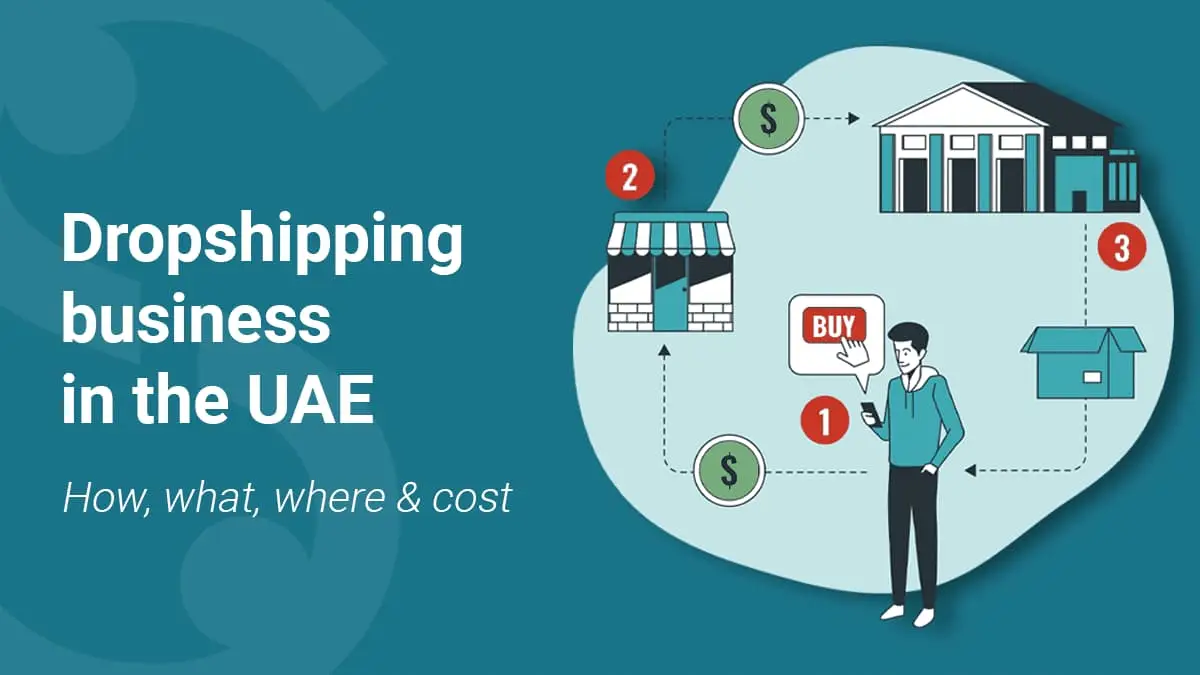
    Dropshipping is an e-commerce business model where you sell products without having to carry any inventory. When a customer places an order on your website, you simply contact your supplier, who will then ship the product directly to the customer. This means that you don’t have to worry about storing products, packing and shipping orders, or dealing with returns. Dropshipping in UAE has become increasingly popular due to its low startup costs and the ability to reach a wide customer base without the need for physical storage space. With the growing e-commerce market in the region, setting up a dropshipping business in UAE can be a profitable venture.

    The dropshipping in UAE is a good market for a number of reasons. The UAE has a growing e-commerce market. In 2022, the UAE e-commerce market was valued at $27.2 billion, and it is expected to grow to $46.8 billion by 2027.

    Dropshipping is a great way to start an e-commerce business because it is relatively low-cost and easy to get started. You don’t need to invest in any inventory upfront, and you can start a dropshipping business from anywhere in the world.

    Read on to learn how to start dropshipping in UAE. This can easily be your side hustle as it requires minimum investment and is quite easy to carry out.

    What Do Dropshippers Do?

    Basically, dropshippers mediate between suppliers and customers. These merchants get products shipped from third parties to buyers.

    The only investment you need to make is get your license in the UAE, and perhaps, a website to showcase the products. You do not need your own inventory of products, storage spaces or arrange any supply logistics. Neither do you have to bear any staffing costs.

    You, however, will be answerable to clients. Therefore, communication is key. You will have to track the orders, follow-up, deal with inquiries, grievances, and return requests.

    Why the UAE is a Good Market for Dropshipping

    The UAE is a great market for dropshipping for several reasons: 

    • Growing ecommerce market: The UAE’s ecommerce market is growing rapidly, with online sales expected to increase by 60% in 2025. This growth is being driven by a number of factors, including a young and tech-savvy population, rising incomes, and increasing internet penetration.
    • Easy access to suppliers: The UAE is home to a number of large and reputable dropshipping suppliers, both locally and internationally. This makes it easy for dropshippers to find the products they need to sell.
    • Efficient logistics infrastructure: The UAE has a highly efficient logistics infrastructure, making it easy and affordable to ship products to customers worldwide.
    • Favorable government regulations: The UAE government is supportive of e-commerce and dropshipping. There are no major regulatory barriers to entry, and the country offers a number of incentives for businesses, such as tax breaks and free trade zones.

    How to Start a Dropshipping Business in UAE

    Starting a dropshipping in UAE, involves several key steps. Below is a step-by-step guide to help you launch your dropshipping business in this growing market:

    Step 1: Decide your Dropshipping Business

    Target unique goods. You will need to figure out what products will the expats residing in the UAE will be willing to pay for. These could be specific to their countries or even textiles, food, handicraft, jewellery found / produced only in your country.

    Register your business with the Department of Economic Development (DED) in Dubai or the relevant authority in your emirate. Also, familiarize yourself with the UAE’s import and export regulations, including customs duties and required permits for specific product categories.

    Step 3: Find reliable Dropshipping suppliers

    Once you have chosen a niche, you need to find suppliers who sell high-quality products at competitive prices. You can find suppliers on Alibaba, AliExpress, and other online marketplaces. Be sure to read reviews from other dropshippers before choosing a supplier.

    Step 4: Create a website

    Your website is your storefront, so it’s important to make a good impression. Choose a user-friendly platform like Shopify or WooCommerce to create your website. 

    Step 5: Open a Business Bank Account

    Set up a business bank account. You will need a bank account to receive payments from customers and pay your suppliers.

    Step 6: Set your pricing and shipping rates

    When setting your prices, you need to factor in the cost of the product, shipping, and your profit margin. You should also offer competitive shipping rates.

    Step 7: Market your online store

    Once your online store is up and running, you need to start marketing it to potential customers. You can market your store through social media, search engine optimization (SEO), and paid advertising.

    Where to Sell?

    1. Online Stores

    You can reach potential customers by creating online store on existing e-commerce websites such as Shopify and Alibaba. These platforms provide marketing, payment gateway, client engagement and shipping facilities. They can accommodate sellers from across the world.

    2. Social Media

    Create an attractive profile for you brand and start putting up pictures and product information on popular social media platforms such as Facebook and Instagram. Market your products on social media and lead them to your online store.

    Do I Require a Dropshipping License in the UAE?

    Yes, you need a dropshipping license to start a dropshipping in UAE. The dropshipping license is a type of e-commerce license that allows you to sell products online without having to carry any inventory.

    You can obtain a license from the Dubai Department of Economic Development (DED) or one of the free zones in Dubai, UAE. The cost of the license varies depending on the type of business structure you choose and the free zone where you register your business.

    Once you have obtained a dropshipping Dubai, UAE license, you will need to register for VAT if your annual turnover exceeds AED 375,000.

    Cost of Starting a Dropshipping Business in Dubai

    The cost of a dropshipping business license in the UAE ranges from AED 12,900* to AED 23,600*. However, the actual cost depends on several factors, including the type of business structure you choose, the free zone authority you register with, and the specific cost of your business license.

    In addition to these initial costs, you will also need to budget for ongoing expenses such as website hosting, domain name renewal, and payment processing fees.

    Please note that the costs are rough estimates, the actual cost may vary depending on individual needs. You should contact the business setup consultants in UAE for better understanding of costs and assistance in company formation in Dubai.

    Ready to Dropshipping in UAE? Partner with Shuraa Today

    Starting a dropshipping in UAE is a great way to start your own business with low upfront costs and risks. The UAE is a growing e-commerce market with a young and tech-savvy population. This makes the UAE a great market to target with your dropshipping business.

    However, it is essential to do your research, choose a reliable niche, and find reliable suppliers. You should also obtain a dropshipping license and comply with all applicable UAE laws and regulations.

    Getting in touch with a business setup consultant like Shuraa Business Setup can help you to get started on the right foot.

    With over 26 years of experience and having helped more than 100,000 entrepreneurs achieve their business goals, Shuraa Business Setup can provide the guidance and support you need to overcome the complexities of business setup process in UAE.

    Don’t hesitate to reach out to us by phone at +971 4 4081900, via WhatsApp at +971 50 7775554, or simply send an email to info@shuraa.com.

    So, what are you waiting for? Start planning your dropshipping Dubai business today!

    Frequently Asked Questions (FAQs)

    1. Is dropshipping Legal in UAE?

    Yes, dropshipping is legal in the UAE. To start a dropshipping business, you must adhere to local regulations, including acquiring a valid trade license and registering for VAT if required. Compliance with UAE laws is crucial to operate smoothly and avoid legal complications.

    2. Is dropshipping in Dubai profitable?

    Yes, dropshipping in Dubai can be highly profitable. On average, profit margins in dropshipping range between 15%–20%, but Dubai offers unique advantages that can push margins even higher. Strategically located as a global trade hub connecting various countries, Dubai provides access to affordable suppliers while enabling you to cater to markets with higher purchasing power. This geographic and economic positioning gives dropshipping businesses in the UAE a competitive edge to maximise profitability.

    Disclaimer: The information in this post is for general guidance only and may change due to updates in government policies or regulations.

  • News Agency Business Setup in Dubai

    No day in Dubai is a slow news day. In a city like Dubai, the profession of researching, gathering and imparting information can be highly exciting. If journalism is your passion, here’s all you need to know about news agency business setup in Dubai.

    For news and media business setup in Dubai, you have to submit required documents and bear the relevant service charges. Thereafter, the procedure to obtain a professional trade license from the Department of Economic Department (DED) is quite simple and cost effective.

    Documents required for news agency business setup in Dubai

    To apply for your professional license for your news and media business setup in Dubai, you will have to prepare the following documents:

    Application form

    Carefully fill in the form with your details

    Identity proof

    Submit a passport copy of you and your business partners (if any)

    Pictures

    Prepare two passport-sized photographs of yourself

    Primary permit

    Keep handy a copy of initial approval from relevant government authority

    Additional permit

    Check if your business activity requires any special permit or a No-Objection Certificate (NoC) from any government agency. Get those ready on time.

    Name registration

    Keep your trade name registration certificate ready for your news agency business setup in Dubai.

    Process of setting up a news and media agency in Dubai

    Once you prepare all the documents for your news agency business setup in Dubai, follow the steps mentioned below:

    Trade name

    Choose a name for your company. Have at least three options ready. However, do keep in mind that you cannot choose a name with religious connotation such as Allah’s name and its synonyms. You should also refrain from including the name of any country or government entity. In case it is unavoidable, you need to take permission from the embassies or consulates concerned. Moreover, the name you choose for your business should not be offensive or obscene. Lastly, the trade name charges for non-Arabic (foreign) names or those other than the owners’ name are chargeable. The DED’s website lists complete do’s and don’t about choosing an appropriate name for your business.

    Office location

    The location of your news and media agency business setup is crucial in more than one way. First, the accessibility of the office via public transportation should be considered for your staff members. Next comes your brand reflection. In order to gain trust of your investors and future make affiliations, you need to ensure your office is located in an impressive area to suit your brand. Some other important considerations include, the reporters travelling. A centrally located office will allow your ground heroes to capture information and deliver faster. Further aspects to bear in mind include parking facilities and security among others.

    Company structure

    Obtaining a professional license for your news and media agency business setup in Dubai comes with lucrative benefits. You can own a sole establishment are get 100% ownership of your company. This means your will have full control over your business operations as well as profit. Therefore, you can focus on growing your business with ease.

    Trade license for news and media business setup in Dubai

    Lastly, you can receive your professional trade license from DED and get started.

    How much will it cost?

    There are multiple fees for governmental and corporate services that you will have to avail for your news agency business setup in Dubai. These formalities can be seamlessly done through reliable company formation experts at Shuraa Business Setup. Our corporate services help digital marketing agencies in Dubai start their companies for AED 18,500 only.

    This all-inclusive package for news agency business setup in Dubai includes:

    • Trade license
    • Name and initials approvals
    • LSA notary fee
    • Stamp of the company
    • Tasheel fee
    • Corporate service fee
    • Complete documentation
    • Immigration card
    • Investor visa
    • Change of status
    • Emirates ID
    • Visa stamping
    • Office sustainability contract
    • Office solution
    • Employment visa quota
    • Bank account assistance
    • Free VAT registration and tax consultation
    • Free business setup consultation
    • Dedicated consultant


    To learn more about this exclusive package, call us on +971 44081900. You can also chat with our experts over WhatsApp on +971 507775554 or drop us an email on info@shuraa.com

  • How to Get an Event Management License in Dubai, UAE

    How to Get an Event Management License in Dubai, UAE

    Dubai is a cosmopolitan city known for its opulent way of life, top-notch infrastructure, and breathtaking skyline. The city has made large investments in its entertainment and events sector, elevating it to the top of the list of desirable locations for international conventions, shows, festivals, and concerts. Getting an event management license has become essential due to the rise in businesses and organizations wishing to conduct events in Dubai. 

    For individuals who are unfamiliar with the local laws and processes, getting an event management license in Dubai might be a challenging task. But it may be a simple and uncomplicated procedure if you have the correct advice and preparation. We will provide you with a thorough explanation of the process for getting an event management license in Dubai in this article. 

    The significance of earning an event management license and its advantages will be covered first. The application procedure will then be explained to you in detail, including the processes, essential paperwork, and associated costs. We will also give you information on the guidelines and standards established by the Dubai government and advice on how to ensure your business complies with local laws.

    What is a Media License?

    The legal authorization necessary to run any type of media-related company or activity within the city is known as a media license in Dubai. All media are included in this, including print, web, broadcasting, and advertising.

    If the event management business intends to use any kind of media to advertise or promote the event, a media license could be necessary. Newspaper ads, radio or TV commercials, or internet marketing initiatives might all fall under this category.

    What is Event Management?

    The term “event management” covers a broad range of tasks necessary to plan such gatherings. Conventions, conferences, concerts, trade shows, festivals, and ceremonies are a few examples. 

    It comprises coordinating with workers, handling the event’s general logistics, and managing the event itself. In addition to supervising the event’s execution, an event manager may also oversee the budget and the teams of people in charge of each task. All independent contractors and experts, including event planners, are under the control of event management. 

    Types Of Event Management Services

    1. Event Management: Professional event managers are skilled in arranging events and carrying out the technical and aesthetic elements. No matter the event—a trade show, a product launch, a wedding, a cocktail party, an awards ceremony, or a sit-down gala dinner—they start by determining the target demographic and make a special effort to comprehend the client’s brand and budget.
    2. Event Coordination: Event planners specialize in coming up with fresh methods to motivate, inform, and amuse. The most important aspects of event production are lighting, décor, catering, theming, style, sound, vision, and entertainment.
    3. Décor Hiring Services: For clients’ upcoming special events, these companies specialize in offering décor hire services.
    4. Conferences And Venue Sourcing Services: With meticulous content programming and thorough logistic preparation, event management firms collaborate with clients to create a unique conference identity, which may include:
      • Ground transportation
      • Delegation of accommodation booking and venue sourcing
      • Social and partner activities
      • Involvement of guest speakers and facilitators
      • Management of all audiovisual needs
    5. Event Planning Services: Event coordinators reduce the difficulty of planning a special event by staying on top of the competition. To make an occasion memorable, they could find gorgeous floral arrangements, cozy bedding, and creative entertainment options. 

    Event Management License Cost in Dubai

    There are a number of charges associated with obtaining an event management license in Dubai, such as application fees, processing fees, and other expenditures linked to meeting the conditions established by the Dubai government. These expenses might change according to the kind of event you’re organizing, as well as its location & size. 

    There are secondary charges to take into account in addition to the direct fees associated with getting an event management license. For instance, you might need to make investments in event planning and management software, event marketing, event supplies, and event staffing to assist you prepare and manage the event. 

    Shuraa Business Setup provides a complete and cost-effective option for creating a Dubai-based event management firm. You can acquire an event management license and a variety of extra services Starting from an affordable AED 18,500*. One of the standout features of Shuraa Business Setup services is the availability of a specialized business adviser who can provide free guidance on company formation. 

    Shuraa also offers a variety of other services, such as assistance with acquiring an investor visa, office solutions, Emirates ID, physical examination, change of status, employee visas, business bank account setup, free tax advice, and VAT registration.  

    How to Obtain an Event Management License in Dubai

    The first step in starting an event management business in Dubai is getting acquainted with the local business scene. The UAE welcomes visitors and has few entrance requirements, but there are few areas where it varies from most of the globe.

    • Choose Your Business Name: This is significant since the UAE has established certain rules in this regard. For instance, the name should be catchy, distinctive, and not offensive; no acronyms should be used; only full names should be utilized.
    • As Part of your License Application, Confirm All Business Activities Listed under Events: Determine the different business activities that your events management firm will engage in. Acquiring the license enables you to carry out a variety of activities, from hosting guests to promoting events, you must still list them, and failing to do so might result in penalties.
    • Choose The Company Shareholder Structure and Manager: Choosing the right legal framework is an important part of launching a business. There are many different forms of businesses, including partnerships, corporations, cooperatives, limited liability companies (LLCs), and sole proprietorships. Each kind has its own viewpoint on obligations, risks, and taxes. Partnerships, for example, include shared obligations and risks among partners, whereas corporations provide shareholders with limited liability protection. Members own and run cooperatives, whereas LLCs provide flexibility and simplicity. In contrast, sole proprietorships have limitless personal responsibility. Understanding the unique features of each legal framework is critical in making an informed selection for your company enterprise.
    • Apply Online: The Department of Economic Development (DED), now known as the Dubai Economy and Tourism Department (DET), is in charge of issuing event management licenses in Dubai. You must first send in a fully filled application form, the required paperwork, and two-colored passport-sized photos. Use our client portal to apply after that.
    • Choose Your Visa Requirements: For you, your company partners, and any staff, a visa is required. The type of license you already possess, and the size of your business will influence the number of visas you are eligible to apply for.
    • Apply for your Business Bank Account: The easiest and most secure way to send and receive money in Dubai is through a business bank account in the United Arab Emirates. Several banks in the UAE also provide multicurrency accounts, enabling you to send and receive money from any location in the globe. Other forms of credit frequently need a UAE bank account.

    Conclusion

    Numerous businesses have used our experts’ assistance to get the business trade license of their choice. You are in the proper place if this is your first time launching a business in Dubai or if you feel a little lost.

    For you to concentrate on making more crucial business decisions, we will secure the event management license in Dubai on your behalf. Reach out to us right away to get started.

    Contact us by phone at +971 4 4081900 or via WhatsApp at +971 50 777555. You can also email us at info@shuraa.com by visiting blog.shuraa.com/.

  • How to Get a Digital Marketing License in Dubai (2026)

    How to Get a Digital Marketing License in Dubai (2026)

    Digital marketing is expanding quickly in Dubai, UAE, as businesses increasingly recognise the value of a strong online presence. The Middle East and North Africa (MENA) region now has 400 million internet users. Traditional marketing methods, such as print advertisements and posters, are becoming less common.

    Most companies now promote themselves through digital platforms, including search engines, websites, social media, mobile apps, and email. This shift offers significant opportunities for digital marketers in a competitive market. However, operating legally as a digital marketer in Dubai requires a digital marketing license.

    As businesses rely more on digital marketing, holding a valid license distinguishes you from competitors and attracts clients seeking reliable, trustworthy services.

    This guide outlines the process, benefits, and costs of obtaining a digital marketing license in Dubai.

    What is a Digital Marketing License in Dubai?

    A digital marketing license in Dubai is a professional license that allows full foreign ownership of your business without requiring a local sponsor or service agent. Issued by the relevant government authority, it permits individuals or entities to conduct digital marketing activities in the Emirate. This license ensures compliance with local regulations and provides industry credibility.

    Scope for Digital Marketers in Dubai in 2026

    Businesses in Dubai increasingly recognise the importance of digital marketing for reaching target audiences, building brand awareness, and driving sales. As a result, demand for skilled digital marketers is rising across multiple industries.

    Dubai’s digital marketing sector offers diverse career opportunities, including:

    • SEO Specialists
    • Social Media Managers
    • Content Marketers
    • Content & Copywriters
    • PPC Specialists
    • Email Marketers
    • Digital Strategists
    • Data Analysts

    The rapid growth of Dubai’s e-commerce industry has created strong demand for digital marketing professionals. As a result, career prospects for digital marketers in Dubai are highly promising.

    Requirements for Obtaining a Digital Marketing License in Dubai

    To obtain a digital marketing license in Dubai, you must meet the requirements set by the relevant government authorities. These typically include:

    Eligibility Criteria:

    • There are no specific restrictions based on nationality.
    • Depending on your nationality, you may need to secure an appropriate visa, such as an investor or freelancer visa, to establish a business in Dubai.
    • Although not mandatory, prior experience in digital marketing can strengthen your application.

    Necessary Documents:

    The following documents are typically required to obtain an online marketing license in the UAE:

    • A valid passport and relevant visa (if applicable)
    • Company registration documents
    • A detailed business plan
    • Proof of financial stability
    • Office space, if applicable
    • Other required documents (depending on business activity)

    We recommend consulting Shuraa for professional guidance to ensure you meet all requirements for obtaining a digital marketing license in Dubai.

    How to Get a Digital Marketing License in Dubai

    Below are the key steps to obtain a digital marketing license in Dubai.

    Step 1. Decide on the Jurisdiction

    Learn more: Difference between Free Zone and Mainland

    Step 2. Choose a Trade Name

    Prepare at least 3 potential trade names that comply with naming guidelines. Avoid terms related to religion.

    An additional fee applies for foreign trade names. For guidance on selecting a trade name, consult the business experts at Shuraa.

    Step 3. Secure Office Space

    Depending on the jurisdiction, you may need to lease office space. Free zones often provide flexible options, such as shared workspaces or virtual offices.

    Step 4. Apply for the Digital Marketing License

    Submit your application to the appropriate authority, such as the Dubai Department of Economy & Tourism or the relevant Free Zone Authority, and pay the necessary fees.

    Some digital marketing activities may require additional approvals from external bodies. For example, services involving digital content creation or advertising may need approval from the National Media Council.

    Step 5. Visa Processing and Bank Account Opening

    After obtaining the license, apply for visas for yourself and employees, based on office size and business structure. You must also open a corporate bank account in Dubai and provide your business license, MOA, and other required documents.

    You must renew your digital marketing license annually to maintain its validity. It is advisable to renew at least one month before expiry.

    What is the cost of obtaining a Digital Marketing License in Dubai?

    Digital marketing license fees in Dubai typically range from AED 16,000* to AED 30,000*. Costs may vary based on license type, business location, and the services you intend to provide.

    Setting up a digital marketing agency in Dubai involves government fees for various required services, including:

    • Trade license
    • Name approval
    • Initial approval
    • LSA notary fee
    • Stamp of the company
    • Tasheel fee
    • Corporate service fee

    You can complete these formalities efficiently with the support of company formation experts at Shuraa Business Setup. Our corporate services assist marketing agencies in Dubai with company setup for approximately AED 18,500 (*T & C Apply).

    Please note that final costs may vary based on jurisdiction and business activity.

    Benefits of a Digital Marketing License in the UAE

    Obtaining a digital marketing license in Dubai provides several key benefits:

    • Adherence to Regulations: A license ensures that your digital marketing activities comply with local laws and regulations, protecting you from potential legal issues.
    • Tax Advantages: Depending on the specific regulations, having a digital marketing license in Dubai may entitle you to certain tax benefits or incentives.
    • Full Business Ownership: A license typically allows you to own your digital marketing business in its entirety, offering greater control and flexibility.
    • Credibility and Trust: It demonstrates your commitment to operating within the legal framework, thereby enhancing your credibility and trustworthiness among clients.
    • Industry Validation: A license validates your expertise and skills in digital marketing, increasing your professional standing.
    • Networking Opportunities: A license can connect you with other industry professionals, facilitating access to new opportunities and knowledge sharing.

    Secure Your Digital Marketing License Today

    Obtaining a digital marketing license in Dubai is essential for leveraging the city’s dynamic digital landscape. Dubai’s strong economy and global business status make legal compliance and enhanced credibility crucial in this competitive market.

    If you are ready to begin your digital marketing venture, this is an ideal time to proceed. While the licensing process may appear complex, Shuraa Business Setup simplifies it by handling all paperwork, translations, and formalities, ensuring a smooth, efficient experience.

    Our cost-effective business setup packages include all the services you need to launch successfully. Contact us today at +971 4 4081900, via WhatsApp at +971 50 7775554, or by email at info@shuraa.com.

    Frequently Asked Questions (FAQs)

    1. What is a Dubai Digital Marketing License?

    A Dubai Digital Marketing License is a government-issued permit that allows individuals or companies to fully own and operate digital marketing services in Dubai. To conduct online marketing, you must apply to the Department of Economic Development (DED) and submit the required documents.

    2. Is the Digital Marketing business profitable in Dubai, UAE?

    Yes, digital marketing is often highly profitable in Dubai due to tax advantages, full business ownership, and complete repatriation of profits.

    3. How to Get a Digital Marketing License in the UAE?

    To obtain a digital marketing license, follow these steps:

    1. Choose a business structure (LLC or sole proprietorship)
    2. Select a trade name
    3. Prepare the required documents (passport copies, business plan, etc.)
    4. Submit an application to the DED
    5. Lease office space, if applicable
    6. Pay the necessary fees and complete the registration process
    7. Apply for residence visas
    8. Receive a digital marketing license

    4. Is Dubai Good for Digital Marketing Business?

    Yes, Dubai is an excellent location for digital marketing due to its large, growing population, strong economy, and high internet penetration.

    5. Is Digital Marketing in Demand in the UAE?

    Yes, digital marketing is in high demand in the UAE. Businesses in many industries increasingly use digital channels to reach target audiences, generate leads, and drive sales.

    6. How to start a digital marketing agency in Dubai?

    To start a digital marketing agency in Dubai, obtain a digital marketing license, build a skilled team, develop a marketing strategy, and establish a strong online presence.

    Disclaimer: The information in this post is for general guidance only and may change due to updates in government policies or regulations.

  • Dubai Company Setup Packages for Startups

    Dubai Company Setup Packages for Startups

    Are you a new entrepreneur venturing into the world of business? Or are you a seasoned entrepreneur looking to expand your business in Dubai? With the help of affordable Dubai company setup packages for startups, you can get your establishment up and running in the most seamless way.

    We understand that first-time entrepreneurs or small and medium enterprises (SMEs) may have financial constraints or limited knowledge about starting a business in Dubai, especially if you are new to the UAE. Which is why, our cost-effective and comprehensive start-up packages for company formation will simplify this process for you. These packages are designed to take care of necessary documentations, approvals, service fees, and processes.

    Business Setup Packages in Dubai

    Below are some of the most affordable Dubai company setup packages offering competitive and customised business setup services in the UAE.

    Mainland Starter Package 

    Trade License
    Corporate Service Agent
    PRO Services
    Complete Documentation
    Dedicated Consultant
    Free Consultation
    And more

    From AED 14,500*

    Mainland All-Inclusive Package 

    Trade License
    Investor Visa
    Office Solution
    Employee Visa Quota
    Free VAT Registration
    Bank Account Assistance
    And more

    From AED 18,500*

    Free Zone Starter Package 

    Trade License
    Lifetime Investor Visa
    15% off for 3yr license
    Bank Account Assistance
    Free 1hr VAT Consultation
    Dedicated Account Manager
    And more

    From 17,900*

    Dubai is an entrepreneur-friendly city. Its government is regularly introducing new policies or improving older laws to benefit the business community in the city. One such game-changing amendment was the implementation of 100% business ownership for foreign nationals, rolled out earlier this year.

    Previously, an expat businessperson had to partner with a UAE national (local sponsor) to register a commercial company with the Department of Economic Development (DED) on Dubai mainland. This also meant that the profit-sharing structure of the business would be 51-49, where 51% shares would be held by the Emirati sponsor. But with the recent amendment, you can now own 100% shares of your UAE business.

    In Dubai, you can opt to establish your business either on the mainland or in one of the many free zones. Some prominent mainland regions for setting up a business include Sheikh Zayed Road, Business Bay, Karama, and Al Quoz. Some prominent Dubai free zones include International Free Zone Authority (IFZA), Jebel Ali Free Zone (JAFZA), Dubai Media City (DMC), and Dubai Multi Commodities Centre (DMCC).

    Benefits of establishing a company in Dubai

    Here’s why you should start your company in Dubai:

    • 100% foreign ownership
    • 0% personal, corporate, income tax
    • Strategic geographic location
    • Growth-centric global business hub
    • World-class infrastructure
    • One of the safest cities in the world
    • Unparalleled global connectivity
    • Active government support for entrepreneurs & investors

    While the government of Dubai has made it easy for entrepreneurs to set up their companies, it is advisable to take the help of industry experts to assist you. This is because the legal requirements and processes that entail company establishment differ depending on the business activity you select as well as the structure you choose for your business.

    Shuraa Business Setup is a leading provider of company formation and corporate services in the UAE. For over 26 years, we have been helping international and local entrepreneurs register, expand, and maintain their businesses in the UAE. Whether you are an individual businessperson or a multinational company, we will help you gain a foothold in the lucrative and diversified UAE market.

    Our proficient team of legal corporate advisors, business setup consultants, PROs, tax agents, and lawyers have helped more than 35,000 entrepreneurs to date. Here’s why you should choose Shuraa for your Dubai company formation:

    • 35,000 businesses formed in the UAE since 2001
    • Strong team of 100+ professionals from 16 nationalities
    • Multilingual and highly experienced team of corporate advisors
    • Trustworthy corporate local agent
    • Certified Investor Rights & Protection services to secure the ownership & profit share of clients as per central government’s regulations
    • Simple, fast, transparent, and hassle-free processes
    • Exclusive and customised company formation packages offering value for money
    • Approved service agents for the Department of Economic Development in Dubai
    • Affiliated with various government agencies in the UAE

    To learn more about our affordable Dubai company setup packages for startups, call us on +97144081900. You can also chat with us over WhatsApp on +971507775554 or drop us an email on info@shuraa.com.

    BOOK A FREE APPOINTMENT

  • How to Start a Textile Business in Dubai

    How to Start a Textile Business in Dubai

    People call Dubai the commercial hub of the UAE, especially when it comes to textile business setup in Dubai. The city is a thriving business venue for global entrepreneurs and investors. It welcomes all types of business activities, thereby strengthening its business foundation. To set up a business in Dubai is now very simple, especially since the announcement of 100% business ownership for foreign nationals. Hence, many people from across the world consider establishing a textile business in Dubai.

    The textile industry is one of the most lucrative and rapidly developing industries in Dubai. This industry has played a crucial role in powering the country’s economy. Besides that, textile business setups in Dubai have created huge employment opportunities for people from around the globe.

    If you are an entrepreneur interested in or having expertise in the textile industry, you can start a textile business in Dubai. But before that, you must educate yourself about the cost of setting up a textile business in Dubai, among other things. This blog will help you figure out how to start a textile business in the UAE and other related information.

    Steps to Start a Textile Business in Dubai, UAE

    With the help of the supportive UAE government, forming a company in Dubai is now easier than ever before. The process for starting a textile business in the UAE is not that complicated either. To further simplify it for you, the steps for the process are mentioned below:

    1. Pick a Trade Name

    You must pick a simple yet catchy name, something that directly connects with your product or service. It is important to follow the rules for trade name selection established by the UAE government. One of the most important rules is to not use any controversial words in your trade name. You should also avoid the mention of any religious names. If you decide to keep the name of your company after the name of a person, make sure to use the full name, as mentioned in passport. Once you have decided on the name, register it legally.

    2. Pick a Suitable Location

    Pick a location where you can attract the right audience that can help you take hold of the market from the get-go. If you choose a location where your target audience cannot easily find your shop or warehouse, it will backfire. Make sure the location meets all the requirements for your business. Once you decide the location, do not forget to register with the Dubai Land Department and get your Ejari.

    The Ejari, also known as tenancy contract, will be provided to you by your landlord. The tenancy contract is one of the most important documents for starting a textile business in Dubai. However, an Ejari is only required if you decide to set up a retail store. In the case of a textile manufacturing business in Dubai, you will need to finalise a warehouse, which also requires an Ejari. But if you plan to start a textile import-export business or a wholesale textile business, the Ejari for your business’ physical space will be waived off for the first year.

    3. Select the Legal Structure of Your Business

    Every business must select a specific structure for their company. The third step is to decide how you want your business to operate and its legal entity. This will point you towards the right and required legal framework. You can set up your textile selling business as an LLC with either a single shareholder or multiple partners. With the implementation of the regulation regarding foreign ownership, you no longer require an Emirati sponsor (local sponsor). You can now become 100% owner of your textile business in Dubai.

    4. Submit Documents for Approval

    After you have decided the legal structure of your business, submit all the necessary documents with the respective legal authorities and departments. They will inspect all your documents and if all seems fine, you will get the initial approval for setting up a textile business in Dubai. You can then acquire your trade license to conduct business activities legally.

    5. Get Your Business License

    The last step is to acquire the trade license for your textile trading business in Dubai. Once the relevant authorities approve your applications and all your documents, the Department of Economic Development (DED) in Dubai will issue your business license. DED is the only agency appointed by the UAE government to issue business licenses in Dubai.

    Why Start a Textile Business in Dubai?

    There are various benefits of setting up a textile business in Dubai. Being one of the most profitable business industries, a textile business in Dubai can be life-changing for many aspiring entrepreneurs. Some prominent benefits of setting up a textile business in the UAE are as follows:

    1. Target Diverse Audience and Markets

    Dubai is home to a huge number of expats and is one of the hottest destinations for tourism. Entrepreneurs in Dubai get to cater to the needs of audiences with different preferences. This helps them to increase their business turnover. Moreover, Dubai is the second largest import-export hub for fashion and textile in the world. This further confirms why starting a textile business in Dubai is an excellent move.

    2. Tax Benefits

    When it comes to the payment of tax, entrepreneurs and investors enjoy much relief as the UAE offers total tax exemption. UAE is one of the most tax-friendly countries in the world, with 0% income, personal, and corporate taxes. So, if you plan to start a textile business in Dubai, you can reap these favourable tax benefits.

    3. Repatriation of Profits and Capital

    Many businesspeople are worried about the extra capital that needs to be paid at the time of either starting or liquidating their company. Well, when it comes to doing business in Dubai, you don’t have to worry about it. The city allows complete repatriation of profits earned and capital invested in the business.

    4. Expo 2020 Dubai

    With Expo 2020 Dubai just around the corner, now is the right time to start planning for your textile business setup in Dubai. The event is going to create ample opportunities for businesspersons from around the world looking to expand into the UAE market. It is expected to be a game-changer for various small and medium enterprises as it will open the city to newer business industries. With an expected attendance of 25 million visitors, the 6-month long event is just the networking and growth platform that any entrepreneur would look forward to.

    5. Simple Business Set-Up Process

    The government of Dubai is very cooperative when it comes to business setup. It provides various facilities to entrepreneurs, making it easy and interesting for them to conduct business in the city. The government has taken several initiatives to make the process of starting a business in Dubai seamless. This will increase the business opportunities in the country, ultimately strengthening the economy.

    6. Excellent Location

    When we talk about the location of Dubai, it is one of the foremost reasons why international entrepreneurs prefer the city. Thanks to its strategic location on the global map, the city acts as a gateway to other neighbouring countries and boasts excellent connectivity with the rest of the world. Because of this, Dubai never has to cut off the supply of any types of goods and products from countries nearby. Businessmen and women enjoy the easy import-export and re-export processes. Its location also provides opportunities for businesspersons to expand their business not just across the UAE but also other countries.

    Documents Required for Starting a Textile Business in Dubai

    To acquire your trade license for textile business in Dubai, you need to submit the following documents to the Dubai DED:

    1. Passport copies of you and all your business partners
    2. Visa copies of you and all your business partners. Submit UAE residency visa copy if you are a resident of the UAE, or tourist visa copy if you are a non-resident
    3. Emirates ID copy of you and all your business partners, if residents of the UAE
    4. Initial approval certificate
    5. Trade name registration certificate
    6. Attested MoA with proof of approval of business information
    7. Lease agreement and Ejari as proof of physical address of the shop or factory (if applicable)
    8. Approval from relevant departments for textile selling and/or manufacturing

    Plan for Your Textile Business Setup in Dubai

    Now that you know how profitable the textile industry in Dubai is, you can easily start planning for setting up a textile business in Dubai. Even though the process to start one is quite easy, it is advised to take help from experts. You can reach out to our experienced corporate advisors at Shuraa Business Setup to help and guide you through your company formation in Dubai. If you would like to understand what the cost of setting up a textile business in Dubai is, all you have to do is call us and we will provide you with all the necessary information.

    Connect with Shuraa today by calling us on +97144081900. For chat assistance, send us a WhatsApp message on +971507775554. You can also write to us at info@shuraa.com.

  • How to Get a Home Business License in Dubai

    How to Get a Home Business License in Dubai

    Obtaining a home business license in Dubai presents an excellent opportunity for entrepreneurs seeking to turn their passion into a profitable venture from the comfort of their own homes. With the rise of digital platforms and flexible work models, Dubai has made it easier than ever to start and operate a business legally without investing in traditional office space.

    Whether you’re offering consultancy services, running an online store, or starting a creative venture like graphic design or content writing, a home business license ensures you remain compliant with local laws while gaining credibility and access to essential business services.

    What Is a Home-Based Business in Dubai?

    A home-based business in Dubai refers to any small-scale business operated from a home office or other private space. These businesses are ideal for entrepreneurs and creatives looking to start with low overhead costs and flexible working hours. Whether it’s offering baking services, consultancy, or selling handmade products, a home setup can be a practical and cost-effective launchpad for your business. 

    To legally run a home-based business, you need to obtain a home business license in Dubai. This license ensures that your business complies with the rules and regulations set by the authorities. It not only legitimises your operations but also builds trust with clients and vendors. 

    Dubai offers various options for obtaining a license, including those issued by free zones or mainland authorities, depending on the nature of your business. Always consult with business setup experts to choose the right license type for your home-based venture.

    Benefits of a Home-Based Business License

    Here are the key benefits of a Home-Based Business License, especially in places like the UAE or other regions with structured small business ecosystems:

    1. Lower Overhead Costs

    One of the most significant advantages of a home-based business license is the cost savings it offers. You don’t need to rent an office or commercial space, which reduces your monthly expenses. This is especially beneficial for startups or solopreneurs seeking to minimise their initial investment.

    2. Work Flexibility

    With a home-based setup, you can work at your own pace and design your schedule. It gives you the freedom to balance work and personal life, choose your working hours, and create a comfortable environment that boosts productivity.

    3. Legal Compliance

    Having a home-based business license ensures that your business operates legally. It protects you from penalties, business closures, or legal actions that might result from running an unlicensed company.

    4. Access to Corporate Bank Accounts

    A licensed business can open a corporate bank account, allowing you to manage finances professionally. This separates your personal and business expenses, improves transparency, and simplifies bookkeeping.

    5. Professional Image and Credibility

    Operating with a valid license enhances your reputation with clients, partners, and vendors. It gives your business a legitimate identity and increases trustworthiness, especially when dealing with high-value clients or contracts.

    6. Visa and Sponsorship Eligibility

    Many home-based licenses in places like the UAE allow you to apply for residency visas. You may also be able to sponsor family members or employees under your license, making it easier to build a team or relocate loved ones.

    7. Scalability and Upgrade Options

    As your business grows, it’s easy to upgrade from a home-based license to a larger commercial license. You can relocate to office premises, hire additional employees, or expand services without undergoing a complete restructuring.

    8. Eligibility for Government or B2B Contracts

    Licensed businesses can apply for government tenders, business-to-business projects, and large contracts that require legal and financial documentation. This opens doors to more professional and scalable opportunities. 

    9. Tax Registration and Financial Benefits

    Depending on your country’s tax laws, having a license allows you to register for VAT or claim exemptions. It also makes it easier to maintain financial records and get professional assistance for accounting and audits.

    Types of Activities Allowed Under Home-Based License

    Starting a home business in Dubai is now easier than ever, thanks to the introduction of the home business license. This license enables residents, particularly homemakers and students, to operate various types of businesses legally from the comfort of their own homes. 

    Here are some of the activities permitted under a home business license in Dubai:

    Handmade Products

    • Jewellery, candles, soaps, crafts, and decor items
    • Ideal for creative entrepreneurs looking to monetise their skills from home

    Beauty & Personal Care Services

    • Skincare, makeup, and hair styling (with appropriate hygiene standards)
    • Perfect for certified beauticians wanting a low-investment setup

    Consultancy Services

    • Consulting in marketing, education, HR, and more
    • Popular for professionals who wish to work remotely

    Online Services

    • Content creation, social media management, blogging, SEO services
    • Best suited for digital nomads and creators

    Home-Based Food Business

    • Homemade meals, snacks, or baked goods
    • Requires compliance with Dubai Municipality’s food safety regulations

    Tailoring & Embroidery

    • Custom stitching, alterations, and ethnic wear design
    • A traditional yet highly in-demand business from home

    Tutoring & Online Classes

    • Academic subjects, art, dance, music, or fitness training
    • Great option for teachers and subject matter experts

    By obtaining a home business license in Dubai, you can legally promote your services online, receive payments, and even expand gradually. It’s an excellent first step for anyone looking to turn their passion into a profession without investing in office space.

    Home Business License Options for Expats in Dubai

    If you’re an expat or international entrepreneur looking to start a home-based business in Dubai, there are great options—even if you’re not eligible for the Intelaq license (which is only for UAE and GCC nationals). Here are two smart pathways:

    1. E-Trader License (For Dubai Residents)

    The E-trader license, issued by Dubai economy, enables Dubai residents to legally operate online or home-based business without the need for a physical office.

     Who Can Apply? 

    • Dubai residents (aged 21+)
    • Must have a valid Emirates ID and visa
    • Open to expats, GCC, and Emirati nationals

    What You Can Do

    • Sell products on social media (Instagram, TikTok, Facebook)
    • Offer services like consulting, coaching, digital marketing. 

    Key Details

    • No partners or employees allowed
    • No office space or Ejari needed
    • No visa or employee sponsorship included

    2. Free Zone Company with a Flexi-Desk

    Ideal if you’re planning to grow, hire staff, or need multiple visas.

    Who Can Apply?

    • Entrepreneurs of any nationality
    • Great for scaling beyond solo operations

    What You Can Do

    • Run a company offering consulting, trading, e-commerce, digital services

    Where to Apply 

    • Free zones like Dubai Silicon Oasis, RAKEZ, SHAMS, UAQ FTZ, etc.

    Need help choosing the right setup? Reach out to Shuraa business consultants in Dubai who can walk you through the process, based on your budget and goals.

    What is the Intelaq license in the UAE?

    The Intelaq license is a home-based business permit issued by Dubai SME, designed exclusively for UAE and GCC nationals residing in Dubai. It enables entrepreneurs to legally operate small-scale businesses from their homes across various sectors, including consultancy, fashion design, real estate brokerage, interior design, event planning, and certain food-related activities.

    Key features of the Intelaq license include:

    • Eligibility: Restricted to UAE and GCC nationals living in Dubai.
    • Ownership: The business must be 100% owned and managed by the applicant.
    • Business Structure: Only sole proprietorships are permitted.
    • Employee Limit: License holders are allowed to hire up to three employees.
    • License Limit: An individual can hold a maximum of two Intelaq licenses.
    • Validity: The license is valid for up to five years and must be renewed annually. After five years, it should be converted into a commercial license.

    To apply, applicants must submit a copy of their passport, Emirates ID, lease agreement, premises ownership deed, and a No Objection Certificate (NOC) from the landlord. The application process is facilitated through Dubai SME, and the approval process typically takes one working day.

    The Intelaq license provides a cost-effective and supportive pathway for nationals to launch entrepreneurial ventures from the comfort of their own homes, thereby fostering the growth of small and medium-sized enterprises within Dubai.

    Eligibility Criteria for Applying for an Intelaq License

    Below are the eligibility criteria for applying for an Intelaq License in the UAE:

    1. The business must be entirely owned by an individual who resides in Dubai or any of the GCC countries.
    2. An individual is allowed to hold a maximum of two Intelaq licenses.
    3. The applicant must be based in Dubai.
    4. A license holder under the Intelaq scheme can employ up to three staff members.
    5. The applicant must not hold more than five trade licenses, including those fully owned or partially managed.
    6. The Intelaq license is granted solely under the sole proprietorship legal structure. This means partnerships or other types of company formations are not permitted.

    Steps to Apply for Home Business License in Dubai

    Here’s a detailed step-by-step guide to applying for a Home Business License in Dubai, also referred to as the E-Trader License (for Emiratis and GCC nationals) or a Home Business Permit (for expats through DED or Free Zones):

    Step 1: Eligibility

    Before applying for a home business license in Dubai, it’s important to identify which license category you fall under. If you are a UAE or GCC national residing in Dubai, you are eligible to apply for the E-Trader License through the Department of Economic Development (DED).

    However, expatriates can also start home-based businesses, but they must apply through either the DED’s Instant License option or opt for a license through one of Dubai’s Free Zones, such as IFZA or Meydan Free Zone. Please note that your business must be operated from a residential address and should not involve any high-risk or restricted activities.

    Step 2: Choose a Business Activity

    The next step is to define the nature of your business clearly. Dubai authorities require you to select a business activity from a predefined list. For a home-based setup, suitable options include online trading, digital marketing, graphic design, craft-making, content creation, tutoring, and consulting services.

    It’s essential to choose an activity that aligns with your actual operations and is permitted under the regulations governing home-based businesses. Activities involving food preparation, chemicals, or industrial goods may not qualify for a home business license.

    Step 3: Select and Reserve a Trade Name

    Once your activity is chosen, you need to select a trade name for your business. The name must comply with the UAE’s naming regulations—this means it should not include offensive or religious terms, and it must reflect the nature of your business.

    You can check name availability and reserve the name through the DED online portal (if applying for a mainland license) or through your chosen Free Zone’s platform. Once approved, the trade name will be reserved for a specific duration, giving you time to complete the licensing process.

    Step 4: Register the Business Using Your Home Address

    As this is a home-based business, your residential address will be used as your official business location. You may be required to provide proof of residence, such as a tenancy contract or utility bill under your name.

    In some cases, a landlord’s no-objection certificate (NOC) might be requested, mainly if specific community rules govern the residential unit or if you’re using a rental space.

    Step 5: Submit the Required Documents

    You’ll then need to prepare and submit all the necessary documents. These typically include a copy of your Emirates ID, a passport copy, proof of residence, passport-size photos, and, if required, a No Objection Certificate (NOC) from your landlord.

    The Free Zone or DED may request additional documents, depending on the type of activity and the structure of your business (e.g., individual or sole proprietorship).

    Step 6: Pay the Licensing Fee

    Once your documents are approved, you’ll receive a payment voucher. The licensing fee for a home business license in Dubai can vary depending on the authority, the type of business activity, and whether you opt for additional services such as a corporate bank account, an office desk for future growth, or visa allocation.

    Step 7: Receive Your Home Business License

    After payment, your license will be issued within a few working days. You can now legally operate your home-based business in Dubai.

    license typically needs to be renewed annually. You may also use your license to open a business bank account, access payment gateways, advertise your services, and work with suppliers or clients in a professional capacity.

    Step 8: Comply with Ongoing Requirements

    Finally, ensure compliance with ongoing requirements, such as license renewals, bookkeeping (if applicable), and updates to your business activity or trade name.

    If your business grows and you wish to expand into physical operations or hire employees, you can later upgrade to a full DED license or a more comprehensive Free Zone package.

    By following these steps, you can easily get your home business license in Dubai and start operating your small-scale business from the comfort of your home.

    Documents Needed to Apply for an Intelaq License

    Below are the documents which are required to apply for an intelaq license in the UAE

    • Passport copy
    • A lease agreement or ownership deed of the premises, along with a premises map
    • National identity card copies
    • No Objection Certificate (NOC) from the landlord

    Cost of a Home-Based Business License in Dubai

    Starting a home-based business in Dubai typically costs AED 25,000*, with business license fees starting at AED 12,900*. However, the exact cost may vary depending on the type of business activity and other specific requirements.

    For a detailed cost breakdown for your business, kindly contact Shuraa Business Setup.

    Read also:

    Get Your Home-based Business License in Dubai Today

    Figure out the best way to start your home-based business in Dubai by getting in touch with Shuraa Business Setup. A free consultation with our legal corporate advisor will help you understand which home business license in Dubai is best for you. They will also assist with other formalities involved in legally operating a home business in Dubai.

    Call us on +971 44081900 or send a WhatsApp message to +971 501287254. You can also drop an email to info@shuraa.com

    Frequently Asked Questions (FAQs)

    1. Is it legal to run a business from my home in Dubai, and do I need a license?

    Yes, it is completely legal to run a business from your home in Dubai, provided you obtain the proper license from the Department of Economic Development (DED) or through a relevant program like Intelaq. A license is mandatory for all home-based commercial activities. Operating without one can result in significant fines and legal complications. Getting licensed ensures your business is compliant, builds trust with customers and partners, and allows you to open a corporate bank account.

    2. What types of licenses are available for home-based businesses?

    The most common and accessible license for individuals is the E-trader license, ideal for online sales and service-based activities. Other primary options include:

    • Professional License: For individuals offering professional services (e.g., consulting, graphic design, marketing).
    • Intelaq License: A specific initiative by the DED that allows residents of certain areas to run businesses from their homes, covering a wide range of activities.
    • Sole Establishment License: For a single owner operating a commercial business.

    The best choice depends on your business activity, whether you need a residency visa, and your target market.

    3. What are the main restrictions for a home-based business in Dubai?

    While flexible, home-based businesses must adhere to key restrictions:

    • No Employees: An E-trader license does not allow you to sponsor employees.
    • Limited Activities: Activities that require a physical storefront, involve manufacturing, hold inventory in large quantities, or could cause noise, safety, or environmental disturbances are not permitted.
    • No Walk-in Customers: Your home cannot be used as a public office or shop for customer visits.
    • Advertising Rules: All advertising must comply with Dubai’s media regulations and typically cannot use your residential address.
    • Community Rules: You must comply with your building management or community’s rules regarding home businesses.

    4. Can I upgrade my home business license to a full commercial license in the future?

    Yes, absolutely. The home business license is an excellent starting point, and the Dubai government makes it straightforward to upgrade when you’re ready to expand. The process involves applying for a new commercial license, securing a physical office or warehouse space (as required), and potentially changing your legal structure (e.g., from a sole establishment to an LLC). Your existing business history under the home license can be beneficial during this transition.

    5. Do I need to get business insurance for my home-based company?

    While not always a legal requirement for obtaining the license itself, business insurance is highly recommended. It protects you from potential risks such as:

    • Professional Liability: Claims of negligence or errors in your services.
    • Cyber Liability: If you handle client data online.
    • Public Liability: If a client visits your home for a meeting and gets injured.
      Some client contracts, especially with larger companies, may require you to have insurance, making it essential for business growth.

    *Disclaimer: The information in this post is for general guidance only and may change due to updates in government policies or regulations.

  • The Benefits of Starting Your Business in Abu Dhabi

    The Benefits of Starting Your Business in Abu Dhabi

    The UAE capital has positioned itself as one of the centres for commercial activities in the Middle East. There are numerous benefits of starting a business in Abu Dhabi. The following article will highlight some of the key factors to consider and the advantages of business setup in Abu Dhabi.

    Listed below are some the zones that you may consider setting up your business in:

    1. Al Ain

    Not only is the area serene with greenery all around, but it is also home to the UAE’s oldest dairy company, Al Ain Farms, founded four decades ago. Some other business giants located in Al Ain include Meaco Group and Jenaan Investments, among others.

    Besides dairy, Al Ain is highly conducive for agricultural activities including fresh fruits and vegetables and poultry.

    2. Abu Dhabi Global Market (ADGM)

    ADGM is an international financial centre which follows the English Common Law, allowing businesses to operate according to the practices followed globally. Thus, it facilitates simpler monetary transactions for businesses dealing internationally.

    ADGM consists of three independent authorities, including registration, financial and courts, which promote a business-friendly ecosystem.

    3. Khalifa Industrial Zone Abu Dhabi (KIZAD)

    Kizad provides large spaces to suit real estate and logistics industries. Moreover, it is well-known for its free zone—mainland solutions. While it is known that free zones companies in the UAE are limited to trading only within the jurisdiction they are located in, with kizad, entrepreneurs can obtain a second license. This dual license can be used to acquire a mainland office, apply for residency visas, and also trade freely across the UAE.

    4. Masdar City

    A venture of Mubadala Investment Company, Masdar City is a free zone dedicated to boosting renewable energy and sustainable urban development and also support the UAE’s transition to a knowledge-based economy.

    It is the regional commercial hub for projects focusing on renewable energy. Thus, attracting entrepreneurs and investors passionate about the modern technology.

    One of the main advantages of business setup in Abu Dhabi is that the city provides a favourable environment for specific sectors, which include —

    • Manufacturing of equipment for the oil and gas industry: Production of valves, pumps, fitters, tankers, turbines, and compressors, among others
    • Oil and gas supply and distribution: Companies that deal in buying and selling of the resources
    • Providing logistical support to the oil and gas industry: Business which help move the petroleum
    • Marine activities: The Abu Dhabi ports provide a suitable environment for companies that manufacture materials used in the marine industry. More importantly, their businesses can run smooth due to close proximity with other GGC nations and also reap the benefits of offshore facilities

    Major Benefits of Starting a Business in Abu Dhabi

    The city is witnessing rapid development across industries including manufacturing, transport, tourism, healthcare. Below are some highlights:

    Long term gain at affordable costs

    Annual trade license renewals can often be a costly affair. However, starting a business in Abu Dhabi is not only as affordable as opening a company in Dubai, but also sustainable. Why? Mainly because the trade licenses are valid for two years. This allows entrepreneurs to focus on actualising their business goals instead of worrying about the legwork involved in renewals.

    Quality of life

    Abu Dhabi has been voted “the most liveable city in the region” by Global Liveablity Index 2021. The city offers an attractive cosmopolitan lifestyle, yet the calm favoured by families. Given that the city is home to expats from across the world, the residents can choose from a wide range of attractions, including international food and entertainment.

    Benefits of Abu Dhabi business with ADNOC

    For oil and gas investors, associating with Abu Dhabi Oil Company (ADNOC) is perfect for starting a business in Abu Dhabi. In many cases, it is also obligatory to get a permit from this governmental authority’s Supreme Petroleum Council (SPC). The SPC is the highest energy decision-making body and important one for any business conducting oil and gas related activities. Some of these include supply and distribution of oil and gas to and from ADNOC, manufacturing of equipment that aid the industry, and logistical support, among others. Furthermore, any other businesses, even if it is a cafeteria or a grocery store, located within ADNOC’s jurisdiction need to get approvals from SPC.

    Companies in Abu Dhabi’s oil and gas industry are set to benefit from ADNOC’s continuous boost to the volume of business brought in via its various governmental partnerships.

    Get started

    To learn more about the benefits of starting a business in Abu Dhabi, get in touch with Shuraa Business Setup. A free consultation with one of our company formation specialists will help you get a clear picture on the suitable jurisdiction, corporate structure, costs involved, documentation required and other formalities for setting up a business in Abu Dhabi.