Category: UAE Business Setup

  • How to Open a Baqala in Abu Dhabi

    How to Open a Baqala in Abu Dhabi

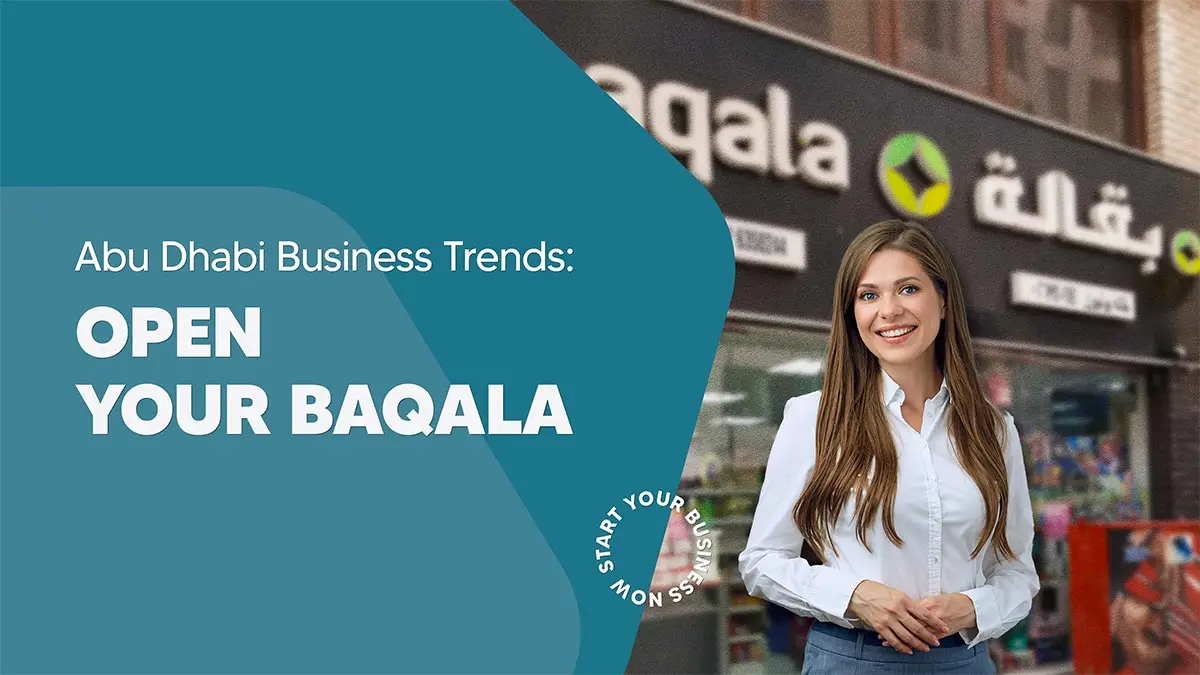
    In 2013, the Abu Dhabi Food Control Authority (ADFCA) launched Project Baqala, revolutionising the retail sector by ensuring grocery stores met the highest standards of quality, safety, and sustainability. This initiative mandates that all stores operate under the unified name “Baqala,” making it easier for entrepreneurs to open a Baqala in Abu Dhabi while guaranteeing consistency across the emirate.

    This blog will guide you through the essential steps and requirements for opening a Baqala in Abu Dhabi, ensuring your business aligns with these rigorous standards to serve a wide range of high-quality and affordable goods.

    What Does “Baqala” Mean?

    “Baqala” is the Arabic term for grocery stores, derived from a word meaning “what comes from the ground.” This reflects the store’s focus on selling essential goods like fruits, vegetables, and grains. As part of the Abu Dhabi Vision 2030, opening a Baqala in Abu Dhabi involves aligning with this standardised brand identity while adhering to strict safety and hygiene requirements.

    Under this initiative, each store must prominently display the name “Baqala” while including its specific name in a smaller typeface, creating a uniform identity for grocery stores throughout Abu Dhabi. This standardization extends beyond mere branding to include strict requirements for store layout, uniformed personnel, facilities, and security measures, ensuring a high level of cleanliness and hygiene. The primary objectives of these regulations are to eliminate health risks, enhance customer satisfaction by making stores more appealing, and ultimately, boost store revenue.

    Baqala Market Overview in Abu Dhabi

    The Baqala market in Abu Dhabi has experienced significant growth since the launch of Project Baqala by the Abu Dhabi Food Control Authority (ADFCA) in 2013. This initiative aimed to standardize grocery stores across the emirate, enhancing health, safety, and sustainability standards.

    Growth and Market Size

    Since the introduction of Project Baqala, the market for these stores has grown tremendously. As of 2024, Baqalas make up over 81% of grocery retailers in the UAE. Entrepreneurs who open a Baqala in Abu Dhabi can benefit from this thriving market, which is projected to surpass $40 billion by 2025.

    Consumer Preferences and Trends

    Consumer behavior indicates a strong preference for convenience, with 59% of shoppers choosing baqalas due to their proximity to home or work. Additionally, 31% of consumers are drawn to baqalas for specific products, and 27% appreciate their extended operating hours. While specific data on the rise in demand for organic products is limited, the global trend towards health-conscious consumption suggests a potential shift in stock variety within baqalas to include healthier and organic options.

    Economic Impact

    Baqalas significantly contribute to Abu Dhabi’s local economy. The standardization under Project Baqala has not only ensured quality and safety but has also helped store owners streamline operations and reduce costs, further bolstering economic performance. Moreover, the integration of financial technologies presents an opportunity for baqalas to increase their monthly revenue by 8 to 12%.

    In summary, the baqala market in Abu Dhabi continues to thrive, adapting to consumer preferences and contributing substantially to the local economy through ongoing standardization and technological integration.

    Why Consider Opening a Baqala in Abu Dhabi?

    • Minimal Startup Costs: The initial investment to open a Baqala in Abu Dhabi is significantly lower than in other sectors. While setup requires meeting rigorous standards, the long-term benefits outweigh the upfront expenses.
    • Consistent Demand: With Abu Dhabi’s growing population, the demand for essential household goods remains high. Baqalas are strategically located in residential areas, ensuring a steady flow of customers.

    Requirements for Start a Baqala in Abu Dhabi

    To ensure successful establishment and operation of a Baqala in Abu Dhabi, adhering to specific regulatory, operational, and customer service standards is crucial. Here is a comprehensive guide that covers all the necessary requirements:

    Legal and Regulatory Requirements:

    • Trade License: Obtain a trade license from the Abu Dhabi Department of Economic Development (DED), specifying the business activity as “Grocery.”
    • Business Structure: Choose a suitable business structure, such as a sole proprietorship or LLC, and ensure it is registered with the relevant authorities.
    • Local Sponsorship: Depending on the business structure, a local Emirati partner or sponsor may be required, holding a specific percentage of the business.
    • Permits and Approvals: Secure all necessary permits from Abu Dhabi Municipality for food handling, hygiene, and safety. Additional permits are needed for selling controlled items like tobacco or alcohol.

    Location and Premises:

    • Commercial Space: Select a location that complies with zoning laws and is strategically placed in high-traffic areas to maximize visibility and accessibility.
    • Spacing Requirements: Maintain a minimum distance of 5,000 mm from the next Baqala to prevent market saturation.
    • Fit-Out Regulations: Design the store layout according to Abu Dhabi Municipality guidelines, focusing on safety, accessibility, and hygiene standards.
    • Health & Safety Compliance: Equip the store with necessary safety features like fire extinguishers and adhere to all fire safety regulations.

    Product Sourcing and Inventory:

    • Supplier Agreements: Establish contracts with reliable suppliers to ensure a consistent and cost-effective supply of groceries and other items.
    • Inventory Management: Implement an inventory management system to efficiently track stock levels, manage reorders, and minimize waste.

    Food Safety and Hygiene:

    • Food Handling Permits: Obtain food handling permits if selling perishable or prepared foods.
    • Hygiene Standards: Maintain exemplary hygiene standards within the store with regular cleaning and proper waste disposal systems.
    • Employee Training: Train all staff in food safety and hygiene practices, especially those handling food products.

    Staffing and Operations:

    • Labor Laws Compliance: Ensure all employment practices comply with Abu Dhabi labor laws regarding contracts, working hours, wages, and benefits.
    • POS System: Install a point-of-sale system to streamline transactions, track sales, and manage payments efficiently.

    Marketing and Branding:

    • Brand Identity: Develop a distinctive brand identity, including a logo and store design, to resonate with the target demographic.
    • Promotional Strategies: Use local marketing tactics such as flyers, discounts, and community events to increase visibility and attract customers.

    Financial and Accounting:

    • Bank Account: Open a business bank account to handle financial transactions.
    • Accounting System: Set up a comprehensive accounting system to track expenses, revenue, and profitability.
    • Budgeting: Create a detailed budget that accounts for startup costs, ongoing expenses, and contingency funds.

    Ongoing Compliance and Technology:

    • Health Inspections: Prepare for regular health inspections by Abu Dhabi Municipality to ensure continuous compliance with food safety and hygiene standards.
    • License and Permit Renewals: Keep track of and timely renew all necessary licenses and permits to avoid business interruptions.
    • E-commerce Integration: Consider integrating an online ordering and delivery system to cater to the growing demand for convenience.

    Additional Specific Requirements:

    • Baqala Scheme Membership and Branding: Decide whether to be part of a Baqala scheme or operate independently, using a modified version of the Baqala logo if independent.
    • Visual and Access Control: Ensure the store entrance is free from visually disruptive materials and has clear operational signage.
    • Environmental Compliance: All outdoor AC units must be enclosed in vented, powder-coated aluminum cages, and glass storefronts should be secured with robust aluminum frames and necessary sealants for weatherproofing.

    By carefully following these guidelines, you can establish and run a Baqala in Abu Dhabi, ensuring compliance with all local regulations and meeting customer expectations efficiently.

    How to Start a Baqala in Abu Dhabi

    To open a Baqala (a small grocery store) in Abu Dhabi, you’ll need to navigate several important steps ranging from market research to compliance with local laws and regulations. Here’s a structured plan to get started:

    1. Market Research and Business Plan

    Conduct thorough market research before opening a Baqala in Abu Dhabi. Identify customer preferences, competition, and the best location for your store.

    2. Legal and Regulatory Requirements

    • Trade Name and Branding: Choose a unique trade name that complies with the UAE’s regulations. You’ll need to ensure the trade name is available and register it with the Department of Economic Development (DED) in Abu Dhabi. If your store isn’t affiliated with a retailer, you must display the Baqala logo.
    • Commercial License: Obtain a commercial license from the Abu Dhabi DED. This involves submitting a detailed inventory list of all items you plan to sell and getting approval. You’ll need to update this list with the DED if you decide to sell additional items later.
    • Local Sponsorship: At least one partner must be Emirati if the business structure involves partnerships.

    3. Location and Setup

    Choose a location that complies with local zoning laws and is strategically positioned to attract your target market. Ensure the store is at least 5,000 mm away from the nearest Baqala as required by law. The premises should also meet all hygiene and safety standards, including pest control and weather protection.

    4. Product Sourcing and Inventory

    Develop relationships with suppliers to ensure a reliable and cost-effective supply of goods. This step involves choosing products that meet the demands and preferences of your local market and ensuring you maintain a suitable inventory level to manage costs effectively without running out of stock.

    5. Invoicing and Pricing

    Implement an invoicing system that complies with the UAE’s regulations, which require physical invoices to be provided to customers for all purchases. Ensure all products in your Baqala are priced correctly and clearly displayed to meet another local requirement.

    6. Staffing and Operations

    Hire and train employees to maintain hygiene standards and offer excellent customer service. A well-trained team is essential to successfully open a Baqala in Abu Dhabi.

    7. Trademark and Brand Protection

    Register a trademark for any proprietary goods or branding. This protects your business identity and product exclusivity in the market.

    8. Opening and Marketing

    Plan a launch strategy that may include promotions and special offers to attract customers to your new Baqala. Regular marketing efforts, like local advertising or loyalty programs, can help maintain customer interest and attract new shoppers.

    By following these structured steps, you can effectively plan and open a Baqala in Abu Dhabi, setting a solid foundation for your business to grow in a competitive retail environment.

    Cost of Opening a Baqala in Abu Dhabi

    Opening a baqala (grocery store) in Abu Dhabi can be a rewarding venture, offering a stable income stream. However, the overall cost can vary significantly based on multiple factors. These include the shop’s rental price (based on location and size), licensing fees, grocery inventory, visa expenses, and other operational costs. Since these factors differ for every business, it’s challenging to provide an exact cost without a detailed assessment.

    For precise cost estimates, Shuraa Business Setup consultants are here to help. Our team can calculate all associated expenses and provide a customised breakdown tailored to your specific requirements. Whether you are planning to start a baqala or any other business in the UAE, we offer end-to-end support to make the process seamless and stress-free.

    Let Shuraa Help You Open a Baqala in Abu Dhabi

    Are you wondering how to open a grocery store in Abu Dhabi? Setting up a Baqala involves adhering to various compliance standards that can often be complex and challenging. That’s where expert guidance makes all the difference.

    Setting up a Baqala involves navigating complex regulations, from obtaining trade licenses to designing a compliant store layout. At Shuraa Business Setup, we simplify the process, providing expert guidance at every step to help you open a Baqala in Abu Dhabi seamlessly.

    Let us take care of the intricacies while you focus on your business vision. Contact us today:

    With Shuraa, opening your Baqala in Abu Dhabi is easier than ever!

    Frequently Asked Questions (FAQs)

    1. What is a Baqala?

    A Baqala is a small grocery store in Abu Dhabi that adheres to specific standards set by the Abu Dhabi Food Control Authority (ADFCA). It is part of a larger initiative to standardize grocery stores across the emirate to ensure quality, safety, and sustainability.

    2. How much does it cost to open a Baqala in Abu Dhabi?

    The cost varies depending on factors such as location, store size, licensing fees, inventory, and operational expenses. It’s advisable to get in touch with a business setup consultant to get an accurate cost estimate based on your specific requirements.

    3. What are the legal requirements to open a Baqala in Abu Dhabi?

    You will need to obtain a commercial license from the Abu Dhabi Department of Economic Development (DED), meet zoning and health regulations, and follow other legal procedures. You may also need a local sponsor depending on your business structure.

    4. What permits do I need to open a Baqala?

    You will need various permits including a trade license from DED, food handling permits (if selling perishable goods), and other approvals from Abu Dhabi Municipality for hygiene, safety, and health compliance.

    5. What branding and marketing strategies can I use for my Baqala?

    Focus on local marketing strategies such as flyers, community events, loyalty programs, and offering discounts. Establishing a strong brand identity is crucial, so invest in creating a unique logo and store design.

    6. Do I need an accounting system for my Baqala?

    Yes, it is important to have an accounting system to track revenue, expenses, and profitability. This will also help you manage budgeting and financial compliance.

    7. Is it necessary to have an online presence for my Baqala?

    While not mandatory, integrating an online ordering system can significantly boost your business by catering to the growing demand for convenience, especially among customers looking for home delivery.

    8. How can Shuraa Business Setup help me open a Baqala?

    Shuraa Business Setup can guide you through every step of the process, from obtaining licenses and permits to designing your store layout and ensuring compliance with regulations. We simplify the process and help you avoid common pitfalls.


  • SPV Company Setup in ADGM

    The growing popularity of the UAE as a leading commercial hub makes it an ideal location for all types of businesses. From freelancers, startups, and microbusinesses to corporate giants like Google & Microsoft, all benefit from their presence in UAE.  Apart from the traditional business models, the UAE has several holding companies, which allow entrepreneurs to hold their assets while running their businesses. The SPV company set up is one such structure. Special Purpose Vehicle (SPV) is a holding company which allows owners to limit liability and isolate their financial risks. The Abu Dhabi Global Market (ADGM) as well as Ras Al Khaimah International Corporate Centre (RAK ICC) offer this form of legal corporate structure. 

    Read on below to get an in-depth guide to ADGM SPV company formation. Check the key features of SPV company set up where you can conduct your business operations effortlessly. 

    About Abu Dhabi Global Market (ADGM)

    The Abu Dhabi Global Market (ADGM) is the first International Financial Free Zone in the Middle East where the English Common Law applies. The principles of the English Common Law ensure a strict adherence to global business standards. It also includes benefits like ensuring certainty of proceedings along with the backing of English courts.  

    ADGM has three independent governing authorities: 

    • Registration Authority (RA) 
    • Financial Services Regulatory Authority (FSRA) 
    • ADGM Courts

    The presence of these regulatory authorities makes it one of the most reliable and trusted financial centers in that region. Additionally, since its establishment six years ago, ADGM has managed to build a progressive, efficient, and bustling business environment. Today, it boasts an outstanding 2,385 registrations, a workforce of over 22,000 people and manages assets worth over USD 26 billion.

    Why Set up your Special Purpose Vehicle (SPV) in ADGM

    You can establish Special Purpose Vehicles (SPVs) company set up as subsidiaries, special projects or even as a joint venture vehicle. Since SPVs have a separate legal personality, creditors’ claims cannot attach to the SPV’s shareholders’ or any of the sister companies’ assets. 

    The biggest benefit that an ADGM SPV company formation offers to business owners and asset holders is freedom of separation of financial and legal risk. However, that is not all: 

    1. Structured finance system 

    Companies can access a financial instrument wherein they can restructure debt, raise capital, transfer their assets as well as manage risk when setting up a SPV company. These issues are not addressed in conventional financing. 

    2. Securitisation 

    SPV company set up includes combining the companies’ financial assets and debts. This results in issuing a consolidated financial instrument to the investors. 

    3. Holding & Transferring Assets 

    SPV company formation can reduce red tape due to ease of movement of assets from one account to another. Thus, making the entire operational process easier and faster. 

    4. Raising Capital & Financing 

    Special Purpose Vehicles can also be utilised as funding structures. 

    5. Ring-fencing & Risk Sharing 

    Ring-fencing is a term that describes a virtual ‘barrier’ to separate a company’s financial assets from each other. This is a protective strategy that legally allows you to isolate the risks of any project and share these risks with other investors. 

    6. Fractional Ownership Structure 

    When you form your SPV company set up in UAE, you can sell the ownership asset shares to individual shareholders. This allows them to share the benefits while maintaining lower costs at whole ownership. 

    Special Purpose Vehicles (SPVs) company set up are cost effective because they require no minimum share capital, just need minimum one shareholder and one director, without the need of leasing out office space. ADGM SPV setup has zero nationality ownership restrictions, offers UAE Tax Residency plus access to the Double Tax Treaty Network. Setting up a SPV company requires no attestation of documents, allows migration & continuation of existing business entities as well as multiple classes of shares.

    Steps to Setting up SPV in ADGM

    The country of UAE has a simple and efficient business setup process. Consequently, forming a Special Purpose Vehicle company in UAE is also a straightforward incorporation process. However, given the delicate nature of the structure, it is better to get someone with expertise in UAE company formation on board the process. 

    With experts like Shuraa, you can form your Special Purpose Vehicle company is four easy steps and within 2 weeks: 

    1. Go through the Initial Approval by submitting the
    1. The experts at Shuraa will submit the duly filled application through the official portal 
    1. Abu Dhabi Global Market will review the application plus the Abu Dhabi Immigration clearance of Authorise Signatories 
    1. Once the process is completed, the SPV license is issued 

    What is the ADGM SPV Set Up Cost?

    The ADGM SPV company registration process can be split into two costs. In the first year, there is the ADGM fee of USD 1,600 and in the second year of USD 1,200. Additionally, the ADGM Office Address and professional service fee are a combined USD 1,400 per year. Therefore, in the first year, the total ADGM SPV company set up cost is approximately USD 3,000 and USD 2,600 in the second year. 

    Note: Costs are subject to changes in the UAE Laws and Regulations 

    It is time to start your SPV Company

    With companies across the world enlarging their global business operations, it is more important than ever that they keep all their assets secure. An SPV setup in Abu Dhabi is a legally sound structure to keep the parent company’s balance sheet safe from financial risk in case their venture fails.  

    What’s more, the Special Purpose Vehicle can have its own assets, liabilities, and equity, while maintaining its separate balance sheet. SPV company set up can be either in the form of a Limited Liability Company, a Limited Partnership structure or as a trust. Out of these LLC is the most common SPV structure. 

    Shuraa Business Setup caters to all forms of company incorporation needs. With over 26 years of presence in Dubai, Shuraa has all the legal expertise for business incorporation in the UAE. Get end-to-end corporate solutions under one roof: business license, corporate account setup, PRO & visa services, VAT, tax & book-keeping, and more.

    We are just a call away at +971 44081900. Or you can send us a WhatsApp message at +971 507775554, or simply email at info@shuraa.com. 

  • How to Start a Civil Company in Dubai

    How to Start a Civil Company in Dubai

    Dubai has developed over the years into a major international business center known for its favorable business environment, forward-thinking laws, and highly qualified workforce. Additionally, it has permissive immigration and tax regulations that facilitate running a successful corporation. Traveling there to start businesses and invest in ventures is common among entrepreneurs and investors. We’ll go into more detail about civil company in Dubai, how to establish one, and how having a civil business structure can assist you.

    A civil company is a business partnership for professionals like healthcare, legal counsel, engineering, or accountancy, a civil corporation is established. Owners of this type of corporation in Dubai may be of any nationality. However, choose a local service agent (either a UAE or GCC national) for this structure.

    Establishing a Civil Company in Dubai: Requirements and Eligibility

    A civil corporation may be established by someone who is fully qualified and licensed in a specific industry, such as engineering, law, or medicine. These companies receive complete ownership rights without the requirement of a national sponsor. However, in order to form a civil business, fulfil the following requirement.

    • The number of managers that can be appointed by civil companies are limited.
    • Trade names must be consistent and appropriate for the firm’s commercial activity.
    • Local service agents require a service agent agreement.
    • Civil Companies can have Multiple branches. Each branch may engage in a single or multiple of the tasks covered by the principal business’ license.
    • Civil corporations may be sold to any person or business.
    • If it complies with the Department of Economic Development’s (DED) regulations, civil firms can alter their legal framework.

    Benefits of Establishing a Civil Company in UAE

    For investors and business owners, establishing a Dubai Civil Company has several advantages that simplify, improve, and adapt corporate operations. Let’s examine just a handful of the following advantages:

    1. Simple and quick setup

    Business Setup can be simple and sometimes possible to form a civil corporation in Dubai in about 90 minutes.

    2. Multiple applications for visas

    Larger enterprises frequently include civil firms since they let investors apply for a variety of visas.

    3. Low-Cost

    Professional license requests normally cost approximately AED 14,000*, however setting up a new civil corporation doesn’t demand an upfront share investment. These license costs can reduce the cost of starting your firm.

    Note: Costs may vary based on UAE laws & regulations. Additional approvals and certain activities may incur further costs.

    4. Different shareholders

    In Dubai, civil businesses enable business owners to establish a company with two or more shareholders up to a maximum of fifty.

    5. Simple Dependent Sponsoring

    You can sponsor dependents in addition to your employees’ visas, saving you a ton of effort.

    6. Collaboration with Local Service Agents

    Civil companies can own their entire business and employ UAE citizens as local service agents.

    How to Form a Civil Company in Dubai?

    Although it is intended to be simple, forming a civil company can be difficult for expats who are not familiar with business registration in Dubai. Some business owners hire experienced business setup consultants, such as Shuraa Business Setup, to guide them through the procedure.

    Follow these steps to start your civil company in Dubai, UAE:

    Step 1. Select a Business Activity

    Choosing your business activity will be the first stage in creating your civil corporation. You will have access to a large range of professional positions that match your qualifications and experience.

    Step 2. Register a Business Name

    Your company name is significant! Make sure the trade name you choose hasn’t previously been taken and doesn’t contain any obscenities before submitting it to the Department of Economic Development (DED).

    Step 3. Secure Initial Approval

    Additionally, get permission from DED first. You will need to provide numerous key documents, as listed below.

    Step 4. Document Submission

    The following documents are necessary for the civil company formation in Dubai:

    • Detailed initial approval application.
    • Trade Name Certificate.
    • Copies of each partner’s passports, including that of the local service agent.
    • A formal, notarized contract with the UAE citizen who will be working as your local service agent.
    • A partnership agreement outlining the capital, profit-sharing, and ownership specifics between local partners.
    • Address and phone numbers.
    • A lease agreement from the Land Department.

    Step 5. Acquire License

    Finally, you’ll receive your license and be able to start doing business. Once you’ve filed your civil company license Dubai application and paid the required costs!

    Important Considerations for Forming a Civil Company in Dubai

    You should give the following things specific attention if you want to get the most out of your new business:

    • Your trade name needs to reflect the commercial endeavors of your company.
    • Because Dubai permits civil firms to have several branches, you are free to grow or incorporate a branch of an already successful franchise.
    • Additionally, any person may purchase or sell a civil firm or branch.
    • The owner can however change the legal structure of a company.
    • Professionals of any nationality can organize civil enterprises and engage in professional endeavors.

    Comparison Between a Civil Company and an LLC in Dubai

    AspectCivil CompanyLLC (Limited Liability Company)
    Legal StructurePartnership of professionalsSeparate legal entity
    LiabilityUnlimited personal liabilityLimited to capital contribution
    Asset ProtectionPersonal assets at riskPersonal assets protected
    OwnershipProfessionals in same fieldLocal (51%) and foreign (49%) investors allowed
    Minimum CapitalNot requiredTypically AED 300,000 (can be lower in free zones)
    GovernanceSimple structureRequires board/shareholder meetings
    Suitable ForDoctors, consultants, lawyersTrading, manufacturing, general businesses
    RegistrationDepartment of Economic Development (DED)DED or Free Zone Authority
    TaxationPersonal income tax (if applicable)Corporate tax (subject to new UAE CT laws)
    Audit RequirementsFlexibleMandatory financial statements

    How Shuraa can assist in forming Dubai Civil Company?

    Businesses who wish to enhance their operations and accomplish their long-term objectives should use Shuraa. We also provide a variety of specialized services to aid in the expansion and success of enterprises. We can assist you with anything from company creation to obtaining visas for you, your family, and your employees!

    To ensure that your investments maximize their potential, we have a team of knowledgeable and experienced experts committed to guiding you through the ins and outs of doing business in the United Arab Emirates.

    And regardless of whether you’re a lone investor or a member of a larger, more established organization, Shuraa has the knowledge to make running a business approachable and successful. Call us at +971 44081900, WhatsApp us at +971 507775554, or send an email to info@shuraa.com to get in touch with us.

  • How to Start a Daycare in Dubai 

    How to Start a Daycare in Dubai 

    Daycare centers are one of the lucrative business opportunities that Dubai’s business environment has produced for foreign investors. Families in Dubai work from eight to five, just like in any other city. They are unable to look after their young children during working hours due to the hectic time constraints. People with ample resources frequently hire a nanny to watch their children all day long. However, the majority of parents in Dubai choose daycare facilities as one of their top options. Continue reading if you want to start a daycare in Dubai. You’ll also discover more about the necessary licensing and other criteria here. 

    As both men and women find equal employment opportunities in the emirate, demand for daycare facilities in Dubai has grown exponentially over time. There are a number of procedures and requirements to follow in order to open a daycare center in mainland Dubai. You also need to acquire approval from the Knowledge and Human Development Authority (KHDA). Applying through business setup consultants in Dubai will simplify the process.

    Things to Consider Before Starting a Daycare Centre in Dubai

    Entrepreneurs who want to start a daycare in Dubai must keep in mind that they must effectively manage their responsibilities because it pertains to the safety of young children. You will be responsible for a child’s enjoyment, education, food, safety, and security. To succeed in the business, commitment, patient, and enough resource to fulfil all these important duties. If you feel prepared to start a daycare in Dubai, consider the following: 

    • Choose a location for the center that is safe and secure. 
    • Choose the age range of the kids your center will serve. 
    • Plan your safety and security measures. 
    • Make sure to employ staff who are trained and certified to look after the children.
    • Install any additional specialized equipment that is required. 

    How to Start a Dubai Daycare Center in UAE?

    It takes a lot of time to get a daycare license in Dubai. To start the business, you must first acquire a trade license from the Department of Economic Development (DED) and a permit from KHDA. Below are the steps to obtain a DED license. The process will be made easier by consulting with Dubai business setup consultants. 

    1. Make a business plan

    The first step in starting a daycare business in Dubai should be creating a solid business plan. A synopsis, company overview, market analysis, and a brief description of the business must all be included in the strategy. A projected financial plan is also mandatory in the business plan. 

    2. Choose a name for your daycare in Dubai

    The next step is to choose a catchy name for your company. The name should not, however, contravene governmental regulations on trade names. The name shouldn’t be obscene or indecent. Don’t copy the names of competing companies in the same sector. You can also get help from company formation consultants in Dubai in figuring out whether the name complies with DED trade name requirements. 

    Decide on a legal structure for your company based on the number of shareholders or partners. One can choose from a sole establishment, a limited liability company (LLC), or another type of legal structure. 

    4. Find a suitable location to start a daycare in Dubai

    In Dubai, locate the ideal area for your business. Both the location and the center need to adhere to KHDA regulations. After choosing a location for the center, you must sign the tenancy agreement and submit it to the DED. 

    5. Acquire KHDA approval

    You should apply for a permit from the KHDA after obtaining the DED’s initial approval to start a daycare in Dubai. You can get help from business setup consultants in Dubai during this procedure. 

    6. Suitable Staffing for starting daycare in Dubai

    The next step after choosing the ideal location is to hire qualified experts who are familiar with your industry and its needs. The appropriate staff, though, will accelerate your company’s growth, therefore you must pay particular attention to this during the hiring process.

    7. Invest in Equipment

    A childcare facility is expected to contain the necessary tools to facilitate the child’s development and education. To urge parents to leave their children in a learning environment, the appropriate equipment should be carefully put to establish trust in their minds.

    8. Prepare a childcare guide

    For each company operating in this field, a childcare manual is also necessary Creating this document will help parents develop trust and give them a general understanding of the center. Now, keep in mind that the report must contain the following information: 

    • General Childcare Objectives
    • Childcare Initiative 
    • Application form with all required information about the child and parents 
    • Employee records 
    • Activities for caring and learning 
    • Security and safety precautions
    • Nutrition 
    • Contract of Employment and Application 
    • Attendance Book for Kids 
    • Staff Register every day 

    9. Prepare the facilities for providing healthcare.

    It is crucial to take the necessary precautions to stop the spread of any diseases because your center will be working with children. To meet nutritional need, children receive sufficient amount of nutrition from the daycare center. 

    10. Make an activity plan

    Finally, planning the activities is the next step. In addition to helping the kids develop, a well-structured plan will be essential to taking your company to the next level. 

    Documents required to start a Daycare in Dubai

    The following are the required documents to start a nursery in Dubai: 

    • Profile of the entrepreneur’s education and degrees with documentation 
    • A copy of the owner’s and the partner’s passport. 
    • Appointment letter for a manager of the daycare from the UAE or the GCC. 
    • A certificate of good conduct. 
    • The proposed daycare center’s location and design.
    • Approval from the municipality and civil defense. 
    • Photograph of the company’s proprietor. 

    Steps to getting a daycare center KHDA approval

    Following are the steps of getting KHDA approval to setup an Early Childhood Center in Dubai-  

    • Create and submit an Education and Care Plan (ECP) that details the suggested staffing, services, infrastructure, and pedagogical strategy.
    • When KHDA accepts the ECP, you may begin building or making the necessary modifications to the proposed premises. 
    • A candidate for Center Manager may also be advertised, shortlisted, interviewed, and chosen. 
    • Obtain additional approvals from pertinent agencies like the Dubai Health Authority, Civil Defense, and Municipality of Dubai (if applicable). 
    • The center is inspected by KHDA’s compliance team to determine whether the location is ready. 
    • Lastly, the KHDA will issue the permit if it determines that the center is prepared for operation. 

    Qualifications for Daycare Center Manager

    One of the most important steps in starting a daycare in Dubai is the recruitment, selection, and appointment of a center manager. Before formal appointment of a center manager, KHDA approval is mandatory. A bachelor’s degree or professional certification in managing an early learning center is also mandatory for daycare center manager. 

    What Support Can Shuraa Business Setup Provide?

    In Dubai, opening a daycare facility is a highly regulated process that calls for the assistance of qualified experts. The procedure can be made quick, easy, and affordable with the help of the top business setup consultants in Dubai, like Shuraa Business Setup. Furthermore, all the essential components of business setup in Dubai are areas in which our qualified consultants excel. 

    Our business experts have extensive industry knowledge, so after learning about your company’s primary needs, they will offer solutions that are specifically as per your needs. Contact us right away if you want to talk; we’ll be happy to help. Call us at +971 44081900, WhatsApp us at +971 507775554, or send an email to info@shuraa.com to get in touch with us.

  • How to Get a Pharmacist License in Dubai

    How to Get a Pharmacist License in Dubai

    UAE has one of the fastest growing healthcare & pharmaceutical industries. As per projections, the local pharmaceutical market is set to achieve a valuation of over $4.7 billion by 2025. This is more than three times the growth from 2011. Overall, the market is expected to see a growth of 27 percent between 2021 to 2025. Therefore, now is an optimum time to acquire a pharmacist license in Dubai. 

    It is safe to say that a pharmacy is a prominent business in Dubai, several of which line the city’s residential & commercial streets. The pharmacies in UAE are not just typical medicine shops. In fact, they offer a wide range of products & services, including medical consultations, health check-ups, lifestyle products and supplements.    

    Opening a pharmacy business in UAE can be a versatile business idea. Learn how to get a pharmacist license in Dubai with Shuraa Business Setup.  

    Understanding the growing need for pharmacies in Dubai 

    Dubai is on the road to creating an unparalleled, global integrated healthcare system. As such, the Dubai Healthcare Authority (DHA) is the official government healthcare regulatory body working towards this vision. As a result, the medical, pharma & healthcare sectors fall under the direct jurisdiction of the DHA.

    Accordingly, they are the ones who set out the pharmaceutical standards, implement healthcare policies, establish regulations, and issue licenses for the healthcare companies in Dubai. Individuals, government entities, corporations, partnerships or Limited Liability Company (LLC) or any other business entity can legally start their pharmacy business in Dubai once they have an official permit from the Dubai Healthcare Authority.

    Pharmacist license in Dubai: Registration process 

    The process of opening your pharmacy business in Dubai begins with first obtaining your trade license. The Dubai Health Authority is the governing authority that issues the license. This will enable you to manufacture or sell pharmaceutical products.  

    There are specific activities that fall under a pharmacist license. As per UAE’s Federal Law no. 4, 1993, a pharmacist license in Dubai allows individuals/companies to start the manufacturing, buying and/or selling of pharmaceutical products in the UAE. A pharmacist license in Dubai includes selling medical products as retail items to customers in residential areas, individual housing areas as well as residential complexes. The pharmacy license also extends to UAE registered private stores as per UAE company Laws.  

    How can I get pharmacy license in Dubai?

    There are two phases of pharmacist registration in Dubai: Initial and final approval. Both these stages have different requirements.

    Initial approval process for pharmacy license 

    • First, you need to submit an application to the Health Regulation Department (HRD). The application will be for a new health facility and must have the details for the location such as plot number & blueprint (Schematic Design). These documents should also describe the general cross-section of the pharmacy building structure. 
    • Next, the HRD will undergo an in-depth review of your application. The initial approval will go through only if the documents are in accordance with the HRD regulations. 
    • In the scenario that the application is rejected, a detailed list of shortcomings is provided. You can correct the deficiencies and re-submit the application. 
    • The license process cannot go ahead without the initial approval. Next, the letter of approval goes to the Dubai Department of Economic Development (DED) for mainland applications and to the respective authorities for free zone applications.  

    Final approval process for pharmacy license 

    • After the initial approval process, the next step is to submit an online request for a final inspection by the Health Regulation Department. 
    • The Dubai Health Authority will issue the pharmacy license after checking that all recommendations are met. 

    Pharmacy license requirements in Dubai

    Because of the nature of the business activity, getting a pharmacy license in Dubai has some special requirements. First, the pharmacy has to mandatorily employ a pharmacist-in-charge who fulfils the minimum qualification standards outlined by the DHA. Additionally, a certain number of qualified pharmacists and pharmaceutical technicians also need to be employed to the business. 

    Within the store, it is mandatory to display the DHA license of the pharmacy at an appropriate place where it is clearly visible. The pharmacy also needs to clearly display its operational hours for the benefit of its customers. In terms of its space, a pharmacy in Dubai should have a minimum area of at least 30 sq. meters.  

    In case you operate a pharmacy in Dubai mainland, you will need a UAE local sponsor along with your DHA license, to start your business.  

    Enjoy expert services with Shuraa 

    Dubai has strict regulations for the pharmaceutical and healthcare industries. Therefore, any business entity wanting to start their pharmacy business must ensure that they comply with all the laws and regulations set by the DHA as well as the UAE Ministry of Health and Prevention. You will need to obtain the correct license and permits, which will authorise you to get your pharmacy license in Dubai.  

    Shuraa Business Setup is your trusted partner for all your company formation needs in the UAE. We help you with end-to-end services including local service agent, government liaison, pharmacy license renewal, PRO services, and anything else you need to successfully run your business.  Reach out to us: 

    Call: +971 44081900

    WhatsApp: +971 507775554

    Email: info@shuraa.com

  • How to Start a Laundry Business in the UAE

    How to Start a Laundry Business in the UAE

    The laundry business in Dubai is a recession-proof business that remains timeless and always in demand. It directly correlates with necessities that are essential for day-to-day functioning for most people. Additionally, the technological advancements made in this industry have spread not only to the actual machinery but also to special websites and digital apps.

    Dubai, with its significant working population of expats, has a bustling laundry trade that covers a wide range of services. Laundry license in Dubai covers areas such as simple washing & cleaning of clothes up to specialist services like dry cleaning, handling delicate garments, hosiery, carpets, and more.

    Setting up a laundry business in the UAE may not seem as impressive of a business idea. But in reality, it is a very stable income opportunity. It is a commercial service establishment that can extend to not only individuals but also larger institutions as well.

    How to Start a Laundry Business in Dubai

    To start a laundry business in Dubai, you need to follow these steps.

    • Determine Business Activities: Clearly define the activities your laundry business will undertake. Obtain the necessary licenses to operate legally, as conducting unlicensed business is a serious offence in Dubai.
    • Choose a Name for Your Business: Select a unique and compliant name for your business that adheres to government regulations. Ensure the name represents your business appropriately and does not contain any offensive language.
    • Find a Location: Decide whether to set up your laundry business in the Dubai mainland or a free zone, considering the advantages and disadvantages of each option. For instance, while the mainland offers a larger market, operating in a free zone may require a local sponsor.
    • Apply for a Laundry License: Apply for a laundry license from the Dubai Department of Economic Development (DED) to operate your business legally. Upon approval, fulfil the necessary requirements, pay the fees, and obtain the license.
    • Open a Corporate Bank Account: Establish a corporate bank account to manage all financial transactions related to your laundry business. Choose a bank that aligns with your business needs carefully.

    Requirements to Start a Laundry Business in the UAE

    • Passport and visa copies of partners/investors
    • DED approved trade name
    • Signed Memorandum of Association
    • Rent commercial space as per the DED standards
    • Tenancy contract along with Ejari number
    • Dubai Municipality Planning Section approval
    • Dubai Municipality Health & Safety Division approval

    Additionally, there are special regulations that laundry businesses need to comply with:

    • Display emergency contact numbers prominently
    • Maintaining general hygiene
    • Conducting regular maintenance checks for machines & rollers
    • Store chemicals separately plus distinguishing them as harsh, flammable & incompatible
    • Laundry businesses need to compulsorily have a delivery van

    What is the Laundry License Cost in Dubai?

    When you start your company in Dubai, the costs vary depending on different factors. They include the type of business activity, the size of the company, number of shareholders, location, etc. For the visa and license, a Dubai laundry license starts from AED 20,000*.

    Note: Prices are subject to change based on UAE laws & regulations, for an accurate cost assessment and professional setup assistance, get in touch with Shuraa.

    Documents Required to Start a Laundry Business in Dubai

    To initiate a laundry business in Dubai, the following documents are essential: 

    • Owner’s passport and visa copies.
    • Passport and visa copies of shareholders.
    • Completed Memorandum of Association (MOA) and Articles of Association (AOA).
    • Copy of the business plan.
    • Copies of lease agreements.
    • Approval from the Dubai Municipality Planning Section.
    • Approval from the Dubai Municipality Health and Safety Division. 
    • 8. Registered company name approval from the Registry Office.

    Top Marketing Strategies to Boost Your Laundry Business in Dubai

    Effective marketing strategies to expand your laundry business in Dubai include:

    1. Participating in local business community groups.
    2. Enhancing your social media presence and engagement.
    3. Implementing loyalty programs and offering customer rewards.
    4. Targeting small companies and startups with discounted services.
    5. Branding your delivery vehicle for increased visibility.

    Strategies for Growth and Digital Marketing in Dubai’s Laundry Industry

    In Dubai’s competitive market, a strong growth and marketing plan are crucial for laundry businesses to boom. Digital marketing plays a key role in attracting new customers. Establishing a solid online presence involves active engagement on platforms like Facebook, Instagram, Twitter (now X), and LinkedIn.

    Maintaining a consistent presence through a content calendar on social media keeps content fresh and engaging. Utilizing SEO and Google Ads enhances online visibility, while a Google Business Profile aids local discovery. Consistency in contact information and optimizing website usability are also vital for success.

    What’s the Profit Potential of the Laundry Business in Dubai?

    In Dubai, the laundry care segment notably leads the market, projected to reach $251.40 million in volume by 2023. Assessing the profitability of the laundry business in Dubai necessitates considering cultural factors. The UAE’s strong emphasis on cleanliness and hygiene fosters demand for premium home and laundry care products.

    With the current annual potential of the laundry business in the UAE estimated at approximately $0.5 billion, the industry appears robust and poised for growth. Analyzing the cost structure reveals utility expenses as the highest, constituting 44% of total costs, encompassing electricity, water, and diesel. Chemicals, used for dry cleaning and washing, represent approximately 5% to 7% of overall expenses.

    A Trusted Partner for Your Dubai Business Setup

    Forming your laundry business in the UAE is a simple, yet profitable idea. However, for expats unfamiliar with the country’s rules, this can be a challenging task. In such a scenario, it is better to partner with reliable business setup experts like Shuraa, who have been a long-time presence in the UAE and are known for their wide range of corporate services.

    We will take care of all the details necessary to start your business process, while ensuring that the application is error-free and put through the appropriate government channels. Shuraa business setup also offers in-house PRO services, corporate bank account assistance, local service agent, and any other services you need to get your business up and rolling, under one roof.

    Our team of expert corporate advisors will offer you the best guidance individually curated to suit your specific business needs. From choosing the right type of license, dealing with all government agencies, right down to getting your medicals & visa, Shuraa has it all. From the start to the finish, our services are there for you. Reach out to us on call at +971 44081900, send us a WhatsApp message at +971 507775554, or send us an email at info@shuraa.com

  • How to Get a Virtual Company License in Dubai

    How to Get a Virtual Company License in Dubai

    What if you could run a business in Dubai without ever setting foot there? Thanks to the Virtual Company License, that idea is now a reality. To support global entrepreneurs, Dubai has launched the Virtual Company License, a special license that lets you run a business in Dubai without living there or renting an office. It’s perfect for freelancers, consultants, designers, and tech experts who want to offer services online.

    With Dubai virtual company license, you get 100% ownership of your business, access to Dubai’s strong business environment, and a trusted UAE company registration – all done online and from anywhere in the world.

    What is a Virtual Company License in Dubai?

    A Virtual Company License in Dubai is a unique type of business license that allows foreign entrepreneurs and investors to operate a business in Dubai without physically being in the UAE. It is part of the Dubai Virtual Commercial City (VCC) initiative, which was launched to attract global talent and digital businesses to the emirate.

    It’s a joint initiative by Dubai Economy, Dubai International Financial Centre (DIFC), GDRFA, Smart Dubai, Supreme Legislation Committee, and other key authorities.

    Who is Eligible for a Dubai Virtual Company License?

    The Virtual Company License is specially designed for non-residents who want to do business in Dubai without relocating. If you’re a freelancer, entrepreneur, or small business owner living outside the UAE, this license could be a great fit for you.

    Eligibility Criteria:

    • You must live outside the UAE. Residents or those with a UAE visa are not eligible.
    • You must be from one of the approved 100+ countries (includes India, UK, USA, Canada, Pakistan, Russia, South Africa, etc.).
    • Your business activity must fall under one of the permitted sectors such as:
    1. Creative services (design, media, content creation)
    2. Technology (IT services, web/app development, software consulting)
    3. Professional services (marketing, consultancy, digital solutions)

    A Dubai virtual company license is ideal for:

    • Freelancers and solopreneurs who work remotely
    • Digital nomads wanting to establish a presence in the UAE market
    • Small business owners seeking credibility with a Dubai business address
    • Consultants offering services globally from their home country

    With a Virtual License Dubai, you don’t need a local sponsor, office space, or UAE residency. It’s your gateway to doing business in Dubai, from wherever you are.

    Types of Activities Allowed Under a Virtual Company License

    The Virtual business license in Dubai is designed for online, service-based businesses that can operate remotely without a physical office or warehouse in the UAE. The activities are limited but ideal for digital entrepreneurs and professionals.

    1. Creative Industries

    • Graphic design
    • Web and UX/UI design
    • Photography and videography (editing services only)
    • Animation and motion graphics
    • Content creation and copywriting

    2. Technology Sector

    • IT consultancy
    • Web and app development
    • Software design and support
    • Data analytics services
    • Cybersecurity and tech solutions

    3. Professional and Consultancy Services

    • Marketing and branding consultancy
    • Digital marketing services (SEO, social media, PPC)
    • Management consultancy
    • Business planning and advisory
    • HR and recruitment consultancy (online-based)

    These activities must be purely digital or advisory in nature and must not require local infrastructure, warehousing, or physical trade.

    What’s Not Allowed?

    • Manufacturing or industrial services
    • Retail or physical trading
    • Logistics, import/export
    • Real estate brokerage
    • Any activity that requires a physical presence or on-ground execution in the UAE

    What are the Requirements to Obtain a Dubai Virtual Company License?

    Applying for a Dubai virtual business license is a fully online process, but you’ll still need to upload a few key documents to verify your identity and eligibility. Here’s what you’ll need:

    • Passport copy (must be valid for at least 6 months)
    • Proof of Address
    • Tax Residency Certificate or Equivalent (In some cases, this could be your national ID or a government-issued document)
    • Recent Passport-Size Photograph
    • Business Activity Description

    You may be asked for additional details depending on your selected activity or country of residence. Submitting accurate and complete documents helps avoid delays in the approval process. Shuraa’s team can assist you in preparing and submitting all paperwork correctly.

    How to Get a Dubai Virtual Company License: A Step-by-Step Guide for Global Entrepreneurs

    Starting your virtual business in Dubai is easier than you think. Just follow these simple steps to get your license and go global from home.

    • Step 1: Check Eligibility: Ensure you are a non-resident of the UAE. Confirm your nationality is on the list of approved countries (e.g., India, UK, USA, Pakistan, etc.). Your business activity must fall under approved categories (digital services, creative industries, tech, etc.).
    • Step 2: Register your Company Online: Visit the Dubai Virtual Commercial City (VCC) portal or the Department of Economy and Tourism website. Fill in details like your personal information, passport data, proposed trade name, and the business activity you intend to carry out.
    • Step 3: Application & Background Verification: The Dubai authorities complete verification and background checks, a process that typically takes 2–4 weeks. You’ll be notified via email about approval or any issues.
    • Step 4: Identity Verification: After approval, book an appointment with the concerned authorities in your country to confirm your identity and passport in person.
    • Step 5: Pay the License Fees: Pay the AED 200 trade name reservation fee and the AED 650 – AED 1,800/year registration fees through the secure payment gateway.
    • Step 6: Get your Virtual License: Once fees are paid and identity verified, your Dubai Virtual Company License is issued digitally and emailed to you. You can now legally operate, register with banks, sign contracts, and engage with clients remotely.

    Note: You do not need a UAE residence visa, office space, or physical presence in the UAE to obtain this license. The license is valid for one year and can be renewed online.

    How Much Does a Dubai Virtual Company License Cost?

    The cost of a virtual company license in Dubai isn’t fixed; it usually starts from AED 6,000 and can go up to AED 12,000 or more. The final price depends on factors like the type of business, jurisdictions, company structure, and additional services you choose. On top of that, expenses such as visa processing, legal support, and government fees may apply, so the exact cost varies based on your specific setup.

    Note: Cost can vary as per new laws. For more accurate cost breakdown contact us at Shuraa Business Setup.

    Benefits of a Virtual Company License in Dubai

    A Virtual Company License offers a range of advantages for freelancers, remote workers, and small business owners around the world, all without needing to relocate to the UAE.

    • No Need to Live in Dubai: You don’t need to be a UAE resident to apply. You can run your Dubai-registered business from anywhere in the world.
    • Ideal for Online & Service Businesses: Whether you’re a designer, marketer, consultant, coder, or run an online agency, if your work doesn’t need a physical space or inventory, this license fits you perfectly.
    • Legal Business Identity: Get official business recognition, including a trade name and digital tools to sign documents and contracts securely.
    • Low-Cost Setup: Starting at just AED 850 per year, this is one of the most affordable legal ways to enter the UAE business market.
    • Work with UAE Clients: With a Dubai-registered company, you can sign contracts, issue invoices, and build trust with clients in the UAE and the wider Middle East.
    • Official Government License: This isn’t some workaround, it’s a legitimate initiative by Dubai Economy, DIFC, and other government bodies. You’re getting a real, government-issued business license.

    Virtual Trade License vs. Virtual Office Trade License in UAE

    • Virtual Trade License: A Virtual Trade License lets you run your business legally online without a physical office. It’s ideal for freelancers and digital businesses that operate remotely.
    • Virtual Office Trade License: A Virtual Office Trade License includes the benefits of a virtual license plus access to a physical office address and some office facilities like meeting rooms or mail handling. This suits businesses that want a local UAE address and occasional workspace without renting a full office.

    Understanding the Restrictions of a Dubai Virtual License

    While a Virtual Company License offers many advantages, it also comes with some important limitations to consider before applying.

    • No physical office space allowed: This license does not permit you to have a physical storefront, warehouse, or office premises in Dubai.
    • Restricted business activities: Only specific online and service-based activities are allowed. Trading, manufacturing, medical, legal, and other professional services are generally excluded from the virtual license.
    • No UAE residency visa included: Holding a Dubai virtual license does not grant you or your employees the right to live or work in the UAE. Separate visa arrangements are necessary.
    • Banking can be challenging: Opening a corporate bank account may require extra documentation and can take longer compared to mainland licenses.

    Get Your Virtual Company License with Shuraa!

    If you’re a freelancer or running a remote business, getting a Dubai Virtual Company License is a great way to grow and reach new clients without moving there. Shuraa can help you through the entire process, from picking the right business activity to filling out the forms and applying online. We also make sure you stay compliant with the rules and help with renewals.

    Plus, we offer extra services like a UAE phone number, virtual office address, and tax support to make running your business even easier. Let us help you start your Dubai virtual business the easy way.

    Frequently Asked Questions (FAQs)

    1. Can I convert my Dubai Virtual Company License to a physical license later?

    The Virtual License is a specific category. To operate physically in Dubai, you would typically need to apply for a new mainland or free zone license. However, you can hold both simultaneously. Consult with a business setup expert like Shuraa to plan your expansion.

    2. What is the difference between a Dubai Virtual License and a Free Zone License?

    A Virtual License is for non-residents operating remotely with no UAE presence or visa rights. A Free Zone License allows you to have a physical office/warehouse in the free zone and typically includes eligibility for UAE residency visas for the owner and employees.

    3. Can I open a corporate bank account for my Dubai virtual company?

    Yes, but it can be challenging. While your company is legally registered, some banks have strict policies for non-resident companies. It often requires thorough documentation and can take longer. We recommend seeking professional assistance to navigate the banking process successfully.

    4. Is the income from my Dubai virtual company taxable in the UAE?

    Currently, there is no personal income tax in the UAE. For Corporate Tax, your liability would depend on meeting the nexus and revenue thresholds outlined by the UAE Ministry of Finance. It’s crucial to get professional tax advice based on your specific circumstances.

    5. Do I need to visit Dubai to get a Virtual Company License?

    No, the entire process is designed to be completed online from your home country. The only physical step is identity verification, which is done at a designated authority (like an embassy or service center) in your country of residence, not in Dubai.

    6. Can I hire employees with a Dubai Virtual Company License?

    The license itself does not grant you the right to sponsor employees for UAE residency visas. If you wish to hire, they would need to be remote workers based outside the UAE or hold their own valid UAE residency visas through other means.

    7. What is the validity period of a Dubai Virtual Company License?

    The license is typically valid for one year and must be renewed annually. The renewal process can be done online.

    8. Can I use a PO Box or virtual office address with this license?

    The license includes a recognized business address as part of the Dubai Virtual Commercial City (VCC) initiative. You cannot get a separate physical office, but the official VCC address serves as your company’s legal address.

    9. Is my country eligible for the Dubai Virtual Company License?

    The program is open to citizens from over 100 approved countries, including India, the UK, the USA, Canada, Pakistan, and many others. It’s best to check the latest official list or consult with a service provider for confirmation.

    10. What happens if my Virtual Company License application is rejected?

    If your application is rejected, the authorities will typically provide a reason (e.g., ineligible activity, incomplete documentation, or background check issue). You can often address the issue and reapply. Using a professional setup consultant can significantly reduce the risk of rejection.

    *Disclaimer: The information in this post is for general guidance only and may change due to updates in government policies or regulations.

  • The Commercial Brokerage License in Dubai

    The Commercial Brokerage License in Dubai

    Dubai’s commercial real estate market remains strong in 2026, drawing global investors, multinational corporations, and entrepreneurs to its high-yield office spaces, retail centres, industrial facilities, and off-plan projects. Regardless of whether you are considering leasing in DIFC, investing in Grade-A buildings in Business Bay, or acquiring warehouses in Jebel Ali, one requirement is essential: a valid commercial brokerage license in Dubai.

    This license, which is linked to regulatory compliance through the Dubai Land Department (DLD) and RERA, authorises you or your firm to legally broker, consult on, or facilitate commercial property transactions. Operating without it may result in penalties and lost opportunities in this highly competitive market.

    This 2026 guide covers the following:

    • The key differences between general commercial brokerage and real estate-specific licenses
    • Updated step-by-step requirements, including mandatory RERA certification, broker cards, and trade license setup
    • Essential documents, costs, timelines, and jurisdiction options (mainland vs. free zones)
    • Compliance tips to avoid common pitfalls in today’s stricter regulatory environment

    By the end, you will have a clear roadmap to launch or expand your commercial brokerage operations with confidence and in full compliance.

    To unlock Dubai’s commercial property potential, review the essential steps for securing a commercial brokerage license in Dubai in 2026.

    What Is a Commercial Brokerage License in Dubai?

    In Dubai, a commercial brokerage license authorises individuals or companies to act as intermediaries in commercial transactions, primarily in commercial real estate such as offices, retail spaces, warehouses, industrial plots, and mixed-use developments.

    • Key distinction for 2026: A general commercial brokerage license, issued by DET or free zones, covers broad intermediary activities. In contrast, commercial real estate brokerage is strictly regulated by the Dubai Land Department (DLD) and the Real Estate Regulatory Agency (RERA).
    • Without RERA compliance, including broker cards and certifications, you cannot legally list, market, lease, or sell commercial properties in Dubai.
    • In 2026, corporate tax requirements, enhanced AML rules, and 100% foreign ownership are standard for mainland real estate activities. Holding the correct license protects you from fines of up to AED 200,000, deal cancellations, and reputational risk in a market expected to exceed AED 500 billion in annual transactions.

    This license is essential for legally accessing Dubai’s growing commercial sectors, including DIFC, JLT, Business Bay, Dubai Silicon Oasis, and Jebel Ali Free Zone.

    Types of Brokerage Licenses Relevant to Commercial Real Estate in Dubai

    Brokerage licenses differ in scope and requirements. Below is a summary relevant to 2026.

    • Real Estate Sales & Purchase Brokerage (via DLD/RERA): Authorises buying, selling, and leasing of commercial properties. This license is mandatory for any firm or agent conducting transactions.
    • Real Estate Consultancy: Permits advisory services such as valuations and market reports, without direct involvement in transactions. This license is less regulated and is often combined with brokerage activities.
    • General Commercial Brokerage License (DET or Free Zone): Suitable for non-real-estate brokerage (e.g., equipment, commodities). Not sufficient on its own for property deals — requires additional RERA registration.
    • Mortgage Brokerage or Property Management: These are specialised licenses required for firms focusing on financing or facility management services.

    Recommendation for 2026: Most successful commercial brokers choose a real estate brokerage license with 100% foreign ownership on the mainland, following post-2021 reforms, or in free zones such as DMCC or Meydan to benefit from cost savings and flexibility.

    Step-by-Step Guide: How to Get a Commercial Brokerage License in Dubai in 2026

    Obtaining your license usually takes four to eight weeks, with faster processing times in free zones. Please follow this updated step-by-step guide.

    Step 1. Select Your Jurisdiction

    • Mainland (through DET or DED): Recommended for direct property transactions. Real estate activities allow 100% foreign ownership.
    • Free Zone (such as Meydan, DMCC, or IFZA): Offers lower setup costs, starting at AED 12,500-25,000. An NOC may be required for transactions on the mainland.

    Step 2. Reserve Your Trade Name

    Submit three to five options through the official portal. Avoid restricted or offensive terms. Approvals are typically granted within 24 to 48 hours.

    Step 3. Obtain Initial Approval

    Submit basic documents, such as passport copies and a business plan outline, to the DET or relevant free zone authority.

    Step 4. Secure Physical Office Space and Ejari

    This is mandatory for real estate activities. Register your lease through the Ejari system.

    Step 5. Complete RERA Training & Certification (Critical Step)

    • Enrol in a Dubai Real Estate Institute (DREI) course, available online or in person. The course typically lasts two to four days.
    • Pass the RERA exam, which is a multiple-choice exam. A minimum pass rate of 75% is required.
    • Pay the required fees, which total approximately AED 3,000 to 5,000 for training and the exam.

    Step 6. Apply for Broker Card & Final License

    • Register company/staff via the Trakheesi system (DLD portal).
    • Submit all required documents to receive broker cards, which serve as essential identification for agents.

    Step 7. Additional Registrations

    Estimated timelines for 2026: Mainland licenses require approximately four to eight weeks, while free zone licenses take about two to six weeks.

    Required Documents for Commercial Brokerage License Application

    Please prepare the following documents in advance to prevent processing delays.

    • Passport copies and visa or Emirates ID for all shareholders and managers
    • Passport-sized photographs
    • Proof of address
    • Business plan or a description of proposed activities
    • Ejari tenancy contract for the office premises
    • RERA training certificate and proof of exam completion
    • No-objection certificate, if applicable, for free zone or specific activities
    • Memorandum of Association or LLC agreement for companies
    • Good conduct certificate, if required

    For full firms, at least one RERA-certified broker must be employed.

    Cost of a Commercial Brokerage License in Dubai

    A commercial brokerage license in Dubai typically costs between AED 12,500 and AED 32,500. Total setup costs, including visas, office space, and regulatory approvals, usually range from AED 15,000 to AED 50,000 or more. Costs depend on jurisdiction, business activities, and office requirements.

    Key Cost Factors and Estimates

    • Free Zone License (e.g., Meydan, RAKEZ): Starting from AED 12,500 to AED 15,000.
    • Mainland License (DET): Typically ranges from AED 15,000 to AED 25,000.
    • Mandatory Add-ons (Real Estate Brokerage): RERA registration (approximately AED 500 to AED 700 for the exam), RERA Smart Training Suite (AED 4,500), and AI Compliance Audit (AED 2,100).
    • Additional Costs: Visa processing, office rent or desk space, and licensing fees.

    Mandatory Requirements:

    • Minimum Capital: Some activities may require minimum share capital, such as AED 300,000 for certain commercial licenses or AED 150,000 for professional licenses.
    • Approval: Registration with the Dubai Department of Economy and Tourism (DET) is required. For real estate activities, registration with the Real Estate Regulatory Agency (RERA) is also necessary.

    Note: These costs are for reference only and may change due to regulatory updates from the Dubai Land Department or the Department of Economy and Tourism. For precise estimates, please use our cost calculator.

    Mainland or Free Zone: Choosing the Best Option for Commercial Brokers

    AspectMainland (DET/DLD)Free Zone (e.g., Meydan, DMCC)
    Ownership100% foreign OK for real estate100% foreign always
    Direct Property DealsYes (full RERA access)Limited (often needs NOC/mainland tie-up)
    Setup CostHigher (office mandatory)Lower (flexi-desk allowed)
    Market AccessFull Dubai marketStrong for advisory/international
    Best ForTransaction-focused brokersConsultants, startups, cost-conscious

    How to Start Commercial Brokerage Firm in Dubai

    To start a commercial brokerage firm in Dubai, you must register with the Department of Economy and Tourism (DET), obtain a Real Estate Regulatory Agency (RERA) license, and secure a physical office with an Ejari. Additional requirements include completing RERA training, passing mandatory exams, and, for certain brokerage types, obtaining UAE nationality.

    Essential Steps to Establish a Commercial Brokerage Firm

    • Define Activities & Structure
    • Select an appropriate legal entity for your business.
    • Register your trade name with the relevant authorities.
    • Obtain initial regulatory approval.
    • Secure suitable office space for operations.
    • Obtain RERA certification as required.
    • Apply for and obtain the necessary business license.
    • Complete all post-licensing requirements to begin operations.

    Benefits of Operating as a Licensed Commercial Broker in Dubai

    Securing a commercial brokerage license with full RERA compliance is more than a regulatory requirement; it is a key driver of business growth in Dubai’s competitive real estate market. The following points explain why licensed brokers are succeeding in 2026:

    1. Legal Protection and Compliance

    Avoid significant fines (AED 50,000 or more per violation) and deal with invalidations. RERA and DLD oversight ensure fair practices, safeguards against disputes, and grant access to official resolution channels.

    2. Enhanced Credibility and Client Trust

    Holding a RERA broker card and license demonstrates professionalism to high-net-worth individuals, multinational corporations, and institutional investors. Clients choose verified brokers for transparency, authenticated listings, and adherence to ethical standards, resulting in higher conversion rates and repeat business.

    3. Access to Exclusive Tools and Platforms

    Licensed brokers can access the Trakheesi system, official DLD portals, property databases, and developer off-plan listings. These resources provide a competitive advantage in marketing premium commercial spaces and expediting transactions.

    4. Higher Earning Potential

    Participate in Dubai’s expanding commercial sector and earn commissions on high-value transactions. Offices in DIFC and Business Bay often yield net returns of 10% or more for owners, resulting in substantial broker fees. Tax-free income further increases net earnings.

    5. Market Access and Growth Opportunities

    Legally conduct sales, leases, and consultancy services throughout Dubai. Population growth, visa reforms, and infrastructure projects are increasing demand, positioning licensed brokers for long-term success in a market expected to maintain strong momentum through 2026.

    6. Professional Development and Networking

    Mandatory Continuing Professional Development (CPD) training ensures you stay informed about trends such as tokenisation, blockchain in real estate, and anti-money laundering updates. It also connects you with a network of certified professionals.

    In summary, operating without a license restricts you to informal networks. Obtaining a proper license unlocks Dubai’s full commercial potential and establishes you as a trusted professional in a dynamic global market.

    Top Commercial Hotspots in Dubai for Brokers

    By 2026, Dubai’s commercial real estate market will be maturing, with a focus on selective, high-quality investments in offices, logistics, warehousing, and community retail. Licensed brokers should prioritise these high-demand sectors to maximise deal flow and commissions:

    1. DIFC (Dubai International Financial Centre)

    The leading location for premium Grade-A offices. High occupancy rates, limited supply, and strong demand from financial institutions, law firms, and consultancies result in net yields of 8 to 10 per cent or more. This area is ideal for high-value leasing and sales to global corporations.

    2. Business Bay

    Dubai’s central business district offers a mix of offices, retail, and residential spaces, ensuring consistent tenant demand. High liquidity and ongoing developments make it a preferred location for mid- to large-scale commercial transactions.

    3. Downtown Dubai

    A prestigious location associated with iconic landmarks. It attracts luxury commercial tenants in hospitality, retail, and corporate headquarters, offering stable appreciation and premium rental rates.

    4. Jumeirah Lake Towers (JLT) and Barsha Heights

    These areas offer affordable, high-occupancy office and mixed-use spaces. They are popular with SMEs, technology firms, and creative industries, making them suitable for high-volume leasing transactions.

    5. Dubai South and Jebel Ali Free Zone (JAFZA)

    These logistics and industrial hubs near Al Maktoum Airport and major ports are experiencing significant growth. E-commerce, manufacturing, and distribution activities are increasing warehouse demand, with yields of 6 to 10 per cent and long-term leases.

    6. Al Quoz and Dubai Industrial City

    These established industrial zones provide purpose-built facilities. Lower entry costs and strong tenant retention make them attractive for brokers specialising in bulk industrial transactions.

    7. Emerging Retail & Mixed-Use

    Neighbourhood retail in Dubai Hills Estate, Jumeirah Village Circle, and other community developments is expanding, driven by population growth and increasing local demand.

    2026 Broker Tip: Prioritise off-plan office and logistics assets to gain early-mover advantages. As supply becomes limited in prime areas and infrastructure projects such as Metro expansions improve accessibility, these assets offer strong potential.

    Common Mistakes to Avoid in 2026 (and How to Stay Compliant)

    • Failing to obtain RERA certification will result in immediate deal blocks.
    • Operating without broker cards may lead to fines of up to AED 50,000 per violation.
    • Neglecting annual CPD or renewal training can result in license suspension.
    • Misclassifying business activities may result in obtaining the wrong license type.
    • Overlooking AML and KYC requirements in high-value commercial transactions can result in compliance issues.

    Stay informed by regularly checking the official DLD and Trakheesi portals.

    Case Studies: How Licensed Commercial Brokers Thrived in Dubai

    Dubai’s commercial sector achieved record commissions in 2025–2026, driven by increased demand in offices, logistics, and retail. The following are three anonymised case studies:

    Case Study 1: Logistics & Warehouse Specialist (Jebel Ali / Dubai South Focus)

    • A mainland-licensed, RERA-certified broker focused on the industrial and logistics sectors in response to e-commerce growth.
    • The broker developed exclusive owner and tenant networks and provided lease structuring and yield analysis services.
    • They closed over AED 150–200 million in annual sales and leases, earning 4–5% commissions on deals valued at AED 15–20 million.
    • Lesson: Specialising in high-demand warehousing delivers consistent, high-value transaction volume.

    Case Study 2: Prime Office Leasing Expert (DIFC / Business Bay / JLT)

    • An independent, 100% foreign-owned mainland broker leveraged the corporate return-to-office trend.
    • The broker utilised DLD data to support tenant and landlord representation and fit-out coordination.
    • They facilitated leases with annual rental values exceeding AED 100 million, often earning commissions of AED 500,000 or more per transaction.
    • Lesson: Data-driven guidance and strong relationships enable brokers to command premium fees in areas with limited supply.

    Case Study 3: Retail & Mixed-Use Mandate Broker (Emerging Communities)

    • A free-zone firm with mainland access secured exclusive mandates for both off-plan and completed retail projects.
    • The firm managed pricing, tenant mix, and marketing strategies to achieve high pre-commitment rates.
    • They managed projects valued at AED 500–800 million or more, earning 2–5% commissions on rapid sell-outs and leases.
    • Lesson: Securing exclusive developer mandates and maintaining compliance accelerates scalable growth.

    Key Takeaways:

    • RERA licensing enabled brokers to gain exclusive market access and build client trust.
    • Specialisation in logistics, offices, or retail consistently outperformed general brokerage approaches.
    • High-value transactions, often worth millions, generated 2–5% commissions in a rapidly growing market.

    These case studies demonstrate how compliance can become a competitive advantage in Dubai’s 2026 commercial market.

    If you are ready to achieve similar success, obtain your license and focus on these high-growth market segments.

    How to Market Your Commercial Brokerage in Dubai

    In 2026, Dubai’s competitive commercial market rewards digital-first, targeted strategies. Focus on high-intent investors, corporates, and developers via these proven channels:

    • Local SEO & Google Optimisation: Target long-tail searches such as “commercial office lease Business Bay 2026” or “warehouse for rent Jebel Ali Dubai.” Optimise your website with neighbourhood pages, property listings, and blog content focused on yields and market trends. Strive for top organic rankings, as these generate over 300% more traffic than paid channels alone.
    • LinkedIn for B2B Outreach: Engage C-suite executives, investors, and Golden Visa holders through InMail campaigns, thought-leadership posts such as DIFC office yields or the logistics sector, and regular company updates. Share case studies, market reports, and exclusive mandates to support corporate leasing and investment sales.
    • Content & Video Marketing: Produce short reels and walkthroughs of Grade-A offices, 3D virtual tours for warehouses and retail spaces, and market update videos. Share these on Instagram, YouTube, and LinkedIn. Video content increases engagement by five times and helps premium commercial listings stand out.
    • Paid Ads (Google & Social) Run geo-targeted Google Ads and LinkedIn/Facebook campaigns for high-intent keywords (e.g., “commercial property investment Dubai 2026”). Use retargeting and lookalike audiences to lower cost-per-lead. Allocate 50%+ of the budget to digital for faster ROI.
    • AI & Automation Tools: Use AI for lead scoring, personalised property matches, predictive targeting, and smart CRM management. Automate follow-ups and implement chatbots on your website, which are essential for converting global inquiries in Dubai’s fast-paced market.
    • Networking & Partnerships: Attend industry events such as Cityscape and Gulfood, participate in CPD sessions, and secure exclusive agreements with developers. Build referral networks with consultants, lawyers, and banks to facilitate corporate transactions.
    • Track & Optimise: Use analytics tools such as Google Analytics and your CRM to measure lead-to-deal conversion rates. Prioritise quality over quantity by targeting high-value commercial transactions of AED 10 million or more.

    2026 Pro Tip: Combine hyper-local targeting, such as DIFC or Business Bay, with AI-driven personalisation to maximise B2B lead generation in a maturing market.

    Frequently Asked Questions (FAQs)

    1. What commercial broker activities are allowed under the license?

    Permitted activities under a commercial broker license include real estate brokerage, leasing, consultancy, property management, and business intermediation between buyers and sellers.

    2. What is the difference between a commercial brokerage license and a real estate brokerage license in Dubai?

    A general commercial brokerage license from DET or a free zone allows intermediary activities for non-real estate items, such as equipment or commodities. A real estate brokerage license, regulated by RERA and DLD, is required to broker, lease, or sell commercial properties in Dubai.

    3. Can I operate as a commercial real estate broker in Dubai without RERA certification?

    No. RERA certification is mandatory for all individuals and firms conducting real estate brokerage activities. Operating without certification can result in fines of up to AED 50,000 per violation, cancellation of deals, and legal penalties. Each licensed agent must also obtain a RERA broker card.

    4. How long does it take to get a commercial brokerage license in Dubai?

    Mainland licenses typically take four to eight weeks, while free zone licenses require two to six weeks. Processing times depend on document readiness, RERA exam scheduling, and Ejari office registration.

    5. What are the total costs for a commercial brokerage license in 2026?

    Costs range from AED 15,000 to over AED 50,000, depending on jurisdiction and activities. Free zone licenses start at AED 12,500 to 15,000, and mainland licenses range from AED 15,000 to 25,000. Additional expenses include RERA training (AED 3,000-5,000), visa processing, office rent, and broker card fees.

    6. Can a foreigner own 100% of a commercial brokerage firm in Dubai?

    Yes. Since the 2021 reforms, 100% foreign ownership is allowed for mainland real estate brokerage activities. Free zones also permit full foreign ownership with lower setup costs, though NOCs may be required for direct mainland property transactions.

    7. What is a RERA broker card, and why do I need it?

    A RERA broker card is an official identification issued by the Dubai Land Department to certified real estate agents. It confirms your legal authority to conduct property transactions, access the Trakheesi system, and list properties on official portals. Every licensed agent must hold a valid broker card.

    8. How do I apply for a RERA license in Dubai?

    To apply for a RERA broker license in Dubai, complete certified training, pass the RERA exam, and register with the Dubai Land Department.

    9. Do I need a physical office for a commercial brokerage license?

    Yes. For both mainland and most free zone licenses, a physical office with an Ejari-registered tenancy contract is mandatory. This ensures regulatory compliance and provides a professional base for client meetings and operations.

    10. What are the most profitable commercial sectors for brokers in Dubai?

    In 2026, high-demand sectors include Grade-A offices in DIFC and Business Bay, logistics warehouses in Jebel Ali and Dubai South, and community retail in developments such as Dubai Hills Estate. Specialising in these areas yields higher commissions and consistent deal flow.

    11. Can a free zone brokerage firm operate in mainland Dubai?

    Free zone firms can conduct real estate activities on the mainland but may require a NOC or local arrangement. For full access to Dubai’s commercial market, a mainland license with RERA registration is recommended.

    12. What are the ongoing compliance requirements after obtaining my license?

    Licensed brokers must complete annual Continuing Professional Development (CPD) training, renew their broker cards, comply with AML and KYC regulations, file VAT and corporate tax returns where applicable, and stay updated on RERA and DLD regulatory changes through official portals.

    13. What is the Trakheesi system, and how do I use it?

    Trakheesi is the Dubai Land Department’s online portal for real estate transactions. Licensed brokers use it to register properties, submit sale and lease contracts, manage broker cards, and access official transaction records. Registration is mandatory and granted upon license approval.

    14. Can I start with a free zone license and later move to the mainland?

    Yes. Many brokers start in free zones to minimise initial costs, then transition to the mainland as their business grows. Transferring requires a new license application, RERA registration, and meeting mainland office requirements.

    Conclusion: Accessing Dubai’s Commercial Real Estate Market

    Obtaining a commercial brokerage license in Dubai is essential for entering a market with over AED 500 billion in annual transactions. Compliance with RERA certification, broker cards, and office requirements is mandatory. Licensed brokers gain access to exclusive platforms, institutional clients, and high-value deals unavailable to unlicensed operators.

    We manage every step, from trade name reservation and RERA exam registration to Ejari contracts and corporate bank account setup, ensuring your firm is operational, compliant, and ready for the market.

    A Full-Scale Business Setup Company in the UAE

    With 26 years of UAE experience and over 100,000 companies formed, we provide more than licensing support. We offer regulatory expertise, jurisdictional accuracy, and a track record of results. Whether you are pursuing DIFC Grade-A leases or Jebel Ali warehouse mandates, we ensure your firm is licensed, credible, and competitive.

    Ready to get started? Contact our team for a commercial brokerage licensing assessment. Secure your license, build your credibility, and position your firm for Dubai’s 2026 commercial market.

    Disclaimer: This blog is for informational purposes only and does not constitute legal advice. Laws, regulations, and fees may change. Please verify current requirements with DLD, RERA, DET, or consult a licensed business setup consultancy such as Shuraa before making any decisions.

  • LLC Company Formation in Abu Dhabi

    LLC Company Formation in Abu Dhabi

    Abu Dhabi, the capital of the UAE and its wealthiest emirate, is recognised as a leading destination for investors and entrepreneurs. Its investor-friendly environment and cost-effective, straightforward LLC formation process attract businesses from various sectors.

    Limited Liability Companies (LLCs) are among the most popular business structures in the UAE mainland. Entrepreneurs and investors prefer LLCs for their flexibility and broad scope of permitted activities. The seamless formation process in Abu Dhabi makes LLCs an ideal option for establishing a strong business presence.

    Benefits of Forming an LLC in Abu Dhabi

    Establishing an LLC in Abu Dhabi is a preferred option for entrepreneurs and corporations seeking to enter the UAE market and establish a presence in the GCC and MENA regions. An LLC in Abu Dhabi also permits 100% foreign ownership across more than 1,029 business activities.

    Key Advantages of an LLC

    • No minimum capital investment required
    • Easy integration with government entities
    • Zero taxation policy on income
    • Reduced operational costs for incorporation and renewals
    • No restriction on acquiring property or offices
    • Facilitated trade within the UAE and internationally
    • Easy corporate account setup
    • Proportional distribution of profit & losses
    • Flexible options for office location and employee visa allocation

    Requirements To Open an LLC Company in Abu Dhabi

    The UAE government aims to create a supportive business environment in Abu Dhabi. As the capital, Abu Dhabi enforces regulations to ensure stability for entrepreneurs. Key requirements include:

    • While Abu Dhabi permits 100% business ownership, a national sponsor is recommended for ADNOC-related activities.
    • Renting office space and hiring employees are mandatory.
    • The managerial authority serves as the company’s operational head.
    • Highly regulated activities such as insurance, legal consultancy, and labour recruitment still require a UAE national partner.

    The LLC Formation Process in Abu Dhabi

    Forming an LLC in Abu Dhabi is a straightforward process. Shuraa ensures each step is compliant and efficient.

    Step 1: Define Business Activity & Legal Structure

    We work with you to define your business activity and determine the most suitable jurisdiction, whether Abu Dhabi Mainland or a specific Free Zone, based on your market and ownership objectives.

    Step 2: Reserve Your Unique Trade Name

    We secure preliminary approval for your chosen trade name from the Department of Economic Development (DED), ensuring it meets all regulatory and cultural requirements.

    Step 3: Secure Initial Approval from the DED

    We compile and submit the necessary documents to obtain the DED’s Initial Approval, which authorises you to proceed with company incorporation.

    Step 4: Draft the Memorandum of Association (MOA)

    Our legal advisors prepare the MOA, the key legal document that outlines the company’s structure, share capital, and shareholder responsibilities.

    Step 5: Secure Legally Compliant Office Space

    For Mainland LLCs, we help you secure a physical office lease and obtain the required Tawtheeq (tenancy contract) for licensing.

    Step 6: Obtain Your Official Business License

    We submit the complete dossier, including the MOA and Tawtheeq, to the DED for final review and issuance of your official Abu Dhabi LLC business license.

    Step 7: Post-Licensing Formalities & Onboarding

    We continue to support you by managing key post-incorporation steps, including immigration (residency visas), labour (work permits) registration, and assistance with opening a corporate bank account.

    With Shuraa, you benefit from extensive UAE expertise and in-depth knowledge of Abu Dhabi compliance. We handle the complexities so you can focus on your business strategy and company launch.

    LLC License Cost in Abu Dhabi

    Abu Dhabi is known for its cost-effective business setup process within the United Arab Emirates. An LLC license in Abu Dhabi starts at AED 5,500* and covers any business activity, including general trading. Additional costs may apply depending on your office and visa requirements. Unlike other emirates, the Abu Dhabi DED permits companies to combine multiple business activities.

    Aligned with the Abu Dhabi government’s vision, external government entities support more affordable regulatory systems. To encourage foreign investment, the government offers substantial subsidies and discounts for new business registrations.

    LLC Formation Opportunities in Other Emirates

    FAQs: Abu Dhabi LLC Company Formation

    1. What is an LLC company in Abu Dhabi?

    An LLC (Limited Liability Company) in Abu Dhabi is a mainland entity regulated by the UAE Commercial Companies Law. It permits 1 to 50 shareholders, allows 100% foreign ownership in most sectors, protects personal assets, requires no minimum capital, and enables unrestricted trade within the UAE.

    2. What are the main benefits of forming an LLC in Abu Dhabi?

    Forming a Limited Liability Company (LLC) in Abu Dhabi provides limited liability protection, 100% foreign ownership in mainland zones, access to the UAE market, and a reputable business address. Our experience ensures streamlined licensing, lifetime residency visas, and full compliance.

    3. What is the total cost and timeline for an Abu Dhabi LLC formation?

    The total cost depends on your business activity, location, and share capital. With Shuraa, you can obtain your LLC license in as little as one week. Our pricing includes all government fees, license issuance, and our services, with no hidden charges. Contact us for a free, personalised quote.

    4. Can a foreigner own 100% of an LLC in Abu Dhabi?

    Yes. Recent UAE commercial company law reforms allow foreigners to own 100% of an LLC on the Abu Dhabi mainland, removing the need for a local sponsor. This applies to most business activities. Our advisors will guide you on eligible activities.

    5. What is the difference between an Abu Dhabi Mainland LLC and a Free Zone LLC?

    An Abu Dhabi Mainland LLC enables direct trade within the UAE market and participation in government contracts. A Free Zone LLC is suited for international trade and offers specific tax benefits. Shuraa will help you select the most suitable jurisdiction for your business goals.

    6. What documents are required to start an LLC in Abu Dhabi?

    Required documents include shareholders’ passport copies, a proposed trade name, a detailed business plan, and NOCs, if applicable. Our advisors manage document collection and attestation to help prevent delays.

    7. Do I get a residence visa with my Abu Dhabi LLC?

    Yes. After LLC formation, shareholders and employees are eligible for UAE residence visas. Shuraa provides comprehensive visa processing assistance, including medical checks, Emirates ID issuance, and stamping, which is often included in our formation packages.

    8. How does Shuraa assist with bank account opening for my new LLC?

    Opening a bank account is an important step. Shuraa assists by preparing your corporate dossier, advising on bank selection, and guiding you through the interview process, drawing on our extensive experience.

    9. Why is compliance important for my Abu Dhabi LLC, and how can Shuraa help?

    Maintaining compliance with Abu Dhabi and UAE regulations (like ESR, VAT, and annual audits) is crucial to avoid penalties. Our team offers ongoing compliance and PRO services, ensuring your company adheres to all legal requirements, thanks to our years of specialised local expertise.

    10. What ongoing services do you provide after the LLC is formed?

    We provide ongoing support after formation, including lifetime consultancy, annual license renewals, VAT and trademark registrations, and corporate secretary services. Your advisor remains your single point of contact for all business needs in the UAE.

    11. Why should I choose Shuraa over other business setup consultants?

    Shuraa offers 26 years of experience and a proven track record of helping form over 100,000 businesses. Our UAE expertise and Abu Dhabi compliance knowledge ensure a smooth and secure setup process, allowing you to focus on growing your business.

    Establish Your LLC with Shuraa

    With 26 years of experience and a record of forming over 100,000 businesses, Shuraa Business Setup offers reliable support for LLC company formation. Our team combines in-depth UAE expertise with comprehensive compliance knowledge to ensure a smooth process through our legal advisors.

    Our expert team makes LLC company formation in Abu Dhabi straightforward. You can secure your license within one week and receive free lifetime residency, bank account assistance, and a dedicated advisor. Contact us to get started with confidence.

    Disclaimer: This information is for general guidance and does not constitute legal or professional advice. Business setup regulations in Abu Dhabi and the UAE may change. For the most current and personalised advice, please consult our advisors at Shuraa.

  • How to Start a Vending Machine Business in UAE

    How to Start a Vending Machine Business in UAE

    Getting into Dubai’s thriving vending machine market is a strategic move for entrepreneurs seeking a profitable venture in the UAE’s robust economy. With a constant influx of over 16 million tourists and a high-density resident population, the demand for 24/7 convenience is immense.

    The global vending machine market is projected to exceed $146 billion by 2027, and Dubai’s share is significant, driven by its innovative adoption of cashless payments and smart retail solutions. To tap into this opportunity, your first critical step is to establish your business legally.

    The foundational step to launching your vending machine business is to legally establish your company. This involves registering with the Dubai Department of Economic Development (DED) to secure your trade license and all necessary permits. The process in Dubai is designed to be business-friendly, with clear guidelines from the DED and Dubai Municipality to ensure a smooth setup. Once this legal framework is in place, you can focus on leveraging smart technology and executing your business plan to build a thriving venture.

    What is the Size of the Vending Machine Market in UAE?

    The vending machine market in the UAE is showing significant growth, supported by trends in smart technology and consumer demand for convenience. The Middle East and Africa smart vending machine market is expected to grow from USD 1.46 billion in 2024 to USD 2.6 billion by 2029, reflecting a robust CAGR of 12.2% between 2024 and 2029.

    In Dubai specifically, the popularity of vending machines has surged due to rising urbanization and the adoption of cashless payment systems. For instance, in 2024, more than 60% of vending machines in the UAE are equipped with digital payment systems, making them highly attractive to tech-savvy consumers.

    Additionally, the integration of smart technologies has opened new opportunities for customized consumer experiences, such as vending machines offering healthy snacks and even high-end electronics.

    Types of Vending Machines to Consider in Dubai or UAE

    When starting a vending machine business in Dubai, it’s essential to choose the right type of machines based on your target audience and location. Here are some popular options to consider:

    • Food and Beverage Vending Machines: These are the most common vending machines and offer snacks, soft drinks, water, and packaged foods. Ideal for places like shopping malls, offices, and schools. They cater to a wide audience and are in constant demand.
    • Healthy Snack and Drink Vending Machines: With the growing focus on wellness, vending machines offering healthy options like granola bars, fresh juices, and low-calorie snacks are gaining popularity. Perfect for gyms, yoga studios, hospitals, and fitness centers.
    • Coffee Vending Machines: Coffee machines are a hit in office buildings, universities, and transit hubs. These machines provide instant access to hot beverages like coffee, tea, and hot chocolate. They are a great way to tap into Dubai’s love for coffee culture.
    • Non-Food Vending Machines: These machines sell items like electronics (phone chargers, headphones), beauty products (lip balms, face masks), or hygiene essentials (sanitizers, masks). Ideal for airports, hotels, and high-end malls.
    • Smart Vending Machines with Digital Interfaces: Equipped with advanced technology like touchscreens, cashless payment systems, and inventory tracking. They can sell a variety of items, from groceries to luxury products. Suitable for tech-savvy customers and premium locations like business districts and high-end retail spaces.

    You can purchase a vending machine from pepsidrc.com or first-classvending.com.

    Benefits of Starting a Vending Machine Business in UAE

    Starting a vending machine business in the UAE offers several advantages:

    • Tax Benefits: The UAE’s tax-friendly policies make it an ideal place for entrepreneurs. With limited corporate tax or no personal income tax, you can maximize your profits. Additionally, while businesses generating more than AED 375,000 in annual revenue must register for VAT, the 5% VAT rate is significantly lower compared to global standards.
    • Full Business Ownership: Foreign entrepreneurs can enjoy 100% business ownership of their vending machine business in Dubai, especially when set up in a free zone or under the latest mainland regulations. This gives you complete control over your business operation and profit.
    • Growing Industry Trends: The vending machine industry is evolving with technology. Smart vending machines with interactive screens and AI-driven inventory management are gaining popularity, making the business even more efficient and appealing.
    • High Demand for Convenience: Dubai’s fast-paced lifestyle creates a constant demand for quick and easy access to snacks, beverages, and essential items. With vending machines, you can cater to busy professionals, tourists, and residents 24/7.
    • Low Startup Costs: Compared to other businesses, vending machines require less investment. You don’t need to rent or build a large space, and the operational costs are minimal.
    • 24/7 Revenue Potential: Unlike traditional stores, vending machines operate around the clock. This means you can earn revenue even when you’re not physically present.
    • High-Density Population and Tourist Traffic: Dubai’s bustling population and constant influx of tourists create a large potential customer base for your vending machines, especially in high-traffic areas like airports, malls, and office buildings.
    • Cashless Payment Options: With Dubai’s push toward becoming a cashless society, modern vending machines that accept payments via cards or mobile wallets are in high demand. This makes the business more attractive and user-friendly for tech-savvy customers.

    Documents Required to Start a Vending Machine Business in UAE

    To start a vending machine business in UAE, you’ll need to prepare and submit the following documents:

    • Passport copies
    • Visa copies
    • Proof of residency in the UAE (If applicable)
    • Passport-sized photographs
    • Trade name registration certificate
    • Trade license application documents
    • Additional approval and permits (Location permit, health & safety approvals)
    • NOC (No Objection Certificate) from the landlord or property owner, if needed

    Note: Requirements may vary depending on whether you are setting up a mainland business or operating within a free zone. Consulting with a business setup expert like Shuraa can streamline the process and ensure compliance with all regulations.

    How to Start a Vending Machine Business in Dubai

    Launching a vending machine business in Dubai is an exciting opportunity to tap into a growing market. With the right strategy, you can set up a profitable venture in no time. Here’s a step-by-step guide to help you get started:

    Step 1. Research the Market

    Start with solid groundwork by understanding your market:

    • Define Your Products: Decide on what you’ll sell—snacks, beverages, or something unique that sets you apart.
    • Understand Customer Needs: Research the demands of your target audience in specific locations. What do they need most?
    • Study Competitors: Analyse what’s already being offered in your area and identify gaps you can fill.
    • Source Rare Products: If your vending machines will feature specialty items, find reliable suppliers.

    Pro Tip: Focus on a niche product selection that meets high demand rather than offering a broad range of items.

    Step 2: Choose a Business Name

    Your trade name is your brand, so make it count:

    • Ensure the name complies with Dubai’s naming regulations—avoid offensive terms, abbreviations, or names of well-known companies.
    • Check the availability of your desired name before registering it.
    • Select a name that’s simple, memorable, and relevant to your vending machine business.

    Step 3: Select Your Business Structure and Location

    Dubai offers various business setups to choose from:

    • Mainland: Operate anywhere in Dubai, including prime areas.
    • Free Zone: Enjoy cost and tax benefits but operate primarily within the Free Zone.
    • Offshore: Ideal for international trade and business.

    Choosing the Right Location:
    Locate your vending machines in high-footfall areas like malls, parks, offices, or metro stations. Prioritise convenience for your customers, especially during busy hours.

    Step 4: Obtain a Vending Machine License

    To legally operate, secure the required licenses:

    • Trade License: Apply through the Dubai Department of Economic Development (DED).
    • Additional Approvals: For food and beverages, obtain health and safety approvals from Dubai Municipality.

    Follow all regulations related to food safety and machine standards.

    Step 5: Apply for a Visa

    A valid visa is essential for living and working in Dubai:

    • Apply for your visa after obtaining the business license.
    • Sponsor family members or employees as needed to support your business operations.

    Step 6: Purchase or Lease Vending Machines

    Invest in the right machines to suit your needs:

    • Choose between buying or leasing, depending on your budget.
    • Opt for machines with advanced features like cashless payments, temperature control, or interactive screens.
    • Partner with reputable suppliers to ensure high-quality machines that are durable and reliable.

    Step 7: Install and Maintain Your Machines

    Proper installation and maintenance are key to long-term success:

    • Place machines in strategic, high-traffic locations for maximum visibility and sales.
    • Test the machines thoroughly to ensure smooth operations.
    • Offer cashless payment options to cater to modern customer preferences.
    • Schedule regular maintenance to avoid downtime and keep your machines in top condition.

    With careful planning and execution, your vending machine business in Dubai can thrive in this dynamic market. Ready to get started? Let’s make your entrepreneurial dream a reality!

    How Much Does It Cost to Start a Vending Machine Business in Dubai?

    The cost of starting a vending machine business in Dubai typically ranges from approximately AED 20,000* to AED 30,000*, with variations depending on factors such as the business activity type and whether the license is obtained in the Mainland or a Free Zone jurisdiction.

    Detailed Breakdown:

    • Licensing and Permits: The vending machine license cost typically ranges between AED 10,000–15,000 annually, depending on the type of business activity and structure.
    • Vending Machine Costs:
      • Basic Vending Machines: AED 5,000–15,000 per unit for standard snack or drink machines.
      • Smart Vending Machines: AED 20,000–50,000 per unit for machines with advanced digital interfaces and cashless payment systems.
    • Installation and Maintenance:
      • Delivery and Installation: AED 1,000–3,000 per machine.
      • Maintenance Contracts: AED 1,000–3,000 annually, depending on the machine type.
    • Location Rental (if applicable): Typically, AED 2,000–10,000 monthly for premium locations like malls or metro stations.

    Remember, these are estimated costs which may vary. For a precise, fixed-fee quote tailored to your business plan, get in touch with the experts at Shuraa.

    Let Shuraa Simplify Your Vending Machine Business Setup 

    If you’re considering starting a vending business in UAE or Dubai, now is the perfect time to take advantage of this growing market. The benefits are endless—low running costs, the flexibility to grow your business, and the chance to use smart technology. 

    To make your entrepreneurial journey seamless, Shuraa Business Setup is here to help. With over 26 years of experience, we provide expert guidance on business registration, licensing, document preparation, and approvals. Our team offers end-to-end support, ensuring your vending machine business is set up efficiently and in compliance with Dubai’s regulations.

    Reach out to Shuraa Business Setup today at +97144081900 or on WhatsApp at +971507775554 or drop an email at info@shuraa.com and get answers to all your queries. 

    Frequently Asked Questions (FAQs)

    1. What is Vending Machine?

    Vending machine is smart, self-service device that offer a seamless shopping experience by dispensing snacks, beverages, tickets, and more – all without the need for a cashier. Operating 24/7, they cater to on-the-go consumers in high-traffic areas like offices, malls, and public spaces. Equipped with modern payment systems, including cash, cards, and digital wallets, vending machines provide unparalleled convenience, ensuring quick and hassle-free transactions anytime, anywhere.

    2. Is a vending machine business profitable in Dubai?

    Yes, a vending machine business can be highly profitable in Dubai. The city’s large population, diverse culture, and 24/7 economy create a significant demand for convenient food and beverage options. Popular locations like malls, offices, schools, and metro stations offer high foot traffic, ensuring consistent sales. Additionally, low maintenance costs and the potential to scale make vending machines a profitable business option. 

    3. Do I need a license for vending machines in the UAE?

    Yes, you need a trade license to legally operate vending machines in Dubai. This involves registering your business with the Department of Economic Development (DED) or a relevant free zone authority, depending on your business structure.

    4. How to get a vending machine license in Dubai?

    To obtain a vending machine license in Dubai, follow these steps:

    • Choose a Business Structure (Mainland or free zone setup).
    • Apply to the Department of Economic Development (DED) or the relevant free zone authority.
    • Secure approvals from the Food Control Department (for food machines).
    • Pay the licensing fees and your trade license will be issued.
    • You may also need additional location permits to install machines in specific areas.

    5. What are the best locations for vending machines in Dubai?

    High-traffic areas like shopping malls, metro stations, offices, schools, gyms, and airports are ideal locations. These places see a steady flow of people who are likely to use vending machines for quick and convenient purchases. 

    6. What payment systems are commonly used in vending machines in Dubai?

    Vending machines in Dubai often support cash, coins, and digital payments. The increasing adoption of cashless systems, such as credit cards, mobile wallets, and contactless payments, makes smart vending machines more appealing to consumers. 

    7. What are the residence visa options for a vending machine business in Dubai, UAE?

    By starting a vending machine business, you can apply for an Investor Visa if setting up a mainland or free zone company. Depending on the type of license, the visa duration is typically 2–3 years. Additionally, business owners may also sponsor visas for employees or family members as per UAE regulations.

    8. Can I import vending machines into Dubai?

    Yes, vending machines can be imported into Dubai, but they must meet UAE standards and obtain necessary certifications. Import duties may apply, and you’ll need a customs code to clear goods. Partnering with a local supplier or distributor can simplify this process.

    Disclaimer: The information in this post is for general guidance only and may change due to updates in government policies or regulations.