Category: UAE Business Setup

  • How to Start an Online Business in Dubai, UAE

    How to Start an Online Business in Dubai, UAE

    As time progresses, technologies continue to grow and thrive. With more and more individuals turning to and relying on the digital world, we are witnessing an upsurge in e-commerce businesses. This is why starting an online business in Dubai has become an ideal business move for entrepreneurs.

    As the pandemic came into the picture, most businesses had to use online platforms. This was because most individuals started to rely solely on their phones or laptops when in need of something. Digitization is undoubtedly going to be a major player in the relevancy of businesses now and in the future.

    This is why taking advantage of the world of technology would undeniably enable businesses to create their mark on the online platform and boost any business’ reach. 

    In this blog, we explain everything you need to know about how to start an online business in Dubai.

    Steps to Start an Online Business in Dubai

    To start an online business in Dubai, you need to follow the below steps:

    1. Choose the right jurisdiction for your online business

    When deciding on the most suitable jurisdiction for your online business in the UAE, there are two options:

    Mainland

    Mainland is also often called onshore. Businesses working on the mainland can operate across the UAE and in the international markets. Companies formed on the mainland are licensed by the Department of Economic Development (DED). Mainland companies also have the advantage of having no cap on employee visa quota depending on the size of the office. They can also easily take on government projects.

    If you choose the mainland as your preferred jurisdiction, the UAE national must be an agent. Your e-commerce business cannot be set up as a Limited Liability Company (LLC).

    Free Zone

    However, businesses formed in free zones benefit from having no customs duties or taxes for trade within free zone boundaries. This boosts trade, especially when it comes to imports and exports. Free zones offer an array of activities emphasising logistics and trade. These jurisdictions are also referred to as free trade zones.

    If you choose the free zone as your preferred jurisdiction, you do not require an agent. You can also establish your online business as a Limited Liability Company (LLC).

    Choosing between the options of conducting business on the mainland or free zone will depend on the nature of your online business as well as the market reach.

    2. choose the perfect company name and obtain your initial approval certificate 

    Although this may not be the biggest priority for most, your company name is more important than you might think. It is important to remember that the UAE has a strict set of conventions when it comes to your trade name. It is vital to abide by these rules to have your trade name approved by the authorities.

    When choosing a name for your business, you must follow these rules:

    • If you wish to have the name of your company after your name, it should be your full name or your surname. Abbreviations or initials are not permissible.
    • No offensive language or profanity
    • References to Allah are prohibited
    • No use of politically charged terms
    • No sectarian or political groups

    Lastly, after picking your company’s name, you must check the availability of the name for registration by the authorities.

    When applying for your license, you will need to submit various documents including:

    • Application form
    • Passport copy
    • Coloured passport photos

    3. Start the process to obtain your online business license

    Once the initial process of determining your jurisdiction and location is done, you can apply for your online business license. The type of license you will need will depend upon the nature of your business, and activities, and the jurisdiction you choose.

    The authorities in Dubai will issue your online business license. The process of obtaining your license will take about a week and will have to be renewed every year. When applying for your license, you must also provide details about all the social media channels and accounts related to your business.

    During the application process for your online business license, you will also be required to draft and submit a Memorandum of Association (MOA). This additional step is only applicable if you pick the mainland as the jurisdiction for your online company.

    4. Follow the application process to acquire visas

    One of the many benefits of starting an online business is that you do not require office space or be physically present in the UAE to conduct it. However, you will need a legal address to conduct it in accordance with the UAE rules.

    If you do want to have a physical office in Dubai, you and your employees will need to have a valid visa. Having an online business license in Dubai enables you to have a valid visa for 3 years, which should be renewed every year.

    The number of visas you can acquire will depend upon the size of your business and jurisdiction. With an online business license, you can also sponsor dependents such as family members and employees.

    5. Open a Bank Account in Dubai

    Lastly, you can open your corporate bank account once you obtain your license and establish your online business. Opening your bank account is quick and simple. All you need to do is pick your preferred bank and submit the following documents:

    • Passport copy
    • Emirates ID
    • Visa copy
    • Business license

    Why Choose Dubai for Starting an Online Business

    Undoubtedly, most individuals turn to their phones or laptops when they require something. This inevitably increases your reach. But this isn’t all there is when starting an online business. There are various benefits to starting your online business in Dubai. These include:

    • Full profit repatriation: Companies can repatriate all their profits to their home country. This allows them to transfer 100% of their capital to their place of origin without any requirements.
    • Full ownership of business: Depending on their activity, jurisdictions permit foreign investors to acquire 100% ownership of their business.
    • Fast and easy setup process for acquiring a business license.
    • Economical setup and operating costs.
    • No personal tax.
    • Ease of conducting business.
    • Bank account assistance.
    • Residence visa granted for 3 years.

    What is the Cost of Starting an Online Business in the UAE

    The cost of starting an online business in Dubai depends on factors such as the type of business activities, location, website hosting fees, and the cost of obtaining an online business license. Additional approvals or specific licenses may also affect the total cost.

    Estimated Cost:

    • Starting Package: From AED 12,000*
    • Overall Starting Cost: From AED 15,500*

    This estimate includes the cost of a standard online business license and basic operational setup. For more customised solutions, costs may vary.

    Required Documents for Start an Online Business in Dubai

    Here’s a list of documents required to start an online business:

    • Proposed names for your online business (provide at least three trade name options)
    • Passport-size photographs of all shareholders
    • Copy of the shareholders’ passports
    • Copy of the shareholders’ UAE visas

    Top 7 Online Business Ideas in Dubai

    • Virtual fitness instructor – The pandemic, on a lighter note, has paved the way for entrepreneurs to carry out online workouts, yoga, and meditation sessions.
    • Wellness coach – Certified nutritionists and providers of wellness-related services can operate well virtually.
    • Mental health counselling – The rapidly changing times, and the restrictions brought about since the onset of COVID-19 have unfortunately created greater demands for counselling services.
    • Social media management – Several businesses in almost all sectors have been pushed under the bus with the urgent need for digitisation for survival. Thus, they must utilise the social media platform not only for brand awareness but also advertisements and lead generation.
    • Drop-shipping – Simple to carry out, drop-shipping is the new way for those seeking to venture into the world of e-commerce.
    • IT solutions – The need for technology-related services is ever-growing, especially in this era.
    • Consulting services – Be it educational, financial, or recruitment, most types of consultations can be conducted digitally today.

    Other Related Posts:

    Start your Online Business Journey with Shuraa

    The UAE is a country filled with possibilities and opportunities. With the digital world ever evolving and with the UAE expanding its horizon with its innovative methods and growth, the possibilities are endless. This is why setting up an online business in the UAE is the ultimate choice.

    Obtain your license for online business in Dubai now with Shuraa Business Setup — one of the best business setup companies in the UAE. Shuraa also ensures that the entire process of obtaining your license runs smoothly.

    Our expert consultants will guide you through the entire process from registering your online business, regulatory requirements, understanding everything you need to know about the jurisdictions, all the way up to the process of getting approvals from the relevant authorities. 

    To get started and find out more, contact our expert consultants at +97144081900 or send a WhatsApp message on +971507775554. You can also drop in an email at info@shuraa.com and get your queries answered in no time.

    Frequently Asked Questions (FAQs)

    Yes, online business is legal in the UAE, but it requires compliance with specific regulations and obtaining the necessary licenses and permits from authorities.

    2. What license is required to sell online in UAE?

    For selling products online in Dubai, you’ll need an E-trader license, tailored to the type of online business activities you’ll conduct.

    3. Do I need a business permit for online business?

    Yes, all registered businesses, including online shops, require a business permit in Dubai to operate legally.

    4. Can I sell online without a license in UAE?

    Starting any business in Dubai without a license is against the law, including online businesses. If you want to sell your products online, you must obtain an e-commerce license.


  • How to Start a Business in Dubai as a Foreigner: The Complete 2026 Guide

    How to Start a Business in Dubai as a Foreigner: The Complete 2026 Guide

    Starting a business in Dubai as a foreigner offers significant strategic advantages. The city’s tax benefits, global connectivity, and progressive policies create a strong environment for entrepreneurs. However, success often depends on making informed, experience-based decisions that many general guides do not address.

    At Shuraa Business Setup, we have supported over 100,000 international clients for more than 26 years. This guide draws on that extensive practical experience. We will explain not only the process, but also the key considerations and common pitfalls to help you establish a strong foundation for your business.

    Why Foreign Investors Choose Dubai: The 2026 Reality

    Strong data and effective policies support Dubai’s attractiveness:

    • 100% Foreign Ownership: Permitted in Free Zones and most Mainland sectors.
    • Corporate Tax: A competitive 9% rate applies to profits above AED 375,000, while many Free Zones offer 0% tax for eligible businesses.
    • Strategic Gateway: Direct access to the UAE market and a platform for expansion into the MENA region, Africa, Europe, and Asia.
    • Unmatched Stability: World-class infrastructure, political stability, and a secure, modern lifestyle for families.

    The true advantage lies in navigating this environment strategically. Many entrepreneurs select a jurisdiction based only on initial costs, which can lead to costly restructuring within 12 to 18 months as their business expands beyond its original legal framework.

    Key Decision: Mainland, Free Zone, or Offshore?

    This decision determines your operational scope, tax obligations, and growth opportunities. Our client data shows that nearly 30% of businesses that choose the wrong setup face costly amendments within 2 years.

    2026 Business Setup Comparison Overview

    FeatureMainland (DET Licensed)Free Zone (e.g., DMCC, DIFC)Offshore
    Market AccessFull UAE market & internationalFree Zone & international (local trade via distributor)International only
    Ownership100% for most activities100% foreign ownership guaranteed100% foreign ownership
    Corporate Tax9% (profits > AED 375K)0% for qualifying activities in qualifying zones0%
    Office RequirementPhysical office mandatoryFlexible (physical, flexi-desk, virtual*)No office required
    Ideal ForBusinesses targeting UAE clients, retail, contracting, government tendersTrading, tech startups, consulting, e-commerce, logisticsHolding assets, international trade, wealth management

    Our Insight: Virtual office options are popular but choose carefully. Some banks and government bodies require a verifiable physical address for certain approvals.

    Steps to Start a Business in Dubai as a Foreigner

    We’ve systematized this journey over 26 years. Here’s what the business setup process truly entails.

    Step 1: Define Your Business Activity

    Choose from over 2,000 approved activities. We recommend applying for three to five related activities at the outset to support future expansion without requiring a license amendment.

    Step 2: Select Your Jurisdiction & Legal Structure

    Step 3: Reserve Your Trade Name

    Names must be unique and comply with UAE naming conventions. Our team conducts preliminary checks to facilitate prompt approval.

    Step 4: Obtain Initial & Final Approvals

    This step requires submitting documents to the Department of Economy and Tourism (DET) or the relevant Free Zone Authority. Specialized approvals, such as those from DHA for healthcare or RERA for real estate, may cause delays if not managed by experienced professionals.

    Step 5: Secure Your Business License

    Licenses are activity-specific: Commercial (trading), Professional (services), Industrial (manufacturing), or Tourism.

    Step 6: Lease Your Office Space

    A physical office is required for Mainland companies. Many Free Zones offer cost-effective flexi-desk solutions. We partner with reputable real estate providers to streamline this process.

    Step 7: Open Your Corporate Bank Account

    Opening a corporate bank account remains challenging in 2026 due to increased bank due diligence. Thorough preparation is essential for success.

    • Required: License, MOA, shareholder/director passports, proof of address, and a clear business profile.
    • We prepare a banking-readiness package and leverage our direct relationships with over 25 UAE banks to connect you with the most suitable institution.

    Step 8: Apply for Visas

    Your license enables you to sponsor residency visas for yourself, your family, and employees. Options include the standard two- to three-year residency visa and the 10-year Golden Visa for eligible investors and professionals.

    Business Setup Costs in Dubai (2026)

    ComponentMainland EstimateFree Zone EstimateOffshore Estimate
    License FeesAED 15,000 – 30,000AED 12,000 – 25,000AED 10,000 – 15,000
    Office Space*AED 20,000 – 50,000/yrAED 15,000 – 40,000/yrNot required
    Government FeesAED 5,000 – 10,000Included in packageAED 3,000 – 6,000
    Professional FeesAED 7,000 – 15,000AED 5,000 – 10,000AED 4,000 – 8,000
    Total First YearAED 47,000 – 105,000AED 32,000 – 75,000AED 17,000 – 29,000

    Flexi-desk vs. Physical Office: Many Free Zones now offer “flexi-desks” at 60% cost savings. Perfect for service businesses not requiring client visits.

    Note: These costs are only for reference.

    Why Experience Matters: Common Pitfalls We Help You Avoid

    1. “I’ll Handle Banking Myself”: More than 60% of self-managed applications are rejected or require excessive documentation, causing operational delays of several months. Clients we introduce achieve a first-attempt success rate of over 90%.
    2. Underestimating Compliance: Annual license renewals, VAT filing when applicable, and immigration paperwork are mandatory. Non-compliance can result in significant fines. We offer ongoing compliance management.
    3. Choosing the Cheapest Free Zone: Low-cost licenses may lack credibility with banks or restrict your business activities, leading to higher long-term costs. We recommend the most suitable zone for your industry and objectives.

    A Shuraa Case Study: A European e-commerce client initially established in a low-cost free zone was unable to secure a payment gateway. We transferred their license to a more reputable zone within three weeks, but the initial four-month delay resulted in an estimated AED 180,000 in lost sales.

    The Shuraa Advantage: Comprehensive Business Solutions

    By choosing Shuraa, you partner with the UAE’s most experienced business setup provider. Our key differentiators include:

    • 26 Years and 100,000+ Companies: Extensive experience and in-depth knowledge of UAE regulations.
    • End-to-End Service: We support you from initial consultation through licensing, banking, visas, and ongoing compliance.
    • Direct Authority Relationships: We collaborate with DET and all major Free Zone authorities to streamline approvals.
    • Banking Success Network: Our pre-vetted banking partners help facilitate efficient account opening.

    FAQs – Starting a Business in Dubai as a Foreigner

    1. How to start a business in Dubai as a foreigner?

    The process involves: 1) Choosing your business activity, 2) Selecting the jurisdiction (Mainland or Free Zone), 3) Reserving your trade name, 4) Obtaining approvals from the DET or Free Zone Authority, 5) Securing your business license, 6) Leasing office space if needed, 7) Opening a corporate bank account, and 8) Applying for residence visas. Shuraa supports you at every stage.

    2. Can foreigners start a business in Dubai?

    Yes. Dubai encourages foreign investment. Recent legal reforms allow 100% foreign ownership in Free Zones and, for most activities, on the mainland without a local sponsor.

    3. What is the cost of starting a business in Dubai as a foreigner?

    Costs vary by jurisdiction and license type. Free Zone setup typically ranges from AED 30,000 to AED 70,000 for the first year. Mainland LLC setup usually costs AED 45,000 to AED 100,000 or more. These amounts include government fees, license costs, office space, and professional service fees.

    4. How to register a business in Dubai as a foreigner?

    Apply for a trade license through the Department of Economy and Tourism (DET) for Mainland companies or the relevant Free Zone Authority. Submit the required documents, obtain approvals, and finalize your legal structure. Shuraa manages the registration process for you.

    5. Can I open a company in Dubai without a residence visa?

    Yes. You can legally own a company in Dubai without a residence visa. After your company is licensed, you may use it to sponsor your own residence visa.

    6. Can you open a business in Dubai without living there?

    Yes. Many clients operate their Dubai business remotely. The setup process can be completed using a Power of Attorney. You may manage the company from abroad, with Shuraa providing local management and compliance support as needed.

    7. How to open a business in Dubai as a non-resident?

    As a non-resident, start by selecting your business activity and jurisdiction. You must appoint a local contact for government correspondence. Shuraa acts as your local partner, managing the setup from document attestation to license collection, so you do not need to be present.

    8. What are the steps for company formation in the UAE for foreigners?

    The key steps are: 1) Finalize your business plan and activity, 2) Choose Mainland, Free Zone, or Offshore, 3) Reserve your company name, 4) Submit documents and obtain approvals, 5) Receive your trade license, 6) Arrange office space, and 7) Open a corporate bank account. Our consultants streamline the process for efficiency.

    9. Is doing business in Dubai as a foreigner difficult?

    With proper guidance, the process is straightforward. The main challenges are jurisdiction selection, banking requirements, and ongoing compliance. Shuraa’s expertise helps address these and ensures a smooth setup.

    10. What is the process for foreign company registration in Dubai?

    A foreign company can register in Dubai by opening a branch office or establishing a subsidiary. This requires submitting attested and translated parent-company documents, as well as a business plan. Shuraa manages all legal and regulatory formalities for foreign entities.

    11. Can I open a business in Dubai as a foreigner without a local sponsor?

    For most business activities, yes. Free Zones allow 100% foreign ownership. On the Mainland, recent reforms permit 100% foreign ownership for most commercial and professional activities, eliminating the need for a local sponsor or service agent.

    12. What are the best business opportunities in Dubai for foreigners?

    High-potential sectors include e-commerce, technology services, consulting, tourism, logistics, renewable energy, and healthcare. The best opportunity depends on your expertise and Dubai’s economic vision. We analyze market trends to advise on viable options.

    13. How long does it take to start a business in Dubai?

    With complete documents, a Free Zone company can be established in 1 to 3 weeks. A Mainland LLC typically takes 4 to 6 weeks. Opening a corporate bank account may take 2 to 6 weeks, but our preparation can expedite this step.

    14. What documents are needed to start a business in Dubai as a foreigner?

    Core documents include passport copies of all shareholders and managers, a proposed business name, a brief business plan (for some Free Zones), and proof of address. Mainland setups require additional legal documents, such as the Memorandum of Association (MOA). We provide a personalized checklist.

    15. Does Shuraa help with opening a corporate bank account?

    Yes. Opening a bank account is a key part of our service. We prepare a comprehensive “banking readiness” package and leverage our relationships with over 25 UAE banks to facilitate introductions and guide you toward approval, significantly increasing your success rate.

    Your Next Step: A Complimentary Strategy Session

    Take the next step to turn your business idea into a licensed, operational company in Dubai.

    Book a complimentary, no-obligation consultation with our senior advisors. We will review your business model, target market, and goals to deliver a clear roadmap and transparent quote. Click to Book Your Free Consultation

    With Shuraa, you gain a strategic partner with 26 years of experience helping entrepreneurs succeed in the UAE.

    Disclaimer: The information in this post is for general guidance only and may change due to updates in government policies or regulations.

  • How to Start a Facility Management Company in Dubai

    Starting a facilities management company in Dubai is a smart business option. Why? Dubai is one of the fastest growing cities in the world in all aspects. It is not only the home to the world’s tallest building, Burj Khalifa. But, it also houses numerous skyscrapers which reflect its world-class infrastructure. Moreover, the city’s population of over three million mainly comprises expats. These residents live and work in varied accommodations and structures. And those needs quality maintenance throughout the year. Therefore, the following blog will answer how to start a facility management company in Dubai.

    One of the common queries received by business setup consultants is: How to start a facility management company in Dubai? However, first one needs to understand the services that facilities management companies, also known as FM services, provide.

    What comprises facility management (FM)?

    Facility management services include checking on the smooth flow of the operational aspects of any given building. For instance, a sports facility engaged in hosting players and games such as football, equestrian, golf, and water activities. The hired facility management company will be responsible for all the tasks concerning all the tasks concerning running these entities, preparing, and renting facilities, organizing activities, promoting products, and more. Furthermore, facility management services include maintenance of the building in terms of security, fire safety, electricity, plumbing, carpentry as well.

    Types of FMs in Dubai

    Facility managing companies engage in two broad types of activities:

    Hard FM

    This type refers to the services catering to the actual building structures and systems that make a facility run smoothly. This may include fire safety, alarm systems, plumbing, and other maintenance works such as corridors and elevators.

    Soft FM

    Meanwhile, soft services are those that support the main property management. This includes pest control, cleaning of the premise, maintaining the grounds and ensuring security.

    How to start a facilities management company in Dubai

    Entrepreneurs wondering how to start a facility management company in Dubai, need to get started by obtaining a professional / service license. Therefore, for any business setup in Dubai, acquiring a trade license is a must. However, which license suits your company, depends on the nature of the business activities you will be conducting.

    Documents required for starting a facilities management company:

    • Filled application form
    • Copies of passports (owner and all other partners)
    • A copy of Jinsiya (naturalization book of local partners)
    • No Objection Certificate from international partners’ sponsors if the expatriate is already on a work visa. If the shareholder is on a visit visa, the UID number of the shareholder is requested
    • Primary approval by the competent authority, depending on the form of business operation to be conducted
    • Ejari registration, rental contract, and name registration certificate

    Procedure for starting a facilities management company in Dubai

    There is a standard set of formalities entrepreneurs have to fulfil for license registration in the Emirate. So, here is a quick checklist to begin with:

    • Getting initial, name and TRA approvals
    • Attesting the MoA
    • Notarising the LSA
    • Paying government charges including license fee, yearly fee, Department of Economic Development fee, Tasheel fee, and non-Arabic name fee
    • Preparing Ejari (if required)

    In the next phases, you will be completing immigration-related formalities. This includes, applying for an immigration card, paying investor visa cost, and obtaining Emirates ID after getting a formal medical test.

    Finally, the last set of documentations required involves applying for a labour card and employee visa as required.

    With the above formalities complete, you are set for starting a facilities management companies in Dubai.

    Still wondering how to start a facility management company? Get expert assistance

    Although the arranging the documents required for starting a facilities management company in Dubai appears fairly simple, the process is not as easy for individuals., Therefore, it is better to get help from UAE company formation experts. The experienced and well-connected corporate advisors at Shuraa Business Setup, will walk you through the entire phase of how to start a facility management company in Dubai, while you can focus on your business goals.

    To get a FREE consultation, call on +971 44081900 or send a WhatsApp message to +971 501287254. Moreover, you can also send us your query via info@shuraa.com.

  • How to Start a Small Business in Dubai

    With a population of more than three million and a fair influx of visitors, aspiring entrepreneurs can fare well with a small business setup in Dubai. When you think of a startup, the initial picture could be that of a corporate office with young workers, a football table and a swanky pantry. However, there are numerous possibilities when one wants to start a small business in Dubai.

    Starting small could mean providing consultation based on yours expertise from a desk space or opening a tea stall next to a parking lot, or even selling groceries. The possibilities for small business setup in Dubai are vast. However, one needs to bear in mind some important factors before they start a small business in the UAE.

    How to Start a Small Business in Dubai, UAE

    1. Finding sponsorship

    Without a doubt, starting a small business in Dubai will be on the steeper side. From obtaining various permits, renting out space, furnishing it, buying equipment, getting supplies, and paying staff salaries, to promoting your business, the process might be an expensive affair.

    If you do not have the required funds, find a like-minded partner, or consider taking out a business loan. Most banks in the city do not require any collateral, offer flexible repayment plans, and have simple documentation processes.

    Although the amendments made to the Commercial Companies Law allows expat entrepreneurs to have 100% ownership of their business, the deposits required for the same are quite high. Therefore, if you want to do business on Dubai Mainland, you should partner with a local sponsor. This local partner will act as your service agent who will charge you a mutually agreed annual fee.

    2. Preparing documents for business setup

    This involves several government agencies inspecting, approving, and issuing various permits you will require for your business operations. The main document required for setting up a small business in Dubai is your trade license, which is either issued by the Department of Economic Development (DED) or the respective free zone authority under which your business will fall based on your choice of location.

    Below are the basic documents you would have to keep handy while applying for a small business license in Dubai:

    Depending on the nature of your business, you might need to get some formal permits. For instance, to open a restaurant in Dubai, you need to obtain a trade license from the DED or the respective free zone authority or the Department of Tourism and Commerce Marketing (DTCM) depending on your location, a food and safety license issued by the Department of Food and Safety, and an NOC is required from the Dubai Municipality.

    4. Choosing location for business

    The address of your office or store speaks for your brand, which is important for your business. Dubai has specific areas which are suitable for certain categories of businesses. For example, Sheikh Zayed Road and Business Bay host premiere corporate offices, Dubai Healthcare City houses specialty clinics and hospitals, Media City is home to the branches of several international media companies, DIFC is the hub of financial institutions, and the industrial areas are where most of the assembling and manufacturing units are located.

    However, there are other factors to bear in mind while choosing your business location. Its proximity to public transportations such as bus and metro stations so that your employees and potential clients can travel conveniently, the availability of eateries and convenience stores, and parking facilities among others.

    Moreover, the interiors of your workplace matter too. The decor, vibe, pricing, and personal touches including furniture and lighting also play a major role in attracting clients as well as creating a healthy work environment. The city has no dearth interior designers and companies offering complete furnishing solutions at competitive prices.

    5. Set up a business with the right staff

    Your hiring choices could make or break the project, so, take your time to find the right people to run the show. Inquire not only about their past experience, but also try to figure how they get along with colleagues, large teams, and deal with clients under pressure. You can outsource this to a staffing company. Furthermore, you can also get their visas and documentation done via professionals with expertise in the field.

    6. Marketing

    Newly opened businesses in Dubai need to advertise themselves across varied platforms, including print and digital mediums. Having an in-house IT team would ensure your visibility in this fast-paced world with rapidly evolving technology.

    Associating with a public relations company dealing with clients in the relevant industry is a good idea as you might already have too much on your plate. Trust these executives to prepare press releases, run social media campaigns, organize promotional events that help your company step into the limelight.

    7. Get professional assistance

    The process of establishing your own company might sound overwhelming given the investment and multiple factors mentioned above, but you can get help at every step on your journey with expert consultants at Shuraa Business Setup.

    The team will advise and assist you with both planning and walk you through the formalities required to start a small business in Dubai. From helping you choose an ideal property for your dream project, identifying a local sponsor and getting the paperwork sorted at various stages, to getting special permits, Shuraa spells success. Furthermore, the company will also guide you with financial aspects and take care of PRO services.

    How Much Does It Cost to Start a Small Business in Dubai?

    Numerous factors influence the small business license cost in Dubai. Your business operations, license type, location, and other factors are among them. A trading license for your small business can also be issued for as little as AED 20,000. 

    Therefore, any amount between AED 20,000 and AED 30,000 is considered a safe bet. It’s vital to remember that the small business license cost in Dubai will increase if you require special privileges. 

    For example, regulations like a foreign trading name or governmental approval add to the entire cost. You can reach out to Shuraa’s company formation experts, and we’ll help ensure you don’t overpay at any time during the procedure for starting a small business in the UAE.

    Required Documents for Starting a Small business in the UAE

    Here’s a list of documents you need to start a small business in Dubai: 

    • A descriptive business plan document
    • Duly filled application form
    • MoA and LSA agreements
    • Payment receipt of trade name registration
    • Passport copies of all the stockholders in your company (if any)
    • NOC from your service agent
    • A valid tenancy contract

    10 Best Small Business Ideas in Dubai, UAE

    We list down the most profitable small business opportunities in Dubai, UAE.

    1. Events company
    2. Restaurant/Cafe
    3. Home Cooked Food Delivery
    4. Health and wellbeing
    5. Transport
    6. Construction
    7. Real estate
    8. Cleaning services
    9. Web development
    10. Recruitment Agency

    To learn more, contact Shuraa at +971 44081900. You can also send a WhatsApp message to +971 501287254 or drop an email to info@shuraa.com

  • How to Start an E-Commerce Business in Shams Free Zone?

    How to Start an E-Commerce Business in Shams Free Zone?

    E-commerce is a thriving business worldwide, and there is an especially huge market for it in the UAE. With a diverse population and customers in every segment, one can greatly benefit by an e-commerce business setup in Sharjah or anywhere in the UAE.

    Due to the restrictions and lockdowns that have been enforced since the pandemic, many customers preferred the online medium for their purchases. As the digital age continues to prosper, the opportunity is huge.

    Today, most of the population is tech-savvy and prefers to shop and do business via online platforms, making this the opportune time to shift focus from physical to digital.

    For those looking to start an e-commerce business setup in Sharjah, the Shams free zone is one of the best options available. With huge investments and demands on the digital front, Sharjah Media City or Shams free zone is a popular option among young entrepreneurs and digital businesses.

    The great benefits that the free zone offers to e-commerce businesses and other digital business setups make it the perfect option to cater to the Middle East’s fast-growing market.

    If you are among those who want an e-commerce business setup in Sharjah, here’s all you need to know about the Shams free zone and the process to get an e-commerce license in Sharjah.

    Why choose the Shams free zone?

    Launched in 2017 as an initiative to promote business and digital activities in the region, Shams free zone is a world-class hub for businesses and entrepreneurs to embark on their journey in the UAE. Shams free zone offers an accessible and vibrant ecosystem for e-commerce, digital, and other futuristic activities to thrive in the region.

    The Shams free zone provides several benefits to companies such as:

    • Full ownership of business: Free zones allow foreign investors to get 100% ownership of their business, unlike the mainland, where expats have to partner with a UAE national to be able to obtain a business license.
    • Full profit repatriation: Free zone expats can repatriate all their profits to their home country, meaning the freedom to transfer 100% of their capital to their place of origin without any requirements.
    • 0% import or export tax
    • Range of business activities: The free zone supports a range of business activities, making it easy for individuals to connect and network. Shams free zone is the centre of activities in import & export, marketing consultancies, event management businesses, e-commerce, media and other services.
    • Fast & easy setup process for getting a business license.
    • Multiple license requirements: The Shams free zone offers four types of licenses which are – service license, industrial license, trading license and holding license. These are great for any type of business size and requirement.
    • Register from the comfort of your home, as all the required documents can be sent to Shams free zone without requiring a physical presence for submission.
    • Flexible visa packages, allowing shared desk facility and up to 6 visas for employees. SHAMS free zone additionally also allows holders to sponsor family members and dependents.
    • Access to co-working spaces and cost-effective business setup for entrepreneurs and e-commerce companies. Shams free zone also offers facilities like Wi-Fi, printers, and other basic requirements at its facility.

    Specifically for e-commerce companies, The Shams free zone offers great benefits such as –

    • Easy access to trade, service and industrial licenses 
    • Great opportunity to expand in the region as it offers low-cost business setup and support 
    • Availability of a huge market that can allow a range of products or services 
    • Fast setup process and presence of a supportive community for e-commerce to yield maximum business benefits 

    What do you need for e-commerce business setup in Sharjah? 

    For your e-commerce business setup in Sharjah, you need to get a business license for e-commerce companies. To start this, there are a few things that you need to consider – 

    • Products that you will be selling: In free zones, companies cannot sell products directly to the customers. But companies can have agreements with the suppliers before listing these on their platform. Licensing requirements also differ as per the products being sold. This requires the e-commerce business to have a proper plan of what they will be selling. 
    • Warehouse requirements: Most e-commerce businesses directly sell the products from the dealer to the customer. However, if there are any storage requirements, the company needs to have a mandatory warehouse license. 
    • Customs and product registrations: Since the dealers and manufacturers need to be registered with the local authority, e-commerce companies need not be responsible for the product registrations of customs. However, if you plan to procure the products yourself, you need to have the required supplier registrations and pay the customs duty as applicable. 

    To obtain an e-commerce license in Sharjah, you can follow a few simple steps – 

    1. Ensure that you have all the required documents for the application, including the Memorandum of Association.
    2. Register the trade name of your business; make sure this is unique and follows the required mandate.
    3. Decide on office requirements, warehouse and staffing needs.
    4. Pay the Shams fees – for starters, a media package with an e-commerce business and zero (0) visa allocation starts at AED 5,750. For companies that need to acquire a visa, packages start at AED 9425. Freelancers or a single shareholder with an e-commerce business activity and zero visa allocation starts at AED 5,750. 
    5. You are all done – if you meet all the requirements, you can get your e-commerce license in Sharjah. 

    Get started on your business journey with Shuraa 

    The Shams free zone comes with a business setup featuring extravagant office space, smart desks, and shared offices to fit every budget. With Shuraa Business Setup, we can help you start a business in the UAE and gain the Shams free zone License at low-costs. 

    Therefore, this is a fantastic opportunity for companies, freelancers, and entrepreneurs who want to expand their business in the emirate of Sharjah. 

    If you think that getting a business license in Sharjah is complex and time-consuming, having a knowledgeable advisor by your side is extremely valuable. By providing you with all the know-how on the process and the regulatory requirements, you can get a head start and get all the approvals faster.  

    For an e-commerce license in Sharjah, you need to provide the right documents, and any lapses carry the risk of instant rejection. So, while these steps will help you make the process a lot simpler, you need to consider having an expert by your side to seek proper guidance and help you out through the entire process. 

    To get started and find out more, you can call Shuraa experts at +971 44081900 or send a WhatsApp message on +971 50 777 5554 . You can even drop in an email at info@shuraa.com and get your queries answered. 

  • How to Start a Project Management Business in Dubai, UAE

    How to Start a Project Management Business in Dubai, UAE

    Dubai is not only a global hub for tourism and commerce, but also a thriving hotspot for businesses of all sizes and industries. As the economic epicenter of the United Arab Emirates (UAE), Dubai offers an abundance of opportunities for both local entrepreneurs and international investors. If you’re looking to start a project management company in Dubai, it can be a strategic move with loads of advantages.

    Project management involves the process starting from planning to organising the resources of a company to facilitate the progress of a given task or an event. The project could be a one-time gig or an ongoing one.

    The project manager would also be responsible for handling the resources including intellectual property, manpower, finance, technology, and equipment. 

    So, let’s understand more about how to start a project management company in Dubai and the benefits that comes with it.

    What is Project Management Company in Dubai?

    A project management company in Dubai is a business that provides project management services to clients in the Dubai area. These services can include: 

    • Planning and managing the project from start to finish. 
    • Scheduling and coordinating the activities of the project team.
    • Managing the budget and resources of the project 
    • Communicating with stakeholders and keeping them updated on the project’s progress. 
    • Identifying and resolving risks and issues 
    • Ensuring that the project is completed on time, within budget, and to the required quality standards.

    The purpose of a PMO is to improve project performance, ensure consistency and alignment with organizational goals, and enhance overall project management capabilities.

    Understanding About the UAE Project Management License

    In the UAE, a “project management license” is the official business license required to legally operate a company that provides project management services. To obtain one, a company must register with a licensing authority (like the Dubai Department of Economy & Tourism or a free zone), select a trade name, and submit the required documents.

    For individual professionals, there is no specific government-issued license. Instead, they typically validate their expertise through international certifications like the Project Management Professional (PMP) and work under a company that holds the necessary business license.

    Key Benefits of Establishing a Project Management Office in Dubai

    Dubai’s dynamic and rapidly expanding economy creates a powerful demand for structured and effective project execution. Establishing a dedicated Project Management Office (PMO) positions your business to tap into this potential while offering significant advantages for you and your enterprise.

    Here’s a look at some of the compelling benefits:

    • Diverse and Expansive Business Scope: A project management license in Dubai is your key to a remarkably wide market. It allows you to oversee projects of every scale—from managing IT infrastructure and digital marketing campaigns to leading large-scale construction and development ventures.
    • Streamlined Residency and Banking: Setting up a PMO facilitates obtaining a UAE residency visa, providing long-term stability. This visa allows you to sponsor your family members and is a fundamental requirement for opening a corporate bank account, simplifying your financial management.
    • Full Business Ownership and Control: Enjoy the freedom of 100% foreign ownership of your business. This gives you complete autonomy over your company’s strategic direction and decision-making, free from the need for a local partner.
    • Favorable Tax Environment: Benefit from Dubai’s attractive tax regime, which features minimal corporate tax and no personal income tax. This allows you to reinvest a greater share of your profits back into growing your business.
    • Operational Flexibility: Uniquely, project management offices are not mandated to have a physical office address in their first year of operation. This reduces initial overheads and provides greater flexibility as you establish your presence.
    • Access to Prestigious Projects: A PMO enables you to bid on and manage significant government and civic projects. This opens doors to large-scale, high-impact work and diversifies your project portfolio.
    • An Unmatched Quality of Life: Beyond business, Dubai offers an exceptional living experience. Renowned as a global, interconnected hub, it provides a safe, luxurious, and cosmopolitan lifestyle with world-class shopping, dining, and entertainment, making it an ideal place to live and work.

    Add to this, the city was recently voted one of the safest places in the world to live in. Furthermore, Dubai is also known for its shopping destination, multi-cuisine delights and tourist attractions. 

    How to Start a Project Management Business in Dubai

    Securing a project management license is your key to operating legally in Dubai’s vibrant market. The process involves several clear steps, primarily determined by whether you choose to set up in the mainland or a free zone.

    Here is a breakdown of the essential steps to establish your company:

    Step 1: Choose a Business Structure

    Choose an appropriate legal structure for your company, such as a Sole Establishment, Limited Liability Company (LLC), or Free Zone Company. 

    • Limited Liability Company (LLC): Ideal for most foreign investors, an LLC provides limited liability protection and is a widely recognized structure for mainland operations.
    • Sole Establishment: A straightforward option for individual entrepreneurs, though it does not offer the same liability protection as an LLC.
    • Free Zone Company: Established within one of Dubai’s specialized zones, this structure offers benefits like 100% foreign ownership, tax exemptions, and a streamlined setup process.

    Your choice will depend on your business goals, desired location, and the level of liability protection you need.

    Step 2: Choose your Company Name

    Select a unique name for your enterprise that aligns with Dubai’s naming guidelines. The name must not be offensive, already in use, or imply any connection to government entities.

    Step 3: Apply for Your Project Management License

    This is the core of the setup process:

    The application requirements, including necessary qualifications for project managers, will be specified by the respective authority.

    Step 4: Open a Corporate Bank Account

    Once licensed, you can open a corporate bank account. This is essential for managing your business finances, processing payments, and covering operational expenses.

    Step 5: Initiate Visa Processing

    With your company established, you can begin the visa application process for yourself and any employees you plan to hire through the relevant government portal (GDRFA) or your free zone authority.

    After completing these steps and receiving your license, you are fully equipped to legally operate your project management company in Dubai.

    Documents Required to Start a Project Management Company in Dubai

    Here are some of the documents that you will need to submit to obtain a Project Management License in Dubai: 

    • Trade license application form 
    • Passport copy of the proposed owner/s 
    • Two colour passport-size photos of shareholders and directors 
    • Any additional documents specified by the licensing authority. 

    However, it’s essential to note that regulations and requirements may change over time, so it’s advisable to consult with a business advisor like Shuraa Business Setup to ensure compliance throughout the process.

    Project Management License Cost in Dubai

    The average cost of a project management license in Dubai is approximately AED 15,000 to AED 25,000*. The cost varies based on the business structure and activities.

    For an accurate cost assessment and professional setup assistance, get in touch with Shuraa.

    Seamless Business Setup in Dubai with Shuraa

    Starting a project management company in Dubai can be a great way to capitalize on the growing demand for project management services in the city. However, it is essential to be aware of the regulatory requirements and cultural and communication challenges that you will face. 

    Dubai’s business environment offers immense opportunities, but it also demands a careful approach to understanding the unique dynamics of the region. 

    Also, to simplify this process and ensure a smooth journey into the Dubai business world, expert assistance is crucial. That’s where Shuraa Business Setup comes in. With over 26 years of experience, Shuraa has been a trusted partner 100,000+ entrepreneurs in establishing their businesses in the UAE.  

    Our comprehensive services, including company registration, documentation, translation services, sponsorship support, business licensing, rented office space, PRO services, and more. Our services are designed to make your business setup process seamless and hassle-free. 

    Whether you have questions about business establishment or need assistance with any aspect of your Dubai venture, we’re here to guide you every step of the way.  

    Contact us by phone at +971 4 4081900, via WhatsApp at +971 50 7775554, or by sending an email to info@shuraa.com. Your path to success in Dubai begins with Shuraa Business Setup.

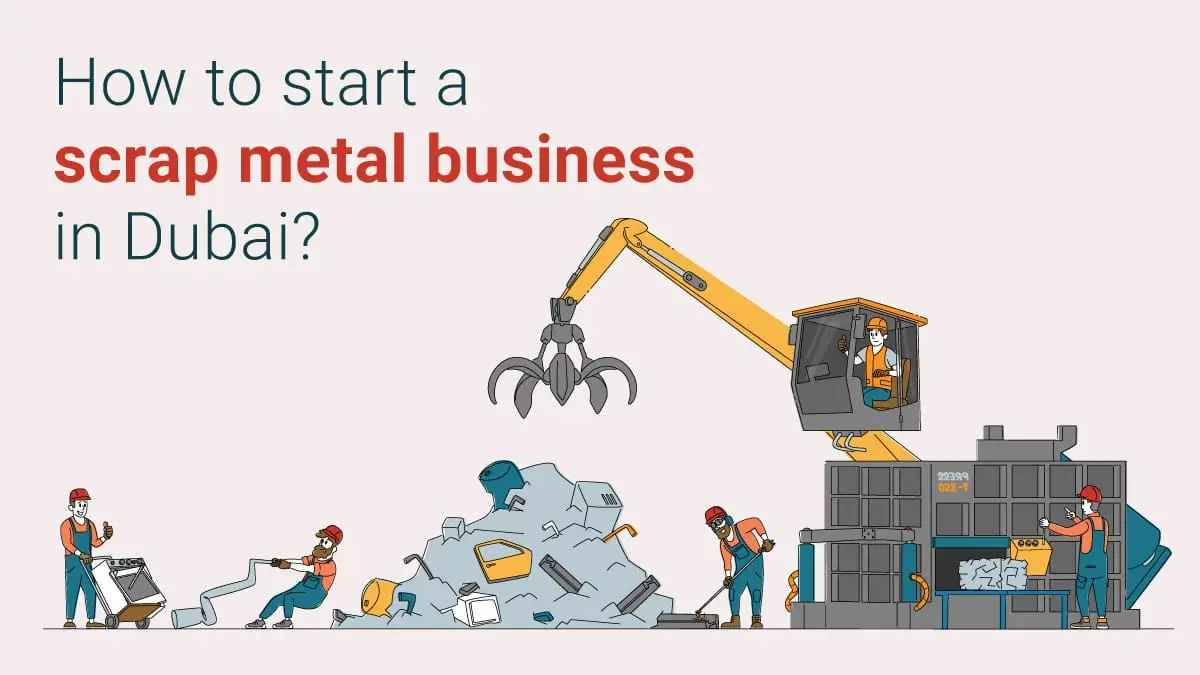
  • How to Start a Scrap Metal Business in Dubai

    How to Start a Scrap Metal Business in Dubai

    The UAE is among the top ten suppliers of ferrous scrap in the world. Scrap metal comes from different sources, including manufacturing, household goods, automobile, and foreign markets. Items from Africa, South Asia, and, far East are often exported to the UAE and then sold as scraps worldwide.

    According to the British Metal Recycling Association (BMRA), nearly 400 million metals recycle worldwide each year. Furthermore, metals constitute one of the most critical aspects of landfill waste as governments and people are becoming environmentally conscious. Therefore, scrap metal will remain in limited supply.

    Before starting a scrap metal recycling business, you must take into account three significant considerations. These include the amount of scrap metal, the holding area, and the safety measures in that holding area. Moreover, you also need to identify buyers to understand their persona and define your target market accordingly.

    What is the cost of starting a scrap metal shop?

    An entrepreneur thinking of starting a scrap metal shop has a lot of options. You can specialize in scrap metal sales and run a warehouse that sells recycled metals to scrap metal companies. Alternatively, focus on a specific type of scrap metal collection and recycling. Metals are commodities, and their rates change due to supply and demand. This is usually focused on supply and demand predictions for different types of metals a year or more in advance.

    Overall, this is an excellent capital-intensive business. Thus, the initial investment ranges between a few thousand dollars to hundreds of thousands of dollars. This business requires a high technical knowledge, and it can be highly profitable. Whether you’d like to recycle copper, gold, lead, nickel, silver, or tin – the choice is yours. And everything boils down to your understanding of this industry.

    How to Start a Scrap Business in Dubai

    Here’s how you can start your scrap metal shop in Dubai and make a name for yourself in the marketplace:

    1. Rigorous market analysis

    Identifying your scrap metal industry role is the first step to beginning your own scrap metal business. Can you collect local scrap to sell abroad? Would you like to import the scrap and then sell it? Do you have any strategy to process the scrap internally? The above procedures necessarily require an entirely different type of setup, so we recommend consulting with a business consultant before starting.

    Let’s concentrate on a relatively straightforward type of scrap metal trading that is popular in the UAE for the sake of simplicity. Let’s say your company buys scraps of copper, aluminum, as well as other metals from newly abandoned homes, as well as waste generation metal. After that, you clean and sort the scrap before exporting it to one of the neighboring countries, where a majority of the UAE’s scrap metal ends up due to the country’s growing economy. You need to gather all this knowledge through rigorous and extensive market analysis.

    2. Finding the appropriate business space

    The cost of creating your company’s premises is affected by a combination of factors. If you’re leasing a warehouse or a yard, you’ll want to think about the annual rent. A forklift, metal sorting bins, shipping containers, specialist sorting equipment, solid waste management, or other items might also be required. Moreover, your team will most likely be dealing with a bunch of information through unknown sources. Furthermore, if something unfavorable occurs on your property, it’s best to invest in security equipment and emergency plans.

    3. Obtain the license

    If you apply for a free zone license, you would be limited to a small number of companies managing such waste. Remember that you should follow all relevant environmental, preventive, and capital regulations. The most significant advantage of having a free zone license is that you own your business outright. A local license is acquired through the Dubai Department of Economic Development, but this will require a local sponsor who’ll have 51 percent sharing of the company.

    However, when you do business in the domestic scrap market, you’ll get more options. Shuraa Business Setup can become your sleeping partner so that you enjoy 100% operational ownership of your company. The most important thing to remember is that, depending on which licensing choice you select, you would be subject to various laws and permits based on the type of scrap metal you manage. These laws vary and are subject to continuous examination.

    4. Carry out your business activities

    Once you have the desired license and all the decisions regarding business space and company structure are finalized, you’re all set to start with the business activities. You can quickly launch your metal scrap company to take advantage of regional and global developments with the correct planning and a skilled advisor on your side. South Asia’s economy is booming, and it’s the leading destination for the UAE scrap, so the export possibilities are plentiful. You would not only benefit, but you’ll also be helping in making the world a better place for coming generations by recycling metals.

    Benefits of Starting a Scrap Metal Business in Dubai

    1. Energy conservation

    When comparing recycled metals to new ore, the total energy saved could be as high as:

    • 92% for aluminum
    • 90% for copper
    • 56% for steel

    According to the US Environmental Protection Agency, recycling a single aluminum product will save enough energy to power a 60-watt bulb for even more than four hours. Therefore, it’s a type of business that’s bound to gain pace in the near future.

    2. Economic benefits

    According to the National Recycling Coalition, recycling metal creates 36 times more jobs than sending the same volume of metal waste to an incinerator and six times more jobs than sending it to a landfill. Moreover, the authority also informs that the recycling industry generates $236 billion in annual revenue and hires upwards of a million people. So, it’s a no-brainer that the scrap metal industry is lucrative and full of opportunities.

    3. Environmental benefits

    Metal recycling helps protect natural resources by minimizing greenhouse gas emissions and consuming less energy than extracting metal from virgin ore. As opposed to producing goods from recycled materials, the manufacture of new metal generates much more greenhouse gas emissions. These emissions can influence climate change and harmful air pollution levels in cities, causing potential respiratory health issues for you and other city people. As per the Institute of Scrap Recycling Industries (ISRI), recycling metal may reduce greenhouse gas emissions by 300 million to 500 million tonnes. The scrap metal recycling business is a visionary approach that addresses an underlying noble cause as well.

    Consult with Shuraa

    We, at Shuraa Business Setup, target your company’s growth through our expertise and your willingness. Our business experts have helped more than 35,000 companies make a name for their brand in Dubai’s marketplace. If you’re looking to start a scrap metal recycling business but don’t know where to begin, simply connect with Shuraa. We’ll handle all your worries and ensure that you enjoy seamless business formation in the UAE. Consult with us today to get started with your dream business in Dubai.

    To get in touch with us, call at +971 44081900. You can also send a WhatsApp message at +971 50 777 5554. For email assistance, mail your query at info@shuraa.com.

  • How to Start a Car Rental Business in Dubai in 2026

    How to Start a Car Rental Business in Dubai in 2026

    Starting a car rental business in Dubai offers significant potential, given consistent demand from both tourists and residents. Achieving success requires strict adherence to licensing regulations, RTA approvals, and operational standards.

    To start a car rental business in Dubai, you need:

    • A commercial trade license from the Department of Economy and Tourism (DET/DED) with the “Passenger Car Rental” activity.
    • Mandatory RTA approval.
    • A physical office + approved parking space.
    • Compliant fleet (vehicles registered in your company name with full insurance).

    Obtaining a car rental license in Dubai, including required approvals, typically costs between AED 15,000* and AED 25,000*. This does not include vehicles or office rental. With professional assistance, the process generally takes 4 to 8 weeks.

    Why Start a Car Rental Business in Dubai in 2026?

    Dubai’s expanding tourism sector, frequent business events, and limited public transport create steady demand for car rentals. Foreign investors benefit from 100% mainland ownership, no personal income tax, and a favourable regulatory environment. A well-managed rental business can generate strong returns through multiple contract types.

    Step-by-Step Guide: How to Start a Car Rental Business in Dubai

    Follow these steps to start your car rental business in Dubai in 2026:

    1. Conduct Market Research & Develop a Business Plan

    Analyse competitors, target customers, pricing, and fleet composition. Include financial projections, marketing strategies, and risk assessments. This analysis is essential for DED approval and obtaining bank financing.

    2. Select Your Business Structure & Jurisdiction

    A mainland LLC is recommended because it provides full customer access across Dubai and streamlines RTA compliance. Free zones are available, but limit direct mainland operations.

    3. Reserve Your Trade Name & Obtain Initial DED Approval

    Choose a unique, compliant name and submit it through the DED/DET portal. Initial approval usually takes one to two days.

    4. Secure a Physical Office and Parking Space

    You must have a registered commercial address with at least 150 square feet of office space and dedicated parking for your fleet. Register the tenancy contract through Ejari. The RTA will inspect these facilities during the approval process.

    5. Apply for Your Car Rental Trade License

    Submit all required documents to DED/DET for the commercial license, specifying the “car rental” or “vehicle leasing” activity code.

    6. Obtain RTA Approval

    RTA approval is mandatory for all rental car businesses in the UAE. Submit your trade license, office and parking documentation, and fleet plan. The RTA will conduct a site inspection and issue the required NOC or permit.

    7. Register Your Fleet & Arrange Insurance

    Purchase or lease vehicles that meet RTA age and safety standards, typically not older than 24 months at registration for new fleets. Register each vehicle under the company name with the RTA and obtain comprehensive insurance.

    8. Open a Corporate Bank Account & Register for VAT

    Open a UAE corporate bank account. Register with the Federal Tax Authority if your turnover is expected to exceed AED 375,000.

    9. Hire Staff, Set Up Operations, and Prepare Contracts

    Recruit customer service, maintenance, and, if applicable, chauffeur staff. Prepare standardised rental contracts that comply with RTA’s unified contract rules.

    10. Launch Marketing & Go Live

    Develop a website or app for online bookings, partner with hotels and airports, and use digital marketing to reach customers.

    Typical Timeline (2026): 4–8 weeks when handled professionally.

    Car Rental Business License Requirements in Dubai

    RequirementDetailsWhy It Matters
    Trade License (DED/DET)Commercial license with “Passenger Car Rental” activityLegal authority to operate
    RTA ApprovalMandatory permit + site inspectionRegulates safety & operations
    Physical Office + ParkingEjari-registered space + fleet-sized parkingRTA inspection requirement
    Fleet StandardsVehicles registered to company; comprehensive insuranceConsumer protection
    DocumentsPassport/EID/Visa copies, Ejari, MoA (for LLC), RTA undertaking letterRequired for all submissions
    Minimum CapitalNone for most setups (AED 48,000+ if investor visa needed)Flexible for entrepreneurs

    Rent a Car License Cost in Dubai – 2026 Breakdown

    Cost ItemApproximate Cost (AED)Notes
    Trade Name Reservation600One-time
    Initial DED Approval200–300One-time
    Car Rental Trade License15,000–25,000Core rent a car license cost
    RTA Approval & Permit1,000–5,000Includes inspection
    Office Ejari + Parking (annual)10,000–35,000Depends on location & size
    Initial Fleet (3–5 economy cars)120,000–250,000+Biggest investment
    Insurance (per car, annual)3,000–7,000Comprehensive required
    Total Setup (excluding fleet)15,000–30,000Licensing + approvals only

    Pro Tip: The cost of a Dubai car rental license is modest compared to the cost of a fleet investment. Allocate an additional 10-15 per cent to professional consultants to help avoid delays.

    Key RTA Requirements for Rental Car Business in Dubai

    The Roads and Transport Authority enforces strict standards to protect customers and ensure road safety. Key requirements include:

    • Site inspection of the office and the parking lot.
    • Full vehicle registration and regular inspections.
    • Comprehensive insurance for every car.
    • Transparent rental contracts and rate cards.
    • Compliance with unified RTA rental contract (updated rules on deposits, refunds, and fines).

    Failure to comply may result in significant fines or license suspension.

    Common Challenges & Pro Tips for Success

    • High competition → Differentiate your business through excellent service, flexible pricing, and a strong online presence.
    • Fleet management → Factor in depreciation, maintenance, and seasonal demand in your planning.
    • Customer trust → Use clear contracts and ensure prompt response times.
    • Scaling → Start small (3–5 cars) and expand as cash flow becomes positive.

    Further Reading

    Frequently Asked Questions (FAQs)

    1. How much does a car rental license cost in Dubai?

    Core licensing and RTA approval fees range from AED 15,000* to 25,000*. Total setup costs, including office expenses, are higher but remain manageable.

    2. What are the car rental business license requirements in Dubai?

    You need a DED/DET trade license, RTA approval, a physical office and parking, a compliant fleet, and complete documentation (passport, EID, Ejari, etc.).

    3. Can foreigners start a car rental business in Dubai?

    Yes. Mainland companies allow 100 per cent foreign ownership for this activity.

    4. Do I need a minimum number of cars?

    RTA guidelines typically require a viable fleet, often 10 or more vehicles, though the exact number depends on your business plan and inspection.

    5. Is a free zone license suitable for a rental car business?

    Mainland licensing is preferred for full operational flexibility and easier customer access.

    6. How long does it take to start a car rental business in Dubai?

    The process takes 4 to 8 weeks with proper documentation and expert assistance.

    7. What insurance is required for rental cars in Dubai?

    Comprehensive insurance covering accidents, theft, and third-party liability is required for every vehicle.

    Ready to Launch Your Dubai Car Rental Business?

    Starting a car rental business in Dubai offers significant potential, but the licensing, RTA approvals, and compliance processes can be complex. Expert guidance can help ensure a smooth setup.

    Shuraa Business Setup has supported entrepreneurs in establishing successful companies across the UAE since 2001. With extensive local expertise and comprehensive knowledge of UAE compliance, Shuraa offers end-to-end support, including trade license and RTA approvals, office setup, PRO services, visa processing, and ongoing compliance.

    Whether you are planning a small fleet or a premium luxury rental operation, Shuraa’s team ensures a smooth, cost-effective launch so you can focus on business growth.

    Take the next step today.
    Contact Shuraa for a free consultation:

    Let Shuraa help turn your vision for a car rental business in Dubai into a fully licensed and operational business in 2026.

    Disclaimer: The information in this post is for general guidance only and may change due to updates in government policies or regulations.

  • How to Start a Forex Trading Company in Dubai, UAE

    How to Start a Forex Trading Company in Dubai, UAE

    The foreign exchange market, or forex, is the largest and most liquid financial market in the world. With trillions of dollars being traded daily, it offers endless opportunities for investors to profit from fluctuations in currency prices.

    You can enjoy daily earnings and plan accordingly for future investments. A profitable venture in Dubai is to form a forex trading company, thanks to the enormous business sector and adequate support from the UAE’s government. However, many entrepreneurs wonder: Is forex trading legal in Dubai?

    Yes, forex trading is legal in the UAE. The majority of the UAE’s population comprises expats which explains the need to send money back home. Therefore, forex providers are mushrooming in the country.

    In fact, Dubai has become a hub for forex trading companies due to its strategic location, business-friendly environment, and advanced infrastructure. The city’s position as a global financial center makes it an attractive location for companies looking to establish a presence in the Middle East and beyond.

    In the following article, you will learn how to start a forex company and how the business is it is regulated. It is also important to note that any entity dealing in forex must have a legal license to do so.

    You can establish your dream company in the DIFC (Dubai International Financial Centre) which is a free zone and has independent jurisdiction beneficial for investors. Moreover, you can also choose the mainland region to form your forex trading company in the UAE. It has diverse opportunities and gives good returns on your investments.

    Type of License to Start a Forex Trading Business

    The type of license you need to start a forex trading business in Dubai depends on your business model.

    1. DMCC License (Category 3): Ideal if your company will trade forex with its own capital. This is a professional license and doesn’t allow handling client funds. It’s a simpler and less expensive option compared to a DIFC license.
    2. DIFC License (Category 3A): This caters to companies offering forex brokerage services, meaning they manage client funds. This Category 3A license, called the Brokerage License, allows companies to trade not just forex, but also commodities and derivatives. The DFSA (Dubai Financial Services Authority) issues this license and requires stricter regulations and a higher cost compared to the DMCC license.

    How to Start Forex Trading in UAE

    To start a forex trading company in Dubai and obtain a forex trading license, follow these key steps:

    Step 1. Market Research

    The first step that many traders overlook is in-depth market analysis. You should know about the pros, cons, risks, etc., associated with the venture to make an educated decision. Today’s digital age has made it easier than ever to find relevant content and everything’s just one click away.

    If you approach the right forex broker, you’ll get this information compiled from them to ensure that you understand all the aspects of forex trading. Therefore, you can collaborate with the business setup consultants at Shuraa Business Setup.

    Step 2. Know Your Needs

    You should have a clear understanding of what you want to achieve via forex trading and what’s the estimated timeframe to accomplish the same. Novice traders should never indulge in hefty trading practices that involve a lot of capital.

    On the other hand, seasoned traders should look for the best broker who offers a reliable forex trading platform and introduces you to the new policy changes as well. Always consider your needs before applying for a forex trading license in Dubai. 

    Step 3. Choose your Business Location

    The UAE offers various free zones and mainland options. Each has its own advantages and requirements. Popular choices include Dubai Multi Commodities Centre (DMCC) and Dubai International Financial Centre (DIFC).

    Step 4. Register your Forex Trading Company

    Register your company with the relevant authorities based on your chosen location. This typically involves obtaining a trade license and opening a corporate bank account. You might need a local sponsor depending on the chosen location.

    Step 5. Choose a Broker

    Never choose a broker that doesn’t have a legal affiliation with a government agency. The UAE’s government takes strict actions against fraudulent brokers, but you must analyse the forex trading broker.

    Select a forex broker that is licensed and regulated by a reputable authority in the UAE, like the Securities and Commodities Authority (SCA). Furthermore, check whether the broker is a market maker or uses the ECN (electronic communication network). Next, inquire about the leverage and margin policies maintained by the concerned brokerage agency.

    You should also ask for a demo account to understand the trading platform offered by the broker. Once you’re satisfied with all these constraints, you can finalize the broker for your forex trading company.

    Step 6. Apply for the Forex Trading License

    You need to approach the DFSA (Dubai Financial Service Authority) to obtain the forex license for your forex trading company. It has an independent legal framework and duly monitors the trading of commodities, international equities, exchange, etc. in the country.

    Moreover, DFSA also runs a company fit test to check the credibility of brokerage firms and issues the license only when it finds you capable enough to run a forex trading company. 

    Step 7. Start Trading with Your Forex Account

    Get started with your live-funded account to begin forex trading. Devise an educated trading plan and stick to it during your trading tenure. Always remember that there’s no substitute for hard work.

    Therefore, leave no stone unturned before investing your money and when you do that, you’ll gain decent profits right from the start. Be it high-capitalization stocks or cryptocurrencies – you can trade in your favourite stream with the forex trading license.

    How to Move to Dubai as A Forex Trader

    To move to Dubai as a forex trader, follow these essential steps:

    1. Check Visa Requirements:

    • Residence Visa: To live and work in Dubai, you’ll need a valid UAE residence visa. You can obtain this through various channels such as employment, business ownership, or an investor visa. If you intend to invest significantly in property or other assets, explore the Golden Visa program, which offers long-term residency benefits.
    • Forex Trader Specific Visa: If you’re self-employed or plan to start a trading business, you might qualify for an Investor Visa or a visa related to working within the Dubai International Financial Centre (DIFC).

    2. Open a Trading Account with a Licensed Broker:

    • Ensure that you select a DFSA (Dubai Financial Services Authority) regulated broker. This ensures you’re compliant with local laws and regulations governing forex trading in Dubai.

    3. Set Up Your Finances:

    • Open a local bank account to manage transactions, including deposits and withdrawals for trading. Dubai offers sophisticated banking services tailored to international traders.

    4. Secure Accommodation:

    • Dubai has a wide range of housing options, including apartments, villas, and shared accommodations. Choose a location close to the financial districts like DIFC, Dubai Marina, or Business Bay to make commuting easier.

    5. Understand the Legal and Tax System:

    • Dubai is a tax-friendly city with no personal income tax, which makes it an attractive place for forex traders. However, stay informed on any changes to laws affecting foreign investments and financial regulations.

    6. Adapt to Local Culture:

    • While Dubai is cosmopolitan, respecting local customs and practices is vital. Familiarizing yourself with local traditions and adhering to business etiquette can help you build strong professional relationships.

    7. Networking with Other Traders:

    • Dubai is home to a large community of international traders and financial professionals. Attend trading seminars, join forex communities, and network to stay ahead of market trends.

    8. Prepare for the Costs of Living:

    • Dubai’s cost of living can be high, particularly in terms of rent, utilities, and lifestyle. Plan your budget accordingly, as some areas may be expensive, especially close to business districts.

    Additional Considerations:

    • Trading Tools & Platforms: Ensure that you have access to the necessary trading platforms and tools compatible with the brokers in Dubai.
    • Financial Markets Knowledge: Dubai is known for its dynamic financial markets, so it’s important to stay up to date with trends, economic reports, and regulatory changes that may impact forex trading.

    By following these steps, forex traders can successfully relocate to Dubai and establish themselves in one of the world’s leading financial hubs.

    Benefits of Forex Trading in Dubai

    Just like the other business sectors, forex trading is also a profitable venture in Dubai. Numerous forex trading companies have made a name for their brands in the marketplace. The following Advantages ensure that your venture is hassle-free and a profitable one:

    1. Flexible Business

    One major benefit of forex trading is that you can do it anytime, anywhere without a lot of effort. All you need is an electronic device like a computer or a mobile phone with good internet connectivity. You can trade in foreign exchange with these minimum requirements.

    Furthermore, irrespective of the market conditions, you can trade in foreign exchange. Even in a recession or bearish period, an investor can trade and make profits out of it. With high liquidity and low transaction costs, the risk involved in forex trading is manageable.

    2. Business in a Strong Economy and Tax Benefits

    Dubai’s economy is evolving at a rapid pace, and this attracts people from around the world. The UAE also provides tax benefits to its investors. Therefore, by establishing a forex company in Dubai, you can save your money, thanks to the zero (almost) per cent tax policy. It empowers you to earn extra revenue and the same can be used for other business growth activities.

    3. Secured and Regulated

    The UAE has a well-established regulatory framework for financial activities, including forex trading. Foreign exchange trading in Dubai is regulated by the Dubai Financial Services Authority (DFSA). DFSA issues the forex license to the investors and keeps a check on all the activities in the market.

    Moreover, the DFSA ensures that trading, exchange, and other financial activities are being undertaken as per the legal framework. It also regulates banks and other financial bodies. The governing body empowers the investors to trade in foreign exchange.

    4. Easy Business Setup

    It’s very easy to set up a forex trading business in Dubai. Generally, people are sceptical of investing in the exchange market, but the foreign exchange has always maintained a good reputation. That’s why starting a forex company in Dubai is beneficial and investors continue to explore the sector with diligent interest. Furthermore, there are several business benefits provided by the government to encourage investors.

    What is Forex Trading License Cost in Dubai

    The cost of a forex trading license in Dubai is typically AED 32,000*. However, the overall expense can vary depending on several factors. These include the number of visas required for your business, the location (whether you choose to set up in the Mainland or a Freezone), office rental fees, bank account opening charges, and any additional approvals that may be necessary.

    Each of these elements can affect the total cost, so it’s essential to plan accordingly based on your business needs and regulatory requirements in Dubai.

    Additionally, if you’re establishing your forex trading business in the DMCC (Dubai Multi Commodities Centre), you must have a share capital of AED 50,000 ($13,625). This amount needs to be deposited in a bank, and you’ll need to provide a bank letter as proof. Essential documents for the process include a passport copy, visa copy, and trade name document.

    Shuraa – Your Business Companion

    You don’t have to worry about obtaining the forex trading license in Dubai when you collaborate with Shuraa Business Setup. Instead of wondering if forex trading is legal in Dubai, get cracking with a free consultation with us.

    We have helped 100,000+ companies establish in the UAE’s marketplace, and we’ll happily assist you in launching your forex trading business. Our legal advisors provide insightful information to the clients and help them with all the processes related to paperwork, documentation, rental space, and more.

    So, are you ready for business set up in Dubai with Shuraa?  To know more about forex trading companies in Dubai, connect with us by calling at +97144081900 or send a WhatsApp message on +971 50 777 5554. For email assistance, you can write to us at info@shuraa.com.

    Frequently Asked Questions (FAQs)

    1. What is forex trading?

    Forex trading involves buying and selling currencies to profit from fluctuations in their exchange rates. It’s the world’s largest financial market, with trillions of dollars traded daily. Currencies are traded in pairs, and traders speculate on whether the value of one currency will rise, or fall compared to the other.

    Yes, forex trading is legal in Dubai and the UAE, but it is a strictly regulated activity. Individuals and businesses must obtain the appropriate licenses from the relevant regulatory bodies, such as the Dubai Financial Services Authority (DFSA) for operations in the Dubai International Financial Centre (DIFC), to conduct forex trading legally.

    3. How do I get a forex trading license in Dubai?

    The process of obtaining a forex trading license in Dubai involves several steps:

    • Decide whether you’ll trade with your own funds (DMCC license) or manage client funds (DIFC license).
    • Choose the appropriate authority (DMCC or DIFC) based on your business model.
    • Gather necessary documents like business plans, financial statements, and KYC documentation.
    • Submit your application and pay the license fee to the chosen authority.

    4. How to open forex trading account in Dubai?

    To open a forex trading account in Dubai, first choose a forex broker regulated by a UAE authority like the Securities and Commodities Authority (SCA) or DFSA. Then, visit the broker’s website to register and complete their verification process by submitting your identity and address documents. Finally, deposit funds into your newly opened account to begin live trading.

    5. Do I need to be a resident of Dubai to start a forex trading company?

    No, residency isn’t mandatory. However, depending on your business setup and visa requirements, you might need sponsor visas for employees.

    6. Do I need a special visa to move to Dubai as a forex trader?

    There isn’t a specific visa for forex traders. However, you might need an investor visa, employment visa, or freelance visa depending on your situation. Establishing a forex trading company in Dubai can simplify the visa application process.

    7. What qualifications or experience do I need to start a forex trading company?

    While specific qualifications may not be mandatory, experience and knowledge of the forex market are crucial. A strong understanding of finance, risk management, and relevant regulations is essential.

    8. What time forex market open in UAE?

    The forex market operates 24 hours a day, five days a week, enabling trading across global time zones. In UAE time (Gulf Standard Time), the forex market begins at 12:00 AM on Monday and remains open continuously until 1:00 AM on Saturday. The market is divided into four major trading sessions: Sydney, Tokyo, London, and New York. This overlapping schedule provides traders in the UAE with ample opportunities to participate during peak trading hours, ensuring liquidity and potential profitability.

    Understanding the market hours in UAE time allows traders to strategically plan their trades and maximize their success.

    9. Why do forex traders move to Dubai?

    Forex traders move to Dubai for its zero tax on capital gains, world-class financial infrastructure, and supportive business environment. Dubai offers regulatory advantages, strategic location, and a high quality of life, making it a preferred hub for successful Forex trading professionals.

    Disclaimer: The information in this post is for general guidance only and may change due to updates in government policies or regulations.

  • How to Start a Construction Business in Dubai

    How to Start a Construction Business in Dubai

    Dubai is renowned for its thriving construction industry and has emerged as a global hub for ambitious entrepreneurs seeking to capitalise on this lucrative market. With its impressive skyline and iconic structures, Dubai offers endless opportunities for construction businesses.

    Dubai remains second in terms of construction. From iconic skyscrapers like the Burj Khalifa to ambitious infrastructure projects like Expo 2020, Dubai’s construction sector shows no signs of slowing down.

    The government of Dubai has authorised USD 6.8 billion for the redevelopment of the Abu Dhabi International Airport and USD 7.8 billion for the expansion of the Dubai International Airport.

    So, if you’re planning to start a construction company in the UAE, know that investments in tourism are continuously supporting the construction industry.

    Why Choose Dubai for Starting a Construction Company?

    Dubai is one of the world’s most dynamic business hubs, attracting entrepreneurs and investors from around the world. Its prime location, pro-business policies, and strong infrastructure make it fertile ground for launching successful ventures. Whether you’re eyeing the tech sector, hospitality, or the construction business in Dubai, the city offers unmatched growth opportunities.

    Key Benefits to Start a Business in Dubai:

    1. Prime Location: Dubai serves as a gateway between the East and West, giving businesses access to markets across the Middle East, Africa, Asia, and Europe.
    2. Strong Infrastructure: With modern transportation systems, innovative city developments, and mega construction projects, Dubai offers a thriving ecosystem—especially beneficial for those entering the construction business in the city.
    3. Business-Friendly Policies: Dubai offers tax-free zones, 100% foreign ownership in many sectors, and simplified company registration processes, making business setup smooth and efficient.
    4. Booming Construction Sector: The construction business in Dubai is booming due to continuous investment in real estate, tourism, and infrastructure projects like Expo City, NEOM connectivity, and new residential communities.
    5. Access to Skilled Workforce: Dubai is home to a multicultural, skilled, and professional workforce, making talent acquisition easy across various industries.
    6. Government Support and Innovation: The UAE government actively supports entrepreneurship through initiatives, grants, and accelerators, ensuring long-term business sustainability.
    7. Favourable Tax Environment: Dubai offers 0% personal income tax and competitive corporate tax rates, making it highly attractive for business owners and investors. Free zones also provide complete tax exemptions, which can significantly reduce operating costs—especially beneficial for capital-intensive industries, such as the construction business in Dubai.

    How to Start a Construction Company in Dubai, UAE

    Dubai’s real estate and infrastructure sectors continue to grow at a rapid pace, making it a lucrative destination for launching a construction business.

    From skyscrapers to smart cities, the demand for quality construction companies remains strong. If you’re ready to get into this booming sector, here’s a step-by-step guide to help you get started.

    Step 1: Choose a Legal Structure

    Your company’s legal structure defines ownership, liability, and tax implications. Common structures for a construction business in UAE include:

    For most construction firms, LLC is the preferred legal entity due to the flexibility it offers in bidding for local projects.

    Step 2: Select a Company Name

    Choose a name that aligns with UAE naming conventions:

    • No offensive or blasphemous terms
    • Avoid abbreviations of personal names
    • Must reflect the business activity (e.g., “Skyline Contracting LLC”)

    Get your company name approved by the Department of Economic Development (DED).

    Step 3: Choose a Business Jurisdiction

    You must decide where to set up your business:

    • Mainland: Ideal for businesses aiming to work directly with the Dubai government or local market.
    • Free Zone: Offers tax incentives and full ownership but may restrict local project work.
    • Offshore: Suitable for international holdings but not practical for construction businesses.

    For obtaining a construction trade license and bidding on projects across Dubai, the Mainland jurisdiction is the most appropriate.

    Step 4: Obtain Initial Approval and License

    Apply to the Department of Economic Development (DED) for initial approval to operate your business.

    You will need to apply for a construction license in Dubai, which allows you to perform building, civil, electrical, mechanical, and renovation works. This may include:

    • Building Contracting License
    • Road Contracting License
    • Electrical Fittings Contracting License, etc.

    Consult with the Shuraa business setup expert to determine the exact construction activities to include in your license.

    Step 5: Secure External Approvals

    To operate a construction business in the UAE, certain activities require additional approvals from government bodies such as:

    Step 6: Prepare the Required Documents

    Gather all necessary documentation, such as:

    Step 7: Register with DCCI (if applicable)

    If you’re setting up on the mainland, registration with the Dubai Chamber of Commerce and Industry (DCCI) is usually required. This registration helps establish credibility and is mandatory for government tenders and contracts.

    Step 8: Secure Office Space

    It’s mandatory to lease physical office space before obtaining your construction license. Your office must meet the minimum size criteria and be registered through Ejari (Dubai’s official tenancy contract system). For larger construction businesses, you may also require warehouse or yard space.

    Step 9: Obtain Visas

    Apply for visas for:

    • Yourself (as the business owner)
    • Employees (engineers, workers, project managers)
    • Dependents (family members, if needed)

    A valid construction license in Dubai gives you the right to sponsor visas for employees and labourers.

    Step 10: Build a Professional Team

    Recruit qualified professionals:

    • Civil Engineers
    • Project Managers
    • Safety Officers
    • Skilled laborers 

    Also, ensure that your staff is registered with Dubai Municipality, particularly engineers and technical staff, who must be certified to work on construction sites legally.

    Step 11: Open a Corporate Bank Account

    You’ll need a corporate bank account to manage transactions and receive project payments. Choose a UAE-based bank that offers construction-friendly services, such as project-based financing or equipment loans.

    Required documents typically include:

    • Trade license
    • Shareholder documents
    • Business plan
    • Office lease agreement

    Step 12: Start Operations

    Once you’ve secured your construction trade license, approvals, and team, you’re ready to start bidding on projects and executing contracts.

    You may also want to:

    • Register on contractor portals (Dubai Municipality, DEWA, etc.)
    • Purchase insurance (liability, workers’ compensation, etc.)
    • Invest in safety equipment and software for project management.

    By following these steps and understanding the regulatory landscape, you can successfully establish your construction business in the UAE.

    Contact Shuraa’s experts to simplify licensing, ensure compliance, and fast-track your business.

    What Business Structures Are Available for Construction Companies in Dubai?

    Starting a construction business in Dubai requires selecting the right business structure, customised to your goals, operations, and target market. The UAE offers several company formation options, each with unique advantages for the construction sector. Here are the three main types:

    • Mainland Company: A Mainland company allows construction businesses in Dubai to operate across the UAE without any restrictions. This is the ideal choice if you’re planning to work on government projects or contracts across multiple emirates. Mainland companies also provide more flexibility in office locations, employee visa quotas, and client reach.
    • Free Zone Company: Setting up your construction business in Dubai Free Zone offers tax exemptions, 100% foreign ownership, and streamlined business processes. However, Free Zone construction companies are generally limited to operating within their designated zone or internationally. This structure is ideal for companies that specialise in design, engineering consultancy, or exporting construction materials and services.
    • Offshore Company: An Offshore company in Dubai is primarily used for international operations, asset protection, and holding investments. While it doesn’t allow you to conduct onshore construction work directly, it can be beneficial for managing profits, owning intellectual property, or forming joint ventures with onshore construction firms.

    What Licenses Do You Need to Start a Construction Company?

    Starting a construction business in Dubai offers immense potential, due to the city’s booming infrastructure and real estate sectors. However, understanding the construction company license requirements in Dubai is crucial for legal and operational success.

    To legally operate a construction business in UAE, you must obtain a construction license in Dubai, which authorises you to engage in activities such as building, civil engineering, and general contracting. This license is typically issued by the Dubai Department of Economic Development (DED) or the relevant Free Zone authority, depending on your business setup.

    Key Licenses and Approvals Required:

    • Trade Name Approval: Choose and register a unique trade name relevant to the construction business in Dubai.
    • Initial Approval from DED or Free Zone: This confirms that the government has no objection to you starting a business.
    • Construction Trade License: This is the primary license required for the construction trade. It encompasses various activities, including building contracting, steel construction, road construction, plumbing, electrical installation, and other related services. You must also clearly define your scope of work.
    • G+1 Permit (if applicable): For companies involved in building structures of Ground + 1 level or more, additional permits are required from the Dubai Municipality.
    • Civil Engineering License (if applicable): Required for specialised services such as roadworks, bridges, and tunnelling.
    • External Approvals: Depending on the nature of your services, you may need permits from bodies such as: Dubai Municipality, Dubai Civil Defence, Trakhees (for Free Zones), Environment, Health & Safety (EHS).
    • Professional Certifications: Key technical staff must hold relevant engineering certifications and be registered with the Society of Engineers in the UAE.
    • Office Space Lease Agreement: A physical office space is a mandatory requirement for opening a construction company in Dubai. For Mainland companies, the office must be in Dubai.

    Understanding and fulfilling the construction company license requirements in Dubai is essential for a smooth setup process. From getting a construction trade license to securing approvals from regulatory bodies, each step ensures that your construction business in UAE operates legally and efficiently.

    Contact Shuraa’s business setup experts to simplify the process and ensure full compliance with all regulations.

    Read Also: UAE Construction Law

    Cost of Starting a Construction Business in Dubai

    The estimated cost of starting a construction business in Dubai varies depending on several factors, such as the size of the company, the type of construction work it will undertake, and the location of its premises. However, the cost of obtaining a construction license in Dubai generally starts at AED 25,500*.

    Lucrative Business Opportunities in UAE’s Construction Sector

    The UAE’s construction industry offers massive growth potential, fueled by government megaprojects, tourism expansion, and infrastructure development. Here’s where your construction company can thrive:

    1. Tourism & Landmark Developments

    Dubai’s vision to become a global tourism hub creates endless opportunities:

    • Man-made island projects: Palm Jumeirah, Deira Islands, Bluewaters Island
    • Mixed-use megacities: Dubai Marina, Dubai Creek Harbour, Marsa Al Arab
    • Entertainment hubs: Ain Dubai, Dubai Harbour, Expo City Dubai

    2. Transportation & Infrastructure

    The UAE is investing billions in connectivity:

    • Airport expansions: Dubai International Airport ($7.8B), Abu Dhabi International Airport ($6.8B)
    • Road & rail networks: Etihad Rail, Dubai Metro extensions, Al Shindagha Corridor
    • Port upgrades: Dubai Harbour, Khalifa Port expansion

    3. Sustainable & Smart City Projects

    Green initiatives and tech-driven developments are booming:

    • Solar parks: Mohammed bin Rashid Al Maktoum Solar Park
    • Smart cities: Dubai South, Masdar City (Abu Dhabi)
    • Green buildings: LEED-certified constructions (mandatory for new developments)

    4. Residential & Commercial Boom

    High demand for:

    • Affordable housing: Dubai Urban Master Plan 2040 targets 55% green spaces & integrated communities
    • Luxury real estate: Palm Jumeirah villas, Downtown Dubai skyscrapers
    • Co-working spaces: Demand for flexible offices post-Expo 2020

    Why Choose Shuraa Business Setup?

    ✔ End-to-End Support – From initial licensing to final approvals, we handle every step
    ✔ Local Expertise – Our consultants navigate Dubai’s regulations so you don’t have to
    ✔ Time-Efficient Solutions – Fast-track paperwork, office setup, and visa processing
    ✔ Cost-Effective Packages – Transparent pricing tailored to your budget

    We Specialize In:

    • Construction license acquisition
    • Municipality approvals & compliance
    • Office space and labor accommodation
    • PRO services for ongoing requirements

    Get Started Today:

    Your dream construction business in Dubai is just one consultation away!

    Frequently Asked Questions (FAQs)

    1. How do I start a construction business in Dubai?

    To start a construction business in Dubai, you need to:

    1. Choose a legal structure (e.g., LLC).
    2. Select a trade name.
    3. Decide between Mainland, Free Zone, or Offshore jurisdiction.
    4. Apply for a construction trade license from the Department of Economic Development (DED) or the relevant Free Zone authority.
    5. Obtain necessary external approvals from Dubai Municipality and Civil Defence.
    6. Rent an office space and labour accommodation.
    7. Register with Dubai Chamber of Commerce & Industry.
    8. Open a corporate bank account.

    2. What are the construction company license requirements in Dubai?

    To obtain a construction license in Dubai, the key requirements include:

    1. A qualified engineer or technical director.
    2. Approvals from Dubai Municipality and Trakhees (for Free Zones).
    3. Office and warehouse space (as per business size).
    4. Trade name registration.
    5. Initial and final DED approvals.

    3. Do I need a license to start a construction company in Dubai?

    Yes, a construction trade license is required to operate a construction company legally in Dubai or anywhere in the UAE.

    4. What licenses are required to start a construction business in Dubai?

    You typically need:

    • Construction Trade License from DED or a Free Zone authority
    • Building Contracting License
    • Civil Work Permits from Dubai Municipality
    • Environmental and health/safety approvals (if applicable)

    5. What is a construction trade license in Dubai?

    A construction trade license enables businesses to undertake construction-related activities, such as building residential, commercial, or industrial structures, performing maintenance work, or providing civil engineering services in Dubai.

    6. How much does it cost to start a construction company in Dubai?

    Starting a construction business in Dubai can cost anywhere from 25,500* to AED 40,000* or more, depending on various factors. These factors include the type of business structure, license type, office space, and the need for staff visas, insurance, and approvals.

    7. What are the requirements for opening a construction company in Dubai?

    • Trade name reservation
    • Initial approval from DED
    • Engineer/consultant on board
    • Office and labour accommodation
    • Necessary municipal permits
    • Professional indemnity insurance

    8. What is a construction license in Dubai?

    A construction license in Dubai is a mandatory permit that allows a company to legally operate in the construction industry, undertaking various building and development projects. It is issued by the Department of Economic Development (DED) or the relevant free zone authority. This license is crucial for both local and foreign investors aiming to participate in Dubai’s thriving construction market.

    9. How to get construction projects in Dubai?

    To get construction projects in Dubai, it’s crucial to understand the tendering process, build strong networks, and register with relevant entities. This includes identifying potential clients, understanding their needs, and being prepared to submit bids that meet the requirements.

    10. What are the benefits of starting a construction business in the UAE?

    1. Booming real estate and infrastructure sector
    2. High ROI potential
    3. Access to regional and global markets
    4. Favourable tax environment (0% corporate tax up to AED 375,000)
    5. Government-backed mega projects like the Dubai 2040 Urban Master Plan

    11. How to get a construction license in Dubai?

    To get a construction license in Dubai, you need to register your business with the Department of Economic Development (DED) (DED), obtain approvals from Dubai Municipality, and secure necessary permits for your specific construction activities. The process involves selecting a business structure, choosing a trade name, and fulfilling specific requirements based on whether you operate in the mainland or a free zone.