Author: Ritish Sharma

  • How to Start a Vending Machine Business in UAE

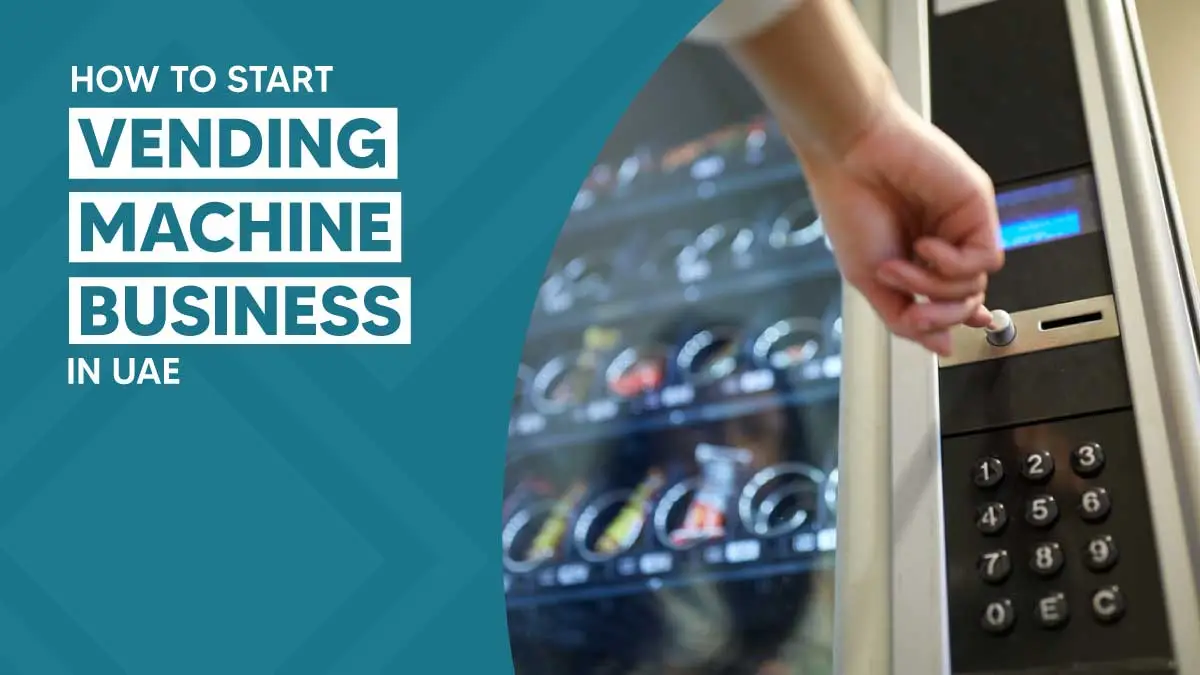
    How to Start a Vending Machine Business in UAE

    Getting into Dubai’s thriving vending machine market is a strategic move for entrepreneurs seeking a profitable venture in the UAE’s robust economy. With a constant influx of over 16 million tourists and a high-density resident population, the demand for 24/7 convenience is immense.

    The global vending machine market is projected to exceed $146 billion by 2027, and Dubai’s share is significant, driven by its innovative adoption of cashless payments and smart retail solutions. To tap into this opportunity, your first critical step is to establish your business legally.

    The foundational step to launching your vending machine business is to legally establish your company. This involves registering with the Dubai Department of Economic Development (DED) to secure your trade license and all necessary permits. The process in Dubai is designed to be business-friendly, with clear guidelines from the DED and Dubai Municipality to ensure a smooth setup. Once this legal framework is in place, you can focus on leveraging smart technology and executing your business plan to build a thriving venture.

    What is the Size of the Vending Machine Market in UAE?

    The vending machine market in the UAE is showing significant growth, supported by trends in smart technology and consumer demand for convenience. The Middle East and Africa smart vending machine market is expected to grow from USD 1.46 billion in 2024 to USD 2.6 billion by 2029, reflecting a robust CAGR of 12.2% between 2024 and 2029.

    In Dubai specifically, the popularity of vending machines has surged due to rising urbanization and the adoption of cashless payment systems. For instance, in 2024, more than 60% of vending machines in the UAE are equipped with digital payment systems, making them highly attractive to tech-savvy consumers.

    Additionally, the integration of smart technologies has opened new opportunities for customized consumer experiences, such as vending machines offering healthy snacks and even high-end electronics.

    Types of Vending Machines to Consider in Dubai or UAE

    When starting a vending machine business in Dubai, it’s essential to choose the right type of machines based on your target audience and location. Here are some popular options to consider:

    • Food and Beverage Vending Machines: These are the most common vending machines and offer snacks, soft drinks, water, and packaged foods. Ideal for places like shopping malls, offices, and schools. They cater to a wide audience and are in constant demand.
    • Healthy Snack and Drink Vending Machines: With the growing focus on wellness, vending machines offering healthy options like granola bars, fresh juices, and low-calorie snacks are gaining popularity. Perfect for gyms, yoga studios, hospitals, and fitness centers.
    • Coffee Vending Machines: Coffee machines are a hit in office buildings, universities, and transit hubs. These machines provide instant access to hot beverages like coffee, tea, and hot chocolate. They are a great way to tap into Dubai’s love for coffee culture.
    • Non-Food Vending Machines: These machines sell items like electronics (phone chargers, headphones), beauty products (lip balms, face masks), or hygiene essentials (sanitizers, masks). Ideal for airports, hotels, and high-end malls.
    • Smart Vending Machines with Digital Interfaces: Equipped with advanced technology like touchscreens, cashless payment systems, and inventory tracking. They can sell a variety of items, from groceries to luxury products. Suitable for tech-savvy customers and premium locations like business districts and high-end retail spaces.

    You can purchase a vending machine from pepsidrc.com or first-classvending.com.

    Benefits of Starting a Vending Machine Business in UAE

    Starting a vending machine business in the UAE offers several advantages:

    • Tax Benefits: The UAE’s tax-friendly policies make it an ideal place for entrepreneurs. With limited corporate tax or no personal income tax, you can maximize your profits. Additionally, while businesses generating more than AED 375,000 in annual revenue must register for VAT, the 5% VAT rate is significantly lower compared to global standards.
    • Full Business Ownership: Foreign entrepreneurs can enjoy 100% business ownership of their vending machine business in Dubai, especially when set up in a free zone or under the latest mainland regulations. This gives you complete control over your business operation and profit.
    • Growing Industry Trends: The vending machine industry is evolving with technology. Smart vending machines with interactive screens and AI-driven inventory management are gaining popularity, making the business even more efficient and appealing.
    • High Demand for Convenience: Dubai’s fast-paced lifestyle creates a constant demand for quick and easy access to snacks, beverages, and essential items. With vending machines, you can cater to busy professionals, tourists, and residents 24/7.
    • Low Startup Costs: Compared to other businesses, vending machines require less investment. You don’t need to rent or build a large space, and the operational costs are minimal.
    • 24/7 Revenue Potential: Unlike traditional stores, vending machines operate around the clock. This means you can earn revenue even when you’re not physically present.
    • High-Density Population and Tourist Traffic: Dubai’s bustling population and constant influx of tourists create a large potential customer base for your vending machines, especially in high-traffic areas like airports, malls, and office buildings.
    • Cashless Payment Options: With Dubai’s push toward becoming a cashless society, modern vending machines that accept payments via cards or mobile wallets are in high demand. This makes the business more attractive and user-friendly for tech-savvy customers.

    Documents Required to Start a Vending Machine Business in UAE

    To start a vending machine business in UAE, you’ll need to prepare and submit the following documents:

    • Passport copies
    • Visa copies
    • Proof of residency in the UAE (If applicable)
    • Passport-sized photographs
    • Trade name registration certificate
    • Trade license application documents
    • Additional approval and permits (Location permit, health & safety approvals)
    • NOC (No Objection Certificate) from the landlord or property owner, if needed

    Note: Requirements may vary depending on whether you are setting up a mainland business or operating within a free zone. Consulting with a business setup expert like Shuraa can streamline the process and ensure compliance with all regulations.

    How to Start a Vending Machine Business in Dubai

    Launching a vending machine business in Dubai is an exciting opportunity to tap into a growing market. With the right strategy, you can set up a profitable venture in no time. Here’s a step-by-step guide to help you get started:

    Step 1. Research the Market

    Start with solid groundwork by understanding your market:

    • Define Your Products: Decide on what you’ll sell—snacks, beverages, or something unique that sets you apart.
    • Understand Customer Needs: Research the demands of your target audience in specific locations. What do they need most?
    • Study Competitors: Analyse what’s already being offered in your area and identify gaps you can fill.
    • Source Rare Products: If your vending machines will feature specialty items, find reliable suppliers.

    Pro Tip: Focus on a niche product selection that meets high demand rather than offering a broad range of items.

    Step 2: Choose a Business Name

    Your trade name is your brand, so make it count:

    • Ensure the name complies with Dubai’s naming regulations—avoid offensive terms, abbreviations, or names of well-known companies.
    • Check the availability of your desired name before registering it.
    • Select a name that’s simple, memorable, and relevant to your vending machine business.

    Step 3: Select Your Business Structure and Location

    Dubai offers various business setups to choose from:

    • Mainland: Operate anywhere in Dubai, including prime areas.
    • Free Zone: Enjoy cost and tax benefits but operate primarily within the Free Zone.
    • Offshore: Ideal for international trade and business.

    Choosing the Right Location:
    Locate your vending machines in high-footfall areas like malls, parks, offices, or metro stations. Prioritise convenience for your customers, especially during busy hours.

    Step 4: Obtain a Vending Machine License

    To legally operate, secure the required licenses:

    • Trade License: Apply through the Dubai Department of Economic Development (DED).
    • Additional Approvals: For food and beverages, obtain health and safety approvals from Dubai Municipality.

    Follow all regulations related to food safety and machine standards.

    Step 5: Apply for a Visa

    A valid visa is essential for living and working in Dubai:

    • Apply for your visa after obtaining the business license.
    • Sponsor family members or employees as needed to support your business operations.

    Step 6: Purchase or Lease Vending Machines

    Invest in the right machines to suit your needs:

    • Choose between buying or leasing, depending on your budget.
    • Opt for machines with advanced features like cashless payments, temperature control, or interactive screens.
    • Partner with reputable suppliers to ensure high-quality machines that are durable and reliable.

    Step 7: Install and Maintain Your Machines

    Proper installation and maintenance are key to long-term success:

    • Place machines in strategic, high-traffic locations for maximum visibility and sales.
    • Test the machines thoroughly to ensure smooth operations.
    • Offer cashless payment options to cater to modern customer preferences.
    • Schedule regular maintenance to avoid downtime and keep your machines in top condition.

    With careful planning and execution, your vending machine business in Dubai can thrive in this dynamic market. Ready to get started? Let’s make your entrepreneurial dream a reality!

    How Much Does It Cost to Start a Vending Machine Business in Dubai?

    The cost of starting a vending machine business in Dubai typically ranges from approximately AED 20,000* to AED 30,000*, with variations depending on factors such as the business activity type and whether the license is obtained in the Mainland or a Free Zone jurisdiction.

    Detailed Breakdown:

    • Licensing and Permits: The vending machine license cost typically ranges between AED 10,000–15,000 annually, depending on the type of business activity and structure.
    • Vending Machine Costs:
      • Basic Vending Machines: AED 5,000–15,000 per unit for standard snack or drink machines.
      • Smart Vending Machines: AED 20,000–50,000 per unit for machines with advanced digital interfaces and cashless payment systems.
    • Installation and Maintenance:
      • Delivery and Installation: AED 1,000–3,000 per machine.
      • Maintenance Contracts: AED 1,000–3,000 annually, depending on the machine type.
    • Location Rental (if applicable): Typically, AED 2,000–10,000 monthly for premium locations like malls or metro stations.

    Remember, these are estimated costs which may vary. For a precise, fixed-fee quote tailored to your business plan, get in touch with the experts at Shuraa.

    Let Shuraa Simplify Your Vending Machine Business Setup 

    If you’re considering starting a vending business in UAE or Dubai, now is the perfect time to take advantage of this growing market. The benefits are endless—low running costs, the flexibility to grow your business, and the chance to use smart technology. 

    To make your entrepreneurial journey seamless, Shuraa Business Setup is here to help. With over 26 years of experience, we provide expert guidance on business registration, licensing, document preparation, and approvals. Our team offers end-to-end support, ensuring your vending machine business is set up efficiently and in compliance with Dubai’s regulations.

    Reach out to Shuraa Business Setup today at +97144081900 or on WhatsApp at +971507775554 or drop an email at info@shuraa.com and get answers to all your queries. 

    Frequently Asked Questions (FAQs)

    1. What is Vending Machine?

    Vending machine is smart, self-service device that offer a seamless shopping experience by dispensing snacks, beverages, tickets, and more – all without the need for a cashier. Operating 24/7, they cater to on-the-go consumers in high-traffic areas like offices, malls, and public spaces. Equipped with modern payment systems, including cash, cards, and digital wallets, vending machines provide unparalleled convenience, ensuring quick and hassle-free transactions anytime, anywhere.

    2. Is a vending machine business profitable in Dubai?

    Yes, a vending machine business can be highly profitable in Dubai. The city’s large population, diverse culture, and 24/7 economy create a significant demand for convenient food and beverage options. Popular locations like malls, offices, schools, and metro stations offer high foot traffic, ensuring consistent sales. Additionally, low maintenance costs and the potential to scale make vending machines a profitable business option. 

    3. Do I need a license for vending machines in the UAE?

    Yes, you need a trade license to legally operate vending machines in Dubai. This involves registering your business with the Department of Economic Development (DED) or a relevant free zone authority, depending on your business structure.

    4. How to get a vending machine license in Dubai?

    To obtain a vending machine license in Dubai, follow these steps:

    • Choose a Business Structure (Mainland or free zone setup).
    • Apply to the Department of Economic Development (DED) or the relevant free zone authority.
    • Secure approvals from the Food Control Department (for food machines).
    • Pay the licensing fees and your trade license will be issued.
    • You may also need additional location permits to install machines in specific areas.

    5. What are the best locations for vending machines in Dubai?

    High-traffic areas like shopping malls, metro stations, offices, schools, gyms, and airports are ideal locations. These places see a steady flow of people who are likely to use vending machines for quick and convenient purchases. 

    6. What payment systems are commonly used in vending machines in Dubai?

    Vending machines in Dubai often support cash, coins, and digital payments. The increasing adoption of cashless systems, such as credit cards, mobile wallets, and contactless payments, makes smart vending machines more appealing to consumers. 

    7. What are the residence visa options for a vending machine business in Dubai, UAE?

    By starting a vending machine business, you can apply for an Investor Visa if setting up a mainland or free zone company. Depending on the type of license, the visa duration is typically 2–3 years. Additionally, business owners may also sponsor visas for employees or family members as per UAE regulations.

    8. Can I import vending machines into Dubai?

    Yes, vending machines can be imported into Dubai, but they must meet UAE standards and obtain necessary certifications. Import duties may apply, and you’ll need a customs code to clear goods. Partnering with a local supplier or distributor can simplify this process.

    Disclaimer: The information in this post is for general guidance only and may change due to updates in government policies or regulations.
  • What Are the New Rules for UAE Visa 2026?

    What Are the New Rules for UAE Visa 2026?

    The UAE has always been a global hub for entrepreneurs, investors, and businesses. From the start, the government has focused on creating opportunities for individuals to build their future here. With the introduction of new visa rules in the UAE, accessing the country has become simpler and more inclusive.

    These changes directly affect investors and professionals planning to establish their presence in the UAE. Staying updated on these developments is essential to effectively plan your next steps.

    One of the most notable updates is the UAE Golden Visa, offering expats long-term residency of up to 10 years. This initiative demonstrates the government’s commitment to attracting global talent and investment.

    Recent executive regulations under the Federal Decree-Law on Entry and Residence of Foreigners have introduced updates to both existing and new visa categories. These reforms aim to make the UAE even more accessible for individuals and businesses to thrive.

    Let’s explore how these new UAE visa rule changes can help shape your entrepreneurial journey in one of the world’s most dynamic markets.

    UAE New Residence Visa Rules 2026

    The United Arab Emirates (UAE) has implemented several new residence visa rules in recent years. These new cabinet rules make it easier and more attractive for skilled professionals, investors, and retirees to live and work in the country.

    Under the latest 2026 Dubai visa application updates, all visas allow entry into Dubai within 60 days of being issued. However, 96-hour and 48-hour visas must be used within 30 days from the date of issuance.

    New Visa Rules in UAE 2026

    Discover the latest updates to UAE visa regulations in 2026. Here’s everything you need to know:

    1. Visit Visa Rules

    • Extended validity: The five-year tourist visa now permits multiple entrances and stays of up to 90 days per visit.
    • Simpler Process: Applicants can now complete most steps through streamlined online submissions.

    2. Job Seeker Visa Enhancements

    • Extended Validity: These visas now last up to 120 days.
    • Eligibility: Open to recent graduates from top universities and skilled professionals.

    3. Residency Visa Changes

    • Golden Visa: Expanded to include educators, researchers, athletes, and humanitarian leaders, it now offers a 10-year validity period and flexible sponsorship options.
    • Green Visa: Available to freelancers and skilled professionals meeting income criteria. Self-sponsorship is allowed.
    • Family Visa: No professional restrictions, longer validity, and reduced minimum salary requirements.

    4. New and Special Visas

    • GCC Residents E-Visa: More flexibility and extended validity.
    • Blue Residence Visa: Awarded to individuals making significant contributions to environmental sustainability. This 10-year visa supports environmental activists, researchers, and conservationists. Applications can be self-nominated or recommended by authorities.
    • The Dubai Gaming Visa is designed for gaming industry professionals aged 25 and above. It provides 5 to 10 years of residency, tax-free income, career growth opportunities, and access to top gaming hubs.

    These changes reflect the UAE’s commitment to attracting talent, supporting innovation, and simplifying processes for residents and visitors.

    Process for Obtaining the New Residence Visa

    The process for obtaining a new residence visa in the UAE can vary depending on the specific type of visa you’re applying for, but there are some general steps that apply to most categories.

    1. Determine your eligibility.

    Decide which type of residence visa you want to apply for (e.g., Green Visa, Golden Visa, retirement visa). Each visa category has its own set of eligibility requirements, such as income level, educational qualifications, or investment amounts.

    2. Gather your documents.

    • Completed visa application form
    • Valid passport (with at least six months of validity remaining)
    • Two passport-sized photos
    • Entry permit (if required)
    • Health insurance plan (covering the UAE)
    • Additional documents (depending on the visa type)

    3. Apply for the visa.

    You can submit your visa application online or at any authorised typing centre in the UAE. You’ll also need to upload scanned copies of all your required documents. Once you’ve submitted your application and paid the necessary fees, you’ll receive a reference number that you can use to track the status of your application.

    4. Collect your visa and Emirates ID.

    Once authorities approve your application, you’ll receive a notification and can collect your visa stamp (if applicable) or Emirates ID (linked to your residence visa).

    Benefits and Opportunities for Investors

    Dubai’s new visa rules offer several substantial benefits and opportunities for investors and entrepreneurs, including:

    • Ease of entry and extended stay: The Green Visa and Golden Visa offer long-term residency (5 and 10 years, respectively) without requiring company sponsorship or annual renewals.
    • Family sponsorship: Golden Visa holders can sponsor family members, including spouses, children, and parents, making it easier to relocate your entire family and build a life in the UAE.
    • Access to business opportunities: The UAE offers a thriving business environment with tax benefits, free trade zones, and world-class infrastructure. These visas grant access to this ecosystem, facilitating business setup and expansion.
    • Startup ecosystem: The UAE actively supports startups through incubators and funding opportunities. The Green Visa’s provisions for self-employed professionals and freelancers further encourage the growth of innovative startups.
    • Investment opportunities: The UAE offers diverse investment opportunities in sectors like real estate, tourism, technology, and renewable energy. Dubai’s new visa rules make it easier for investors to directly invest and participate in the country’s economic growth.

    Let Shuraa Be Your Key

    Undoubtedly, new visa rules in the UAE have opened up exciting opportunities for investors. With the ability to obtain long-term visas, investors can now establish a stable and prosperous life in the UAE.

    However, the visa process and setting up a business can be complex. That’s why it’s important to seek professional guidance from a leading business setup consultant in the UAE.

    From company registration and licensing to securing visas and finding the perfect office space, we’ll handle the complexities so you can focus on your vision. With Shuraa by your side, you can confidently say goodbye to bureaucratic hurdles and hello to realising your entrepreneurial dreams in the UAE.

    Stay informed about recent UAE visa news & updates in rules, UAE’s latest business news, the visa and immigration process, and more.

    Take the first step towards your new chapter in the UAE; reach out to us at +971 4 4081900, via WhatsApp at +971 50 7775554, or by emailing info@shuraa.com.

  • How to Obtain a General Maintenance License in Dubai, UAE?

    How to Obtain a General Maintenance License in Dubai, UAE?

    Dubai is a place where wonders happen. The majestic buildings, world-famous restaurants, and well-known companies with the flourishing oil and gas industry make Dubai one of the most sought-after locations for setting up a business. Not to mention the warm acceptance of foreign entrepreneurs and the supportive government policies that help entrepreneurs expand their businesses.

    However, with high-end infrastructure and the latest architectural projects, Dubai also needs high-end maintenance to maintain the existing structures. Such services are provided by companies holding a valid general maintenance License in Dubai. Having a maintenance License in UAE is profitable since maintenance is an activity one cannot ignore if they want the building or their place to always look the best. Thus, the opportunity to partner with companies and residencies to maintain their infrastructure is expansive.

    So, if you want to obtain a general maintenance License in Dubai and are wondering how to start a maintenance company in Dubai, continue reading further.

    What is a General Maintenance License?

    A general maintenance License allows you to carry out diverse kinds of activities. You can make repairs and carry out the general maintenance duties to keep the buildings in shape. Individuals in this field decide what compositions and equipment need to be changed.

    What Are the Benefits of Obtaining a General Maintenance License?

    The benefits of obtaining a general maintenance License in Dubai are many. Following is a general overview of the same:

    • General maintenance is a long-lasting business because of real estate sector boom.
    • It is organized and regulated by Dubai municipality.
    • Highest standard of labor law and protection to employees
    • Big projects and yearly maintenance contract assure regular business.
    • Low cost of company setup
    • Provision for higher employee/ labor visa quotas

    What Activities Can You Perform with a General Maintenance License?

    Following is a list of activities you can carry out with a general maintenance License:

    • Reactive and Preventive maintenance
    • Renovation and Modification
    • Plumbing and repair jobs
    • AC Maintenance as well as repair
    • Paintwork (External paint and Internal Paint)
    • Electrical work and repair
    • All types of carpentry work, including gypsum and partition
    • Handyman services for all kinds
    • Beautification and maintenance of gardens
    • Gypsum decorations in places offices, shops and hospitals,
    • Flooring and tiling like vinyl flooring, wooden flooring, altar flooring, gulper flooring and carpet flooring.
    • Removal and varnishing of wood floor wax.
    • Wallpaper installation of all kinds
    • Installing curtain railings
    • Setting up home appliances
    • Frame and picture hanging on the wall.
    • Light installation as well as fittings
    • Bathroom fittings as well as blinds fitting
    • Installing new locks as well as changing them
    • Lockets and wire switch changing
    • Electrical wiring
    • Silicon resealing in the bathroom and kitchen
    • Dripping tap as well as installing shelves
    • Replacing bulbs as well as assembling furniture

    Step-By-Step Process to Obtain a Maintenance License in Dubai

    The step-by-step process to obtain a maintenance License in Dubai is the same as the process for a general maintenance License in Dubai. Following is a brief overview of the process with the necessary documents and costs.

    Documents

    To obtain any License in Dubai or UAE, you must submit a couple of necessary documents. Following is a list of documents that one must submit:

    • Passport size photographs
    • Passport copies of all stakeholders
    • Entry stamp or visa copies

    The requirements of documents depend upon several factors, including the type of activity, company structure, and additional permits. Shuraa experts can help you with a detailed list of documents after considering these factors. They will also ensure that your documents are valid to avoid mishaps.

    Company setup Cost

    Several factors determine the cost of starting a maintenance company in Dubai. One must consider factors like size of the company, type of the company, activities you want to carry out, requirements of any extra permits, location, and more. Thus, giving out a definite number is not possible.

    Shuraa professionals can work out the total cost of the License for you. They will also ensure you do not overpay for any permits.

    How to Start a Maintenance Company in Dubai

    Step 1. Decide Your Company Name

    UAE has established rigorous guidelines regarding company naming. Therefore, whatever name you decide on must adhere to it. Here are some fundamental guidelines:

    • There must be no use of foul language.
    • Do not use offensive words.
    • Do not mention anything about Allah or any other gods!
    • If you are planning to name it after someone, stay away from acronyms.

    Get in touch with Shuraa Business Setup for a detailed list of rules. They will make sure that your business name is legally correct and distinctive. Consequently, open for registration.

    Step 2. Decide Your Business Structure and Location

    After deciding on the company name, it is imperative to determine the legal structure of your business. You can opt for a sole proprietorship, LLC, limited partnerships, or any other legal structure Dubai offers. Next, you must also decide the base of your operations. Where do you want to set up your business? You can do so on the mainland or in any one of the free zones. Weigh your options and then take a call.

    Step 3. Obtain Necessary approval from Dubai Municipality

    Dubai municipality is a regulatory authority for all types of Building maintenance/contracting and engineering activities, you must take necessary approvals based on nature of business activity. You must appoint a dedicated manager with required qualification to be point of contact between company and Dubai municipality.

    Step 4. Apply for the License

    Submit your finalized application and all required documents to the DED or your chosen free zone authority. Additionally, you may need to rent or lease a space after obtaining your License. For this, you will have to register yourself with the relevant authorities.

    Step 5. Get Insurance

    To demonstrate your legal obligation to cover any loss or damage you could do to a customer’s property while carrying out maintenance tasks, you must have insurance. States require liability insurance to guarantee compensation to the clients for the repairs.

    Step 6. Open a corporate bank account

    Once your license is approved, you can open a corporate bank account.

    Shuraa professionals can help you determine the minimum amount of insurance you should purchase and a list of insurance firms that sell policies in your region or state.

    Get Your General Maintenance License with Shuraa

    Shuraa professionals can assist you in obtaining your general maintenance License in Dubai. We will handle your paperwork and ensure it is in the appropriate format. We will also assist with obtaining extra permissions and ensure you don’t overpay for your License. Just get in touch with us, and we will take care of the rest.

  • Crypto License in Dubai: Everything You Need to Know in 2026

    Crypto License in Dubai: Everything You Need to Know in 2026

    Dubai is rapidly emerging as a leading destination for crypto and blockchain businesses. The establishment of the Virtual Assets Regulatory Authority (VARA) in 2022 has introduced clear regulations, making it easier and safer for entrepreneurs to operate crypto exchanges, wallet services, NFT platforms, and other digital asset ventures.

    Additionally, Dubai’s business-friendly environment, low taxes, and efficient setup process make it an attractive choice for entrepreneurs and investors entering the fast-growing crypto market.

    A crypto license in Dubai is the official authorization required to operate a business in the digital assets sector. This license permits legal activities such as crypto trading, exchange services, advisory, token issuance, and blockchain solutions. It also ensures compliance with key regulations, including anti-money laundering (AML) and customer protection standards.

    Dubai stands out for its combination of regulatory clarity and global business opportunities. The government has clearly defined permitted and restricted activities. At Shuraa Business Setup, we offer professional support to help you obtain a crypto license in the UAE, ensuring a smooth and compliant process.

    If you are interested in entering Dubai’s crypto market, here is a guide to obtaining a crypto license and the key information you need before starting.

    What is a Crypto License in Dubai?

    A crypto license in Dubai is official approval for businesses to operate legally in the digital asset sector. It confirms compliance with government regulations, upholds industry standards, and fosters trust with clients and investors. Operating without a license may result in penalties or legal action.

    Activities Covered Under Crypto License in the UAE:

    The license encompasses a broad range of activities within the crypto and blockchain sector, including:

    • Exchange Services: Operating a platform, such as a CEX or DEX, that enables trading, conversion, or exchange between Virtual Assets and fiat currency, or between different Virtual Assets.
    • Broker-Dealer Services: Serving as an intermediary for buying, selling, or transmitting orders for Virtual Assets on behalf of clients.
    • Custody Services: Securing and safeguarding clients’ Virtual Assets, often including private key management.
    • Advisory Services: Providing professional advice or recommendations on Virtual Asset investments.
    • Lending and Borrowing Services: Facilitating lending, staking, or other yield-generating activities involving Virtual Assets.
    • Management and Investment Services: Managing portfolios or funds that include Virtual Assets.
    • Transfer and Settlement Services: Operating wallets and facilitating peer-to-peer transfers of Virtual Assets.
    • VA Issuance (Category 1): Licensing the issuance of specific Virtual Assets, such as stablecoins.

    If your business engages with cryptocurrencies or other digital assets, you will likely require a crypto license in Dubai or the UAE to operate legally and securely.

    Regulatory Authorities for Crypto Businesses in Dubai

    Dubai regulates cryptocurrency and digital assets through several authorities, each responsible for specific areas of the sector.

    Virtual Assets Regulatory Authority (VARA)

    VARA is Dubai’s primary regulator for crypto and digital assets outside the DIFC. It ensures that businesses such as crypto exchanges, wallet providers, and blockchain advisory firms operate legally and comply with established regulations. Obtaining a VARA license helps companies maintain compliance, build investor trust, and avoid penalties. VARA exclusively oversees virtual asset activities within Dubai, except for the Dubai International Financial Centre (DIFC).

    Dubai Financial Services Authority (DFSA):

    The DFSA regulates crypto businesses operating within the Dubai International Financial Centre (DIFC). Businesses based in the DIFC or serving high-end financial clients require a DFSA license. The DFSA covers activities such as trading, custodial services, and crypto advisory, ensuring companies meet rigorous compliance standards.

    Dubai Multi Commodities Centre (DMCC):

    DMCC is a Dubai free zone that supports crypto businesses through its Crypto Centre. It facilitates licensing for trading, blockchain software, and consulting activities. DMCC provides infrastructure, tax advantages, and a supportive environment for both startups and established companies.

    Dubai Airport Freezone Authority (DAFZA):

    DAFZA is a Dubai free zone located near the airport, making it suitable for companies targeting international markets. It permits crypto trading and digital asset businesses through approvals in partnership with the Securities and Commodities Authority (SCA), while offering free zone benefits.

    Abu Dhabi Global Market (ADGM):

    ADGM is Abu Dhabi’s international financial free zone with a dedicated framework for crypto and blockchain businesses. It licenses activities such as exchanges, wallet services, token issuance, and consultancy. ADGM is suitable for companies seeking to operate under Abu Dhabi regulations while serving global clients.

    The appropriate regulatory authority depends on your business’s location and activities. VARA is the leading authority for crypto companies in Dubai, excluding the DIFC. DMCC offers a supportive environment for crypto ventures, ADGM serves companies establishing in Abu Dhabi, and DAFZA provides opportunities for businesses near Dubai International Airport.

    Types of Crypto Licenses in Dubai (VARA License)

    The Virtual Assets Regulatory Authority (VARA) issues crypto licenses to businesses operating in Dubai, excluding those in the DIFC. This license permits activities such as crypto trading, exchange services, digital wallets, NFTs, and advisory services.

    If your company offers any of these services, you must obtain the appropriate license:

    Crypto Trading License

    This license is for businesses that buy, sell, or exchange cryptocurrencies. It enables brokers, traders, and platforms to operate legally in Dubai while complying with anti-money laundering (AML) and other regulatory requirements.

    Crypto Exchange License

    Companies operating full-scale exchange platforms require this license. It covers user-to-user trading, liquidity management, and platform operations, ensuring compliance with Dubai’s standards and enhancing credibility with investors and clients.

    Blockchain & Distributed Ledger Technology (DLT) License

    This license is for businesses developing blockchain applications or offering DLT solutions. It is suitable for startups and tech companies working on smart contracts, tokenisation platforms, or blockchain-based services in sectors such as finance, healthcare, and logistics.

    NFT & Metaverse License

    This license is for companies that create, manage, or trade NFTs and virtual assets, including NFT marketplaces, digital art platforms, and metaverse projects. It allows businesses to operate legally in Dubai’s virtual asset sector and supports investor and client confidence.

    Crypto Consultancy & Advisory License

    This license permits firms to provide professional guidance in the crypto and blockchain sectors, including market research, token strategy, blockchain implementation, and investment consulting. It ensures advisory businesses operate within Dubai’s regulatory framework and enhances client credibility.

    Crypto Proprietary Trading License

    This license is for companies trading cryptocurrencies with their own funds rather than on behalf of clients. It is suitable for trading firms, hedge funds, or startups seeking to profit from market movements while maintaining complete control over investments. As with other crypto activities in Dubai, a proper license and compliance with KYC/AML rules are required, along with approvals from authorities such as VARA, DMCC, DIFC, or ADGM.

    Crypto License Offered by Top Free Zones & Jurisdictions in the UAE

    To support legal business operations and enhance investor confidence, the UAE offers various crypto licenses based on the type of digital asset activity and chosen jurisdiction.

    IFZA Crypto License

    The IFZA Crypto License offers a free zone setup with simplified requirements and lower costs. It suits startups trading cryptocurrencies, providing wallet services, or offering blockchain consultancy. IFZA license holders must comply with UAE regulations.

    DMCC Crypto License

    The DMCC Crypto License, available through Dubai Multi Commodities Centre’s Crypto Centre, is intended for companies developing blockchain applications, operating exchanges, or providing crypto consultancy. DMCC is a leading free zone for crypto businesses, known for its infrastructure, investor network, and tax advantages.

    DIFC Crypto License

    The DIFC Crypto License, regulated by the Dubai Financial Services Authority (DFSA), is required for businesses in the Dubai International Financial Centre. It is suited for financial services, crypto exchanges, custodial services, and advisory firms targeting global investors. DIFC licensing ensures robust compliance and access to Dubai’s economic ecosystem.

    Abu Dhabi Global Market (ADGM) License

    The ADGM Crypto License, issued by ADGM, supports exchanges, token issuance, wallet services, and blockchain consultancy. This license enables compliance with Abu Dhabi regulations and access to international markets.

    Dubai World Trade Centre (DWTC) Crypto License

    The DWTC Crypto License, regulated by the Virtual Assets Regulatory Authority (VARA), supports large-scale crypto exchanges, DeFi platforms, and blockchain enterprises with global ambitions. DWTC offers a business-friendly environment, advanced infrastructure, and direct access to Dubai’s financial and technology sectors.

    Eligibility Criteria for Getting a Crypto License in Dubai

    Obtaining a crypto license in Dubai requires more than completing paperwork. Your business must demonstrate trustworthiness, sound planning, and readiness to operate securely in the digital assets market. Regulators typically assess the following criteria:

    Minimum Capital Requirements:

    Minimum capital requirements vary by license type and free zone. For example:

    • VARA (Dubai mainland): Usually between AED 1 million and AED 5 million, depending on your services.
    • DIFC: Starts around AED 1.8 million but can go higher if you handle custody or trading operations.
    • ADGM (Abu Dhabi): Around AED 917,500 and up, depending on your business scope.
    • DMCC and IFZA Free Zones: Typically more flexible, with minimum capital starting from AED 50,000, making them suitable for startups.

    KYC and AML Compliance:

    Dubai crypto authorities strictly enforce Know Your Customer (KYC) and Anti-Money Laundering (AML) regulations. Your business must:

    • Verify the identity of all clients and assess risks.
    • Keep detailed transaction records for several years.
    • Report suspicious activity to authorities.
    • Follow rules for international fund transfers.

    Approved Business Plan

    Applicants are required to submit a comprehensive business plan that includes:

    • Business Activities: Clear description of services and operations, including crypto-proprietary trading, if applicable.
    • Market Analysis: Understanding of the target market and competition.
    • Financial Projections: Forecasts of revenue, expenses, and profitability.
    • Risk Management: Strategies to mitigate potential risks.

    Required Documents for Obtaining a Crypto License in Dubai

    To operate a crypto business legally in Dubai, you must submit the following documents to the appropriate regulatory authority or free zone.

    • Passport copies of all shareholders, directors, and beneficial owners
    • Detailed business plan
    • Bank reference letter
    • Police clearance certificates for all shareholders and directors
    • Company incorporation documents (MoA, trade name reservation, initial approvals)
    • Lease agreement for office space (or flexi-desk arrangement in some free zones)
    • AML/KYC policies and internal compliance procedures
    • Proof of minimum share capital, such as a bank statement or a letter confirming the deposit

    How to Get a Crypto License in Dubai

    Obtaining a crypto license in Dubai is straightforward if you follow the correct procedures.

    1. Select the Appropriate Jurisdiction

    Your first key decision is to select the regulatory authority that best fits your business model. Dubai offers several leading options:

    • VARA (Virtual Assets Regulatory Authority): The primary regulator for Dubai, excluding DIFC and ADGM. Suitable for businesses targeting the broader UAE market.
    • DMCC: A popular free zone recognized for its Crypto Centre and support for trading, asset management, and custody services.
    • DIFC (Dubai International Financial Centre): A common-law jurisdiction regulated by the DFSA, ideal for businesses seeking an internationally recognized financial framework.
    • ADGM (Abu Dhabi Global Market): Based in the capital, this well-regulated hub under the FSRA appeals to leading financial service providers.

    2. Meeting Regulatory Requirements

    After selecting your jurisdiction, prepare for a comprehensive review. Regulators require strong operational frameworks. Key requirements include:

    • Fit and Proper Tests: Comprehensive background checks on all shareholders, directors, and senior management.
    • AML/CFT & KYC Frameworks: Demonstrable policies for Anti-Money Laundering, Combating the Financing of Terrorism, and Know-Your-Client procedures.
    • Financial Soundness: Proof of sufficient capital to meet minimum requirements and sustain operations.
    • Internal Governance: Detailed manuals covering risk management, data protection, and corporate governance.

    3. Sign Lease Agreement & Establish Office

    Authorities require proof of a physical office or flexi-desk, depending on the jurisdiction:

    • Provides a legal business address for correspondence
    • Demonstrates operational readiness.
    • Some free zones permit shared or virtual office arrangements for startups.

    4. Submit Your Application

    Submit your application to the relevant authority (VARA, DMCC, DIFC, or ADGM), including all required documents and the application fee. Some jurisdictions may require pre-approval interviews or presentations.

    5. Regulatory Review

    The authority will review your documents, business model, and compliance measures. They may request additional information or clarification. Approval usually takes four to six weeks, depending on the jurisdiction and the completeness of your application.

    6. Obtain Crypto License and Launch

    After all documents, compliance checks, and office arrangements are verified, the authority will issue the crypto license. This license authorizes you to conduct crypto activities in Dubai or your chosen jurisdiction. Ensure ongoing compliance with all regulatory requirements following license issuance.

    7. Banking and Financial Operations

    A corporate bank account is essential for managing crypto operations. Many UAE banks now support crypto-related businesses, subject to regulatory approval. You will need your license, company documents, and shareholder information to open an account.

    Cost of a Dubai Cryptocurrency License

    The cost of obtaining a crypto license in Dubai depends on the license type, the regulatory authority, and the services you intend to offer.

    Applying through VARA (Virtual Assets Regulatory Authority), the primary regulator for exchanges, custody providers, and broker-dealers, typically involves higher costs. Application fees range from approximately AED 40,000 to AED 100,000. Annual supervision fees are also substantial.

    Other free zones, such as IFZA, offer entry-level crypto or blockchain licenses starting from AED 15,000 to 40,000. These licenses are generally limited to consulting, software development, or support services, and do not cover full trading or exchange platforms.

    In addition to license fees, consider additional expenses such as office space, compliance personnel, legal and advisory services, audits, and visas. These costs can accumulate quickly, so it is advisable to budget beyond the basic license fee.

    Why Choose the UAE for Obtaining a Crypto License?

    Obtaining a crypto license in the UAE provides significant opportunities for business growth. The following points highlight the key advantages:

    • Global Recognition: Dubai is emerging as a leading center for blockchain and digital assets. A license from Dubai enhances credibility and facilitates engagement with international investors and partners.
    • Regulatory Clarity: Dubai offers a well-defined regulatory framework for crypto businesses, assuring that your operations comply with legal requirements.
    • Investor and Customer Trust: Licensing demonstrates reliability and security to clients, partners, and investors. In an industry where scams are prevalent, this trust is essential.
    • Access to Banking and Financial Services: UAE banks are more willing to work with licensed crypto companies. Without a license, securing and maintaining business banking services is often challenging.
    • Legal Protection: Dubai crypto license ensures your business is protected under UAE law, reducing the risk of penalties, shutdowns, or disputes.
    • Flexibility of Jurisdictions: Dubai offers a range of licensing options through VARA, DMCC, DIFC, IFZA, and others, allowing you to choose the most suitable option for your budget and business model.

    Is Earning from Cryptocurrency Taxable in the UAE?

    Many crypto investors and businesses are attracted to the UAE for its tax-friendly environment. Individuals do not pay personal income tax in Dubai or elsewhere in the UAE. As a result, gains from trading or investing in crypto as an individual are generally not taxed.

    For businesses, the rules differ. The UAE imposes a 9% corporate tax on profits exceeding AED 375,000. If your company is registered and licensed to engage in crypto activities, these profits may be subject to corporate tax. However, free zones may offer incentives such as tax holidays or exemptions, depending on your license and business activities.

    The UAE is committed to global compliance standards. Crypto businesses must adhere to strict AML (Anti-Money Laundering) and KYC (Know Your Customer) regulations, regardless of favorable tax treatment.

    Simplify Your Crypto Licensing Process

    Dubai is recognised as a leading destination for crypto and blockchain businesses. Obtaining a crypto license in Dubai ensures regulatory compliance, builds trust, and positions your business for long-term success.

    If you are ready to begin, the process can be straightforward. Shuraa Business Setup offers comprehensive support, from selecting the appropriate jurisdiction to managing paperwork, compliance, and final license issuance. We ensure your crypto licensing experience in Dubai is efficient and stress-free.

    Frequently Asked Questions (FAQs)

    1. Is cryptocurrency legal in the UAE?

    Yes, cryptocurrency is legal in the UAE. All crypto-related activities must be regulated and licensed by approved authorities such as VARA, DMCC, DIFC, or ADGM.

    2. How do I obtain a crypto license in Dubai?

    Select the appropriate jurisdiction (e.g., VARA or DMCC), prepare a business plan, meet compliance requirements (AML/KYC), submit the required documents, and obtain regulatory approval.

    3. Do I need a license to trade crypto in Dubai?

    Individual investors do not need a license to trade crypto. However, operating a crypto business, such as an exchange, wallet service, or advisory firm, requires a permit.

    4. How much does it cost to get a crypto license in Dubai?

    The cost of obtaining a crypto license in Dubai varies by jurisdiction and business activity. In free zones such as DMCC, a basic permit typically costs between AED 15,000 and AED 40,000. A mainland license through VARA can exceed AED 150,000.

    Initial setup costs usually range from AED 20,000 to AED 50,000. Total first-year expenses, including office space, regulatory fees, and compliance, can reach AED 100,000 or more. Annual fees for supervision, compliance, and office space are separate and may significantly increase operational costs.

    5. How can I open a cryptocurrency account in the UAE?

    You can open a crypto trading account with a licensed exchange or platform in the UAE by completing KYC verification and linking your UAE bank account.

    6. Which cryptocurrencies are legal in Dubai?

    Dubai permits trading in approved cryptocurrencies, including Bitcoin, Ethereum, and other virtual assets, through licensed exchanges under VARA or in free zones.

    7. What are the authorised crypto companies in the UAE?

    Regulators such as VARA, DMCC, DIFC, or ADGM license authorized companies, including exchanges, trading platforms, custody providers, and advisory firms.

    8. Is crypto tax-free in Dubai?

    Yes, individuals do not pay personal income tax on crypto earnings. Registered companies may be subject to the UAE’s 9% corporate tax, depending on their profits and jurisdiction.

    9. Can foreigners start a crypto business in Dubai?

    Yes, both UAE nationals and foreigners can apply for a crypto license. Many free zones and VARA permit 100% foreign ownership.

    10. How long does it take to get a crypto license in Dubai?

    Obtaining a crypto license in Dubai typically takes 4 to 8 months, depending on the regulator, business activity, and the timely submission of documents and compliance requirements.

    Disclaimer: This information is for general guidance only and may change with updates to government policies or regulations.

  • Set-up your business in Dubai Design District Free Zone

    Set-up your business in Dubai Design District Free Zone

    Are you looking for opportunities to start your business in the UAE? Dubai is the answer to all those thoughts. A country where expatriate investors have an opportunity to avail amazing benefits like re-exports outside Dubai. Alongside that, one can get additional perks like 100% tax redemption, complete company ownership and more. The Dubai Design District was inaugurated in 2013, by UAE’s Prime Minister and the ruler of Dubai – Sheikh Mohammed bin Rashid Al Maktoum.

    The vision of bringing this free zone to life was to build an artistic hub. It would promote promising and upcoming local talent therefore offering a home for the creative league. One of the key factors driving the development of Dubai Design District as a free zone is the quick and effortless business set-up procedure.

    Over 550 plus partners and more than 10,000 professionals work in the Dubai Design District and attract to it forcompany incorporation. The advantage of setting up a business here is that it is an affordable luxury. It comes with a surfeit of trump cards that one wouldn’t want to miss out on.

    Benefits of setting up your business in Dubai Design District 

    For young creative entrepreneurs, Dubai Design District is the go-to place. The free zone has its fair share of benefits allowing companies to showcase not just their talents but also promote creativity and ideas.

    Ideal location  

    The Dubai Design District is in the heart of Dubai. It is located close to Downtown Dubai, Burj Khalifa and the Dubai Mall. The free zone is linked to most important roads of Dubai and prominently the Zabeel District.

    The Dubai Design District has well connected bus routes, there is plentiful parking, or you can get there in a riverboat taxi.

    Minimal start-up cost 

    Starting a company in Dubai Design District is not only easy but it is within one’s means, making it an ideal destination for start-ups. The license cost to set up a business here starts from around AED 40,000*.

    Note: Costs are subject to changes in UAE laws and regulations.

    Visa process 

    Dubai Design District offers a flexible investor visa for 3 years, linked to the area of the office per 80 sq ft. The process is fast and efficient for free zones. 

    The Dubai Design District free zone provides special freelance permits for artists and designers for design and fashion.

    Easy corporate bank account 

    Once the investor receives the professional license and is set to establish their entity, the next step is to open a corporate bank account.  

    It is advisable to have a separate personal and professional banking account. Opening an account is a short and simple procedure that can be completed in merely a few days.

    World-class business resources 

    Designers from all over the world located under one free zone, what else can one ask for? Therefore, it is in a true sense a melting pot of fashion culture. 

    From collaborating, and creating promising opportunities for new talent, the luxurious magic happens here at Dubai Design District free zone.

    Types of licenses available in D3 

    The range of licenses entrepreneurs can apply for company formation in Dubai Design District

    • Marketing 
    • Art 
    • Freelance 
    • Event Management 
    • Marketing services 
    • Beauty care 
    • Design 
    • E-commerce 
    • Fashion (excluding manufacturing) 
    • Fashion (including manufacturing) 
    • Luxury (excluding manufacturing) 
    • Luxury (including manufacturing) 
    • Interior Designing (including manufacturing) 
    • Interior Designing (excluding manufacturing)

    Dubai Design District License Process 

    The license procedure in the D3 free zone is simple and hassle-free. The licenses available are for industrial, commercial and professional purposes. The following are the steps to obtain your license.

    • Choose your business activity  
    • Decide the preferred jurisdiction (free zone or mainland) 
    • Register the name for your business setup 
    • Pick an office space  
    • Apply for the preferred license and pay the fees
    • Receive your professional license

    Documentation required for company registration  

    For registration of a company in the Dubai Design District a business owner needs to provide some necessary documents. The most important documents are passport and visa copies of all the directors and general managers. Attached with it their specimen signatures with the share capital requirement proof.

    Other than that, the company registration and licensing application form with a detailed business plan has to be submitted to DED. It is mandated that all of this documentation must be completed at the time of business setup.

    Get your Dubai Design District license with Shuraa Business Setup 

    Has the opportunities and lucidness of getting your business started in the Dubai Design District lured you already? Are you not considering it as your potential workspace in the future?

    All you need to do is contact Shuraa Business Setup and consider it done. Shuraa’s assistance will help you form your company and also guarantee that the entire process runs smoothly.

    In this thriving UAE economy, our business consultants will guide you through the complete process. Assistance will be provided regarding everything you must know, helping you with the business license costs in Dubai Design District, to completing the documentation procedure for you.

    To get in touch with our consultants, call us on +97144081900. Send a WhatsApp message for a chat query on +971507775554. You can also email us at enquiry@shuraa.com

  • How to Start a Yoga Centre in Dubai?

    How to Start a Yoga Centre in Dubai?

    Have you dreamed of turning your passion for yoga into a purposeful and profitable business? There’s no better place to do it than in Dubai. The city’s wellness scene is booming, transforming from a niche interest into a core part of the lifestyle for its diverse, health-conscious residents.

    In fact, the UAE’s wellness economy grew by a staggering 60% between 2019 and 2023, making it the largest in the Middle East. From sunrise sessions on the beach to corporate wellness programs, yoga is everywhere. If you’re ready to join this movement, here’s your essential guide to setting up a successful yoga centre in Dubai.

    Why Dubai is the Perfect Place for Your Yoga Centre

    Dubai offers a unique blend of demand, opportunity, and a supportive business environment. Here are the top reasons to make it your base:

    • Exploding Demand for Wellness: In a fast-paced city, residents are actively seeking balance. Yoga has become a go-to solution for stress relief, physical fitness, and mental clarity, attracting everyone from busy professionals to families.
    • A Booming Wellness Economy: According to the Global Wellness Institute, the UAE leads the Middle East in wellness spending. This creates a ready-made, growing market for your services.
    • Strong Earning Potential: With a premium lifestyle and high awareness, Dubai’s market supports competitive pricing for memberships, private sessions, and corporate packages.
    • Incredibly Favourable Tax Environment: Benefit from no personal income tax and a corporate tax regime that’s highly favourable for small businesses, allowing you to reinvest more of your profits.
    • Flexible Business Models: Whether you envision a physical studio, private sessions, online classes, or a mix of all three, Dubai’s mainland and free zone structures can accommodate your vision.
    • A Positive, Welcoming Community: A yoga brand is associated with positivity and self-care, making it a fulfilling venture that builds a strong, loyal community around your centre.

    Understanding the Legal Framework: Licenses and Approvals

    Before you roll out the mats, it’s crucial to get the legalities right. Navigating the process smoothly from the start will save you time and stress.

    1. Business License Type

    To operate legally, you’ll need a Professional License issued by the Dubai Department of Economy and Tourism (DET) for a mainland setup or by the relevant Free Zone Authority. This license covers activities like “Yoga Training,” “Fitness Services,” or “Wellness Centre Management.”

    2. The Crucial Dubai Sports Council (DSC) Approval

    Yoga is classified under sports/fitness activities, so approval from the DSC is mandatory. They will check:

    • Instructor qualifications and certifications
    • Your studio’s layout and safety standards
    • The types of classes and activities you plan to offer

    3. Yoga Instructor Certification

    All instructors must hold a valid certification from a globally recognised body like Yoga AllianceInternational Yoga Federation (IYF), or a similar institution. This is non-negotiable for DSC approval and for building client trust.

    4. Studio Space and Location

    Your chosen space must meet Dubai Municipality’s health and safety standards. You’ll need a formal tenancy contract registered with Ejari, which is a prerequisite for your license.

    5. Trade Name and Additional Approvals

    • Trade Name: Choose a unique name that reflects your brand and get it approved by the DET or your free zone.
    • Additional Permits: If you plan to offer wellness therapies (e.g., meditation, sound healing) or host large events, you may need extra permits from the Dubai Health Authority (DHA) or Community Development Authority (CDA).

    Documents Required to Open a Yoga Studio in the UAE

    Having your documents ready is the key to a smooth and fast setup process. Here is a complete checklist, categorized for clarity, to ensure you have everything in order.

    We’ve divided them into two main categories: Core Company Documents and Specific Yoga Centre Documents.

    1. Core Company & Owner Documents

    These are the foundational papers required for any business setup in Dubai.

    • Passport Copies: Clear, colored copies of the passport(s) of all owner(s) and partner(s). The passport must be valid for at least 6 months.
    • Passport-Sized Photographs: Recent, white-background photos as per UAE specifications.
    • Proof of Residence: If you are a current UAE resident, you will need:
    • Initial Approval Certificate: The initial approval you receive from the DET or free zone after reserving your trade name.
    • Trade Name Reservation Certificate: Proof that your chosen business name has been approved.

    2. Specific Yoga Centre Documents

    These are the specialized documents that prove your yoga business is qualified and compliant.

    • Yoga Instructor Qualification Certificates: This is non-negotiable. All instructors, including yourself, must provide internationally recognized certifications (e.g., from Yoga Alliance). These will be scrutinized by the Dubai Sports Council.
    • Tenancy Contract & Ejari:
    • Studio Layout Plan: A detailed floor plan of your proposed studio. This is required for Dubai Sports Council and Dubai Municipality approvals to ensure the space is safe, well-ventilated, and suitable for group activities.
    • Dubai Sports Council (DSC) Approval: The final approval letter from the DSC, which you will receive after submitting all the above documents (especially instructor certs and layout) for their review.
    • Additional Permits (If Applicable): If you plan to offer therapies, sell products, or host events, you may need additional approvals from the Dubai Health Authority (DHA) or other bodies.

    Pro Tip: Start by gathering your personal documents and instructor certifications first. While you do that, begin the search for your yoga studio space. Engaging a business setup consultant like Shuraa can help you manage this process in the correct order and prevent delays.

    Mainland vs. Free Zone: Where Should You Set Up?

    This is one of your most critical decisions. Here’s a quick breakdown:

    Mainland Setup (via DET)

    • Best for: Studios targeting the local Dubai market directly.
    • Advantages: Ability to operate anywhere in Dubai and the wider UAE, secure contracts with local companies, and open a physical location in any commercial area.
    • Consideration: Requires a local service agent (who does not own your business).

    Free Zone Setup (e.g., DMCC, DHCC, Dubai Studio City, IFZA)

    • Best for: Entrepreneurs focusing on online classes, teacher training, or a niche audience, and those who want 100% ownership.
    • Advantages: 100% foreign ownership, full tax exemptions, and a fast, streamlined setup process.
    • Consideration: Your ability to conduct business directly with the mainland market may be restricted unless you use a local distributor.

    Unsure which path is right for you? The experts at Shuraa can help you weigh the pros and cons based on your specific business model.

    How to Start a Yoga Centre in Dubai? Step-by-Step

    Turn your vision into reality by following this clear, phased roadmap. We’ve broken down the process into four key stages to guide you from concept to opening day.

    Phase 1: Laying the Foundation (Planning & Strategy)

    • Define Your Yoga Concept: Decide on your niche (e.g., Vinyasa, Hatha, Hot Yoga), identify your target audience, and choose your business model (membership, drop-in, or hybrid).
    • Create a Financial Plan: Develop a detailed plan covering all setup costs, several months of operational expenses, and your pricing strategy. Project revenue from classes, memberships, and workshops.
    • Choose Your Jurisdiction: Make the critical decision between a Mainland or Free Zone setup based on your target market and business goals.

    Phase 2: Legal Formalities (Licensing & Approvals)

    • Reserve Your Trade Name & Activity: Select an appropriate business activity and reserve a unique trade name that complies with government regulations.
    • Secure Dubai Sports Council (DSC) Pre-Approval: Submit your and your instructors’ certifications to the DSC. This early approval is crucial and can guide your studio choice.
    • Find a Location & Secure Tenancy: Lease a suitable commercial space and register the contract with Ejari (a mandatory step for mainland licenses).
    • Obtain Your Business License: Apply for and receive your official trade license from the Department of Economy and Tourism (DET) or your chosen Free Zone authority.

    Phase 3: Studio Setup & Operations

    • Design and Equip Your Studio: Design a serene and welcoming space with soothing colors and natural light. Invest in high-quality yoga mats, props, and other necessary equipment.
    • Complete Operational Setup: Finalize all details like setting up utilities, studio management software for bookings, and payment systems.
    • Open a Corporate Bank Account: Separate your business finances by opening a corporate bank account.
    • Apply for Visas (If required): Process residency visas for yourself and any foreign instructors under your company’s sponsorship.

    Phase 4: Launch & Growth

    • Plan Your Revenue Streams: Finalize offerings for private sessions, corporate wellness programs, workshops, and retail products to maximize income.
    • Launch and Market Your Centre: Execute a strong marketing campaign to welcome your first students! Use social media, partnerships, and a launch event to build buzz.

    Simplify your setup. Our consultants at Shuraa handle the complex approvals with DET, DSC, and other bodies, saving you time and preventing costly delays.

    How Much Does It Cost to Open a Yoga Studio in Dubai?

    The cost of setting up a yoga centre in Dubai is highly variable, depending on your choice of jurisdiction, the size and location of your studio, and the level of fit-out. Here is a detailed breakdown of the typical costs involved:

    Cost CategoryEstimated Cost (AED)Details & Inclusions
    Trade License12,000 – 15,000DET professional license fee.
    Trade Name Reservation1,000 – 2,000Official registration and reservation of your business name.
    Studio Interior & Equipment5,000 – 15,000Yoga mats, props, mirrors, lighting, sound system, and décor.
    Government Approvals2,000 – 5,000Dubai Sports Council (DSC) and other initial government fees.
    Marketing & Launch Campaign5,000 – 10,000Initial branding, website, social media, and launch event.
    Miscellaneous Setup Costs5,000 – 10,000Utilities deposit, internet, initial administrative and operational costs.
    Annual Studio Rent50,000+Highly variable. Cost depends heavily on size, location, and building.
    Annual Instructor Salaries60,000 – 120,000For one or two certified yoga instructors.

    Disclaimer: Additionally, VAT (5%) and applicable market fees (2.5%) may apply to certain services.

    Factors That Influence Cost:

    • Location: Rent and market fees will differ significantly based on the chosen area.
    • Studio Size: Larger studios will have higher rental costs and require more equipment.
    • Legal Structure: Operating in a Free Zone can have different cost implications compared to the mainland.
    • Brand and Style: A luxury studio with high-end finishes will cost more to set up than a basic studio.

    What’s the Earning Potential?

    A well-run yoga centre can be highly profitable. Revenue streams include:

    • Group Classes: Drop-in (AED 80-150) and monthly memberships (AED 400-800 per person).
    • Private Sessions: AED 250 – AED 500 per hour.
    • Corporate Wellness Programs: Retainers from AED 5,000 – AED 15,000+ per month per contract.
    • Workshops & Retreats: Premium pricing for specialized events.
    • Online Classes: Generate an additional AED 5,000–AED 15,000 monthly with minimal overhead.

    Overcoming Common Challenges

    Starting any business comes with hurdles. Being prepared is half the battle.

    • Challenge: High Competition. Solution: Differentiate yourself with a unique style, exceptional customer service, or a specific niche (e.g., prenatal yoga, yoga for athletes).
    • Challenge: Navigating Bureaucracy. Solution: Partner with a business setup consultant like Shuraa to handle the paperwork and approvals seamlessly.
    • Challenge: Seasonal Fluctuations. Solution: Create a consistent revenue stream with monthly memberships and develop indoor programs for the summer months.

    Marketing Your Yoga Centre in Dubai

    You’ve built it; now make sure they come!

    • Social Media: Instagram and Facebook are visual platforms perfect for showcasing your studio, classes, and community. Use local hashtags like #DubaiYoga #WellnessDubai.
    • Partnerships: Collaborate with local health food cafes, wellness brands, or corporate offices for cross-promotion.
    • Community Events: Offer free introductory classes at parks or community centres to build awareness.
    • Loyalty Programs: Reward your regular students with referral discounts and membership perks.

    Let Shuraa Guide Your Journey

    The path to opening your dream yoga centre is exciting, but the legal and administrative steps can feel overwhelming. That’s where we come in.

    Shuraa Business Setup has over two decades of experience helping entrepreneurs like you launch successfully in the UAE. We provide:

    • Free Expert Consultation on mainland vs. free zone.
    • End-to-End Service: We handle all paperwork, license applications, and liaison with government authorities like the DET and Dubai Sports Council.
    • Visa Processing for you and your staff.
    • Ongoing Support to ensure your business remains compliant.

    Don’t let paperwork dim your passion. Get in touch with Shuraa today for a free consultation and let us handle the complexities while you focus on creating a transformative yoga experience.

    Frequently Asked Questions (FAQs)

    1. What is the exact license needed for a yoga studio in Dubai?

    You need a Professional License with a relevant activity like “Yoga Training” or “Fitness Centre Management.” This is issued by the DET (mainland) or a free zone authority.

    2. Can a foreigner own a yoga studio in Dubai?

    Yes, a foreigner can own a yoga studio in Dubai, as 100% foreign ownership is allowed for fitness-related businesses, including yoga studios. To do so, you must obtain a professional license from the Dubai Department of Economy and Tourism (DET) and secure initial approvals from the Dubai Sports Council (as yoga is a sport) and potentially the Ministry of Public Health for health benefits.

    3. Is Dubai Sports Council approval mandatory?

    Yes, it is mandatory for all fitness and yoga-related activities to ensure instructor qualifications and facility safety.

    4. What qualifications do my yoga teachers need?

    All instructors must hold a certification from an internationally recognised body like Yoga Alliance (200-hour or 500-hour). This is required for DSC approval.

    5. How long does it take to start a yoga studio in Dubai?

    From start to finish, it typically takes 4 to 8 weeks, depending on the jurisdiction and how quickly documents are prepared and submitted.

    6. Can I run online yoga classes from Dubai?

    Yes. A free zone license is often ideal for this, as it allows you to offer services internationally online. Just ensure your license covers “online training” or “e-learning.”

    7. What are the hidden costs of running a yoga studio?

    Beyond the initial setup, budget for recurring costs like VAT (5%), annual license renewal fees, rent increases, marketing budgets, and staff salaries.

    8. Do I need a physical location, or can I operate from home?

    To operate a commercial yoga centre, you need a licensed commercial space. While you can teach private classes from home, operating a full-scale studio requires a proper commercial lease and Ejari registration.

    9. What is the best location in Dubai for a yoga studio?

    Areas with high footfall of health-conscious residents like Jumeirah, Al Wasl, Dubai Marina, JLT, and Business Bay are popular. The “best” location depends on your target audience and budget.

    10. Can I sell wellness products (mats, clothing) at my studio?

    Yes, but you may need to add a “retail trade” activity to your license, which could have different requirements and costs.

    Disclaimer: The information in this post is for general guidance only and may change due to updates in government policies or regulations.

  • Overview of the Dubai Virtual Asset Regulation Law

    Overview of the Dubai Virtual Asset Regulation Law

    The UAE has enacted its first law governing digital assets and established a regulatory agency for the sector.

    The Dubai Virtual Asset Regulation Law positions Dubai as a leader in emerging technologies such as cryptocurrency and blockchain. The Dubai Virtual Assets Regulatory Authority has been established to promote security and transparency for crypto investors.

    Tasks for Dubai Virtual Asset Authority

    • Organising, issuing, and trading of virtual assets and virtual tokens
    • Organising and authorising virtual asset service providers
    • Ensure the highest standards of protection for beneficiaries’ personal data
    • Organising the operation of VA platforms & portfolios
    • Monitor transactions and prevent virtual asset price manipulation

    The various activities are subject to the authorisation and control of the authority

    • Operating and managing virtual assets platforms
    • Exchanging services between one or more forms of virtual assets
    • Virtual asset custody and management services
    • Exchange services between virtual assets and currencies
    • Virtual asset transfer services
    • Virtual asset management services

    Meaning of Dubai Virtual Asset Regulation Law

    The Virtual Assets Law currently applies only in the emirate of Dubai, including most free zones such as the Dubai Multi Commodities Centre (DMCC).

    However, the law does not apply to the Dubai International Financial Centre (DIFC), which is governed by its own regulations under the Dubai Financial Services Authority (DFSA).

    The DFSA has announced plans to introduce its own cryptocurrency regulations for DIFC. Similarly, the Securities and Commodities Authority (SCA) is developing a regulatory framework for cryptocurrencies, which is expected to launch soon.

    The new crypto law in the UAE enables the offering and trading of cryptocurrencies such as Bitcoin and Litecoin. It also establishes a legal framework to protect investors and set international standards for crypto, virtual assets, and NFTs.

    The VARA framework is designed to foster collaboration, encourage innovation, and prioritise public protection.

    Free Zone Permitting Crypto Licensing

    Dubai World Trade Centre (DWTC)

    DWTC is a free zone dedicated to supporting emerging industries, including virtual assets, cryptocurrency, and blockchain. Established in 2015, it is centrally located in Dubai.

    DWTC is working with VARA to become a dedicated zone for regulated virtual asset businesses. The authority is also collaborating with VARA to launch the application process for regulated virtual asset business licenses.

    DWTC Authority is equipped to support the growth of the virtual assets ecosystem in Dubai. Many technology companies are choosing this free zone to establish their businesses, making it one of the first comprehensive zones and regulators for virtual assets and crypto.

    Set Up a Cryptocurrency Business in a Dubai Free Zone with Shuraa

    Setting up your business in a free zone for cryptocurrency will significantly boost and evolve your company. With Shuraa Business Setup, we can help you start a crypto business in the UAE and gain a free zone license at low costs.

    Registering your business in a free zone offers significant opportunities for both new and established cryptocurrency companies in Dubai. Shuraa can help your complete company registration within a week.

    Shuraa ensures a smooth company setup process. Our consultants will guide you through registration, regulatory requirements, license costs, and obtaining necessary approvals.

    To get started or learn more, contact our consultants at +97144081900 send a WhatsApp message to +971507775554, or email enquiry@shuraa.com. We will respond to your queries promptly.

  • LLC vs Sole Proprietorship: Which is The Best for Your Business?

    LLC vs Sole Proprietorship: Which is The Best for Your Business?

    Forming the right corporate structure for your company is one of the most crucial aspects of business setup in Dubai. However, before figuring out which type of company structure is suitable for your business and getting into the LLC vs sole proprietorship debate, you need to understand the difference between LLC and sole establishment in Dubai

    Limited liability company (LLC) 

    A limited liability company, more commonly known as LLC, has a shareholding structure with more than one partner. This is quite popular among entrepreneurs in Dubai as it requires the shareholders to make minimum investment. Moreover, this allows owners to apply for as many visas as they want. 

    An LLC can be incorporated by availing a commercial trade license from the Department of Economic Development (DED). This business license allows the company to trade freely within the UAE as well as import and export products internationally. 

    LLC set up cost 

    An all-inclusive commercial license package for Dubai mainland business setup costs approximately AED 25,500. This includes trade license, name and initial approval fees, Tasheel fee, service charge, stamp of the company, memorandum of association / notary fee, immigration card, investor visa, Emirates ID, medical test, change of status, visa stamping, office sustainability contract, office solution, employment visa quota, bank account assistance, and free VAT registration and tax consultation

    Sole establishment 

    A sole establishment is a corporate structure which allows single owner to have 100% ownership of their company. For this, the DED issues professional license allowing service-oriented companies to start their business in Dubai. Moreover, holders of this business license also have the option to get a virtual office as well as employee visa quota. 

    Below are some of the business activities which can avail DED professional license: 

    Sole proprietorship set up cost 

    Setting up a service-oriented company is quite affordable. For just AED 14,500, you can get your Dubai onshore company up and running. This package includes trade license, name approval, initial approval, LSA notary fee, stamp of the company, Tasheel fee, service fee, complete documentation, free business setup consultation, and dedicated consultant. 

    Furthermore, for an additional AED 4,000, businessowners can get a UAE investor visa for life. This comprehensive package also includes, immigration card, change of status, Emirates ID, visa stamping, office solution, employment visa quota, bank account assistance, free VAT registration and tax consultation. 

    LLC vs sole proprietorship 

    The primary difference between LLC and sole establishment is the partnership model and liabilities, as 100% ownership is allowed in both corporate structures. Incorporating an LLC allows the owners to pool in their assets and share resources. Meanwhile, the sole owner of a company enjoys complete freedom and control over their operational aspects and finances. However, in case of any unseen legal or financial trouble, they may have to bear huge expenses as they have no shareholders and the liability is solely theirs.

    Once you understand the difference between LLC and sole establishment in Dubai, you will be able to choose the right company structure. 

    The primary factors to be considered for LLC vs sole proprietorship include personal liability, ownership, and management, cost of forming and registering the business, and taxation. 

    To get a clear picture on what factors affect the structure of your company, you need consult corporate advisors. 

    Free consultation is just a call away 

    The team of company formation experts at Shuraa Business Setup comprises corporate advisors with extensive knowledge of the operational framework in the UAE. Furthermore, the company includes well-connected public relation officers, seasoned lawyers, accountants, and tax consultants. They help you with every formality involved in business setup, ensuring a hassle-free and quick business setup journey. 

    To book a free consultation on LLC vs sole proprietorship, call on +97144081900 or send a WhatsApp message to +971501287254. You can also drop us an email: info@shuraa.com 

  • Product Registration in Dubai: Process, Cost, and Requirements for 2026

    Product Registration in Dubai: Process, Cost, and Requirements for 2026

    Product registration in Dubai is a mandatory legal requirement for most goods sold in the emirate, managed by the Dubai Municipality through its Montaji online system. As of 2026, the complete process takes approximately 2-4 weeks, with total official fees ranging from AED 110 to AED 240. This guide, based on our team’s direct experience filing hundreds of applications, will show you the exact 2026 process, common pitfalls, and how to ensure approval.

    Quick 2026 Summary

    Governing AuthorityDubai Municipality (Montaji System)
    Who Must RegisterLocal manufacturers, importers, and distributors
    Typical Total CostAED 110 – AED 240 (Application + Certificate)
    Key RequirementValid UAE Trade License + Product-Specific Test Reports
    Primary ChallengeLabel compliance and recent Certificate of Analysis

    What is Dubai Municipality Product Registration & The “Montaji” System?

    It’s a mandatory approval system to ensure products sold in Dubai meet safety, health, and labelling standards. The “Montaji” system is the dedicated online portal (montaji.dm.gov.ae) where all applications are submitted and managed. Registration is not a choice—it’s a legal prerequisite for market access, and it builds immediate consumer and retailer trust.

    Who Needs to Register Products in Dubai? (2026 Eligibility)

    You can apply if your business holds a valid UAE trade license covering the product activity. This includes:

    • Mainland & Free Zone Companies: Both can apply, but the license must explicitly allow the activity (e.g., “trading of cosmetics”).
    • Manufacturers, Importers, & Distributors: The entity placing the product on the Dubai market is responsible.

    Pro Tip from Our Experience: We often see applications rejected because the license’s “activity description” is too vague. Ensure it explicitly matches your product type before applying.

    2026 Product List: What Requires Mandatory Registration?

    The list is extensive, but core categories include:

    • Food & Beverages
    • Cosmetics & Personal Care
    • Detergents & Disinfectants
    • Food Supplements & Herbal Products
    • Consumer Electronics (note: some also require ESMA certification)
    • Toys and Children’s Products
    • Textiles

    Restricted & Banned Goods: Certain items like e-cigarettes, narcotics, gambling tools, and Israeli goods are prohibited. Other “restricted” items (e.g., media, telecom equipment) require additional approvals from other UAE authorities before Montaji submission.

    How to Register a Product in Dubai Municipality

    Based on our team’s hands-on process, here is the exact workflow for 2026:

    To register products with Dubai Municipality, you must hold a valid UAE trading license, register on the Montaji portal for cosmetics and health products or the ZAD/FIRS system for food, submit product details and Arabic labels, pay the required fees, and pass inspection.

    Key Steps for Product Registration:

    • Obtain a valid trade license from a UAE mainland or Free Zone authority. This is a mandatory requirement.
    • Register on the relevant online portals.
      • Use Montaji for registering food, cosmetics, personal care, and health products.
      • Use ZAD/FIRS for registering food items.
    • Submit the required documentation.
      • Ensure the product label includes the brand name, product name, ingredients listed in descending order, country of origin, manufacturer details, and barcode.
      • Provide mandatory information in Arabic.
      • Include supporting documents such as a certificate of analysis, Safety Data Sheet (SDS) for chemicals, and product images.
    • Submit product samples to the Food Safety Department or the relevant authority for label assessment.
    • Pay the applicable fees through the system. Once your submission passes review, you will receive the registration certificate.

    Common product categories include the following:

    • Food products are registered through ZAD/FIRS and require detailed ingredient analysis.
    • Cosmetics and personal care products, including toiletries and beauty items, are registered through Montaji.
    • Detergents and disinfectants are also registered through Montaji.

    Product registration typically takes one to three weeks, depending on product complexity and the completeness of the documentation.

    Document Requirements for Product Registration in Dubai

    This checklist, based on our successful applications, is essential. Missing any item is the primary reason for rejection.

    • Completed Montaji Application Form
    • Valid UAE Trade License Copy
    • Product Details: Full ingredients/composition list in English/Arabic.
    • High-Resolution Product & Label Images
    • Free Sale Certificate from country of origin (authenticated).
    • Certificate of Analysis (COA): Must be issued within the last 12 months for most categories.
    • Product Test Reports from a GCC-accredited lab proving safety/compliance.
    • Good Manufacturing Practice (GMP) Certificate (for regulated categories like cosmetics or supplements).

    For authoritative, legally binding guidance, we recommend consulting the official Dubai Municipality (Montaji) portal or working with a licensed UAE consultant, such as our team at Shuraa, who specializes in the latest regulatory updates.

    Dubai Municipality Product Registration Fees: 2026 Breakdown

    The fee structure is simple and varies by product category.

    • Application Fee: AED 10, non-refundable, due at submission.
    • Certificate Issuance Fee: AED 100 to AED 220, payable upon approval. Basic consumer goods are usually at the lower end, while specialized or high-risk products incur higher fees.
    • Total Estimated Cost: Plan for AED 110-240 per product variant.

    Common Reasons for Application Rejection: Expert Insights for 2026

    Based on our experience addressing client rejections, the following issues frequently occur:

    • Label Errors: These include missing Arabic text, incorrect font size, or incomplete ingredient lists.
    • Outdated Test Reports: Submitting a Certificate of Analysis or laboratory report that is more than one year old.
    • License Mismatch: The trade license activity does not correspond to the product type.
    • Incomplete Documentation: Providing scanned copies instead of clear PDF files, or omitting required attestations.

    Product Registration FAQs

    1. How do I register a product in Dubai?

    Product registration is completed through the Dubai Municipality’s online Montaji system. The main steps are: (1) Obtain a UAE trade license for your product activity, (2) Prepare the required documents (test reports, COA, labels), (3) Create an account on montaji.dm.gov.ae, (4) Submit your application and pay the fees, and (5) Pass the Municipality’s technical and label review. Many businesses engage a local consultant to help prevent rejections.

    2. How much does it cost to register a product in the Dubai Municipality in 2026?

    The official cost usually ranges from AED 110 to AED 240 per product variant. This includes a non-refundable AED 10 application fee and a certificate issuance fee of AED 100 to AED 220, depending on the product category.

    3. Is product registration mandatory in Dubai? Do you need to register?

    Yes, registration is legally required for nearly all consumer goods. Selling unregistered products in Dubai may result in fines, shipment confiscation, and removal from retail shelves. Registration ensures consumer safety.

    4. How can I check if a product is already registered with Dubai Municipality?

    You can check a product’s registration status on the official Montaji Public Search portal by entering the product name, brand, or registration number. This step is important for importers to verify supplier claims.

    5. What’s the difference between product registration and getting Dubai Municipality approval?

    They refer to the same process. “Getting Dubai Municipality approval” means successfully registering your product on the Montaji system. The Product Registration Certificate serves as official approval for the Dubai market.

    6. How long is a product registration valid?

    A Dubai Municipality product registration certificate is valid for 1 to 2 years. You should begin the renewal process through the Montaji system before the expiry date to maintain compliance and avoid sales interruptions.

    7. Can I register a product without having a local company or trade license?

    No, you cannot register a product without a valid UAE trade license. The license, issued from the mainland or a free zone, must cover trading, manufacturing, or distributing your specific product. This is required to start the Montaji application.

    Shuraa: Your Partner for Efficient Product Registration

    Navigating the Montaji system requires accuracy and current knowledge. Even minor errors may cause significant delays, making local expertise essential.

    With over 26 years of experience in the UAE market, our compliance team has processed thousands of product registrations. Shuraa Business Setup offers more than guidance; we provide assurance by managing the entire process, including document preparation, label review, Montaji submission, and coordination with authorities to ensure efficient approval.

    Eliminate uncertainty and accelerate your market entry.
    Contact our product registration specialists today:

    Allow us to manage compliance, so you can focus on growing your business in Dubai.

    Disclaimer: This guide provides general information as of early 2026. Regulations and fees may change. For current requirements, consult the official Dubai Municipality Montaji portal or a licensed professional. Shuraa is not liable for actions taken based on this content.

  • All You Need to Know About DHA License in Dubai

    All You Need to Know About DHA License in Dubai

    The Dubai Health Authority (DHA) license is the mandatory documentary approval for starting any medical practice in Dubai. Any person, be it a UAE national or an expatriate, must obtain a DHA license to commence healthcare services.

    Once you have received the license, you can begin medical consultation after obtaining all other necessary operational approvals. The Health Regulation Department, which operates under the DHA, carefully peruses all applications and is the sole issuer of these crucial licenses.

    This rigorous system is a key reason why Dubai has rapidly evolved from a city known for its malls and beaches into a leading global medical destination. With state-of-the-art hospitals, specialized hubs like Dubai Healthcare City, and a pioneering push toward AI-driven preventive healthcare, the emirate now attracts patients and top-tier healthcare experts from every corner of the world.

    At the heart of this transformation is the DHA’s commitment to quality and safety. The license serves as proof that a professional’s education, experience, and skills have been carefully reviewed and approved. It is the cornerstone that protects patients, ensures high standards, and gives medical professionals the credibility to build and grow their careers in Dubai.

    Without a valid DHA license, individuals cannot practice, and facilities cannot operate legally. So, if you’re wondering how to join this dynamic healthcare sector, here is a comprehensive guide on how to get your DHA license in Dubai.

    What is a DHA License?

    The Dubai Health Authority (DHA) is the main government body that looks after healthcare in Dubai. Its job is to make sure that the medical services provided in the emirate are safe, reliable, and up to international standards. To do this, the DHA issues licenses to both healthcare professionals (like doctors, nurses, and pharmacists) and facilities (like clinics, hospitals, and pharmacies).

    A DHA license is basically your official permission to work in the healthcare sector in Dubai. Without it, you can’t legally treat patients or run a medical facility. It’s the DHA’s way of making sure that only qualified people and properly equipped centres are allowed to operate.

    Now, here’s where many people get confused, there are different medical licenses in the UAE:

    • DHA (Dubai Health Authority) License: This license is only valid for practising in the Emirate of Dubai.
    • DOH (Department of Health) License: Formerly known as HAAD, this license is required to work in the Emirate of Abu Dhabi and its region, Al Ain.
    • MOH (Ministry of Health and Prevention) License: This license covers the “Northern Emirates,” including Sharjah, Ajman, Umm Al Quwain, Ras Al Khaimah, and Fujairah.

    So, if you’re planning to practice in Dubai, you specifically need the DHA license. 

    Who Needs a DHA License?

    The DHA license is required by both individuals and healthcare facilities that want to operate in Dubai. If you’re a medical professional or planning to set up a clinic, you’ll need to get licensed before you can legally start working.

    1. Healthcare Professionals (Individuals):

    If you’re a medical professional, you must apply for a DHA license to practice in Dubai. This includes:

    • Doctors (general practitioners, specialists, and consultants)
    • Dentists
    • Nurses and midwives
    • Pharmacists
    • Allied health professionals (like physiotherapists, radiographers, and lab technicians)
    • Alternative medicine practitioners (such as Ayurveda or homoeopathy doctors)

    2. Healthcare Facilities:

    It’s not just individuals, medical facilities also need DHA approval before they can open their doors to patients. This applies to:

    • Hospitals
    • Clinics (general or speciality)
    • Pharmacies
    • Diagnostic centres (labs, radiology centres, etc.)
    • Rehabilitation and wellness centres

    Read also: How to Set up a Clinic in Dubai

    What are DHA License Requirements?

    The DHA license requirements vary depending on whether you’re applying as a healthcare professional or setting up a facility.

    For Healthcare Professionals (Individuals):

    • Relevant degree and certificates
    • Work experience (usually 2+ years)
    • Good Standing Certificate from your medical authority
    • Dataflow/PSV verification of qualifications
    • Passport copy & photo
    • Passing the DHA exam (for most roles)

    For Healthcare Facilities:

    If you want to open a clinic, hospital, pharmacy, or diagnostic centre in Dubai, you’ll need:

    • Trade license from DED or a free zone
    • Approved premises & floor plan that meet DHA standards
    • A licensed medical director
    • Licensed staff with valid DHA approvals
    • Compliance with DHA health & safety rules

    How to Get a DHA License in Dubai?

    Getting a DHA license may feel complicated at first, but if you follow the process step by step, it becomes much easier. Here’s how to do it: 

    A. For Individuals:

    1. Check your eligibility

    Make sure your profession is licensed by DHA and that your degree, internship, and experience meet DHA’s standards for your category (GP, specialist, consultant, etc.).

    If you’ve had a long break from practice, be ready to show recent CPD/CME or refresher work.

    2. Create a Sheryan (DHA) account and complete your profile.

    Register on DHA’s single-sign-on / Sheryan portal, create your professional profile, enter qualifications and experience, and upload a passport photo. This is the portal you’ll use for the whole licensing flow.

    3. Do Primary-Source Verification (PSV)

    Upload degree certificates, transcripts, licenses and experience letters (into specified PSV service). The PSV report must be linked to your Sheryan profile before DHA will complete eligibility assessment. PSV commonly takes several weeks.

    4. Submit an eligibility application in Sheryan and pay fees

    Once your PSV is cleared, submit the eligibility application, pay the required fees and wait for DHA’s assessment. DHA may approve, return for more info, or request an oral/clinical assessment depending on the specialty.

    5. Book and pass the DHA exam (if required)

    Schedule the computer-based test via Sheryan’s testing partner. Review the exam blueprint for your specialty; there are limited attempts (commonly up to 3).

    Exam Type: For most healthcare professionals, this is a Computer-Based Test (CBT). The exam is in English and consists of multiple-choice questions tailored to your specific profession.

    A passing score on the exam is mandatory to proceed with your license application.

    6. Secure an offer from a DHA-approved employer

    To convert eligibility into an active professional license you normally need a job offer from a DHA-approved facility (for full-time licenses). Employers often submit part of the licensing/HR information on your behalf.

    7. Apply for the professional license

    Submit the final license application in Sheryan with the required documents, upload the employer offer/contract (if required), pay licensing fees and wait for DHA approval. DHA will publish the license to your Sheryan profile once approved.

    Once the DHA license is active in your profile, your employer will typically proceed with the UAE work visa, Emirates ID and medical-fitness steps so you can start work in Dubai.

    B. For Facilities

    Healthcare facilities like clinics, hospitals, diagnostic centres, and pharmacies also need approval from the Dubai Health Authority before starting operations.

    1. Choose your facility type

    Decide whether you want to set up a clinic, hospital, day-care centre, dental centre, pharmacy, or any other medical facility. The requirements will vary depending on the type.

    2. Reserve your trade name and obtain initial approval

    Apply through Dubai Economic Development (DED) or the free zone authority (if applicable) for trade name reservation and initial business approval. This must align with DHA’s healthcare activity codes.

    3. Apply for facility licensing via the DHA Sheryan system

    Create a facility account in the Sheryan portal, submit the application, and upload required documents such as layout plans, tenancy contracts, and details of the medical director.

    4. Meet infrastructure and safety requirements

    Ensure the facility design and layout meet DHA’s healthcare engineering standards and safety regulations. You may need prior approvals from Dubai Municipality, Civil Defence, and other authorities depending on your facility.

    5. Submit documents and pay fees

    Provide documents including trade license (from DED/free zone), tenancy contract, Ejari, layout drawings, and NOC if required. Pay the DHA facility licensing fees.

    6. DHA inspection and review

    Once your application is submitted, DHA inspectors will visit your facility to check compliance with health, safety, and infrastructure standards.

    7. Receive the facility license

    After a successful inspection and approval, DHA will issue your healthcare facility license, allowing you to operate legally in Dubai.

    Read also: How to Get a DHA Medical Fitness Certificate Online

    DHA License Renewal

    The DHA license is not permanent; it is typically valid for one year from the date of issuance. It is the responsibility of the healthcare professional to initiate the renewal process well before the expiration date, ideally at least 3 months in advance.

    Renewing your DHA license involves verifying your continued good standing, updating your professional credentials, and fulfilling any Continuing Professional Development (CPD) requirements. The process is conducted entirely online through the DHA’s Sheryan portal.

    Documents Required for DHA License Renewal

    Having your documents prepared and digitally ready (in PDF format, within the specified size limit) is the most critical step for a smooth renewal. The exact list can vary slightly by profession, but the core requirements are:

    1. Current DHA License: A clear copy of your existing license.
    2. Passport Copy: A clear copy of your passport with the personal information page and UAE visa page (if applicable).
    3. Emirates ID Copy: Front and back copy of your valid Emirates ID.
    4. Recent Photograph: A passport-sized photograph with a white background.
    5. CPD/CME Certificates: This is crucial. You must provide certificates and proof of completion for all Continuing Professional Development (CPD) or Continuing Medical Education (CME) hours required for your profession for the past licensing cycle. The number of required hours is defined by your scope of practice (e.g., doctors, dentists, nurses have different requirements).
    6. Current Good Standing Certificate (if applicable): Some professions may require a Certificate of Good Standing from your current employer in Dubai or from the relevant authority in your home country.
    7. Professional Experience Certificate: A letter from your current employer in Dubai confirming your employment and experience during the licensure period.
    8. CV/Resume: An updated copy of your curriculum vitae.

    Pro Tip: Always check the Sheryan portal for the most up-to-date and personalized checklist, as requirements can change.

    DHA License in Dubai: Renewal Process Step-by-Step

    The renewal process is streamlined through the DHA’s Sheryan portal. Follow these steps:

    Step 1: Log in to the Sheryan Portal

    Step 2: Initiate the Renewal Application

    • Once logged in, navigate to your dashboard and find the option for “License Renewal” or “Apply for Renewal.”
    • Select the license you wish to renew.

    Step 3: Complete the Application Form

    • Carefully fill out the online renewal application form. You will need to update any personal or professional information that has changed (e.g., new contact details, new qualifications).

    Step 4: Upload Required Documents

    • Attach your PSV report, malpractice insurance, CME/CPD certificates, passport copy, and Emirates ID (if required). If you’re 65+, add a medical fitness certificate.

    Step 5: Pay the Renewal Fees

    • DHA license renewal fees are usually between AED 1,000–3,000, depending on your profession. Payment can be done online through the portal.

    Step 6: Application Screening & Evaluation

    • After submission, the DHA’s licensing department will screen your application and documents.
    • The status in your Sheryan portal will change to reflect this (e.g., “Under Review”). This stage can take several weeks.

    Step 7: Receive Approval and New License

    • Once approved, you’ll receive a digital copy on your Sheryan account. A physical copy may also be delivered by courier.
    • The new validity period will be one year from the expiry date of your previous license.

    What Happens If My License Expires?

    It is illegal to practice with an expired DHA license. If your license expires:

    • Within 30 days of expiry: You can still renew through the standard Sheryan process, but you may be subject to a late fee.
    • More than 30 days after expiry: The renewal application may be rejected, and you might be required to apply for a new license from the beginning, which is a much longer and more complex process.

    What is the DHA License Fees in Dubai?

    The DHA license fees depend on whether you’re applying as a healthcare professional or setting up a facility. Fees vary by profession, specialty, and type of facility. For healthcare professionals, the main expenses include application fees (AED 200 – 250), PSV verification (AED 800 – 1,200 per document), the DHA exam (AED 800 – 1,100), and license issuance (around AED 1,000). In total, most individuals spend AED 3,000 – 5,000.

    Note: These figures are approximate. Actual costs may differ based on your profession, the number of documents, and the type of healthcare facility.

    How Shuraa Can Help You Get a DHA License

    Getting a DHA license is a must if you want to work in Dubai’s healthcare field. It’s what makes your practice legal and trust. We know the process can feel confusing with so many forms, approvals, and checks. That’s where Shuraa Business Setup steps in. From handling paperwork and verifications to getting approvals for your facility, we take care of it all so you can focus on your career or business.

    If you want a smooth, stress-free way to get your DHA license in Dubai or set up your healthcare facility, reach out to Shuraa. We’ll guide you through every step and make sure you’re fully ready to start in Dubai’s growing healthcare sector.

    Commonly Asked Questions

    1. What is a DHA license?

    A DHA license is the official permit issued by the Dubai Health Authority that allows healthcare professionals and facilities to legally practice in Dubai.

    2. Who needs a DHA license?

    All healthcare workers (like doctors, nurses, pharmacists, therapists) and healthcare facilities (like clinics, hospitals, pharmacies, labs) in Dubai need a DHA license.

    3. How do I get a DHA license in Dubai?

    You need to apply online through the DHA portal, submit your documents for verification, pass the DHA exam or interview, and then receive your license.

    4. How much does a DHA license cost?

    For individuals, it usually ranges between AED 3,000 – 5,000 depending on your profession and exams. For facilities, costs include application, inspection, and approval fees, which vary by facility type.

    5. How long does it take to get a DHA license?

    On average, it can take 2–3 months, depending on how quickly documents are verified and exams are cleared.