Author: Kajol Kanojia

  • What is the UAE Blue Visa, and Who is Eligible to Apply?

    What is the UAE Blue Visa, and Who is Eligible to Apply?

    Thinking of making a long-term impact in the UAE as a sustainability leader or environmental advocate? The UAE Blue Visa might be your golden opportunity. Introduced as part of the country’s forward-thinking initiatives, the UAE Blue Visa is a new long-term residency program designed to attract individuals who contribute to environmental protection and sustainability efforts.

    Whether you’re a marine biologist, climate change researcher, or eco-conscious entrepreneur, this visa offers a chance to live and work in a nation that’s rapidly becoming a global sustainability hub. Let’s dive into what the UAE Blue Visa is all about—and who’s eligible to apply.

    What is the UAE Blue Visa?

    The UAE Blue Visa is a 10-year long-term residency initiative introduced by the United Arab Emirates to recognise and support individuals who make significant contributions to environmental sustainability. This visa is designed to attract experts, researchers, and advocates working in key green sectors, including marine life conservation, renewable energy, climate change, and other eco-focused fields.

    Launched as part of the UAE’s broader commitment to sustainable development, the Blue Visa reinforces the country’s position as a global leader in environmental protection. It encourages eco-conscious innovation and supports the nation’s vision of building a greener, more sustainable future.

    Who is Eligible to Apply for a Blue Visa?

    The UAE Blue Visa eligibility criteria focus on individuals who have made significant contributions to environmental protection and sustainability. This 10-year residency visa is designed to attract global talent committed to ecological conservation. You may be eligible if you fall into one of the following categories:

    • Environmental experts and researchers
    • Climate change advocates and scientists
    • Sustainability specialists
    • Members of international environmental organisations
    • Volunteers and activists with notable contributions to ecological causes
    • Innovators and entrepreneurs in the field of green technology or sustainable development 

    Applicants must provide documented evidence of their impact or involvement in environmental work. The visa aligns with the UAE’s strategic goals toward climate action and a green economy.

    Benefits of a blue visa in Dubai, UAE

    The UAE Blue Visa offers a range of advantages to foreign nationals seeking to live and work in the UAE. Below are the benefits of a blue visa in Dubai:

    1. Long-Term Residency

    The Blue Visa provides a long-term residency option, typically for 5 or 10 years, offering stability to its holders. This is particularly beneficial for professionals and investors who wish to live and work in the UAE for an extended period without the need for frequent renewals.

    2. Work Flexibility

    Holders of the UAE Blue Visa can work for multiple employers within the country, without being tied to a specific employer or company. This grants them greater job mobility and the ability to switch jobs or sectors without affecting their residency status.

    3. Employment Rights

    The Blue Visa ensures that holders are legally protected in the UAE job market. They are entitled to work with various companies, engage in freelance work, and benefit from UAE labour laws designed to protect workers’ rights.

    4. Family Sponsorship

    UAE Blue Visa holders can sponsor their immediate family members, including spouse, children, and parents, to reside with them in the UAE. This enables families to stay together while enjoying the UAE’s high quality of life.

    5. Access to Health and Education

    Blue Visa holders and their families can access the UAE’s advanced healthcare and education systems. This is especially important for expatriates who want to provide their families with world-class education and medical care.

    6. Enhanced Travel Opportunities

    With a Blue Visa, holders benefit from the UAE’s strategic location, offering easy access to other Gulf Cooperation Council (GCC) countries, as well as Europe, Asia, and Africa. Additionally, UAE Blue Visa holders can enjoy visa-free or visa-on-arrival access to several countries worldwide.

    7. Investment Opportunities

    The Blue Visa is an attractive option for investors seeking to establish or expand their businesses in the UAE. With the visa, investors can easily navigate the country’s business landscape, access a range of incentives, and make investments in various sectors, including technology, healthcare, and real estate.

    8. Support for Entrepreneurs and Freelancers

    The UAE Blue Visa offers entrepreneurs and freelancers the flexibility to operate their businesses, launch new ventures, or pursue independent work within the country. This provides them with access to a robust business ecosystem and support from government initiatives designed to foster innovation and growth.

    9. Path to Citizenship

    While the UAE Blue Visa is not a direct path to citizenship, it serves as a steppingstone for those looking to eventually apply for long-term residency or UAE citizenship through other routes. Holders of the Blue Visa can live in the UAE indefinitely, which may open doors to additional permanent residency or citizenship options in the future.

    The UAE Blue Visa benefits offer a wealth of opportunities for professionals, entrepreneurs, and investors, making it an attractive option for anyone looking to establish a long-term presence in the UAE. With long-term residency, work flexibility, family sponsorship, and access to excellent healthcare, education, and business opportunities, the Blue Visa provides a comprehensive package for individuals looking to thrive in the UAE.

    What is ‘Phase one’ of the Blue Visa program?

    Phase One of the UAE’s Blue Visa program, launched in February 2025, offers a 10-year residency to global leaders in environmental sustainability, including researchers, conservationists, and sustainability advocates. Applicants can apply directly or be nominated by relevant UAE authorities.

    The visa recognises contributions to climate action, marine protection, and sustainable technologies, aligning with the UAE’s goal of achieving Net Zero by 2025. This initiative is part of the UAE’s strategy to position itself as a hub for sustainability and innovation. Future phases will expand the program to attract more talent in this field.

    What Visas Does the UAE Offer?

    The UAE offers several types of visas to cater to different purposes of stay. Here are the main ones:

    1. Tourist Visa
    1. Employment Visa (Work Visa)
    1. Residence Visa
    1. Investor Visa
    1. Golden Visa
    1. Retirement Visa

    Each visa type has specific requirements and application processes, so it’s important to check with the UAE authorities or a consultant for detailed information.

    How to Apply for the Blue Visa in the UAE?

    To apply for the UAE Blue Visa, a 10-year residency permit designed for individuals who have made exceptional contributions to environmental protection and sustainability, follow these steps:

    Step 1: Check Eligibility

    Ensure that you meet the eligibility criteria for the Blue Visa, typically for highly skilled workers, investors, and talented individuals in fields like technology, healthcare, science, and engineering.

    Step 2: Prepare Required Documents

    Prepare all necessary documents, including a valid passport with at least six months of validity, proof of qualifications (academic and professional), work experience documentation, health insurance coverage, and a letter of support or job offer from a UAE-based company if applying through employment.

    Step 3: Submit Application

    Submit your application online through the UAE’s official immigration website or the Federal Authority for Identity and Citizenship (ICA). If applying through an employer or sponsor, they may use it on your behalf.

    Step 4: Complete Medical Examination

    Undergo a medical check-up at an approved UAE health facility to ensure you meet the health standards required for residency.

    Step 5: Wait for Approval

    Once submitted, the UAE authorities will process your application. This may take a few weeks, depending on the type of application and the documents provided.

    Step 6: Receive the Blue Visa

    After approval, you will receive your Blue Visa, which you may need to collect from the relevant authorities or through your employer or sponsor.

    Step 7: Residence and Work Rights

    The Blue Visa enables you to reside and work in the UAE for an extended period, typically up to five years, with the option for renewal. Ensure compliance with all applicable legal requirements during your stay.

    Step 8: Compliance with Local Regulations

    Stay compliant with the UAE’s employment and immigration laws throughout your stay to avoid any issues with your visa status.

    Documents Required for the Blue Visa Application

    For the UAE Blue Visa, you’ll generally need:

    • Passport copy (valid for 6+ months)
    • Passport-size photos
    • Valid residency visa
    • Business plan

    UAE Blue Visa: Your Path to Sustainability Leadership

    In conclusion, the UAE Blue Visa presents a unique opportunity for individuals committed to driving positive change in the field of environmental sustainability. This long-term residency program not only offers professional flexibility but also provides access to a supportive ecosystem for experts, researchers, and entrepreneurs looking to make an impact in a rapidly evolving green economy.  

    Whether you’re a marine biologist, an eco-conscious entrepreneur, or a sustainability advocate, the UAE Blue Visa serves as a gateway to contribute to the nation’s ambitious environmental goals while enjoying a high quality of life and diverse professional opportunities. With the UAE positioning itself as a global sustainability hub, now is the perfect time to explore how the Blue Visa can help you lead the way in shaping a greener future.

    Frequently Asked Questions (FAQ’s)

    Q1. How Long Does the Blue Visa Remain Valid?

    The Blue Visa is valid for 10 years.

    Q2. How does the Blue Visa support the UAE’s sustainability goals?

    The Blue Visa supports the UAE’s sustainability goals by attracting leaders and experts in environmental sustainability to contribute to the country’s green initiatives.

    Q3. What’s next for the Blue Visa program?

    The program will expand in future phases, aiming to attract more sustainability leaders and play a key role in the UAE’s environmental initiatives.

    Q4. Can family members be sponsored under the Blue Visa?

    Yes, family members can be sponsored under the Blue Visa. 

    Q5. What differentiates the Blue Visa from other UAE residency visas?

    The Blue Visa is specifically designed for individuals who contribute to the UAE’s sustainability goals, offering unique benefits and a more extended validity period compared to other residency visas.

    Q6. Is the UAE Blue Visa renewable?

     Yes, the Blue Visa is renewable.
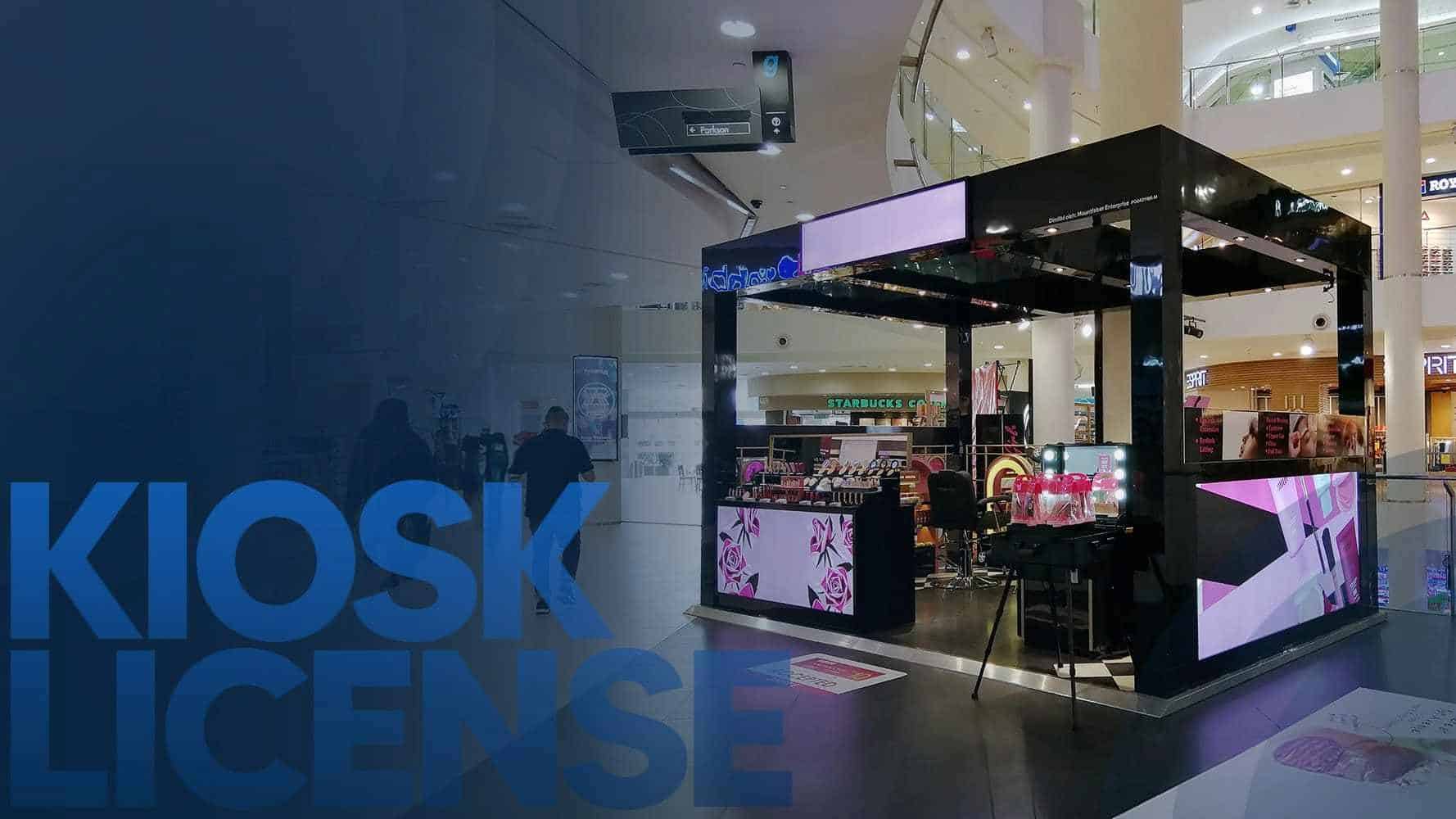
  • Kiosk License in Dubai – Guide to Kiosk Business

    Kiosk License in Dubai – Guide to Kiosk Business

    Thinking about launching a small business in Dubai with big potential? A kiosk might just be your golden ticket. Whether it’s a trendy coffee stall, a snack corner, or a pop-up retail outlet, kiosk businesses are becoming increasingly popular across malls, metro stations, and public spaces in the UAE. However, before you dive in, it is essential to understand the ins and outs of obtaining a kiosk license in Dubai.

    This guide walks you through everything you need to know—from setup requirements and legal formalities to benefits and location options—so you can launch your kiosk with confidence and ease.

    What is a Kiosk in Dubai?

    A kiosk business in Dubai refers to a compact, stand-alone retail setup designed to sell products or offer services in high-traffic areas such as shopping malls, metro stations, airports, and public walkways. These kiosks are ideal for entrepreneurs and small businesses looking to enter the Dubai market with low investment and operational costs.

    Common uses include selling food and beverages, mobile accessories, cosmetics, perfumes, souvenirs, and providing quick services like repairs or printing. The kiosk business model in Dubai offers flexibility, high visibility, and easy access to a diverse customer base, making it a popular choice for startups and established brands.

    Types of Kiosk Businesses in Dubai

    Here’s a list of popular types of kiosk business in Dubai, catering to the city’s vibrant consumer market and high foot traffic areas like malls, beaches, and tourist spots:

    Food & Beverage Kiosks

    • Coffee and Tea Stalls
    • Fresh Juices & Smoothies
    • Ice Cream & Frozen Yoghurt
    • Street Food Concepts

    Retail Kiosks

    • Mobile Accessories
    • Fashion Jewellery & Accessories
    • Sunglasses & Watches
    • Perfumes & Oud

    Health & Beauty Kiosks

    • Mini Beauty Salons
    • Skincare & Organic Products

    Services-Based Kiosks

    • Photo Printing & Frames
    • Mobile Repairs & SIM Cards
    • Ticketing & Tour Booking

    Novelty & Gifting Kiosks

    • Customised Gifts & Souvenirs
    • Toys & Collectibles 

    Technology & Gadgets Kiosks

    • Smart Home Devices
    • Tech Toys & Drones

    Starting a kiosk business in Dubai offers a low-investment entry into the retail world with high visibility and scalability. Ensure you consult Dubai Municipality and the Department of Economic Development (DED) for necessary permits and location approvals.

    Benefits of Starting a Kiosk Business in Dubai

    Starting a kiosk business in Dubai can be a wise and profitable move, especially for entrepreneurs or small-scale investors. Here are the key benefits of launching a kiosk business in Dubai:

    • Low Setup Cost: A kiosk business in Dubai is a more affordable option than a full retail store. It requires less capital investment, making it ideal for small business owners or entrepreneurs who want to test their ideas without incurring significant upfront costs.
    • Prime Locations with High Footfall: Kiosks are typically located in popular areas, such as shopping malls, metro stations, and airports. These locations guarantee a steady flow of customers, including residents and tourists, which increases the chances of high sales and strong brand visibility.
    • Flexible Business Model: The kiosk model allows business owners to start small and experiment with products or services. It offers short-term rental options and doesn’t tie you down to a long-term commitment, making it easy to pivot or shut down without significant losses.
    • Streamlined Licensing Process: Dubai offers a simplified and quick licensing process for kiosks. Whether you set up in a mall or a free zone, obtaining the necessary approvals is relatively hassle-free and takes less time compared to establishing a full business.
    • Minimal Overheads: Because kiosks are small in size, the running costs are much lower. You don’t need a large team or extensive infrastructure—just one or two staff members can usually manage everything, which helps reduce monthly expenses.
    • Great for Brand Visibility: Located in high-traffic areas, kiosks serve as effective mini advertising platforms. It helps increase brand awareness and are ideal for introducing your brand to a broader audience without the need for an ample retail space.
    • Access to a Diverse Customer Base: Dubai is home to people from all over the world, as well as a constant flow of tourists. This gives kiosk owners access to a wide and varied customer base, making it easier to sell niche or trendy products.
    • Scalable Business Opportunity: Once your kiosk proves successful, you can expand easily. The model is simple to replicate across multiple locations in Dubai or other Emirates, and it may even be considered for franchising your brand later on.

    How to Get a Kiosk License in Dubai

    Starting a kiosk business in Dubai is a smart move for entrepreneurs looking to enter the retail or F&B sector with lower overhead costs. Whether you plan to sell accessories, beverages, perfumes, or snacks, a kiosk permit Dubai is essential to operate legally in malls, markets, or public spaces.

    Establishing a Kiosk Business in Dubai involves several steps:

    Step 1: Choose Your Business Activity

    First, decide on your kiosk’s business activity – food and beverage, fashion accessories, electronics, or personal care products. This will determine your business classification under the Department of Economic Development (DED) or the relevant free zone authority.

    Step 2: Select the Right Jurisdiction

    There are three types of jurisdictions in Dubai:

    • Mainland (regulated by DED)
    • Free Zone
    • Offshore (not applicable for kiosks)

    Most kiosks are established in:

    • Mainland: inside malls or public spaces
    • Free zones: such as Dubai Airport Freezone (DAFZA), Dubai Silicon Oasis, or Dubai Media City (ideal for media or tech kiosks)

    Note: If your kiosk business in Dubai involves food or beverages, additional approvals from the Dubai Municipality and Food Safety Department will be required.

    Step 3: Pick the Perfect Spot

    You need approval from the mall or location manager. Popular areas include:

    • Dubai Mall
    • Mall of the Emirates
    • Ibn Battuta Mall
    • Dubai Festival City
    • JBR or La Mer for outdoor kiosks

    You’ll sign a tenancy contract with the landlord or mall management. This document is crucial for getting your kiosk permit Dubai. 

    Step 4: Apply for Initial Approval

    Submit the required documents to the Department of Economic Development (DED) or the respective free zone authority.

    • Business name reservation
    • Passport copies of shareholders
    • NOC (if applicable)
    • Tenancy contract or location agreement

    Once approved, you’ll receive an initial approval certificate.

    Step 5: Draft the Memorandum of Association (MOA)

    For a mainland kiosk, you’ll need to draft and notarize the MOA if you’re setting up a Limited Liability Company (LLC). This outlines the business ownership and operational structure.

    Step 6: Finalize the Kiosk License in Dubai

    After receiving initial approvals and submitting the final documents, you can pay the license fee and receive your trade license. This officially allows you to start your kiosk business in Dubai.

    Step 7: Additional Approvals (If required)

    Depending on your activity, you may need approvals from:

    • Dubai Municipality (especially for F&B)
    • Health and Safety Department
    • Roads and Transport Authority (for mobile or outdoor kiosks)

    Step 8: Set Up Utilities and POS

    After receiving your license:

    • Set up your electricity and water through DEWA
    • Install a point-of-sale (POS) system
      Register for VAT if your turnover exceeds AED 375,000 annually

    Work with a business setup consultant like Shuraa Business Setup to speed up the process. Always check if your kiosk falls under any restricted activities, and ensure you follow the branding and display regulations specific to your location.

    Documents Required for a Kiosk Business Setup in Dubai

    To start a kiosk business in Dubai, UAE, you’ll need to submit several key documents and follow a specific process depending on the kiosk location (e.g., inside a mall, outdoor, etc.). Here’s a concise list of documents required:

    • Passport Copies
    • Visa and Emirates ID Copy
    • Passport size Photograph
    • Name Reservation Certificate
    • Initial Approval Certificate
    • Memorandum of Association (MOA)
    • Trade License Application
    • Mall Management Approval
    • Dubai Municipality Approvals (if applicable)

    Cost of Kiosk Business Setup in Dubai, UAE

    The cost of establishing a kiosk typically starts from AED 25,000*, while the business license begins at AED 12,900*. These are starting figures, and the final cost may vary depending on your specific business activity, the location of the kiosk (such as in malls or public spaces), and whether any additional approvals or permits are required. Dubai offers flexibility in kiosk setups, making it ideal for ventures in food and beverages, fashion, accessories, electronics, or other service-oriented businesses.

    To get a clear understanding of the total investment and ensure full compliance with local regulations, it’s recommended to work with experts who are familiar with the Dubai business landscape. Shuraa Business Setup offers end-to-end support—from selecting the right business activity to acquiring licenses and permits, securing locations, and handling legal formalities.

    Contact Shuraa today for a personalized consultation and accurate cost estimate customised to your kiosk business needs.

    Getting a Kiosk License in Dubai with Shuraa!

    Starting a kiosk business is a strategic and cost-effective way to get into Dubai’s dynamic retail landscape. Whether you’re launching a food stall, retail booth, or service kiosk, securing a kiosk license in Dubai is the first step toward building a high-visibility, high-potential venture. With low setup costs, flexible operations, and access to prime footfall locations, kiosks are a great opportunity for entrepreneurs looking to make a strong impact with minimal overhead.

    For a seamless setup experience, contact Shuraa Business Setup at +97144081900 or send a WhatsApp message to +971507775554. Alternatively, reach out via email at info@shuraa.com for prompt assistance and expert guidance tailored to your business goals.

    Frequently Asked Questions (FAQs)

    1. What is the significance of kiosks in Dubai for businesses?

    Kiosks offer a low-cost entry point for businesses to reach customers in high-footfall areas like malls, boosting visibility and sales without heavy investment.

    2. What is a kiosk business in Dubai?

    A kiosk business is a small retail setup in public spaces such as malls or metro stations, used to sell products or services with minimal space and operational costs.

    3. Why consider setting up a mall kiosk business in Dubai?

    Dubai malls attract a diverse, global audience, offering kiosk businesses high traffic, lower overheads, and excellent opportunities to test products or grow a brand.

    4. What types of kiosk businesses are popular in Dubai?

    Popular kiosk businesses include perfumes, mobile accessories, food and beverages, beauty products, souvenirs, and quick services like key cutting or phone repair.

    5. How to get a kiosk license in Dubai?

    To get a kiosk license, choose a business activity, get approval from the mall or property owner, apply through the Department of Economic Development (DED), and comply with mall and Dubai regulations. A business setup consultant can simplify the process.

    Disclaimer: The information in this post is for general guidance only and may change due to updates in government policies or regulations.

  • How to Change the Mobile Number Linked to Your Emirates ID

    How to Change the Mobile Number Linked to Your Emirates ID

    Your Emirates ID is an important identification document in the UAE. It is needed for official transactions, government services, and banking. Keeping your contact details up to date helps you stay in touch with authorities and service providers.

    If you need to update your Emirates ID mobile number, the process is simple. Having the correct number on your Emirates ID helps you continue using UAE government services such as visas, banking, and healthcare without any issues.

    This guide shows you how to update the mobile number on your Emirates ID, so your official records always reflect your latest information.

    Why Do You Need to Link Your Phone Number to Your Emirates ID

    Linking your phone number to your Emirates ID makes it easier to use government and private services. If you need to change your mobile number, update it quickly to avoid any problems. Here are some reasons to keep your contact details current:

    • Get Important Government Notifications: When your mobile number is up to date on your Emirates ID, you will get important alerts about things like visa renewals, residency updates, and reminders when your Emirates ID is about to expire.
    • Access UAE Pass and Digital Services: Your Emirates ID connects you to digital platforms like UAE Pass. Updating your mobile number helps you keep using online government services, banking, and official apps without any interruptions.
    • Security and Authentication: Having a verified mobile number is important for proving your identity. Many government and banking services use OTPs for verification, so keeping your number up to date helps you avoid login problems.
    • Smooth Banking and Financial Transactions: Banks check your Emirates ID details for security. If your mobile number is correct, you will get transaction alerts, OTPs, and fraud warnings on time.
    • Easy Access to Healthcare Services: Hospitals, clinics, and insurance companies often use your Emirates ID to check your identity. If your phone number is updated, you will get appointment confirmations and policy updates without delay.

    If you need to change your mobile number on your Emirates ID, make sure to update it through the ICA (Federal Authority for Identity and Citizenship) to avoid service interruptions.

    How to Change Mobile Number in Emirates ID

    If you want to update the mobile number linked to your Emirates ID, you can do it through the Federal Authority for Identity, Citizenship, Customs, and Port Security (ICP). Here’s a simple step-by-step guide to help you make the change.

    Step 1: Visit the Official ICP Website

    • Open your web browser and visit the official ICP website.
    • Click on “Public Services” from the menu.
    • Click on “Update Personal Information for Emirates ID” to start your request to change your mobile number.

    Step 2: Log in with your Emirates ID details

    • Enter your Emirates ID number.
    • Enter your passport number and expiry date if asked.
    • Complete the security check and click Proceed.

    Step 3: Enter the New Mobile Number

    • You will see your current registered mobile number.
    • Enter your new mobile number in the provided field to update it on your Emirates ID.
    • Double-check that your new number is correct before you submit.

    Step 4: Verify the New Mobile Number

    • You will receive a One-Time Password (OTP) on your new mobile number.
    • Enter the OTP to confirm your new mobile number.

    Step 5: Pay the Service Fee

    • The fee to update your mobile number on your Emirates ID is AED 52, but this amount may change.
    • Pick your payment method and finish the transaction.

    Step 6: Receive Confirmation

    • Once your payment goes through, you’ll get a confirmation by email and SMS.
    • You can check the status of your mobile number update on the ICP website.

    Read Also: Emirates ID Requirements

    Other Ways to Update Your Emirates ID Mobile Number

    If you want to update your Emirates ID mobile number in a different way, here are some options:

    1. Visit an ICP Customer Happiness Centre in Dubai, Abu Dhabi, or Sharjah. You can find the branch closest to you.

    • Find the ICP Customer Happiness Centre that is nearest to you.
    • Bring your Emirates ID and passport with you.
    • Ask to update your mobile number on your Emirates ID and follow the steps they provide.

    2. Use the ICP Smart App

    • Download the ICP UAE Smart App from Google Play or the Apple App Store.
    • Log in, then choose the option to change your Emirates ID mobile number.
    • Follow the instructions and confirm your request using the OTP sent to your phone.

    3. Contact ICP Customer Support

    • Call ICP and ask them to update the mobile number linked to your Emirates ID.
    • They will either help you complete the process online or let you know if you need to visit a service centre.

    How to Check Your Updated Mobile Number on Your Emirates ID

    To check the mobile number linked to your Emirates ID, just follow these steps:

    1. Visit the ICP website and log in to your account.
    2. Click on “Check Application Status.”
    3. Enter your Emirates ID number to check your details.
    4. If your mobile number has changed, you will see the new number linked to your Emirates ID.

    Following these steps makes it easy to update your mobile number on your Emirates ID. You can use the ICP website, the mobile app, or visit a service centre. Keeping your Emirates ID details up to date helps you avoid issues with government services.

    Steps to Update Your Mobile Number in Emirates ID Using the ICA App

    You can easily update the mobile number linked to your Emirates ID using the ICA UAE Smart App. Just follow these steps to make the change:

    1. First, download the ICA UAE Smart App from the Google Play Store or Apple App Store if you don’t have it yet.
    2. Open the app and log in using your UAE Pass or Emirates ID.
    3. On the home screen, tap Personal Information Update. Then choose Update Mobile Number under Emirates ID details.
    4. Enter your new mobile number carefully and double-check it to make sure it’s correct.
    5. You’ll get a one-time password (OTP) on your new number. Enter this code in the app to confirm your identity.
    6. A small service fee (AED 50 to AED 100) may apply. You can pay securely with your credit or debit card.
    7. Once you’ve submitted everything, you’ll get a confirmation message. Your Emirates ID records should be updated within 24 to 48 hours.

    Make sure your new mobile number is active so you can receive verification codes for future government services.

    Read Also: ICA Smart Services in UAE: A Complete Guide (2026)

    Why You Should Update Your Emirates ID Contact Information

    The Federal Authority for Identity, Citizenship, Customs & Ports Security (ICP) requires you to report any changes to your Emirates ID details, including your mobile number, within one month. Updating your contact information helps you keep access to important services without interruption.

    What You Need to Know: You can only link a UAE mobile number to your Emirates ID. If you currently use a foreign SIM card, you will need to switch to a local UAE number.

    Why You Should Update Your Mobile Number

    If you don’t update your registered number, you might run into a few problems, such as:

    • Restricted Access to Government Services: Many UAE government websites and services send One-Time Passwords (OTPs) to your registered number for verification. If your number is outdated, you could lose access to services like visa and Emirates ID renewals or health updates.
    • Missed Banking Alerts & Transactions: Banks and financial institutions send important updates, OTPs, and security messages by SMS. If your number is wrong, you might miss payment reminders, not notice unauthorised transactions, or even have your account temporarily restricted. If you need help setting up a business bank account, you can reach out to experts in Bank Account Opening Services.
    • Legal Compliance & Potential Fines: UAE law requires all Emirates ID holders to update their details within a month. Failure to do so could result in fines or penalties.
    • Delayed Services & Notifications: You might not receive important updates on your visa status, medical insurance, or official documents, which can cause delays and additional problems.
    • Disrupted Communication with Institutions: Keeping your mobile number up to date helps you stay in touch with your employer, school, or service providers and prevents confusion.
    • Identity Verification Issues: Many verification steps use SMS codes. If your number isn’t updated, you could have trouble getting into your personal accounts, financial services, or online platforms.

    Updating the mobile number linked to your Emirates ID is a quick but important step. It helps you access services easily, follow the rules, and keep communication running smoothly. Taking action now can save you from future problems.

    Read Also: How to Check Your UAE Emirates ID Status in Simple Steps

    Keep Your Access Smooth by Updating Your Mobile Number

    It’s important to keep your Emirates ID details, especially your mobile number, up to date. This helps you keep using government services, banking, healthcare, and digital transactions without any problems. You can easily change your mobile number on the ICP website, in the ICA UAE Smart App, or at an ICP Customer Happiness Centre. Updating your contact details also ensures you keep receiving important notifications, OTPs, and service alerts.

    If you need help updating your mobile number on your Emirates ID or with any other government services, call us at +97144081900 or send a WhatsApp message to +971507775554. You can also email us at info@shuraa.com, and we’ll get back to you quickly.

    Frequently Asked Questions

    1. What documents are required to change the mobile number in the Emirates ID?

    Please have the following documents ready: a copy of your passport, a copy of your visa, and a copy of your Emirates ID.

    2. How long does it take to update the mobile number?

    Updating your mobile number usually takes between 5 and 7 days.

    3. Can I change my mobile number online?

    Yes, you can update your number online through the ICA website or the ICA UAE Smart app. You will need to verify the change with an OTP sent to your old number.

    4. Is there a fee to change the mobile number?

    Yes, there is an online fee of AED 53. If you visit a Smart Police Station, the update is free and happens instantly.

    5. Where can I go to change my mobile number?

    You can go to an ICA Customer Happiness Centre with your ID documents and your new mobile number.

    6. What if I lose my Emirates ID while updating my number?

    1. If you lose your Emirates ID, report it at an ICP Customer Happiness Centre.
    2. You can apply for a replacement through the UAE ICP app or at the ICA centre.
    3. The replacement fee is AED 300, plus an application fee of AED 70 if you use a typing centre or AED 40 if you apply online.
    4. You will also need to complete biometric verification.
    5. You can collect your new ID from Emirates Post. It is usually ready in 48 hours, or 24 hours with the express service.

    7. How to update the mobile number online?

    1. Go to the ICP website.
    2. Select the option for “Update Personal Information for Emirates ID”.
    3. Enter your Emirates ID number along with your current mobile number.
    4. Then, provide your new mobile number and verify it using the OTP.
    5. Pay the service fee of AED 52.10 using your debit or credit card.
    6. You will receive a confirmation by SMS or email within 24 to 48 hours.

    Disclaimer: This information is for general guidance and may change if government policies or regulations are updated.

  • How to Become a Personal Trainer in Dubai

    How to Become a Personal Trainer in Dubai

    Dreaming of a career in fitness? Becoming a personal trainer in Dubai offers exciting opportunities in a booming health and wellness industry. However, to train clients legally, you need a personal trainer license in Dubai. If you’re wondering how to become a personal trainer in Dubai, the process involves meeting qualification requirements, obtaining certifications, and applying for the right permits.

    This guide will walk you through how to become a certified personal trainer in Dubai, ensuring you meet all legal requirements to become a personal trainer in Dubai and build a successful fitness career.

    Is it Profitable to Become a Personal Trainer in Dubai?

    Yes, becoming a personal trainer in Dubai is profitable in 2026 and the coming years due to the growing demand for fitness professionals.

    Current Salary & Earnings Potential:

    • Average Salary: AED 18,466 per month (AED 221,592 per year)
    • Freelance Personal Trainers: Charge AED 200–500 per session, earning AED 15,000–30,000+ monthly depending on the number of clients.
    • Gym-employed Personal Trainers: Earn AED 8,000–15,000 monthly, with additional commissions.
    • Specialised Trainers (e.g., Personal Fitness Trainers): Can earn up to AED 27,500 per month.

    Growing Demand & Market Trends:

    The demand for personal trainers in Dubai is rising, with several key trends shaping the industry:

    • Virtual Training: Online coaching and app-based fitness programs are gaining popularity, allowing trainers to expand their client base beyond physical locations.
    • Health Awareness: The UAE fitness industry is expanding, with increasing health awareness and demand for specialised fitness services like pre/postnatal training, weight loss programs, and sports conditioning.
    • Government Initiatives: Programs like the Dubai Fitness Challenge and the UAE National Sports Strategy 2031 promote an active lifestyle, increasing the demand for fitness professionals.
    • Technological Advancements: Fitness apps, wearable tech, and online platforms are transforming how trainers deliver services, making it easier to offer personalised programs.

    Many trainers opt for freelance licenses, allowing them to work independently and set their own rates.

    Investment & Licensing Costs:

    • Freelance License Cost: AED 7,500–20,000.
    • Personal Trainer Certification: AED 4,000–6,000.
    • Other Costs (CPR, REPs UAE registration, insurance, marketing, etc.): AED 15,800–43,500 total

    Note: The above figures may vary based on market trends and individual circumstances. The cost of the license can also vary.

    With high earning potential, increasing demand, and flexible work opportunities, personal training in Dubai remains a profitable career choice in 2026 and beyond. Whether freelancing or working in a gym, trainers can earn well with the proper certifications and marketing strategies.

    Read also: How to Start a Gym Business in Dubai

    Benefits of Becoming a Personal Trainer in Dubai

    Dubai is a top destination for fitness professionals, offering excellent career opportunities. If you want to become a personal trainer in Dubai, here’s why it’s a lucrative choice:

    • High Earning Potential: Dubai’s fitness industry is booming, and certified trainers can charge premium rates. Specialised trainers earn even more.
    • Tax-Free Income: One of the most significant benefits of working in Dubai is the tax-free salary, which allows you to keep more earnings.
    • Flexible Work Schedule: With a personal trainer license in Dubai, you can work independently at a gym or as a freelancer, giving you complete control over your schedule.
    • Business Opportunities: A personal trainer license in Dubai allows you to start a fitness business, open a gym, or provide private training sessions legally.
    • Diverse Clientele: Dubai attracts people worldwide, meaning you’ll get to train clients with different fitness goals and backgrounds.
    • Access to Premium Gyms: Dubai has world-class fitness centres with top-notch equipment, providing an excellent environment for personal trainers.
    • Job Security: The demand for fitness professionals is increasing as more people focus on health and wellness, making it a stable career option.
    • Legal Work Authorisation: A personal trainer license in Dubai ensures you comply with local laws, allowing you to work without legal issues.

    If you want to become a personal trainer in Dubai, getting the right certification and license will help you build a successful career in the fitness industry!

    Educational and Certification Requirements to Become a Personal Trainer in Dubai 

    To obtain a personal trainer license in Dubai, individuals must meet specific educational and certification requirements. The key criteria include:

    1. Relevant Qualifications: To become a personal trainer in Dubai, you must have a recognised certification in fitness training or individual training from accredited organisations like the following:
    • International Sports Sciences Association (ISSA)
    • National Academy of Sports Medicine (NASM)
    • American Council on Exercise (ACE)
    • International Confederation of Registers for Exercise Professionals (ICREPs)
    1. CPR and First Aid Certification: A valid CPR and First Aid certification is mandatory to apply for a personal trainer license in Dubai.
    2. UAE-Recognised Certification: The Register of Exercise Professionals (REPs UAE) is the governing body that approves fitness certifications. Trainers must ensure their certification meets REPs UAE requirements.
    3. Work Experience: Some employers may require prior experience before hiring a personal trainer in Dubai.

    By meeting these educational and certification requirements, you can successfully apply for a personal trainer license in Dubai and start your career in the fitness industry. 

    How to Become a Certified Personal Trainer in Dubai

    Dubai’s fitness industry is expanding rapidly, making it a lucrative destination for aspiring personal trainers. Whether you wish to work independently or in a gym, obtaining a personal trainer license in Dubai is essential. Below is a step-by-step guide on how to become a personal trainer in Dubai, covering certifications, licensing, and business setup options.

    Step 1: Obtain a Recognised Fitness Certification

    To become a personal trainer in Dubai, you must complete a fitness certification course recognised by the UAE’s fitness regulatory authorities. Here are some of the most reputable certification bodies:

    Step 2: Get First Aid & CPR Certification

    Personal trainers must be prepared to handle medical emergencies during training sessions. A First Aid and CPR (Cardiopulmonary Resuscitation) certification is mandatory in Dubai. You can complete these courses through:

    Step 3: Obtain a Personal Trainer License in Dubai

    The next step is to secure a personal trainer license in Dubai after obtaining your fitness certification and CPR qualification.

    Types of Personal Trainer Licenses in Dubai:

    • Freelance Personal Trainer License: Ideal for trainers who want to work independently or on a contract basis. You must apply for a freelance visa and business license through a free zone authority or the Dubai Department of Economy and Tourism (DET).
    • Employment by a Gym or Fitness Centre: If a gym hires you, the company will sponsor your work visa and provide the required licensing.

    Where to Apply for a Personal Trainer License?

    Step 4: Choose Your Work Model

    Once you have your personal trainer license in Dubai, you need to decide how you will operate:

    • Freelance Personal Trainer: This option allows you to work with multiple clients. However, it requires obtaining a freelance visa, setting up a business, and investing in marketing efforts.
    • Gym/Studio Employment: Working at a gym or studio means the facility takes care of licensing and visas. You can earn either a fixed salary or a commission-based income.
    • Online Personal Trainer: This model involves offering virtual coaching through platforms like Zoom, YouTube, or fitness apps. It is an excellent choice for trainers who want to reach a global audience.

    Step 5: Market Your Personal Training Services

    Building a strong client base is crucial to succeeding as a personal trainer in Dubai. Here’s how:

    • Create a Professional Website: Showcase your services, pricing, and success stories.
    • Use social media: Platforms like Instagram, TikTok, and LinkedIn can help attract fitness clients.
    • Network with Gyms and Fitness Centres: Offer workshops or collaborate with local gyms.
    • Register on Fitness Platforms: Sites like ClassPass, Fitlink, and REPs UAE can connect you with clients.
    • Offer Trial Sessions & Discounts: Encourage referrals and build a loyal client base.

    Step 6: Stay Updated & Continue Learning

    To maintain your personal trainer license in Dubai, you must renew it periodically and stay updated with industry trends. Consider:

    • Advanced Certifications (e.g., Strength & Conditioning, Yoga, Nutrition)
    • Workshops & seminars organised by Dubai Sports Council and fitness academies
    • Specialised training like CrossFit, Pilates, or injury rehabilitation

    Now that you know how to become a certified personal trainer in Dubai, follow these steps to build a successful fitness career. Whether you choose a freelance route or work under a gym, securing the right personal trainer license in Dubai is the key to unlocking opportunities in this thriving industry.

    Need help with business licensing? Consider consulting professional business setup services like Shuraa Business Setup to simplify the process.

    Read also: How to set up a yoga centre in Dubai, UAE?

    Legal and Regulatory Details 

    The legal and regulatory details to become a personal trainer in Dubai include the following:

    Certification Requirements

    • You need a Level 3 Diploma in Personal Training, which must be recognized by the Register of Exercise Professionals UAE (REPs UAE).
    • If your certification is from another country, it must be validated by REPs UAE to ensure it meets local standards.
    • Public liability insurance is also required to protect yourself and your clients from legal claims.

    Visa and Residency Requirements

    Personal trainers in Dubai have several visa options:

    • Freelance Visa: Gives you the flexibility to work with multiple clients and gyms.
    • Employment Visa: If a gym or fitness centre hires you, they will sponsor your visa.
    • Investor Visa: If you want to start your own fitness business.

    A freelance visa is often preferred because it offers independence and allows you to work with different clients.

    Advanced Certifications and Specializations

    To increase credibility and income, consider specialised certifications such as:

    • Sports Conditioning Certification: Ideal for training athletes.
    • Pre/Postnatal Fitness Training: Specializes in fitness for pregnant and postpartum women. 
    • Nutrition Coaching: Helps you provide dietary guidance to clients.
    • Rehabilitation and Injury Prevention: Focuses on recovery and injury management.

    Documents Required for a Personal Trainer License in Dubai

    To obtain your personal trainer license in Dubai, you must collect the following documents.

    • Passport copy with at least six months’ validity
    • UAE visa copy (if applicable)
    • Passport-sized photographs
    • Fitness certification from a recognised body
    • First Aid and CPR certification
    • Business plan (for freelance trainers)
    • Fitness assessment test results (may be required by the Dubai Sports Council)

    Cost of Becoming a Personal Trainer in Dubai

    The total cost typically ranges between AED 15,800* and AED 43,500*, covering essential licenses, certifications, and optional expenses. Becoming a certified personal trainer in Dubai requires an investment that varies based on whether you plan to work in a gym, freelance, or start your own fitness business.

    Here’s a detailed cost breakdown:

    ExpenseEstimated Cost (AED)*
    Freelance License7,500 – 20,000
    Personal Training Certification4,000 – 6,000
    CPR & First Aid Training300 – 500
    REPs UAE Registration500 – 1,000
    Professional Liability Insurance1,500 – 3,000
    Marketing & Equipment2,000 – 13,000
    Total Estimated Investment15,800 – 43,500

    For the most accurate and up-to-date costing tailored to your specific needs, feel free to reach out to Business Setup Consultants—your trusted partner in navigating the process of becoming a personal trainer. They’ll guide you every step of the way!

    Get Your Personal Trainer License in Dubai with Shuraa!

    Becoming a personal trainer in Dubai is a rewarding career path with excellent earning potential, flexibility, and opportunities in a thriving fitness industry. Whether you work as a freelancer or under a gym, obtaining the proper certifications and a personal trainer license in Dubai is essential. With the increasing demand for fitness professionals, now is the perfect time to start your journey in this dynamic field.

    If you need help with business licensing, Shuraa Business Setup can simplify the process. Call us at +97144081900 or send a WhatsApp message to +971507775554. Alternatively, email us at info@shuraa.com for prompt assistance.

    *Note: The information in this post is for general guidance only and may change due to updates in government policies or regulations.

  • The Ultimate Guide to ILOE Insurance in the UAE

    The Ultimate Guide to ILOE Insurance in the UAE

    The Involuntary Loss of Employment (ILOE) Insurance is a program mandated by the UAE government to help employees who lose their jobs unexpectedly. It provides short-term financial support to people who are laid off, making it easier to cover expenses while they look for new work. The ILOE program is available to both private- and federal-sector employees, helping them adjust to career changes.

    With the ILOE subscription deadline coming up, it is important to sign up on time to avoid penalties. Many employees are still unsure about how to pay online or renew their coverage. This guide explains what ILOE is, who can join, its benefits, how to subscribe, and what happens if you do not comply. You will also find details about Dubai insurance ILOE options, contact information, and how to resolve disputes.

    What is ILOE Insurance?

    In the UAE, ILOE insurance is a government program that provides financial support to employees who lose their jobs for reasons beyond their control.

    The Involuntary Loss of Employment (ILOE) insurance provides employees with a portion of their salary for a set period. This helps them cover their expenses while they look for a new job.

    The insurance plan puts employees into two groups based on how much they earn:

    • Category 1: Employees earning AED 16,000 or less must pay an insurance premium of AED 5 per month (or AED 60 annually).
    • Category 2: Employees earning above AED 16,000 must pay AED 10 monthly (or AED 120 annually).

    With ILOE insurance, employees can get 60% of their average basic salary for up to three months after losing their job.

    This system aims to give employees financial stability during unemployment. It helps reduce the stress of changing jobs and supports a healthy job market.

    What Does ILOE Cover?

    Involuntary Loss of Employment (ILOE) insurance helps employees who lose their jobs for reasons they cannot control. It offers temporary financial support so people can cover their expenses while looking for a new job.

    Coverage Includes:

    • Job loss due to redundancy, layoffs, or employer bankruptcy.
    • You can receive up to 60% of your basic salary for three months.
    • Claims are processed quickly, so you can get financial help without delay.
    • Both private- and public-sector employees can receive support, as long as they meet the eligibility requirements.

    Exclusions: What ILOE Does Not Cover:

    • Voluntary resignation or leaving the job by choice.
    • Termination due to misconduct, disciplinary actions, or legal violations.
    • Only full-time employees are eligible. Those on temporary, part-time, or freelance contracts are not covered.
    • Business owners, investors, and domestic workers such as maids and nannies are not covered.

    Job loss caused by external factors, including:

    • War, civil unrest, or acts of terrorism.
    • Natural disasters (earthquakes, floods, etc.).
    • Pandemics or government-imposed shutdowns.

    Additional Considerations:

    • To qualify for benefits, you must be enrolled in the ILOE scheme for at least 12 months in a row.
    • You need to submit your claim within 30 days of losing your job, and you must look for new work while receiving compensation.
    • This coverage is not a full salary replacement. It is a temporary safety net to help you cover your basic expenses.

    Knowing what ILOE covers and what it does not can help you make better decisions and follow UAE labour laws.

    Who Needs to Subscribe to ILOE Insurance?

    All employees working in the private and federal sectors in the UAE must have ILOE insurance. This rule applies to everyone, regardless of nationality. Employees need to sign up for ILOE before the deadline to avoid penalties. However, some people do not have to enrol, such as:

    • Business owners and investors who run their own companies.
    • Domestic workers, including housemaids, drivers, and personal assistants.
    • Employees who are younger than 18 years old.
    • Retired people who receive a pension and are still working.

    If you do not enrol before the ILOE deadline, you may have to pay fines and face other penalties. Not signing up can also make it harder to renew your work permit.

    Subscription Options for ILOE Insurance

    The Involuntary Loss of Employment (ILOE) Insurance is required in the UAE and provides financial support to employees who lose their jobs. Signing up is easy, and you can register and pay using several convenient options.

    • ILOE Portal: The main way to sign up is through the official ILOE Portal. You can visit the website, enter your details, and pay online for a smooth and secure registration.
    • MOHRE App: You can also use the Ministry of Human Resources and Emiratisation (MOHRE) App to sign up. The app lets you register for ILOE insurance and track your employment benefits.
    • Al Ansari Exchange: If you prefer to pay in person, you can visit any Al Ansari Exchange branch across the UAE. Staff there will help you complete your registration.
    • Bank Apps (e.g., C3Pay, Botim): Many banks and services, such as C3Pay and Botim, let you sign up for ILOE insurance through their mobile apps. This makes it easy to register using your banking app.
    • SMS (Etisalat): You can also register for ILOE insurance by sending an SMS through Etisalat. This method lets you sign up quickly with just a few text messages.
    • Kiosks (MBME Pay): Self-service kiosks like MBME Pay let you easily sign up for ILOE insurance. You can find these kiosks in malls, metro stations, and other public places for quick registration.
    • Insurance Brokers: Licensed insurance brokers in the UAE can also help you sign up for ILOE insurance. They can explain your coverage options and guide you through the process.

    With these different ways to sign up, the UAE makes it easy for employees to obtain ILOE insurance and protect their finances if they lose their jobs.

    How to Pay ILOE Insurance Online

    If you want to pay for Involuntary Loss of Employment (ILOE) Insurance online in the UAE, here’s what you need to do:

    Method 1: Through the ILOE Official Website

    1. Visit the ILOE Portal: https://www.iloe.ae
    2. Click on ‘Subscribe’ and enter your Emirates ID number.
    3. Check your details. The system will automatically fill in your employer and job category.
    4. Pick the plan that matches your salary:
    5. Category A: Salary ≤ AED 16,000 (AED 5/month)
    6. Category B: Salary > AED 16,000 (AED 10/month)
    7. Choose how often you want to pay: monthly, quarterly, every six months, or once a year.
    8. Go to payment and pay with your debit or credit card.
    9. After payment, you’ll receive an email with your policy details.

    Method 2: Through the MOHRE App

    1. Download and open the MOHRE app. It’s available for both iOS and Android.
    2. Log in with your UAE Pass or Emirates ID.
    3. Go to the Services section and select ILOE Insurance.
    4. Choose your plan and your payment method.
    5. Pay online. You’ll get a confirmation once your payment is complete.

    Method 3: Through Bank Apps & Exchange Centres

    • You can also pay for ILOE insurance using the mobile apps of many UAE banks.
    • You can make payments at Al Ansari Exchange or at other authorised payment centres.

    Method 4: Through SMS or Kiosk Machines

    • Some telecom providers like Etisalat and Du let you pay by SMS.
    • You can also use self-service kiosks found in malls and government centres.

    Remember: ILOE insurance is required for all employees in the UAE. If you don’t subscribe, you could be fined. Make sure to renew on time to avoid any penalties.

    ILOE Deadline/Last Date in UAE

    The UAE government has announced that employees must enrol in the ILOE insurance payment plan by October 1, 2023. If you do not register by this deadline, you could face penalties and limits on employment services.

    To avoid problems, make sure you finish your ILOE insurance registration in the UAE before the deadline. Missing the last date may result in a quick-pay fine or job restrictions that could impact your future opportunities.

    Why is ILOE Insurance Important?

    The ILOE insurance program in the UAE helps employees who lose their jobs unexpectedly. Here are some reasons why it matters:

    • Financial Security: This insurance provides temporary income so employees can cover essential needs like rent, groceries, and utility bills.
    • Job Market Stability: It helps lower financial stress, making it easier for employees to focus on finding their next job.
    • Affordable Protection: Employees can get this insurance in the UAE for a small monthly fee, so it does not cause financial hardship.
    • Legal Compliance: If employees do not register, they may face fines or even restrictions on their work permits.
    • Economic Growth: This insurance supports a stable workforce, which benefits both employees and employers.

    Penalties for Non-Compliance with Insurance Regulations

    In the UAE, individuals and businesses must comply with certain insurance regulations. Not following these rules can lead to fines, legal trouble, or problems with work permits and visa renewals. Here are the main penalties for not complying:

    • Non-Subscription to Mandatory Insurance: If someone or a company does not obtain the required insurance, such as health or unemployment insurance, they will be fined AED 400. This rule helps make sure everyone follows the country’s labour and social security laws.
    • Late Premium Payments: If insurance payments are late, a fine of AED 200 is charged. If the payment is more than 90 days late, the insurance will be cancelled automatically, and the person or business will lose coverage. This can lead to additional legal or financial problems, especially if medical care or compensation is needed.
    • Fraudulent Claims: If someone commits insurance fraud, such as providing false information, exaggerating losses, or using fake documents, they can face legal action. This may include criminal charges, large fines, or even jail time, depending on the seriousness of the fraud. The UAE has strict rules to stop insurance fraud and protect the system.
    • Work Permit and Visa Restrictions: Failure to comply with insurance requirements can affect a person’s work permit renewal and visa status. Authorities might refuse to renew work permits or fine employers who fail to provide the required insurance for their workers. This can lead to job loss, legal issues, or even deportation in serious cases.

    It is important for people and businesses in the UAE to comply with insurance regulations. This helps them avoid penalties and keep access to important services and legal work permits.

    How to Enroll in ILOE Insurance

    The Involuntary Loss of Employment (ILOE) insurance is required by law in the UAE and offers financial support if you lose your job unexpectedly. Here are the steps you need to follow to get covered:

    Check if You Are Eligible

    Before you sign up, make sure you qualify for ILOE insurance. Some people do not need to enrol, such as:

    • Business owners and investors who manage their companies.
    • Domestic workers employed in private households.
    • Employees under the age of 18.
    • Retired individuals who receive a pension and have re-entered the workforce.

    If you do not fall into any of these groups, you must enrol in the scheme to avoid any penalties.

    ILOE Insurance Eligibility

    Choose the Right Insurance Category

    The ILOE insurance scheme sorts employees into two groups depending on their monthly salary.

    • Category A covers employees with a basic salary of AED 16,000 or less. They pay a monthly premium of AED 5 plus VAT.
    • Category B is for employees earning more than AED 16,000. Their monthly premium is AED 10 plus VAT.

    If you want extra benefits or higher coverage, you can talk to your insurer. Article 11 of Cabinet Decision No. 97/2022 explains these options.

    Select Your Enrolment Method

    You can sign up for ILOE insurance in several ways, making it flexible and easy to access.

    • Official ILOE Portal & Mobile App: The fastest way to enrol is to visit the ILOE website or download the app from the Apple App Store or Google Play Store. Register using your Emirates ID and contact details to complete your sign-up.
    • Banking Channels: Some UAE banks let you enrol directly, with payments taken from your account.
    • Exchange Centres & Kiosks: You can pay at exchange houses or self-service kiosks found throughout the UAE.
    • Telecom Operators & Service Providers: Some telecom companies and approved service providers can also help you enrol in ILOE insurance.

    Select Your Payment Plan

    After you enrol, you need to pick your payment schedule:

    • Monthly, Quarterly, Semi-Annual, or Annual Payments: You can choose how often you want to pay your premiums, based on what works best for you.
    • One-Year or Two-Year Subscription: You can choose either a one-year or two-year insurance plan.
    • Multiple Payment Channels: Payments can be made through the ILOE website, mobile app, exchange centres, ATMs, banks, or approved service centres.

    All payments include VAT and should be made on time to keep your coverage active.

    ILOE Insurance

    Obtain Your Insurance Certificate

    After subscribing, you will receive a Certificate of Insurance as proof of enrolment. Download it from the ILOE website or app, and keep a digital or printed copy for your records.

    Maintain Your Coverage & Compliance

    To maintain continuous coverage under the ILOE scheme, follow these requirements:

    • Pay premiums on time to avoid fines and coverage cancellation.
    • Update your employment details promptly through the ILOE portal if your job status changes.
    • Failure to subscribe to or maintain your policy may result in fines from UAE authorities.

    Benefits & Claim Process

    If you lose your job involuntarily, you may be eligible for financial compensation under ILOE. Key benefits include:

    • Monthly compensation is available for up to three months, depending on your category.
    • Initiate your claim through the ILOE website or app within 30 days of job loss.
    • A 12-month waiting period from your enrolment date applies before you can file your first claim.

    For detailed claim procedures, visit the ILOE website or contact their support centre.

    Timely enrolment and premium payments help protect you from unexpected employment disruptions and provide financial security through the ILOE insurance scheme.

    How to Claim Your UAE ILOE Insurance

    If you lose your job for reasons beyond your control, you can file a claim to get the compensation you are entitled to. Here’s how you can do it:

    Step 1: Check Eligibility

    Before you submit a claim, make sure you meet the eligibility requirements. You need to have been enrolled in the Involuntary Loss of Employment (ILOE) insurance scheme for at least 12 months in a row.

    Your job loss must be involuntary, which means your employer let you go, not that you resigned or were dismissed for misconduct. Your last employer must also be a registered company, and you should not have any ongoing employment disputes.

    Step 2: Gather Required Documents

    You’ll need some important documents to process your claim. These include your Emirates ID, a termination letter from your previous employer explaining why you lost your job, proof of salary, such as bank statements or pay slips, and records showing you paid your insurance premiums before you lost your job. Check that all your documents are valid and up to date to avoid delays.

    Step 3: Submit Your Claim

    When your documents are ready, you can file your claim in several ways. You can use the official ILOE portal, the mobile app, or contact the call centre.

    Be sure to upload all required documents and complete the claim form carefully. Double-check everything before you submit to avoid delays or rejections.

    Step 4: Await Approval

    After you submit your claim, the insurer will review your eligibility and check your documents. Most claims are processed within 14 days. Sometimes the insurer may ask for additional documents or information, so keep an eye out for any updates.

    Step 5: Receive Benefits

    Once your claim is approved, you’ll start getting your insurance payments. These are paid monthly for up to three months to help support you while you look for a new job. The amount you receive is based on your last salary, providing you with some financial stability during this time.

    How to Resolve ILOE Disputes

    If you are having trouble with your Involuntary Loss of Employment (ILOE) insurance claim, you can try these steps to help resolve the issue.

    1. Contact the Insurance Provider: Begin by contacting Dubai Insurance or the ILOE call centre to ask questions and try to resolve the issue.
    2. File a Formal Complaint: If you still have issues, you can submit a dispute using the ILOE portal or mobile app.
    3. Seek Legal Advice: Talk to a legal expert to learn about your rights and find out what options you have.
    4. Escalate to MOHRE: If the problem persists, you can file a complaint with the Ministry of Human Resources and Emiratisation (MOHRE).
    5. Pursue Legal Action: If nothing else works, you can take your case to the UAE courts for a final decision.

    Real-Life Example: How ILOE Supports Employees

    Losing a job without warning is stressful. The Involuntary Loss of Employment (ILOE) scheme provides temporary income support. Here’s an example of how it works in real life:

    Scenario:

    Sarah is a marketing professional in Dubai who has worked at a multinational company for five years. She earns a basic monthly salary of AED 15,000. When the company downsizes, she loses her job.

    ILOE Benefit:

    Because Sarah has paid into the ILOE scheme, she qualifies for compensation. The scheme pays her 60% of her basic salary for up to three months. This means she gets:

    • AED 9,000 per month for three months (60% of AED 15,000)
    • A total of AED 27,000 in financial support during her job search

    How ILOE Helps Sarah:

    • Covers essential expenses like rent, groceries, and utilities
    • Reduces her financial stress while she searches for a new job.
    • Gives her time to find a role that aligns with her skills and career goals

    Without ILOE, Sarah might have found it hard to manage her finances while searching for a new job. This safety net helps employees stay financially stable during tough times.

    Tip: Employers can help their teams feel more secure by teaching them about the importance of ILOE, especially when the economy is uncertain.

    Government Awareness Campaigns

    The UAE government has taken active steps to educate employees about the Involuntary Loss of Employment (ILOE) scheme. These efforts help people understand the scheme’s benefits and how to enrol. Several initiatives have been launched to raise awareness and encourage more people to join.

    MOHRE Awareness Campaigns

    The Ministry of Human Resources and Emiratisation (MOHRE) has run awareness campaigns nationwide to inform employees about the ILOE scheme. These efforts include:

    • Public announcements and ads are shared on TV, radio, and social media.
    • Employees also receive direct reminders through SMS and email.
    • MOHRE works with businesses to help employees understand why the ILOE scheme is important.

    Online Resources and Government Guides

    To make information easy to find, the UAE government offers:

    • Official websites such as MOHRE and the ILOE portal offer step-by-step guides for enrollment.
    • There are also Frequently Asked Questions (FAQs) to address common employee concerns.
    • Educational videos and infographics help explain how the scheme works in a simple way.

    These efforts help both employees and employers stay informed, making it easier to enrol in ILOE and use its benefits when needed. Highlighting these initiatives shows the government’s commitment to supporting workers’ financial security.

    Ensure Financial Security: Subscribe to ILOE Insurance UAE on Time

    Signing up for ILOE insurance in the UAE is required by law and is important for financial stability. It gives employees compensation if they lose their jobs, making career changes easier. To avoid quick-pay fines, make sure you pay for your ILOE insurance and renew it before it expires.

    If you need more information or help, call +97144081900, send a WhatsApp message to 971507775554, or email us at info@shuraa.com. We are here to support you.

    Frequently Asked Questions (FAQs)

    1. Can I subscribe to ILOE insurance again if it gets cancelled?

    Yes, you can sign up for ILOE insurance again. You might need to pay any overdue amounts or meet certain requirements first.

    2. What are the key exclusions of the ILOE insurance policy?

    ILOE does not cover job loss due to misconduct, resignation, fraud, or unpaid premiums.

    3. How long does ILOE provide financial support?

    ILOE provides financial help for up to three months after you lose your job.

    4. What is the premium amount for ILOE insurance?

    Premiums depend on your salary, but they start at AED 5 per month if you earn less than AED 16,000.

    5. Can I change my insurance plan after subscribing?

    No, you cannot change your plan after you sign up. But you can cancel it and apply again.

    6. Who is exempt from subscribing to ILOE insurance?

    Investors, business owners, domestic workers, minors, retirees with pensions, and people on temporary contracts do not have to subscribe.

    7. Is ILOE insurance applicable to part-time employees?

    No, ILOE insurance is only for full-time employees in the UAE.

    Disclaimer: This information is for general guidance and may change if government policies or rules are updated.

  • 25 Profitable Business Opportunities in Dubai for 2026

    25 Profitable Business Opportunities in Dubai for 2026

    Dubai, the land of opportunity, continues to attract entrepreneurs and investors from all over the world. With its business-friendly policies, world-class infrastructure, and prime location, the city presents numerous business opportunities in the UAE for aspiring entrepreneurs. Whether you are looking for small investment opportunities in Dubai or high-profit ventures, countless options are available in various sectors. 

    If you are planning to start a business in 2026, here are some of the best business opportunities in Dubai that promise profitability and sustainability.

    Benefits of starting a business in the UAE

    Starting a business in the UAE offers several key benefits:

    1. No Income Tax: In the UAE, neither business owners nor employees pay personal income tax, which increases your disposable income.
    2. 100% Ownership: Foreign entrepreneurs can fully own their business without needing a local sponsor or partner.
    3. Innovation Hub: The UAE promotes technology and innovation, offering opportunities for startups in tech and digital industries.
    4. Simplified Processes: Fast-tracked licensing and visa processes, reducing setup time.
    5. Networking Opportunities: Strong presence of international business events, conferences, and trade fairs.
    6. Modern Business Culture: Supportive environment for entrepreneurship with a focus on growth and development.
    7. Government Support: Various incentives, grants, and funding options for new businesses.
    8. Access to Regional Markets: Close proximity to growing markets in the Middle East, Africa, and South Asia.
    9. Global Connectivity: Excellent air, sea, and land transport links for seamless trade and business operations.

    Top 25 Business Opportunities in Dubai in 2026

    Dubai remains one of the best global destinations for entrepreneurs, offering business opportunities across various industries. Whether you are looking for small business opportunities in Dubai or business ideas in Dubai with low investment, there are plenty of high-potential sectors to explore. The UAE government supports business innovation, making it an ideal place for startups and investors seeking business opportunities in the UAE.

    Dubai offers many possibilities, from IT solutions and fintech startups to tourism services and e-commerce. Below, we explore the best business opportunities in Dubai for 2026.

    1. IT Solutions

    Dubai is transforming into a global technology hub, creating business opportunities in Dubai for foreigners in the IT sector. Entrepreneurs can start businesses in:

    • Cybersecurity services
    • Software development
    • Mobile app creation
    • Artificial intelligence (AI) solutions
    • IT consulting for businesses

    With Dubai’s strong focus on digital transformation, IT services are among the most profitable business ideas in Dubai.

    2. E-commerce

    Online shopping is increasingly popular, positioning e-commerce as a top business opportunity in Dubai that requires minimal investment. Consider launching an online store that sells:

    • Fashion & Apparel
    • Electronics & Gadgets
    • Beauty & skincare products
    • Niche or handmade items

    This small investment opportunity in Dubai allows entrepreneurs to enter the market with minimal capital and grow over time.

    3. Fintech and Blockchain

    Dubai is a pioneer in fintech and blockchain technology, offering promising business opportunities in the UAE. Popular business ideas include:

    • Digital payment solutions
    • Blockchain development services
    • Cryptocurrency trading platforms
    • DeFi (Decentralised Finance) businesses

    With the UAE government supporting crypto-friendly regulations, this industry presents a high-profit business opportunity in Dubai.

    4. Tourism Services

    Dubai is one of the world’s top tourist destinations. If you are looking for business opportunities in Dubai for foreigners, the tourism industry provides excellent returns. Entrepreneurs can establish:

    • Luxury tour agencies
    • Desert safari services
    • Private yacht and jet ski rentals
    • Business and medical tourism services

    5. Consultancy Services

    Setting up a consultancy firm is an exceptional business opportunity in Dubai for professionals with industry expertise. This is one of the best business opportunities in Dubai with low investment and offers sustainable revenue. Profitable consultancy services include:

    • Business setup consultancy
    • Legal advisory firms
    • HR consultancy and recruitment services
    • Financial and tax consulting

    6. Education and Training

    With Dubai’s increasing expatriate population, education-based businesses are thriving. This is a profitable business opportunity in Dubai with consistent demand. Entrepreneurs can start:

    • Private tutoring services
    • Professional training institutes
    • Online skill-based courses

    7. Import & Export

    Dubai’s strategic location makes it an ideal centre for import-export businesses. This is a top business opportunity in the UAE due to Dubai’s trade-friendly policies. Highly profitable goods to trade include:

    • Electronics and mobile devices
    • Luxury fashion & textiles
    • Organic food products

    8. Bookkeeping and Accounting

    With many startups emerging, bookkeeping and accounting services are in high demand. If you have expertise in finance, this small business opportunity in Dubai offers stable income and growth potential.

    9. Real Estate

    Dubai’s real estate sector remains a lucrative investment. This is one of the best business opportunities in Dubai for foreigners as the real estate market continues to grow. You can start with the following:

    • Real estate broking firm
    • Property management service
    • Short-term rental business (Airbnb, vacation homes)

    10. Cryptocurrency

    Cryptocurrency is a high-growth investment sector for tech-savvy entrepreneurs in Dubai, which is a leader in cryptocurrency adoption, offering numerous business opportunities.

    • Crypto exchange platforms
    • Crypto mining operations
    • Blockchain-based businesses

    11. Telecommunications

    The increasing demand for high-speed internet, mobile services, and smart technology is rapidly driving the growth of the telecommunications industry in Dubai. With the UAE’s push towards digital transformation, businesses offering innovative telecom solutions, such as 5G services, IoT connectivity, and cloud-based communications, have abundant opportunities.

    The sector also presents potential in providing B2B services like corporate telecommunication infrastructure and support. As the region embraces modern tech, entering the telecommunications market in Dubai can be a lucrative venture.

    12. HR Consultancy

    As businesses expand, the demand for HR consultancy services is growing. This is a small business opportunity in Dubai with steady demand. Services like:

    • Employee recruitment
    • Payroll management
    • Corporate training

    13. Yoga Centres

    Yoga centres are in high demand as more people prioritise health, mindfulness, and holistic well-being. From traditional Hatha and Vinyasa yoga to specialised practices like aerial yoga, prenatal yoga, and hot yoga, these studios cater to diverse audiences.

    Many yoga centres also offer meditation sessions, breathwork classes, and wellness retreats, further enhancing their appeal.

    14. Health and Wellness

    Dubai’s health and wellness industry is booming, with high demand for fitness centres, nutrition services, and wellness retreats. As people focus more on well-being, businesses offering personalised fitness, organic products, and mental health support are thriving. With Dubai’s push for a global health hub, the sector offers substantial profit potential.

    15. Fitness Technology

    Fitness technology is thriving in Dubai, with high demand for wearables, fitness apps, and smart gym equipment. As the industry embraces innovation, businesses offering virtual classes and personalised training solutions have great profit potential.

    16. Textile Business

    The textile industry in Dubai thrives as the city serves as a global trade hub. Strong demand for high-quality fabrics, apparel, and fashion accessories drives businesses that offer unique designs or sustainable products. Dubai’s diverse population also creates opportunities in both local retail and export markets, presenting significant potential for growth and profitability in the textile sector.

    17. General Trading

    General trading in Dubai offers exceptional opportunities due to the city’s strategic location as a global business hub. Businesses can import and export a wide range of products, from electronics to consumer goods.

    Dubai’s free zones, favourable tax policies, and access to international markets make it an attractive option for entrepreneurs in general trading. Setting up a general trading company allows investors to trade in multiple products, such as:

    • Electronics
    • Furniture
    • Household goods

    18. AI and Smart City Initiatives

    Dubai’s transformation into a smart city is creating significant opportunities for AI-driven businesses. With advancements in technology, sectors like healthcare, transportation, and security are adopting AI solutions to enhance efficiency and convenience.

    AI applications, such as smart traffic management, predictive maintenance, and personalised customer experiences, are in high demand. As the UAE continues to prioritise innovation, establishing AI-based businesses is a promising venture in the region.

    19. Salon and Spa 

    Beauty and wellness services, including hair salons, nail spas, and skincare centres, are thriving in Dubai’s luxury market. The city’s affluent population seeks high-quality, personalised experiences, creating a strong demand for top-tier beauty services.

    Offering premium treatments, advanced skincare solutions, and luxurious salon experiences can attract a loyal clientele. With Dubai’s focus on luxury living and self-care, establishing a salon or spa business presents a highly profitable opportunity.

    20. Event Management

    Event management is thriving in Dubai, with high demand for corporate events, weddings, and exhibitions. Businesses offering creative and seamless services can capitalise on the city’s year-round events calendar, ensuring strong growth potential.

    21. Restaurant Business

    The diverse and affluent population in Dubai is driving the restaurant business boom, showcasing a growing appetite for unique dining experiences. From fine dining to casual eateries, there is a strong demand for quality food and innovative concepts.

    The city’s vibrant food scene offers opportunities for restaurants that cater to various tastes, including international cuisines and healthy options. With Dubai’s focus on tourism and luxury, the restaurant industry presents excellent profit potential.

    22. Fashion and Beauty

    The fashion and beauty industry in Dubai is growing, with strong demand for luxury brands and trendy products. With a diverse, fashion-forward population, businesses in clothing, cosmetics, and skincare have tremendous opportunities. Dubai’s reputation as a shopping hub makes this sector highly profitable.

    23. Healthcare

    The high demand for advanced medical services and technology is driving the expansion of the healthcare industry in Dubai. Businesses offering healthcare solutions, such as clinics, diagnostics, and wellness services, are thriving. Dubai’s commitment to becoming a global healthcare hub presents excellent opportunities for growth and profitability in the sector.

    24. Jewellery Business

    The jewellery business in Dubai is booming, fuelled by the city’s luxury market and diverse population. With a strong demand for high-quality, unique designs, both traditional and modern, there are opportunities for businesses in fine jewellery, customisation, and watches. Dubai’s position as a global trading hub for precious metals and gemstones adds to the profitability potential in the jewellery sector.

    25. Nightclubs

    Nightclubs in Dubai are a popular and profitable business, catering to the city’s vibrant nightlife scene. With a high demand for entertainment, music, and luxury experiences, nightclubs offering unique atmospheres, world-class DJs, and VIP services attract both locals and tourists. Dubai’s reputation as a global nightlife destination makes the nightclub industry a promising venture with significant profit potential. 

    Other Lucrative Business Opportunities

    Apart from the top 25, here are additional small business opportunities in Dubai:

    • Foodstuff Trading
    • Freelancing (content writing, graphic design, marketing, etc.)
    • Gadget Repair
    • Online Education
    • Online Florist
    • Manufacturing Business
    • Cake Shop
    • Gaming
    • Day-care Centre
    • Construction Business
    • Cleaning and Laundry Services
    • Luxury Pet Services
    • Renewable Energy
    • Tourism and Hospitality
    • Car Rental Business
    • Food and Beverage Industry
    • Gold Trading

    Types of licenses to start a business in Dubai

    In Dubai, you can obtain several types of licenses to start a business, depending on the nature of your business activities. Here are the main types:

    1. Commercial License: For businesses involved in trading, buying, and selling goods, such as retail shops, wholesalers, and distributors.
    2. Industrial License: For businesses engaged in manufacturing or industrial activities, including the production and assembly of products.
    3. Professional License: For service-based businesses, such as consultancy, legal, healthcare, and education services. This type of license applies to individual firms or professionals offering expertise.
    4. Tourism License: This is for businesses involved in the tourism sector, including travel agencies, tour operators, hotels, and other related services.
    5. E-Commerce License: For online businesses selling products or services online.
    6. Branch Office License: This is for foreign companies wishing to establish a branch or representative office in Dubai.
    7. Food License: For businesses operating in the food and beverage sector, such as restaurants, cafes, and catering services.

    Each license has specific requirements and regulations, so it’s essential to consult with business setup experts like Shuraa Business Setup to ensure compliance with all legal requirements.

    How to Start a Business in the UAE with Easy Steps

    Starting a business in the UAE is a strategic move for entrepreneurs looking to tap into one of the most dynamic and rapidly growing economies in the world.

    1. Choose a Business Activity:

    Identify the type of business you want to operate and define your business activities clearly. This will influence the license type and regulatory requirements.

    2. Select a Legal Structure:

    Decide between setting up in a free zone, mainland, or offshore, each offering different benefits in terms of ownership, taxes, and operational flexibility.

    3. Select the Ownership Structure:

    Depending on the business location (mainland or free zone), you can now own 100% of the company without the need for a local sponsor in many mainland sectors, following recent changes to foreign ownership laws in the UAE.

    4. Choose a Business Name:

    Select a unique business name that complies with the UAE’s naming regulations, avoiding offensive or prohibited terms.

    5. Apply for a Business License:

    Depending on your business type, apply for a commercial, industrial, or professional license through the relevant authority (DED or free zone authority).

    6. Register with Authorities:

    Complete the registration process with the Department of Economic Development (DED) or the relevant free zone authority and provide the necessary documentation.

    7. Office Space:

    Depending on the legal structure, you may need a physical office or can opt for a virtual office setup in certain free zones.

    8. Obtain Permits & Approvals:

    Certain activities (like healthcare, education, and food) require additional permits from regulatory authorities, so ensure you obtain the necessary approvals.

    9. Open a Bank Account:

    After obtaining your license, open a business bank account with a local bank to manage finances.

    10. Start Visa Process:

    Apply for investor and employee visas to establish a legal presence for you and your team in the UAE.

    11. Complete Additional Formalities:

    Comply with local business regulations, including bookkeeping, VAT registration, and any sector-specific requirements.

    How Shuraa can help!

    Dubai remains one of the top destinations for entrepreneurs and investors looking for business opportunities in Dubai with low investment and high profitability. Whether you are an expatriate looking for business opportunities in Dubai for foreigners or a resident aiming to expand your business, 2026 presents a range of promising ventures.

    If you need guidance on setting up your business, Shuraa Business Setup can assist you with licensing, company registration, and business consultancy. Contact us at +97144081900 or send a WhatsApp message to +971507775554. Alternatively, reach out via email at info@shuraa.com for prompt assistance.

    *Note: The information in this post is for general guidance only and may change due to updates in government policies or regulations.

  • The 7 Types of Dubai Free Zone Visas

    The 7 Types of Dubai Free Zone Visas

    Dubai’s free zones are growing business hubs, attracting investors, entrepreneurs, and professionals from around the globe. One of the standout features of these zones is the range of visas they offer, customised to meet the diverse needs of individuals and businesses. Whether you’re an entrepreneur looking to establish your own company, an investor planning to explore lucrative opportunities, or a professional seeking employment, the types of Dubai Free Zone visas provide a gateway to living and working in this dynamic city.

    In this blog, we’ll break down the main visa options, highlighting their benefits and helping you find the right fit for your goals.

    What is a free zone visa in the UAE?

    A free zone visa in the UAE is a residency visa granted to individuals working, investing, or establishing a business within one of the country’s designated free zones. These zones offer favourable conditions such as full foreign ownership, tax exemptions, and streamlined procedures for business setup.

    The free zone authority or the company within the free zone typically sponsors the visa. It allows holders to reside in the UAE, sponsor family members, and access various business and government services while also being subject to the rules and limitations of their respective free zones.

    Benefits of a Free Zone Visa in the UAE

    A Free Zone Visa in the UAE offers various benefits for entrepreneurs, business owners, and employees working within the free zone areas. Understanding the types of Dubai free zone visas is essential in making the right decision for your business or career. Here are the key advantages:

    • Full Foreign Ownership: One of the significant benefits of a Dubai Free Zone Visa is that foreign nationals can wholly own businesses.
    • Tax Benefits: Free Zone Visa holders often enjoy tax exemptions, such as corporate tax and VAT relief for a certain period, depending on the specific free zone. This allows businesses to retain more of their profits.
    • Customs Duty Exemptions: In Dubai Free Zones, companies benefit from customs duties exemptions for goods imported and exported within the free zone. This makes it an attractive option for companies involved in international trade.
    • Simplified Business Setup Process: Setting up a business in a Dubai Free Zone offers a remarkably simple and efficient process. Authorities streamline the procedures and minimise the paperwork, making it ideal for entrepreneurs eager to launch their businesses swiftly.
    • Wide Range of Visas: Depending on the types of Dubai free zone visas, individuals can secure visas for themselves, their employees, and family members. This makes it easier to manage staff and their dependents within the UAE.
    • Access to International Markets: Free zones provide businesses with the infrastructure, facilities, and logistical advantages to trade internationally, boosting global outreach.
    • Full Return of Capital and Profits: Businesses in Dubai’s free zones can repatriate 100% of their capital and profits, which can be a significant advantage for foreign investors.
    • Prime Location: Dubai’s free zones are strategically located, making it simple for businesses to access key markets in the Middle East, Asia, and Europe.
    • No Currency Restrictions: Currency control policies do not restrict free zone businesses, allowing them to handle international transactions more easily.
    • Flexibility in Hiring: Depending on the types of Dubai free zone visas, companies can easily hire skilled professionals worldwide without the complexities of mainland visa regulations.

    Individuals and businesses can maximise these benefits and grow in one of the world’s leading business hubs by choosing the right free zone and visa type.

    Types of Dubai Free Zone Visas

    Dubai designates free zones as areas where businesses can operate with tax incentives and fewer regulations. There are several types of Dubai free zone visas, each for specific needs based on business activities, ownership structures, and company sizes. Here’s a breakdown of the types of Dubai free zone visas:

    1. Investor Visa

    Authorities issue the investor visa to individuals who invest in a free zone business in Dubai. It allows them to own 100% of the industry and is typically valid for 2–3 years. This visa is ideal for entrepreneurs or business owners setting up a company in the free zone.

    Investors must meet specific capital investment requirements, and the visa can be renewed or converted into a long-term residence permit, depending on the free zone and business conditions. It provides complete control over the business and the ability to sponsor employees or family members.

    Read more: Investor visa in Dubai

    2. Employee Visa

    Companies registered in a Dubai free zone offer the employee visa to individuals they hire. Sponsored by the employer, this visa links the holder to their employment contract and is typically valid for 1–3 years.

    The employee must work full-time in the free zone, and the employer is responsible for meeting the requirements. This visa allows employees to legally live and work in the UAE and sponsor family members based on the employer’s visa eligibility.

    3. Freelancer Visa

    The Freelancer Visa caters to self-employed individuals who work independently or on short-term contracts. It is suitable for professionals in sectors like media, technology, and consulting.

    This visa allows the freelancer to work for multiple clients within the free zone and is valid for 1–3 years. There is no need for a traditional employer-employee relationship, and freelancers can operate their businesses independently. They may also sponsor dependents under certain conditions, providing flexibility and autonomy in their work.

    4. Remote Work Visa

    The Remote Work Visa is for individuals working remotely for foreign employers while living in Dubai. It allows professionals to enjoy the lifestyle and amenities of Dubai without committing to a local employer.

    The authorities issue the visa for up to 1 year and allow renewal. Applicants must prove their employment with a foreign company and meet a minimum salary requirement. This visa is ideal for digital nomads or anyone looking to experience Dubai while maintaining a job outside the UAE.

    5. Multiple Entry Visa

    Authorities issue the multiple-entry visa to business owners, investors, or individuals who need to travel frequently to and from Dubai. It allows the holder to enter and exit the UAE multiple times during its validity period, typically 1 to 5 years.

    This visa is helpful for professionals who need regular access to Dubai for business or personal reasons. It offers flexibility and convenience for those with international travel schedules, eliminating the need for a new visa for each visit.

    6. Family Visa

    The Family Visa allows employees or investors in the free zone to sponsor their family members (such as spouses and children) to live in Dubai. Employees or investors in the free zone tie the family visa to their employment or investment visa, and its duration typically matches that of the sponsor’s visa.

    To be eligible, the sponsor must meet specific salary and business requirements. The family members can live, study, and access healthcare in Dubai, making this visa an essential option for those relocating with their families.

    7. Student Visa

    The student visa is for international students enrolled in full-time educational programs at institutions within Dubai’s free zones. Valid for 1–2 years, depending on the duration of the study program, this visa allows students to reside in Dubai while attending school. Some free zones also offer opportunities for internships or part-time employment for students.

    To qualify, students must provide proof of enrollment in a recognised educational institution. The visa ensures that students can live and study legally in Dubai, with some limited opportunities to work during their studies.

    Dubai free zone authorities customise each type of visa to meet the specific needs of business owners, employees, freelancers, or students. Selecting the proper visa based on individual requirements is essential to comply with local regulations and maximise the benefits of living and working in Dubai.

    Eligibility Criteria for a Free Zone Visa

    The eligibility criteria for a free zone visa in the UAE can vary slightly depending on the free zone. However, here are the general criteria:

    • Business Registration or Partnership: You must either register a business within the free zone or hold a partnership in an existing free zone company.
    • Valid Employment Contract: A formal employment contract with a company operating in the free zone is required.
    • Relevant Qualifications: Your educational background and professional experience must match the job role you’re applying for.
    • Specialized Certifications: Certain roles, such as those in medical or legal fields, may require additional professional certifications.
    • Sponsorship: The visa must be sponsored by either the free zone authority or a registered company within the free zone.
    • Passport Validity: Your passport must be valid for at least six months from the date of your visa application.
    • Clean Criminal Record: You must have no criminal history in the UAE or your home country. A police clearance certificate may be requested to verify this.
    • Medical Fitness Test: You must pass a medical fitness test conducted at an authorized UAE center.
    • Health Insurance: Valid health insurance coverage is mandatory for visa approval.
    • No Legal Restrictions: You must have no bans or legal issues that could prevent entry or employment in the UAE.
    • Industry-Specific Requirements: Some free zones may impose additional criteria or restrictions based on the type of business or professional role.

    By meeting these criteria, you’ll be well-positioned to obtain a free zone visa and take advantage of the opportunities available in the UAE’s dynamic free zone ecosystem. Always check with the specific free zone authority for any additional or unique requirements.

    Steps to Obtain a Dubai Free Zone Visa

    If you plan to work or reside in a Dubai free zone, here’s a streamlined guide to obtaining your visa.

    Step 1: Choose a Free Zone

    Dubai offers a wide variety of free zones, each made for specific business sectors, such as:

    • DMCC (Dubai Multi Commodities Centre): Ideal for trading commodities like gold, diamonds, and other precious metals.
    • Dubai Media City: Best for businesses in the media, advertising, marketing, and creative industries.
    • Dubai Internet City: Focused on IT, technology, software development, and e-commerce businesses.

    The free zone you choose dictates the business activity you can pursue, the visa process, and the facilities offered (e.g., office space and warehouse facilities). Some zones also have additional benefits, such as tax exemptions or faster company registration processes.

    Important Tip: Each free zone has regulations, office space requirements, and business setup costs. Selecting the zone that best matches your business activities is crucial to avoid complications later.

    Step 2: Register Your Business in the Free Zone

    Once you’ve chosen your free zone, proceed to register your business through the free zone authority by completing the following steps:

    • Prepare documents: You will typically need a business plan, passport copies of shareholders, and details about the business activities you’ll be conducting. Some free zones may require a business plan outlining the scope of your operations.
    • Submit your application: Submit all necessary documents and application forms to the free zone authority.
    • Approval and License Issuance: If your application is successful, you will receive a business license. This is crucial, allowing you to operate your business and legally apply for a visa.

    The license you receive will depend on the type of business you’re setting up, and it will allow you to open a corporate bank account, hire employees, and legally operate within the free zone.

    Step 3: Obtain the Establishment Card (Immigration Card)

    The establishment card is essential because it authorises your company to sponsor visas for employees, owners, and family members. It is also known as the Immigration Card.

    • Application: You can apply for the establishment card through the free zone authority. The required documents typically include your business license, passport copies of the owners or shareholders, and other company details.
    • Issuance: Once approved, the establishment card will allow you to proceed with visa applications for employees, partners, and their dependents.

    Why it’s essential: Without this card, your business cannot sponsor any visas, which can delay or prevent you from bringing in employees or partners.

    Step 4: Apply for a Visa

    With the establishment card in hand, you can begin applying for visas. The type of visa you apply for will depend on your role within the company:

    • Employment Visa: If you’re hiring employees, they will need an employment visa to work legally in the UAE.
    • Investor/Partner Visa: Business owners or shareholders who are active in the company can apply for this type of visa.
    • Dependent Visa: You can bring family members (spouse, children) or domestic staff to live in the UAE with you. The process and requirements may vary depending on the number of dependents.

    Step 5: Entry Permit

    After authorities approve the visa, they issue an entry permit allowing you to enter the UAE legally. The entry permit is typically valid for 60 days and is necessary for completing the final visa stamping process.

    • In-country processing: If you’re already in the UAE on a tourist visa or any other type of visa, the entry permit allows you to change your status without leaving the country.
    • Exit & Re-entry: If you’re outside the UAE, you can use this permit to enter, and authorities will process the visa during your stay.

    Step 6: Medical Fitness Test

    All Dubai Free Zone visa applicants must undergo a medical fitness test. This includes:

    • Blood test: This checks for infectious diseases such as HIV and Hepatitis.
    • Chest X-ray: Doctors perform this test to check for tuberculosis (TB) or other chest-related health concerns.

    Approved medical centres conduct the test, and after you pass, they issue a medical fitness certificate. This step finalises your medical requirements before completing the visa process.

    Note: Complete medical tests after receiving the entry permit but before starting the visa stamping process.

    Step 7: Emirates ID Application

    The Emirates ID is an official identification card required by residents in the UAE. After authorities approve your visa, you must apply for the Emirates ID.

    • Biometrics: This process involves capturing your fingerprints, eye scans, and photos.
    • Application: Apply for the Emirates ID via the ICP.
    • Processing: Authorities will issue your Emirates ID after processing your application. This card is essential for daily activities like opening bank accounts, renting property, and accessing healthcare.

    Step 8: Visa Stamping

    After completing all the previous steps, the final step is visa stamping. Authorities stamp your UAE residence visa into your passport, officially allowing you to live and work in the UAE.

    • Submit passport: Submit your passport to the immigration department to receive the visa stamp.
    • Processing time: This typically takes a few days but can vary depending on the free zone.

    Once authorities stamp your visa, you can stay in the UAE and begin operating your business.

    Step 9: Collect Your Emirates ID

    Authorities issue your Emirates ID after stamping your visa.

    • Usage: The Emirates ID is an essential document for various services, including banking, health care, government services, and more.
    • Validity: The Emirates ID is valid for the duration of your residency visa, typically 2–3 years, after which you’ll need to renew it.

    The Dubai Free Zone visa process is systematic but involves several steps, each requiring attention to detail. Working with experts like Shuraa Business Setup can help you through the process more efficiently and ensure all your paperwork is in order.

    Documents required for Dubai Free Zone Visa

    To apply for a Dubai Free Zone Visa, you’ll generally need the following documents:

    • Passport Copy
    • Passport-sized Photographs
    • Visa Application Form
    • Emirates ID
    • Trade License
    • Entry Permit
    • Tenancy Contract
    • Medical Fitness Test
    • Proof of Employment (if applicable)
    • Bank Statement

    Make sure to verify the specific requirements with the relevant Free Zone authority, as they may differ based on the Free Zone and the type of visa (e.g., investor, employee, partner).

    Cost of Dubai Free Zone Visa 

    The cost of a Dubai Free Zone visa ranges between AED 3,750 and AED 12,500*, depending on the selected package. Fees may vary across different free trade zones in the UAE, with the cost determined by the specific type of business you intend to operate. You should visit the relevant free zone’s website for the most current fee details.

    Knowing the visa cost in advance allows you to plan your budget effectively and ensure you have sufficient funds for the associated application fees. The exact cost will depend on the particular free zone authority. To know the precise cost of a Dubai Free Zone Visa, you can contact our Shuraa business setup.

    Choosing the Right Type of Dubai Free Zone Visa for Your Business

    The types of Dubai Free Zone visas offer a wealth of opportunities for investors, entrepreneurs, and professionals looking to live, work, or establish businesses in one of the world’s most dynamic business hubs. Whether you’re an investor, employee, freelancer, or digital nomad, there’s a visa type customised to meet your specific needs.

    Understanding the available visa options ensures you can take full advantage of Dubai’s tax benefits, flexible hiring processes, and prime locations. To simplify your application process and make the best choice, contact Shuraa Business Setup at +97144081900, WhatsApp us at +971507775554, or email info@shuraa.com for expert assistance.

    *Please note that the information provided in this post is for general informational purposes only and may be subject to changes due to updates in government policies and regulations.

  • How to Get a Food Truck License in Dubai

    How to Get a Food Truck License in Dubai

    Starting a food truck business in Dubai is an exciting venture, as the city’s energetic food scene continues to attract locals and tourists alike. However, obtaining a food truck license in Dubai is essential before hitting the streets with your culinary creations. This license ensures your business operates legally while adhering to the city’s health, safety, and commercial regulations. With the growing popularity of food trucks, Dubai’s food truck market has increased by over 20% in 2024, reflecting the demand for unique and mobile dining experiences.

    In this guide, we’ll walk you through the step-by-step process of acquiring a food truck license in Dubai, ensuring your business is set up for success. Whether you’re a first-time entrepreneur or looking to expand your culinary offerings, securing a food truck license in UAE is the first step toward growing your mobile food business.

    Is Starting a Food Truck in Dubai Profitable?

    Yes, starting a food truck in Dubai can be profitable if approached strategically. The food truck industry has grown significantly in recent years due to the growing demand for quick, accessible, and affordable food options. However, multiple factors must be carefully considered to ensure lasting success.

    1. Demand: Dubai has a growing food culture with a diverse population, making it an attractive market for food trucks. Locations near tourist attractions, business hubs, and events offer good opportunities.
    1. Investment: Initial costs include the food truck, kitchen equipment, branding, and marketing. You’ll also need to factor in the cost of obtaining a food truck license and a food truck permit in Dubai, which can vary depending on the type and scope of services you offer.
    1. Regulations: A food truck license in UAE is required to operate legally. The process involves meeting health and safety standards, securing appropriate vehicle permits, and adhering to food safety regulations. You will need to work with local authorities to ensure all licensing and compliance issues are addressed.
    1. Operational Costs: Besides the licensing fees, you must consider daily operational expenses such as food supplies, staffing, fuel, and maintenance. Effective cost management is crucial for maximising profits.
    1. Marketing: The success of a food truck also relies heavily on marketing. Building a strong online presence, using social media, and participating in local events or festivals can attract customers.

    With the right strategy and an understanding of local regulations, including obtaining a food truck license in UAE, starting a food truck can be profitable in the UAE.

    Benefits of a Food Truck License in Dubai

    Obtaining a food truck license in Dubai offers several benefits for entrepreneurs looking to enter the food and beverage industry. Here are some key advantages:

    Flexibility in Location

    A food truck license in UAE allows you to operate in high-traffic locations, such as parks, events, and popular tourist areas. This increases your visibility and customer reach, enabling you to serve different neighbourhoods and attract diverse customer groups.

    Lower Startup Costs

    Unlike traditional brick-and-mortar restaurants, starting a food truck business typically involves lower initial costs, making it a more affordable option for food entrepreneurs. With fewer expenses in terms of infrastructure and property, you can focus more on the quality of your food and service.

    Minimal Overhead

    With a food truck license in the UAE, you can save on rent and utility costs from a stationary restaurant. This flexibility reduces ongoing expenses, allowing you to allocate funds to marketing and improving the quality of your offerings.

    Mobility and Market Expansion

    A food truck allows you to move to different areas and cater to various customer bases, maximising your market potential. You can expand your reach without being confined to one spot by attending other events, festivals, or locations.

    Appeal to the Trendy Crowd

    Dubai’s food truck scene is increasingly popular among younger, food-savvy crowds who appreciate mobile gourmet food offerings. The mobile nature of food trucks allows businesses to create a unique brand presence and foster a loyal customer base through social media engagement.

    Event Opportunities

    Holding a food truck license in the UAE also opens doors to participate in food festivals, private events, and corporate gatherings, providing exposure to diverse customer groups. These events help build brand awareness and attract large crowds, increasing sales.

    Lower Risk

    The mobile nature of the business makes it easier to pivot or adjust based on market demand or changing trends, offering a lower risk compared to fixed-location businesses. This allows for quick adaptation and experimenting with new menu items without the pressure of long-term commitments. 

    Supportive Regulations

    Dubai offers well-structured regulations for food trucks, ensuring compliance with food safety and health standards and providing a clear framework for business operations. This transparency helps create a more predictable business environment, reducing potential legal and operational hurdles. 

    Obtaining a food truck license in Dubai can be an excellent opportunity for those looking to capitalise on the growing trend of street food while enjoying flexibility, reduced operational costs, and the potential for rapid business growth.

    How to Get Food Truck License in Dubai

    To obtain a food truck license in Dubai, you must follow several steps to ensure compliance with local regulations. Here’s an outline of the process:

    Step 1: Choose Your Business Structure

    Before applying for a food truck license UAE, decide on the business structure. This includes whether you want to establish your food truck business as a sole proprietorship, partnership, or corporation. You must also determine whether you will operate in mainland Dubai or a free zone, as each location has specific licensing requirements.

    Step 2: Apply for a Food Truck Permit Dubai

    You must apply for a food truck permit Dubai with the Department of Economic Development (DED). The DED issues the primary permit for food truck operations. This permit ensures that your business is registered and complies with local regulations. Your application will require basic business details such as the name, trade name, business activities, and business location.

    Step 3: Obtain a Health and Safety Approval

    The next step is to meet the health and safety standards required by Dubai Municipality. Before receiving a food truck license UAE, you must ensure that your food truck complies with the Dubai Municipality’s food handling, storage, and hygiene regulations. The food truck must meet specific sanitary conditions to ensure the safety and well-being of its customers.

    Step 4: Secure a No-Objection Certificate (NOC)

    To obtain a food truck license in Dubai, you must get a No-Objection Certificate (NOC) from the Dubai Municipality’s Food Control Department. The NOC certifies that your food truck has met the health and safety guidelines necessary for operation.

    Step 5: Obtain a Trade License

    A trade license from the Department of Economic Development (DED) is essential to run a legal business in Dubai. The license confirms that your food truck business is registered and can legally operate within the UAE. The DED will issue this after reviewing your application, business activities, and compliance with local laws for your food truck.

    Step 6: Vehicle Inspection

    Your food truck must undergo an inspection to ensure it meets the vehicle standards for food preparation and storage. The Dubai Roads and Transport Authority (RTA) will check if your food truck complies with all transport and safety regulations. This step is crucial to ensure that your food truck operates within the rules and safety guidelines laid out by the authorities.

    Step 7: Choose an Operating Location

    Choosing a suitable location for your food truck is crucial. You must select areas where food trucks are allowed to operate. Dubai has designated zones for food trucks, and some areas may require additional permits or approvals depending on the location. Ensure you apply for the permissions necessary to set up your food truck in your desired location.

    Step 8: Get Insurance

    To protect your business, it’s advisable to obtain business insurance, especially liability insurance. This helps cover potential risks, such as accidents, damages, or unforeseen circumstances during your food truck’s operations.

    Step 9: Start Operations

    Once you have completed all the above steps, including obtaining your food truck license in Dubai, you will be ready to operate your food truck. Ensure that you follow all regulations and guidelines set by the authorities to maintain compliance with the law.

    Consulting with a business setup consultant, such as Shuraa Business Setup, is recommended to help you navigate the requirements and smoothly obtain your food truck permit in Dubai.

    Documents Required for Food Truck License in Dubai

    To obtain a Food Truck License in Dubai, the following documents are typically required:

    • Completed Application Form
    • Trade Name Reservation
    • Emirates ID/Passport Copy
    • Visa Copy
    • No Objection Certificate (NOC)
    • Vehicle Registration
    • Health and Safety Approval
    • Food Safety Training Certificate
    • Lease Agreement
    • Insurance
    • Business Plan
    • Municipality Approval for Vehicle Modification

    It’s important to note that the documents may vary based on the location and specific regulations at the time of application. Consulting with business setup consultants in Dubai is recommended for up-to-date requirements.

    Food Truck License Dubai Cost

    The food truck license Dubai cost starts at AED 13,000* for a professional license and AED 19,000* for a commercial license. This includes registration, approval, and permits such as company name registration, license issuance, court sign, stamp fees, Tasheel service fees, and RTA charges.

    To operate legally, an RTA permit is required for branding your truck, costing an additional AED 250* annually. Our team can guide you through the approval process for launching your food truck business in Dubai.

    Start Your Food Truck Journey in Dubai Today

    Starting a food truck business in Dubai is an exciting opportunity to enter the thriving mobile dining industry. With a food truck license in Dubai, you can operate legally while benefiting from the city’s growing demand for unique and accessible culinary experiences.

    By following the outlined steps, including obtaining a food truck permit in Dubai, meeting health and safety standards, and securing necessary approvals, you can set your business up for success.

    Consulting a trusted business setup consultant like Shuraa Business Setup is highly recommended to simplify the licensing process and ensure compliance with all regulations. Contact us at +97144081900, send a WhatsApp message to +971507775554, or email us at info@shuraa.com for expert guidance.

    *Please note that the information provided in this post is for general informational purposes only and may be subject to changes due to updates in government policies and regulations.

  • Real Estate Regulatory Agency (RERA) Dubai: Everything You Must Know

    Real Estate Regulatory Agency (RERA) Dubai: Everything You Must Know

    Dubai’s real estate market is among the fastest-growing and most dynamic in the world. As a result, the government has established regulatory bodies to ensure smooth operations and protect the interests of all parties involved in the real estate industry. One of the most important entities in this sector is the Real Estate Regulatory Agency (RERA Dubai). RERA plays a crucial role in overseeing and regulating the real estate market in Dubai, ensuring transparency, fairness, and compliance with laws.

    In this blog, we will explore everything you need to know about RERA Dubai, including its responsibilities, RERA forms, the registration process, tenancy laws, and much more.

    What is RERA Dubai?

    The Real Estate Regulatory Agency (RERA) is part of the Dubai Land Department (DLD) and is responsible for overseeing and regulating all real estate activities in Dubai. It aims to promote a transparent and sustainable real estate market by ensuring compliance with laws, regulations, and best practices. RERA’s mandate covers various areas such as property registration, tenancy agreements, real estate brokerage, property valuation, and more.

    As part of Dubai’s ambitious development goals, RERA’s role has become vital in maintaining investor confidence and protecting tenants’ and landlords’ rights. Through effective governance and strict compliance, RERA helps build a secure, efficient, and trusted real estate market in Dubai.

    Benefits of RERA Dubai

    RERA (Real Estate Regulatory Agency) Dubai offers several benefits for real estate professionals, investors, and consumers, ensuring a transparent and efficient market. Here are the key advantages:

    1. Regulation and Compliance

    RERA Dubai enforces laws and regulations that ensure real estate transactions are fair, transparent, and legally compliant, offering protection to investors and property buyers.

    2. Consumer Protection

    RERA Dubai provides a mechanism for resolving disputes, ensuring that the rights of property buyers, tenants, and sellers are safeguarded.

    3. Increased Market Transparency

    By maintaining a database of properties and transactions, RERA Dubai ensures transparency in the real estate market, helping buyers and investors make informed decisions.

    4. Property Registration and Legal Documentation

    RERA Dubai ensures that all real estate transactions are correctly registered, provides legal documentation for ownership, and protects the parties’ interests.

    5. Professionalism in the Market

    Through its licensing requirements for real estate agents and brokers, RERA Dubai enhances the industry’s professionalism, ensuring that agents adhere to high standards of service and ethics.

    6. Enhances Investment Confidence

    With a regulated real estate market and transparent legal frameworks, RERA Dubai instils confidence among local and international investors, contributing to the property sector’s growth.

    7. Development of Market Standards

    RERA Dubai continuously sets industry standards, helping to improve the quality and competitiveness of real estate services across the UAE.

    Real estate professionals and investors can be assured of a stable, protected, and well-regulated market environment by adhering to RERA regulations.

    What are the Responsibilities of RERA Dubai?

    RERA Dubai has a wide range of responsibilities, including but not limited to:

    • Regulating Real Estate Professionals: RERA supervises real estate brokers, agents, developers, and other professionals in the industry to ensure they adhere to the established regulations and maintain ethical standards.
    • Tenancy and Leasing Regulations: RERA oversees the creation of fair tenancy contracts between landlords and tenants and enforces regulations related to rent disputes and increases.
    • Developing Real Estate Policies: RERA works with the Dubai Land Department to establish policies that ensure the real estate market is well-regulated and in line with Dubai’s broader economic objectives.
    • Licensing and Registration: RERA provides the necessary registration processes for real estate agents, developers, and other professionals. This includes ensuring the availability of all documentation and compliance with the legal framework.
    • Property Development and Projects: RERA ensures that new developments and real estate projects comply with the government’s regulatory and safety standards.

    Dubai Land Department, RERA Forms, and Their Purpose

    The Dubai Land Department (DLD) is the overarching body that encompasses various subdivisions, including RERA. RERA forms are essential documents used to manage and regulate transactions within the real estate sector.

    These forms include applications for property registration, tenancy contracts, dispute resolutions, and more. They are essential for ensuring transparency, compliance, and proper record-keeping.

    RERA Forms Include:

    • Tenancy Contract Forms: For formalising rental agreements between landlords and tenants.
    • Broker Registration Forms: These are used by real estate brokers to register with RERA and become licensed professionals.
    • Property Ownership Forms: Necessary for registering property transfers, ownership changes, and other property-related transactions.

    What are the Core Responsibilities of RERA?

    RERA’s core responsibilities involve overseeing real estate transactions, handling rent disputes, ensuring property quality, and licensing real estate professionals.

    • Regulating Property Transactions: RERA supervises all real estate transactions in Dubai, ensuring compliance with the regulations set by the Dubai Land Department. This includes maintaining an organised property ownership database, preventing fraud, and ensuring property sales and leasing transparency.
    • Handling Rent Disputes and Laws: RERA also resolves disputes between landlords and tenants, particularly regarding rent increases and contract issues. It enforces the Dubai Tenancy Law, ensuring fair treatment for both parties involved in a lease agreement.
    • Issuing Licenses: Real estate professionals, such as brokers and agents, must be licensed by RERA before operating in the market. This ensures that only qualified professionals are involved in property transactions.
    • Ensuring Property Quality and Safety: RERA works with other government bodies to ensure that properties meet safety and construction standards. It plays a role in issuing certifications for new developments and ensuring that these projects are safe for occupants.
    • RERA Forms: As mentioned, RERA forms are crucial in regulating the Dubai real estate market. These forms are vital tools for ensuring transparency and facilitating various processes in the real estate industry.

    Some common forms include:

    • Tenancy Agreement Forms: These are used to establish the terms and conditions of rental contracts.
    • Broker Registration Forms: These allow real estate agents to be legally recognised as operating within Dubai.
    • Rent Increase Forms: These are used when a landlord wishes to raise the rent and must comply with the legal limitations set by RERA.

    Read more: How to Secure Your RERA License in Dubai

    Process for RERA Registration

    The RERA (Real Estate Regulatory Agency) registration process in Dubai is crucial for businesses in the real estate sector, ensuring compliance with regulations set by the Dubai Land Department. Here’s a breakdown of the steps for RERA Dubai registration:

    Step 1: Eligibility Criteria

    Ensure your business is related to real estate activities such as brokerage, property management, sales, or leasing. The company must be registered with the Dubai Department of Economic Development (DED) to operate legally.

    Step 2: Submit Application

    Apply through the RERA portal or visit the Dubai Land Department to initiate the process. Provide required documentation such as your business license, proof of ownership or lease of office space, and relevant staff certifications.

    Step 3: Staff Certification

    Ensure that the agents involved in real estate activities are certified by RERA. This typically requires completing the Real Estate Regulatory Agency (RERA) training and passing an exam. The training courses are available through RERA-approved institutes.

    Step 4: Pay Fees

    The registration involves application fees. The exact amount may vary depending on your business type.

    Step 5: Await Approval

    Once your application and documents are submitted, RERA will review the information. This process can take some time. Upon approval, your company will receive the RERA registration certificate.

    Step 6: Post-Registration Requirements

    Once registered, your business must comply with ongoing regulations and standards set by RERA. Ensure all real estate agents maintain their RERA certification through continuous professional development courses.

    By completing the RERA Dubai registration process, real estate businesses can legally operate within Dubai, adhering to regulatory standards while enhancing their credibility.

    Read Also: How to Purchase a Property in Dubai

    RERA Compliance and Rules

    RERA has established rules and regulations that all real estate transactions must follow. Non-compliance with these rules can result in penalties, fines, or even the revocation of licenses for brokers and developers. Key rules include:

    • Rent Control: The Dubai Rent Law governs how rent increases are handled. Rent hikes are limited to a specific percentage, depending on the current rent.
    • Tenancy Contracts: RERA ensures that tenancy contracts are legally binding and contain all necessary clauses to protect landlords and tenants.

    Key Takeaways from Dubai Tenancy Law

    Understanding Dubai’s tenancy laws is essential for landlords and tenants to ensure fair practices and avoid potential conflicts.

    • Tenancy Contracts: Landlords and tenants must sign a written tenancy contract, which must be registered with RERA.
    • Rent Increase: Rent increases are regulated and can only happen within a defined percentage once a year.
    • Rent Disputes: Any disputes regarding rent, eviction, or contract violations can be resolved through RERA or the Rent Dispute Center.

    Terms of the RERA Tenancy Contract in Dubai

    The tenancy contract in Dubai must contain essential details such as:

    • Duration of the lease.
    • Rent amount and payment schedule.
    • Maintenance responsibilities.
    • Conditions for eviction and renewal.

    Rent Increase in Dubai

    According to RERA regulations, landlords can only increase rent under certain conditions. The increase must comply with the guidelines outlined in the Dubai Tenancy Law.

    For instance, rent cannot be increased beyond a set percentage without proper justification, and landlords must provide adequate notice before increasing rent.

    Responsibilities of Tenants and Landlords

    Tenants and landlords have clearly defined responsibilities under RERA regulations, ensuring smooth and respectful tenancy relationships.

    • Tenants: Tenants are responsible for paying rent on time, maintaining the property, and adhering to the lease agreement terms.
    • Landlords: Landlords must ensure the property is habitable, perform necessary maintenance, and respond promptly to tenants’ concerns.

    RERA Dubai: Ensuring Fairness in Real Estate

    RERA Dubai plays a crucial role in ensuring fairness, transparency, and regulation within the real estate market. Whether you’re a tenant, landlord, or real estate professional, understanding RERA’s role and rules is crucial for maintaining a smooth and legal real estate experience in Dubai.

    If you’re looking to navigate the complexities of real estate transactions in Dubai, Shuraa Business Setup is here to help. We provide expert guidance and support at every step of the process.

    For more information or assistance, contact us at +97144081900, send a WhatsApp message to +971507775554, or email us at info@shuraa.com.

    Common Questions about Dubai RERA

    1. What is the purpose of RERA Dubai?

    RERA regulates the real estate market in Dubai, ensuring compliance with laws, overseeing tenancy contracts, and protecting the rights of tenants and landlords.

    2. Is RERA applicable in Dubai?

    Yes, the Real Estate Regulatory Agency (RERA) is applicable in Dubai. It is a government department within the Dubai Land Department (DLD) tasked with regulating the real estate market. RERA provides openness, accountability, and security to all stakeholders, including developers, investors, purchasers, and renters. RERA fosters a fair and competitive environment by creating clear norms and monitoring compliance, making Dubai an internationally desirable real estate investment destination.

    3. What is RERA certification in Dubai?

    RERA certification in Dubai is a mandatory qualification for real estate professionals, issued by the Real Estate Regulatory Authority (RERA). It ensures agents understand Dubai’s real estate laws, ethical practices, and market regulations. To get certified, individuals must complete a training course and pass an exam. This certification is essential for legally working as a real estate agent in Dubai.

    4. How do I register as a real estate broker with RERA?

    To register, real estate brokers must submit the necessary forms and documentation to RERA. Once approved, you will receive a license to operate.

    5. Can rent be increased in Dubai?

    Yes, but only within the limits set by RERA. The Dubai Rent Law regulates rent increases.

    6. What happens if a tenant violates the tenancy agreement?

    RERA provides mechanisms for resolving disputes between landlords and tenants, including rent-related issues and breaches of contract.

    7. What is the role of Shuraa Business Setup in RERA-related processes?

    Shuraa Business Setup helps individuals and companies navigate the RERA registration, compliance, and documentation processes, ensuring a smooth legal real estate experience.

    Disclaimer: The information provided in this post is for general informational purposes only and may be subject to changes due to updates in government policies and regulations.

  • Top 14 Low Investment Profitable Business Ideas in Dubai

    Top 14 Low Investment Profitable Business Ideas in Dubai

    Dubai, a global business hub, offers many profitable opportunities for entrepreneurs looking to establish ventures with minimal capital. With its prime location, investor-friendly policies, and growing economy, Dubai is an ideal destination for exploring small business ideas in Dubai with low investment. Whether you’re an experienced business owner or a budding entrepreneur, the emirate’s diverse market has something for everyone.

    What is a Low-Investment Business in UAE?

    A low-investment business refers to ventures that require minimal startup costs while offering significant potential for growth and profitability. These businesses often leverage digital platforms, personal skills, or innovative solutions to provide services or products without heavy infrastructure or staffing requirements. Dubai’s supportive policies make it easier to start a business in Dubai with low investment, ensuring a smooth entry into the competitive market.

    List of Low-Investment Business Opportunities in Dubai

    Below is the list of low-investment business opportunities in Dubai:

    1. Consultation Services

    Dubai’s powerful economy creates a constant demand for expert advice across industries. Starting a consultancy in marketing, IT, legal compliance, or human resources is one of the best business ideas in Dubai, and it requires little investment.

    Consultation services are ideal for professionals who want to monetise their expertise without significant overhead. These businesses can operate online or from small office spaces, reducing costs and offering flexibility.

    Requirements

    • Relevant professional qualifications or experience in the chosen field.
    • DED business license.
    • A detailed business plan outlining services and the target audience.

    2. Real Estate/Property Management Agency

    The real estate sector in Dubai continues to thrive, making property management a highly profitable venture. This is one of the most sought-after business opportunities in Dubai with low investment.

    Real estate agencies assist clients in buying, selling, and managing properties. With Dubai’s growing real estate market, this business ensures steady demand and significant earning potential.

    Requirements

    3. Event Management

    From corporate events to weddings, event management offers endless opportunities for creative entrepreneurs looking for small investment opportunities in Dubai.

    Event management involves organising and executing memorable events for clients. Dubai’s reputation as a hotspot for high-profile events provides immense opportunities in this field.

    Requirements

    • Event management license.
    • Vendor partnerships for catering, decor, and logistics.
    • A creative team to design and execute unique concepts.

    4. Recruitment Agency

    Dubai attracts professionals from across the globe, creating a consistent demand for recruitment services. Starting a recruitment agency is one of the best businesses in Dubai with low investment.

    Recruitment agencies connect employers with the right talent, ensuring smooth business hiring processes and job opportunities for professionals.

    Requirements

    • MOHRE recruitment license.
    • Database of job seekers and employers.
    • Knowledge of UAE labour laws.

    5. Transport Business

    With the rapid growth of eCommerce in Dubai, logistics and delivery services are in high demand. Starting a transport or delivery business is a lucrative option.

    Transport and delivery services ensure the timely movement of goods and people. With increasing online shopping trends, this business guarantees consistent growth.

    Requirements

    • Vehicle permits and logistics license.
    • Efficient route planning and fleet management systems.
    • Partnerships with online platforms or retail businesses.

    6. eCommerce Business

    Setting up an online store is one of the best business ideas in UAE with low investment. From selling handmade crafts to drop-shipping, eCommerce offers diverse opportunities.

    eCommerce businesses eliminate the need for physical storefronts, reducing operational costs while providing a platform to reach global customers.

    Requirements

    • ECommerce license from DED or a free zone authority.
    • A functional website or mobile application.
    • Secure payment gateway integration.

    7. Ride-Sharing Company

    Ride-sharing services, such as car rentals or chauffeur-driven services, are profitable because they cater to Dubai’s influx of tourists and residents.

    Ride-sharing businesses offer convenient transportation solutions to individuals, generating consistent revenue.

    Requirements

    • Transportation license.
    • Partnerships with ride-sharing platforms or independent operations.
    • Proper vehicle permits and insurance.

    8. Florist Business

    Catering to Dubai’s event-centric culture, a florist business is an excellent low-investment idea for creative individuals.

    Florists provide beautiful floral arrangements for events and occasions, making this a rewarding venture in Dubai’s celebratory lifestyle.

    Requirements

    • Business license for floral retail or design services.
    • Reliable supply chain for fresh flowers.
    • Marketing strategies targeting events and celebrations.

    9. Dry Cleaning Service

    Dry cleaning services cater to Dubai’s busy residents, offering consistent demand year-round. This business ensures steady revenue by providing essential cleaning services to a growing customer base.

    Requirements

    • Laundry business license.
    • High-quality cleaning equipment and supplies.
    • Convenient drop-off and delivery services.

    10. Photography Business

    Dubai’s picturesque locations and thriving events industry make photography a lucrative business with low investment.

    Photographers capture memorable moments, catering to personal milestones and corporate events, ensuring high demand.

    Requirements

    • Professional-grade camera and editing equipment.
    • Photography license from DED.
    • Portfolio showcasing previous work.

    11. Handyman Business

    Due to Dubai’s booming real estate market, Handyman services such as plumbing, electrical repairs, and painting are in constant demand. Handyman businesses offer essential maintenance services to homes and businesses, ensuring recurring revenue.

    Requirements

    • Maintenance and repair service license.
    • Skilled workforce for various tasks.
    • Tools and equipment for service delivery.

    12. Daycare Services

    With a large population of working parents, daycare services are a crucial part of Dubai’s support system.

    Daycare centres provide a nurturing environment for children while enabling parents to focus on their work commitments.

    Requirements

    • Childcare license from relevant authorities.
    • Trained staff with childcare certifications.
    • Safe and engaging facilities for children.

    13. Cleaning Services

    Cleaning services for residential and commercial properties remain a staple in Dubai’s bustling city life.

    Cleaning businesses provide a broad market segment, from homes to offices, ensuring hygienic spaces for clients.

    Requirements

    • Cleaning services license.
    • Trained cleaning staff.
    • Cleaning supplies and equipment.

    14. Real Estate

    Investing in real estate brokerage or small-scale developments is one of the best businesses to start in Dubai with low investment.

    Real estate businesses facilitate property transactions, leveraging Dubai’s growing market for substantial profits.

    Requirements

    • RERA certification and real estate license.
    • Networking skills and market knowledge.
    • Office setup for client meetings.

    Benefits of Starting a Profitable Business in Dubai, UAE

    Below are the benefits of starting a profitable business in Dubai, UAE

    • Tax Advantages: Dubai offers tax benefits on income and limited corporate profits. It makes it a business haven.
    • Prime Location: As a gateway to Asia, Europe, and Africa, Dubai provides access to vast markets.
    • Ease of Doing Business: Investor-friendly policies and streamlined processes simplify starting a business.
    • Diverse Market: Dubai’s multicultural population ensures demand for various products and services.
    • World-Class Infrastructure: Dubai supports businesses with cutting-edge logistics and digital connectivity infrastructure.

    Exploring low-investment business ideas in Dubai can lead to remarkable success when approached with the right strategy and market understanding. Dubai’s active economy offers numerous opportunities, from consultancy services to e-commerce stores.

    How Shuraa Business Setup can help!

    To simplify the process, Shuraa Business Setup can assist you every step of the way. From obtaining licenses to setting up operations, we ensure a hassle-free experience. Contact us today at +97144081900, send a WhatsApp message to +971507775554, or email info@shuraa.com for prompt assistance. Take the first step toward your entrepreneurial journey and make your business dreams a reality in Dubai!

    Disclaimer: The information provided in this post is for general informational purposes only and may be subject to changes due to updates in government policies and regulations.