Author: Kajol Kanojia

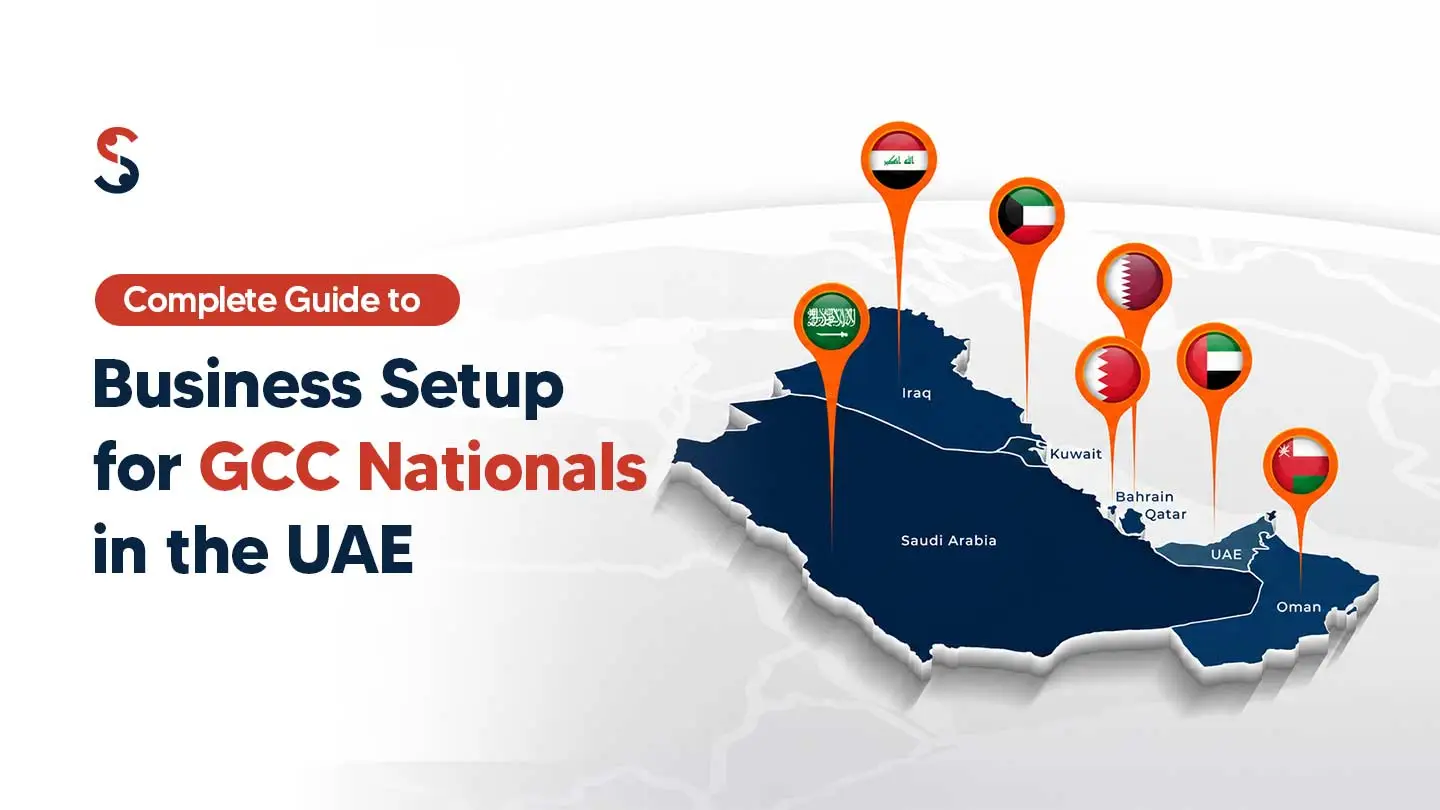
  • Business Setup for GCC Nationals in the UAE

    Business Setup for GCC Nationals in the UAE

    The UAE has long been one of the most attractive places to start and grow a business. Its strong economy, business-friendly regulations, strong infrastructure, and prime location make it a preferred destination for entrepreneurs across the Gulf. 

    If you’re a citizen of a GCC country, setting up a business in the UAE is even more straightforward. Due to agreements among the Gulf Cooperation Council (GCC) member states, GCC nationals enjoy several advantages that simplify the process and offer greater flexibility than many foreign investors. 

    In this guide, we’ll explain everything you need to know about GCC nationals business setup in the UAE, including eligibility, business structures, ownership benefits, required documents, and the steps involved in establishing your company. 

    Who Are GCC Nationals? 

    The Gulf Cooperation Council (GCC) consists of six member countries: 

    • United Arab Emirates
    • Saudi Arabia
    • Kuwait
    • Bahrain
    • Oman
    • Qatar

    Citizens of these countries benefit from special economic agreements that allow them to invest and establish businesses across GCC member states with fewer restrictions. 

    As a result, GCC nationals’ company formation in the UAE is generally quicker and more flexible, and involves fewer regulatory hurdles than for many other foreign investors. 

    Why Start a Business in the UAE? 

    The UAE continues to attract entrepreneurs from around the world-and for good reason. 

    Some of the biggest advantages include: 

    • Prime location connecting Asia, Europe, and Africa
    • Stable and diversified economy
    • Modern infrastructure
    • Business-friendly regulations
    • Access to international markets
    • A wide range of business activities
    • Efficient licensing processes
    • Strong banking and financial ecosystem

    For GCC nationals, these benefits are further enhanced by several UAE ownership privileges, making investing even more appealing. 

    UAE Ownership Privileges for GCC Nationals 

    One of the biggest reasons many entrepreneurs choose the UAE is the ease of ownership. 

    Some key UAE ownership privileges available to GCC nationals include: 

    1. Full Business Ownership 

      In many business activities, GCC nationals can own their companies without requiring additional ownership arrangements. 

      This gives entrepreneurs complete control over their business operations, finances, and long-term growth plans. 

      2. Access to Multiple Jurisdictions 

        Depending on your business activity, GCC nationals can establish companies in: 

        • Mainland
        • Free Zones
        • Certain specialised economic zones

        This flexibility allows entrepreneurs to choose the structure that best suits their goals. 

        3. Wide Range of Business Activities 

          Whether you’re planning to launch: 

          You’ll find numerous licensing options available across different jurisdictions. 

          4. Easier Regional Expansion 

            Since the UAE serves as a gateway to the Middle East, businesses established here can efficiently expand across the GCC and international markets. 

            Types of Business Structures Available 

            When planning your GCC nationals business setup in the UAE, selecting the right legal structure is one of the most important decisions. The ideal structure depends on your business activity, ownership preferences, long-term goals, and expansion plans. 

            1. Limited Liability Company (LLC) 

            A Limited Liability Company (LLC) is one of the most popular choices for GCC entrepreneurs looking to establish a commercial business in the UAE. It offers flexibility, credibility, and the ability to conduct business across the UAE market. 

            Suitable for: 

            An LLC also provides limited liability protection, meaning your personal assets remain separate from your business’s liabilities. 

            2. Sole Establishment 

            A Sole Establishment is ideal for professionals who want to own and manage their business independently. This structure gives you complete control over business decisions while allowing you to offer specialised professional services. 

            Suitable for: 

            This option works best for individuals whose business revolves around their professional expertise. 

            3. Branch Office 

            If you already own an established company in another GCC country, setting up a Branch Office in the UAE is an excellent way to expand your operations. A branch office allows your existing business to enter the UAE market without forming an entirely new legal entity. 

            It can carry out the same activities as the parent company, making it a practical choice for businesses looking to grow their regional presence while maintaining their existing brand identity. 

            Before choosing a business structure, it’s always advisable to consult experienced business setup experts. They can help you determine the most suitable option based on your business activity, licensing requirements, and future growth plans. 

            Mainland or Free Zone: Which One Is Better? 

            One of the biggest decisions during your GCC nationals business setup in the UAE is choosing between a mainland and a free zone company. Both offer unique advantages, and the right choice depends on your business activities, target market, and future expansion plans. 

            1. Mainland Company 

            A mainland company is an excellent option if you plan to operate across the UAE without location restrictions. It gives you the flexibility to work with both the private and government sectors while your business grows. 

            A mainland company is ideal if you want to: 

            • Trade throughout the UAE
            • Work directly with government entities
            • Open multiple branches or offices
            • Expand your operations without geographical restrictions
            • Serve customers across different Emirates 

            This option is well-suited for businesses focused on the local UAE market and those planning long-term growth. 

            2. Free Zone Company 

            A free zone company is a popular choice for entrepreneurs looking for a streamlined setup process and a business-friendly environment. The UAE is home to numerous free zones, each catering to specific industries such as technology, media, logistics, healthcare, finance, and manufacturing. 

            Free zones are suitable for businesses looking for: 

            • Industry-specific business ecosystems
            • Fast and simplified company formation
            • Modern office and business facilities
            • International trade opportunities
            • Access to world-class infrastructure and networking 

            Free zones are particularly beneficial for businesses with an international focus or those operating within specialised sectors. 

            Which Option Should You Choose? 

            Both mainland and free zone companies offer excellent opportunities for GCC nationals to form companies in the UAE. The best choice depends on factors such as your business activity, customer base, operational requirements, and future expansion plans. 

            If you’re unsure which jurisdiction is right for your business, experienced consultants like Shuraa Business Setup can help you evaluate your options and guide you towards the structure that best supports your long-term goals. 

            Step-by-Step GCC Nationals Business Setup UAE Process 

            Setting up a business in the UAE is straightforward for GCC citizens, especially with the right guidance. Here’s a step-by-step overview of how a GCC national business setup in the UAE typically works. 

            Step 1: Select Your Business Activity 

            The first step is to decide what type of business you want to establish. The UAE offers thousands of licensed business activities across sectors such as trading, consulting, technology, healthcare, manufacturing, and professional services. 

            Your chosen activity determines: 

            • The type of business licence required
            • Government approvals, if applicable
            • Whether a mainland or free zone setup is more suitable 

            Choosing the correct activity from the start helps avoid amendments later in the process. 

            Step 2: Choose the Right Jurisdiction 

            Next, decide where you want to establish your business. 

            You can choose between: 

            • Mainland
            • Free Zone 

            Each jurisdiction offers different benefits depending on your business objectives, target customers, and operational requirements. Evaluating your long-term plans before making this decision is essential. 

            Step 3: Reserve Your Trade Name 

            Select a unique company name that complies with UAE naming guidelines. The proposed name must not conflict with existing registered businesses or violate local regulations. 

            Once approved by the relevant authority, your trade name is officially reserved for your company. 

            Step 4: Submit the Required Documents 

            Prepare and submit all the necessary documents to the relevant licensing authority. Depending on your business activity and jurisdiction, the required paperwork may vary. 

            Typical documents include: 

            • Passport copy
            • GCC national ID
            • Passport-sized photographs
            • Completed application forms
            • Any additional approvals, if required 

            Submitting accurate documentation helps ensure a smooth approval process and minimises delays. 

            Step 5: Obtain Initial Approval 

            Certain business activities require initial approval from the relevant authorities before the trade licence can be issued. This approval confirms that there are no objections to establishing your business and allows you to proceed with the remaining formalities. 

            Step 6: Secure Office Space 

            Depending on your chosen jurisdiction, you may need to lease or register office space before obtaining your business licence. Some free zones also offer flexible workspace solutions, including shared offices and virtual office packages, making it easier for new businesses to get started. 

            Step 7: Receive Your Business Licence 

            Once all approvals, documentation, and registration requirements have been completed, your trade licence will be issued. This officially allows you to operate your business in the UAE. 

            After receiving your licence, you can proceed with additional formalities such as opening a corporate bank account, applying for employee or investor visas (if required), and commencing your business operations. 

            Partnering with experienced consultants like Shuraa Business Setup can make the entire GCC company registration process faster and hassle-free. Their team assists with documentation, approvals, licensing, and every other step, allowing you to focus on growing your business from day one. 

            Documents Required for GCC Company Registration 

            Although documentation may vary depending on the licensing authority, most GCC company registration applications require: 

            • Valid GCC passport
            • Emirates ID (if applicable)
            • Passport-sized photographs
            • Business activity details
            • Proposed company name
            • Initial approvals (where required)
            • Office address or tenancy agreement (depending on the jurisdiction) 

            Certain regulated industries may require additional approval from relevant government authorities. 

            List of Industries GCC Nationals Frequently Invest In 

            The UAE offers opportunities across almost every sector. 

            Popular industries include: 

            Common Challenges During Company Formation 

            Although GCC nationals company formation in the UAE is generally simpler than many international business setups, entrepreneurs may still face challenges such as: 

            • Choosing the right legal structure
            • Selecting the appropriate licence
            • Understanding jurisdiction-specific regulations
            • Obtaining industry-specific approvals
            • Preparing accurate documentation
            • Navigating changing business regulations 

            Working with experienced business setup consultants can make the process smoother and help avoid costly mistakes. 

            Why Choose Shuraa Business Setup? 

            Setting up a business in the UAE involves more than just getting a licence. From choosing the right business activity to securing approvals and completing documentation, every step matters. That’s where Shuraa Business Setup comes in. 

            With years of experience in GCC nationals business setup in the UAE, Shuraa provides end-to-end support, including business activity selection, GCC nationals company formation in the UAE, trade licence assistance, visa processing, PRO services, bank account assistance, and ongoing business support. Whether you’re starting a new venture or expanding your business, Shuraa makes the entire process simple and hassle-free. 

            With attractive UAE ownership privileges and a business-friendly environment, now is the perfect time to begin your GCC company registration. Let Shuraa guide you every step of the way so you can focus on growing your business. 

            Ready to get started? Contact us at +971 4 408 1900, via WhatsApp at +971 50 777 5554, or email info@shuraa.com

            FAQs 

            Q1. Can GCC nationals own 100% of a company in the UAE? 

            Yes. Depending on the business activity and jurisdiction, GCC nationals can enjoy full ownership of their businesses in the UAE, along with several other UAE ownership privileges. 

            Q2. Is company formation for GCC nationals in the UAE easier than for other foreign investors? 

            Generally, yes. GCC nationals benefit from regional agreements that simplify company formation and provide greater flexibility in ownership and investment. 

            Q3. What licences are available for GCC company registration? 

            The licence depends on your business activity and may include commercial, professional, industrial, tourism, or other specialised licences. 

            Q4. Can GCC nationals open a mainland company in the UAE? 

            Yes. GCC nationals can establish mainland companies, subject to the applicable regulations and licensing requirements for their chosen business activity. 

            Q5. How long does GCC company registration take? 

            The timeline varies depending on the business activity, jurisdiction, and required approvals. With complete documentation and professional assistance, the process is often completed within a few working days to a couple of weeks.

          1. All you need to know about the Ultimate Beneficial Ownership UAE Declaration

            All you need to know about the Ultimate Beneficial Ownership UAE Declaration

            Understanding the Ultimate Beneficial Ownership UAE declaration is essential for businesses operating in the UAE. Introduced to improve transparency and strengthen compliance, the declaration helps authorities identify the individuals who ultimately own or control a company.  

            Whether you’re setting up a new business or ensuring your existing company meets regulatory requirements, knowing who qualifies as an ultimate beneficial owner in Dubai and understanding the filing process can help you stay compliant and avoid unnecessary penalties.  

            In this guide, we’ll explain everything you need to know in simple terms, from eligibility and documentation to filing requirements and deadlines. 

            What is UBO in Dubai, UAE? 

            If you’re wondering what UBO is, it stands for Ultimate Beneficial Ownership and refers to the individual who ultimately owns or controls a company. Even if the business is legally registered in the name of another person or entity. The Ultimate Beneficial Ownership UAE framework was introduced to improve business transparency and help prevent financial crimes such as money laundering. 

            Under the ultimate beneficial ownership regulations, eligible businesses are required to submit a UBO declaration form and update their ownership details whenever changes occur. Completing the UBO declaration process ensures businesses remain compliant with UAE laws and avoid unnecessary penalties. In simple terms, identifying the ultimate beneficial owner is an important legal requirement for many companies operating in Dubai and across the UAE. 

            Why is UBO Important in the UAE? 

            The ultimate beneficial ownership framework in the UAE helps create a transparent business environment by requiring companies to disclose the individuals who ultimately own or control them. This supports efforts to prevent money laundering, tax evasion, and fraud while strengthening trust with banks, investors, and regulators. 

            To stay compliant, businesses must maintain an accurate UAE UBO register, submit the required UBO declaration form, and update ownership details whenever changes occur. Filing your UBO declaration in the UAE on time also helps avoid penalties and ensures compliance with the regulations. 

            Benefits of UBO Compliance in Dubai, UAE 

            Complying with the UBO registration UAE requirements offers several advantages for businesses, including: 

            • Improves transparency by identifying the ultimate beneficial owner of Dubai and the individuals who exercise significant control over the company.
            • Supports compliance with the UAE’s anti-money laundering (AML) and financial crime regulations.
            • Builds trust with financial institutions, investors, customers, and government authorities.
            • Helps businesses avoid fines, legal complications, and compliance-related penalties.
            • Makes banking, licensing, and other regulatory processes smoother through accurate ownership records.
            • Demonstrates good corporate governance by maintaining an updated UAE UBO register.
            • Strengthens the company’s reputation as a responsible and compliant business in the UAE. 

            By meeting the ultimate beneficial ownership requirements in the UAE and keeping your records current, businesses can operate with greater confidence while contributing to a transparent and well-regulated business ecosystem. 

            Who is Considered an Ultimate Beneficial Owner? 

            Under the ultimate beneficial ownership regulations, an ultimate beneficial owner in the UAE is an individual who ultimately owns or controls a company. A person is generally considered a UBO if they: 

            • Own 25% or more of the company’s shares, either directly or indirectly.
            • Hold 25% or more of the company’s voting rights.
            • Exercise significant control over the company’s management or key business decisions.
            • Benefit from the company’s assets or profits, even if ownership is held through another entity.
            • If no individual meets the ownership criteria, the person responsible for managing the company may be identified as the UBO. 

            How is UBO Different from Shareholders? 

            A shareholder and an Ultimate Beneficial Owner (UBO) are not always the same. A shareholder is the person or company that legally owns shares in a business. While an ultimate beneficial owner in the UAE is the individual who ultimately owns or controls the company, directly or indirectly. 

            In some cases, the ultimate beneficial owner of Dubai may not be listed as a shareholder, which is why identifying the true owner is an important part of compliance. 

            Here’s a simple comparison: 

            Shareholder Ultimate Beneficial Owner (UBO) 
            Holds shares in the company Ultimately owns or controls the company 
            Can be an individual or another company Must be a natural person (an individual) 
            May not have significant control Has ultimate control or receives the main benefits from the business 
            Listed in the company’s share register Recorded in the UAE UBO register as required under the ultimate beneficial ownership regulations 

            To comply with the UAE’s ultimate beneficial ownership requirements, businesses must identify their UBOs, complete the UBO declaration form, and submit the required details to the relevant authority. 

            They must also keep their records up to date as part of UBO registration in the UAE. Timely UBO declaration submissions in Dubai help businesses stay compliant and avoid penalties. 

            Ultimate Beneficial Owner Under AML, KYC, and CDD Requirements 

            Identifying the ultimate beneficial owner in the UAE is an important part of the country’s Anti-Money Laundering (AML) framework. It helps businesses and financial institutions verify who ultimately owns or controls a company, reducing the risk of fraud and money laundering. 

            Under the ultimate beneficial ownership regulations, companies must provide accurate ownership information during compliance checks. 

            • Know Your Customer (KYC) 

            KYC is the first step in verifying the identity of a business and the people behind it. During this process, organisations confirm who the ultimate beneficial owner of Dubai is and ensure the information provided is genuine before offering services or opening accounts. 

            • Customer Due Diligence (CDD) 

            CDD goes a step further by reviewing a company’s ownership structure, business activities, and potential risk levels. It also includes ongoing monitoring to ensure that ownership details remain accurate and up to date throughout the business relationship. 

            Documents Commonly Required 

            To meet the ultimate beneficial ownership UAE compliance requirements, businesses may be asked to submit: 

            • A completed UBO declaration form
            • Details of the company’s ownership structure
            • Passport copies of shareholders and beneficial owners
            • Company incorporation or registration documents
            • Information showing shareholding percentages and control 

            These records support the UBO declaration process and help businesses maintain an accurate UAE UBO register.  

            Keeping the information up to date is an essential part of UBO registration in the UAE and ensures ongoing compliance with the regulations. Companies should also submit their UBO declaration in Dubai on time to avoid penalties. 

            UAE UBO Register Requirements 

            The UAE UBO Register is a mandatory record that identifies the real individuals who own or control a business. Under the ultimate beneficial ownership regulations, most companies in the UAE must maintain and update their UBO Register to ensure compliance with AML requirements and promote greater business transparency. 

            Documents Required for UBO Registration in the UAE 

            Although the exact requirements may vary slightly depending on the licensing authority or free zone, businesses are generally required to submit the following documents: 

            • Completed UBO Declaration Form
            • Valid passport copy of each Ultimate Beneficial Owner
            • Emirates ID copy (if applicable)
            • Visa copy (if applicable)
            • Shareholding structure or ownership chart
            • Share certificates or register of shareholders
            • Memorandum of Association (MOA) or Articles of Association (AOA)
            • Trade licence copy
            • Proof of residential address of the UBO (if requested)
            • Details of ownership or control percentage held by each UBO
            • Contact details of the Ultimate Beneficial Owner 

            Important Note 

            Businesses must keep their UAE UBO Register accurate and up to date. Any changes to the details, ownership, or control of an Ultimate Beneficial Owner should be reported to the relevant licensing authority within the required timeframe. 

            What Does a UBO Declaration Form Include?  

            The UBO declaration form is used to identify individuals who ultimately own or control a company. It helps businesses comply with the ultimate beneficial ownership regulations and maintain an accurate UAE UBO Register. The form generally includes the following details: 

            1. Company Information 

            • Company name
            • Trade licence number
            • Legal form of the business
            • Registered office address 

            2. Ultimate Beneficial Owner (UBO) Details 

            • Full name
            • Nationality
            • Date and place of birth
            • Residential address
            • Passport or Emirates ID details
            • Contact information 

            3. Ownership or Control Information 

            • Percentage of ownership or voting rights
            • Nature of ownership or control
            • Date the individual became an Ultimate Beneficial Owner 

            4. Supporting Documents 

            • Copy of the UBO’s passport or Emirates ID
            • Proof of residential address (if required)
            • Shareholding or ownership structure documents
            • Any additional documents requested by the licensing authority 

            5. Declaration and Confirmation 

            • Confirmation that the information provided is accurate and complete
            • Signature of the authorised signatory
            • Date of submission 

            Keeping the UBO declaration UAE form up to date is an important part of the UBO registration UAE requirements. If there are any changes to the ownership structure or details of an ultimate beneficial owner in the UAE, businesses must update their records and submit the revised information within the required timeline. 

            How to File a UBO Report in the UAE? 

            Filing a UBO report in the UAE requires businesses to submit details of their Ultimate Beneficial Owner to the relevant licensing authority. Although the process may vary depending on the business jurisdiction, the key steps usually include: 

            • Identify the company’s Ultimate Beneficial Owner (UBO).
            • Prepare the UAE UBO register with accurate ownership details.
            • Gather supporting documents, such as passport copies and ownership records.
            • Submit the UBO declaration to the relevant authority.
            • Update the records whenever there is a change in ownership or control. 

            Keeping your UBO information accurate and up to date helps ensure compliance with UAE regulations and reduces the risk of penalties. 

            Get Expert Assistance with Shuraa Business Setup! 

            Understanding and complying with the Ultimate Beneficial Ownership (UBO) regulations are important parts of running a business in the UAE. Keeping your UAE UBO Register up to date, filing your UBO declaration on time, and maintaining accurate ownership records can help you avoid penalties and ensure your business remains compliant with UAE regulations. 

            If you need assistance with UBO registration, filing your UBO declaration, or meeting any other business compliance requirements, the experts at Shuraa Business Setup are here to help. Contact us at +971 4 408 1900, via WhatsApp at +971 50 777 5554, or email info@shuraa.com for professional guidance and end-to-end support. 

            FAQs 

            Q1. What is the penalty for not complying with UBO regulations in the UAE? 

            Companies that fail to comply with UAE UBO regulations may face administrative fines, suspension of their trade licence, restrictions on business activities, and other enforcement actions by the relevant authorities. 

            Q2. How can a company identify its Ultimate Beneficial Owner (UBO)? 

            A company should review its ownership and control structure to identify the individual who ultimately owns or controls the business, either directly or indirectly, in accordance with the UAE’s UBO regulations. 

            Q3. Who is required to maintain a UBO register in the UAE? 

            Most companies established in the UAE are required to maintain an up-to-date UBO register and submit the relevant information to their licensing authority, subject to exemptions under the applicable regulations. 

            Q4. What is the UBO filing deadline in the UAE? 

            Businesses must submit their Register of Beneficial Owners within 60 days of incorporation or licensing. Any changes to UBO information must be reported to the relevant authority within 15 days of the change. 

            Q5. What information is included in a UBO register? 

            A UBO register generally contains details of the Ultimate Beneficial Owner, including their name, nationality, date of birth, identification of details, ownership of interest, and the nature of control exercised over the company. 

            Q6. Why is UBO compliance important for businesses in 2026? 

            UBO compliance helps businesses meet UAE legal requirements, supports anti-money laundering (AML) efforts, improves corporate transparency, and reduces the risk of penalties or regulatory action. 

            Q7. How can businesses stay compliant with UAE UBO regulations? 

            Businesses should maintain accurate ownership records, regularly review their corporate structure, update their UBO register whenever changes occur, and submit revised information to the relevant authority within the prescribed deadlines. 

            Disclaimer: The information in this post is for general guidance only and may change due to updates in government policies or regulations.

          2. Best Countries to Start a Business in 2026

            Best Countries to Start a Business in 2026

            Starting a business in the right location can significantly impact its success. In 2026, entrepreneurs are searching for the best countries to start a business based on factors such as ease of setup, tax advantages, market access, and growth opportunities. Choosing the best country to open a business can help reduce operational costs and support long-term expansion. 

            Among the top destinations, Dubai stands out as one of the best countries to set up a business. With its strategic location, business-friendly regulations, advanced infrastructure, and investor-focused policies.  

            Dubai continues to attract entrepreneurs from around the world. In this guide, we explore the best countries to start a business in 2026 and why Dubai remains a leading choice for business success. 

            What Makes a Country Ideal for Starting a Business? 

            When evaluating the easiest countries to open a business, entrepreneurs should consider the following factors: 

            • Simple Business Registration: A quick, straightforward company formation process helps businesses start operations sooner.
            • Business-Friendly Regulations: Countries with fewer bureaucratic hurdles and transparent regulations make it easier to run a company.
            • Low Tax Rates: Competitive corporate tax policies can reduce operating costs and improve profitability.
            • Access to Global Markets: The best countries for business opportunities often have strong international trade connections and strategic locations.
            • Stable Economy: Economic stability provides businesses with a secure environment for long-term growth.
            • Skilled Workforce: Access to qualified professionals helps companies attract and retain top talent.
            • Advanced Infrastructure: Reliable transportation, internet connectivity, and modern facilities support smooth business operations.
            • Availability of Funding: Easy access to investors, loans, and government support programs can help businesses grow faster. 

            Top 10 Countries to Start a Business in 2026 

            Choosing the right location is one of the most important decisions for any entrepreneur. The best countries to start a business offer a combination of low taxes, simple registration procedures, access to funding, skilled talent, and strong economic growth.  

            Here are the top 10 destinations that stand out as the best countries for setting up a business and building a profitable company. 

            1. Dubai, UAE 

              Dubai is considered one of the best countries to start a business in 2026. It attracts entrepreneurs from around the world because of its business-friendly rules, excellent location, and modern infrastructure. 

              Starting a business in Dubai is simple. You can choose from mainland, free zone, or offshore company setups. Many free zones also offer 100% foreign ownership and tax benefits. 

              Dubai also gives businesses access to markets across the Middle East, Africa, Asia, and Europe. With strong government support for startups and innovation, it is one of the best places to register a startup and grow a successful company. 

              Why Dubai ranks #1: 

              • Strategic global location
              • 100% foreign ownership in many sectors
              • Business-friendly regulations
              • Modern infrastructure and technology
              • Strong startup and investor ecosystem
              • Access to global markets
              • Fast and efficient company setup process 

              2. Switzerland 

                Switzerland is known for its economic stability, innovation, and high-quality business environment. It offers a strong banking sector, excellent infrastructure, and a highly educated workforce. 

                The country is particularly attractive for businesses in finance, pharmaceuticals, biotechnology, and advanced manufacturing. Its reputation for reliability makes it one of the best countries for business opportunities in Europe. 

                3. Singapore 

                  Singapore continues to be one of the world’s leading business destinations. The country offers low corporate taxes, transparent regulations, and efficient government services. 

                  Business registration can often be completed within a few days, making Singapore one of the easiest countries to open a business. It is also a preferred location for technology startups, fintech companies, and international trading businesses. 

                  4. Estonia 

                    Estonia has become a favourite destination for digital entrepreneurs. Its innovative e-Residency program allows foreign business owners to establish and manage companies remotely. 

                    The country’s digital infrastructure simplifies administrative processes. It makes Estonia one of the best countries to set up a company for online businesses, freelancers, and tech startups. 

                    5. Ireland 

                      Ireland offers one of the most attractive corporate tax systems in Europe. It has become a major destination for technology companies, multinational corporations, and startups. 

                      With access to the European Union market and a highly skilled workforce. Ireland remains one of the best countries to set up a business for international entrepreneurs. 

                      6. United States 

                        The United States remains one of the largest and most dynamic business markets in the world. Entrepreneurs benefit from access to venture capital, innovation hubs, and a massive consumer base. 

                        Cities such as New York, San Francisco, Austin, and Miami continue to attract startups from around the globe. It makes the US one of the best countries to start a business and scale operations internationally.

                        7. Canada 

                          Canada offers political stability, a strong economy, and supportive policies for entrepreneurs. The country actively promotes innovation and provides various grants and funding opportunities for startups. 

                          Its welcoming immigration policies and skilled workforce also make it one of the best countries for small business owners looking to establish long-term operations. 

                          8. Germany 

                            Germany is Europe’s largest economy and a leading destination for manufacturing, engineering, and technology businesses. The country offers excellent infrastructure, a skilled labour force, and strong access to European markets. 

                            For entrepreneurs seeking a stable, highly developed economy. Germany is among the best countries in Europe for starting and expanding a small business.

                            9. New Zealand

                              New Zealand consistently ranks among the world’s most business-friendly nations. The country is known for its transparent regulations, low levels of corruption, and efficient company registration procedures. 

                              Entrepreneurs can start operations quickly. It makes New Zealand one of the easiest countries to open a business and a great option for startups and SMEs. 

                              10. Hong Kong 

                                Hong Kong remains a major international business centre thanks to its low tax rates, strategic location, and strong financial services sector. 

                                Its proximity to mainland China and access to Asian markets make it one of the best countries to set up a company for businesses involved in trade, finance, and professional services. 

                                Which is the Best Country to Start a Business in 2026? 

                                While all these destinations offer unique advantages, Dubai, UAE, stands out as the best country to start a business in 2026. Its prime location, pro-business government policies, tax benefits, advanced infrastructure, and straightforward company formation process give entrepreneurs a competitive edge. 

                                Whether you’re launching a startup, expanding an SME, or establishing a multinational company, Dubai offers one of the most attractive environments for growth. This is why it is consistently ranked among the best countries to start a business.  

                                Comparing the Best Countries to Start a Business  

                                Choosing the right country can play a major role in your business success. The table below highlights some of the best countries to start a business in 2026 based on factors such as taxes, market access, and ease of setup. 

                                Country Key Advantages Corporate Tax Ideal For 
                                Dubai, UAE Strategic location, 100% foreign ownership, fast setup, strong infrastructure, multiple free zones, no personal income tax, and strong investor support.   0% in many free zone cases and 9% corporate tax (one of the lowest globally) Ideal for startups, SMEs, multinational companies, e-commerce, fintech, SaaS, trading, and global expansion.  
                                Switzerland Political stability, strong banking sector, highly skilled workforce Around 11.9%–21% (varies by canton) Finance, wealth management, pharmaceuticals 
                                Singapore Pro-business policies, excellent connectivity, innovation ecosystem 17% Technology, startups, international trade 
                                Estonia Fully digital business environment, e-Residency program 0% on retained profits Digital businesses, remote entrepreneurs 
                                Ireland Access to EU markets, an attractive tax regime, and a skilled workforce 12.5% Technology, software, and multinational corporations 
                                United States Large consumer market, access to capital and investors 21% federal + state taxes Startups, technology, manufacturing 
                                Canada Stable economy, innovation incentives, skilled talent pool 15% federal + provincial taxes Technology, clean energy, SMEs 
                                Germany Strong industrial base, access to the EU market Around 30% Manufacturing, engineering, automotive 
                                New Zealand Easy business registration, transparent regulations 28% Small businesses, agriculture, services 
                                Hong Kong International financial hub, simple tax system 16.5% Trading, finance, logistics 

                                Start Your Business in Dubai with Shuraa 

                                When exploring the best countries to start a business in 2026, Dubai stands out as a top choice for entrepreneurs, startups, and growing companies. With its strategic location, investor-friendly policies, low taxes, and fast company formation process. It remains one of the best countries to set up a business and register a startup. 

                                If you’re looking for a trusted business setup partner, look no further than Shuraa Business Setup. From company registration and licensing to visa processing and legal support, we provide end-to-end solutions customised to your business needs. Get in touch with our experts today by calling +971 4 408 1900, messaging us on WhatsApp at +971 50 777 5554, or emailing us at info@shuraa.com.  

                                FAQs 

                                Q1. Which is the best country to start a business in 2026? 

                                Dubai, UAE, is considered one of the best places to start a business in 2026 due to its strategic location, investor-friendly regulations, low corporate tax rate, and fast company setup process. 

                                Q2. What are the easiest countries to open a business in? 

                                Some of the easiest countries to open a business include Dubai (UAE), Singapore, New Zealand, Estonia, and Hong Kong because of their streamlined registration procedures and business-friendly policies. 

                                Q3. Which country is best for registering a startup? 

                                Dubai is among the best countries to register for a startup. It offers access to global markets, free zones with 100% foreign ownership, startup-friendly regulations, and strong government support for entrepreneurs. 

                                Q4. What factors should I consider when choosing a country for my business? 

                                Key factors include ease of business registration, tax rates, market access, economic stability, availability of skilled talent, infrastructure, and government support for businesses. 

                                Q5. Why is Dubai a popular destination for entrepreneurs? 

                                Dubai attracts entrepreneurs because of its prime global location, advanced infrastructure, business-friendly environment, low taxes, strong investor ecosystem, and quick company formation process. 

                                Disclaimer: The information in this post is for general guidance only and may change due to updates in government policies or regulations.

                              1. Free Zone to Mainland conversion UAE: How to Convert a FZE to LLC?

                                Free Zone to Mainland conversion UAE: How to Convert a FZE to LLC?

                                Businesses often outgrow their original setup as they expand. While a free zone offers many advantages, some companies eventually need greater flexibility to serve the UAE mainland market or take on larger business opportunities.  

                                Today, there are two ways to make that move: you can either expand to the mainland while keeping your free zone company or choose a free zone to mainland conversion in the UAE for a complete transition. This guide explains both options, their benefits, and how to choose the right one for your business. 

                                Why Do Businesses Move from a Free Zone to the Mainland in the UAE? 

                                Many businesses start in a free zone because it offers a simple and cost-effective way to set up. However, as the business grows, its needs often change. This is where the free zone to mainland conversion UAE becomes a practical step for companies looking to expand. 

                                Converting a Free Zone Company to a Mainland Business gives you more flexibility to operate across the UAE without restrictions. Here are some of the main reasons businesses choose to make the move: 

                                • Business expansion: A mainland licence allows you to grow your operations and reach more customers across the UAE. 
                                • Government contracts: Many government and semi-government projects are only open to mainland companies, creating more business opportunities. 
                                • Access to the local UAE market: You can trade directly with customers and businesses throughout the UAE without relying on local distributors. 
                                • Office requirements: As your team grows, you may need a larger physical office, which is often easier to arrange under a mainland licence
                                • Unlimited trading across the UAE: A mainland company can conduct business freely across all emirates, making it easier to expand and serve clients wherever they are. 

                                If your business has outgrown the limits of a free zone, free zone to mainland conversion UAE can help you unlock new opportunities and support your long-term growth. 

                                Free Zone vs Mainland UAE: What’s the Difference? 

                                Before deciding whether to move your business, it’s important to understand how free zones and mainland companies differ. Both offer great benefits, but they are designed for different business needs.  

                                The right choice depends on where you want to operate, whom you want to reach as customers, and your future growth plans. Here’s a comparison to help you understand the key differences. 

                                Feature Free Zone Company Mainland Company 
                                Ownership Rules Foreign investors can own 100% of the business. Foreign investors can also own 100% of the businesses. 
                                Business Activities You can only do the activities allowed by your free zone. You can choose from a wider range of business activities. 
                                Office Requirements Many free zones allow flexi-desks or shared office spaces. A physical office is usually required, depending on your business activity. 
                                Market Access You mainly operate within the free zone or internationally. To trade directly in the UAE market, you may need a local distributor in some of the business activities to move to the mainland. You can trade freely across the UAE and work with businesses and customers anywhere in the country. 
                                Tax & Compliance Some free zone businesses can enjoy tax benefits if they meet the required conditions. Each free zone also has its own compliance rules. Mainland businesses follow UAE tax laws and government regulations, including corporate tax and VAT (where applicable). 

                                Can You Convert a Free Zone Company to Mainland UAE Company? 

                                There isn’t a simple one-step process to convert a Free Zone company into a Mainland company in the UAE. Instead, businesses have two main options depending on their goals. 

                                The first option is to expand by opening a Mainland branch or a new Mainland company while keeping the existing Free Zone business. This is a good choice if you want to enter the local UAE market without closing your current company. 

                                The second option is to complete a legal conversion, where your business changes its legal structure and changes company jurisdiction in the UAE from a Free Zone to the Mainland. This usually involves cancelling or transferring the Free Zone licence, registering with the relevant Mainland authorities, and obtaining a new Mainland trade licence. 

                                The right option depends on your business plans, the activities you carry out, and where you want to operate in the UAE. 

                                Expansion vs Full Free Zone to Mainland Conversion UAE 

                                If you’re planning to enter the UAE mainland market, you generally have two options: expand your existing Free Zone business or complete a full Free Zone to mainland conversion UAE. The right choice depends on your business goals, budget, and how you want to operate in the future. 

                                • Expansion 

                                With expansion, you keep your existing Free Zone company and set up a mainland branch or a new mainland entity. This allows you to do business in the mainland while continuing to enjoy many of the benefits your Free Zone company offers. 

                                This option is a good choice for businesses that want to grow without making major changes to their current setup. 

                                • Full Conversion 

                                A full Free Zone to mainland conversion UAE involves moving your business completely to the mainland. Depending on your situation, this may require closing your Free Zone company and registering a new mainland LLC or completing the legal conversion process. 

                                This option is suitable for businesses that plan to operate entirely in the mainland and no longer need a Free Zone presence. 

                                Expansion Full Conversion 
                                Keep your Free Zone company Close the Free Zone company (if required) 
                                Open a mainland branch or company Form a new mainland LLC or complete legal conversion 
                                Continue enjoying Free Zone benefits Operate completely as a mainland business 
                                Less paperwork and business disruption Complete change of business jurisdiction 
                                Ideal for gradual business growth Best for businesses fully moving to the mainland 

                                Which option is right for you? 

                                If you want to expand while keeping your existing Free Zone business, expansion is often the simpler option. If your long-term goal is to operate only in the UAE mainland, a full conversion may be the better choice. Consulting with a business setup expert can help you choose the most suitable route based on your business activities and future. 

                                What are the New Rules Under Executive Council Resolution No. 11 of 2025? 

                                Executive Council Resolution No. 11 of 2025 introduces a simpler way for many Dubai Free Zone businesses to operate in the mainland. The aim is to support business growth by reducing the need to set up a separate mainland company. If a business meets the required conditions, it can expand its operations into mainland Dubai while maintaining its Free Zone company. 

                                What Has Changed? 

                                Before this resolution, Free Zone companies usually had to establish a new mainland company to do business directly in the local market. 

                                With the new rules, eligible Free Zone businesses can apply for permission to operate in mainland Dubai without changing their existing company structure. They may be able to open a mainland branch or obtain the required licence to carry out approved business activities. The company must still comply with the rules set by both its Free Zone authority and the Dubai Department of Economy and Tourism (DET). 

                                Why Does It Matter? 

                                The new resolution gives businesses more room for growth. Instead of spending extra time and money setting up another company, they can expand their existing operations into the mainland if they qualify. 

                                This makes it easier to: 

                                • Reach customers across Dubai and the UAE 
                                • Take on more business opportunities 
                                • Grow without disrupting current operations 
                                • Keep the benefits of a Free Zone while expanding into the mainland 

                                For many companies, it offers a more practical route to business expansion. 

                                Who Can Benefit? 

                                The new rules are designed for eligible Dubai Free Zone companies seeking to expand beyond the Free Zone. They are especially useful for businesses that want to: 

                                • Sell products or services directly in mainland Dubai 
                                • Open a branch outside the Free Zone 
                                • Expand their customer base 
                                • Enter new markets without starting a new company from scratch 

                                As long as the business activity is approved and all licensing requirements are met, companies can take advantage of this new option. 

                                Who Cannot Benefit? 

                                The resolution does not apply to businesses that are under the Dubai International Financial Centre (DIFC) licenses. Companies operating under the DIFC continue to follow their own legal and regulatory framework, so these new mainland expansion rules do not apply to them. 

                                What are the Ways to Expand from Free Zone to Mainland UAE? 

                                You don’t always have to convert your company to enter the mainland. Many businesses choose to expand while keeping their free zone company active. Here are the most common options: 

                                • Open a Mainland Branch 
                                • A mainland branch office lets your free zone company operate in the UAE mainland without closing the original business.
                                  • Validity: Usually 1 year (renewable) 
                                  • Fees: Vary based on the licence and business activity 
                                  • Best for: Businesses planning long-term growth and serving mainland customers 
                                • Apply for a Dual License 
                                • dual license in UAE allows eligible free zone companies to operate in both the free zone and the mainland under certain conditions. 
                                  • Validity: Generally linked to your license renewal 
                                  • Fees: Depend on the free zone and approvals 
                                  • Best for: Businesses looking for a simple and cost-effective expansion option 
                                • Obtain a Temporary Permit
                                • A temporary permit allows you to carry out specific projects or activities on the mainland for a limited time. 
                                  • Validity: Issued for a fixed period 
                                  • Fees: Depend on the permit type and duration 
                                  • Best for: Contractors, consultants, and businesses handling short-term projects 

                                What are the Eligibility Requirements for Free Zone to Mainland Expansion? 

                                To expand your Free Zone business to the UAE mainland, you’ll generally need to meet these requirements: 

                                • Valid Free Zone Licence: Your company licence must be active and up to date. 
                                • No Objection Certificate (NOC): Required by some Free Zone authorities to approve the expansion. 
                                • DET Approval: Approval from the relevant Department of Economy and Tourism is needed before operating on the mainland. 
                                • Regulated Activity Approvals: Certain businesses, such as those in healthcare or finance, require additional approval from the relevant authorities. 
                                • Supporting Documents: Submit your trade licence, incorporation documents, passport copies, NOC (if applicable), and any other required paperwork. 

                                How to Convert a Free Zone Company to Mainland UAE? 

                                A free zone to mainland conversion UAE involves completing a few legal and administrative steps. The exact process may differ depending on your Free Zone and business activity, but the mainland migration process generally follows these steps: 

                                Step 1: Check the Free Zone Exit Requirements 

                                Start by reviewing the rules set by your Free Zone authority. You may need to settle any outstanding fees, complete audits, or submit closure documents before you can move your business. 

                                Step 2: Obtain a No Objection Certificate (NOC) 

                                Some Free Zones require a No Objection Certificate (NOC) before allowing a business to transfer to the mainland. Check with your authority to confirm if this applies to your company. 

                                Step 3: Cancel Your Free Zone Licence 

                                Once all requirements are met, you can cancel your Free Zone licence. Make sure all employee visas, permits, and company obligations are cleared to avoid delays. 

                                Step 4: Register Your Mainland Company 

                                Choose a suitable legal structure and register your business with the mainland licensing authority. At this stage, you’ll also need to reserve your trade name and submit the required documents. 

                                Step 5: Lease an Office and Obtain Ejari 

                                Most mainland companies must have a physical office. After signing the tenancy agreement, register it through Ejari, as it is required for licence approval. 

                                Step 6: Obtain Your Mainland Licence 

                                After your application is approved and the required fees are paid, you’ll receive your mainland trade licence. This allows you to legally operate your business across the UAE. 

                                Step 7: Transfer Employee Visas 

                                If your company has employees, their visas and labour records should be transferred to the new mainland company. This ensures your workforce can continue working without interruptions. 

                                Step 8: Open a Corporate Bank Account 

                                Finally, open a corporate bank account in the name of your mainland company. This will help you manage business transactions and meet banking and financial requirements. 

                                Documents Required for Free Zone to Mainland Conversion UAE 

                                To convert a Free Zone company to a mainland business in the UAE, you’ll need to submit a few important documents. The exact requirements may vary depending on your business activity and the authorities involved, but the basic documents usually include: 

                                • Passport copies of all shareholders and managers 
                                • Valid Free Zone trade licence 
                                • No Objection Certificate (NOC) from the Free Zone authority (if required) 
                                • Board Resolution approving the move to the mainland (for corporate shareholders) 
                                • Regulatory approvals if your business operates in a regulated sector such as healthcare, education, or finance 

                                Keeping these documents ready in advance can help make the free zone to mainland conversion process in the UAE faster and smoother. 

                                What is the Cost of Free Zone to Mainland Conversion UAE? 

                                The cost of a free zone to mainland conversion in the UAE depends on your business activity, office size, visa requirements, and the approvals required.  

                                In most cases, businesses can expect to spend between AED 15,000* and AED 40,000*. If you’re opening a mainland branch rather than completing a full conversion, costs may vary depending on the licence and setup requirements. 

                                Expense Estimated Cost 
                                Mainland licence Varies depending on the business activity 
                                NOC (if applicable) Depends on the Free Zone authority 
                                DET fees As per the licence and registration requirements 
                                Office (Ejari) Based on office size and location 
                                Visa costs Depends on the number of visas required 
                                External approvals Additional fees may apply for regulated activities 

                                *The total cost will vary from one business to another, so it’s best to get a customised estimate based on your company structure and business plans. 

                                Common Challenges During Free Zone to Mainland Conversion UAE 

                                Moving your business from a free zone to the mainland is a big step, and you may face a few challenges along the way. Planning ahead can help make the process smoother. 

                                • Approval Delays: Getting approvals from the free zone authority, the Department of Economy and Tourism (DET), or other government departments may take longer than expected. 
                                • Employee Visa Transfers: If you have employees, their visas may need to be cancelled and reissued under the new mainland company, which can take time. 
                                • Office Leasing: Mainland businesses typically require a physical office and a valid Ejari registration. Finding the right office can be added to the timeline. 
                                • Bank Account Updates: You may need to update your business bank account details or open a new corporate account after the conversion. 
                                • Tax Implications: Your tax obligations may change after moving to the mainland. It’s important to review your corporate tax and VAT requirements before making the switch. 
                                • Existing Contracts: Customer, supplier, and service agreements may need to be updated to reflect your new company’s details to avoid legal or operational issues. 

                                With the right planning and professional support, these challenges can be managed. It makes your free zone to mainland conversion process in the UAE much easier. 

                                Need Help with Your Free Zone to Mainland Conversion? 

                                Moving your business from a free zone to the mainland can open new opportunities, but the process involves several legal and administrative steps. Whether you’re planning a full conversion or simply expanding your operations, having the right guidance can save you time, reduce delays, and help you avoid costly mistakes. 

                                At Shuraa, our business setup experts will guide you through every stage of the process, from choosing the right business structure and handling approvals to obtaining your mainland licence and completing the required paperwork. We’ll make the transition as smooth and hassle-free as possible, so you can focus on growing your business. 

                                Get in touch with Shuraa business setup today.

                                Call us on: +971 4 408 1900,  WhatsApp: +971 50 777 5554, or emailing info@shuraa.com to speak with one of our experts. 

                                FAQs 

                                Q1. Can I convert a Free Zone company to a mainland business without closing it? 

                                In many cases, you don’t have to close your Free Zone company. Depending on your business goals, you may be able to open a mainland branch or apply for a dual licence. If you want to move your business completely to the mainland, you will usually need to set up a new mainland company and complete the legal transfer process. 

                                Q2. How much does Free Zone to Mainland conversion in the UAE cost? 

                                The cost usually ranges between AED 15,000* and AED 40,000*, depending on your business activity, licence type, office requirements, government fees, and any external approvals you may need. 

                                Q3. How long does the mainland migration process take? 

                                The mainland migration process typically takes 2 to 6 weeks. The timeline depends on how quickly documents are approved, whether your business is in a regulated industry, and if additional permissions are required. 

                                Q4. Can I convert an FZE to an LLC in the UAE? 

                                An FZE cannot be directly converted into an LLC. Instead, you must register a new mainland LLC and then transfer your assets, employees, contracts, and business operations to the new company. 

                                Q5. Do I need a local sponsor for a mainland company? 

                                For most business activities, no local sponsor is required because many mainland businesses can now be fully owned by foreign investors. However, some regulated activities may still have specific ownership or approval requirements. 

                                Q6. Can I change my company’s jurisdiction in the UAE? 

                                Yes. Businesses can move from a Free Zone to the mainland or from the mainland to a Free Zone, provided they meet the legal and regulatory requirements. The process usually involves setting up the new entity, transferring operations, and updating licences and approvals. 

                                Q7. Can a mainland company move to a Free Zone? 

                                Yes, it is possible. A mainland business can establish a Free Zone company and transfer its operations if it meets the eligibility requirements of the Free Zone. The process involves submitting the required documents, obtaining approvals, and applying for a new Free Zone licence.

                              2. DIFC vs ADGM: Which Financial Freezone is Right for Your Business?

                                DIFC vs ADGM: Which Financial Freezone is Right for Your Business?

                                When setting up a business in the UAE, choosing the right financial free zone is a critical decision. The debate between DIFC and ADGM is common among entrepreneurs, investors, and financial institutions seeking to establish a strong regional presence.  

                                Both ADGM and DIFC offer internationally recognised legal frameworks, attractive tax benefits, and access to global markets, but they differ in areas such as regulations, licensing, costs, and business opportunities. 

                                Understanding the key differences between DIFC and ADGM can help you determine which financial free zone best aligns with your business goals, industry requirements, and long-term growth strategy. In this guide, we’ll compare DIFC vs ADGM to help you make an informed decision. 

                                What is DIFC in the UAE? 

                                DIFC stands for Dubai International Financial Centre. It is a special financial and business zone located in Dubai, UAE. 

                                Think of DIFC as a business hub where banks, financial firms, investment firms, insurance firms, and professional services firms from around the world can operate easily. 

                                Why is DIFC important? 

                                • It is one of the leading financial centres in the Middle East, Africa, and South Asia.
                                • Many international companies have offices there.
                                • It has its own legal and regulatory system based on international standards.
                                • It helps attract foreign investment to the UAE. 

                                Key Features of DIFC 

                                1. Financial Services Hub: Home to banks, asset managers, fintech companies, and insurance firms.
                                1. Independent Legal System: Uses a common-law framework separate from the UAE’s civil law system. 
                                1. Business-Friendly Environment: Allows 100% foreign ownership and offers a modern regulatory framework. 
                                1. Global Connectivity: Connects businesses across Europe, Asia, and Africa. 

                                Simple Example 

                                If a global bank wants to serve clients in the Middle East, it may open an office in the DIFC because the centre provides international business standards, strong regulation, and access to regional markets. 

                                DIFC is a special financial district in Dubai that provides a world-class environment for banks, investors, and international businesses to operate in the UAE and the wider region. 

                                What is ADGM in the UAE? 

                                ADGM stands for Abu Dhabi Global Market. It is an international financial centre located in Abu Dhabi, UAE. 

                                Like DIFC in Dubai, ADGM is a special business and financial zone where banks, investment firms, fintech companies, and other international businesses can operate under a modern legal and regulatory framework. 

                                Why is ADGM important? 

                                • It is one of the leading financial centres in the Middle East.
                                • It attracts global investors and financial institutions.
                                • It has its own independent legal and regulatory system based on English common law.
                                • It supports innovation, entrepreneurship, and financial technology (FinTech). 

                                Key Features of ADGM 

                                1. International Financial Centre: Home to banks, asset managers, wealth management firms, and fintech companies. 
                                1. Independent Legal Framework: Applies English common law directly, providing a familiar system for international businesses. 
                                1. Business-Friendly Environment: Allows 100% foreign ownership and offers a transparent regulatory structure. 
                                1. Innovation Hub: Supports startups and fintech companies through specialised programs and regulations. 

                                Simple Example 

                                If an international investment company wants to expand into the Middle East, it may establish an office in ADGM because it offers a trusted legal system, strong regulations, and access to regional and global markets. 

                                ADGM is a special financial district in Abu Dhabi that provides a world-class environment for financial institutions, investors, and international businesses to operate in the UAE and beyond. 

                                DIFC vs ADGM: Key Similarities and Differences for Businesses 

                                If you’re comparing DIFC vs ADGM, both are leading financial free zones in the UAE that offer independent legal systems, common law frameworks, and attractive business environments for international companies.  

                                However, there are important differences between ADGM and DIFC that can influence where you establish your business. 

                                Factor DIFC (Dubai International Financial Centre) ADGM (Abu Dhabi Global Market) 
                                Location Dubai Abu Dhabi 
                                Established 2004 2015 
                                Legal System Independent common law framework Direct application of English common law 
                                Primary Focus Banking, wealth management, fintech, insurance Asset management, fintech, family offices, investment firms 
                                Regulatory Authority Dubai Financial Services Authority (DFSA) Financial Services Regulatory Authority (FSRA) 
                                Business Ecosystem Larger and more mature financial hub Rapidly growing international financial centre 
                                Market Presence Strong global financial institution presence Increasing focus on innovation and investment management 
                                Office Availability Premium office locations in central Dubai More flexible office solutions in Abu Dhabi 
                                Cost Considerations Generally higher setup and operating costs Often more cost-effective for certain business types 

                                DIFC and ADGM UAE: Location, Market Access, and Business Opportunities 

                                For businesses evaluating DIFC and ADGM UAE, location and market access often play a significant role in the decision-making process. 

                                Business Consideration DIFC ADGM 
                                Geographic Advantage Strategic access to Dubai’s commercial ecosystem Direct access to Abu Dhabi’s government and investment sectors 
                                Target Market International banks, financial institutions, and multinational corporations Sovereign wealth funds, family offices, investment firms 
                                Networking Opportunities Extensive financial services network Growing investment and innovation ecosystem 
                                Fintech Support Established fintech programs and accelerators Strong fintech and digital asset initiatives 
                                Talent Availability Large international talent pool A growing pool of finance and technology professionals 
                                Regional Expansion Excellent gateway to the Middle East, Africa, and South Asia Strong access to institutional investors and government-backed projects 

                                The difference between DIFC and ADGM largely comes down to location, regulatory preferences, target clients, and business strategy.  

                                Both DIFC and ADGM offer internationally recognised legal frameworks, strong regulatory oversight, and access to regional and global markets,.It makes them attractive choices for companies expanding into the UAE. 

                                DIFC vs ADGM for Startups, SMEs, and Financial Institutions 

                                The ideal choice between DIFC and ADGM depends largely on your business model and growth objectives. 

                                Business Type DIFC ADGM 
                                Fintech Startups Strong accelerator programs and fintech ecosystem Growing innovation ecosystem with startup-friendly initiatives 
                                SMEs Access to Dubai’s commercial network Lower-cost entry and flexible structures 
                                Asset Managers Established industry presence Strong focus on investment management 
                                Banks Major regional banking hub Expanding banking and investment platform 
                                Insurance Firms Mature insurance market Growing insurance sector 
                                Family Offices Available but less prominent One of the leading jurisdictions for family offices 
                                Holding Companies Available Highly popular structure with flexible regulations 
                                International Corporations Extensive multinational presence Increasingly attractive for regional headquarters 

                                Taxation, Compliance, and Governance in ADGM and DIFC 

                                Both ADGM and DIFC offer tax-efficient, internationally recognised business environments. They are subject to UAE corporate tax rules where applicable, with no personal income tax, separate capital gains tax, or withholding tax. Both jurisdictions also maintain strong compliance standards, including AML, UBO, and IFRS reporting requirements. 

                                Overall, the two financial centres offer similar tax and regulatory benefits, with the main differences being their business focus, ecosystems, and operating costs. 

                                ADGM and DIFC Company Formation: Setup Requirements and Costs 

                                When comparing DIFC vs ADGM, setup costs are often a key consideration alongside licensing, office requirements, and regulatory obligations.  

                                Both ADGM and DIFC offer world-class business environments, but their incorporation costs can vary significantly depending on the business’s activity and structure. 

                                Company Formation Factor DIFC ADGM 
                                Company Types Available Private companies, branches, LLPs, foundations, fintech entities Private companies, SPVs, branches, foundations, fintech entities 
                                Registration Process Fully digital with regulatory approvals where required Digital incorporation platform with streamlined setup 
                                Physical Office Requirement Generally required depending on the license type Flexible office and workspace options 
                                Licensing Authority DIFC Registrar of Companies ADGM Registration Authority 
                                Financial Services Licensing Through DFSA Through FSRA 
                                Setup Timeline Typically, several weeks, depending on the activity Often faster for non-regulated entities 
                                Special Purpose Vehicles (SPVs) Available Widely used and highly popular 
                                Foundation Structures Available Available with strong family office appeal 
                                Estimated Setup Cost AED 20,000 – AED 40,000** AED 15,000 – AED 25,000** 
                                Cost Considerations Higher setup and operating costs due to premium location and infrastructure Generally, more cost-effective for startups, SMEs, and holding companies 

                                 
                                From a cost perspective, the difference between DIFC and ADGM is that ADGM is often the more affordable option for startups, SMEs, SPVs, and holding companies. Meanwhile, DIFC’s higher costs are often justified by its established reputation, extensive financial services ecosystem, and prime location in Dubai. 

                                *Costs are indicative only and may vary based on company type, business activity, office requirements, visa allocations, regulatory approvals, and government fees. 

                                DIFC vs ADGM: Which Financial Free Zone is Best for Your Business? 

                                Choosing between DIFC vs ADGM depends on your business goals, industry, and budget. Both ADGM and DIFC offer internationally recognised legal frameworks, strong regulatory oversight, and attractive business environments for global companies. 

                                While DIFC UAE is known for its established financial ecosystem and strong presence of multinational institutions, ADGM UAE is often preferred for its flexibility, cost-effectiveness, and growing focus on fintech, investment management, and family offices. Understanding the difference between DIFC and ADGM can help you select the right jurisdiction for long-term success in the UAE. 

                                For expert guidance on company formation in the DIFC and ADGM in the UAE, contact Shuraa Business Setup at +971 4 408 1900, via WhatsApp at +971 50 777 5554, or by email at info@shuraa.com

                                FAQs 

                                Q1. What is the difference between DIFC and ADGM? 

                                The difference between DIFC and ADGM lies primarily in their jurisdiction, regulatory frameworks, and strategic focus. While both are leading financial free zones in the UAE, DIFC is based in Dubai and serves as a major gateway to regional and global markets. Whereas ADGM is in Abu Dhabi and is known for its innovation-focused ecosystem and flexible regulatory environment. 

                                Q2. DIFC vs ADGM: Which free zone is better for international investors? 

                                When comparing DIFC vs ADGM, the best choice depends on your business objectives. DIFC offers a well-established financial hub with a large network of international firms. While ADGM provides a modern regulatory framework and strong support for fintech, asset management, and innovation-driven businesses. 

                                Q3. How do DIFC and ADGM UAE support business growth and global expansion? 

                                Both DIFC and ADGM UAE are designed to attract international businesses by offering independent legal systems, tax efficiencies, world-class infrastructure, and access to global markets. They also provide business-friendly regulations that help companies expand across the Middle East, Africa, and South Asia. 

                                Q4. Are DIFC and ADGM laws different from UAE mainland laws? 

                                Yes. DIFC and ADGM laws operate independently of UAE civil and commercial laws in many areas. Both jurisdictions follow common law principles and maintain their own courts. It allows businesses to benefit from internationally recognised legal frameworks and dispute resolution mechanisms. 

                                Q5. What are the key similarities between ADGM and DIFC? 

                                ADGM and DIFC both offer 100% foreign ownership, independent regulatory authorities, internationally recognised legal systems, and strong investor protections. They are widely regarded as the UAE’s premier financial free zones for multinational companies and financial institutions. 

                                Q6. Why do businesses choose DIFC and ADGM over other free zones? 

                                Many companies prefer the DIFC and ADGM for their strong reputations, access to global financial markets, strong governance standards, and specialised ecosystems for banking, fintech, wealth management, and professional services. 

                                Q7. How should businesses evaluate DIFC vs ADGM before setting up? 

                                Before deciding on DIFC vs ADGM, businesses should assess factors such as licensing requirements, operational costs, target markets, regulatory preferences, office space availability, and industry-specific incentives. The right choice depends on the company’s growth strategy and sector focus.

                              3. Trade License Activity Amendment Dubai: How to Add Activities to Your UAE Licence 

                                Trade License Activity Amendment Dubai: How to Add Activities to Your UAE Licence 

                                As your business grows, you may want to offer new services or expand into different markets. To do this legally, you must add business activity to your existing licence and comply with UAE regulations. 

                                A Trade License Activity Amendment Dubai allows businesses to update their licence with new approved activities. Whether you’re expanding services or exploring new opportunities, updating your trade licence requirements in the UAE is an important step. 

                                As one of the leading business setup consultants in the UAE, Shuraa Business Setup helps businesses complete licence amendments quickly and efficiently. In this guide, we’ll cover the process, requirements, and costs of adding activities to your UAE business licence. 

                                How to Add a New Activity to a UAE Trade Licence; A quick rundown 

                                To add a new business activity to your UAE trade licence: 

                                1. Select the activity from the approved activity list for your specific Business licence .  
                                1. Submit an amendment application to DET or your Free Zone authority.  
                                1. Obtain external approvals if required for certain sectors.  
                                1. Update company documents where applicable.  
                                1. Pay the amendment fees, costs typically starts from AED 500 plus applicable fees 
                                1. Receive the updated trade licence.  

                                The process usually takes 1–5 working days for standard activities and longer for regulated sectors. Elaborated Steps are explained further below. 

                                Understanding Trade Licence Activity Amendment in Dubai 

                                As your business grows, you may want to offer new services or expand into different areas. In such cases, you need to add business activity to your existing licence through a Trade License Activity Amendment Dubai process. 

                                A Dubai trade licence amendment allows businesses to legally update their approved activities. Whether you are updating trade licence records in the UAE or applying for a Dubai company licence amendment. It keeps your licence up to date and helps you stay compliant and avoid legal issues. 

                                For mainland businesses, a Dubai mainland licence amendment may be required before starting any new activity. By updating your licence on time, you can confidently grow your business while meeting all regulatory requirements. 

                                Benefits of Updating Your UAE Trade Licence with New Activities 

                                A Trade License Activity Amendment Dubai allows businesses to expand legally and explore new opportunities without applying for a completely new licence. Whether you want to add business activity related to consulting, e-commerce, or trading, updating your licence keeps your operations compliant with UAE regulations. 

                                Some key benefits of updating the trade licence in the UAE include: 

                                • Business Expansion: Offer new products or services under your existing business trade license. 
                                • Legal Compliance: Avoid penalties by ensuring all activities are officially approved. 
                                • More Revenue Opportunities: Enter new markets and attract a wider customer base. 
                                • Greater Business Flexibility: Adapt quickly to changing customer demands and industry trends. 
                                • Enhanced Business Credibility: Clients and partners are more likely to trust a company with a properly updated licence. 

                                Whether you hold a general trading license or another type of licence, a Dubai trade licence amendment can help your business grow while staying compliant. A Dubai company licence amendment is often a simple yet important step towards long-term success in the UAE market. 

                                Updating Trade Licence in the UAE: When Is an Amendment Required? 

                                Your trade licence must match your business activities. If you add, change, or remove activities, you must update your licence to stay compliant and avoid penalties. 

                                You may need a licence amendment when: 

                                • Your business has evolved, and you plan to offer services or products not covered by your current licence. 
                                • You’re exploring new revenue opportunities that fall under a different business activity category. 
                                • Certain activities are no longer part of your operations and need to be officially removed from the licence. 
                                • The scope of your business has changed since the licence was originally issued. 
                                • You want to diversify your operations by including more approved activities under your existing licence. 
                                • An amendment is required to meet licensing regulations and avoid compliance issues. 

                                Keeping your trade licence up to date ensures your business activities remain legally compliant with your operations. It allows you to expand into new areas, stay compliant with UAE regulations, and grow your business with confidence. 

                                How to Add a New Activity to a Dubai Trade Licence? 

                                Expanding your business often means offering new products or services. If the activity you want to undertake is not listed on your licence. You’ll need to complete a Trade License Activity Amendment process before you can legally operate under the new activity. Here’s how it works: 

                                Step 1: Choose the Activity You Want to Add 

                                Start by identifying the exact business activity you wish to include on your licence. The activity must be approved by the relevant authority and align with your company’s legal structure and licensing category. 

                                Step 2: Submit an Amendment Request to DET or Free Zone 

                                The next step is to apply for a Dubai trade licence amendment. Mainland businesses can submit their application through the Department of Economy and Tourism (DET), while Free Zone company licence holders must apply through their respective Free Zone authority. 

                                Step 3: Obtain Additional Approvals if Required 

                                Certain regulated sectors require permission from government departments before the activity can be added. This is common for businesses involved in healthcare, education, transportation, food, and other specialised industries. 

                                Step 4: Update Company Documents 

                                In some cases, especially LLCs, the company’s legal documents may need to be revised to reflect the new scope of the business. This ensures your business records match the activities listed on your licence. 

                                Step 5: Provide Supporting Documents 

                                To proceed with the Dubai company’s licence amendment, you’ll typically need to submit documents such as your current licence, shareholder identification documents, tenancy contract, and any approvals obtained from external authorities. 

                                Step 6: Complete the Payment Process 

                                Once the application is reviewed, you’ll be required to pay the applicable amendment fees. The cost may vary depending on the activity being added and the licensing authority involved. 

                                Step 7: Receive Your Updated Licence 

                                After approval and payment, you’ll receive an updated licence showing the newly added activity. At this stage, the trade licence update is complete, and you can legally start offering the new service or product. 

                                Whether you want to add activities to an existing trade license, UAE companies should follow the correct process to ensure a smooth and compliant business expansion. 

                                Documents Needed for a Trade Licence Amendment in Dubai 

                                When applying for a Dubai trade licence amendment, authorities may request different documents depending on the type of change. In most cases, you should keep the following documents ready: 

                                • Existing business trade license copy 
                                • Licence amendment application form 
                                • Updated MOA or legal documents (if the amendment affects company structure) 
                                • Shareholder or board resolution approving the amendment 
                                • Relevant government approvals for regulated activities 
                                • Trade name approval documents (for trade name changes) 
                                • Any additional documents requested by the licensing authority 

                                Important: If you plan to add business activity through a Dubai company licence amendment, additional approvals may be required from industry-specific authorities depending on the nature of the activity. This helps ensure your business remains fully compliant with UAE regulations. 

                                Cost of Adding Activities to an Existing Trade License in the UAE 

                                The cost of adding new activities to your trade licence may vary depending on the licensing authority and the type of amendment required. As a general guideline: 

                                • AED 500* for each additional business activity or location (subject to authority approval) 
                                • AED 10* Knowledge Dirham fee per transaction 
                                • AED 10* Innovation Dirham fee per transaction 

                                Additional charges may apply based on the nature of the activity and any required approvals. 

                                For a detailed cost breakdown and expert guidance, get in touch with our team at Shuraa Business Setup. We can help you complete the amendment process smoothly and efficiently.

                                Business Activities That Require Additional Approvals 

                                Business Activity Approval Authority 
                                Medical Clinics, Healthcare Services DHA, MOHAP 
                                Educational Institutions, Training Centres KHDA, Ministry of Education 
                                Tourism and Travel Agencies DET (Department of Economy & Tourism) 
                                Transport and Logistics Services RTA (Road Transport Authority) 
                                Food Trading and Food Manufacturing Dubai Municipality 
                                Financial Services and Investment Activities UAE Central Bank, SCA 
                                Insurance Activities Central Bank of UAE 
                                Legal Consultancy Services Legal Affairs Department 
                                Engineering Consultancy Dubai Municipality 
                                Real Estate Brokerage DLD, RERA (Real Estate Regulatory Agency) 
                                Security Services SIRA 
                                Telecommunications Services TDRA 
                                Customs Clearance Activities Dubai Customs 
                                Environmental and Waste Management Activities Dubai Municipality, Environment Authorities  

                                Note: The additional approval fee varies depending on the respective licensing Authority that governs the approval process. 

                                Mistakes to Avoid During a Trade Licence Activity Amendment in Dubai 

                                When applying for a trade licence activity amendment in Dubai, avoiding common mistakes can help prevent delays, penalties, and unnecessary costs. 

                                • Adding Activities Without Prior Approval 
                                • Choosing Activities That Do Not Match Your Licence Type 
                                • Failing to Update Legal Documents 
                                • Operating Before the Amendment Is Approved 
                                • Ignoring Additional Costs and Requirements 
                                • Submitting Incorrect Information 
                                   

                                Working with experienced consultants just like Shuraa, we can help ensure your Dubai company licence amendment is completed correctly and in compliance with all regulatory requirements. 

                                Does Adding a New Business Activity Affect Corporate Tax? 

                                Adding a new activity does not automatically change your corporate tax obligations. However, businesses should review whether: 

                                • The new activity generates additional taxable income.  
                                • New reporting requirements apply.  
                                • Additional registrations or compliance obligations are triggered.  

                                Consult Shuraa’s Tax advisors to ensure proper compliance with current UAE corporate tax regulations.  

                                Keep Your Trade Licence Updated with Shuraa! 

                                Keeping your trade licence up to date is essential as your business grows. Whether you need to add a new activity, expand your services, or complete a Trade License Activity Amendment in Dubai, ensuring your licence reflects your operations helps maintain compliance and support future growth. 

                                From approvals to documentation, the amendment process can be seamless with the right guidance. If you need assistance with updating your trade licence in the UAE, Shuraa Business Setup can help manage the process efficiently and hassle-free. Contact our experts at +971 4 408 1900, WhatsApp +971 50 777 5554, or email info@shuraa.com to get started. 

                                Frequently Asked Questions

                                Q1. Can I add a new business activity to my existing trade licence in Dubai?

                                Yes, businesses can add approved activities to their existing trade licence by applying for a licence amendment and obtaining any required approvals.

                                Q2. Do I need approval before starting a new business activity?

                                Yes, you must update your licence and secure the necessary approvals before legally conducting any new business activity. 

                                Q3. Can multiple business activities be included under one licence? 

                                In many cases, yes. However, the activities must be compatible with your licence category and comply with the licensing authority’s regulations.

                                Q4. How long does it take to amend a trade licence in Dubai? 

                                The processing time varies depending on the activity and approvals required, but straightforward amendments are often completed within a few working days. For example, 

                                Approval Type Estimated Processing Time 
                                Standard Activities 1–5 Working Days 
                                Tourism Activities 3–10 Working Days 
                                Educational Activities 1–4 Weeks 
                                Healthcare Activities 2–8 Weeks 
                                Financial Activities Several Weeks to Months 

                                Q5. Will I need to update my company documents when adding an activity? 

                                Some amendments may require updates to legal documents such as the Memorandum of Association (MOA), depending on the nature of the new activity. 

                                Q6. What happens if I operate an activity that is not listed on my licence? 

                                Conducting unlicensed activities can result in fines, penalties, and other regulatory issues.

                                Q7. Can a general trading licence be expanded with additional activities? 

                                Yes, a general trading licence can often be amended to include additional approved activities, subject to regulatory requirements. 

                                Q8. Is it possible to remove an activity from a trade licence?

                                Yes, businesses can apply to remove activities that are no longer part of their operations through a licence amendment process. 

                                Q9. Can I add activities online in Dubai? 

                                Yes, many amendments can be completed through DET and Free Zone online portals. Find the DET Activity List here.

                                Q10. Can I Start Operating While Waiting for Approval?

                                No, Businesses should not conduct any new activity until the amendment application is approved, and the updated trade licence is issued by the authorities. Operating before approval may lead to penalties, licence violations, and regulatory action. 

                              4. How to Start a SaaS Business in the UAE (2026)

                                How to Start a SaaS Business in the UAE (2026)

                                The Software as a Service (SaaS) industry is growing rapidly worldwide, and the UAE has emerged as one of the most attractive destinations for tech entrepreneurs and digital innovators. With its advanced digital infrastructure, business-friendly regulations, high internet penetration, and government support for technology-driven ventures.  

                                The UAE offers excellent opportunities to launch a SaaS business in Dubai. Whether you are developing cloud-based software, subscription platforms, CRM solutions, or industry-specific applications. Setting up a SaaS company in Dubai can provide access to a thriving market and global customer base. 

                                However, before launching your venture, it is important to understand the legal requirements, business structure options, and the process of obtaining a SaaS business license in Dubai. This guide will walk you through everything you need to know about starting a successful SaaS business in the UAE in 2026. 

                                What is SaaS? 

                                SaaS (Software as a Service) is a business model in which software is delivered to users over the internet rather than installed on a computer or server. Users can access the software through a web browser or mobile app and typically pay a monthly or annual subscription fee. Popular examples of SaaS include customer relationship management (CRM) tools, accounting software, project management platforms, and cloud storage services. 

                                For businesses, SaaS offers several advantages, such as lower upfront costs, automatic updates, easy scalability, and access from anywhere with an internet connection. Instead of purchasing software outright, customers simply subscribe to the service and use it as needed. 

                                Is it Profitable to Start a SaaS Business in the UAE?  

                                Starting a SaaS business in Dubai can be highly profitable due to the UAE’s fast-growing digital economy and strong demand for cloud-based solutions. The UAE’s non-oil GDP grew by 6.8% in 2025, reflecting strong growth in technology, finance, and digital services sectors that actively adopt SaaS solutions. 

                                The outlook is equally promising for entrepreneurs looking to set up a SaaS business in Dubai. The UAE cloud computing market is expected to grow at an 18% CAGR between 2025 and 2030, with SaaS remaining the largest segment. 

                                Benefits of Starting a SaaS Business in the UAE 

                                The UAE has become one of the leading destinations for technology startups and digital businesses. With strong government support, advanced infrastructure, and a rapidly growing digital economy, entrepreneurs can find excellent opportunities to launch and grow a SaaS business in Dubai.  

                                Whether you are planning to build a new software platform or expand an existing SaaS company in Dubai, the UAE offers the right environment for long-term success. 

                                1. Growing Digital Economy

                                The UAE is investing heavily in technology and digital transformation, creating strong demand for software solutions. This makes it an ideal location for launching a SaaS business in Dubai. 

                                2. 100% Foreign Ownership 

                                Entrepreneurs can have complete ownership of the business in many UAE jurisdictions without needing a local sponsor. It makes it easier to start a SaaS business in Dubai. 

                                3. Strategic Global Location 

                                The UAE connects businesses to markets across the Middle East, Africa, Europe, and Asia, helping SaaS companies expand internationally. 

                                4. Business-Friendly Environment 

                                The country offers streamlined company formation processes, modern infrastructure, and government support for startups and technology companies. 

                                5. Tax Advantages 

                                The UAE provides a competitive tax environment. It allows SaaS businesses to maximise profits and reinvest in growth. 

                                6. Access to Skilled Talent 

                                A diverse workforce with expertise in technology, software development, marketing, and sales supports the growth of any SaaS company in Dubai. 

                                7. High Internet and Technology Adoption

                                Businesses and consumers in the UAE are quick to adopt digital solutions. It creates a strong customer base for SaaS products. 

                                8. Easy Business Setup Process 

                                Obtaining a SaaS business license in Dubai is straightforward when the correct legal structure and licensing requirements are followed. 

                                Types of SaaS Businesses in Dubai, UAE 

                                The demand for SaaS business in Dubai is growing rapidly as more companies adopt cloud-based solutions. If you plan to start a SaaS business in Dubai, here are some of the most popular SaaS categories: 

                                • CRM Software: Helps businesses manage customer relationships, sales, and marketing activities.
                                • Accounting & Finance Software: Simplifies invoicing, payroll, bookkeeping, and financial reporting.
                                • HR Management Software: Assists with recruitment, attendance tracking, payroll, and employee management.
                                • Project Management Software: Helps teams organise tasks, track progress, and collaborate efficiently.
                                • E-Commerce Solutions: Support online stores with inventory, payments, and order management.
                                • EdTech Platforms: Provide online learning, training, and virtual classroom solutions.
                                • Healthcare Software: Enables patient management, telemedicine, and appointment scheduling. 

                                Whether you’re building a niche platform or a large-scale SaaS company in Dubai, choosing the right business model and obtaining a business license are essential steps for long-term success. 

                                How to Start a SaaS Business in Dubai, UAE? 

                                Dubai has become one of the leading destinations for technology startups and software companies.  Whether you’re offering cloud-based software, AI solutions, or subscription-based platforms, the process of starting a SaaS business in Dubai is straightforward and entrepreneur-friendly. 

                                Step 1: Choose Your SaaS Business Activity 

                                The first step is to identify the type of software solution you plan to offer. This could include CRM software, HR management systems, accounting platforms, project management tools, cybersecurity solutions, AI applications, or other cloud-based services.  

                                Selecting the right business activity is important because it determines the type of SaaS business license in Dubai required for your company. 

                                Step 2: Create a Business Plan 

                                Before proceeding with registration, prepare a clear business plan outlining your target audience, pricing model, software features, revenue projections, and growth strategy.  A well-structured plan helps you define your business goals and may also be useful when approaching investors or banking institutions. 

                                Step 3: Select the Right Jurisdiction 

                                You can set up a SaaS business in Dubai either on the mainland or in a free zone. Free zones are particularly popular among technology startups because they offer 100% foreign ownership, simplified company formation, and startup-friendly packages. The right choice depends on your business objectives, target customers, and expansion plans. 

                                Step 4: Reserve Your Trade Name 

                                Choose a unique and professional company name that reflects your software business. Submit the name for approval through the relevant authority and ensure it complies with UAE naming regulations. A strong brand name can help your SaaS business stand out in a competitive market. 

                                Step 5: Apply for a SaaS Business License 

                                Submit the required application forms and supporting documents, including passport copies and business details. Depending on your activities, you may need software development, IT consultancy, cloud services, or a digital platform license. Obtaining the correct SaaS business license in Dubai is essential for operating legally. 

                                Step 6: Secure an Office or Workspace 

                                Most licensing authorities require businesses to have a registered office address. Depending on your chosen jurisdiction, you can opt for a flexi-desk, co-working space, virtual office, or a dedicated office. This step is necessary to complete the licensing process. 

                                Step 7: Open a Corporate Bank Account 

                                Once your company is registered, open a corporate bank account to manage subscription payments, client transactions, payroll, and daily business operations. Having a dedicated business account also improves financial management and credibility. 

                                Step 8: Register for VAT and Corporate Tax Compliance 

                                Depending on your annual revenue, your SaaS business may need to register for VAT and comply with corporate tax. Understanding your tax obligations from the beginning helps avoid penalties and ensures smooth business operations as your company grows. 

                                Step 9: Launch and Market Your SaaS Platform 

                                After obtaining your license and setting up operations, focus on launching your platform. Invest in digital marketing activities like website development, SEO, content marketing, and customer support to attract subscribers and grow your user base. A strong online presence is crucial for the success of any SaaS business in Dubai. 

                                Step 10: Get Expert Assistance from Shuraa 

                                Setting up a SaaS business in Dubai involves several steps, from choosing the right business structure to obtaining a SaaS business license in Dubai. Shuraa Business Setup can assist with documentation, approvals, and the complete setup process. We help you quickly and smoothly set up a SaaS business in Dubai while you focus on growing your software solution. 

                                Documents Required to Start a SaaS Business in Dubai, UAE 

                                To set up a SaaS business in Dubai, you will need to submit a few basic documents during the company registration and licensing process. The exact requirements may vary depending on the jurisdiction and business activity, but the following documents are generally required: 

                                If you are establishing a SaaS company in a Dubai free zone, the documentation process is usually straightforward and can often be completed online. Ensuring all documents are prepared in advance can help speed up the approval process and allow you to launch your SaaS business in Dubai without delays. 

                                What is the Cost to Start a SaaS Business in Dubai, UAE? 

                                The cost for starting a SaaS business in Dubai typically ranges from AED 12,900* to AED 50,000* or more, depending on the business jurisdiction, office requirements, visa allocation, and the type of SaaS business license in Dubai you choose.  

                                The final SaaS business license in Dubai fees may vary based on: 

                                • Business location (Mainland or Free Zone)
                                • License type and business activities
                                • Number of visas required
                                • Office or flexi-desk requirements
                                • Government registration and approval fees
                                • Additional compliance or operational requirements

                                If you are planning to set up a SaaS business in Dubai, it is best to get a customised cost estimate based on your specific business needs. 

                                For the exact cost of starting a SaaS business in Dubai, contact Shuraa Business Setup. Our experts will guide you through the entire process and help you secure the most cost-effective SaaS business license in Dubai. 

                                Get Your SaaS Business Started in Dubai with Shuraa! 

                                Starting a SaaS business in Dubai is a great opportunity to benefit from the UAE’s growing digital economy, advanced infrastructure, and global market access. Whether you’re launching a new SaaS company in Dubai or expanding an existing software venture, obtaining the right SaaS business license in Dubai is essential for long-term success. 

                                Shuraa Business Setup can help you set up a SaaS business in Dubai smoothly and cost-effectively. From company registration and licensing to guidance on the cost of starting a SaaS business, our experts handle the entire process so you can focus on growing your business. Contact us on +971 4 408 1900 & +971 50 777 5554 or drop us an email at info@shuraa.com.  

                                Frequently Asked Questions 

                                1. Which country is best for a SaaS business? 

                                The UAE, particularly Dubai, is considered one of the best locations to start a SaaS business. With its advanced digital infrastructure, business-friendly regulations, strategic global location, and growing technology ecosystem, Dubai offers excellent opportunities for SaaS entrepreneurs. 

                                2. How do SaaS businesses make money in Dubai? 

                                A SaaS company in Dubai typically generates revenue through subscription-based pricing models. Businesses may offer monthly or annual plans, tiered packages, freemium models, or pay-per-user services. Additional revenue can also come from premium features, integrations, and customer support services. 

                                3. What are the biggest SaaS sectors in Dubai, UAE? 

                                Dubai is home to several successful SaaS businesses and technology companies. While the market continues to evolve, companies in sectors such as fintech, HR technology, CRM, and business management software have established a strong presence in the UAE’s growing SaaS industry. 

                                4. What is the success rate of SaaS businesses in the UAE? 

                                The success rate of a SaaS business in the UAE depends on factors such as product quality, market demand, pricing strategy, and customer acquisition. With increasing digital transformation across industries, the UAE provides a favourable environment for SaaS startups and established software companies to grow and scale. 

                                5. Do I need a SaaS business license in Dubai? 

                                Yes, to legally operate and set up a SaaS business in Dubai, you must obtain the appropriate SaaS business license in Dubai. The exact license type depends on your business activities and the jurisdiction you choose whether the mainland or free zone. Obtaining the right license ensures compliance with UAE regulations and helps your business operate smoothly. 

                              5. Starting a Business in Dubai as a Canadian Citizen in 2026

                                Starting a Business in Dubai as a Canadian Citizen in 2026

                                Dubai continues to attract global entrepreneurs in 2026, and Canadians are no exception. With its tax-friendly environment, strong infrastructure, strategic location, and investor-friendly policies, the city offers excellent opportunities for business growth. Starting a business in Dubai as a Canadian citizen has become a smart move for entrepreneurs looking to expand into the Middle East, Asia, and Africa from a single dynamic hub.  

                                Whether you are planning a consultancy, e-commerce venture, trading company, or startup, Canadian citizens can start a business in Dubai with a straightforward setup process and access to a thriving international business community. 

                                Is it Profitable to Start a Business in Dubai as a Canadian Citizen? 

                                Yes, starting a business in Dubai as a Canadian citizen can be highly profitable in 2026. The UAE economy is projected to grow around 5%, with non-oil sectors contributing nearly 78% of GDP, indicating strong opportunities in industries such as technology, tourism, e-commerce, consultancy, and real estate.  

                                Additionally, Canadian citizens can start a business in Dubai with 100% foreign ownership in many sectors, no personal income tax, and access to global markets across the Middle East, Asia, and Africa. Dubai’s business-friendly policies, world-class infrastructure, and growing investor confidence continue to make it one of the top destinations for entrepreneurs.  

                                Benefits of Starting a Business in Dubai as a Canadian Citizen 

                                Starting a business in Dubai as a Canadian citizen opens doors to a fast-growing global market. With investor-friendly policies, low taxes, and simple setup options, Canadian citizens can start a business in Dubai and enjoy strong growth opportunities. 

                                1. 100% Foreign Ownership 

                                One of the biggest advantages of starting a business in Dubai as a Canadian citizen is that many sectors now allow full foreign ownership. It gives entrepreneurs complete control of their company without the need for a local sponsor in most business activities.

                                2. Prime Global Location 

                                Dubai connects Asia, Europe, and Africa. It makes it ideal for trade, exports, and international expansion. Its advanced airports and seaports help businesses move goods quickly across global markets. 

                                3. Tax-Friendly Environment 

                                Dubai offers lower taxes than many global markets. It also helps businesses maximise profits. There is no personal income tax, and limited corporate tax remains competitive for eligible businesses. 

                                4. Easy Company Formation Process

                                Canadians can start a business in Dubai through a streamlined registration process with multiple license options. Free zone, mainland, and offshore structures offer flexibility aligned with business goals.

                                5. Strong Economy & Growth Opportunities

                                Dubai’s economy continues to grow across industries like real estate, tourism, e-commerce, fintech, and logistics. This creates excellent opportunities for startups and expanding international companies.

                                6. Access to Advanced Infrastructure

                                Businesses benefit from modern offices, free zones, advanced transport, and digital systems. Dubai’s smart city initiatives also make daily business operations more efficient.

                                7. Business-Friendly Government Policies

                                The UAE government regularly introduces reforms that support foreign investors and startups. These policies make it easier for international entrepreneurs to start and scale a company.

                                8. Residency Visa Opportunities

                                Business owners can apply for UAE residency visas for themselves and eligible family members. It allows them to live, work, and operate their company in Dubai.

                                9. Networking & International Market Access

                                Dubai attracts global investors, professionals, and entrepreneurs, creating valuable business connections. Regular expos, conferences, and trade events help companies grow faster.

                                10. High Quality of Life

                                Safety, modern lifestyle, excellent healthcare, and education make Dubai attractive for Canadian entrepreneurs relocating with families. The city also offers a multicultural environment and premium living standards. 

                                List of Top Businesses You Can Start in Dubai, UAE

                                Dubai is one of the world’s leading business hubs, offering tax-friendly policies, global connectivity, and strong demand across multiple industries. Here are some of the top businesses you can start in Dubai: 

                                Note: These are some of the top business opportunities you can choose from. Select a business based on your budget, experience, and current market demand. In Dubai, industries such as technology, tourism, food, and online services continue to offer strong growth potential and promising returns. 

                                Types of Business Structures in Dubai, UAE

                                When starting a business in Dubai as a Canadian citizen, choosing the right business structure is one of the most important steps. Dubai offers three main options depending on your business goals, target market, and ownership preferences. Canadian citizens can start a business in Dubai through Mainland, Free Zone, or Offshore structures. 

                                1. Mainland

                                A Mainland company allows businesses to operate anywhere in Dubai and across the UAE market. It is a popular choice for entrepreneurs who want to trade locally, open physical offices, or work with government contracts. For Canadian citizens starting a business in Dubai, the Mainland setup offers flexibility and access to a larger customer base.

                                2. Free Zone

                                Free Zones are ideal for international trade, e-commerce, consulting, and service-based businesses. They offer benefits such as 100% foreign ownership, tax advantages, and quick company registration. Many Canadian citizens can start a business in Dubai through Free Zones because of the simple setup process and lower startup costs.

                                3. Offshore

                                An Offshore company is primarily used for international business activities, asset protection, and investment holding. It does not allow direct trading within the UAE market but provides privacy, low administrative costs, and tax efficiency. This option can also suit Canadian citizens starting a business in Dubai for global expansion. 

                                How to Start a Business in Dubai as a Canadian Citizen?

                                Starting a business in Dubai is a great opportunity for entrepreneurs seeking to enter an international, tax-friendly market.

                                Dubai offers simple company formation processes, modern infrastructure, and access to global trade routes. If you are searching for how to start a business in dubai as a Canadian citizen, follow these detailed steps to launch your company successfully. 

                                Step 1: Decide Your Business Activity

                                The first and most important step is selecting the type of business you want to establish. Dubai has a wide range of approved activities in sectors such as trading, consultancy, tourism, e-commerce, construction, healthcare, and technology.  

                                Your chosen activity will determine the type of business license you need and whether any external approvals are required. Starting a business in Dubai as a Canadian citizen is easier when you choose an activity that aligns with your experience and market demand. 

                                Step 2: Choose the Right Jurisdiction

                                To understand how Canadian citizens can start a business in Dubai, you must select the right business jurisdiction. Dubai offers three main options: Mainland, Free Zone, and Offshore.  

                                Mainland companies can trade across the UAE market; Free Zones offer 100% foreign ownership and simplified setup, while Offshore companies are ideal for international business and asset holding. Choosing the right jurisdiction depends on your target customers, budget, and expansion plans. 

                                Step 3: Select a Legal Structure

                                Your business must have a legal structure that reflects its ownership and operations. Popular options include a Limited Liability Company (LLC), a Sole Establishment, a corporation, and a Branch Office.  

                                Many entrepreneurs prefer LLCs because they provide flexibility and limited liability protection. Selecting the right legal form is a key part of how to start a business in Dubai as a Canadian citizen successfully. 

                                Step 4: Reserve a Trade Name

                                Every business in Dubai must register an official trade name. The name should be unique, professional, and compliant with UAE naming rules.  

                                It must not contain offensive language, religious references, or duplicate an existing company name. A strong business name also helps build brand identity in the market. 

                                Step 5: Apply for Initial Approval

                                Initial approval is permission from the relevant authority to proceed with your business registration. It confirms that the government has no objection to your proposed company activity. This step is mandatory before final license issuance and document completion. 

                                Step 6: Prepare Legal Documents

                                Canadian citizens can start a business in Dubai by submitting the required documents correctly. These usually include passport copies, visa copies (if available), passport-size photos, completed application forms, and company incorporation papers. Some activities may also need a business plan or professional qualifications. 

                                Step 7: Secure an Office Address

                                Most companies in Dubai need a registered office address to obtain a business license. Depending on your business size and budget, you can choose a flexi-desk, co-working space, private office, warehouse, or retail shop. Having the right workspace improves credibility and supports future growth. 

                                Step 8: Obtain the Business License

                                After approval and payment of fees, the authority will issue your trade license. This license allows you to legally start operations in Dubai. Depending on your activity, the license may be commercial, professional, industrial, or tourism related. Once issued, Canadian citizens can start a business in Dubai officially and begin trading. 

                                Step 9: Apply for a visa and an Emirates ID

                                After registering the company, business owners can apply for an investor visa and an Emirates ID. You may also sponsor family members or employees, depending on your company’s setup. This provides long-term residency benefits while managing your business in the UAE. 

                                Step 10: Open a Corporate Bank Account

                                A UAE corporate bank account is essential for receiving payments, paying suppliers, and managing company finances. Banks usually require your trade license, passport, visa, and company documents. Choosing the right bank helps with smooth daily operations. 

                                Step 11: Register for VAT or Corporate Tax (If required)

                                Depending on your annual turnover and type of activity, your company may need to register for VAT or comply with corporate tax requirements. Proper accounting from the beginning helps you avoid penalties and stay legally compliant. 

                                Step 12: Get Expert Help from Shuraa

                                To make the process faster and stress-free, Shuraa can guide you through company formation, approvals, licensing, visas, office space, and banking support. Their experienced consultants make starting a business in Dubai for Canadian citizens simple, quick, and cost-effective. 

                                Documents Required to Start a Business in Dubai as a Canadian Citizen

                                Starting a business in Dubai as a Canadian citizen is a smooth process when you have the right paperwork ready. Canadian citizens can start a business in Dubai by submitting standard legal and identification documents to the relevant authorities. The exact requirements may vary depending on whether you choose a Mainland, Free Zone, or Offshore setup. 

                                To simplify the process of starting a business in Dubai, many investors choose experts like Shuraa Business Setup for assistance with documentation, approvals, licensing, and visas. 

                                Cost to Start a Business in Dubai, UAE 

                                The cost to set up a company in Dubai, UAE, can range from AED 9,000* to AED 35,000*, depending on your business location, license type, visa requirements, and the business activities you select.  

                                If you are starting a business in Dubai as a Canadian citizen, the final cost may also depend on factors such as office space, approvals, and additional government fees. For an accurate estimate customised to your business needs, you can connect with the experts at Shuraa Business Setup. 

                                Start Your Business Journey in Dubai with Shuraa! 

                                In 2026, starting a business in Dubai as a Canadian citizen is one of the smartest moves for entrepreneurs looking to expand globally. With tax-friendly policies, strong infrastructure, and access to fast-growing international markets, Dubai offers the perfect environment for success. The good news is that Canadian citizens can start a business in Dubai through  

                                Mainland, Free Zone, or Offshore company setups based on their goals and budget. 

                                To make the process smooth, fast, and hassle-free, partner with Shuraa Business Setup. From company registration and licensing to visas, banking, and legal documentation, our experts handle everything for you. 

                                Contact us at +971 4 408 1900, via WhatsApp at +971 50 777 5554, or by email at info@shuraa.com to begin your Dubai business journey today.

                              6. How Much Does a Residence Visa Cost in the UAE

                                How Much Does a Residence Visa Cost in the UAE

                                Living and working in the UAE offers exciting opportunities. However, it is important to understand the costs of a UAE residence visa before you begin. Total expenses depend on visa type, sponsorship, and validity period.

                                Many expatriates select the 2-year residence visa in Dubai, a common choice for employees and business owners. Understanding these expenses helps you plan effectively and avoid unexpected costs.

                                Businesses and individuals often seek expert guidance from Shuraa Business Setup, the largest integrated business setup company, to simplify visa procedures.

                                UAE Residence Visa Cost in 2026

                                The cost of a UAE residence visa in 2026 depends on factors such as visa type, length of stay, medical insurance, and whether the application is submitted inside or outside the country. The process typically begins with an application fee of about AED 100, but the total cost increases when medical tests, Emirates ID, insurance, and administrative fees are added.

                                For example, a 2-year residence visa in Dubai costs approximately AED 3,500* without medical insurance and may increase to AED 4,200* or more with insurance. Longer-term visas, including investor or long-term residency options, generally cost more due to extra processing and eligibility requirements.

                                The following provides an overview of Dubai residence visa costs for common durations.

                                UAE Residence Visa Cost Breakdown

                                Visa TypeEstimated Cost (AED)Details
                                1 Year Residence Visa CostAED 1,500* – AED 3,000*Suitable for temporary work or short-term residency. The 1-year residence visa Dubai costs may vary depending on medical tests, Emirates ID fees, and insurance.
                                2 Years Residence Visa CostAED 3,500* – AED 4,200*The most common option for employees and business owners. The 2-year residence visa in the UAE cost includes entry permit, medical screening, Emirates ID, and visa stamping.
                                3 Years Residence Visa CostAED 3,700* – AED 5,472*Often issued for certain business or sponsorship categories. The 3-year residence visa in Dubai cost depends on insurance coverage and administrative fees.
                                5 Years Residence Visa CostAround AED 4,000* – AED 6,000*Typically linked to long-term residency programs such as the Green Visa or certain professional categories.
                                Golden Visa (10 Years)The long-term residency option for investors, entrepreneurs, and highly skilled professionals. Costs include processing fees, medical tests, and typing centre charges.
                                Retirement VisaAround AED 3,000*+Designed for retirees meeting financial eligibility criteria. Additional costs include medical tests and the processing of documentation.

                                Overall, the resident visa cost in the UAE depends on several components, such as visa processing, Emirates ID issuance, medical examination, and residence visa stamping fees in Dubai. The final price may vary based on the applicant’s circumstances and chosen visa category.

                                UAE Residence Visa Renewal Fees in 2026

                                The UAE residence visa must be renewed once its validity expires. In 2026, renewal fees in Dubai typically range from AED 3,000* to AED 7,000*, depending on the visa type and included services.

                                Renewal costs may include:

                                • Visa renewal application fees
                                • Emirates ID renewal charges
                                • Medical fitness test fees
                                • Mandatory medical insurance
                                • Typing centre service fees
                                • Knowledge and Innovation Dirham charges

                                Begin the renewal process before your visa expires to avoid fines or penalties.

                                Note: The costs above are approximate and may change due to regulatory updates. For the most accurate information on 2-year or 3-year Dubai residence visa costs, or other residency options, consult official UAE authorities or contact Shuraa Business Setup, experts.

                                2026 Dubai 2-Year Employment Visa Pricing

                                Professionals planning to work in the UAE often inquire about the cost of a 2-year Dubai residence visa. Typically, employers cover these costs as required by UAE labour regulations.

                                In 2026, the cost of a Dubai employment visa generally ranges from AED 3,000* to AED 15,000*, depending on company category, typing centre charges, insurance coverage, and other administrative fees.

                                Cost Breakdown for a 2-Year Employment Visa

                                Fee ComponentEstimated Cost (AED)Details
                                MOHRE Fees2,000* – 3,000*Covers work permit approval and labour contract registration
                                Entry Permit500* – 1,000*Allows the employee to legally enter the UAE for employment
                                Medical Fitness Test500* – 800*Mandatory health screening for residency
                                Emirates ID370* – 570*Official identity card issued for residents
                                Residence Visa Stamping500* – 1,000*The government charges for residence visa stamping fees in Dubai
                                Health Insurance1,000* – 2,000*Basic coverage is required in most emirates
                                Estimated Total~AED 3,000* – 15,000*Actual cost may vary based on the company and services

                                These figures reflect standard government charges. Additional fees may apply when using typing centres or business setup consultants.

                                The cost of a 2-year UAE residence visa varies based on employer category, processing services, and insurance coverage.

                                Cost of Investor Visa in Dubai

                                Entrepreneurs and company owners may apply for an investor visa after establishing their business in the UAE. The 2-year Dubai residence visa typically costs AED 4,000*, with renewal fees starting at AED 1,750*.

                                The final cost of a Dubai investor visa may vary based on business structure, licensing type, and documentation. For property investors, visa costs typically start at AED 12,000*. This visa allows business owners to legally reside and manage operations in the UAE.

                                Sponsoring Family Members on a UAE Residence Visa

                                After receiving your investor visa, you may sponsor immediate family members for UAE residency. Once your visa is stamped, you can apply for their visas through the immigration department.

                                The cost to sponsor family members for a UAE residence visa typically ranges from AED 3,500* to AED 5,500*, depending on visa duration and selected services.

                                Requirements for Family Sponsorship

                                To sponsor family members, the following documents are usually required:

                                • A tenancy contract for accommodation (usually a minimum two-bedroom unit).
                                • An attested marriage certificate when sponsoring a spouse.
                                • Attested birth certificates when sponsoring children.
                                • A refundable security deposit of AED 1,500 per family member.

                                Typical Family Visa Costs

                                Fee TypeEstimated Cost (AED)
                                Entry Permit250* – 500*
                                Medical Fitness Test250* – 500*
                                Emirates ID (2 years)Around 270*
                                Residence Visa Processing3,000* – 5,000*

                                Health insurance is often required, with costs starting at approximately AED 700 per year, depending on the emirate and coverage level.

                                Your Guide to UAE Residence Visa Costs with Shuraa!

                                Understanding the costs of UAE residence visas is essential when planning to live, work, or invest in the country. The total cost depends on the visa type, duration, and additional requirements, including medical tests, Emirates ID, insurance, and residence visa stamping fees in Dubai.

                                Many expatriates choose the 2-year Dubai residence visa, though 1-year, 3-year, and 5-year options are also available. The final cost varies based on the sponsorship type and application process.

                                For precise information on the cost of a 2-year UAE residence visa or other options, consult our experts. Shuraa, a leading business setup firm in the UAE, will guide you through the process and ensure a smooth application. Contact us at +971 4 408 1900, via WhatsApp at +971 50 777 5554, or by email info@shuraa.com.

                              7. Setting Up a Free Zone Limited Liability Company (FZ-LLC)

                                Setting Up a Free Zone Limited Liability Company (FZ-LLC)

                                A Free Zone Limited Liability Company (FZ-LLC), also known as FZCO, is a popular business structure in Dubai for foreign investors. It allows 100% foreign ownership without a local sponsor, limited liability protection (shareholders’ liability is capped at their capital contributions), and operations primarily within designated free zones.

                                As of 2026, Dubai’s free zones continue to attract global businesses due to streamlined digital processes, tax incentives, and sector-specific support.

                                This guide outlines key regulatory aspects specific to Dubai. Requirements may vary by free zone, so confirm details with the relevant authority.

                                Benefits of an FZ-LLC in Dubai

                                Establishing an FZ-LLC provides several advantages:

                                • Full Foreign Ownership: No requirement for UAE nationals to hold shares.
                                • Tax Exemptions: Usually, 0% corporate tax on profits. However, a 9% federal corporate tax may apply to certain mainland activities or income above AED 375,000. Free zones often qualify for exemptions.
                                • Profit Repatriation: 100% repatriation of profits and capital without restrictions.
                                • Customs Duty Exemptions: No import or export duties within the free zone.
                                • Visa and Residency: Eligibility for investor visas and employee residence permits, with quotas typically linked to office space.
                                • Sector-Specific Perks: Access to infrastructure tailored to industries like tech, finance, media, or logistics.
                                • Ease of Setup: Digital applications in many zones minimise paperwork and processing time.

                                FZ-LLCs cannot trade directly with the UAE mainland without a local distributor or additional licenses.

                                Choosing a Free Zone in Dubai

                                Dubai has over 30 free zones, each specialising in a specific sector. Choose based on your business activity, location, and budget. Popular options include:

                                Review each zone’s list of permitted activities, as not all business types are allowed. For example, DMCC supports commodities and trading, while JAFZA focuses on industrial activities.

                                Requirements for Setting Up an FZ-LLC in the UAE

                                As of 2026, many zones have simplified requirements, often requiring minimal or no share capital (AED 0-50,000, usually not required to be deposited upfront). Key prerequisites include:

                                • Shareholders: Minimum 1 (individual or corporate); maximum often 50. Can be 100% foreign.
                                • Directors/Managers: At least one, who can also be a shareholder.
                                • Business Activity: Must align with the free zone’s approved list (e.g., trading, consulting, IT services).
                                • Office Space: Mandatory. Options include flexi-desks (virtual offices) from AED 5,000 per year or physical offices.
                                • Documents Needed:
                                  • Passport copies and photos of shareholders/directors.
                                  • Proof of address (utility bill or similar).
                                  • Business plan (required in some zones, such as DMCC, for regulated activities).
                                  • No-objection certificate (NOC) if the shareholder has an existing UAE visa.
                                  • Memorandum of Association (MOA) and Articles of Association (AOA).
                                  • For corporate shareholders: Board resolution, certificate of incorporation, and incumbency certificate.
                                • Age and Eligibility: Shareholders must be at least 18 years old. Criminal record checks are generally not required except for sensitive sectors.

                                Audits are not mandatory for small setups, but compliance with anti-money laundering and economic substance regulations is required.

                                Step-by-Step Guide to Setting Up an FZ-LLC

                                Most processes are completed online through the free zone portal and typically take 1 to 4 weeks. The general timeline is as follows:

                                1. Select Business Activity and Free Zone: Review the permitted activities and choose a suitable zone. Contact the authority for pre-approval if required.
                                2. Reserve Trade Name: Submit three to five name options through the portal. Names must be unique, appropriate, and include “FZ-LLC” or a similar designation. Approval typically takes one to three days.
                                3. Apply for Initial Approval: Submit shareholder details, activity description, and required documents. Pay the application fee (AED 1,000-5,000). This provides preliminary approval.
                                4. Prepare Legal Documents: Draft the MOA and AOA, detailing share distribution, management, and other terms. Notarise if required.
                                5. Lease Office Space: Sign a lease agreement with the free zone, such as for a flexi-desk for remote operations. The office size determines the visa quota, for example, one visa per nine square meters.
                                6. Submit Full Application and Pay Fees: Upload all required documents and pay the license and registration fees. Authorities will review for compliance.
                                7. Obtain Business License: Once approved, receive the electronic license. License types include commercial (trading), service (consulting), or industrial.
                                8. Open a Corporate Bank Account: Approach UAE banks such as Emirates NBD or HSBC with your license and documents. The process takes one to two weeks and includes KYC checks.
                                9. Apply for Visas: Submit applications for investor or employee residence visas, valid for two to three years. The process includes medical tests and the issuance of an Emirates ID.
                                10. Register for VAT (if applicable): If annual turnover exceeds AED 375,000, register with the Federal Tax Authority.

                                Many zones offer one-stop services or PRO (Public Relations Officer) assistance for an additional fee.

                                Costs Involved

                                Costs vary by free zone, business activity, and selected services. An approximate breakdown for a basic setup (one shareholder, flexi-desk, one to three visas) as of 2026:

                                • Registration and License Fees: AED 6,000-15,000.
                                • Office Lease: AED 5,000 to 20,000 per year (from flexi-desk to small office).
                                • Visa Fees: AED 3,000 to 5,000 per visa, including medical tests and Emirates ID.
                                • Total Startup Cost: AED 12,000 to 50,000 for affordable zones, such as IFZA. Premium zones like DIFC may exceed AED 50,000.

                                Annual Renewal: AED 10,000 to 30,000. There are no hidden taxes, but consider living costs if relocating.

                                Timeframe

                                • Application to Approval: Three to ten days for straightforward cases.
                                • Full Setup (including visas and bank account): Two to four weeks.
                                • Delays may occur for regulated activities, such as finance, that require additional approvals.

                                Post-Setup Considerations

                                • Compliance: Complete annual license renewal, financial reporting if required, and adhere to UAE labour laws.
                                • Expansion: To trade on the mainland, appoint a local agent or convert to a mainland LLC.
                                • Banking and Accounting: Engage local firms for setup. Digital banking is standard practice.
                                • Updates for 2026: Processes are increasingly digital following 2025 reforms, with AI-assisted approvals in zones such as DIC.
                                • Professional Help: Consider engaging consultants such as Shuraa for a seamless setup, especially if you are unfamiliar with UAE regulations.

                                Why Need Professional Help?

                                Although setting up a free zone LLC is straightforward, engaging experts like Shuraa can accelerate and streamline the process.

                                Shuraa Business Setup is a leading, full-service business setup company in the UAE. As the country’s fastest-growing provider, Shuraa helps entrepreneurs quickly and efficiently establish free zone limited liability companies in Dubai.

                                Our team assists with documentation, license approval, and visa processing at every stage of forming your free zone LLC in Dubai.

                                Start Your Free Zone LLC with Shuraa!

                                Establishing a free zone LLC in the UAE is a reliable way to start your business, offering full ownership, limited liability, tax benefits, and a straightforward registration process. Many Dubai companies choose this structure for long-term growth and security.

                                A Dubai free zone LLC enables legal operation and asset protection, whether starting alone or with partners. With proper guidance, the setup process is straightforward and stress-free.

                                Shuraa Business Setup offers comprehensive assistance for establishing your LLC in a Dubai free zone, including documentation, licensing, and visa support. Contact our team at +971 4 408 1900, WhatsApp +971 50 777 5554, or email info@shuraa.com for prompt and professional service.