
Tag: Business setup in Dubai mainland

  • What Is the Minimum Investment to Start a Business in Dubai

    What Is the Minimum Investment to Start a Business in Dubai

    Dubai is one of the top places in the world for starting a business, attracting entrepreneurs globally. If you’re thinking about starting your own business here, one of the first questions you’ll likely have is: What is the minimum investment to start a business in Dubai?’

    Understanding the minimum investment in Dubai is essential for budget planning and avoiding surprise costs. The amount you’ll need depends on factors like the type of business, setup location (Mainland, Free Zone, or Offshore), office space requirements, and visas for yourself and employees.

    But don’t worry – we’ll break down the key factors that affect minimum investment to start business in Dubai, so you can have a clear idea based on your budget and goals.

    Minimum Investment to Start a Business in Dubai

    The minimum investment to start a business in Dubai typically ranges from AED 50,000 to AED 300,000 or more depending on the type of business and the location you choose. This investment covers essential costs like business licensing, office space, and government fees. 

    The DED typically requires AED 300,000 in capital for most businesses, though some sectors have lower entry requirements, making them suitable for small investments. 

    Dubai’s Free Zones provide a more affordable, simplified approach to business setup. You can establish a business with a minimum investment as low as AED 10,000, a popular option for startups seeking to minimize costs.

    Factors Affecting the Minimum Investment

    Several factors influence the minimum investment to start a business in Dubai:

    1. Type of Business Activity

    Industry choice, like trading, consultancy, or manufacturing, can impact costs. Some activities may need more capital or special permits.

    2. Business Location (Mainland vs. Free Zone)

    Mainland setups often require higher investments due to office space and local sponsorship fees. In contrast, Free Zones offer more cost-effective options for those who don’t need a large office or local market presence. 

    3. Office Space Requirements

    Choosing between physical, shared, or virtual office spaces affects costs. Free Zones offer flexible office packages that are often more budget-friendly.

    4. Visa and Residency Costs

    The number of investor and employee visas needed will add to the total minimum investment in Dubai. Mainland setups might have higher visa costs than Free Zone setups.

    5. Government Fees and Documentation

    Government fees for business licensing and permits vary based on jurisdiction and business activity.

    Minimum Investment for a Mainland Business Setup in Dubai

    Setting up a mainland business in Dubai offers the flexibility to operate across the UAE market. This setup is ideal for businesses aiming to trade directly within the UAE. The minimum investment to start a business in Dubai mainland ranges from AED 50,000 to AED 300,000 or more, depending on your industry.

    Business Setup Process in Dubai Mainland

    Here’s a step-by-step process for setting up a business in Dubai mainland:

    1. Determine Business Activity: Identify the nature of your business to ascertain the appropriate license type.
    1. Select Legal Structure: Choose a legal form, such as a Limited Liability Company (LLC) or Sole Establishment, based on your business needs.
    1. Register Trade Name: Reserve a unique trade name through the Department of Economic Development (DED).
    1. Obtain Initial Approval: Secure preliminary approval from the DED to proceed with the setup.
    1. Draft Memorandum of Association (MOA): Prepare the MOA outlining the company’s structure and operations.
    1. Secure Office Space: Lease physical office space, as it’s mandatory for mainland companies.
    1. Final License Issuance: Submit all documents to the DED and pay the necessary fees to obtain the trade license.

    Cost Breakdown for Mainland Business Setup

    1. Trade License: The cost of acquiring a business license will depend on the business activity and jurisdiction. A standard business license in Dubai Mainland usually starts from AED 18,500.
    1. Office Space Rental: Annual rents can vary widely depending on location and size, starting from AED 15,000 for a small office.
    1. Registration and Documentation: Other costs include registration with the DED, notarization of documents, and attestation fees, which can total between AED 5,000 to AED 10,000 depending on the specifics of your business structure.
    1. Employee Visas and Insurance: Visa costs for employees and shareholders are an additional investment. Each visa could cost around AED 3,000 to AED 5,000, and mandatory health insurance also needs to be considered.

    The minimum investment to start a business in Dubai for foreigners varies significantly based on the industry and the scale of the operation. For instance, consultancy and professional services businesses generally have lower overheads, with minimum investments ranging from AED 30,000 to AED 50,000, while establishing a retail shop or trading company can be more expensive due to the need for commercial space and inventory.

    Minimum Investment for a Free Zone Business Setup in Dubai

    Dubai’s free zones provide an excellent opportunity for entrepreneurs who want a cost-effective and flexible way to start their business. One of the biggest advantages of setting up a business in a free zone is the relatively low cost of entry.

    The application fees begin at around AED 5,000. The minimum investment for a free zone setup can be as low as AED 10,000, and it can go up to AED 50,000 or more based on your office needs, the number of visas required, and the type of trade license.

    Free zone companies benefit from 0% corporate and personal income tax for a specified period (usually renewable) and 0% import and export duties within the free zone.

    Cost Breakdown and Minimum Investment for Free Zone Setup

    The cost to set up a business in a Dubai free zone varies depending on factors like the location, type of license, and the business package chosen. However, the overall costs for free zone business setups are generally lower than mainland businesses.

    1. License Fees: The cost of obtaining a business license in a free zone can range from AED 10,000 to AED 30,000. The exact fee depends on the business activity and the specific free zone.
    1. Office Space: While free zones offer flexible office solutions, the costs vary. Flexi-desks (shared office spaces) start at around AED 10,000 annually, while private offices can range from AED 15,000 to AED 50,000 or more.
    1. Registration Fees: Depending on the free zone, registration fees typically range from AED 5,000 to AED 15,000.
    1. Visa Costs: Each visa in a free zone cost approximately AED 3,000 to AED 5,000, including processing fees. Free zones often offer packages that include a set number of visas.
    1. Additional Costs: Businesses should also account for other expenses such as document attestation, health insurance, and legal translation, which can add AED 3,000 to AED 5,000 to the total setup cost.

    Many Free zones in Dubai such as IFZA, DMCC, and DIFC offer various startup packages designed to cater to entrepreneurs, small businesses, and freelancers. These packages provide cost-effective options, particularly for businesses looking to minimize initial investments.

    Minimum Investment for an Offshore Business Setup in Dubai

    Establishing an offshore company in Dubai offers a cost-effective and flexible solution for international business operations such as trading and holding assets like real estate or intellectual property. The minimum investment required to set up an offshore company in Dubai typically starts at around AED 12,500 and can vary based on specific requirements and additional services needed.

    It’s also essential to note that offshore companies in Dubai are not permitted to conduct business within the UAE

    How to Choose the Right Setup Based on Your Budget

    Choosing the right business setup in Dubai requires careful consideration of your investment capacity and business goals.

    1. Assess Your Investment Capacity

    Before diving into the various business setup options, take a moment to evaluate your financial resources. Consider how much capital you can allocate to starting your business, factoring in initial setup costs, operational expenses, and unforeseen costs.

    2. Understand the Types of Business Setups

    • If you are willing to invest between AED 50,000 to AED 300,000 or more, a mainland business setup might be suitable for you.
    • For those with a lower budget, free zones offer a more cost-effective solution, starting with investments as low as AED 10,000. This option is ideal for startups and small businesses that focus on international trade or services.
    • If your goal is asset protection or international trading, an offshore setup can be initiated with a minimum investment of around AED 12,500.

    3. Match Your Business Type to Your Setup

    Consider the nature of your business and its operational needs when choosing a setup. For example:

    • A mainland setup is ideal if you plan to engage directly with customers in Dubai.
    • A free zone setup may be more advantageous, offering benefits like tax exemptions and flexibility in operations.

    4. Analyze the Potential for Return on Investment (ROI)

    Before making a final decision, consider the potential ROI of your chosen business setup. Assess how quickly you expect to break even and start generating profit.

    5. Consult a Business Setup Expert

    Understanding the business setup process in Dubai can be complex due to regulatory requirements and the variety of options available. Consulting with business setup experts like Shuraa can provide valuable insights and guidance tailored to your specific needs. A professional can help assess your financial situation and guide you towards budget-friendly business setup in Dubai.

    How Shuraa Can Help Reduce the Cost of Starting a Business in Dubai?

    The minimum investment to start a business in Dubai doesn’t have to be overwhelming or excessively costly. With Shuraa’s help, you can access a wide range of services that make the setup process easier and more affordable. Our packages are tailored to fit different budgets, so you get the right support without any hidden fees or surprises.

    From registering your company and getting the necessary licenses to finding flexible office spaces and handling visa applications, our team is here to guide you at every step. We also share useful tips on how to save money, helping you use your resources wisely to build a strong business.

    If you’re ready to start your business and make your dreams come true, contact our business setup expert today at +971 4 4081900, WhatsApp at +971 50 7775554, or info@shuraa.com for a personalized consultation. Together, we can create a plan for your business success and get you off to a great start.
  • How to Open a Grocery Store in Dubai, UAE

    How to Open a Grocery Store in Dubai, UAE

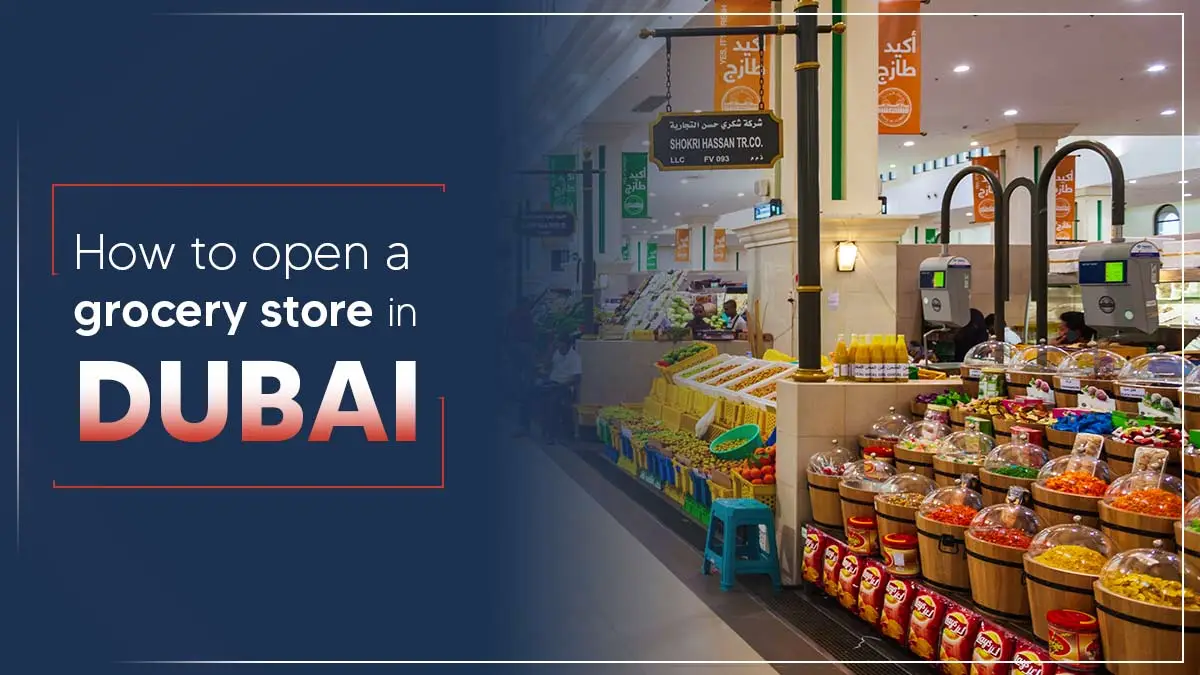
    Opening a grocery store in Dubai offers several opportunities and multiple trading avenues. These little stores sell a range of general food products and small items can be found all over Dubai and the UAE. The lucrative UAE market and large foreign investments have always made business setup in Dubai appealing and profitable. This in turn attracts small entrepreneurs to open a grocery store in Dubai.

    However, every business setup is different and must follow different sets of procedures. The Dubai Government has laid out an easy process for individuals wanting to start a grocery store in Dubai.

    Nevertheless, as a foreign entity entering the international market, opening a grocery store business in the UAE can require guidance and assistance. Therefore, you should get in touch with the business experts at Shuraa and we’ll help you obtain the grocery store license in Dubai.

    Here are some factors that need to be taken into consideration when starting a grocery store business in Dubai.

    Benefits of Opening a Grocery Store in Dubai

    Dubai’s booming economy and diverse population make it a very attractive location to open a grocery store. Here are some of the key benefits:

    • High Demand: Dubai’s population is constantly growing, and a large portion of it consists of expatriates from all over the world. This creates a high demand for a wide variety of groceries.
    • Ease of Business Setup: The government of Dubai has made it relatively easy to set up a business, with streamlined procedures and free zones offering additional incentives.
    • Lucrative Market: The grocery sector in Dubai is a multi-billion-dollar industry and is projected for further growth. This translates to potentially high profits for business owners.
    • Free Zone Opportunities: Setting up your grocery store in a Free Zone can offer additional benefits like 100% foreign ownership, simplified regulations, and exemptions on import and export duties.
    • Events and Expo Opportunities: Dubai frequently hosts major international events and expos. This presents a chance to showcase your grocery store’s offerings to a wider audience.
    • E-commerce Integration: Dubai has a thriving e-commerce sector. Integrating online grocery delivery or pickup options into your business can expand your reach and cater to the growing tech-savvy population.

    How To Start a Grocery Store in Dubai?

    To Open a grocery business in Dubai, involve several steps:

    Step 1: Do Business Planning & Company Structure

    Before you start a grocery store in Dubai, you need to decide your initial investments, reserve funds, business location, company structure, the type of license for your business, and study market trends.

    Furthermore, you also need to consider the cost of a grocery license in Dubai alongside other approvals that you might need to run a full-fledged grocery store in the UAE.

    Step 2: Choose Your Business Activity

    Decide what kind of grocery store you want to open. Will it be a neighbourhood convenience store, a speciality store with organic or imported goods, or a discount grocer? With over 2,000 options, the specific activities listed will depend on the type of license you choose.

    Be careful though, because operating outside those limits can lead to serious trouble with Dubai’s authorities.

    Step 3: Gather Required Documents

    Documentation is a mandatory requirement. The passport and visa of the owner(s) must be submitted along with the trade license application. It is followed by the tenancy contract, Ejari, approvals from the Municipality, trademark registration from the Ministry of Economy, and other submissions as required.

    It’s imperative to have all these documents handy to ensure hassle-free procurement of a grocery store license in Dubai.

    Step 4: Get Initial Approval From DED

    To start a grocery in Dubai, the documentation must be submitted as per the guidelines laid out by the Dubai government and the Department of Economic Development (DED) in Dubai. After all the documents are thoroughly vetted, the initial approval is granted by the DED.

    Getting initial approval means that the UAE government has allowed your business to be established in the UAE. If you do not receive this approval, you cannot go ahead with the next steps in the application process.

    Step 5: Select A Trading Name

    The trade name must be approved by the DED. It is extremely important that the trade name be the same on the license and on the signboard of the grocery store. The trade name, which is also called the commercial name, must be in accordance with the DED’s guidelines.

    Ensure that you don’t include any derogatory terms or controversial words in your official name as this can land you in legal trouble. Moreover, refrain from using any reference to gods and use a person’s full name if you wish to keep it as your professional business name.

    Step 6: Find a Suitable Location for Your Store

    If you have already submitted the tenancy contract and finalised the location before the initial approval, you may skip this stage. However, if the location of the store is not confirmed or could possibly change, then prior approval must be taken from the DED.

    Once you have the location finalised for your grocery store, draft the tenancy contract and get the Ejari.

    Step 7: Apply Your Business License

    Every business activity is grouped under a certain license type in Dubai. There are four categories of licenses: commercial license, professional license, tourism license, and industrial license. To get your grocery license in Dubai for your grocery business, a commercial license is a must.

    Under a grocery license, only things listed as grocery items can be sold. It does not allow the sale of any products related to medical, herbal, pharmaceutical, or even cosmetics. Don’t forget to pay the grocery license fee in Dubai within the specified time to ensure that the issued license is always valid.

    Step 8: Open a Corporate Bank Account

    Before you may begin sending and receiving money in the United Arab Emirates, you must have a corporate bank account. This will be necessary for managing your business finances.

    Step 9: Apply for Visa

    Visa processing takes place simultaneously along with getting a trade license. At this stage, you will get your investor visa and may also apply for subsequent family and employee visas under the company.

    Cost of Starting a Grocery Store in Dubai

    The cost of starting a grocery store in Dubai starts from AED 12,000 and can go up to AED 50,000. This range includes initial setup costs and varies based on several factors such as location, size, and the types of products you plan to sell.

    Here’s a breakdown of the main factors affecting the total cost:

    • Government and municipal fees
    • Business structure
    • Office rent (Prime locations will naturally cost more)
    • Staffing
    • Visa fees
    • Inventory
    • Utilities (Electricity, water, and waste disposal fees)
    • Equipment (Refrigerators, shelving, cash registers, shopping carts, etc.)
    • Technology (Point-of-sale systems and inventory management software)
    • Marketing and advertising

    Starting a grocery store in Dubai involves various factors that can influence the total cost, making it difficult to provide an exact figure. For a precise estimate tailored to your specific requirements, consider reaching out to Shuraa business setup consultants in Dubai. They can offer a customized quote based on your business needs.

    Factors to Consider Before Starting a Grocery Store Business in Dubai

    • Any amendment or changes in the license needs approval from the authorities involved, the municipality, and the DED.
    • Any advertisements, promotions, banner ads, and wall stickers posted by the grocery store must have pre-approval from the DED.
    • Products with fake trademarks are prohibited by law. Hence, ensure not to sell such products.
    • To open a grocery store in Dubai, you will need a VAT registration number and need to file tax returns as is mandated by the UAE government. Also, all sales must have a proper invoicing system. You don’t need to worry about the cost of a grocery license in Dubai, as you don’t need to pay any corporate taxes or customs duties. Moreover, the VAT rate is also 5%, which ranks among the lowest in the world.

    Your decision to acquire a grocery store license in Dubai is the right one because of the booming economy, and lucrative business opportunities in this sector. Moreover, you also get appropriate support from the UAE’s government as they continue to introduce new reforms aimed at improving the existing business infrastructure and working environment for expats and locals.

    To know more about how to open a grocery store in Dubai in the quickest and most affordable way, contact Shuraa Business Setup. Our expert business setup consultants will help you through the entire process. Get in touch with us today at +971 44081900 or WhatsApp at +971 507775554 or drop an email at info@shuraa.com.

    If you are looking to start your grocery shop or baqala in Abu Dhabi, you can read this post: How do I open a baqala in Abu Dhabi?

    Frequently Asked Questions (FAQs)

    1. Is grocery business profitable in Dubai?

    Grocery stores are community anchors. Stocked with convenience products such as food and drinks, small household necessities and more, a grocery store in Dubai is potentially very profitable.

    2. How much does it cost to open a grocery in Dubai?

    The cost of starting a grocery store in Dubai starts at AED 12,000 to AED 50,000 for the initial setup. The price varies depending on several factors, including rental, license, government and municipal fees, and other expenses.

    3. How Can I open a grocery store in Dubai?

    To start a grocery business in Dubai, involve several steps:

    • Business Planning & Company Structure
    • Choose Your Business Activity
    • Gather Required Documents
    • Get Initial Approval from DED
    • Trade Name Reservation
    • Choose Your Business Location
    • Obtain Your Business License
    • Open a Corporate Bank Account
    • Visa Processing

    Disclaimer: The information in this post is for general guidance only and may change due to updates in government policies or regulations.