Blog

  • How to Start a Car Rental Business in Dubai in 2026

    How to Start a Car Rental Business in Dubai in 2026

    Starting a car rental business in Dubai offers significant potential, given consistent demand from both tourists and residents. Achieving success requires strict adherence to licensing regulations, RTA approvals, and operational standards.

    To start a car rental business in Dubai, you need:

    • A commercial trade license from the Department of Economy and Tourism (DET/DED) with the “Passenger Car Rental” activity.
    • Mandatory RTA approval.
    • A physical office + approved parking space.
    • Compliant fleet (vehicles registered in your company name with full insurance).

    Obtaining a car rental license in Dubai, including required approvals, typically costs between AED 15,000* and AED 25,000*. This does not include vehicles or office rental. With professional assistance, the process generally takes 4 to 8 weeks.

    Why Start a Car Rental Business in Dubai in 2026?

    Dubai’s expanding tourism sector, frequent business events, and limited public transport create steady demand for car rentals. Foreign investors benefit from 100% mainland ownership, no personal income tax, and a favourable regulatory environment. A well-managed rental business can generate strong returns through multiple contract types.

    Step-by-Step Guide: How to Start a Car Rental Business in Dubai

    Follow these steps to start your car rental business in Dubai in 2026:

    1. Conduct Market Research & Develop a Business Plan

    Analyse competitors, target customers, pricing, and fleet composition. Include financial projections, marketing strategies, and risk assessments. This analysis is essential for DED approval and obtaining bank financing.

    2. Select Your Business Structure & Jurisdiction

    A mainland LLC is recommended because it provides full customer access across Dubai and streamlines RTA compliance. Free zones are available, but limit direct mainland operations.

    3. Reserve Your Trade Name & Obtain Initial DED Approval

    Choose a unique, compliant name and submit it through the DED/DET portal. Initial approval usually takes one to two days.

    4. Secure a Physical Office and Parking Space

    You must have a registered commercial address with at least 150 square feet of office space and dedicated parking for your fleet. Register the tenancy contract through Ejari. The RTA will inspect these facilities during the approval process.

    5. Apply for Your Car Rental Trade License

    Submit all required documents to DED/DET for the commercial license, specifying the “car rental” or “vehicle leasing” activity code.

    6. Obtain RTA Approval

    RTA approval is mandatory for all rental car businesses in the UAE. Submit your trade license, office and parking documentation, and fleet plan. The RTA will conduct a site inspection and issue the required NOC or permit.

    7. Register Your Fleet & Arrange Insurance

    Purchase or lease vehicles that meet RTA age and safety standards, typically not older than 24 months at registration for new fleets. Register each vehicle under the company name with the RTA and obtain comprehensive insurance.

    8. Open a Corporate Bank Account & Register for VAT

    Open a UAE corporate bank account. Register with the Federal Tax Authority if your turnover is expected to exceed AED 375,000.

    9. Hire Staff, Set Up Operations, and Prepare Contracts

    Recruit customer service, maintenance, and, if applicable, chauffeur staff. Prepare standardised rental contracts that comply with RTA’s unified contract rules.

    10. Launch Marketing & Go Live

    Develop a website or app for online bookings, partner with hotels and airports, and use digital marketing to reach customers.

    Typical Timeline (2026): 4–8 weeks when handled professionally.

    Car Rental Business License Requirements in Dubai

    RequirementDetailsWhy It Matters
    Trade License (DED/DET)Commercial license with “Passenger Car Rental” activityLegal authority to operate
    RTA ApprovalMandatory permit + site inspectionRegulates safety & operations
    Physical Office + ParkingEjari-registered space + fleet-sized parkingRTA inspection requirement
    Fleet StandardsVehicles registered to company; comprehensive insuranceConsumer protection
    DocumentsPassport/EID/Visa copies, Ejari, MoA (for LLC), RTA undertaking letterRequired for all submissions
    Minimum CapitalNone for most setups (AED 48,000+ if investor visa needed)Flexible for entrepreneurs

    Rent a Car License Cost in Dubai – 2026 Breakdown

    Cost ItemApproximate Cost (AED)Notes
    Trade Name Reservation600One-time
    Initial DED Approval200–300One-time
    Car Rental Trade License15,000–25,000Core rent a car license cost
    RTA Approval & Permit1,000–5,000Includes inspection
    Office Ejari + Parking (annual)10,000–35,000Depends on location & size
    Initial Fleet (3–5 economy cars)120,000–250,000+Biggest investment
    Insurance (per car, annual)3,000–7,000Comprehensive required
    Total Setup (excluding fleet)15,000–30,000Licensing + approvals only

    Pro Tip: The cost of a Dubai car rental license is modest compared to the cost of a fleet investment. Allocate an additional 10-15 per cent to professional consultants to help avoid delays.

    Key RTA Requirements for Rental Car Business in Dubai

    The Roads and Transport Authority enforces strict standards to protect customers and ensure road safety. Key requirements include:

    • Site inspection of the office and the parking lot.
    • Full vehicle registration and regular inspections.
    • Comprehensive insurance for every car.
    • Transparent rental contracts and rate cards.
    • Compliance with unified RTA rental contract (updated rules on deposits, refunds, and fines).

    Failure to comply may result in significant fines or license suspension.

    Common Challenges & Pro Tips for Success

    • High competition → Differentiate your business through excellent service, flexible pricing, and a strong online presence.
    • Fleet management → Factor in depreciation, maintenance, and seasonal demand in your planning.
    • Customer trust → Use clear contracts and ensure prompt response times.
    • Scaling → Start small (3–5 cars) and expand as cash flow becomes positive.

    Further Reading

    Frequently Asked Questions (FAQs)

    1. How much does a car rental license cost in Dubai?

    Core licensing and RTA approval fees range from AED 15,000* to 25,000*. Total setup costs, including office expenses, are higher but remain manageable.

    2. What are the car rental business license requirements in Dubai?

    You need a DED/DET trade license, RTA approval, a physical office and parking, a compliant fleet, and complete documentation (passport, EID, Ejari, etc.).

    3. Can foreigners start a car rental business in Dubai?

    Yes. Mainland companies allow 100 per cent foreign ownership for this activity.

    4. Do I need a minimum number of cars?

    RTA guidelines typically require a viable fleet, often 10 or more vehicles, though the exact number depends on your business plan and inspection.

    5. Is a free zone license suitable for a rental car business?

    Mainland licensing is preferred for full operational flexibility and easier customer access.

    6. How long does it take to start a car rental business in Dubai?

    The process takes 4 to 8 weeks with proper documentation and expert assistance.

    7. What insurance is required for rental cars in Dubai?

    Comprehensive insurance covering accidents, theft, and third-party liability is required for every vehicle.

    Ready to Launch Your Dubai Car Rental Business?

    Starting a car rental business in Dubai offers significant potential, but the licensing, RTA approvals, and compliance processes can be complex. Expert guidance can help ensure a smooth setup.

    Shuraa Business Setup has supported entrepreneurs in establishing successful companies across the UAE since 2001. With extensive local expertise and comprehensive knowledge of UAE compliance, Shuraa offers end-to-end support, including trade license and RTA approvals, office setup, PRO services, visa processing, and ongoing compliance.

    Whether you are planning a small fleet or a premium luxury rental operation, Shuraa’s team ensures a smooth, cost-effective launch so you can focus on business growth.

    Take the next step today.
    Contact Shuraa for a free consultation:

    Let Shuraa help turn your vision for a car rental business in Dubai into a fully licensed and operational business in 2026.

    Disclaimer: The information in this post is for general guidance only and may change due to updates in government policies or regulations.

  • How to Start a Forex Trading Company in Dubai, UAE

    How to Start a Forex Trading Company in Dubai, UAE

    The foreign exchange market, or forex, is the largest and most liquid financial market in the world. With trillions of dollars being traded daily, it offers endless opportunities for investors to profit from fluctuations in currency prices.

    You can enjoy daily earnings and plan accordingly for future investments. A profitable venture in Dubai is to form a forex trading company, thanks to the enormous business sector and adequate support from the UAE’s government. However, many entrepreneurs wonder: Is forex trading legal in Dubai?

    Yes, forex trading is legal in the UAE. The majority of the UAE’s population comprises expats which explains the need to send money back home. Therefore, forex providers are mushrooming in the country.

    In fact, Dubai has become a hub for forex trading companies due to its strategic location, business-friendly environment, and advanced infrastructure. The city’s position as a global financial center makes it an attractive location for companies looking to establish a presence in the Middle East and beyond.

    In the following article, you will learn how to start a forex company and how the business is it is regulated. It is also important to note that any entity dealing in forex must have a legal license to do so.

    You can establish your dream company in the DIFC (Dubai International Financial Centre) which is a free zone and has independent jurisdiction beneficial for investors. Moreover, you can also choose the mainland region to form your forex trading company in the UAE. It has diverse opportunities and gives good returns on your investments.

    Type of License to Start a Forex Trading Business

    The type of license you need to start a forex trading business in Dubai depends on your business model.

    1. DMCC License (Category 3): Ideal if your company will trade forex with its own capital. This is a professional license and doesn’t allow handling client funds. It’s a simpler and less expensive option compared to a DIFC license.
    2. DIFC License (Category 3A): This caters to companies offering forex brokerage services, meaning they manage client funds. This Category 3A license, called the Brokerage License, allows companies to trade not just forex, but also commodities and derivatives. The DFSA (Dubai Financial Services Authority) issues this license and requires stricter regulations and a higher cost compared to the DMCC license.

    How to Start Forex Trading in UAE

    To start a forex trading company in Dubai and obtain a forex trading license, follow these key steps:

    Step 1. Market Research

    The first step that many traders overlook is in-depth market analysis. You should know about the pros, cons, risks, etc., associated with the venture to make an educated decision. Today’s digital age has made it easier than ever to find relevant content and everything’s just one click away.

    If you approach the right forex broker, you’ll get this information compiled from them to ensure that you understand all the aspects of forex trading. Therefore, you can collaborate with the business setup consultants at Shuraa Business Setup.

    Step 2. Know Your Needs

    You should have a clear understanding of what you want to achieve via forex trading and what’s the estimated timeframe to accomplish the same. Novice traders should never indulge in hefty trading practices that involve a lot of capital.

    On the other hand, seasoned traders should look for the best broker who offers a reliable forex trading platform and introduces you to the new policy changes as well. Always consider your needs before applying for a forex trading license in Dubai. 

    Step 3. Choose your Business Location

    The UAE offers various free zones and mainland options. Each has its own advantages and requirements. Popular choices include Dubai Multi Commodities Centre (DMCC) and Dubai International Financial Centre (DIFC).

    Step 4. Register your Forex Trading Company

    Register your company with the relevant authorities based on your chosen location. This typically involves obtaining a trade license and opening a corporate bank account. You might need a local sponsor depending on the chosen location.

    Step 5. Choose a Broker

    Never choose a broker that doesn’t have a legal affiliation with a government agency. The UAE’s government takes strict actions against fraudulent brokers, but you must analyse the forex trading broker.

    Select a forex broker that is licensed and regulated by a reputable authority in the UAE, like the Securities and Commodities Authority (SCA). Furthermore, check whether the broker is a market maker or uses the ECN (electronic communication network). Next, inquire about the leverage and margin policies maintained by the concerned brokerage agency.

    You should also ask for a demo account to understand the trading platform offered by the broker. Once you’re satisfied with all these constraints, you can finalize the broker for your forex trading company.

    Step 6. Apply for the Forex Trading License

    You need to approach the DFSA (Dubai Financial Service Authority) to obtain the forex license for your forex trading company. It has an independent legal framework and duly monitors the trading of commodities, international equities, exchange, etc. in the country.

    Moreover, DFSA also runs a company fit test to check the credibility of brokerage firms and issues the license only when it finds you capable enough to run a forex trading company. 

    Step 7. Start Trading with Your Forex Account

    Get started with your live-funded account to begin forex trading. Devise an educated trading plan and stick to it during your trading tenure. Always remember that there’s no substitute for hard work.

    Therefore, leave no stone unturned before investing your money and when you do that, you’ll gain decent profits right from the start. Be it high-capitalization stocks or cryptocurrencies – you can trade in your favourite stream with the forex trading license.

    How to Move to Dubai as A Forex Trader

    To move to Dubai as a forex trader, follow these essential steps:

    1. Check Visa Requirements:

    • Residence Visa: To live and work in Dubai, you’ll need a valid UAE residence visa. You can obtain this through various channels such as employment, business ownership, or an investor visa. If you intend to invest significantly in property or other assets, explore the Golden Visa program, which offers long-term residency benefits.
    • Forex Trader Specific Visa: If you’re self-employed or plan to start a trading business, you might qualify for an Investor Visa or a visa related to working within the Dubai International Financial Centre (DIFC).

    2. Open a Trading Account with a Licensed Broker:

    • Ensure that you select a DFSA (Dubai Financial Services Authority) regulated broker. This ensures you’re compliant with local laws and regulations governing forex trading in Dubai.

    3. Set Up Your Finances:

    • Open a local bank account to manage transactions, including deposits and withdrawals for trading. Dubai offers sophisticated banking services tailored to international traders.

    4. Secure Accommodation:

    • Dubai has a wide range of housing options, including apartments, villas, and shared accommodations. Choose a location close to the financial districts like DIFC, Dubai Marina, or Business Bay to make commuting easier.

    5. Understand the Legal and Tax System:

    • Dubai is a tax-friendly city with no personal income tax, which makes it an attractive place for forex traders. However, stay informed on any changes to laws affecting foreign investments and financial regulations.

    6. Adapt to Local Culture:

    • While Dubai is cosmopolitan, respecting local customs and practices is vital. Familiarizing yourself with local traditions and adhering to business etiquette can help you build strong professional relationships.

    7. Networking with Other Traders:

    • Dubai is home to a large community of international traders and financial professionals. Attend trading seminars, join forex communities, and network to stay ahead of market trends.

    8. Prepare for the Costs of Living:

    • Dubai’s cost of living can be high, particularly in terms of rent, utilities, and lifestyle. Plan your budget accordingly, as some areas may be expensive, especially close to business districts.

    Additional Considerations:

    • Trading Tools & Platforms: Ensure that you have access to the necessary trading platforms and tools compatible with the brokers in Dubai.
    • Financial Markets Knowledge: Dubai is known for its dynamic financial markets, so it’s important to stay up to date with trends, economic reports, and regulatory changes that may impact forex trading.

    By following these steps, forex traders can successfully relocate to Dubai and establish themselves in one of the world’s leading financial hubs.

    Benefits of Forex Trading in Dubai

    Just like the other business sectors, forex trading is also a profitable venture in Dubai. Numerous forex trading companies have made a name for their brands in the marketplace. The following Advantages ensure that your venture is hassle-free and a profitable one:

    1. Flexible Business

    One major benefit of forex trading is that you can do it anytime, anywhere without a lot of effort. All you need is an electronic device like a computer or a mobile phone with good internet connectivity. You can trade in foreign exchange with these minimum requirements.

    Furthermore, irrespective of the market conditions, you can trade in foreign exchange. Even in a recession or bearish period, an investor can trade and make profits out of it. With high liquidity and low transaction costs, the risk involved in forex trading is manageable.

    2. Business in a Strong Economy and Tax Benefits

    Dubai’s economy is evolving at a rapid pace, and this attracts people from around the world. The UAE also provides tax benefits to its investors. Therefore, by establishing a forex company in Dubai, you can save your money, thanks to the zero (almost) per cent tax policy. It empowers you to earn extra revenue and the same can be used for other business growth activities.

    3. Secured and Regulated

    The UAE has a well-established regulatory framework for financial activities, including forex trading. Foreign exchange trading in Dubai is regulated by the Dubai Financial Services Authority (DFSA). DFSA issues the forex license to the investors and keeps a check on all the activities in the market.

    Moreover, the DFSA ensures that trading, exchange, and other financial activities are being undertaken as per the legal framework. It also regulates banks and other financial bodies. The governing body empowers the investors to trade in foreign exchange.

    4. Easy Business Setup

    It’s very easy to set up a forex trading business in Dubai. Generally, people are sceptical of investing in the exchange market, but the foreign exchange has always maintained a good reputation. That’s why starting a forex company in Dubai is beneficial and investors continue to explore the sector with diligent interest. Furthermore, there are several business benefits provided by the government to encourage investors.

    What is Forex Trading License Cost in Dubai

    The cost of a forex trading license in Dubai is typically AED 32,000*. However, the overall expense can vary depending on several factors. These include the number of visas required for your business, the location (whether you choose to set up in the Mainland or a Freezone), office rental fees, bank account opening charges, and any additional approvals that may be necessary.

    Each of these elements can affect the total cost, so it’s essential to plan accordingly based on your business needs and regulatory requirements in Dubai.

    Additionally, if you’re establishing your forex trading business in the DMCC (Dubai Multi Commodities Centre), you must have a share capital of AED 50,000 ($13,625). This amount needs to be deposited in a bank, and you’ll need to provide a bank letter as proof. Essential documents for the process include a passport copy, visa copy, and trade name document.

    Shuraa – Your Business Companion

    You don’t have to worry about obtaining the forex trading license in Dubai when you collaborate with Shuraa Business Setup. Instead of wondering if forex trading is legal in Dubai, get cracking with a free consultation with us.

    We have helped 100,000+ companies establish in the UAE’s marketplace, and we’ll happily assist you in launching your forex trading business. Our legal advisors provide insightful information to the clients and help them with all the processes related to paperwork, documentation, rental space, and more.

    So, are you ready for business set up in Dubai with Shuraa?  To know more about forex trading companies in Dubai, connect with us by calling at +97144081900 or send a WhatsApp message on +971 50 777 5554. For email assistance, you can write to us at info@shuraa.com.

    Frequently Asked Questions (FAQs)

    1. What is forex trading?

    Forex trading involves buying and selling currencies to profit from fluctuations in their exchange rates. It’s the world’s largest financial market, with trillions of dollars traded daily. Currencies are traded in pairs, and traders speculate on whether the value of one currency will rise, or fall compared to the other.

    Yes, forex trading is legal in Dubai and the UAE, but it is a strictly regulated activity. Individuals and businesses must obtain the appropriate licenses from the relevant regulatory bodies, such as the Dubai Financial Services Authority (DFSA) for operations in the Dubai International Financial Centre (DIFC), to conduct forex trading legally.

    3. How do I get a forex trading license in Dubai?

    The process of obtaining a forex trading license in Dubai involves several steps:

    • Decide whether you’ll trade with your own funds (DMCC license) or manage client funds (DIFC license).
    • Choose the appropriate authority (DMCC or DIFC) based on your business model.
    • Gather necessary documents like business plans, financial statements, and KYC documentation.
    • Submit your application and pay the license fee to the chosen authority.

    4. How to open forex trading account in Dubai?

    To open a forex trading account in Dubai, first choose a forex broker regulated by a UAE authority like the Securities and Commodities Authority (SCA) or DFSA. Then, visit the broker’s website to register and complete their verification process by submitting your identity and address documents. Finally, deposit funds into your newly opened account to begin live trading.

    5. Do I need to be a resident of Dubai to start a forex trading company?

    No, residency isn’t mandatory. However, depending on your business setup and visa requirements, you might need sponsor visas for employees.

    6. Do I need a special visa to move to Dubai as a forex trader?

    There isn’t a specific visa for forex traders. However, you might need an investor visa, employment visa, or freelance visa depending on your situation. Establishing a forex trading company in Dubai can simplify the visa application process.

    7. What qualifications or experience do I need to start a forex trading company?

    While specific qualifications may not be mandatory, experience and knowledge of the forex market are crucial. A strong understanding of finance, risk management, and relevant regulations is essential.

    8. What time forex market open in UAE?

    The forex market operates 24 hours a day, five days a week, enabling trading across global time zones. In UAE time (Gulf Standard Time), the forex market begins at 12:00 AM on Monday and remains open continuously until 1:00 AM on Saturday. The market is divided into four major trading sessions: Sydney, Tokyo, London, and New York. This overlapping schedule provides traders in the UAE with ample opportunities to participate during peak trading hours, ensuring liquidity and potential profitability.

    Understanding the market hours in UAE time allows traders to strategically plan their trades and maximize their success.

    9. Why do forex traders move to Dubai?

    Forex traders move to Dubai for its zero tax on capital gains, world-class financial infrastructure, and supportive business environment. Dubai offers regulatory advantages, strategic location, and a high quality of life, making it a preferred hub for successful Forex trading professionals.

    Disclaimer: The information in this post is for general guidance only and may change due to updates in government policies or regulations.

  • What is E-Channel UAE: Registration, Fees & Renewal Guide

    What is E-Channel UAE: Registration, Fees & Renewal Guide

    Navigating UAE’s visa and immigration processes can be complex, but the E-Channel system has revolutionized it. If you’re a business owner managing employee visas or an individual applying for residency, understanding the E-Channel UAE is your key to a seamless, digital experience.

    This definitive guide cuts through the confusion. We provide a clear breakdown of the E-Channel registration process, the exact costs involved (including the often-misunderstood AED 7,325 fee), and how to use the platform efficiently. Backed by expert insights from our PRO services team, this is your all-in-one resource to master the UAE’s flagship immigration platform.

    What is the E-Channel in UAE? A Digital Revolution

    The E-Channel UAE is the official online portal launched by the UAE Ministry of Interior (MOI) to digitize and streamline all immigration and residency services. It replaces outdated, paper-heavy procedures with a single, unified digital interface, saving time and reducing hassle for millions of users.

    This system is a cornerstone of the UAE’s Vision 2021, aiming to provide world-class smart services. It caters to a wide audience, including:

    • UAE & GCC Nationals
    • Expatriate Residents (for visa renewal, status change, and family sponsorship).
    • Visitors (applying for or extending tourist visas).
    • Companies & Establishments (managing employee visas, establishment cards, and bulk applications).

    How the E-Channel UAE Works: The Mechanics

    The platform acts as a centralized hub where users submit applications, upload required documents, and track their status in real-time. It integrates directly with government databases, including the Federal Authority for Identity, Citizenship, Customs & Port Security (ICP), to ensure data accuracy and speed up approvals.

    Key Features of the System:

    • 24/7 Online Accessibility: Apply from anywhere with an internet connection via the e-channel portal.
    • Real-Time Application Tracking: Monitor your application status instantly, from submission to approval.
    • Integrated Secure Payments: Pay all government fees through an encrypted payment gateway (e-channel payment).
    • Direct ICP Integration: The E-Channel is directly linked with ICP, ensuring data flows seamlessly for higher accuracy and faster approvals.

    Key Benefits of Using the E-Channel UAE

    • Time-Saving Convenience: Eliminate the need for scheduling appointments or waiting in long queues at typing centers and government offices.
    • Drastically Reduced Paperwork: Say goodbye to physical documents. Simply scan and upload passports, Emirates IDs, and trade licenses.
    • Enhanced Accuracy: The digital system auto-validates information, minimizing human errors that can cause application rejections or delays.
    • Business Efficiency: For companies, the system simplifies bulk visa processing, making it an indispensable tool for HR and PRO teams managing a large workforce.
    • Environmental Sustainability: By cutting down on paper, the platform supports the UAE’s broader sustainability goals.

    Who is Required to Register for the E-Channel?

    Businesses operating in the UAE (both mainland and most free zones) are the primary entities required to register for the E-Channel to process establishment cards and employee visas.

    Individuals can use the system for personal visa matters, but typically, the registration is initiated by their sponsor (employer or family member).

    Expert Clarification: While the MOI E-Channel is mandatory for immigration services in Abu Dhabi, Sharjah, Ajman, Umm Al Quwain, Ras Al Khaimah, and Fujairah, Dubai has its own system (managed by GDRFA). Companies in Dubai free zones often use the GDRFA portal or their free zone’s specific platform. Always check with your local authority if unsure.

    How to Register for the UAE’s E-Channel System

    The e-channel registration process is straightforward. Follow these steps:

    1. Visit the official E-channel Portal: Go to the official MOI E-Channel website.
    2. Choose Your Category: Select “Individual” or “Establishment” based on your needs.
    3. Enter Details: Provide your active email address, Emirates ID (for individuals), or trade license number (for companies).
    4. Verify Your Account: Check your email for a confirmation link and follow the instructions to verify your account.
    5. Complete Profile: Log in and fill in all required additional details, such as passport information and company data.
    6. Pay the Fees: Use the secure payment gateway to cover the one-time registration fee and security deposit.
    7. Access the System: Once approved (typically within 24-48 hours), you can log in and start using all e-channel services.

    E-Channel UAE Fees: A Detailed Breakdown

    Understanding the cost structure is crucial. Here’s a transparent breakdown of the e-channel fees.

    Initial Registration Fees:

    Fee TypeAmount (AED)Notes
    One-Time Registration Fee2,300Non-refundable
    Refundable Security Deposit5,025Returned upon company license cancellation
    Total Initial Cost7,325Includes VAT

    Annual Renewal Fees:

    Entity TypeTypical Renewal Fee (AED)Notes
    Mainland Companies~1,150Varies slightly by emirate.
    Free Zone Companies~1,000 – 1,200Confirm with your specific free zone authority.

    Pro Tip from Our Experts: Many applicants are surprised by the AED 5,025 security deposit. This is fully refundable, but only upon the cancellation of your company’s establishment card/trade license. It is not an annual fee. Ensure you initiate the refund process through the E-Channel portal when closing your business to reclaim this amount.

    Documents Required for E-Channel Registration

    For Companies:

    For Individuals:

    • Valid passport copy
    • Emirates ID (if applicable)
    • Proof of residency (e.g., current visa page)

    Accessing and Using the E-Channel Portal (e-channel login)

    After your e-channel login, you gain access to a dashboard with a wide range of services:

    • New Visa Applications
    • Visa Renewals (e-channel renewal)
    • Visa Cancellations
    • Status Checks (e-channel uae visa check)
    • Establishment Card Services

    The process is uniform: select the service, complete the digital form, upload the required documents, pay the fees, and submit. You will receive notifications via email at every stage.

    E-Channel vs. Traditional Methods: A Data-Driven Comparison

    We analyzed 50 visa applications processed through our firm. Here’s the average comparison:

    MetricTraditional MethodE-Channel UAE
    Time per Application5-7 Business Days24-48 Hours
    Physical Visits Required2-30
    Error Rate~15% (manual forms)<2% (digital validation)
    Cost (excluding gov’t fees)~AED 200 (transport/printing)AED 0

    Conclusion: The E-Channel isn’t just convenient; it’s a significant operational and financial efficiency tool for businesses.

    Common E-Channel Challenges and Expert Solutions

    • Challenge: “Payment gateway fails during e-channel payment.”
      • Solution: Use a different browser (Chrome/Edge), disable ad-blockers, or try a different card. The system is sensitive to pop-up blockers.
    • Challenge: “e-channel renewal application is stuck on ‘Pending’.”
      • Solution: First, check for any outstanding fines on the portal. If clear, the delay is often at the typing center or PRO level. Contact them directly; do not re-apply as this can cause further complications.
    • Challenge: “Forgot e-channel number or login credentials.”
      • Solution: Use the ‘Forgot Password’ feature on the e-channel moi gov ae portal. Your username is typically your registered email address.

    Frequently Asked Questions (FAQ)

    1. What is the main purpose of the E-Channel in the UAE?

    The E-Channel UAE is a digital immigration system designed to streamline and digitize all visa, residency, and immigration-related services for individuals and companies, replacing in-person visits and paper-based processes.

    2. How much does E-Channel registration cost for a new company?

    The total initial cost for a new company is approximately AED 7,325. This includes a one-time, non-refundable registration fee of AED 2,300 and a refundable security deposit of AED 5,025.

    3. What is the difference between E-Channel and ICP?

    The E-Channel is the online portal and service platform you use to apply for services. ICP (Federal Authority for Identity, Citizenship, Customs & Port Security) is the governing federal authority that manages the system and approves applications. The E-Channel is the front-end; ICP is the back-end.

    4. Can I use the MOI E-Channel if my company is in a Dubai Free Zone?

    Typically, no. Dubai and its free zones primarily use the GDRFA Dubai portal or their own free zone-specific systems for visa and immigration services. The MOI E-Channel is for the other six emirates.

    5. How do I renew my company’s E-Channel registration?

    The e-channel renewal process is initiated through the E-Channel portal before your annual expiry date. You will log in, navigate to the renewal section, pay the annual fee (approx. AED 1,000-1,200), and receive confirmation electronically.

    6. Is the E-Channel security deposit really refundable?

    Yes, the AED 5,025 security deposit is fully refundable. It is returned to the company’s bank account upon the official cancellation of the company’s trade license/establishment card and the subsequent request for refund via the E-Channel portal.

    Final Thoughts

    The E-Channel UAE is more than just a convenience; it is a fundamental component of the nation’s smart government infrastructure. For businesses and individuals, it represents a smarter, faster, and more efficient way to manage legal status in the UAE. While the initial investment of AED 7,325 may seem significant, the long-term savings in time, resources, and hassle are substantial.

    How Shuraa Business Setup Can Assist You

    Navigating the technicalities of the E-Channel can still present challenges. Shuraa Business Setup provides expert assistance to ensure a seamless experience. Our services include:

    • E-Channel Registration & Setup: We handle the entire application process on your behalf.
    • Visa & Immigration Processing: End-to-end management of employee visas, renewals, and cancellations.
    • Ongoing PRO Support: Dedicated support for all your government-related transactions.
    • Business Setup: From licensing to corporate bank account opening, we are your one-stop partner.

    Embrace the digital transformation of UAE immigration. Get a Free Consultation with Shuraa today to make your E-Channel registration and visa processes effortless and 100% compliant.

    Disclaimer: The information provided in this guide is for general informational purposes only and does not constitute legal or professional advice. Government fees, processes, and policies in the UAE are subject to frequent change. While we strive to keep this information accurate and up-to-date, we cannot guarantee its absolute currency. Always consult the official MOI E-Channel website or your licensed PRO service provider for the most current requirements and procedures before taking any action.

  • How to Start a Construction Business in Dubai

    How to Start a Construction Business in Dubai

    Dubai is renowned for its thriving construction industry and has emerged as a global hub for ambitious entrepreneurs seeking to capitalise on this lucrative market. With its impressive skyline and iconic structures, Dubai offers endless opportunities for construction businesses.

    Dubai remains second in terms of construction. From iconic skyscrapers like the Burj Khalifa to ambitious infrastructure projects like Expo 2020, Dubai’s construction sector shows no signs of slowing down.

    The government of Dubai has authorised USD 6.8 billion for the redevelopment of the Abu Dhabi International Airport and USD 7.8 billion for the expansion of the Dubai International Airport.

    So, if you’re planning to start a construction company in the UAE, know that investments in tourism are continuously supporting the construction industry.

    Why Choose Dubai for Starting a Construction Company?

    Dubai is one of the world’s most dynamic business hubs, attracting entrepreneurs and investors from around the world. Its prime location, pro-business policies, and strong infrastructure make it fertile ground for launching successful ventures. Whether you’re eyeing the tech sector, hospitality, or the construction business in Dubai, the city offers unmatched growth opportunities.

    Key Benefits to Start a Business in Dubai:

    1. Prime Location: Dubai serves as a gateway between the East and West, giving businesses access to markets across the Middle East, Africa, Asia, and Europe.
    2. Strong Infrastructure: With modern transportation systems, innovative city developments, and mega construction projects, Dubai offers a thriving ecosystem—especially beneficial for those entering the construction business in the city.
    3. Business-Friendly Policies: Dubai offers tax-free zones, 100% foreign ownership in many sectors, and simplified company registration processes, making business setup smooth and efficient.
    4. Booming Construction Sector: The construction business in Dubai is booming due to continuous investment in real estate, tourism, and infrastructure projects like Expo City, NEOM connectivity, and new residential communities.
    5. Access to Skilled Workforce: Dubai is home to a multicultural, skilled, and professional workforce, making talent acquisition easy across various industries.
    6. Government Support and Innovation: The UAE government actively supports entrepreneurship through initiatives, grants, and accelerators, ensuring long-term business sustainability.
    7. Favourable Tax Environment: Dubai offers 0% personal income tax and competitive corporate tax rates, making it highly attractive for business owners and investors. Free zones also provide complete tax exemptions, which can significantly reduce operating costs—especially beneficial for capital-intensive industries, such as the construction business in Dubai.

    How to Start a Construction Company in Dubai, UAE

    Dubai’s real estate and infrastructure sectors continue to grow at a rapid pace, making it a lucrative destination for launching a construction business.

    From skyscrapers to smart cities, the demand for quality construction companies remains strong. If you’re ready to get into this booming sector, here’s a step-by-step guide to help you get started.

    Step 1: Choose a Legal Structure

    Your company’s legal structure defines ownership, liability, and tax implications. Common structures for a construction business in UAE include:

    For most construction firms, LLC is the preferred legal entity due to the flexibility it offers in bidding for local projects.

    Step 2: Select a Company Name

    Choose a name that aligns with UAE naming conventions:

    • No offensive or blasphemous terms
    • Avoid abbreviations of personal names
    • Must reflect the business activity (e.g., “Skyline Contracting LLC”)

    Get your company name approved by the Department of Economic Development (DED).

    Step 3: Choose a Business Jurisdiction

    You must decide where to set up your business:

    • Mainland: Ideal for businesses aiming to work directly with the Dubai government or local market.
    • Free Zone: Offers tax incentives and full ownership but may restrict local project work.
    • Offshore: Suitable for international holdings but not practical for construction businesses.

    For obtaining a construction trade license and bidding on projects across Dubai, the Mainland jurisdiction is the most appropriate.

    Step 4: Obtain Initial Approval and License

    Apply to the Department of Economic Development (DED) for initial approval to operate your business.

    You will need to apply for a construction license in Dubai, which allows you to perform building, civil, electrical, mechanical, and renovation works. This may include:

    • Building Contracting License
    • Road Contracting License
    • Electrical Fittings Contracting License, etc.

    Consult with the Shuraa business setup expert to determine the exact construction activities to include in your license.

    Step 5: Secure External Approvals

    To operate a construction business in the UAE, certain activities require additional approvals from government bodies such as:

    Step 6: Prepare the Required Documents

    Gather all necessary documentation, such as:

    Step 7: Register with DCCI (if applicable)

    If you’re setting up on the mainland, registration with the Dubai Chamber of Commerce and Industry (DCCI) is usually required. This registration helps establish credibility and is mandatory for government tenders and contracts.

    Step 8: Secure Office Space

    It’s mandatory to lease physical office space before obtaining your construction license. Your office must meet the minimum size criteria and be registered through Ejari (Dubai’s official tenancy contract system). For larger construction businesses, you may also require warehouse or yard space.

    Step 9: Obtain Visas

    Apply for visas for:

    • Yourself (as the business owner)
    • Employees (engineers, workers, project managers)
    • Dependents (family members, if needed)

    A valid construction license in Dubai gives you the right to sponsor visas for employees and labourers.

    Step 10: Build a Professional Team

    Recruit qualified professionals:

    • Civil Engineers
    • Project Managers
    • Safety Officers
    • Skilled laborers 

    Also, ensure that your staff is registered with Dubai Municipality, particularly engineers and technical staff, who must be certified to work on construction sites legally.

    Step 11: Open a Corporate Bank Account

    You’ll need a corporate bank account to manage transactions and receive project payments. Choose a UAE-based bank that offers construction-friendly services, such as project-based financing or equipment loans.

    Required documents typically include:

    • Trade license
    • Shareholder documents
    • Business plan
    • Office lease agreement

    Step 12: Start Operations

    Once you’ve secured your construction trade license, approvals, and team, you’re ready to start bidding on projects and executing contracts.

    You may also want to:

    • Register on contractor portals (Dubai Municipality, DEWA, etc.)
    • Purchase insurance (liability, workers’ compensation, etc.)
    • Invest in safety equipment and software for project management.

    By following these steps and understanding the regulatory landscape, you can successfully establish your construction business in the UAE.

    Contact Shuraa’s experts to simplify licensing, ensure compliance, and fast-track your business.

    What Business Structures Are Available for Construction Companies in Dubai?

    Starting a construction business in Dubai requires selecting the right business structure, customised to your goals, operations, and target market. The UAE offers several company formation options, each with unique advantages for the construction sector. Here are the three main types:

    • Mainland Company: A Mainland company allows construction businesses in Dubai to operate across the UAE without any restrictions. This is the ideal choice if you’re planning to work on government projects or contracts across multiple emirates. Mainland companies also provide more flexibility in office locations, employee visa quotas, and client reach.
    • Free Zone Company: Setting up your construction business in Dubai Free Zone offers tax exemptions, 100% foreign ownership, and streamlined business processes. However, Free Zone construction companies are generally limited to operating within their designated zone or internationally. This structure is ideal for companies that specialise in design, engineering consultancy, or exporting construction materials and services.
    • Offshore Company: An Offshore company in Dubai is primarily used for international operations, asset protection, and holding investments. While it doesn’t allow you to conduct onshore construction work directly, it can be beneficial for managing profits, owning intellectual property, or forming joint ventures with onshore construction firms.

    What Licenses Do You Need to Start a Construction Company?

    Starting a construction business in Dubai offers immense potential, due to the city’s booming infrastructure and real estate sectors. However, understanding the construction company license requirements in Dubai is crucial for legal and operational success.

    To legally operate a construction business in UAE, you must obtain a construction license in Dubai, which authorises you to engage in activities such as building, civil engineering, and general contracting. This license is typically issued by the Dubai Department of Economic Development (DED) or the relevant Free Zone authority, depending on your business setup.

    Key Licenses and Approvals Required:

    • Trade Name Approval: Choose and register a unique trade name relevant to the construction business in Dubai.
    • Initial Approval from DED or Free Zone: This confirms that the government has no objection to you starting a business.
    • Construction Trade License: This is the primary license required for the construction trade. It encompasses various activities, including building contracting, steel construction, road construction, plumbing, electrical installation, and other related services. You must also clearly define your scope of work.
    • G+1 Permit (if applicable): For companies involved in building structures of Ground + 1 level or more, additional permits are required from the Dubai Municipality.
    • Civil Engineering License (if applicable): Required for specialised services such as roadworks, bridges, and tunnelling.
    • External Approvals: Depending on the nature of your services, you may need permits from bodies such as: Dubai Municipality, Dubai Civil Defence, Trakhees (for Free Zones), Environment, Health & Safety (EHS).
    • Professional Certifications: Key technical staff must hold relevant engineering certifications and be registered with the Society of Engineers in the UAE.
    • Office Space Lease Agreement: A physical office space is a mandatory requirement for opening a construction company in Dubai. For Mainland companies, the office must be in Dubai.

    Understanding and fulfilling the construction company license requirements in Dubai is essential for a smooth setup process. From getting a construction trade license to securing approvals from regulatory bodies, each step ensures that your construction business in UAE operates legally and efficiently.

    Contact Shuraa’s business setup experts to simplify the process and ensure full compliance with all regulations.

    Read Also: UAE Construction Law

    Cost of Starting a Construction Business in Dubai

    The estimated cost of starting a construction business in Dubai varies depending on several factors, such as the size of the company, the type of construction work it will undertake, and the location of its premises. However, the cost of obtaining a construction license in Dubai generally starts at AED 25,500*.

    Lucrative Business Opportunities in UAE’s Construction Sector

    The UAE’s construction industry offers massive growth potential, fueled by government megaprojects, tourism expansion, and infrastructure development. Here’s where your construction company can thrive:

    1. Tourism & Landmark Developments

    Dubai’s vision to become a global tourism hub creates endless opportunities:

    • Man-made island projects: Palm Jumeirah, Deira Islands, Bluewaters Island
    • Mixed-use megacities: Dubai Marina, Dubai Creek Harbour, Marsa Al Arab
    • Entertainment hubs: Ain Dubai, Dubai Harbour, Expo City Dubai

    2. Transportation & Infrastructure

    The UAE is investing billions in connectivity:

    • Airport expansions: Dubai International Airport ($7.8B), Abu Dhabi International Airport ($6.8B)
    • Road & rail networks: Etihad Rail, Dubai Metro extensions, Al Shindagha Corridor
    • Port upgrades: Dubai Harbour, Khalifa Port expansion

    3. Sustainable & Smart City Projects

    Green initiatives and tech-driven developments are booming:

    • Solar parks: Mohammed bin Rashid Al Maktoum Solar Park
    • Smart cities: Dubai South, Masdar City (Abu Dhabi)
    • Green buildings: LEED-certified constructions (mandatory for new developments)

    4. Residential & Commercial Boom

    High demand for:

    • Affordable housing: Dubai Urban Master Plan 2040 targets 55% green spaces & integrated communities
    • Luxury real estate: Palm Jumeirah villas, Downtown Dubai skyscrapers
    • Co-working spaces: Demand for flexible offices post-Expo 2020

    Why Choose Shuraa Business Setup?

    ✔ End-to-End Support – From initial licensing to final approvals, we handle every step
    ✔ Local Expertise – Our consultants navigate Dubai’s regulations so you don’t have to
    ✔ Time-Efficient Solutions – Fast-track paperwork, office setup, and visa processing
    ✔ Cost-Effective Packages – Transparent pricing tailored to your budget

    We Specialize In:

    • Construction license acquisition
    • Municipality approvals & compliance
    • Office space and labor accommodation
    • PRO services for ongoing requirements

    Get Started Today:

    Your dream construction business in Dubai is just one consultation away!

    Frequently Asked Questions (FAQs)

    1. How do I start a construction business in Dubai?

    To start a construction business in Dubai, you need to:

    1. Choose a legal structure (e.g., LLC).
    2. Select a trade name.
    3. Decide between Mainland, Free Zone, or Offshore jurisdiction.
    4. Apply for a construction trade license from the Department of Economic Development (DED) or the relevant Free Zone authority.
    5. Obtain necessary external approvals from Dubai Municipality and Civil Defence.
    6. Rent an office space and labour accommodation.
    7. Register with Dubai Chamber of Commerce & Industry.
    8. Open a corporate bank account.

    2. What are the construction company license requirements in Dubai?

    To obtain a construction license in Dubai, the key requirements include:

    1. A qualified engineer or technical director.
    2. Approvals from Dubai Municipality and Trakhees (for Free Zones).
    3. Office and warehouse space (as per business size).
    4. Trade name registration.
    5. Initial and final DED approvals.

    3. Do I need a license to start a construction company in Dubai?

    Yes, a construction trade license is required to operate a construction company legally in Dubai or anywhere in the UAE.

    4. What licenses are required to start a construction business in Dubai?

    You typically need:

    • Construction Trade License from DED or a Free Zone authority
    • Building Contracting License
    • Civil Work Permits from Dubai Municipality
    • Environmental and health/safety approvals (if applicable)

    5. What is a construction trade license in Dubai?

    A construction trade license enables businesses to undertake construction-related activities, such as building residential, commercial, or industrial structures, performing maintenance work, or providing civil engineering services in Dubai.

    6. How much does it cost to start a construction company in Dubai?

    Starting a construction business in Dubai can cost anywhere from 25,500* to AED 40,000* or more, depending on various factors. These factors include the type of business structure, license type, office space, and the need for staff visas, insurance, and approvals.

    7. What are the requirements for opening a construction company in Dubai?

    • Trade name reservation
    • Initial approval from DED
    • Engineer/consultant on board
    • Office and labour accommodation
    • Necessary municipal permits
    • Professional indemnity insurance

    8. What is a construction license in Dubai?

    A construction license in Dubai is a mandatory permit that allows a company to legally operate in the construction industry, undertaking various building and development projects. It is issued by the Department of Economic Development (DED) or the relevant free zone authority. This license is crucial for both local and foreign investors aiming to participate in Dubai’s thriving construction market.

    9. How to get construction projects in Dubai?

    To get construction projects in Dubai, it’s crucial to understand the tendering process, build strong networks, and register with relevant entities. This includes identifying potential clients, understanding their needs, and being prepared to submit bids that meet the requirements.

    10. What are the benefits of starting a construction business in the UAE?

    1. Booming real estate and infrastructure sector
    2. High ROI potential
    3. Access to regional and global markets
    4. Favourable tax environment (0% corporate tax up to AED 375,000)
    5. Government-backed mega projects like the Dubai 2040 Urban Master Plan

    11. How to get a construction license in Dubai?

    To get a construction license in Dubai, you need to register your business with the Department of Economic Development (DED) (DED), obtain approvals from Dubai Municipality, and secure necessary permits for your specific construction activities. The process involves selecting a business structure, choosing a trade name, and fulfilling specific requirements based on whether you operate in the mainland or a free zone.

  • How to Set Up an Interior Design Company in Dubai

    How to Set Up an Interior Design Company in Dubai

    A wealthy nation like the UAE sets benchmarks in various sectors for others to follow. Interior designing is among those sectors and the results continue to mesmerize designers from all over the world. If you’re looking to set up your interior design company in Dubai, all you need to do is get in touch with business experts to discuss your requirements.

    The interior companies in Dubai belong to the premier category. Thus, many high-profile clients also prefer to get their projects done by Dubai’s interior design agencies. Furthermore, it’s a booming sector and predictions only forecast more surplus in the coming years.

    Steps to Start an Interior Design Business in Dubai

    The process to launch an interior design agency is straightforward and time-efficient. Here’s how you can set up your interior design company in Dubai:

    Step 1. Trade name reservation:

    Make a list of three to four names for your interior design company. Thereafter, submit them to the concerned authority and wait for their approval. Don’t violate any of the naming convention guidelines while compiling the list of names. Trading names that are offensive, derogatory, insulting, attack a person’s religion or sentiments, are strictly prohibited. So, use the full name of a person and not any nicknames if you want the company to be known by that name.

    Step 2. Finalize the company’s structure and location:

    Do you want to enjoy 100% ownership of your company or wish to be the sole proprietor of your business? Then, you should form your interior design company in a free zone. The Dubai Design District (D3) is one of the prominent free zones that provide ample opportunities for interior designing enthusiasts. Moreover, you can go for the Dubai Studio City (DSC) free zone depending on your business requirements. If you want a location in the heart of the city with convenient access to the local market, you should prefer a mainland establishment. Here, you’ll need to partner with a local sponsor and acquire the business license from the DED.

    Step 3. Rent an office space:

    Once you’re sure of where you want to form your interior design company, it’s time to rent an office space. You’ll need to obtain the tenancy contract from the tenant and the same would be used during the license approval process. Therefore, renting an office space in Dubai is beneficial because it saves you from hefty upfront costs and you can easily shift from one location to another.

    Step 4. Obtain the license:

    Be it the interior companies in Dubai or any other legal entities, all need a legitimate license to function in the UAE. You need to take care of the necessary paperwork, pay all the fees on time, submit the required information, etc., to obtain the interior designing business license. You can collaborate with business consultants who’ll help you acquire this license in quick time and at very nominal costs.

    Step 5. Get additional approvals:

    The professional niche of interior designing involves various business activities. They include interior architecture, space planning, conceptualization, and many more. It can also be an interior designing consultancy firm or a maintenance office. If any of your business activities include tasks not mentioned under the license’s permit, you need to obtain additional approvals from the governing authorities. These approvals ensure the risk-free functioning of your interior design company in Dubai.

    Step 6. Manage visas:

    Are you coming with your family to do business in the UAE? Would you hire domestic employees to get daily chores done for you? You can apply for multiple visas for your family, staff, partners, etc. Follow the guidelines for visa issuance and apply accordingly to the concerned jurisdiction.

    Step 7. Open a corporate bank account:

    After you’re done with all other steps and have the interior business license in your hand, you can finally open a corporate bank account for your firm. Spend time researching about the various banks in Dubai to understand their offerings and shortcomings. Choose the one that inclines with your business needs. You’re all set to run your interior design company in Dubai and make a name for your brand in the UAE’s competitive marketplace.

    Benefits of Starting Interior Companies in Dubai

    Over the years, the demand for skilled interior designers has increased and Dubai is attracting designers from all over the world by providing them significant advantages to start their business. Some of them include:

    1. Open economy

    An open economy is a kind of market where not only domestic companies but also entities from other countries influence business activities. A trade can include the form of managerial exchange, exchange of technology, etc. Dubai is an open economy that supports trade and business activities across the countries. With the growing economy of GCC, there are a plethora of opportunities for interior designers in Dubai. They can collaborate with businesses and companies from nearby nations and mark their international presence.

    2. Negligible tax

    You can save a lot of money from the profits, thanks to the lenient tax policy in Dubai. You will retain the major amount and can use the money for some other productive use. The tax policy of the UAE continues to attract more investors from around the globe. Furthermore, companies can enjoy the benefit of a zero corporate tax system here and increase their revenue charts.

    3. Special licenses for artists and designers

    The interior design business in the UAE has a simple setup and registration process. To get started, you generally need a professional service license, including any visas you may require. However, you can opt to become a freelance interior design consultant. You will need a freelance license or permit to trade as a freelance interior designer. DCCA free zone provides this freelance license which is known as Interior Design Consultancy License or an Interior Designers Permit. Therefore, to acquire these special licenses, you need to complete the paperwork and must have a relevant degree and some experience in this field.

    4. Work-friendly infrastructure

    Dubai provides a work-friendly infrastructure and environment to companies. It’s reported that infrastructure spending will increase in the UAE, thanks to several projects like World Expo 2020 and many others. The increasing number of business projects in the Dubai region opens the doors for interior designers to step up and expand their businesses. The strategic location and growth of industries in Dubai have led the market to develop at a brisk pace.

    5. Increased demand for commercial and residential buildings

    Dubai is the home of many world-class buildings with unique designs like the Burj Khalifa and the Marina 101. The demand for such unique and creative wonders is constantly increasing in Dubai. If you possess relevant skills and experience, you can easily grab opportunities in such markets. The corporate sector is developing rapidly and both retail and residential ventures have increased sharply in the past years. Therefore, interior designing is now at its peak and it’s surely the right time to enter the field.

    Documents Required for Your Interior Design Company

    To start an interior design company in Dubai, you need to have or secure all the relevant documents. They include:

    Getting initial approval for an interior design company in Dubai:

    • Application for license
    • Precise business plan
    • Passport copies of shareholders, directors, and the managers
    • Incorporation certificate copy or copy of trade license

    Registration of interior companies in Dubai:

    How Shuraa Can Help to Start Your Interior Design Company!

    You have taken an excellent decision to invest your time and money in an interior design company in Dubai. Now, all you need to do is collaborate with Shuraa Business Setup to get the right guidance needed to establish your business in the UAE. Be it in the free zone or mainland, we have got you covered. Let’s talk and take things forward today.

    Connect with Shuraa today by calling us on +971 44081900. For chat assistance, send a WhatsApp message on +971 50 777 5554. You can also write to us at info@shuraa.com.

    Disclaimer: The information in this post is for general guidance only and may change due to updates in government policies or regulations.
  • Citizenship by investment in United Arab Emirates

    Citizenship by investment in United Arab Emirates

    The government is now ready to grant the UAE citizenship for foreigners. According to the recent roll out of amendments to the citizenship law, this game-changing move will benefit the entire business community. This will market the country into a hotspot for regional and international investments. Moreover, this also spells that an investor can now maintain dual citizenship.

    The Emirates has long been a land of opportunities for expats. Whether it is professionals or talented in other vital sectors such as healthcare, education, and technology, the country’s historic move is also a way of thanking such contributors.

    We adopted law amendments that allow granting the UAE citizenship to investors, specialized talents & professionals including scientists, doctors, engineers, artists, authors and their families. The new directives aim to attract talents that contribute to our development journey.

    — HH Sheikh Mohammed (@HHShkMohd) January 30, 2021


    The following blog will explore in detail the nitty-gritty of UAE citizenship for entrepreneurs:

    Residency versus citizenship

    Some of the other governmental initiatives such as the UAE Golden Visa and Residence by Investment (RBI) have been popular among business investors as a means of prolonging their stay in the country. However, neither of the two guarantee you the UAE citizenship benefits.

    Below are some of the key advantages which are exclusive to those who have been naturalized:

    1. Buy freehold property: While an expat resident can lease properties for a period of 99-years, citizens can buy freehold properties. In both cases, the property is handed down on a hereditary basis. However, as a citizen, you can have complete ownership of the property as well as the land it exists on. Meanwhile, leasehold properties have to be renewed. Therefore, this will give a major boost to the country’s real estate sector.
    2. Establish commercial entities: Citizens of the UAE are free to tap into various types of business ventures without having to worry much about the complex bureaucratic procedures which have been set forth for foreigners.
    3. Lifestyle: One of the main reasons for migration across the world is the desire to lead a better quality of life. Though the UAE is a young nation, formed about 50 years ago, its excellent infrastructure, facilities that aid a convenient living, global connectivity, and a rich international ambience created by its expat population is highly lucrative. Furthermore, travel bugs would love to note that a UAE passport permits citizens to travel to 133 countries without a visa.
    4. Benign taxation: One of the main reasons why the Western expats want to settle in the UAE, is the absence of tax. Moreover, the UAE offers endless summers and exotic beaches for those seeking to escape their chilly homeland.

    Who is eligible to seek naturalisation?

    While clarity regarding the application process for UAE citizenship is awaited, two of the following terms have to be met:

    • Investors need to own property in the UAE
    • The candidates will be selected by the courts of the Rulers and the Crown Prince of Dubai, the Executive Council, and the Cabinet based on the federal entities’ nominations.

    How will the law amendment affect entrepreneurs / investors?

    Several UAE-based businessowners shared with popular national dailies that the move is like a “breath of fresh air”, not only for the business community, but also, the country’s overall economy.

    Some of the positive outcomes of providing UAE citizenship to expats would include:

    • Influx of Foreign Direct Investment (FDI) across several sectors in the country
    • Market stability
    • Boost confidence of foreign entrepreneurs, and at the same time, secure their loyalty

    Now is the right time for investors to set up a business in the UAE

    Planning to move beyond just Residency by Investment (RBI)? Experienced company formation specialists at Shuraa Business Setup can help you with begin a seamless entrepreneurial journey. UAE citizenship for foreigners will not only allow you to maintain dual citizenship, but also ensure sustained residency for you and your family in Dubai.

    Contact Shuraa by calling at +971 44081900 or sending a WhatsApp message to +971 507775554. You may also drop an email to info@shuraa.com  

  • How to Start a Gold Trading Business in Dubai in 2026: A Comprehensive Guide

    How to Start a Gold Trading Business in Dubai in 2026: A Comprehensive Guide

    Gold has been at the heart of Dubai’s economy for decades and in 2026, that story is still very much being written. The city handles roughly 25% of the world’s physical gold trade, runs one of the most advanced precious metals infrastructure networks on the planet, and continues to attract investors, wholesalers, jewellers, and online traders from across the globe. 

    If you’re thinking about starting a gold trading business in Dubai, you’re looking at a market that’s well-regulated, globally connected, and genuinely profitable for those who set up correctly. This guide walks you through everything: the licenses you’ll need, the jurisdictions to consider, the real costs involved, and the compliance requirements that matter most in 2026. 

    Why Dubai for Gold Trading in 2026? 

    The case for Dubai is strong, and it goes well beyond the tax benefits. Here’s what makes it one of the world’s best locations for gold trading: 

    • Strategic location bridging Europe, Asia, Africa, and the Middle East, making it a natural hub for import/export 
    • Zero personal income tax and zero corporate tax on most gold trading activities 
    • 100% foreign ownership, no local sponsor required (mainland or free zone) 
    • DMCC’s world-class infrastructure: purpose-built vaults, LBMA-approved refineries, and the Tradeflow financing platform
    • Access to the Dubai Gold & Commodities Exchange (DGCX) for futures and spot trading 
    • Strong demand from both local residents and millions of tourists visiting the Gold Souk each year 
    • UAE Good Delivery (UAEGD) standard, an internationally recognised responsible sourcing framework that lends credibility to UAE-based traders 

    Dubai’s gold market has consistently grown year-on-year. In 2025, total gold trade through UAE channels hit record volumes, driven by strong demand from South and Southeast Asia, African markets, and domestic jewellery retail. 

    Types of Gold Trading Businesses You Can Set Up 

    Before applying for a gold trading license in Dubai, you need to decide what kind of gold business you actually want to run. The activity you choose affects your license type, jurisdiction options, compliance requirements, and banking experience. 

    1. Gold Bullion Trading: Buying and selling gold bars and coins, usually B2B or through commodity channels
    1. Precious Metals Import/Export: Sourcing gold internationally and trading across borders 
    1. Gold Jewellery Manufacturing: Design, production, and retail of gold jewellery (common in the Gold & Diamond Park) 
    1. Gold Jewellery Retail: Selling finished pieces to consumers, tourists, or corporate buyers 
    1. Gold Wholesale: Supplying to retailers, manufacturers, or other traders 
    1. Online Gold Business in Dubai: E-commerce-based gold sales or digital investment platforms 

    Each model comes with its own regulatory considerations. Retail businesses, for instance, will have different VAT implications than wholesale B2B traders. Make sure your license activity is precisely defined from the start, vague activity descriptions can create issues with banking approvals and customs clearance.

    Choosing the Right Jurisdiction 

    One of the most important decisions you’ll make is where to register your company. In Dubai, you have three primary options: 

    DMCC Free Zone (Most Popular for Gold Traders) 

    The Dubai Multi Commodities Centre is the go-to jurisdiction for the gold trade business in Dubai. It’s home to the largest concentration of precious metals companies in the UAE, and offers: 

    • 100% foreign ownership with no local partner required
    • Dedicated gold trading and precious metals licenses 
    • Access to DMCC’s vaults, Tradeflow platform, and commodity financing facilities
    • A well-established community of gold traders, refiners, and brokers
    • Typical license processing: 10 working days 

    Gold & Diamond Park 

    Ideal if your business involves jewellery manufacturing or retail. It’s a specialised free zone with facilities designed for production and showroom operations. If you’re building a brand around crafted pieces, this is worth considering alongside DMCC. 

    Dubai Mainland (DED/DET) 

    A mainland setup gives you direct access to the UAE domestic market, including government procurement and walk-in retail without free zone restrictions. Since 2021, 100% foreign ownership is permitted for most trading activities, which makes mainland more attractive than it used to be. If your primary market is UAE-based buyers, this route is worth exploring. 

    Step-by-Step: How to Start a Gold Trading Business in Dubai 

    Here’s the process most gold trading businesses follow in 2026: 

    1. Define Your Business Activity and Prepare a Business Plan 

    Be specific: “Gold Bullion Trading,” “Precious Metals Import/Export,” or “Gold Jewellery Retail.” Your business plan should cover sourcing strategy, target markets, projected turnover, and, importantly, your AML compliance approach. Banks and regulators will review this. 

    2. Choose Your Jurisdiction 

    DMCC for trading/wholesale, Gold & Diamond Park for manufacturing/retail, or Dubai Mainland for UAE market access. Your choice affects costs, timelines, and operational flexibility. 

    3. Reserve a Trade Name 

    Submit via the DMCC or DED portal. Names must be unique and compliant with UAE naming conventions. Approval typically takes 1–2 working days. 

    4. Submit Initial Approval Application 

    Upload documents through the relevant online portal. Pre-approval usually comes through within 3–5 working days, subject to document completeness. 

    5. Secure Office Space 

    A physical presence is mandatory for gold trading licenses. DMCC offers flexi-desk, shared, and dedicated office options. The lease agreement is required before the license is issued. 

    6. Pay Fees and Receive Your License 

    Once payment and lease confirmation are submitted, your e-license is issued. DMCC typically completes this in around 10 working days from initial approval. 

    7. Open a Corporate Bank Account 

    Present your trade license to banks such as Emirates NBD, Mashreq, or FAB. Gold trading businesses typically go through enhanced due diligence given the sector’s AML exposure. Budget for a 2–4 week approval timeline and prepare thorough documentation including your source of funds and supplier details. 

    8. Apply for Visas and Complete Compliance Registration 

    Apply for investor visa and/or employee visas. Register for VAT if your annual turnover exceeds AED 375,000. Set up your AML/KYC procedures before you begin trading. 

    9. Begin Trading Operations 

    Source gold from LBMA-approved refineries, establish supplier agreements, and start building your client network. DMCC members benefit from direct access to trading events, vault services, and the broader commodity ecosystem. 

    From initial application to fully operational: most businesses complete the entire setup in 2–4 weeks when handled by an experienced business setup consultant

    Documents Required 

    Here’s what you’ll typically need to submit: 

    • Passport copies of all shareholders and directors
    • Proof of residential address (utility bill or bank statement, within 3 months)
    • Business plan (including AML strategy and sourcing details) 
    • Trade name reservation confirmation 
    • Memorandum of Association (MOA)
    • Office lease agreement 
    • Ultimate Beneficial Owner (UBO) declaration 
    • Bank reference letter (required by some banks and jurisdictions)

    All documents should be clear and properly attested where required. Submitting incomplete documentation is the single biggest cause of delays. 

    Gold Trading License Cost in Dubai (2026) 

    Costs vary depending on your jurisdiction, number of visas, and office type. Here’s a realistic breakdown: 

    Expense Category Estimated Cost (AED) Notes 
    Trade Name Reservation 500 – 2,000 One-time fee 
    License Fee (DMCC/DED) 12,000 – 40,000 Annual renewal required 
    Office/Flexi-Desk Space 5,000 – 25,000 First year; DMCC flexi-desk options available 
    Visas (1–3) + Emirates ID 3,000 – 15,000 Per visa; gold businesses face enhanced due diligence 
    Share Capital (if applicable) 0 – 50,000 DMCC may require for certain packages 
    Bank Account + AML Setup 2,000 – 5,000 Includes compliance documentation 
    TOTAL (First Year) ~25,000 – 80,000 Average ~AED 35,000–45,000 with one visa 

    Note: These figures are indicative and based on typical 2026 market rates. DMCC occasionally offers bundled packages that include workspace and visa allocation, worth checking before applying independently. 

    Key Compliance Requirements in 2026 

    Compliance is not optional in the gold sector, and the requirements have become more stringent in recent years. Here’s what every gold trader in Dubai must be aware of: 

    AML/KYC Obligations 

    Gold trading is classified as a Designated Non-Financial Business and Profession (DNFBP) under UAE law. This means you are required to register with the UAE’s goAML platform, conduct customer due diligence, monitor transactions, and maintain detailed records. Non-compliance carries significant penalties.

    VAT on Gold 

    Investment-grade gold (bars and coins meeting the UAE standard) is zero-rated for VAT purposes. Retail jewellery sales, however, carry the standard 5% VAT. If you’re trading across both categories, clear separation of your invoicing is essential. 

    CMA Oversight (2026 Update) 

    In 2026, the Capital Market Authority (CMA) replaced the previous Securities and Commodities Authority as the primary regulator for commodity-related businesses. If your activities include futures trading, commodity funds, or structured precious metals products, you may require an additional CMA license classification. This is a new development worth discussing with your business setup advisor before registering. 

    India CEPA Considerations 

    India remains one of the largest buyers of UAE gold, but in 2025, India introduced tighter import regulations to address misuse of the UAE-India CEPA trade agreement. Under the new rules, only qualified entities with valid quotas can import certain gold categories from the UAE at preferential tariff rates. If your business plan relies heavily on India as a target market, review your eligibility under the current CEPA framework before committing to a volume-based model. 

    UAE Customs and DMCC Tradeflow 

    For import/export activities, all gold shipments must comply with UAE Customs Authority regulations. DMCC’s Tradeflow platform streamlines trade finance and documentation for commodity shipments, a significant operational advantage for high-volume traders. 

    Can You Run an Online Gold Business in Dubai? 

    Yes, and it’s increasingly popular. An online gold business in Dubai can be structured in several ways: as an e-commerce platform selling physical gold, a digital investment platform, or a B2B wholesale portal serving international buyers. 

    To trade gold online legally, you’ll need an e-commerce activity added to your trade license. Some platforms also require additional approvals depending on whether they handle client funds or offer gold-linked financial products. If you’re looking to build a digital-first gold business, DMCC is typically the most flexible jurisdiction for structuring this. 

    How Shuraa Business Setup Can Help 

    Setting up a gold trading business in Dubai involves moving parts that interact with each other, and getting the sequence wrong can cost you weeks. Shuraa Business Setup has been helping entrepreneurs and investors establish businesses in the UAE for over 26 years, with more than 100,000 companies formed across free zones, mainland, and offshore jurisdictions. 

    Our services for gold trading businesses include: 

    • Business activity selection and license application (DMCC, mainland, and other free zones)
    • Trade name reservation and company incorporation 
    • Visa processing for investors and employees 
    • Corporate bank account opening assistance with tailored documentation support 
    • VAT registration and ongoing compliance support 
    • PRO services and government liaison 
    • Golden Visa eligibility guidance for qualifying investors 

    Ready to take the next step? Our consultants will walk you through your options, help you choose the right structure for your goals, and handle the entire process from application to operation. 

    Starting a gold trading business in the UAE is one of the most rewarding moves you can make as an entrepreneur, but only if the foundation is right. We’re here to make sure it is. 

    Frequently Asked Questions 

    1. How long does it take to get a gold trading license in Dubai? 

    DMCC applications are typically processed within 10 working days. Full setup, including bank account, visas, and compliance registration, usually takes 2–4 weeks when managed professionally. 

    2. Can foreigners own 100% of a gold trading company in Dubai? 

    Yes. Full foreign ownership is permitted in DMCC and other free zones, as well as for most mainland trading activities since the 2021 ownership law reform. 

    3. Do I need a local sponsor? 

    No. Neither DMCC nor most mainland gold trading activities require a local UAE sponsor in 2026. 

    4. Is there a minimum capital requirement? 

    There’s no universal minimum, though DMCC may require an AED 50,000 share capital deposit for certain license packages. Check the current requirements when applying. 

    5. How is gold taxed in the UAE? 

    Investment-grade gold is zero-rated under UAE VAT law. Retail jewellery attracts 5% VAT. There is no corporate income tax on most gold trading activities, and no personal income tax. 

    6. What banks work well for gold trading businesses? 

    Emirates NBD, Mashreq Bank, and First Abu Dhabi Bank (FAB) are among the most commonly used by gold trading companies in Dubai. Expect enhanced due diligence during the account opening process – prepare comprehensive documentation on your business model, suppliers, and expected transaction volumes. 

    7. Do I need SIRA approval for gold storage or security? 

    If your operations involve on-site security systems, CCTV, or physical vault storage, you may need approval from the Security Industry Regulatory Agency (SIRA). This depends on your specific setup – confirm with your chosen jurisdiction.

  • How to Start a Real Estate Company in Dubai 2026

    How to Start a Real Estate Company in Dubai 2026

    Dubai’s luxurious skyscrapers, impressive architecture, and thriving real estate market attract international investors. Its strategic location, advanced infrastructure, and favourable tax policies make it an ideal place to launch a real estate firm.

    To start a real estate business in Dubai, you must obtain a brokerage license from the Dubai Land Department. This license permits you to buy, sell, rent, or manage properties for clients. The setup process includes submitting an application, providing required documentation, and meeting all licensing requirements.

    We offer a comprehensive guide to starting a real estate business in Dubai. Our guide covers company registration, licensing, marketing strategies, and daily operations. With careful planning and a strong understanding of Dubai’s real estate sector, you can establish and grow a successful business in this dynamic market.

    Why Choose Dubai to Start a Real Estate Company?

    Starting a real estate business in Dubai offers several advantages. Below are some key benefits.

    Booming Real Estate Market

    Dubai’s real estate market is highly attractive to investors and continues to grow. Increasing demand creates strong opportunities for real estate companies to succeed.

    Prime Location

    Dubai’s strategic position between Europe, Asia, and Africa makes it a key global economic hub. Real estate companies benefit from access to a broad network of potential clients and partners.

    Top Infrastructure

    Dubai has invested heavily in transportation, communication, and utility infrastructure, making it one of the world’s most advanced cities. This supports the real estate sector by streamlining business operations and improving client access to properties.

    Stable Economy

    Dubai’s stable and diverse economy places strong emphasis on the real estate sector. Government measures ensure the market remains stable and transparent, making Dubai attractive for real estate businesses.

    Ease of Doing Business

    The Dubai government has implemented policies to simplify business operations, including streamlined licensing procedures, a robust legal framework, and a supportive regulatory environment.

    Tax Advantages

    Dubai’s favorable tax environment is a major advantage. The UAE offers 0% personal tax and limited corporate tax, which significantly increases the profitability of real estate ventures.

    Types of Real Estate Businesses Thriving in Dubai

    Dubai’s property market offers a range of business models to meet the diverse needs of investors and residents. The following are the main types of real estate ventures shaping the city.

    Real Estate Brokerage Firms

    These firms connect buyers with sellers and landlords with tenants, facilitating smooth transactions. In addition to listing properties, brokerages provide guidance on market trends, pricing strategies, and legal documentation. Success depends on strong market knowledge, effective communication, and local expertise.

    Property Management Services

    Property management firms handle daily maintenance, tenant relations, and rent collection on behalf of property owners. They maintain properties, manage renewals and inspections, and help ensure steady income for landlords while providing reliable service to tenants.

    Land Development Companies

    Developers acquire raw or underutilised land and convert it into residential, commercial, or mixed-use developments. These projects require long-term planning, regulatory expertise, and coordination with architects, contractors, and government agencies.

    Real Estate Agencies

    Unlike large brokerages, these agencies focus on personalised service. They guide clients through each stage of a property transaction, from listing and showcasing properties to negotiations and closing. Success relies on client trust, a broad property portfolio, and effective marketing.

    What Licenses Are Required to Start a Real Estate Business in Dubai?

    You must obtain the necessary licenses and approvals from the relevant authorities to start a real estate business in Dubai. The required licenses include:

    Trade License

    The trade license, issued by the Department of Economic and Tourism (DET), is essential for starting any business in Dubai. It authorises you to conduct commercial activities legally within the emirate.

    Real Estate Brokerage License

    This specialised license, issued by the Dubai Land Department (DLD), is mandatory for all real estate firms. It authorises you to conduct real estate transactions within the UAE.

    RERA Certification

    To qualify for a real estate license, you or your employees acting as agents must complete a mandatory training course from the Dubai Real Estate Institute (DREI) and pass the RERA exam. RERA is the Real Estate Regulatory Agency, which oversees Dubai’s real estate sector.

    Ejari Registration

    The Ejari system regulates rental agreements in Dubai. If you intend to manage rentals, both landlords and property owners must register with Ejari.

    Read Also: How to Buy Property in Dubai

    How To Start a Real Estate Business in Dubai?

    Dubai’s property market presents strong opportunities for entrepreneurs. Whether you plan to become a broker, developer, or property manager, this guide outlines the steps to establish a real estate business in Dubai.

    Step 1: Define Your Business Model & Real Estate Activities

    Start by defining your business niche:

    • Brokerage: Buying, selling, and leasing properties on behalf of clients.
    • Property Management: Managing residential or commercial properties for landlords.
    • Real Estate Development or Investment: Developing or investing in projects for profit.

    Note: Each activity may require specific regulatory approvals. Define your scope early.

    Step 2: Complete RERA Training & Certification (Mandatory)

    Before operating legally:

    • Enrol in the Real Estate Regulatory Agency (RERA) training program approved by the Dubai Real Estate Institute (DREI).
    • Pass the RERA certification exam to qualify as a licensed real estate professional.

    Certification ensures compliance with Dubai’s legal and ethical standards in property transactions.

    Step 3: Register with the Dubai Land Department (DLD)

    Register all real estate businesses with the Dubai Land Department (DLD):

    • Apply for registration through the Trakheesi system for activity approval.
    • Connect your business to DLD monitoring systems to maintain transparency and accountability.
    • Keep your RERA certification valid and up to date to maintain operations.

    Step 4: Obtain a Trade License from DET

    To operate legally in the Dubai Mainland:

    • Apply for a real estate trade license from the Department of Economic and Tourism (DET).
    • Select the appropriate license type for your chosen activity, such as real estate brokerage or leasing services.
    • Submit required documents, including passport copies, tenancy contracts, and Memorandum of Association (MoA).

    Note: Most Dubai Free Zones do not allow real estate brokerage. If you plan to broker deals, choose a mainland license.

    Step 5: Reserve and Register Your Company Name

    • Select a business name that represents your brand and services.
    • Ensure the name complies with UAE naming conventions and avoids offensive or religious terms.
    • Reserve the name with the DET or an authorised service provider.

    Step 6: Fulfil Compliance & Legal Requirements

    Compliance is critical for credibility and business continuity:

    • Familiarise yourself with Dubai’s real estate regulations, property ownership laws, and advertising rules.
    • Depending on your activity, you may need further approvals from authorities such as Ejari (tenancy contracts), DLD, or the Dubai Municipality.
    • Maintain proper accounting records and ensure adherence to AML (Anti-Money Laundering) regulations.

    Step 7: Pay Fees and Finalise Business Approvals

    • Submit your application to the DET and DLD along with the required documentation.
    • Pay all government fees, including those for license issuance, registration, and RERA certification.
    • After approval, you will receive your trade license and may begin operations.

    Step 8: Build a Network and Market Your Services

    A strong professional network is essential for success in Dubai’s real estate sector:

    • Collaborate with property developers, real estate portals such as Property Finder and Bayut, and other brokers.
    • Utilise digital marketing, social media, and property listing sites to attract clients.
    • Attend industry events and expos to stay informed and connected.
    • Consider partnering with an established agency early on to gain credibility and mentorship.

    Final Tip: Establishing a real estate company in Dubai requires strategic planning, compliance, and industry expertise. Partnering with Shuraa business setup consultants can streamline the process and help you meet all legal and licensing requirements efficiently.

    Documents Required to Start a Real Estate Business in the UAE

    To start a real estate business in the UAE, particularly in Dubai, you must follow a process regulated by the Dubai Land Department (DLD) and the Real Estate Regulatory Agency (RERA). Below is a list of the key documents required:

    • Passport Copies
    • Emirates ID
    • Business Plan
    • Trade Name Reservation Certificate
    • Initial Approval Certificate
    • Memorandum of Association (MoA)
    • Tenancy Contract / Ejari
    • Real Estate Activity Approval from DLD & RERA
    • RERA Certification
    • Trade License (DET or Free Zone)
    • Company Bank Account Opening Documents

    Legal Framework & Regulatory Compliance

    To operate a real estate business in the UAE, you must comply with:

    • Federal Law No. (5) of 1985 (Civil Transactions Law)
    • Dubai Law No. (7) of 2006 (Concerning Real Property Registration in the Emirate of Dubai)
    • RERA Regulations on broker conduct, escrow accounts, and advertising
    • Anti-Money Laundering (AML) compliance for real estate transactions

    We recommend working with a Shuraa business setup consultant to help you navigate DLD, RERA, and DET requirements, especially if you are a foreign investor.

    What is the Cost of Setting up a Real Estate Business in Dubai?

    Setting up a real estate business in Dubai starts at approximately AED 21,000*. This amount covers the standard cost of a real estate brokerage license for an LLC, typically around AED 12,900*.

    Obtaining a RERA training certificate is required before applying for a brokerage license. After receiving the certificate, you may apply, and RERA charges AED 5,020* per activity.

    Additional costs include legal and registration fees, office leasing, permits and licenses, staffing, marketing, and other operational expenses.

    The total cost will vary based on the company’s size and scope, office location, staffing levels, and marketing strategy.

    For a detailed cost estimate and regulatory compliance, consult business setup specialists at Shuraa. They will guide you through the specific requirements and fees for your business plan.

    Start Your Real Estate Business with Shuraa!

    Dubai offers a thriving real estate market, favourable tax laws, a strategic location, excellent infrastructure, a stable economy, and a business-friendly environment. These factors make it an ideal destination for real estate companies looking to grow and increase revenue.

    Starting a real estate company in Dubai requires a thorough understanding of local laws, regulations, and licensing requirements. Obtaining the necessary licenses and permits can be time-consuming and costly.

    However, by complying with regulations and securing the appropriate licenses, you can successfully operate a real estate business in Dubai. We recommend consulting a qualified advisor to guide you through the process and help you avoid legal issues.

    Contact us today for a free consultation at +971 44081900, via WhatsApp at +971 507775554, or by email at info@shuraa.com.

    Frequently Asked Questions (FAQs)

    1. How long does it take to get a RERA license in Dubai?

    Obtaining a RERA license typically takes 2 to 4 weeks, provided all required documents are submitted correctly. Processing times may vary.

    2. What are the different types of real estate licenses in Dubai?

    The Real Estate Brokerage License is the most common, but other licenses are available based on your area of focus. These include Property Valuer, Property Management, and Facility Management licenses.

    3. Do you need a license to sell real estate in Dubai?

    Yes, you must have a Real Estate Brokerage License from the Dubai Land Department (DLD) and a RERA certification to sell real estate in Dubai. The RERA certification, which serves as your Broker ID, is issued after you complete the required training and pass the exam.

    4. Do I need a physical office to operate a real estate business in Dubai?

    Yes, a physical office is generally required to obtain a trade license for a real estate business. Some free zones may offer virtual office solutions, depending on your business setup.

    5. What are the ongoing compliance requirements for operating a real estate business in Dubai?

    After establishing your business, you must comply with regulations such as periodic renewal of your trade license and RERA certification, meeting Ejari registration requirements for rentals, and following RERA’s ethical and professional conduct guidelines.

    6. Is Real Estate a Profitable Business in Dubai?

    Yes, Dubai’s real estate market offers strong potential for profitability. The city’s growing population, robust tourism sector, and ongoing infrastructure development drive consistent property demand.

    7. Are Free Zones a better option to start a real estate business in Dubai?

    Free zones may be suitable for some real estate businesses, offering simplified setup, tax exemptions, and repatriation of ownership. However, they have limitations. Consider your business goals and consult business setup experts at Shuraa before choosing between a mainland or free zone setup.

    Disclaimer: The information in this post is for general guidance only and may change due to updates in government policies or regulations.
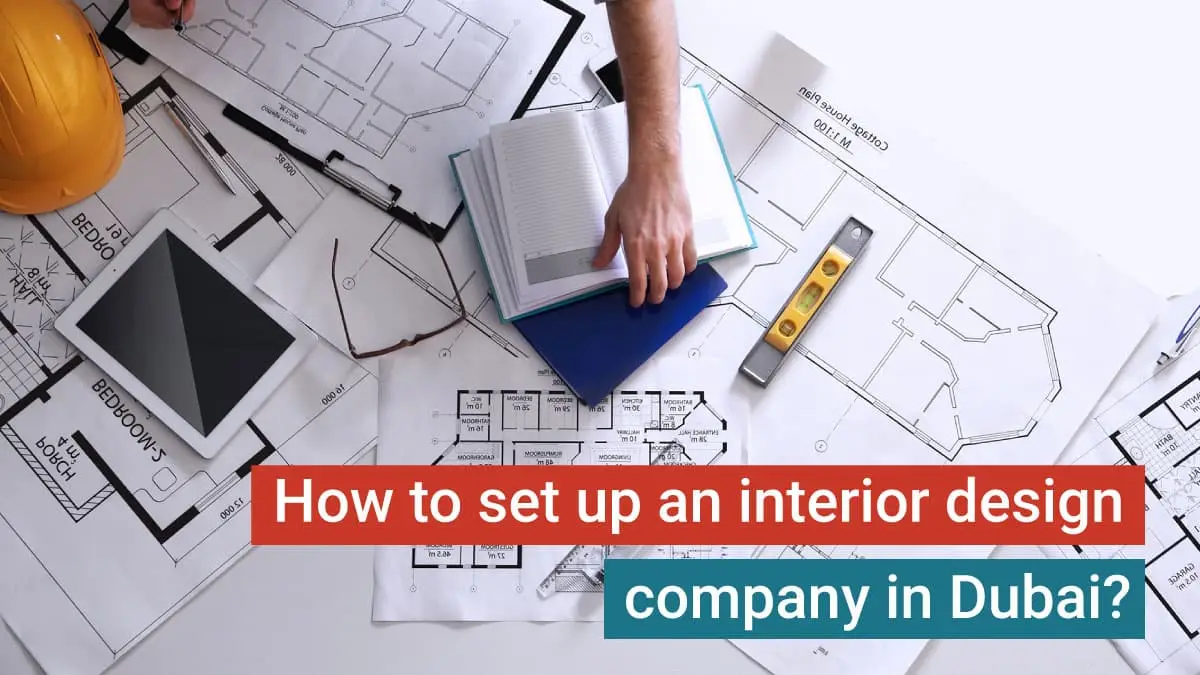
  • How to Start Spare Parts Business in Dubai, UAE

    Dubai boasts a wide array of opportunities across diverse industries. The robust infrastructure, growing business setup in Dubai, and abundant resources create an ideal environment for entrepreneurs seeking to establish various UAE businesses. So, the strategic location of Dubai provides significant advantages to trading companies, offering seamless access to multiple transportation modes, including ports, airports, and local transit networks. However, this accessibility has benefited trading enterprises and catalysed investors to launch their regional spare parts business in Dubai, UAE.

    Investors can choose between a mainland business setup in Dubai, allowing them to tap into the local market, or opt for a free zone or offshore establishment to explore international markets. Regardless of the chosen path, Dubai is an attractive destination for savvy investors seeking to establish their car accessories trading companies.

    What Is a Spare Parts Business in UAE?

    Automotive components are integral to a vehicle’s performance but naturally degrade over time. However, this does not render your vehicle obsolete, as it can regain its optimal efficiency by replacing auto spare parts. All vehicles experience wear and tear on their components due to regular use.

    So, suppose you deeply understand these internal mechanisms and aspire to establish your business in this industry. In that case, you can launch your own auto spare parts and components trading company in Dubai. However, starting a legitimate spare parts business in UAE involves several considerations, and seeking guidance from a local business advisor in the Emirates is recommended for a smooth and hassle-free business licensing process.

    Advantages of Initiating a Spare Parts Business in UAE

    If you are an Indian entrepreneur seeking to establish a retail presence in the automotive sector in Dubai, consider launching an auto spare parts business. Dubai provides a conducive environment for the growth of companies, both locally and internationally. Here are the key benefits you can enjoy when starting a spare parts business in UAE:

    1. Strategic Free Zone Locations

    Dubai’s free zones offer favourable conditions for Indian investors in the UAE. As the owner of your auto spare parts business, you can enjoy full ownership, and there is complete repatriation of profits and capital in free zones. For a swift setup of your Auto Parts Store in the UAE, opt for a location within a Dubai-free zone.

    2. Growing Car Manufacturing Sector

    Dubai residents have a strong affinity for luxury cars and vehicle customisation. The demand for car modifications is substantial, emphasising making automobiles unique and enhancing performance. Given the significant growth in the car manufacturing sector, Dubai provides an ideal platform for Indian investors to engage in businesses related to motor vehicles, spare parts, and automotive accessories.

    3. Supportive Government Initiatives

    The Dubai government actively supports the expansion of the automobile sector and encourages global investments in the economy. Additionally, the government facilitates localised auto spare parts production through Original Equipment Manufacturers (OEMs), leading to cost reductions and increased auto parts sales nationwide. Furthermore, Dubai’s well-established logistics and global transportation hubs offer logistical advantages for Indian investors in the auto spare parts business.

    4. Desirable Work and Living Environment

    Owning an auto spare parts business in Dubai can afford you a luxurious lifestyle in the city’s most sought-after areas. Working anywhere in Dubai is conducive for Indian investors and business proprietors, thanks to low taxes, a high standard of living, and a fantastic overall lifestyle. Dubai’s continual enhancements in quality of life outpace many other rapidly growing regions. The city boasts top-notch infrastructure and premium products, allowing you to live on your terms.

    Starting an auto spare parts business in Dubai opens doors to business opportunities and provides an exceptional quality of life in a profitable global hub.

    Establishing a Spare Parts Business in Dubai

    To launch your auto parts enterprise in Dubai, following the prescribed procedure set forth by the relevant authorities is imperative. Additionally, strict adherence to all business regulations and compliance with the code of conduct outlined by the Department of Economic Development (DED) is essential. Here is a comprehensive outline of how to establish a spare parts business in Dubai:

    1. Define Your Business Activities

    • Determine the scope of your company’s operations beyond trading auto components.
    • Consider services like on-call maintenance or operating an e-commerce wholesale store.
    • Recognise that different business activities may require separate licenses, so understand your business thoroughly before proceeding with regulatory authorities.

    2. Register Your Business Name

    • Select a legal trading name for your car accessories company.
    • Ensure the name does not contain religious, sentimental, offensive, or misleading references.
    • Using a person’s name, use the full name rather than nicknames.

    3. Choose the Right Business Location

    • Evaluate the ideal location based on your business needs, team size, and networking requirements.
    • Alternatively, opt for a free zone setup to enjoy 100% ownership.

    4. Secure a Pre-Approval Certificate

    • Obtain a pre-approval certificate by submitting the required documents to the relevant authority.
    • This certificate is essential for obtaining a trading license and simplifies the licensing process.
    • You can also partner with Shuraa Business Setup for streamlined pre-approval certificate acquisition.

    5. Acquire a Legal Trade License

    • Determine the appropriate trade license type based on your business activities and any special approvals required.
    • Submit all necessary documents for review by regulatory authorities.
    • You will be granted a trading license once the paperwork is approved.

    6. Manage Visas

    • If you plan to reside in the UAE with your family while working, apply for family visas.
    • Explore visa options for employees, colleagues, partners, and other relevant individuals.
    • With these legal procedures completed, you can now focus on generating revenue and growing your car accessories business in Dubai.

    Essential Documents for a Spare Parts Business in Dubai

    Dealing with documentation can be complex, especially if you are not well-versed in the relevant legislation and Dubai’s regulatory norms. Therefore, it is advisable to collaborate with experienced Dubai business setup consultants to navigate this process smoothly.

    Here is a checklist of the necessary documents for a Spare Parts Business in Dubai:

    • Passport copies of all partners and the owner.
    • Passport-size photograph of all partners and the owner.
    • Having these documents in order will facilitate the establishment of your spare parts trading company in Dubai.

    How Much Does It Cost to Initiate a Spare Parts Business in UAE?

    The initial investment required to start an auto parts trading business in Dubai typically ranges between AED 25,000 and AED 30,000. However, the precise cost can vary significantly based on your company’s specific nature and scale. Additionally, you should budget for potential extra expenses, such as equipment procurement, customs taxes (if importing certain parts), rental of premises, and other related costs.

    Note: The amount is subject to change according to your requirements for the business.

    Why Choose Shuraa Business Setup for Your spare parts business in UAE?

    So, commencing an auto spare parts business in Dubai represents a strategic move for Indian investors and entrepreneurs. However, Dubai hosts one of the UAE’s rapidly expanding automotive parts markets and establishing an Auto Parts Store in Dubai becomes a seamless endeavour with the right business consultancy.

    Look no further – contact us, your trusted local business consultancy specialists in Dubai. We will expertly guide you through setting up your auto spare parts store in Dubai. Our dedicated team at Shuraa Business Setup handles every aspect, from company formation to location selection and licensing procedures. Feel free to get in touch with us for more information and expert assistance! Contact our business setup consultants at +971 4 4081900 immediately to explore how they can support your spare parts business in the UAE. You can also reach us via WhatsApp at +971 50 7775554 or email info@shuraa.com. We are here to assist you every step of the way.