Blog

  • Commercial License in Dubai: Costs, Benefits & Process

    Commercial License in Dubai: Costs, Benefits & Process

    Over 450,000 businesses operate in Dubai today, most of which require a commercial license. But what exactly is a commercial license, and do you need one for your business?

    A commercial license is mandatory if you plan to run a business that sells products or provides trading services in Dubai or the UAE. This license covers a wide range of activities, from opening a retail store to importing and exporting goods.

    It’s one of the most popular business licenses in Dubai because it lets you trade legally, open a business bank account, rent office space, and hire employees. In short, a commercial license in Dubai helps your business run smoothly and gain trust in the market.

    Here we’ll explain what a commercial license is, who needs one, and how you can get it step by step, without all the confusing jargon.

    Understanding Commercial Licenses in the UAE

    A commercial license in Dubai is a legal permit that allows businesses to engage in trading activities such as buying, selling, importing, and exporting goods. Entrepreneurs with this license can deal in a variety of goods such as electronics, food, furniture, toys, and jewellery.

    A commercial license is issued by the Department of Economic Development (DED) or relevant free zone authorities; this license is essential for companies involved in commerce within Dubai and the broader UAE market. The license also includes services like general contracting and real estate services. It is essential for any business involved in buying, selling, or trading commodities in the Emirates.

    The flexibility and breadth of activities permitted make it one of the most sought-after business licenses in Dubai, enabling both local and international trade.

    Why Every Trader in Dubai Needs a Commercial License

    Here are the key benefits of having a Dubai Commercial License:

    • Legal Permission to Trade: A commercial license allows your business to legally conduct trading activities like buying, selling, importing, and exporting goods within Dubai and internationally.
    • Supports Diverse Business Activities: It covers a broad list of activities, including general trading, retail, logistics, construction material trading, and more, offering flexibility to expand your operations.
    • Access to Local and Internationally: With a Dubai commercial license, your business can operate within the UAE and also build trade relationships across global markets.
    • Choose Your Ideal Business Structure: Depending on your business goals and target market, you can operate as a mainland company, free zone entity, or even offshore.
    • Tax Advantages: Dubai offers 0% personal and corporate income tax in most cases, making it a tax-efficient environment for trading businesses.
    • Strong Brand Credibility: A registered and licensed business in Dubai enhances your brand image and builds trust with customers, suppliers, and partners.

    Business Activities Covered by a UAE Commercial License

    A commercial license in the UAE enables businesses to carry out various trading and commercial activities, whether it’s physical goods, wholesale, or online trading. Here are some of the key activities permitted:

    General TradingFurniture Trading
    Import and ExportCosmetics and Perfume Trading
    Retail and WholesaleJewellery and Precious Metals Trading
    E-commerceStationery and Office Supplies Trading
    Real Estate BrokingAgricultural Products Trading
    Logistics and Freight ServicesHome Appliances Trading
    Automotive TradingTextile and Fabric Trading
    Building Materials TradingToys and Baby Products Trading
    Electronics and Mobile Phone TradingPet Supplies Trading
    Fashion and Apparel TradingPackaging Materials Trading
    Foodstuff TradingCleaning Equipment and Supplies Trading
    Oil and Gas Equipment TradingSports Goods Trading
    Medical Equipment TradingSafety and Security Equipment Trading

    And many more… Consult our business setup expert to know if your business activity is included in the commercial license.

    Documents Required to Obtain a Commercial License in Dubai

    To apply for a commercial license in Dubai, you will need to prepare and submit the following documents:

    • Passport copies of all shareholders and partners
    • Visa copies or UAE entry stamp (for foreign applicants)
    • Emirates ID copy (if applicable)
    • Trade name reservation certificate
    • Initial approval certificate from the Department of Economic Development (DED)
    • Memorandum of Association (MoA) or Local Service Agent agreement (notarised)
    • Tenancy contract or Ejari for the business premises
    • NOC (No Objection Certificate) from the current sponsor (if applicable)
    • Duly filled application form for the commercial license 
    • External approvals (if the business activity requires permissions from specific authorities)

    The DED will issue the commercial trade license once the documents are verified.

    How to Get a Commercial License in Dubai, UAE?

    To legally trade goods and services in Dubai, businesses must go through a formal licensing process. Here’s how to get your commercial license in Dubai with ease:

    1. Identify Your Business Activity

    Determine the specific trading activities your business will undertake. Dubai’s Department of Economic Development (DED) provides a comprehensive list of permissible activities. Selecting the appropriate activity is crucial, as it influences the type of license required and the legal structure of your company.

    2. Choose Your Legal Structure

    Select a legal form that aligns with your business model. Common structures in Dubai include:

    • Sole Proprietorship: Owned by a single individual with full control and unlimited liability.
    • Limited Liability Company (LLC): Allows up to 100% foreign ownership in many sectors, with liability limited to the company’s capital.
    • Branch Office: An extension of a parent company, operating under the same name and activities.

    3. Select the Jurisdiction

    Decide where to establish your business:

    • Mainland Dubai: A commercial license issued by the Department of Economic Development (DED) allows you to do business anywhere in the UAE and internationally. This option is ideal for businesses targeting local clients or those planning to open physical stores.
    • Free Zones: Commercial licenses issued by free zone authorities allow trading within the free zone and internationally (but not directly in the UAE mainland without a distributor or local agent). Suitable for 100% foreign-owned businesses with global reach.
    • Offshore Companies: While offshore entities can obtain a commercial license, they cannot trade directly within the UAE. Offshore licenses are mainly used for international trade, asset management, or holding companies.

    4. Choose a Trade Name

    Choose a unique name that reflects your business activity and complies with DED guidelines. The name should not include inappropriate or prohibited words and must not be similar to existing company names.

    5. Apply for Initial Approval

    Get initial approval from the DED (for mainland) or Free Zone authority. It allows you to move forward with the setup process.

    6. Prepare the Memorandum of Association (MoA)

    Draft and notarise the MoA, outlining the company’s structure, objectives, and operational guidelines. This document is essential for LLCs and other legal forms.

    7. Select a Business Location

    Lease a physical office or a Flexi-desk (shared workspace) depending on the jurisdiction. Free zones often offer smart desk or virtual options. The tenancy contract must be registered via Ejari for mainland businesses.

    8. Apply for the Commercial License

    The key step is submitting your complete application package. Mainland businesses should apply through the Department of Economic Development (DED), while free zone companies must apply through their respective free zone authority. Kindly ensure you include all required documents and pay the applicable fees. Your issued license will clearly state your approved business activities.

    9. Receive Your License and Start Operations

    Once approved, you’ll receive your Commercial Trade License. You can now officially start your business operations in Dubai.

    Let Shuraa Business Setup simplify your licensing process—from selecting the right business activity to handling all documentation and approvals. Get started today!

    What is the Commercial License Cost in Dubai?

    For businesses setting up in mainland Dubai, the average cost of obtaining a commercial license range between AED 14,900 and AED 24,500. This estimate includes various fees such as trade name reservation, initial approval, license issuance, and other administrative charges.

    In contrast, establishing a business in one of Dubai’s free zones can be more cost-effective. The starting cost for a commercial license in free zones is around AED 12,500, though this can vary based on the chosen free zone and the package selected.

    Please note that costs may vary based on your business activities and additional approvals. For a precise estimate tailored to your needs, consult our business setup experts today!

    Key Differences Between Dubai Commercial License and Other Licenses

    Businesses in Dubai are required to obtain specific licenses based on the nature of their activities. The primary types of licenses are Commercial, Professional, and Industrial. Each license caters to different business models and has distinct requirements.

    CriteriaCommercial LicenseIndustrial LicenseProfessional License
    PurposeFor trading goods and services (buying and selling).For manufacturing, production, and industrial activities.For providing professional services (consulting, medical, education, etc.).
    Business ActivityRetail, wholesale trading, import/export, general trading.Manufacturing, production, assembly, and processing of goods.Consulting, education, healthcare, legal, IT services.
    Ownership100% foreign ownership allowed for many activities as per new rules.100% foreign ownership allowed in Free Zones; local sponsor may require in Mainland.100% foreign ownership allowed
    Office RequirementPhysical office or warehouse (Ejari for Mainland).Physical manufacturing facility required.Physical office or consultation space required.
    Regulating AuthorityDepartment of Economic Development (DED) for Mainland, or Free Zone Authority for Free Zones.Department of Economic Development (DED) for Mainland, or Free Zone Authority for Free Zones.Department of Economic Development (DED) for Mainland, or Free Zone Authority for Free Zones.
    Main ActivitiesBuying and selling of goods, retail operations, wholesale activities, etc. Production, manufacturing, assembly, packaging, etc.Providing professional services such as consultancy, healthcare, IT solutions, etc.
    Documents RequiredTrade name reservation, initial approval, tenancy contract, passport copies, etc.Trade name reservation, initial approval, manufacturing agreements, tenancy contract, etc.Trade name reservation, initial approval, qualification certificates, tenancy contract, etc.

    How to Renew Your Dubai Commercial License

    A Dubai commercial license is typically valid for one or two years from the date of issuance. To continue business operations legally, it’s important to renew the license before it expires. Timely renewal also helps avoid penalties, legal issues, and business interruptions.

    The renewal process is straightforward and can often be completed online through the Dubai Department of Economic Development (DED) or relevant Free Zone authority.

    Basic steps include:

    1. Ensure your tenancy contract is valid, attested, and not expired.
    2. Prepare required documents (trade license, tenancy contract, passport copies of shareholders, etc.).
    3. Apply for renewal through the DED or Free Zone portal.
    4. Pay the renewal fee based on the business activity.
    5. Receive a renewed trade license (usually within a few working days).

    Start Smart with the Right Commercial License in Dubai

    Starting a business in Dubai begins with one key decision – getting the right license. A commercial license in Dubai opens the door to countless opportunities in trade and business, both locally and globally. However, sometimes the process seems overwhelming, especially for new entrepreneurs entering the UAE market.

    That’s why Shuraa Business Setup is here, to assist and guide you every step of the way. With decades of experience and a team that knows the system inside out, we handle everything from paperwork and approvals to finding your office space and managing PRO services.

    We don’t just help you get licensed; we help you launch with confidence.

    Frequently Asked Questions (FAQs)

    1. How Can I Get a Commercial License in Dubai?

    To get a commercial license in Dubai, follow these steps:

    1. Choose your business activity.
    2. Select a company name and get it approved.
    3. Apply for initial approval.
    4. Prepare the MOA and secure a tenancy contract.
    5. Submit required documents to DED or Free Zone authority.
    6. Pay the license issuance fees.
    7. Receive your commercial license.

    2. Why is the commercial license popular in Dubai?

    The commercial license is highly sought after due to Dubai’s strategic location, offering access to major markets in Africa, Asia, Europe, and the Middle East. This license facilitates trading, importing, and exporting goods, making it an attractive option for businesses aiming to establish themselves in the region.

    3. Can I Get a Commercial License in Dubai Without Office Space?

    No, you cannot obtain a commercial license in Dubai mainland without a physical office, as an Ejari (tenancy contract) is mandatory for DED licensing. However, many Free Zones offer more flexible solutions like Flexi-desks or virtual offices that meet this requirement at a reduced cost.

    4. How Much Does It Cost to Get a Commercial License in Dubai?

    The commercial license cost in Dubai varies depending on location (mainland or free zone), number of activities, office space, and additional services. On average, prices range from AED 12,000 to AED 30,000 or more.

    5. Can I operate multiple business activities under one commercial license?

    Yes, a commercial license can cover multiple related business activities. However, all activities must fall under the same license category and be approved by the relevant authority.

    6. What are the penalties for operating without a commercial license in Dubai?

    Operating without a valid commercial license in Dubai can lead to significant penalties, including fines ranging from AED 5,000 to AED 50,000. Authorities may also suspend or cancel licenses for repeated violations or non-payment of fines.

    7. Do I Need a Commercial License for E-commerce in Dubai?

    Yes, businesses engaging in e-commerce activities, such as online retail, digital product sales, or offering services online, need a commercial license. E-commerce businesses are subject to the same licensing and regulatory requirements as other commercial enterprises in Dubai.

    Disclaimer: The information in this post is for general guidance only and may change due to updates in government policies or regulations.

  • How to Start a Printing Business in Dubai?

    How to Start a Printing Business in Dubai?

    People do not often associate Dubai, known for its luxurious lifestyle and impressive architecture, with the printing industry. However, entrepreneurs in this niche have discovered that Dubai’s high-tech facilities can provide ground for a successful print shop business. In this blog, we will learn about the printing business in Dubai in detail.

    Entrepreneurs in Dubai can leverage the government’s pro-business policies, which provide a conducive environment for setting up a business. Dubai’s strategic location as a gateway to the Middle East offers access to a vast market for printing services. Furthermore, the printing industry in Dubai is not yet saturated, making it an excellent opportunity for entrepreneurs to tap into.

    With a well-crafted business plan, a print shop in Dubai can be a profitable venture. The key is to identify the target market and tailor services to meet their needs. By doing so, entrepreneurs can differentiate themselves from their competitors and stand out in the market.

    Dubai’s high-tech facilities and infrastructure provide an excellent platform for entrepreneurs to utilize innovative printing technology. This, in turn, enables them to offer unique and high-quality printing services, giving them a competitive advantage in the market. Furthermore, while the printing company in Dubai may not be well-known, it presents a promising opportunity for entrepreneurs looking to establish a successful business.

    Step-By-Step Guidelines for the Registration of a Printing Company in Dubai

    The Department of Economic Development must receive one of the available business forms to register a print shop in Dubai. After that, a business license must be acquired because a printing company needs business permission to function. The fact that no special permissions are needed to start a printing firm in Dubai is one of its biggest benefits.

    Note down the steps for registration of Printing Company in Dubai: –

    • Determine the legal structure and business activity of the company, such as sole proprietorship, partnership, or LLC (Limited Liability Company).
    • Choose a unique name for the company that complies with the UAE’s naming conventions. Register the trade name with the DED (Department of Economic Development).
    • Apply for initial approval from the DED for the business activity and trade name.
    • Draft the Memorandum of Association (MOA) or Local Service Agent Agreement (LSA) and have it approved by a notary public.
    • Obtain additional government approvals, if required, such as from the Dubai Municipality or the Dubai Civil Defense.
    • Apply for a business license from the DED, which is necessary to start a business in Dubai.

    What to Take into Account Before Starting a Printing Company in Dubai?

    Starting a printing business in Dubai can be a lucrative venture given the city’s growing economy and strategic location. However, before diving in, it is essential to consider a few key factors to ensure the success of the business. One of the latest trends in the printing sector worldwide is laser printing, which means that those looking to set up a successful printing company in Dubai must choose the latest technology.

    Conducting market research can help investors gain insight into the current demand for various printing services in Dubai, enabling them to tailor their offerings accordingly. For those with technical skills and a professional license, creating a repair shop for printing equipment can also be a viable option. Another business idea is to integrate both printing and repair services into a single Dubai-based company, allowing for a one-stop-shop solution for clients seeking both services.

    Lastly, it is essential to have a solid business plan in place before starting a printing business in Dubai. This should include details such as the target market, pricing strategy, marketing plan, and financial projections. Moreover, a well-crafted business plan will help entrepreneurs stay on track and make informed decisions as they grow their businesses in the competitive printing industry in Dubai.

    Cost of Printing Business in Dubai

    When starting a printing business in Dubai, one of the crucial factors to is the setup cost. The cost will depend on several factors such as the size of the business, type of printing technology, location, and other expenses. The cost of leasing or renting commercial space in Dubai varies depending on the location, with prices being higher in areas like Downtown Dubai or Dubai Marina. The printing equipment can be a significant expense, and the cost will depend on the type and quality of the machines purchased. However, according to a rough estimate, the set-up cost of printing business in Dubai starts at AED 19,500*.

    Additionally, when setting up a printing company in Dubai, one should consider the cost of materials, such as ink, paper, and other supplies. It is crucial to factor in other setup costs, including registering the business, obtaining licenses, and legal fees. Moreover, marketing and advertising expenses should also be included in the set-up costs, as they are essential for promoting the business and attracting customers. The set-up cost of a printing business in Dubai can vary depending on the size and scope of the business. Therefore, it is vital to conduct thorough research and planning to accurately estimate the required investment.

    Advantages of Starting a Printing Company in Dubai

    Note down the benefits of starting a Printing Company in Dubai: –

    Favorable Business Environment

    Dubai provides a favorable business environment due to its pro-business policies, strategic location, and world-class infrastructure. These factors make it an attractive destination for entrepreneurs looking to start a printing business. Additionally, Dubai’s reputation as a business hub attracts a diverse range of clients, including small businesses, startups, and large corporations.

    Business Networking Opportunities

    In addition to its favorable business environment and diverse customer base, Dubai also provides many opportunities for business networking. Dubai hosts international events such as exhibitions and trade shows. These events offer printing companies the opportunity to highlight their products and services. The events also provide a platform for connecting with potential clients and partners.

    Diverse Customer Base

    In addition, Dubai’s status as a regional hub means that there is a constant flow of new customers. Both individuals and companies, in need of printing services. This also presents opportunities for expansion and growth for printing businesses. Additionally, with the growth of e-commerce, there is an increasing need for printed packaging and labels. This presents another avenue for printing businesses to explore in Dubai.

    Advanced Technology

    Moreover, the use of advanced technology in printing processes can result in higher efficiency, cost-effectiveness, and quality of the final product, giving printing companies in Dubai a competitive advantage. The government of Dubai also provides support to the printing industry through various initiatives, such as the Dubai Industrial Strategy 2030, which aims to promote the growth and development of the printing industry in the region.

    High-Profit Margin

    Dubai’s location as a regional hub for business offers printing companies access to a broader market beyond the city. This, in turn, increases their potential customer base and revenue streams. To further expand their reach and increase brand recognition, strategic marketing is implement by printing companies in Dubai. Moreover, Dubai’s low tax environment and government incentives contribute to the high-profit margin of printing companies in the city.

    Conclusion

    In conclusion, Dubai is home to many printing companies that cater to the diverse needs of businesses and individuals. Generally, the printing business in Dubai is prospering and evolving in tandem with technology improvements.

    Looking at the advantages, printing companies in Dubai offer a wide range of printing services, from traditional offset printing to digital printing and large-format printing. Moreover, the printing companies in Dubai are equipped with state-of-the-art machinery and software that enable them to deliver high-quality prints efficiently. As a result, the printing industry in Dubai is an important part of the city’s economy and has risen dramatically in recent years. For any assistance related to obtaining a printing business license in Dubai, Contact us by phone at +971 4 4081900 or via WhatsApp at +971 50 7775554. Instead, you can visit blog.shuraa.com/ and send us an email at info@shuraa.com.

  • How to Get a RERA Certificate in Dubai

    How to Get a RERA Certificate in Dubai

    Dubai is a thriving metropolis that draws visitors from all over the world, and its real estate market is flourishing. Nonetheless, a RERA certificate is required to start a real estate agency in Dubai. RERA (Real Estate Regulatory Agency) is the name of the agency in charge of regulating the real estate market in Dubai. We’ll go through the advantages of having a RERA License in Dubai real estate firm in this blog post, along with how to get one and how much it will cost.

    Benefits of RERA Certificate for Dubai Real Estate Agency

    The following are the various benefits of obtaining RERA Certificate in Dubai:

    • Legitimacy: Your real estate agency will get credibility with a RERA certificate, which validates you to set up business in the Dubai real estate industry. Potential clients who are searching for a dependable firm to deal with become more trusting as a result.
    • Compliance: RERA laws aim to safeguard the interests of buyers, sellers, and tenants in the Dubai real estate market. However, your firm may establish a reputation for professionalism and dependability by acquiring a RERA certificate, which demonstrates your organization’s dedication to abiding by these rules.
    • Access to Services: The Dubai Land Department’s services, including property registration, title transfer, and other crucial services linked to real estate transactions, are only accessible to organizations possessing a RERA certificate. As a result, your organization has an edge over others without a certificate.
    • Better Marketing Opportunities: A RERA certificate allows real estate agencies to hold a position on the RERA website, giving your business exposure and visibility to potential clients looking for a reputable real estate firm in Dubai.

    However, this can help your business become more well-known and draw in more clients.

    How to Get a RERA License in Dubai?

    To become a real estate agent, you have to obtain a RERA license in Dubai. You need to follow these steps:

    1. Apply for a Residency Visa

    Prior to applying for a RERA License in Dubai, you must hold a Dubai resident visa. Either starting a business in Dubai or working for a local employer are two ways to get a residence visa. If you get a resident visa, you can move on to the following phase.

    2. Application Process

    To apply for a RERA license, you will need to submit an application to the Dubai Land Department. The application will require you to provide details about your personal and professional background, as well as any relevant qualifications or experience. You will also need to provide a passport-sized photograph, a copy of your passport, and a copy of your residency visa.

    3. Register for the RERA Exam and DREI Certification Training

    You must finish the Dubai Real Estate Institute (DREI) accredited training programme and pass the RERA test in order to qualify for a RERA License in Dubai. The training curriculum covers a wide range of estate-related topics, such as rules and regulations, market analysis, and valuation methods. You must take the RERA exam in Dubai to prove your knowledge and comprehension of the subject matter after completing the training course.

    4. Get Your Realtor License and Obtain Approval

    You can also apply for your RERA License Dubai after completing the DREI-certified course and passing the RERA test. One must provide evidence of passing the RERA exam, the training course, and any further necessary credentials in order to get your License. You will receive your RERA License when the Dubai Land Department has examined and accepted your application.

    As a result, obtaining a RERA License in Dubai entails a number of steps, such as obtaining a resident permit, completing the application process, enrolling in DREI-accredited training, passing the RERA test, and receiving your realtor license and approval. Hence, you may get your RERA License in Dubai by following these instructions, making you qualified to work as a registered estate agent or broker in Dubai.

    RERA License Cost in Dubai

    A RERA License Cost in Dubai varies depending on the region and type of business. According on educational background, the cost of the RERA registration exam varies. For individuals with bachelor’s degrees, exam fees are AED 3,200; for those without, they are AED 6,300. Also, the fee for those without a degree is AED 15,750. Additionally, RERA charges a fee of AED 5,020 per activity.

    The processing of licenses can begin after obtaining a RERA training certificate. Additionally, an LLC must pay about AED 12,950 for a real estate brokerage license.

    However, the starting cost for RERA certificate in Dubai is AED 21,000, on average.

    Depending on the type of activity you are engaging in, the cost of filing for a RERA license may vary. Other real estate-related activities, nevertheless, have larger yearly costs.

    Following are the Real estate-related activities:

    1. Real estate mortgage consultancy
    2. Real estate consultancy
    3. Self-owned property leasing and management services
    4. Real estate buying & selling brokerage.
    5. Real estate leasing brokerage
    6. Buying and selling real estate
    7. Real estate public auction organizing
    8. Real estate management supervision services
    9. Property inspection services
    10. Real estate survey services
    11. Mortgage broker
    12. Real estate services trustee
    13. Real estate representative office
    14. Service center (Real Estate)
    15. Real estate promotion trustee

    The following real estate-related activities have an annual fee:

    1. Real estate exhibition organizing
    2. Owner association management services
    3. Real estate valuation profession licensing

    Documents Needed to Get A RERA License

    The following paperwork must be gathered in order to submit an application for a RERA License in Dubai:

    • A copy of your passport, your residence visa, or your Emirates ID card
    • passport-size photographs
    • Evidence that you passed the RERA certification test and your RERA training
    • A copy of your realtor license
    • The Dubai police may require that you receive a certificate of good behavior.
    • If you are based in a free zone, you will need the NOC from the free zone authorities.
    • You could require a memorandum of agreement signed by all shareholders depending on the sort of business you establish.
    • Lastly, a copy of trade name reservation

    Responsibilities Under RERA In Dubai

    In Dubai, RERA has a broad variety of duties that fall under its purview. Following are the obligations:

    • Granting Licenses to all companies and organizations involved in the real estate industry
    • Real estate brokers must be licensed.
    • Control of leases, advertisements, and real estate displays
    • Creating research and reports on the industry
    • Fostering the real estate industry
    • Lastly, educating companies and ordinary citizens about regulatory changes affecting the real estate industry.

    Conclusion

    For a real estate agency, getting a RERA License in Dubai may have a lot of advantages. In addition to ensuring that local laws and regulations are obeyed, it also raises the agency’s profile and reputation in the industry. A RERA-certified startup is seen as being more dependable and trustworthy, which can increase customer satisfaction and open up new business opportunities.

    The certification can also be an effective tool for the agency in recruiting and keeping top staff. Real estate agents in Dubai may position themselves for long-term success in a cutthroat market by investing in RERA certification. Moreover, for any assistance related to company formation in Dubai, Contact us by phone at +971 4 4081900 or via WhatsApp at +971 50 7775554. Instead, you can visit blog.shuraa.com/ and send us an email at info@shuraa.com.

  • How to Open a Baqala in Abu Dhabi

    How to Open a Baqala in Abu Dhabi

    In 2013, the Abu Dhabi Food Control Authority (ADFCA) launched Project Baqala, revolutionising the retail sector by ensuring grocery stores met the highest standards of quality, safety, and sustainability. This initiative mandates that all stores operate under the unified name “Baqala,” making it easier for entrepreneurs to open a Baqala in Abu Dhabi while guaranteeing consistency across the emirate.

    This blog will guide you through the essential steps and requirements for opening a Baqala in Abu Dhabi, ensuring your business aligns with these rigorous standards to serve a wide range of high-quality and affordable goods.

    What Does “Baqala” Mean?

    “Baqala” is the Arabic term for grocery stores, derived from a word meaning “what comes from the ground.” This reflects the store’s focus on selling essential goods like fruits, vegetables, and grains. As part of the Abu Dhabi Vision 2030, opening a Baqala in Abu Dhabi involves aligning with this standardised brand identity while adhering to strict safety and hygiene requirements.

    Under this initiative, each store must prominently display the name “Baqala” while including its specific name in a smaller typeface, creating a uniform identity for grocery stores throughout Abu Dhabi. This standardization extends beyond mere branding to include strict requirements for store layout, uniformed personnel, facilities, and security measures, ensuring a high level of cleanliness and hygiene. The primary objectives of these regulations are to eliminate health risks, enhance customer satisfaction by making stores more appealing, and ultimately, boost store revenue.

    Baqala Market Overview in Abu Dhabi

    The Baqala market in Abu Dhabi has experienced significant growth since the launch of Project Baqala by the Abu Dhabi Food Control Authority (ADFCA) in 2013. This initiative aimed to standardize grocery stores across the emirate, enhancing health, safety, and sustainability standards.

    Growth and Market Size

    Since the introduction of Project Baqala, the market for these stores has grown tremendously. As of 2024, Baqalas make up over 81% of grocery retailers in the UAE. Entrepreneurs who open a Baqala in Abu Dhabi can benefit from this thriving market, which is projected to surpass $40 billion by 2025.

    Consumer Preferences and Trends

    Consumer behavior indicates a strong preference for convenience, with 59% of shoppers choosing baqalas due to their proximity to home or work. Additionally, 31% of consumers are drawn to baqalas for specific products, and 27% appreciate their extended operating hours. While specific data on the rise in demand for organic products is limited, the global trend towards health-conscious consumption suggests a potential shift in stock variety within baqalas to include healthier and organic options.

    Economic Impact

    Baqalas significantly contribute to Abu Dhabi’s local economy. The standardization under Project Baqala has not only ensured quality and safety but has also helped store owners streamline operations and reduce costs, further bolstering economic performance. Moreover, the integration of financial technologies presents an opportunity for baqalas to increase their monthly revenue by 8 to 12%.

    In summary, the baqala market in Abu Dhabi continues to thrive, adapting to consumer preferences and contributing substantially to the local economy through ongoing standardization and technological integration.

    Why Consider Opening a Baqala in Abu Dhabi?

    • Minimal Startup Costs: The initial investment to open a Baqala in Abu Dhabi is significantly lower than in other sectors. While setup requires meeting rigorous standards, the long-term benefits outweigh the upfront expenses.
    • Consistent Demand: With Abu Dhabi’s growing population, the demand for essential household goods remains high. Baqalas are strategically located in residential areas, ensuring a steady flow of customers.

    Requirements for Start a Baqala in Abu Dhabi

    To ensure successful establishment and operation of a Baqala in Abu Dhabi, adhering to specific regulatory, operational, and customer service standards is crucial. Here is a comprehensive guide that covers all the necessary requirements:

    Legal and Regulatory Requirements:

    • Trade License: Obtain a trade license from the Abu Dhabi Department of Economic Development (DED), specifying the business activity as “Grocery.”
    • Business Structure: Choose a suitable business structure, such as a sole proprietorship or LLC, and ensure it is registered with the relevant authorities.
    • Local Sponsorship: Depending on the business structure, a local Emirati partner or sponsor may be required, holding a specific percentage of the business.
    • Permits and Approvals: Secure all necessary permits from Abu Dhabi Municipality for food handling, hygiene, and safety. Additional permits are needed for selling controlled items like tobacco or alcohol.

    Location and Premises:

    • Commercial Space: Select a location that complies with zoning laws and is strategically placed in high-traffic areas to maximize visibility and accessibility.
    • Spacing Requirements: Maintain a minimum distance of 5,000 mm from the next Baqala to prevent market saturation.
    • Fit-Out Regulations: Design the store layout according to Abu Dhabi Municipality guidelines, focusing on safety, accessibility, and hygiene standards.
    • Health & Safety Compliance: Equip the store with necessary safety features like fire extinguishers and adhere to all fire safety regulations.

    Product Sourcing and Inventory:

    • Supplier Agreements: Establish contracts with reliable suppliers to ensure a consistent and cost-effective supply of groceries and other items.
    • Inventory Management: Implement an inventory management system to efficiently track stock levels, manage reorders, and minimize waste.

    Food Safety and Hygiene:

    • Food Handling Permits: Obtain food handling permits if selling perishable or prepared foods.
    • Hygiene Standards: Maintain exemplary hygiene standards within the store with regular cleaning and proper waste disposal systems.
    • Employee Training: Train all staff in food safety and hygiene practices, especially those handling food products.

    Staffing and Operations:

    • Labor Laws Compliance: Ensure all employment practices comply with Abu Dhabi labor laws regarding contracts, working hours, wages, and benefits.
    • POS System: Install a point-of-sale system to streamline transactions, track sales, and manage payments efficiently.

    Marketing and Branding:

    • Brand Identity: Develop a distinctive brand identity, including a logo and store design, to resonate with the target demographic.
    • Promotional Strategies: Use local marketing tactics such as flyers, discounts, and community events to increase visibility and attract customers.

    Financial and Accounting:

    • Bank Account: Open a business bank account to handle financial transactions.
    • Accounting System: Set up a comprehensive accounting system to track expenses, revenue, and profitability.
    • Budgeting: Create a detailed budget that accounts for startup costs, ongoing expenses, and contingency funds.

    Ongoing Compliance and Technology:

    • Health Inspections: Prepare for regular health inspections by Abu Dhabi Municipality to ensure continuous compliance with food safety and hygiene standards.
    • License and Permit Renewals: Keep track of and timely renew all necessary licenses and permits to avoid business interruptions.
    • E-commerce Integration: Consider integrating an online ordering and delivery system to cater to the growing demand for convenience.

    Additional Specific Requirements:

    • Baqala Scheme Membership and Branding: Decide whether to be part of a Baqala scheme or operate independently, using a modified version of the Baqala logo if independent.
    • Visual and Access Control: Ensure the store entrance is free from visually disruptive materials and has clear operational signage.
    • Environmental Compliance: All outdoor AC units must be enclosed in vented, powder-coated aluminum cages, and glass storefronts should be secured with robust aluminum frames and necessary sealants for weatherproofing.

    By carefully following these guidelines, you can establish and run a Baqala in Abu Dhabi, ensuring compliance with all local regulations and meeting customer expectations efficiently.

    How to Start a Baqala in Abu Dhabi

    To open a Baqala (a small grocery store) in Abu Dhabi, you’ll need to navigate several important steps ranging from market research to compliance with local laws and regulations. Here’s a structured plan to get started:

    1. Market Research and Business Plan

    Conduct thorough market research before opening a Baqala in Abu Dhabi. Identify customer preferences, competition, and the best location for your store.

    2. Legal and Regulatory Requirements

    • Trade Name and Branding: Choose a unique trade name that complies with the UAE’s regulations. You’ll need to ensure the trade name is available and register it with the Department of Economic Development (DED) in Abu Dhabi. If your store isn’t affiliated with a retailer, you must display the Baqala logo.
    • Commercial License: Obtain a commercial license from the Abu Dhabi DED. This involves submitting a detailed inventory list of all items you plan to sell and getting approval. You’ll need to update this list with the DED if you decide to sell additional items later.
    • Local Sponsorship: At least one partner must be Emirati if the business structure involves partnerships.

    3. Location and Setup

    Choose a location that complies with local zoning laws and is strategically positioned to attract your target market. Ensure the store is at least 5,000 mm away from the nearest Baqala as required by law. The premises should also meet all hygiene and safety standards, including pest control and weather protection.

    4. Product Sourcing and Inventory

    Develop relationships with suppliers to ensure a reliable and cost-effective supply of goods. This step involves choosing products that meet the demands and preferences of your local market and ensuring you maintain a suitable inventory level to manage costs effectively without running out of stock.

    5. Invoicing and Pricing

    Implement an invoicing system that complies with the UAE’s regulations, which require physical invoices to be provided to customers for all purchases. Ensure all products in your Baqala are priced correctly and clearly displayed to meet another local requirement.

    6. Staffing and Operations

    Hire and train employees to maintain hygiene standards and offer excellent customer service. A well-trained team is essential to successfully open a Baqala in Abu Dhabi.

    7. Trademark and Brand Protection

    Register a trademark for any proprietary goods or branding. This protects your business identity and product exclusivity in the market.

    8. Opening and Marketing

    Plan a launch strategy that may include promotions and special offers to attract customers to your new Baqala. Regular marketing efforts, like local advertising or loyalty programs, can help maintain customer interest and attract new shoppers.

    By following these structured steps, you can effectively plan and open a Baqala in Abu Dhabi, setting a solid foundation for your business to grow in a competitive retail environment.

    Cost of Opening a Baqala in Abu Dhabi

    Opening a baqala (grocery store) in Abu Dhabi can be a rewarding venture, offering a stable income stream. However, the overall cost can vary significantly based on multiple factors. These include the shop’s rental price (based on location and size), licensing fees, grocery inventory, visa expenses, and other operational costs. Since these factors differ for every business, it’s challenging to provide an exact cost without a detailed assessment.

    For precise cost estimates, Shuraa Business Setup consultants are here to help. Our team can calculate all associated expenses and provide a customised breakdown tailored to your specific requirements. Whether you are planning to start a baqala or any other business in the UAE, we offer end-to-end support to make the process seamless and stress-free.

    Let Shuraa Help You Open a Baqala in Abu Dhabi

    Are you wondering how to open a grocery store in Abu Dhabi? Setting up a Baqala involves adhering to various compliance standards that can often be complex and challenging. That’s where expert guidance makes all the difference.

    Setting up a Baqala involves navigating complex regulations, from obtaining trade licenses to designing a compliant store layout. At Shuraa Business Setup, we simplify the process, providing expert guidance at every step to help you open a Baqala in Abu Dhabi seamlessly.

    Let us take care of the intricacies while you focus on your business vision. Contact us today:

    With Shuraa, opening your Baqala in Abu Dhabi is easier than ever!

    Frequently Asked Questions (FAQs)

    1. What is a Baqala?

    A Baqala is a small grocery store in Abu Dhabi that adheres to specific standards set by the Abu Dhabi Food Control Authority (ADFCA). It is part of a larger initiative to standardize grocery stores across the emirate to ensure quality, safety, and sustainability.

    2. How much does it cost to open a Baqala in Abu Dhabi?

    The cost varies depending on factors such as location, store size, licensing fees, inventory, and operational expenses. It’s advisable to get in touch with a business setup consultant to get an accurate cost estimate based on your specific requirements.

    3. What are the legal requirements to open a Baqala in Abu Dhabi?

    You will need to obtain a commercial license from the Abu Dhabi Department of Economic Development (DED), meet zoning and health regulations, and follow other legal procedures. You may also need a local sponsor depending on your business structure.

    4. What permits do I need to open a Baqala?

    You will need various permits including a trade license from DED, food handling permits (if selling perishable goods), and other approvals from Abu Dhabi Municipality for hygiene, safety, and health compliance.

    5. What branding and marketing strategies can I use for my Baqala?

    Focus on local marketing strategies such as flyers, community events, loyalty programs, and offering discounts. Establishing a strong brand identity is crucial, so invest in creating a unique logo and store design.

    6. Do I need an accounting system for my Baqala?

    Yes, it is important to have an accounting system to track revenue, expenses, and profitability. This will also help you manage budgeting and financial compliance.

    7. Is it necessary to have an online presence for my Baqala?

    While not mandatory, integrating an online ordering system can significantly boost your business by catering to the growing demand for convenience, especially among customers looking for home delivery.

    8. How can Shuraa Business Setup help me open a Baqala?

    Shuraa Business Setup can guide you through every step of the process, from obtaining licenses and permits to designing your store layout and ensuring compliance with regulations. We simplify the process and help you avoid common pitfalls.

  • Augmented/Virtual Reality: Impact on UAE economy

    Augmented/Virtual Reality: Impact on UAE economy

    The United Arab Emirates is a country famous for its commitment to integrating futuristic technology in the daily lives of its people. This is where the implementation of augmented/virtual reality can impact the economy directly. Both AR & VR are metaverse enabling technologies, which support over 6,700 jobs and contribute around USD 500 million to the GDP. The Dubai government aims to create over 40,000 jobs & bring in over USD 4 billion (1 per cent) to the emirate’s economy with Metaverse and Web 3.0 based technologies. Several emirates such as Dubai, Abu Dhabi, Sharjah and Fujairah already have smart city initiatives in place, which aim to fulfil the following goals: 

    • Resource utilisation for maximum efficiency 
    • Integration of services 
    • Creating enriching lifestyle & business experiences

    Augmented/Virtual Reality: Impact on economy 

    Augmented Reality and Virtual Reality can have a lasting impact on the UAE economy. As an industry, it is expected to boost global economy to USD 1 trillion (1.8 per cent) by 2030. In businesses, AR/VR can help with developing modern customer experiences, faster product development, improved workforce training, and ultimately better efficiency & collaborative willingness. A breakdown of both techs shows that AR will contribute USD 1.1 trillion to global GDP in 2030. Meanwhile, VR will have a USD 0.4 trillion contribution to the same.  

    Difference between Augmented Reality and Virtual Reality 

    Both VR and AR have been around for a while now. They have emerged as overarching trends that are gaining momentum. Augmented Reality (AR) refers to the enhancement of the physical world through the integration of digitally generated content. This includes visual elements, sound or other sensory stimuli. In AR, users can interact with people while remaining accessible on the digital plane (e.g. navigation applications, text messages, etc.).

    On the other hand, Virtual Reality (VR) is a 3D simulation that submerses the user in an interactive environment. This immersive experience is created through the use of electronic devices like headsets. The Oculus is among the most popular VR hardware in the world right now. Currently, virtual reality is highly popular in the gaming industry, where it has applications in creating experiences that completely go against elements of reality. 

    The impact of AR and VR in the UAE business world 

    Augmented/Virtual Reality are no longer just used for experiential enhancement. As the technology has developed, businesses have started using them for enhancing product design & delivery and reducing risk. The biggest impact that augmented/virtual reality has on the economy is that it makes training employees and testing procedures far easier. This is especially relevant for simulating realistic on-job scenarios and recreating high-risk environments.

    An example of this is Emirates NBD, one of UAE’s largest banks, forming their own Virtual Reality academy for their employees. The organisations use virtual environments to help employees go through real-life issues, but from the perspective of the customer. In the current marketplace, the integration of AR/VR can also help enhance your brand image as an innovative and forward-thinking company. Keeping up with the advances of time helps in creating better business networks, building beneficial partnerships, strategic investments and attracting fresh talent.

    Businesses in Dubai have long since recognised the opportunities that AR/VR raise in creating new revenue streams while expanding existing ones. Industries like retail, hospitality and automotives are among the top three sectors which use augmented/virtual reality in their business practises to promote their products. Additionally, gaming and entertainment companies have already been using them to revolutionise their products’ experience.

    Economic impact of Augmented/Virtual Reality on different sectors 

    The impact of AR and VR in the UAE are not just limited to gaming. These technologies can help boost other industries such as e-commerce, retail and other consumer leisure experiences. Here is how augmented reality and virtual reality can help enhance the scope of operations of different industries.  

    Healthcare 

    Potential contribution to global GDP by 2030: USD 350.9 billion 

    The biggest benefit of Virtual Reality in healthcare business is that it helps create risk-free simulations for medical students to practise their skills in the operating theatre. Augmented reality can also help improve communication with medical experts on a global level resulting in faster information sharing.

    Virtual Reality has proven to be effective in treating medical issues such as balance disorder, cerebral palsy, Parkinson’s Syndrome, etc. The UAE’s Ministry of Health & Prevention (MoHAP) intends to integrate VR rehabilitation for physiotherapy. Virtual reality can reach even the remotest corners of the world to train medical experts. Thus, leading to better healthcare access and improve quality of service. 

    Training & development 

    Potential contribution to global GDP by 2030: USD 294.2 billion 

    AR and VR can create stimulating learning experiences hence leading to effective teaching. It will be possible to create extreme and unlikely environments to boost learner engagement and encourage participation. With the help of virtual classrooms, learning become more accessible, and can reduce the burden of additional costs such as travel, accommodation, etc. VR/AR can further add to the training of employees and create a safe space to experience otherwise impractical or unsafe environments. 

    Products and service enhancement 

    Potential contribution to global GDP by 2030: USD 359.4 billion 

    Augmented/virtual reality can help create 3D prototypes that can completely revolutionise the design and manufacturing of products. This leads to an efficient, productive and improved end product. The Dubai Electricity and Water Authority (DEWA) provide smart helmets and goggles to their engineers and technicians ensure faster communication while conducting repairs.

    The use or AR and VR in the manufacturing process can help create a faster workflow with a better understanding of the assembly process. This will lead to reduction in faulty manufacturing thus leading to reduced costs.

    Process improvement 

    Potential contribution to global GDP by 2030: USD 275 billion 

    VR and AR are opening new channels into improving the accuracy of employees and processes. People in the tech field can use an AR interface to access repair diagrams in real time. This way, you can identify problems faster and conduct more efficient repairs/maintenance. The logistics industry also uses smart glasses which allows for workers to streamline their daily process. They can pick the product information, highlight the location, and display product details and packaging instructions. AR/VR can help to create an immersive retail experience, such as virtual fitting rooms or using AR apps to test furniture looks in the comfort of your home.

    Bring in the future today 

    Both Augmented Reality and Virtual Reality are essential parts of the 4th Industrial Revolution that is taking place. The economic impact of artificial intelligence, metaverse, blockchain, Web3, AR/VR are far-reaching. It is bound to change numerous industries and Dubai aims to become the digital nexus for it. This makes it the ideal destination and time to invest in the artificial intelligence and augmented/virtual reality business.

    Shuraa Business Setup is committed to helping emerging tech industries gain a foothold in the competitive market in the UAE. We track the latest business trends and follow UAE’s laws and customs to help you kick-start your virtual reality business in Dubai. Get additional benefits such as 100% company ownership, banking assistance, crypto payments, residency visa, PRO services and more. Call us at +971 44081900, WhatsApp on +971 507775554, or email at info@shuraa.com to get your journey going.

  • How to Expand Your Business in Dubai

    How to Expand Your Business in Dubai

    Dubai is undoubtedly one of the best cities in the world to expand business operations. With advantages like a robust tax system, an investor-friendly infrastructure, and the full support of the government, entrepreneurs look favourably upon the city as the center for their global operations.

    The Dubai Department of Economy & Tourism (DED) published the latest figures through their Business Registration & Licensing (BRL) department. A clear sign of the business expansion in Dubai is the issuance of 45,653 new business licenses in H1 2022. This was a 25% growth in comparison to the same period in 2021. Among these, 55% were professional licenses, while 45% were commercial licenses.

    7 Tips to Expand and Grow Your Business in Dubai

    Company formation in UAE is booming and this is an opportune moment if you are an investor looking to grow their business in Dubai. Additionally, companies need to incorporate business strategies that are in line with the current trends. so, here are some simple ways through which you can expand your business in Dubai.

    1. Artificial Intelligence led marketing 

    Data-driven marketing is soon becoming the standard for all business operations. Artificial Intelligence (AI) is currently the top marketing trend for 2024. There is a significant move towards a more automated understanding of consumer decisions through AI led data collection leading to expansion of business in Dubai

    Although technology has long since been a driving force behind marketing decisions, advances made in it have led to easier processes for businesses. The reason why AI can change the marketing landscape is that it does not just focus on data but on personalizing the user experience. It attempts to understand the user language is such a way to encourage action. Therefore, companies that do not adapt quickly can expect to fall behind in an already competitive market.

    2. Integrating hybrid work-mode

    The Covid-19 pandemic has led to lasting changes in the day-to-day working model. One such significant change is the implementation of hybrid working. Companies across the UAE have realised the significance of a flexible work schedule and its contribution to a healthy work-life balance. Business owners understand that to expand their business in Dubai, they need to be mindful of their workers’ requirements.

    The Dubai government has always been a leading pioneer in strategic planning for better talent acquisition & retention. There is always a purpose of improving workforce function in all its laws and regulations, keeping a sustainable environment as the chief priority. Dubai is after all, a smart city that employs smart working conditions.

    3. Incorporating globally diverse workforce

    The UAE is among those unique countries in the world, which has a concentrated workforce of expatriates from different nationalities. Accordingly, companies in the UAE employ multinational and multilingual personalities working across top global standards. Indians consist of the highest expat population at 27.49%.

    This cultural and national integration ensures that UAE is compliant with international working standards. Additionally, this cross-cultural experience allows for greater emphasis on workers’ skills. The shift to a skill-based workforce, not only grows your business in Dubai but expands it to other domains of the world.

    4. Business via Virtual Reality & Augmented Reality 

    Modern day business is bound to be influenced by technological innovations. Global boundaries are now almost invisible with the integration of VR/AR (Virtual Reality/Augmented Reality) mechanisms in the workplace. UAE, as an innovation hub is already strongly committed to incorporating these technologies. It is estimated that the VR/AR industry could contribute to over USD 4 billion, i.e., 1% of the GDP, to the country’s economy by 2030.

    The applications of AR/VR are spread across a wide range of industries such as education, IT, healthcare, gaming, and more. There is no doubt an industrial revolution waiting to happen with AR/VR at the fore.

    5. Innovative Free Zones 

    The UAE has over 44 free trade zones, with 30 located just in Dubai. Each free zone is known for its industry-specific infrastructure, their own legal framework and rules, business support and incentives, incubator & accelerator programs, 100% ownership of businesses, easy start-up process, ease of labour and immigration procedures & more.

    With the help of Shuraa’s expert corporate advisors, you can select a Dubai free zone that best suits your needs.  

    6. Capitalize on Marketing & Networking 

    Businesses nowadays are heavily dependent on cutting-edge marketing strategies to reach their target audience. No matter what sector your business belongs to, it is essential that your marketing initiatives reach the correct people. The right marketing moves can enhance your product, widen your brand awareness and ultimately increase your sales.

    Additionally, companies should never ignore the impact of a person-to-person approach. Dubai, because of its centralised location is widely popular as the home several international-scale networking events. The Dubai World Trade Center hosts numerous conferences and trade shows where industry experts all over the world can gather and network to boost their brand.

    7. Exploring new markets/locations 

    A business that does not evolve with time is one that remains stagnant. Therefore, entrepreneurs must constantly look for ways to expand their Dubai business to new zeniths and achieve greater profits. This includes diversifying into newer markets, changing the location of your company, or also experimenting with newer trade platforms.

    In such scenarios, there is no better place to be than Dubai. The thriving economy, liberal tax policies, options of free zone/mainland/offshore business setup, all make Dubai a highly lucrative destination to either establish a new business or expand an already existing one.

    Why should you expand your business in Dubai?

    Dubai is home to a constantly growing number of Small and Medium Enterprises (SMEs). Since its diversification from oil trade, several other new industries like tourism and hospitality, precious metals and gems, e-commerce & retail have emerged as contenders. With the influx of foreign investments & business diversification, businesses looking for expansion in the global markets have found a safe place in Dubai.

    So, as an investor who either needs help setting up a new company or wants to expand their business in the Dubai market, you can utilise the help of Dubai’s trusted company formation consultants, Shuraa Business Setup. Their corporate consultants will guide you through the entire process of business setup in the UAE. We are available at:

    Call: +971 44081900 

    Whatsapp: +971 507775554 

    Email: info@shuraa.com 

  • Trade License in Dubai: A Complete 2026 Guide

    Trade License in Dubai: A Complete 2026 Guide

    Starting a business in Dubai begins with a crucial step—obtaining a trade license. This foundational requirement involves defining your business activities, selecting the ideal legal structure—whether a Limited Liability Company (LLC), sole proprietorship, or branch office—and determining the most suitable jurisdiction for your needs. Entrepreneurs can choose between mainland, free zone, or offshore setups, each offering distinct advantages.

    The licensing process includes reserving a unique trade name, securing preliminary approvals, preparing essential documents such as the Memorandum of Association (MOA), finalizing a physical office registration via Ejari, and settling the applicable fees to successfully acquire your Dubai trade license. With careful planning and adherence to regulations, your business can thrive in this dynamic commercial hub.

    In this guide covers everything from license types to costs, requirements, and the application process.

    What is a Trade License in Dubai?

    A Dubai Trade License, also known as a business license, is an official document issued by the Department of Economic Development (DED) that authorises a company to engage in specific activities within the UAE. This license is crucial for any entity importing and exporting goods and undertaking various commercial activities.

    General trading licenses in Dubai offers flexibility. They allow businesses to operate in multiple sectors under a single license, enabling companies to engage in various trade activities without requiring numerous permits.

    Why a trade license is important?

    • Legal Compliance: Operating without a valid license can lead to fines and penalties.
    • Business Operations: A license is necessary for other business activities, such as opening bank accounts and obtaining visas for employees.
    • Proof of Legitimacy: It serves as official authorization for your business and is essential for gaining commercial opportunities.

    What are the Benefits of Having a Trade License in Dubai?

    Many business owners want to establish branches or organisations in the UAE because of the nation’s numerous business advantages. Here are some key benefits of obtaining a trade license in Dubai.

    1. Tax Benefits

    The UAE introduced a 9% corporate tax from June 1, 2023, on business profits exceeding AED 375,000, while income below remains tax-free. Free zone businesses may still enjoy a 0% rate if they meet certain conditions. Personal income is not taxed, and the system remains business-friendly and globally aligned.

    2. Increase both domestic and foreign trade

    If you have a general commerce license, you have many opportunities to manufacture or import goods. You can send your goods to the Dubai market or to other markets to earn money.

    A general trade license also allows business owners to re-export goods, enhancing their company’s ability to trade internationally in both products and services.

    3. Enhance Your Credibility

    While some companies exploit legal loopholes to maximize profits, customers consistently place greater trust in businesses that demonstrate compliance with regulations.

    Moreover, holding a trade license strengthens your company’s market presence, fostering credibility and building long-term customer loyalty.

    4. Several Trade Restraints

    In Dubai, there are hardly any trade restrictions, which makes it a great place for business. You won’t have to worry about limitations as long as your products are registered under a general trading license.

    5. Simple Setup

    Issuance of a a Dubai trade license is significantly more quickly than other company licenses in the UAE. However, you ought to have no trouble getting your license as long as you have the necessary paperwork. 

    The processing period for Dubai trade permits is also expeditious. In just a few weeks, you may generally establish a business in any free zone or on the mainland of Dubai. 

    Also, after you obtain your license, it is not mandatory to submit your auditing report. By doing this, you avoid creating a ton of paperwork in the future.

    6. Sponsorship Possibilities

    One of the main advantages of obtaining a trade license in Dubai is the simplicity of sponsoring dependents. Therefore, you can bring your family or coworkers to Dubai.

    If you have a trade license, you can assist individuals in obtaining visas. This makes starting a new life or business in Dubai simpler than ever.

    How Many Types of Trade Licenses Are There in Dubai?

    If you’re planning to start a business, understanding the different types of trade licenses in Dubai is crucial. A Dubai trade license allows companies and individuals to operate in the region legally. Here are the main categories:

    1. Commercial License: The commercial license is also known as General trade license. This type of UAE trade license is for businesses involved in trading goods or commodities—import, export, or local trade. Examples include:
      • General trading
      • Electronics trading
      • Auto spare parts trading
    2. Industrial License: An industrial trade license in Dubai is for manufacturing or industrial activities companies. It’s mandatory for:
      • Factories
      • Manufacturing units
      • Industrial goods production
    3. Professional License: A Dubai trade license under this category is issued to individuals or companies offering services based on their expertise or skills. It includes:
      • Consultants
      • IT service providers
      • Artists and designers
      • Educational and training services
    4. Tourism License: Dubai is a hub for tourism, and this UAE trade license is for businesses in the tourism and travel sector, such as:
      • Travel agencies
      • Tour operators
      • Hospitality services
    5. Freelance Permit: Though not a full trade license, this allows individuals to work legally as freelancers under their name in certain free zones. Ideal for:
      • Content creators
      • Photographers
      • Designers
    6. E-Commerce License: An e-commerce trade license in Dubai is designed for businesses that sell products or services online. With the rise of digital platforms, this license supports entrepreneurs in setting up virtual storefronts. It includes:
      • Online retail stores
      • Marketplace platforms
      • Social media selling
      • Subscription-based services

    What is a Mainland, Free Zone, and Offshore License?

    When starting a business in Dubai, the type of trade license you apply for will depend on whether your business operates on the mainland, in a free zone, or as an offshore entity. Each type of license has different requirements, regulations, and advantages.

    1. Mainland License: A mainland license allows your business to operate within the local UAE market and outside the specific free zones. The license is issued by the Department of Economic Development (DED) and requires approval from various government authorities. Businesses in the mainland can:
      • Operate across the UAE and internationally.
      • Have physical offices anywhere in the UAE.
      • Have local UAE national partners (if required, depending on the business type).
    2. Free Zone License: The authorities of specific free zones grant a free zone license, each offering different incentives. However, free zone companies can typically operate only within the free zone or internationally. To conduct business in the UAE mainland market, they must partner with a mainland entity. These licenses are ideal for businesses that wish to take advantage of benefits like:
      • Full foreign ownership.
      • Tax exemptions.
      • Simplified company registration processes.
      • Easier access to international markets.
    3. Offshore License: An offshore license is for businesses that want to incorporate in the UAE but operate outside the country. Businesses typically use offshore companies in Dubai for asset protection, tax planning, and other international business purposes. These businesses:
      • Do not conduct any physical business activities within the UAE.
      • Cannot operate in the UAE mainland or free zones.
      • Are often used for holding assets, intellectual property, and international trade.

    While offshore businesses can benefit from tax advantages, they cannot operate in the UAE market.

    Each license type has distinct advantages and is best suited for different types of businesses. Consider your business needs and operations before deciding which license type to apply for.

    Documents Required for a Trade License in Dubai

    You must provide specific papers as part of the application process for your Dubai trade license. To avoid delays, make sure all supporting material is neatly organised and submitted with your application.

    • You must first complete an application for a trade license. However, every manager should sign the company contract.
    • Drafting a Memorandum of Agreement, with an attorney’s assistance, is also necessary.
    • The firm name approval should then be attached to your application. Once the DED approves your selected business name, they will provide this approval.
    • Finally, copies of each managing partner’s passports.

    How to Get a Dubai Trade License

    Obtaining a trading license for Dubai is not too difficult. You must complete a few straightforward actions to get your Dubai trade license.

    Step 1: Select a Company Name

    The first step in obtaining your trade license involves selecting an appropriate trade name. You must comply with the UAE’s company naming regulations when choosing your business name. Furthermore, ensure the name is not currently in use by any other active entity.

    Pick from three main options:

    • Normal License: Requires a lease agreement and a Memorandum of Association (MoA), submitted manually or online.
    • Instant License: It’s easy to set up for selecting activities with no external approvals. Includes:
      • Dubai Chamber membership
      • GDRFA establishment card
      • MOHRE establishment card + approval to hire 3 employees
      • MoA drafting and virtual office for the first year
    • Valid for: LLC, LLC (Single Owner), Sole Establishment and Civil Company

    Step 3: Define Your Business Activities

    After deciding on your company’s name and legal form, specify the commercial activities you intend to carry out. Each license enables a maximum of 10 activities, so mention all your activities on the permit.

    Step 4: Complete and Submit the Application Form

    Please fill out the form and submit it to the DED for their initial approval.

    Step 5: Obtain Additional Approvals

    You may need outside approval for some commercial actions. Before finishing the business formation procedure, be sure to conduct your research. If not, the authority will reject your trade license.

    Step 6: Gather the Required Documents

    Kindly prepare the necessary supporting documents along with your completed application and license. Please ensure all documents are properly signed before submission.

    Step 7: Select A Location for Your Business

    You have various choices regarding the type of trade license you apply for. You will require a business location to apply for a mainland trade license. 

    After deciding on a location for your business, you must obtain a tenancy agreement. The contract you will provide with the rest of your application paperwork must include Ejari’s attestation.

    Step 8: Send in Your Application

    Once you have all the necessary materials and a site picked out for your firm, submit your trade license application. Then, submit the DED with all the required paperwork to get your trade license.

    Step 9: Payment of License Fees

    Keep in mind that obtaining a trade license is not free. You must pay both the license and issuance fees to get your license.

    How Much Does It Cost to Get a Trade License in Dubai?

    The UAE trade license cost typically ranges between AED 15,000* to AED 50,000* or even higher, depending on several factors. The final price is influenced by variables such as whether you have a local sponsor, the number of business partners, your chosen business activity, and the location and structure of your company.

    Before rushing to obtain your trade license and opening a shop in Dubai, it’s essential to understand all the associated charges. This helps you budget effectively and avoid unforeseen hurdles during the licensing process.

    The type of goods you intend to sell, and the necessary permits also play a significant role in determining the cost of the trade license in Dubai. Here are some key elements that may impact the overall expense:

    • Number of business associates
    • Geographic location of the establishment
    • Business structure (LLC, sole proprietorship, etc.)
    • Nature of the commercial activity

    It’s also crucial to note that mainland businesses and free zone companies in Dubai have different license requirements and fee structures. Additionally, don’t overlook the LLC trade license renewal cost in Dubai, which should be included when estimating your long-term business expenses.

    Ultimately, the UAE trade license cost can only be accurately determined after evaluating all these contributing factors.

    Read More: What is the cost of a trade license in Dubai?

    How long will it take to have a trade license approved?

    The waiting game begins after you’ve submitted your trade license application. Fortunately, the wait period for a Dubai trade license is not that long. 

    The normal turnaround time for a trade license is three days to four weeks. The precise turnaround time will depend on the required approvals and your business operations.

    Your turnaround time should be quick as long as you have all the necessary paperwork. Double-check your application forms before submitting them to ensure your trade license is ready as soon as possible.

    How to Renew a Trade License in the UAE

    Renewing your trade license on time is essential to avoid penalties and ensure your business operations continue smoothly in the UAE. Below are the steps which will help you to renew your trade license in the UAE:

    Step 1: Ensure All Required Approvals Are Secured

    Before proceeding with the renewal process, kindly ensure that all necessary approvals from the relevant government authorities have been obtained. This step is particularly important for businesses operating in regulated sectors, such as healthcare, education, or legal services.

    Example: A clinic needs approval from the Dubai Health Authority (DHA); the Dubai Legal Affairs Department must approve a legal consultancy.

    Step 2: Renew Your Tenancy Contract (Ejari)

    Your office or shop lease must be valid for at least 1 month at the time of license renewal. Kindly verify that your Ejari certificate is current and registered with the Real Estate Regulatory Agency (RERA).

    Step 3: Apply for Renewal via DED or Free Zone Authority

    Depending on your business location:

    • Mainland: Apply through the Department of Economic Development (DED) in your Emirate.
    • Free Zones: Apply through your specific Free Zone authority (e.g., DMCC, DAFZA, etc.).

    You can do this online or through a service center.

    Step 4. Pay the Renewal Fees

    Once the application is submitted and reviewed, you’ll receive a payment voucher. You can pay the renewal fees either online or at an approved service center.

    Step 5: Receive the Renewed Trade License

    Once payment is confirmed, your renewed trade license will be processed. You can choose to download an instant digital copy or request a printed version for your records.

    Step 6: Update Records

    Once you receive the renewed license:

    • Inform your bank
    • Update your records with relevant government departments (like the Ministry of Labour, Immigration, etc.)
    • Share the new license copy with clients or vendors, if needed

    Trade License Renewal Documents Required

    For license renewal, firms must provide proof and written approval. In Dubai, the following paperwork is needed to renew a trading license:

    • Completed renewal application.
    • EJARI attested.
    • Letters of authorisation and permission.
    • A lease agreement.
    • Photograph of each business partner.
    • The fee payment code for renewals.
    • The business owner must submit these documents to the DED to obtain approval.

    Tenancy Agreement

    You should review your lease agreement before applying to renew your trade license. It must be valid for at least three months from the date you submit a renewal application.

    Obtain a Trade License for Dubai Right Now!

    The key to taking advantage of the numerous commercial benefits of the UAE is obtaining a trade license in Dubai. It’s a means for your business to increase sales and make smart investments in a strengthening economy.

    However, are you ready to launch your Dubai business? Contact us, and we’ll assist you with every step of the procedure. Shuraa provides top-notch business setup in UAE. Book a free consultation with us or call us at +97144081900. You can also contact us on WhatsApp by dropping us a message at +971507775554. For email assistance, mail your query to info@shuraa.com.

    Frequently Asked Questions (FAQs)

    1. What is trade license in Dubai?

    A trade license is a legal document required to conduct any business activity in Dubai and the wider UAE. The licensing authority depends on the business’s jurisdiction, which can be the mainland or a free zone.

    2. How to obtain a Dubai trade license?

    To get a trade license in Dubai, first determine your business activities and then apply for initial approval from the Dubai Department of Economy and Tourism (DET). Next, reserve your trade name and complete the licensing application through the Invest in Dubai portal or at a DET service center. You’ll need to submit all required documents and then pay the license fees to receive your license and begin operations.

    3. How to add activities in trade License?

    To add activities to your trade license in Dubai, you must apply through the Department of Economic Development (DED). Submit the required documents, including your current license, and specify the new business activities. Approval depends on the nature of the activities and the relevant regulatory bodies. Once approved, your Dubai trade license will be updated accordingly.

    4. How to verify a trade license in Dubai?

    You can verify a Dubai trade license online via the DED or the UAE’s National Economic Register. Enter the license number or business name to check its validity, status, and registered activities. This ensures that the UAE trade license is genuine and active.

    Read also: How to check a trade license online in the UAE

    5. What is the cheapest trade license in the UAE?

    The cheapest trade license in the UAE is often available through Dubai’s free zones, such as IFZA or Sharjah Media City. These zones offer cost-effective packages for startups, especially e-commerce or consultancy businesses. Pricing varies, but some packages start as low as AED 5,750 annually, including business setup and trade license renewal in Dubai.

    6. Can I sell online without a license in the UAE?

    No, you cannot legally sell online without a UAE trade license. Whether selling on Instagram, a website, or e-commerce platforms, you must obtain a trade license in Dubai or other emirates. Operating without a permit can lead to fines and account suspension.

    7. Do you need a license to trade in the UAE?

    Yes, you need a trade license to operate any business or trade in the UAE legally. The license is issued by the relevant Department of Economic Development (DED) or free zone authority, depending on your business location.

    8. Can a foreigner start a business in the UAE?

    Yes, a foreigner can start a business in the UAE. The country allows 100% foreign ownership in most sectors, especially in free zones and on the mainland for approved business activities. However, the process involves obtaining the right licenses, visas, and approvals from relevant authorities.

    9. How to check a trade license online in UAE?

    To check a trade license online in the UAE:

    • Visit the Department of Economic Development (DED) website of the relevant emirate (e.g., Dubai DED, Abu Dhabi DED).
    • Use the “License Search” or “Business Inquiry” tool.
    • Enter the trade name or license number.
    • View license details like status and expiry.

    You can also use the National Economic Register for a UAE-wide search.

    10. How much does a trade license cost in the UAE?

    The cost of obtaining a trade license in Dubai varies based on your business activities, company structure, and chosen jurisdiction. On average, prices typically range between AED 15,000 and AED 50,000.

    11. How to renew trade license in UAE?

    To renew a trade license in Dubai, UAE, ensure your tenancy contract is valid, obtain necessary external approvals, and submit the renewal application and fees via the relevant Department of Economic Development (DED) or TAMM portal, or a physical service center. The process typically takes 1-2 days, though external approvals can cause delays, and late renewal can result in significant fines.

    Disclaimer: The information in this post is for general guidance only and may change due to updates in government policies or regulations.
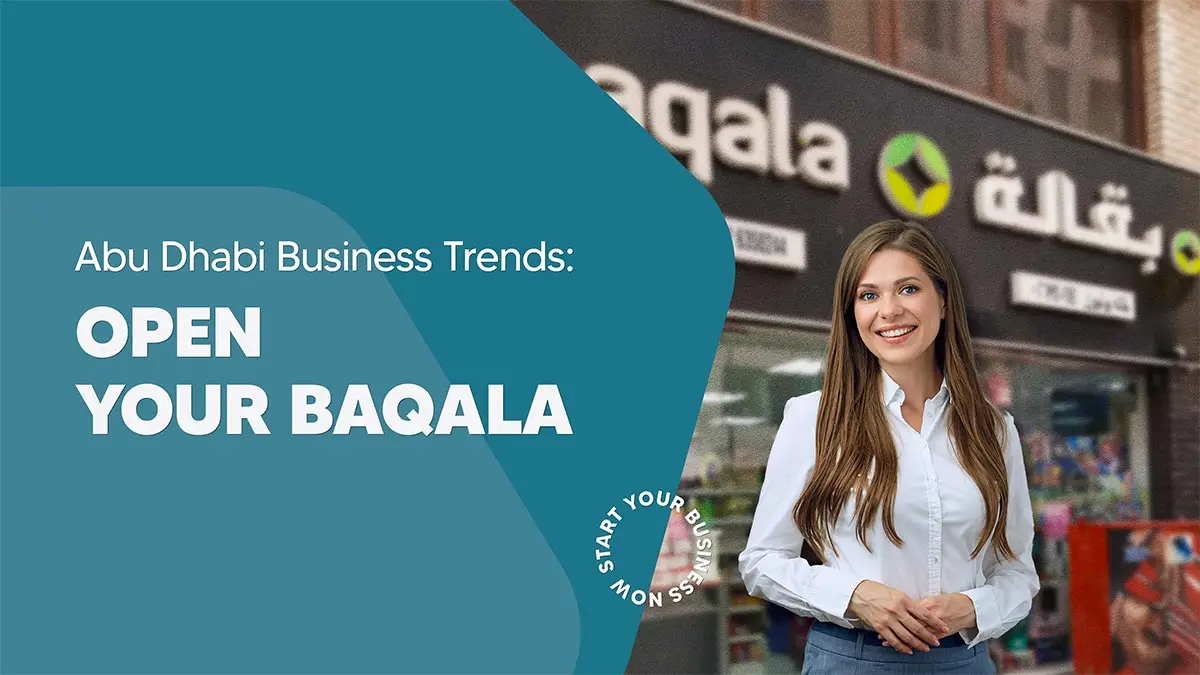
  • About Dubai Airport Free Zone

    About Dubai Airport Free Zone

    Dubai Airport Freezone (commonly abbreviated as DAFZ or DAFZA) is a leading designated free economic zone in Dubai, United Arab Emirates. It specialises in company formation, business setup, and operational support for international investors in Dubai. Strategically located adjacent to Dubai International Airport, DAFZ serves as a dynamic hub for global trade and logistics.

    DAFZ hosts over 3,300 businesses across more than 20 industries, employing over 20,000 people. These companies enjoy business-friendly rules, no taxes, full foreign ownership, the ability to repatriate all profits, and top-quality facilities.

    History

    DAFZ was established in 1996 to help Dubai become a place that attracts investment and supports a variety of businesses. Since then, it has become one of the fastest-growing and most creative free zones in the Middle East, helping Dubai’s economy grow in new ways.

    Today, DAFZ plays an important role in Dubai’s economy by helping businesses grow quickly, with no taxes on goods, easy setup, full foreign ownership, and no limits on sending money abroad. Its location next to the world’s busiest airport makes customs processing fast and allows businesses to connect easily to the world.

    Covering about 696,000 square meters, the zone has many office buildings, over 250 warehouses, and modern facilities. Major industries in DAFZ include technology, medicine and beauty products, engineering and construction materials, aeroplanes and aviation, shipping and transport, food and drinks, jewellery, gems, and luxury items.

    Free Zone Business Licensing

    DAFZ offers different types of licenses to fit various kinds of businesses:

    • Trade License: Permits import, export, distribution, re-export, and storage of goods.
    • Service License: For businesses that provide services, like consulting, IT help, or other professional work.
    • Industrial License: For businesses that do light manufacturing, put products together, package goods, or similar work.
    • E-Commerce License: For businesses that sell goods and services online.
    • General Trading License: Allows businesses to trade a wide range of products, including importing, exporting, re-exporting, storing, and distributing goods.
    • Dual License (with Dubai Department of Economic and Tourism – DET): Let’s DAFZ companies get a DET license for the mainland without needing a physical office there, so they can do business outside the free zone.

    Services

    DAFZ gives full support for starting and running a business, including:

    Business Setup Services:

    • Leasing of offices, flexi-desks, warehouses, and land plots
    • Company licensing and registration
    • Visa and residency processing
    • Special government centres to make approvals faster and easier

    Business Operational Services:

    • Help with managing buildings and setting up office interiors
    • Modern technology and communication systems
    • Security and digital services
    • Amenities such as food courts, retail outlets, travel agencies, and more

    Initiatives

    DAFZ has started several new programs to encourage innovation and growth:

    • Dubai Blink: An online shopping platform for free zone companies that uses artificial intelligence and blockchain, and offers virtual business licenses. It is part of Dubai’s 10X government innovation plan.
    • FZ Exchange: Lets free zone companies become public companies and join stock markets, making it easier to raise money and attract investors.
    • Internal Launchpad Program: An online platform where employees can share ideas, help start new businesses, and share skills to create a culture of innovation.
    • Global Gateway to Halal Industry: Promotional activities, like guidebooks in different languages, to attract investors to the UAE’s halal food and drink sector.
    • Digital Intelligence Initiative: Focuses on updating technology sustainably, improving digital platforms, and providing connected online services.
    • Smart Office Initiative: An online platform for international companies to learn about Dubai’s markets and business opportunities.

    Other efforts focus on making government services more innovative, supporting sustainability, and working together with public organisations.

    Awards and Recognition

    DAFZ has earned numerous accolades for excellence, innovation, and sustainability:

    • ‘Best Technology Award’ for its Smart E-Gate Pass program (Ideas UK).
    • Platinum and Gold certifications from LEED (Leadership in Energy and Environmental Design) for building operations, maintenance, and developments (e.g., Building 8W and main facilities).
    • ‘Emirates Energy Award’ (Golden Category) from the Dubai Supreme Council of Energy.
    • ‘The Best Smart Initiative Award 2016’ at the Big 5 ceremony.
    • Designated as a qualifying free zone under Cabinet Decision No. (59) of 2017.
    • Featured projects like Dubai Blink and Free Zone Exchange were announced and supported at the World Government Summit 2018 by His Highness Sheikh Hamdan bin Mohammed bin Rashid Al Maktoum.

    For the most up-to-date details, including business setup inquiries, visit the official DAFZ website at www.dafz.ae or Shuraa Business Setup.

  • How to Start a Media and Entertainment Business in Dubai

    How to Start a Media and Entertainment Business in Dubai

    Dubai is quickly becoming the place to be for anyone in media and entertainment. It’s a super exciting hub that’s drawing in creative minds and big media companies from all over the world. Free zones like Dubai Media City, Studio City, and Production City are home to over 3,000 companies and more than 34,000 creative professionals, offering everything from modern office spaces to high-tech production studios.

    Dubai has amazing facilities, easy-to-understand business rules, a perfect location linking different parts of the globe, and a diverse population that loves all sorts of content. This means huge chances for your business to grow and innovate.

    But, if you’re wondering how to start a media and entertainment business in Dubai, it’s not just about having a brilliant idea. You also need to obtain appropriate media license, register your business, and follow the right legal steps. Choosing between Mainland or Free Zone, picking the right license, and getting the necessary media approvals from authorities like the Dubai Media Council or Film & TV Commission can make all the difference.

    Why Start a Media and Entertainment Business in Dubai?

    Dubai is one of the fastest-growing markets for media and entertainment in the region and for good reasons. Here’s why starting a media and entertainment business in Dubai makes real sense:

    1. Creative Free Zones Tailored for the Industry

    Zones like Dubai Media City, IFZA, Studio City, and Production City are built specifically for media businesses. They provide access to top-tier production studios, recording rooms, green screens, editing suites, and co-working spaces that are ideal for creative professionals and agencies.

    2. High Demand for Content & Live Experiences

    With a growing digital audience, booming tourism, and a calendar full of international events, Dubai’s market is always hungry for fresh content, entertainment experiences, and creative storytelling, both online and offline.

    3. Full Ownership & Tax Benefits

    In free zones, you can enjoy 100% foreign ownership, zero personal income tax, and zero corporate tax up to AED 375,000. This means more control over your business and better profit margins, especially valuable for startups and independent creators.

    Get Your Free Accounting or Tax Consultation

    4. Government Support & Licensing Ease

    The UAE government has made major investments in its media sector and continues to support startups and content creators. Licensing is streamlined in many free zones, and authorities like the Dubai Media Council and Dubai Film & TV Commission work to support creative entrepreneurs rather than restrict them.

    5. World-Class Events and Networking Opportunities

    Dubai hosts international festivals, expos, film markets, and creative summits that bring together industry leaders and innovators. Events like Dubai Lynx, GITEX, Dubai International Film Festival, and Arab Media Forum open doors for collaboration and exposure.

    What are Some Popular Media and Entertainment Business Activities in Dubai?

    Here are some of the most popular business activities in the media and entertainment sector:

    1. Film & TV Production

    This covers everything from creating feature films, documentaries, and TV series to producing high-quality commercials. Dubai offers world-class sound stages and post-production facilities that attract both international and local projects.

    2. Digital Content Creation

    A massive growth area, this includes producing online videos for platforms like YouTube and TikTok, developing engaging web series, and creating popular podcasts for the large, digitally-savvy audience.

    3. Advertising & Marketing Agencies

    With businesses constantly seeking to reach consumers, there’s high demand for agencies specializing in digital marketing (SEO, social media, paid ads), traditional advertising campaigns, branding, and public relations.

    4. Gaming & eSports

    This rapidly expanding sector involves designing and developing new video games, localizing existing ones, and organizing or participating in eSports tournaments and leagues.

    5. Event Management & Live Entertainment

    Dubai is a global hub for events. This includes planning and executing large-scale concerts, music festivals, theatrical productions, exhibitions, and conferences, as well as providing technical support like staging and AV.

    6. Animation & Visual Effects (VFX)

    As demand for visually rich content grows, so does the need for businesses specializing in 2D/3D animation for films, TV, and digital platforms, along with creating stunning visual effects.

    7. Talent Management & Booking

    Agencies that manage and book artists, performers, models, and influencers for various media projects, events, and brand collaborations are a key part of the industry.

    8. Media Technology & Solutions

    This involves developing innovative tech solutions for the industry, such as software for content production, AI-powered tools for media analysis, or creating immersive experiences using VR/AR.

    9. Music Production & Distribution

    This includes Recording Studios, Music Labels, Music Publishing (managing copyrights), and Digital Music Distribution (getting music onto streaming platforms).

    10. Photography & Videography Services

    High-end commercial photography, corporate videography, aerial cinematography (drones), and specialized event coverage are always in demand.

    What are the License Requirements and Regulatory Approvals?

    To legally run a media and entertainment business in Dubai, you need to get the right license and follow certain regulatory approvals, especially if your work involves public content, publishing, or events.

    Here’s what you need to know:

    1. Choose the Right Licensing Authority

    The first step is deciding where to set up your business: 

    A. Mainland (DED – Department of Economy and Tourism, Dubai)

    B. Free Zones (e.g., Dubai Media City, IFZA, Studio City, Production City, twofour54)

    Ideal for creative and content-focused businesses.

    • Offers benefits like 100% foreign ownership, tax exemptions, and industry-specific infrastructure.
    • License is issued by the Free Zone Authority managing that zone (like TECOM Group for Media City).

    Read more: Free Zone Vs Mainland

     2. Types of Media Licenses You Can Apply For

    Depending on your activity, you may apply for:

    • Media Production License
    • Publishing License
    • Event Management License
    • Advertising & Marketing Services License
    • Digital Content Creation License
    • Music and Audio Production License
    • Broadcasting or Film Distribution License

     Note: Some licenses allow for multiple activities, but all must be clearly listed in your trade license.

    3. Additional Regulatory Approvals (If required)

    For certain activities, especially those involving public content, you may need extra approvals from authorities such as:

    4. Event Permits and Public Content Approvals

    If your business involves organizing public events, performances, concerts, or exhibitions, you must:

    • Obtain an event permit from Dubai Tourism or Dubai Police depending on event type and size.
    • Follow content regulations to avoid fines or cancellations, content must comply with UAE’s cultural and moral standards.

    What are the Documents Required to Start a Media and Entertainment Business in Dubai?

    Setting up a media and entertainment business in Dubai requires certain documents, which generally includes:

    • Passport copies of all shareholders and directors
    • Visa copy and Emirates ID (for UAE residents)
    • Passport-sized photographs (white background, recent)
    • No Objection Certificate (NOC) from current sponsor, if needed
    • Trade name reservation certificate
    • Completed application form for business registration
    • Ejari certificate (for Mainland businesses) or Flexi-desk agreement (for Free Zone businesses)
    • Location plan (for production or studio setup)

    Note: If you are a corporate entity (like a foreign company opening a branch or subsidiary), you’ll also need attested company incorporation documents, a board resolution, and a power of attorney.

    How to Start a Media and Entertainment Business in Dubai, UAE

    Here’s a step-by-step guide on how to start a media and entertainment business in Dubai, UAE the right way.

    Step 1. Define Your Business Activities

    Clearly identify what your media and entertainment business will do (e.g., film production, digital marketing, broadcasting, gaming, event management, animation, talent management, etc.). This is crucial as it dictates your license type and regulatory requirements.

    Step 2. Choose the Right Jurisdiction

    Dubai offers two main jurisdictions for media businesses:

    • Free Zone: Provides 100% foreign ownership, tax exemptions, and built-in media infrastructure, ideal for content-focused startups
    • Mainland (DED): Offers full access to the UAE market and opportunities to bid on government contracts. Full foreign ownership is now also allowed in most sectors, though a local service agent may be needed for certain professional activities

    Step 3: Decide on Legal Structure

    Decide on the legal form of your company (e.g., Free Zone LLC, Branch of a Foreign Company, Sole Establishment, Civil Company, or Mainland LLC). If you’re a solo creator, editor, writer, or digital marketer, some Free Zones offer freelancer licenses. These are low-cost and allow you to work legally as an individual professional.

    Step 4. Register & Obtain a Media License in Dubai

    Select a suitable license based on your activity e.g. film production, publishing, event management, broadcasting, or digital content creation. Reserve a trade name, submit your Memorandum of Association (MoA), and apply through DED or the relevant free zone authority.

    You must also register with Dubai Film & TV Commission (DFTC) if you’re producing film, TV, or commercial content in Dubai, as they issue production permits and ensure compliance with local regulations.

    All content creators and influencers earning commercial revenue must now hold a valid media license from the UAE Media Council. Non-compliance risks steep fines of up to AED 1 million under the new media law (Cabinet Decision No. 41 of 2025).

    UAE Media Council (UAMC) Approvals: The UAMC (formerly NMC) is the federal body regulating media content. For most media and entertainment activities involving public dissemination, content creation, broadcasting, or advertising, you will likely need direct approval or specific permits from the UAMC or a competent authority in your chosen free zone. This ensures compliance with UAE laws, cultural values, and content standards. Examples include:

    • Filming permits (ground and aerial)
    • Permits for scripts (film, TV, theatrical)
    • Broadcasting licenses (radio/TV)
    • Publication permits
    • Advertiser/Influencer licenses (for social media content creators generating income)

    Step 5. Lease Office or Studio Space

    Mainland companies require a physical office. Free zones often allow flexi-desk or co-working space, which is cost-effective for startups. Media zones provide purpose-built studios and production infrastructure, especially in Dubai Media City, Studio City, and Production City.

    Step 6. Acquire Infrastructure & Hire Talent

    Invest in production and post-production equipment, high-speed internet, cloud storage, and content management tools. Hire creative and technical professionals, such as editors, animators, producers, marketers, and event planners. Ensure all employees have valid UAE work permits and visas under the Wage Protection System (WPS).

    Step 7. Protect Your Intellectual Property (IP)

    Register trademarks, copyrights, and contracts that specify ownership rights over content. Protecting your IP is vital in the media space and may be required during licensing or investor processes.

    Step 8. Finance, VAT & Ongoing Compliance

    Prepare for all costs: license application fees, office rent, visas, and bank/accounting service fees. Note that businesses earning over AED 375,000 annually must register for VAT (5%) and may be subject to 9% corporate tax on profits.

    Get Your Free Business Setup Consultation

    What is the Cost of Starting a Media & Entertainment Company in Dubai?

    In the Mainland, media licenses typically cost between AED 15,000 to AED 25,000, while in Free Zones like Dubai Media City or Studio City, expect to pay around AED 18,000 to AED 22,000. Some Free Zones even offer budget packages starting from AED 12,500, especially for solo creators or freelancers.

    Other essential costs to consider:

    You may also need approvals from the National Media Council (NMC) or Dubai Development Authority (DDA), which can cost between AED 2,500 and AED 7,500. If you’re sponsoring employee, visa costs per person are around AED 3,500 to AED 7,000.

    Certain activities require extra approvals. For example, publishing permits cost around AED 5,000 per title, while broadcasting or TV licenses can go up to AED 20,000. Content creators and influencers now also need a valid media license to operate legally.

    How Shuraa Can Help You Set Up

    Dubai is full of exciting opportunities for anyone looking to start a media and entertainment business. Doesn’t matter if you’re into filmmaking, music, content creation, or event planning, the city has everything you need to grow your creative brand, from top-class infrastructure to a supportive business environment.

    Starting a company here might sound complicated, but with the right help, it’s actually quite simple. That’s where Shuraa comes in. We help you with everything from start to finish – choosing the right location (Mainland or Free Zone), getting your media license, handling permits, visas, content approvals, and even finding the right office or studio space.

    Want to know the best setup option for your business? Get in touch with Shuraa for a free consultation and we’ll guide you every step of the way.

    Frequently Asked Questions (FAQs)

    1. How to start a media and entertainment business in Dubai?

    To start a media and entertainment business in Dubai, you’ll need to obtain the appropriate licenses, choose the right jurisdiction (Mainland or Free Zone), reserve your trade name, register your business, and secure any required approvals. Shuraa can help you through the entire process, from setup to licensing.

    2. Do I need approvals for media content in Dubai?

    Yes, depending on your activity, you may need approvals from authorities like the Dubai Media Council, Dubai Film & TV Commission, or the Ministry of Culture and Youth, especially for publishing, filming, or events.

    3. Which media business is most profitable in Dubai?

    Digital content creation, event management, film production, and influencer marketing are among the most profitable due to high demand from brands, tourism, and the growing online audience.

    4. Can foreigners fully own a media company in Dubai?

    Yes! In Free Zones, foreigners can own 100% of the business. Even in the Mainland, most media-related activities now allow full foreign ownership with no need for a local partner.

    5. What licenses do I need for a media company?

    You may need a Media Production License, Publishing License, Event Management License, or Digital Content License, depending on your business activity. Shuraa can help you choose the right one.

    6. Can I run a media company from home or online in Dubai?

    Yes, if your Free Zone allows a flexi-desk or virtual setup. Many content creators, editors, and marketers operate remotely, but you must still have a valid license and follow UAE regulations.

    Disclaimer: The information in this post is for general guidance only and may change due to updates in government policies or regulations.
  • SPV Company Setup in ADGM

    The growing popularity of the UAE as a leading commercial hub makes it an ideal location for all types of businesses. From freelancers, startups, and microbusinesses to corporate giants like Google & Microsoft, all benefit from their presence in UAE.  Apart from the traditional business models, the UAE has several holding companies, which allow entrepreneurs to hold their assets while running their businesses. The SPV company set up is one such structure. Special Purpose Vehicle (SPV) is a holding company which allows owners to limit liability and isolate their financial risks. The Abu Dhabi Global Market (ADGM) as well as Ras Al Khaimah International Corporate Centre (RAK ICC) offer this form of legal corporate structure. 

    Read on below to get an in-depth guide to ADGM SPV company formation. Check the key features of SPV company set up where you can conduct your business operations effortlessly. 

    About Abu Dhabi Global Market (ADGM)

    The Abu Dhabi Global Market (ADGM) is the first International Financial Free Zone in the Middle East where the English Common Law applies. The principles of the English Common Law ensure a strict adherence to global business standards. It also includes benefits like ensuring certainty of proceedings along with the backing of English courts.  

    ADGM has three independent governing authorities: 

    • Registration Authority (RA) 
    • Financial Services Regulatory Authority (FSRA) 
    • ADGM Courts

    The presence of these regulatory authorities makes it one of the most reliable and trusted financial centers in that region. Additionally, since its establishment six years ago, ADGM has managed to build a progressive, efficient, and bustling business environment. Today, it boasts an outstanding 2,385 registrations, a workforce of over 22,000 people and manages assets worth over USD 26 billion.

    Why Set up your Special Purpose Vehicle (SPV) in ADGM

    You can establish Special Purpose Vehicles (SPVs) company set up as subsidiaries, special projects or even as a joint venture vehicle. Since SPVs have a separate legal personality, creditors’ claims cannot attach to the SPV’s shareholders’ or any of the sister companies’ assets. 

    The biggest benefit that an ADGM SPV company formation offers to business owners and asset holders is freedom of separation of financial and legal risk. However, that is not all: 

    1. Structured finance system 

    Companies can access a financial instrument wherein they can restructure debt, raise capital, transfer their assets as well as manage risk when setting up a SPV company. These issues are not addressed in conventional financing. 

    2. Securitisation 

    SPV company set up includes combining the companies’ financial assets and debts. This results in issuing a consolidated financial instrument to the investors. 

    3. Holding & Transferring Assets 

    SPV company formation can reduce red tape due to ease of movement of assets from one account to another. Thus, making the entire operational process easier and faster. 

    4. Raising Capital & Financing 

    Special Purpose Vehicles can also be utilised as funding structures. 

    5. Ring-fencing & Risk Sharing 

    Ring-fencing is a term that describes a virtual ‘barrier’ to separate a company’s financial assets from each other. This is a protective strategy that legally allows you to isolate the risks of any project and share these risks with other investors. 

    6. Fractional Ownership Structure 

    When you form your SPV company set up in UAE, you can sell the ownership asset shares to individual shareholders. This allows them to share the benefits while maintaining lower costs at whole ownership. 

    Special Purpose Vehicles (SPVs) company set up are cost effective because they require no minimum share capital, just need minimum one shareholder and one director, without the need of leasing out office space. ADGM SPV setup has zero nationality ownership restrictions, offers UAE Tax Residency plus access to the Double Tax Treaty Network. Setting up a SPV company requires no attestation of documents, allows migration & continuation of existing business entities as well as multiple classes of shares.

    Steps to Setting up SPV in ADGM

    The country of UAE has a simple and efficient business setup process. Consequently, forming a Special Purpose Vehicle company in UAE is also a straightforward incorporation process. However, given the delicate nature of the structure, it is better to get someone with expertise in UAE company formation on board the process. 

    With experts like Shuraa, you can form your Special Purpose Vehicle company is four easy steps and within 2 weeks: 

    1. Go through the Initial Approval by submitting the
    1. The experts at Shuraa will submit the duly filled application through the official portal 
    1. Abu Dhabi Global Market will review the application plus the Abu Dhabi Immigration clearance of Authorise Signatories 
    1. Once the process is completed, the SPV license is issued 

    What is the ADGM SPV Set Up Cost?

    The ADGM SPV company registration process can be split into two costs. In the first year, there is the ADGM fee of USD 1,600 and in the second year of USD 1,200. Additionally, the ADGM Office Address and professional service fee are a combined USD 1,400 per year. Therefore, in the first year, the total ADGM SPV company set up cost is approximately USD 3,000 and USD 2,600 in the second year. 

    Note: Costs are subject to changes in the UAE Laws and Regulations 

    It is time to start your SPV Company

    With companies across the world enlarging their global business operations, it is more important than ever that they keep all their assets secure. An SPV setup in Abu Dhabi is a legally sound structure to keep the parent company’s balance sheet safe from financial risk in case their venture fails.  

    What’s more, the Special Purpose Vehicle can have its own assets, liabilities, and equity, while maintaining its separate balance sheet. SPV company set up can be either in the form of a Limited Liability Company, a Limited Partnership structure or as a trust. Out of these LLC is the most common SPV structure. 

    Shuraa Business Setup caters to all forms of company incorporation needs. With over 26 years of presence in Dubai, Shuraa has all the legal expertise for business incorporation in the UAE. Get end-to-end corporate solutions under one roof: business license, corporate account setup, PRO & visa services, VAT, tax & book-keeping, and more.

    We are just a call away at +971 44081900. Or you can send us a WhatsApp message at +971 507775554, or simply email at info@shuraa.com.