Blog

  • How to Earn Money Online in UAE in 2026

    How to Earn Money Online in UAE in 2026

    As the digital age continues to expand, so does the online job market in the UAE. With more and more people looking for ways to earn money from the comfort of their own homes, the answers for how to make money online in the UAE are becoming increasingly diverse.

    From freelance writing and graphic design to virtual tutoring and e-commerce, there are countless ways for residents of the UAE to make money online.

    Therefore, we are here to explore the various opportunities available for making money online in the UAE, their benefits, how to earn money online in the UAE, and more.

    12 Practical Ways to Earn Extra Money Online in the UAE

    In the UAE, various online opportunities exist to generate income. Freelancing, e-commerce, and content creation are popular options. You can also explore online tutoring, social media management, or becoming a virtual assistant. Additionally, selling digital products, participating in online surveys, or becoming an influencer can be lucrative.

    Here’s a more detailed look at some of the options:

    1. Freelancing:

    Freelancing involves offering your professional skills and services to clients on a project-by-project or contract basis, rather than working as a full-time employee. It allows you to choose the type of work you take on, set your own rates, and manage your schedule independently.

    Popular Freelance Services

    • Content Writing & Copywriting, Graphic Design, Web & App Development, Digital Marketing, Virtual Assistance and Consulting & Coaching etc.

    Top Freelance Platforms

    • Upwork, Fiverr, Freelancer.com, Toptal, PeoplePerHour and many more.

    Key Benefits of Freelancing

    1. Flexibility – Work from anywhere, set your own hours, and choose projects that interest you.
    2. Higher Earning Potential – Set competitive rates and take on multiple clients to maximize income.
    3. Global Opportunities – Work with clients from different countries without geographical restrictions.
    4. Skill Growth – Gain experience across industries and continuously upgrade your expertise.
    5. Independence – Be your own boss and build a career tailored to your strengths.

    Freelancing is a great way to turn your skills into a sustainable income while maintaining control over your professional journey. Whether you’re looking for a side hustle or a full-time career, freelancing offers endless possibilities!

    2. E-commerce:

    E-commerce (electronic commerce) is the buying and selling of goods or services over the internet. It allows businesses and individuals to reach customers globally without the need for a physical store. Whether you want to sell handmade products, source items from suppliers, or even run a digital storefront, e-commerce provides endless opportunities for entrepreneurs.

    Popular E-Commerce Business Models

    • Dropshipping, Handmade & Craft Sales, Private Labeling, Wholesaling & Reselling, Print-on-Demand (POD), Digital Products etc.

    Top E-Commerce Platforms

    • Amazon, Etsy, Noon (Middle East Focus), Shopify, eBay, Souq (Now Amazon.ae) etc.

    Why Start an E-Commerce Business?

    1. Low Startup Costs – Many models (like dropshipping) require minimal upfront investment.
    2. Global Reach – Sell to customers worldwide without geographical restrictions.
    3. Flexibility – Run your store from anywhere with an internet connection.
    4. Scalability – Easily expand product lines or target new markets as you grow.
    5. Automation Potential – Use tools for order processing, marketing, and inventory management to streamline operations.

    Ready to start? Research your niche, choose the right platform, and launch your online store today!

    3. Content Creation:

    Content creation involves producing engaging material—videos, blogs, social media posts, podcasts, and more—to attract and monetize an audience. In the UAE, where digital media consumption is high, creators can leverage platforms like YouTube, Snapchat, TikTok, and LinkedIn to build a strong online presence.

    Types of Content You Can Create

    • Video Content, Blogging & Writing, Podcasting, Social Media Content, Photography & Visual Art, E-books & Online Courses etc. 

    How Content Creators Make Money

    • Ad Revenue – Earn from ads displayed on your content (YouTube AdSense, blog display ads).
    • Affiliate Marketing – Promote products and earn commissions for sales (Amazon Associates, Shopify affiliates).
    • Sponsorships & Brand Deals – Partner with companies for paid promotions or sponsored content.
    • Selling Digital Products – E-books, templates, presets, or online courses (via Gumroad, Teachable).
    • Memberships & Subscriptions – Offer exclusive content through Patreon, Substack, or OnlyFans.
    • Crowdfunding & Donations – Receive support from fans via Ko-fi, Buy Me a Coffee, or PayPal.
    • Merchandise Sales – Sell branded products (T-shirts, mugs) through Printful or Teespring.

    Legal Considerations in the UAE

    ✔ Media Licensing – Commercial content may require a freelance permit or media license (e.g., from Dubai Media City or twofour54 Abu Dhabi).
    ✔ Cultural Sensitivity – Avoid controversial topics; adhere to UAE’s content regulations.
    ✔ Tax Implications – VAT may apply to earnings; consult a local financial advisor.

    Why Start Content Creation in the UAE?

    1. High Internet Penetration – Over 99% of the UAE population uses social media.
    2. Lucrative Brand Deals – Dubai’s luxury market offers high-paying sponsorships.
    3. Government Support – Initiatives like Dubai Creatives encourage digital talent.
    4. Multilingual Audience – Reach Arabic, English, Hindi, Urdu, and Russian-speaking viewers.

    4. Online Tutoring:

    Online tutoring involves teaching students virtually via video calls, pre-recorded courses, or interactive e-learning platforms. With the UAE’s strong emphasis on education and a large expat community seeking language and skill-based learning, online tutors can earn a steady income while working flexible hours.

    Popular Online Tutoring Niches in the UAE

    1. Language Tutoring – English, Arabic (Modern Standard & Emirati dialect), French, Hindi, Urdu.
    2. STEM Subjects – Math, Physics, Chemistry (Aligned with UAE/UK/US curricula like CBSE, IGCSE, IB).
    3. Test Preparation – IELTS, TOEFL, SAT, EmSAT (UAE’s standardized test).
    4. Professional Skills – Coding (Python, AI), Digital Marketing, Finance (ACCA, CFA).
    5. Hobby & Lifestyle – Quran tutoring, Yoga, Photography, Cooking (especially Arabic/Indian cuisine).

    How UAE-Based Tutors Make Money

    • One-on-One Classes – Charge hourly via Zoom/Google Meet (AED 100–300/hour for specialized subjects).
    • Pre-Recorded Courses – Sell on Udemy, Teachable, or UAE platforms like Almentor.net.
    • Corporate Training – Partner with UAE companies for upskilling employees (e.g., LinkedIn Learning-style programs).
    • School Contracts – Work as an online tutor for UAE schools/homeschooling groups.
    • Subscription Models – Offer monthly memberships for group classes (e.g., Arabic for beginners).

    Top Platforms for UAE Online Tutors

    • Udemy & Teachable – For selling pre-recorded courses globally.
    • Preply & iTalki – Popular for live language tutoring (high demand for Arabic/English).
    • TutorMe & MyPrivateTutor.ae – Connects tutors with UAE-based students.
    • Zoom/Google Meet – Direct tutoring with payment via PayPal, Bank Transfer, or UAE apps (Beam, Payit).

    Legal & Business Setup Tips

    ✔ Freelance Visa/Education License – Required if tutoring full-time (obtain via goFreelance, DAFZA, or RAKEZ).
    ✔ VAT Registration – Mandatory if annual earnings exceed AED 375,000.
    ✔ Cultural Nuances – Dress modestly on camera; avoid sensitive topics in classes.

    Why Online Tutoring Works in the UAE?

    1. High Demand – Expats and locals seek quality, convenient education.
    2. Flexible Timings – Teach part-time or full-time (peak hours: 4–9 PM UAE time).
    3. Tax-Free Income – No personal income tax on earnings (unless registered for corporate tax).
    4. Global Clientele – Teach Middle Eastern, Asian, and Western students from home.

    Pro Tip: Use LinkedIn and UAE Facebook groups (e.g., Dubai Tutors) to find students. Offer a free trial class to attract learners!

    5. Virtual Assistant Services:

    A Virtual Assistant (VA) provides professional administrative, technical, or creative support to businesses and entrepreneurs remotely. In the UAE’s fast-growing digital economy, VAs are in high demand, especially among startups, influencers, and small businesses looking for cost-effective support.

    Popular Virtual Assistant Services in the UAE

    • Administrative Support, Social Media Management, Customer Support, Digital Marketing Assistance, Personal & Lifestyle Assistance etc.

    How Virtual Assistants Make Money in the UAE

    • Hourly Rates (AED 50–150/hour) – Common for general admin tasks.
    • Monthly Retainers (AED 2,000–6,000/month) – For long-term clients needing regular support.
    • Project-Based Fees – One-time tasks like setting up a CRM or managing a product launch.
    • Niche Specialization – High-paying roles (AED 100–300/hour) for real estate, legal, or financial VAs.

    Top Platforms to Find VA Jobs in the UAE

    • Upwork & Fiverr – Global freelancing platforms with UAE clients.
    • LinkedIn & Facebook Groups – Join “Dubai Virtual Assistants” or “UAE Freelancers” for local opportunities.
    • Bayt & Nabbesh – Middle East-focused job portals.
    • Direct Clients – Network with Dubai startups, influencers, and small businesses.

    Why Become a Virtual Assistant in the UAE?

    1. High Demand – UAE businesses and entrepreneurs need remote support.
    2. Flexible Work – Choose your hours and work from home (or anywhere).
    3. No Commute – Save time and money by working online.
    4. Diverse Clients – Work with local startups, influencers, or international companies.
    5. Scalable Income – Start part-time and expand into a full-time VA agency.

    6. Online Surveys and Paid Research:

    Earn money by sharing your opinions through online surveys, product testing, or market research studies. Companies in the UAE and globally pay for consumer feedback to improve their products/services.

    Top Platforms for UAE Users:

    • Toluna UAE – Surveys & product tests (gift cards/cash).
    • Valued Opinions – Pays via vouchers (Noon, Amazon.ae).
    • Opinion Bureau MENA – Cash rewards for surveys.
    • YouGov UAE – Earn points redeemable for cash/discounts.
    • YSense – Offers surveys + microtasks.

    Note: Earnings are part-time (AED 50–500/month). Best for supplemental income.

    7. Influencer Marketing:

    Influencer marketing involves collaborating with brands to promote their products or services on your social media platforms. In the UAE—a hub for luxury, fashion, and tech—businesses actively partner with influencers to reach engaged audiences. Whether you’re a nano-influencer (1K–10K followers) or a macro-influencer (100K+), you can monetize your online presence through sponsored posts, affiliate sales, and brand deals.

    Why Influencer Marketing Works in the UAE

    1. High Social Media Penetration – Over 10.5 million UAE users are active on Instagram, TikTok, and Snapchat.
    2. Luxury & Lifestyle Focus – Brands in fashion, beauty, travel, and tech invest heavily in influencer campaigns.
    3. Government Support – Dubai’s Creative Economy Strategy encourages digital content creators.
    4. Diverse Audience – Reach Arabic, English, South Asian, and Western expats.

    Top Niches for UAE Influencers

    • Luxury & Fashion, Beauty & Skincare, Travel & Hospitality, Food & Dining, Tech & Gadgets, Business & Finance etc.

    How UAE Influencers Make Money

    • Sponsored Posts – Charge AED 500–50,000 per post (based on followers/engagement).
    • Affiliate Marketing – Earn commissions via Noon, Amazon.ae, or brand-specific links.
    • Brand Ambassadorships – Long-term deals with monthly retainers (common in fashion/beauty).
    • Event Appearances – Get paid to attend/product launches (Dubai Mall events, Expo City).
    • YouTube Ad Revenue – Monetize vlogs or haul videos (if you have 1K+ subscribers).

    Best Platforms for UAE Influencers

    • Instagram & TikTok, Snapchat, YouTube, LinkedIn, Twitter (X) etc.

    Pro Tip: Join UAE Influencer Groups on Facebook or LinkedIn to network with brands!

    8. Social Media Management

    Social Media Management (SMM) involves creating, scheduling, analyzing, and engaging with content on platforms like Instagram, LinkedIn, and TikTok to help businesses build their brand presence. In the UAE—where 90% of the population uses social media daily—companies urgently need experts to manage their accounts professionally.

    Why SMM is Booming in the UAE?

    ✔ High Digital Adoption – UAE has one of the world’s highest social media penetration rates.
    ✔ Thriving Business Hub – Startups, influencers, and multinationals need SMM support.
    ✔ Government Push for Digital – Initiatives like Dubai’s Paperless Strategy increase online business demand.

    Services You Can Offer

    • Content Creation, Community Management, Paid Ads (Meta & TikTok Ads), Influencer Collaborations, Analytics & Reporting etc.

    Top Platforms for UAE Clients

    • Instagram & TikTok – For lifestyle, fashion, and food brands.
    • LinkedIn – B2B and corporate clients (Dubai’s business scene).
    • Snapchat – Popular among Emirati youth.
    • Facebook & Twitter (X) – For older demographics and customer service.

    How Much Can You Earn?

    • Freelance SMM Managers – AED 2,000–8,000/month per client.
    • Agency Owners – AED 10,000–30,000+/month with multiple clients.
    • Upselling Add-Ons – Charge extra for ads, influencer outreach, or video editing.

    Pro Tip: Specialize in high-paying niches like real estate, luxury brands, or UAE tourism to stand out!

    Other Opportunities:

    9. Online Photography Contests:

    The UAE’s vibrant photography scene offers regular contests like the Hamdan bin Mohammed bin Rashid Al Maktoum International Photography Award (HIPA) or Xposure UAE, where winners can earn cash prizes (often AED 10,000+) and global exposure. Platforms like GuruShots or ViewBug host virtual contests—ideal for smartphone photographers. Local themes (desert landscapes, Dubai architecture, or cultural festivals) tend to perform well.

    10. Stock Photos and Videos:

    UAE-based creators can sell images of iconic landmarks (Burj Khalifa, Sheikh Zayed Mosque), business setups, or multicultural lifestyles on platforms like ShutterstockAdobe Stock, or Alamy. High demand exists for Arabic-themed content (traditional attire, Ramadan, Eid) and corporate/travel visuals. Pros earn $0.25–$100 per download, with consistent uploads boosting passive income.

    11. Dropservicing:

    A low-cost business model where you act as a middleman—outsource services (web design, SEO, or social media management) to freelancers on Fiverr or Upwork, then resell to UAE clients at a markup. For example, offer Arabic-to-English translation services by hiring bilingual freelancers and charge clients (e.g., law firms, hotels) premium rates. Use LinkedIn or local freelancing platforms like Nabbesh to find clients.

    12. Transcription Services:

    With the UAE’s booming media and legal sectors, transcriptionists convert interviews, court hearings, or corporate meetings into text. Bilingual (Arabic/English) transcribers earn AED 20–50 per audio hour on platforms like Rev or TranscribeMe. Local opportunities include working with Dubai Media City production houses or law firms needing accurate documentation.

    Key UAE-Specific Tips

    • For stock media, avoid photographing sensitive locations (military/government buildings).
    • Dropservicing may require a freelance permit if dealing with UAE clients regularly.
    • Transcriptionists should familiarize themselves with Gulf Arabic dialects for accuracy.

    Why Choose the UAE to Start an Online Business?

    The UAE offers a wealth of benefits for entrepreneurs looking to launch an online business. This includes:

    • Tax Advantages: The UAE has a tax-friendly environment for businesses. There’s typically no personal income tax, making it attractive to retain a larger share of your profits.
    • Ease of Business Setup: The UAE streamlines the process of setting up a business, especially in free zones. This can be much faster and less bureaucratic compared to other regions.
    • Government Support: The UAE government actively supports entrepreneurship and innovation. Initiatives like free zones and business incubators provide resources and guidance for startups.
    • Full Ownership and Repatriation: You can have complete ownership of your online business in the UAE. Additionally, there are typically no restrictions on repatriating your business profits.
    • Tech-Savvy Population: The UAE has a high internet and smartphone penetration rate, with a large population comfortable shopping online.

    Turn Your Passion into Profit with Shuraa

    UAE offers a wealth of opportunities to turn your skills and ideas into income. The key is to identify your strengths, interests, and available time to choose the path that resonates with you. For those looking to establish their online business in the UAE, seeking assistance from Shuraa Business Setup can make the process smooth and hassle-free.

    We offer a comprehensive suite of services, from company registration and licensing to PRO services and legal guidance. Let us handle the administrative burdens while you focus on building your online business.

    Don’t wait any longer!  Contact Shuraa Business Setup today at +971 44081900 or WhatsApp at +971 507775554 or drop an email at info@shuraa.com. Together, let’s make it happen.

    Also Read: Top 31 Successful Business Ideas in the UAE

    Frequently Asked Questions (FAQs)

    1. How to make some extra money online in the UAE?

    UAE offers many opportunities to make money online including freelancing, virtual assistant, online selling, online tutoring, social media management, etc.

    2.  How to start your business in Dubai, UAE?

    The UAE offers a business-friendly environment. Here’s a simplified process:

    • Choose your business activity
    • Select a legal structure. Free zones offer benefits like tax exemptions and full ownership.
    • Register your business online or through designated authorities in your chosen free zone.
    • Obtain necessary licenses
    • Open a corporate bank account

    Consult an expert at Shuraa Business Setup for assistance throughout the process.

    3. How to make money in UAE on a visit visa?

    Unfortunately, earning income through online work is generally not permitted on a visit visa. Visit visas are intended for tourism or short-term visits. Working on a visit visa can lead to legal repercussions.

    4. Can I freelance online in the UAE on a visit visa?

    No, freelancing online in the UAE requires a valid work visa that allows freelance activities. Working on a visit visa is strictly prohibited.

    5. What work-from-home jobs are available in the UAE?

    Several work-from-home online jobs are available in the UAE. Consider options like virtual assistant, online tutor, content creator, social media manager, data entry specialist, or online translator.

    6. How to start an online business in Dubai?

    To start your online business in Dubai, follow the steps:

    1. Choose the right jurisdiction for your online business
    2. Picking the ideal name for your company & obtaining your initial approval certificate
    3. Getting started with the process of obtaining your online business license
    4. Application process to acquire visas
    5. Opening a bank account in Dubai

    Disclaimer: The information in this post is for general guidance only and may change due to updates in government policies or regulations.

  • What is a No Objection Certificate (NOC) in UAE

    What is a No Objection Certificate (NOC) in UAE

    A No Objection Certificate (NOC) is a document issued by a government or private organisation that allows someone to carry out certain activities or meet specific requirements. In the UAE, this certificate is especially important for anyone planning to start a business.

    This document shows that the relevant parties do not object to the proposed activity or request, so the person may proceed.

    The NOC is a key part of the UAE’s official process. It acts as a formal confirmation from the authorities that there are no objections to starting a business or carrying out certain activities.

    Without this certificate, it can be difficult to get the licenses, permits, or approvals needed to operate legally in the UAE.

    That’s why it’s important for entrepreneurs to understand what an NOC is and why it matters when setting up a business in the UAE.

    What does NOC mean?

    NOC stands for No Objection Certificate. It is a legal document that shows a company, individual, or organisation has no objections to a certain action or transaction. In the UAE, NOCs are often needed for changing jobs, starting a business, property deals, and other activities.

    Kafala System

    The UAE uses the Kafala system, which is a sponsorship system for expats. Usually, your employer acts as your sponsor and handles your residency visa. To do certain things in the UAE, you often need an NOC from your sponsor, such as for:

    • Changing jobs
    • Starting a business
    • Leaving the country

    The NOC rule helps keep things clear and protects both you and your sponsor. It prevents people from building up debt or breaking visa rules, and it also ensures sponsors are not held responsible if a former employee stays in the country after their visa ends.

    Benefits of Obtaining a No-Objection Certificate

    Getting an NOC in the UAE offers several advantages, such as:

    • Smoother Transitions: An NOC shows that your current employer approves actions such as changing jobs. This helps you avoid problems and makes it easier to move to a new role.
    • Avoid Legal Issues: With an NOC, you show you have met your responsibilities and have no unresolved issues with your current sponsor.
    • Lifting Labour Bans: If you have a labour ban because of past job issues, a NOC from your previous employer can help remove the ban so you can look for new work.
    • Streamlined Processes: Sometimes, having an NOC can speed up visa applications or other steps that check your legal status and work history.

    When is a NOC Required in the UAE?

    You may need a No Objection Certificate (NOC) in the UAE for different reasons, especially if you are changing jobs, starting a business, or handling certain official matters.

    Below are some common situations where you might need an NOC:

    1. Employment:

    This is especially important if you plan to change jobs. In most cases, you will need an NOC from your current employer before joining a new company.

    2. Business Setup:

    The rules depend on where you are. On the UAE mainland, you usually need an NOC from your employer if you want to start a business while still working for them.

    But in many Free Zones, the rules are different. You may not need an NOC to set up a business there.

    3. Business Modifications:

    If you already have a business, you might still need an NOC for activities such as adding a partner, renewing your license, or expanding what your business does.

    4. Official Transactions:

    You may also need an NOC for other official tasks, such as:

    • Opening a bank account or an internet account
    • Obtaining a UAE driving license
    • Buying or selling real estate
    • Renewing or modifying a business license
    • Adding a partner to your business

    5. Visa Applications:

    You usually do not need an NOC to obtain your first work visa, since your employer handles it. However, if you have a UAE residency visa and want to apply for a visa to another country, you might need an NOC.

    6. Lifting Labour Bans

    If you have had problems with your job contract and received a labour ban, you will often need an NOC from your previous employer to remove the ban and continue working.

    Who Issues NOCs in the UAE?

    Who issues your NOC in the UAE depends on the type you need.

    • Employer NOC: This is the most common type and is given by your current employer or sponsor in the UAE. It shows they approve actions like changing jobs or starting a side business.
    • Government Department NOC: Some government departments also issue NOCs for certain procedures. For example, the Telecommunications and Regulatory Authority (TDRA) gives NOCs for e-commerce activities in the UAE.
    • Utility Provider NOCs: Sometimes, utility providers such as the Dubai Electricity and Water Authority (DEWA) require NOCs for property transfers.
    • Free Zone Authority NOC: Free Zones in the UAE have their own rules for NOCs. On the mainland, you might need a No Objection Certificate from your employer to start a business, but a Free Zone may not require this.

    How to Get a NOC in the UAE

    The steps to get a NOC in the UAE can differ based on the type you need and who issues it. Here are some general guidelines:

    Step 1. Identify the type of NOC

    Figure out which type of NOC you need, such as from your employer or a government department. This depends on your situation, like changing jobs or starting a business.

    Step 2. Gather Required Documents

    The documents you need will depend on the NOC type, but usually include:

    • The purpose of needing the NOC
    • Your passport copies
    • Emirates ID copy
    • Proof of employment (for employer-related NOCs)
    • Business license documents (if applicable)
    • Any other documents specified by the issuing entity

    Step 3. Submit Your Application

    If you need an Employer NOC, give your application and documents to your company’s HR department. For a Government Department NOC, follow that department’s process, whether online or in person.

    Step 4. Fee Payment

    You may need to pay a fee to process your NOC application.

    Step 5. Approval and Collection

    Processing times vary by case. After approval, you can either pick up your NOC in person or get it electronically, depending on how the issuer handles it.

    Why is NOC Needed for Establishing a Business in the UAE?

    If you work in the UAE and want to start a business on the mainland, you will probably need an NOC from your current employer or sponsor. This helps keep things clear and prevents any issues with your job contract.

    If you are unemployed or working as a freelancer, you usually do not need an NOC from a previous employer to start your own business.

    If getting an NOC is difficult, you might want to set up your business in a Free Zone. Many Free Zones have simpler processes and do not require NOCs from your employer.

    Do You Need an NOC to Work in the UAE?

    No, you usually don’t need an NOC just to work in the UAE. The need for an NOC mostly arises when your job situation changes or when you want to do something specific. When you start a job in the UAE, your employer, who is also your sponsor, handles the work visa process. In this case, you don’t need to provide an NOC.

    But if you want to change jobs and work for a new employer, you will probably need an NOC from your current sponsor.

    A Smooth Start for Your Business with Shuraa

    The No Objection Certificate, or NOC, is important for starting and running a business in the UAE. It shows that everyone involved agrees with the decision and helps with official processes.

    If you want to start a business in the UAE, it’s a good idea to get advice from Shuraa Business Setup. Our team can guide you through each step and make sure you have all the documents you need to run your business smoothly.

    You don’t have to do it alone. Reach out to Shuraa Business Setup at +971 44081900, WhatsApp us at +971 507775554, or email info@shuraa.com.

    Frequently Asked Questions

    1. Can an NOC be issued for any activity in the UAE?

    No, NOCs are usually given for certain reasons. The most common ones are changing jobs, starting a business, or getting approval for specific transactions.

    2. How long does it take to get an NOC?

    How long it takes to get an NOC depends on who is issuing it and the complexity of your request. It can take anywhere from a few days to several weeks.

    3. Do I need an NOC to cancel my UAE visa?

    No, you do not need an NOC to cancel your visa. But you may still need to settle any final payments or obligations with your employer before your visa can be fully cancelled.

    4. Can I request an NOC for a family member in the UAE?

    NOCs are usually given to people for their own activities. But if you are sponsoring a family member’s visa and your job situation changes, you might need an NOC from your employer.

    5. What happens if my employer refuses to issue an NOC?

    If your employer refuses to give you an NOC without a good reason, you can try to discuss it with them or file a complaint with the Ministry of Human Resources and Emiratization (MOHRE). You may also want to get legal advice in these cases.

    Disclaimer: This information is for general guidance only and could change if government policies or rules are updated.

  • The DED Payment Voucher: How to get it

    The DED Payment Voucher: How to get it

    Starting a business in the United Arab Emirates (UAE) demands careful attention to administrative procedures and getting the Dubai Economic Department (DED) Payment Voucher is a vital step for a smooth setup process. Recognising the meaning of this document, Shuraa is dedicated to guiding you through professionally procuring your DED payment voucher.

    This blog serves as your complete source for understanding and learning the difficulties of the DED payment voucher system. From its benefits to the process of getting and reviving it, we provide actionable visions to allow your business and safeguard compliance in the dynamic UAE market. Shuraa Business Setup will shorten the voyage to success together by connecting the power of the DED payment voucher.

    What Does DED Stand for in Dubai?

    The Department of Economic Development (DED) plays a key role in shaping and steering economic policies within Dubai. Its main aim is to propel Dubai into a global financial powerhouse. This objective is pursued by applying six strategic pillars, each geared towards fostering the necessary infrastructure, regulations, and technology to attract local and foreign investors, businesses, and SMEs to operate within Dubai’s vibrant economic landscape.

    These six pillars encompass:

    • Economic Growth
    • Economic Competitiveness
    • Business Community Happiness
    • Economic Foresight and Planning
    • Advance DED
    • Financial Sustainability

    Moreover, the DED is trusted with granting, amending, and overseeing company licenses throughout Dubai. It has the authority to issue trade licenses for up to 2,100 business activities categorised under industrial, commercial, professional, and tourist sectors.

    What is a DED Payment Voucher in the UAE?

    In the United Arab Emirates (UAE), a payment voucher is critical for recording your business’s daily financial activities. It is essential for preserving accurate financial records and guaranteeing compliance with regulations. One specific type of payment voucher is the DED payment voucher, generated by the Department of Economic Development (DED) upon successfully submitting all necessary documents for trade license renewal. This voucher acts as proof of payment for the renewal fees and guarantees the timely renewal of your trade license.

    How Can I Get a DED Voucher?

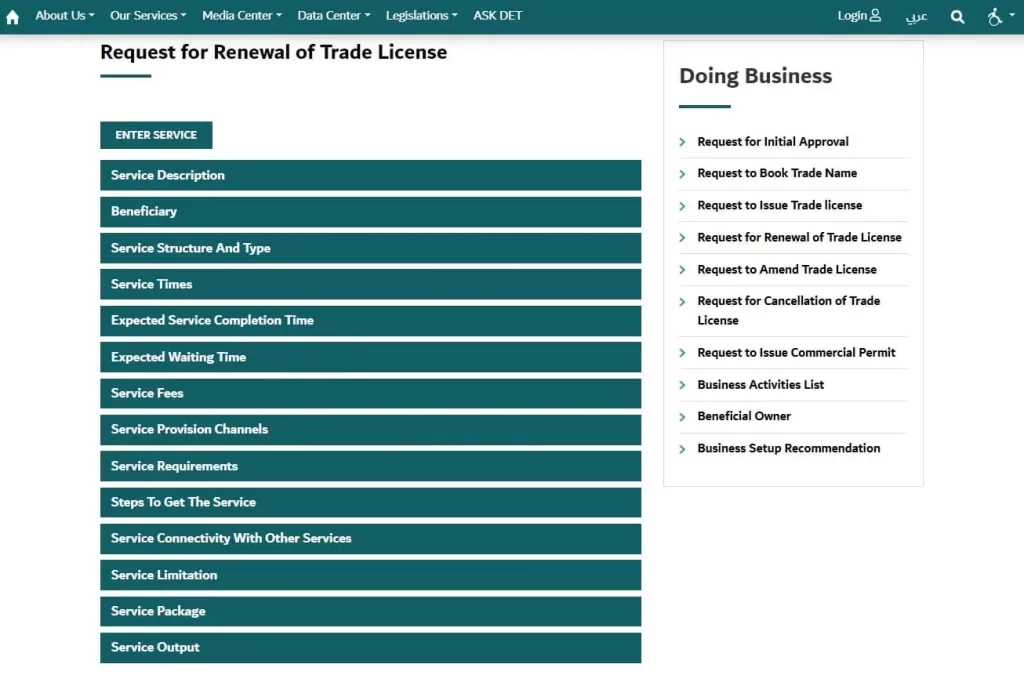
    Securing your DED voucher can be achieved through several avenues. Firstly, you can receive it directly on your mobile phone via SMS, visit designated service centres such as Ta-sheel or Amer, or generate it online from the official DED website.

    Receive Payment Voucher Via SMS

    Through SMS, you can get your DED payment voucher in the quickest and easiest way possible. Encrypt your trade license number and send it to 6969 via text message. Within approximately 20 seconds, you’ll receive a web link to download the payment voucher in PDF format instantly.

    Alternatively, if you prefer personal assistance or have the time for face-to-face interaction, head to the nearest Amer or Ta-sheel service centre; upon providing your Trade License Number, an advisor will print out the voucher for you, enabling immediate payment. However, a service charge may be applicable for this option.

    Lastly, for the online generation, access the DED website at https://www.dubaipulse.gov.ae/organisation/ded and log into your account. From there, navigate through the renewal process to obtain your payment voucher. Further details on the renewal procedure will be provided later in this guide.

    How Can I Check My DED Fines?

    You must access the DED website and log into your account to ascertain your DED fines. Once logged in, follow these straightforward steps to determine if there are any penalties and proceed to clear them:

    • Direct to the business dashboard and locate the ‘My Transactions’ section. Click on ‘Pay Fines’.
    • In the ‘View Fines’ section, input your license number into the provided text box and click ‘View’.
    • The system will produce an inspection report, displaying any penalties imposed on your license.
    • You’ll then be directed to the payment gateway to settle the outstanding amount.

    The DED issues fines related to trade licenses and their renewals. For example, failing to renew your trade license on time can result in a fine of AED 250. Additionally, operating a company in Dubai without a valid license may incur a further penalty of AED 5,000.

    What are the Advantages of Possessing a Payment Voucher?

    Below are the following benefits of having a payment voucher:

    • The DED payment voucher serves as evidence of payment for various transactions, such as license renewals, fines, fees, and other business-related payments.
    • By using the voucher, businesses can maintain accurate financial records and guarantee compliance with regulations set by the DED.
    • The DED payment voucher invoice clearly records all financial transactions, facilitating audits and demonstrating compliance with financial regulations.
    • Using the payment voucher helps ensure businesses make timely payments for licenses, fines, fees, and other responsibilities, thereby avoiding financial penalties, operational disruptions, and potential blacklisting by the government.

    How Do I Verify My DED Fines?

    Below are the following procedures for verifying the DED fines:

    • Individuals can verify their DED fines through both online and offline channels, ensuring accessibility and convenience.
    • Visit the official DED website or access the DED e-services section. Within this platform, locate the fines verification option.
    • The fines verification section provides a straightforward interface, allowing users to input their trade license details easily.
    • Upon entering license details, the system retrieves and displays all outstanding fines, clearly outlining each violation and the corresponding amount due.
    • After reviewing fines, users can settle them directly through the online platform, ensuring a secure and straightforward payment process.
    • Upon successful payment, the system generates a confirmation, providing assurance that fines have been addressed.
    • Alternatively, individuals can visit a DED service centre for personalized assistance from knowledgeable staff, combining online accessibility with face-to-face support for efficient fine management.

    Steps to Renew Your DED Trade License

    Steps to Renew Your DED Trade License

    Below are the following steps to renew your DED trade license:

    1. Initiate Renewal Process: Begin the renewal process at least one month before the expiration date. Access the DED’s online portal or visit a DED service centre to kick-start the journey.
    2. Access Online Portal: Log into the DED’s e-services platform and navigate to the license renewal section. Follow the prompts to select the renewal option and initiate the systematic process.
    3. Document Submission: Provide the necessary documents for verification, ensuring compliance with regulatory standards and ethical business practices. Submit the required documents through the online portal.
    4. Payment Phase: Generate a DED payment voucher specific to the renewal fees securely through the online platform. The system calculates fees based on business nature, providing a transparent breakdown of costs.
    5. Complete Transaction: Proceed to complete the transaction securely online, utilizing the DED payment voucher. Ensure precise and informed payment, adhering to regulatory requirements.
    6. Receive Renewed License: Upon successful payment, the system electronically issues the renewed trade license. Enjoy uninterrupted business activities, facilitated by the seamless integration of online and offline elements provided by the DED.

    What is the cost of a DED License?

    The cost for a DED license begins at AED 12,000*, varying depending on the nature of your business. For an accurate quote tailored to your specific business activities, reach out to one of our experienced business setup managers. They will provide you with an up-to-date price reflecting the activities you intend to undertake.

    What is The DED in UAE?

    The Department of Economic Development (DED) in the UAE holds the responsibility of shaping and guiding economic policies in Dubai. Its primary objective is to position Dubai as a leading global economic hub.

    To get a DED payment voucher, individuals can opt to receive it via SMS, visit or contact service centres like Ta-sheel or Amer, or generate it online from the DED website.

    Additionally, the DED plays a critical role in implementing the UAE VAT Law and Regulations. These regulations introduce considerations for businesses, particularly regarding the use of vouchers. Vouchers have become essential for businesses across various industries in the UAE, offering customers opportunities for goods, services, or discounts. Effectively navigating the UAE VAT landscape necessitates a thorough understanding of the VAT implications associated with vouchers.

    How to Lower Your Payment Voucher Amount in the UAE

    While the DED payment voucher remains a vital document for Dubai businesses, there are strategies to potentially reduce the amount you need to pay. Submitting your Dubai Residential Ejari and the most recent DEWA bills to the DM Revenue Department is one avenue that could potentially lead to discounts on the voucher amount.

    Another approach is to request an instalment cashback facility for the license renewal fee. This can be accomplished by providing specific documents, including a copy of the last voucher issued for previous renewal or incorporation, a letter requesting instalment payments, and a copy of the Emirates ID of the license holder.

    Exploring other potential discounts and benefits during DED license renewal is also worthwhile. These may include reduced market fees, sales, and discounts on chamber of commerce fees.

    Engaging with Shuraa

    By now, you should have a clear understanding of what a DED payment voucher involves and how to get it. Should you still have any inquiries, feel free to reach out to one of our business setup advisors, who will gladly assist you. Shuraa Business Setup stands as the UAE’s premier and most reliable business setup authority. With a track record spanning since 2001, we’ve supported over 50,000 entrepreneurs in successfully starting their ventures.

    Our expertise lies in providing custom-made solutions that precise match your requirements when boarding on a business venture. We pride ourselves on bringing prompt, dependable, hassle-free, and seasoned assistance. Our services extend beyond just setting up your business in Dubai. Through Shuraa Business Setup, our networking tool, you can engage with the broader business community in the region.

    To connect with us, you can dial +97144081900 or send a WhatsApp message to +971507775554. Alternatively, reach out via email at info@shuraa.com for swift assistance.

    The DED issues trade licenses across four categories: industrial, commercial, professional, and tourist/instant licenses.

    Frequently Asked Questions (FAQs)

    1. How Can I obtain a payment voucher from DED?

    You can obtain a DED payment voucher by submitting your license application or renewal online through the DED portal, service centers, or typing centers. The system generates the voucher automatically, which may be downloaded or printed.

    2. How Can I pay a payment voucher online?

    To pay your DED payment voucher online, log in to the DED e-services site or DubaiNow app, input the voucher number, and pay with a debit or credit card. When the payment is completed, you will receive a confirmation receipt.

    Disclaimer: The information in this post is for general guidance only and may change due to updates in government policies or regulations.
  • All You Need to Know About Crowdfunding in Dubai

    All You Need to Know About Crowdfunding in Dubai

    Crowdfunding in Dubai has become a popular way for individuals and businesses to raise funds for their projects or ventures. In simple terms, crowdfunding is the practice of funding a project or venture by raising small amounts of money from a large number of people, typically via the internet.

    This method allows for a diverse group of investors to support a project, making it a great way to gather financial support without relying on traditional sources like banks or investors.

    In recent years, crowdfunding has been gaining popularity in Dubai and the UAE as more and more entrepreneurs and startups turn to this alternative form of financing. With a growing number of platforms dedicated to crowdfunding in the UAE, individuals and businesses are finding new ways to bring their ideas to life with the help of the community.

    If you’re too considering crowdfunding to start your business in Dubai, we will explain all you need to know about crowdfunding in Dubai, how it works, the benefits and challenges, popular crowdfunding platforms, and much more.

    What is Crowdfunding in Dubai?

    Crowdfunding in Dubai is the process of raising money for a project by collecting smaller contributions from a large number of people, typically through online platforms. This allows even innovative ideas with limited initial capital to get funded.

    Online platforms play a crucial role by connecting project creators with potential investors. They handle aspects like campaign creation, secure transactions, and ensure regulatory compliance. Some well-known Dubai-based platforms include Eureeca (for equity crowdfunding) and SmartCrowd (for real estate crowdfunding).

    DubaiNEXT, a government-launched platform, utilizes the “all-or-nothing” model. This model means that the entrepreneur seeking funding sets a specific fundraising goal. If the campaign reaches its target amount within the timeframe, the entrepreneur receives all the pledged funds.

    However, if the goal isn’t met, no funds are collected, and no contributions are taken from investors. This model incentivizes creators to set realistic goals and actively promote their campaigns.

    Types of Crowdfunding Available

    There are four main types of crowdfunding available, each suited to different fundraising goals and project types:

    1. Reward-Based Crowdfunding

    This is the most common type of crowdfunding, where people contribute funds to a project in exchange for a reward, such as a product, service, or experience. This is a great way for businesses to pre-sell products, validate demand, and build a community of early supporters.

    For example, a musician raising money to produce their new album might offer rewards like digital downloads, signed CDs, or even exclusive concert tickets.

    2. Donation-Based Crowdfunding

    This type of crowdfunding is used to raise money for causes or charities. Donors contribute funds without expecting anything in return. This is a great way to raise money for social causes, medical expenses, or disaster relief.

    3. Equity-Based Crowdfunding

    This type of crowdfunding allows people to invest in a company in exchange for ownership (equity) in the company. This can be a great way for startups to raise capital, but it is also a higher-risk investment for contributors. Equity crowdfunding is subject to stricter regulations than other types of crowdfunding.

    4. Debt-Based Crowdfunding

    This type of crowdfunding allows people to loan money to a business or individual. The borrower repays the loan with interest over time. This is a way for businesses to raise capital without having to give up equity in the company.

    Beside these, there can be other models like Property-based crowdfunding or real estate crowdfunding. It is a way for individuals to pool their money together to invest in real estate projects.

    This allows people with smaller investment capital to participate in the real estate market. Property Crowdfunding has particular requirements, like listing only residential properties and a cap of US$ 5 million on the value of a single property listing.

    Regulatory Authorities Overseeing Crowdfunding

    Dubai’s crowdfunding landscape is overseen by multiple regulatory authorities.

    • Securities and Commodities Authority (SCA): The SCA is the primary regulator for securities offerings in the UAE. It plays a role in ensuring compliance for equity-based crowdfunding platforms.
    • Central Bank of the UAE (CBUAE): The CBUAE plays a broader role in financial regulation, and its approval might be necessary for certain crowdfunding activities, especially those involving debt or loan-based platforms.
    • Financial Services Regulatory Authority (FSRA) in Abu Dhabi Global Market (ADGM): The FSRA governs financial activities within the ADGM free zone, including crowdfunding platforms operating there. It offers specific licenses for different crowdfunding models like investment-based, loan-based, and property-based crowdfunding.
    • Dubai Financial Services Authority (DFSA) (Dubai International Financial Center): Similar to the FSRA, the DFSA regulates financial activities within the Dubai International Financial Center (DIFC) free zone. It also offers various crowdfunding licenses tailored to specific models like investment-based, loan-based, and property-based crowdfunding.

    How to Start a Crowdfunding Platform Startup in Dubai?

    In Dubai, obtaining a crowdfunding license depends on where you choose to operate your platform, the UAE mainland or a free zone like the Dubai International Financial Center (DIFC).

    However, here’s a general of starting a crowdfunding platform in Dubai:

    1. Define Your Niche and Model

    Research existing platforms and identify a gap in the market. Choose your crowdfunding model: reward-based, donation-based, equity-based, or debt-based. Each has its own regulations and target audience.

    Choose a legal structure for your business, considering factors like liability and scalability. Consult with a business lawyer or business setup consultant like Shuraa specializing in the UAE for guidance.

    3. Regulatory Compliance & License

    Research and understand the regulations governing crowdfunding platforms in the UAE. This will depend on your chosen model and location (mainland Dubai or a free zone). Secure any necessary licenses from the relevant authorities (SCA, CBUAE, FSRA, or DFSA). This process typically involves submitting detailed documentation and business plans.

    Free zones like the DIFC offer a more established framework for crowdfunding activities. The regulatory authority in this case is the Dubai Financial Services Authority (DFSA).

    4. Develop Your Crowdfunding Platform

    Invest in secure and user-friendly technology to build your platform. Consider features like project creation tools, secure payment gateways, and communication channels.

    5. Team Building and Operations

    Assemble a team with expertise in technology, finance, marketing, and legal matters. This ensures smooth platform operation, regulatory compliance, and effective marketing campaigns to attract project creators and investors.

    Crowdfunding platforms operate within a framework of regulations designed to protect investors and ensure the integrity of the fundraising process.

    • Platforms must ensure all project creators provide clear and concise information about their ventures.
    • Platforms may need to provide educational resources or implement investor qualification requirements to ensure people understand the risks involved in certain offerings.
    • Regulations often cap the amount an individual can invest within a specific timeframe.
    • Platforms may need to register with relevant authorities like the SCA or financial services regulators in their jurisdiction.
    • Platforms need robust KYC/AML procedures to verify investor identities and prevent fraudulent activities.
    • Regulations may differ depending on the crowdfunding model (equity, debt, reward-based). Equity-based crowdfunding typically has stricter regulations.

    There are several noteworthy platforms facilitating crowdfunding within the UAE, including:

    1. DubaiNext: This government-backed platform focuses on empowering SMEs and youth-oriented projects. It operates on an “all-or-nothing” model, where campaigns must reach their target funding goal to be successful.
    2. Eureeca: A well-established platform in the MENA region, Eureeca connects startups with potential investors seeking equity in return for their funding. It emphasizes rigorous screening of projects, making it a good choice for investors seeking potentially high-growth opportunities.
    3. SmartCrowd: This platform focuses on fractional ownership of real estate projects. Investors can buy shares in properties, earning rental income and potentially benefiting from long-term appreciation.
    4. Catapult: This platform caters to the MENA region and allows for reward-based and equity-based crowdfunding. They operate with a focus on early-stage ventures and social impact projects.
    5. Beehive: This is the first and only peer-to-peer lending platform regulated in the MENA region. It operates under the Dubai Financial Services Authority (DFSA) within the Dubai International Financial Centre (DIFC) free zone. Small and medium-sized enterprises (SMEs) can list loan requests on the platform.

    Benefits of Crowdfunding for UAE Startups

    Crowdfunding allows startups to raise capital from a large pool of individual investors, bypassing the limitations of traditional bank loans or venture capitalists. This can be especially helpful for early-stage startups with limited track records.

    Here are some of the other benefits to the entrepreneurs and investors:

    • A successful crowdfunding campaign can serve as a valuable market validation tool.
    • Crowdfunding campaigns can generate significant media attention and online buzz.
    • Startups can choose reward-based campaigns (offering perks or products) or equity-based crowdfunding (giving investors ownership stakes).
    • Crowdfunding platforms typically charge lower fees compared to traditional fundraising methods like investment banking or venture capital firms.

    The Dubai government has also shown interest in supporting SMEs (small and medium-sized enterprises) through initiatives like DubaiNext. This suggests potential governmental support for the growth of crowdfunding as a viable financing alternative.

    Launch Your Business with Shuraa’s Expert Guidance

    Crowdfunding in Dubai can be a great way to raise funds for your business or project. Whether you are a startup looking for funding or an established business seeking to expand, crowdfunding can be a valuable tool. It allows you to reach a wide audience of potential investors and supporters and can help you bring your ideas to life.

    If you need assistance with your business licensing needs or have any questions about crowdfunding in Dubai, don’t hesitate to seek consultation from Shuraa Business Setup. Our team of experts can guide you through the entire process, from selecting the most suitable crowdfunding platform to handling business licensing and registration requirements.

    We offer UAE business setup services including company registration, documentation, PRO services, visa assistance, and even office rentals – all under one roof.

    Reach out to us at +971 44081900 or WhatsApp at +971 507775554 or drop an email at info@shuraa.com for a successful business setup in Dubai.

    Commonly Asked Questions

    1. Is Crowdfunding Allowed in the UAE?

    Yes, crowdfunding is legal and gaining traction in the UAE. The UAE Cabinet approved crowdfunding activity for both the public and private sectors. Regulations are still evolving, but several platforms operate under the watchful eye of authorities like the Central Bank of the UAE (CBUAE) and the Dubai Financial Services Authority (DFSA).

    2. What are the Regulations for Crowdfunding in Dubai?

    Regulations can vary depending on the type of crowdfunding and location (mainland Dubai vs. free zones). It’s advisable to consult with a legal professional like Shuraa, specializing in UAE financial regulations for the latest information.

    3. Is Crowdfunding Right for My Business Idea in Dubai?

    Crowdfunding isn’t a one-size-fits-all solution. Consider factors like your funding needs, target audience, and the long-term vision for your business. Analyze your idea and research successful crowdfunding campaigns in your industry to see if it’s a good fit.

    4. What are the Eligibility Requirements for Crowdfunding in Dubai?

    Eligibility varies depending on the platform and the type of crowdfunding. Generally, you’ll need to be a resident of the UAE or a registered business entity. Platforms might have minimum investment amounts or specific requirements for project types.

  • Overview of Textile Industry in the UAE

    Overview of Textile Industry in the UAE

    The textile industry in UAE stands as a lively witness to the nation’s commitment to economic change and invention. Amidst the towering skyscrapers and active cityscapes, this often-overlooked sector quietly succeeds, intertwining a rich textile of ritual, technology, and trade. From the ancient art of intertwining to cutting-edge fabric technologies, the textile industry in the UAE has evolved into a dynamic ecosystem, an amalgamation of heritage with modernity, to carve out a niche in the global marketplace. In this blog, Shuraa Business Setup, we research the intricacies of this fascinating industry, discovering its historical roots, current landscape, and promising prospects.

    What Is the Textile Industry?

    The textile industry in UAE encompasses all features of generating, producing, and distributing fabric, garments, and related materials. Traditionally reliant on natural fibers, technological advancements now allow for the manufacture of synthetic textiles using artificial compounds.

    Over the past few decades, the textile sector has undergone significant alteration, and the acceptance of modern equipment and techniques to improve efficiency. This development has led to the production of durable materials and technical textiles while prioritizing environmentally sustainable practices. By employing greener manufacturing processes, such as reducing energy consumption and minimising carbon emissions, industry is adapting to meet contemporary demands.

    The Dubai textile industry is a prime example of rapid technological advancement. In recent years, substantial investments have been made to improve environmental sustainability nationwide, focusing on bolstering the local textile sector.

    Understanding Textile Industry of the UAE  

    Despite minimal marketing efforts, the United Arab Emirates (UAE) hosts a vigorous textile sector, producing a range of items including child safety seats, curtains, luggage, and high-end fashion pieces tailored for local preferences. Woven goods like knitwear stand out as top sellers, propelling the industry to second place in the country’s economy, just behind oil. While serving over 50 international markets, local demand, particularly from male consumers in cities like Dubai, significantly contributes to growth in the high fashion segment.

    Moreover, the UAE’s Fujairah “free zone” has attracted considerable business relocation, offering tax exemptions and repatriation benefits. This strategic advantage has spurred the establishment of a major textile mill in 2012, surpassing any other in the Middle East. Notably, its operational efficiency is enhanced by employees maneuvering on roller skates, confirming swift productivity.

    Advantages of Textile Industry

    The United Arab Emirates (UAE) benefits from strategic advantages that fuel its textile industry’s growth. Its prime location as a shipping hub increases trade opportunities, while booming economies attract businesses looking for tax incentives, expanding the customer base. Initiatives like the International Textile Fair (ITF) in Dubai foster industry collaboration and global visibility. Additionally, the UAE’s expansion into Africa leverages lower production costs and central shipping routes, enhancing competitiveness and market reach.

    Challenges Faced by the UAE Textile Industry

    One of the primary challenges confronting the United Arab Emirates (UAE) textile industry is its limited marketing efforts. Products are mainly distributed through existing channels or to customers already familiar with them, impeding international exposure. While initiatives like the ITF have been launched to address this, international advertising remains insufficient.

    Furthermore, the industry faces stiff competition, notably from Turkey, which benefits from a central location and produces similar goods. This direct rivalry poses a significant threat to the UAE’s market share.

    Another pressing concern is the energy crisis. While the situation has improved, many Middle Eastern countries still grapple with power outages and soaring prices of natural gas and other energy sources. This drives up manufacturing costs, leading to higher prices for textile products and eroding competitiveness.

    Exploring Dubai Textile City

    Dubai Textile City (DTC) is a venture between TEXMAS and the Dubai Port and Customs Authority to allow textile traders in Dubai and beyond. This innovative free zone provides a platform for storing textile fabrics over long periods without experiencing customs duties, mainly catering to traders engaged in re-export activities.

    Backed by comprehensive support from Dubai Ports and Customs, DTC offers support in directing visa requirements for its members and rationalising the operational landscape for traders. TEXMAS imagines DTC as a compound for imparting correction within the trade while forecasting its potential to attract global attention, thereby accompanying new markets and customers for Dubai-based traders.

    Crucially, obedience to international standards is authoritative within DTC and its affiliated cities, necessitating the utilisation of the metric system for measuring textile capacities. Additionally, vendors must guarantee their products meet national safety regulations, as non-compliance poses significant barriers to business growth and development.

    Types of Corporate Structures

    Below are the following types of corporate structures:

    1. Free Zone Limited Liability Company (FZ-LLC): A FZ-LLC is an independent legal entity with a single owner or shareholder, an individual or a corporate entity. This structure provides stakeholders with limited liability, dropping their risk. However, the risk-to-reward ratio tends to be lower.
    2. Free Zone Company: A Free Zone Company is a corporate entity comprising two or more shareholders, akin to the FZ-LLC structure. Shareholders may be individuals or corporate entities. This structure is widely adopted as the primary form of company formation within free zones.
    3. Branch of a UAE or Foreign Company: A branch operates under the name of its parent company and represents an existing entity. The parent company may be located elsewhere in the country or a different jurisdiction.

    Once the appropriate business entity type is selected, the next step is determining the specific business activities.

    Permissible Business Activities

    Like other free zones in Dubai, this location maintains a roster of authorised business activities. This entails diverse opportunities across various sectors, enabling companies to leverage the advantages and perks available. These activities encompass industries such as:

    1. Trading
    2. Textile
    3. Fashion

    The free zone fosters an environment conducive to entrepreneurial growth and sectoral diversification by offering a broad spectrum of permissible business activities.

    Why Invest in the Dubai Textile Industry?

    Here are the reasons why you should consider investing in the textile industry in UAE:

    1. Popularity Surge: The textile industry in UAE has experienced a surge in popularity, fueled by social media and modern marketing, particularly in fashion apparel.
    2. Fast Fashion Dominance: The rise of fast fashion, joined with online shopping trends, presents a lucrative opportunity for investment in the textile sector.
    3. Online Store Advantage: Investing in an online store requires less capital and offers a convenient way to tap into the UAE and global markets.
    4. Dubai’s Strategic Location: Dubai is one of the world’s most efficient transportation and logistics centres. Its airport handles millions of passengers annually, facilitating global trade.
    5. Access to Global Markets: Setting up a warehouse and manufacturing facility in Dubai enables easy access to global sales opportunities.
    6. Online Selling Platforms: Various online platforms, including Shopify, offer marketing and brand-building tools, shortening the procedure of selling textile products online.

    Steps to Starting an eCommerce Business in Dubai

    Making an online store or eCommerce business in Dubai has become increasingly straightforward, thanks to healthy online tools that eliminate the need for coding. Below are a few steps to set up your online store:

    • Step 1: Define Your Product: Begin by finalising your product. Given the competitive online landscape, investing time in refining your product is crucial to distinguish it from competitors. Professional photography can meaningfully improve your product presentation and make it stand out on your website.
    • Step 2: Start Your Online Store: Utilise user-friendly platforms like Shopify to set up your online store flawlessly. These platforms mix eCommerce solutions into website builders, allowing you to purchase a domain, design your website, and manage your inventory all within one interface. Moreover, such platforms offer affordable packages, making them accessible for businesses of all sizes.
    • Step 3: Invest in Marketing: Marketing plays a pivotal role in the success of your eCommerce business. Beyond promoting individual products, focus on marketing your entire online venture. Study leveraging social media ads and applying SEO strategies to improve your website’s search engine ranking.

    How to Start a Business in the UAE?

    Going on board a business venture in the UAE is an efficient procedure that can be accomplished within a few weeks, particularly with the help of professional consultants. Here’s an essential step to start a business in the United Arab Emirates:

    • Step 1: Choose a Memorable Name: Begin by selecting a convincing and straightforward name for your business. Opt for something catchy yet easy to remember, as this lays the foundation for creating a recognisable brand that resonates with customers.
    • Step 2: Start a Business Bank Account: Next, open a business bank account to manage your finances effectively. Modern business banking solutions automate statement generation, facilitating efficient financial management and providing real-time insights into your company’s financial health.
    • Step 3: Get a Business License: Once your preparations are complete, proceed to apply for a business license. Depending on your business type, you may need to approach either the Department of Economic Development or the Municipality in the Emirate. Given the details of the process, engaging a professional consultant is advisable. These experts possess local knowledge and language proficiency, expediting the licensing procedure and guaranteeing compliance with relevant regulations.

    Documents Needed for Business Incorporation

    Below are the mentioned documents which are needed to start a business:

    • Passport copies of the owner and shareholder.
    • Passport and CV of the manager.
    • The UAE Embassy authenticates the notarised Memorandum of Association and Articles of Association.
    • Physical address details.
    • Evidence of trade name reservation.
    • Initial approval documentation for business incorporation.
    • Proof of capital investment.
    • Board resolution from the parent company (for branch office setups).

    What are the Benefits of Starting a Business in the UAE?

    There are numerous benefits to starting a business in the UAE, including:

    1. Favorable Business Environment: The UAE offers a business-friendly environment with minimal organisation and efficient procedures for company formation.
    2. Strategic Location: Situated at the crossroads of Europe, Asia, and Africa, the UAE is a doorway to lucrative markets, facilitating global trade and accessibility to diverse consumer bases.
    3. Tax Advantages: The UAE imposes no personal income tax and provides favourable corporate tax rates, offering critical financial incentives for businesses.
    4. World-Class Infrastructure: The UAE boasts state-of-the-art infrastructure, including modern transportation networks, advanced telecommunications systems, and cutting-edge facilities conducive to business growth and development.
    5. Political Stability: With a stable political climate and robust legal framework, the UAE provides a protected environment for business operations, instilling confidence among investors and entrepreneurs.

    How to Get a Long-Term Visa in Dubai

    Safeguarding a long-term visa in Dubai knowingly benefits investors and entrepreneurs contributing substantial investments to the UAE. Here’s an essential guide to the procurement a long-term visa through investment in Dubai:

    • Step 1: Entry into the Country: Begin by entering the UAE, which can be done on any visa, including a tourist visa. Once in the country, you can initiate the process of applying for an investor visa.
    • Step 2: Investor Visa Application: Submit your investor visa application custom-made to the specific visa type you’re seeking. Typically, this requires documentation such as proof of health insurance, a good conduct certificate from Dubai police, a current UAE visa, a no-objection letter from the bank, a passport, and recent bank statements.
    • Step 3: Medical Examination: Undergo mandatory medical examinations, including X-rays and blood tests, conducted at a certified medical centre. While this process usually takes a few days, it’s a requirement for all visa types.
    • Step 4: Submission of Supporting Documents: Finally, submit all required supporting documents, including company registration papers and bank statements, to demonstrate adequate funds. The investment amount varies based on the visa category pursued, with the Golden Visa option necessitating a minimum investment of AED 10 million.

    Investing in the Textile Industry in Dubai

    The textile industry presents profitable investment opportunities, especially in Dubai, which is well-known for its booming economy and favourable tax environment. By investing in Dubai, you position yourself for success and cover safeguarding a long-term visa for yourself and your family. For comprehensive guidance on setting up a textile business in the UAE, consult Shuraa Business Setup. To learn more about the benefits of starting your business in Dubai or for any inquiries, contact us at +97144081900 or send a WhatsApp message to +971507775554. Alternatively, reach out via email at info@shuraa.com for prompt assistance.

    Frequently Asked Questions about Textile Industry

    1. Which Freezone is Dedicated to the Textile Industry?

    Dubai Textile City helps as the designated free zone for the garment industry.

    2. How to Establish a Garment Company in Dubai?

    In brief, select your desired location, compile and submit all necessary documents for licensing, and register your business with approvals from relevant authorities.

    3. Who Grants Business Licenses in Dubai?

    The Department of Economic Development issues the business license upon receiving approvals from the relevant authorities.

    4. What License is Required to Sell Clothes Online in the UAE?

    An E-trade license is required to sell clothes online or via social media.

    5. What is the Cost of Establishing a Textile Company in the UAE?

    The cost varies depending on the chosen location and the nature of the business activity.

  • 16 Best Crypto Wallets in the UAE – The Complete 2026 List

    16 Best Crypto Wallets in the UAE – The Complete 2026 List

    Cryptocurrency has become increasingly popular in the UAE, with more and more people looking to invest in digital assets like Bitcoin and Ethereum. With this surge in interest comes the need for secure, reliable and the best crypto wallet in the UAE to store and manage these assets.

    Choosing the right crypto wallet is crucial when it comes to safeguarding your digital assets. With the growing popularity of cryptocurrency, the risk of cyber-attacks and scams has also increased. A secure and user-friendly crypto wallet can provide peace of mind and ensure that your investments are protected.

    That’s why we are here to explore the 16 best crypto wallets available in the UAE in 2026 so that you can make an informed decision and ensure your crypto investments are safe. Also, if you’re new to crypto world, let’s first understand the concept of cryptocurrency wallet in the UAE and how you can get Dubai crypto license to start your crypto venture in the UAE.

    What is a Crypto Wallet?

    A crypto wallet doesn’t actually store your cryptocurrency like a physical wallet holds cash. Instead, it securely stores the cryptographic keys that allow you to access and manage your crypto holdings on the blockchain, a digital public ledger.

    These keys are like passwords: one is public (like a bank account number) for receiving crypto, and the other is private (like your PIN) for spending it.

    Crypto wallets also provide an interface to send, receive, and potentially even trade your cryptocurrencies. Since your crypto holdings are essentially guarded by your private keys, security is paramount in a crypto wallet. Always look for features like strong encryption, two-factor authentication, and secure password management.

    Types of Crypto Wallet

    There are various crypto wallets to suit different needs. Here are some common types:

    • Hardware wallets: These are physical devices resembling USB drives that offer the most secure storage for your private keys. They are kept offline to minimize hacking risks.
    • Software wallets: These are downloadable programs for your computer or phone. They are convenient but can be less secure than hardware wallets if your device gets compromised by malware.
    • Mobile wallets: Similar to software wallets, these are apps for your smartphone that provide easy on-the-go access to your crypto.
    • Web wallets: These are online services accessed through a web browser. They are convenient but may be less secure than offline options as you entrust your keys to a third-party provider.

    16 Best Crypto Wallets for UAE Traders in 2026

    Here are the top 16 crypto wallets in the UAE:

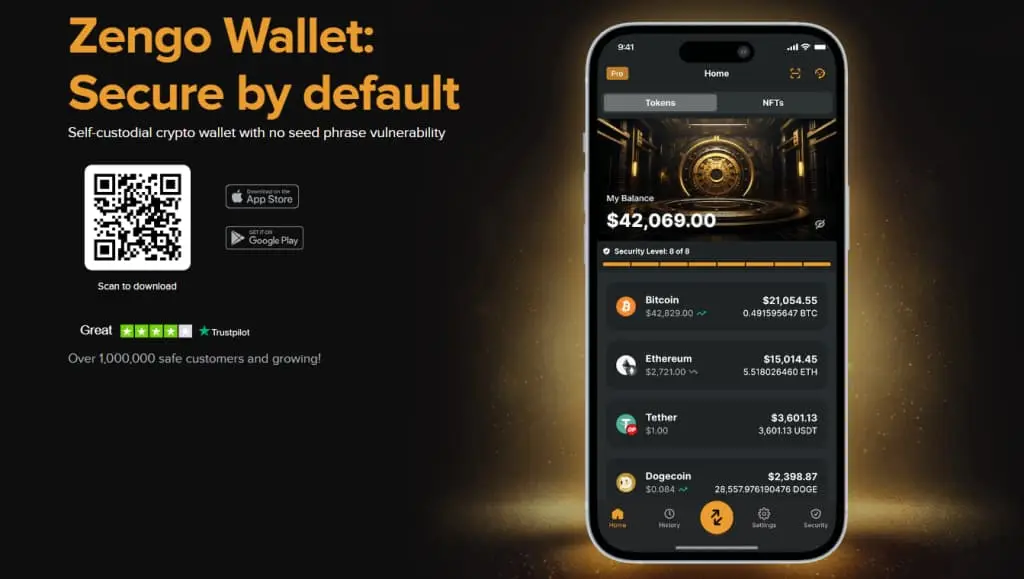
    1. Zengo

    zengo crypto wallet

    Zengo is a user-friendly mobile wallet with a focus on security and ease of use. Supports buying, selling, and trading over 120 cryptocurrencies directly within the app. Offers a built-in marketplace for NFTs.

    • Advantages for UAE users: Beginner-friendly, supports a wide range of currencies including popular ones in the UAE, built-in NFT features.
    • Disadvantages: Lower security compared to hardware wallets, might not be suitable for large holdings. (Software wallet)
    • Security features: The wallet uses multi-party computation (MPC) for private key storage and biometric authentication for added security.

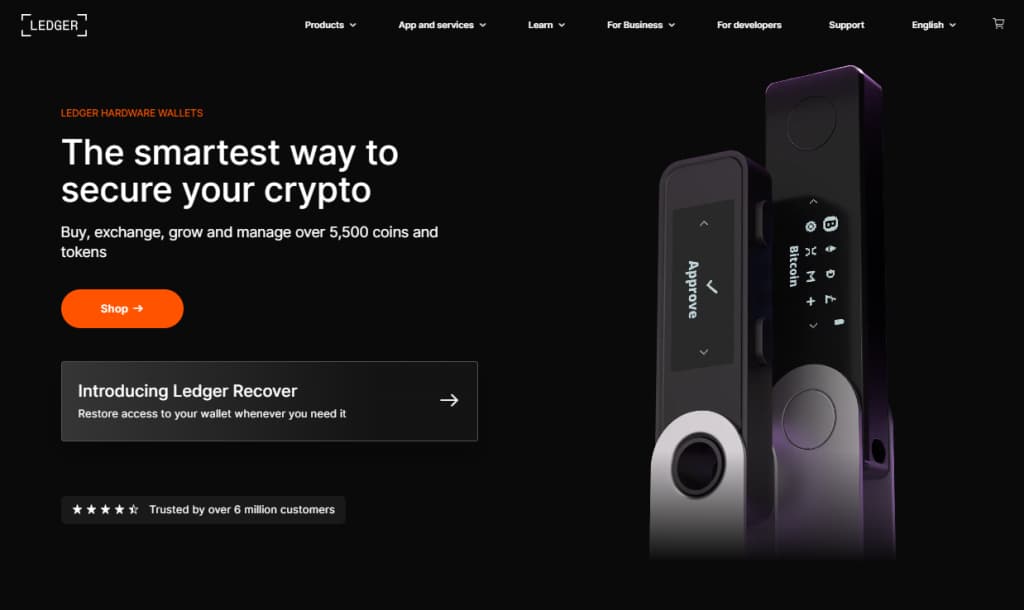
    2. Ledger Nano S Plus

    ledger hardware crypto wallet

    Ledger Nano S Plus, a leading hardware wallet known for its robust security. Stores your cryptocurrencies offline on a physical device, minimizing online hacking risks.

    • Advantages for UAE users: Top-notch security for large investments, supports various popular coins in the UAE.
    • Disadvantages: Limited storage capacity requires initial investment in purchasing the hardware wallet. (Hardware wallet)
    • Security features: Industry-leading security with secure chip element (SE) and PIN protection for offline storage of private keys.
    • Supported cryptocurrencies: A wide range of coins and tokens, including most popular ones in the UAE.
    • Additional features: Integration with Ledger Live for managing cryptocurrencies, compatibility with various third-party apps.

    3. Trezor

    trezor hardware crypto wallet

    Trezor is a hardware wallet known for its security features and ease of use. It stores users’ private keys offline, offering protection against online hacking attempts.

    • Advantages: Excellent security due to offline storage, user-friendly interface, supports a wide range of cryptocurrencies.
    • Disadvantages: Initial cost for purchasing the hardware wallet, can be less convenient for frequent trading.
    • Security features: Hardware security through offline storage, PIN protection, passphrase support.
    • Supported cryptocurrencies: Bitcoin, Ethereum, Litecoin, and over 1000 other cryptocurrencies.
    • Additional features: Secure password manager, two-factor authentication.

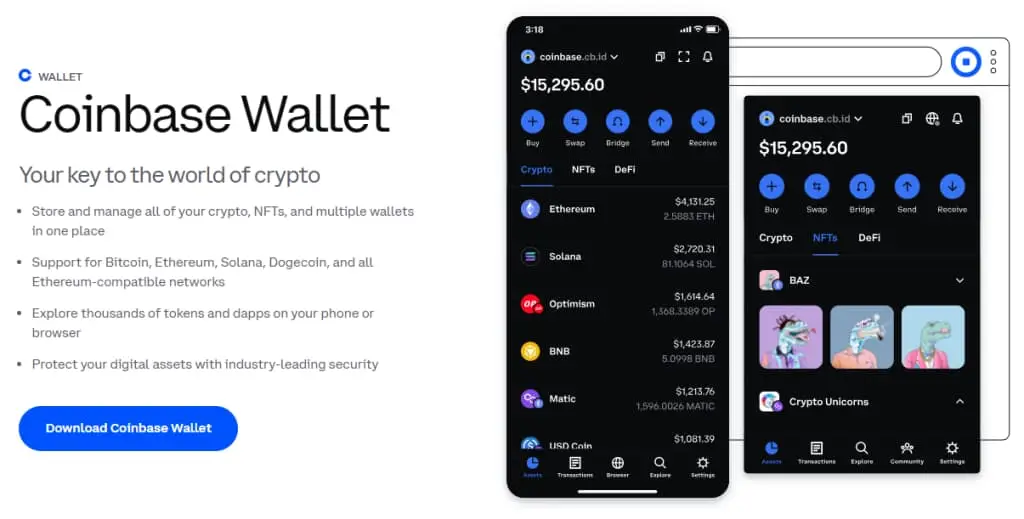
    4. Coinbase Wallet

    coinbase cryptocurrency wallet

    A secure mobile wallet from the popular cryptocurrency exchange Coinbase. Offers self-custody of your crypto holdings and integration with various DeFi applications.

    • Advantages for UAE users: Reputable brand, good security features, easy to use, integrates with DeFi platforms.
    • Disadvantages: Limited exchange options within the wallet itself, may have higher fees compared to some other options. (Software wallet)
    • Security features: Secure key storage with multi-factor authentication and optional biometric logins.
    • Supported cryptocurrencies: Thousands of crypto assets including popular ones in the UAE.
    • Additional features: Integrates with various DeFi apps and allows for staking certain cryptocurrencies.

    5. ByBit

    A user-friendly custodial wallet app from the ByBit cryptocurrency exchange. Among the best cryptocurrency wallet for UAE traders, it offers access to various features like spot trading, margin trading, and derivatives.

    • Advantages for UAE users: Easy to use, integrated with ByBit exchange for trading and other features.
    • Disadvantages: Custodial wallet (ByBit holds your private keys), may not be suitable for users who prioritize self-custody.
    • Security features: ByBit implements industry-standard security measures to protect user funds.
    • Supported cryptocurrencies: A wide range of cryptocurrencies including popular ones in the UAE.
    • Additional features: Spot trading, margin trading, derivatives, access to ByBit’s Launchpad for new token offerings.

    6. Exodus Wallet

    exodus bitcoin & crypto wallet

    Exodus is a popular software wallet known for its sleek design and user-friendly interface. It supports multiple cryptocurrencies and allows users to manage their portfolio with ease.

    • Advantages: User-friendly interface supports a wide range of cryptocurrencies, built-in exchange feature.
    • Disadvantages: Relies on the security of the device it’s installed on, may not be as secure as hardware wallets.
    • Security features: Private key encryption, optional password protection, backup seed phrase.
    • Supported cryptocurrencies: Bitcoin, Ethereum, Litecoin, and various ERC-20 tokens.
    • Additional features: Built-in exchange for swapping cryptocurrencies, portfolio tracking.

    7. Trust Wallet

    trust crypto wallet

    Trust Wallet, A popular mobile wallet known for its focus on decentralised finance (DeFi). Offers integration with various DeFi platforms and dApps, and supports staking certain cryptocurrencies.

    • Advantages: Free to use, good for exploring DeFi and dApps, supports a wide range of cryptocurrencies.
    • Disadvantages: Lower security compared to hardware wallets, might not be suitable for users who prioritize maximum security. (Software wallet)
    • Security features: Relies on user-generated passwords and optional biometric authentication for key storage.
    • Supported cryptocurrencies: Thousands of cryptocurrencies and tokens, including most popular ones in the UAE.
    • Additional features: Built-in exchange for swapping tokens, integrates with DeFi platforms and allows for staking.

    8. OKX Wallet

    A user-friendly mobile wallet app from the OKX cryptocurrency exchange. Offers support for NFTs, integrates with a DEX aggregator for finding the best swap rates, and allows access to Web3 functionalities.

    • Advantages for UAE users: Easy to use, integrated with OKX exchange for trading and other features, supports NFTs and Web3.
    • Disadvantages: Custodial wallet (OKX holds your private keys) may not be ideal for users who prioritize self-custody.
    • Security features: OKX implements industry-standard security measures to protect user funds.
    • Supported cryptocurrencies: A wide range of cryptocurrencies including popular ones in the UAE.
    • Additional features: Built-in DEX aggregator, NFT support, access to Web3 dApps.

    9. Atomic Wallet

    atomic crypto wallet

    Atomic Wallet, A non-custodial desktop wallet that offers a high degree of user control and privacy. Supports atomic swaps for directly exchanging cryptocurrencies without relying on an exchange.

    • Advantages for UAE users: Advanced features for experienced users, self-custody, atomic swaps for decentralized trading.
    • Disadvantages: Steeper learning curve compared to beginner-friendly wallets, may not be suitable for casual users. (Software wallet)
    • Security features: Relies on user-generated passwords and mnemonic phrases for private key storage.
    • Supported cryptocurrencies: Hundreds of cryptocurrencies and tokens, including most popular ones in the UAE.
    • Additional features: Built-in atomic swap exchange, staking options for some currencies.

    10. Guarda Wallet

    Guarda Wallet is a multi-currency wallet available as a desktop, web, and mobile application. The wallet supports a wide range of cryptocurrencies and offering built-in exchange services.

    • Advantages: Multi-platform support, extensive range of supported cryptocurrencies, user-friendly interface.
    • Disadvantages: Relatively new compared to more established wallets, some users may prefer hardware wallet options for higher security.
    • Security features: Private key encryption, backup phrase, biometric authentication (on supported devices).
    • Supported cryptocurrencies: Bitcoin, Ethereum, Ripple, and over 50 other cryptocurrencies.
    • Additional features: Built-in exchange, purchase cryptocurrency with bank cards, staking for some supported cryptocurrencies.

    11. Coinomi

    A versatile multicurrency wallet with a focus on security and privacy. Supports a massive range of cryptocurrencies and tokens, making it ideal for users with diverse holdings.

    • Advantages: Supports over 125 blockchains and millions of crypto assets, strong security features, built-in exchange for swapping currencies.
    • Disadvantages: Can be overwhelming for beginners due to the vast number of options, potentially higher fees for exchange services within the wallet.
    • Security features: Uses advanced encryption and multi-signature technology for private key storage.
    • Supported cryptocurrencies: Over 125 blockchains and millions of crypto assets.
    • Additional features: Built-in exchange, integrated DApp browser for interacting with decentralized applications.

    12. Blockchain.com Wallet

    Blockchain.com Crypto Wallet

    Blockchain.com Wallet is a popular non-custodial cryptocurrency wallet known for its security and simplicity. It allows users to store, send, and receive various cryptocurrencies.

    • Advantages: Non-custodial wallet, user-friendly interface, supports multiple cryptocurrencies.
    • Disadvantages: Limited customer support, some users have reported occasional syncing issues.
    • Security features: Hierarchical Deterministic (HD) wallet, two-factor authentication, backup phrase.
    • Supported cryptocurrencies: Bitcoin (BTC), Ethereum (ETH), Bitcoin Cash (BCH), and Stellar (XLM).
    • Additional features: Integration with Blockchain.com Exchange, buy and sell cryptocurrencies directly from the wallet.

    13. YouHodler

    A unique crypto wallet platform that combines features like high-yield savings accounts, crypto loans, and a built-in exchange. It is also among the best cryptocurrency wallet in the UAE, ideal for users who want to earn interest on their holdings.

    • Advantages for UAE users: Earn interest on various cryptocurrencies with attractive APY rates, access to crypto loans, built-in exchange for buying and selling crypto.
    • Disadvantages: Custodial wallet (YouHodler holds your private keys), might not be suitable for users who prioritize self-custody over earning features.
    • Security features: YouHodler implements industry-standard security measures to protect user funds, including multi-signature wallets and cold storage for a portion of assets.
    • Supported cryptocurrencies: A wide range of popular cryptocurrencies, including most popular ones in the UAE.
    • Additional features: High-yield crypto savings accounts, crypto loans, built-in exchange.

    14. MetaMask

    meta mask crypto wallet

    A popular browser extension wallet used for interacting with decentralized applications (dApps) and blockchain platforms like Ethereum.

    • Advantages: Free to use, easy to set up, good for exploring dApps and DeFi (Decentralized Finance).
    • Disadvantages: Limited security compared to hardware wallets, only supports a limited number of cryptocurrencies natively (mainly Ethereum-based tokens).
    • Security features: Relies on browser security and user-generated passwords for key storage.
    • Supported cryptocurrencies: Primarily Ethereum tokens but can be used with exchange integrations to access other cryptocurrencies.
    • Additional features: Integrates with various DeFi platforms and dApps.

    15. SecuX W20

    secux w20 hardware crypto wallet

    A high-security hardware wallet known for its military-grade security chip and ease of use. Offers a good balance between security and user-friendliness.

    • Advantages: Top-notch security for offline storage, user-friendly interface, supports various popular coins in the UAE.
    • Disadvantages: Requires purchase of a separate hardware device, might be slightly more expensive than some other hardware wallets.
    • Security features: Military-grade SE chip for offline private key storage, PIN protection, and multi-factor authentication.
    • Supported cryptocurrencies: A wide range of coins and tokens, including most popular ones in the UAE.
    • Additional features: Secure password manager supports multi-signature transactions.

    16. Binance Wallet

    Binance Wallet is the best crypto wallet in the UAE provided by Binance and is approved by the Abu Dhabi Global Markets Financial Services Regulatory Authority (FSRA). It is one of the largest cryptocurrency exchanges globally. It supports over 300 cryptocurrencies and offers seamless integration with the Binance ecosystem.

    • Advantages: Integration with Binance exchange, supports various cryptocurrencies, user-friendly interface.
    • Disadvantages: Centralized nature, requires trust in Binance as the custodian, limited to Binance Chain-based tokens.
    • Security features: Secure password and private key encryption, two-factor authentication, anti-phishing measures.
    • Supported cryptocurrencies: Binance Coin (BNB) and tokens on the Binance Smart Chain.
    • Additional features: Integration with Binance DEX for decentralized trading, staking for certain cryptocurrencies.

    (Please note some of the information like the features, supported cryptocurrency, etc. may vary)

    How to Choose the Right Crypto Wallet in Dubai?

    Dubai has emerged as a hub for cryptocurrency enthusiasts and businesses. With this growth comes the crucial question: how to choose the right crypto in the UAE? 

    Here are some key factors to consider:

    • Hardware vs. Software Wallets – Hardware wallets like Ledger or Trezor offer the highest level of security by storing your private keys offline on a physical device. Software wallets, like mobile or desktop apps (Coinbase Wallet, MetaMask), are convenient but can be more vulnerable to hacking.
    • Beginner-friendly – If you’re new to crypto, prioritize user-friendly interfaces and clear instructions. Wallets like Zengo or Exodus offer a smooth experience.
    • Top Priority – Security should be your absolute priority. Look for wallets with robust features like multi-factor authentication (MFA), strong encryption, and secure key storage.
    • UAE Focus – Many wallets offer a wide range of cryptocurrencies, but ensure the wallet supports the specific coins you plan to use. Popular choices in Dubai include Bitcoin, Ethereum, and Ripple, alongside some Shariah-compliant coins.
    • UAE Regulations – As Dubai regulates cryptocurrency activity, ensure your chosen wallet complies with local regulations. Researching the company’s licensing and security practices is crucial.
    • Token Compatibility – If you plan to explore DeFi or invest in tokens, consider wallets that support a wide range of blockchain networks and tokens.

    There’s no “one-size-fits-all” solution. The ideal wallet depends on your individual needs and priorities.

    Secure Your Dubai Crypto Future with Shuraa

    With these top 16 top crypto wallets to consider, you’re well-equipped to find the perfect fit for your needs in the UAE. Remember, the ideal wallet prioritizes security, ease of use, supported currencies, and any desired features like DeFi integration or built-in exchanges.

    No matter your choice, entering into the exciting world of cryptocurrency requires careful planning, especially if you’re considering a business setup in Dubai. Shuraa Business Setup can be your one-stop shop for all your business establishment needs in the UAE. From crypto license acquisition and company registration to PRO services, visa assistance, and beyond, Shuraa’s experts will ensure a smooth and successful journey.

    Don’t hesitate to seek their valuable consultation, get in touch today at +971 44081900 or send a WhatsApp message to +971 507775554. You can also drop an email to info@shuraa.com. Here’s to a successful journey into the world of cryptocurrency in the UAE!

  • Labour Contract in UAE: Your Simple Guide to Rights & Rules

    Labour Contract in UAE: Your Simple Guide to Rights & Rules

    Starting or renewing a job in the UAE? Your labour contract is your key document, and recent legal changes have made understanding it more crucial than ever. This guide cuts through the complexity, explaining the different contract types, your rights, and how to get your contract online. At Shuraa Business Setup, we help make this process smooth and compliant, so you can focus on your career with confidence.

    What is a Labor Contract in the UAE?

    In simple terms, a UAE labour contract is a legally binding deal between you and your employer. Once you both sign it, you are agreeing to the terms set out in the document.

    What does it cover? Your contract clearly outlines your job duties, work schedule, and performance goals. It also binds your employer to provide you with the benefits and compensation promised.

    These contracts, which are easily accessible online, can be of different types, all falling under the official UAE Labour Law. The main categories include Limited (fixed-term), Unlimited, Part-time, Full-time, and Temporary contracts.

    Limited vs. Unlimited Contracts: What’s the Difference?

    Knowing which contract you have is vital, as they differ in three key ways: your legal responsibilities, your job security, and the rules for ending the employment.

    • UAE Fixed-Term Contracts (Limited)
      These contracts are for a specific period, with a clear start and end date. Recent laws now cap this period at three years. A crucial update mandates that all employees must be on fixed-term contracts.
    • UAE Flexible Contracts (Unlimited)
      Under the new law, these contracts do not have a fixed end date. They only terminate by mutual agreement or when a notice period is served. If you wish to resign, you must give at least 30 days’ notice.

    Part-Time vs. Full-Time vs. Temporary Contracts in the UAE

     The law categorizes work based on your hours:

    • Full-time: The standard contract, requiring up to 48 hours of work per week.
    • Part-time: You work for one employer but for fewer than 48 hours a week. You can take on other part-time jobs without your main employer’s permission, but you may need a permit from MoHRE.
    • Temporary: This is for a specific, short period, often used for the initial 90-day probation.

    After the temporary period, employers typically extend the contract as part-time or full-time. Employees under a part-time contract can take on additional part-time work with other employers without permission. However, those seeking to work part-time for multiple employers need a permit from the Ministry of Human Resources.

    Understanding Your Work Hours and Overtime

    For most industries, your workday cannot legally exceed eight hours. If you work more than 48 hours a week, you are entitled to overtime pay—your hourly rate plus an extra 25%. For night work (between 9 pm and 4 am), this increases to your hourly rate plus 50%.

    Navigating the New UAE Labour Law: Key Changes You Must Know

    Federal Decree-Law No. 33 has updated the rules, generally giving employees more rights while offering employers some flexibility. Here’s a breakdown of the most important changes.

    1. The Move to Fixed-Term Contracts

    The recent legislation mandates a shift to fixed-term contracts for all employees, with HR professionals primarily tasked with communication. Employers must complete this transition by February 2023.

    2. Updated Probation & Notice Periods

    Employers have the authority to impose a probation period of up to six months for addressing performance issues or for new hires. If termination occurs during probation, the employer must give the employee at least 14 days’ notice.

    Similarly, employees on probation must give their employer a 14-day notice if leaving the UAE. However, if seeking employment with a different UAE employer, a 30-day notice is required.

    3. Official Recognition of Flexible Work

    The recent legislation officially recognises flexible work contracts, allowing employees to determine their work hours. Alternatively, employers may request varying work schedules from employees across different weeks throughout the year. Employers must adhere to workload regulations and overtime laws despite the fluctuating hours.

    4. Non-Compete Clauses

    Employers have the right to incorporate non-compete clauses in labour contracts. However, part-time employees cannot seek additional work with non-competing employers. Employees working for multiple employers need approval from MoHRE.

    5. Rest Day Policies

    Employers must ensure every employee has a weekly rest day, although Friday is no longer mandatory. Compensation, such as overtime pay or a substitute rest day, must be provided for employees working on their designated rest days.

    6. Currency Arrangements

    Employers and employees can agree on payment in any currency, but payments made through the Wages Protection System must be in UAE Dirham, requiring conversion for processing.

    7. Leave Benefits

    Employees must utilise accrued leave within the same year of earning it or may be eligible for encashment by year-end.

    Employees accrue two days per month for the initial six months, with a guaranteed 30-day leave entitlement after one year of service. The law also recognises specific leave categories:

    • Maternity leave
    • Compassionate leave
    • Study leave

    Maternity leave encompasses 45 days at full pay and 15 days at half pay. In childbirth complications, employees are entitled to an additional 30 days of full-pay leave. Compassionate leave extends to 3-5 days of paid leave for bereavement within the immediate family.

    Study leave grants ten days at an approved UAE educational institution, available to employees with at least two years of tenure, and may be unpaid.

    8. New Termination and End-of-Service Rules

    Notice periods for terminating a fixed-term contract now depend on your tenure:

    • Less than 5 years: 30 days’ notice.
    • 5-10 years: 60 days’ notice.
    • Over 10 years: 90 days’ notice.

    Furthermore, all employees are now eligible for full end-of-service gratuity after completing at least one year of service.

    9. Important Workplace Protections

    Under the new law, employers are required to adhere to specific workplace policies, encompassing:

    • Non-discrimination against protected classes
    • Gender-based equal pay
    • Prevention of physical, verbal, and sexual harassment
    • Provision of an employee handbook

    Are There Exceptions to the Law?

    Yes. Employees in the Dubai International Financial Centre (DIFC) and the Abu Dhabi Global Market (ADGM) are governed by their own distinct labour laws.

    How to Get Your Labour Contract Online

    Need a copy of your contract? It’s a simple process through the Ministry of Human Resources and Emiratisation (MOHRE), the government body that regulates the job market.

    Via the MOHRE Website:

    • Visit the MOHRE website.
    • Find the “Services” menu and select “View Approved Contract.”
    • Choose one of the available options: [details not provided] 
    • You can search using your Transaction Number or your Personal Details (like Emirates ID).
    • Follow the prompts and enter the required information (e.g., OTP sent to your phone) to view and download your contract.

    Via the MOHRE App:

    • Download the MOHRE app from the iOS or Android store.
    • Log in to your account.
    • Go to “Services” and select “My Contract.”
    • Enter your details to pull up your contract instantly.

    Wrapping up with Shuraa?

    Whether you’re an employee checking your rights or a business ensuring compliance, getting expert advice makes all the difference. At Shuraa Business Setup, we provide tailored support to help you navigate the UAE’s legal landscape seamlessly.

    Contact us for a free consultation today!

    Frequently Asked Questions (FAQs)

    1. What is the difference between a limited and unlimited contract in the UAE?

    A limited (or fixed-term) contract has a specific start and end date, typically lasting up to 3 years. An unlimited contract does not have a fixed end date and continues until it is terminated by either the employer or employee by serving the required notice period.

    2. Can I switch from an unlimited to a limited contract in the UAE?

    Yes. With the implementation of the new UAE Labour Law (Federal Decree-Law No. 33), all new contracts and renewals are now issued as fixed-term (limited) contracts. If you were on an unlimited contract, your employer should have transitioned you to a fixed-term contract upon renewal.

    3. What is the notice period for resigning in the UAE?

    The legal minimum notice period is 30 days, unless your contract specifies a longer period. This applies to both limited and unlimited contracts after the probation period.

    4. How can I download my UAE labour contract online?

    You can easily access your labour contract online through the Ministry of Human Resources and Emiratisation (MOHRE) website or their smart app. You will need your Emirates ID, transaction number, or passport details to log in and view or download the contract.

    5. What are my rights if my employer terminates my contract?

    If your employer terminates your contract, they must provide a notice period (30, 60, or 90 days based on your tenure) or pay you in lieu of notice. They are also legally required to pay all your end-of-service benefits, settle any outstanding dues, and provide your repatriation ticket within 14 days of the contract’s end.

    6. What is the probation period in the UAE?

    The probation period can be up to a maximum of 6 months. If you wish to leave during probation to join another company in the UAE, you must give a 30-day notice. If you are leaving the country, a 14-day notice is required.

    7. Am I eligible for end-of-service gratuity if I resign?

    Yes, you are eligible for end-of-service gratuity after completing at least one year of continuous service, whether you resign or your contract is terminated. The calculation is based on your basic salary and the length of your service.

    8. Is a labour contract and a work permit the same thing?

    No, they are related but distinct documents. A labour contract is the agreement between you and your employer outlining the terms of employment. A work permit (or labour card) is the official document issued by MOHRE that grants you legal permission to work for that specific employer in the UAE.

    Disclaimer: The information in this post is for general guidance only and may change due to updates in government policies or regulations.

  • Police Clearance Certificate in Dubai

    Police Clearance Certificate in Dubai

    To obtain a Police Clearance Certificate (PCC) in Dubai, use the Dubai Police App, their official website, or a Smart Police Station (SPS) for quick digital application, proving no criminal record in the UAE for jobs, visas, or education, with fees varying by residency status (e.g., AED 200 for residents) and processing in a few days. Required documents typically include passport copies, a personal photo, and sometimes fingerprints or supporting documents for those outside the UAE, with online payment via card or Apple Pay.

    What is a Dubai Police Clearance Certificate?

    A Dubai Police Clearance Certificate (PCC), also called a Good Conduct Certificate, is an official document from Dubai Police confirming you have no criminal record in the UAE, proving good behaviour for jobs, visas, education, or business, and is obtained online via the Dubai Police app or website, or at police stations. It’s mandatory for many life events and requires personal details, photos, and passport copies, with fees varying for citizens, residents, and those abroad.

    Why Do You Need a Good Conduct Certificate?

    You will typically need a PCC for:

    • Employment: Many employers in Dubai require it for pre-employment screening.
    • Visa & Immigration: Essential for residency permits and certain visa applications.
    • Higher Education: Universities often require it from international students.
    • Professional Licensing: Needed to practice in regulated fields like medicine or law.
    • Business Setup: May be required for company owners and key personnel.
    • Banking & Finance: Some banks request it for account openings, especially for high-net-worth individuals.
    • Adoption Processes: To assess the suitability of prospective parents.

    Eligibility & Required Documents

    There are no strict eligibility criteria beyond having a record in the UAE’s system. The required documents differ based on your current status.

    Applicant TypeRequired Documents
    UAE Residents– Valid Passport & UAE Visa Copy
    – Emirates ID Copy
    – Recent Passport-Sized Photograph
    – Application Form & Fee Payment
    Non-Residents– Valid Passport
    – Attested Fingerprint Card from your current country’s police
    – Previous UAE Visa (if applicable)
    – Two Passport-Sized Photographs
    – Application Form & Fee Payment

    Crucial for Non-Residents: The fingerprint card must be attested by the UAE Embassy in your current country of residence.

    Step-by-Step Application Process (for Dubai Police)

    1. Access the Service:

    • Visit the official Dubai Police website: www.dubaipolice.gov.ae
    • Or download the Dubai Police Smart App (available on iOS and Android).
    • Navigate to the “Services” > “Individual Services” > “Permits and Certificates” or search for “Good Conduct Certificate” / “Police Clearance Certificate”.

    2. Log In:

    • Use your UAE Pass (recommended for seamless access) or create/register an account.

    3. Fill Out the Application:

    • Provide personal details (e.g., Emirates ID number if available, passport details, visa history, contact info).
    • Specify the purpose and whether the certificate is for use inside or outside the UAE.
    • Upload required documents (see below).

    4. Submit Fingerprints (if required):

    • If you have a valid Emirates ID and are applying from inside the UAE, fingerprints are usually not needed (biometrics are already on record).
    • If you do not have an Emirates ID or are applying from outside the UAE, you must provide a 10-fingerprint card (ten-print fingerprints). This needs to be certified by your local police and attested by the UAE Embassy/Consulate in your current country.

    5. Pay the Fees:

    • Fees vary (typically AED 100–300 depending on language, purpose, and whether for local or international use; additional charges may apply for attestation or service centers).
    • Payment is online via card.

    6. Processing and Delivery:

    • Processing time: Usually a few hours to 2–3 working days (often instant or within 24 hours for simple cases).
    • The certificate is delivered electronically (via email or downloadable from your account).
    • Validity: Typically 3 months from the date of issuance.

    Alternative: Applying via Ministry of Interior (MOI)

    • For a UAE-wide certificate, use the MOI portal: moi.gov.ae or the MOI UAE App.
    • Log in with UAE Pass.
    • Select “Issuance of Criminal Clearance Certificate.”
    • Follow similar steps (fees: ~AED 50–100 for local use, higher for international; fingerprinting may apply for some categories).
    • This is useful if your stay was not limited to Dubai.

    Additional Tips

    • If the certificate needs to be used abroad, you may require further attestation from the UAE Ministry of Foreign Affairs (MOFA) and/or the destination country’s embassy.
    • For in-person help (e.g., fingerprinting), visit Dubai Police service centers like Al Qusais, Ports, Al Rashidiya, or Jebel Ali Police Stations.
    • Track your application status online using your transaction number.
    • If you’re outside the UAE and need help with fingerprints or attestation, contact the nearest UAE Embassy.

    For the most up-to-date details, fees, or any changes (as processes can evolve), always check the official Dubai Police website or contact their helpline at 901. Avoid third-party agents unless necessary to prevent delays or extra costs. Safe travels and good luck with your application!

    Dubai Police Clearance Certificate Fees 2026

    The fees for a Dubai Police Clearance Certificate (PCC) are:

    CitizenAED 100
    ResidentAED 200
    From Outside the CountryAED 300
    Knowledge and Innovation feesAED 20
    Fingerprinting (for visitors and GCC citizens)AED 50
    MOFA Attestation (for certificates used abroad)AED 300
    Additional fee if applied through service centers in personAED 100

    Delivery Fee (Optional): An additional AED 100 might apply if you choose to receive a hard copy of the PCC through a service centre instead of electronic delivery.

    • Arabic Certificate: AED 50
    • English Certificate: AED 150

    Processing Time & Validity

    • How long does it take to get a Dubai police clearance certificate? The standard processing time is 2-3 working days. However, straightforward online applications are often approved within 24 hours.
    • Validity: A Dubai PCC is typically valid for 3 months from the date of issue for most official purposes.

    FAQs: Dubai Police Clearance Certificate

    1. How can I get a police clearance certificate in Dubai for a visit visa?

    The process is the same as for non-residents. You will need to apply from outside the UAE, providing an attested fingerprint card from your home country along with a copy of your previous UAE visit visa.

    2. Is police clearance free in Dubai?

    No, it is not free. The cost varies based on your applicant status (citizen, resident, or non-resident), as detailed in the fees table below.

    3. What is the difference between a PCC and a Good Conduct Certificate?

    There is no difference. “Police Clearance Certificate (PCC)” and “Good Conduct Certificate” are two names for the same document in Dubai.

    4. Can I apply for a Dubai PCC if I am outside the UAE?

    Yes. You can apply online through the Dubai Police or MOI portals as a “non-resident.” The key requirement is the attested fingerprint card.

    5. My application was rejected. What should I do?

    Rejections are rare but can happen if there is a criminal record, a mismatch in personal information, or incomplete documentation. Contact Dubai Police directly through their hotline (901) for specific reasons and resolution steps.

    6. How long is a Dubai PCC valid?

    A Dubai Police-issued PCC is typically valid for 3 months from the date of issuance. As of 2026, Dubai Police validity is explicitly 3 months; MOI may be 30 days in some cases (per Ministerial Decision No. 600 of 2024)—always verify with the destination authority (e.g., embassy/immigration). The validity period may vary depending on the receiving organization or country requesting it, as some (e.g., immigration authorities) accept only recent certificates.

    7. How long does it take to process a Dubai PCC application?

    Processing usually takes 1–5 working days. Online applications for current residents with Emirates ID are often instant or within 24 hours. Non-residents or cases requiring fingerprint verification may take 2–5 days. Delays can occur during peak periods, holidays, or if documents are incomplete.

    8. Do I need to get my Dubai PCC attested for use abroad?

    Yes, if the PCC is for international use (e.g., visa, immigration, employment, or education abroad), it typically requires further attestation. Start with UAE Ministry of Foreign Affairs (MOFA) attestation, followed by the embassy/consulate of the destination country. This ensures global recognition. Skip this if it’s only for UAE-internal use.

    9. Can I apply for a Dubai PCC if I never had an Emirates ID?

    Yes, but you must apply as a non-resident (even if you were a visitor). Provide a passport copy, previous UAE visa details (if any), and an attested 10-fingerprint card from your home country’s police. Fingerprints are mandatory without an Emirates ID.

    10. What happens if I have a criminal record in the UAE?

    You will not receive a PCC if there are outstanding cases, convictions, or restrictions. The application may be rejected, and the certificate will reflect the criminal status. Contact Dubai Police (901) for clarification or to resolve any issues.

    11. Can I renew or reapply for a Dubai PCC if it expires?

    Yes, the process is the same as a new application. Reapply online via Dubai Police or MOI portals. For non-residents, you may need to resubmit an updated attested fingerprint card if the previous one is outdated.

    12. Is there a difference between Dubai Police PCC and MOI Good Conduct Certificate?

    No major difference in purpose—they both confirm no criminal record in the UAE. Dubai Police handles Dubai-specific applications (often faster for Dubai residents/ex-residents). MOI covers UAE-wide (useful for multi-emirate stays). Choose based on your stay history; both are accepted broadly.

    13. What are the fees for a Dubai PCC in 2026?

    Fees vary by status and channel (approximate; always confirm on the official portal, as they can change):

    • UAE citizens: ~AED 100–200
    • Residents: ~AED 200–300 (plus AED 10–20 knowledge/innovation fee)
    • Non-residents/overseas: ~AED 300–500 (higher due to verification) MOI fees: ~AED 50–100 for local use, AED 100+ for international, plus fingerprinting if needed.

    Note: Fees include potential extras like AED 10–50 for knowledge/innovation, biometric processing (if no Emirates ID), or delivery/courier for non-residents. Additional charges may apply for in-person applications or service centers (e.g., AED 100 optional).

    14. Can I track my Dubai PCC application status online?

    Yes. Use your transaction/reference number on the Dubai Police website/app or MOI portal. Log in with UAE Pass, enter the number, and check real-time status.

    15. What are common reasons for PCC rejection or delays?

    • Incomplete or mismatched documents (e.g., wrong passport details)
    • Unattested fingerprint card (for non-residents)
    • Incorrect purpose selected
    • Active criminal cases or restrictions
    • High application volume or holidays To avoid issues, double-check details and apply during weekdays.

    16. How do I get my fingerprint card attested in India for UAE PCC?

    Get 10-fingerprints from your local Indian police station or authorized forensic lab → Attest via MEA (Ministry of External Affairs, India) → Then UAE Embassy/Consulate in India (fees ~INR 2,000–5,000 + processing time 1–4 weeks). Upload the fully attested card to the Dubai Police/MOI portal.

    Conclusion

    Navigating the process to get your Dubai police clearance certificate can be simple, especially with the online option. By following this guide, you know exactly what to expect in terms of documents, fees, and processing time.

    Focus on Your Business, Let Us Handle the Paperwork.

    If you’re using this PCC for company formation in Dubai, the experts at Shuraa Business Setup can manage this and all other documentation for you. We ensure a seamless and compliant setup, so you can focus on what matters—launching your business.

    Contact Shuraa Today for a Free Consultation

    Call: +971 44081900 | WhatsApp: +971 507775554 | Email: info@shuraa.com

  • UID Number in the UAE: 2026 Guide to the Unified Identification Number

    UID Number in the UAE: 2026 Guide to the Unified Identification Number

    If you live, work, or plan to move to the UAE, your Unified Identification Number (UID) is essential for all administrative processes. Without it, you may encounter delays and confusion. Understanding your UID ensures efficient access to visas, government services, and business setup.

    This guide from Shuraa Business Setup simplifies the UID process. We explain its importance, how to locate it in various situations, and how to address issues such as duplicates. With over 26 years of experience and more than 100,000 businesses established, we provide the knowledge you need to navigate the UAE’s system confidently.

    What is a UID Number in the UAE?

    The Unified Identification Number (UID) is a unique 9–15-digit code assigned to every individual entering the UAE on a visa. Issued by the GDRFA (General Directorate of Residency & Foreigners Affairs) and the ICA (Federal Authority for Identity, Citizenship, Customs & Port Security), it acts as your permanent reference number within the government’s immigration system.

    The UID number serves as your permanent identification record in the UAE. Unlike your visa or Emirates ID number, it does not change, regardless of job changes, visa renewals, or changes in residency status.

    Key Facts About the UID Number:

    • Issued by: GDRFA and ICA.
    • Format: A unique 9–15-digit code.
    • Permanence: Created once and remains the same for life.
    • Core Purpose: Connects all your immigration, visa, and Emirates ID records under a single reference number.

    The “Why” Behind the UID: A System Perspective

    The UID is not a random number; it is fundamental to the UAE’s goal of a streamlined, secure, and efficient digital government. Previously, individual emirates and government departments often isolated records within their own systems. The UID system now consolidates these records into a single federal digital identity for each resident and visitor.

    This change supports initiatives such as UAE Vision 2021, which seek to streamline service access, strengthen national security, and prevent identity fraud. Your UID serves as your unique identifier within this digital framework, improving efficiency and reliability for all users.

    Understanding the Differences Between UID, Emirates ID, and Visa Number

    These numbers are often confused. Below is a clear explanation of each.

    IdentifierPurposeWhere to Find ItDoes It Change?
    UID NumberYour master file number. Tracks all immigration & residency records across your lifetime in the UAE.Visa sticker, GDRFA/ICA portals, entry stamps.No. It is permanent.
    Emirates ID NumberYour official proof of identity for daily services (banking, telecom, government transactions).Physical Emirates ID card.Yes. A new number is issued with each card renewal (typically every 5-10 years).
    Visa NumberSpecific to a single visa issuance or permit.Printed on the specific visa document (often near the UID).Yes. You get a new one with every new visa or renewal.

    The Importance of Your UID Number

    Your UID forms the foundation of your digital identity in the UAE. You require it for the following purposes:

    1. Government Services: Access healthcare (HAAD/DHA), register children for school, and file taxes.
    2. Visa and Residency Processes: Apply for, renew, amend, or cancel your residence visa and Emirates ID.
    3. Business Setup and Compliance: Register a company, obtain trade licenses, and process employee visas under your company file.
    4. Security and Record Integrity: Maintain a secure, unified record to prevent identity confusion and fraud across government platforms.

    UID Scenarios: Quick Reference Table

    Your use of the UID will vary based on your specific situation. Please review the following information:

    ScenarioWhen You Get ItPrimary Use Cases
    New Employee from OverseasUpon your first entry visa or employment visa issuance.All visa renewals, Emirates ID application, labor card processing, opening a bank account.
    Dependent Family MemberUpon issuance of the family sponsorship visa.Linking to the sponsor’s file, accessing healthcare, school registration.
    Investor / Business OwnerUpon receiving your investor visa.All business licensing, corporate bank accounts, investor-specific services.
    Newborn Child in the UAEDuring the birth certificate and first residency visa process.Creating their lifelong government record, linking to parents’ files.

    Where to Find Your UID Number

    You can find your UID number in the following locations:

    1. Residence Visa Sticker or E-Visa: The UID appears at the top, near or above the “File Number.”
    2. Emirates ID Application Slip: Government authorities reference the UID during the application process.
    3. GDRFA/ICA Smart Services: Official government portals and apps, such as ICA or GDRFA, display your UID in your profile.
    The UID number location on a UAE residence visa.
    The UID number location on a UAE residence visa.

    How to Check Your UID Number Online

    If you do not have your physical visa, you can retrieve your UID instantly through the official GDRFA service.

    1. Visit the official GDRFA Unified Number Inquiry page.
    2. Enter your details accurately:
      • Passport Number
      • Nationality
      • Date of Birth
      • Gender
    3. Complete the security check by solving the CAPTCHA.
    4. Click “Submit.” Your UID number will appear on the screen. Please save it securely.

    How to Get a UID Number

    You do not need to apply for a UID separately. It is automatically generated and assigned when you apply for your first UAE visa, whether for employment, family sponsorship, or tourism.

    Proactive UID Management: Best Practices

    Manage your UID carefully to prevent future complications.

    • Store It Securely: Save a digital copy of your visa page, including the UID, in a secure cloud folder as soon as possible. Include it in your list of important documents.
    • Verify Accuracy Early: When you first receive your UID, confirm that your personal details, such as name spelling and nationality, on the visa are completely accurate. Any discrepancies may cause problems.
    • Use as Your Primary Reference: When contacting any government authority, such as GDRFA, ICA, or MOHRE, lead with your UID so they can locate your file more efficiently.
    • Keep Records: Maintaining a personal log of your UID, visa issue dates, and Emirates ID numbers is particularly useful for business owners managing multiple employee files.

    Solving Common UID Number Problems

    1. Problem: Multiple UID Numbers

    In rare cases, prior system entries or the use of multiple passports may result in multiple UIDs for a single individual. This can cause significant processing delays.

    Solution: How to Merge UID Numbers

    1. Visit the nearest GDRFA office or access their online service portal.
    2. Prepare the required documents, including passport copies, all visa copies (old and new), and Emirates IDs.
    3. Submit a formal request to merge the UIDs into a single primary number.
    4. Pay any applicable fees and wait for official confirmation.

    2. Problem: Lost or Forgotten UID

    While a UID cannot be lost, it may be forgotten or inaccessible if the relevant documents are unavailable.

    Solution:

    • First, use the online inquiry service detailed above.
    • If that fails, call the GDRFA at 8005111 (within UAE) or +971 4 313 9999.
    • If necessary, visit a GDRFA customer happiness center in person with your passport for assistance.

    Common Pitfalls and How to Avoid Them

    • Pitfall: Mistaking an old “File No.” for the UID.
    • Avoidance: The official UID is 9-15 digits and is now clearly labeled “UID” or “Unified Number” on newer documents. When in doubt, use the online inquiry tool.
    • Pitfall: Not checking for multiple UIDs after passport renewal.
    • Avoidance: If you entered the UAE on an old passport and now use a new one, do a proactive UID check online with both passport numbers to ensure your record is unified.
    • Pitfall: Businesses mis-filing employee documents.
    • Avoidance: Companies should use the employee’s UID as the primary identifier in their PRO files. This prevents confusion with common names and ensures smooth processing with government portals.

    You May Also Like

    Frequently Asked Questions (FAQ)

    Get clear, immediate answers to the most common questions we receive about the UID.

    1. Is the UID number the same as the Emirates ID?

    No. Your UID is your permanent immigration file number. The Emirates ID number appears on your physical ID card and changes with each renewal.

    2. Where is the UID number on a Dubai visa?

    On Dubai and most other emirate visas, the UID number appears at the top of the visa sticker or e-visa copy, usually above your personal details and near the “File Number.”

    3. Can a person have two UID numbers in the UAE?

    No. Each individual should have one permanent UID. However, system errors or previous entries may create duplicates. If this occurs, contact the GDRFA to merge them.

    4. What is the UID number used for?

    The UID links all your UAE immigration records, including visa applications, renewals, and entry-exit history. It is also essential for accessing government services such as healthcare, education, and business licensing.

    5. How can I find my UID number without a visa copy?

    Use the online GDRFA Unified Number Inquiry Service with your passport details. If you are unable to retrieve your UID, contact the GDRFA call center for assistance.

    6. I entered on a tourist visa. Do I have a UID?

    Yes. A UID is generated for anyone entering the UAE, regardless of visa type, including short-term visit visas. This creates your initial record in the system.

    7. Is the UID number confidential?

    Yes. Treat your UID as sensitive personal information. Share it only with authorized government entities, your employer or sponsor, and licensed professional partners for official purposes.

    How Shuraa Business Setup Can Assist You

    Understanding your UID is essential. Managing the related processes requires expertise. With over 26 years of experience in the UAE and a record of forming more than 100,000 businesses, Shuraa is a trusted partner. We simplify complex procedures.

    • End-to-End Business Setup & Licensing: We manage the entire process, from mainland to free zone. We ensure your company is properly registered with all relevant authorities using the correct identifiers, such as your UID.
    • Hassle-Free Visa Processing: Our experts handle applications, renewals, and amendments for employment, residence, investor, and family visas. We ensure your UID is accurately recorded at each stage to prevent future issues.
    • Direct Government Liaison & Compliance: We represent you with GDRFA, ICA, MOHRE, and DET/DED. Our services include resolving administrative challenges, such as merging duplicate UIDs, to ensure compliance and save you time.

    Ready to move forward with confidence? Schedule a free consultation with our experts. Contact Shuraa by phone at +971 4 4081900, WhatsApp at +971 50 7775554, or email info@shuraa.com.

    Disclaimer: The information in this post is for general guidance only and may change due to updates in government policies or regulations. We recommend consulting with official authorities or professional advisors for the most current and personalized advice.