Living and working in the UAE offers exciting opportunities. However, it is important to understand the costs of a UAE residence visa before you begin. Total expenses depend on visa type, sponsorship, and validity period.
Many expatriates select the 2-year residence visa in Dubai, a common choice for employees and business owners. Understanding these expenses helps you plan effectively and avoid unexpected costs.
Businesses and individuals often seek expert guidance from Shuraa Business Setup, the largest integrated business setup company, to simplify visa procedures.
UAE Residence Visa Cost in 2026
The cost of a UAE residence visa in 2026 depends on factors such as visa type, length of stay, medical insurance, and whether the application is submitted inside or outside the country. The process typically begins with an application fee of about AED 100, but the total cost increases when medical tests, Emirates ID, insurance, and administrative fees are added.
For example, a 2-year residence visa in Dubai costs approximately AED 3,500* without medical insurance and may increase to AED 4,200* or more with insurance. Longer-term visas, including investor or long-term residency options, generally cost more due to extra processing and eligibility requirements.
The following provides an overview of Dubai residence visa costs for common durations.
UAE Residence Visa Cost Breakdown
Visa Type
Estimated Cost (AED)
Details
1 Year Residence Visa Cost
AED 1,500* – AED 3,000*
Suitable for temporary work or short-term residency. The 1-year residence visa Dubai costs may vary depending on medical tests, Emirates ID fees, and insurance.
2 Years Residence Visa Cost
AED 3,500* – AED 4,200*
The most common option for employees and business owners. The 2-year residence visa in the UAE cost includes entry permit, medical screening, Emirates ID, and visa stamping.
3 Years Residence Visa Cost
AED 3,700* – AED 5,472*
Often issued for certain business or sponsorship categories. The 3-year residence visa in Dubai cost depends on insurance coverage and administrative fees.
5 Years Residence Visa Cost
Around AED 4,000* – AED 6,000*
Typically linked to long-term residency programs such as the Green Visa or certain professional categories.
Golden Visa (10 Years)
–
The long-term residency option for investors, entrepreneurs, and highly skilled professionals. Costs include processing fees, medical tests, and typing centre charges.
Retirement Visa
Around AED 3,000*+
Designed for retirees meeting financial eligibility criteria. Additional costs include medical tests and the processing of documentation.
Overall, the resident visa cost in the UAE depends on several components, such as visa processing, Emirates ID issuance, medical examination, and residence visa stamping fees in Dubai. The final price may vary based on the applicant’s circumstances and chosen visa category.
UAE Residence Visa Renewal Fees in 2026
The UAE residence visa must be renewed once its validity expires. In 2026, renewal fees in Dubai typically range from AED 3,000* to AED 7,000*, depending on the visa type and included services.
Renewal costs may include:
Visa renewal application fees
Emirates ID renewal charges
Medical fitness test fees
Mandatory medical insurance
Typing centre service fees
Knowledge and Innovation Dirham charges
Begin the renewal process before your visa expires to avoid fines or penalties.
Note: The costs above are approximate and may change due to regulatory updates. For the most accurate information on 2-year or 3-year Dubai residence visa costs, or other residency options, consult official UAE authorities or contact Shuraa Business Setup, experts.
2026 Dubai 2-Year Employment Visa Pricing
Professionals planning to work in the UAE often inquire about the cost of a 2-year Dubai residence visa. Typically, employers cover these costs as required by UAE labour regulations.
In 2026, the cost of a Dubai employment visa generally ranges from AED 3,000* to AED 15,000*, depending on company category, typing centre charges, insurance coverage, and other administrative fees.
Cost Breakdown for a 2-Year Employment Visa
Fee Component
Estimated Cost (AED)
Details
MOHRE Fees
2,000* – 3,000*
Covers work permit approval and labour contract registration
Entry Permit
500* – 1,000*
Allows the employee to legally enter the UAE for employment
Medical Fitness Test
500* – 800*
Mandatory health screening for residency
Emirates ID
370* – 570*
Official identity card issued for residents
Residence Visa Stamping
500* – 1,000*
The government charges for residence visa stamping fees in Dubai
Health Insurance
1,000* – 2,000*
Basic coverage is required in most emirates
Estimated Total
~AED 3,000* – 15,000*
Actual cost may vary based on the company and services
These figures reflect standard government charges. Additional fees may apply when using typing centres or business setup consultants.
The cost of a 2-year UAE residence visa varies based on employer category, processing services, and insurance coverage.
Cost of Investor Visa in Dubai
Entrepreneurs and company owners may apply for an investor visa after establishing their business in the UAE. The 2-year Dubai residence visa typically costs AED 4,000*, with renewal fees starting at AED 1,750*.
The final cost of a Dubai investor visa may vary based on business structure, licensing type, and documentation. For property investors, visa costs typically start at AED 12,000*. This visa allows business owners to legally reside and manage operations in the UAE.
Sponsoring Family Members on a UAE Residence Visa
After receiving your investor visa, you may sponsor immediate family members for UAE residency. Once your visa is stamped, you can apply for their visas through the immigration department.
The cost to sponsor family members for a UAE residence visa typically ranges from AED 3,500* to AED 5,500*, depending on visa duration and selected services.
Requirements for Family Sponsorship
To sponsor family members, the following documents are usually required:
A tenancy contract for accommodation (usually a minimum two-bedroom unit).
An attested marriage certificate when sponsoring a spouse.
Attested birth certificates when sponsoring children.
A refundable security deposit of AED 1,500 per family member.
Typical Family Visa Costs
Fee Type
Estimated Cost (AED)
Entry Permit
250* – 500*
Medical Fitness Test
250* – 500*
Emirates ID (2 years)
Around 270*
Residence Visa Processing
3,000* – 5,000*
Health insurance is often required, with costs starting at approximately AED 700 per year, depending on the emirate and coverage level.
Your Guide to UAE Residence Visa Costs with Shuraa!
Understanding the costs of UAE residence visas is essential when planning to live, work, or invest in the country. The total cost depends on the visa type, duration, and additional requirements, including medical tests, Emirates ID, insurance, and residence visa stamping fees in Dubai.
Many expatriates choose the 2-year Dubai residence visa, though 1-year, 3-year, and 5-year options are also available. The final cost varies based on the sponsorship type and application process.
Dubai attracts professionals from all over the world, thanks in large part to its free zones. These special business areas, such as IFZA, Dubai Media City, and DMCC, are designed to make working and doing business easier. Whether you work in technology, media, shipping, or finance, these zones bring together companies and employees from many countries, creating a global workplace.
A major benefit for professionals in these zones is the Dubai Free Zone visa. This visa allows you to live and work legally in the UAE and offers perks such as tax-free income, flexible living options, and the ability to sponsor your family. For many, this visa makes working in Dubai both possible and rewarding.
What Is a Dubai Free Zone Visa?
A Dubai Free Zone visa lets employees of companies in Dubai’s free zones live and work legally in the UAE. With this visa, your employer in the free zone acts as your sponsor.
How It Differs from a Mainland Visa:
Both visas let you live in Dubai, but there are some important differences to keep in mind:
Sponsor: With a Free Zone visa, the Free Zone Authority is your official sponsor, even if you work for a private company. For a Mainland visa, your sponsor is the company itself, which must be licensed by the Dubai Department of Economy and Tourism.
Work Boundaries: A Free Zone visa is mainly for people working inside that specific free zone or abroad. A Mainland visa lets you work anywhere in the UAE mainland without needing extra permits.
Labour Laws: If you work in a free zone, you follow the rules set by that Free Zone Authority. If you have a Mainland visa, you are covered by the UAE Federal Labour Law (MoHRE).
Benefits of the Dubai Free Zone Visa for Employees
In 2026, a Dubai free zone employment visa still brings major financial and lifestyle perks. Employees do not pay personal income tax and can get long-term residency more easily. Here are some of the main benefits.
1. Tax-Free Income
A major reason people choose to work in Dubai is the zero personal income tax. Employees get their full salary with no deductions, so they can save more, invest, or support their families. Over time, this adds up compared to countries with high taxes.
2. Simplified Visa & Residency Process
Free Zone authorities like IFZA, DMCC, or Dubai Silicon Oasis make things simple by handling paperwork, medical tests, and Emirates ID processing for you. Since these zones want to attract international talent, the process is usually faster and more organised than other options, sometimes taking only a few days.
3. Long-Term Residency & Stability
Free zone visas usually last 2 or 3 years, providing employees with stability and peace of mind. If your job contract stays valid, renewing your visa is simple. This makes it easier to plan for things like moving your family, finding schools, or renting a home in the UAE.
4. Freedom to Live Anywhere in the UAE
Your office may be in a certain Free Zone, but you are free to live anywhere you like. You can pick any neighbourhood in Dubai or even live in another Emirate, such as Abu Dhabi or Sharjah, and commute to work.
5. Family Sponsorship
If you have a Free Zone visa, you can easily sponsor your immediate family, including your spouse, children, and parents.
To do this, you usually need to earn at least AED 4,000 per month, or AED 3,000 if your company provides housing.
Recently, the rules have become even more family-friendly. However, you need a registered tenancy contract (Ejari) to demonstrate that you have enough space for your dependents.
6. Access to Healthcare & Education
Your visa includes an Emirates ID, which you will need for daily life in the UAE.
Healthcare: By law, your employer must give you health insurance. This means you can use Dubai’s excellent medical facilities.
Education: With your residency, your children can attend many international schools in Dubai, offering curricula such as IB, British, American, and Indian.
7. Diverse, Multinational Work Environment
Dubai’s Free Zones bring together people from all over the world. You will probably work with colleagues from more than 200 nationalities. This diversity is great for your social life and helps you grow professionally and learn about other cultures.
8. Career & Entrepreneurship Opportunities
Working in a free zone lets you experience Dubai’s fast-growing business scene up close. Many people use this chance to move into leadership roles or start their own businesses. Free zones also encourage new ideas, making them great for entrepreneurs.
9. Legal Protection & Labour Rights
Despite some myths, Free Zone employees have strong legal protections. Each Free Zone has its own rules to make sure workers are treated fairly, have clear contracts, and can resolve disputes. In 2026, new UAE labour laws will give even more protection for working hours, leave, and end-of-service pay.
All these benefits make Dubai’s free zones a great choice for professionals in many fields. They offer strong financial advantages and a safe place to work.
Important Limitations
Work Scope: A free zone visa allows you to work only for your sponsoring company within that free zone. If you want to work outside the free zone, you need extra permissions or a dual license from your employer.
Cancellation: If you leave your job, your employer must officially cancel your visa. You cannot transfer it directly to a new company in another free zone; you usually need to apply again.
Who Can Benefit Most from the Dubai Free Zone Visa?
A Dubai free zone visa is not limited to one profession. It is a good option for anyone looking for career growth, financial advantages, or a better quality of life.
If you want to work in a global setting, Dubai free zones are a strong choice. These areas are home to international companies and regional headquarters, so you can work on global projects, join diverse teams, and learn international work standards. This experience can help your career grow in the long run.
If you have in-demand skills like IT, engineering, finance, marketing, logistics, or media, you can benefit from Dubai’s tax-free income. You keep your full salary without paying income tax, which means you can save more and build a stronger financial future.
Dubai is a safe place with modern infrastructure, good healthcare, and excellent schools. If you want to move with your family, you can sponsor your dependents and enjoy a comfortable lifestyle. This makes free zone visas a good choice for settling down in the long term.
If you want to start your own business, working in a free zone can teach you a lot about how to set up a company in the UAE. Many people use this time to learn about the market, make connections, and later transition from employee to entrepreneur.
Build Your Career in Dubai with a Free Zone Visa
A Dubai free zone visa provides employees with financial security, a comfortable lifestyle, and the opportunity to grow their careers. You get tax-free income, flexible living choices across the UAE, family sponsorship, and the chance for long-term residency. Add in a safe environment, strong worker protections, and access to good healthcare and education, and it’s clear that a Dubai free zone visa offers more than just a work permit—it’s a long-term benefit.
If you want to advance your career, save money, and enjoy a balanced life in Dubai, a free zone visa is a great choice. If you need help with setting up a company or getting an employee visa, expert guidance can make all the difference. With 26 years of experience and over 100,000 businesses formed in the UAE, Shuraa Business Setup truly understands the free zone process.
We process your employment visa quickly and under the best jurisdiction, so you get long-term benefits right from the start. You can focus on your career while we handle the details with our proven experience.
1. How to apply for a Dubai free zone visa for an employee?
To obtain a Dubai Free Zone employee visa, your company must first be registered and licensed in a free zone. After that, you apply for an Entry Permit, complete your Medical Test and Emirates ID, and then get your Residence Visa stamped in your passport. Most steps are done online through the free zone authority (such as IFZA or DMCC) or with help from a business setup consultant. You’ll need documents like passport copies, your company license, and photos.
2. Can I work anywhere in the UAE with a Free Zone visa?
Your visa allows you to work for a company based in a specific Free Zone. You can attend meetings or work remotely from other places, but your official employer must be the Free Zone company. Starting in 2026, some Free Zone companies will find it easier to get permits to work on the mainland.
3. How long does it take to get the visa?
The process is quick. After your company submits the application, you usually get your residency permit in 2 to 3 weeks, as long as you finish your medical test and biometrics on time.
4. Can I live in a different part of Dubai than where I work?
Yes, you are free to live anywhere in the UAE. For example, you can work in a Free Zone in Jebel Ali and live in Dubai Marina or even in another Emirate like Sharjah.
5. What is the minimum salary to sponsor my family?
From 2026, you usually need to earn at least AED 4,000 per month to sponsor your spouse and children, or AED 3,000 if your company provides housing. You’ll also need a registered tenancy contract (Ejari) to show you have a home for your family.
6. Is health insurance mandatory for free zone employees?
Yes, health insurance is required in Dubai. Most employers include it in their employment package.
7. Can free zone visa holders travel freely in and out of the UAE?
Yes, you can travel in and out of the UAE, but you should not stay outside the country for more than six months in a row, or your visa could become invalid.
8. Do free zone employees really get tax-free salaries?
Yes, if you work in a Dubai free zone, you do not pay personal income tax. You get your full salary, with no deductions.
9. Can I open a bank account with a free zone visa?
Yes, after you get your Emirates ID, you can open a personal bank account in the UAE.
Disclaimer: This information is for general guidance and is subject to regulations as of 2026. UAE authorities or individual Free Zones may change visa policies, salary requirements, and procedures at any time. For the most current and personalised advice, contact the official Free Zone Authority or a licensed business setup consultant, like Shuraa, before you apply.
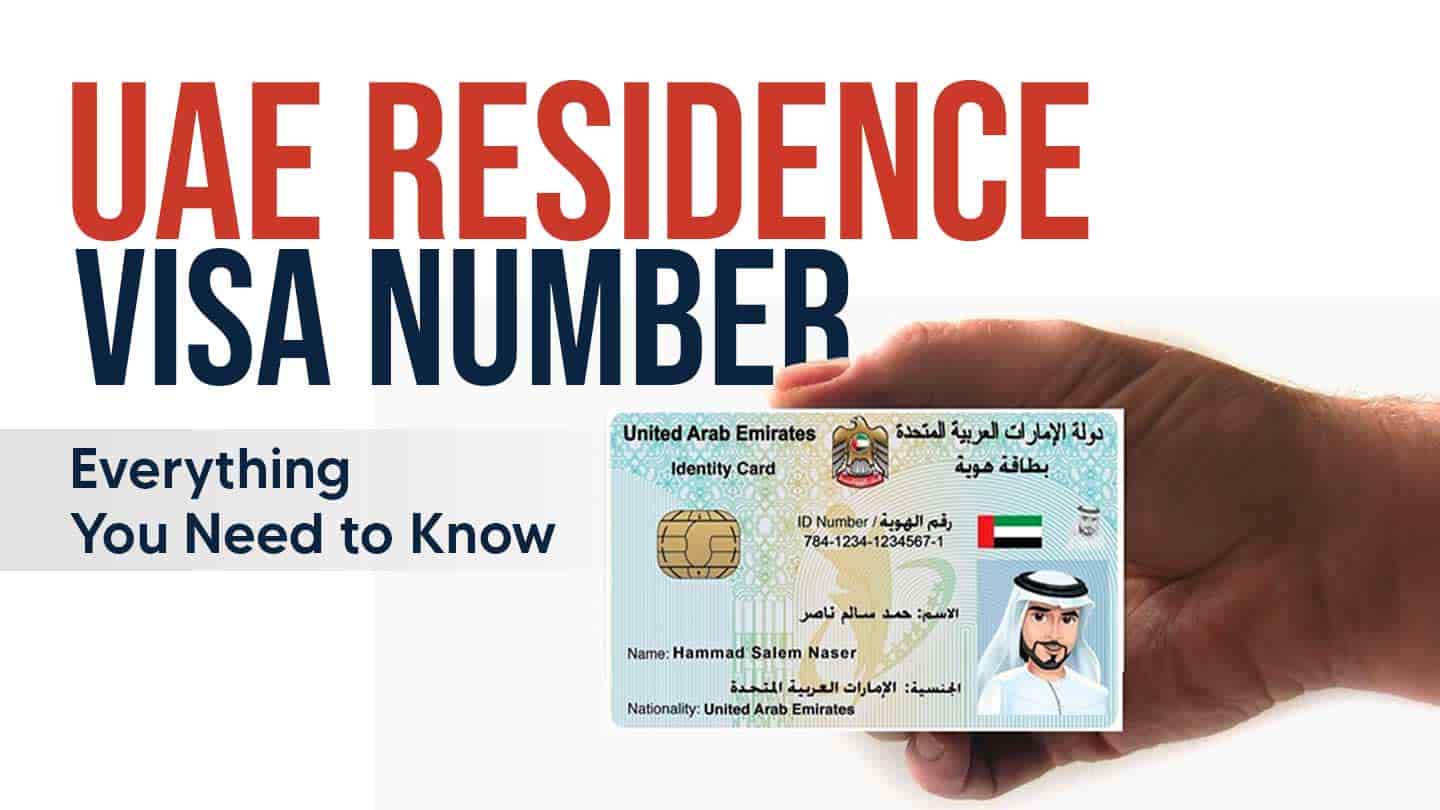
If you hold a UAE residence permit or are applying for one, understanding your UAE residence visa number is crucial. This unique identifier, issued by UAE immigration authorities, is a key piece of information required for a wide range of official and daily processes—from visa verification and Emirates ID applications to employment formalities and accessing government services.
A common point of confusion is locating this number on the visa stamp or document and distinguishing it from other details. For residents in Dubai, knowing how to find your Dubai residence visa number is especially important for navigating local procedures smoothly and avoiding unnecessary delays with immigration and other authorities.
This guide will explain everything you need to know about your UAE residence visa number: where to find it, how to use it, and why it’s so important.
What is the UAE Residence Visa Number?
A UAE Residence Visa Number is a unique identification code issued by the UAE immigration authorities to every individual granted a residence visa. It acts as the official reference for your residency record, linking directly to your personal details, sponsor, visa type, and validity period.
This critical number is printed on the visa sticker in your passport or available digitally via official portals like ICP (Federal Authority for Identity, Citizenship, Customs & Port Security) or the GDRFA (General Directorate of Residency and Foreigners Affairs).
You will need your residence visa number constantly throughout your stay to complete essential tasks such as:
Processing employment documents or signing rental agreements.
In short, this number is your primary residency identifier in the UAE. It allows authorities and service providers to instantly verify your legal status, ensuring you can complete formalities in Dubai and across the UAE smoothly and without delay.
Why is Your UAE Residence Visa Number So Important?
Your UAE Residence Visa Number is far more than just a reference code; it is the essential key that unlocks your legal, professional, and daily life in the country. It is integral to virtually every official and administrative process you will encounter.
Here’s a breakdown of its critical roles:
Visa Status Verification: It is the primary tool for authorities—and yourself—to instantly verify the validity, type, and details of your residency.
Access to Government Services: You cannot apply for or renew your Emirates ID, process a visa renewal, or update your status without providing this number.
Employment and Financial Onboarding: Employers require it for your official work file, and banks demand it to open accounts, issue cards, and comply with financial regulations.
Smooth Travel and Immigration: The number is crucial for all entry, exit, and residency-related procedures at UAE ports of entry and with immigration authorities.
Legal and Official Identification: It serves as your unique identifier within all UAE government and immigration databases, linking all your official records.
In short, without your correct residence visa number, you risk significant delays or an inability to complete essential formalities. Keeping it readily accessible is the simplest way to ensure smooth interactions with every institution in the UAE, from government departments to banks and employers.
Where to Find Your UAE Residence Visa Number
Your UAE Residence Visa Number is readily available on the official documents issued to you. Whether you have a physical stamp or an e-visa, here are the most reliable places to locate it, ensuring you can quickly reference it for any official procedure.
1. On Your Passport Visa Stamp
If you have a physical visa, open your passport to the page with the UAE residence visa sticker. Look near the top or along the side for a field labeled “Visa Number,” “Residence File Number,” or “File No.” This is the most direct and authoritative source.
2. On Your E-Visa or Official Approval Document
For digital visas, open the PDF file issued by the ICA (Federal Authority for Identity and Citizenship) or the GDRFA (General Directorate of Residency and Foreigners Affairs). Your residence visa number will be prominently displayed alongside your name, passport number, and visa validity dates. Using the search function (Ctrl+F) for “visa” or “number” can help you spot it instantly.
3. Via Official Government Apps and Portals
Log in to the ICA Smart Services or GDRFA Dubai app/website using your UAE Pass. Navigate to “Residency Services” or “Visa Details.” Your active visa information, including the full visa number, will be listed in your profile.
4. By Visiting an Amer or Tasheel Center
If you cannot access your documents digitally, visit a nearby Amer Center (in Dubai) or Tasheel Center (in other emirates). An agent can retrieve your visa details after verifying your identity with your passport and Emirates ID.
Pro Tip: Once you find your number, save it in a secure, accessible note on your phone. Having it on hand will expedite countless processes, from bank account openings to visa renewals and government service applications.
How Your UAE Residence Visa Number Affects Travel
Your UAE Residence Visa Number is a critical piece of information that directly impacts your travel experience—from booking your ticket to clearing immigration. It acts as the unique key that links your passport to your legal residency status in the UAE’s immigration system.
Here’s exactly how it affects each stage of your journey:
1. During Check-in & Pre-Departure
Airlines are required to verify your right to enter your destination and your right to return to the UAE. Providing your residence visa number during online or airport check-in allows them to confirm your residency status is active and valid.
Consequence of Error: An incorrect, expired, or cancelled visa number can result in boarding denial at your departure point, as the airline’s system will flag an invalid residency.
2. At UAE Immigration (Departure & Arrival)
When you exit or re-enter the UAE, immigration officers scan your passport. The system instantly pulls up your file using your visa number to verify:
Your current residency status.
Your visa’s validity and expiry date.
Your sponsor details and emirate of issuance.
Consequence of Error: A mismatch or problem with your visa record can lead to significant delays, secondary screening, or even entry denial upon return.
3. For Online Forms & Transit
Some countries’ electronic travel authorizations (e.g., Turkey’s e-Visa) or transit immigration forms may ask for your UAE residency details. Entering the correct number ensures seamless processing.
It is also crucial for using smart/automated gates at UAE airports, which rely on a precise match between your passport and visa database.
Important Travel Tips
During Visa Renewal: If your visa is under process or newly issued but not yet stamped, carry the official approval email or PDF containing your visa number. This is your proof of status.
Always Double-Check: Ensure the name, passport number, and visa number on all travel documents and airline records match perfectly.
Keep a Digital Copy: Save a photo or scan of your visa page and Emirates ID on your phone. It’s the fastest way to resolve any queries at an immigration counter.
Common UAE Visa Number Errors & How to Fix Them
A single digit out of place in your UAE residence visa number can cause major disruptions—from denied boarding to frozen bank accounts. Understanding these common errors and how to resolve them is key to a hassle-free residency.
Below is a quick guide to the most frequent issues, followed by detailed explanations and solutions.
Error
Likely Cause
Immediate Action
Number Not Found in System
Recent issuance; system sync delay; input error.
Wait 24-48 hrs; verify on GDRFA/ICA portal; contact sponsor.
Passport-Visa Detail Mismatch
Typo in application; passport renewed after visa issued.
Request correction via sponsor/employer; update visa with new passport.
Using an Old Visa Number
New visa issued (renewal/change) generates a new number.
Discard old number; use only the number from your latest visa document.
Visa Shows Active After Cancellation
System delay or incomplete cancellation process.
Confirm status with sponsor; keep official cancellation proof for travel.
This must be corrected officially. Your sponsor or employer needs to initiate a visa amendment with immigration authorities. Do not travel with a mismatch, as it will likely lead to being held at immigration.
3. Error: Confusing Old and New Visa Numbers
The Problem: You are attempting to use a previous, now-invalid visa number after renewing your visa or changing your status.
Key Fact:Every new residence visa comes with a completely new number. Your old number is deactivated.
The Fix:
Always refer to the visa number printed on your most recent visa stamp or e-visa approval document. Destroy or archive old documents to avoid confusion.
4. Error: Visa Shows as Active After Cancellation
The Problem: Your visa appears valid in online checks even though it has been cancelled, risking travel issues if you attempt to re-enter.
Common Causes: Administrative delays in updating the central immigration database after a cancellation request is processed.
The Fix:
Obtain and keep a copy of the official visa cancellation paper or confirmation from your former sponsor.
Verify the status yourself on the ICA Smart Services portal. If it still shows active, your former sponsor must follow up with immigration to complete the process.
5. Error: Unable to Access Visa Details Online
The Problem: You cannot log in to the ICA or GDRFA portals to view your visa details.
Common Causes:
Entering incorrect details (e.g., using your visa number when the portal asks for your Emirates ID or passport number).
Technical issues with the app or website.
The Fix:
Ensure you are using the correct credentials. Try logging in with your Emirates ID number via UAE Pass.
If login fails, visit a customer service center (Amer in Dubai, Tasheel in other emirates) with your original documents for in-person assistance.
Pro Tip: When in doubt, your sponsor’s PRO (Public Relations Officer) or HR department is your primary channel for resolving most visa-related errors with the authorities.
Essential Tips for Managing Your UAE Residence Visa Number
Think of your UAE Residence Visa Number as a critical key to your life in the country. Just as you carefully manage important passwords or documents, proactive management of this number prevents administrative headaches and ensures seamless access to services.
Here are eight essential tips to keep your residency details secure, accurate, and always at hand.
#
Tip
Key Action & Reason
1
Create Digital Backups
Save a clear scan/photo of your visa stamp and e-visa PDF in a secure cloud drive (Google Drive, iCloud) and email it to yourself. This ensures instant access from anywhere, even if your passport is misplaced.
2
Verify on Official Portals
Log in quarterly to the ICA Smart Services or GDRFA portal. This habit helps you spot discrepancies early and confirms your visa status is active and correct.
3
Ensure Cross-Document Consistency
Compare your visa number across your Emirates ID, employment contract, and bank records. Any mismatch can cause severe delays; resolve discrepancies immediately through your sponsor.
4
Guard It Like Sensitive Data
Only share your number with verified entities: government authorities, your employer’s HR, or licensed banks. Never provide it over unsecured channels like social media or random phone calls.
5
Set Automated Expiry Reminders
Mark your visa expiry date in your calendar 90 days in advance. This gives ample time for renewal procedures and avoids last-minute rushes or accidental overstaying.
6
Maintain an Organized Archive
Keep a dedicated folder (digital or physical) for all old visas, entry permits, and cancellation papers. These are often required for future visa applications or background checks.
7
Update Immediately After Changes
If you change jobs, sponsors, or renew your visa, confirm your new number. Each new residency grant comes with a new number; using an old one will invalidate transactions.
8
Carry Proof During Travel
When traveling, have a digital copy of your visa and Emirates ID on your phone. It’s the fastest way to resolve queries at airline counters or UAE immigration.
By following these simple yet effective practices, you turn your residence visa number from a potential point of failure into a tool for smooth and confident living in the UAE.
Your UAE Residence Visa Number is the cornerstone of your legal residency. Mastering it—from knowing where to find it to ensuring it’s updated across all systems—isn’t about bureaucracy; it’s about securing a seamless experience for work, travel, and daily life in the UAE.
By staying organized, verifying details on official portals, and keeping digital copies secure, you protect yourself from delays and complications. Remember, this single number is your key to compliance.
Need Expert Assistance? If you have questions about verification, renewal, or correcting your visa details, professional guidance is the fastest way to a resolution.
2. Where exactly is the visa number printed on a UAE residence visa?
Look near the top or upper corner of the visa sticker in your passport. It is typically labeled as “Visa No.,” “File No.,” or “Residence File Number.” On e-visas, it’s clearly marked within the document.
3. Is the UAE residence visa number different from the Emirates ID number?
Yes, they are completely different. Your residence visa number is issued by immigration for your residency status. Your Emirates ID number is a separate, unique national identity number used for all identification purposes within the UAE. You need your visa number to apply for your Emirates ID.
4. How many digits does a UAE residence visa number contain?
The format can vary, but it generally consists of 9 to 14 characters, which may include digits, slashes (/) or hyphens (-). The exact format depends on the issuing emirate and the year of issuance.
5. Can I get my UAE residence visa number online?
Absolutely. You can retrieve it 24/7 by logging into your account on the:
Federal Portal:ICA Smart Services (for visas issued by the Federal Authority for Identity, Citizenship, Customs & Port Security).
7. What should I do if I lose my residence visa copy?
Don’t panic. Your record is digital. You can:
Access the number online via the official portals mentioned above.
Contact your sponsor, employer, or PRO—they can retrieve it from the immigration system.
Visit an Amer (Dubai) or Tasheel (other emirates) center for assistance.
8. Is the residence visa number required for travel?
Yes, critically. Airlines verify it at check-in to confirm your right to return to the UAE. UAE Immigration uses it upon your arrival to instantly pull up your residency file and validate your entry.
9. Does the visa number change after renewal?
Yes, in the vast majority of cases. Each new residence visa (upon renewal, transfer, or status change) is issued with a brand-new visa number. Always discard the old number and use the one from your latest visa document.
10. Can employers or sponsors access my visa number?
Yes. Your sponsor (employer or family member) and their authorized PRO have legal access to your full visa details, including the number, through the official immigration channels linked to their sponsorship file.
Still have complex questions about your visa status or need help with a renewal? Our experts are here to provide clear, reliable guidance.Contact Shuraa for professional assistance →
If you’re considering starting a business in Dubai or already running one, knowing about visa quotas in the UAE is important. It plays a big role in how many people you can hire, how your office is set up, and how smoothly your business can grow. Many business owners only hear about visa quotas when they suddenly need to hire more staff, and by then, it can feel confusing.
Could you please clarify what a visa quota in Dubai entails? In simple terms, it’s the maximum number of residence or work visas your company is allowed to issue under its trade license. This number depends on things like your business activity, office size, and whether your company is in the mainland or a free zone.
Therefore, we’re here to explain everything in an easy-to-understand way: what a visa quota means, why it matters, how to obtain a visa quota in Dubai, how many visas you can obtain, and what to do if you need more.
What is Visa Quota in Dubai?
Dubai’s visa quota system determines how many employee visas a company can get, primarily linked to its office size (typically 1 visa per 9 sq. meters) for physical offices, with flexi-desks offering fewer (1-3 visas), and variations by Free Zone or Mainland, often starting with 3-6 visas for new setups, requiring MOHRE approval and occasionally an inspection. Quotas can be increased with more space or special approval, involving fees.
Why Does the UAE Have Visa Quota Rules?
The UAE government enforces visa quotas for three primary strategic reasons:
Labour Market Control: To prevent companies from issuing mass visas that don’t match their actual business scale (preventing “visa trading”).
Operational Reality: To ensure every employee has adequate physical workspace. In 2026, this will be strictly enforced, with a standard requirement of approximately 9 square meters of office space per employee.
Compliance & Diversity: Quotas act as a checkpoint. Authorities can freeze your quota to force compliance with new regulations, such as Emiratisation targets (for companies with 50+ skilled workers) or workforce nationality diversity rules.
Who Manages the Visa Quota in the UAE?
Who controls your visa quota depends on your business location:
Mainland companies fall under the Ministry of Human Resources & Emiratisation (MOHRE) and the General Directorate of Residency and Foreigners Affairs (GDRFA).
For Free Zone Companies, your quota is determined directly by your specific Free Zone Authority (e.g., IFZA, DMCC, JAFZA, DAFZA).
Factors That Determine Your Visa Quota in the UAE
Your visa quota in Dubai isn’t fixed; it’s decided based on several important factors. Let’s break them down in a simple way:
1. Office Space Size
One of the major factors is how big your office is. In most cases, authorities allocate visas based on the size of your workspace. As a general rule, you may be allowed one visa for every 80–100 sq. ft. (around 9 sqm) of office space. Therefore, the bigger your office, the higher your visa quota can be.
Example: A 50 sq. m office typically grants you roughly 5–6 visas.
If you are a startup using a “Flexi-Desk” (a shared workspace often included in cheaper license packages), your quota is usually capped strictly at 2 to 3 visas maximum, regardless of your revenue. To gain more, you must upgrade to a physical office.
2. Type of Business License & Activity
Your business activity also plays a big role. For example, a consultancy firm, a trading company, and a manufacturing unit may all have different visa limits even with the same office size. Some activities naturally require more staff, so they may receive a higher quota.
3. Emiratisation (Tawteen)
Companies with 50+ skilled employees’ risk having their visa quota frozen if they fail to meet the 2% annual Emiratisation target. You literally cannot hire new expats until you hire the required number of UAE Nationals.
4. Workforce Diversity
For Mainland companies, MOHRE monitors the “Demographic Diversity” of your workforce. If you hire too many employees from a single nationality, you may face difficulties expanding your quota or pay significantly higher visa fees (moving from Category 1 to Category 2 or 3).
5. The number of Existing Employees
If your company already has active employees under its visa quota, this directly affects how many new visas you can apply for. For example, if your total allowed quota is 10 and you already have 8 employees sponsored, you can only apply for 2 more visas unless your quota is increased.
6. Company Legal Structure
Your company’s legal structure (such as Sole Establishment, LLC, Branch Office, or Partnership) can also impact your visa quota. Some structures naturally allow more flexibility in staffing compared to others, depending on approval authorities and business scale.
Visa Quotas in Free Zones vs Mainland — What’s the Difference?
Your visa quota in Dubai is greatly affected by where your company is registered – in a Free Zone or on the Mainland. While both allow you to sponsor employees, the rules, limits, and flexibility are quite different. Let’s break it down in an easy way.
A) Visa Quota in Free Zones:
In free zones, your visa quota is handled directly by the free zone authority where your business is registered (e.g., IFZA, DMCC, JAFZA, DAFZA). Here, the number of visas you receive is mostly tied to your office package and workspace type.
Flexi-desks or shared offices usually offer 1–3 visas only.
Serviced or private offices allow more visas.
Warehouses and industrial units receive higher visa quotas.
Each free zone has its own rules, so quotas vary from zone to zone.
Startups and small teams benefit greatly from free zones, but failure to upgrade your office space may limit your growth.
B) Visa Quota in Mainland:
MOHRE and GDRFA manage visa quotas for mainland companies. Here, the quota is mainly based on your office size and business activity.
Generally, you may obtain 1 visa per 80–100 sq. ft. (around 9 sqm).
Larger offices mean higher visa quotas.
More flexibility to apply for additional visas as your company grows.
Suitable for businesses planning larger teams and long-term expansion.
Mainland setups usually offer more freedom to scale your workforce, especially for retail, trading, and service-based businesses.
Key Differences:
Feature
Mainland Company
Free Zone Company
Primary Regulator
Ministry of Human Resources (MOHRE)
Free Zone Authority (e.g., DMCC, IFZA, JAFZA)
Quota Basis
Office Size (~9 sq. m/person) + Compliance
License Package + Office Size
Flexi-Desk Limit
N/A (Physical office usually required)
Strictly capped (usually 2–3 visas)
Diversity Rules
Yes (Strictly monitored)
No (Generally not applicable)
Emiratization
Mandatory for 50+ skilled staff
Exempt (mostly)
How Do You Calculate & Estimate Your Visa Quota in Dubai?
Before you sign a lease or pay for a license package, you should run your own numbers. While the final decision lies with the authorities, you can estimate your eligible quota with high accuracy using these steps:
1. Review Your Office Type or Package
Your office setup directly controls your starting visa quota, especially in free zones.
Flexi-desk or shared offices: Usually allow 1–3 visas only. These options are particularly beneficial for solopreneurs or startups.
Serviced offices: Offer better flexibility and more visas.
Private offices: Higher visa quota based on actual space.
Warehouses/industrial units: Allow the highest visa limits due to large space and operational needs.
If your hiring needs grow, upgrading your office is often the fastest and most practical way to increase your visa quota.
2. Measure Your Office Size (Especially for Mainland Companies)
This formula is the baseline calculation used by both Mainland authorities (MOHRE) and most Free Zones with physical offices.
The Formula: Total Office Size (in Sq. Meters) ÷ 9 = Maximum Visa Count
The Calculation:
Determine your office size on your Ejari or lease contract.
Example: You rent a standard 500 sq. ft office (approx. 46 sq. metres).
Math: 46 ÷ 9 = 5.11.
Result: Your likely quota is 5 visas.
3. Check Your Existing & Active Visas
Next, review the number of visas that are currently being used by your company:
Active employee visas
Investor or partner visas (if counted under company quota)
For example: If your total quota is 10 visas and you already have 7 active visas, you can only apply for 3 more unless you apply for a quota increase. Many businesses forget this step and face delays when they apply for visas without checking the remaining balance.
4. Plan for Growth Before You Actually Hire
Always think slightly ahead when estimating your visa quota. If:
You plan to expand in the next 6–12 months.
You expect to hire a team quickly
You’re moving from a solo setup to a full operation.
Then it’s wise to:
Choose a slightly bigger office
Select a free zone package with a higher visa allowance.
Keep your trade license, lease, and company documents fully valid and updated.
Need help estimating yours?Contact Shuraa for a free audit.
How to Obtain a Visa Quota in Dubai?
Getting a visa quota in Dubai is not complicated, but it does require the right setup and documents. Here’s how the process generally works:
Step 1: Get Your Trade License Issued
The first and most important step is to register your company and obtain your trade license. Doesn’t matter if you choose a mainland or a free zone setup; your visa quota process only starts after your license is active. Without a valid license, you cannot apply for visas.
Step 2: Finalise Your Office Space
Your office space is one of the primary factors in deciding your visa quota. You’ll need to choose:
Flexi desk/shared office (limited visas)
Serviced office
Private office
Warehouse/industrial unit (for trading/manufacturing)
For mainland companies, your office must also be registered with a valid Ejari. Authorities use your office size and type to calculate how many visas your company can obtain.
Step 3: Receive Your Establishment & Immigration Cards
Once your license and office are ready, you need to apply for:
Once your quota is active, you can begin applying for work permits and residence visas. Each approved visa will use one slot from your available quota. You simply continue applying until your quota is fully used.
What Happens When You Hit Your Visa Quota?
Hitting your visa quota can feel stressful, especially when your business is growing and you urgently need to hire more staff. But the beneficial news is, reaching your quota doesn’t mean your business comes to a stop. You still have a few practical options to move forward.
1. You Can’t Apply for New Visas Immediately
Once your visa quota is fully used, you won’t be able to apply for new employee visas under your current setup. Any new visa application will either be:
Put on hold
Or rejected until your quota is increased
2. You May Need to Upgrade Your Office Space
One of the most common solutions to increase your visa quota is upgrading your office space.
Moving from a flexi-desk to a private office
Shifting to a larger office
Upgrading to a warehouse or industrial unit (for trading/manufacturing)
Once you update your lease or Ejari, you can then apply for a higher visa quota based on the new space.
3. You Can Apply for a Visa Quota Increase
You can apply for a quota increase with the relevant authority after upgrading your office or if your business genuinely requires more staff.
Mainland companies: Apply through MOHRE and GDRFA.
If you need staff for short-term projects, temporary or mission work permits may be available in some cases. These are useful for:
Project-based work
Short-term contracts
Technical or seasonal roles
This helps you continue work without waiting for a full quota expansion.
5. Consider using an Employer of Record (EOR) or an Outsourcing Model
Another smart option is using an Employer of Record (EOR) or outsourcing model. Here:
The employee is legally sponsored by a third party.
You manage their daily work.
Your company’s visa quota remains untouched
This is a popular solution for fast-growing startups that need quick hiring without changing office space immediately.
6. Why You Should Never Exceed Your Quota Illegally
Some businesses try to bypass the rules by hiring people on:
Visit visas
Cancelled visas
Or under another company’s sponsorship
This is illegal and can lead to:
Heavy fines
Blacklisting
Visa bans
Business license suspension
Ready to Grow Your Team in Dubai? Here’s What to Do Next.
Before you start hiring in Dubai or plan to grow your team, it’s really important to check your visa quota first. Knowing your visa limits helps you avoid delays, extra costs, and last-minute surprises.
That’s where Shuraa makes everything simple for you. We handle everything from setting up your company and choosing the right office to securing your visa quota, processing employee visas, and increasing your quota as your business grows.
On top of this, Shuraa Recruitment Services connects the right talent with the right opportunities. Doesn’t matter if you’re an employer looking to hire skilled professionals or a job seeker searching for the right role in Dubai, our recruitment team helps both sides locate the perfect match quickly and smoothly.
With the right guidance and proper planning, managing your visa quota in Dubai doesn’t have to be complicated. And with Shuraa by your side, you can focus on growing your business with confidence.
FAQs – Dubai Visa Quota
1. How many visas can I obtain on a flexi desk in Dubai?
In most cases, a flexi desk allows 1-3 visas only. The exact number depends on the free zone authority and your license package.
2. Do Green Visa or Golden Visa holders count towards my company visa quota?
No, Golden Visa and Green Visa holders usually do not use your company’s visa quota, as they sponsor themselves. However, this can vary slightly, so it’s always beneficial to double-check with the authority.
3. What is the visa quota for small businesses in Dubai?
There is no fixed number for small businesses. It depends on your office size, business activity, and whether your company is in the mainland or a free zone. Small businesses usually start with 2 to 6 visas.
4. Can I increase my visa quota later?
Yes, you can apply for a visa quota increase by upgrading your office space and submitting updated documents to the relevant authority.
5. Is the visa quota different for mainland and free zone companies?
Yes. Free zone quotas are based on office packages and authority rules, while mainland quotas are mainly based on office size and MOHRE/GDRFA regulations.
6. Does my investor or partner visa count in the quota?
In many cases, investor or partner visas do count towards the company’s total visa quota, especially in free zones.
Disclaimer: The information provided in this article is for general guidance and informational purposes only and is accurate as of January 2026. Visa quota rules, office space requirements, and related regulations in the UAE are subject to change by relevant authorities (MOHRE, GDRFA, and Free Zone authorities). Shuraa strongly recommends verifying the latest requirements with the concerned government department or consulting a licensed business setup professional before making any decisions. Shuraa accepts no liability for actions taken based solely on the content of this article.
Life in Dubai is dynamic, and sometimes plans change. Whether you’re closing a business, ending a partnership, or relocating, knowing how to properly cancel your partner visa is crucial to avoid future legal or immigration complications.
This comprehensive guide walks you through the entire partner visa cancellation process in Dubai, ensuring you stay compliant with UAE regulations.
What is a Partner Visa in Dubai?
First, let’s clarify terms. A Partner Visa (often interchangeable with Investor Visa) is a type of residency permit granted to individuals who own a stake in a UAE-based company, typically on the mainland or in a free zone. It allows them to live in the UAE and run their business.
Important Note: This is different from a spouse or family visa. This guide specifically addresses cancelling a residency visa linked to business ownership.
Why You Might Need to Cancel Your Partner Visa
People choose to cancel their partner visa for several reasons:
Dissolving a business partnership
Closing or selling the company
Leaving the UAE permanently
Switching to a different type of residency visa (e.g., an employment visa)
The company’s trade license has been cancelled
How to Cancel a Partner Visa in Dubai
The partner visa cancellation process in Dubai is managed by the General Directorate of Residency and Foreigners Affairs (GDRFA). Here’s how to do it:
Step 1: Secure a No Objection Certificate (NOC)
The first and most critical step is obtaining a signed and stamped NOC from your business partners or the company itself. This document is your official proof that there is no objection to cancelling your visa.
Step 2: Clear All Financial and Legal Dues
Before initiating cancellation, settle all outstanding obligations:
Pay off any personal loans or credit card debts.
Settle all traffic fines.
Clear any utility bills (e.g., DEWA, Etisalat/du).
Ensure there are no pending court cases or travel bans against you.
Step 3: Cancel Your Health Insurance
Contact your insurance provider to cancel the health insurance policy linked to your visa. You will need proof of cancellation for the next steps.
Step 4: Initiate Official Cancellation with GDRFA
This is the core of the process. You or your PRO can submit the cancellation application at the General Directorate of Residency and Foreigners Affairs (GDRFA). This can often be done online via the GDRFA website or app, or in person at a typing center or Amer center.
Step 5: Submit Required Documents & Pay Fees
You will need to provide the following for the partner visa cancellation in Dubai:
Original passport and copy
Original Emirates ID
Copy of the current residency visa
No Objection Certificate (NOC) from the company
Company’s valid trade license copy
Completed visa cancellation application form
You will then pay the partner visa cancellation fee in Dubai, which is typically around AED 100 – 200.
Step 6: Receive Official Cancellation Confirmation
Once processed, the GDRFA will issue an official confirmation stamp in your passport or provide an electronic notification. This is your proof that the visa has been successfully cancelled.
Step 7: Surrender Your Emirates ID
After visa cancellation, you must surrender your Emirates ID to the Federal Authority for Identity, Citizenship, Customs & Port Security (ICP). This formally deactivates it in the system.
What is the Grace Period After Visa Cancellation?
Once your partner visa is cancelled, you are typically granted a grace period of 30 days to either:
Legally leave the UAE.
Change your status and apply for a new residency visa.
Overstaying this grace period will result in daily fines, so it’s essential to plan your next steps accordingly.
Partner Visa Cancellation vs. Employment Visa Cancellation
Many people transitioning from employment to business ownership (or vice-versa) are unfamiliar with the differences in the cancellation process. This clear comparison helps them understand what to expect.
Partner Visa vs. Employment Visa Cancellation: Key Differences
While the overarching authority for both processes is the GDRFA, the source of sponsorship leads to key differences. Understanding these can set the right expectations.
Aspect
Partner Visa Cancellation
Employment Visa Cancellation
Sponsor
The company you own a stake in.
Your employer.
Who Provides the NOC?
Your business partner(s) or the company itself.
Your employer’s HR or PRO department.
Key Dependency
The company’s valid Trade License.
Your employment contract and Ministry of Human Resources & Emiratisation (MOHRE) contract.
Primary Reason for Cancellation
Dissolving partnership, closing company, or selling shares.
Resignation, termination, or end of contract.
Involvement
You are often actively involved in managing the process as a part-owner.
The process is typically managed entirely by your employer’s PRO.
Liability Check
Focuses on both personal dues and company liabilities with the DED.
Focuses primarily on personal dues (fines, loans) and employment obligations.
Key Takeaway: The main difference lies in control and liability. With a partner visa, you are the sponsor and the sponsored, meaning you drive the process and are responsible for company-level clearances. With an employment visa, your employer drives the process.
What To Do After Your Visa is Cancelled: Your Next Steps
Once your visa is cancelled, you have a 30-day grace period to finalize your status. Your next steps depend on whether you are leaving the UAE or switching visas.
Option A: Leaving the UAE Permanently
Use your grace period to efficiently wrap up your affairs:
Close Financial Accounts: Visit your bank to close accounts and settle any outstanding debts or loans.
Settle Final Bills: Pay and close your DEWA (utilities) and Etisalat/du (phone/internet) accounts. Your visa cancellation paper may be required.
Cancel Subscriptions & Services: Terminate car insurance, RTA parking, gym memberships, and other recurring payments.
End Your Tenancy: Provide official notice to your landlord, settle payments, and obtain a clearance certificate.
Arrange Shipping: Contact movers to ship your personal belongings overseas.
Option B: Switching to a New Visa
The key rule is: Avoid a “status gap.” You must not overstay your grace period.
Ideal Scenario: Start New Visa First: Begin your new employment, investor, or freelance visa application before cancelling your old one for a seamless transition.
If You Didn’t Start Early: Act Within Your Grace Period: If your new visa isn’t ready before cancellation, you must secure your legal status within the 30-day grace period to avoid fines. You have two main options:
Exit & Re-enter: Perform a “visa run” by flying to a nearby country and returning on a new entry permit or tourist visa.
Change Status In-Country: For some visa types, you can change your status without leaving the UAE. Consult your new sponsor or a PRO service to confirm the best pathway for your situation.
If you’re considering another business venture, our guide on applying for a new Partner Visa can help you understand the requirements.”
Common Challenges & How to Solve Them
Sometimes, the path to cancelling your partner visa isn’t smooth. Here are the most common hurdles and straightforward solutions to overcome them.
An Uncooperative Business Partner
The Problem: Your partner refuses to sign the No Objection Certificate (NOC), blocking the entire process.
The Solution: Don’t panic. This requires legal action. You can file a case with the Dubai Courts to get a ruling that replaces the missing NOC.
Outstanding Company Debts
The Problem: The company has unpaid rent, loans, or DED fines, causing an automatic block on your visa cancellation.
The Solution: Clear all company liabilities first. Check the DED portal for a clean “No Liability” certificate before you apply.
Overstay Fines Piling Up
The Problem: Delays in the process mean your visa expires, and you start accruing daily overstay fines.
The Solution: Start the process early! If fines do accumulate, focus on completing the cancellation immediately to stop the charges. All fines must be paid to proceed.
A Surprise Travel Ban
The Problem: An unknown police case or travel ban (e.g., from a bank) halts your cancellation when you least expect it.
The Solution: Be proactive. You can run a formal status check with Dubai Police (often a service we provide for clients) before you start. If a ban exists, you must resolve the underlying case legally to have it lifted.
Documents Required for Partner Visa Cancellation in Dubai
Having your documents ready speeds up the process. You will generally need:
Why Choose Shuraa for Your Partner Visa Cancellation?
Navigating government procedures can be complex. A single error can lead to delays, fines, or legal issues. Shuraa Business Setup simplifies the partner visa cancellation process in Dubai.
Our expert PRO team will:
Guide you through the entire process from start to finish.
Review and prepare all required documents accurately.
Liaise with GDRFA & ICP on your behalf, saving you time and hassle.
Ensure 100% compliance with UAE immigration laws.
Advise you on your next steps regarding the grace period and new visa applications.
Don’t leave your immigration status to chance. Let the experts handle it.
1. What is the partner visa cancellation fee in Dubai?
The official government fee is generally between AED 100 and AED 200. However, if you use a PRO service, there will be additional service charges.
2. Can I cancel my partner visa online?
To cancel a partner visa in Dubai online, you can use the GDRFA-Dubai application or follow specific steps through authorized channels.
Steps to Cancel Your Partner Visa Online:
Download the GDRFA-Dubai Application: Access the app from the Apple Store or Play Store and register a new user account if you don’t have one.
Select the Required Service: Choose the visa cancellation service from the app’s menu.
Prepare Required Documents: Gather necessary documents, including your original passport, Emirates ID, and any relevant cancellation letters from your company or partner. If applicable, ensure you have a clearance certificate from your sponsor.
Submit Your Request: Attach the required documents and submit your cancellation request through the app.
Pay the Fees: Pay any applicable fees for the visa cancellation process. The fee details can usually be found within the app or on the GDRFA website.
Receive Confirmation: After processing, you will receive a confirmation of your visa cancellation via email or through the app.
3. How long does the entire cancellation process take?
If all documents are in order, the process can be completed within 2 to 5 working days.
4. What happens if I don’t cancel my partner visa and leave the UAE?
This is highly inadvisable. You will accumulate overstay fines, and you may face an entry ban in the future, preventing you from returning to the UAE.
5. Can I cancel my partner visa if my company’s trade license is already cancelled?
Yes, but the process may involve additional steps and documentation from the Department of Economic Development (DED) to prove the company has no liabilities.
Please note: The information provided here is for general guidance and may not reflect the latest UAE regulations. For definitive, current procedures and to ensure full compliance, we strongly advise verifying details with official GDRFA channels or consulting with our experts at Shuraa Business Setup.
As an expat in Dubai, a family visa is the key that lets you bring your loved ones, like your spouse, children, and sometimes even your parents, to live with you. This visa is super important because it gives them legal residency, meaning they can live here, get jobs (with the right permits), go to the doctor, and attend school. But, just like any other ID, this visa doesn’t last forever. You have to renew it to make sure your family can stay in Dubai legally.
Renewing your family’s visa on time is a big deal. If you don’t, you could face huge fines for overstaying and other legal problems. Keeping the visa valid is essential for your family’s safety and gives you all the peace of mind to enjoy your life in Dubai.
Of course, renewal isn’t free – there are family visa renewal charges in Dubai that every sponsor needs to be aware of. These costs can vary depending on a few things, such as whether the dependent needs a medical test, Emirates ID renewal, or typing and service centre fees. Therefore, here we’ll break down all the charges clearly, so you’ll know exactly what to expect.
Family Visa Renewal in Dubai
A family visa in Dubai is a residence permit that allows UAE residents to sponsor their close family members, such as their spouse, children, or parents, so they can legally live in the country. It helps families stay together and ensures dependents have access to education, healthcare, and other services.
Family visas in Dubai are typically issued for 1, 2, or 3 years, depending on the sponsor’s visa type, profession, and other conditions. Once this period ends, the visa must be renewed to avoid overstay fines or legal issues.
Who Needs to Renew a Family Visa?
Every dependent under a family visa needs renewal once the visa’s validity period ends. This usually applies to:
Spouse (husband or wife)
Children (with certain age restrictions, usually up to 18 years, or 21 if studying)
Parents (with additional income and housing requirements for sponsors)
Other dependents, if approved under special conditions
The renewal process is overseen by:
GDRFA (General Directorate of Residency and Foreigners Affairs – Dubai): The main authority for residency and visa services.
Amer Centres: Authorised service centres across Dubai where you can submit applications, pay fees, and complete most of the renewal steps without visiting GDRFA directly.
What are Family Visa Renewal Charges in Dubai?
The total cost of renewing a family visa isn’t a single fee. It’s a combination of different government fees, service charges, and other mandatory expenses. Here is a breakdown of the typical costs you can expect per person:
Visa renewal application fee:
This is the government fee for extending your family member’s residence visa. It usually falls between AED 470 to AED 600 for a two-year renewal.
Medical Test Fee:
This is a mandatory and separate fee for all dependents aged 18 and over. The cost for a standard medical fitness test (which includes blood tests and a chest x-ray) can range from AED 300 to AED 700. There are also faster, VIP options available at a higher cost.
Emirates ID Renewal Fee:
Every resident in the UAE must have an Emirates ID. The renewal fee is a separate charge and depends on the validity period of the ID, which is typically tied to the visa’s duration. For a 2-year visa, the fee is around AED 390.
Typing or Amer centre service fee:
Since all applications go through Amer centres or authorised typing offices, you’ll need to pay a service fee of around AED 50 to AED 150.
Health insurance:
If your dependent’s visa requires insurance (which is often the case), you’ll need to renew or purchase a plan. Basic policies usually start at around AED 700 per year, but can go well above AED 1,500 depending on age and coverage.
When you add these up, the total family visa renewal charges in Dubai usually come to around AED 1,500 to AED 2,500 per person, if no insurance is needed. If insurance is required, it could go up to AED 4,000 or even AED 5,000, depending on the plan and other factors.
There’s also a small difference between renewing visas while your family is inside Dubai versus if they are outside the UAE. Most people renew visas while their dependents are already in the country, and the charges are as listed above. But if your dependent is outside the UAE and needs a new entry permit or re-entry process, there will be some extra fees on top of the normal renewal costs.
Please note: Visa regulations and fees in Dubai can change. For the most accurate and current information, it is highly recommended to check with an official Amer Center, GDRFA website, or just get in touch with one of our top experts at Shuraa Business Setup.
Salary certificate or labour contract of the sponsor, showing eligibility to support dependents.
Relationship proof (like attested birth certificate for children, marriage certificate for spouse, etc.).
How to Renew Your Family Visa in Dubai?
While you can do some steps online through the GDRFA website or app, most people find it easiest to work with an Amer Center, which streamlines the entire process. Here’s the overview of the process:
1. Book and complete the medical fitness test
Dependents above 18 years must undergo a medical test at an approved health centre. Results are usually available within 24–48 hours (faster if you choose urgent service).
2. Renew or update health insurance
A valid health insurance policy is required for most family visas. Make sure the insurance matches the new visa validity period.
3. Apply for Emirates ID renewal
Submit the Emirates ID renewal application (can be done at Amer centres or typing offices). Biometric updates may be required if fingerprints or details have changed.
4. Submit the family visa renewal application
Go to an Amer Center or apply online through the GDRFA system. Provide all required documents, including passports, photos, Emirates ID copies, medical results, and housing proof.
5. Pay the renewal fees
Pay the visa renewal fee, typing charges, and any other applicable costs. Fees vary depending on validity, medical tests, and insurance.
6. Get the approval and visa stamped
Once approved, the renewed residence visa will be stamped in the dependent’s passport (digital visas are also becoming common). You’ll receive confirmation that your family member’s residency has been successfully extended.
Renew Your Family Visa Without the Stress
Renewing a family visa in Dubai may sound complicated at first, but if you prepare your documents and start the process on time, it’s actually very straightforward. The key is not to wait until the last moment, so you can avoid unnecessary stress or fines and keep your family’s residency secure.
If you’d like someone to handle everything for you, Shuraa is here to help. We take care of all the steps – from booking medical tests and renewing Emirates IDs to submitting applications and getting approvals. You’ll always know the costs upfront, and we’ll make sure the whole process is done quickly and without hassle.
Get in touch with Shuraa today and let us make your family visa renewal simple, clear, and stress-free.
Commonly Asked Questions
1. What are the family visa renewal charges in Dubai?
The yearly cost usually starts from around AED 1,500 to AED 2,500 per person without insurance, and can go up to AED 4,000–5,000 if health insurance is included. The final amount depends on factors like medical tests, Emirates ID renewal, and insurance.
2. What happens if I don’t renew the family visa on time?
If you miss the renewal deadline, overstay fines will apply, and it may also affect your family’s legal residency status in Dubai.
3. How long does it take to renew a family visa?
On average, it takes 3 to 5 working days, but it can be quicker if all documents are complete and medical results are ready.
4. Do all dependents need a medical test?
Only dependents aged 18 and above must undergo a medical fitness test as part of the renewal process.
5. Can I renew a family visa online in Dubai?
Yes. Renewals can be done through the GDRFA website/app or with the help of authorised Amer centres.
*Disclaimer: The information in this post is for general guidance only and may change due to updates in government policies or regulations.
The UAE Partner Visa, also known as an investor visa, is a type of residence visa given to individuals who invest in or become a legal partner in a UAE-based company. Unlike an employment visa, which ties you to one employer, the partner visa allows you to sponsor yourself and manage your business freely. It usually comes with a validity of 2–3 years (depending on the jurisdiction) and can be renewed, giving you a stable way to live and work in the UAE.
For entrepreneurs and investors, the UAE Partner Visa benefits are more than just residency – it’s a gateway to long-term opportunities in one of the fastest-growing economies in the world. With a UAE Partner Visa, you can open bank accounts, apply for business facilities, rent office space, and sponsor your spouse, children, or even domestic staff. In short, it not only supports your business growth but also helps you build a secure life for your family in the UAE.
So, here are all the great things about the UAE Partner Visa, from the legal and financial perks to how it can benefit you and your family.
What is a UAE Partner Visa?
A UAE Partner Visa is a residence visa issued to individuals who own shares in a UAE-registered company or become an official business partner. In simple terms, if you invest in a company or start your own, this visa allows you to legally live in the UAE and enjoy all the benefits that come with residency. It’s one of the most popular options for entrepreneurs who want both business ownership and long-term residency.
Partner Visa vs Investor Visa vs Employment Visa
Criteria
Partner Visa
Investor Visa
Employment Visa
Definition
Issued to individuals who own shares in an LLC or are official partners in a business registered in the UAE mainland or free zone.
Granted to those who set up their own company as the sole owner, typically with 100% ownership. Often used interchangeably with Partner Visa.
Issued by an employer to an employee working in their company, tied to the job.
Ownership Requirement
Partial ownership or partnership in a business (LLC or free zone company).
100% ownership of a business, though terms may overlap with Partner Visa.
No ownership required; employee of a company.
Dependency
Tied to the business partnership or shareholding.
Tied to the ownership of the company.
Tied to the employment contract with the company.
Visa Cancellation
Not explicitly tied to employment; depends on maintaining partnership/ownership.
Not explicitly tied to employment; depends on maintaining business ownership.
Cancelled if the employee leaves the company.
Business Involvement
Requires active partnership or shareholding in a business.
Requires owning a business, typically as the sole owner.
No business ownership required; employee status.
Notes:
The terms “Partner Visa” and “Investor Visa” are often used interchangeably in the UAE, as both relate to business ownership, with slight differences in ownership structure.
All visas are subject to UAE immigration laws and specific requirements, which may vary by emirate or free zone.
Who Can Apply for the UAE Partner Visa?
To be eligible for a UAE Partner Visa, you must meet certain criteria related to your business and investment.
Anyone who invests in a company registered in the UAE.
Individuals holding shares in an LLC or free zone company.
Sole proprietors or business owners setting up their own company.
Business partners who are officially listed in the trade license or Memorandum of Association (MOA).
What are the Benefits of a UAE Partner Visa?
Choosing a UAE Partner Visa comes with several advantages that make it one of the most attractive options for entrepreneurs, investors, and business owners. Here are the key UAE partner visa benefits:
Long-Term Legal Residency: The partner visa allows you to legally live in the UAE, usually for 2–3 years depending on the jurisdiction. It can be renewed, which makes it a secure and long-term residency option for business owners.
Full Business Ownership & Rights: With a partner visa, you’re recognised as an official shareholder or business owner in the UAE. This means you can actively manage your company, share profits, and make business decisions freely without restrictions.
Family Sponsorship: One of the biggest benefits is the ability to bring your family with you. As a partner visa holder, you can sponsor your spouse, children, and even domestic staff, making it easier to settle down and create a stable family life in the UAE.
Banking & Financial Benefits: Having a partner visa makes it much easier to open both business and personal bank accounts in the UAE. It also gives you access to financial services such as applying for loans, leasing property, or obtaining credit cards.
Freedom to Travel: The partner visa comes with multiple-entry rights, meaning you can travel in and out of the UAE without worrying about frequent re-entries or short-term visa restrictions.
Access to Healthcare & Education: Visa holders are eligible to apply for medical insurance and can access world-class healthcare facilities in the UAE. You can also enrol your children in private or public schools and universities.
Driving License & Other Government Services: Residency through a partner visa makes it easier to apply for a UAE driving license and other essential permits. It also gives you access to various government services that are only available to residents.
Pathway to Stability & Growth: Unlike temporary visas, the partner visa supports your long-term plans in the UAE. If you’re looking to grow your business, expand investments, or settle down with your family, it provides the foundation for both professional and personal stability.
Flexibility Across Emirates: The partner visa is recognised across the UAE, so you can live in one emirate and run your business in another, giving you full flexibility in choosing where to work and reside.
Tax Advantages: With the UAE’s business-friendly policies, partner visa holders can enjoy zero personal income tax and access to corporate tax benefits, making it an attractive option for entrepreneurs looking to maximise profits.
What are the Documents Required for a UAE Partner Visa?
To apply for a UAE Partner Visa, you’ll need to provide a set of documents that prove your identity, investment, and partnership in the company. Here are the commonly required documents:
Valid passport copy
Passport-sized photographs
Previous visa copy / Entry stamp (If you’re already in the UAE)
Visa application documents (Such as entry permit, medical fitness certificate, and Emirates ID application form)
How to Apply for a UAE Partner Visa?
Applying for a UAE Partner Visa involves several stages, from verifying your business ownership to getting your residency stamped on your passport. Here’s a detailed breakdown of the process:
Step 1. Company Formation or Shareholding Verification
If you are setting up a new company, you must first complete the business registration and licensing process. If you’re joining an existing company, your name must be added to the trade license and Memorandum of Association (MOA) as an official shareholder/partner.
Note: At Shuraa Business Setup, we assist entrepreneurs with business setup in the UAE, from obtaining licenses, approvals, to visas and PRO services, we cover everything.
Step 2. Apply for the Entry Permit
Once your company setup is complete, the next step is applying for an entry permit (valid for 60 days). This can be done online through immigration services or via a PRO (Public Relations Officer) or business setup consultant such as Shuraa.
The entry permit acts as your temporary visa while you complete the residency process.
Step 3. Medical Fitness Test
Upon arriving in the UAE with your entry permit (or if you’re already in the country), you must complete a medical fitness test to confirm your eligibility to reside in the UAE. This test typically involves a blood test and a chest X-ray to screen for any health conditions.
Once you successfully pass the medical fitness test, you will be issued a medical fitness certificate, which is required for the next steps of the residency process.
Step 4. Emirates ID Application
Apply for your Emirates ID, which is a mandatory identification card for all UAE residents. Biometric data (fingerprints and photo) will be collected at an authorised Federal Authority for Identity and Citizenship (ICP) centre.
The Emirates ID will later serve as your official identification for banking, healthcare, government services, and more.
Step 5. Health Insurance (if required)
In some emirates like Dubai and Abu Dhabi, having valid health insurance is mandatory before the visa is stamped. You must purchase an approved health insurance policy and attach it to your visa application.
Step 6. Visa Stamping on Passport
Once your medical fitness certificate, Emirates ID application, and insurance (if applicable) are completed, your passport is submitted for visa stamping. Immigration authorities will place the residence visa sticker on your passport, officially granting you residency under the Partner Visa category.
What is the Cost of a UAE Partner Visa?
The cost of getting a UAE Partner Visa depends on where you apply (mainland or free zone) and the services you choose. On average, it can range anywhere between AED 4,000 to AED 10,000.
Here’s the breakdown of the costs involved:
Government Fees: You’ll need to cover the official visa charges, which include the visa application, entry permit, and visa stamping. These usually cost around AED 3,000 – AED 5,000 in total.
Medical Test & Emirates ID: A medical fitness test is mandatory, and it costs around AED 250 – AED 500. For your Emirates ID, fees depend on the duration. For a 2- or 3-year visa, it’s about AED 100 – AED 300, while a 5-year ID can cost up to AED 1,000 – AED 1,200.
Health Insurance: Health insurance is required in Dubai and Abu Dhabi. Basic plans start from AED 700 and can go up to AED 1,500 per year, depending on the coverage you choose.
Establishment Card: If you are applying for a mainland company, you will also need an Immigration Establishment Card. This costs around AED 650 – AED 1,500.
Note: Free zones often provide bundled packages that include the visa, which can help you save money. Mainland visas, on the other hand, can be a bit more expensive but give you greater flexibility to do business anywhere in the UAE.
For more accurate cost breakdown and requirements, get a free consultation from experts at Shuraa Business Setup.
UAE Partner Visa Made Simple with Shuraa
Getting a UAE Partner Visa is one of the smartest ways to build a strong base for your business and life in the UAE. The UAE Partner Visa Benefits go beyond just legal residency, they give you ownership rights, financial stability, and the chance to bring your family to live with you, all while enjoying the endless opportunities the UAE has to offer.
Still, the process can feel a bit tricky with all the paperwork and approvals. That’s where Shuraa Business Setup can help. We handle everything for you – documents, approvals, and even business setup, so you can focus on growing your business. Connect with Shuraa today.
Frequently Asked Questions (FAQs)
1. What are the top UAE Partner Visa Benefits?
The biggest benefits include 100% business ownership, long-term residency, family sponsorship, the ability to work and live in the UAE, and access to world-class infrastructure and opportunities.
2. Can I work in the UAE on a partner visa?
Yes. A partner visa allows you to legally work in the UAE as an owner of your business or in partnership with others.
3. Is a partner visa valid across all emirates?
Yes, once approved, your partner visa is valid across all emirates in the UAE, giving you full flexibility.
4. Can I sponsor my family with a partner visa?
Yes, one of the key benefits is that you can sponsor your spouse, children, and even parents, provided you meet the income and housing requirements.
5. What is the difference between a partner visa and an investor visa?
A partner visa is for people who own or share ownership in a company in the UAE, while an investor visa is typically for individuals investing in larger projects or property. However, both are often used interchangeably and fall under the same category.
Disclaimer: The information in this post is for general guidance only and may change due to updates in government policies or regulations.
There’s something about Dubai that makes you want to extend your trip, maybe it’s the mix of sunny beaches, endless shopping, or just how much there is to see and do. What was supposed to be a quick holiday can easily turn into “just a few more days, please!”
If you’re in Dubai on a 30-day or 60-day tourist visa and thinking of staying longer, the good news is: you can easily apply for a tourist visa extension in UAE. If your plans changed last-minute or you’re simply not ready to say goodbye yet, extending your stay is totally doable, as long as you follow the rules.
If you stay after your visa expires without getting an extension, you’ll face fines starting from AED 50 per day, and there’s no grace period anymore. Overstaying can also lead to bigger problems like re-entry bans, deportation, or having issues when applying for visas in the future.
What are the Types of Tourist Visas in Dubai, UAE?
Dubai offers different types of tourist visas based on the visitor’s nationality, travel plans, and how long they wish to stay. Here are the most common ones:
1. Short-Term Tourist Visas
30-Day Single Entry Tourist Visa: This is a common option allowing a single entry and a stay of up to 30 days from the date of entry. It is generally not extendable.
30-Day Multiple Entry Tourist Visa: This allows multiple entries within a 30-day period from the date of the first entry. It’s generally not extendable.
60-Day Single Entry Tourist Visa: This allows a single entry and a stay of up to 60 days from the date of arrival. It may be extendable.
60-Day Multiple Entry Tourist Visa: This allows multiple entries within a 60-day period from the date of the first entry. It may be extendable.
2. Long-Term Tourist Visas
90-Day Single Entry Tourist Visa: This allows a single entry and a stay of up to 90 days from the date of entry. It’s generally not extendable.
90-Day Multiple Entry Tourist Visa: This allows multiple entries within a 90-day period from the date of the first entry. It’s generally not extendable.
5-Year Multiple Entry Tourist Visa: This is a relatively new option that enables tourists of all nationalities to enter the UAE multiple times on self-sponsorship. You can remain in the country for 90 days on each visit, and it can be extended for another 90 days. To be eligible, you typically need a bank balance of $4,000 USD (or equivalent) for the last six months, a valid health insurance policy, and a ticket to and from the UAE.
3. Visa on Arrival
Many nationalities are eligible for a visa on arrival, which allows them to enter the UAE without prior visa arrangements. The duration of stay for a visa on arrival can vary (e.g., 30 days or 90 days) depending on the passport holder’s country.
Some nationalities, including Indian citizens with a valid US visa or green card, or a UK/EU residence permit, may be eligible for a 14-day single-entry visa on arrival, which can sometimes be extended for an additional 14 days.
4. Transit Visas
48-Hour Transit Visa: For travellers transiting through the UAE with a layover between 8 and 48 hours. It’s a single-entry visa and not extendable.
96-Hour Transit Visa: For travellers transiting through the UAE for a period between 8 and 96 hours. It’s a single-entry visa and not extendable.
Transit visas are typically issued by airlines, and you need a confirmed onward ticket to a third destination.
Can You Extend Your Tourist Visa in Dubai?
Yes, most tourists can extend their visa without leaving the UAE, but there are important conditions and limits to keep in mind.
What are the Extension Eligibility?
If you hold a 30-day or 60-day tourist (visit) visa, you’re generally eligible for two 30-day extensions. That means up to 60 extra days inside the country.
Certain categories can’t extend inside the UAE, including:
GCC residents
Visitors with special entry permits
Holders of 96-hour mission visas
Visitors accompanied by GCC nationals
How Many Times Can You Extend?
You can apply for a 30-day extension up to two times, giving you a total authorised stay of up to 120 days in a calendar year. On a 5-year multiple-entry visa, each entry allows up to 90 days, with one 90-day extension per visit. Your total stay still cannot exceed 180 days per year.
Are there Any Conditions or Restrictions?
Your passport must be valid for at least 6 months from the visa extension date. Some visa-on-arrival holders can get an extension, but rules vary by nationality and bilateral agreements. Check based on your passport.
How to Extend Your Tourist Visa?
Extensions can be done online via the official portals, GDRFA for Dubai or ICP for the wider UAE, or through authorised travel agents or typing centres.
Why It’s Important to Stay Legal?
The 10-day grace period after expiry has been removed. Starting from the day your visa expires, a fine of AED 50 per day kicks in. There’s no buffer period.
Tourist Visa Extension Options in UAE
The UAE has made it significantly easier to extend tourist visas without needing to leave the country.
1. Extending from Inside UAE (In-country Extension)
This is the most convenient and common method now, allowing you to prolong your stay without physically exiting the UAE.
Eligibility and Duration:
Most Tourist Visas: Generally, 30-day and 60-day single or multiple-entry tourist visas are extendable.
Two Extensions: You can typically extend your tourist visa twice, each time for an additional 30 days. This means an initial 30-day visa could become 90 days (30 + 30 + 30).
Maximum Stay: The total duration of your stay on a visit visa (initial + extensions) usually cannot exceed 180 days within a calendar year.
5-Year Multiple Entry Tourist Visa: This specific visa allows 90 days per visit, extendable for another 90 days, for a total of 180 days per visit.
2. Visa Run (Exit and Re-entry)
A “visa run” involves physically leaving the UAE and re-entering to obtain a new visa. While in-country extensions are now widely available, visa runs are still an option for some, particularly if they are not eligible for an in-country extension or if they wish to “reset” their stay period or visa type.
How to Extend Tourist Visa in the UAE?
To extend your tourist visa in Dubai, follow these simple steps:
Step 1. Check Eligibility
Ensure your current tourist visa type is extendable. Most 30-day and 60-day single or multiple-entry visas are. You can typically extend twice, each time for an additional 30 days.
Step 2. Apply Before Your Visa Expires
Apply for the extension before your current visa expires. There is no longer a grace period in the UAE, and overstaying incurs daily fines (approx. AED 50 per day). Aim to apply at least 3-5 days before expiry.
Step 3. Apply Online via GDRFA Dubai or ICP Smart Services
The specific portal you use depends on where your initial visa was issued or if you prefer a unified federal system:
For Dubai-issued Visas: Use the GDRFA Dubai (General Directorate of Residency and Foreigners Affairs) website or mobile app.
For Visas issued in other Emirates (Abu Dhabi, Sharjah, Ajman, RAK, UAQ, Fujairah) or for a unified federal system: Use the ICP Smart Services (Federal Authority for Identity, Citizenship, Customs & Port Security) website or mobile app.
Step 4. Access the Online Portal or Mobile App
GDRFA Dubai: Go to the official GDRFA Dubai website (gdrfad.gov.ae) or download their smart application.
ICP Smart Services: Go to the official ICP website (icp.gov.ae) or download the “UAEICP” mobile app.
Step 5. Create an Account or Log In
If you don’t have an account, you’ll need to register. This typically involves providing your email, phone number, and creating a password. Many services now integrate with UAE Pass.
Step 6. Navigate to the Visa Extension Service
Once logged in, look for a section related to “Services,” “Entry Permits,” or “Visas.” Search for a service like “Extend entry permit,” “Extend a tourist visa,” or “Extend visit visa.”
Step 7. Fill Out the Application Form
The system will ask you to enter your Unified ID (UID) Number or your passport details and current visa information. The UID is a unique number assigned to your visa file; you can usually find it on your existing visa copy.
Step 8. Review and Pay Fees
Review all the information you’ve entered and the uploaded documents to ensure everything is correct. The system will display the total extension fee, which is around AED 600 for 30 days, for base extension fees.
Step 9. Submit the Application
After successful payment, submit your application. You will receive a confirmation message or email with an application reference number.
Step 10. Track Your Application Status
You can usually track the status of your application online using the reference number provided.
Step 11. Receive Approval and New Visa
Once approved, you will receive a notification (usually via email or SMS) with your new extended visa (entry permit) in PDF format. Download and save this document.
Alternatively: Applying Through a Travel Agent or Amer Centre
If you prefer not to apply online yourself, you can:
1. Contact a Travel Agency:
Many licensed travel agencies in Dubai offer visa extension services. They will handle the entire process for a service fee. This can be a good option if you find the online process confusing or want professional assistance.
2. Visit an Amer Center:
Amer Centers are government-authorised service centres that facilitate various immigration services.
Visit your nearest Amer Centre.
Take all your required documents (passport, current visa, photo).
An Amer representative will assist you in filling out the application and submitting it.
You will pay the fees at the centre.
What are the Required Documents?
You’ll need a few basic documents to apply for a tourist visa extension in UAE:
Applicant’s passport copy
Applicant’s current UAE visa copy
Passport-sized photograph
Confirmed onward or return flight ticket (optional)
Proof of hotel booking or accommodation details (optional)
Valid travel insurance (in some cases)
Can You Extend a Visa on Arrival in UAE?
Dubai offers visa-on-arrival facilities to nationals of many countries. Whether or not this type of visa can be extended depends on your passport and the visa duration granted at entry.
1. For Nationalities Eligible for 30-day or 90-day Visa on Arrival (Most Common)
Many countries’ citizens are granted a free 30-day or 90-day multiple-entry visa on arrival. These visas are generally extendable from within the UAE.
You can typically extend these visas twice, each time for an additional 30 days. This means a 30-day visa could potentially be extended to a total of 90 days, and a 90-day visa could be extended to 150 days (though the total stay on a tourist visa usually cannot exceed 180 days within a calendar year).
2. For Indian Citizens with Specific Visas (e.g., US Visa/Green Card, UK/EU Residence)
Indian nationals holding a normal passport with a valid US visa or green card, or a UK or EU residence permit, can often obtain a 14-day visa on arrival. This 14-day visa on arrival can typically be extended once for an additional 14 days for a fee (around AED 250, though this can vary).
What are Tourist Visa Extension Fees in Dubai?
Most tourist visas (30-day and 60-day single/multiple entry) are generally extendable for 30 days at a time. The tourist extension fees can vary slightly depending on whether you apply directly through government portals (GDRFA/ICP) or through a travel agent/Amer centre (which includes their service charges).
Here are the estimated fees for a 30-day in-country extension:
Base Extension Fee: Around AED 600
In-Country Change Fee (if applying from within UAE): Around AED 500
Knowledge Dirham: AED 10
Innovation Dirham: AED 10
VAT (5%): Applied to the total
The UAE has very strict rules regarding overstaying your visa, and fines are immediately applicable if you exceed your authorised stay.
UAE Tourist Visa New Rules in 2026
Here’s a quick look at the latest tourist visa rules you should know before you pack your bags:
No Grace Period: The 10-day grace period for overstaying has been removed. Fines and penalties now begin immediately after your visa expires.
In‑Country Extensions Made Easier: Most tourist visas, including 30, 60, and even certain 90-day types can now be extended twice by 30-day increments from within the UAE.
Updates for Indian Nationals: Eligible Indian citizens with valid visas from the US, UK, EU, or other specified countries can get a 14-day visa on arrival, which is extendable once for an additional 14 days.
Introduction of a 5-Year Multi-Entry Tourist Visa: This new long-term visa lets visitors enter and exit the UAE multiple times over five years. Each trip allows a 90-day stay, which can be extended once, up to a total of 180 days per year.
Ready to Stay Longer or Settle in Dubai?
Extending your tourist visa in Dubai might seem like a small task, but it’s an important one. Taking action before your visa expires not only helps you avoid unnecessary fines but also ensures a stress-free stay in the UAE. Doesn’t matter if you’re visiting for leisure or thinking about turning your short trip into a longer adventure, or even planning to relocate or start a business, it’s best to get expert guidance.
And that’s what we exactly do at Shuraa Business Setup, we make the process smooth for you. We can guide you through every step, from tourist visa extensions to business setup in Dubai. If you’re planning to move or grow your business here, we’ll handle all the legal work, so you don’t have to worry at all. Just reach out to us today.
Frequently Asked Questions (FAQs)
1. Is there a tourist visa extension in the UAE?
Yes, the UAE allows tourists to extend their visas without exiting the country. This can be done twice, each time for an additional 30 days.
2. Can I extend my visa online?
Yes, you can apply for a visa extension online through the official government portals: GDRFA Dubai (for Dubai-issued visas) or ICP Smart Services (for other Emirates).
3. What is the maximum stay in the UAE on a tourist visa?
The total stay on a tourist or visit visa, including extensions, generally cannot exceed 180 days within one calendar year.
4. What is the penalty for overstaying my tourist visa?
The penalty for overstaying a tourist visa is typically a fine of AED 50 per day, starting from the day after your visa expires.
5. Do children’s visas also need to be extended?
Yes, the visa extension process applies to all family members, including children. Everyone’s visa must be extended separately, and the same fees and procedures apply.
6. What is the tourist visa extension fee in Dubai?
The total estimated fee for a 30-day in-country visa extension in Dubai is approximately AED 1,120 to AED 1,200, which includes the base fee, “in-country” fee, and other charges.
Disclaimer: The information provided in this post is for general guidance only and is subject to change based on updates to UAE government policies or regulations. Visa rules, fees, and procedures may vary depending on individual circumstances, nationality, or visa type. For the most accurate and up-to-date information, always refer to official government portals (GDRFA Dubai or ICP) or consult with a licensed visa service provider like Shuraa Business Setup before proceeding with your application.
This is a purely informational post. We do not facilitate Blue Visa services for UAE citizens, and we kindly request that you do not contact us for visa support.
Thinking of making a long-term impact in the UAE as a sustainability leader or environmental advocate? The UAE Blue Visa might be your golden opportunity. Introduced as part of the country’s forward-thinking initiatives, the UAE Blue Visa is a new long-term residency program designed to attract individuals who contribute to environmental protection and sustainability efforts.
Whether you’re a marine biologist, climate change researcher, or eco-conscious entrepreneur, this visa offers a chance to live and work in a nation that’s rapidly becoming a global sustainability hub. Let’s dive into what the UAE Blue Visa is all about—and who’s eligible to apply.
What is the UAE Blue Visa?
The UAE Blue Visa is a 10-year long-term residency initiative introduced by the United Arab Emirates to recognise and support individuals who make significant contributions to environmental sustainability. This visa is designed to attract experts, researchers, and advocates working in key green sectors, including marine life conservation, renewable energy, climate change, and other eco-focused fields.
Launched as part of the UAE’s broader commitment to sustainable development, the Blue Visa reinforces the country’s position as a global leader in environmental protection. It encourages eco-conscious innovation and supports the nation’s vision of building a greener, more sustainable future.
Who is Eligible to Apply for a Blue Visa?
The UAE Blue Visa eligibility criteria focus on individuals who have made significant contributions to environmental protection and sustainability. This 10-year residency visa is designed to attract global talent committed to ecological conservation. You may be eligible if you fall into one of the following categories:
Environmental experts and researchers
Climate change advocates and scientists
Sustainability specialists
Members of international environmental organisations
Volunteers and activists with notable contributions to ecological causes
Innovators and entrepreneurs in the field of green technology or sustainable development
Applicants must provide documented evidence of their impact or involvement in environmental work. The visa aligns with the UAE’s strategic goals toward climate action and a green economy.
Benefits of a blue visa in Dubai, UAE
The UAE Blue Visa offers a range of advantages to foreign nationals seeking to live and work in the UAE. Below are the benefits of a blue visa in Dubai:
1. Long-Term Residency
The Blue Visa provides a long-term residency option, typically for 5 or 10 years, offering stability to its holders. This is particularly beneficial for professionals and investors who wish to live and work in the UAE for an extended period without the need for frequent renewals.
2. Work Flexibility
Holders of the UAE Blue Visa can work for multiple employers within the country, without being tied to a specific employer or company. This grants them greater job mobility and the ability to switch jobs or sectors without affecting their residency status.
3. Employment Rights
The Blue Visa ensures that holders are legally protected in the UAE job market. They are entitled to work with various companies, engage in freelance work, and benefit from UAE labour laws designed to protect workers’ rights.
4. Family Sponsorship
UAE Blue Visa holders can sponsor their immediate family members, including spouse, children, and parents, to reside with them in the UAE. This enables families to stay together while enjoying the UAE’s high quality of life.
5. Access to Health and Education
Blue Visa holders and their families can access the UAE’s advanced healthcare and education systems. This is especially important for expatriates who want to provide their families with world-class education and medical care.
6. Enhanced Travel Opportunities
With a Blue Visa, holders benefit from the UAE’s strategic location, offering easy access to other Gulf Cooperation Council (GCC) countries, as well as Europe, Asia, and Africa. Additionally, UAE Blue Visa holders can enjoy visa-free or visa-on-arrival access to several countries worldwide.
7. Investment Opportunities
The Blue Visa is an attractive option for investors seeking to establish or expand their businesses in the UAE. With the visa, investors can easily navigate the country’s business landscape, access a range of incentives, and make investments in various sectors, including technology, healthcare, and real estate.
8. Support for Entrepreneurs and Freelancers
The UAE Blue Visa offers entrepreneurs and freelancers the flexibility to operate their businesses, launch new ventures, or pursue independent work within the country. This provides them with access to a robust business ecosystem and support from government initiatives designed to foster innovation and growth.
9. Path to Citizenship
While the UAE Blue Visa is not a direct path to citizenship, it serves as a steppingstone for those looking to eventually apply for long-term residency or UAE citizenship through other routes. Holders of the Blue Visa can live in the UAE indefinitely, which may open doors to additional permanent residency or citizenship options in the future.
The UAE Blue Visa benefits offer a wealth of opportunities for professionals, entrepreneurs, and investors, making it an attractive option for anyone looking to establish a long-term presence in the UAE. With long-term residency, work flexibility, family sponsorship, and access to excellent healthcare, education, and business opportunities, the Blue Visa provides a comprehensive package for individuals looking to thrive in the UAE.
What is ‘Phase one’ of the Blue Visa program?
Phase One of the UAE’s Blue Visa program, launched in February 2025, offers a 10-year residency to global leaders in environmental sustainability, including researchers, conservationists, and sustainability advocates. Applicants can apply directly or be nominated by relevant UAE authorities.
The visa recognises contributions to climate action, marine protection, and sustainable technologies, aligning with the UAE’s goal of achieving Net Zero by 2025. This initiative is part of the UAE’s strategy to position itself as a hub for sustainability and innovation. Future phases will expand the program to attract more talent in this field.
What Visas Does the UAE Offer?
The UAE offers several types of visas to cater to different purposes of stay. Here are the main ones:
Each visa type has specific requirements and application processes, so it’s important to check with the UAE authorities or a consultant for detailed information.
How to Apply for the Blue Visa in the UAE?
To apply for the UAE Blue Visa, a 10-year residency permit designed for individuals who have made exceptional contributions to environmental protection and sustainability, follow these steps:
Step 1: Check Eligibility
Ensure that you meet the eligibility criteria for the Blue Visa, typically for highly skilled workers, investors, and talented individuals in fields like technology, healthcare, science, and engineering.
Step 2: Prepare Required Documents
Prepare all necessary documents, including a valid passport with at least six months of validity, proof of qualifications (academic and professional), work experience documentation, health insurance coverage, and a letter of support or job offer from a UAE-based company if applying through employment.
Step 3: Submit Application
Submit your application online through the UAE’s official immigration website or the Federal Authority for Identity and Citizenship (ICA). If applying through an employer or sponsor, they may use it on your behalf.
Step 4: Complete Medical Examination
Undergo a medical check-up at an approved UAE health facility to ensure you meet the health standards required for residency.
Step 5: Wait for Approval
Once submitted, the UAE authorities will process your application. This may take a few weeks, depending on the type of application and the documents provided.
Step 6: Receive the Blue Visa
After approval, you will receive your Blue Visa, which you may need to collect from the relevant authorities or through your employer or sponsor.
Step 7: Residence and Work Rights
The Blue Visa enables you to reside and work in the UAE for an extended period, typically up to five years, with the option for renewal. Ensure compliance with all applicable legal requirements during your stay.
Step 8: Compliance with Local Regulations
Stay compliant with the UAE’s employment and immigration laws throughout your stay to avoid any issues with your visa status.
UAE Blue Visa: Your Path to Sustainability Leadership
In conclusion, the UAE Blue Visa presents a unique opportunity for individuals committed to driving positive change in the field of environmental sustainability. This long-term residency program not only offers professional flexibility but also provides access to a supportive ecosystem for experts, researchers, and entrepreneurs looking to make an impact in a rapidly evolving green economy.
Whether you’re a marine biologist, an eco-conscious entrepreneur, or a sustainability advocate, the UAE Blue Visa serves as a gateway to contribute to the nation’s ambitious environmental goals while enjoying a high quality of life and diverse professional opportunities. With the UAE positioning itself as a global sustainability hub, now is the perfect time to explore how the Blue Visa can help you lead the way in shaping a greener future.
Frequently Asked Questions (FAQ’s)
Q1. How Long Does the Blue Visa Remain Valid?
The Blue Visa is valid for 10 years.
Q2. How does the Blue Visa support the UAE’s sustainability goals?
The Blue Visa supports the UAE’s sustainability goals by attracting leaders and experts in environmental sustainability to contribute to the country’s green initiatives.
Q3. What’s next for the Blue Visa program?
The program will expand in future phases, aiming to attract more sustainability leaders and play a key role in the UAE’s environmental initiatives.
Q4. Can family members be sponsored under the Blue Visa?
Yes, family members can be sponsored under the Blue Visa.
Q5. What differentiates the Blue Visa from other UAE residency visas?
The Blue Visa is specifically designed for individuals who contribute to the UAE’s sustainability goals, offering unique benefits and a more extended validity period compared to other residency visas.
If you’re planning to live or work in the UAE for a longer period, you’ll need to apply for a residency visa. The process of getting a residency visa can sometimes be confusing and time-consuming, but with the right tools, it becomes much easier.
One of the best tools available today is the ICP (Federal Authority for Identity and Citizenship) Smart Services platform. ICP smart services allows you to apply for your residency visa quickly and easily, without needing to visit government offices. You can complete your application, upload documents, and track your progress, all from the comfort of your home.
So, let us walk you through the simple steps to apply for a UAE residency visa through ICP Smart Services, making the process smooth and stress-free.
What is ICP Smart Services?
ICP Smart Services is an online platform provided by the Federal Authority for Identity and Citizenship (ICA) in the UAE. It allows individuals and businesses to access a variety of services related to residency, visa applications, and identity-related matters. The platform is designed to simplify and speed up processes that traditionally required in-person visits to government offices.
How It Simplifies the Process of Applying for UAE Residency Visas
ICP Smart Services streamlines the entire residency visa application process. Instead of filling out paperwork and submitting documents manually at government offices, applicants can complete all the steps online. This includes:
Submitting applications: Fill out your residency visa application form directly on the platform.
Uploading documents: Easily upload required documents like passports, photos, and health check certificates.
Tracking progress: Applicants can check the status of their applications in real-time, without the need for phone calls or visits to government offices.
Types of UAE Residency Visas Available through ICP Smart Services
ICP Smart Services offers a streamlined and efficient way to apply for various types of UAE residency visas. Here are the different residency visas you can apply for through the ICP platform:
1. Employment Visa
An Employment Visa allows foreign nationals to work in the UAE. This visa is typically sponsored by a UAE-based employer, and it enables the holder to live and work in the country legally. The ICA Smart Services platform makes it easier for both employers and employees to apply for and manage employment visas online.
2. Family Visa
The Family Visa is for individuals who wish to bring their family members (spouse, children, and sometimes parents) to live with them in the UAE. This visa can be applied for by UAE residents or citizens who meet the necessary salary requirements.
Through ICP Smart Services, applicants can apply, submit required documents, and track the status of their family visa application all online.
3. Investor Visa
The Investor Visa is granted to individuals who are investing in the UAE, typically through establishing or buying a business. The visa allows investors to live and work in the UAE while managing their business activities.
ICP Smart Services provides an easy way to apply for an investor visa, submit proof of investment, and ensure smooth processing of the application.
4. Student Visa
The Student Visa allows international students to study in the UAE at a recognized institution. This visa is usually sponsored by the educational institution the student will be attending. With ICP Smart Services, students can apply for their visas directly and track their application progress online, making the process more efficient.
5. Retirement Visa
The Retirement Visa is designed for expatriates aged 55 and above who wish to retire in the UAE. To qualify, individuals need to meet specific financial criteria, such as owning property or having a certain level of savings.
The ICP Smart Services platform offers a simplified process for applying for this visa, helping retirees stay connected to their visa status throughout the application process.
How to Apply for a UAE Residency Visa via ICP Smart Services
Applying for a UAE residency visa through the ICP Smart Services platform is a straightforward process. Follow these easy steps to complete your application online and track its progress:
Step 1: Create an Account on ICP Smart Services Portal
First, visit the official ICP Smart Services website and create an account. You’ll need to provide some basic information, such as your name, contact details, and nationality. Once your account is created, log in to access the services offered.
Step 2: Select the Type of Residency Visa
Depending on your situation, select the appropriate residency visa you wish to apply for. This could be an employment visa, family visa, investor visa, student visa, or retirement visa. Ensure you meet the basic requirements for the visa type you’re applying for (e.g., salary requirements for family visas or investment proof for investor visas).
Step 3: Fill Out the Online Application Form
Fill out the residency visa application form with the required personal details, such as your name, date of birth, nationality, passport information, and more. Make sure all the details are accurate to avoid delays or rejection.
Step 4: Upload Required Documents
Gather all the necessary documents required for your visa application. This may include:
Passport copy
Passport-sized photos
Proof of employment (for employment visa)
Proof of family relationship (for family visa)
Proof of investment (for investor visa)
Health check-up results (for all visa types)
Education certificate (for student visa)
Financial documents (for retirement visa)
Step 5: Pay Application Fees
Check the applicable fees for the visa type you’re applying for. Use the platform’s secure payment gateway to pay your application fees. You can pay using a credit/debit card or other available payment methods.
Step 6: Track Your Application Status
After submitting your application, you can easily track the progress of your application through your ICP Smart Services account. You’ll receive updates about any additional steps or documents needed. You will be notified if your application is approved, rejected, or if any changes are required.
Step 7: Final Approval and Issuance of Residency Visa
Once your application is approved, you will receive the decision through your ICP account. After approval, you will receive your residency visa electronically. You can download and print it or request it to be sent to you physically, depending on your preference and visa type. In most cases, you will also be issued an Emirates ID, which is mandatory for all UAE residents.
How to Cancel Your Visa Using ICA Smart Services
Cancelling your UAE residency visa via ICA Smart Services is quick and convenient. Here’s how:
Log In to ICA Smart Services: Visit the ICA Smart Services portal. Log in or create an account using your Emirates ID.
Select Visa Cancellation: Go to the “Residency Services” section. Choose “Residency Visa Cancellation” from the options.
Provide Details and Upload Documents: Fill out the cancellation form with your Emirates ID, passport, and visa number, and upload the required documents: your Emirates ID, passport with visa page, and sponsor’s approval or clearance letter (if applicable).
Pay the Cancellation Fee: Review and pay the applicable fees securely online.
Track and Confirm Cancellation: Track your application status through your ICA account. Receive and download the cancellation confirmation once approved.
What to Do After Receiving Your UAE Residency Visa Via ICP Smart Services
Once your UAE residency visa is approved, there are a few important steps to complete to finalize the process and prepare for a smooth stay in the UAE.
Save and print a copy of the approval for your records.
Visit the designated service center to collect your Emirates ID or have it delivered, depending on your application preference.
Undergo any required medical examinations if they weren’t completed during the application process.
In some cases, you may need to visit the immigration office to get the visa sticker placed in your passport.
Open a bank account. Register for utilities like DEWA (Dubai Electricity and Water Authority).
Benefits of Using ICP Smart Services in UAE for Visa Applicants
Applying for a UAE residency visa through the ICP Smart Services platform offers several benefits that make the process more efficient, user-friendly, and reliable. Here are the key advantages:
Convenience: You can apply for your residency visa from anywhere, anytime, without the need to visit government offices. This is especially helpful for busy professionals or those living outside the UAE.
Security: ICP Smart Services visa status offers a secure environment for handling personal data and payment transactions, ensuring your information remains protected.
Transparency: Applicants can easily track their visa application status, know when to expect approval, and receive updates on any required actions, all in one place.
User-Friendly Interface: The platform is designed to be easy to navigate, even for those who are not tech-savvy. With clear instructions and a simple layout, you can quickly find what you need and complete your application without confusion.
Paperless Process: ICP Smart Services eliminates the need for paper forms and physical document submission. This reduces the chances of lost paperwork and makes the entire process more eco-friendly.
24/7 Accessibility: Unlike government offices with limited working hours, the ICP platform is available 24/7. You can apply for your residency visa, track your status, or make payments at any time, making it incredibly flexible and convenient.
Make Your Move to Dubai Smooth and Stress-Free
To wrap it up, applying for a UAE residency visa through ICP Smart Services is simple and convenient, helping you save time and get results faster. If you’re planning to move to Dubai, especially to start your own business, Shuraa is here to make the process easy for you. We take care of everything—paperwork, legal steps, taxes, and more—so you can focus on starting your exciting new life in Dubai.
With over 26 years of experience, Shuraa has helped thousands of individuals and businesses establish themselves in the UAE. Let us help you turn your vision of living and working in this vibrant city into a reality. Reach out to us today, and let’s make it happen together.
Disclaimer: This information is for general purposes and may change due to updates in government policies.