Category: UAE Business News

  • How USA Citizens Can Start a Business in Dubai in 2026 

    How USA Citizens Can Start a Business in Dubai in 2026 

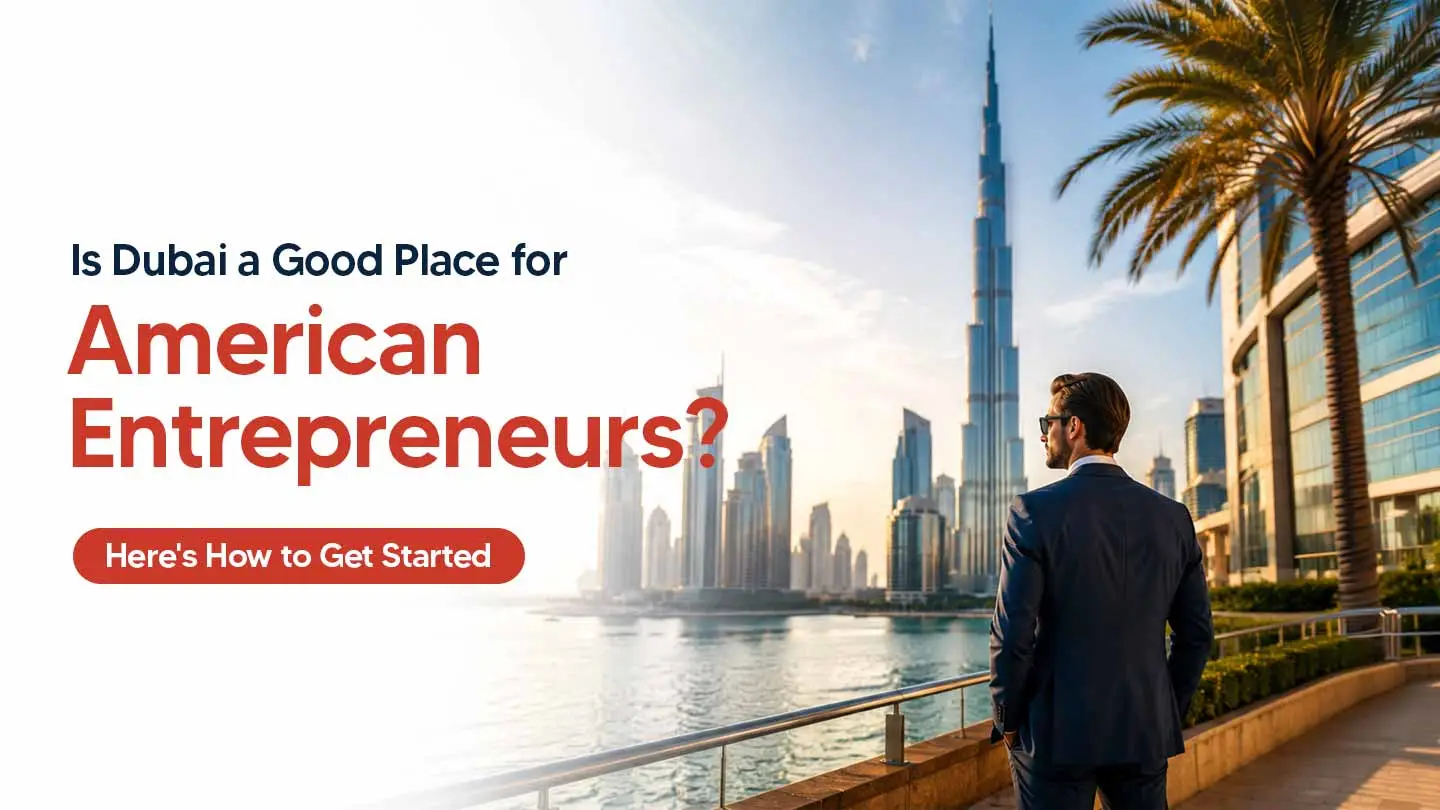
    Dubai has long been one of the world’s most sought-after destinations for entrepreneurs. And in 2026, American business owners are increasingly looking east – not to Silicon Valley or New York, but to the UAE. The opportunity is real, the process is clearer than ever, and the benefits are hard to argue with. 

    If you want to start a business in Dubai from the US, you are in the right place. Here we will walk you through everything, from why Dubai makes sense for American entrepreneurs to how the setup process works, step by step, without the jargon.

    Can Americans Set Up a Company in Dubai? 

    Yes, absolutely. American citizens are fully eligible to own and operate a business in Dubai. The UAE does not restrict foreign nationals from starting companies, and US citizens enjoy the same rights as other foreign investors. You do not need a local Emirati partner in most business structures, and you can own 100% of your company in the majority of sectors. 

    This has been a major shift in recent years. Historically, foreigners on the mainland required a UAE national to hold 51% of the business. But changes to the UAE Commercial Companies Law, along with the broader push to attract global talent and capital, have made it possible for US citizens to start a business in Dubai from the US with complete ownership in most activities.

    Why Dubai? Key Reasons American Entrepreneurs Are Moving Here 

    • No Personal Income Tax: The UAE does not levy personal income tax. What you earn, you keep.
    • 9% Corporate Tax – With Exemptions: The UAE introduced a 9% corporate tax in 2023, but it only applies to businesses with annual net profits exceeding AED 375,000 (approximately USD 102,000). Small businesses and startups in many free zones still benefit from significant tax relief.
    • 100% Foreign Ownership: Most sectors on the mainland and virtually all free zone businesses allow full foreign ownership, no local sponsor required.
    • No Currency Restrictions: The UAE dirham is pegged to the US dollar, which minimises exchange rate risk and makes financial planning easier for American owners.
    • Gateway to Emerging Markets: Dubai sits at the intersection of Europe, Asia, Africa, and the Middle East. Setting up here gives US businesses access to over two billion consumers across these regions.
    • World-Class Infrastructure: From logistics and banking to digital connectivity, Dubai consistently ranks among the top global cities for business ease.
    • Residency Visas for Investors: Business owners can obtain UAE residency through their company, making it possible to live and operate in Dubai long-term. 

    Choosing the Right Business Structure 

    One of the first decisions you will make is where and how to set up. In Dubai, there are three main jurisdictions: 

    1. Mainland Company 

    A mainland company is licensed by the Dubai Department of Economy and Tourism (DET). It allows you to trade freely anywhere in the UAE and take on government contracts. Since 2021, most mainland business activities permit 100% foreign ownership. Certain strategic sectors (oil, gas, telecommunications) may still require a local partner, but these are exceptions, not the rule. 

    A mainland setup is ideal if you want to operate across the UAE, open a physical office anywhere, or work directly with government entities. 

    2. Free Zone Company 

    Dubai has over 30 free zones, each designed for specific industries. Popular ones for American entrepreneurs include IFZA (International Free Zone Authority), DMCC (Dubai Multi Commodities Centre), Dubai Internet City, and Dubai Media City. Free zones offer 100% foreign ownership, zero customs duties on imports and exports, and easy company formation, often completed within a few days. 

    The trade-off: free zone companies typically cannot trade directly with the UAE mainland market without a local distributor or by establishing a mainland branch. 

    For US entrepreneurs focused on international trading, e-commerce, consulting, tech, or media, a free zone is often the most cost-effective and fastest option. 

    3. Offshore Company 

    An offshore company in Dubai (typically set up through JAFZA or RAK ICC) does not allow physical operations within the UAE but is excellent for holding assets, managing international contracts, or tax planning. It is not suitable if you want to live and work in Dubai, but it can complement an existing US business. 

    Step-by-Step: How to Start a Business in Dubai from the US 

    Here is the step-by-step process for how US citizens can start a business in Dubai, and the good news is that most of it can be managed remotely before you even board a plane. 

    Step 1: Define Your Business Activity  

    Every business in Dubai requires a clearly defined business activity. This determines the type of licence you need – commercial, professional, industrial, or tourism. Having this nailed down before anything else saves time and avoids licence amendments later. 

    Step 2: Choose Your Jurisdiction  

    Based on your business model, decide between mainland, free zone, or offshore. If you are unsure, a business setup consultant like Shuraa can assess your needs and recommend the most suitable option. 

    Step 3: Decide Your Company Name  

    Your trade name must comply with UAE naming guidelines – no offensive terms, no references to religion or politics in names, and the name must reflect the nature of the business or be a personal name. It also cannot be identical or too similar to existing registered companies. 

    Step 4: Apply for Initial Approval  

    Submit your application to the relevant authority – DET for mainland, or the specific free zone authority. For US residents applying remotely, most authorities accept digital submissions, and some allow Power of Attorney arrangements so a local representative can handle filings on your behalf. 

    Step 5: Prepare Your Documents  

    Typical documents required include a valid US passport copy, a completed application form, a business plan (sometimes required for certain activities or free zones), and a No Objection Certificate if you already hold UAE residency from another employer. 

    Step 6: Lease Office Space or Flexi-Desk  

    Every UAE business license requires a registered business address. Free zones typically offer shared desk options (flexi-desks) that are affordable and practical for startups. Mainland companies may require a dedicated office depending on the activity. 

    Step 7: Obtain Your Trade License  

    Once approvals are in place and your office space is confirmed, your trade license is issued. This is your official authorisation to operate in Dubai. 

    Step 8: Open a Corporate Bank Account  

    This is often the step that catches US entrepreneurs off guard. UAE banks have rigorous compliance and KYC (Know Your Customer) requirements, especially for US persons due to FATCA (Foreign Account Tax Compliance Act) regulations. Shuraa’s banking assistance team helps navigate this by preparing the right documentation and recommending the right banking partners for your Business Bank Account in UAE

    Step 9: Apply for Visas  

    Once your company is registered, you can apply for an investor or partner visa (typically 2–3 years, renewable). This gives you UAE residency and allows you to sponsor family members and employees.

    Important Note for US Citizens: FATCA and Tax Obligations 

    One thing many guides skip, and it matters greatly for Americans, is FATCA compliance. US citizens are taxed on worldwide income regardless of where they live or where their business is incorporated. Opening a UAE company does not eliminate your US tax obligations. 

    You will need to report foreign bank accounts and financial assets to the IRS, file annual US tax returns, and potentially file FBAR (FinCEN 114) if your UAE bank account balance exceeds USD 10,000. Depending on your situation, the Foreign Earned Income Exclusion (FEIE) may offset some of your US tax liability if you qualify as a bona fide UAE resident. 

    This is not a reason to avoid Dubai. But it is a reason to work with a professional who understands both US and UAE tax obligations from the outset.

    How Much Does It Cost to Register a Company in Dubai from the United States? 

    Costs vary based on jurisdiction, activity, and office requirements. Here is a general overview: 

    • Free Zone Company: Packages typically start from AED 12,000–20,000 (approx. USD 3,200–5,500) per year, including license fees and a flexi-desk. This often includes one or two visa allocations as well.
    • Mainland Company: Mainland setup costs are generally higher, starting around AED 15,000–30,000 (approx. USD 4,000–8,200), plus office rent. The exact cost depends on the business activity and number of visa quotas required.
    • Offshore Company: Typically the most affordable structure, starting from around AED 8,000–12,000 (approx. USD 2,200–3,300). No UAE residency visa is included. 

    Additional costs to factor in: visa fees (AED 3,000–5,000 per visa), bank account opening fees (varies by bank), attestation of US documents, and professional fees if using a setup consultant. 

    Shuraa Business Setup offers transparent, all-inclusive packages with no hidden charges, and our team can give you a precise quote based on your specific requirements. 

    Visa Options for American Business Owners in Dubai 

    Starting a business in Dubai gives US nationals a legal pathway to UAE residency. Here are the main visa routes: 

    • Investor/Partner Visa: Issued as part of the company formation process. Valid for 2–3 years and renewable. Allows you to live, work, and open a bank account in the UAE.
    • Golden Visa (10-Year Visa): Available to investors meeting specific financial thresholds. Business owners with a company valued at AED 2 million or more, or property investors, may qualify. The Golden Visa provides long-term stability without needing an employer sponsor.
    • Freelance/Independent Professional Visa: Some free zones issue freelance permits and visas for solo professionals without the need to set up a full company. 

    For most US entrepreneurs looking to how to start a business in Dubai from the USA, the investor visa tied to their company registration is the standard and most straightforward path. 

    Best Business Sectors for American Entrepreneurs in Dubai 

    Dubai’s economy is rapidly diversifying, and the following sectors are seeing strong growth and are particularly welcoming to US expertise: 

    • Technology and SaaS: Dubai’s D33 agenda targets making the city one of the top four global economic hubs by 2033, with major investment in AI, fintech Sector, and digital infrastructure.
    • E-commerce: The UAE’s e-commerce market is booming, with strong consumer spending and an infrastructure built for logistics.
    • Consulting and Professional Services: US-trained professionals in law, finance, HR, and management consulting are in high demand.
    • Healthcare and Wellness: A growing expat population and an ageing Emirati demographic are fuelling demand for medical services, fitness, and wellness brands.
    • Real Estate and Property Management: Dubai’s property market remains one of the most active globally, with strong rental yields.
    • Tourism and Hospitality: Dubai welcomed over 17 million international visitors in 2024, and growth continues.
    • Media, Marketing, and Content: Companies in Dubai Internet City and Dubai Media City attract global brands needing creative and digital services. 

    Why Choose Shuraa Business Setup? 

    Shuraa Business Setup has been helping entrepreneurs from around the world, including thousands of US nationals, start a business in Dubai from the US for over two decades. We offer: 

    • End-to-end company formation support across mainland, free zone, and offshore
    • Expert guidance on the right jurisdiction and licence type for your specific business
    • Corporate bank account opening assistance, including support for US nationals with FATCA requirements
    • Visa and Emirates ID processing for you and your family
    • Post-setup services: accounting, VAT registration, corporate tax compliance, and PRO services
    • A dedicated relationship manager who speaks your language – literally and professionally 

    Ready to take the next step? Contact Shuraa Business Setup today for a free consultation and let us help you turn your Dubai business ambition into a registered, fully operational company. 

    Frequently Asked Questions 

    1. Do I need to be physically present in Dubai to set up a company? 

    Not necessarily. Many free zones allow remote company formation with document submissions handled digitally or via Power of Attorney. However, you will typically need to visit Dubai in person to complete visa stamping and open a bank account. 

    2. Can I manage my Dubai company while living in the US? 

    Yes, many US-based entrepreneurs register companies in Dubai for holding, trading, or digital business purposes and manage operations remotely. That said, having a local presence, even a part-time one, can accelerate business development significantly. 

    3. How long does the company registration process take? 

    Free zone company formation can be completed in as little as 3–7 business days once all documents are submitted. Mainland registration typically takes 1–3 weeks depending on the activity and approvals required. 

    4. Is Dubai a tax-free country for businesses? 

    Dubai is not entirely tax-free as of 2026. A 9% corporate tax applies to businesses with net profits above AED 375,000. There is also 5% VAT on most goods and services. However, there is no personal income tax, and many free zone businesses enjoy partial or full tax relief under the qualifying income regime. 

    5. Will starting a company in Dubai affect my US taxes? 

    Yes. US citizens must report all worldwide income to the IRS, regardless of where they live or operate. Opening a UAE company does not exempt you from US tax filing obligations. We strongly recommend consulting a US-qualified CPA or international tax advisor alongside your UAE business setup.

  • UAE Residence Visa Renewal 2026: New Rules, Cost & Process

    UAE Residence Visa Renewal 2026: New Rules, Cost & Process

    The UAE remains one of the world’s top destinations for expatriates, thanks to its booming economy, modern lifestyle, and endless opportunities. Keeping your residence visa valid is essential for uninterrupted access to the privileges of living in the UAE. With the UAE residence visa renewal new rules now in effect, it’s time to familiarise yourself with the latest regulations, costs, and steps for seamless renewal.

    In this blog guide, we’ll explore everything you need to know about Dubai residence visa renewal, the residence visa renewal UAE cost, and how to stay compliant with the UAE residence visa renewal new rules in 2026.

    Key Updates: UAE Residence Visa Renewal New Rules 2026

    The UAE residence visa renewal new rules introduced in 2026 are designed to streamline the process and provide greater flexibility for residents. Below are the key updates:

    Extended Grace Period

    • Specific visa categories now have an extended grace period up to six months after expiry.
    • Golden Visa and Green Visa holders and dependents under family visas are eligible for this extended period.

    Mandatory Medical Fitness Test

    • Applicants must pass a medical fitness test at an authorised UAE medical centre.
    • Applicants found with severe infectious diseases like tuberculosis may face visa restrictions.

    Simplified Online Application Process

    • Residents can now apply for UAE residence visa renewal online via the GDRFA or ICA platforms.
    • The online system allows users to upload documents, pay the residence visa renewal UAE cost, and track application status from the comfort of their homes.

    Updated Documentation Requirements

    • Tenancy contracts registered with Ejari are mandatory for certain emirates, including Dubai.
    • Dependents’ visas require additional proof of sponsorship.

    Penalty for Overstay

    • Overstaying beyond the grace period incurs fines starting at AED 50 per day.
    • Residents who fail to renew their visas within the allowed timeframe may also face deportation or visa suspension.

    How to Renew Your Residence Visa in Dubai

    For residents in Dubai, following the Dubai residence visa renewal new rules ensures a hassle-free process. Here’s a step-by-step guide:

    Step 1: Check Visa Type and Validity

    Step 2: Undergo Medical Fitness Testing

    • Visit an authorised medical centre to complete your medical fitness test.
    • The test typically includes a blood and chest X-ray to rule out infectious diseases.

    Step 3: Renew Emirates ID

    • Emirates ID renewal is mandatory and should be completed alongside the visa renewal.
    • Visit an ICP service centre or apply online through the official portal.

    Step 4: Submit Required Documents

    Step 5: Pay the Residence Visa Renewal UAE Cost

    • The UAE’s total cost of residence visa renewal depends on visa duration and type.

    Typical fees include:

    • 1-year visa: AED 300–400
    • 2-year visa: AED 600–700

    Additional charges may apply for urgent processing or service fees.

    Step 6: Wait for Approval

    • Once all documents are submitted and fees are paid, the process typically takes 5–10 business days.
    • Your renewed visa will be electronically linked to your passport upon approval.

    Dubai Residence Visa Renewal Costs

    The residence visa renewal UAE cost varies based on factors like visa duration, urgency, and associated fees. Here are the estimated costs involved in Dubai residency visa renewal:

    Medical Fitness Test Fees

    • Standard Test: AED 300
    • Express Test: AED 700

    Emirates ID Renewal

    • 1-Year Emirates ID: AED 100–200
    • Urgent Service Fees: AED 150 (optional)

    Visa Renewal Fees

    • 1-Year Visa: AED 300–400
    • 2-Year Visa: AED 600–700

    Fees for dependents are often higher and vary depending on the number of family members.

    Fines for Overstaying

    • AED 50 per day for each day past the grace period.
    • Pay your fines before applying for a Dubai residence visa renewal to avoid processing delays.

    Benefits of Following Dubai Residence Visa Renewal New Rules

    By complying with the Dubai residence visa renewal new rules, you can enjoy numerous benefits:

    • Legal Protection: Avoid fines, penalties, or deportation for overstaying.
    • Convenience: The new online systems save time and reduce physical visits.
    • Peace of Mind: Renewed visas ensure access to essential services, including banking, healthcare, and tenancy agreements.

    Start Your Visa Renewal Journey with Shuraa Business Setup

    The UAE residence visa renewal new rules 2026 aim to simplify and enhance the renewal process for residents. Whether you’re applying for a Dubai residence visa renewal or checking the updated residence visa renewal UAE cost, staying informed is key to avoiding delays and fines.

    With online systems, extended grace periods, and precise requirements, renewing your residence visa has always been challenging. Ensure compliance, submit accurate documentation, and pay the necessary fees on time to continue enjoying the perks of living in the UAE.

    Consulting with a licensed PRO service like Shuraa can save you time and effort if you need clarification on any part of the process. We provide end-to-end support to ensure a smooth, hassle-free renewal experience.

    Contact Us!

    Frequently Asked Questions (FAQs)

    1: How do I know if my visa needs renewal?

    Check the expiry date on your visa or Emirates ID. You should start the renewal process at least one month before expiration.

    2: What happens if I don’t renew my visa on time?

    Fines start at AED 50 per day. Overstaying beyond the grace period can lead to legal action or deportation.

    3: Can I renew my visa outside the UAE?

    Some visas allow renewal outside the country, but you must re-enter to finalise the Emirates ID and medical fitness requirements.

    4: Is there a grace period for all visas?

    No. Grace periods vary by visa type. For example, Golden Visa holders enjoy up to 6 months, while standard work visas typically allow 30 days.

    *Disclaimer: The information in this post is for general guidance only and may change due to updates in government policies or regulations.

  • UAE’s Renewable Energy Revolution

    UAE’s Renewable Energy Revolution

    The UAE spearheads pioneering initiatives in renewable energy and energy efficiency. Recognising the gravity of climate change, the UAE is actively exploring alternative avenues for powering its economy. Pioneering the Net Zero by 2050 Strategic Initiative, the UAE becomes the first in the Middle East to commit to this goal, aligning with the objectives of the Paris Agreement. This initiative harmonises with the UAE’s vision for development, fostering the creation of new knowledge, green industries, and opportunities for skills and employment. 

    UAE 2050 Energy Goals

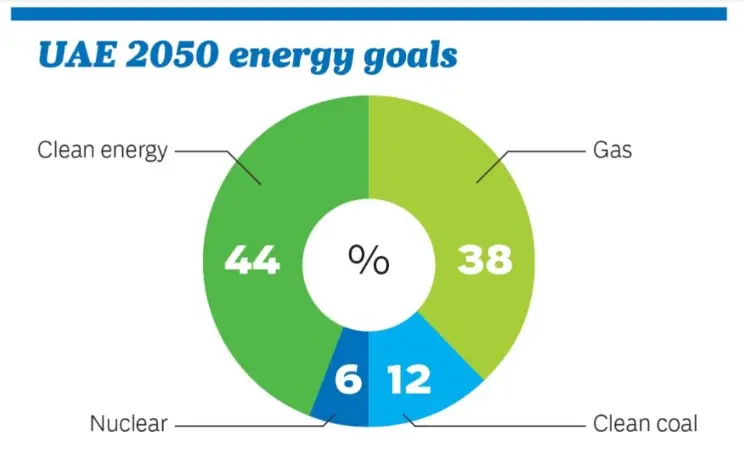
    The UAE’s 2050 Energy Goals aim for a diverse energy portfolio, blending renewable, nuclear, and clean sources to fulfil economic needs and environmental aspirations. The breakdown is as follows:

    • 44% clean energy
    • 38% gas
    • 12% clean coal
    • 6% nuclear

    In 2023, the UAE revised its National Energy Strategy to introduce new objectives:

    • Generate 50,000 fresh green jobs by 2030
    • Triple renewable energy capacity to 14 GW by 2030
    • Increase the proportion of clean energy in the overall mix to 30% by 2031
    • Attain carbon neutrality by 2050
    Image source: www.uae-embassy.org

    Renewable Energy and Sustainability Initiatives

    In the heart of the hydrocarbon industry, the UAE has been at the forefront of renewable energy. After more than 15 years dedicated to research and policy initiatives, solar energy is now accessible at a remarkable rate of 1.35 cents per kilowatt hour. With three of the globe’s largest solar plants already operational, the UAE is swiftly expanding its solar infrastructure. 

    1. UAE’s Renewable Energy Leadership

    • Pioneered renewable energy in UAE amidst a hydrocarbon-centric industry.
    • Over 15 years of research and development (R&D) and policy initiatives.
    • Solar energy now costs 1.35 cents per kilowatt hour.
    • Boasts three of the world’s largest solar plants, with more rapid development.

    2. Impactful Solar Projects

    • Noor Abu Dhabi solar park will slash UAE’s carbon footprint by 1 million metric tons annually, equivalent to removing 200,000 cars from roads.
    • Mohammed bin Rashid Al Maktoum Solar Park in Dubai, spanning 4,000 acres, will power 800,000 homes by 2030.

    3. Masdar’s Contribution

    •  Abu Dhabi’s commitment of over $20 billion to renewable energy programs via Masdar.
    • Masdar has expanded UAE’s renewable energy portfolio by 400% in the last decade.
    • Focus on developing and commercialising renewable energy, energy efficiency, carbon management, water usage, and desalination technologies.

     4. Energy Efficiency Initiatives

    • Emirates Green Building Council’s Energy Efficiency Program targets reducing UAE’s carbon footprint by retrofitting inefficient buildings.
    • Dubai’s “Smart City” strategy optimises energy, transportation, and recreational areas.
    • Enforcement of “Green Building Regulations” since 2011 for private sector construction to cut energy and resource consumption.

    5. Sustainable Development Initiatives

    • Abu Dhabi’s Estidama initiative promotes green standards in building and community construction.
    • Includes the Pearl Building Rating System for evaluating sustainable building practices.
    • Development of a waste-to-energy plant in Abu Dhabi to power 20,000 households using organic waste.

    Carbon Capture and Reduction

    The UAE acknowledges the vital role of carbon capture technologies in achieving climate goals. ADNOC’s 2016 establishment of the region’s first industrial-scale CCUS facility, currently capturing 800,000 tons of CO2, is set to expand sixfold by 2030. Additionally, the UAE is committed to planting 100 million mangroves by 2030 for carbon offsetting. ADNOC, with its low carbon intensity and reliance on zero-carbon nuclear and solar power for electricity, aims to reduce its carbon intensity by 25% in the next decade.

    Nuclear Energy

    Nuclear energy is pivotal in the UAE’s pursuit of a net-zero strategy, underscoring its commitment to diversifying energy sources and diminishing reliance on fossil fuels. As the first Middle Eastern nation to operate zero-carbon nuclear power alongside renewable energy, the UAE aims to generate 14 GW of clean capacity by 2030. Integral to the UAE’s Energy Strategy 2050, developing a civilian nuclear energy sector aligns with these objectives. In December 2009, a bilateral agreement between the UAE and the US, known as the “123 Agreement,” was established, emphasising international nonproliferation, safety, and security standards.

    This landmark pact, hailed as exemplary by US officials and nonproliferation experts, facilitates the legal framework for nuclear energy technology commerce between the two nations. Upholding peaceful objectives, the UAE Government has enshrined its nuclear energy policy in various laws and accords, including the UAE Nuclear Law signed in October 2009.

    123 Agreement: Key Points

    The following are the key points of the 123 agreements:

    1. Role in Barakah Nuclear Energy Plant Development

    A crucial supporting factor for the development of the UAE’s Barakah Nuclear Energy Plant by the Emirates Nuclear Energy Corporation (ENEC).

    2. Commercial Operation and Impact

    • Unit 1 was declared commercially operational in March 2021, delivering clean electricity to the UAE grid around the clock.
    • Units 2 and 3 will be successfully connected to the national grid in 2022.

    3. Impact on Electricity Production and Carbon Emissions

    • Upon full operation of all four units, the Barakah Nuclear Energy Plant will meet up to 25% of the UAE’s electricity needs.
    • Expected to prevent the release of 21 million tons of carbon emissions annually, equivalent to removing 3.2 million cars from the roads yearly.

    4. International Oversight and Reviews

    • The International Atomic Energy Agency (IAEA) and the World Association of Nuclear Operators (WANO) conducted over 42 missions and reviews to ensure alignment with international best practices.

    5. Involvement of US Firms

    • Westinghouse, part of a consortium led by Korea Electric Power Corporation, provided major components and technical support services.
    • Lightbridge Corporation offered consulting services on design and development.
    • CH2M Hill secured a 10-year contract to support the UAE’s nuclear program.
    • Paul C. Rizzo Associates contributed to site placement and engineering.

    Key Entities in the UAE Nuclear Energy Program

    • Federal Authority for Nuclear Regulation (FANR): Regulates and licenses nuclear energy activities focusing on public safety.
    • Emirates Nuclear Energy Corporation (ENEC): Develops nuclear energy plants and fosters the local nuclear energy sector.
    • Barakah One Company: Manages commercial and financial interests as a subsidiary of ENEC and KEPCO.
    • Nawah Energy Company: Operates and maintains the Barakah Nuclear Energy Plant as a subsidiary of ENEC and KEPCO.

    Hydrogen: A Sustainable Energy Solution

    Hydrogen, a clean fuel derived from diverse domestic resources like natural gas and renewables, holds promise for various applications, from transportation to residential use. In the UAE, initiatives like the Hydrogen Leadership Roadmap and the Abu Dhabi Hydrogen Alliance signify a commitment to advancing low-carbon hydrogen technologies. Dubai’s inauguration of the Middle East’s first hydrogen filling station in 2017 demonstrates proactive steps towards a greener future.

    Concluding thoughts!

    In conclusion, the UAE demonstrates an unwavering commitment to sustainable development through pioneering initiatives in renewable energy, energy efficiency, and carbon reduction. The UAE aligns with global climate objectives while driving economic growth and job creation by spearheading the Net Zero by 2050 Strategic Initiative and investing in diverse energy sources, including solar, nuclear, and hydrogen. With ambitious goals outlined in the UAE’s 2050 Energy Strategy and proactive measures such as the Hydrogen Leadership Roadmap, the nation emerges as a leader in green innovation, setting a model for sustainable development worldwide.

    For the latest updates on Dubai and setting up a business in the UAE, reach out to Shuraa Business experts. We provide comprehensive assistance for all your business needs. Contact us at +97144081900 or send a WhatsApp message to +971507775554. You can also email us at enquiry@shuraa.com for prompt responses to your inquiries.

  • Decoding the Impact: COP 28 and the Economic Dynamics in the UAE Business Realm

    Decoding the Impact: COP 28 and the Economic Dynamics in the UAE Business Realm

    On the eve of December 12, 2023, Dubai proudly concluded the XXVIII Conference of the Parties (COP 28) to the UNFCCC, setting the stage for a paradigm shift in the UAE’s business landscape. Beyond the ceremonious curtain falls, let’s delve into the numbers, statistics, and the intricate dance between technology and economics that COP 28 has orchestrated.

    Unraveling COP 28: A Numbers Game

    COP 28, the global congregation of environmental policymakers, witnessed participation from 197 nations. Over 5,000 delegates, 1,500 observers, and 3,000 media representatives converged in Dubai. The event saw over 200 sessions and negotiations, reflecting the sheer scale of this environmental juggernaut.

    Dubai’s Technological Stint: A Green Oasis Amidst the Concrete Jungle

    Dubai, in its COP 28 hosting prowess, showcased more than architectural marvels. The UAE’s National Climate Change Plan 2017-2050, with a budget of AED 600 billion, was thrust into the spotlight. This plan, emphasizing sustainable development, renewable energy, and energy efficiency, sets the groundwork for a tech-driven green revolution.

    Impact on UAE Business Metrics:

    Now, let’s pivot to the crux—the techno-economic repercussions of COP 28 on UAE businesses. The UAE’s pledge to reduce carbon emissions by 23.5% by 2030 and the green transformation budget of AED 600 billion unfurl an array of opportunities for tech-driven businesses. From renewable energy projects to smart city initiatives, the numbers are staggering.

    Quantifying Business Opportunities:

    The renewable energy sector, buoyed by COP 28’s green mandate, is set to witness investments exceeding AED 300 billion. The push for energy-efficient technologies will catalyze a market surge, with estimates projecting a 15% annual growth in the green tech sector. Solar energy alone is slated to account for 75% of the UAE’s energy mix by 2050.

    The Shuraa Tech Play: Leveraging Numbers for Business Success:

    In this numerical symphony, Shuraa, as a strategic B2B player, has positioned itself at the intersection of technology and business dynamics. By navigating the data-driven currents, Shuraa has facilitated discussions and engagements that translate into tangible business outcomes. Our focus on helping businesses leverage technological advancements aligns seamlessly with the evolving landscape post-COP 28.

    Conclusion: A Calculated Stride into the Future:

    As we dissect the aftermath of COP 28, the numbers paint a vivid picture. The UAE’s commitment, backed by significant investments and targeted technological advancements, propels businesses into a future where sustainability isn’t a choice but a strategic imperative. Shuraa, with its techno-economic acumen, continues to guide businesses through this transformative journey.

    Let’s embrace the quantifiable opportunities that COP 28 has unlocked, paving the way for a future where technology and business dance in perfect harmony.

  • Dubai’s Global Domination Constant in Attracting Greenfield Projects

    Dubai’s Global Domination Constant in Attracting Greenfield Projects

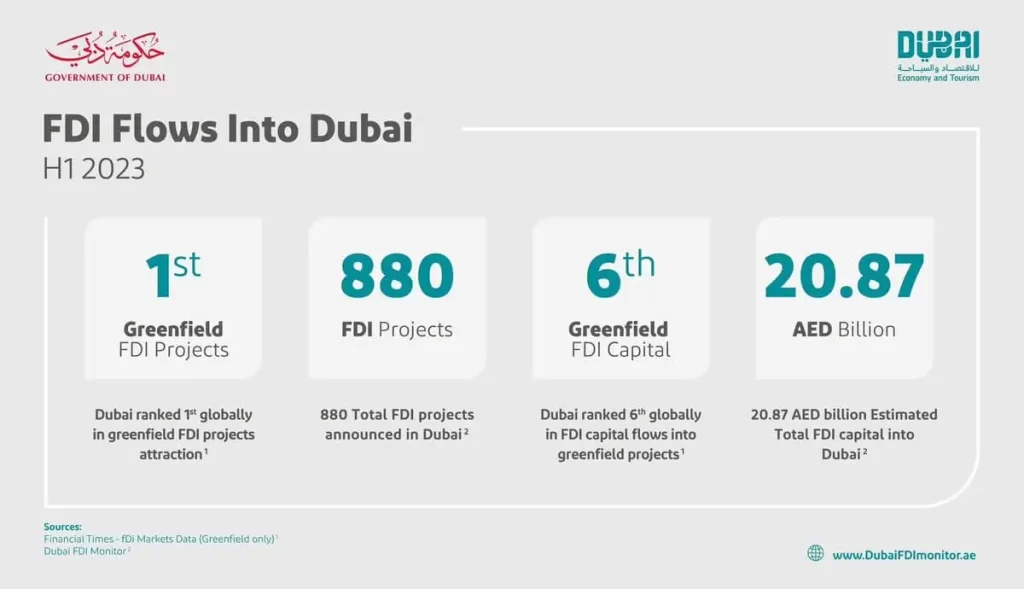
    In the wake of UAE’s increasing strides in development, the emirate of Dubai attracted 6.58% of the global percentage of greenfield FDI projects in H1 2023. This is a significant rise of 3.83% when compared to the same period in 2022. A grand total of 511 greenfield foreign direct investment (FDI) projects bolstered Dubai to the leaderboard while Singapore came second with 325 greenfield projects.  

    The Crown Prince of Dubai & Chairman of the Executive Council, Sheikh Hamdan bin Mohammed bin Rashid Al Maktoum, said in a statement: “Dubai’s ability to maintain its top ranking in attracting greenfield FDI projects reflects the city’s ability to create unparalleled growth opportunities and value for global investors… With the clear growth roadmap set out by the Dubai Economic Agenda D33, we continue to work to create an investment environment that not only wins the trust of investors from all over the world but also encourages them to contribute to Dubai’s transformation.”

    Credit: Twitter (@HamdanMohammed)

    What are Greenfield Projects?

    Put simply, Greenfield Projects are those that are built from the ground up, i.e., from scratch. This terminology has its origins in real estate correlating to an untouched green grass field site that is prime for development and has never had a previous construction on it.

    Today, Greenfield is a term used to denote the development of a brand-new product, service or entity that has never been brought to fruition before. On the other hand, a project that further accentuates pre-existing infrastructure or adds upgrades to existing products is a Brownfield Project.

    Influx of Foreign Direct Investment and Greenfield Projects in Dubai

    The Dubai FDI Monitor at Dubai’s Department of Economy & Tourism (DET) recently released new data showing how the Emirate announced a total of 880 FDI projects from January to June 2023, signifying a 70% year-on-year growth. Additionally, the FDI Monitor data also showed that Dubai’s greenfield projects accounted for a whopping 65% of the total announced FDI projects. On the other hand, year-on-year reinvestment FDIs increased to 4.4% from 3% in the first half of 2023 compared to H1 2022.

    Global greenfield FDI capital attraction in Dubai also experienced a year-on-year rise, accumulating a total of AED 20.87 billion and ultimately rising to the sixth position globally in H1 2023, a significant climb from the eighth position in H1 2022.

    The Dubai Department of Economy & Tourism’s Director General, Helal Saeed Almarri, said in a statement: “As we work to enhance the city’s competitiveness & business environment internationally, these strong increases in announced FDI projects for H1 2023 drive home how our progressive policy enablers and diverse attraction programmes are resonating with global investors and decision makers alike.”

    The influx in FDI projects saw Dubai rise to the global fourth position in employment creation in H1 2023, a significant upgrade from the 9th position last year same period. This amounted to a 43.3% surge in job creation in the first half of 2023, I.e., a total of 24,236 jobs formed due to the Foreign Direct Investment.

    The breakdown of the FDI created jobs stand at:

    • Business Services – 5,212 jobs (21.5%) 
    • IT & Software – 3,525 jobs (14.5%) 
    • Food & Beverage – 3,090 jobs (12.7%) 
    • Consumer Products – 2,104 jobs (8.3%) 
    • Financial Services – 1,813 jobs (7.5%)
    • Real Estate – 921 jobs (3.8%) 

    The Pros and Cons of Greenfield Projects in Dubai

    Greenfield projects can sprawl over multiple sectors with literal examples being establishing new factories, power plants or airports because of their utilisation of greenfield land. From a sales perspective, greenfield opportunities denote untapped marketplaces that are free for the taking. Additionally, when IT organisations come up with brand new live services or practices that have never been implemented before can also be referred to as ‘greenfield’ situations.

    Benefits of Greenfield Projects in Dubai

    Hence, there are several benefits as well as drawbacks when it comes to getting greenfield projects live. The primary benefits of launching a greenfield project are: 

    1. Zero Legacy Restrictions: The major benefit of working on a greenfield project is the fact that you have zero limitations when it comes to establishing the project framework. There are no constraints of a legacy process allowing you to build customised roles and choose the best practises.
    1. Create From Scratch: Whether it is real estate, product development or software launches, greenfield projects are emerging in a variety of sectors. And they provide complete and uninterrupted freedom to create as they see fit. This is a highly lucrative advantage that attracts people to join greenfield projects.
    1. New Job Creation: Nothing compares to the sense of achievement that comes from exploring and conquering unchartered territory. Greenfield projects in Dubai, UAE can lead to new revenue opportunities, enhance brand names, and can positively impact new job creation.

    Drawbacks of Greenfield Projects in Dubai

    On the flip side, there are also certain drawbacks when it comes to investing in greenfield projects. Some of them are:  

    1. Venturing into the Unknown: The very nature of greenfield projects being the first of their kind means that there is no reference to fall back upon. There are several factors that can affect success such as extended market research, competitors jumpstarting their own launches, economic fluctuations and other external factors. 
    1. Unpredictable Resource Drainage: The development of a project that has no prior blueprint can be exhausting and would require a lot of resources including manpower and a significant amount of time. 
    1. Significant Amount of Risk: Greenfield projects are created with brand-new conceptualisation and have never been tried before. Therefore, there is a high level of risk associated with greenfield projects. 

    UAE to Usher in New Age of Global Investments

    People all over the world are now recognising the commercial significance of the United Arab Emirates, especially its crown jewel, Dubai. The surge in attraction of greenfield projects in Dubai are a clear indicator of the high potential of the emirate. Additional factors such as its liberal tax laws, a business-friendly infrastructure and its globally accessible location also contribute to the economic development of the nation.  

    Dubai is home to leading company formation experts like Shuraa Business Setup to ease the process for global investors. Shuraa, present in Dubai since 2001, offers a comprehensive range of corporate services like UAE business setup, PRO & Golden Visa, VAT, tax and accounting, company auditing, office space requirements and more. We are a one-stop shop when it comes to building your business in Dubai.  

    Contact our team of expert corporate advisors to figure out how you can utilise the untapped potential of Dubai and the rest of the Emirates. We are just a call away at 800-SHURAA or +97144081900. You can also reach out to us via WhatsApp at +971507775554 or you can email us at info@shuraa.com

  • UAE-India Bilateral Trade & Investment Opportunities

    UAE-India Bilateral Trade & Investment Opportunities

    The United Arab Emirates and India, both world leaders in economy, share a long, strong history of bilateral relations. The two countries have a rich cultural exchange history and share centuries old trade ties. UAE-India bilateral trade has been consistently strengthening through investment and political cooperation.

    For the UAE, India is its third largest trading partner after USA and China. Based on projections, the financial year FY 2023-23 will see trade between India and the UAE cross over USD 88 billion, which greatly surpasses FY 2021-22’s figures of USD 73 billion. In fact, the period between April & August of FY 2022-23 saw a bilateral trade of USD 36.82 billion between UAE & India.

    UAE-India bilateral trade relations: Notable investments 

    The past couple of years has seen investments worth over 10 billion dollars come from the UAE. These include high profile investments in Reliance Jio and Reliance Retail (June 2020) worth USD 2 billion, another USD 2 billion investment in renewable energy in Adani (April 2022), and USD 1 billion in TATA motors in electric vehicles (October 2021). Reliance also invested USD 2 billion in a petrochemicals joint venture in the UAE in December 2021.

    Under the I2U2 summit, UAE & India are in discussions for investments of USD 2 billion from the UAE. The purpose for that would be to develop food corridors in India plus another USD 300 million investment to build a 300-Gigawatt wind and solar (hybrid) power plant.

    In February 2022, the first ever Comprehensive Economic Partnership Agreement (CEPA) between UAE & India came into place. This was a first for India in the past decade, & the agreement came into effect from May 2022.

    A careful observation of the April-August period of FY 2021-22 and FY 2022-23 shows an increase of 38 per cent in bilateral trade. Also, for this period, exports saw a 27 per cent growth & imports surged by 45 per cent as a result of higher crude prices.

    What attracts Indian investors to Dubai? 

    Both UAE as well as India share solid economic relationships. They also have a history of active trade and financial expansion. One of the key areas of cooperation is bringing investment opportunities to Dubai and other parts of the UAE. Indian investors are keen on tapping into the UAE’s markets via trending industries.

    Trade & commerce 

    In the Middle East, Dubai is among the leading cities for trade and commerce. It attracts a fair number of Indians wanting to establish & expand their business base in the MENA region. The emirate is known for its investor friendly laws, as well as its free zones which offer ease of business setup and numerous other incentives. Dubai is home to the International Free Zone Authority (IFZA), an affordable and efficient free zone known for its ease of company registration.

    Real estate investment

    One sector that is highly popular is real estate investment in the UAE. The massive real estate boom over the past years is the direct impact of a growing population that is flush with capital leading to a demand for residential as well as commercial properties. Therefore, Indian investors are now able to generate rental income by purchasing properties in Dubai. UAE on the other hand, introduced long-term residency options for real estate investors as an enticement. 

    Tourism & service industry

    Additionally, the tourism and hotel service industry are quite the backbone of Dubai’s economy. As a business opportunity, they are highly profitable and always in demand. Dubai’s popularity as a global jet-setting lifestyle destination is further augmented by its ultra-luxe, ultra uber tourism offerings. Hotels, restaurants, cafes, lounges, clubs, are top business ideas for investment.

    Technology 

    The emirate of Dubai is ready to bring about a technological revolution. There are continuous breakthroughs in the fields of IT services, Blockchain, Artificial Intelligence, Augmented & Virtual Reality, Robotics, Digitalisation & more. The emerging start-up scene in Dubai will get a further boost through initiatives like the Dubai Future Accelerators program. There is room for Indian investors to directly invest in these start-ups or form their own technology company in the UAE.

    UAE-India Bilateral Trade: Summary 

    India as well as the United Arab Emirates have signed several trade agreements and Memorandum of Understandings (MoUs) with the aim of increasing cooperation in trade, investment & technology.

    The formation of the India-UAE Joint Investment Fund is primarily based on the mission of generating funding for joint ventures. It is backed by the governments of both nations and the board of directors include both Indians and UAE nationals.

    The 2019 India-UAE High Level Task Force on Investments is also a good reflection of the increasing cooperation between the two nations. Representatives of both countries come together to chalk out potential investment opportunities in both markets, and vision out how to support & assist emerging businesses from India & UAE.

    Shuraa makes investing in the UAE easy 

    The UAE has a very strong expatriate population, comprising of around 88.52 per cent of the total population. Out of this, Indian expats hold the highest numbers of roughly 30 per cent, i.e., around 3.5 million. Sectors such as IT services, business, professional services & construction are the most popular choices for investing by Indians.

    Dubai is the top choice for investment from India with Abu Dhabi a solid second. Shuraa Business Setup, UAE’s leading company formation expert, assists investors with end-to-end corporate solutions to make their Dubai journey easier. Shuraa in collaboration with IFZA will soon be hosting India’s first ever interactive event where investors across the country can connect to UAE’s top free zone professionals. The Shuraa x IFZA Co-Lab will have industry experts like Mr. Saeed Khalifa al Fuqaei, Founder & Chairman, Shuraa Group, Mr. Shahid Rather, Managing Partner, Shuraa Group, Mr. Azil Nazeem, Client Engagement Manager, IFZA and several other significant delegates.

    When: 5th March, 2023; 10:00 AM onwards

    Where: Dezire Hall, Le Meridian Hotel, Connaught place

    Reach out to us today:

    Call: +971 44081900

    WhatsApp: +971 507775554

    Email: info@shuraa.com

  • Experience Dubai – An Eye on The Future

    Experience Dubai – An Eye on The Future

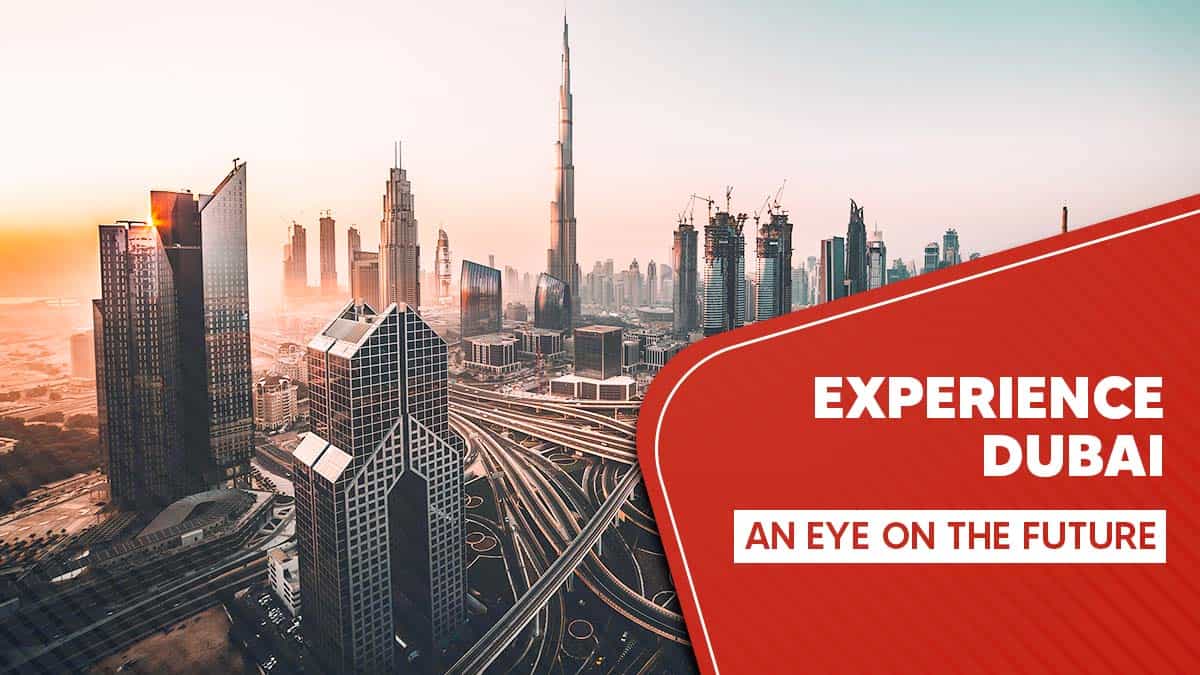
    The city of Dubai thrives on architectural grandeur and buildings with bar-raising designs that compel you to stop and look twice.

    Dubai offers the world a global hub for collaboration and a supportive ecosystem to innovators, start-ups and entrepreneurs. The city’s culture of innovation, accommodating regulatory frameworks, and a favourable business climate make Dubai a hotspot for the development of emerging technologies.

    The three most emphasized markers on future Dubai’s roadmap are the happiness of its people, economic growth, and the bandwidth of resources and infrastructure. Meeting these challenges will bid the world the first example of a large metropolis translated into a smart city.

    While thinking about the next few decades, Dubai’s future will see a city that is highly varied, changing rapidly with global trends. Since the very beginning, Dubai has worked with plans in hand and chased goals to achieve milestones that show further direction in terms of development.

    Dubai’s future lies in the emirate’s transformative story. It extends the city’s belief in future readiness and a foresight to create a community that are clustered into key areas of focus, bringing global expertise to bear on specific challenge areas.

    Striving towards the future

    The success of the golden city of Dubai is supported by the pillars of development. That includes a dynamic business environment, free zones areas, 100% ownership, no taxes. Not just that – most importantly the city has a strategic location between Europe and Asia. In addition to that the ease of travel arrangements and immigration enhances the future growth of robust businesses in Dubai.

    The UAE doesn’t just stop there. It will launch its interplanetary mission in 2028, with the primary goal of exploring the asteroid belt between Mars and Jupiter. The spacecraft will have a long and winding journey of over 5 years as it will undertake 3.6 billion-kilometres. Its final landing will be on an asteroid, 560 million kilometres from Earth in 2033. This mission will make the Emirates, the fourth nation to land a spacecraft on an asteroid.

    A leap into the future

    Thomas Edison once quoted “Good fortune is what happens when opportunity meets with planning.”

    It’s not just enough to only envision the future of Dubai. The future and its myriad possibilities must be demonstrated and experienced. When we think about cities of tomorrow, it is obvious that we imagine exemplary skyscrapers, levitating cars or robots. But these aren’t the key to a meaningful and sustainable life. That’s why Dubai has left futuristic visions behind and focused on what truly matters – on what makes cities efficient, healthy, user-friendly, respectful to nature and desirable as places for living.

    Dubai 2030

    The goals for Dubai’s Strategic Plan 2030 are created with the reference of global competitiveness indexes and benchmarks for cities. The future plan has the ease to incorporate new prospects, opportunities and changes that may arise in the coming years.

    The plan will bring together a task force of 44 representatives of government and semi-government entities belonging to different economic sectors that will work as one team under the Government of Dubai. The team will set a comprehensive agenda for the emirate’s progress until 2030.

    The agenda of Dubai 2030 is to position the city as a model for sustainable development. The aim is to promote growth and set higher benchmarks for the next 10 years. The country has developed a plan to closely monitoring projects and initiatives, speaks volumes about the futuristic approach of the leadership and hence the country.

    Dubai 2040

    The Dubai 2040 Urban Master Plan maps out a comprehensive plan for a sustainable urban development in Dubai. It focuses on enhancing people’s happiness and quality of life and reinforcing the emirate as a global destination for citizens, residents and visitors over the next 20 years.

    The massive plan has a detailed strategy, taking into consideration how to enhance the economy and transform Dubai into a global destination. Here are some of the main ideas included in Dubai 2040:

    • Dubai’s urban districts will see great development with new projects focusing on health, safety, and inclusion.
    • Resources will be utilized in an efficient manner to accomplish a green approach.
    • A total of 60% of the entire area in Dubai will be dedicated to nature reserves and natural space.

    Dubai 2050

    By 2050, Dubai aims to produce 75% of its energy requirements from clean sources. The strategy also aims to make Dubai a global centre of clean energy and green economy.

    Dubai will be the place to explore and implement changes to the way we live. The city and country have always been a haven. In the past it was the destination for the Levantine diaspora and Iranians too – all driven from their homelands due to political conflict. Dubai then will be a choice for people globally.

    The Manhattan of the Middle East in the next few decades will re-organize itself to cater to its energy, water, and construction needs in a sustainable way.

    The future is looking as bright as ever in Dubai. With a plan of this magnitude, the road is paved for Dubai to cement its place as the best city on the planet.

    Make your Dubai Dream come true with Shuraa Business Setup

    By now, we’re sure by now the country so enthusiastic about the future has already lured you to think – WHY NOT? Why not settle here? Why not start early and invest in the country or start a new business here?

    At Shuraa Business Setup we provide answers to all your queries. Start your Dubai dream with us. Call our expert corporate advisors today and get a free consultation.

    Call us on +971 44081900, WhatsApp us on +971 507775554 or email us at info@shuraa.com

  • The Real Estate Boom in Dubai: 2026’s Biggest Business Opportunity

    The Real Estate Boom in Dubai: 2026’s Biggest Business Opportunity

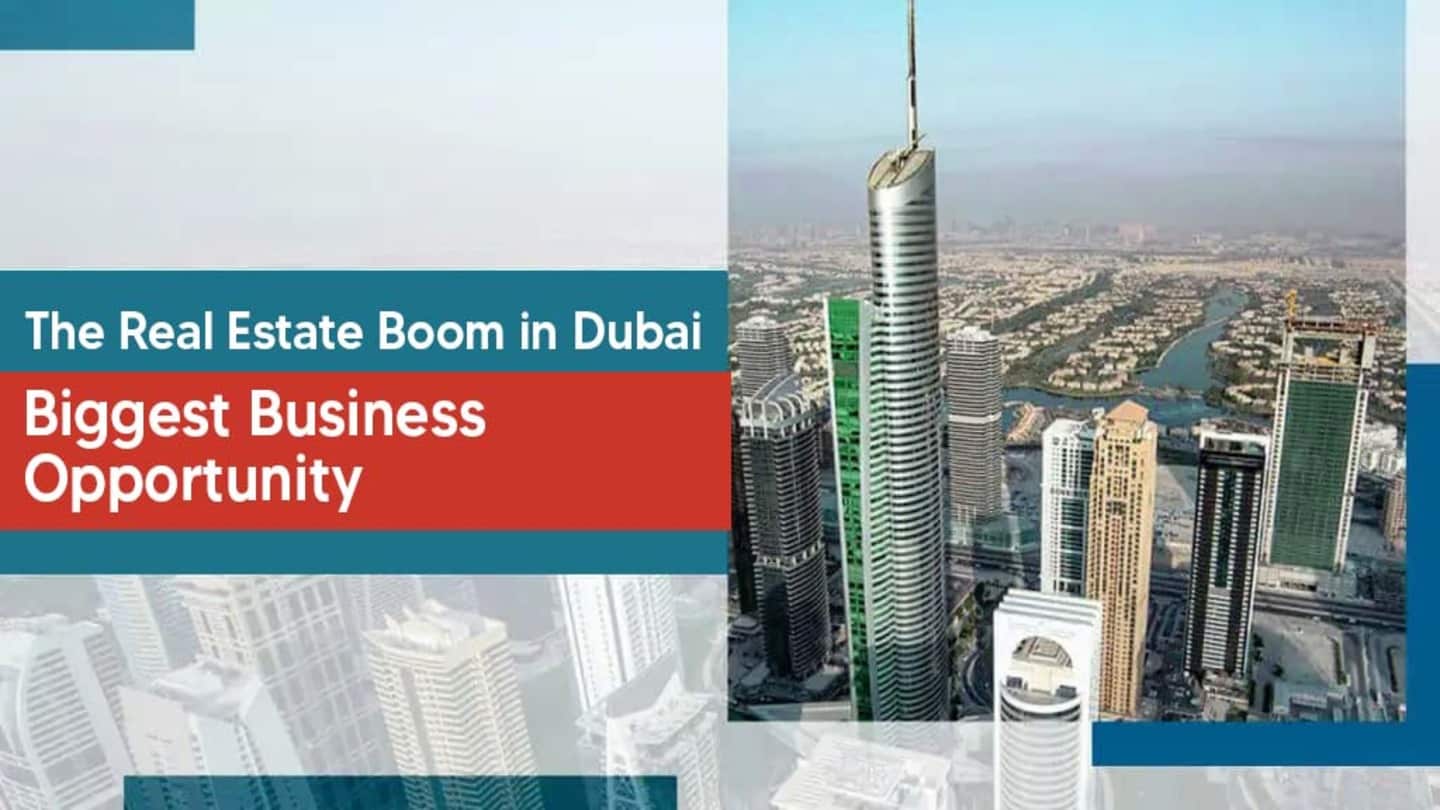
    In times where most industries across the world are experiencing a slowdown, the real estate sector in Dubai is seeing a major boom. The demand for buying properties in Dubai has seen a major surge, especially because of the government’s swift response to handling the pandemic as well as the introduction of liberal visa policies that are sure to attract foreign buyers.  

    Additionally, the emirate’s luxury real estate side is experiencing a major influx from wealthy investors from certain parts of the world. Wealthy Indians looking for second homes, Russians who are seeking to protect their assets, & Asian bankers wanting respite from stringent Covid restrictions are among the diverse nationalities wanting to dip their toes into the real estate boom in Dubai.  

    Benefits of Investing in Real Estate in Dubai

    2022 is being acknowledged as a favorable year for the real estate business in Dubai. A Bloomberg report of the last 12 months has shown that Dubai’s prime real estate prices have gone up 89 per cent. The most popular neighborhoods include areas like Jumeirah Bay, Emirates Hills & Palm Jumeirah. In fact, the purchase of a villa in Palm Jumeirah made headlines for its record sale amount of $82 million in July 2022.  

    Dubai also consolidated its status as the world’s leading Foreign Direct Investment (FDI) hub, retaining the 1st rank globally for the first half of 2022. The emirate achieved a record of 492 FDI projects during H1 2022, an 80.2 per cent increase from 2021 (Data source: Dubai Department of Economy & Tourism) 

    As one of the most attractive property markets in the world, there are some key benefits of starting a real estate business in Dubai such as: 

    • Significant returns: Investors in Dubai’s property sector consistently generate impressive returns, with guaranteed yield of 5% annually & above. 
    • Clear regulations: Dubai is known for its highly regulated & transparent legal systems which allow for complete transparency for your investments.  
    • Diverse property market: Dubai boasts large and diversified real estate offerings to investors. Buildings are present for every sector, including residential, commercial, luxury, hotels, accommodation, industrial units & more. 
    • Competitive & open: The Dubai real estate scene is dynamic & open to easy investment for all, specially foreign investors. 
    • High capital gains/rental yield: Investors looking into real estate can benefit from the high potential capital gains & rental yield Dubai offers. 

    Real Estate Boom in Dubai: Facts & figures

    • The first working day of 2022 saw a total sale of USD 698 million 
    • The Dubai Land Department registered a total of 227 transactions 
    • Estimated value of all transactions in the first week of 2022 was worth USD 1.97 billion  
    • Palm Jumeirah recorded the largest sale of housing, with the transactions being worth USD 136 million 
    • Residential values in prime properties saw a growth of 29% in the 3rd quarter, propelled by HNI (High Networth Individuals) seeking second homes in UAE 

    Dubai: The land of Infinite Opportunities

    Investment in the UAE and Dubai are seeing major boosts since the start of 2022. The reasons behind it are numerous. Some of the key causes of the real estate boom in Dubai are:  

    • Strategic geographic location of Dubai 
    • Diversity of culture due to foreign expats 
    • Stability of the UAE economy post Covid 
    • Lack of annual property taxes on holdings 
    • Dubai is the city of futuristic development & construction 
    • Enjoy high returns on investments 
    • Unparalleled infrastructure  
    • Unrivalled & matchless real estate projects  

    Opening a Real Estate business in Dubai

    The influx of investors in property buying has led to an increase in the number of real estate business opportunities. As a result, Dubai’s real estate industry is seeing a major boom which is why opening a real estate business in Dubai is in great demand. The process for opening a real estate agency is smooth when you partner with a reliable business setup expert like Shuraa Business Setup

    In Dubai, apart from the basic global requirements such as having a business plan, securing funds, employing realtors, you will need to comply with the laws of Dubai in getting your business license, RERA certification, government approvals etc. This is where Shuraa comes in.

    Read Also: How to Purchase Property in Dubai?

    Succeed with Shuraa Business Setup

    Now is the right time to start your real estate business in Dubai. Shuraa Business Setup is UAE’s leading company formation specialist & has also been a leading presence in UAE for over 26 years. Working parallelly with the trending business opportunities of today, Shuraa has assisted in over 100 real estate business licenses being issued in the first quarter of 2022. Our services include end-to-end business setup in the UAE, managed by a team of expert corporate advisors.  

    Get benefits such as 100% ownership of your business, free lifetime residency in the UAE, bank account assistance and more. Also, investors who buy properties in the UAE are eligible to apply for a Dubai Golden Visa which lets you plan long term residency in the UAE. Get the best that Dubai has to offer when you join hands with Shuraa.  

    Reach out to us on +97144081900 or send us a WhatsApp message on +971507775554. You can also drop an email at enquiry@shuraa.com and get answers to all your queries. 

  • The impact of FIFA on UAE’s economy

    The impact of FIFA on UAE’s economy

    The city of Dubai is all set to gain rewards as the Qatar, FIFA World Cup kicks in by November 2022. With approximately 5 million visitors tuning into the tournament, it is the perfect opportunity for UAE to show the world how great a destination it is for tourists, investors and businesses looking to invest in the country.

    With a huge global audience lining up in November, UAE will promote its exposure even further by promoting how forward-thinking and steadfast it is towards future growth. The World Cup is an opportunity not only for UAE but the whole of GCC to promote itself globally.

    FIFA – A catalyst of Dubai’s tourism growth

    UAE is making tremendous efforts by diversifying its economy away from oil. Tourism has grown into a very big part of the country’s future. The emirate of Dubai ranks highest in foreign investment in tourism with $1.7 billion coming into the country in 2021.

    At the end of 2021, Dubai announced its collaboration with the Dubai Economy and Department of Tourism and Commerce Marketing. Together will achieve the goal of 25 million tourists to the city by the end of 2025. The government will assist them with its world leading hospitality sector, luxurious array of hotels, real estate, transportation and more.

    Tourists attending the World Cup in Qatar, might only be able to obtain tickets for one game. Hence many will consider longer trips in the area with travel based around the games they can attend.

    The World Cup has created an air of optimism in the travel sector. This means it will witness a major upswing in hotel bookings across the UAE from November onwards. They expect near full occupancy during the World Cup with bookings of 50-100 people at a time being made by football fans.

    Economic Opportunities for businesses in Dubai

    The emirate of Dubai has developed to be a world leader in tourism. With economic recovery coming speedily in the past year, businesses are eagerly anticipating the myriad opportunities as the World Cup approaches.

    Qatar Airways has signed deals with Flydubai, Saudia, Kuwait Airlines, and Oman Air to make sure that regular flights shuttle ticketholders back and forth from Doha. With Flydubai and Air Arabia offering 45 shuttle flights daily, it’s clear that they will support tourism in the region, with Dubai as a key hub for that travel.

    In addition to diversifying the economy, UAE aims to attract foreign direct investment as well. The gains aren’t just for air service companies and hotel chains; this influx of visitors to UAE will also offer significant boosts to small-and medium-sized businesses – whether B2C or B2B.

    Impact of tourist influx in UAE

    Real Estate owners in UAE are turning their homes to short-term rentals instead of annual leases for fans attending the Qatar FIFA World Cup. As per the media resources, 2022 has been the second consecutive year that Dubai will see a demand for short-stay units. Last year’s surge was due to Expo 2020 Dubai.

    The number of tourists estimated to arrive in UAE are going to increase by hundreds of thousands extra this year. Therefore, app usage is going to spike. Talabat, Careem, Uber, Groupon, Cobone, The Entertainer and the government supported Wojhati platform are highly popular in terms of ordering food, taxis, and travel throughout Dubai. This calls for companies operating them will need added resources available to make their app experiences smooth and consistent.

    A Dubai-based project management firm Yasa unveiled an exclusive package for those attending the tournament while using UAE as a base. In association with a private aviation brand Jetex, visitors will stay at five-star hotels in Dubai and travel to Qatar for matches. This bespoke package is inclusive of a limousine ride, a private plane or chartered flights between Dubai – Doha and luxury accommodation.

    On the other hand, within the budget travel options are available for those who may not wish to stretch for limousines and private jets.

    The digital marketing business goal will be to help boost the brand images of their customers. Now is the perfect time to endorse brands and capitalize on the increased viewers around Qatar and Dubai. It is a chance to maximize the effectiveness of all forms of publicity and integrating campaigns.

    It may be tough to gauge the precise economic impact the FIFA World Cup will have on the country; one thing is certain. The event will offer a boost for a broad range of travel, tourism, hospitality brands, aviation sectors, businesses, food industry or any ancillary industry that benefits from foreign visitors.

    Qatar may be hosting the world for the FIFA World Cup; UAE might as well get ready to host the world for some profitable business and travel experience.

    Come for the experience stay for the lifestyle!

    Shuraa Business Setup can be your one stop solution for everything business setup for those who aim at making work leisureful. We are a leading provider of company formation services in the UAE since 2001.

    From helping entities consider the most suitable jurisdiction, trade license, and corporate structure based on the nature of their business, to acquiring all required documents and approvals from government agencies for the issuance of visa and permits, Shuraa can do it all.

    To connect with us Call us on +971 44081900 or send us a WhatsApp message on +971 507775554. You can also drop an email at enquiry@shuraa.com and get answers to all your queries.

  • Emiratisation UAE: New Law and Rules for the Private Sector

    Emiratisation UAE: New Law and Rules for the Private Sector

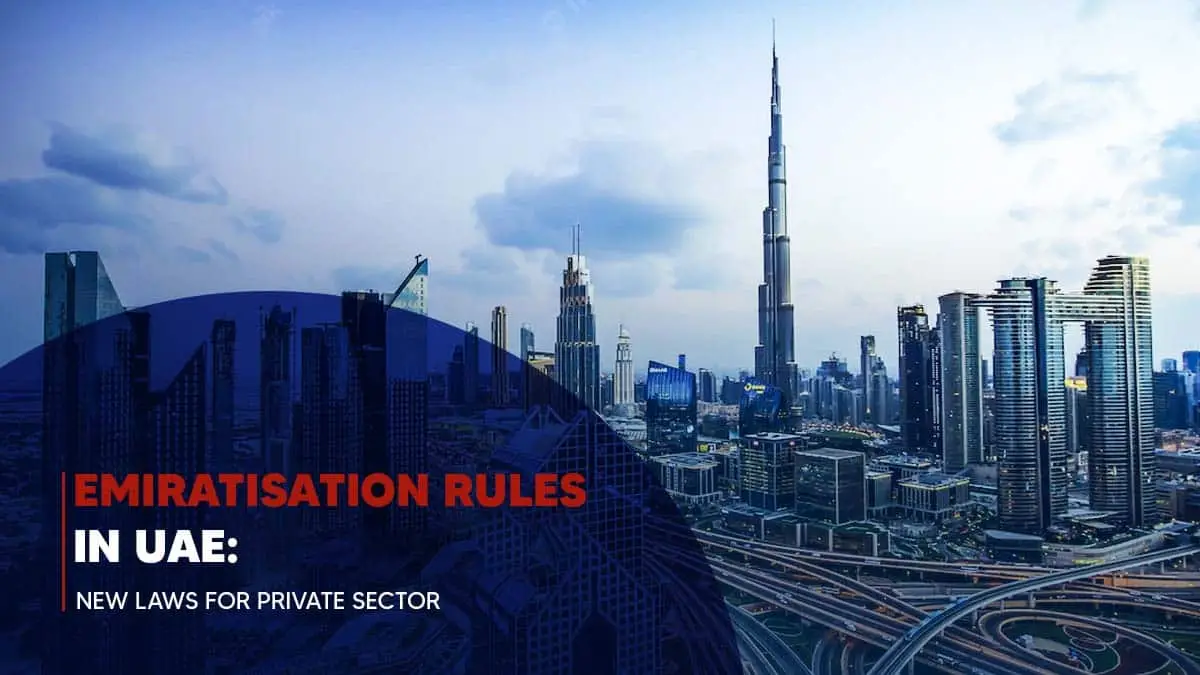
    The government has long since implemented regulations to increase Emiratisation in the UAE workforce. The key objective has been to increase the participation of UAE nationals in private-sector jobs.

    According to the new UAE Emiratisation Law 2024, private-sector employers (50+ Employees) must achieve a minimum of 2% year-on-year growth in their Emirati workforce for skilled positions. This translates to roughly one Emirati employee for every 50 skilled workers. These laws, specifically Ministerial Decision No. 279 of 2022, will definitely impact the organisational policies and recruitment strategies of businesses.

    These resolutions are a part of Nafis, a “governmental federal program which aims to increase the competitiveness of Emirati human resources & empower them to occupy jobs in the United Arab Emirates’ private sector over the next five years.” The program aims to create over 12 thousand annual job opportunities for Emirati citizens covering all economic sectors.

    The UAE government also targeting a 10% Emiratisation increase in skilled professions by 2026.

    What is Emiratisation?

    Emiratisation is a government initiative in the United Arab Emirates (UAE) aimed at increasing the number of Emirati citizens working in both the public and private sectors. It essentially focuses on boosting Emirati employment rates.

    • By creating more job opportunities for Emiratis, the initiative aims to bring down unemployment among them.
    • A strong Emirati workforce is seen as crucial for the UAE’s long-term economic growth and stability.
    • The program also seeks to strengthen Emirati identity and cultural preservation by promoting their involvement in the nation’s development.

    The UAE government actively supports Emirati employment through a variety of initiatives. It aims to equip Emiratis with the necessary skills, encourage companies to hire them, and create a legal framework that promotes Emirati employment in both the public and private sectors.

    Changes to the Emiratisation Laws

    According to the regulations shared by the UAE government, also given below are the changes in the legislation that are coming into force:

    • Ministerial Decision No, 279 of 2022 – Emiratisation in the private sector (2% Emiratisation Law)
    • Cabinet Decision No. 18 of 2022 (Classification Law)
    • New rules governing benefits under the Nafis scheme

    Requirements of the 2% Emiratisation Law in UAE

    The Emiratisation rules state that if a private company has 50 employees or less on their payroll, they need to have 1 Emirati, and additionally, if the company has a headcount of 51 to 100 employees, they need to have 2 Emiratis on their payroll.

    Companies registered with MoHRE in Mainland with 50 or more employees must achieve a 2% annual increase in the number of Emirati nationals employed in skilled positions compared to their total skilled workforce.

    The Emiratisation law doesn’t directly state a specific number of Emirati hires. Instead, it establishes a tiered system based on the total number of skilled workers in the company:

    • 50 skilled workers: minimum 1 Emirati employee
    • 51-100 skilled workers: minimum 2 Emirati employees
    • 101-150 skilled workers: minimum 3 Emirati employees
    • 151 & above: 1 Emirati employee for every 50 or less workers

    What constitutes “Skilled Workers”

    The Ministry of Human Resources and Emiratisation (MoHRE) defines skilled workers as employees that:

    1. Belong to any of these 5 worker categories:

    • Legislators, managers, business executives
    • Professionals in scientific, technical & humanitarian fields
    • Technicians in scientific, technical and humanitarian fields
    • Writing professionals

    2. Service & sales occupations

    3. Having a secondary school certificate is equal or higher

    4. Relevant authority attested worker’s certificate

    5. Monthly salary of no less than AED 4,000

    Emiratisation Laws for Smaller Businesses

    Previously, only private companies with 50 or more employees had Emiratisation targets. Now, smaller & medium companies with 20-49 employees must also participate. These companies need to hire one Emirati citizen in 2024 and another in 2025. Failing to meet these targets will result in fines.

    The ultimate goal is to have at least 10% of the skilled workforce in the private sector be Emirati nationals by 2026. Companies can utilize resources like the National Program for Employing Emiratis (NAFIS) to find qualified Emirati candidates.

    Penalties for Non-Compliance

    Companies that fail to fulfil the requirements of the Emiratisation program will have to fulfil the following penalties:

    • A minimum fine of AED 6,000 per month in lieu of each Emirati employee not hired. This amount will increase by AED 1,000 annually until 2026. As a result, failure to pay the fines can lead to the suspension of work permit applications by the company.
    • In case a company fails to comply with their Emiratisation quotas for two consecutive years, it will be demoted to the third category under the Classification Law.
    • Companies caught engaging in fake Emiratisation can face fines ranging from a minimum of AED 20,000 to a maximum of AED 100,000 per employee involved in the scheme.

    UAE authorities have made stringent announcements to pursue non-compliant companies. The entities themselves can expect to suffer financial & reputational implications should they show consistent complacency towards hiring UAE nationals.

    Stay updated with the Shuraa Business Setup

    With the UAE opening its doors to a steady influx of foreign investors, it has become imperative for companies to stay updated with the necessary laws and regulations to ensure the smooth running of their business. Once they fulfil the basic requirements of the 2% Emiratisation Law in UAE, they will be free to pursue their commercial interests along with gaining access to the inner sanctum of UAE’s national community.

    Shuraa Business Setup is UAE’s leading company formation consultancy that offers expert PRO services to investors. If your company is seeking information on the latest UAE corporate updates, our experts will guide you through the entire process.

    Reach out to us at +97144081900 or send us a WhatsApp message at +971507775554. You can also drop an email at enquiry@shuraa.com and get answers to all your queries.