Category: Trade License

  • VARA License in Dubai: A Complete Guide 2026

    VARA License in Dubai: A Complete Guide 2026

    The United Arab Emirates has turned out to be one of the top hubs for digital asset companies (with Dubai leading the way) when it comes to regulatory innovation. Since crypto, blockchain platforms, Web3.0-related solutions, & tokenised assets are gaining more traction, companies involved in this sector have to adhere to a defined regulatory framework. 

    That’s when the VARA license in Dubai enters the frame. No matter if you wish to start a crypto exchange, offer services that are related to digital asset investment, manage virtual asset portfolios, or build a platform that is blockchain-based, knowing about the licensing requirements of VARA is crucial.  

    Remember, regulatory approval isn’t only about compliance; it’s a crucial factor when it comes to establishing trust with customers, investors, & financial institutions. That said, this guide contains all the necessary information you need to know about getting yourself a VARA license. From licensing requirements to the procedures for approval, we will discuss everything. 

    VARA License in Dubai: Quick Overview on Estimates 

    Key Information Details 
    Regulator VARA (Virtual Assets Regulatory Authority) 
    License Type VASP (Virtual Asset Service Provider) License 
    Who Needs It? Crypto exchanges, brokers, custodians, token issuers, and Web3 firms 
    Ownership Up to 100% foreign ownership 
    Business Entity Dubai-based company required 
    Starting Cost From AED 40,000+ 
    Annual Fee From AED 80,000+ 
    Setup Time Depends on activity and regulatory approval 
    Office Requirement Physical office may be required 
    Compliance AML, KYC, risk management, and governance controls 
    Key Activities Exchange, brokerage, custody, lending, and advisory services 
    Corporate Tax 9% on taxable profits above AED 375,000 
    VAT Registration Required if taxable turnover exceeds AED 375,000 
    Market Access Ability to operate regulated virtual asset activities within Dubai under VARA approval 
    Common Licensed Activities Exchange services, brokerage, custody, lending, advisory, transfer & settlement services 
    Renewal Requirement Annual regulatory renewal and ongoing compliance obligations 
    Ideal For Crypto startups, blockchain companies, Web3 firms, digital asset exchanges, fintech businesses 

    What is VARA in Dubai’s Crypto Ecosystem? 

    VARA, commonly known as the Virtual Assets Regulatory Authority, is the dedicated virtual asset regulator for Dubai. The aim behind its introduction was to establish a transparent framework for companies that operate within the digital asset industry, which is rapidly evolving. Compared to a lot of jurisdictions where the activities related to crypto fall under several regulators, Dubai created a specialised authority that is dedicated particularly to virtual assets.  

    The benefit? It provides companies with better clarity when it comes to licensing, governance, compliance, and requirements for operations. Presently, the Emirate is well known for being among the handful of jurisdictions that provide a dedicated regulatory route for virtual asset companies while still encouraging investment & innovation. For business owners & investors, getting a Dubai VARA license shows a dedication to ethical business conduct & regulatory compliance.  

    What Makes a VARA License Important in Dubai? 

    Globally, the virtual asset sector is getting more and more regulated. Before interacting with companies involved in cryptocurrency, investors, providers of banking, & institutional partners are giving more attention to the compliance norms. 

    Companies that have this license can: 

    • Function lawfully within the regulatory framework of Dubai
    • Establish trust with stakeholders and investors
    • Make their customer confidence stronger
    • Enhance their banking & financial service access
    • Support the potential expansion of their business
    • Show compliance adherence & stand
    • Demonstrate adherence to compliance and standards for governance 

    For a lot of companies, regulatory approval is no longer just a legal need; it has turned into a competitive advantage. 

    Which Business Is Required to Have a VARA License in Dubai?  

    Generally, before starting their operations, any company that offers regulated virtual asset services (from or within Dubai) might need VARA authorisation. For example:  

    Crypto Exchanges 

    Platforms facilitating virtual asset purchasing, selling, or exchange.  

    Firms for Cryptocurrency Brokerage 

    Companies acting as intermediaries between digital asset buyers and sellers. 

    Providers of Custody Service 

    Businesses that are responsible for protecting the virtual assets held by the customers. 

    Platforms for Investing in Virtual Assets 

    Companies that manage or advise on investments in virtual assets.  

    Token Issuers 

    Organisations that launch or issue virtual assets that are qualifying.  

    Cryptocurrency Lending Platforms 

    Companies that offer services for borrowing or lending when it comes to virtual assets. 

    Providers of Blockchain-Driven Financial Services 

    Businesses that have services involving virtual asset activities that are regulated.  The exact requirement for licensing is based on the nature of your business activity rather than the tech that is being used.  

    Activities That Can Be Licensed Under VARA 

    The Virtual Assets Regulatory Authority licenses particular activities instead of issuing a single approval for all cryptocurrency-related companies.  

    Here are some of the common regulated activities: 

    • Advisory services
    • Services for broker-dealers
    • Custody services
    • Services for exchange 
    • Services for borrowing & lending
    • Investment & management services
    • Services for transfers and settlements
    • Services for virtual asset issuance  

    Before submitting an application, companies must carefully figure out the activities that fall in line with their model of operation.  Selecting the incorrect category for activity can cause delays, extra requests for paperwork, and longer timelines for approval.  

    Key Differences Between VARA & Dubai Cryptocurrency Exchange License 

    A lot of people get confused between these two licenses and use them interchangeably. However, they are different. Having said that, listed below are the key differences that you should know about both:  

    Key Aspects VARA License Dubai Crypto Exchange License 
    Explanation  VARA’s regulatory authorisation that is issued for certain virtual asset activities. A kind of VARA authorisation particularly to operate a platform for crypto exchange.  
    Regulator  VARA (Virtual Assets Regulatory Authority)  VARA (Virtual Assets Regulatory Authority) 
    Range Multiple virtual asset activities are covered like advisory, management of assets, brokerage, custody, & services for exchange.  Limited to activities that are related to exchange, involving virtual asset purchase, selling, & conversion. 
    Who Is It Required By? Any business that conducts regulated Dubai virtual asset activities. Companies operating a cryptocurrency exchange or marketplace for trading digital assets. 
    Coverage of Regulations Broad regulatory framework that covers different business models for virtual assets. Comes under the Exchange Services category of VARA. 
    Example A custodian for cryptocurrency, an advisory firm, or issuer of tokens might need this license.   A platform that facilitates crypto trading between people needs a cryptocurrency exchange license in Dubai.  

    What’s a Dubai Crypto Exchange License & Who Requires It? 

    We are sure, by now, you must be wondering about who requires a Dubai crypto exchange license. To put it simply, it is usually needed for companies that facilitate the trading of digital assets amongst those who participate in the market. 

    This includes the following platforms, which:  

    • Let customers purchase & sell cryptocurrencies
    • Operate marketplaces for digital assets
    • Facilitate the conversion of virtual assets
    • Provide infrastructure for the exchange
    • Match trading orders 

    Since, often, exchanges handle customer funds & volume of transactions that are large, they are usually subject to thorough compliance & obligations when it comes to risk management.  That’s why companies that want a Dubai crypto exchange license ought to stay ready for an extensive review of the framework of their operations, governance structure, measures of compliance, & cybersecurity controls. 

    What Companies Should Know About the Dubai Crypto Trading License? 

    Companies that facilitate cryptocurrency trading activities are usually linked to a Dubai crypto trading license

    Based on the model of the business, this might involve:  

    • Platforms for trading digital assets
    • Proprietary trading firms
    • Brokerage companies
    • Providers of investment services 

    The regulatory requirements are based on the proposed activity’s nature & scale.  

    Businesses that want a Dubai crypto trading license must make sure that the model of their business, framework of compliance, and systems for risk management are in line with the regulatory expectations prior to applying. 

    Step-By-Step Process of Getting a VARA License in Dubai 

    To secure your VARA license in Dubai, you need to plan carefully and prepare well. Though all the applications are unique in nature, the process usually includes the below-mentioned stages:  

    Step 1. Establishing Your Business Entity 

    The very first step of obtaining your license. It is a must for you, as an applicant, to first create a legal presence in Dubai via a company structure that is eligible.  

    Step 2. Defining Your Regulated Activities 

    As a business, you have to figure out the particular virtual asset activities that you want to conduct. Remember, defining your regulated activities is extremely important.  

    Step 3. Preparing Paperwork for Compliance 

    You usually have to prepare: 

    • Your financial projections
    • The plans for your business
    • Frameworks for governance
    • Policies for risk management 
    • AML procedures
    • Policies for operations 

    Step 4. Submitting the Regulatory Application 

    In this step, you have to submit your application for review, along with all the supporting paperwork that is requested.  

    Step 5. Going Through Regulatory Assessment 

    Regulators assess the proposed model for business, your infrastructure for technology, the management team, readiness of compliance, & operational controls.  

    Step 6. Getting the Final Approval 

    After satisfying all the requirements, you, as a business, might proceed with the licensed operations. 

    How to Get a VARA NOC in Dubai? 

    A lot of people ask what a VARA NOC is and how they can get it. A VARA NOC (Virtual Assets Regulatory Authority No Objection Certificate) might be needed in specific cases based on the activity that is proposed and the regulatory requirements.  

    The process usually includes: 

    • Establishing an entity that is based in Dubai
    • Getting relevant disclosures ready
    • Exhibiting operational readiness
    • Providing information concerning the virtual asset activities that are proposed
    • Fulfilling compliance requirements that are applicable  

    Since NOC requirements can differ based on the model of your business, expert guidance can assist individuals in figuring out a pathway that is the most appropriate. To add, it also helps them steer clear pointless delays.  

    Top 5 Common Mistakes That Delay Your VARA Approval 

    A lot of companies underestimate the preparation they need when it comes to regulatory approval. Here are the top 5 most common mistakes you need to know:  

    1. Having an Unclear Model of Business: If you fail to properly explain how your company operates, you might need extra clarification.  
    1. Weak Frameworks for Compliance: If your risk management procedures and AML are not sufficient, they can cause a delay in approval. 
    1. Presence of Governance Gaps: Regulators want well-defined responsibilities and structures for decision-making. 
    1. Incomplete Paperwork: Extended review times are often the result of missing information. 
    1. Tech & Security Issues: It’s a must for virtual asset companies to prove their systems are safe and have the capability to protect the assets of their customers.  

    Resolving these challenges before submitting your application can make your licensing experience better in a significant manner.  

    Understanding the Cost of Crypto License in Dubai 

    Now that we have talked about the Dubai crypto license and how it differs from the VARA one, let’s talk about its cost. Although the cost usually starts at AED 30,000*, this is not the universal cost. The overall price is based on several factors, like:  

    • Regulated activity type
    • Structure of the company
    • Regulatory fees
    • Office needs
    • Infrastructure for compliance
    • Tech requirements
    • Legal & advisory assistance 

    For example, a cryptocurrency exchange will usually have varying regulatory and operational needs compared to a custody provider. That’s why licensing budgets can differ in a considerable manner from one company to another. 

    How Much Is a VARA License in Dubai? Cost: Fees & Business Setup Expenses 

    As per VARA, the initial cost of the license in the city is AED 40,000* with the annual supervision fee being AED 80,000*. This is based on the activity that is being licensed. Compliance requirements, fee for the application, fee for the supervision, and operational obligations differ based on the activity category you select.  

    That’s why when you’re assessing how much is a VARA license in Dubai, you have to consider:  

    • The fee for the regulatory application
    • The fee for annual supervision
    • Business setup costs
    • Costs of compliance implementation
    • Staffing needs
    • Expenses for the technology infrastructure  

    Considering just the regulatory fee often gives a selective understanding of the entire investment needed to set up a virtual asset company that is compliant.  

    How Does Shuraa Assist Companies in Getting the License? 

    Decoding the entire licensing process could be a challenge, especially for companies that are new to the UAE market. That’s why expert business setup consultants like Shuraa are there.  We help simplify everything for you. Whether you are an investor or business owner, with Shuraa, you can navigate each step of the licensing process with finesse. Our assistance includes:  

    • Consultation for business setup
    • Compliance planning
    • Assistance for company formation
    • Paperwork support
    • Regulatory guidance
    • Ongoing company support
    • Coordination for licensing 

    Our expert business setup consultants help you understand the regulatory expectations better, guiding you transparently to help minimise the possibility of expensive delays during your application procedure.  

    Secure Your VARA License in Dubai with Us!  

    If you are a company that operates within the virtual asset space, getting a Dubai VARA License is an extremely important step for you. Whether you’re assessing the crypto license in Dubai cost or just looking into the crypto exchange license within the city, you need to know what the regulatory framework is like.  

    Don’t worry! With the appropriate planning, regulatory approach, & governance structure, you, as a business, can set yourself up for success in Dubai.  

    Remember, the right guidance makes everything easy from the beginning to the end. So, why wait? Connect with our experts right away and secure your license.  

    Business Setup Services Offered by Shuraa 

    Along with securing a VARA license in Dubai, Shuraa Business Setup provides complete end-to-end solutions for entrepreneurs looking to establish and scale their presence in the UAE. From company formation to ongoing compliance, our experts ensure a smooth and hassle-free setup journey. 

    Our key services include: 

    Frequently Asked Questions 

    Q1. What Does VARA Stand for? 

    VARA, which is recognised as the Virtual Assets Regulatory Authority, is the dedicated virtual asset regulator for Dubai in the United Arab Emirates. 

    Q2. How to Get a VARA License in Dubai? 

    To obtain your VARA license, you need to follow all the typical steps required. To begin with, start by establishing your company and defining your regulatory activities. Next, make sure to put together the paperwork for compliance and then turn in your application. After you’re done, you’ll need to get through the regulatory evaluation before you can have the final approval.  

    Q3. What’s the Best Consultancy That Can Help Me Get the License from VARA? 

    Shuraa Business Setup is one of the top names you can trust when it comes to getting a Dubai VARA license. We help you throughout your licensing journey, helping you understand every aspect with clarity.  

    Q4. Is Dubai a Good Option for a Crypto Business? 

    Yes Indeed. The city provides regulatory clarity, VARA (which is a dedicated regulator for virtual assets), a pro-business environment, solid infrastructure, and international market access. All these factors make it an appealing option for crypto businesses.  

    Q5. Is It Possible for a Free Zone Company to Get a VARA License?  

    Yes, a Free Zone company can obtain a VARA license, provided it is established in a Dubai jurisdiction that falls under VARA’s regulatory scope and meets all licensing requirements. In fact, many VARA-licensed crypto businesses operate from Dubai free zones.
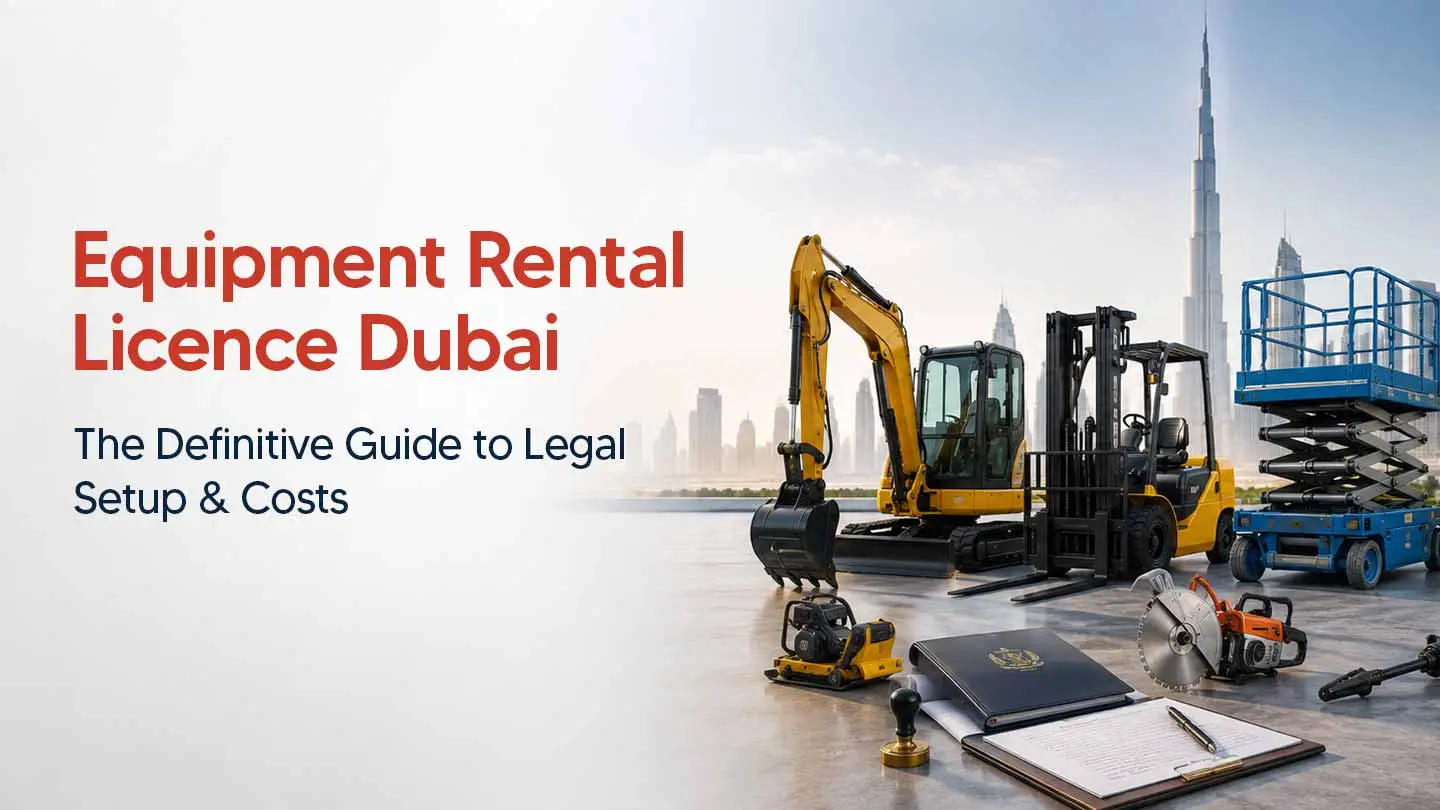
  • Equipment Rental license Dubai: Costs, Legal Requirements & Business Setup Guide UAE

    Equipment Rental license Dubai: Costs, Legal Requirements & Business Setup Guide UAE

    Dubai’s construction and infrastructure sector shows no signs of slowing down. With mega projects like Dubai Urban Tech District, multiple Expo legacy developments, and a relentless commercial real estate pipeline, the demand for construction equipment, industrial machinery, and specialist tools continues to grow year on year. 

    If you are planning to start an equipment rental business in Dubai, the timing could not be better. But before you put a single crane or compactor to work, you need to get the right licence in place. Operating without one is not just risky – it is illegal. 

    This guide covers everything you need to know about obtaining an equipment rental licence in Dubai: what it is, which activities it covers, where to set up, what it costs, and how Shuraa Business Setup can help you get there faster. 

    Equipment Rental License Dubai: A quick Rundown  

    Requirement Details 
    License Type Commercial 
    Ownership 100% Foreign Ownership 
    Setup Time 2–4 Weeks 
    Estimated Cost AED 40,000–80,000+ 
    VAT 5% 
    Corporate Tax 9% Applicable above AED 375,000 
    Office Required Yes 

    What Is an Equipment Rental License in Dubai? 

    An equipment rental licence in Dubai is a commercial trade licence that authorises a business to lease, rent, or hire out equipment to third parties. Depending on the activity category you register under, this can cover: 

    • Construction and heavy machinery (excavators, bulldozers, cranes, compactors)
    • Industrial and manufacturing equipment
    • Electrical and mechanical tools
    • Scaffolding and formwork systems
    • Generators, compressors, and lifting equipment
    • Surveying, testing, and safety equipment
    • Event and entertainment equipment 

    The licence is issued either by the Department of Economy and Tourism (DET) if you are setting up on the Dubai mainland, or by the relevant free zone authority if you choose a free zone jurisdiction. 

    Why Start an Equipment Rental Business in Dubai? 

    Dubai is one of the world’s most active construction markets. The UAE’s Vision 2031 framework, combined with ongoing residential and commercial mega-project pipelines, keeps demand for machinery rental businesses in Dubai consistently high. Here is why entrepreneurs and investors are keen to enter this sector: 

    1. Booming Construction Pipeline 

    UAE construction output is projected to grow steadily through 2030, driven by residential development, hospitality, logistics, and infrastructure expansion. Developers consistently need access to equipment without the capital burden of ownership, making rental an essential service. 

    2. 100% Foreign Ownership Now Available 

    Since the UAE’s landmark Commercial Companies Law amendment in 2021, most business activities on the Dubai mainland, including equipment rental, allow 100% foreign ownership. You no longer need a UAE national sponsor or local service agent for commercial activities. 

    3. Strategic Location and Logistics Hub 

    Dubai’s position as a global logistics hub makes it easy to import, service, and redeploy machinery across the GCC and beyond. Port Jebel Ali, one of the world’s largest ports, and Al Maktoum International Airport provide excellent freight connectivity for large equipment. 

    4. Tax-Efficient Business Environment 

    Corporate tax in the UAE is 9% on taxable income exceeding AED 375,000, which is still among the lowest globally. Free zone entities with qualifying income may benefit from 0% corporate tax under specific conditions. There is no personal income tax, and VAT is 5%. 

    5. Strong Regulatory Framework 

    Dubai has a well-established legal and regulatory environment. Contracts are enforced reliably, and dispute resolution mechanisms through DIFC Courts or Dubai Courts are efficient. This matters when you are leasing high-value equipment under commercial agreements. 

    What Activities Does an Equipment Rental License Cover? 

    The Dubai Department of Economy and Tourism (DET) Activity List uses specific activity codes to define what a business can legally do. For an industrial equipment rental business in the UAE, relevant activities typically include: 

    Activity Name Notes 
    Machinery and Equipment Rental Core rental activity – heavy machinery, tools, and equipment 
    Construction Equipment Rental Specifically for cranes, excavators, compactors, and related plant 
    Industrial Equipment Rental Manufacturing, processing, and factory machinery 
    Scaffolding Rental Erection, dismantling, and rental of scaffolding systems 
    Generator Rental Power generation equipment for events, construction, and emergencies 
    Heavy Transport Equipment Rental Trucks, trailers, and specialist haulage vehicles 
    Tools and Equipment Rental Smaller tools and site equipment for short-term use 

    You can typically register multiple related activities under a single license. Your business consultant will help you select the right combination based on your intended operations. 

    Mainland vs Free Zone: Which Is Right for Your Equipment Rental Business? 

    One of the first decisions you will make is whether to set up your equipment rental business on the Dubai mainland or in a free zone. Both have advantages – the right choice depends on your client base and operational model. 

    Dubai Mainland 

    Dubai mainland business license for equipment rental allows you to work directly with clients anywhere in the UAE without restrictions. This is important for a construction equipment rental business, since your clients will typically be contractors and developers operating across Dubai, Abu Dhabi, Sharjah, and beyond. 

    • Unrestricted access to the local UAE market
    • Can bid for government contracts and public-sector projects
    • Physical office or yard required in Dubai (suitable for storing heavy equipment)
    • Regulated by DET and subject to standard UAE Commercial Companies Law
    • 100% foreign ownership permitted for equipment rental activities 

    Dubai Free Zone 

    Dubai Free zones are a viable option if you are primarily dealing with foreign clients, operating on a specific project site within the free zone, or want a simpler, faster setup process. Popular free zones for equipment-related businesses include IFZA (International Free Zone Authority), JAFZA (Jebel Ali Free Zone Authority), Dubai South, and RAKEZ. 

    • 100% foreign ownership and full profit repatriation
    • May benefit from 0% corporate tax on qualifying income
    • Restrictions on direct trading within the UAE mainland without a distributor or agent
    • Suitable for import/export-led equipment businesses or those serving specific free zone clients 

    How to Get an Equipment Rental License in Dubai: Step-by-Step 

    Here is how the process typically works when setting up a construction equipment rental business or any equipment rental operation in Dubai: 

    Step 1: Define Your Business Activity 

    Confirm the equipment rental activities you want to operate under. The DET maintains a list of approved activities, your consultant will identify the correct activity codes and ensure there are no conflicting or overlapping registrations. 

    Step 2: Choose Your Legal Structure 

    Most equipment rental businesses in Dubai are registered as a Limited Liability Company (LLC). An LLC protects personal assets, allows multiple shareholders, and is the most flexible structure for commercial operations. Other options include a Sole Establishment (for single owner-operators) or a Branch of a Foreign Company. 

    Step 3: Register a Trade Name 

    While registering a trade name, your company must comply with UAE naming conventions. It should not reference any government bodies, contain offensive language, or conflict with an existing registered business. The DET will check availability and approve your chosen name. 

    Step 4: Submit Initial Approval Application 

    Submit your initial approval application to the DET. This includes the trade name, shareholder details, activity codes, and legal structure. At this stage, no commitment has been made, initial approval simply confirms the authority permits this type of business to proceed. 

    Step 5: Secure a Business Address 

    You will need a registered office address in Dubai. For an equipment rental business, you will likely also need a yard or warehouse to store and maintain your equipment fleet. Lease agreements must be attested through Ejari (Dubai’s tenancy registration system). 

    Step 6: Prepare and Attest Documents 

    Required documents typically include: 

    Step 7: Pay Fees and Receive the License 

    Once all documents are approved and fees are paid, the DET issues your equipment rental business license. The process typically takes between 2 and 4 weeks for a mainland setup, depending on the completeness of your documents and any additional approvals required. 

    Step 8: Open a Corporate Bank Account 

    With your trade license in hand, you can open a corporate bank account in the UAE. Banks will typically ask for your license, MoA, shareholder documents, and a business plan. Popular banks for business accounts include Emirates NBD, Mashreq, ADCB, and RAK Bank

    Equipment Rental License Dubai Cost Breakdown in 2026: What to Budget For 

    The total cost of getting an equipment rental license in Dubai varies depending on the jurisdiction, legal structure, number of activities, and visa requirements. Here is a general breakdown:

    Cost Component Estimated Range (AED) 
    DET Trade License Fee 10,000 – 15,000 
    Initial Approval Fee 200 – 500 
    Name Reservation Fee 500 – 700 
    MoA Drafting and Notarisation 1,500 – 3,000 
    Office/Yard Lease (annual) 25,000 – 100,000+ 
    Ejari Registration 200 – 500 
    Investor Visa/Employee Visa (per person) 3,500 – 6,000 
    Establishment Card 1,000 – 2,000 

    Total first-year costs typically range from AED 40,000 to AED 80,000 or more, depending on your specific setup. This does not include the cost of your equipment fleet, insurance, or staffing. For free zone setups, packages can start lower but may involve renewal fees and zone-specific charges. 

    For an accurate, tailored quote, speak to a Shuraa Business Setup consultant in Dubai who can assess your specific requirements. 

    Legal Requirements for an Equipment Rental Business in Dubai 

    Beyond the trade license itself, running an equipment rental business in the UAE comes with a set of ongoing legal and regulatory obligations: 

    Equipment Registration and Inspection 

    Heavy construction machinery, particularly cranes, lifting equipment, and excavators may require registration and periodic inspection by the relevant Dubai municipality or Roads and Transport Authority (RTA) if used on public roads. Ensure your fleet is compliant before deployment. 

    Third-Party Liability Insurance 

    UAE law requires businesses operating heavy machinery to carry adequate third-party liability insurance. This protects your business in the event of an accident, injury, or property damage caused by your rented equipment. 

    Operator Certification 

    Operators of heavy machinery in Dubai must hold relevant certifications. While this obligation may fall on the client (the lessee) in some rental agreements, your contracts should clearly define responsibility and if you supply operators with equipment, they must hold valid competency cards. 

    Labour and Visa Compliance 

    If you employ staff, all employees must hold valid UAE residency visas and work permits. You must register with the Ministry of Human Resources and Emiratisation (MOHRE), enrol in the Wages Protection System (WPS), and comply with the latest UAE Labour Law (Federal Decree-Law No. 33 of 2021 and its 2024 amendments). 

    VAT Registration 

    If your annual taxable turnover exceeds AED 375,000, VAT registration is mandatory. Equipment rental is a taxable supply subject to 5% VAT. Ensure you have the right accounting systems in place from day one. 

    Corporate Tax Compliance 

    As of June 2023, UAE corporate tax applies at 9% on taxable income above AED 375,000. Your business must register with the Federal Tax Authority (FTA), maintain proper financial records, and file annual corporate tax returns. 

    Business Opportunities in Equipment Rental in Dubai 

    The equipment rental sector in the UAE is not just about construction. Savvy operators are diversifying into adjacent verticals that offer strong margins and growing demand: 

    • Event and Exhibition Equipment: Dubai hosts hundreds of large-scale events annually – GITEX, Cityscape, ATM, and more. AV systems, staging, lighting rigs, and crowd control barriers are in constant demand.
    • Oil and Gas Equipment: The UAE’s active upstream and downstream oil sector creates significant demand for specialised industrial equipment rental in offshore and onshore environments.
    • Facility Management Equipment: Cleaning, maintenance, and facilities management companies regularly rent specialist tools and equipment rather than owning them.
    • Logistics and Warehousing: Forklifts, pallet trucks, reach trucks, and other materials handling equipment are in high demand across Dubai’s logistics hubs including Dubai Industrial City and Jebel Ali.
    • Green and Sustainable Equipment: With Dubai’s Net Zero 2050 commitments, demand for electric machinery, solar-powered generators, and environmentally compliant equipment is on the rise. 

    How Shuraa Business Setup Can Help! 

    Dubai’s construction boom, infrastructure expansion, and diverse industrial base make it one of the most commercially attractive markets in the world for equipment rental businesses. The right license, the right jurisdiction, and the right structure can set your business up for long-term success in a sector that shows no signs of slowing down. 

    Shuraa Business Setup has been helping investors, entrepreneurs, and corporations establish businesses in the UAE since 2001. Our team handles the entire process – from activity selection and name registration to license issuance, visa processing, and bank account opening. 

    Get in touch with our team today for a free consultation and a tailored cost estimate for your equipment rental license in Dubai. 

    Frequently Asked Questions 

    1. What is the cost of an equipment rental license in Dubai? 

    The cost typically ranges from AED 10,000 to AED 15,000 for the trade license itself. Total first-year costs, including office setup, visas, and professional fees, generally fall between AED 40,000 and AED 80,000. Contact Shuraa for a precise quote tailored to your requirements. 

    2. Do I need a physical office or yard for my equipment rental business? 

    For a mainland setup, a registered business address in Dubai is mandatory. Given the nature of the business, most operators also require a yard or warehouse to store and maintain their equipment fleet. Your Ejari-registered lease will be submitted as part of the license application. 

    3. How long does it take to get an equipment rental license in Dubai? 

    A mainland equipment rental license typically takes 2 to 4 weeks from initial application to issuance, assuming all documents are in order. Free zone setups can sometimes be completed in 1 to 3 weeks. 

    4. Does my equipment need to be insured? 

    Yes. UAE regulations require adequate third-party liability insurance for heavy and industrial equipment. Your rental agreements should clearly define insurance obligations, particularly when equipment is operated by the client’s personnel. 

    5. What is the difference between a mainland and free zone equipment rental license? 

    A mainland license allows you to operate freely across the UAE and serve any client. A free zone license restricts direct UAE market operations unless you use a mainland distributor or agent. For most equipment rental businesses serving the UAE construction market, a mainland license is the more practical choice. 

    6. Is VAT applicable to equipment rental in Dubai? 

    Yes. Equipment rental is a taxable supply under UAE VAT law. If your annual turnover exceeds AED 375,000, VAT registration is mandatory and you must charge 5% VAT on your rental invoices.

  • Trade License Activity Amendment Dubai: How to Add Activities to Your UAE Licence 

    Trade License Activity Amendment Dubai: How to Add Activities to Your UAE Licence 

    As your business grows, you may want to offer new services or expand into different markets. To do this legally, you must add business activity to your existing licence and comply with UAE regulations. 

    A Trade License Activity Amendment Dubai allows businesses to update their licence with new approved activities. Whether you’re expanding services or exploring new opportunities, updating your trade licence requirements in the UAE is an important step. 

    As one of the leading business setup consultants in the UAE, Shuraa Business Setup helps businesses complete licence amendments quickly and efficiently. In this guide, we’ll cover the process, requirements, and costs of adding activities to your UAE business licence. 

    How to Add a New Activity to a UAE Trade Licence; A quick rundown 

    To add a new business activity to your UAE trade licence: 

    1. Select the activity from the approved activity list for your specific Business licence .  
    1. Submit an amendment application to DET or your Free Zone authority.  
    1. Obtain external approvals if required for certain sectors.  
    1. Update company documents where applicable.  
    1. Pay the amendment fees, costs typically starts from AED 500 plus applicable fees 
    1. Receive the updated trade licence.  

    The process usually takes 1–5 working days for standard activities and longer for regulated sectors. Elaborated Steps are explained further below. 

    Understanding Trade Licence Activity Amendment in Dubai 

    As your business grows, you may want to offer new services or expand into different areas. In such cases, you need to add business activity to your existing licence through a Trade License Activity Amendment Dubai process. 

    A Dubai trade licence amendment allows businesses to legally update their approved activities. Whether you are updating trade licence records in the UAE or applying for a Dubai company licence amendment. It keeps your licence up to date and helps you stay compliant and avoid legal issues. 

    For mainland businesses, a Dubai mainland licence amendment may be required before starting any new activity. By updating your licence on time, you can confidently grow your business while meeting all regulatory requirements. 

    Benefits of Updating Your UAE Trade Licence with New Activities 

    A Trade License Activity Amendment Dubai allows businesses to expand legally and explore new opportunities without applying for a completely new licence. Whether you want to add business activity related to consulting, e-commerce, or trading, updating your licence keeps your operations compliant with UAE regulations. 

    Some key benefits of updating the trade licence in the UAE include: 

    • Business Expansion: Offer new products or services under your existing business trade license. 
    • Legal Compliance: Avoid penalties by ensuring all activities are officially approved. 
    • More Revenue Opportunities: Enter new markets and attract a wider customer base. 
    • Greater Business Flexibility: Adapt quickly to changing customer demands and industry trends. 
    • Enhanced Business Credibility: Clients and partners are more likely to trust a company with a properly updated licence. 

    Whether you hold a general trading license or another type of licence, a Dubai trade licence amendment can help your business grow while staying compliant. A Dubai company licence amendment is often a simple yet important step towards long-term success in the UAE market. 

    Updating Trade Licence in the UAE: When Is an Amendment Required? 

    Your trade licence must match your business activities. If you add, change, or remove activities, you must update your licence to stay compliant and avoid penalties. 

    You may need a licence amendment when: 

    • Your business has evolved, and you plan to offer services or products not covered by your current licence. 
    • You’re exploring new revenue opportunities that fall under a different business activity category. 
    • Certain activities are no longer part of your operations and need to be officially removed from the licence. 
    • The scope of your business has changed since the licence was originally issued. 
    • You want to diversify your operations by including more approved activities under your existing licence. 
    • An amendment is required to meet licensing regulations and avoid compliance issues. 

    Keeping your trade licence up to date ensures your business activities remain legally compliant with your operations. It allows you to expand into new areas, stay compliant with UAE regulations, and grow your business with confidence. 

    How to Add a New Activity to a Dubai Trade Licence? 

    Expanding your business often means offering new products or services. If the activity you want to undertake is not listed on your licence. You’ll need to complete a Trade License Activity Amendment process before you can legally operate under the new activity. Here’s how it works: 

    Step 1: Choose the Activity You Want to Add 

    Start by identifying the exact business activity you wish to include on your licence. The activity must be approved by the relevant authority and align with your company’s legal structure and licensing category. 

    Step 2: Submit an Amendment Request to DET or Free Zone 

    The next step is to apply for a Dubai trade licence amendment. Mainland businesses can submit their application through the Department of Economy and Tourism (DET), while Free Zone company licence holders must apply through their respective Free Zone authority. 

    Step 3: Obtain Additional Approvals if Required 

    Certain regulated sectors require permission from government departments before the activity can be added. This is common for businesses involved in healthcare, education, transportation, food, and other specialised industries. 

    Step 4: Update Company Documents 

    In some cases, especially LLCs, the company’s legal documents may need to be revised to reflect the new scope of the business. This ensures your business records match the activities listed on your licence. 

    Step 5: Provide Supporting Documents 

    To proceed with the Dubai company’s licence amendment, you’ll typically need to submit documents such as your current licence, shareholder identification documents, tenancy contract, and any approvals obtained from external authorities. 

    Step 6: Complete the Payment Process 

    Once the application is reviewed, you’ll be required to pay the applicable amendment fees. The cost may vary depending on the activity being added and the licensing authority involved. 

    Step 7: Receive Your Updated Licence 

    After approval and payment, you’ll receive an updated licence showing the newly added activity. At this stage, the trade licence update is complete, and you can legally start offering the new service or product. 

    Whether you want to add activities to an existing trade license, UAE companies should follow the correct process to ensure a smooth and compliant business expansion. 

    Documents Needed for a Trade Licence Amendment in Dubai 

    When applying for a Dubai trade licence amendment, authorities may request different documents depending on the type of change. In most cases, you should keep the following documents ready: 

    • Existing business trade license copy 
    • Licence amendment application form 
    • Updated MOA or legal documents (if the amendment affects company structure) 
    • Shareholder or board resolution approving the amendment 
    • Relevant government approvals for regulated activities 
    • Trade name approval documents (for trade name changes) 
    • Any additional documents requested by the licensing authority 

    Important: If you plan to add business activity through a Dubai company licence amendment, additional approvals may be required from industry-specific authorities depending on the nature of the activity. This helps ensure your business remains fully compliant with UAE regulations. 

    Cost of Adding Activities to an Existing Trade License in the UAE 

    The cost of adding new activities to your trade licence may vary depending on the licensing authority and the type of amendment required. As a general guideline: 

    • AED 500* for each additional business activity or location (subject to authority approval) 
    • AED 10* Knowledge Dirham fee per transaction 
    • AED 10* Innovation Dirham fee per transaction 

    Additional charges may apply based on the nature of the activity and any required approvals. 

    For a detailed cost breakdown and expert guidance, get in touch with our team at Shuraa Business Setup. We can help you complete the amendment process smoothly and efficiently.

    Business Activities That Require Additional Approvals 

    Business Activity Approval Authority 
    Medical Clinics, Healthcare Services DHA, MOHAP 
    Educational Institutions, Training Centres KHDA, Ministry of Education 
    Tourism and Travel Agencies DET (Department of Economy & Tourism) 
    Transport and Logistics Services RTA (Road Transport Authority) 
    Food Trading and Food Manufacturing Dubai Municipality 
    Financial Services and Investment Activities UAE Central Bank, SCA 
    Insurance Activities Central Bank of UAE 
    Legal Consultancy Services Legal Affairs Department 
    Engineering Consultancy Dubai Municipality 
    Real Estate Brokerage DLD, RERA (Real Estate Regulatory Agency) 
    Security Services SIRA 
    Telecommunications Services TDRA 
    Customs Clearance Activities Dubai Customs 
    Environmental and Waste Management Activities Dubai Municipality, Environment Authorities  

    Note: The additional approval fee varies depending on the respective licensing Authority that governs the approval process. 

    Mistakes to Avoid During a Trade Licence Activity Amendment in Dubai 

    When applying for a trade licence activity amendment in Dubai, avoiding common mistakes can help prevent delays, penalties, and unnecessary costs. 

    • Adding Activities Without Prior Approval 
    • Choosing Activities That Do Not Match Your Licence Type 
    • Failing to Update Legal Documents 
    • Operating Before the Amendment Is Approved 
    • Ignoring Additional Costs and Requirements 
    • Submitting Incorrect Information 
       

    Working with experienced consultants just like Shuraa, we can help ensure your Dubai company licence amendment is completed correctly and in compliance with all regulatory requirements. 

    Does Adding a New Business Activity Affect Corporate Tax? 

    Adding a new activity does not automatically change your corporate tax obligations. However, businesses should review whether: 

    • The new activity generates additional taxable income.  
    • New reporting requirements apply.  
    • Additional registrations or compliance obligations are triggered.  

    Consult Shuraa’s Tax advisors to ensure proper compliance with current UAE corporate tax regulations.  

    Keep Your Trade Licence Updated with Shuraa! 

    Keeping your trade licence up to date is essential as your business grows. Whether you need to add a new activity, expand your services, or complete a Trade License Activity Amendment in Dubai, ensuring your licence reflects your operations helps maintain compliance and support future growth. 

    From approvals to documentation, the amendment process can be seamless with the right guidance. If you need assistance with updating your trade licence in the UAE, Shuraa Business Setup can help manage the process efficiently and hassle-free. Contact our experts at +971 4 408 1900, WhatsApp +971 50 777 5554, or email info@shuraa.com to get started. 

    Frequently Asked Questions

    Q1. Can I add a new business activity to my existing trade licence in Dubai?

    Yes, businesses can add approved activities to their existing trade licence by applying for a licence amendment and obtaining any required approvals.

    Q2. Do I need approval before starting a new business activity?

    Yes, you must update your licence and secure the necessary approvals before legally conducting any new business activity. 

    Q3. Can multiple business activities be included under one licence? 

    In many cases, yes. However, the activities must be compatible with your licence category and comply with the licensing authority’s regulations.

    Q4. How long does it take to amend a trade licence in Dubai? 

    The processing time varies depending on the activity and approvals required, but straightforward amendments are often completed within a few working days. For example, 

    Approval Type Estimated Processing Time 
    Standard Activities 1–5 Working Days 
    Tourism Activities 3–10 Working Days 
    Educational Activities 1–4 Weeks 
    Healthcare Activities 2–8 Weeks 
    Financial Activities Several Weeks to Months 

    Q5. Will I need to update my company documents when adding an activity? 

    Some amendments may require updates to legal documents such as the Memorandum of Association (MOA), depending on the nature of the new activity. 

    Q6. What happens if I operate an activity that is not listed on my licence? 

    Conducting unlicensed activities can result in fines, penalties, and other regulatory issues.

    Q7. Can a general trading licence be expanded with additional activities? 

    Yes, a general trading licence can often be amended to include additional approved activities, subject to regulatory requirements. 

    Q8. Is it possible to remove an activity from a trade licence?

    Yes, businesses can apply to remove activities that are no longer part of their operations through a licence amendment process. 

    Q9. Can I add activities online in Dubai? 

    Yes, many amendments can be completed through DET and Free Zone online portals. Find the DET Activity List here.

    Q10. Can I Start Operating While Waiting for Approval?

    No, Businesses should not conduct any new activity until the amendment application is approved, and the updated trade licence is issued by the authorities. Operating before approval may lead to penalties, licence violations, and regulatory action. 

  • Trade License Cancellation in Dubai: Step-by-Step Guide

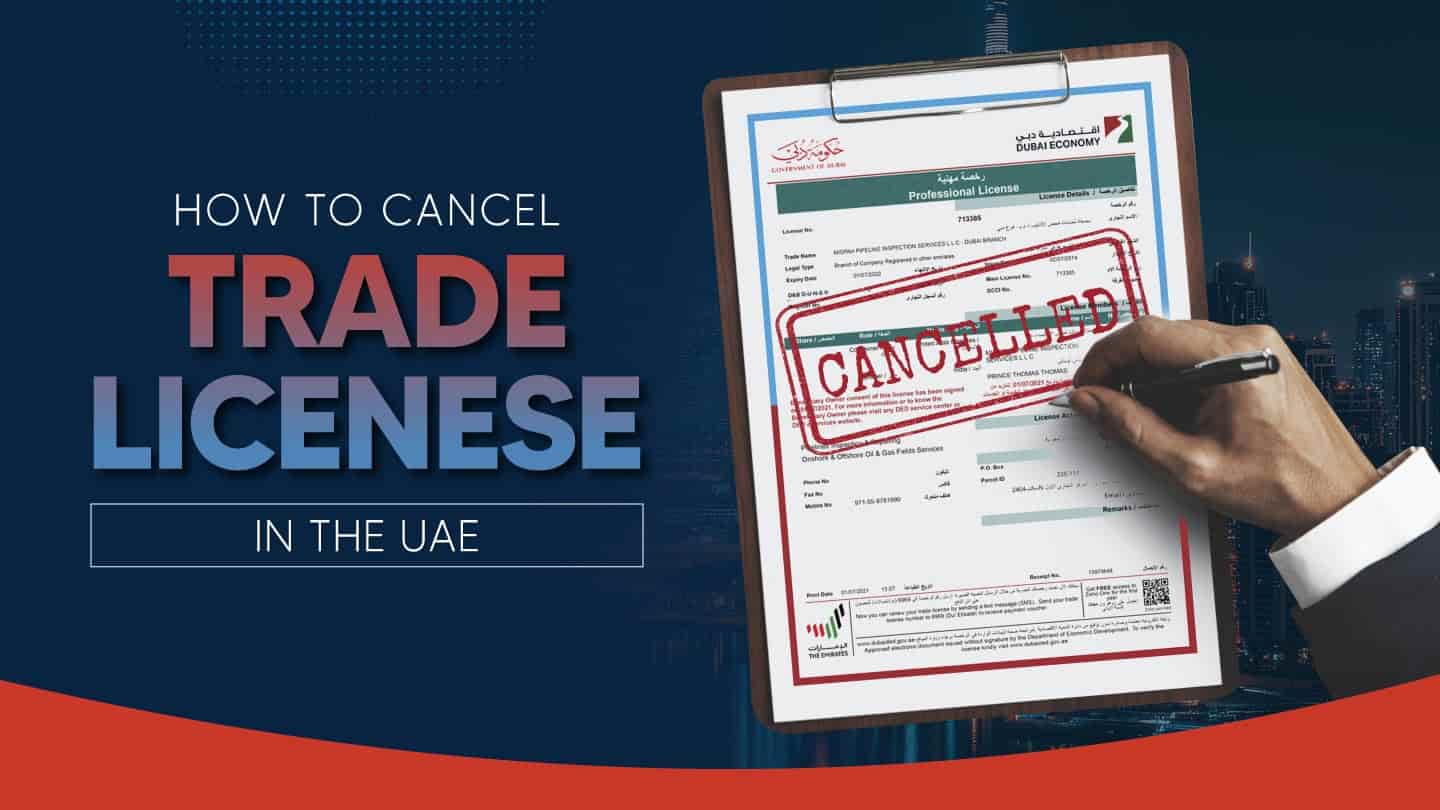
    Trade License Cancellation in Dubai: Step-by-Step Guide

    Closing a business is not always a failure; it can be a strategic decision. Whether your plans have changed, you are shifting focus, relocating, or starting a new venture, this choice is valid.

    If you are at this stage, it is important to understand how to cancel a trade license in Dubai. The process is straightforward but involves several steps, approvals, and formalities to ensure proper closure and avoid future issues.

    What Does Trade License Cancellation Mean?

    Trade license cancellation is the formal process of legally closing your business in Dubai. It involves notifying authorities that your company has ceased to exist.

    By cancelling your trade license, you remove your company from official government records:

    • Legal Dissolution: Your business name is removed from the commercial registry of the Department of Economy and Tourism (DET) or the relevant Free Zone authority.
    • Termination of Visas: All residency visas sponsored by the company (for both employees and investors) must be officially cancelled.
    • Settlement of Liabilities: You must prove that all outstanding debts, utility bills (DEWA, Etisalat/Du), and office rents have been paid in full.
    • Closing Financials: For many license types, a final Liquidation Audit Report is required to show the company’s assets have been distributed and all accounts are settled.

    Why Businesses Cancel Their Trade License

    Before diving into the how, it helps to understand the why. Businesses in Dubai cancel their trade licenses for a wide range of reasons:

    • The business is no longer profitable or viable
    • The owner is relocating to another country
    • A merger, acquisition, or business restructuring is underway
    • The company is switching from mainland to a free zone (or vice versa)
    • Retirement or a shift to a different industry
    • Regulatory changes that make the current structure impractical

    Whatever your reason, the UAE government requires a formal cancellation, you can’t simply stop operating and walk away. Inactive licenses still accumulate renewal fees, and unresolved trade licenses can affect your credit standing and future visa applications.

    Key Requirements Before Cancelling a Trade License

    Think of this as your pre-flight checklist. Rushing straight to the cancellation application without clearing these first is the single biggest mistake businesses make. Authorities will send you right back if loose ends remain.

    1. Settle All Outstanding Liabilities

    This means any unpaid government fees, utility bills, and municipality charges. The Department of Economy and Tourism (DET) or your free zone authority will verify that there are no outstanding dues against your company before proceeding.

    2. Cancel Employee Visas and Work Permits

    All visas sponsored under your trade license – employees, partners, and even your own residence visa if it’s linked to the company- must be cancelled through the General Directorate of Residency and Foreigners Affairs (GDRFA). This step often takes longer than expected, so start early.

    3. Close Your Corporate Bank Account

    Your bank will need a No Objection Certificate (NOC) or confirmation of license cancellation in most cases. However, you should inform them early and settle any outstanding loans, credit facilities, or overdrafts tied to the business account.

    4. Cancel Your Lease Agreement

    Your office or warehouse lease (Ejari registration) must be cancelled or lawfully terminated. The landlord will need to be notified formally, and you’ll need documentation of this for the cancellation application.

    5. Obtain NOCs from Relevant Authorities

    Depending on your business activity, you may need No Objection Certificates from sector-specific regulators, such as the Dubai Health Authority (DHA) for medical businesses, the Roads and Transport Authority (RTA) for transport-related activities, or the Dubai Tourism and Commerce Marketing (DTCM) for hospitality.

    Pro Tip: Keep a clear paper trail throughout this process. Every NOC, visa cancellation receipt, and bank closure confirmation will be requested at some point, usually all at once. 

    How to Cancel Trade License in Dubai? Step-by-Step Process

    Once your pre-requisites are in order, here’s how the actual cancellation plays out for a mainland Dubai business (DED/DET-licensed):

    1. Submit Your Cancellation Application

    Visit the DET’s website (dubaidet.gov.ae) or head to a DET service centre. Log in to the DET Trader portal, select “Trade License Cancellation,” fill in your details, and upload supporting documents. You can also use the Dubai Now app for parts of this process.

    2. Pay Initial Cancellation Fees

    You’ll be prompted to pay the applicable cancellation fees at this stage (covered in detail in the next section). Keep your payment receipt, as it’s a critical document for subsequent steps.

    3. Publish a Liquidation Notice

    Companies with multiple shareholders or certain legal structures (LLCs, for instance) are required to publish a liquidation notice in two UAE-approved newspapers – one Arabic and one English. This gives creditors or interested parties a window (typically 45 days) to come forward with claims.

    Note: If your company is an LLC or has multiple shareholders, appointing a licensed liquidator is mandatory.

    4. Submit Final Documents to DET

    After the newspaper notice period, compile your full document package, including all NOCs, visa cancellation proof, bank account closure letter, lease cancellation, and the newspaper publications, and submit them to DET for final review.

    5. Receive Your Cancellation Certificate

    Once DET verifies everything, they’ll issue an official Trade License Cancellation Certificate. This document is your formal proof that the business has been dissolved and is no longer legally active.

    Note: The entire process can take anywhere from 3 to 8 weeks for a straightforward mainland license, and longer if you have outstanding disputes, unpaid dues, or complex shareholding structures. Free zone cancellations have their own timelines set by each authority. 

    Documents Required for Trade License Cancellation

    When it comes to cancelling a trade license in Dubai, paperwork plays a bigger role than most people expect. Here’s what you’ll typically need:

    • Trade License copy
    • Memorandum of Association (MOA)
    • Shareholders’/Partners’ resolution for company closure
    • Passport copies of owners/partners
    • Emirates ID copies of owners/partners
    • Visa cancellation proofs (employees, partners, dependents)
    • Clearance certificates/NOCs (utilities, landlord, banks, etc.)
    • Liquidator’s report (if applicable)
    • VAT deregistration certificate (if applicable)
    • Establishment card cancellation proof

    Note: The exact documents may vary slightly depending on your business type and jurisdiction (mainland or free zone).

    Trade License Cancellation Costs in Dubai

    One of the most searched questions we hear is: “What’s the trade license cancellation cost in Dubai?” The honest answer is that it depends on several variables. The Dubai trade license cancellation fees for a typical small-to-medium business often land somewhere between AED 3,000 and AED 8,000, excluding any outstanding dues or legal disputes. If you’ve let the license lapse without renewing for a year or more, penalties can add significantly to this figure.

    Free zone cancellation costs vary by authority. DMCC, DIFC, JAFZA, IFZA, and Dubai Silicon Oasis all have their own fee schedules, expect to pay between AED 5,000 and AED 15,000 depending on the zone and your company structure.

    Here’s a practical breakdown of what to expect.

    Fee TypeApproximate Cost (AED)
    DET Application FeeAED 200 – 500
    Newspaper Publication (x2)AED 1,500 – 3,000
    PRO/Typing ServicesAED 300 – 800
    Visa Cancellation (per visa)AED 100 – 200
    Legal/Notarisation FeesAED 500 – 2,000
    Outstanding Renewal PenaltiesVariable

    Mainland vs. Free Zone — What Changes?

    The broad steps are the same: Clear liabilities, cancel visas, and submit paperwork, but there are meaningful differences between cancelling a mainland DET license and a free zone license.

    Mainland (DET) License:

    Governed by the DET, mainland cancellations require newspaper publication for most business types and go through a centralised government process. The DET Trader portal handles much of this digitally, making it more straightforward than it used to be.

    Free Zone License:

    Each free zone has its own authority and its own process. DMCC requires a Board Resolution and a specific de-registration form. DIFC operates under a separate legal framework with its own courts. JAFZA has different documentation requirements. Always check with your specific free zone authority before assuming the process mirrors the mainland.

    In both cases, though, one thing remains constant: outstanding visa cancellations are always dealt with first. Immigration will not clear a company with active sponsored visas still on record.

    Common Mistakes to Avoid

    Cancelling a trade license in Dubai is fairly structured, but small oversights can turn it into a long, frustrating process. Here are some common mistakes you’ll want to avoid: 

    • Not cancelling employee visas first: This creates a bottleneck that delays everything else.
    • Forgetting sector-specific NOCs: This is especially relevant for regulated industries like healthcare, education, and food & beverage.
    • Assuming inactivity equals cancellation: An inactive business still owes annual renewal fees until formally cancelled.
    • Leaving the Ejari unterminated: An open lease registration can stall your application.
    • Not keeping copies of all submitted documents: If something gets queried weeks later, you’ll need them.
    • Ignoring newspaper publication deadlines: Missing the publication window restarts the waiting period.

    Closing Your Business? Do It Right with Shuraa

    Closing your business isn’t the end of the road; it’s just a change in direction. Sometimes things don’t work out the way we planned, and sometimes we simply outgrow what we started. Either way, what matters is exiting the right way – clean, compliant, and stress-free.

    And honestly, you don’t have to do it all alone. With professional support, the entire process becomes much more manageable – from start to finish. Shuraa can guide you through every step, helping you avoid delays, penalties, and unnecessary hassle, so you can close this chapter properly and step into whatever comes next with clarity.

    Further Reading

    Frequently Asked Questions (FAQs)

    1. Can I cancel my trade license online?

    Yes, the DET Trader portal allows you to initiate and manage most of the cancellation process digitally. Some steps, like document submission for complex structures, may still require a physical visit.

    2. How long does the cancellation take?

    For straightforward mainland businesses, expect 4 to 8 weeks once all pre-requisites are cleared. Complicated cases, such as multi-shareholder LLCs, disputed debts, or businesses with many visa holders, can take several months.

    3. What happens if I don’t cancel and just stop operating?

    Your license renewal fees will continue to accumulate. After a certain period, the DET or the relevant authority may blacklist the business owner, which can affect future business registrations and UAE visa applications.

    4. Can I cancel a trade license with unpaid fines?

    No. All outstanding fines and fees must be settled before the cancellation can proceed. This includes municipality charges, DET penalties, and any unpaid utility bills registered to the company.

    5. Do I need a lawyer to cancel my trade license?

    Not necessarily. Many small businesses manage the process themselves or through a PRO (Public Relations Officer) service. However, if your company has shareholders, investors, or outstanding legal disputes, legal counsel is strongly advisable.

    6. Is it mandatory to appoint a liquidator?

    It depends on your business structure. Companies like LLCs typically require a liquidator, while sole establishments may not.

  • Proprietary Crypto Trading License in the UAE

    Proprietary Crypto Trading License in the UAE

    Dubai has firmly established itself as a global hub for digital finance, creating a magnet for businesses in the virtual assets space. For traders and investment firms looking to use their own capital to profit from cryptocurrency markets, obtaining a proprietary crypto trading license in the UAE is the key to operating in a secure and well-regulated environment.

    This guide breaks down everything you need to know about proprietary trading, the licensing process, and why Dubai is the ideal base for your virtual asset trading business.

    What is Proprietary Trading Company?

    A proprietary trading company is a licensed entity that conducts cryptocurrency trading using its own capital, not client money. It operates independently, relying solely on internal funds to execute trades, without handling external investments or offering third-party financial services.

    In simple terms, proprietary (or “prop”) trading is when a firm trades financial instruments, like stocks, forex, or cryptocurrencies, using its own capital instead of clients’ money. The goal is to generate direct profit for the company from market movements.

    Key Characteristics:

    • Uses Own Funds: The firm is trading for its own account.
    • Licensing is Mandatory: To operate legally in the UAE, a specific license is required.
    • Not a Service Provider: Prop firms do not manage client investments or act as brokers. 

    Example: A DMCC-licensed company with a proprietary trading license can trade Bitcoin and Ethereum on its own behalf, keeping all profits (and losses). 

    Proprietary Crypto Trading License Explained

    A proprietary crypto trading license is a specialized authorization that allows a company to trade virtual assets (crypto commodities) using its own funds. This license is perfect for investors who want to engage in the crypto market with full legal backing without the complexities of handling client assets.

    Holding this license from a reputable jurisdiction like the DMCC provides immediate credibility and access to Dubai’s thriving digital asset ecosystem.

    Where to Get Your License in the UAE?

    Several leading free zones in Dubai offer this specialized license: 

    JurisdictionKey Features
    DMCCThe most popular choice. Offers a “Proprietary Trading in Crypto-Commodities” license. Does not allow client services like brokerage.
    RAK DAOA newer free zone dedicated to digital assets. Often cited as a streamlined option for prop trading setups.
    DWTC Free ZoneProvides crypto licenses under Dubai’s VARA framework, suitable for various virtual asset activities.
    DAFZAIt also offers licenses for proprietary trading in crypto commodities.

    Key Regulatory Bodies / Legal Considerations

    Handling crypto and proprietary trading in the UAE isn’t just about picking the right free zone, it’s also about understanding the regulatory landscape that governs digital assets. Here’s a breakdown of the key authorities you should be aware of: 

    • VARA (Virtual Assets Regulatory Authority): The main regulator for virtual assets in Dubai, especially across free zones. If you’re setting up a proprietary trading or crypto-commodities business, you often need a No Objection Certificate (NOC) from VARA to operate legally.
    • SCA (Securities & Commodities Authority): Governs broader regulated activities, particularly those involving exchanges, custody, funds, or third-party assets. Certain crypto activities may fall under their jurisdiction depending on the business model.
    • Free Zone Authorities: Zones like DMCC, RAK DAO, and DWTC have their own licensing bodies. While they provide the license to operate within the zone, your crypto activities are still subject to oversight by regulators like VARA or SCA.
    • FSRA (Financial Services Regulatory Authority): Oversees digital assets in ADGM, including exchanges and trading venues.
    • DFSA (Dubai Financial Services Authority): Supervises tokenized asset activities within the DIFC, ensuring compliance with financial regulations.

    Also Read: A Complete Guide to Cryptocurrency Regulations in the UAE

    How to Set Up Your Proprietary Trading Firm in Dubai?

    Setting up your firm involves a clear, multi-step process:

    1. Choose Your Jurisdiction: Select the free zone (e.g., DMCC, RAK DAO) that best aligns with your business needs.
    2. Company Formation: Reserve your trade name and submit the incorporation application with the necessary documents.
    3. Prepare a Solid Business Plan: Detail your trading strategies, risk management, technology infrastructure, and compliance procedures.
    4. Obtain Regulatory Approvals: Apply for the commercial license from your chosen free zone and secure the mandatory NOC from VARA.
    5. Establish Compliance Frameworks: Implement robust Anti-Money Laundering (AML) and cybersecurity policies. Appoint a compliance officer.
    6. Fulfill Capital & Banking Needs: Meet the minimum capital requirements and open a corporate bank account.
    7. Set Up Trading Infrastructure: Procure trading platforms, market data feeds, and establish relationships with exchanges and custodians.

    Also Read: How to Get a Crypto License in Dubai

    Why You Should Set Up a Proprietary Trading Company in the UAE

    If you’re serious about trading with your own funds, be it crypto, stocks, or forex, setting up a proprietary trading company in the UAE isn’t just smart, it’s a game-changer. Here’s why:

    • Make Your Trading Official: By setting up a licensed company, your trading becomes fully compliant with legal requirements. No grey areas, no risks, just a clean, recognised setup to operate confidently.
    • Get a UAE Bank Account: A registered company opens doors to corporate banking, making it easier to manage funds, pay trading fees, and handle international transfers.
    • Secure UAE Residency: Company ownership allows you to apply for UAE residency visas, so you can live, work, and trade in one of the world’s most vibrant financial hubs.
    • Pay Less Tax, Keep More Profit: The UAE’s favorable tax system means more of your earnings stay in your pocket, letting you focus on growing your trading business.
    • Total Control Over Your Capital: You’re trading your own money, making your own calls, and keeping all the profits, no third parties, no complications.
    • Trade Crypto Legally: Free zones like DMCC and RAK DAO allow you to run crypto trading activities within a fully regulated framework, giving peace of mind in a rapidly evolving market.

    Key Requirements for Obtaining a Proprietary Crypto License in the UAE

    Setting up a proprietary crypto trading or investment company in the UAE involves meeting specific criteria depending on the jurisdiction. Here’s what you need to know before applying:

    1. Share Capital:

    • RAK DAO: No minimum share capital requirement, making it a cost-effective option for startups and solo traders.
    • DMCC: A minimum paid-up capital of AED 50,000 is required. The amount can vary based on the business model and the number of shareholders.

    2. Office Space:

    • Both RAK DAO and DMCC enable entrepreneurs to begin with a flexi-desk or shared office, eliminating the need for a complete physical office space. This flexibility supports remote and digital-first businesses.

    3. Documentation:

    Applicants are required to submit the following:

    KYC (Know Your Customer) forms to comply with anti-money laundering (AML) and due diligence requirements

    How to Trade Cryptocurrencies in the UAE with Your Own Funds

    The UAE offers a supportive environment for proprietary crypto trading, allowing individuals to trade using their own capital without managing client funds.

    Here are the main ways to trade legally in the UAE:

    1. Centralized Exchanges (CEXs): Trade safely on platforms like Binance, Bybit, OKX, Kraken, or Coinbase, all offering liquidity, advanced tools, and strong security.
    2. Over the Counter (OTC) Platforms: Use Binance OTC, FalconX, or Copper for large-volume transactions with privacy and minimal slippage.
    3. Algorithmic or High-Frequency Trading: Automate trades using bots or custom algorithms for faster, data-driven execution.
    4. Decentralized Exchanges (DEXs): Platforms like Uniswap, Curve, and dYdX let you trade peer-to-peer directly from your wallet.

    Always ensure your trading activities follow the UAE’s crypto compliance and licensing regulations.

    Understanding the Costs

    Setup costs vary based on the jurisdiction and package. All-inclusive company setup packages for a proprietary trading LLC often start from AED 29,999* for the first year. This typically covers:

    • License and registration fees
    • Dedicated business consultant
    • Flexi-desk office space
    • Visa costs for the owner/partner
    • Immigration and documentation support

    Calculate your UAE Business Setup Costs

    Start Your Proprietary Trading Journey with Shuraa

    Navigating the licensing and setup process for a proprietary crypto trading license in the UAE can be complex. This is where expert guidance makes all the difference.

    Shuraa Business Setup provides comprehensive, end-to-end support to establish your proprietary trading firm seamlessly. From selecting the right jurisdiction and handling license applications to ensuring full compliance with VARA and free zone regulations, we manage the entire process for you.

    Ready to trade with confidence?
    Contact Shuraa today to launch your proprietary trading business in Dubai.

    Frequently Asked Questions (FAQs)

    1. What is a proprietary crypto trading license?

    A proprietary crypto trading license allows a company to trade cryptocurrencies using its own capital legally in the UAE. It is designed for businesses that wish to engage in cryptocurrency trading without managing client funds. Essentially, it’s a formal approval to run crypto trading operations under UAE regulations.

    2. Is proprietary crypto trading legal in the UAE?

    Yes. Proprietary crypto trading is legal in the UAE, provided you operate under the proper regulatory framework. Companies often register in free zones like DMCC or RAK and obtain licenses from authorities such as VARA (Virtual Assets Regulatory Authority) or SCA (Securities & Commodities Authority) depending on the activity. Compliance ensures your trading is fully above board.

    3. What’s the difference between crypto prop trading and asset management licenses?

     The key difference lies in whose money you handle:

    • Proprietary trading license: You trade only your company’s funds. No client money or third-party investments are involved.
    • Crypto asset management license: You manage client funds or investments, providing services like portfolio management, trading on behalf of investors, or running crypto funds. This comes with stricter compliance and reporting requirements.

    Disclaimer: The information in this post is for general guidance only and may change due to updates in government policies or regulations.

  • The Cheapest Trade Licenses in UAE for 2026: A Startup’s Guide

    The Cheapest Trade Licenses in UAE for 2026: A Startup’s Guide

    Launching your business in the UAE doesn’t require a massive budget. For freelancers, solo entrepreneurs, and savvy startups, the UAE offers surprisingly affordable trade licenses that provide a legal and powerful launchpad. In 2026, you can secure your cheapest trade license in the UAE for as low as AED 5,500, allowing you to channel your capital into growth instead of high setup costs.

    This guide cuts through the complexity to show you the lowest-cost trade license in the UAE options, from free zones to specific license types, helping you make a smart, compliant, and budget-friendly start.

    Understanding Your Affordable License Options

    Your business model dictates the most cost-effective license. Here are the primary options for entrepreneurs seeking the cheapest business license in Dubai and the wider UAE.

    1. Freelancer Permit

    Ideal for solo professionals like designers, developers, writers, and marketing consultants.

    • Typical Cost: AED 6,000 – AED 17,000 (with visa).
    • Why it’s cheap: No physical office is required, and setup is streamlined. The lowest-cost options are typically “zero visa” packages.

    2. E-Commerce License

    Perfect for online sellers using Amazon, social media, or their own websites.

    • Typical Cost: AED 7,500 – AED 12,000.
    • Why it’s cheap: Designed for digital business, it often comes with a virtual office address, eliminating the cost of physical space.

    3. Professional/Service License

    The go-to option for consultancies, agencies, and any business providing services.

    • Typical Cost: AED 6,000 – AED 9,000 for a basic license.
    • Why it’s cheap: Covers a wide range of service-based activities without the higher fees associated with general trading.

    4. The Dubai E-Trader License (A Special Case)

    A unique and ultra-affordable option for UAE and GCC nationals and residents.

    • Typical Cost: AED 1,070 per year.
    • Important Note: This license does not include visa sponsorship and is intended for small, home-based online businesses. Availability for new applicants should be confirmed with the DED.

    Top 5 Affordable Free Zones for Your Trade License in 2026

    Free zones are your best bet for a low-cost trade license in the UAE. They offer 100% foreign ownership, tax exemptions, and fast setup. Here are the top budget-friendly choices, plus two premium options for those considering a broader range:

    Free ZoneStarting Cost (AED)Ideal ForKey Benefit
    Jebel Ali Free Zone (JAFZA)5,500 (basic license fee)*Import/Export, Logistics, ManufacturingWorld-class reputation and direct access to Jebel Ali Port.
    Sharjah Media City (SHAMS)5,750 (no visa)Freelancers, Media, E-commerceThe lowest entry cost, with a fast, online setup process.
    Ajman Free Zone (AFZ)6,000 (no visa)SMEs, Trading, Online BusinessA simple and cost-effective choice for small businesses.
    Ras Al Khaimah Economic Zone (RAKEZ)6,500 (no visa)Trading, Services, E-commerceExtreme flexibility with highly competitive package deals.
    Dubai South Free Zone10,000Logistics, E-commerce, AviationStrategic location near Al Maktoum Airport, ideal for future growth.
    Meydan Free Zone – Dubai12,500Consultants, Tech StartupsA prime Dubai location with a fully digital setup process.
    International Free Zone (IFZA) – Dubai12,900 (license only)Startups needing a Dubai addressDubai brand value with multiple activities under one license.
    Dubai Multi Commodities Centre (DMCC)35,000+ (with visa/desk)Commodity Trade, Global BusinessesA prestigious business address with unmatched networking.

    Important Note on JAFZA: While the basic license fee for JAFZA is very low, the total setup cost is typically higher due to mandatory office space and other associated fees. It offers excellent value but often resides in a higher operational cost bracket than the Northern Emirates zones.

    What Truly Affects the Cost of Your License?

    Knowing what drives the price helps you find the cheapest trade license in Dubai that fits your needs.

    1. Visa Requirements: This is the biggest cost factor. A license with no visas is the cheapest. A package with one visa can increase the cost by AED 5,000 or more.
    2. Office Space: Opting for a virtual office or flexi-desk instead of a private office drastically reduces your annual expense.
    3. Business Activity: A specialized service license is cheaper than the cheapest general trading license in the UAE, which has a broader scope.
    4. Jurisdiction: Free zones are generally more affordable for startups than mainland licenses, which require a local service agent.

    How to Choose Your Perfect Low-Cost License

    Follow this simple guide to match your business with the right license:

    • You are a solo freelancer or consultant: → Start with a Freelancer Permit from SHAMS or RAKEZ.
    • You run an online store or do dropshipping: → An E-Commerce License from AFZ or IFZA is your best fit.
    • You need a Dubai-based company for your service business:  → A professional license from IFZA or Meydan offers great value.
    • You are a UAE resident selling on social media: → Check eligibility for the Dubai E-Trader License.

    Also read: How to Get a Trade License in Dubai

    Frequently Asked Questions (FAQs)

    1. Which is the cheapest free trade zone in the UAE?

    The cheapest free trade zone in the UAE is Jebel Ali Free Zone (JAFZA), offering a basic license starting from AED 5,500*. For a low-cost, all-inclusive package, Sharjah Media City (SHAMS) is a leading choice at AED 5,750*. Other highly affordable options include Ajman Free Zone (AFZ) from AED 6,000* and Ras Al Khaimah Economic Zone (RAKEZ) from AED 6,500*. It’s important to note that while JAFZA’s license fee is the lowest, the total setup cost is typically higher due to mandatory office space, whereas the Northern Emirates zones often provide more complete starter packages.

    2. How can I get the cheapest trade license in the UAE with a visa?

    The most affordable way to obtain a trade license with an investor visa is through free zones like SHAMS, RAKEZ, or Ajman Free Zone (AFZ). These zones offer complete packages that typically start from approximately AED 11,000* to AED 13,000*, which includes both the trade license and one visa. For the most accurate and current pricing, it’s recommended to request a detailed quotation directly from the free zone or an authorized business setup consultant.

    3. What is the cheapest general trading license in the UAE?

    For the cheapest general trading license in the UAE, RAKEZ and Ajman Free Zone (AFZ) are highly competitive. They offer cost-effective general trading licenses that allow you to import, export, and trade multiple product categories, with setup costs starting from approximately AED 11,900*.

    4. Is a free zone or mainland license cheaper in Dubai?

    For most startups and small businesses, a free zone license is cheaper. It eliminates the need for a local sponsor and often has lower office space requirements. Mainland setups involve additional costs like a tenancy contract (Ejari) and local agent fees.

    5. Can I upgrade my cheap license later if my business grows?

    Yes, absolutely. All major free zones are designed for scalability. You can easily upgrade your package to add more visas, include a physical office, or expand your business activities as your company grows, making a low-cost starter license a smart and flexible choice.

    Conclusion: Secure Your Affordable UAE Business License in 2026

    Starting your business in the UAE is a strategic move that can be both compliant and cost-effective. As this guide has shown, from the Northern Emirates to Dubai itself, there is a low-cost trade license in the UAE to match almost any startup budget.

    The most competitive options for 2026 provide a clear pathway:

    • For the absolute lowest costJebel Ali Free Zone (JAFZA) and Sharjah Media City (SHAMS) lead the market, with licenses starting from AED 5,500 to AED 5,750.
    • For exceptional value and flexibilityAjman Free Zone (AFZ) and Ras Al Khaimah Economic Zone (RAKEZ) are standout choices, with packages beginning as low as AED 6,000 to AED 6,500.
    • If a Dubai-based license is important for your brand, Dubai SouthMeydan Free Zone, and IFZA offer the most cost-effective entry points, with packages starting from AED 10,000 to AED 12,900.

    By choosing the right license type from this budget-conscious list, you can secure your foothold in the UAE and channel your capital into what truly matters—growing your business. Start smart in 2026 by building on a foundation that is both affordable and fully compliant.

    Disclaimer: Before deciding, always contact the free zone directly or a reputable, authorized business setup consultant. Request a detailed, itemized quotation that includes all government fees and a clear breakdown of visa costs to understand the true total investment required.

  • How Do I Know If I Need a Business License? (UAE Guide for Investors)

    How Do I Know If I Need a Business License? (UAE Guide for Investors)

    Wondering whether you need a Business License to start your venture in the UAE? You’re not alone. With the UAE’s dynamic economy and business-friendly environment, many investors are eager to launch operations, but understanding the legal requirements is crucial. A Business License is more than just paperwork; it’s a mandatory step for operating legally within the country.

    In this complete guide, we’ll break down how to determine if you need a Business License, what types are available, and how to navigate the process so that you can start your business with confidence and clarity.

    What is a Business License in the UAE?

    A business license in the UAE is an official permit issued by a relevant government authority that allows individuals or companies to conduct business activities within the country legally. It is a mandatory legal requirement for anyone who wants to operate a business in the UAE, whether in the mainland, a free zone, or offshore.

    Key Points About Business Licenses in the UAE

    Issued by Jurisdictional Authorities

    • Mainland: Licensed by the Department of Economic Development (DED) in each emirate (e.g., Dubai DED, Abu Dhabi DED).
    • Free Zones: Issued by the respective Free Zone Authority (e.g., DMCC, JAFZA, Dubai Silicon Oasis).
    • Offshore: Issued by offshore registrars in jurisdictions like JAFZA Offshore, RAK ICC, etc.

    Requirements to Obtain a Business License

    • Select a business activity and structure (sole proprietorship, LLC, branch, etc.).
    • Choose a jurisdiction (mainland, free zone, offshore).
    • Secure trade names and initial approval.
    • Prepare the required documents, including passport copies, the Memorandum of Association, the lease agreement, and any other relevant documents as applicable.
    • Pay the licensing and registration fees.

    A business license is the backbone of any legitimate business operation in the UAE. It not only ensures you are operating within the law but also provides access to the country’s strong business infrastructure, government support, and expanding economic opportunities.

    Whether you are starting a small consultancy or launching a manufacturing unit, obtaining the right type of license is the first and most crucial step.

    Types of Business Licenses in the UAE

    The United Arab Emirates (UAE) is one of the most attractive destinations for business setup in the Middle East. Its prime location, tax-friendly policies, and modern infrastructure have made it a global hub for startups, small and medium-sized enterprises (SMEs), and large corporations.

    However, before starting a business in the UAE, it’s crucial to understand the type of license required based on your business activity.

    There are five main types of business licenses in the UAE:

    1. Commercial License

    A commercial license is issued to companies engaged in buying, selling, or trading goods and services. It covers both general trading and specialised trading activities.

    Activities Covered

    • Import/export businesses
    • Wholesale and retail trading
    • Real estate brokerage
    • Logistics and transportation 

    2. Professional License

    A professional license is meant for individuals and companies offering non-physical, service-based, or intellectual activities. It is ideal for professionals who want to operate as consultants or service providers.

    Activities Covered

    • Consultancy (management, marketing, IT)
    • Legal services
    • Accountants and auditors
    • Designers and creatives
    • Teachers and tutors
    • Healthcare professionals

    3. Industrial License

    A industrial license is intended for companies engaged in manufacturing, industrial, or production-related activities within the United Arab Emirates (UAE).

    Activities Covered

    • Manufacturing textiles, garments, plastics, and other products.
    • Food and beverage production
    • Metal fabrication
    • Equipment assembly

    4. Tourism License

    The tourism license is mandatory for businesses involved in the travel, hospitality, and tourism industry.

    Activities Covered

    • Travel agencies and tour operators
    • Hotel and guesthouse management
    • Cruise and yacht rental
    • Event and entertainment companies
    • Tourism consultancy 

    5. E-Commerce License

    An E-Commerce License in the UAE allows individuals and businesses to trade goods and services online. This license supports entrepreneurs aiming to launch digital retail platforms, marketplaces, or offer services through websites, apps, and social media.

    Activities Covered

    • Online retail
    • Marketplace platforms
    • Dropshipping and fulfilment businesses
    • Digital product sales
    • Subscription-based e-commerce models
    • Online consultancy and freelance services 

    How Do I Know If I Need a Business License?

    In the UAE, most commercial, professional, and industrial activities require a business license. Whether you’re starting a small home-based business, a freelance career, or a full-scale company, having the correct license is essential for operating legally.

    Here’s how to know if you need a business license in the UAE:

    You Need a Business License in the UAE If:

    1. You conduct any form of commercial activity for profit.

    This applies universally, whether you sell products, provide services, or generate income from a business activity—both online and offline. Common examples include:

    • Retail stores and e-commerce businesses.
    • Home-based enterprises (baking, tailoring, beauty services).
    • Professional services (consulting, design, photography).
    • Social media influencing (which often requires a specific license from the National Media Council).

    2. You wish to legally operate under a registered trade name: A business license is mandatory to formally register your brand or company name, allowing you to use it legally in the market.

    3. You require a corporate bank account or online payment gateway: Financial institutions and payment service providers (like Telr and PayTabs) will request a valid business license as proof of your company’s legitimacy to open an account or integrate payment systems.

    4. You plan to hire employees or lease commercial space: To legally employ staff or enter into a commercial lease agreement for an office or retail space, you must hold a valid business license.

    5. You operate as a freelancer or independent professional: Even solo entrepreneurs need a license. The UAE facilitates this through specific freelance permits, widely available in free zones like Dubai Media City and Abu Dhabi’s twofour54.

    You May Not Need a Business License If:

    • You’re not earning any income from your activity (i.e., it’s a hobby or voluntary service).
    • You’re employed full-time by a company and not conducting a side business.
    • You’re working as a remote employee for a foreign company, although a work permit or no-objection certificate may still be required.

    Even if you’re running a small online business from home, operating without a license can result in fines or legal issues. The UAE has made it easy to get low-cost licenses, especially in Free Zones, so it’s best to be compliant.

    Get a Free Consultation with Shuraa

    Businesses that require Licenses in the UAE

    In the UAE, operating any business legally, regardless of its size or nature, requires an official license. This ensures compliance with local regulations and enables companies to access essential services, including banking, advertising, and office leasing. Below are some of the most common types of businesses that must secure licenses before commencing operations.

    1. E-Commerce Businesses

    The UAE’s e-commerce sector is experiencing rapid growth, driven by increasing demand for online goods and services. However, businesses selling anything online—whether physical products, digital downloads, or services—must obtain a commercial license.

    Key Requirements

    • Type of License: Depending on your operations, you may need a general trading license, a specific product trade license, or a service-based license.
    • Regulatory Approval: Registration with the Department of Economic Development (DED) or a relevant free zone authority is mandatory.
    • VAT Compliance: Businesses exceeding the VAT threshold are required to register with the Federal Tax Authority and submit regular VAT returns.

    2. Consultancy Firms

    Consultancy businesses offering expertise in fields such as finance, business strategy, law, IT, and marketing are required to hold a professional license.

    Key Requirements

    • Nature of License: Issued for businesses providing intellectual or expert services, not physical goods.
    • Professional Qualifications: Owners or senior consultants may be required to provide academic credentials or demonstrate relevant work experience.
    • Special Approvals: Certain consultancy sectors, such as legal or healthcare consulting, may require additional permits from specific regulatory bodies.

    4. Trading Companies

    Businesses involved in the buying, selling, importing, or exporting of goods are required to have either a commercial license or an industrial license, depending on the activity.

    Key Requirements

    • Commercial License: Necessary for companies engaged in retail, wholesale, or general trading.
    • Industrial License: Required for firms that manufacture or process goods locally.
    • Customs and Warehousing: Trading companies must register with UAE Customs, obtain a customs code, and often require leasing warehouse facilities.

    While these examples highlight some of the most common business activities that require licenses, it’s important to remember that every business in the UAE must obtain a valid license to operate legally.

    The type of license will vary depending on the business model, activity, and jurisdiction (mainland vs. free zone). Understanding and securing the correct license is the first step toward building a compliant and successful enterprise in the United Arab Emirates (UAE).

    Why do you need a Business License in the UAE?

    You need a business license in the UAE for several important legal, economic, and practical reasons. Here’s a comprehensive breakdown:

    1. Legal Requirement

    • Mandatory by Law: The UAE government mandates that any business activity conducted within its borders must be licensed. Operating without one is illegal and can lead to penalties, fines, or even business closure.
    • Regulation & Oversight: Licenses enable the government to regulate businesses and ensure that all commercial activities comply with UAE laws and regulations.

    2. Business Legitimacy and Trust

    • Credibility: A valid business license adds legitimacy and credibility to your business. Clients, partners, and investors are more likely to work with licensed entities.
    • Banking & Payments: Most banks require a valid trade license to open a business account. It’s also necessary for using merchant services, such as POS systems or online payment gateways.

    3. Access to Markets and Resources

    • Local and International Trade: A license enables you to import, export, and engage in trade legally, both within the UAE and internationally.
    • Government Contracts: Only licensed businesses are eligible to bid on government projects or public sector contracts.

    4. Business Growth and Protection

    • Brand Protection: A license enables you to register your business name legally, protecting it from being used by others.
    • Investor Confidence: If you’re seeking funding, investors will want to see a valid license before committing capital.

    5. Employment and Visa Eligibility

    • Work Visas: A business license allows you to sponsor employees and obtain work visas for them.
    • Self-Sponsorship: Entrepreneurs can use their license to sponsor their residency visa in the UAE.

    6. Taxation and Compliance

    • VAT Registration: Businesses crossing the VAT threshold must register for VAT, which requires a license.
    • Record Keeping: A licensed business is required to maintain records, pay applicable taxes, and stay compliant, which ensures a more transparent business environment.

    7. Free Zone, Mainland, or Offshore Operations

    Each jurisdiction (Mainland, Free Zone, Offshore) requires a license tailored to the nature of your business:

    • Mainland: For businesses targeting the UAE local market.
    • Free Zone: For 100% foreign ownership and simplified import/export operations.
    • Offshore: For international business without a physical presence in the UAE.

    Getting a business license in the UAE is not just a legal formality—it’s a foundational step for launching and sustaining a successful business. It ensures legality, builds trust, opens business opportunities, and provides access to key resources and infrastructure.

    Who is Exempt from a Business License?

    In the United Arab Emirates (UAE), while most businesses are required to obtain a trade or business license, certain entities and activities are exempt under specific conditions. Here’s an overview of who may qualify for such exemptions:

    Entities Exempt from Business Licensing or Corporate Tax

    • Government and Government-Controlled Entities: Federal and Emirate-level government bodies, along with their wholly owned subsidiaries engaged in mandated activities, are typically exempt from corporate tax.
    • Extractive and Non-Extractive Natural Resource Businesses: Companies involved in the extraction or exploitation of natural resources may be exempt from corporate tax, provided they meet specific criteria, such as holding the necessary rights or concessions and being subject to local Emirate taxation.
    • Qualifying Public Benefit Entities: Non-profit organisations that serve the public interest and are listed under Cabinet Decision No. 37 of 2023 can be exempt from corporate tax.
    • Qualifying Investment Funds: Certain investment funds that meet the conditions outlined in Cabinet Decision No. 81 of 2023 may be exempt from corporate tax.
    • Pension and Social Security Funds: Both public and private pension and social security funds can be exempt, provided they comply with Ministerial Decision No. 115 of 2023.
    • Small Businesses with Limited Income: Businesses earning up to AED 375,000 in taxable income may qualify for slight business relief, effectively exempting them from the 9% corporate tax rate. 

    Steps to Obtain a Business License in the UAE

    Starting a business in the UAE requires obtaining the proper licenses to operate legally and avoid penalties. Whether you’re setting up in the mainland or a free zone, the process is pretty structured. Below are the key steps to obtain a business license in the UAE:

    Step 1: Choose Your Business Activity

    The first step is to determine the type of business activity you wish to undertake. The UAE offers a wide range of permissible activities across various sectors, including trading, services, consultancy, manufacturing, and more. This decision will affect the type of license you need and the authorities involved in your approval process.

    Step 2: Select the Legal Structure of Your Business

    Next, determine the legal structure of your business. This could be a Sole Proprietorship, Limited Liability Company (LLC), Civil Company, Free Zone Company, or a Branch of a Foreign Company.

    Your choice will depend on factors such as the number of shareholders, the nationality of the owner(s), and whether you wish to operate on the mainland or in a free zone.

    Step 3: Choose a Business Name

    Once you’ve decided on the activity and structure, choose a unique trade name that complies with the UAE’s naming regulations. The name must not violate public morals or order, should not be like existing business names, and must be relevant to your business activity.

    You’ll need to reserve this name with the Department of Economic Development (DED) or the respective Free Zone Authority.

    Step 4: Apply for Initial Approval

    After reserving your trade name, you must apply for an Initial Approval Certificate from the relevant licensing authority. This document confirms that the UAE government has no objection to you starting your business. It does not, however, allow you to begin trading—it’s simply a green light to proceed with the setup process.

    Step 5: Prepare the Required Documents

    Depending on your business type and jurisdiction, you’ll need to prepare and notarise various documents. Standard documents include the passport copies of the owners, Emirates ID (if applicable), Memorandum of Association (MOA), lease agreement or tenancy contract for your office space, and the initial approval certificate.

    Step 6: Choose Your Business Location

    You must have a physical address for your business. Whether it’s in a free zone, on the mainland, or an offshore location, the premises must meet the requirements of your chosen activity and be approved by the relevant authorities. In most cases, a tenancy contract or Ejari (in Dubai) is required as proof of location.

    Step 7: Obtain Approvals from Relevant Authorities

    Certain business activities require special permissions from specific government departments or regulators. For instance, a restaurant would need approval from the Food Safety Department, while a healthcare business might need clearance from the Ministry of Health. Ensure that all necessary external approvals are obtained before proceeding.

    Step 8: Submit Final Application and Pay Fees

    After gathering all required documents and approvals, you can submit your final license application. This step includes paying the necessary license issuance fees, which vary based on the activity, jurisdiction, and license type. Fees also include trade name registration, administrative charges, and office rental approvals.

    Step 9: Receive Your Business License

    Once your application is processed and approved, you will be issued your business license. This document officially authorises you to commence operations legally in the UAE. You can now open a corporate bank account, apply for visas, and commence your business activities.

    Step 10: Register for VAT and Other Obligations (if applicable)

    If your business turnover exceeds the mandatory threshold (currently AED 375,000), you must register for VAT with the Federal Tax Authority (FTA). You may also need to meet other compliance requirements, such as labour and immigration registration, depending on your company’s size and structure.

    Get a Free consultation Today!

    Frequently Asked Questions (FAQs)

    1. How much does a business license cost in Dubai?

    Costs range from AED 10,000* to AED 30,000*, depending on your business activity, structure, and location (mainland or Free Zone).

    2. What is the typical cost for a Dubai mainland license?

    Usually between AED 12,000* and AED 28,000*, covering registration and licensing fees.

    3. How much does a Free Zone license cost?

    Free Zone licenses typically start at AED 10,000*, with variations depending on the Free Zone package selected.

    4. Can I start a home-based business without a license?

    No. Running a business without a license can lead to fines and legal issues, even for home-based setups.

    5. Is a license needed to run an e-commerce store?

    Yes, operating an online store requires a commercial license.

    6. How often must I renew my business license?

    Licenses must be renewed annually to remain valid.

    7. Are additional permits needed for some industries?

    Yes, sectors such as healthcare, food, and education require additional approvals.

    8. What happens if I delay my license renewal?

    You risk fines, business disruption, and escalating penalties.

    9. Can Free Zone companies trade on the mainland?

    Only with special permission or a local distributor.

    10. Can one license cover multiple activities?

    Sometimes, if all activities are listed and approved.

    11. What if my business activities change?

    You must apply for a license amendment to stay compliant.

    12. Can foreigners fully own a business in the UAE?

    Yes, especially in Free Zones and certain mainland sectors.

    13. What if I hire employees without a valid license?

    This can lead to fines, legal actions, and visa cancellations.

    How Shuraa Can Help You with UAE Business License

    In conclusion, understanding whether a business license is required for anyone looking to start or grow a business in the UAE. Obtaining the correct license not only ensures legal compliance but also opens doors to business opportunities, credibility, and access to vital resources.

    Secure Your Business License in the UAE – Customised to Your Needs

    No matter your profession, if you are a trader, consultant, or manufacturer, obtaining the right business license for your activity and jurisdiction is the key to unlocking success in the UAE’s growing market.

    For expert guidance and seamless licensing support, reach out to us today!

    Call: +971 4 408 1900 | WhatsApp: +971 50 777 5554 | Email: info@shuraa.com

    Let’s turn your business vision into reality—fast, hassle-free, and professionally!

  • How Can You Check a Trade License Online in the UAE

    How Can You Check a Trade License Online in the UAE

    Wondering how to check a trade license online in the UAE? Whether you’re verifying a business’s legitimacy or reviewing your own company’s documentation, checking a trade license in Dubai online can save you time, money, and legal trouble. In a country where transparency and compliance are key, accessing trade license details online offers convenience and peace of mind.

    In this guide, we’ll walk you through the exact steps to verify any trade license in Dubai and across the UAE—quickly, accurately, and hassle-free.

    What is a Trade License in Dubai, UAE?

    A Trade License in Dubai, UAE, is an official document issued by the Department of Economy and Tourism (DET), formerly the Department of Economic Development (DED), allowing individuals or companies to conduct business activities within Dubai legally. It specifies the type of activity permitted and is mandatory for operating any commercial, professional, or industrial business in the emirate.

    How to Check a Trade License Online in UAE

    To check a Dubai trade license online, follow these steps:

    Step 1: Gather Required Information

    You will need the trade license number, the registered company name (preferably in Arabic), and the license type (commercial, industrial, or professional)

    Step 2: Visit the Dubai Department of Economic Development (DED) Website

    Go to the official DED website or Dubai Economy portal where trade license verification services are provided

    Visit the DED Website

    Step 3: Locate the License Verification Service

    Navigate to the “Services” section and find the “Search License Information” or “License Verification” option to start the verification process.

    Navigate to the License Verification Section

    Step 4: Enter Business Details

    Input the trade license number and company name into the search fields as required.

    Input Your Business Details

    Step 5: Submit and Review Results

    Click the “Search” or “Verify” button to retrieve the license details. Review the displayed information to confirm the license’s validity, status, and compliance

    Step 6: Review License Validity and Status

    Once the system pulls up the results, confirm that your license is valid, active, and up to date. This is the final step in the standard Dubai trade license check process.

    Read Also: How to Get a Trade License in Dubai

    What to Do After Checking a Trade License Online:

    If Your Trade License Is Valid:

    • Your registration is typically confirmed via email within two business days.
    • Contact the Dubai Trade Contact Centre to get your customs and business codes mapped.
    • Add users to your Dubai Trade portal to manage business functions effectively.
    • You are now ready to operate your business legally and begin transactions.

    If Your Trade License Is Invalid or Suspended:

    • Respond immediately to any pending documentation or clarifications requested by Dubai Customs.
    • Go to the “Service Centre” on the Dubai Trade portal.
    • Choose “Dubai Customs” → “Request Business Registration”.
    • Under “Registration Enquiry”, upload the requested documents and complete the necessary details.
    • Ensure your license details are correctly updated before reactivation.
    • You may either continue with the process or withdraw your request.

    Alternative Ways to Verify Trade License in Dubai

    If you’re hesitant to rely solely on digital platforms to verify trade license Dubai details, two alternative methods offer reliable and thorough verification:

    1. Physical Verification of a Dubai Trade License

    A physical verification of your Dubai trade license can provide greater peace of mind for those who prefer a direct, hands-on approach. Here’s how to proceed: 

    • Step 1: Gather Basic Company Info: Collect the company’s trade name or license number.
    • Step 2: Visit the Office: Go to the company’s registered office address listed on their license.
    • Step 3: Request Documentation: Ask to see the original trade license and supporting documents such as the company registration certificate, tenancy contract, and commercial agreements.
    • Step 4: Review for Authenticity: Examine the design, stamps, layout, and other security features to ensure authenticity.
    • Step 5: Cross-Reference with Official Records: Use online portals to check the trade license online and compare the details for a more accurate UAE trade license check.

    While time-consuming, this method provides the most comprehensive assurance of the business’s legitimacy.

    2. Verify with Government Authorities

    If you need to verify a trade license in Dubai, contacting official government entities offers a trusted solution.

    • Department of Economic Development (DED): As the issuing authority, the DED can confirm license validity, issue and expiry dates, and company details.
    • Dubai Chamber of Commerce and Industry (DCCI): This body can help verify registered businesses, especially those engaged in trade.
    • Dubai Customs: For import/export businesses, Dubai Customs can verify your company’s registration and licensing status. 

    To speed up the process, provide either the trade license number or the full business name when contacting these entities for a UAE trade license check. 

    Whether you check the trade license online or prefer physical or official verification methods, it’s crucial to ensure that a business holds a valid and active license to operate legally in Dubai.

    Ensure Business Legitimacy with a Dubai Trade License Check

    Verifying a Dubai trade license is a simple yet crucial step to protect your business interests in the UAE. Whether you check the license online, verify it in person, or consult government authorities, confirming its validity ensures compliance, reduces legal risks, and builds trust with partners. A quick UAE license check reveals a company’s legal status instantly, enabling fast, confident business decisions.

    Need Help with Trade License Verification or Business Setup in the UAE?

    For expert guidance on:

    • Trade license verification in Dubai
    • Business setup assistance
    • Compliance support

    Contact Us Today:

    We simplify UAE business processes for you—reach out for prompt, hassle-free support!

    Frequently Asked Questions (FAQs)

    1. Can I verify my trade license offline?

    Yes, you can verify your trade license by visit the Department of Economic Development (DED) office.

    2. What do you do if a trade license expires?

    If a trade license expired, you must renew it immediately through the relevant DED portal to avoid fines and business disruptions.

    3. How long is a trade license valid in the UAE?

    A UAE trade license is typically valid for one year and must be renewed annually.

    4. Is there any online portal for trade license verification?

    Yes, you can check a trade license online through the DED website or Dubai Economy’s portal.

    5. How can I check my Dubai trade license online?

    To check a trade license online in the UAE, you can use the eServices portals of the respective emirate’s Department of Economic Development (DED) or the Ministry of Economy. You will typically need the trade license number or the company name to search for the license information.

    6. Is verifying the trade license in Dubai mandatory before signing contracts?

    Yes, verifying the trade license in Dubai is strongly recommended to ensure the business is legitimate.

    7. Can I use my license number to check a UAE trade license?

    Absolutely. To check a UAE trade license, you can input the license number on official portals like the DED website.

    8. What are the steps to check a trade license online in the UAE?

    Go to the relevant emirate’s economic department portal, access the license verification tool, and enter the business details.

    9. How do you know if a trade license is real in Dubai?

    To verify if a Dubai trade license is genuine, use the official license verification tool from Dubai Economy.

    10. Can expired licenses still be found during a Dubai trade license check?

    Yes, expired licenses may appear, but they’ll be marked inactive or expired in the system.

    Disclaimer: The information in this post is for general guidance only and may change due to updates in government policies or regulations.

  • How to Get DIFC License

    How to Get DIFC License

    The Dubai International Financial Centre (DIFC) is one of the top financial hubs in the world, offering a perfect place for businesses in finance, legal services, and tech innovation. Located right in the center of Dubai, the DIFC operates as a special free zone with its own legal system based on common law and offers attractive tax benefits. It’s home to many global banks, investment firms, and professional service companies that use the DIFC as a gateway to markets across the Middle East, Africa, and South Asia.

    Obtaining a DIFC license comes with some great perks. You’ll benefit from 100% foreign ownership, no corporate tax, and easy access to a top-tier business environment. Plus, DIFC’s geographical location and cutting-edge infrastructure make it an ideal place to grow your business in Dubai.

    If you’re looking to establish your presence in this prestigious free zone, we’ll walk you through the key requirements and steps for getting a DIFC license. From picking the right business activity to finding office space in the free zone, we’ll cover everything you need to know to make the process smooth and simple.

    What is a DIFC License?

    A DIFC License is a regulatory permit issued by the Dubai International Financial Centre (DIFC) Authority, granting businesses the right to operate within the DIFC. The DIFC is a globally recognized financial hub in Dubai that provides a supportive environment for businesses in the finance, legal, and professional service sectors.

    A DIFC license allows companies to conduct a wide range of financial and professional services in a specialized economic zone, including:

    • Financial Services: Banks, insurance companies, investment firms, asset managers, fintech startups, and other financial institutions.
    • Professional Services: Law firms, accounting firms, consultancy firms, and other specialized service providers.
    • Retail: Shops, restaurants, and other retail businesses operating within the DIFC district.
    • Tech and Innovation: Startups and companies in fintech, blockchain, and other technology-driven sectors through the Innovation License.

    Benefits of Obtaining DIFC License

    Here are the key advantages of obtaining DIFC License for your business in Dubai: 

    • 100% Foreign Ownership: Unlike some jurisdictions, businesses in the DIFC can be fully owned by foreign nationals or entities.
    • Tax Benefits: Businesses operating under a DIFC license enjoy a favorable tax regime, including a 0% corporate tax rate.
    • International Recognition: The DIFC’s regulatory framework is recognized globally which enhances the credibility and reputation of businesses operating within it.
    • Access to Global Markets: DIFC licenses provide businesses with access to global markets and opportunities.
    • World-Class Infrastructure: The DIFC offers state-of-the-art infrastructure, including modern office spaces, advanced technology, and excellent connectivity.
    • Regulatory Support: The Dubai Financial Services Authority (DFSA) regulates financial firms in the DIFC which ensures compliance with global standards.

    Types of Licenses Offered by DIFC

    The Dubai International Financial Centre (DIFC) offers several types of licenses, each designed to cater to specific business activities within its free zone. Depending on the nature of the business, companies can choose from the following license types:

    1. Financial Services License: This financial service license is for banks, insurance companies, investment firms, asset managers, fintech companies, and other financial institutions. Companies operating under this license are regulated by the Dubai Financial Services Authority (DFSA), ensuring they meet international financial and regulatory standards.
    2. Non-Financial Services License: This license is for businesses offering professional services, such as law firms, accounting firms, consultants, and other professional service providers. Companies are not required to be regulated by DFSA if they don’t engage in financial services. Business activities generally include legal services, management consultancy, accounting, auditing, and advisory services.
    3. Retail Business License: This license is for retail businesses that wish to operate within DIFC’s designated retail spaces, such as shops, cafes, restaurants, and other outlets. Activities include sale of goods, food and beverage services, beauty services, and other retail activities.
    4. Innovation License: DIFC innovation license is a commercial license specifically designed for tech startups, particularly those focused on fintech, blockchain, artificial intelligence, and other innovative technologies. Startups may be eligible for reduced license fees and flexible office options under the DIFC’s Innovation Hub initiative.

    Required Documents for a DIFC License Application

    The specific documents required for a DIFC license application may vary depending on the type of license you are seeking and the nature of your business. However, here are some common documents that are generally required:

    • Completed and signed DIFC business application forms
    • Passport copies of all shareholders & directors
    • Business plan
    • Lease agreement or proof of office space within the DIFC
    • Corporate documents (for Branch or Subsidiary)
    • No Objection Certificates (NOCs), if applicable
    • Bank references

    How to Obtain a DIFC License?

    Getting a Dubai International Financial Centre (DIFC) license involves several stages, from submitting the initial application to receiving regulatory approvals. Here’s a step-by-step process:

    1. Choose Your Business Activity and License Type: Identify the type of business activity you want to undertake in the DIFC, such as financial services, professional services, retail, or innovation. Select the appropriate license type based on your business activity (e.g., financial services license, non-financial services license, retail license, or innovation license).
    2. Prepare and Submit Required Documents: Submit your application through the DIFC’s online portal. You’ll need to provide key details about your business and upload all the required documents through the DIFC portal.
    3. Select and Secure Office Space: All companies operating in the DIFC must have an office or physical presence within the district. You can choose from options like a dedicated office, flexi-desk, or co-working space based on your business needs and budget. Finalize the lease agreement for your office space and submit it as part of the licensing process.
    4. Obtain DFSA Approval (for Financial Firms): If your business falls under-regulated financial services, you’ll need to complete the regulatory approval process with the DFSA. This involves providing compliance policies, financial documentation, and details of your company’s risk management strategy.
    5. Pay License and Registration Fees: After obtaining in-principal approval and securing your office space, pay the necessary fees to the DIFC.
    6. Get Your DIFC License: Once all documents are approved, office space is secured, and fees are paid, the DIFC will issue your business license. This license allows you to officially operate your business within the DIFC.
    7. Open a Bank Account: With your DIFC license in hand, you can open a corporate bank account in Dubai to manage your business’s finances. DIFC companies enjoy easy access to several local and international banks operating within the centre.

    The entire process typically takes between 4 to 6 weeks, depending on the complexity of the business, regulatory requirements, and how quickly the required documents are submitted. Therefore, we highly recommend getting assistance from Shuraa Business Setup for a smooth process. 

    What is the DIFC License Cost?

    The DIFC license cost can range from approximately AED 10,000 to AED 50,000 or more, depending on the specifics of your business, the type of office space chosen, type of trade license, and the number of employees requiring visas.

    Here are the typical costs associated with obtaining a DIFC license:

    • Application and license fees
    • Office space costs
    • Regulatory fees
    • Visa and employment costs

    To help streamline the process and manage costs, reputed business setup consultants like Shuraa offer different budgeted packages tailored to your business needs.

    Why Choose Shuraa for DIFC License Assistance?

    Getting a DIFC license is a great opportunity to set up your business in one of the world’s top financial centres. If you’re thinking about starting your application, now is the right time to take that exciting step forward.

    Choosing Shuraa to help you with your DIFC license makes the process much easier. We have extensive experience with Dubai mainland and free zone licensing and know all the rules you need to follow. Our team will support you every step of the way, from preparing your documents to submitting your application and getting the approvals you need.

    We’re proud to offer affordable and timely services that are tailored to fit your business needs. When you work with Shuraa, you can focus on your business while we handle the details of getting your DIFC license.

    So, don’t wait! Contact us today at +971 4 4081900, WhatsApp at +971 50 7775554, or info@shuraa.com.

    Frequently Asked Questions (FAQs)

    1. What is a Category 3C license?

    DIFC Category 3C license is a type of financial services license issued by the DFSA. It allows businesses to engage in a wide range of financial activities, including investment management, fund administration, and securities brokerage.

    2. What is a DIFC fintech license?

    A DIFC Fintech License is specifically designed for businesses operating in the financial technology sector. It provides a framework for fintech companies to innovate and offer new financial products and services within the DIFC.

    3. What is a DIFC AI & Web 3.0 License?

    A DIFC AI & Web 3.0 License is a specialized license for businesses involved in artificial intelligence and Web 3.0 technologies. It allows companies to develop and deploy AI-powered solutions and explore opportunities within the emerging Web 3.0 ecosystem, especially in the MEASA region.

    4. What is a Category 4 license in DIFC?

    A Category 4 license in DIFC is issued by the Dubai Financial Services Authority (DFSA) for firms that engage in advisory and arranging activities but do not hold or manage client money or assets.

    5. What types of businesses can apply for a DIFC license?

    DIFC licenses are available for a wide range of businesses, including financial institutions (banks, investment firms), professional service providers (legal, accounting, consultancy), fintech startups, and retailers.

    Disclaimer: The information in this post is for general guidance only and may change due to updates in government policies or regulations.

  • Professional License Activities in Dubai, UAE

    Professional License Activities in Dubai, UAE

    Professional license activities in Dubai, UAE are becoming increasingly popular, and for good reasons. More and more professionals are realizing the importance of getting licensed to operate in this thriving city. But what’s behind this trend? The city’s favorable location, state-of-the-art infrastructure, and business-friendly policies make it a popular choice for entrepreneurs from around the world.

    However, to operate a business legally in Dubai, professionals are required to obtain a professional license. A professional license is issued by the Department of Economic Development (DED) that permits an individual or entity to practice a specific profession or engage in certain business activities. The license allows certain tax benefits and full ownership of your business.

    So, let’s explore various activities included in the professional license Dubai activities list.

    What is a Professional License in Dubai?

    A professional license in Dubai is a government-issued authorization that allows an individual or entity to practice a specific profession or engage in a particular type of business activity. It serves as a certification of competence to ensure that the licensee meets the required standards and qualifications to operate within their chosen field.

    Permitted Professional License Activities in Dubai

    A professional license in Dubai allows individuals or businesses to operate in various specialized fields. Below is a detailed list of activities permitted under a DED professional license:

    • Business Consulting: Involves strategic planning, market research, financial analysis, and operational management to help businesses improve efficiency and achieve goals.
    • Management Consulting: Focuses on organizational development, change management, human resources consulting, and providing solutions for better management practices.
    • IT Consulting: Encompasses software development, systems integration, and cybersecurity services to improve a business’s technology infrastructure.
    • Legal Consulting: Offers legal advice, contract drafting, and dispute resolution services for companies and individuals.
    • Financial Consulting: Provides investment advice, financial planning, and risk management to help businesses and individuals manage their finances.
    • Graphic Design: Specializes in logo design, branding, and visual communication to create impactful business identities.
    • Web Design and Development: Includes website creation, e-commerce solutions, and online marketing services to establish and enhance online presence.
    • Interior Design: Covers residential and commercial interior design services, creating appealing and functional spaces.
    • Architectural Design: Involves building design, planning, and project management to deliver architectural solutions.
    • Fashion Design: Offers clothing, accessories, and textile design services, creating unique and fashionable items.
    • Accounting and Auditing: Includes financial reporting, tax compliance, and internal auditing to ensure financial accuracy and legal compliance.
    • Legal Services: Provides legal representation, litigation support, and legal research for both individuals and businesses.
    • Medical Services: Encompasses medical practice, healthcare consulting, and medical research to support patient care and healthcare advancements.
    • Educational Services: Involves teaching, tutoring, and educational consulting to support learning and development.
    • Engineering Services: Includes civil, mechanical, electrical, and chemical engineering to design, build, and innovate.
    • Beauty and Wellness Services: Covers services in salons, spas, and wellness centers to promote health and well-being.
    • Translation and Interpretation Services: Provides language translation and interpretation to facilitate communication across languages.
    • Public Relations and Marketing: Involves public relations campaigns, marketing strategies, and brand management to enhance brand image.
    • Event Planning and Management: Covers event organization, coordination, and execution for various types of events.
    • Technical Writing and Editing: Involves creating technical documentation, content development, and editing to communicate technical information clearly.

    Please note: This list is not exhaustive, and requirements may vary depending on the professional activity. Consult business setup experts like Shuraa to determine the specific license requirements for your business.

    Benefits of Holding a Professional License in Dubai

    Obtaining a professional license in Dubai offers several significant advantages for individuals and businesses:

    • 100% Foreign Ownership: Foreign investors can enjoy 100% ownership of their businesses in Dubai. This empowers them to have complete control over their operations and decision-making.
    • Tax Exemption: Certain professional license activities in Dubai may be eligible for corporate tax exemptions or reduced rates. This can significantly lower the overall tax burden for businesses.
    • Profit Remittance: Licensed businesses can freely repatriate their profits to their home countries without any restrictions. This provides flexibility and security for foreign investors.
    • Special Economic Zones: Dubai offers various free zones with attractive incentives for businesses. These zones provide a conducive environment for professional activities, including tax exemptions, customs benefits, and streamlined procedures.
    • Access to a Broader Market: Holding a professional license enables you to provide services across Dubai and other emirates, expanding your client base.
    • Enhanced Professional Reputation: A professional license boosts your credibility with clients, partners, and investors, enhancing your reputation in the marketplace.
    • Ease of Opening Corporate Bank Accounts: A professional license makes it easier to open corporate bank accounts in Dubai, which is crucial for managing finances effectively.

    How to Get a Professional License in Dubai?

    Obtaining a professional license in Dubai involves several steps. Here’s a step-by-step guide:

    1. Identify Your Professional Activity
    2. Verify Licensing Requirements
    3. Select a Business Name
    4. Gather Required Documents
    5. Apply for a Professional License
    6. Pay the License Fees
    7. Professional License Issuance
    8. Renew the License Annually

    Costs Involved in Obtaining a Professional License in Dubai

    Professional license fees range between AED 15,000 to AED 30,000, these fees are charged by the government for processing your license application. However, the cost can vary depending on several factors, including the type of license, the chosen location (mainland, free zone, or offshore), and business activity.

    Consider consulting with our company formation experts in Dubai to get a comprehensive breakdown of costs and obtain personalized advice. They can assist you with the licensing process efficiently and minimize unnecessary expenses.

    Get Your Professional License Now!

    Getting a professional license in Dubai is a great way to start your business in a city that’s full of opportunities. However, understanding the steps and legal requirements for getting a professional license can be challenging. You need to carefully choose your business activity, prepare the right documents, and follow the application process to ensure everything goes smoothly.

    No matter what kind of business activity you’re looking to start, it’s important to consult with our business setup experts at Shuraa Business Setup. We can help you understand all the requirements and legal details involved. Our team will support you every step of the way, from the initial company formation process to the post-business setup phase.

    Get in touch today at +971 4 4081900, WhatsApp at +971 50 7775554, or info@shuraa.com.

    Disclaimer: The information in this post is for general guidance only and may change due to updates in government policies or regulations.