Category: Free Zone

  • DMCC Free Zone Company Setup

    DMCC Free Zone Company Setup

    Dubai has definitely made a name for itself as a destination for dreamers. It offers endless opportunities and discoveries around the city. For several decades, individuals from all over the world have migrated to Dubai with hopes and dreams to make it big, and why wouldn’t they? Dubai happens to be the ultimate destination for entrepreneurs with numerous perks to make one’s business life an easy life.

    Free zones in particular are the ideal choices for starting a business. DMCC free zone company set up is one of the most popular options. Dubai Multi Commodities Centre (DMCC) enables you to have 100% ownership of your company. It also enables you to remit all profits to your home country as an expatriate. This isn’t all. There is more when it comes to starting a business in the UAE free zone. If you are willing to channel your inner entrepreneur to become a successful businessperson in the land of opportunities, DMCC companies set up is the ultimate choice.

    Reasons why DMCC free zone company setup is the right move:

    DMCC is known to be the world’s number 1 free zone. Voted Global Free Zone of the year for four years in a row by the Financial Times fDi Magazine.

    The free zone is located at the heart of Jumeirah Lake Towers, one of the most esteemed locations in Dubai. Formed in 2002, DMCC free zone has achieved maximum number of company registrations and listed more than 11,000 companies in no time.

    The business sector in Dubai is world-renowned for various reasons including a brilliant tax regime, numerous incentives and incubator schemes. Dubai is the ultimate tourist destination. Hence, starting a business here all the more impactful in industries such as tourism all the way to trading.

    DMCC free zone has been a major contributor to the development of trade and commerce in Dubai. It makes an ideal industry to penetrate and start a business in UAE. DMCC free zone company setup would allow for advancement and success for your business.

    DMCC free zone provides several benefits to businesses such as:

    • Full ownership of business: Free zones permit foreign investors to get 100% ownership of their business.
    • Full profit repatriation: Free zone companies can repatriate all their profits to their home country. Giving them the freedom to transfer 100% of their capital to their place of origin without any requirements.
    • 0% corporate tax
    • 0% import or export tax
    • Dual licensing
    • Range of business activities: Free zones support a range of business activities, making it easy for individuals to connect and network.
    • Fast and easy setup process for getting a business license.
    • Multiple license requirements: DMCC free zone offers three types of licenses which are – service license, industrial license, and trading license. These are great for any type of business size and requirement.
    • Register from the comfort of your home, as all the required documents can be sent to DMCC free zone without requiring a physical presence for submission. 

    Activities in DMCC free zone

    DMCC also is the only free zone in the UAE that permits issuance, listing and trading of cryptocurrency. As of this year, DMCC authorities signed the initial agreement with the Security and Commodities Authority (SCA). The agreement permits licensing for businesses that want to deal with cryptocurrency. 

    DMCC’s crypto centre offers bespoke licenses and a wide range of incentives to prospective businesses. DMCC Free Zone license cost is cost-effective. Considering the growth and popularity of cryptocurrency, it would easily make any company dealing with this activity highly successful.

    There are two types of licenses DMCC authorities offer for cryptocurrency including:

    • Distributed Ledger Technology Services: This activity includes providing database management solutions and ancillary services based on distributed ledger technologies, such as Blockchain. Companies with this activity are not permitted to trade in, or set up an exchange for currencies or cryptocurrencies or provide any financial activity services, brokerage or payment processing.
    • Propriety Trading in Crypto-communities: This activity includes the buying and selling of crypto-commodities developed on distributed ledger technology applications. This activity does not include acting as an exchange, providing brokerage services, financial services, banking services, payment processing or storage services.

    DMCC is also known for being the free zone that is prominent for businesses that deal with rough gold, diamonds and precious stones. Dubai is also widely known as the ‘City of Gold’. According to reports, 25% of gold trade occurs in Dubai, making any business that acquires DMCC license for trading gold to thrive. 

    Dual License in DMCC Free Zone: 

    DMCC free zone is one of the free zones in the UAE that allows entrepreneurs to obtain dual licensing. Dual licencing enables businesses to extend their business to mainland. In order to be eligible for dual license, entrepreneurs will be required to obtain DMCC license and mainland license.

    Benefits of dual license

    • Allows 100% foreign-owned companies to extend operations into mainland without the need of a shareholder
    • Affordable pricing for set up
    • Time-efficient

    The mainland division of a dual license is structured as a branch of the Freezone company rather than a subsidiary. It means that the owner would require a 51% local shareholder. 

    Embark on your business journey with Shuraa:

    DMCC free zone comes with a number of office space options ranging from smart desks, shared office spaces, all the way to warehouse facilities. With Shuraa Business Setup, we can help you start a business in the UAE and gain the DMCC free zone license at low-costs.

    Business registration in DMCC Free Zone is undeniably one of the best opportunities for budding as well as established entrepreneurs looking to venture into the world of business in Dubai. Shuraa is one of the best business set up companies in the UAE and can help you get your company registered within a week.

    Shuraa also ensures that the entire process of your company set up runs smoothly. Our expert consultants will guide you through the entire process from registering your business, regulatory requirements, understanding DMCC free zone license cost, all the way up to the process of obtaining approvals from the authorities. 

    To get started and find out more, contact our expert consultants at +97144081900 or send a WhatsApp message on +971507775554. You can also drop in an email at info@shuraa.com and get your queries answered in no time.
  • Visa rules for Ras Al Khaimah free zone

    Visa rules for Ras Al Khaimah free zone

    The Ras Al Khaimah free zone (RAKEZ) is one of the biggest free zones in the UAE. It offers a plethora of benefits for company formation, including tax exemptions, hassle-free resource availability, and much more.

    Setting up your company in this jurisdiction requires obtaining the relevant approvals, one of which is the RAK free zone visa. In this article, we provide you with an overview of the visa types and the process in simple terms.

    This information equips you with all the knowledge required to start a company in the RAK FZ.

    RAK free zone visa types 

    Obtaining a visa is the most crucial part of your business journey in free zones in Dubai and the rest of the UAE. There are two kinds of visas, which further have two sub-categories each.

    The first type is the residence visa. This has to be obtained by the main party planning to stay in the UAE or the workers who are going to stay in the country. For instance, a person who wants to set up a business in their name in Dubai, or is joining a company or firm in any capacity would require either one of the residence visas.

    The next category is the non-residence visa. Note that this has to be obtained by the family members or visitors of the working resident. This kind of visa is imperative for the non-working members of the family to stay legally in the country.    

    Residence visas

    Investor visas are applicable if you’re investing in a company or are a shareholder of the same. These visas are valid for up to 3 years. Additionally, an absence from the UAE exceeding 6 consecutive months will automatically forfeit the visa.

    Qualified investors are eligible to apply for a real estate or property visa for themselves and their family’s stay in the UAE temporarily. Real estate visa holders can apply for multi-entrance residence visas.

    However, such visas must be renewed every 6 months and are applicable to property in different Emirates

    Employment visas

    Company managers, employees and staff members are required to apply for employment visas to work in the UAE. Like investor visas, these are also valid for three years. Furthermore, one cannot stay out of the UAE for more than six consecutive months for this visa to remain valid.

    Employment visas issued by the immigration department require prior approval from the UAE Ministry of Labour and Social Affairs. An employee in a free zone firm can bypass approval from the ministry and apply for the permit straightaway. 

    Although this makes the process a lot more streamlined, you cannot work ‘onshore’ (firms not set up in free zones) on a free zone employment visa. Why? It’s because you don’t possess a full UAE labour contract.

    Non-resident visas

    Family visa

    Family visas are for dependents of investors/employees working in the UAE. These are directly linked to the working status of the earning family member. Usually, they have to be renewed every three years.Moreover, one cannot be absent from the UAE for more than six consecutive months. The applicant’s dependents, including parents, spouse and children below 18 years of age will be granted a residence visa. 

    A crucial criterion to secure this visa’s grant is that the applicant must earn from AED 3,000 – 4,000 every month and have accommodation arranged.

    Visit visas

    These are for temporary visits by business partners, clients, family members or anyone related in a professional or familial capacity with the rest of the three types of visa holders.A visit visa permits a one-time visit. Such visits can range from 1 to 3 months. Note that these provisions further depend on the visa type.

    Procedure to obtain RAK free zone visas 

    Ras Al Khaimah free zone (RAKEZ) visa rules and procedures are the same as every other free zone. You need to submit the mandatory documents and secure other critical approvals. If you’re planning to apply for a free zone visa, it’ll be helpful to go through the brief breakdown of the procedure given below:

    1. e-Channel Service

    The first step is to register with the e-channel service. This is an online visa approval platform designed by the authorities for a seamless visa application process.It cuts through unnecessary and repetitive paperwork and makes the entire process transparent and efficient. A mandatory registration fee and a refundable deposit are required.

    2. Entry Permit

    The next step is to obtain an entry permit or an employment visa. Such permits are issued 15 days post-application, but an AED 1,000 payment can fast-track the delivery to 7 days. Additionally, the permit is valid for six months. A visa applicant has to stay in the UAE till all the processes are completed.

    3. Status Adjustment

    Status adjustment on change is a process necessary for activating the entry permit. There are three ways for status adjustment.  The in-country process is for people living in the UAE. It involves submitting your passport to the immigration department, which will be returned in 3-5 days after being stamped.

    If you are not present in the UAE while the visa is issued, you can opt for the out-of-country process. Exit and re-enter UAE and present your printed visa to an immigration officer at the airport, who will stamp it.

    Medical Test & Emirates ID Registration

    The Ras Al Khaimah visa medical test is a mandatory fitness test involving a chest X-ray and blood test for infectious diseases. The results are given in 3 working days. Next, you need to obtain an Emirates ID card. You’ll have to visit the ID authority since biometric details like fingertips and eye scans are required. The ID card is vital for verification when it comes to legal matters like opening bank accounts or signing tenancy agreements.

    How much is the Ras Al Khaimah residence visa fee?

    The RAK residence visa ensures your stay in the UAE is risk-free. Remember, you’re charged AED 25 for each day you spend in Ras Al Khaimah if your visa has expired. This penalty is applicable for the first six months.

    The fine goes up to AED 50 per day beyond six months and AED 1,000 for each day after a year has passed. Therefore, RAKEZ visa renewal is critical and should be finished a month before expiry.

    Coming to the cost, the Ras Al Khaimah residence visa fee is around AED 1,000 for a one-year visa. Note that special provisions apply to students completing their education in the Emirates. 

    Such a visa costs approximately AED 100 for a year and can be renewed once (from the graduation date). The best part is that parents don’t need to make any separate bank deposits for this visa.

    How to cancel the RAKEZ visa?

    The RAKEZ visa cancellation process is straightforward and doesn’t take much time. First, you need to visit the Government Services Portal, fill out the application form, and take a print of the same. 

    Next, you need to make the payment for visa cancellation and submit the application to  the jurisdiction. The concerned authority processes your cancellation request and forwards it to the RAK immigration department.

    You’ll be contacted by the RAKEZ administration once they receive the e-cancellation document from the immigration department. That’s it! You have successfully cancelled your Ras Al Khaimah property residence visa.

    What is a RAKEZ freelance visa?

    Freelancing is a cost-effective solution for new-age entrepreneurs and individuals looking for work flexibility and financial freedom. You can work as a professional freelancer in RAK when you have a freelance visa Ras Al Khaimah.

    The workstreams under a freelance permit include:

    • Information and technology 
    • Media and entertainment 
    • Education and tutoring 
    • Consultancy and advisory 

    What’s more, you can freelance while working if you can get a NOC from your current employer!

    The various benefits of a freelance permit in RAK include:

    • Visa and business license affordability
    • Complete control over business operations and legal ownership
    • No auditing obligations
    • Allowance to carry out invoicing transactions from your personal bank account
    • Optional VAT registration (mandatory if annual income surpasses AED 187,000)
    • Securing a large physical office space is not mandatory (flexi-desk solutions, business centres, etc., are available)

    Call Shuraa for your business setup needs 

    Obtaining a visa is one of the most important tasks when it comes to working in the UAE free zones. Errors or omissions in the visa approval stage can set your business back by a lot of time, and can also attract legal scrutiny.  

    Hiring a professional agency that knows the lay of the land is the best way to go. When you collaborate with us, you can say goodbye to all your business setup worries. Call us today on +971 44081900. We’re also available on WhatsApp at +971 50777 5554. For an email inquiry, write to us at info@shuraa.com

  • Top 12 Cheapest Free Zones in the UAE 2026

    Top 12 Cheapest Free Zones in the UAE 2026

    Dreaming of launching your own business in the UAE but worried about the cost? You’re not alone. The good news is that the UAE offers a wide range of incredibly affordable free zones, making the dream of 100% foreign ownership and a tax-free business a reality for startups and SMEs.

    This definitive guide from Shuraa Business Setup reveals the 12 cheapest free zones in the UAE for 2026, with transparent pricing and expert insights to help you make the smartest choice for your budget.

    Key Takeaways:

    • The Lowest Starting Price: Sharjah Media City (SHAMS) and Ajman Free Zone (AFZ) offer some of the most competitive entry points, with licenses starting from AED 5,750* and AED 5,000* respectively.
    • Best Value in Dubai: IFZA and Dubai South provide the most cost-effective pathways to establishing a company in Dubai, with packages from AED 14,900* and AED 12,000*.
    • Cost Factors Matter: The cheapest license often has zero visas. Always factor in visa costs for your true total investment.
    • Activity is King: The cheapest zone for a media freelancer isn’t the same as for a trading company. We’ll match you to the right one.
    • Expert Guidance Saves Money: Shuraa ensures you get the best official price with no hidden fees.

    Free Zone vs. Mainland: Which is Truly Cheaper for You?

    This is a fundamental question. Here’s a simplified cost-benefit analysis:

    FactorFree ZoneMainland
    Starting CostOften Lower (e.g., AED 5,750*)Often Higher (More office space requirements, higher license fees)
    100% OwnershipYes, AlwaysYes, Now for Most Activities
    Office RequirementFlexible (Virtual, Flexi-Desk)Mandatory Physical Space (Typically more expensive)
    Market AccessPrimarily Free Zone & OverseasUnrestricted UAE Mainland Market
    Customs DutiesExempt within free zoneSubject to customs duties

    Verdict: If your business primarily deals with international clients or operates online, a free zone is almost always cheaper and simpler. If your core market is physically within the UAE mainland, the higher cost of a mainland license may be a necessary investment for greater market access.

    At-a-Glance: The 12 Most Affordable Free Zones in the UAE

    For entrepreneurs who prioritize budget, here is a quick comparison of the top affordable free zones.

    Free ZoneStarting License Cost (Approx.)Ideal For
    Ajman Free Zone (AFZ)AED 5,000*Trading, E-commerce, Startups
    Sharjah Media City (SHAMS)AED 5,750*Media, Freelancers, Consulting
    Ras Al Khaimah Economic Zone (RAKEZ)AED 6,000*Diverse activities, Manufacturing, SMEs
    International Free Zone Authority (IFZA) – DubaiAED 14,900*Trading, Services, Dubai-based startups
    Dubai Silicon Oasis (DSO) – DubaiAED 11,900*IT, Tech, Digital Startups
    Dubai South Free Zone – DubaiAED 12,000*Logistics, Aviation, E-commerce
    Meydan Free Zone – DubaiAED 12,500*E-commerce, Services, Quick Setup
    Jebel Ali Free Zone (JAFZA) – DubaiAED 15,000*Trading, Logistics, Industrial
    Dubai Media City (DMC)AED 15,000*Media, Production, Broadcasting
    Sharjah Research, Technology & Innovation Park (SRTIP)AED 5,500*Tech, R&D, Innovation
    Dubai Healthcare City (DHC)AED 14,900*Medical, Wellness, Pharma
    Dubai International Financial Centre (DIFC)AED 10,000*Financial Services, FinTech, Consulting

    How to Choose the Right Free Zone in the UAE

    • Match your business activity: Some free zones are industry-specific while others are general purpose.
    • Evaluate your office needs: Free zones offer different options, from shared flexi-desks to dedicated office spaces. Choose one that fits your current and future facility requirements.
    • Consider visa requirements: Each free zone has its own visa quotas based on your office space. Plan for this based on your hiring needs.
    • Analyze costs: Look at the setup and annual costs, which include license fees, rent, and visa expenses. These can vary significantly between zones.
    • Assess location and infrastructure: Consider if your business needs to be near an airport, seaport, or specific region for logistics and client proximity.
    • Plan for future expansion: Choose a free zone with a flexible licensing structure and a good reputation, which can support your long-term growth plans.

    Detailed Breakdown of All 12 Affordable Free Zones in the UAE

    1. Sharjah Media City (SHAMS)

    Starting Price: AED 5,750*

    • Why it’s a Top Budget Pick: Sharjah Media City (SHAMS) is widely recognised as the cheapest free zone in the UAE, offering business setup packages from just AED 5,750. With its digital-first system and no physical presence requirement, it remains one of the most accessible free zones.
    • Best For: Freelancers, media professionals, consultants, IT firms, and online businesses.
    • Shuraa Insight: The ultimate blend of low cost and high flexibility for service-based businesses and solo entrepreneurs.

    2. Ajman Free Zone (AFZ)

    Starting Price: AED 5,000*

    • Why it’s a Top Budget Pick: Ajman Free Zone (AFZ) is among the cheapest free zones in the UAE, with setups from AED 5,000*. It offers quick digital registration, flexible workspaces, and is a prime choice for trading businesses.
    • Best For: Import-export, e-commerce, SMEs, and startups needing a low-cost physical base.
    • Shuraa Insight: Exceptional value for trading businesses that need a physical presence without the Dubai price tag.

    3. Ras Al Khaimah Economic Zone (RAKEZ)

    Starting Price: AED 6,000*

    • Why it’s a Top Budget Pick: RAKEZ offers highly competitive packages starting from AED 6,000*, providing incredible scalability for everything from a flexi-desk to large industrial land. It is home to over 30,000 companies.
    • Best For: Manufacturing, industrial businesses, and SMEs seeking long-term, cost-effective growth.
    • Shuraa Insight: The go-to zone for businesses that plan to scale from a small office to a large factory within a single, affordable jurisdiction.

    4. International Free Zone Authority (IFZA) – Dubai

    Starting Price: AED 10,900* (Often includes 1 Visa)

    • Why it’s a Top Budget Pick: IFZA is one of Dubai’s most preferred hubs for cost-effective business setup. It offers the perfect balance of affordability and premium free zone benefits, with packages starting from AED 10,900*.
    • Best For: General trading, e-commerce, service, and consultancy businesses seeking a Dubai address.
    • Shuraa Insight: The best value for a cost-effective Dubai company setup with a visa often included.

    5. Dubai Silicon Oasis (DSO) – Dubai

    Starting Price: AED 11,900*

    • Why it’s a Top Budget Pick: A leading tech-focused free zone, DSO offers state-of-the-art IT infrastructure at a highly competitive price, making it a top choice for cheapest company registration in the UAE for tech firms.
    • Best For: Software development, AI, blockchain, e-commerce, and IT services.
    • Shuraa Insight: The most affordable, tech-ready ecosystem within Dubai.

    6. Dubai South Free Zone – Dubai

    Starting Price: AED 12,000*

    • Why it’s a Top Budget Pick: A strategic hub for logistics and aviation, Dubai South offers cost-effective setup options without compromising connectivity, making it a strong alternative among the cheapest free zones in the UAE.
    • Best For: Logistics, aviation, and large-scale e-commerce operations.
    • Shuraa Insight: World-class logistics infrastructure at a very competitive price point.

    7. Meydan Free Zone – Dubai

    Starting Price: AED 12,500* (Zero-Visa Package)

    • Why it’s a Top Budget Pick: Meydan is one of Dubai’s fastest-growing hubs, known for its speedy setup and popular Fawri License. Its zero-visa package begins at an affordable AED 12,500*.
    • Best For: E-commerce, consulting, digital businesses, and freelancers.
    • Shuraa Insight: Ideal for solo entrepreneurs and digital startups who need a quick and affordable Dubai setup.

    8. Jebel Ali Free Zone (JAFZA) – Dubai

    Starting Price: AED 15,000*

    • Why it’s a Top Budget Pick: Despite its premium global reputation, Jebel Ali Free Zone (JAFZA) offers competitive license packages starting at AED 15,000*, providing immense value for its world-class logistics ecosystem.
    • Best For: International trading, logistics, shipping, and industrial manufacturing.
    • Shuraa Insight: Unbeatable value for established traders, offering global credibility and access at a competitive price.

    9. Dubai Media City (DMC)

    Starting Price: Approximately AED 15,000* (for Freelancer/Startup packages)

    • Why it’s a Top Budget Pick: Despite its premium reputation, DMC offers some of the lowest-cost business licenses for media activities in the UAE. It’s an attractive choice for startups and freelancers in the media industry.
    • Best For: Film production, broadcasting, digital marketing agencies, PR firms, and content creators.
    • Shuraa Insight: The most affordable way to get a license in a world-class media hub with global exposure.

    10. Sharjah Research, Technology & Innovation Park (SRTIP)

    Starting Price: AED 5,500*

    • Why it’s a Top Budget Pick: Known for offering some of the cheapest free zone licenses in the UAE, SRTIP is a dynamic hub for technology and innovation, with fast setup often within 5 days.
    • Best For: Tech startups, R&D companies, engineering, and sustainability-focused businesses.
    • Shuraa Insight: Perfect for tech entrepreneurs who want a low-cost setup with the option for a dual license.

    11. Dubai Healthcare City (DHC)

    Starting Price: Approximately AED 14,900* (Varies by medical activity and facility)

    • Why it’s a Top Budget Pick: As the world’s largest healthcare free zone, DHC offers a medically regulated environment. While specialized, it provides a cost-effective route for healthcare professionals to establish a compliant practice in Dubai.
    • Best For: Hospitals, clinics, diagnostic labs, pharmaceutical companies, and wellness centres.
    • Shuraa Insight: The most cost-effective way to establish a credible healthcare business in Dubai, with costs varying based on medical activity and facility requirements.

    12. Dubai International Financial Centre (DIFC)

    Starting Price: Approximately AED 10,000* (for qualifying non-financial entities)

    • Why it’s a Top Budget Pick: While a leading financial hub, DIFC offers competitive, cost-effective licensing options for fintech startups, consulting firms, and select retail businesses, providing prestige at a reasonable cost.
    • Best For: Financial services, FinTech, consulting firms, and professional service providers.
    • Shuraa Insight: A prestigious address that is more accessible than often perceived, especially for non-banking financial services and professional consultants.

    Beyond the License: Understanding the Full Cost of Setup

    The advertised license fee is just one part of the picture. Smart entrepreneurs budget for these common additional costs:

    • Visa Costs: The biggest variable. Each visa can cost AED 4,000* – 5,500* (including medical, Emirates ID, and stamping).
    • Government Approvals: Specific activities (e.g., food trading, cosmetics) require special approvals from relevant ministries, which incur separate fees.
    • Bank Account Opening: While free, some banks require an initial deposit (e.g., AED 5,000* – 10,000*) to activate the account.
    • Document Attestation & Translation: If your educational or company documents are from abroad, they may need to be attested and translated, costing AED 500* – AED 2,000*.
    • Annual Renewal Fees: Remember, your license and visas need yearly renewal, costing roughly 80-90% of the initial setup fee.

    How Shuraa Protects You: We provide a fixed, all-inclusive quote with a detailed breakdown. No hidden fees, no surprises. You’ll know the exact cost from day one.

    Maximizing Your Free Zone Business: Key Legal Insights for 2026

    The UAE’s business landscape has evolved, creating more opportunities for free zone companies.

    • 100% Ownership: You have full control of your company in any free zone, and now also in most mainland sectors.
    • Operating on the Mainland: As a free zone company, you can legally conduct business with the mainland market by obtaining a permit from the Dubai Department of Economy and Tourism (DET, formerly DED) or by setting up a branch.
    • Dual License Option: Some free zones like SRTIP offer a Dual License, allowing you to operate in both free zone and mainland under a single entity.

    How to Set Up a Free Zone Company in Dubai

    1. Choose a business activity and legal entity: Define your business activities and select a legal structure, such as a Free Zone Establishment (FZE) or Free Zone Company (FZC).
    2. Select a free zone: Use your requirements from the steps above to pick the most suitable free zone.
    3. Reserve a trade name: Choose a unique company name that complies with UAE guidelines.
    4. Apply for a business license: Submit your application with the required documents, which often include passport copies and a business plan.
    5. Lease an office space: Select the appropriate office type within your chosen free zone.
    6. Pay fees and get your license: Pay the required license fees and complete the process to receive your official trade license.
    7. Open a corporate bank account: This is a final but essential step after your license is issued.

    Real-Life Examples: Which Free Zone Was Cheapest for Them?

    Case Study 1: The Digital Freelancer

    • Profile: European graphic designer working with international clients.
    • Need: Legal entity for invoicing, no office requirement, no employees.
    • Options Compared: SHAMS vs. DSO vs. Meydan.
    • Winner: SHAMS.
    • Why: The AED 5,750 zero-visa package was perfect for remote operations.
    • Total Cost: AED 5,750

    Case Study 2: The E-Commerce Startup

    • Profile: Online fitness equipment retailers.
    • Need: Trading license, 2 visas, import capabilities, and affordable storage.
    • Options Compared: Ajman vs. IFZA vs. RAKEZ.
    • Winner: Ajman Free Zone (AFZ).
    • Why: AFZ offered a complete package at an unbeatable price.
    • Total Cost: ~AED 14,500.

    Case Study 3: The Tech Consulting Firm

    • Profile: IT consultants serving both free zone and mainland clients.
    • Need: Professional license, 3 visas, and flexibility to operate across jurisdictions.
    • Options Compared: DSO vs. IFZA vs. SRTIP.
    • Winner: SRTIP
    • Why: The Dual License option enabled mainland operations without a separate entity.
    • Total Cost: ~AED 18,000 (including dual license fee)

    Shuraa Insight: These examples show how matching business needs with the right free zone optimizes costs and flexibility.

    You May Also Like It

    Frequently Asked Questions (FAQs)

    1. Which is the absolute cheapest free zone in the UAE?

    For a basic license, Ajman Free Zone (AFZ) and Sharjah Media City (SHAMS) are among the most affordable, with packages starting from AED 5,000* and AED 5,750* respectively. SRTIP also offers highly competitive pricing starting from AED 5,500*.

    2. What is the cheapest free zone in Dubai specifically?

    The International Free Zone Authority (IFZA) is widely considered one of the cheapest free zones in Dubai, with packages from AED 10,900*. Dubai South and Dubai Silicon Oasis (DSO) also offer excellent value starting from AED 12,000* and AED 11,900* respectively.

    3. Can I get a cheap trade license in the UAE with a visa?

    Yes. While a zero-visa license is the cheapest upfront, affordable zones like IFZA, RAKEZ, and Meydan offer packages that include one or more visas at a competitive total cost. This is often more cost-effective than adding visas separately.

    4. What is the cheapest free zone for trading business?

    Ajman Free Zone (AFZ) and RAKEZ typically offer the most cost-effective trading licenses, with AFZ starting from AED 5,000* and RAKEZ from AED 6,000* for commercial activities.

    5. Which free zone is best for freelancers on a budget?

    Sharjah Media City (SHAMS) is ideal for freelancers, offering licenses from AED 5,750* with no office requirement and support for over 1,500 professional activities.

    6. How long does it take to get a free zone license?

    Most affordable free zones like SHAMS, SRTIP, and Meydan offer quick setup, typically between 3-7 working days for complete company formation.

    7. Can I upgrade my license later to include more activities?

    Yes, most free zones allow you to add activities to your existing license, though additional government fees and approvals may apply.

    8. Do I need to visit Dubai to set up my free zone company?

    No, most free zones now offer remote setup options. Shuraa can handle the entire process digitally, from application to license delivery to your home country.

    9. What is the difference between FZE and FZC?

    A Free Zone Establishment (FZE) is a single-shareholder company, while a Free Zone Company (FZC) has 2-5 shareholders. Most startups begin with an FZE structure.

    Why Choose Shuraa Business Setup?

    Navigating UAE free zones and mainland setup requires expert guidance. As seasoned business setup consultants with over two decades of experience, Shuraa provides comprehensive support to launch your business successfully:

    • Strategic Free Zone Selection: We analyze your business needs to recommend the perfect free zone, matching your activity, budget, and growth plans with the right jurisdiction.
    • Streamlined Documentation & Processing: Our experts handle all paperwork preparation and submission, ensuring error-free applications and faster approvals.
    • Direct Free Zone Partnerships: With established relationships across all major free zones, we secure the best pricing and expedite your licensing process.
    • End-to-End Business Setup: From trade name reservation and license application to office space selection and government liaison, we manage every step.
    • Post-License Business Support: We provide ongoing assistance with corporate bank account opening, visa processing for employees and family, and annual compliance renewals.
    • Cost-Effective Solutions: Our transparent, all-inclusive packages guarantee the best value with no hidden fees, backed by flexible payment options.

    Conclusion: Start Your UAE Business Journey with Confidence

    Choosing the right free zone is the first crucial step toward building a successful business in the UAE. While affordability is important, the ideal free zone should balance cost with the right features for your specific business needs – whether that’s industry specialization, visa flexibility, or growth potential.

    The UAE’s free zones offer unprecedented opportunities for entrepreneurs worldwide, combining business-friendly regulations with world-class infrastructure. From the budget-friendly options like Ajman Free Zone and SHAMS to the specialized ecosystems of DIFC and Dubai Healthcare City, there’s a perfect solution for every business type and budget.

    Ready to turn your business dreams into reality? Let Shuraa’s experts guide you to the most cost-effective free zone solution and handle your complete company setup seamlessly.

  • Dubai Free Zones: Import and Export Procedures

    Dubai Free Zones: Import and Export Procedures

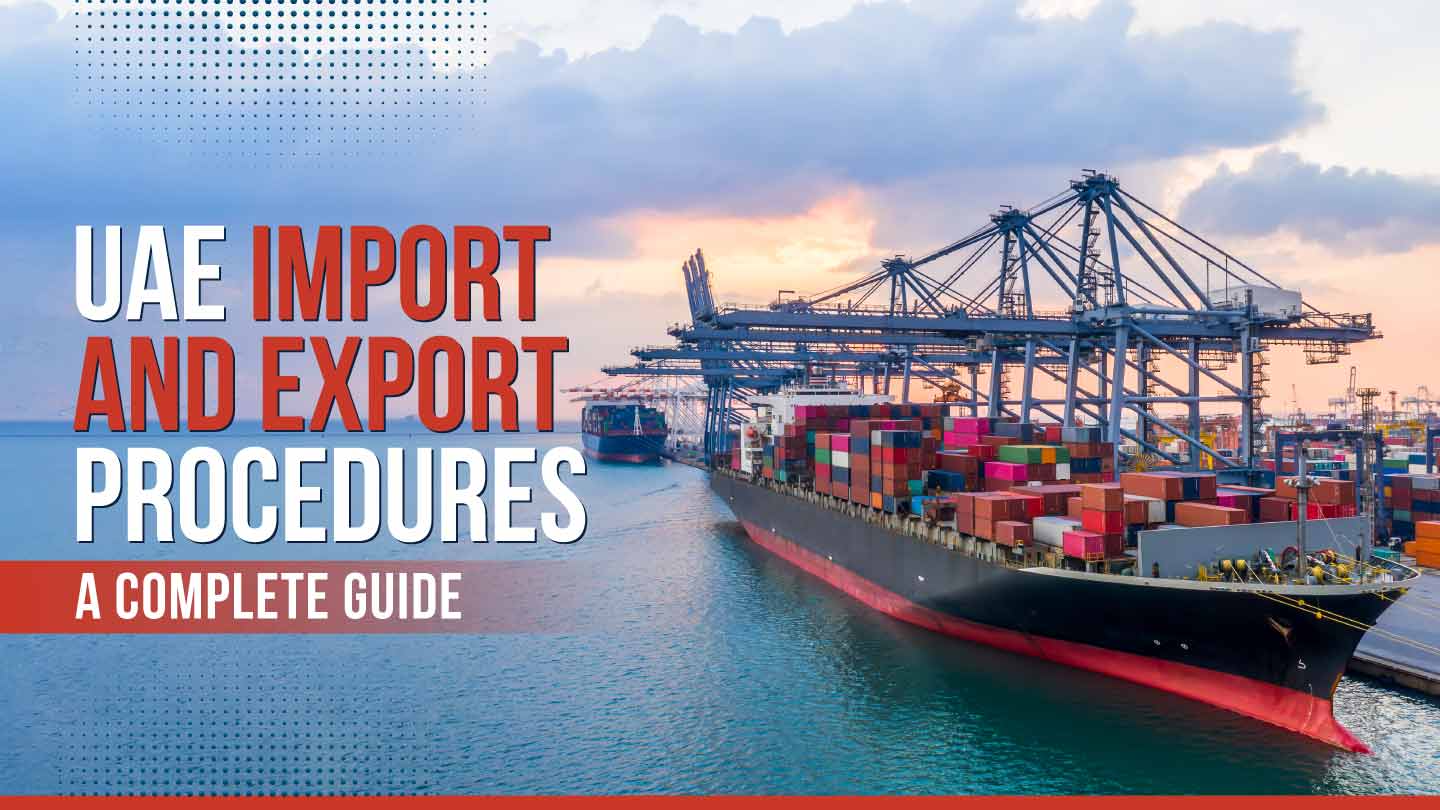
    Dubai is the hub of major economic activities in the Middle East. Businessowners from all over the world have shown interest in expanding their footprint to this international city. Conducting business in the UAE allows you to trade efficiently in global markets. The Dubai free zones attract entrepreneurs as they allow 100% expat ownership, don’t levy corporate tax or customs duty on import and export of goods. Moreover, the goods are allowed to be stored for an unlimited time.

    In the UAE, free zones are a part of the country’s physical territories but considered to be outside the jurisdiction of customs control. Therefore, import refers to getting goods into the country from abroad or from one of the UAE free zones to mainland, as well as vice versa, whereby goods are brought into the free zone from an onshore location within the country. Similarly, exporting refers to sending goods or services produced domestically to another countries, or between a UAE free zone and a mainland region. However, the licensing aspects require trading companies to follow legal procedures for licensing, documentation, and permissions.

    If you have a free zone company or are thinking of getting a Dubai free zone license, read on to learn about the import and export procedures in Dubai free zones.

    Importing and exporting in Dubai free zones

    Business setup in Dubai free zones are popular because of the simplified process of company formation as well as quick processing of trade license. The major regions – the Dubai Airport Free Zone, Jebel Ali Free Zone, Sharjah Airport International Free Zone – have access to the airports which allows them to transfer their goods easily, Customs Department offices, warehousing facilities, quick issuance of trade license, and other services to support their business.

    Other prominent free zones are Ras Al Khaimah Economic Zone (RAKEZ), International Free Zone Authority (IFZA), Sharjah Media City (Shams), Dubai Multi Commodities Centre (DMCC) and Dubai South.

    Suppose your trading company is registered under a Dubai free zone license, you can seamlessly boost your economic activities such as trading and shipping of goods by making the most of the free zone jurisdictions. The goods imported into the UAE from its free zones are monitored by several factors, including the type and validity of the free zone license.

    General provisions for trading companies in the free zone:

    • You must obtain an importer code from the customs
    • The imported goods must be in alignment with the activities listed under your Dubai free zone license
    • The imported stuff should reach the free zone within three days from the day of customs declaration
    • The receiver should not tamper with the goods by opening or altering them till the customs has have checked and cleared the same
    • Customs will inspect goods even when they are entering the free zones or stores
    • If you fail to submit all the documents required, you will have to deposit AED500 to clear the goods

    Importing into free zones

    To become an importer, you need to have a valid UAE trade license and register with the Customs Department. Other papers you will require include:

    • Delivery order from shipping agent or airline agent addressed to your free zone company
    • Delivery note from your company confirming the acceptance of goods
    • Second copy of the bill of lading (for sea) and original airway bill (for air shipment) and road manifest (for land shipment)
    • Import permit from the competent agencies in the free zones for restricted goods
    • Sale invoice from the licensee addressed to a licensed importer in the country detailing total quantity, goods description, currency, and the detailed total value
    • Certificate of origin approved by the chamber of commerce in the country of origin
    • Detailed packing list as per weight, method of packaging, etc.
    • Import goods declaration form

    You can go through the following checklist to know more about the Import and Export Business Opportunities in Dubai.

    Exporting from free zones

    Exporting goods to the international market from the UAE plays a vital role in global trade. Thus, the export procedures are comparatively simple. You have to make sure that all the documents required by the Customs Office is in place and sent to them well in advance. Below are the papers needed for exporting:

    • Instructions of the declaration of goods application or an approved export declaration certificate in your company’s name
    • The export permit from the customs for restricted goods
    • Sales invoice showing total quantity description and details of each item
    • Declaration of customs clearance

    If you are looking for a Dubai free zone company setup or a free zone license, what better way to do it than consult with Shuraa Business Setup. To book a free consultation with Shuraa’s free zone company formation specialist, call +971 44081900 or send a WhatsApp to +971 50 777 5554 or simply drop an email at info@shuraa.com.

  • How to Start a Business in Dubai Airport Free Zone?

    How to Start a Business in Dubai Airport Free Zone?

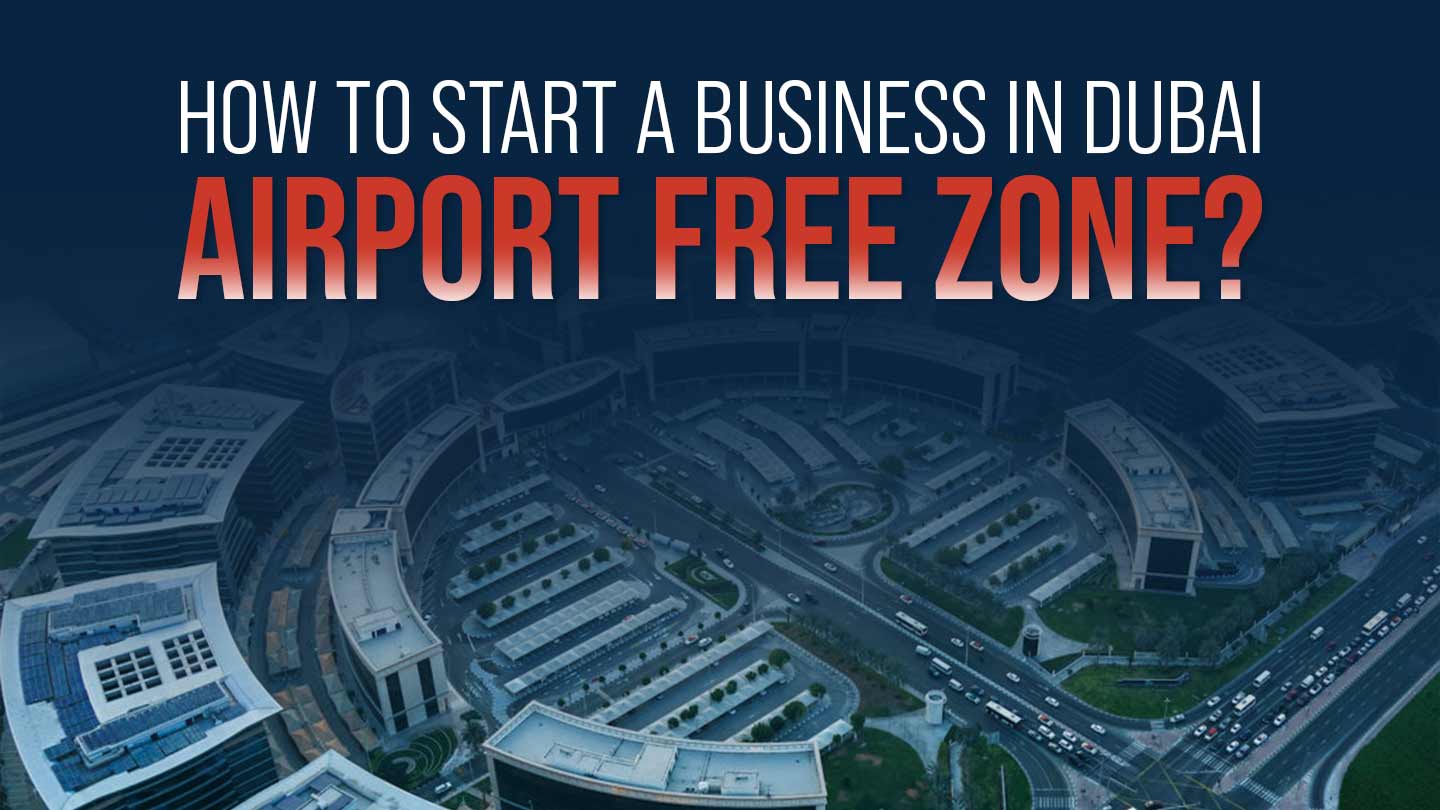
    The Dubai Airport Free Zone also called as DAFZA is one of the most economical-driven Free Trade Zone in Dubai. The UAE government has been keen on the initiative to diversifying DAFZA’s economy. The agenda is to promote Dubai as a destination of choice among foreign investors.

    Dubai Airport Free Zone is known to have an investment-driven global support. DAFZA is empowered by several businesses from around the world. The Free Trade Zone in Dubai also sees several business setups mainly from places such as; China, Singapore and other parts of Asia.

    The zone has attracts leading international and multinational companies from around the world each year. However, people are not sure how to start a business in this region.

    Benefits of Start a Company in Dubai Airport Free Zone

    Let know why is DAFZA a preferred location to start a business in Dubai:

    Strategic Location and Infrastructure:

    The Dubai Airport Free Zone’s strategic location offers comprehensive services and world-class facilities. These are exclusive to the Free Trade Zone. DAFZA is situated within Dubai International Airport boundaries. The Free Zone at present is hosting thousands of companies. The region accommodates sectors such as aviation industry, pharmaceutical industries, logistics & freight companies, IT and mobile phones factories and more. (Dubai Airport Free Zone official page)

    The Airport Free Zone in Dubai also has state-of-the-art infrastructure with 24/7 customs services, rapid cargo clearance,
    a dedicated logistics center, 24/7 security, logistics centre, inexpensive workforce, easy recruitment procedures, 25 years lease options, warehouse facilities and more.

    Taxation Leverage:

    DAFZ offers its investors several incentives on taxation. Tax leverages on corporate tax, percentage of tax exemption in addition to other incentives. The Dubai Airport Free Zone also provides leverages on import & export tax. There is 0% income tax, 100% foreign ownership, 100% exile on capital and profits along with zero currency restrictions.

    Certification and Awards:

    Dubai Airport Freezone has received several accreditation for the quality of the structural setups offered by DAFZA. DAFZA holds several ISO and OHSAS certification. Some of them are; ISO 50001 (Energy Management System), ISO 28001 (Security Management System), ISO 20000 (IT Service Management), ISO 10002 (Customer Complaints), OHSAS 18001:2007 (Occupational Health and Safety), ISO 9001:2008 (Quality Management System), ISO 14001:2004 (Environmental Management System) and ISO 27001:2005 (Information Security).

    Single Window System:

    DAFZA offers single window convenience for administrative services with an intention to increase the efficiency of international (cross-border) traders. Under a single-window businessman have the liberty to regulate documentation procedure with a single entity. Single Window system makes it easy to deal with governmental authorities. Obtaining any kind of clearance and permits is also easy. Such facilitates also saves time and money of the trader.

    Strong connections with Government:

    The government has been making steadfast motivation on the ambitious projects. The aim is to create DAFZA as a premier provider of business services for international customers. The UAE government aims to make the process of running a new business as easy as possible. Currently, the government provides swift amenities. Such as office space requirements, visa processing, registration, licensing and other operational and administrative services.

    How to start a business in Dubai Airport Free zone?

    To start a business in Dubai Airport Freezone, you need to book a free consultation with Shuraa’s company formation consultants. A company formation consultant will help analyse all the requirements, documentations, etc. The company formation consultant will follow the steps depending on the business activity and company type.

    The process of starting a company differs for each business activity. Thus, it is best to get bespoke solutions from a professional. With Shuraa Business Setup you can start a business in Dubai Airport Freezone in no time! Our company formation consultants offer cost effective solutions with regards to setting up business in Dubai Airport Freezone. We help you with easy steps to start a business in Dubai Airport Free zone.

    Our company formation consultants do not stick to the preconceived notions, but strategies every step towards starting
    your business in Dubai Airport Free Zone, with complete understanding of regulations and in-depth research.

    Speak to a consultant from Shuraa Business Setup today!

  • How to Register a Company in Dubai South Free Zone

    How to Register a Company in Dubai South Free Zone

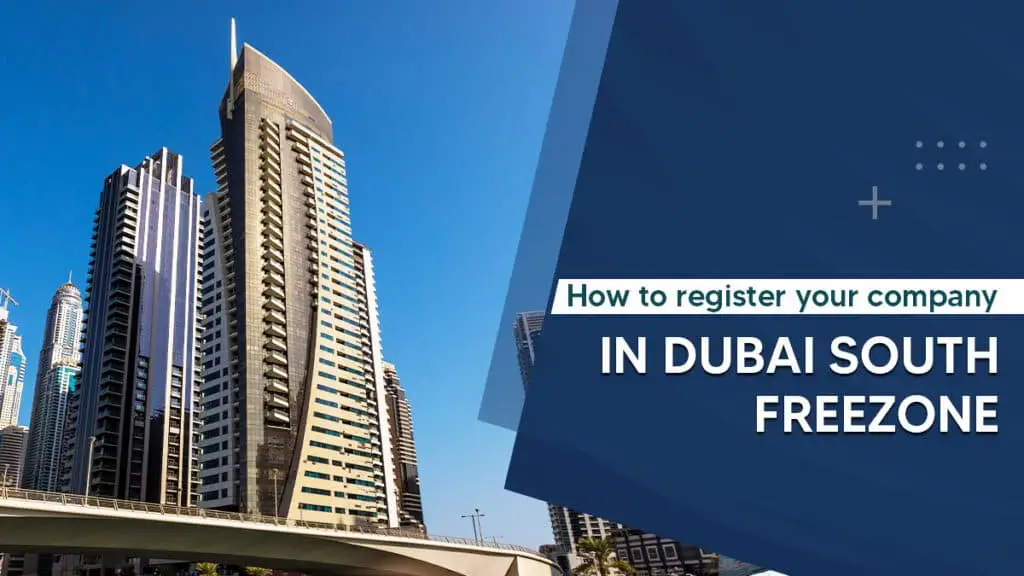
    Company registration at Dubai South Free zone is currently the top preferred destination among the businessmen in the UAE. In recent times, free zone company registration in Dubai South has gained an immense demand.

    The Dubai South Free zone is an integrated city with eight districts. Those are – Al Maktoum International Airport, Residential District and Commercial District. Along with the Exhibition District, Logistics District, Humanitarian District, Aviation District and Golf District. The Dubai South Free zone is constructed on a master plan that emphasises on the happiness index and a ‘purpose-built-city’. Registering a company in Dubai South could lead to several perks considering the wellbeing of commercial activities.

    These are not the only features that has increased the demand in company registration at Dubai South Free zone.

    Why free zone company registration in Dubai South is in demand:

    Year 2022

    Dubai South Free zone has become a key landmark for business enterprises. The region has scheduled ambitious project and events in the year 2020. Dubai South will be hosting global level exhibitions. Commercial support for such events can be catered by businesses in Dubai South Free zone itself. To take advantage of these opportunities, entrepreneurs have started to register in Dubai South free zone.

    Positioning

    One of the benefit of Dubai South free zone is that it enables you to position your company tactically. Dubai South Free zone is near the Al Maktoum International Airport which the world’s largest airport. The area links the Jebel Ali port through the logistics corridor. The Dubai government has planned major commercial projects in the location. This is to allow prospective collaborations and visibility for the businesses in the region.

    Flexible Work Setting

    Registering a company in Dubai South Free zone became opportune! The free zone offers business centres with varying sizes and flexible structures to fit every budget. Dubai company registration costs can be high. understanding the struggle of SME’s, the Dubai South Free zone has encouraged innovative work settings. The free zone initiates ways to accommodate a large scale of SME’s through path breaking projects in support of entrepreneurs willing to establish SME’s.

    Lesser Restrictions

    UAE free zone company formation does have a set of rules and limitations that entities need to abide in terms of nationality or business type. However, Dubai South free zone offers fewer limitations. Be it with regards to the nationality of the business owner, ownership terms of the company, visa sponsorship or sponsorship requirements. In comparison with other free zone companies in UAE, the Dubai South Free zone economic platform supports every conceivable business and has lesser restriction.

    Need more information on free zone company registration in Dubai South? or do you want to register free zone company anywhere else in the UAE? Contact Shuraa Business Setup.

    Shuraa Business Setup is a well-known business setup company offering comprehensive business setup solutions. To get a free consultation on business call us on +97144081900, Whats App +971507775554 or email info@shuraa.com.

    You may also book a free consultation online by clicking here Book free appointment.

  • Company Registration in Dubai Free Zones

    Company Registration in Dubai Free Zones

    Company registration in Dubai Free Zones is a promising option for any entrepreneur across the world. But there are a lot of things that need to be taken into consideration while registering a company in Dubai Free zone.

    What is a Free Zone?

    This first thing to understand is what exactly is a free zone. Dubai free zones are territoriality different from the Dubai mainland. This is an isolated land, not only distinct based on the jurisdiction but also has specialised rules governing the area.

    Free zone company formation in Dubai is apt to do business outside the country. A free zone company registration in Dubai could be cheaper option, but it deals with several restrictions on where, when and how a business must be regulated or conducted.

    What are the various Free Zones for Company Registration in Dubai?

    Company formation in Dubai free zones is one of the swiftest ways of incorporating a company in the UAE. There are a lot of free zones, but below listed are the most preferred free zones for company registration in Dubai.

    Jebel Ali Free Zone

    Jebel Ali Free Zone is one of the first UAE free zones. It is one of the most expensive free zones for company registration in Dubai. It also offers a wide variety of business opportunities and conveniences.

    DMCC

    DMCC is the fastest-growing free zone encouraging the trading sector and creating networking options for the country.

    Dubai Media City

    Dubai Media City is a hub for global media enterprises, that include news agencies, publishing houses, online media, advertising, broadcasting firms and more.

    Dubai Internet City

    Dubai Internet City comprises of world’s top internet and communications technology companies.

    Dubai Airport Free Zone

    DAZFA is a booming jurisdiction for transport and logistics sector it also promotes the import and export of the country.

    DIFC

    The DIFC (Dubai International Financial Centre)caters several companies providing financial services. Currently it houses over 1327 companies.

    Dubai South Free Zone

    Company formation in Dubai South Free Zone comes with an integrated urban ecosystem enabling business personnel to develop substantial cost-effective business formulations and time management in dealings.

    Difference between FZE and FZCO:

    While registering a company in Dubai free zones it is crucial to understand the difference between a free zone establishment and a free zone company formation in Dubai.

    Free zone Establishments have single shareholder. Whereas a Free zone Company are similar to limited liability company. A free zone company has 2 or more shareholders.

    Even though both provide the same functioning and operational measures, the major difference is in the share capital requirement.

    Advantages of company formation in Dubai Free Zone

    1. Company formation in Dubai free zone offers 100% foreign ownership.
    2. Free zone companies can enjoy limited taxation on personal income and capital gains.
    3. Free zone companies have no corporate taxes and offer 0% duties on import or export.
    4. By registering a company in Dubai free zone you can have 100% repatriation of capital and profits.
    5. Liberal labor laws and easy recruitment process is a major benefit of free zones.

    Disadvantages of company formation in Dubai Free Zone

    1. Free zones companies have restrictions on doing business in Dubai or anywhere inside the country.
    2. Company registration in Dubai free zones sometimes also demand for a fixed investment.
    3. Dubai free zones companies cannot do business in Dubai Mainland.
    4. Registering a company in Dubai free zone limits you to rent an office space only in the designated free zone.
    5. Free zone companies cannot have a branch office. You will have register a new company, different from the parent company.

    Choose precisely while registering a company in Dubai Free zones:

    Having suitable knowledge about company registration in Dubai free zone is a must!

    Dubai free zones offer various options with regards to jurisdiction, legal type, legal structure, the process of establishment, etc. Thus, before registering the company in Dubai freezone make sure that you have all the information suitable for your business a then make the decision.

    You also need to know that there are industry specific free zones in Dubai, and you can opt whichever region suits your commercial requirements.

    Step by step process of company registration in Dubai Free Zone:

    Setting up a business in a free zone is relatively easier. Free zone authorities require minimum paperwork and duration. Here are the key steps to free zone company formation in Dubai.

    • Choose a business activity (or activities)
    • Find a free zone.
    • Choose a company name.
    • Make your license application.
    • Applying for visas
    • Opening your corporate bank account

    Get guidance before registering a company in Dubai Free zones:

    Guidance from company formation advisors or business setup consultants is the best option under this scenario. Business Setup experts help you to understand the right jurisdiction as per your business needs.

    They do not only tell you the perks of free zone, but also analyse whether a free zone or a mainland business set up in Dubai would be best for your company.

    Register your company with the help of experts. Contact Shuraa Business Setup – the leading business setup service providers in the UAE. We help you with Free zone and Offshore company formation, LLC business setups as well as commercial management consultations in Dubai and all over UAE.

    Call us on +971 44081900 or WhatsApp +971 507775554. You can also email us on info@shuraa.com or simply log on to shuraa.com

  • Free Zone vs. Mainland: Detailed Explanation

    Free Zone vs. Mainland: Detailed Explanation

    Dubai is one of the most popular places in the world to start a business. Entrepreneurs from all over choose Dubai because of its great location, business-friendly rules, modern infrastructure, and tax benefits. If you’re planning to start a business in Dubai, one of the first things you’ll need to decide is whether to open your company in the Mainland or in a Free Zone.

    And this isn’t just a paperwork thing. The difference between mainland and freezone in Dubai affects everything from how much control you have over your company, to where you can do business, and how much it’ll cost to run. Pick the right one, and you’re set up for growth. Pick the wrong one, and you might hit a few walls.

    In the UAE, businesses can be established in either a mainland or a free zone. Mainland companies operate under the regulation of the Department of Economic Development (DED) and can conduct business throughout the UAE and internationally. Free zones are designated areas with their own independent regulatory bodies, offering benefits like 100% foreign ownership and tax exemptions, but often with restrictions on operating within the mainland.

    Not sure which one suits your business? Don’t worry, we’ll break it down in a simple, clear way so you can make the best choice for your goals.

    What is a Mainland Company in Dubai?

    A Mainland company in Dubai refers to a business that is registered and licensed by the Department of Economic Development (DED). This type of company is allowed to operate anywhere in the UAE, including on the mainland, in Free Zones, and even internationally, without restrictions.

    Mainland businesses have the freedom to trade directly with the local market and take on government projects. This makes it an ideal choice for those who want full access to all business opportunities across the UAE.

    Today, even 100% foreign ownership is allowed for most business activities under Mainland licenses (subject to the activity and DED approval), making it even more attractive to international investors.

    Key Features of a Mainland Company:

    • Can do business across the UAE and globally
    • Licensed by the Department of Economic Development (DED)
    • Eligible for unlimited visa quotas (based on office size)
    • Can bid for UAE government projects and contracts
    • Full foreign ownership is allowed for most activities
    • Physical office space is mandatory
    • Subject to UAE corporate tax laws and compliance requirements

    What is a Free Zone Company in Dubai?

    A Free Zone company in Dubai is a business entity registered under one of the many Free Zone Authorities (FZAs) in the UAE. These zones are special economic areas designed to attract foreign investment by offering 100% foreign ownership, tax benefits, and simplified company setup processes.

    Free Zone companies are primarily set up to conduct business within the Free Zone itself or internationally. If they wish to operate in the UAE mainland (outside the zone), they must work through a local distributor or service agent. This makes Free Zones a popular choice for companies focused on import/export, e-commerce, consulting, media, and tech services.

    There are over 40 Free Zones in the UAE, with some of the most well-known being:

    Key Features of a Free Zone Company:

    • 100% foreign ownership, no local partner required
    • No customs duties on imports and re-exports within the zone
    • Fast and cost-effective company setup
    • Office space is optional in some zones (e.g., flexi-desks, virtual offices)
    • Limited to doing business inside the Free Zone or internationally
    • Must use a UAE distributor to trade in the mainland
    • Access to world-class infrastructure and sector-specific zones
    • Tax exemptions (e.g., import/export duties, corporate tax for qualifying zones)

    What are the Key Differences Between Mainland and Free Zone in UAE?

    Choosing between a Mainland and Free Zone company is a major step in setting up your business in Dubai. Here’s a side-by-side comparison to help you understand the difference between mainland and freezone companies and decide which one suits your goals best:

    AspectMainland CompanyFree Zone Company
    Governing AuthorityLicensed and regulated by the Department of Economic Development (DED) of the respective emirate.Regulated by the Free Zone Authority (FZA) specific to that zone (e.g., DMCC, IFZA, JAFZA).
    Business ScopeCan do business anywhere in the UAE, including directly with the local market and government.Can do business within the Free Zone and internationally. Needs a UAE agent or distributor for mainland operations.
    Ownership100% foreign ownership allowed for most business activities (as per latest UAE reforms).100% foreign ownership always permitted—one of the key benefits of Free Zones.
    Office Space RequirementMust lease a physical office space in the UAE; office size can affect visa quota.Office space is often flexible, with options like flexi-desk, virtual office, or shared workspaces.
    Visa EligibilityNo cap on visas; depends on office size and nature of the business.Limited number of visas depending on the package or facility leased in the Free Zone.
    Setup CostGenerally higher, due to DED licensing fees, office rent, and broader compliance.Usually more affordable, especially with packages offering shared spaces and bundled services.
    Company Setup TimeCan take 7–14 business days depending on approvals and documentation.Usually faster, setup can be completed in 2–7 days in some Free Zones.
    Access to Local MarketDirect access to UAE market and can deal with clients across the country.No direct access to local UAE market unless working with a licensed distributor or agent.
    Corporate TaxSubject to 9% UAE Corporate Tax (if revenue exceeds the threshold).May qualify for 0% tax under Free Zone tax benefits if they meet specific criteria (Qualifying Free Zone Person).
    Customs DutyCustoms duties apply when importing goods into UAE mainland.Customs-exempt for trading within the Free Zone or for re-exporting.
    Audit RequirementAnnual financial audit is mandatory for many license types.Varies by Free Zone, some require audits, others don’t.
    Regulatory ComplianceRequires DED approvals, renewals, and compliance with UAE labour laws.Easier compliance due to streamlined processes within Free Zones.
    Bank Account OpeningEasier to open a corporate bank account due to higher credibility in local trade.Some banks may be more cautious; approval may take longer in certain zones.
    Range of ActivitiesWide range of activities including retail, manufacturing, construction, consultancy, and more.Limited to activities approved by the specific Free Zone. Often focused on trade, services, tech, or media.
    Government ContractsEligible to apply for government and semi-government tenders.Not eligible to apply for tenders directly.
    Reputation and CredibilityOften seen as more established and flexible for local partnerships.May be seen as niche or limited for certain business activities.
    Expansion OptionsEasy to expand across UAE with branches, offices, and partnerships.Expansion into mainland requires additional licensing or restructuring.

    Note: To know more about the difference between mainland and freezone, talk to our business setup experts at Shuraa.

    Cost Comparison: Free Zone vs. Mainland

    Cost is a key factor when choosing between a Free Zone and a Mainland business setup in Dubai. Free Zone setups are generally more affordable, especially for startups and small businesses. Many Free Zones offer bundled packages that include license fees, visa quotas, and even shared office space. These packages can start from as low as AED 6,000. Visa costs usually range between AED 3,000 and AED 6,000, but are limited by the size of your office or package.

    Mainland setups involve higher upfront and ongoing costs. Business licenses typically range from AED 12,000 to AED 15,000+, and having a physical office is mandatory. Visa costs are similar to Free Zones but come with the advantage of unlimited visa eligibility (based on office size). Additional costs may include approvals, audit fees, and renewals.

    Pros and Cons of Setting Up in the Mainland

    Mainland company formation is ideal for businesses targeting the UAE market directly. However, here’s what you need to consider before setting up.

    Pros:

    • Full access to the UAE market: Mainland companies can trade anywhere in the UAE without restrictions, including working directly with customers, suppliers, or partners across all Emirates.
    • Eligible for government projects: Only Mainland companies can bid for and execute UAE government and semi-government contracts.
    • Unlimited visa quota: Unlike Free Zones, which cap visas based on office space or packages, Mainland businesses can apply for as many visas as needed, depending on the size of their physical office.
    • Wide variety of business activities: Mainland licenses cover a broad range of activities, including trading, real estate, manufacturing, logistics, restaurants, and more.
    • Scalability and branch expansion: Mainland companies can easily open branches across the UAE without being restricted by zone boundaries.

    Cons:

    • Higher setup and operational costs: Mainland licenses and office spaces typically come at a premium compared to Free Zone packages. Expect additional fees for registration, approvals, and compliance.
    • Mandatory office requirement: You must lease a physical office in Dubai or another emirate, even if your operations are small or remote.
    • More complex regulatory process: Setting up and renewing a Mainland license may involve more paperwork, inspections, and approvals, depending on your business activity.
    • Annual audit requirements: Many Mainland companies must submit audited financial reports every year, which adds to the cost and administrative burden.

    Pros and Cons of Setting Up in a Free Zone

    Free Zones are perfect for startups and international businesses looking for cost-effective setup and full foreign ownership. But like any setup, they come with a few limitations.

    Pros:

    • 100% foreign ownership guaranteed: You have full control of your business without needing a local sponsor, regardless of your activity or nationality.
    • Affordable setup with flexible packages: Many Free Zones offer startup-friendly packages that include the trade license, shared office space, and visa quota at a low fixed price.
    • Faster and easier company formation: Free Zones have streamlined processes, often allowing you to register a business within a few days with minimal paperwork.
    • Attractive tax benefits: Qualifying Free Zone companies can enjoy 0% corporate tax, no import/export duties within the zone, and 100% repatriation of capital and profits.
    • Optional office space: Many Free Zones allow virtual offices or flexi-desk options, helping reduce rental costs if you don’t need a full-time physical space.

    Cons:

    • No direct access to UAE mainland market: You cannot directly sell or provide services to clients in the mainland unless you appoint a licensed local distributor or service agent.
    • Visa limitations: The number of employee visas you can apply for is often limited by the office space or the package you select.
    • Restricted business activities: Each Free Zone focuses on specific sectors (e.g., tech, media, logistics), so your business activity must match the zone’s allowed categories.
    • Cannot work with the UAE government: Free Zone companies are not eligible to apply for public sector or government tenders unless they open a mainland branch.

    How Shuraa Can Help You Decide

    Both Mainland and Free Zone setups are great options for starting a business in Dubai. Free Zones are ideal if you want full ownership, lower setup costs, and plan to deal with international clients. Mainland companies are better if you want to do business across the UAE, work with local clients, or grow a large team. The right choice really depends on what your business needs.

    At Shuraa Business Setup, we’ve been helping entrepreneurs for over 26 years and know both Mainland and Free Zone setups inside out. Our team will listen to your goals and suggest the best option for your business, plus handle all the paperwork and approvals for you.

    Need help deciding? Just get in touch with us, and we’ll guide you every step of the way to set up your business smoothly and confidently in Dubai.

    Frequently Asked Questions (FAQs)

    1. What is the difference between Free Zone and Mainland companies in Dubai?

    Free Zone companies are limited to operating within their zone or internationally, while Mainland companies can trade across the UAE without restrictions. The Mainland also allows access to government contracts and a wider range of activities.

    2. What is the process of business setup in the Dubai Mainland?

    To set up business in Dubai mainland, follow these steps:

    • Choose your business activity
    • Reserve a trade name through DED 
    • Get initial approval from DED 
    • Lease a physical office space 
    • Submit required documents (passport copy, application form, tenancy contract, etc.) 
    • Pay fees and receive your mainland license

    3. How to set up a business in a Dubai Free Zone?

    To establish a business in Dubai Free Zone, follow these steps:

    • Select a Free Zone that suits your business activity
    • Choose the type of license (commercial, professional, industrial, etc.)
    • Submit application and documents (passport copy, business plan, etc.)
    • Choose workspace (flexi-desk, shared office, or full office)
    • Pay fees and receive your Free Zone license

    4. Can a Free Zone company do business in the UAE mainland?

    Not directly. Free Zone companies must appoint a local distributor or agent to sell products or services in the mainland.

    5. Can I get UAE residence visas with both options?

    Yes. Both Mainland and Free Zone companies allow you to apply for investor and employee visas. However, visa limits in Free Zones depend on office size or package.

    6. Which is cheaper to set up – Mainland or Free Zone? 

    Free Zone setups are generally more cost-effective, with flexible packages and lower startup costs. Mainland setups may be more expensive due to office requirements and broader licensing.

    7. How can I decide which setup is right for my business?

    It depends on your goals, budget, and target market. You can speak to experts at Shuraa Business Setup for free guidance tailored to your business activity.

    Disclaimer: The information in this post is for general guidance only and may change due to updates in government policies or regulations.

  • Can a Free Zone Company Do Business in the Mainland?

    Can a Free Zone Company Do Business in the Mainland?

    Dubai has always been a popular place to start a business, with two main areas to choose from. Free Zones and the Mainland. The UAE’s free zones offer numerous benefits, including 100% foreign ownership, tax exemptions, and streamlined business setup processes.

    However, one common question among entrepreneurs is: Can a free zone company do business in mainland UAE?

    The answer is yes, but with certain conditions and requirements. In 2025, Dubai introduced a new rule that allows Free Zone companies to operate in the mainland more easily. This means businesses can now reach more customers, grow faster, and save costs, all while following clear legal steps.

    Let’s explore how this works, what the recent legal changes in Dubai mean, and how a free zone business can expand to the mainland.

    Understanding Free Zone vs. Mainland in the UAE

    To understand why this new change matters, let’s first look at how Free Zone and Mainland businesses in Dubai work differently.

    Free Zone: Companies are set up to operate within a specific economic zone such as International Freezone Authority (IFZA), Ajman Free Zone, Dubai Multi Commodities Centre (DMCC), and Dubai World Trade Centre (DWTC). They benefit from full foreign ownership, tax exemptions, and customs privileges but are restricted from directly doing business in the mainland.

    Mainland: Companies can operate anywhere in the UAE, including doing business directly with government entities and mainland-based customers. These entities are licensed by the Department of Economic Development (DED) or the equivalent authority in each emirate.

    Can a Freezone Company Do Business in the Mainland?

    Generally, a free zone company in the UAE cannot conduct business directly in the mainland unless it obtains a specific mainland license.

    However, in March 2025, Crown Prince Sheikh Hamdan bin Mohammed bin Rashid Al Maktoum, Chairman of Dubai’s Executive Council, issued Executive Council Resolution No. 11 of 2025. This important resolution allows companies licensed in Dubai’s Free Zones to legally operate on the mainland, so long as they obtain the right licenses or permits from the Dubai Department of Economic Development (DED).

    This means companies set up in over 40 Free Zones across Dubai can sell their products and services directly in the mainland. This also means they no longer need third-party distributors or local service agents to reach customers in the mainland.

    Under the new rules, Free Zone companies (excluding those licensed in the DIFC) can apply for:

    • A branch license in Dubai’s mainland.
    • A mainland branch license, while keeping their headquarters in the Free Zone.
    • A temporary activity permit to carry out specific operations onshore.

    This policy also supports a broader economic goal known as Dubai’s Economic Agenda D33. The D33 plan aims to double the size of Dubai’s economy by 2033 and ensure the emirate ranks among the world’s top three economic cities. By allowing mainland access for Free Zone businesses, Resolution 11 strengthens the city’s integrated and growth-focused business ecosystem.

    It is important to note a key exception: the resolution does not apply to financial institutions licensed under the Dubai International Financial Centre (DIFC), which operates under its own distinct legal framework.

    How Can a Free Zone Company Trade in the Mainland?

    Under the new 2025 resolution, Free Zone companies in Dubai can now legally operate in the mainland, but it must be done through the right channels. Here’s how:

    1. Establish a Mainland Branch License

    Free Zone companies can set up a branch office in Dubai Mainland. This branch is not a separate legal entity, it operates under the parent Free Zone company’s name and license.

    Key Points:

    • The branch must obtain a Mainland trade license from DED.
    • The parent company remains legally responsible for the branch’s activities.
    • This option allows companies to carry out their full range of business activities in the mainland (depending on the approved license).
    • Physical office space in the mainland may be required, depending on the activity.

     2.  Apply for a Special Activity Permit

    For companies not ready to set up a full branch, DED also offers a special activity permit, allowing Free Zone businesses to conduct limited or temporary operations in the mainland.

    Ideal for:

    • Short-term projects or contracts.
    • Providing services to mainland clients.
    • Testing the mainland market before full expansion.

    Conditions may include: 

    • Clear description of the activity to be performed.
    • Duration of the work or service.
    • Approval from both DED and the Free Zone authority. 

    Keep in mind, whether you choose a branch license or a special permit, the license/permit is valid for one year. It must be renewed annually to remain valid. Companies must also comply with all local regulations, including maintaining proper accounting records and fulfilling tax obligations.

    Which Industries Set to Gain Most?

    The new policy is a game-changer for several industries, especially those that previously faced roadblocks reaching customers or clients in the mainland. Here are some sectors likely to benefit the most:

    • E-Commerce & Online Retail: Free Zone businesses can now deliver products directly to customers in the mainland, without needing third-party agents.
    • IT & Tech Companies: Software firms, app developers, and IT service providers can offer solutions directly to mainland-based businesses.
    • Consulting & Professional Services: Marketing firms, HR consultancies, design studios, and management advisors can serve a wider market without opening a separate mainland company.
    • Trading & Import-Export Businesses: Companies involved in trading, logistics, or distribution can now operate more freely and cut down on intermediaries.
    • Health, Wellness & Education: Specialised training centres, wellness brands, and health tech startups from Free Zones can now legally serve the growing demand in the mainland.

    What are the Operational & Compliance Requirements?

    Free Zone companies expanding into the mainland must follow some important rules to stay compliant:

    1. Separate Financial Records

    Businesses must maintain separate books of accounts for their Free Zone operations and their Mainland activities. This ensures transparency and helps authorities clearly assess tax, audit, and regulatory compliance for each area.

    2. Follow All Federal & Local Laws

    Mainland operations must fully comply with all UAE federal laws and local Dubai regulations, including:

    • Anti-Money Laundering (AML) policies.
    • Corporate governance standards.
    • Consumer protection and VAT laws, where applicable.

    This means businesses need to ensure proper record-keeping, transparent reporting, and internal controls in place, just like any other onshore company.

    3. DIFC Companies are Exempt

    Companies licensed in the Dubai International Financial Centre (DIFC) are not part of this new resolution, as DIFC operates under its own independent legal framework and financial regulations. So, DIFC-licensed firms will continue under their existing rules for now.

    Ready to Expand into the Mainland? Here’s Your Next Step

    The new resolution is a big step forward for businesses in Dubai. Free Zone companies can now easily offer their products and services in the mainland without needing a local agent or distributor. It’s a great chance to grow, reach more customers, and take your business to the next level.

    If you’re not sure how to begin, Shuraa Business Setup is here to make things easy. We’ll help you apply for the right license or permit, handle the paperwork, and make sure you follow all the rules. With over 26 years of experience, we’ve helped thousands of businesses grow, and we can help you too. Reach out to us today!

    You Might Also Like:

  • Which freezone would be good for a startup company in UAE?

    Entrepreneurs and businessmen wanting to establish a UAE start-up company without a local partner generally opt for freezone company formation. Freezone jurisdictions offer complete ownership or sole proprietorship – which has been the major highlight for startup companies in the UAE to prefer freezone areas for business or company setup. Free zone company setup in Dubai and across UAE have lesser restrictions and minimum capital requirements with hassle-free measures to start a company. Thus, a large number of investors seek for a business startup in freezones. Moreover, with a low-cost business setup in Dubai and UAE freezones along with jurisdictional benefits and regions offering cheapest free zone license in UAE – it is the most convenient place for any startup company.

    Nevertheless, which are the free zones that prove to be the best for a startup company in UAE:

    Freezone business setup in Dubai

    A freezone business setup in Dubai, UAE can be an extremely fruitful venture, that can offer numerous occupational networks and business opportunities in Dubai. While there are several freezones listed by various authorities in Dubai, the best one is the Dubai South Freezone. Freezone company formation in Dubai South can serve as a multi-purpose freezone jurisdiction providing various business startups a foundation to not only establish themselves but also make their presence known in the commercial market. The freezone that is located near the Jebel Ali Port and the Al Maktoum International Airport. The jurisdiction is a groundbreaking convention center hosting world-class project and events that can provide immense exposure to startup businesses. Dubai South also offers startup businesses and companies the feasibility and facilitate to extensively transport and trade among around the world.

    Ajman Freezone Business Setup

    Another jurisdiction for freezone company formation in UAE excellent for startups is the Ajman Freezone. Ajman free zone business setup is known as the most sought-after destination among start-up entrepreneurs and Small and Medium Enterprises (SME), mainly for its affordability and extensive infrastructure. Furthermore, options such as flexi-desk, flexi-office setups, infrastructural perks, access to freehold property, privacy for investors with limited reporting obligations – makes it the best for business startups in UAE.

    Ajman free zone trade license fees is also the best and cheapest among the other UAE freezone licenses, moreover, Ajman offers easy procedures and convenient option on prices for starting a business in comparison to the cost of company setup in freezone UAE.

    If you are still searching for more possibilities or would like to know about other freezone company formation jurisdictions contact Shuraa Business Setup right away! Shuraa does not only provide you a consulted point of view with regards to company formation depending on your business activity and budget but also aids you through all the necessary documentation and permission to establish a business startup in UAE.